The Exasperated Historian
Menu
  • Home
  • The Women’s List (New)
  • The Men’s List
  • The Animal List
  • Collections
  • The Blog
  • Contact Us
  • FAQ
Menu

Category: Birth Locations

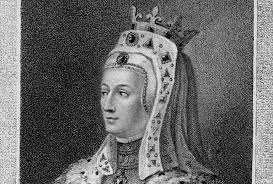
1032) Isabella of France

Courtesy of ThoughtCo

1032: Isabella of France

English Queen Remembered as the She-Wolf of France

Born: c.1292-1296, Paris, France

Died: 23 August 1358, Castle Rising, Norfolk, England (Present-day Norfolk, England, United Kingdom)

Isabella was an English Queen who refused to fade into the background of the history books. She dealt with her husband’s boyfriends as long as she could, but eventually a girl can only take so much before she snaps. And when Isabella snapped, her husband paid dearly.

Isabella was the daughter of Philip IV of France and Joan I who was queen regnant of Navarre. Isabella was raised with her mother’s strong influence, and saw firsthand just how effectively a woman could rule. She was also raised in a loving home; her parents showed actual affection for each other unlike most couples of the era. Isabella was also well educated and grew to love books.

When she was twelve (if you believe the latter birth year), she was married off to the King of England, Edward II (who was twenty-three at the time). The only issue? Edward was gay. This isn’t even a historical debate like most historical figures from centuries back, where their inclusion in the LGBT community can only be theorized. Edward was hella gay, and he didn’t even hide it.

At the time of their marriage, Edward’s boyfriend was a man named Piers Galveston. Galveston did his best to embarrass Isabella, including one story that says he showed up to her wedding dinner wearing some of Isabella’s finest clothes and sitting beside the king in the place of honor (though some say this is a later fabrication and not an actual historical fact). What is a fact is that the tapestry created to honor the new king and queen was weaved with the family crests of Edward and, you guessed it, Galveston! Isabella, being only a teenager in a strange land at the time, took these slights as best she could, but to say her marriage was off to a rough start was an understatement.

Galveston was murdered in 1312. Unsurprisingly, the English barons were unpleased by their king flaunting his appreciation of his own sex while his queen sat by the wayside (though she was pregnant with their first child by this time). Isabella intervened on her husband’s behalf, trying to make peace between monarch and the aristocracy. While a peace was established for the time being, her work was more of a patch job than an actual lasting peace treaty. Isabella and her husband eventually had four children in total.

Edward was such a bad king, he is mostly remembered today for losing at the Battle of Bannockburn, in which Robert the Bruce eventually reclaimed the kingdom of Scotland for the Scots. Yeah, Edward was that English king (and no, Isabella never met William Wallace, in fact, William Wallace died a few years before Isabella ever even married Edward II—sorry Braveheart fans). During that war, Isabella was separated from her husband while three months pregnant. She wrote to Edward, asking him to return to her side to help her escape the Scottish warriors who were fast approaching. Instead of complying, Edward headed further south while Isabella received aid from the English barons. Two of her ladies in waiting were killed as Isabella narrowly escaped with her life.

Several years later, Edward had landed on a new favorite named Despenser. This boyfriend was even worse than Galveston had been, and some historians believe he may have gone so far as to either attempt or actual succeed in assaulting Isabella to keep her compliant. Isabella was stripped of her lands and lost custody of some of her children. Some even go so far as to say Despenser and Edward threatened to kill her if she stepped out of line.

Isabella was done taking her husband’s s*** however. Instead, she sailed for France under the guise of forging better relations between her husband and the French king, who by then was Isabella’s brother.

Once in France, Isabella requested her husband send their son, the heir to the throne, over to France to further these peace talks. Once their son arrived in France, Isabella refused to send him back, effectively holding the future of the English monarchy in her hands.

While in France, Isabella began an affair with an English knight who had fled his homeland after earning the ire of the king, also known as Isabella’s husband. Together, Isabella and her new beau Roger Mortimer hatched a plot to take England for themselves. They would get rid of Edward II and rule the country until Isabella’s son was old enough to rule in his own right.

And wouldn’t you know it, the plan worked.

When Isabella returned to England, the barons, who were at that point so fed up with their useless king, immediately backed Isabella’s side of the fight. Edward was removed from the throne and tossed in prison (this being the first instance of an abdication of an English king in history), while Despenser was brutally murdered. I’m sure Isabella watched the proceedings with a rue smile on her face.

The following year, Edward wound up dead. So sad; I’m sure everyone cried when they found out.

After a few years of ruling as her son’s regent, Isabella’s son, Edward III, got fed up with his mother and quasi-stepfather’s meddling. Edward had Roger executed and forced his mother into an early retirement. Isabella spent the rest of her life enjoying her new status as Dowager Queen and even joined an order of nuns.

Isabella remained close with her daughter, Joan. Joan became Queen of Scotland after marrying King David II, but Joan dumped the king and moved back in with her mother after discovering he was cheating on her. It would seem Joan learned well from her mother.

Isabella’s son, Edward III, claimed the French throne as his own after all of Isabella’s brothers died without daughters. The throne passed to Isabella’s male cousin, ending the Capetian Dynasty and launching the Valois. Unfortunately, Edward’s claimant to the throne would kick off a small conflict known as the Hundred Years’ War; which I’m sure you’ve heard of. So yeah, to say Isabella’s influence was felt long after her death would be an understatement to say the least.

Badges Earned:

Find a Grave Marked

Rejected Princess

Located In My Personal Library:

The Plantagenets: The Warrior Kings and Queens Who Made England by Dan Jones

Princesses Behaving Badly by Linda Rodriguez McRobbie

Queens of the Conquest: England's Medieval Queens Book One by Alison Weir

Tough Mothers by Jason Porath

Sources:

https://www.britannica.com/biography/Isabella-of-France

https://www.rejectedprincesses.com/princesses/isabella-of-france

https://www.historyextra.com/period/medieval/isabella-france-rebel-queen-invasion-england-deposition-husband-edward-ii/

https://www.englishmonarchs.co.uk/plantagenet_27.html

https://www.findagrave.com/memorial/8333086/isabella_of_france
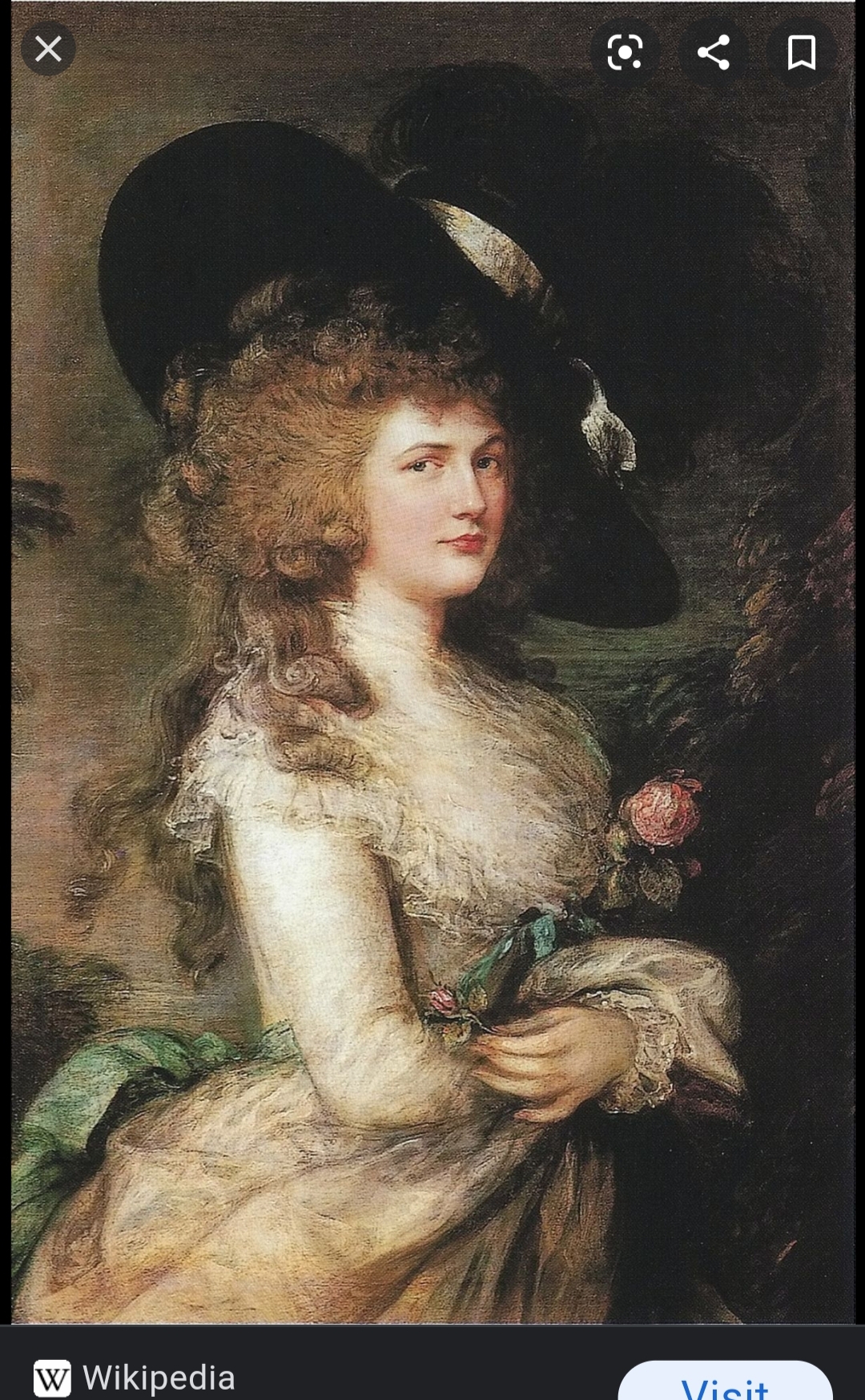
1031) Georgiana Cavendish

Courtesy of Wikipedia

1031: Georgiana Cavendish

Duchess of Devonshire

Born: 7 June 1757, Althorp, Northamptonshire, England (Present-day Althorp Estate, England, United Kingdom)

Died: 30 March 1806, Devonshire House, Greater London, United Kingdom (Present-day Piccadilly, London, United Kingdom)

Georgiana was born to the affluent Spencer family and held the titles of Honorable and later Lady growing up. One of her more famous descendants was Diana, Princess of Wales.

As a child, Georgiana’s family pronounced her name Jor-jee-ah-nah, but after she married, she changed the pronunciation to her husband and his family’s pronunciation of Jor-jay-nuh.

Georgiana, or Gee to her close friends, is best remembered for her incredible fashion sense and her keen mind for politics. Living in the Georgian era of English history meant Georgiana, as well as the rest of women among the aristocracy and peasant classes both, were just starting to become involved in politics and had to figure out how to navigate these new waters while still retaining their place in society. Women were not able to vote at the time, but Georgiana became the central advocate for the Whig Party, bringing attention and new votes to the party.

Georgiana was the oldest child in her family. Her father went on to become the 1st Earl Spencer, while her mother became Countess Spencer. Georgianna had two younger siblings, Henrietta and George.

On her seventeenth birthday, Georgiana married William Cavendish, the fifth Duke of Devonshire, who was eight years older than her. It was an arranged marriage and was a largely unhappy one. Though they would have three children together (along with multiple heartbreaking miscarriages), both William and Georgiana were unfaithful and spent years living in the same house but leading separate lives.

Georgiana and William had two daughters and a son. Their daughters, born first, were named Georgiana Dorothy (Little G) and Harriet Elizabeth (Harryo). Finally, in 1790, after sixteen years of marriage, Georgiana gave birth to a son (and heir to the dukedom), William George Spencer Cavendish. The family also cared for William’s illegitimate daughter Charlotte, who was older than his legitimate children. Before the birth of her son, Georgiana was not permitted to take a lover for fear of who the legitimate father of the child would be. However, after giving birth to her son, Georgiana was finally free to embark on a great love affair of her own. In 1791, the duchess began having an affair with Charles Grey, an earl and later the Prime Minister. Within a few months of their romance blossoming, Georgiana discovered she was pregnant.

Georgiana’s husband told her she had a decision to make. Either give up her unborn child and her lover or never see her three already living children again. Georgiana went to France to secretly give birth. Her daughter Eliza was given away to Charles Grey’s family, and Georgiana’s husband refused to allow his wife to return home for two long years to punish her for her indiscretion. Meanwhile, his own lovechild Charlotte was still living at home! Eliza grew up believing Georgiana was simply a kind woman who took an interest in her as an aunt-figure, while Charles was her much older brother. Eliza was a grown woman before she knew the truth, and only then after Georgiana herself had died. Eliza named her own daughter Georgiana in tribute to her biological mother.

The duchy Georgiana found herself tied to through her marriage meant she had access to considerable sums of money. With that money, Georgiana brought a new sense of fashion to the English aristocracy, including the tall hairstyles better known in the French courts. She spent her evenings hosting large social events, while her husband was usually off playing cards at a private club far from home. Georgiana also was a known gambling addict, and spent much of her life racking up considerable debt with no way of ever repaying the money she spent (after one of her more heartbreaking miscarriages, Georgiana finally broken down and admitted to her husband she was around $300,000 in debt in today’s money). She was also prone to drinking copious amounts of alcohol, which led to other mental health crisis episodes including rounds of either starving herself or binging on large quantities of food.

After her two years abroad in France, Georgiana returned to England in 1793 a changed woman. She gave up partying and switched to other pursuits, like collecting crystals, spending time with her children, and nursing her useless (in this author’s opinion) husband through his struggles with gout. In her late thirties, Georgiana came down with an eye infection that left her half-blind and with a scarred face. No longer held back by society viewing her as the most beautiful woman in the land, Georgiana was able to be taken more seriously for her mind rather than her face.

Georgiana also spent her time writing. She wrote several works of poetry, but also dipped her quill in fictional works as well. Georgiana wrote several novels, most of which inspired scandal in their day. One work in particular, The Sylph, opened the doors to the general public on what really went on in the aristocracy, in all its unabashed and debauched glory (the novel was published anonymously under the name 'A Young Lady'). Today, some historians believe the main character in The Sylph, is actually a reflection of Georgiana herself, while the other characters are caricatures of her so-called friends. While most of high society openly admonished the book, they couldn’t help buying it either. Soon enough Georgiana had a best-seller on her hands.

Sadly, for Georgiana, she was never able to drop her one true addiction: gambling. Throughout her entire adult life, Georgiana continued to gamble and rack up debts that she could never repay. In her forties by then, Georgiana had to ask her mother for money to help pay back her creditors. Only a few years later, Georgiana died from a liver abscess at only forty-eight years old.

In Georgiana’s time, many aristocratic women took part in “Romantic Female Friendships.” This meant a woman, such as Georgiana, grew incredibly close with another woman. For many viewers today, these relationships can be construed as lesbian relationships, but whether or not there was ever a true sexual nature in Georgiana’s friendships with women is unknown.

In 1782, Georgiana embarked on her closest relationship with another woman. Known as Bess to her friends, Lady Elizabeth Foster was, at the time, estranged from her husband and had no funds with which to support herself. Georgiana invited Bess to live with herself and her husband, and Bess readily agreed. Over the course of the next twenty-five years, Bess and William, Georgiana’s husband, lived together and conducted an affair that resulted in two illegitimate children together (and yes, this does make William’s attitude towards Georgiana’s own illegitimate child hypocritical in this author’s opinion). This fact, coupled with Georgiana and Bess’s close relationship as well, has led to some historians to question whether or not the three of them were actually in a sort of polyamorous relationship, but once again, this will never be known for certain.

In 1806, after Georgiana died, Bess married William Cavendish and became the next Duchess of Devonshire. Georgiana had bequeathed her personal papers to Bess, who went on to destroy most of them, leading to the mysteries of Georgiana’s personal life that pervade to today.

The 2008 film The Duchess is inspired by Georgiana’s life and is sort-of based on the biography of her listed below, written by Amanda Foreman.

Badges Earned:

Find a Grave Marked

Located In My Personal Library:

Who Knew? Women in History by Sarah Herman

Georgiana, Duchess of Devonshire by Amanda Foreman

Jefferson’s Daughters by Catherine Kerrison

Sources:

Georgiana, Duchess of Devonshire by Amanda Foreman

https://www.tatler.com/article/who-was-georgiana-spencer-duchess-of-devonshire

https://www.english-heritage.org.uk/learn/histories/lgbtq-history/romantic-female-friendship/

https://www.factinate.com/people/facts-georgiana-cavendish/

https://www.findagrave.com/memorial/10126610/georgiana-cavendish

1030) Maria Teresa Mirabal

Courtesy of Pinterest

“Perhaps what we have most near is death, but that idea does not frighten me. We shall continue to fight for that which is just.”

1030: María Teresa Mirabal

One of the Famed Las Mariposas

Born: 15 October 1936, Salcedo, Dominican Republic

Died: 25 November 1960, Dominican Republic

Full Name: Antonia María-Teresa Mirabal de Guzmán

María Teresa was the youngest sister in her family, and studied mathematics in college. She greatly admired her older sister Minerva. María Teresa was married and had one daughter.

María Teresa was one of four sisters (Patria, Minerva, Dede, and María Teresa), all of whom were raised in a small Conservative community. The four sisters, known collectively as Las Mariposas, fought back against their country’s brutal dictator and are seen as feminist icons and activists around the world today.

A dictator ruled the Dominican Republic for over thirty years, from 1930 to 1961, during which time thousands were imprisoned and thousands more massacred along the border with Haiti. His rule was described by History thusly:

Known as “El Jefe” (“the Boss”) or “el Chivo” (“the Goat”), T-------* was the commander in chief of the army before he seized power in 1930. The prosperity, modernization and stability his regime brought to the country came at a high price: T------- took over the country’s economy, including production of such goods as salt, meat, tobacco and rice, and channeled the profits to his own family and supporters. Civil and political liberties disappeared, and only one political party, the Dominican Party, was allowed to exist.

T-------’s fearsome secret police rooted out dissenters, using tactics of intimidation, imprisonment, torture, kidnapping and rape of women, and murder. His regime would ultimately be responsible for tens of thousands of deaths, including the massacre of an estimated 20,000 Haitians living near the border between Haiti and the Dominican Republic in 1937.

In November of 1960, Patria, Minerva, and María Teresa were traveling with a driver when they were ambushed by the dictator’s soldiers. All four were removed from the car, taken to separate locations, and executed. The soldiers then put all four of the victims back in the car and pushed it off a ravine to make it look like an accident. However, no one in the country believed the story, and six months later the dictator himself was assassinated.

Today, In the Dominican Republic, a large monument that once commemorated the dictator who ordered their deaths has been replaced by a mural of the four sisters. Their former home is now a museum dedicated to the sisters’ memory. In 1999, the UN dedicated November 25th as the International Day to Eliminate Violence Against Women, in honor of the Mirabal Sisters.

*The dictator’s name has been redacted by the author of this article. His name is readily available on all the sources listed below, but the author has decided to focus instead on the Mirabal sisters themselves and not the man who murdered them.

Badges Earned:

Find a Grave Marked

Located In My Personal Library:

Bygone Badass Broads by Mackenzi Lee

A Short History of the World in 50 Lies by Natasha Tidd

Who Knew? Women in History by Sarah Herman

Time Magazine's 100 Women of the Year (Patria appears in the 1960 article, "The Mirabal Sisters”)

National Geographic History Magazine Article "Three Brave Sisters Who Defied a Dictator" by Erin Blakemore (March/April 2026 Edition)

Sources:

https://www.history.com/news/mirabal-sisters-trujillo-dictator

https://www.thevintagenews.com/2017/04/19/the-mirabal-sisters-the-three-butterflies-who-were-killed-because-of-their-activities-against-the-dictatorship-of-rafael-trujillo/

https://www.encyclopedia.com/women/dictionaries-thesauruses-pictures-and-press-releases/mirabal-de-guzman-maria-teresa-1936-1960

http://www.learntoquestion.com/seevak/groups/2000/sites/mirabal/English/Cocoon/childhood4.html

https://www.findagrave.com/memorial/6023989/antonia-maria-teresa-mirabal

1029) Dedé Mirabal

Courtesy of Repeating Islands

"I stayed alive to tell their stories."

“We lived in fear, and there is nothing worse than living in fear.”

1029: Dedé Mirabal

Born: 1 March 1925, Salcedo, Dominican Republic

Died: 1 February 2014, Santa Domingo, Dominican Republic

Original Name: Bélgica Adela Mirabal Reyes

Dedé was the second oldest in her family.

Unlike her three sisters,  Dedé did her best to stay out of politics. She did not earn a college degree, and instead focused on staying home to take care of her family.

Dedé was one of four sisters, all of whom were raised in a small Conservative community. The four sisters, known collectively as Las Mariposas, fought back against their country’s brutal dictator and are seen as feminist icons and activists around the world today.

A dictator ruled the Dominican Republic for over thirty years, from 1930 to 1961, during which time thousands were imprisoned and thousands more massacred along the border with Haiti. His rule was described by History thusly:

Known as “El Jefe” (“the Boss”) or “el Chivo” (“the Goat”), T-------* was the commander in chief of the army before he seized power in 1930. The prosperity, modernization and stability his regime brought to the country came at a high price: T------- took over the country’s economy, including production of such goods as salt, meat, tobacco and rice, and channeled the profits to his own family and supporters. Civil and political liberties disappeared, and only one political party, the Dominican Party, was allowed to exist.

T-------’s fearsome secret police rooted out dissenters, using tactics of intimidation, imprisonment, torture, kidnapping and rape of women, and murder. His regime would ultimately be responsible for tens of thousands of deaths, including the massacre of an estimated 20,000 Haitians living near the border between Haiti and the Dominican Republic in 1937.

Dedé was married for thirty-four years; eighteen of which she described as good and happy. She also stated her husband was violent but attractive. According to some sources, the main reason Dedé didn’t join the fight was because her husband would not let her. Whenever her sisters were off doing their activism work, or in prison, Dedé watched their children.

In November of 1960, Patria, Minerva, and Maria Teresa were traveling with a driver when they were ambushed by the dictator’s soldiers. All four were removed from the car, taken to separate locations, and executed. The soldiers then put all four of the victims back in the car and pushed it off a ravine to make it look like an accident. However, no one in the country believed the story, and six months later the dictator himself was assassinated.

After Dedé’s sisters were killed, she raised all six of their children as well as her own three sons. She also vowed to carry on their fight to end the dictator’s regime, and then fought on to see her sisters’ memory preserved.

In 2009, Dedé released a memoir in which she recounted her memories of her sisters. Dedé also opened up their childhood home, turning it into a museum from which she gave tours until she died.

One of Dedé’s sons eventually went on to become vice president of the Dominican Republic.

Today, In the Dominican Republic, a large monument that once commemorated the dictator who ordered their deaths has been replaced by a mural of the four sisters. Their former home is now a museum dedicated to the sisters’ memory. In 1999, the UN dedicated November 25th as the International Day to Eliminate Violence Against Women, in honor of the Mirabal Sisters.

*The dictator’s name has been redacted by the author of this article. His name is readily available on all the sources listed below, but the author has decided to focus instead on the Mirabal sisters themselves and not the man who murdered them.

Badges Earned:

Located In My Personal Library:

Bygone Badass Broads by Mackenzi Lee

A Short History of the World in 50 Lies by Natasha Tidd

Who Knew? Women in History by Sarah Herman

National Geographic History Magazine Article "Three Brave Sisters Who Defied a Dictator" by Erin Blakemore (March/April 2026 Edition)

Time Magazine's 100 Women of the Year (Patria appears in the 1960 article, "The Mirabal Sisters”)

Sources:

https://www.nytimes.com/2021/01/13/obituaries/dede-mirabal-overlooked.html

https://www.history.com/news/mirabal-sisters-trujillo-dictator

https://www.thevintagenews.com/2017/04/19/the-mirabal-sisters-the-three-butterflies-who-were-killed-because-of-their-activities-against-the-dictatorship-of-rafael-trujillo/

1028) Minerva Mirabal

Courtesy of Pinterest

“It is a source of happiness to do whatever can be done for our country that suffers so many anguishes. It is sad to stay with arms crossed.”

1028: Minerva Mirabal

One of the Famed Las Mariposas

Born: 12 March 1926, Salcedo, Dominican Republic

Died: 25 November 1960, Dominican Republic

Full Name: María Argentina Minerva Mirabal Reyes de Tavárez

Minerva was one of four sisters, all of whom were raised in a small Conservative community. The four sisters, known collectively as Las Mariposas, fought back against their country’s brutal dictator and are seen as feminist icons and activists around the world today. One of the sisters, Dede, stayed home to care for the extended family, while the other three (Minerva, Patria, and Maria Teresa) stood on the forefront of opposition politics in the country.

Minerva was the most politically active in her family, and became the first in the family to get involved in the movement to depose her country’s dictator.

A dictator ruled the Dominican Republic for over thirty years, from 1930 to 1961, during which time thousands were imprisoned and thousands more massacred along the border with Haiti. His rule was described by History thusly:

Known as “El Jefe” (“the Boss”) or “el Chivo” (“the Goat”), T-------* was the commander in chief of the army before he seized power in 1930. The prosperity, modernization and stability his regime brought to the country came at a high price: T------- took over the country’s economy, including production of such goods as salt, meat, tobacco and rice, and channeled the profits to his own family and supporters. Civil and political liberties disappeared, and only one political party, the Dominican Party, was allowed to exist.

T-------’s fearsome secret police rooted out dissenters, using tactics of intimidation, imprisonment, torture, kidnapping and rape of women, and murder. His regime would ultimately be responsible for tens of thousands of deaths, including the massacre of an estimated 20,000 Haitians living near the border between Haiti and the Dominican Republic in 1937.

Minerva began her opposition work after hearing a classmate speak about a relative who was killed by the dictator. Then, in 1949, Minerva was hit on by the dictator at a party, and after rejecting his advances her father was arrested and imprisoned. Minerva herself and her mother were held under house arrest, and only released after Minerva agreed to write an apology letter to the dictator (she never actually wrote the letter!).

Minerva became one of the first women in the Dominican Republic to earn a law degree, but she was forbidden the chance to practice by the government, largely because of her earlier “slight” of the dictator. While still in school, Minerva married a like-minded man who was also active in the opposition movement against the dictator.

Minerva founded an opposition movement to prepare an uprising against the government. She and her sisters distributed pamphlets and spread ideas of revolution. Eventually, Minerva and Maria Teresa were arrested alongside their husbands. The sisters were released but their husbands remained in prison.

Because of Minerva’s activism against the dictator who controlled her country, her family’s property was seized and their lives harassed. She and her sisters were also arrested multiple times and had their lives threatened. In November of 1960, Patria, Minerva, and Maria Teresa were traveling with a driver when they were ambushed by the dictator’s soldiers. All four were removed from the car, taken to separate locations, and executed. The soldiers then put all four of the victims back in the car and pushed it off a ravine to make it look like an accident. However, no one in the country believed the story, and six months later the dictator himself was assassinated.

Sadly, the Mirabal sisters’ story was continually buried by the government for many years, and the full truth, despite the surviving sister Dede's insistence in the meantime, would not surface until the 1990's.

Two different films have been made about the Mirabal sisters. In one, Minerva is portrayed by Salma Hayek, while in the other she is played by Michelle Rodriguez.

Minerva’s daughter eventually became a member of the government in the Dominican Republic, as a congressional representative and foreign minister.

Today, In the Dominican Republic, a large monument that once commemorated the dictator who ordered their deaths has been replaced by a mural of the four sisters. Their former home is now a museum dedicated to the sisters’ memory. In 1999, the UN dedicated November 25th as the International Day to Eliminate Violence Against Women, in honor of the Mirabal Sisters. Minerva’s image appears on a banknote in the Dominican Republic today.

*The dictator’s name has been redacted by the author of this article. His name is readily available on all the sources listed below, but the author has decided to focus instead on the Mirabal sisters themselves and not the man who murdered them.

Badges Earned:

Find a Grave Marked

Located In My Personal Library:

Bygone Badass Broads by Mackenzi Lee

A Short History of the World in 50 Lies by Natasha Tidd

Who Knew? Women in History by Sarah Herman

National Geographic History Magazine Article "Three Brave Sisters Who Defied a Dictator" by Erin Blakemore (March/April 2026 Edition)

Time Magazine's 100 Women of the Year (Patria appears in the 1960 article, "The Mirabal Sisters”)

Sources:

https://prabook.com/web/minerva.mirabal/1720517

https://www.thevintagenews.com/2017/04/19/the-mirabal-sisters-the-three-butterflies-who-were-killed-because-of-their-activities-against-the-dictatorship-of-rafael-trujillo/

https://www.history.com/news/mirabal-sisters-trujillo-dictator

https://www.nytimes.com/2021/01/13/obituaries/dede-mirabal-overlooked.html

http://www.unesco.org/new/en/unesco/events/major-events/?tx_browser_pi1%5BshowUid%5D=2482&cHash=5acea5e644

https://www.findagrave.com/memorial/6023978/minerva-argentina-mirabal

Entries Born in the Dominican Republic

These are the entries born in the Dominican Republic. Located on the island of Hispaniola, the Dominican Republic makes up half of the island while Haiti is located on the other half.

Entries:

  • Dede Mirabal, Political Activist known as one of Las Mariposas
  • Maria Teresa Mirabal, Political Activist known as one of Las Mariposas
  • Minerva Mirabal, Political Activist known as one of Las Mariposas
  • Patria Mirabal, Political Activist known as one of Las Mariposas

1027) Patria Mirabal

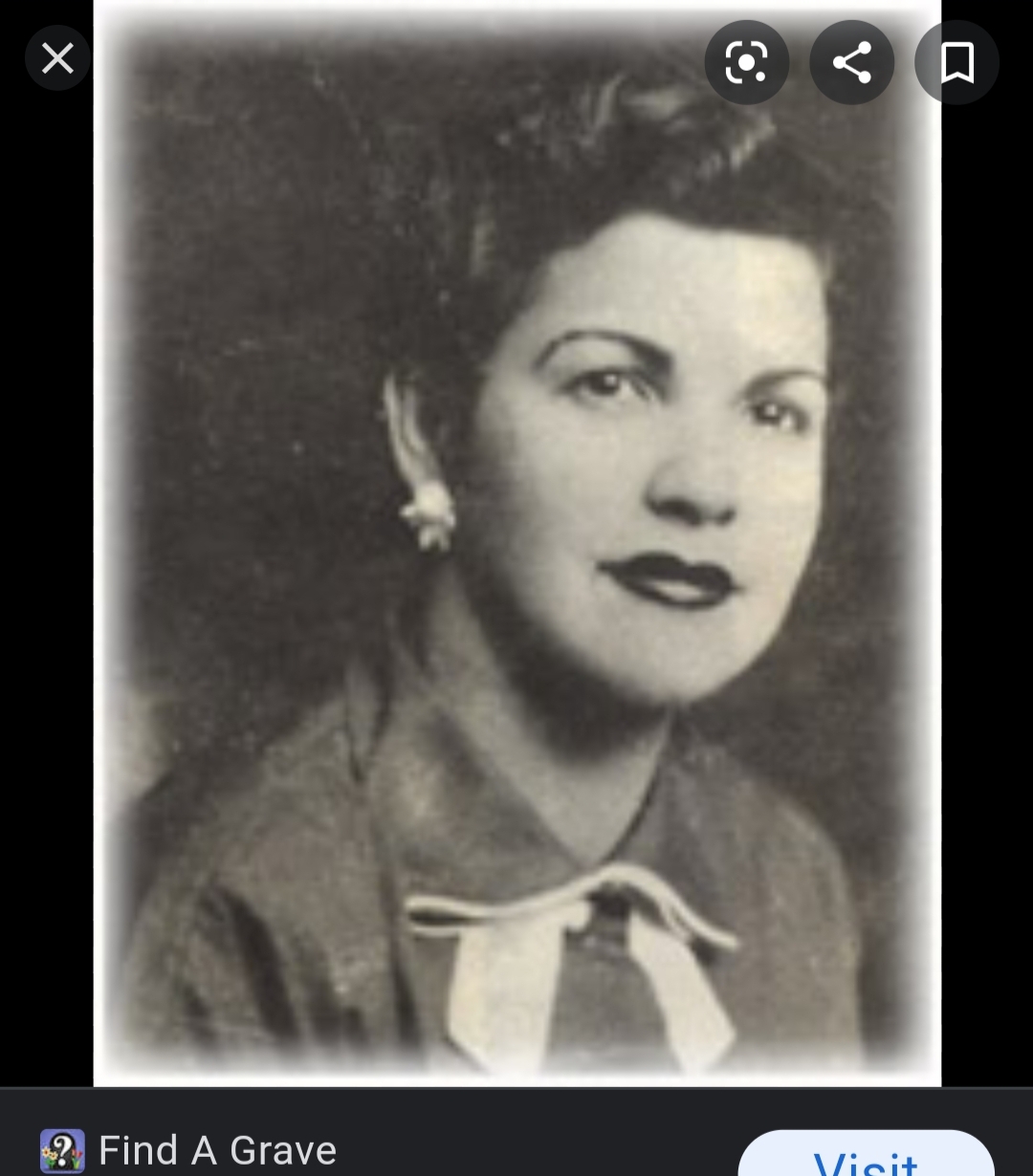
Courtesy of Find a Grave

"We cannot allow our children to grow up in this corrupt and tyrannical regime, we have to fight against it, and I am willing to give up everything, including my life if necessary."

1027: Patria Mirabal

One of the Famed Las Mariposas

Born: 27 February 1924, Salcedo, Dominican Republic

Died: 25 November 1960, Dominican Republic

Full Name: Patria Mercedes Mirabal Reyes de González

Patria’s name means “Fatherland.” Her parents gave her the name because her birthday, 27 February, is the Dominican Republic’s Independence Day.

Patria was an artist and loved to paint.

She was sent to a Catholic Boarding school at the age of fourteen, alongside her sisters Dede, Maria Teresa, and Minerva. Eventually, Patria went on to earn the equivalent of a bachelor’s degree in Social Studies.

When Patria was sixteen or seventeen (sources differ), she married a farmer. They had four children together (one of whom died at only five months old).

Patria was one of four sisters, all of whom were raised in a small Conservative community. The four sisters, known collectively as Las Mariposas, fought back against their country’s brutal dictator and are seen as feminist icons and activists around the world today. One of the sisters, Dede, stayed home to care for the extended family, while the other three stood on the forefront of opposition politics in the country.

A dictator ruled the Dominican Republic for over thirty years, from 1930 to 1961, during which time thousands were imprisoned and thousands more massacred along the border with Haiti. His rule was described by History thusly:

Known as “El Jefe” (“the Boss”) or “el Chivo” (“the Goat”), T-------* was the commander in chief of the army before he seized power in 1930. The prosperity, modernization and stability his regime brought to the country came at a high price: T------- took over the country’s economy, including production of such goods as salt, meat, tobacco and rice, and channeled the profits to his own family and supporters. Civil and political liberties disappeared, and only one political party, the Dominican Party, was allowed to exist.

T-------’s fearsome secret police rooted out dissenters, using tactics of intimidation, imprisonment, torture, kidnapping and rape of women, and murder. His regime would ultimately be responsible for tens of thousands of deaths, including the massacre of an estimated 20,000 Haitians living near the border between Haiti and the Dominican Republic in 1937.

Because of Patria’s activism against the dictator who controlled her country, her family’s property was seized and their lives harassed. She and her sisters were also arrested multiple times and had their lives threatened. In November of 1960, Patria, Minerva, and Maria Teresa were traveling with a driver when they were ambushed by the dictator’s soldiers. All four were removed from the car, taken to separate locations, and executed. The soldiers then put all four of the victims back in the car and pushed it off a ravine to make it look like an accident. However, no one in the country believed the story, and six months later the dictator himself was assassinated.

Sadly, the Mirabal sisters’ story was continually buried by the government for many years, and the full truth, despite the surviving sister Dede's insistence in the meantime, would not surface until the 1990's.

Today, a middle school in New York City has been named in Patria’s honor (MS 324). In the Dominican Republic, a large monument that once commemorated the dictator who ordered their deaths has been replaced by a mural of the four sisters. Their former home is now a museum dedicated to the sisters’ memory. In 1999, the UN dedicated November 25th as the International Day to Eliminate Violence Against Women, in honor of the Mirabal Sisters.

*The dictator’s name has been redacted by the author of this article. His name is readily available on all the sources listed below, but the author has decided to focus instead on the Mirabal sisters themselves and not the man who murdered them.

Badges Earned:

Find a Grave Marked

Located In My Personal Library:

Bygone Badass Broads by Mackenzi Lee

A Short History of the World in 50 Lies by Natasha Tidd

Who Knew? Women in History by Sarah Herman

National Geographic History Magazine Article "Three Brave Sisters Who Defied a Dictator" by Erin Blakemore (March/April 2026 Edition)

Time Magazine's 100 Women of the Year (Patria appears in the 1960 article, "The Mirabal Sisters”)

Sources:

http://www.learntoquestion.com/seevak/groups/2000/sites/mirabal/English/Cocoon/childhood2.html

https://www.encyclopedia.com/women/encyclopedias-almanacs-transcripts-and-maps/mirabal-sisters

https://prabook.com/web/patria.mirabal/1720516

https://www.history.com/news/mirabal-sisters-trujillo-dictator

https://www.thevintagenews.com/2017/04/19/the-mirabal-sisters-the-three-butterflies-who-were-killed-because-of-their-activities-against-the-dictatorship-of-rafael-trujillo/

https://www.schools.nyc.gov/schools/M324

https://www.findagrave.com/memorial/6023925/patria-mercedes-mirabal

1025) Tawosret

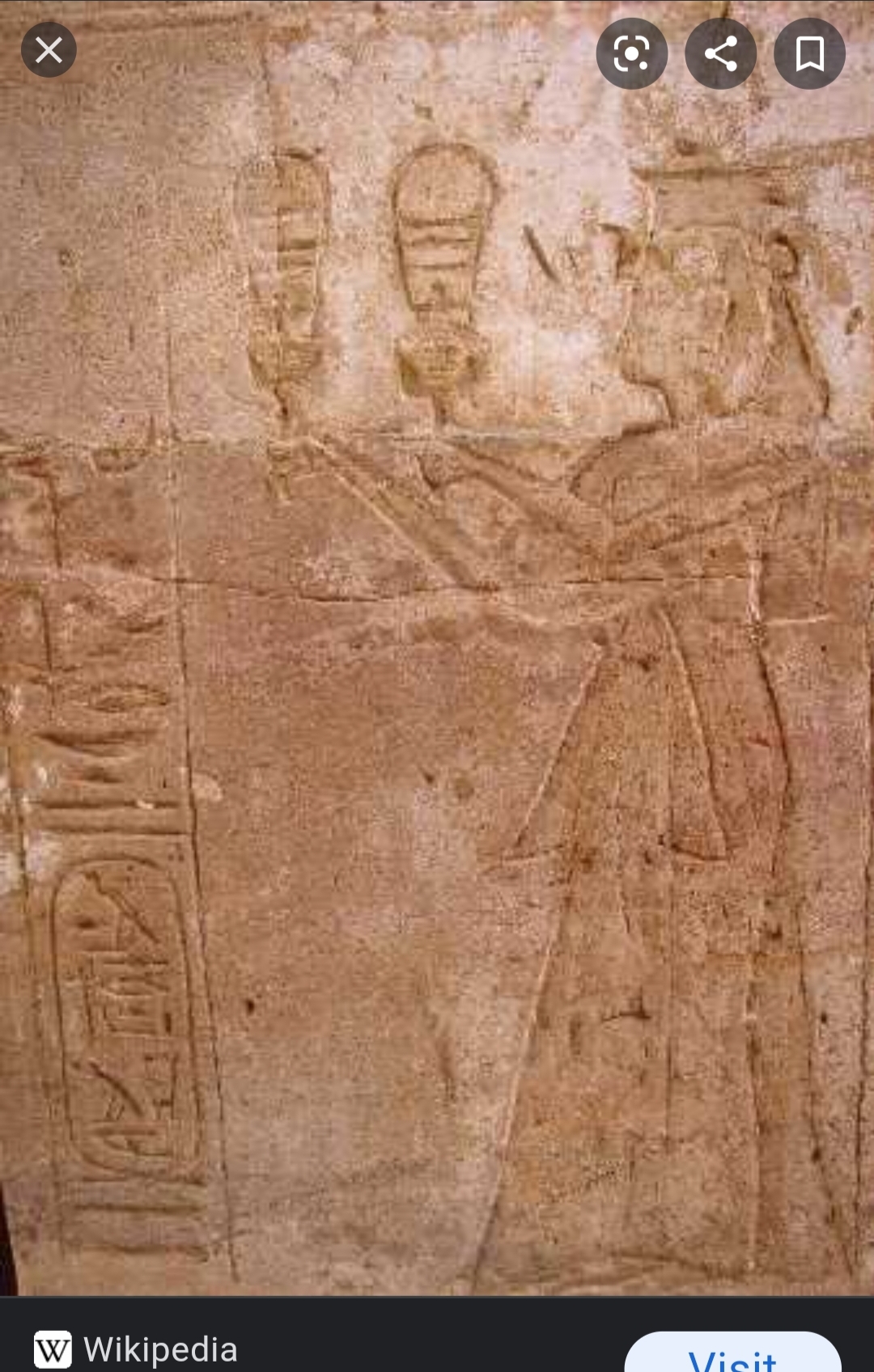
Courtesy of Wikipedia

1025: Tawosret

The Last Pharaoh of Egypt’s 19th Dynasty

Born: Ancient Egypt

Died: c.1190 BC, Ancient Egypt

Also Spelled: Twosret or Tausret

Tawosret was one of a handful of women to ever become Pharaoh of Ancient Egypt in her own right. Over a four-thousand-year timespan, the only women ever confirmed to have ruled as Pharaoh were Sobekneferu, Hatshepsut, and Tawosret. A fourth woman, Nitocris, may have ruled as pharaoh but her story has no definitive archaeological documentation to back that up. Other queens such as Merneith, Nefertiti, and Cleopatra VII may have ruled as regents for another male or were simply incredibly powerful queens alongside their husbands, but they never attained the title of Pharaoh.

Tawosret ruled at the end of the nineteenth dynasty. She was a descendant of Ramses II, better known as Ramses the Great, but how exactly they were related is unknown today. She could have been his granddaughter or even great-granddaughter, but again we simply don’t know for certain.

After Ramses’ death, he was followed by his son Merneptah, and then his grandson Seti II became Pharaoh. By then, Seti was old and frail (his grandfather, Ramses, ruled for approximately sixty-seven years! By the time Merneptah became Pharaoh he was older as well). Seti had a queen close to his own age and grown sons, but in Ancient Egypt part of the job of Pharaoh was proving you were still full of life and able to repopulate the land through children. This explains why Merneptah was only one of Ramses’ fifty sons (and supposedly fifty daughters as well). So, while Seti was old, married, and had grown children, his family wasn’t complete yet. Upon ascending the throne, Seti married Tawosret, who was most likely a teenager by this point in her life.

Seti II’s time on the throne was short and fraught with numerous issues. Almost immediately upon being named Pharaoh, Seti was challenged by a man named Amenmesse, who may have been Seti’s son (but much like everything else you’ll read here, this is unknown for certain). Amenmesse, for whatever reason, thought he could rule Egypt better than Seti. The two ruled Egypt as opposing Pharaohs for several years, with Seti’s power concentrated in the North and Amenmesse’s in the South. Finally, Seti II was able to vanquish Amenmesse and retake control of the entirety of Egypt. How he managed to do this is, unsurprisingly, unknown.

With Amenmesse out of the way, Seti II invited another crisis in to his empire with the introduction of a foreigner named Bay. Later documentation stated Bay was from Syria, but…do I even have to say it at this point? Scholars don’t know his true heritage other than to say he wasn’t Egyptian. Bay was also very bad news. He headed to Southern Egypt with the goal of bringing the lands there back under the control of Seti’s throne and removing any support for the now defunct Amenmesse. Bay did more than support the Pharaoh however. He also had his own name inscribed on temples, began building his own tomb in the Valley of the Kings (which was a huge slap in the face to Egyptian society), and basically proved to the Egyptians as a whole that he was a huge d***. No one liked him, let’s just leave it at that.

Seti II died in his sixth regnal year. There is no evidence that Tawosret gave birth to any children in this time, but she wasn’t about to disappear by the wayside either. With Seti dead and Bay holding the reigns of power in the background, another Pharaoh soon took the throne. This one was a boy, maybe a young teenager but no older than that, named Siptah.

Where Siptah came from or who his parents were is, once again, unknown. We do know he was extremely unwell, had a club foot, and was the least likely candidate for Pharaoh in generations. His story may sound reminiscent of another boy king, Tutankhamun a dynasty before. But while the now famed King Tut was the actual son of the previous Pharaoh, where Siptah came from or what gave him the right to be king of Upper and Lower Egypt is anyone’s guess.

Even more surprisingly, Tawosret was named as Siptah’s regent. A regent was someone who co-ruled until, in this case Siptah, came of age and was able to rule in his own right. At the same time, Tawosret was also elevated to the position of God’s Wife of Amun, the most powerful priestess position in the empire. The two positions may seem to go hand in hand, but this is actually a contradictory statement for Tawosret’s time period. The regent usually ruled side by side the Pharaoh, meaning in the same city, but for Tawosret she had to choose one or the other. The capitol at the time was in Lower Egypt to the North while the priesthood for Amun was in Upper Egypt to the South. This leads Egyptologists to believe she most likely stayed close to Siptah in the north and probably only used her position as priestess as a title, and didn’t actually practice in the temples to the south.

However, even more confusingly, Tawosret also left behind no evidence she ever actually ruled as regent in the traditional capacity either. Instead, it seems she retained the title of regent, but all the power of the throne was transferred to the aforementioned and much reviled Bay. Eventually, after five years of Siptah’s rule as Pharaoh, Bay died.

No one was sad to see him go. In fact, it seems lots of Egyptians actually celebrated Bay’s death. Carvings from this time period give the credit for Bay’s death to the Pharaoh, Siptah. However, at this time Siptah was still just a young teenager (maybe fifteen or so) and probably had little to do with Bay’s execution. Instead, most historians believe Tawosret who actually carried out the ending of Bay’s life. Whatever the case, Bay was dead and Tawosret was finally free to secure the reigns of power for herself.

As soon as Bay was dead, all of the carvings and markings dedicated to him were destroyed. His tomb was defaced and his memory mocked. As I mentioned above, no one was sad to see him go. Which just goes to show how ruthless the Egyptians could be when given the chance.

One year later, Siptah too was dead. Now, seeing as he was a fairly sick kid to begin with, its entirely possible he died of an illness or other issue when he was probably seventeen at the oldest. However, some believe Siptah’s death was far from natural. Instead, the finger has been pointed for thousands of years at Tawosret. Her involvement seems even more pertinent given that Siptah’s name was erased from all monuments soon after his death His tomb was defaced and the artifacts inside were destroyed. All of this can be interpreted as evidence of Tawosret trying to secure her own path to the throne.

By removing all mention of Bay and Siptah both, Tawosret was trying to reshape history. Unlike the women who ruled as Pharaoh before her, Tawosret was not the sister or daughter of a king. Her only link to the throne was her short marriage to Seti II, which produced no children as evidence of their union. Her position within the royal family was weak by Egyptian standards, but the link was still there. Remove Siptah and Bay’s memory and that link becomes just a bit stronger.

Around this time, Tawosret also changed her name to the more bada** Tawosret-beloved-of-Mut. Mut is a creation goddess in the Egyptian pantheon remembered for her bloodthirstiness and loyalty to the king. By linking her name to this particular goddess, Tawosret was warning her enemies to stay back, stand down, or face her wrath. Tawosret also began to change her public image. She had her royal tomb recarved to reflect her new status as Pharaoh and began to show herself as wearing men’s clothing in her statuary. Her transformation had officially begun.

Unfortunately, Tawosret wasn’t given the time to gather her strength and become a great Pharaoh like Hatshepsut before her. After only two or four years of rule, Tawosret was removed from the throne, and violently.

Tawosret claimed her rule had encompassed the six years of Siptah’s reign, plus the few years of her own sole rule. This meant Tawosret liked to tell people she had been Pharaoh for eight or ten years, depending on which evidence you believe. She was the first woman in Egyptian history to take the kingship out of pure ambition for her own self. Sobekneferu was the only member of the royal family left when she took the throne, and Hatshepsut ruled as regent for her stepson before he seemingly stepped aside for her, allowing her to rule in her own right for the rest of her life and then stepping up after she died. If Nitocris’s story is to be believed, she was also the last member of her family left standing. This wasn’t the case for Tawosret. Remember how I mentioned Ramses II had fifty sons and fifty daughters? Seti II, Tawosret’s husband, had several children as well, as did Merneptah before him. This meant there were arguably dozens of other members of the royal family still packing the court. Sure, they didn’t have the same direct lineage Tawosret was claiming, but they were still members of the royal family. When Tawosret seized power for herself, she denied it to her second, third, and fourth male cousins. And this made her many enemies, unsurprisingly.

Tawosret was violently removed from the throne by Setnakhte, the man who would found Dynasty 20. Most historians believe he was one of those extraneous descendants of either Ramses II or Seti II. We don’t know how he got rid of Tawosret, or even how she was killed, but Setnakhte did remove her from power, and eventually oversaw her death as well. Surviving evidence makes it seem as though Tawosret caused a second civil war in her own lifetime; that Setnakhte wasn’t able to rid himself and Egypt of her until his own second year on the throne.

Setnakhte wasn’t through with just having Tawosret killed however. He also stole her royal tomb she had redecorated a few years before. The royal tomb decorators worked quickly; plastering over Tawosret’s image and replacing it with Setnakhte. However, three thousand years later, today those plaster covers have started to flake away, and Tawosret’s image as Pharaoh shines through once more. Shoddy workmanship maybe; or maybe its just Tawosret finally getting her own revenge on Setnakhte in the end.

The most interesting part of this story, however, is what didn’t happen to Tawosret. When Hatshepsut died, her stepson, Thutmose III, removed or covered over her name and replaced it with his own. He had clearly respected his stepmother in life, but understood the need to protect his own lineage after her death. And so, Hatshepsut’s name was wiped out. However, this didn’t happen to Tawosret. There is no evidence her statues were destroyed or her name removed from temple walls. In the Manetho King List, Tawosret’s name was shifted to a male form (Thouoris), but she was still listed. Far from being erased, Tawosret’s name lived on. Her reign may have been short and largely uneventful in the grand scheme of Egyptian history, but somehow, someway, Tawosret ensured she would be remembered three millennia after her death.

In the early 2000’s, the University of Arizona funded an expedition to reexamine Tawosret’s mortuary temple that she built between the temples to Ramses II and Merneptah. The site was originally excavated by a team under the leadership of Flinders Petrie (though he himself was not actually there for the dig), but this excavation left much to be admired. While the new dig by U of A were able to uncover the fact that much of the temple was seemingly completed in Antiquity, the site was later torn apart to be reused in other sites across Egypt. To date, Tawosret’s mummy, if it still exists, has not been positively found or identified.

Badges Earned:

Find a Grave Marked

Located In My Personal Library:

Daughters of Isis: Women of Ancient Egypt by Joyce Tyldesley

Scanning the Pharaohs by Zahi Hawass and Sahar Saleem

When Women Ruled the World: Six Queens of Egypt by Kara Cooney

Sources:

When Women Ruled the World: Six Queens of Egypt by Kara Cooney

https://www.whatshernamepodcast.com/tawosret/

https://ancientegyptonline.co.uk/tausret/

https://mathstat.slu.edu/~bart/egyptianhtml/kings%20and%20Queens/setyII-endDyn19.html

https://www.findagrave.com/memorial/223786833/tawosret

1026) Tiye

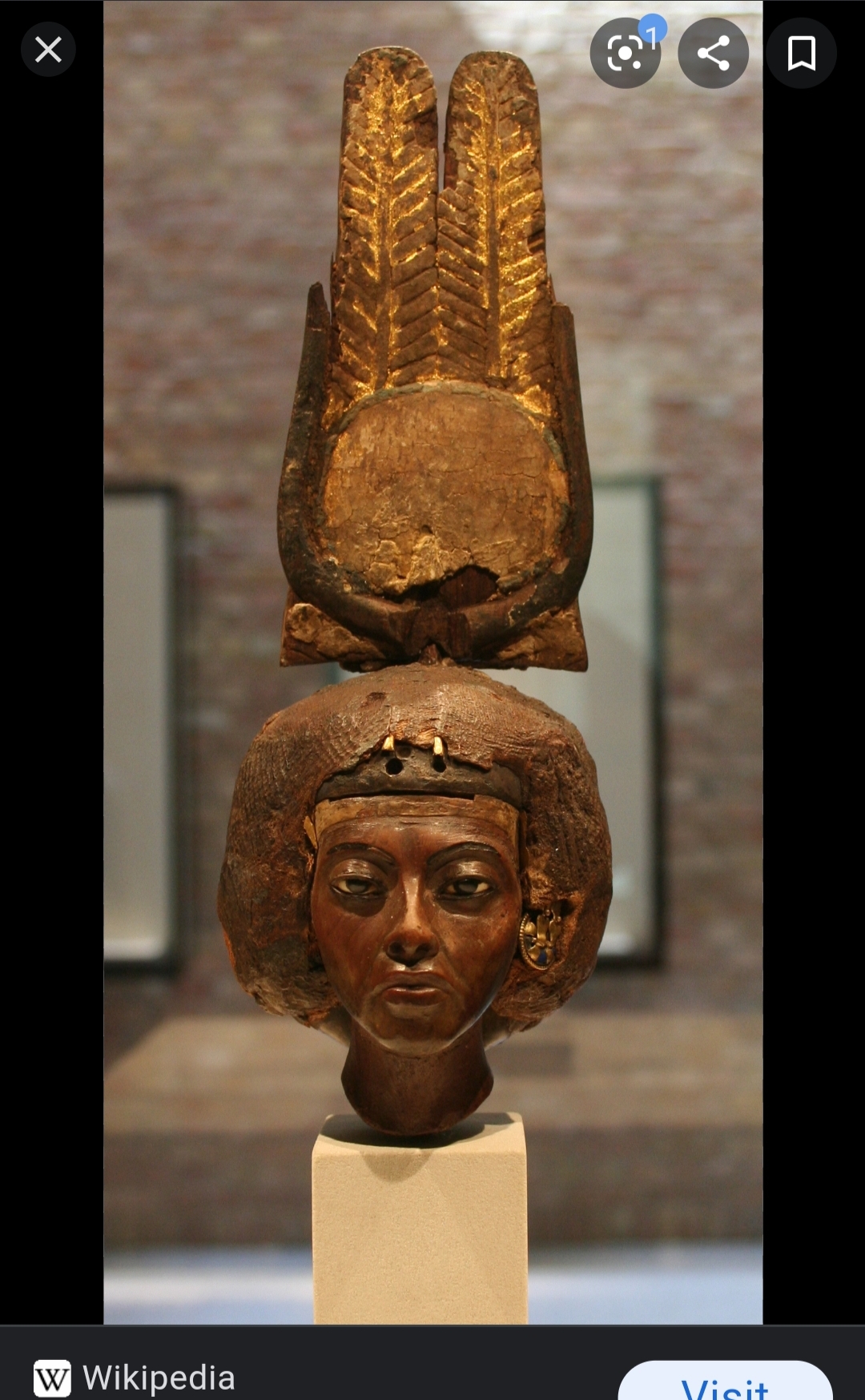
Courtesy of Wikipedia

1026: Tiye

One of the Most Powerful Matriarchs in Egyptian History

Born: c.1398 BCE, Ancient Egypt (Present-day Egypt)

Died: c.1338 BCE, Thebes, Ancient Egypt (Present-day Luxor, Egypt)

Tiye is best remembered today for being the mother of Pharaoh Akhenaten and the mysterious woman known as “The Younger Lady”. Tiye was also, therefore, the grandmother of Pharaoh Tutankhamun, as well as the six daughters shared between Akhenaten and Nefertiti (Ankhesenamun, Setepenre, Neferneferauten Tasherit, Neferneferure, Meritaten, and Meketaten).

Tiye’s life is even more remarkable than can be summed up in a few simple words. From the very beginning, she was different from other powerful Egyptian queens in a multitude of ways. The most important (in my own opinion)? Tiye wasn’t an immediate member of the royal family. As is commonly known, many pairs of pharaohs and queens in Egyptian history were brother/sister pairs. However, Tiye was not her husband’s sister. She may have been a second or third cousin, but was unlikely to have been closer related to him than that if she was related to him at all.

Tiye’s parents were named Yuya and Tuya. Her father, Yuya, was a high ranking official within the court, but how they were related to the Pharaoh’s family exactly is not known for certain. Until the discovery of Tutankhamun’s tomb, Yuya and Tuya’s joint tomb in the Valley of the Kings was the most intact of any tomb discovered in Ancient Egypt. Some scholars have pointed out the names Yuya and Tuya are not the traditional Egyptian names, and may point to their origins actually being from Nubia, which would also help explain how Tiye became so influential in her own right (to say the Candaces of Nubia were a group of bada** female rulers would be an understatement, but that’s a discussion for another day, just click the link to read about Amanirenas here and then come back and keep reading about Tiye). Some scholars also believe Tiye’s brother may have been the influent vizier turned pharaoh himself, Aye, but this has never been definitively proven.

Tiye was most likely betrothed to the Pharaoh from the time they were both children (Amenhotep most likely became Pharaoh when he was still a child between the ages of seven and twelve). Tiye was also educated well and some sources state she had her own library (a queen going after this historian’s heart!).

Tiye was married to the renowned pharaoh Amenhotep III. Though exact dates are hard to quantify considering they lived around 3,300 years ago, some scholars believe Tiye and her husband reigned over Egypt together for as many as thirty-eight years; a staggering time period considering how long ago this was. An exact date for the wedding is unknown, but it is possible Tiye and Amenhotep married when they were both still young; possibly as early as the second year of Amenhotep’s reign (meaning he was anywhere from eight to thirteen years old at the time and Tiye was probably eleven or twelve herself) or maybe even before he became pharaoh. This helps explain how they were able to rule together for so many years.

Throughout his thirty-eight-year reign, Amenhotep celebrated three jubilees. These celebrations were held to do just that, celebrate the Pharaoh and his continuing reign over the empire. Many Pharaohs failed to survive long enough to have one jubilee, and yet here was Amenhotep with three. Tiye was an integral part of all three celebrations, which included various religious and social ceremonies throughout. Tiye is the first Egyptian Queen scholars have been able to prove actively participated in an Egyptian jubilee.

Amenhotep and Tiye are known to have had six children together; four daughters and two sons. Soon after the wedding, Tiye was elevated to the position of Great Royal Wife, and it seems the love Tiye and Amenhotep shared was genuine. After Amenhotep’s death, their daughters disappear from the historical record. Their son Amenhotep IV, however, is one of if not the most infamous pharaoh in all of Egyptian history. You probably know him better by his later throne name, Akhenaten.

Amenhotep’s reign is one of the most documented in all of Ancient Egypt, and Egyptologists have uncovered around 250 different buildings, temples, monuments, palaces etc. that were constructed throughout his rule. There are also many murals and other carved depictions as well as letters from his reign that survive as well. These surviving artworks are a fascinating display of how Tiye’s power and influence shifted throughout the years of her husband’s reign. In the beginning, Tiye was smaller, more diminutive, and always bending to her husband’s will. Nearer the end of his reign, Tiye is depicted as taller, with more details added and more emphasis included. She had shifted from simply the Pharaoh’s wife to a powerful queen in her own right.

Among the other references and evidence to Tiye’s growing influence are the Amarna Letters. These letters were discovered in Amarna and are a fascinating look into the foreign affairs of the Egyptian court. In these letters, we find that other courts like the Mitanni note Tiye by name and make reference to her own intelligence and might in her own country. Other letters indicate Tiye was communicating with the Mitanni king in his own language, Akkadian, so her education may have been even more extensive than previously thought.

Tiye outlived her husband by several years, though exactly how many is unknown today. She has been identified on carvings dating to around the twelfth year of her son Akhenaten’s reign. When Tiye’s son radically overhauled Egypt’s religious life to create his quasi-monotheistic state, Tiye seems to have gone along with his new ideas. Most believe she didn’t agree with his new religious associations, but she supported him because she saw the political might behind the move. For years the priests of Amun had been gaining power throughout the country, and by stripping them of their power and moving the god Aten and his cult into an even higher position, Akhenaten was reminding the priests of Amun he was the true power in the country, not them. During this time, Tiye also continued her personal correspondence with the king of the Mitanni, completely independent of her son.

Tiye’s death marked a sudden shift in Akhenaten’s reign. He nearly completely gave up on all foreign policy and withdrew into himself and his own palace at Akhetaten (present-day Amarna). This was bad for Egypt for a variety of reasons, including the loss of territories the empire had held for many years as well as the Hyksos to the north growing in might because Egypt was no longer there to hold them in check.

Though her tomb itself has yet to have been found, Tiye’s mummy has. Her husband, Amenhotep, was buried in a lavish tomb that was looted soon after his death. Priests were able to relocate his mummy to keep it safe, and in 1898, Amenhotep’s mummy was located and identified in the tomb of his grandfather Amenhotep II. Another female mummy with long flowing hair was also discovered in the tomb. Originally known as “The Elder Lady”, the mummy was finally proven through DNA analysis to be Queen Tiye herself (though at some point after her death, her mummy’s abdomen was eviscerated). As National Geographic puts it, Tiye was “reunited in death with her husband.”

Tiye’s influence and power she wielded over Ancient Egypt is unmistakable, mighty, and awe inspiring. She paved the way for future women like Cleopatra VII, Tawosret, and many others outside of Egypt as well. Today she is remembered as the matriarch of the eighteenth dynasty, but she was also an incredibly intelligent and brave queen.

Badges Earned:

Find a Grave Marked

Located In My Personal Library:

Daughters of Isis: Women of Ancient Egypt by Joyce Tyldesley

King Tutankhamun: The Treasures of the Tomb by Zahi Hawass

Religion and Magic in Ancient Egypt by Rosalie David

Scanning the Pharaohs by Zahi Hawass and Sahar Saleem

Secret Egypt by Zahi Hawass

The Encyclopedia of Ancient Egypt by Helen Strudwick

The Great Book of Ancient Egypt: In the Realm of the Pharaohs by Zahi Hawass

The Pharaohs by Joyce Tyldesley

When Women Ruled the World: Six Queens of Egypt by Kara Cooney

Women in the Valley of the Kings: The Untold Story of Women Egyptologists in the Gilded Age by Kathleen Sheppard

Lost Cities, Ancient Tombs: 100 Discoveries That Changed the World edited by Ann R Williams

Temples, Tombs & Hieroglyphs: A Popular History of Ancient Egypt by Barbara Mertz

National Geographic History Magazine September/October 2020 Edition (Article “Egyptian Power Couple: Amenhotep and Tiye” by Teresa Armijo)

National Geographic History Magazine May/June 2023 Edition (Article "Mystery Mummies in the Pharaoh's Tomb" by Maite Mascort)

Sources:

https://www.nationalgeographic.com/history/world-history-magazine/article/king-tut-grandparents-tiye-amenhotep-egypt-royal-couple

https://www.ancient.eu/tiye/

https://www.louvre.fr/en/oeuvre-notices/queen-tiye

https://oi.uchicago.edu/sites/oi.uchicago.edu/files/uploads/shared/docs/nn30.pdf

https://www.findagrave.com/memorial/7718982/queen_tiye

1024) Agnes Howard

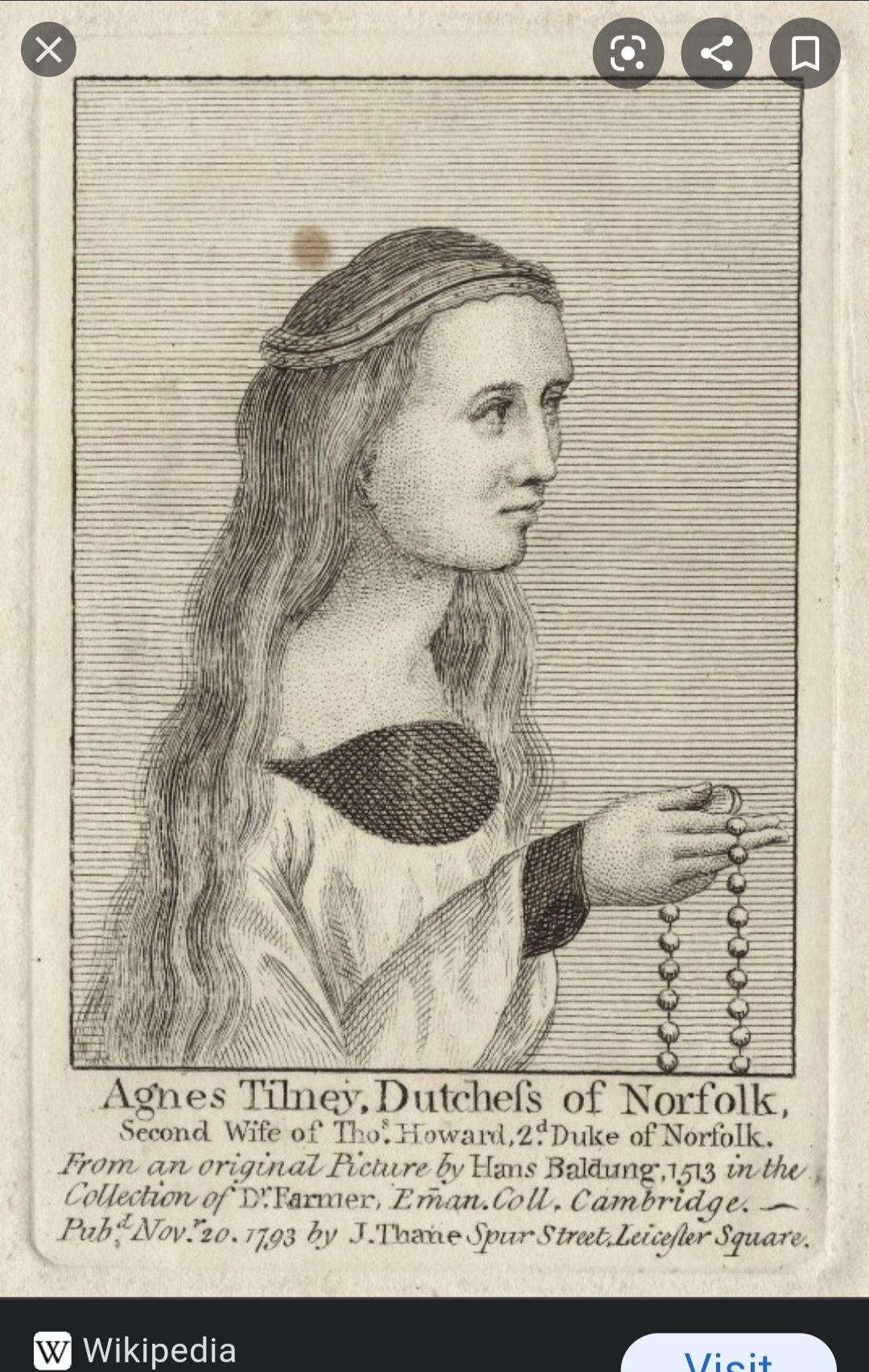
Courtesy of Wikipedia

1024: Agnes Howard

The Duchess with Two Step-Granddaughter Queens

Born: c.1477-1480, Present-day Skirbeck, Lincolnshire, England, United Kingdom

Died: May 1545, Present-day Thetford, Norfolk, England, United Kingdom

Also Known As: Agnes Tilney or Agnes Tylney

Agnes is best known today for being the step-grandmother to both Anne Boleyn and Catherine Howard, who both went on to become Queen Consorts of England after marrying Henry VIII.

Agnes was born into an upper-class family with connections in the aristocracy. Her family had supported Richard III and Edward IV during the Wars of the Roses, and after the Battle of Bosworth their fortunes waned significantly. Eventually though, the family reclaimed their fortunes and regained a place at the court of Henry VII.

Agnes married a widow and had several children with him (he had previously been married to her cousin—to say the family trees of English aristocracy around this time are confusing as heck is an understatement!). Agnes’s husband was closely involved with the king, Henry VII, and helped in the negotiations of Henry’s children Prince Arthur and Princess Margaret.

After Henry VII died, Agnes’s husband continued to help the crown once it fell to the new king, Henry VIII. After Agnes’s husband helped the English defeat the Scots at Flodden Field in 1513, the king was so grateful he resurrected the Dukedom of Norfolk the following year, styling Agnes’s husband as the Duke and Agnes herself the Duchess of Norfolk.

Agnes enjoyed the success of her husband’s relationship with the king, and she was even awarded the honor of being his eldest daughter Mary (the future Mary I)’s godmother.

Three years after Agnes’s husband died, Henry VIII successfully rid himself of his first wife, Catherine of Aragon, and married Anne Boleyn. Agnes was at first unhappy with the king’s plan to divorce, but changed her tune after she learned the new queen would be a family relative. Agnes was continually honored throughout this period, and she is said to have held the new princess (the future Elizabeth I) at her baptism as well as acting as her godmother as well.

As time went on, Agnes became less and less concerned with the pettiness of court life and was soon known to be a bit of a grouchy old woman. Can you blame her though? At the aforementioned baptism, Agnes was literally the baby’s step-great-grandmother; she was allowed to be a bit cynical towards the youth around her. She was also devoutly religious and was said to wear a hair shirt under her otherwise pious clothing as a symbol of her devotion to her religion. Around this same time period, Agnes also may have gifted recipes for medicines to Cardinal Wolsey, leaving some to speculate she was a bit of an apothecary as well.

After the death of her husband, Agnes was singularly responsible for the vast estates held by the family. Her household was around one hundred people, and Agnes was responsible for them all. She oversaw every aspect of daily life, from smoking meats to splitting wood and weaving clothes. To say this was unusual for a woman to be in charge in such a way for her time period would be an understatement.

Catherine Howard, Agnes’s step-granddaughter, lived with Agnes for a few years, but wasn’t treated like a high society woman. Instead, she was given a rudimentary education, slept in a communal dormitory, and was given light household duties to perform, similar to a servant. This makes the fact she was having an affair even more, well, impressive doesn’t seem quite the proper word but there you go.

That’s right, Catherine had at least one affair, if not two, in the years she was living with her step-grandmother. The first (which may not have gone as far as the next) was with the man hired to teach Catherine and the other ladies of the house how to play instruments like the virginal (take whatever tone of irony from this that you want). The next worked for the household and was actually given access to Catherine’s dormitory where he spent several nights…not leaving six inches for the Holy Ghost between himself and the future queen if you know what I mean.

By that time, Agnes was old and also one of the richest women in the country. One of her sons was constantly asking her for money, one of her step-granddaughters was doing the things already mentioned above, and Agnes was ready for retirement to say the least.

Agnes would later feign ignorance, but to say she was unaware of what Catherine was doing is patently false. It has been documented that Agnes caught Catherine and her boyfriend locking lips in the hallway and had them both punished. But its telling that Agnes didn’t insist they break up or split them apart either. After Catherine’s first jilted lover learned of her new relationship, he wrote a letter with the intention of Agnes reading it. When Catherine learned of the letter, she and her new beau decided to pretend they would get married even though they hadn’t secured Agnes’s permission to do so.

In the fall of 1539, Catherine was sent away from Agnes’s home to join the latest queen’s household. By that time, Henry had recently married Anne of Cleves. Catherine was sent to advance her family’s place at court. She did more than that, however. By the following year Henry had dumped Anne and was getting hitched to Catherine despite their wide age gap. Only a few months after the wedding, Catherine began a new affair with one of her cousins.

Unfortunately for Catherine, the king soon realized his fetching new bride wasn’t the virginal prize he had originally assumed. Only a year after saying “I do”; the king was informed of Catherine’s past indiscretions. And if you know anything about history, you probably know Henry wasn’t the forgiving type.

Several of Agnes’s family members, including the Dowager Duchess herself, were arrested and sent to the Tower of London after being charged with conspiring to cover up Catherine’s previous relationships. Catherine herself was eventually executed. Agnes was released the following year, but her family name had been thoroughly dragged through the mud to say the least.

She died only a few years later and was buried at Thetford Abbey. According to her final wishes, her body was later moved Lambeth Church in Surrey. The following year, Agnes’s stepson was able to regain the family’s fortune, including twenty-four estates scattered around England.

Agnes is one of those forgotten figures of English history, which is a shame because she played a pivotal role in one of its best-remembered and studied chapters. The image of Agnes shown here is an engraving that was made of her several years after her death. Agnes was an incredibly strong and, shall we say it, bada** grandmother. All she wanted was to be left alone on her various estates, and instead she had to take care of her step-grandkids who kept trying to mess everything up. Grandchildren, what can you do, right?

Badges Earned:

Find a Grave Marked

Located In My Personal Library:

The Other Tudors: Henry VIII's Mistresses and Bastards by Philippa Jones

Sources:

https://www.wikitree.com/wiki/Tilney-83

http://www.tudorplace.com.ar/Bios/AgnesTilney(DNorfolk).htm

https://thefreelancehistorywriter.com/2018/11/09/agnes-tilney-howard-duchess-of-norfolk/

https://www.theanneboleynfiles.com/tag/agnes-tilney/

https://www.findagrave.com/memorial/53751276/agnes-howard

  • Previous
  • 1
  • …
  • 20
  • 21
  • 22
  • 23
  • 24
  • 25
  • 26
  • …
  • 159
  • Next

Categories

Archives

  • July 2025 (10)
  • July 2024 (1)
  • January 2024 (1)
  • August 2023 (1)
  • June 2023 (2)
  • October 2022 (1)
  • July 2022 (1)
  • June 2021 (3)
  • December 2020 (3)
  • August 2019 (1)
  • July 2019 (2)

Search

© 2026 The Exasperated Historian | Powered by Minimalist Blog WordPress Theme