The Exasperated Historian
Menu
  • Home
  • The Women’s List (New)
  • The Men’s List
  • The Animal List
  • Collections
  • The Blog
  • Contact Us
  • FAQ
Menu

Month: June 2021

Provo City, American Fork, and Sacajawea Cemeteries

Posted on June 27, 2021January 16, 2022 by nickssquire12

Over the past two days, my mother and I have visited three more cemeteries: Provo City (Provo, Utah), American Fork (American Fork, Utah), and Sacajawea (Fort Washakie, Wyoming--Located on the Wind River Reservation).

I wanted to visit each cemetery for a specific purpose; someone from my lists are buried in each one.

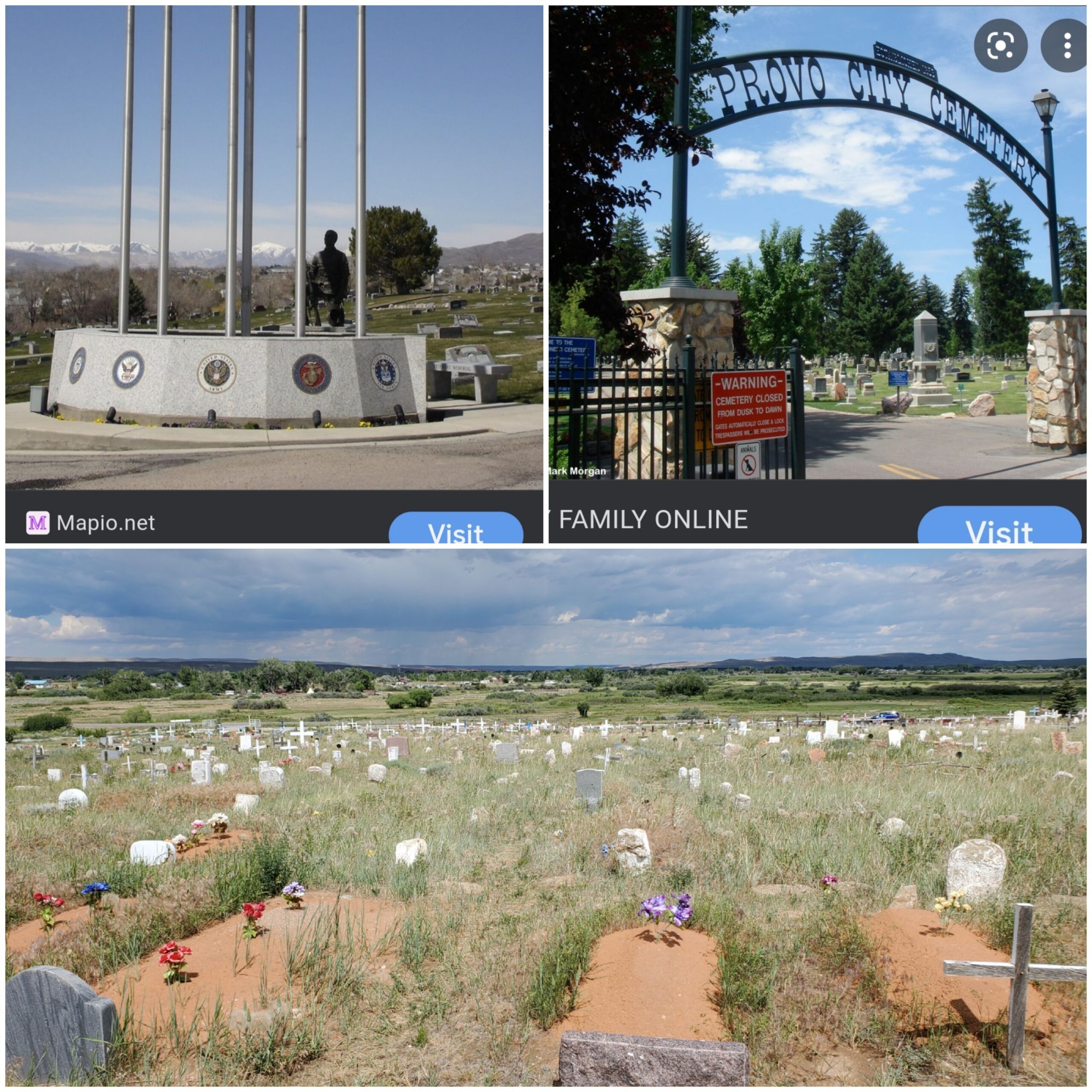
Provo City was first. This sleepy little cemetery is tucked away in the university town of Provo. When my mother and I visited, around five PM on a Saturday afternoon, only two other cars with other visitors were there with us. Provo is most well known today for being the home of Brigham Young University (BYU), and so of course the majority of folks who live, and have died, in the city are members of the Church of Jesus Christ of Latter Day Saints. Though not LDS (or more commonly known as Mormon) myself, my hometown is also largely populated by the LDS community and so their customs and iconography are familiar to me. My mother and I almost felt home when we saw the multitude of headstones engraved with an image of a temple; only in this case the majority of these grave markers showed the local LDS temple in Provo and not the one we are more familiar with--though there was one headstone in the Provo City Cemetery that showed the temple located in my hometown, so that was pretty cool.

With all that said, the person I most wanted to visit in Provo City Cemetery was Philo Farnsworth, the inventor of the all-electronic television and so much more. For a man who gave the world so much, his final resting place is fairly simple. Philo died in Salt Lake City, but is buried in Provo. The GPS coordinates listed on Find a Grave can be linked through Google Maps, and if you use that link you will get fairly close to his gravesite, but its not exact. In any case, my mother and I found Philo and his wife within a few minutes of arriving within the cemetery.
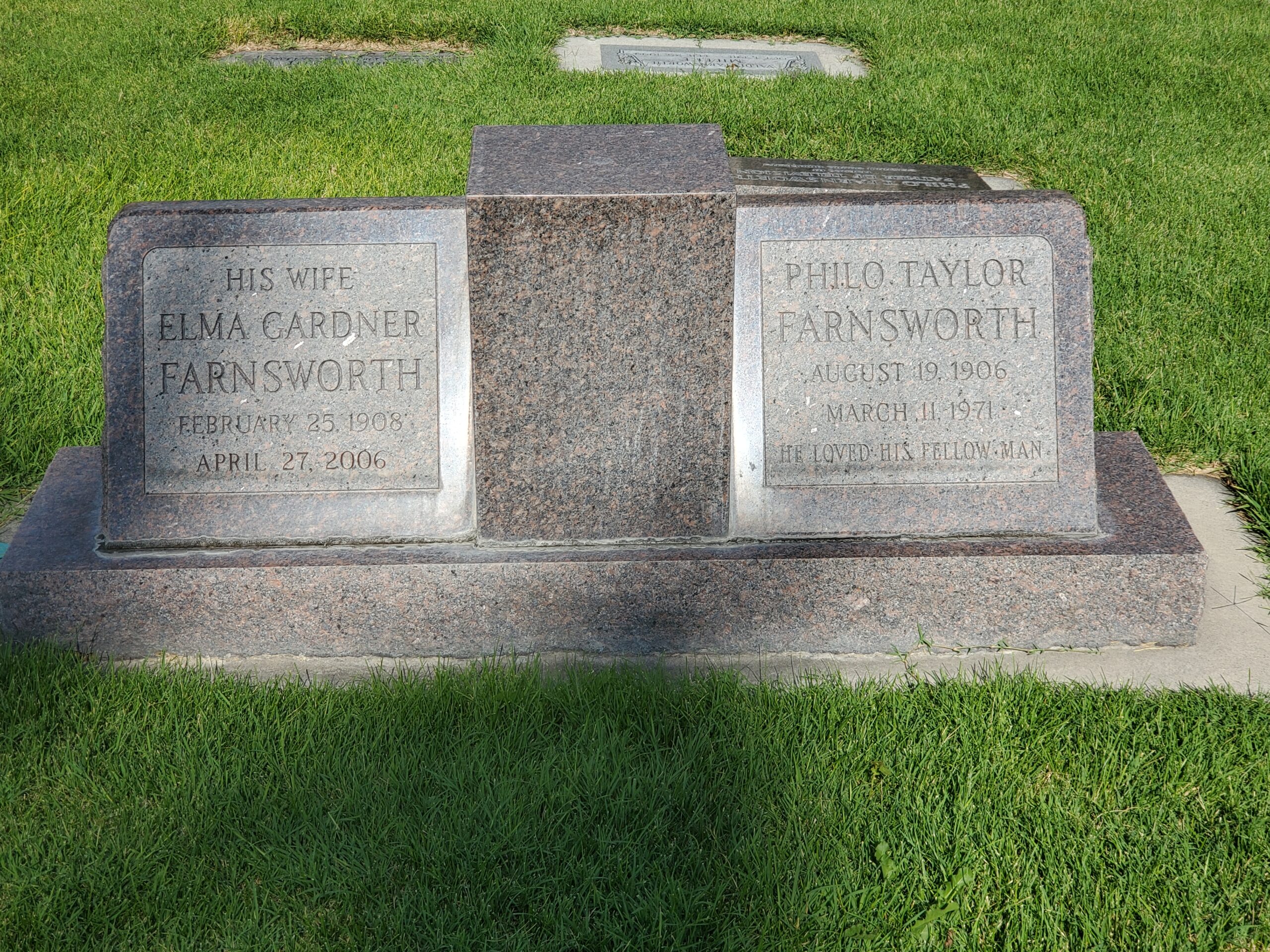
Philo Farnsworth Grave

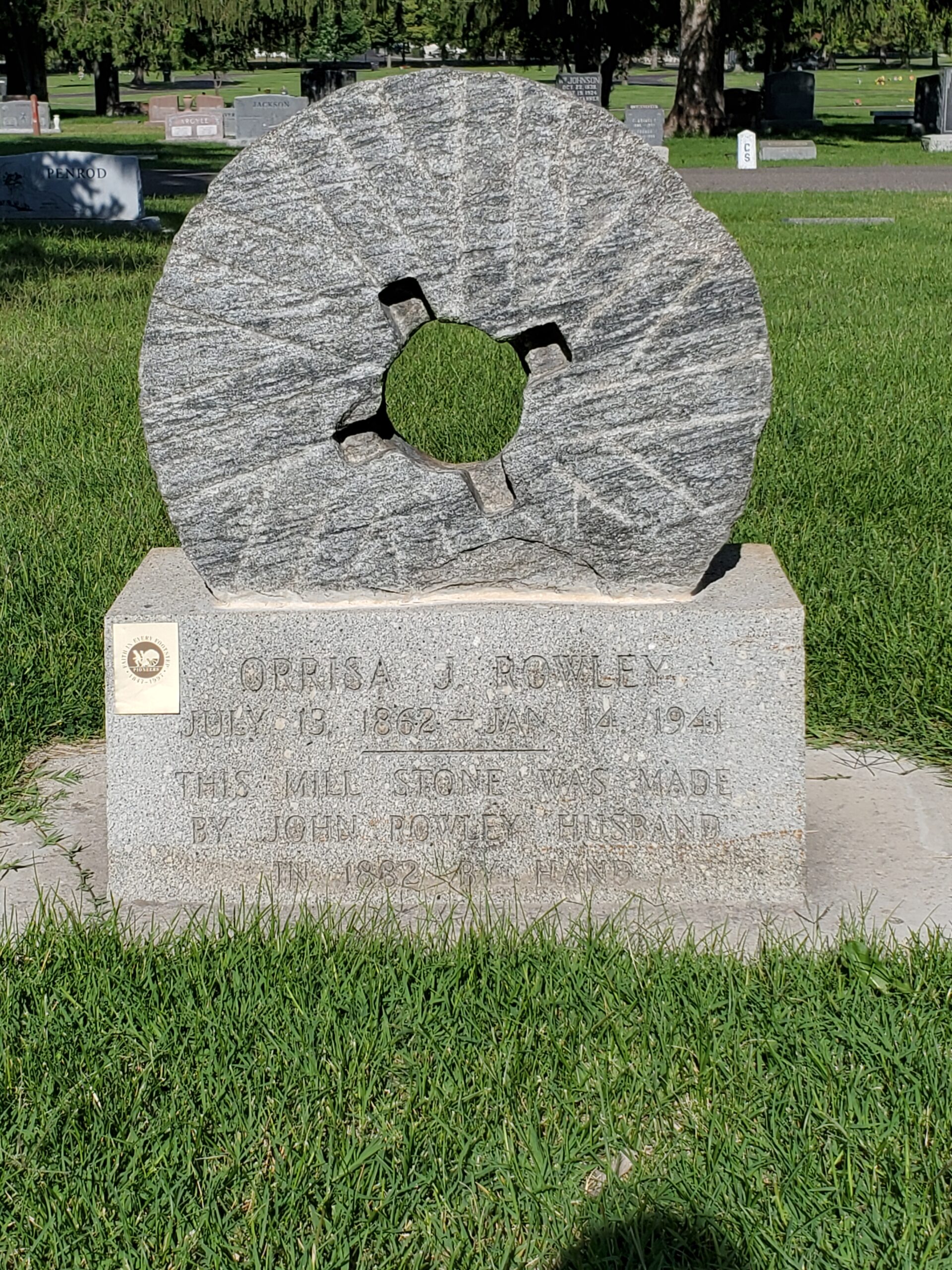
Provo City Cemetery is a good mix of different types of headstones and grave markers. Most traditional city cemeteries that are still allowing burials today have mostly flat along the ground or upright rectangular markers. Provo City does have a mix of these more traditional markers, but there was a variety of other sculptures and other works of art to designate a final resting spot within the cemetery as well. Here are a few of the more unique markers we spotted.
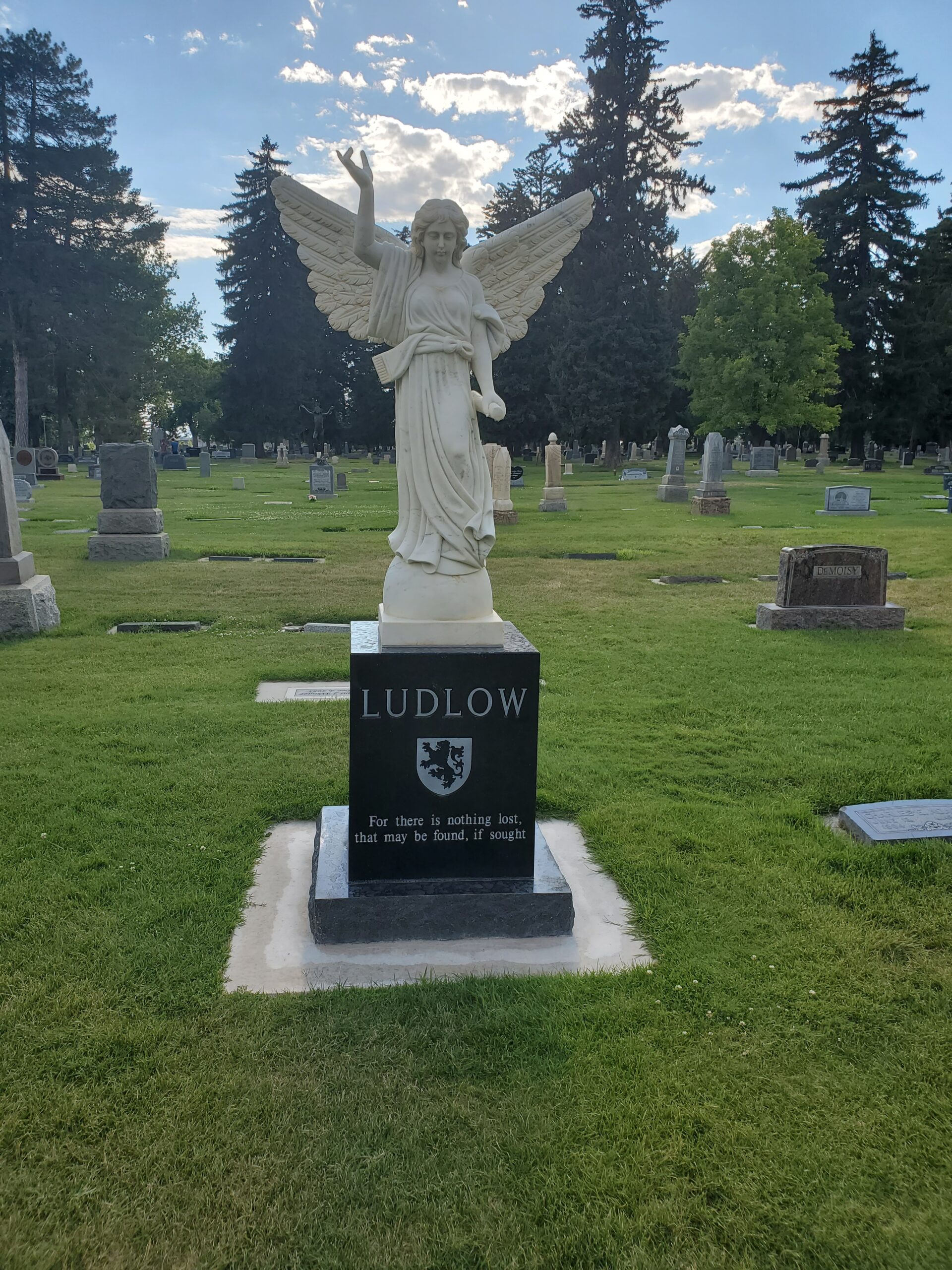
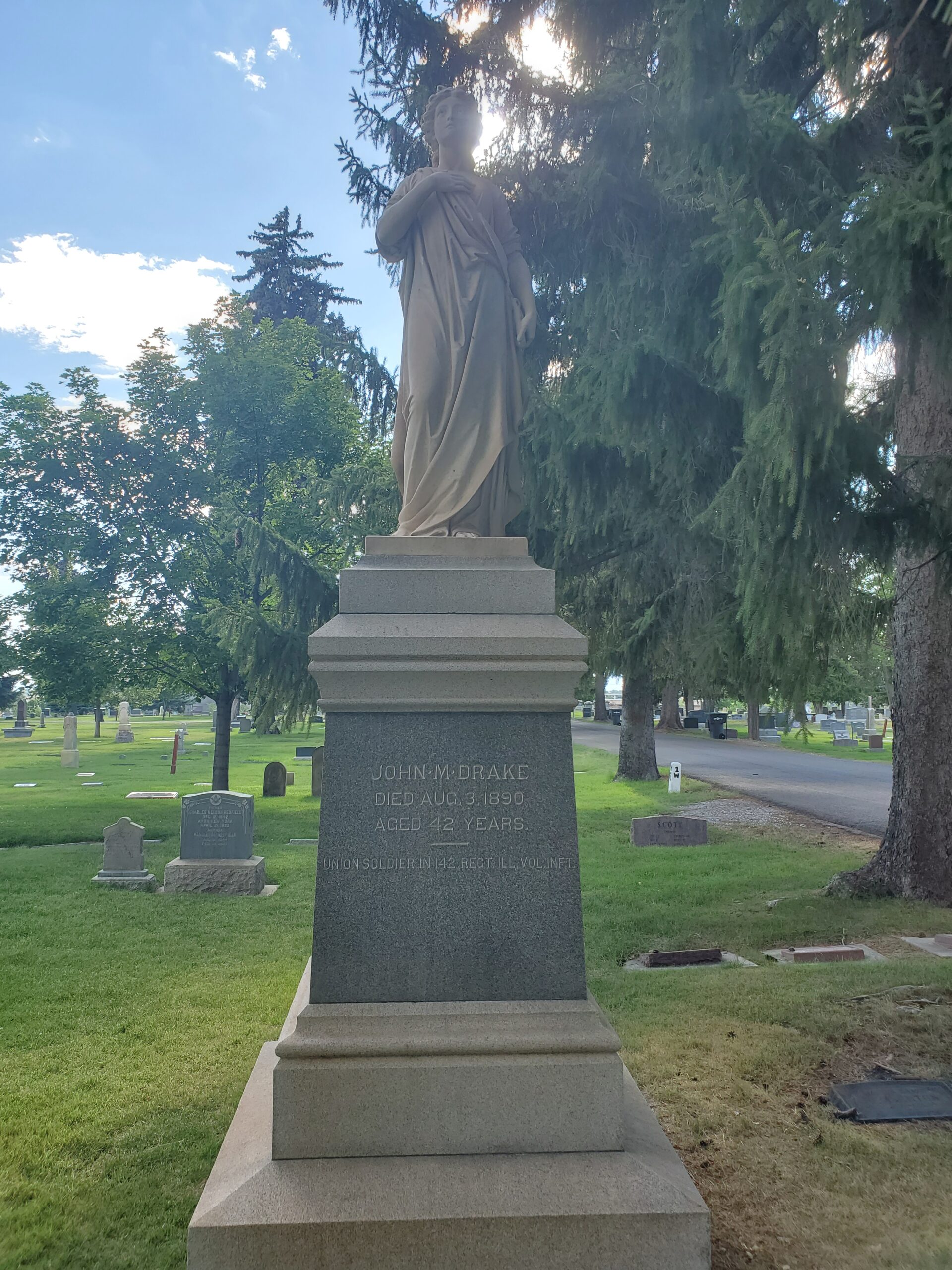
This grave was marked with a tall angel statue
This grave is marked with a millstone made by the deceased's husband in the 1800's
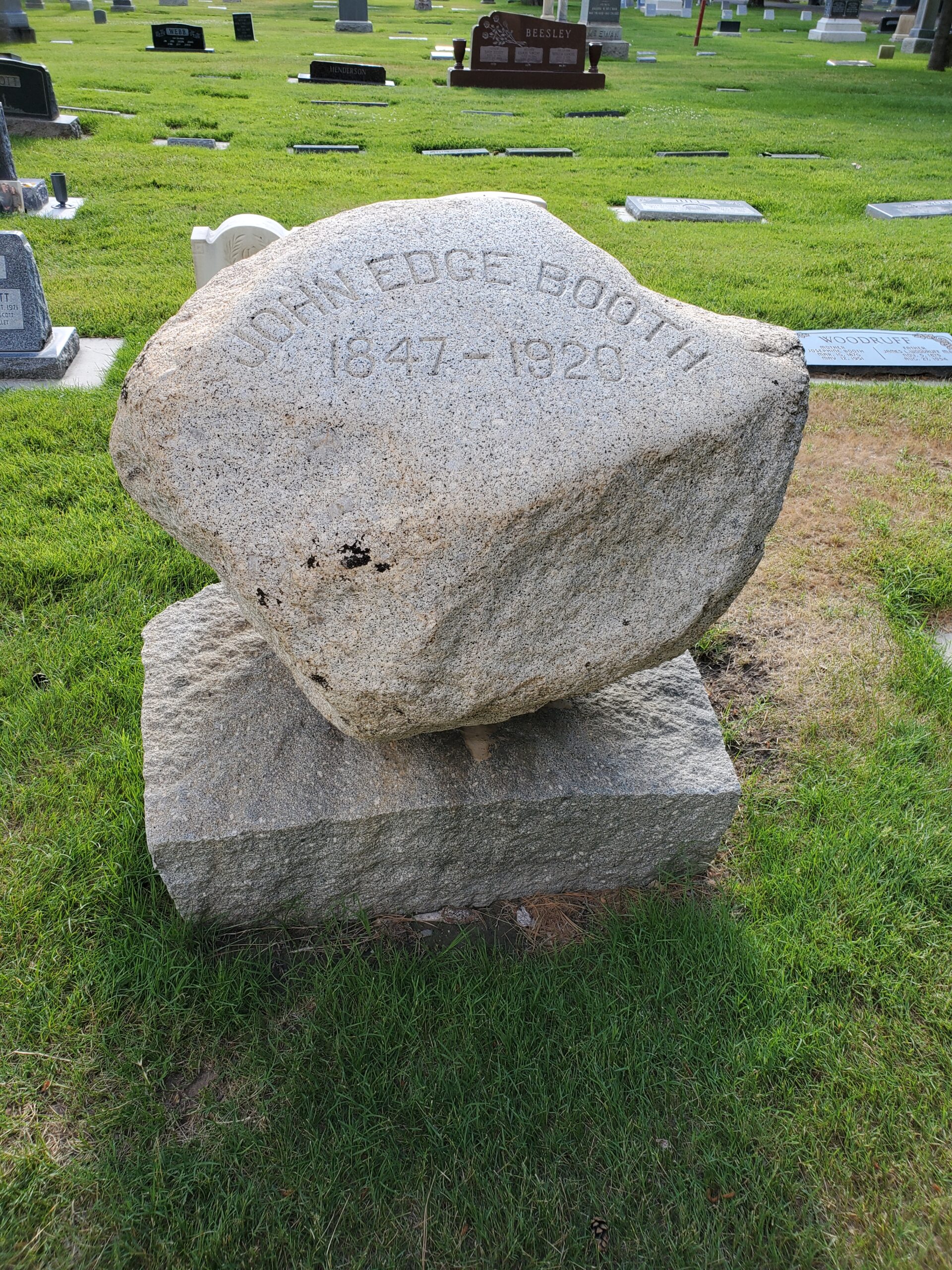
This grave marker is a simple boulder engraved with a name
This grave is adorned with a white statue to top it
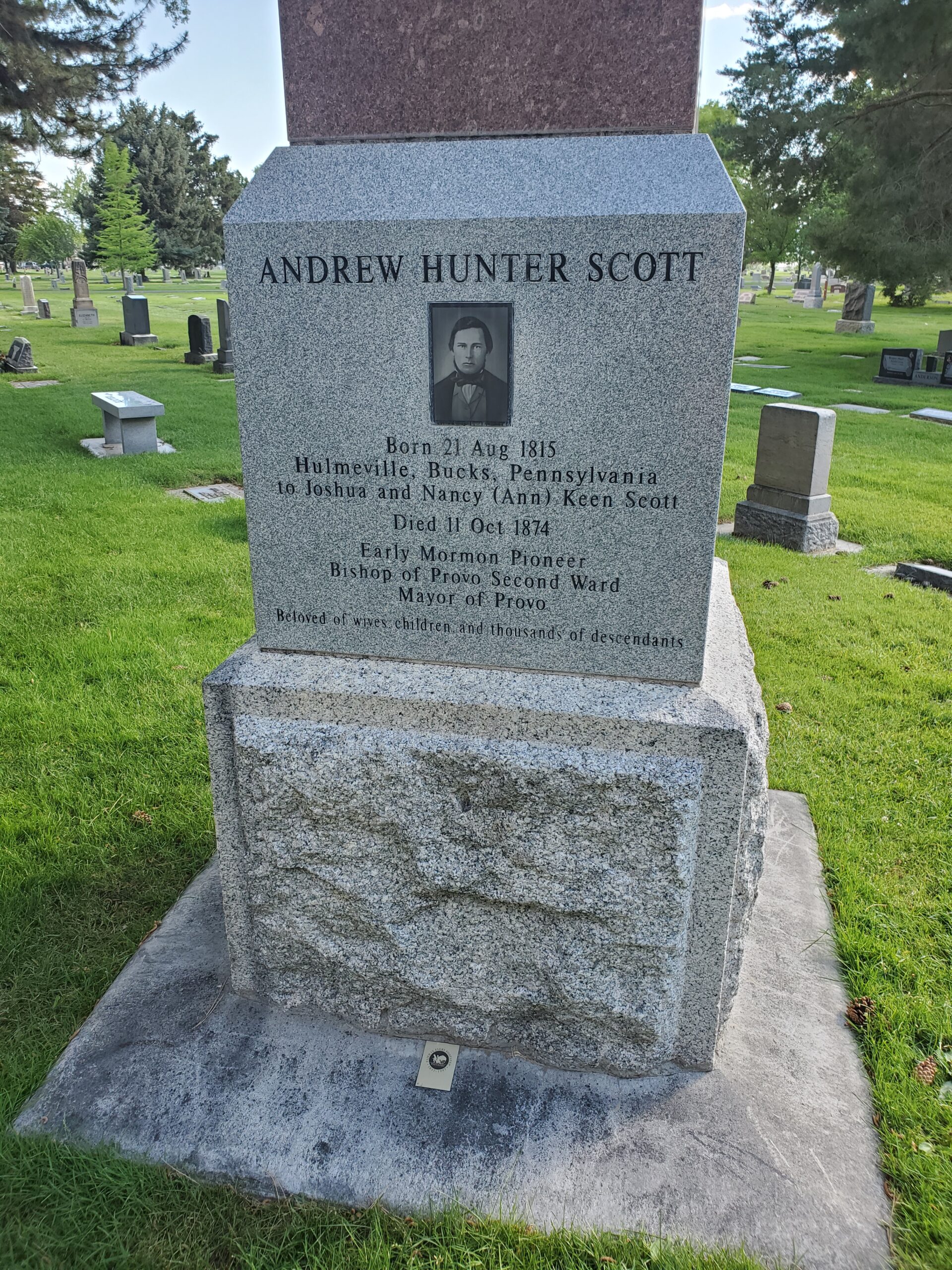
This is the grave of one of Provo's early pioneers

If you're passing through Provo during daylight hours, I highly recommend stopping by the cemetery for a quick walk around. The graves each tell a story and the artwork is unique, as you can see. Sadly, there are quite a few graves for children and young adults--many of whom are from recent years.


Twenty to thirty minutes down the road is the American Fork Cemetery, located in American Fork, Utah.

Like Provo City, American Fork is a unique blend of more traditional and very distinctive headstones. When my mother and I visited around nine AM on a Sunday (at the end of June), the weather was cool and windy but still perfect for wandering a cemetery. I didn't take as many photos here because a lot of the more unique graves are newer and I didn't feel comfortable photographing the graves of people whose family are still around to visit them--if that makes sense.

In any case, I wanted to visit American Fork for one reason: to visit the grave of Utah's first female Congresswoman, Reva Beck Bosone. Reva's grave is very easy to find. Go through the cemetery's main entrance and drive near the back. Halfway between the second to last and last drivable rows, park your car on the right hand side of the road. Several of Reva's relatives are all buried together, and a headstone that reads "Beck" is plainly visible from your car. Reva's headstone faces away from the road, low to the ground, but again is easy to find.
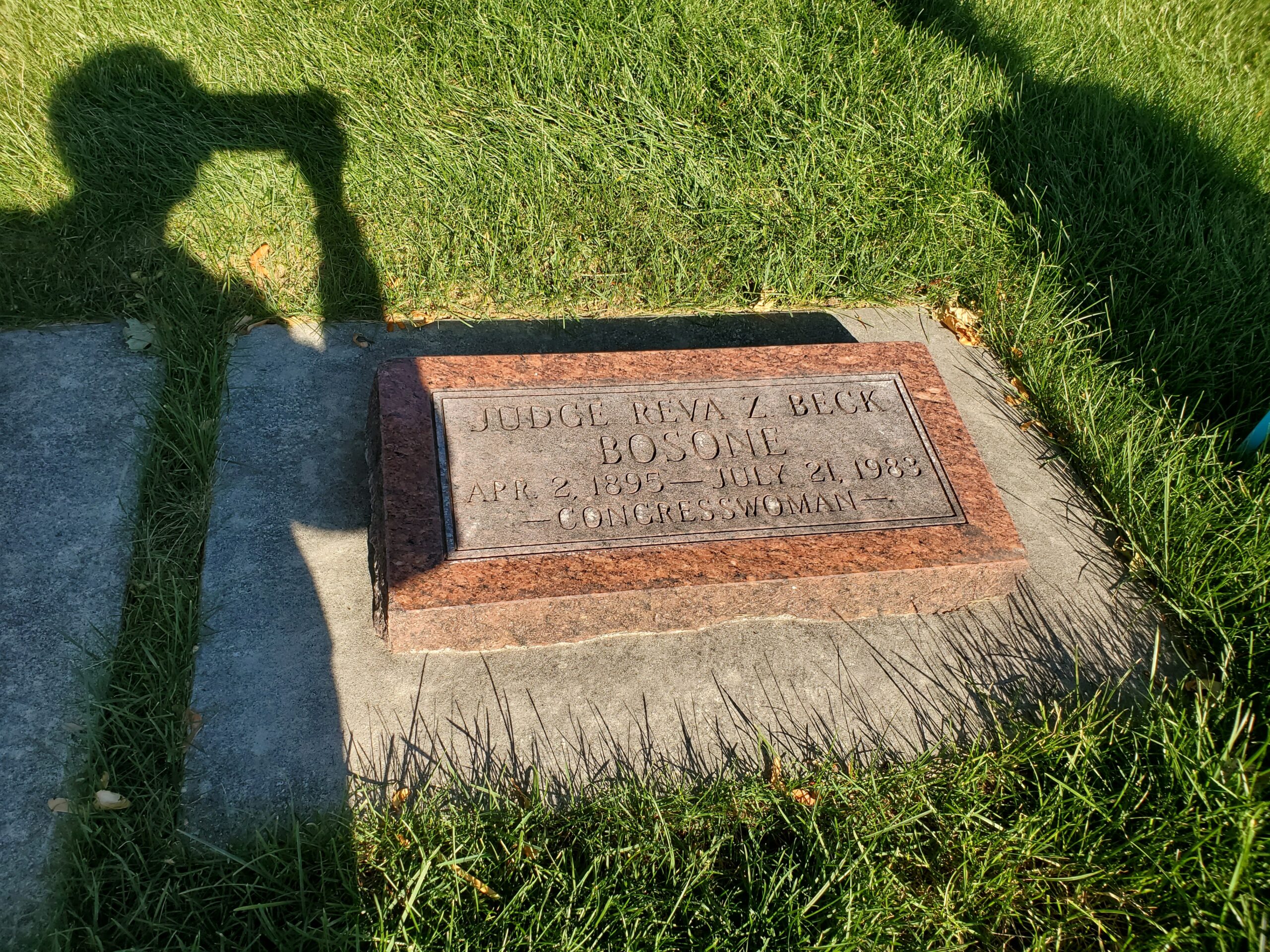
Reva Beck Bosone Grave

Here are the few other photos I snapped at American Fork.
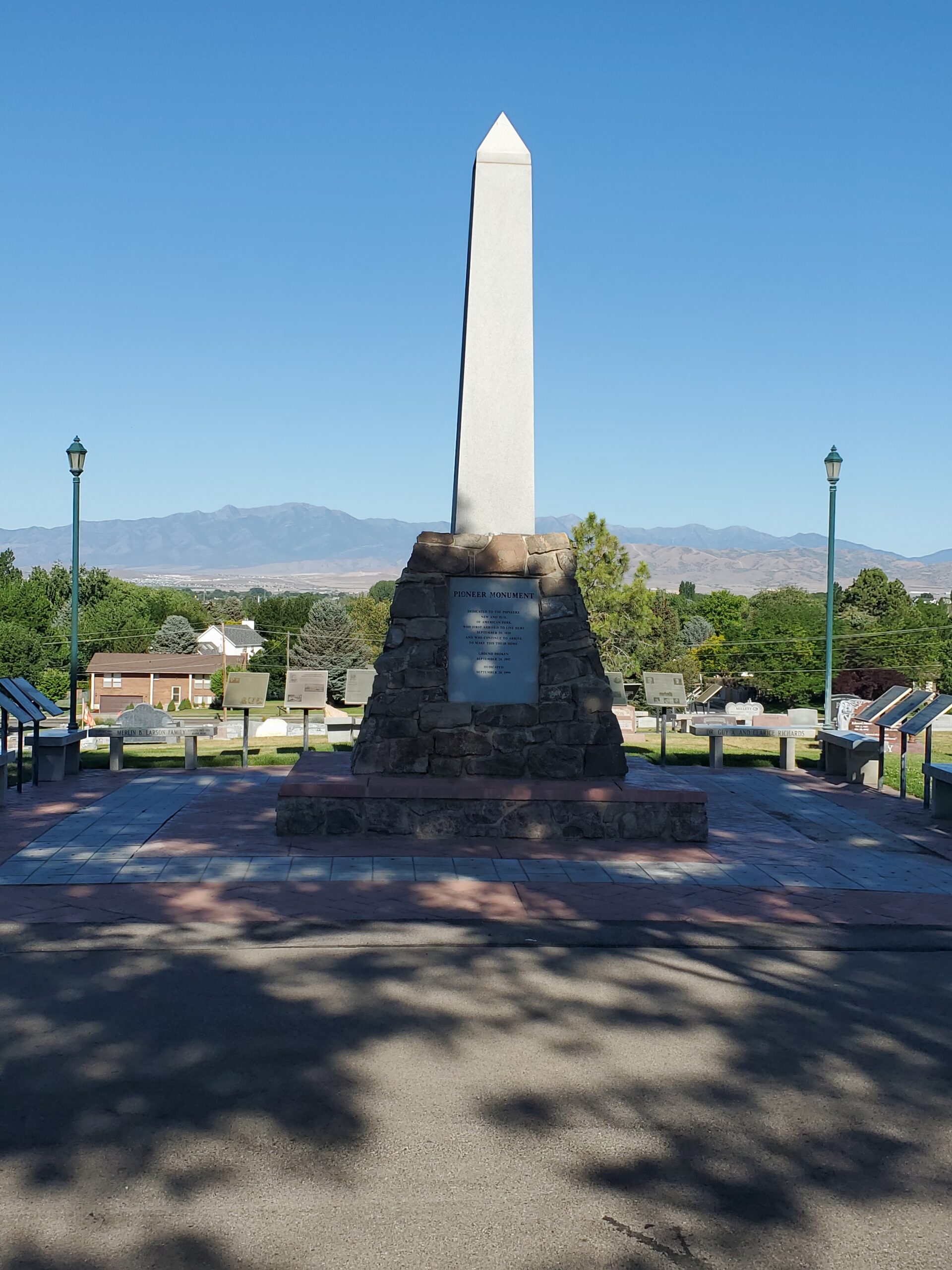
Monument to the Pioneers

The cemetery hosts a large monument to the Pioneers of the area. Several of their stories are located on the standing plaques around the sides of the monument (shown here).
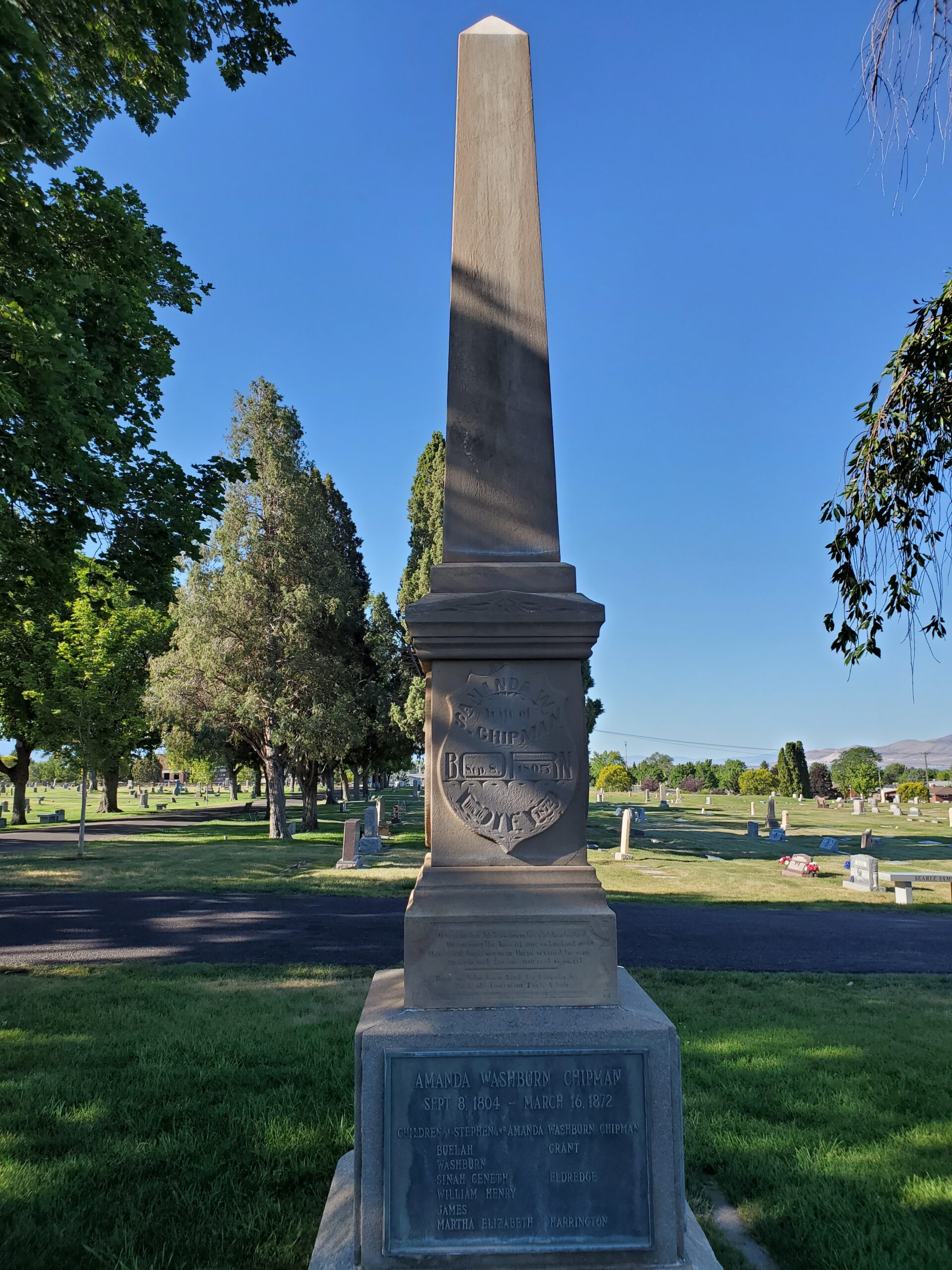
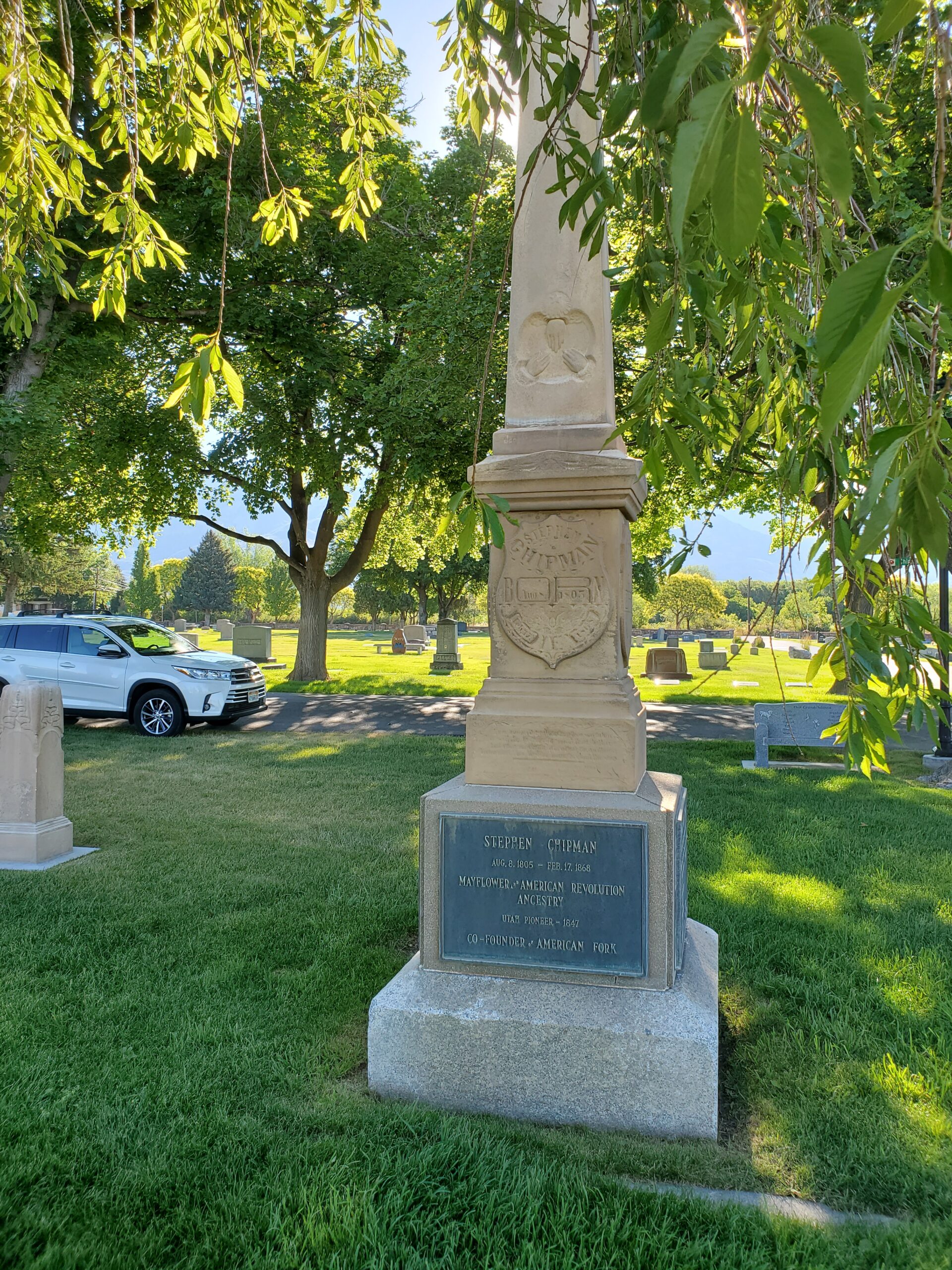
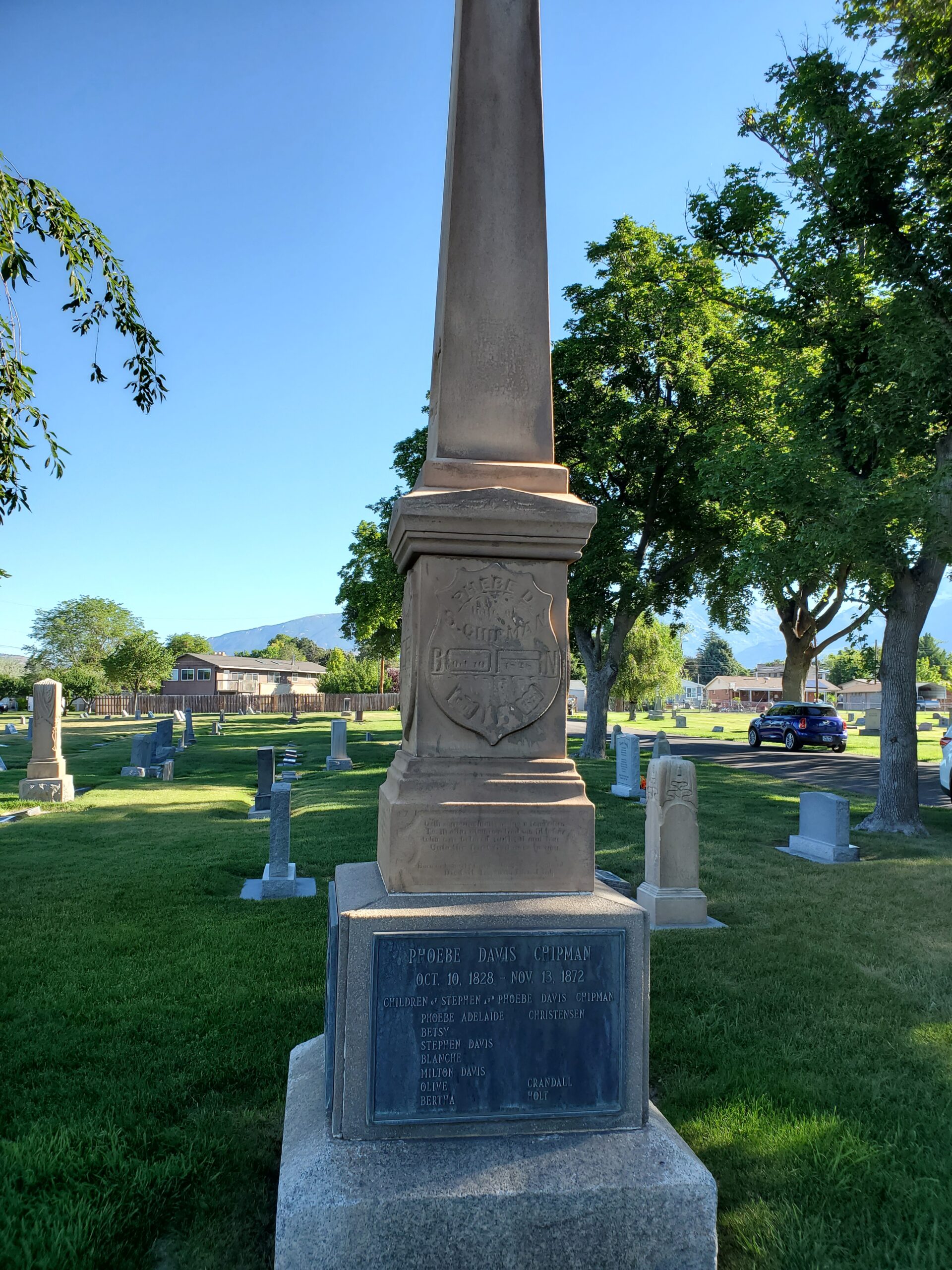
This large obelisk is a monument to the Chipman Family.
Another side of the Chipman Monument
The third side of the Chipman Monument

After leaving the American Fork Cemetery, my mother and I headed for Wyoming. Because we were visiting Utah on a Sunday, all of the museums and things we were planning on seeing in Ogden were closed. Well, hopefully we'll get a chance to visit again in the future.

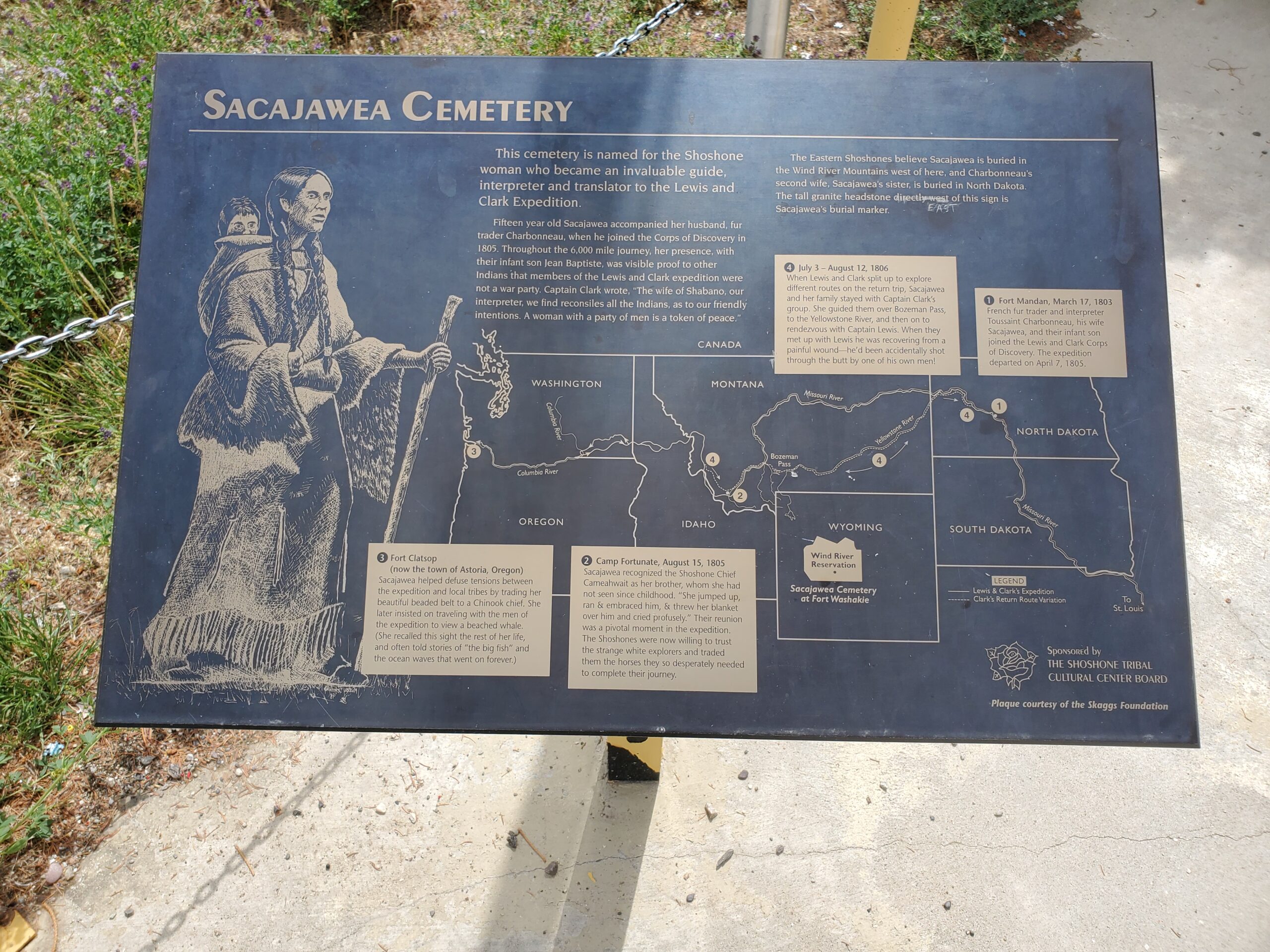
In any case, a few hours into Wyoming we found the Sacajawea Cemetery in Fort Washakie, Wyoming. This cemetery is a still active graveyard on the Wind River Reservation, meaning those buried in the cemetery are tribal members. Because of that fact, as well as the fact that, once again, a majority of the graves are actually new and still visited often, I didn't take many photos of those graves. Instead, I trained my camera instead on the reason the majority of people visit the cemetery in the first place--the grave of famed Shoshone guide Sacagawea.
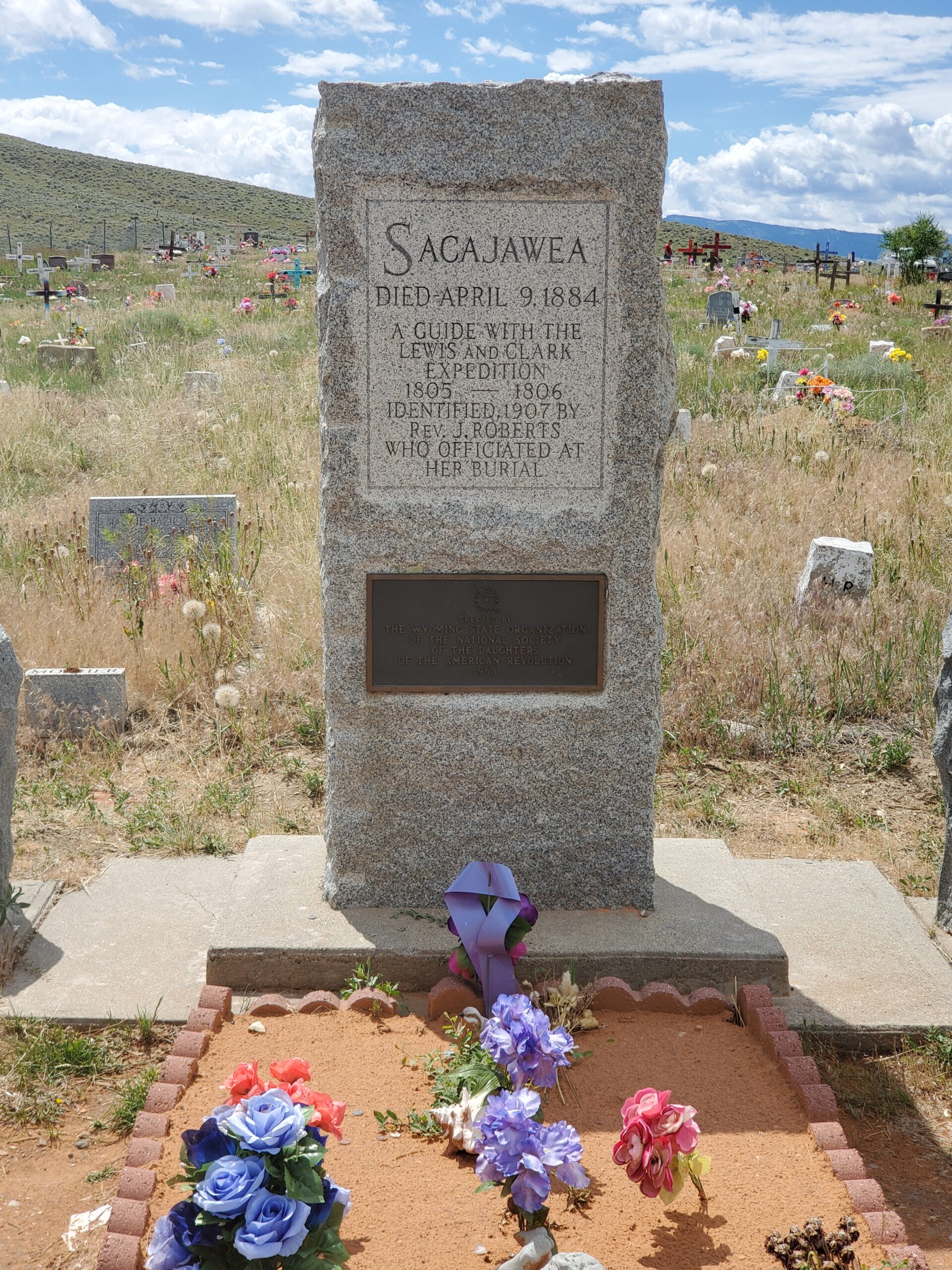
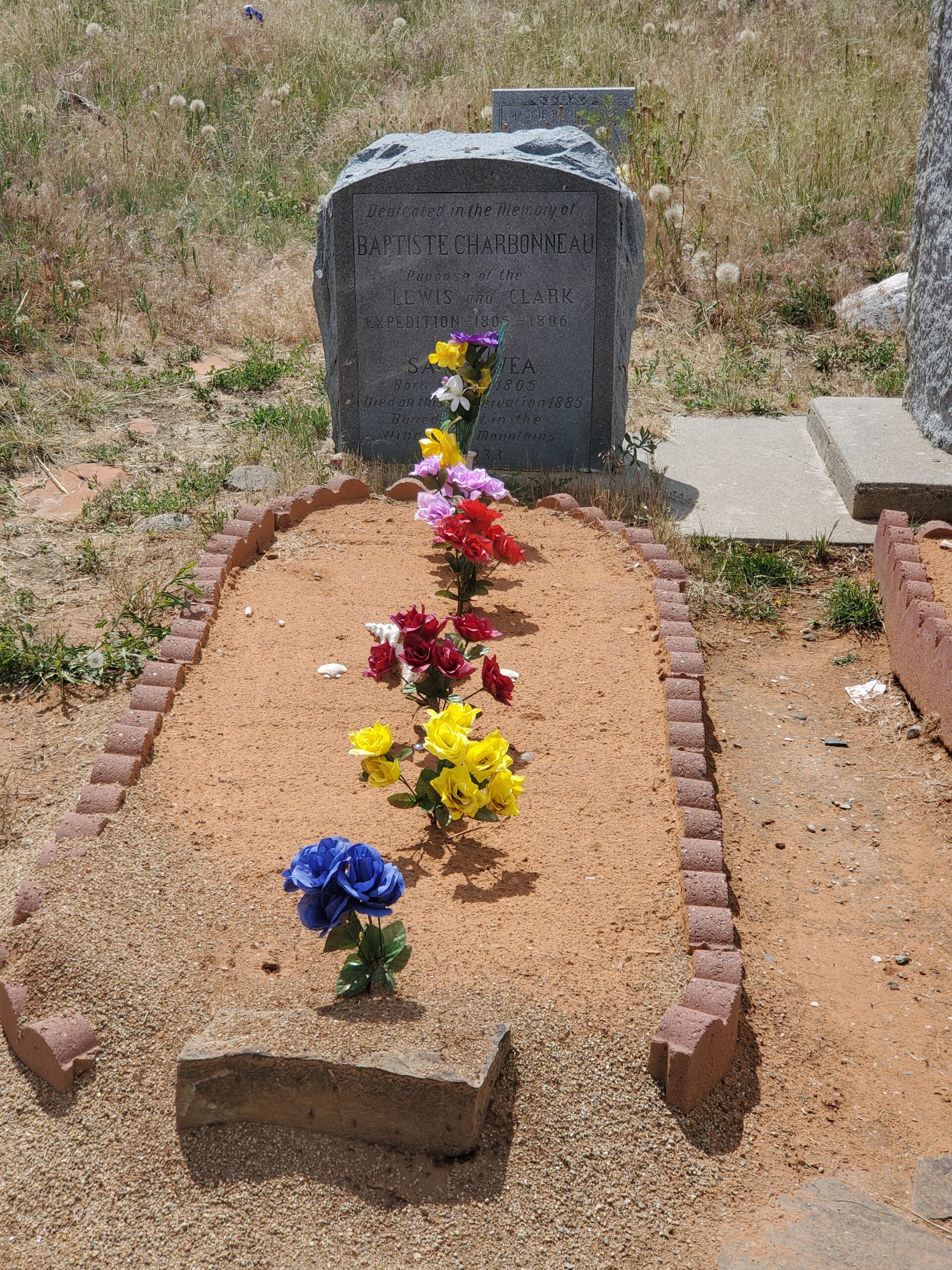
The monument to Sacagawea
Sacagawea's son Jean Baptiste is honored beside her

Now, in case you happen to be well versed in your history of Sacagawea, you may be vaguely remembering hearing at some point that the famed guide has two graves. If you remember hearing that, then you would be correct. The site my mother and I visited, in Wyoming, is the site Sacagawea's people claim is her burial site. According to their version of her story, Sacagawea left her French fur-trapping husband, moved away, married a Comanche man, and eventually made her way back to her people and her adopted son Bazil, before dying around the age of 100 in 1884. The woman who claimed to be Sacagawea is who is buried in this grave. But was she really?

The other version of the story is the one I, and most historians, believe today. According to the second story, Sacagawea died in 1812 soon after giving birth to her daughter Lizette. If this story is the correct one, than the second burial site for Sacagawea is located somewhere near where she died at Fort Mandan in South Dakota.

It makes sense that people would prefer the first story to be the accurate one; that the grave my mother and I saw today is where America's most famous Indigenous woman is buried after living a long and happy life. And who knows, maybe it really is the place where Sacagawea was laid to rest. To learn more, I have linked two articles from different sources at the bottom of this blog post.

As for the rest of the cemetery itself; its located on a hillside on an unmarked road, but once again Google Maps will take you straight to the graveyard. When my mother and I were there, about five or six other carloads of people were visiting as well, all of whom were clearly tourists.
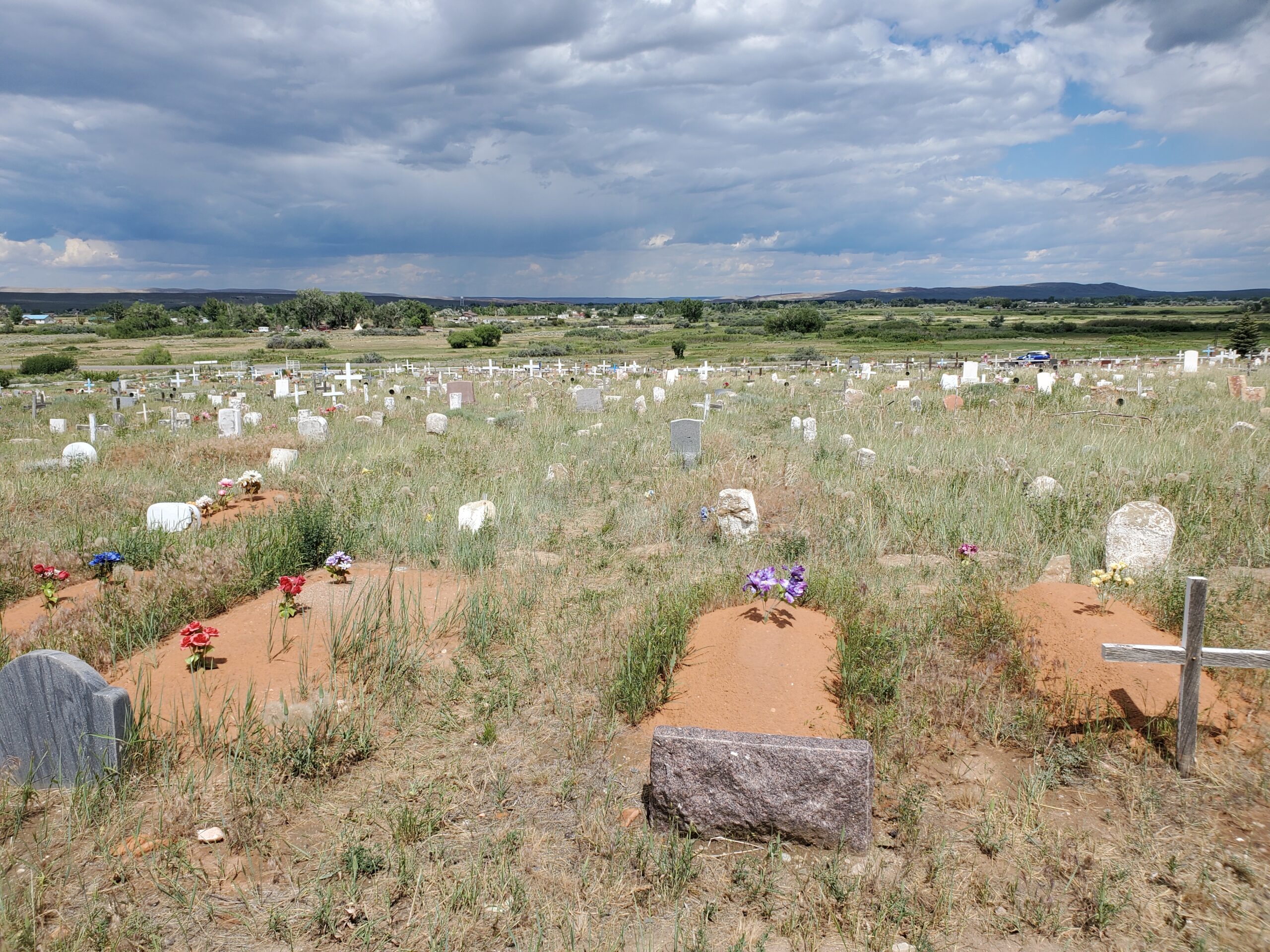
View of the cemetery from the top of the hill

Also on the property is an old church building that has been moved from its original site, as well as informational placards for more information.
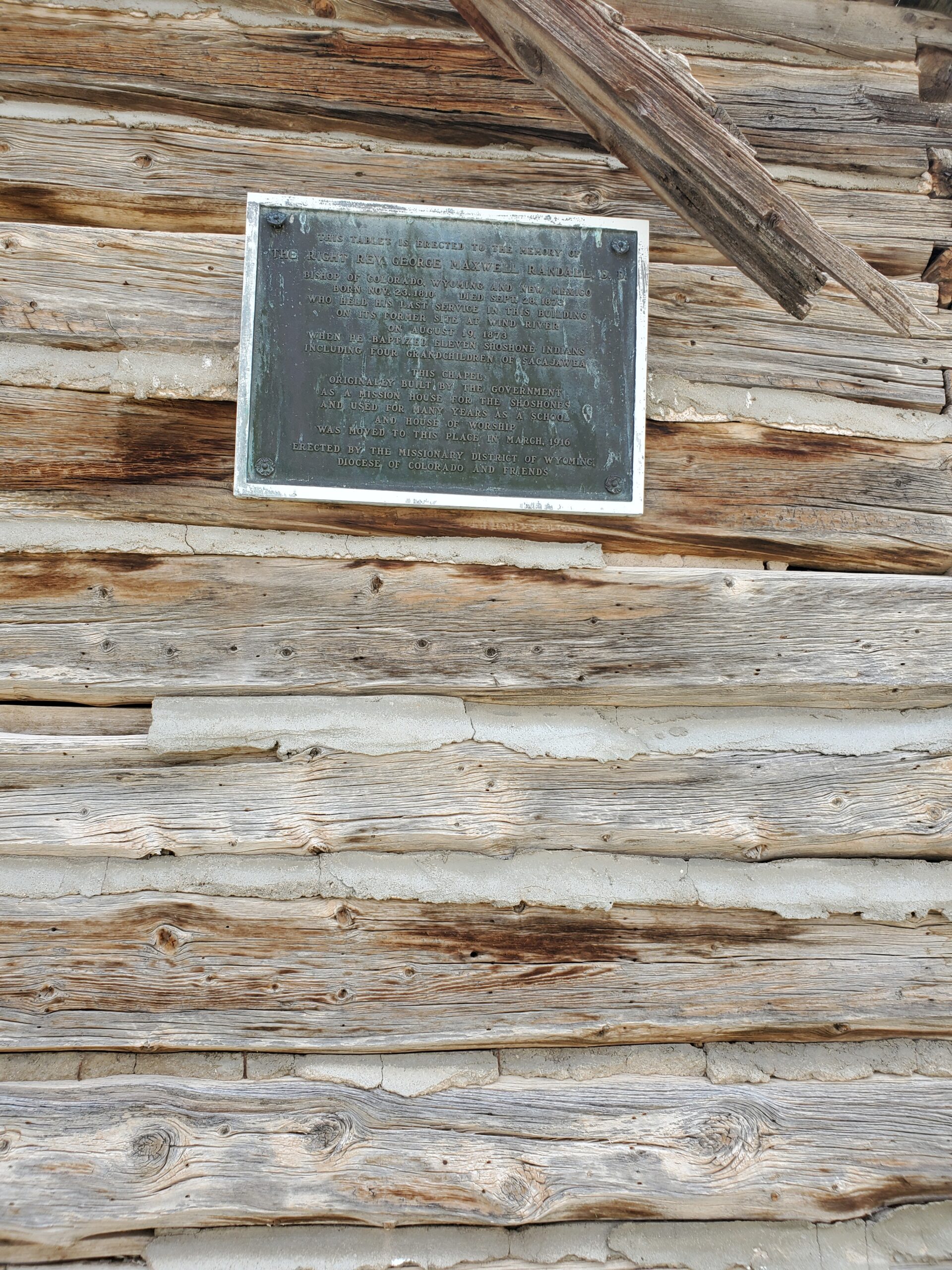
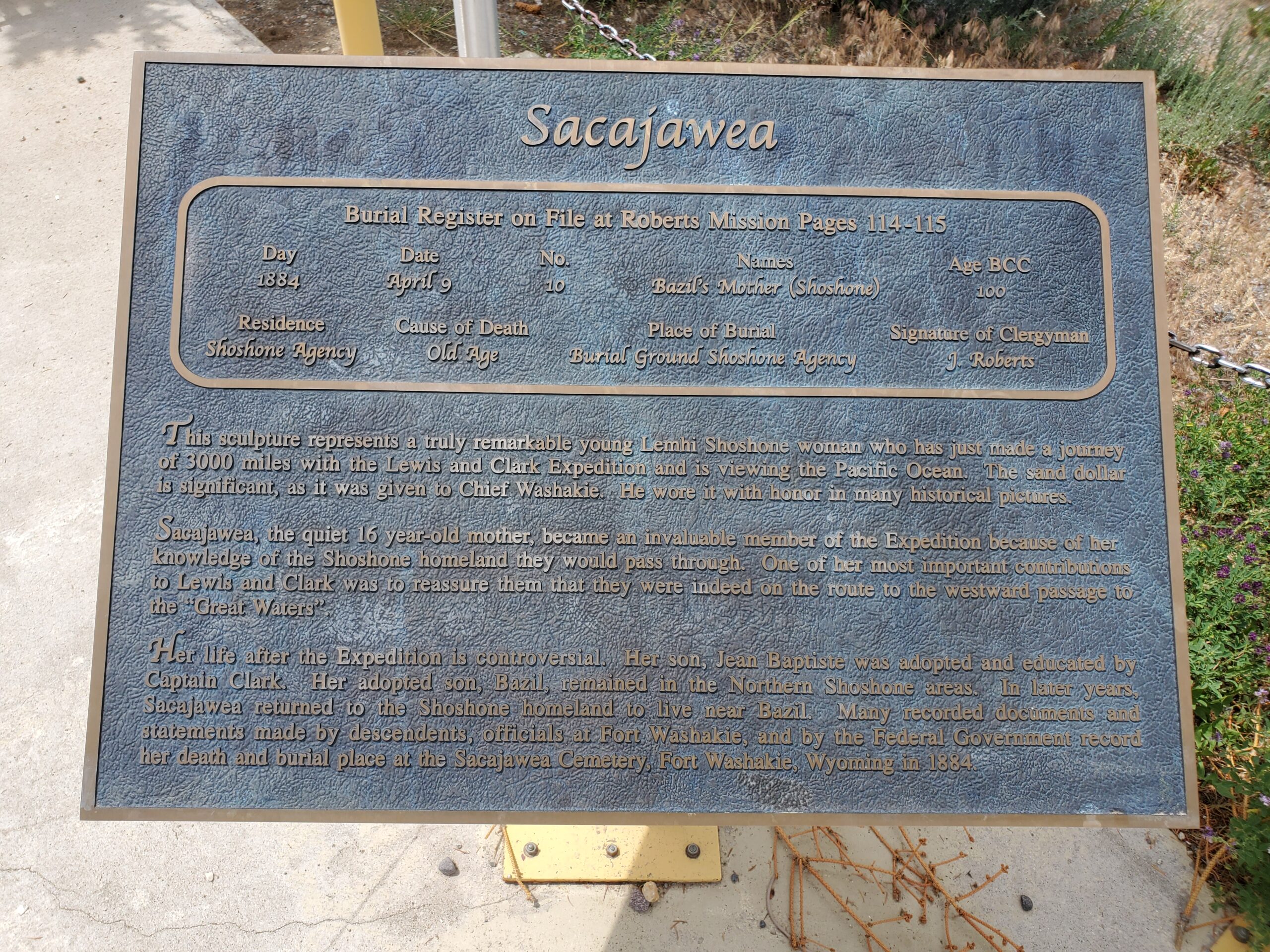
The old church building in the cemetery is marked with this placard
Information Placard 1
Informational Placard 2

The only other marker I took a photo of is this memorial stone to two pioneers who were killed during a raid on their homestead.
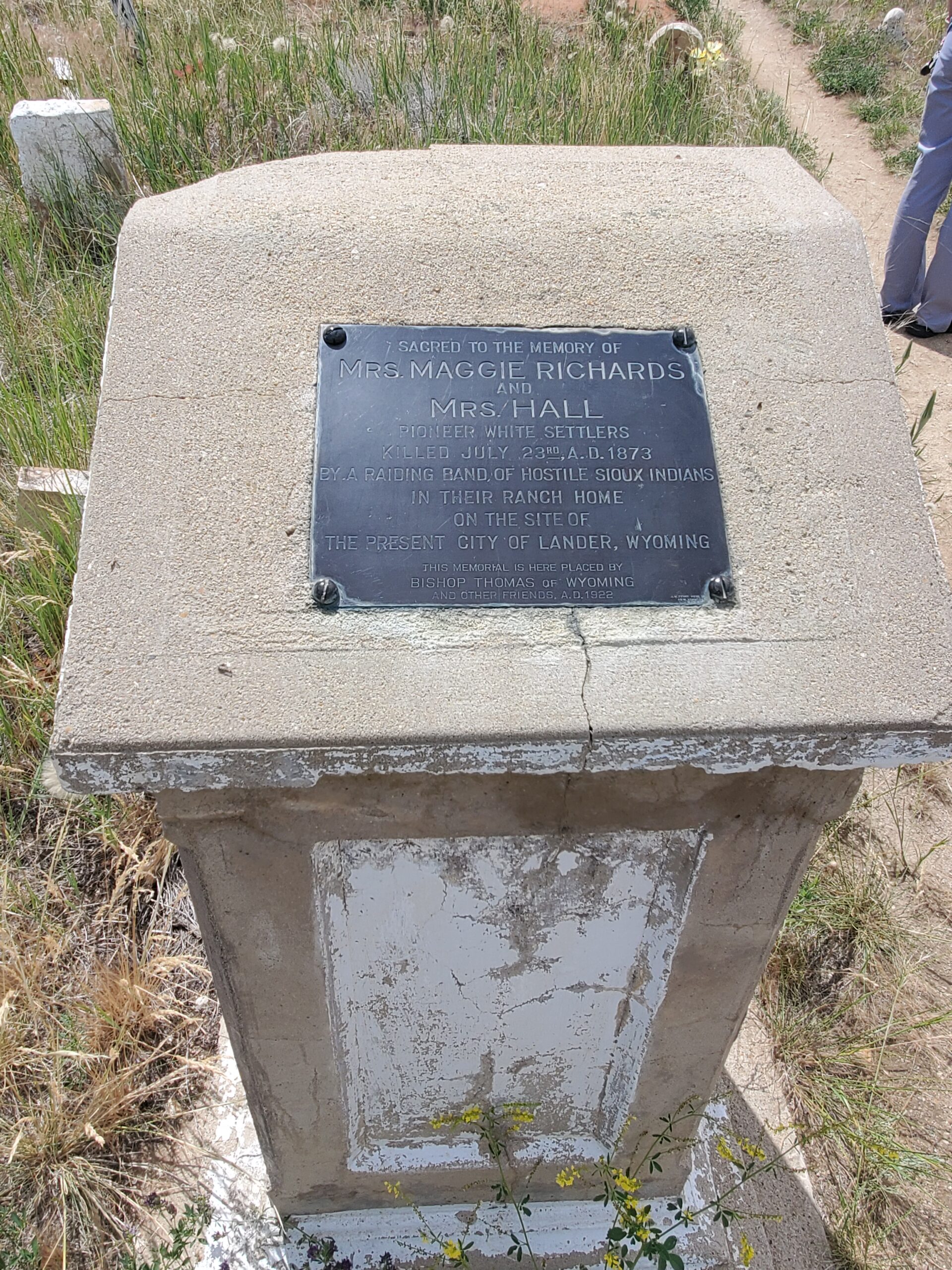
Memorial Placard

The Sacajawea Cemetery is a few miles off of the main freeways, but is still an important place to visit for anyone interested in Native American or Western history of the United States. Please remember that this burial ground is still in use by the tribe today and that appropriate precautions should be taken. Be respectful and kind, and behave as you would hope others would behave near the graves of your own family members. This goes for Grand Canyon Pioneer, Provo City, and American Fork cemeteries as well. Even graveyards that are no longer actively burying folks should be regarded with respect and kindness befitting the dead.


That's all for this post folks. Thanks for taking the time to read! Hopefully we'll be stopping by some other cemeteries in Colorado and New Mexico on this trip so look out for those posts in the future as well.


Further Reading:

https://news.prairiepublic.org/post/sitting-bull-sacagawea-graves

https://www.yellowstonepark.com/things-to-do/attractions/sacajawea-secret-gravesite/
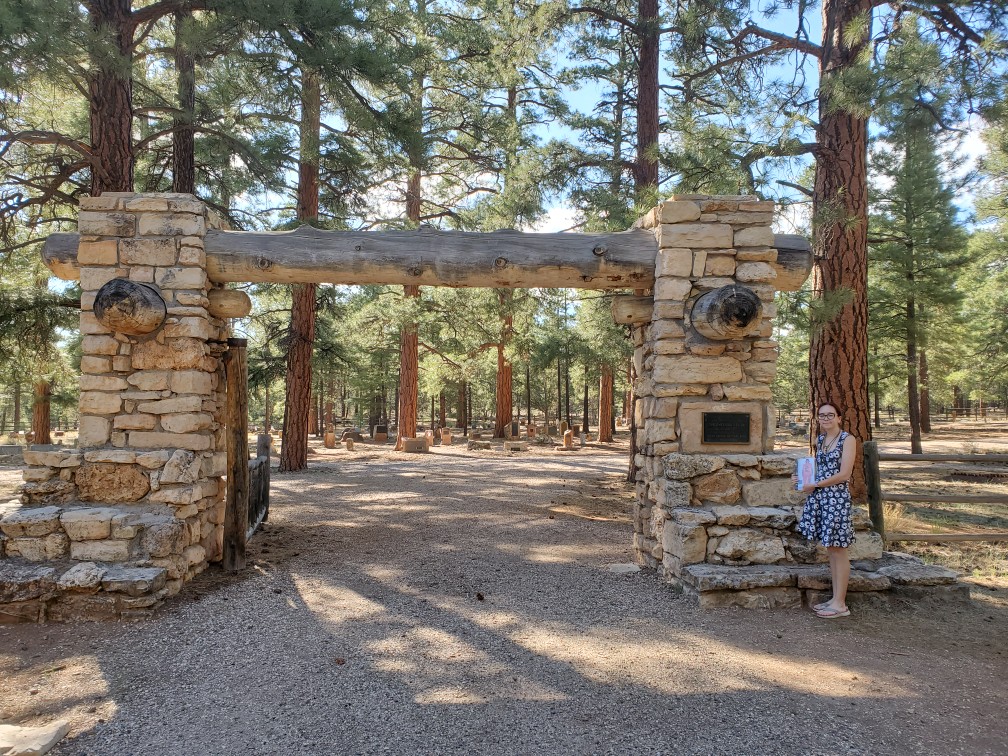
Grand Canyon Pioneer Cemetery

Posted on June 25, 2021January 16, 2022 by nickssquire12

Tucked away from the road within Grand Canyon National Park is a small, tranquil graveyard that is open to the public, despite what Google will have you believe.

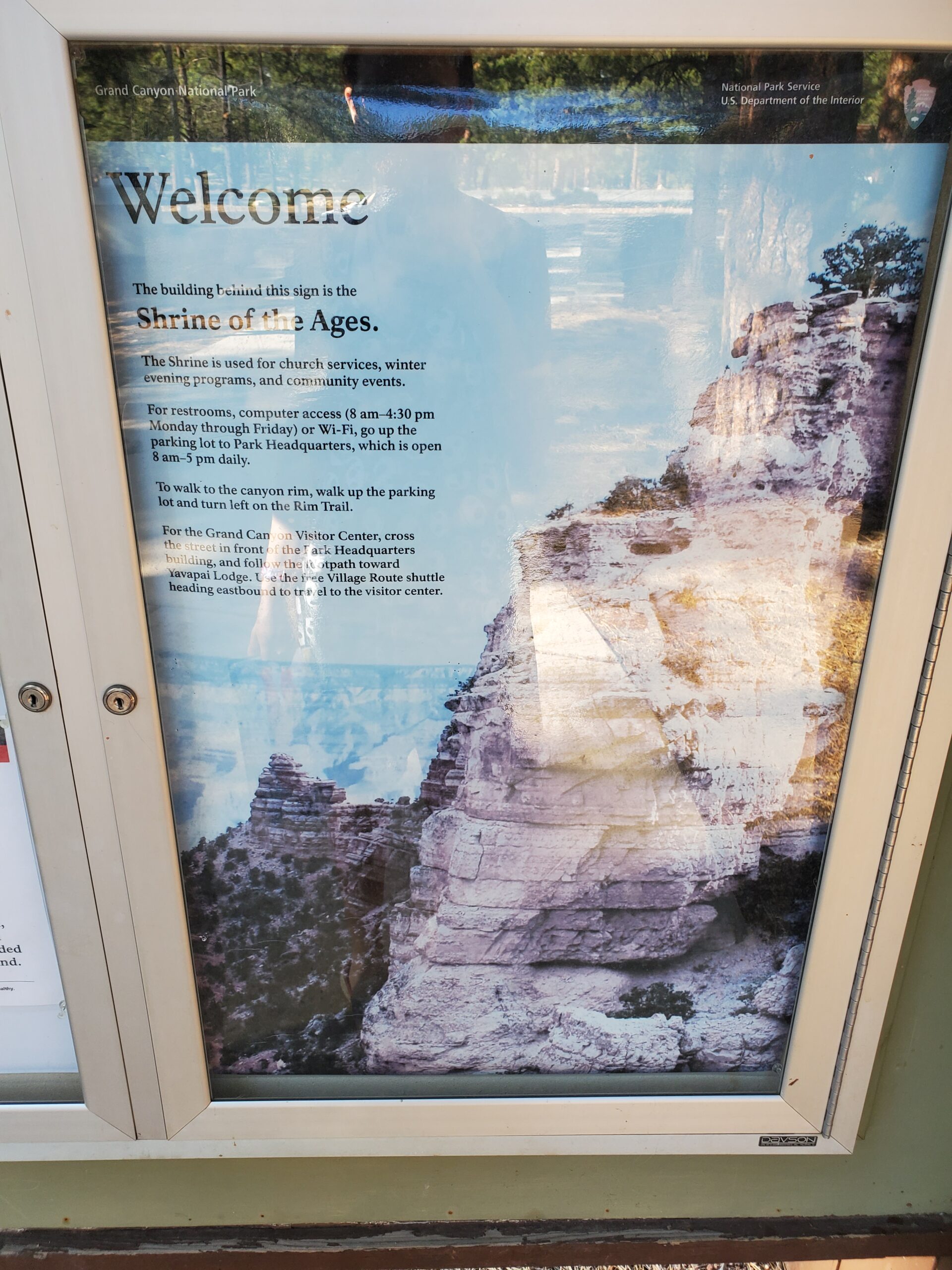
When my mother and I arrived at the park entrance today, we asked the ranger if the Pioneer Cemetery was in fact open to the public. The surprised ranger asked, "You mean the cemetery with the Shrine of the Angels?" When we said yes, that is in fact the place we were looking for, the ranger then asked if we were visiting anyone in particular. When we said no, that we just wanted to see the place, the polite ranger told us we were free to walk the grounds. When he asked if that's all we wanted to do in the park and we said yes, he seemed even more surprised. Then he handed us a map of the park and waved us through. Google brought us right to the parking lot attached to the cemetery, which lies adjacent to the Shrine of the Angels, which is used as a church for various congregations and religions today.

Shrine of the Ages Explanation
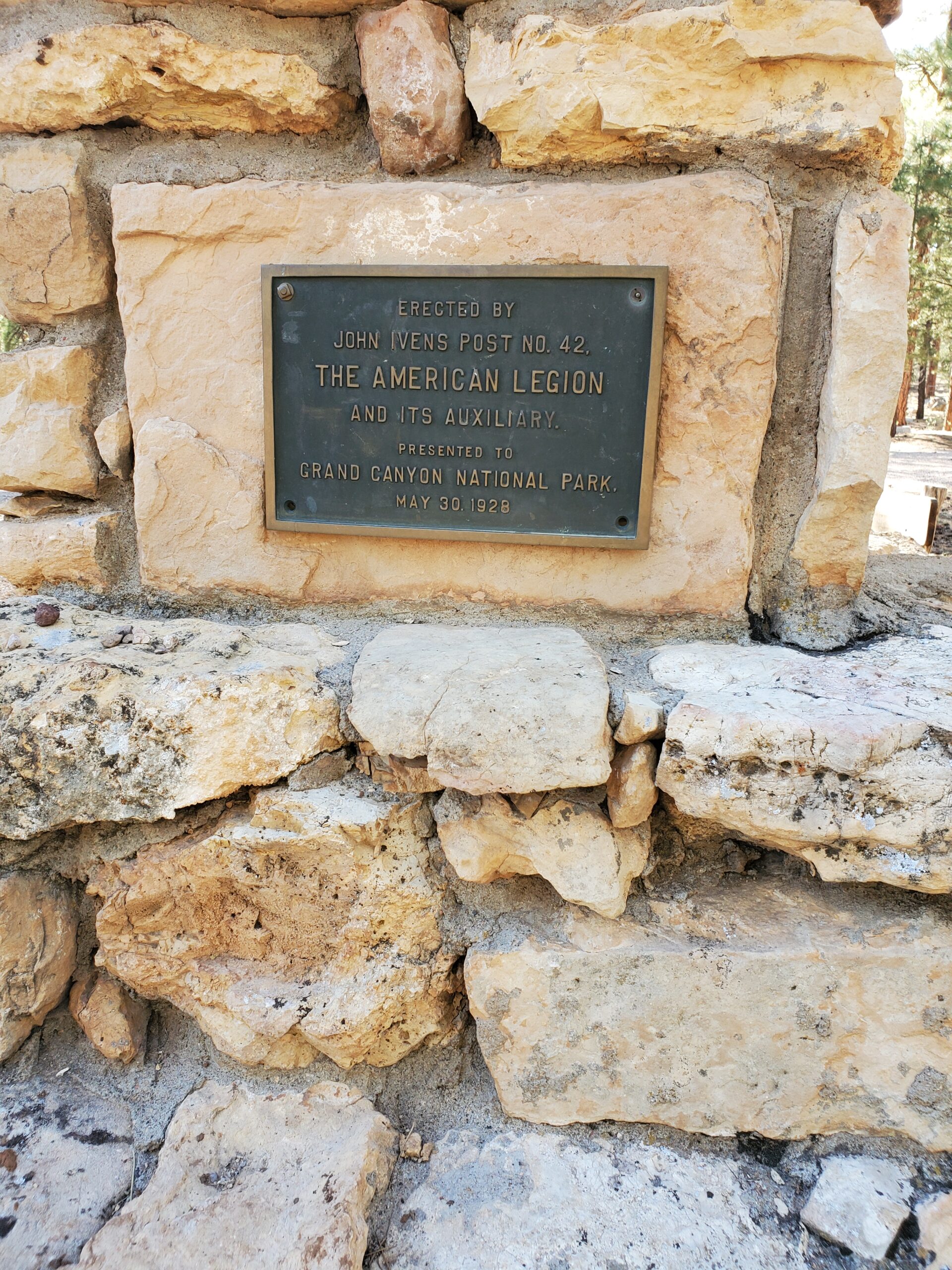
Cemetery Dedication

The cemetery closed to burials as of 2017, though there are a few newer graves within the boundaries of the graveyard today. Family members who have already purchased plots or are eligible to be buried alongside a spouse, parent, etc, are still allowed to be buried there.

The most surprising fact of the cemetery, to my mother and I in any case, was the high number of young individuals buried there. Some of the graves date back to the beginning of the twentieth century, when white settlers first began to move to the rim, but many of the graves are far newer. And many are for babies, children, or young adults who died in their twenties.

The word I would use to describe the place is tranquil. In the fifteen or so minutes we spent walking around, no one else joined us in the cemetery itself. Judging by the ranger's reaction when we entered the park, the cemetery itself doesn't receive a lot of traction or interest from visitors. However, I would highly recommend a stop for anyone already visiting the canyon, or anyone interested in visiting cemeteries like my mother and I. The headstones are all unique, so very different from the standard rectangles we see at our normal city cemeteries like where the majority of my family is buried.

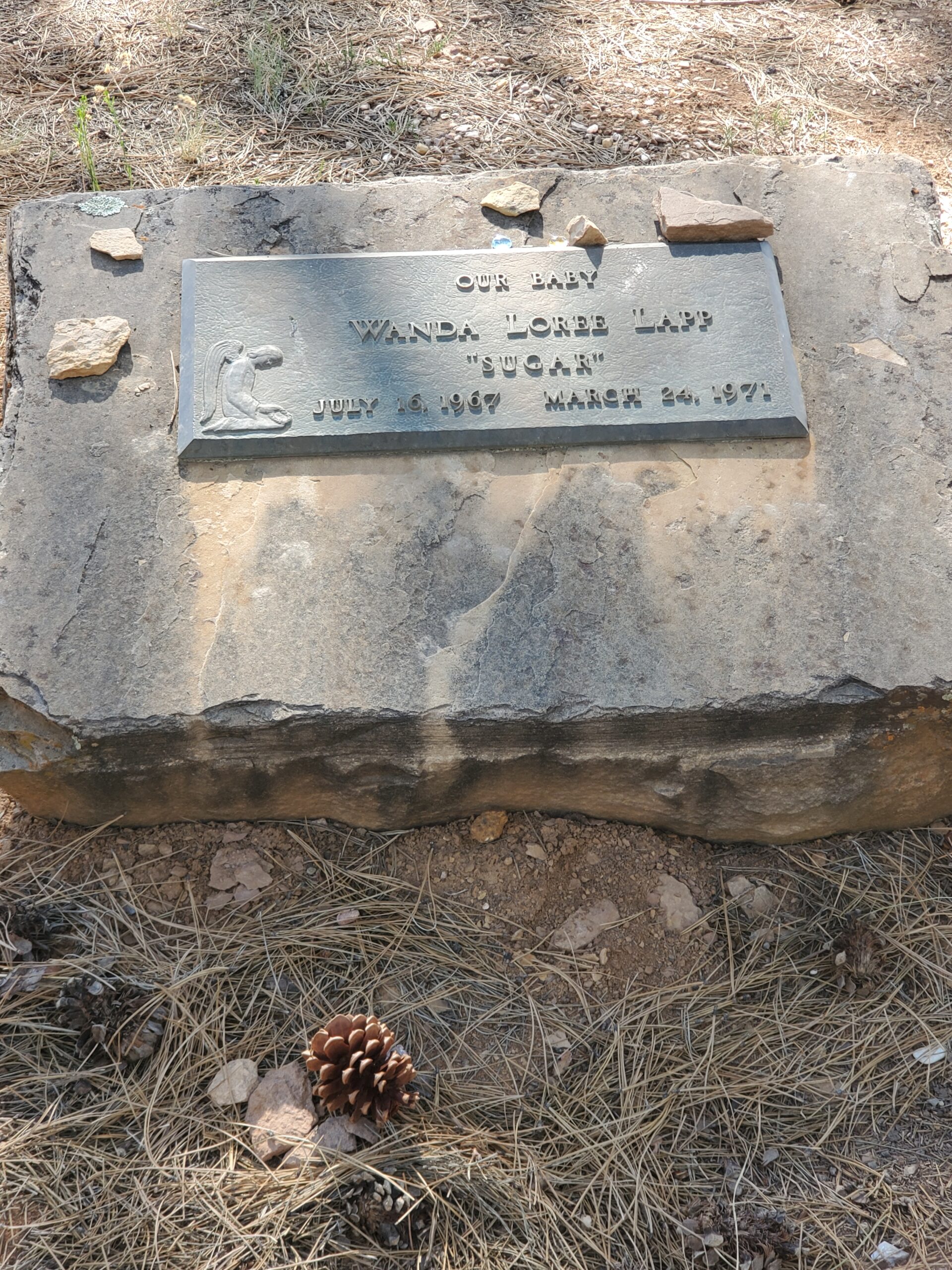
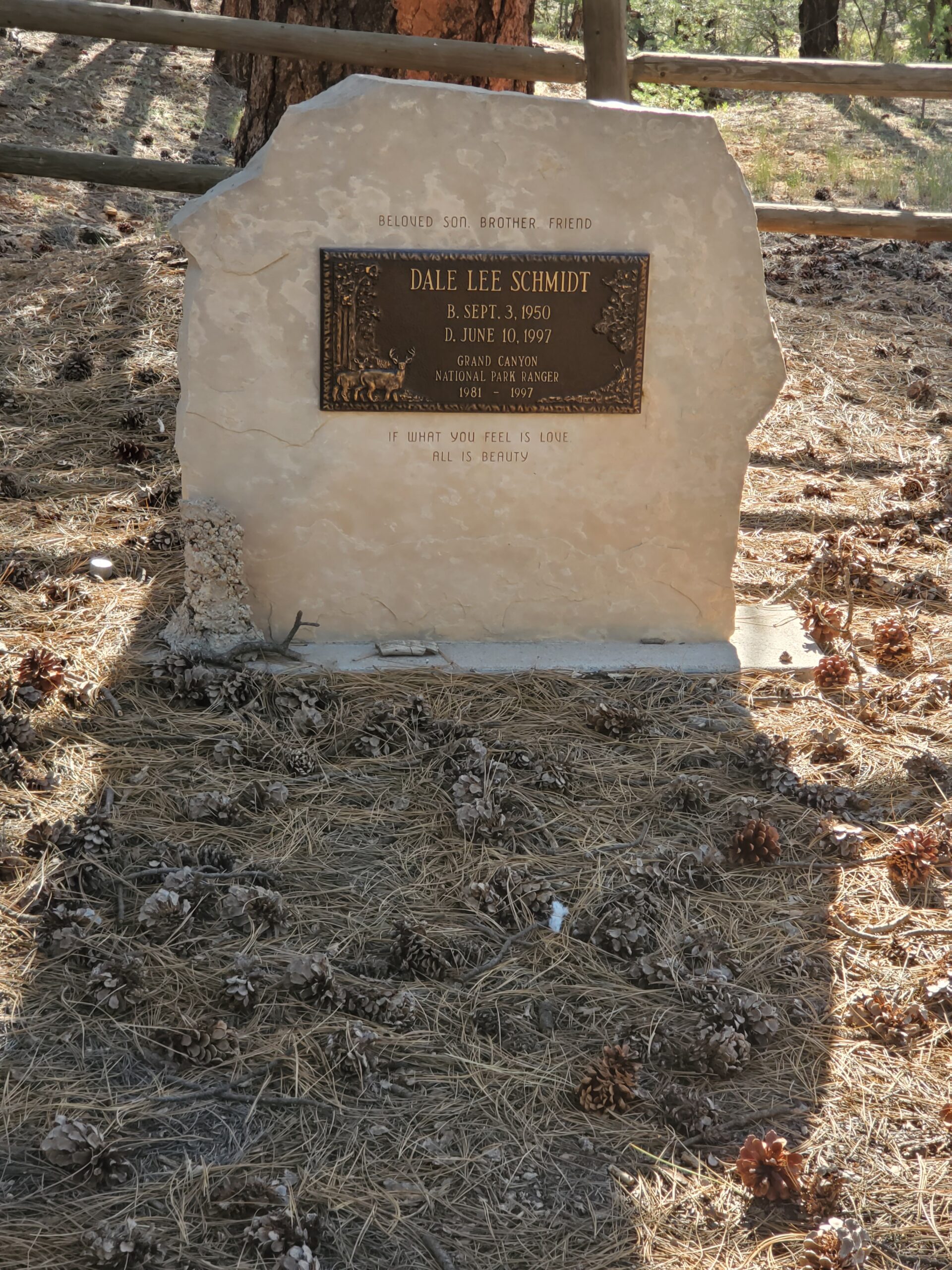
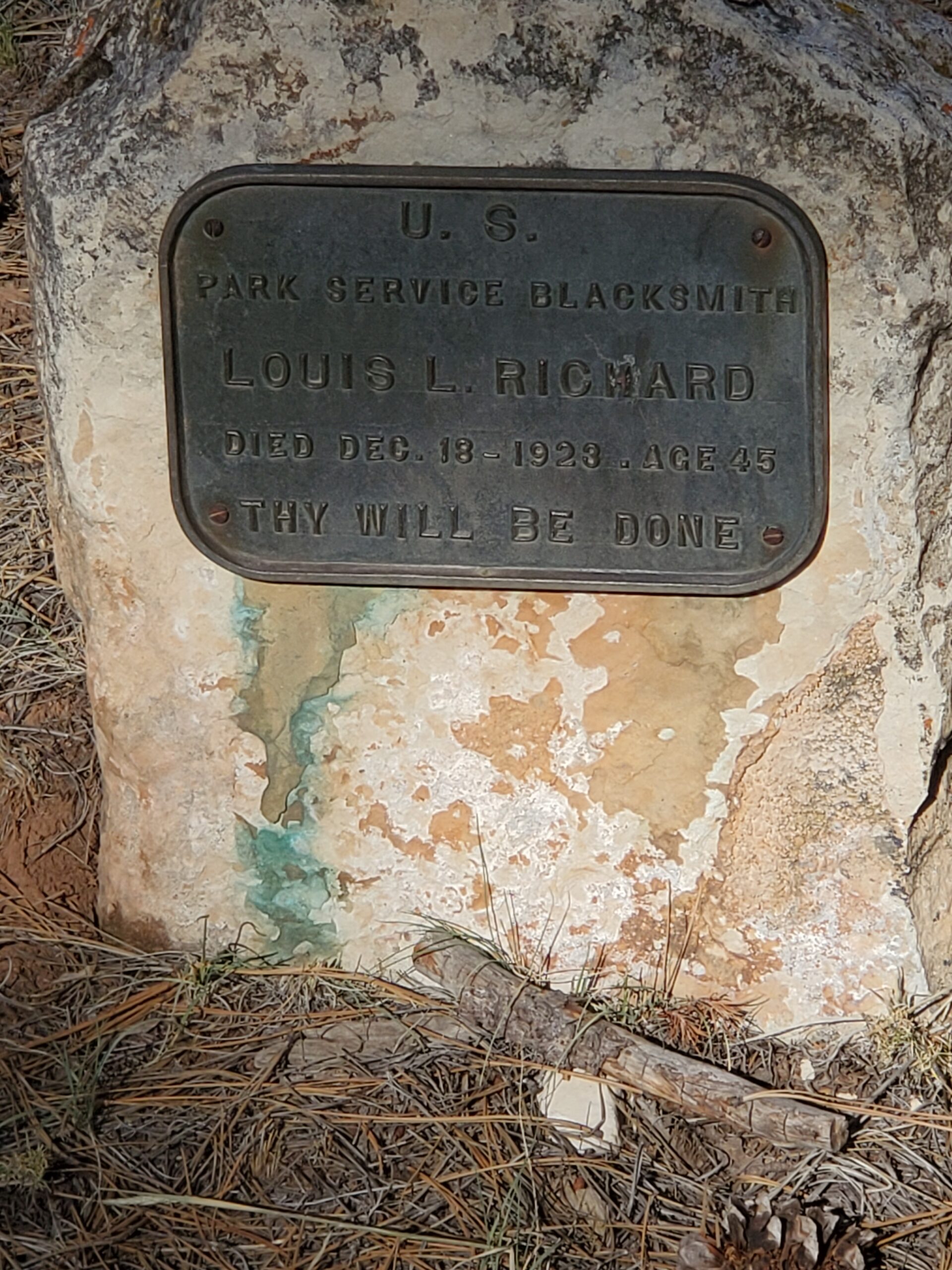
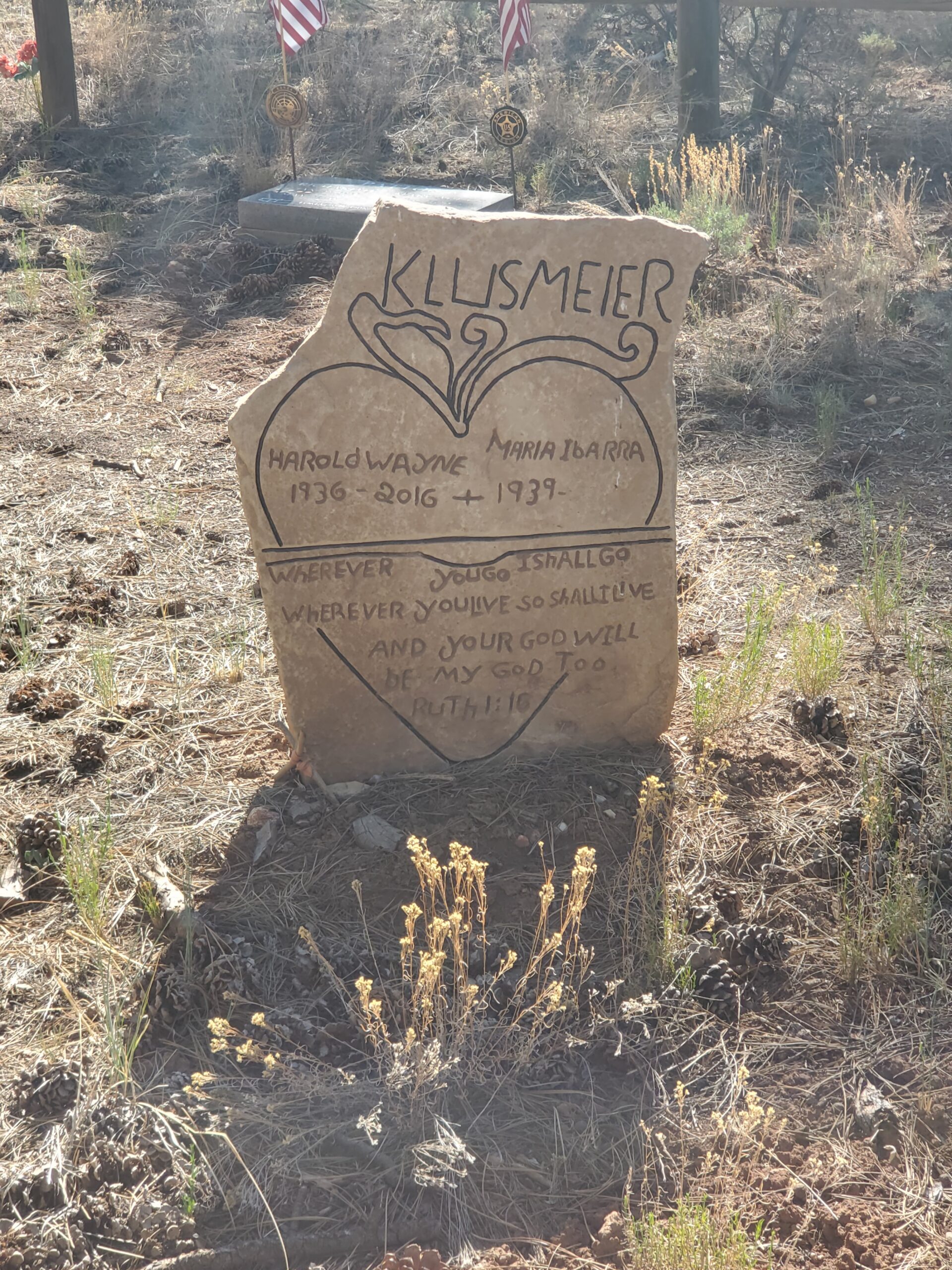
Here are some photos of the burials within the cemetery.

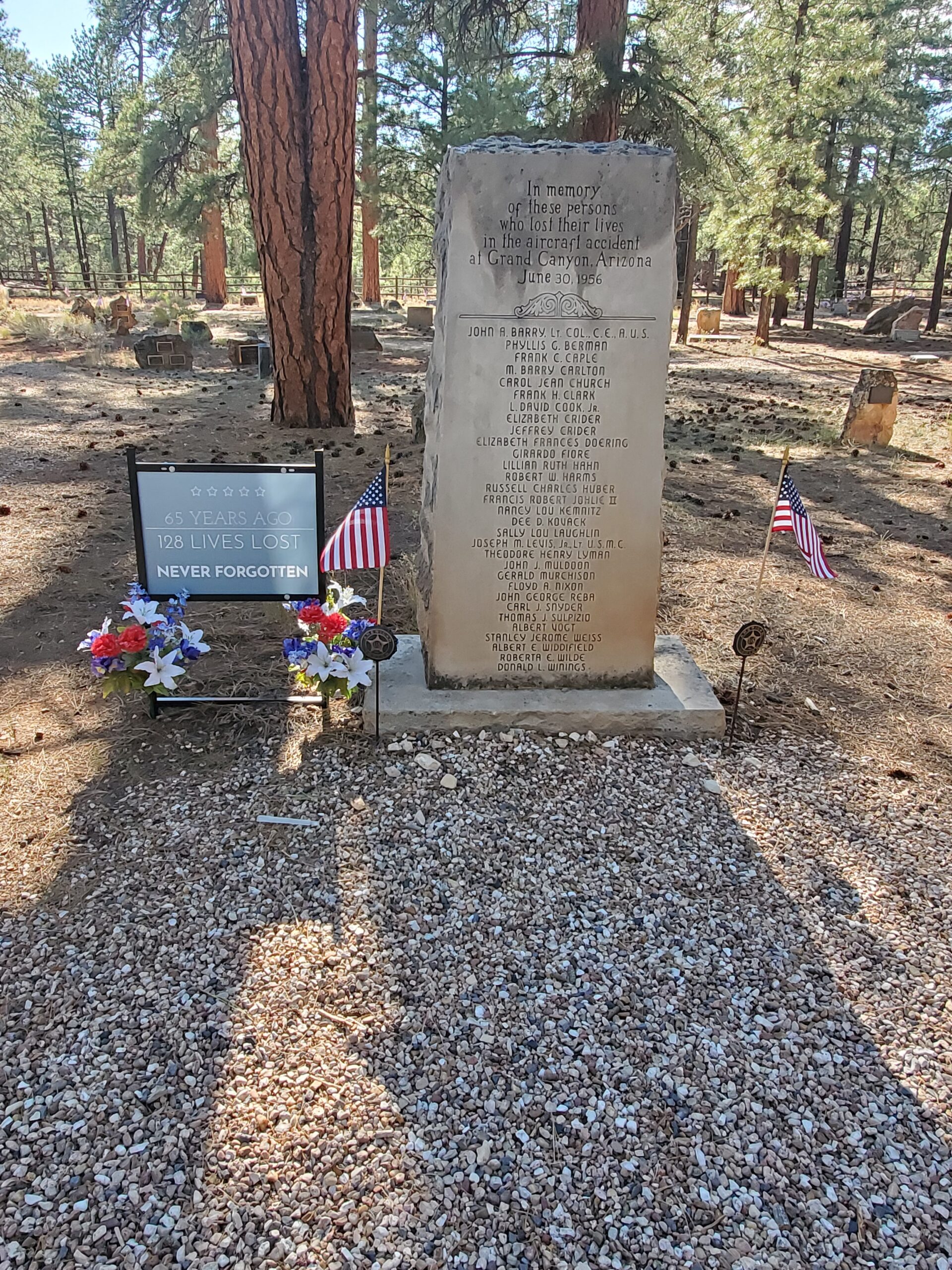
This memorial was dedicated to the 128 souls lost during the collision of two planes over the canyon in 1956

Memorial to those lost during the mid-air collision of two flights over the canyon in 1956.

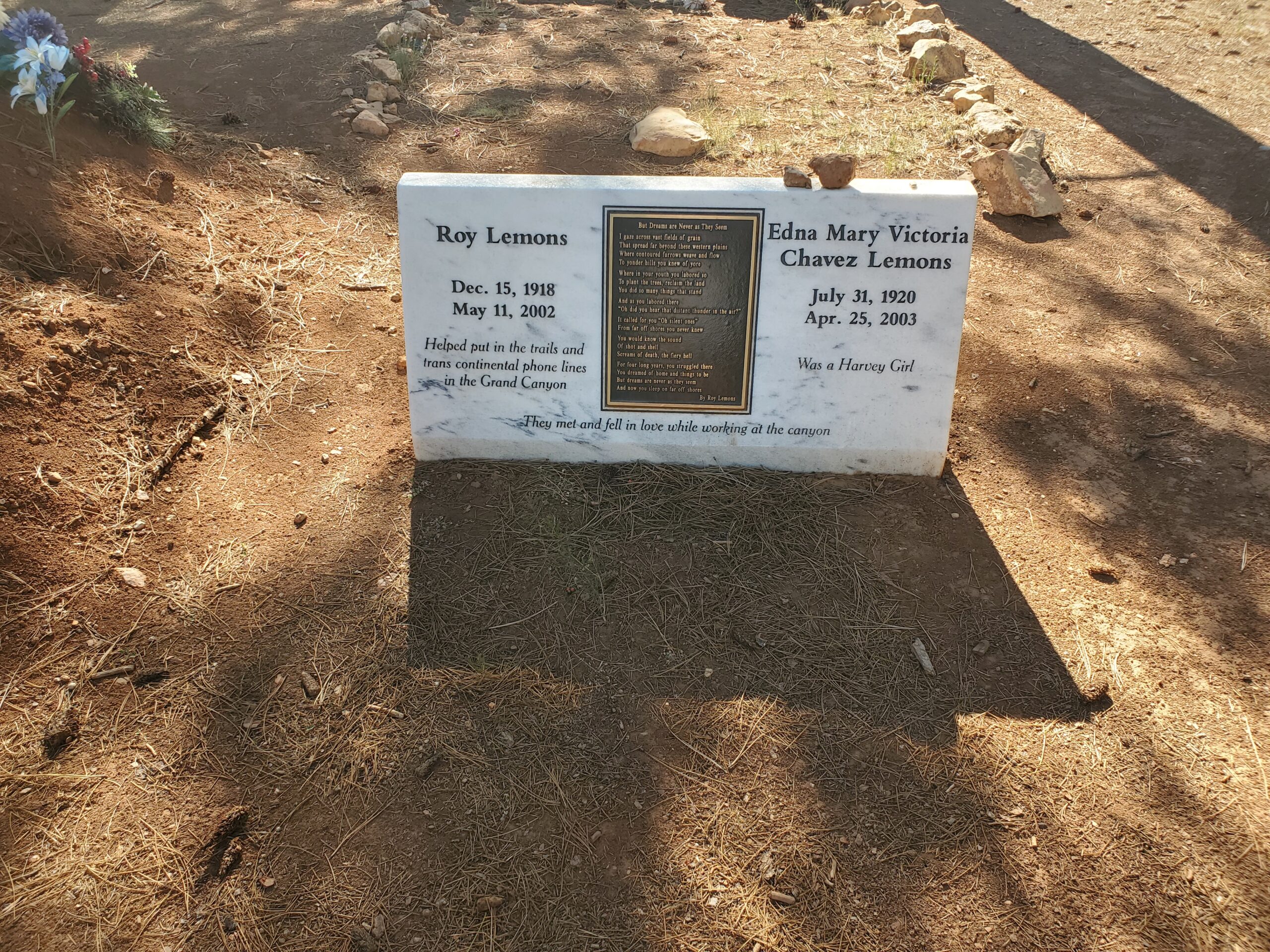
The Lemons' Double Headstone

A double headstone for a couple united forever in death. Roy worked at the Canyon for many years, as did Edna. The Fred Harvey Company operated most of the buildings at the canyon for many years, and "Harvey Girls" were usually waitresses at the various restaurants and cafes around the canyon rims.

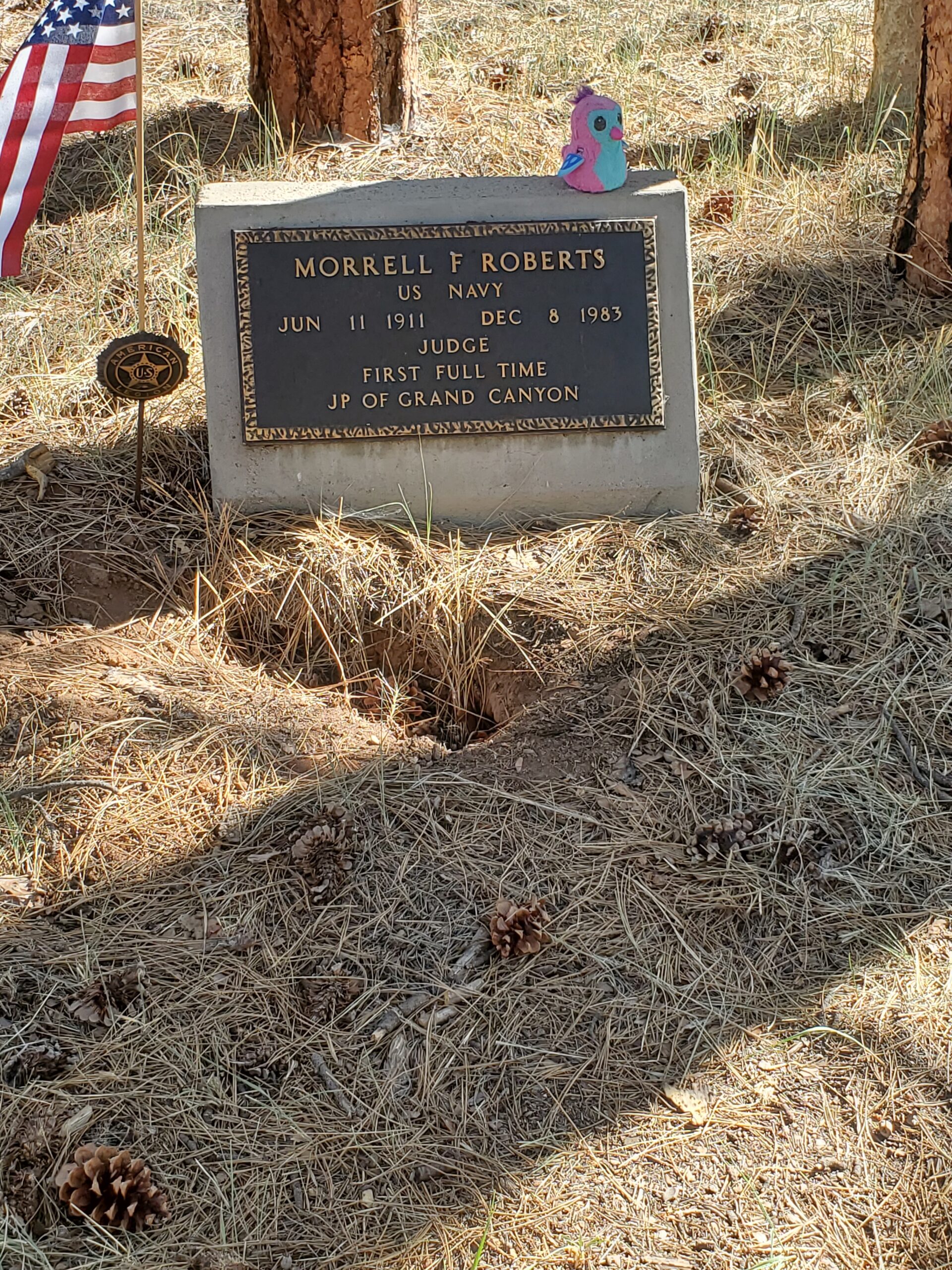
Morell Roberts Grave
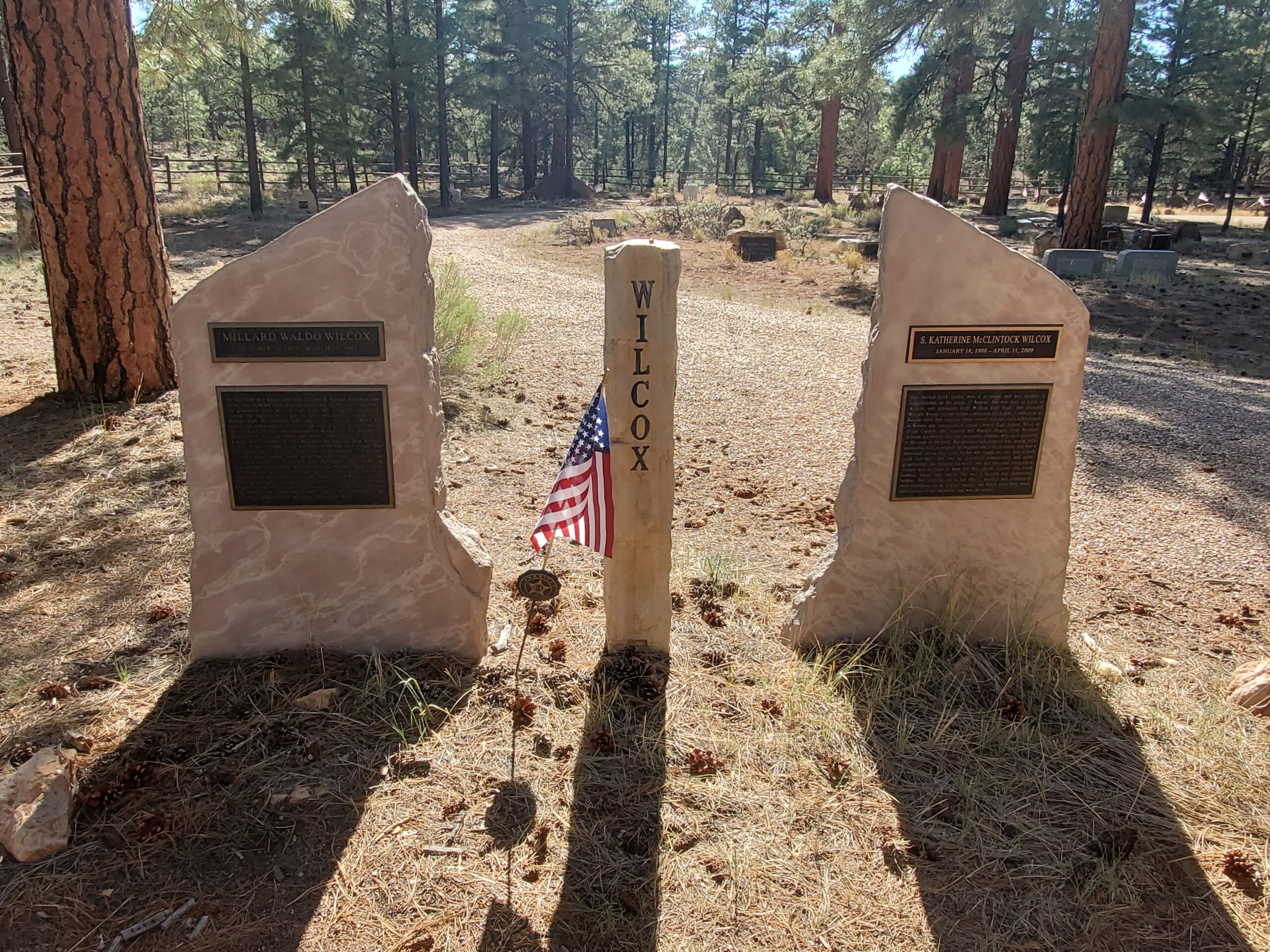
Wilcox Graves
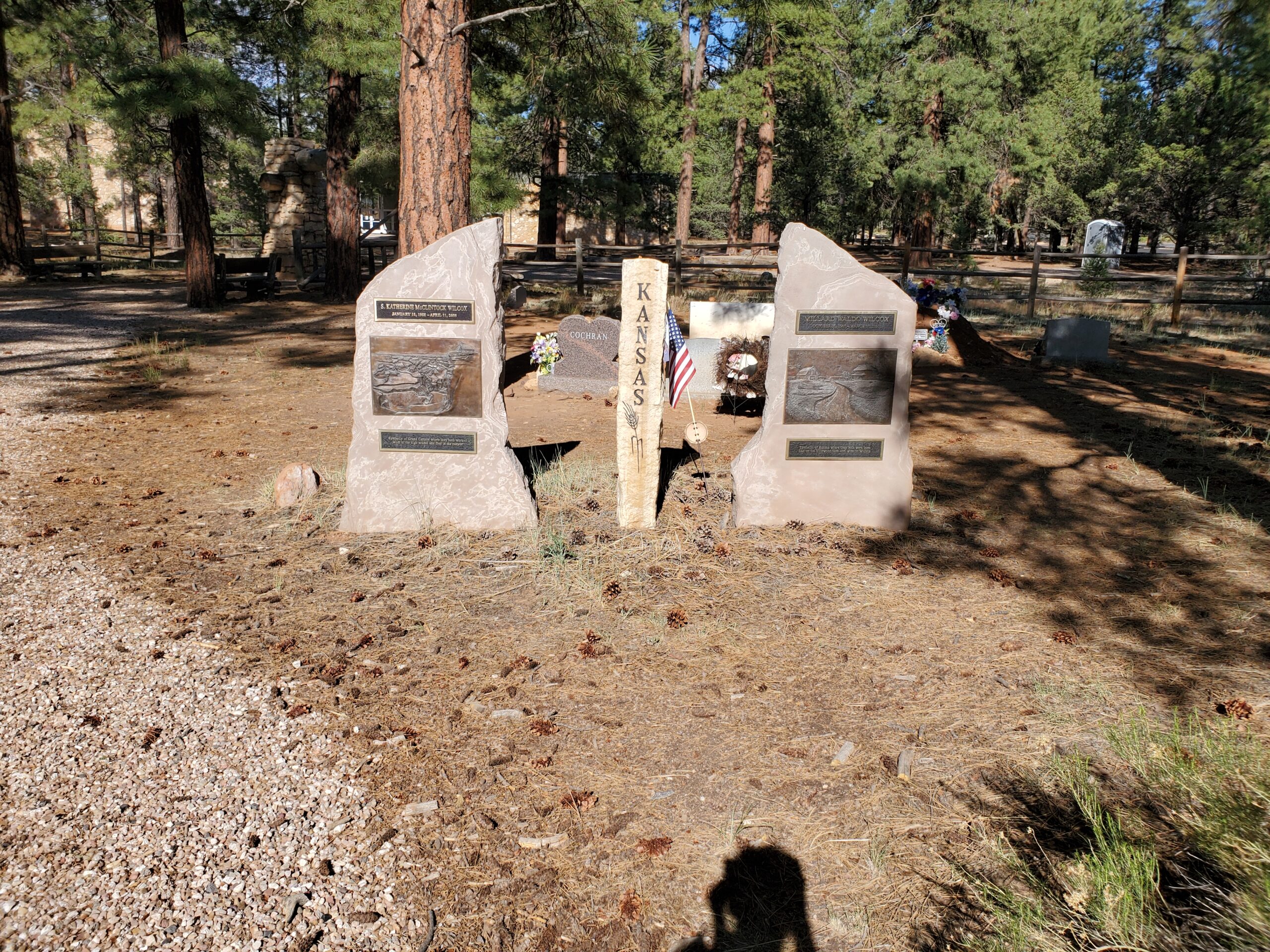
Backside of the Wilcox Grave

The Wilcox's have very intricate headstones that are separate but united by their familiarity. The stones are decorated with epitaphs on the front and engravings on the back.

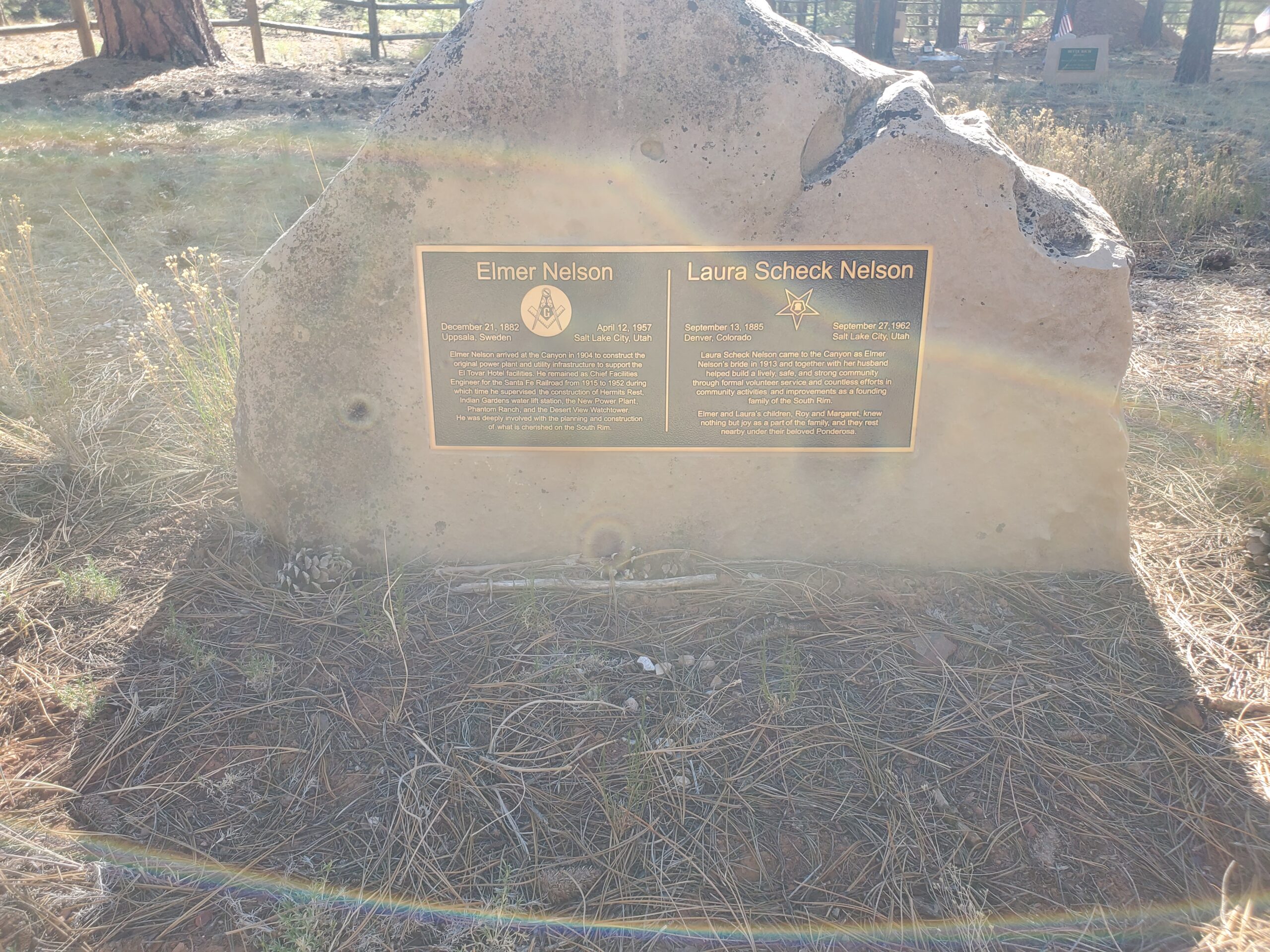
Nelson Double Headstone
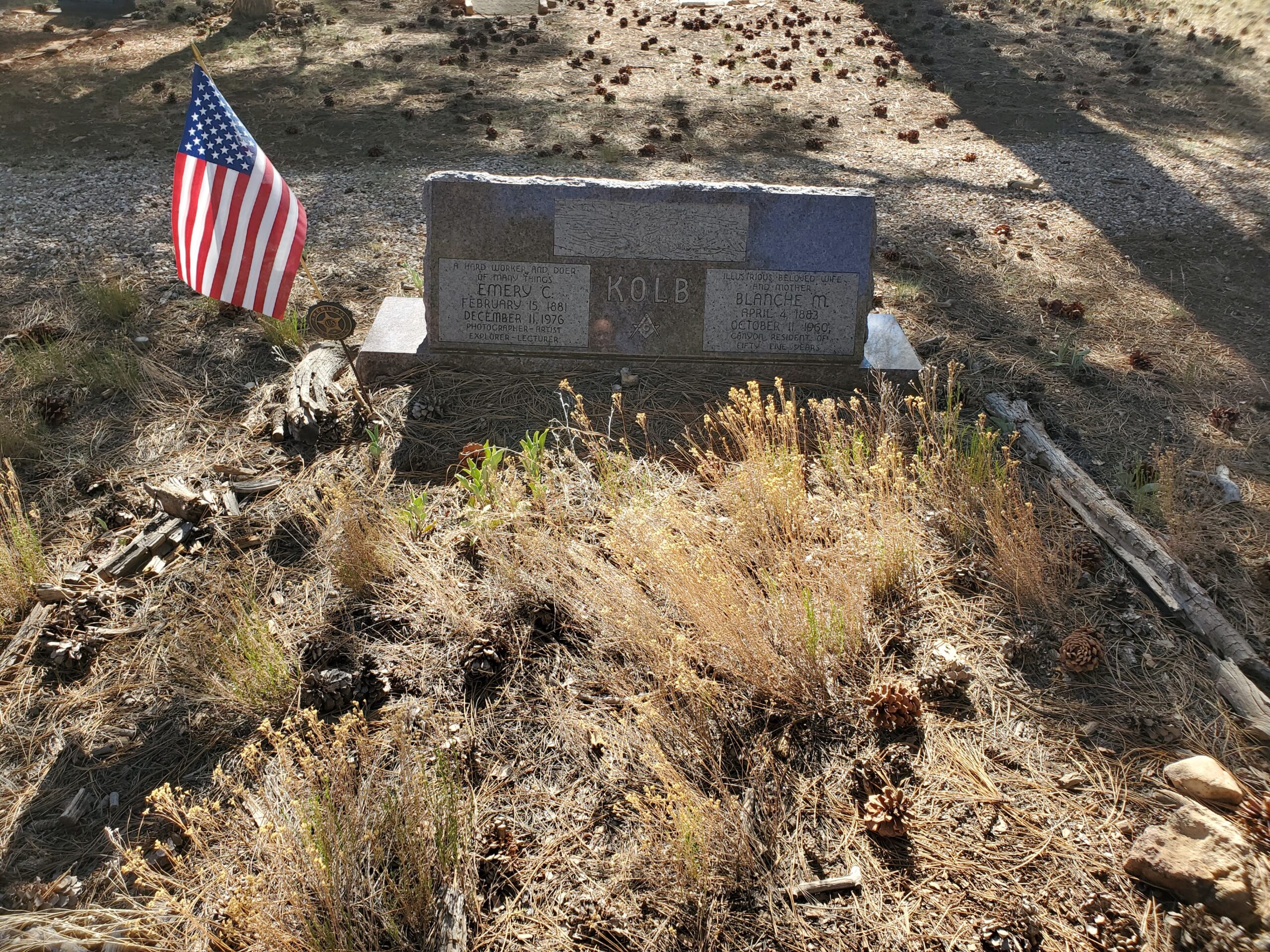
Kolb Headstone

Emery Kolb and his brother have often been considered the true pioneers of Grand Canyon tourist attraction and excavation work. Emery's headstone here, shared with his wife, is simple and located just inside the gates of the cemetery to the left. Unfortunately during our visit his grave marker was directly in line with a port-a-potty outside the cemetery gates.

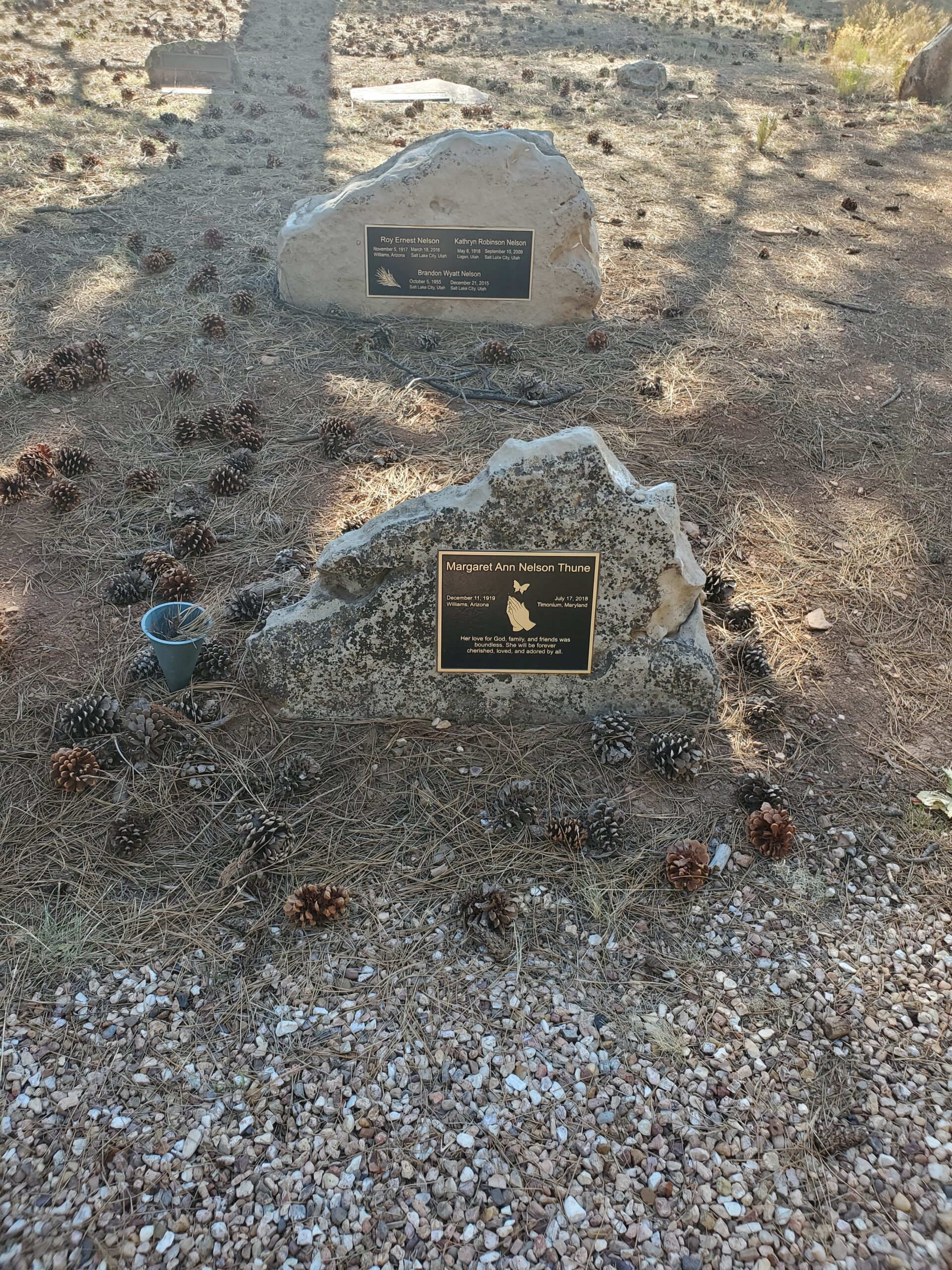
More Nelson Graves
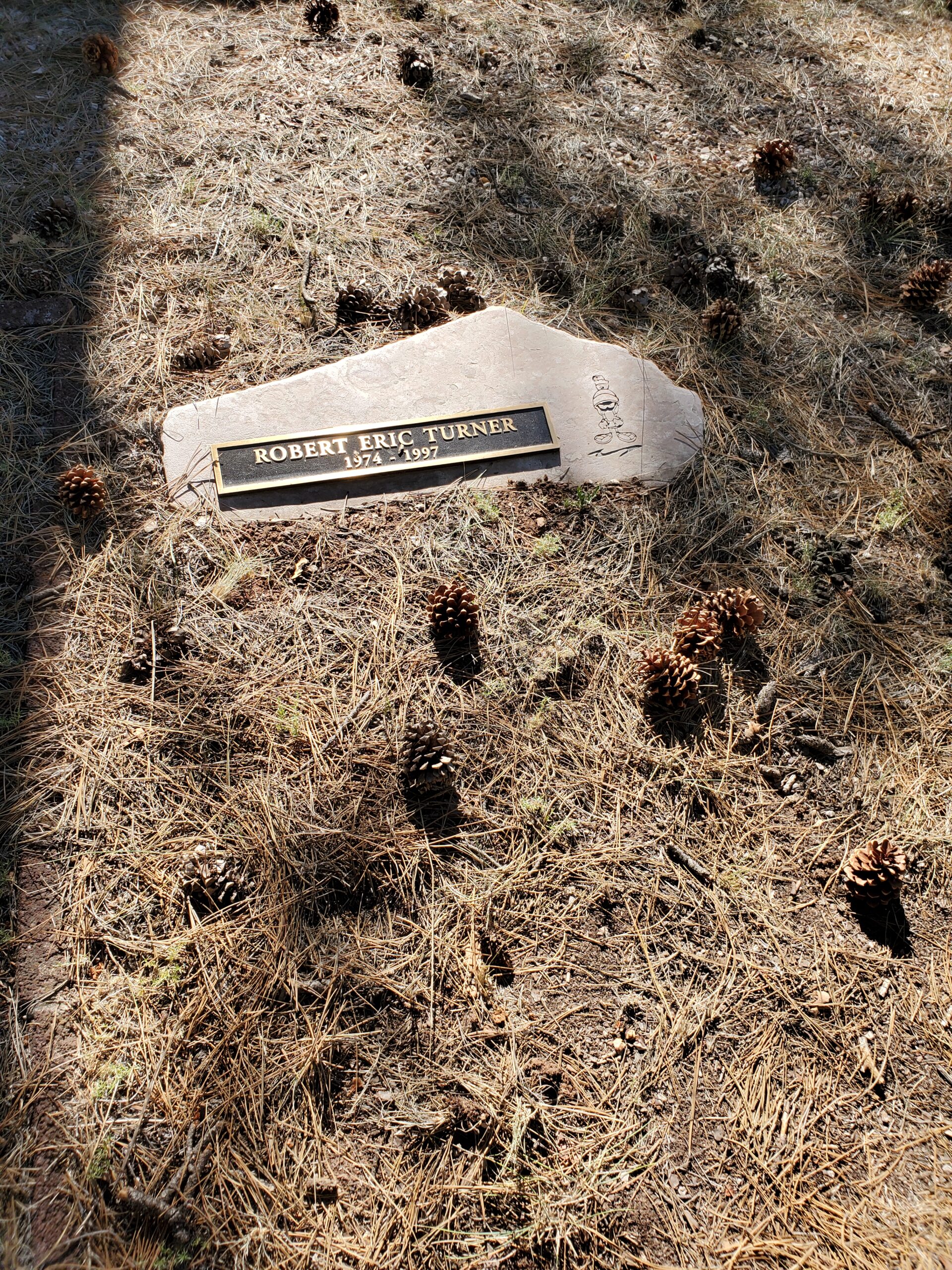
This young man's headstone features a Marvin the Martian engraving
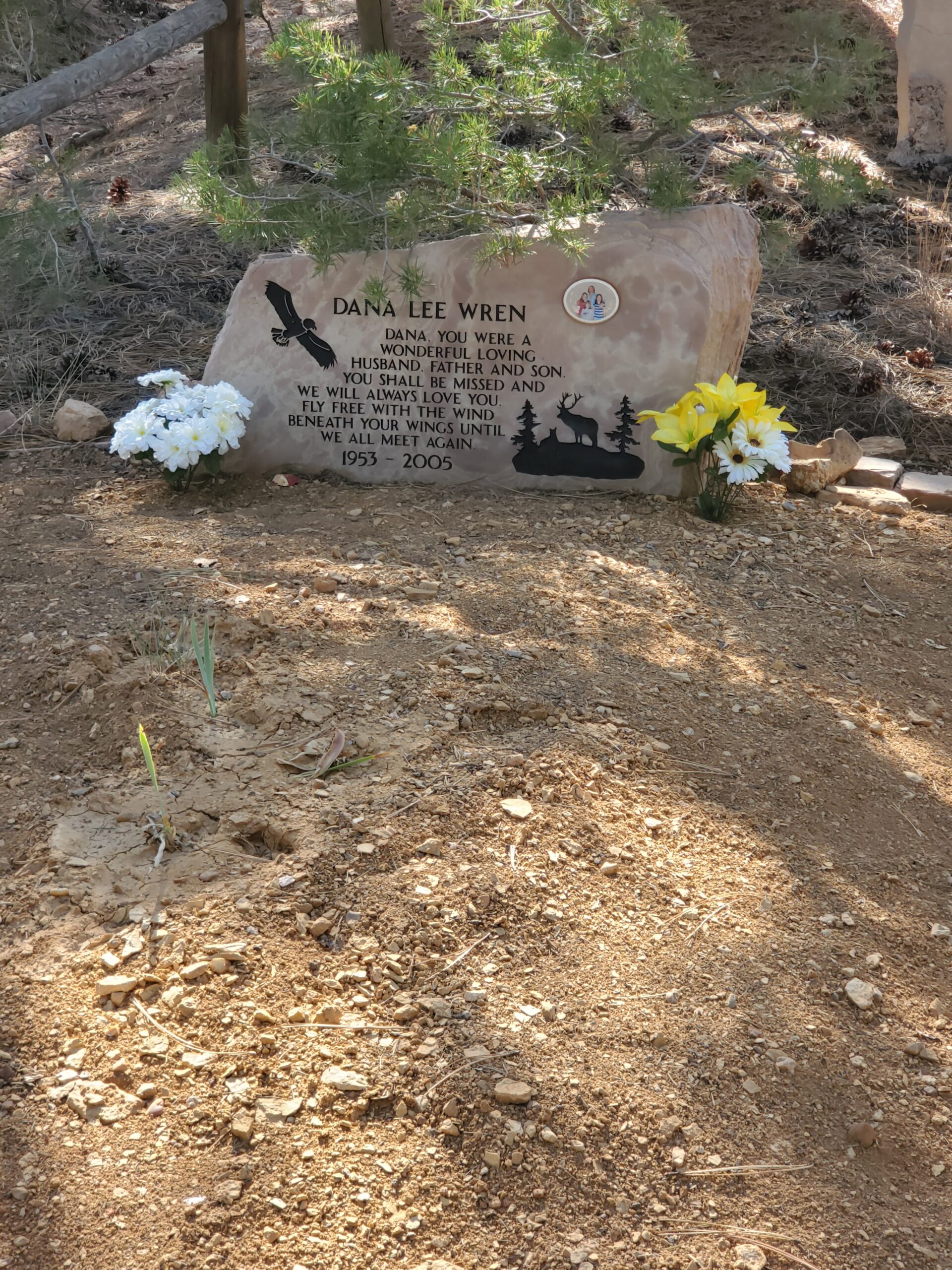
Dana Wren Headstone
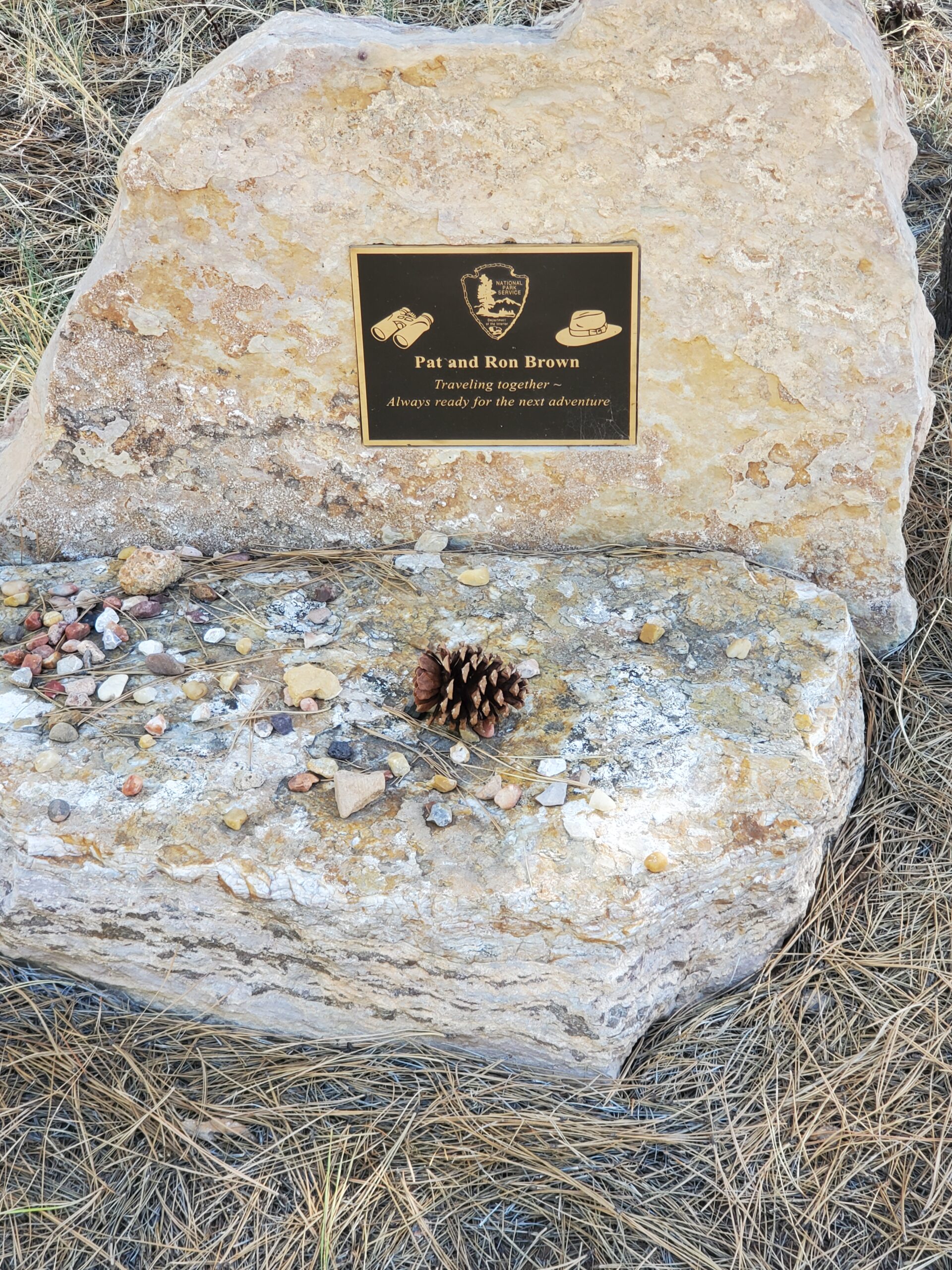
Pat and Ron Brown Headstone
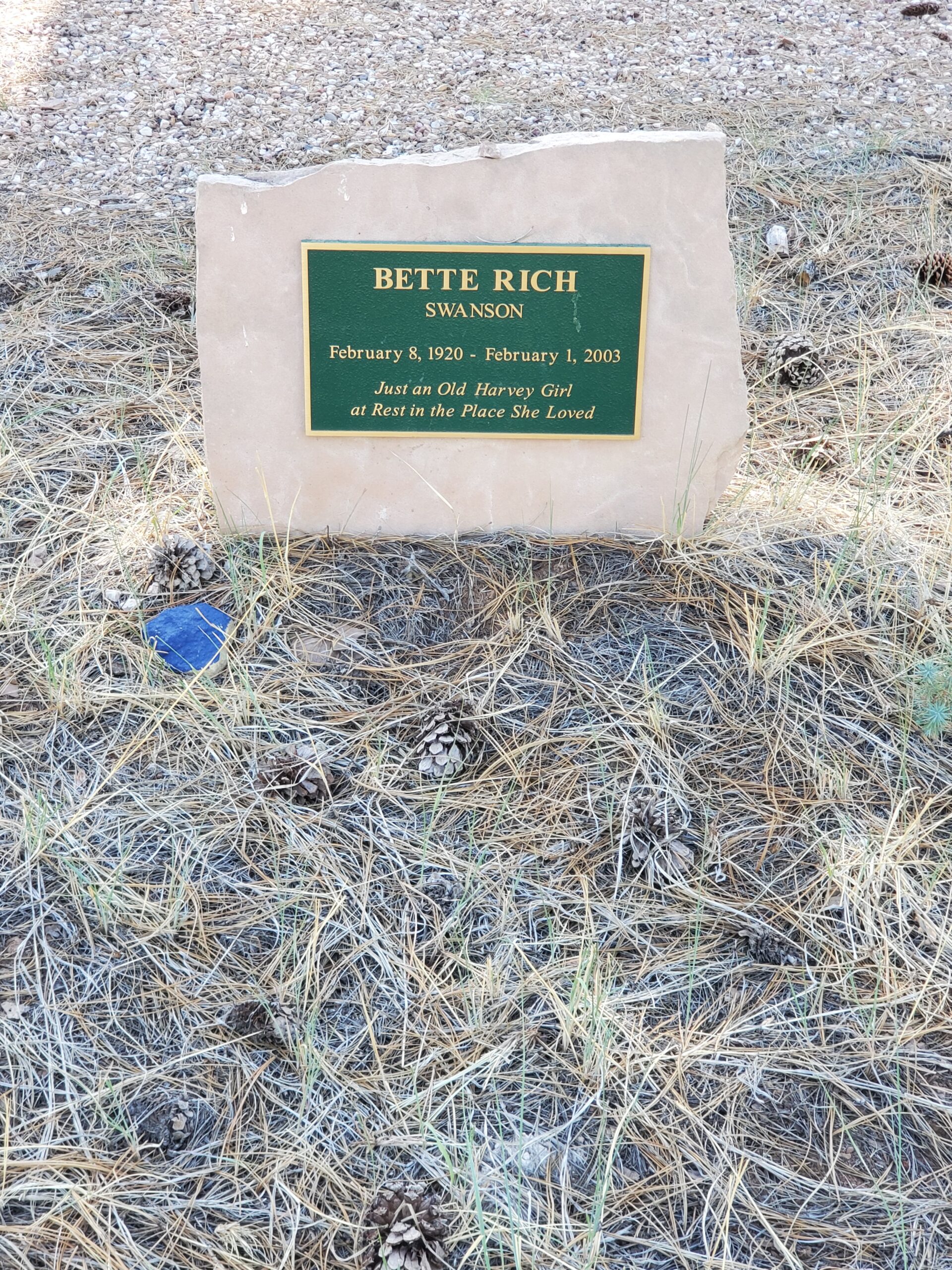
Bette Rich Swanson Grave Marker
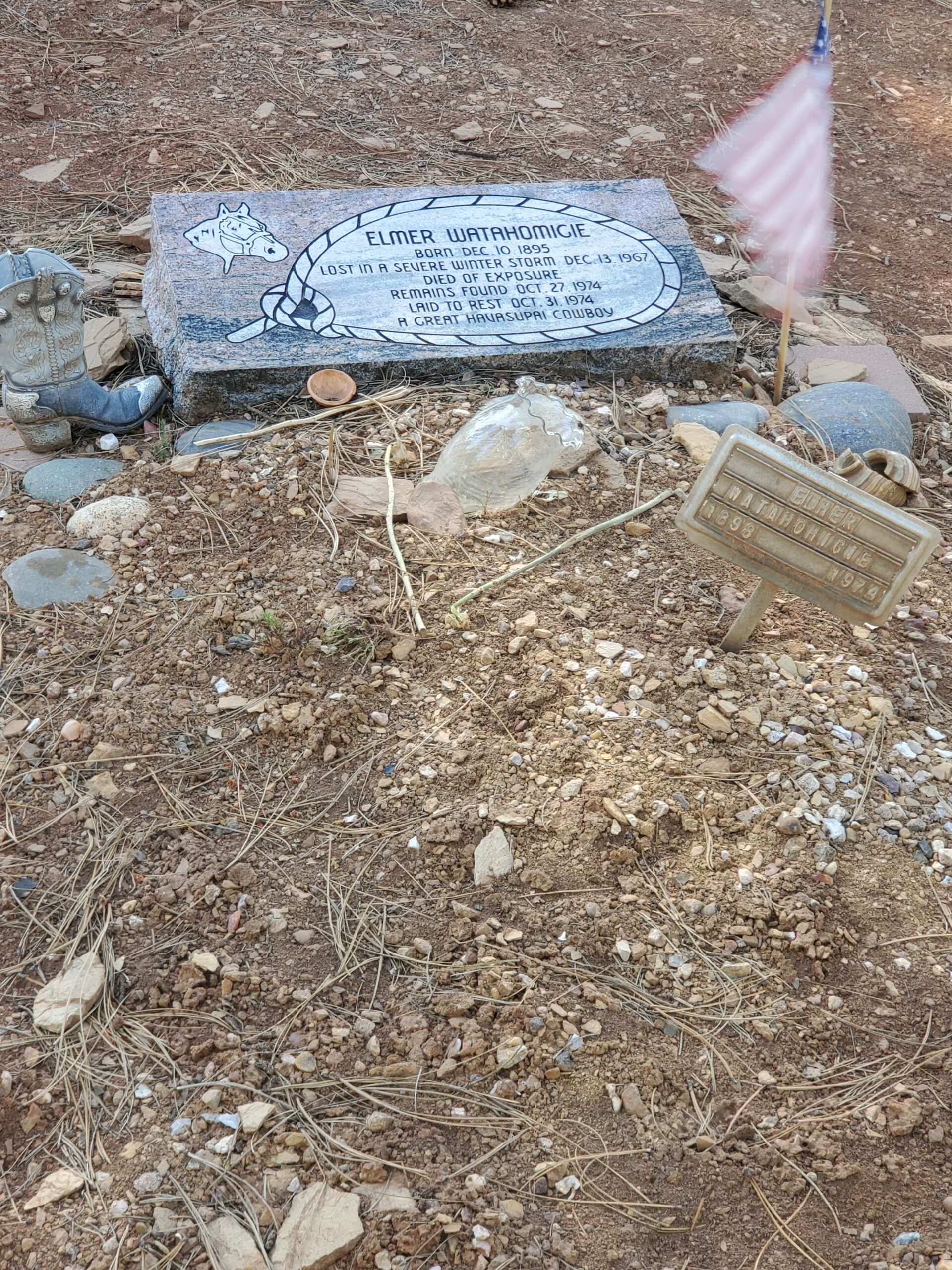
Elmer W Headstone

This poor soul was lost in the canyon for several years before his remains were identified and laid to rest in the cemetery. Several of his relatives are at rest nearby.

Child's Headstone
Dale Schmidt Grave
This headstone dates from 1928, one of the older markers in the cemetery
Hand Carved Headstone
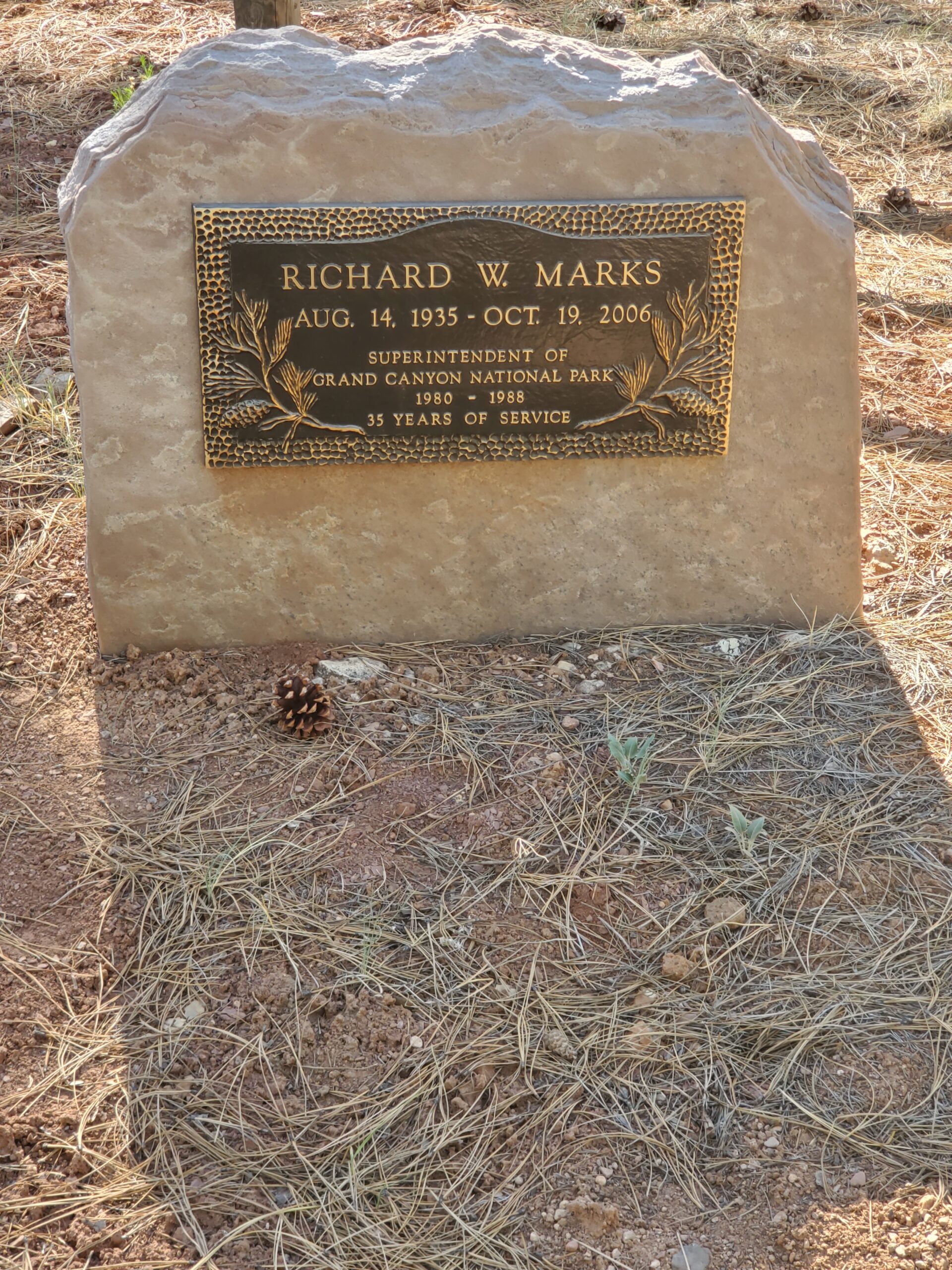
Richard Marks Headstone
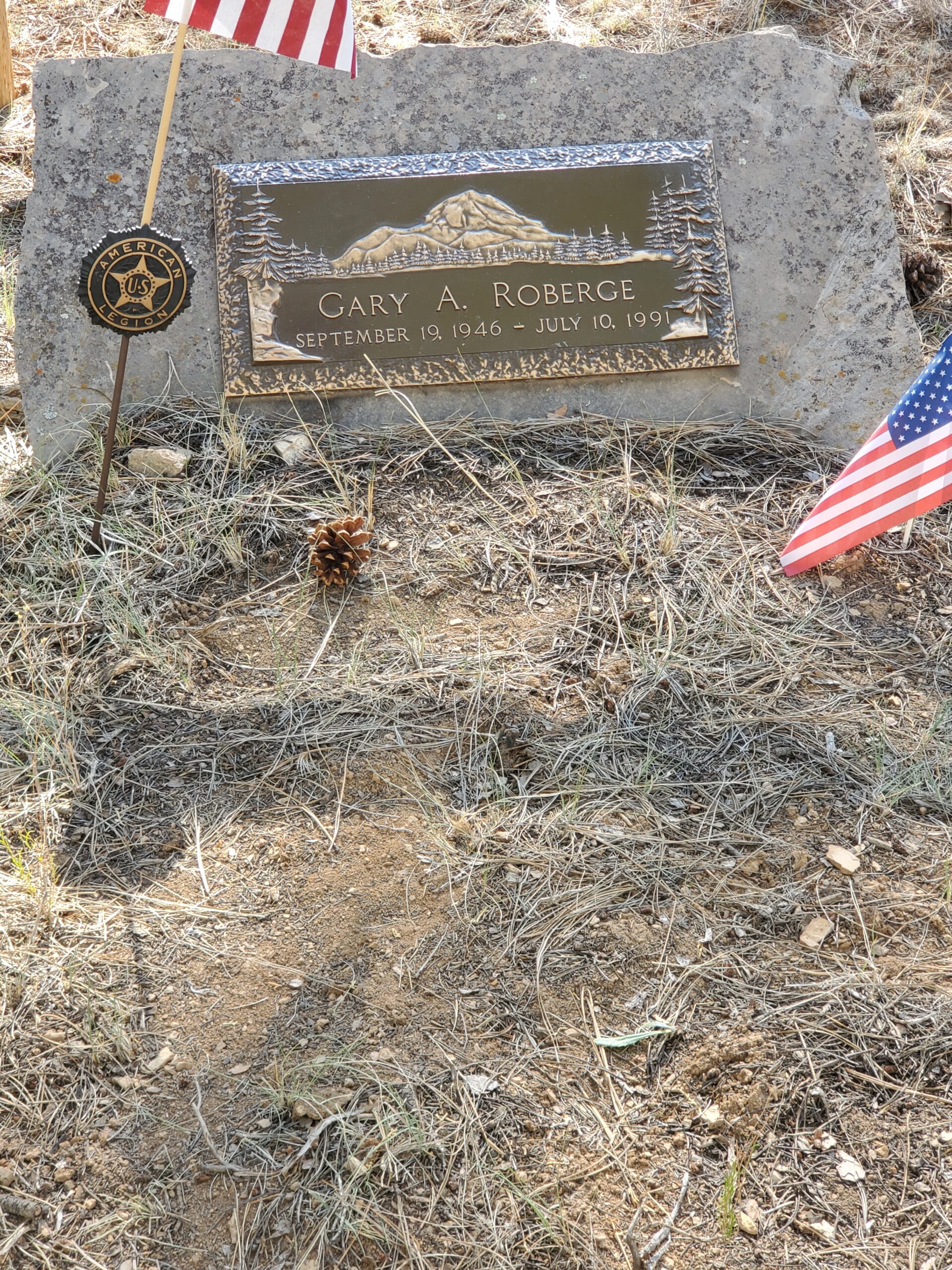
Gary Roberge Headstone
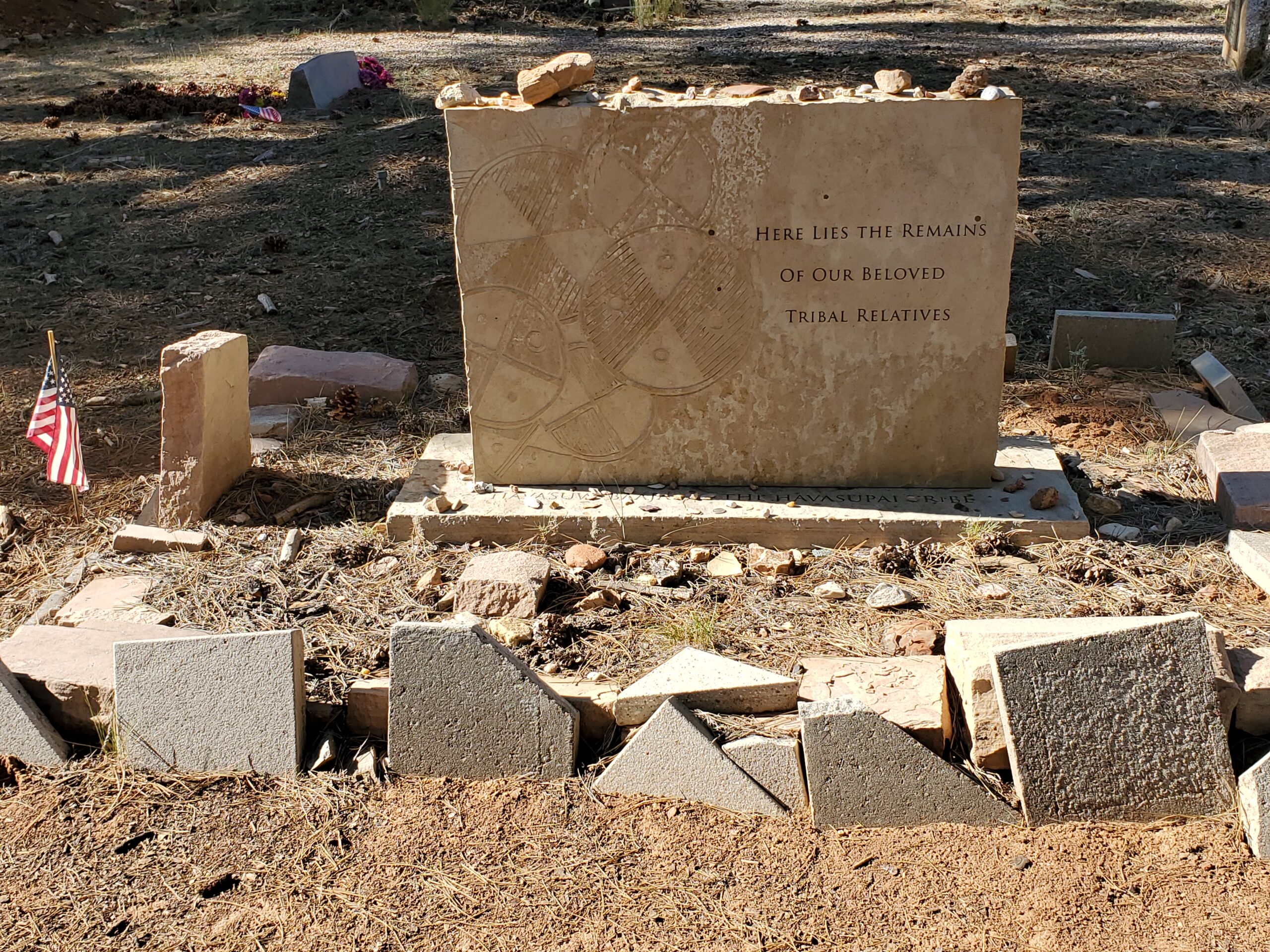
Tribal Grave
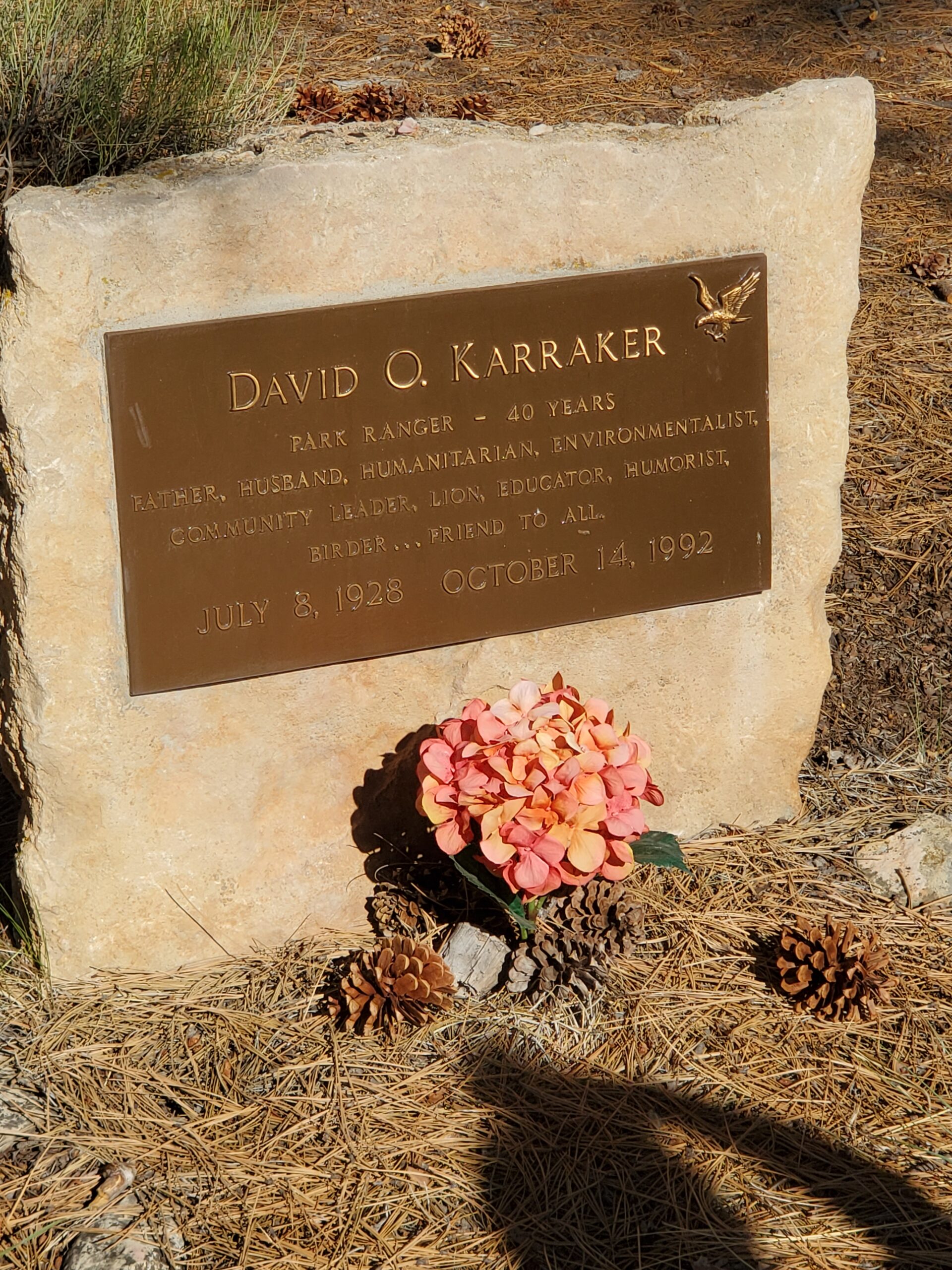
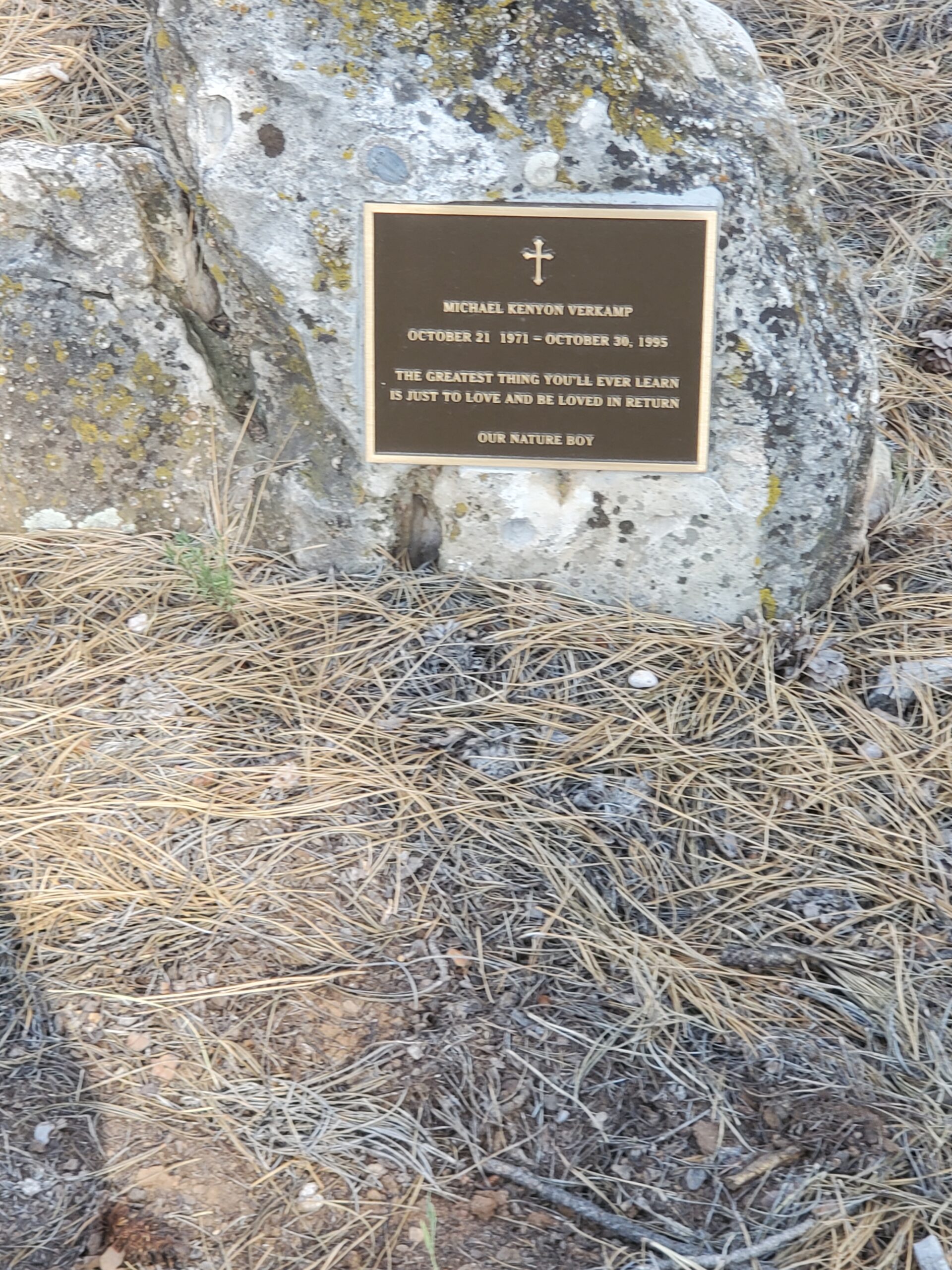
David Karraker Marker
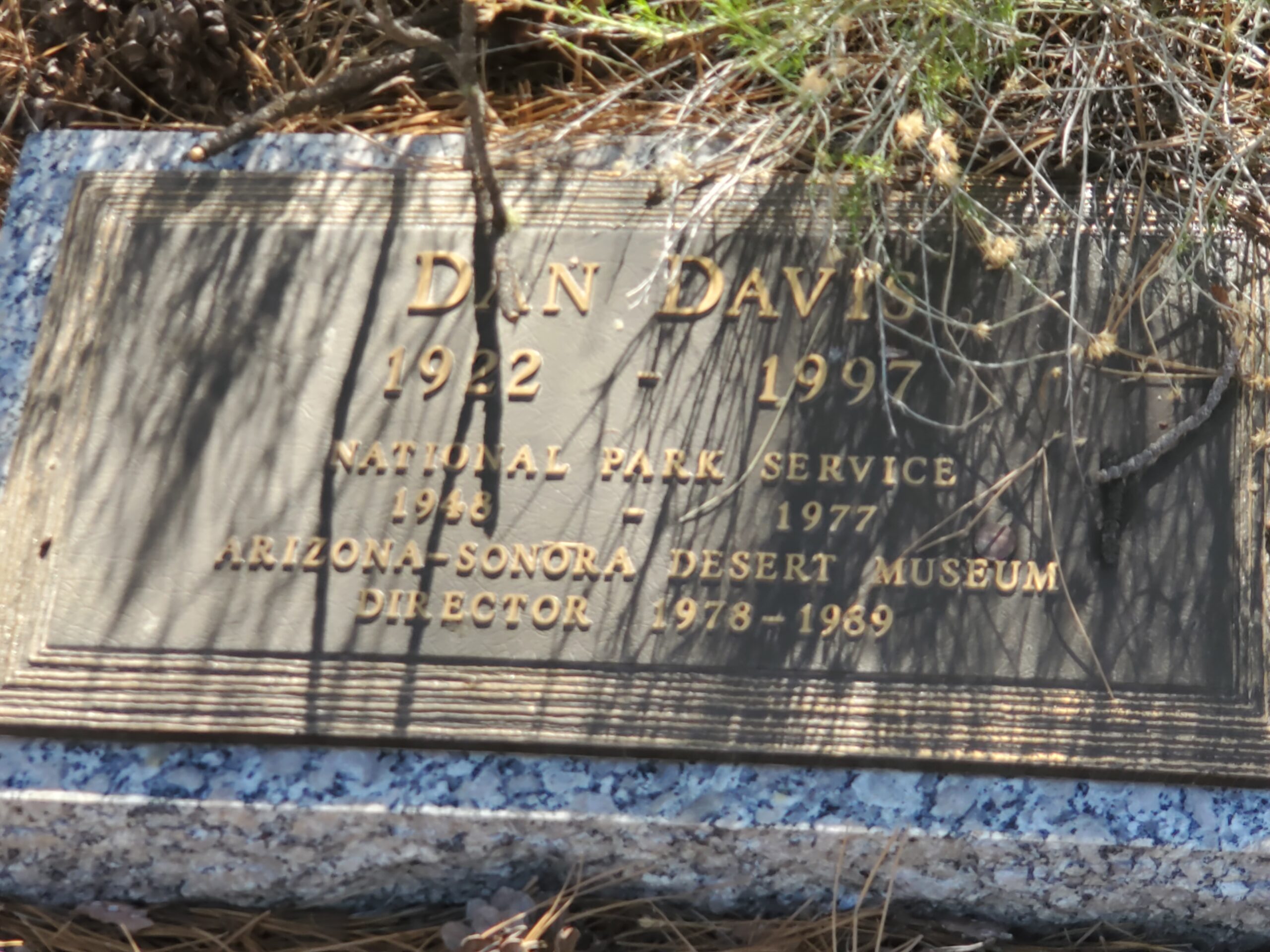
Dan Davis Headstone
Another young man taken from this world too soon
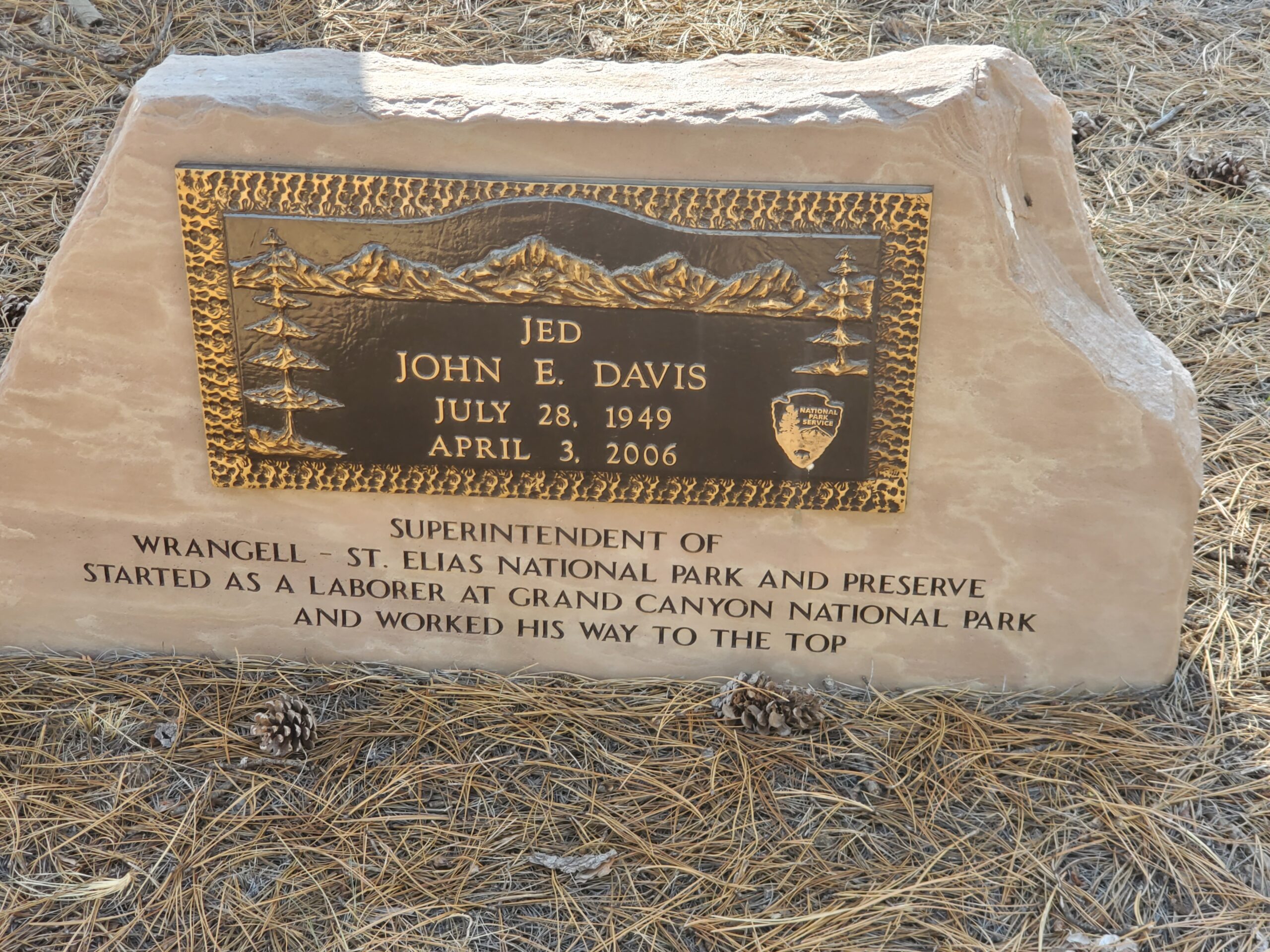
John Davis Marker
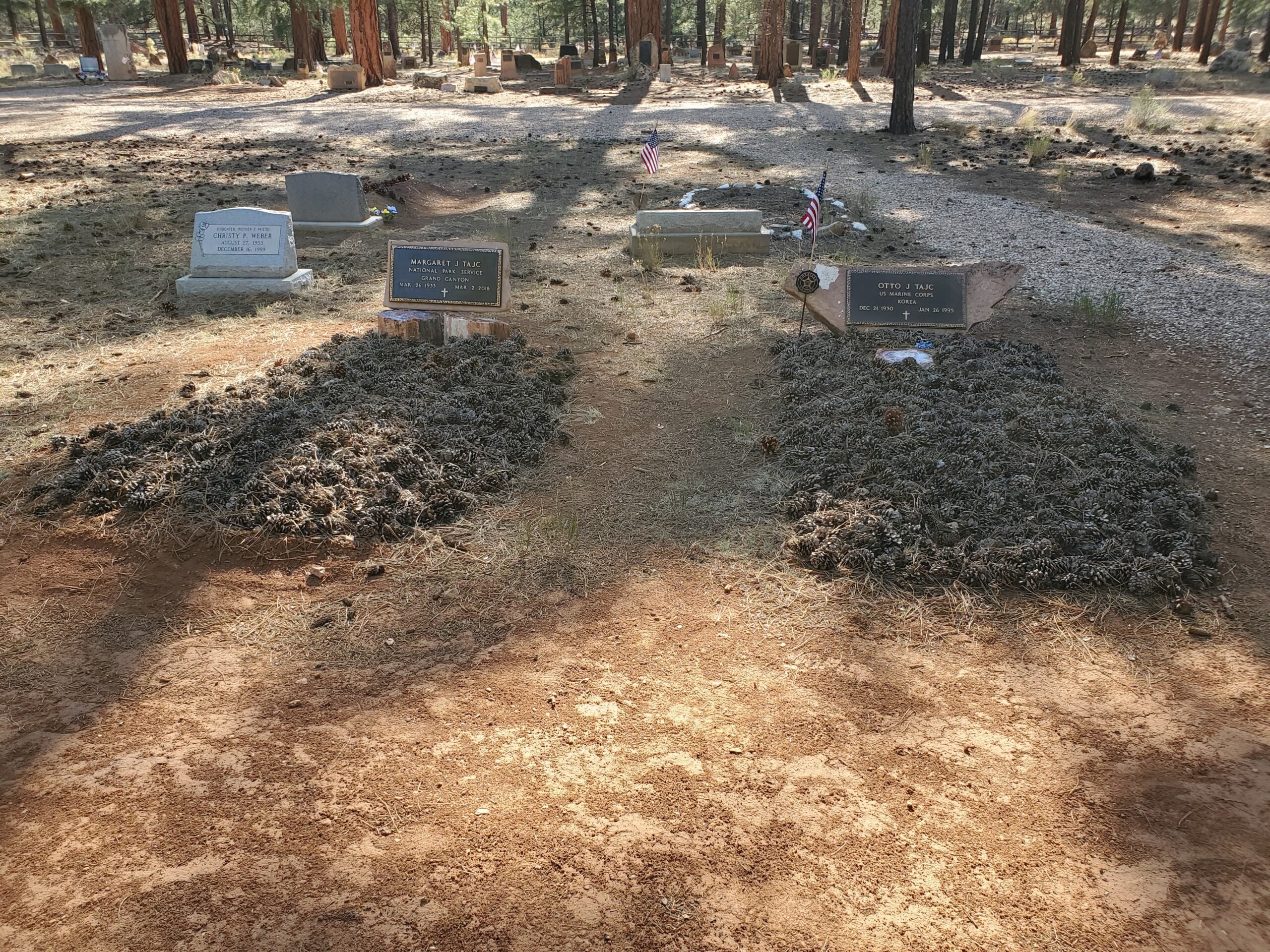
These two graves are littered with a bed of pine cones on each
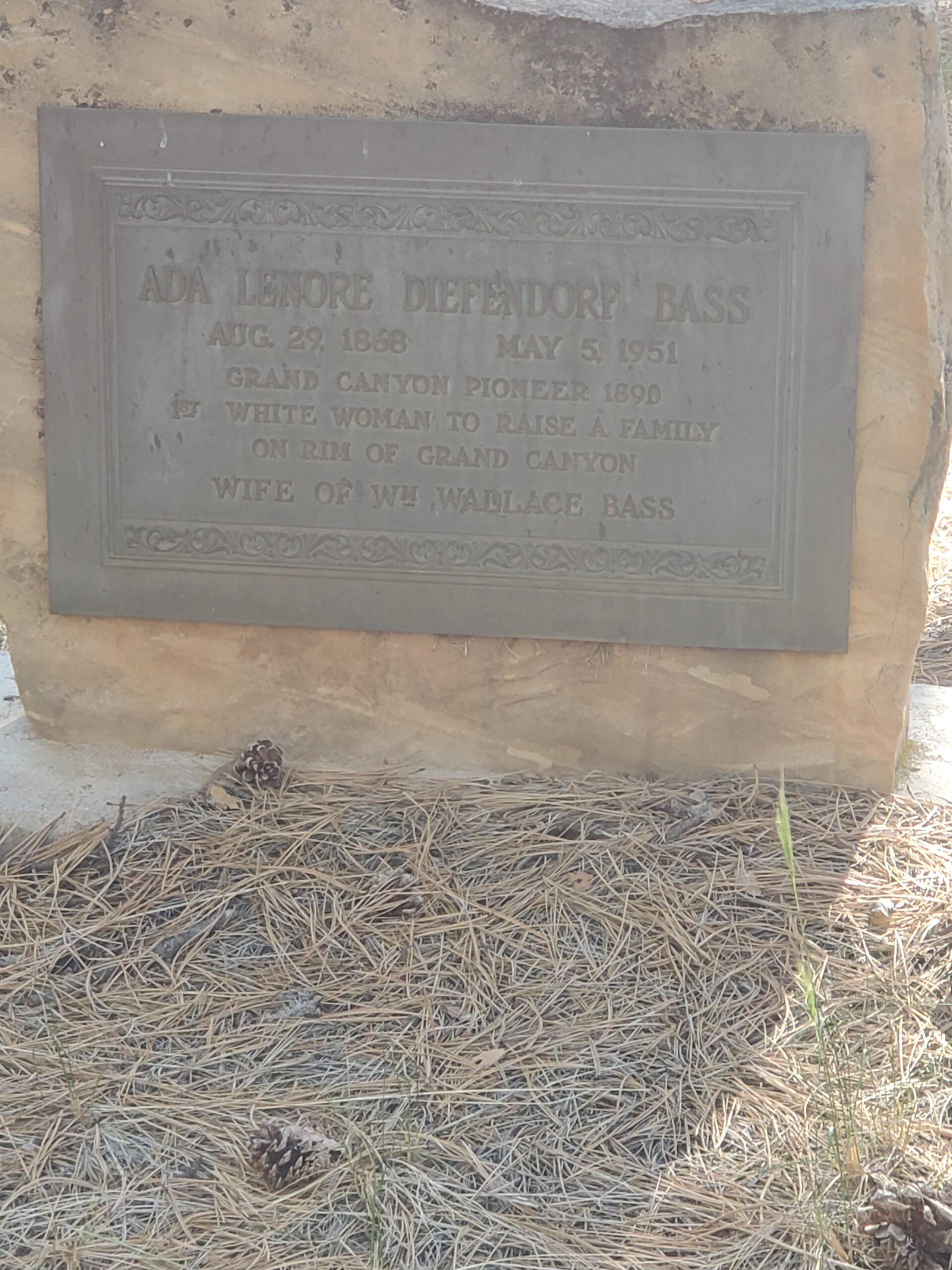
Ada's headstone claims she was the first white woman to raise a family on the canyon's rims
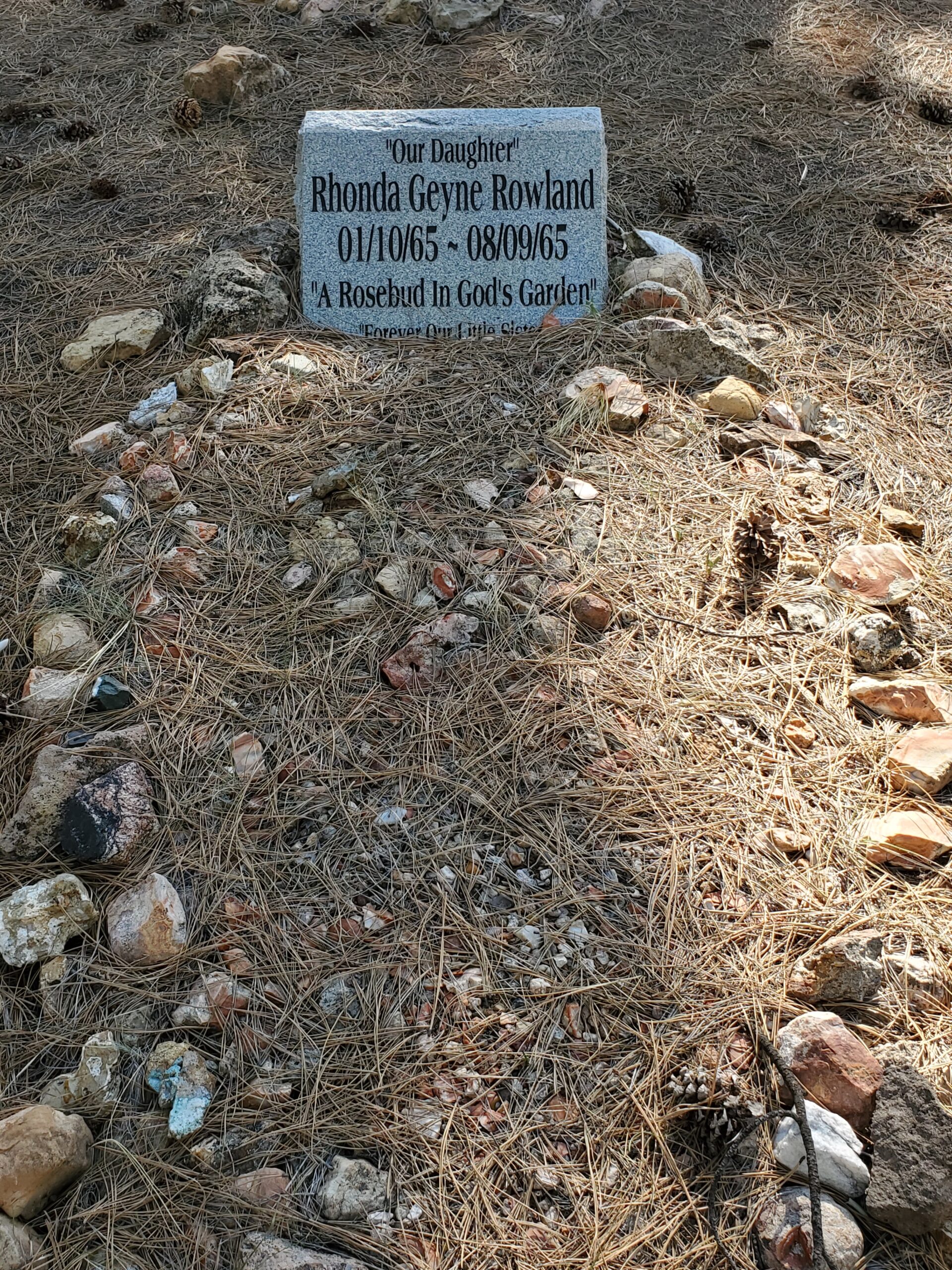
Another child taken too soon
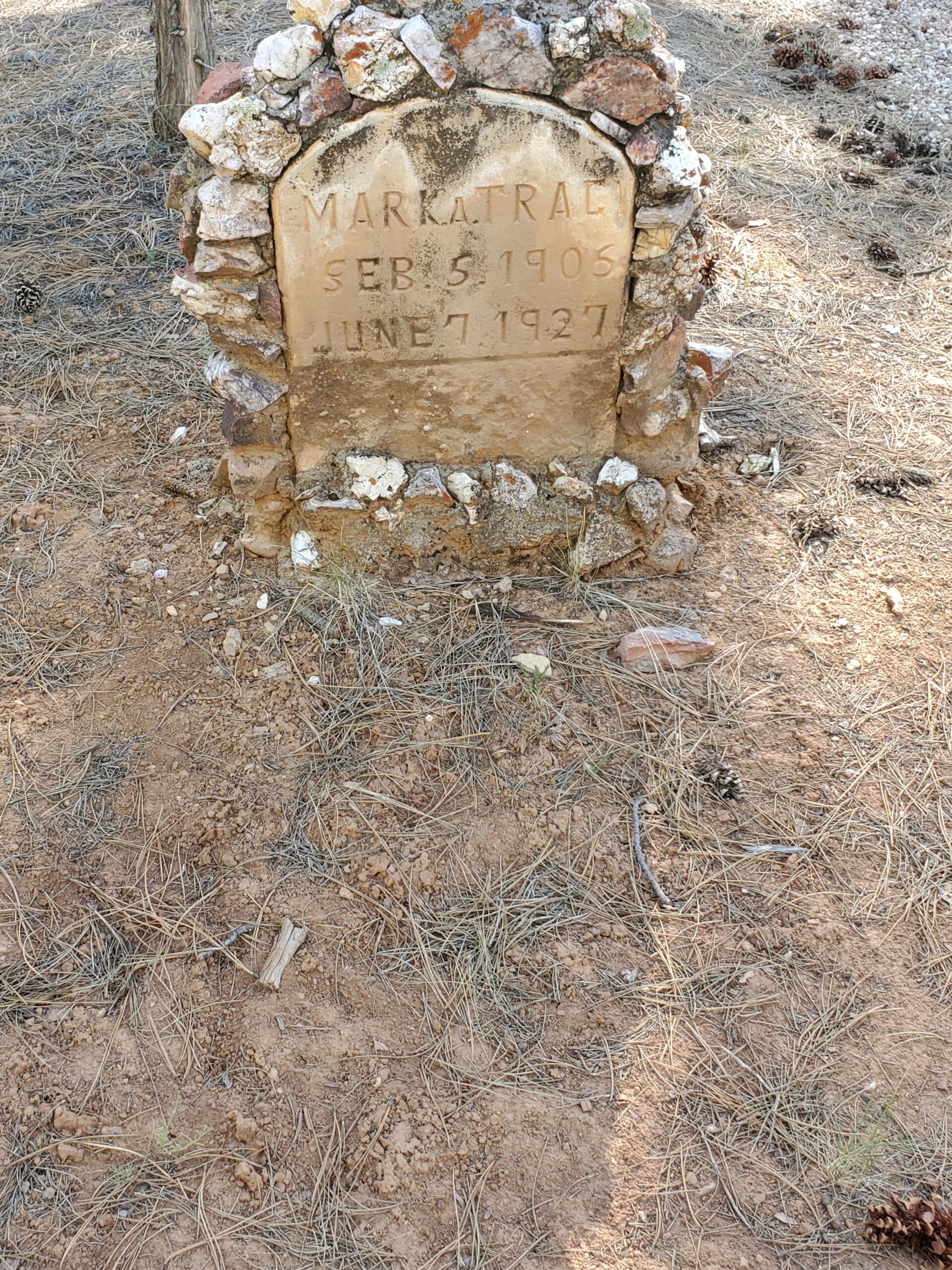
This headstone dates from 1927
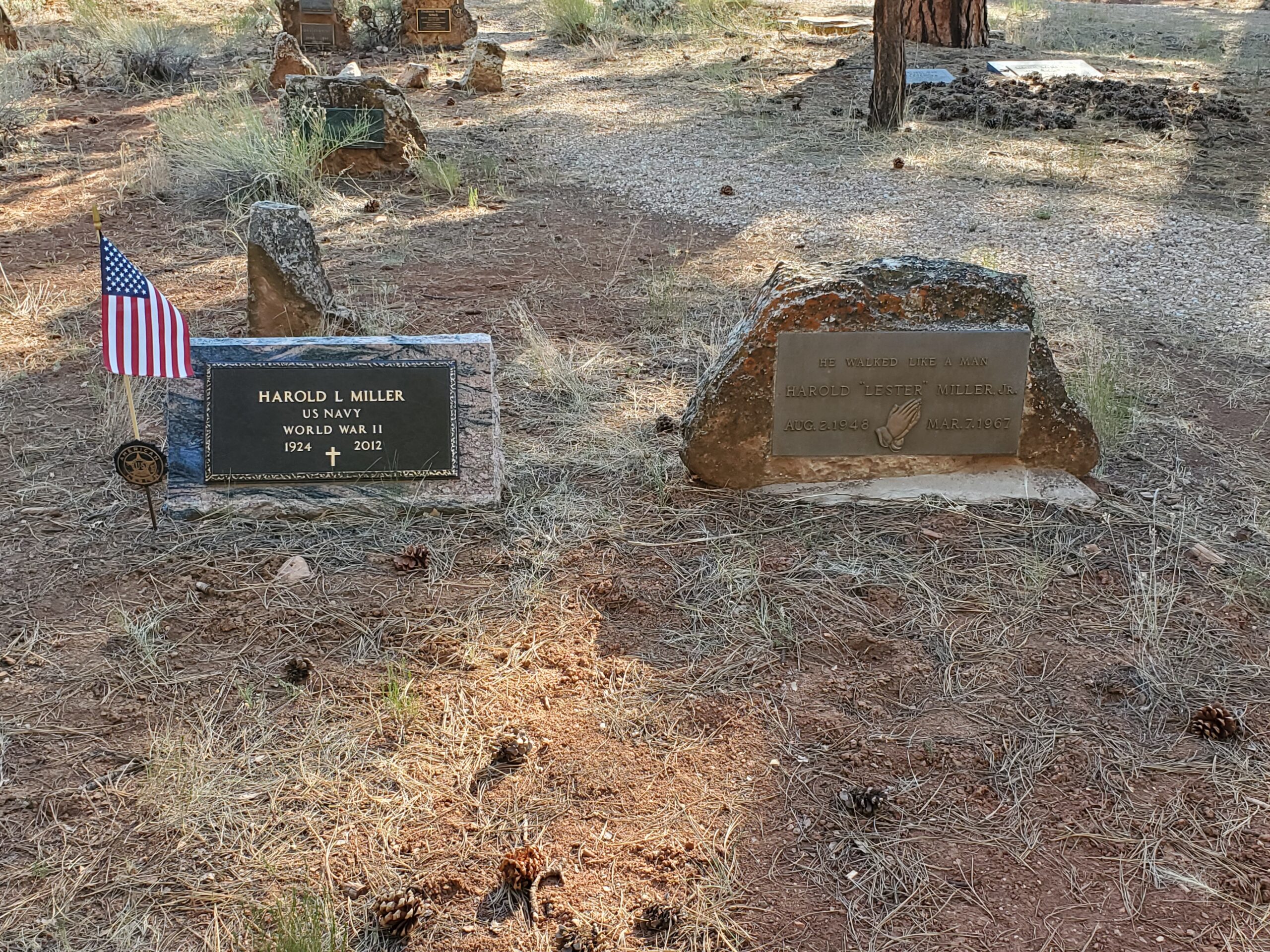
These two headstones are for a father and son buried side by side

As I mentioned above, the cemetery itself only takes about fifteen minutes to meander through. Whether or not you'll find a ranger willing to waive the fee to enter the park is a luck of the draw thing, but I was more than willing to pay the $35 single car entrance fee to visit the park. Of all the cemeteries we have visited so far, Grand Canyon Pioneer is the most tranquil and peaceful we have found yet.

Not enough visitors know about this place, but maybe that's secretly a good thing. The swarms of tourists who mob the rims of the canyon can be overwhelming at times, but the cemetery itself will always be there, waiting in the wings for those willing to find their way to it.


Tomorrow, my mother and I will continue on our road trip and head into the great state of Utah. It will be my first time visiting the state, and at the moment we plan on visiting two cemeteries tomorrow but we'll see if things go according to plan. My next cemetery update will likely be an amalgamation of the several stops we make throughout the state as opposed to focusing on one cemetery in particular. Until next morrow...

Boothill Graveyard

Posted on June 24, 2021January 16, 2022 by nickssquire12
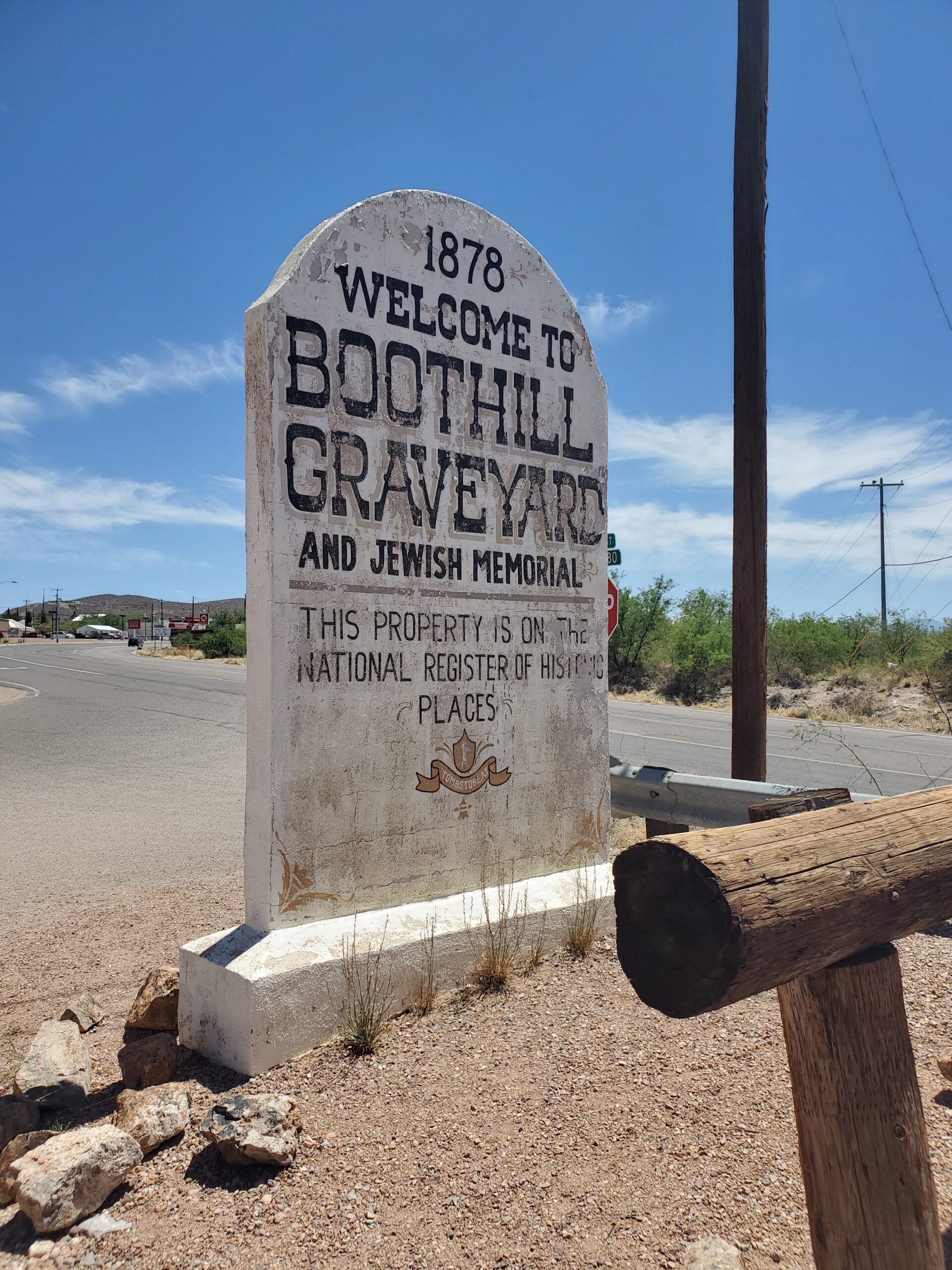
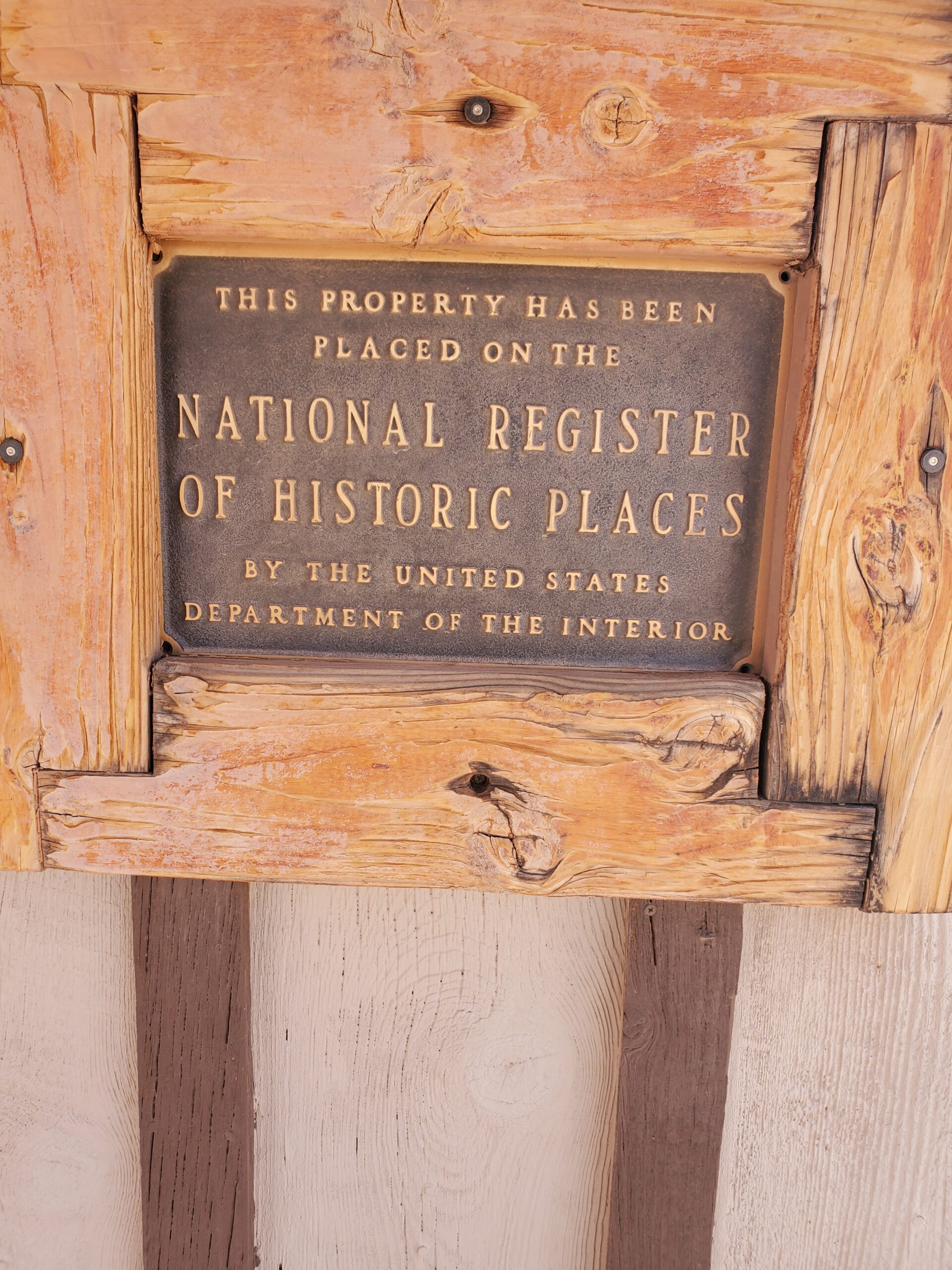
Boothill on the National Register

Ah Boothill, the most famous of Arizona's "Wild West Cemeteries."

Boothill claims that title for various reasons, including its proximity to Tombstone, arguably Arizona's most famous "Wild West Town", as well as the fact that many well known individuals are buried within the confines of Boothill Graveyard itself.

My family (and by family this time I mean myself, my mom, my brother, and my mom's boyfriend) visited Boothill Memorial Day weekend in 2021. Boothill is definitely a tourist trap; the exact opposite of Historic Pinal, Adamsville, and Butte View (the historic cemeteries I have previously visited and blogged about here on this site). First of all, there's an entrance fee to get into Boothill (don't worry--its only a couple bucks and kids are free), but visitors are also given a pamphlet with an explanation of all individuals buried within the graveyard and a bit of information about each of them.

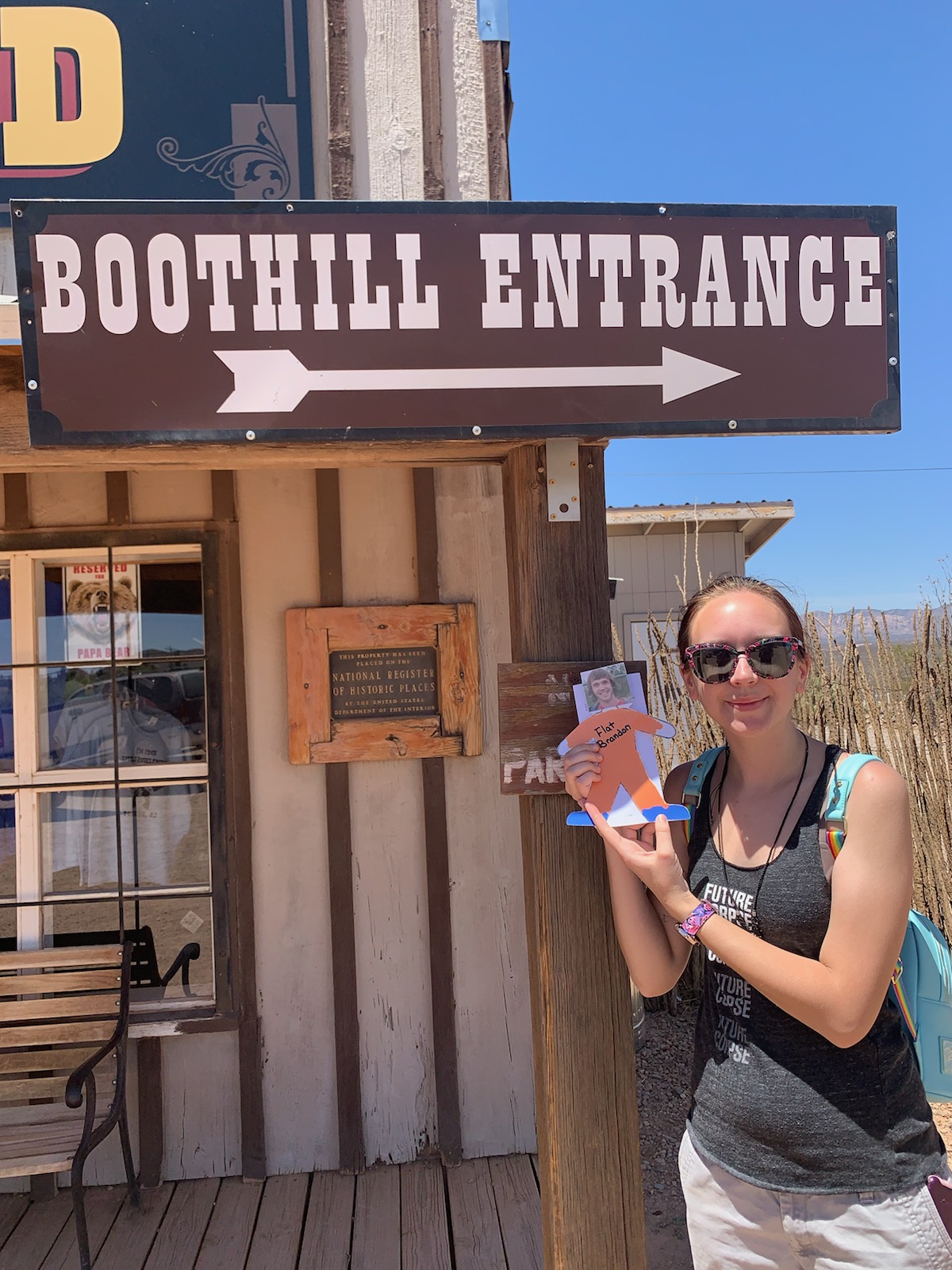
The Historian Outside the Entrance to Boothill

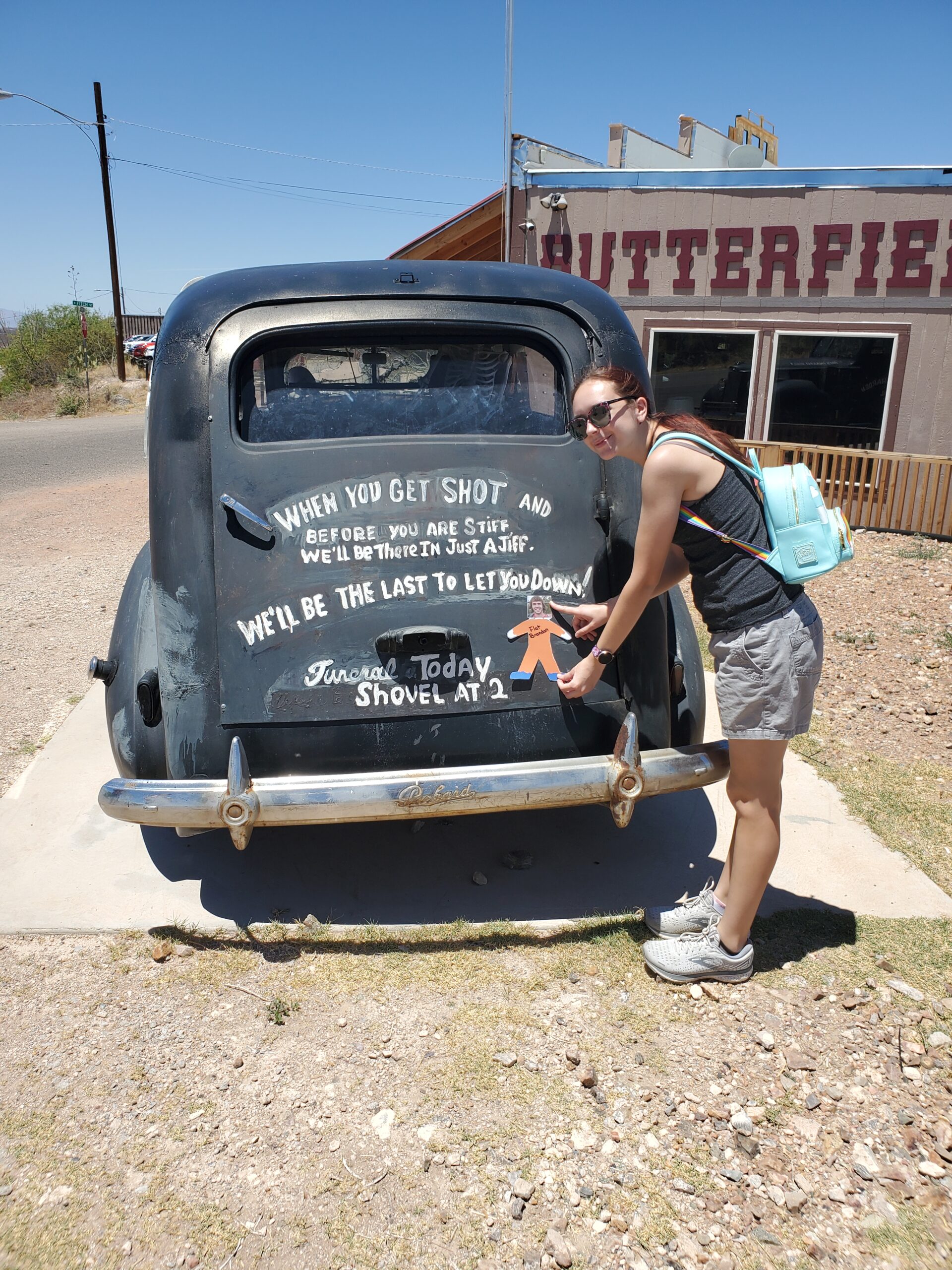
(In case you're wondering, the little dude I'm holding is "Flat Brandon"--its a long story and not really relevant to this blog post...so anyway moving on).

(PS, like my tank top? Its official merchandise from Caitlin Doughty's Etsy store--gotta represent the fact that one day we'll all be laid to rest somewhere, just like those in the graveyard).

The entrances to Boothill are well marked and Google Maps will bring you straight to it. Be warned, the parking lot is fairly small and you may have to park up the road and walk a ways on busy weekends like we had to.

Once inside the cemetery, the burials are laid out in neat rows on a small hillside. The graveyard is gravel, so I recommend wearing closed toes shoes with some sort of grip to them in order to avoid slipping and sliding!

Here are some photos of some of the more interesting graves within the confines of Boothill.

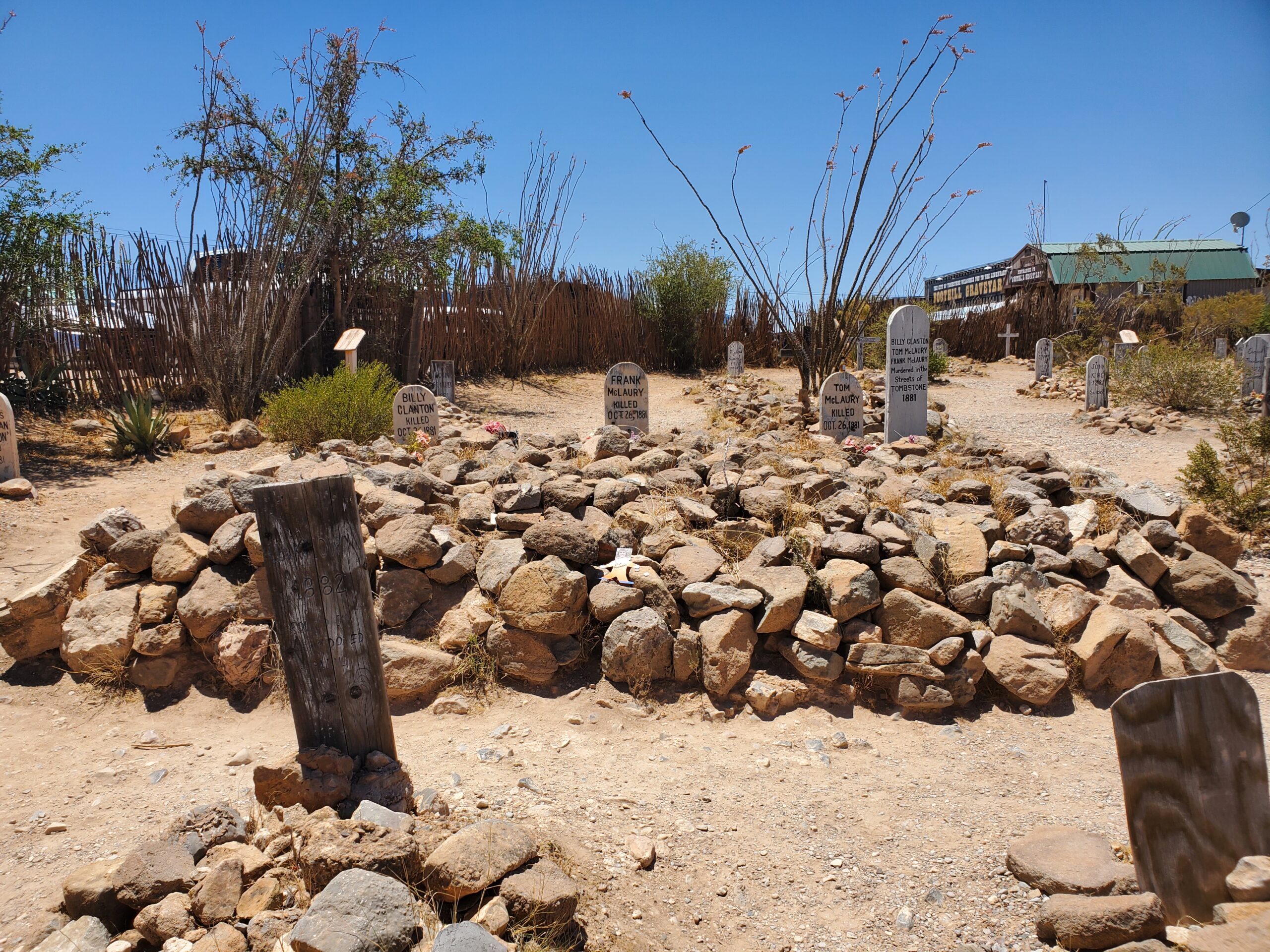
Here is the most famous gravesite within Boothill

The graves of the McLaury brothers and Billy Clanton, all of whom were killed in the infamous Gunfight at the OK Corral. These are the most visited and most famous burials within Boothill, and are tucked away in the corner, near the bottom of the burial portion of the hill.

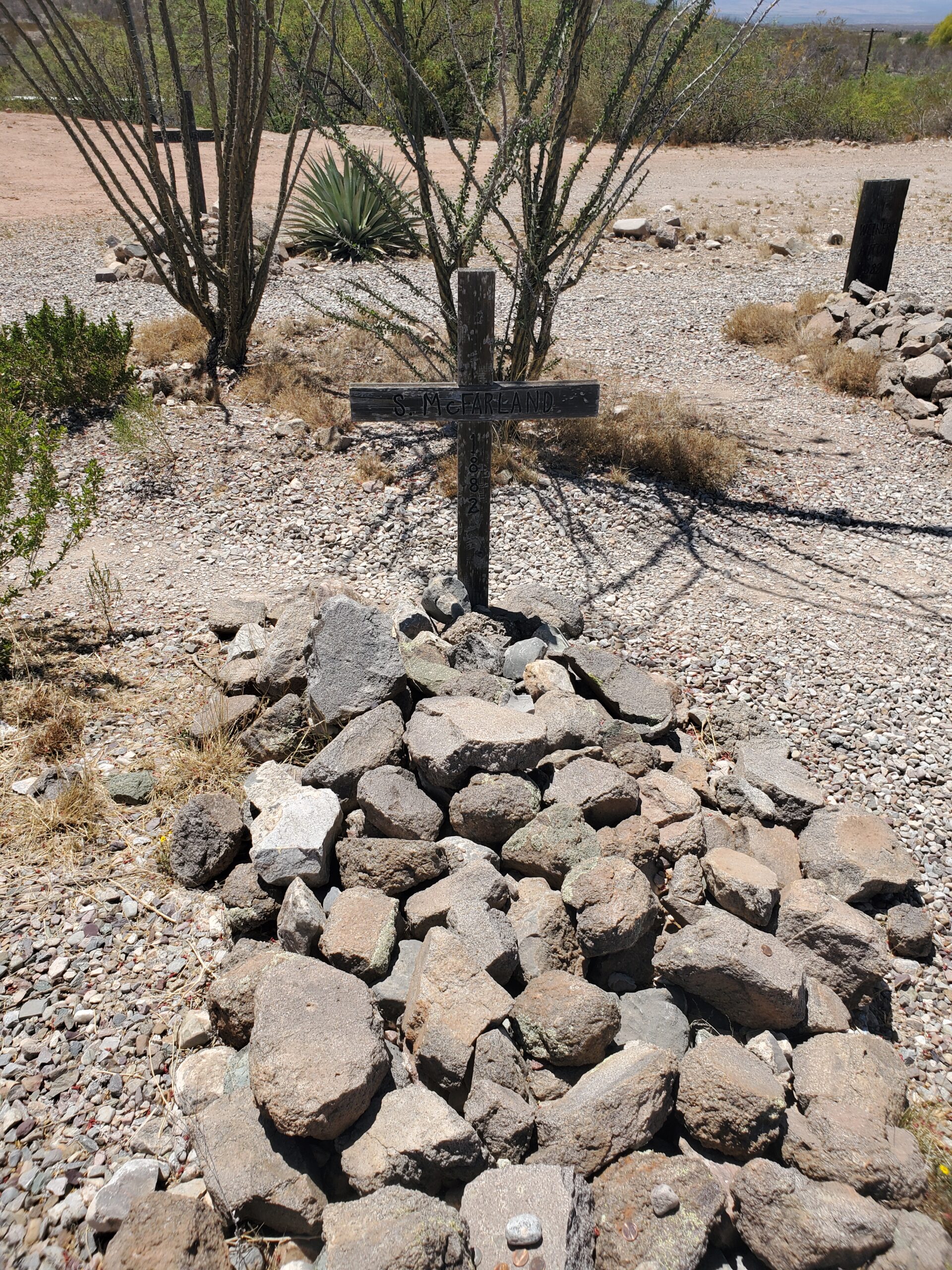
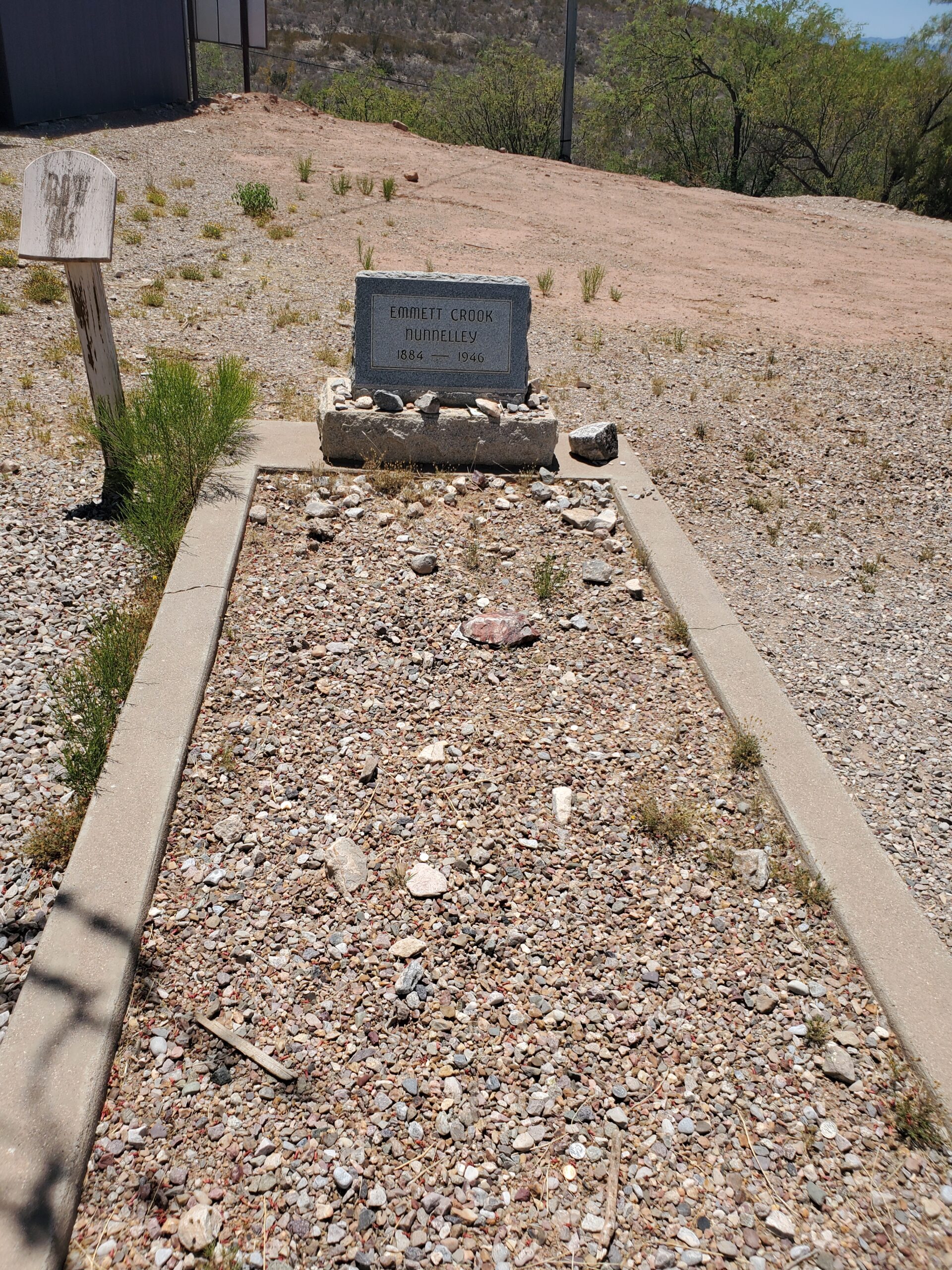
This simple cross grave marker is labeled as one "S McFarland"

No relation to the man who created Family Guy, American Dad, The Orville, and more.

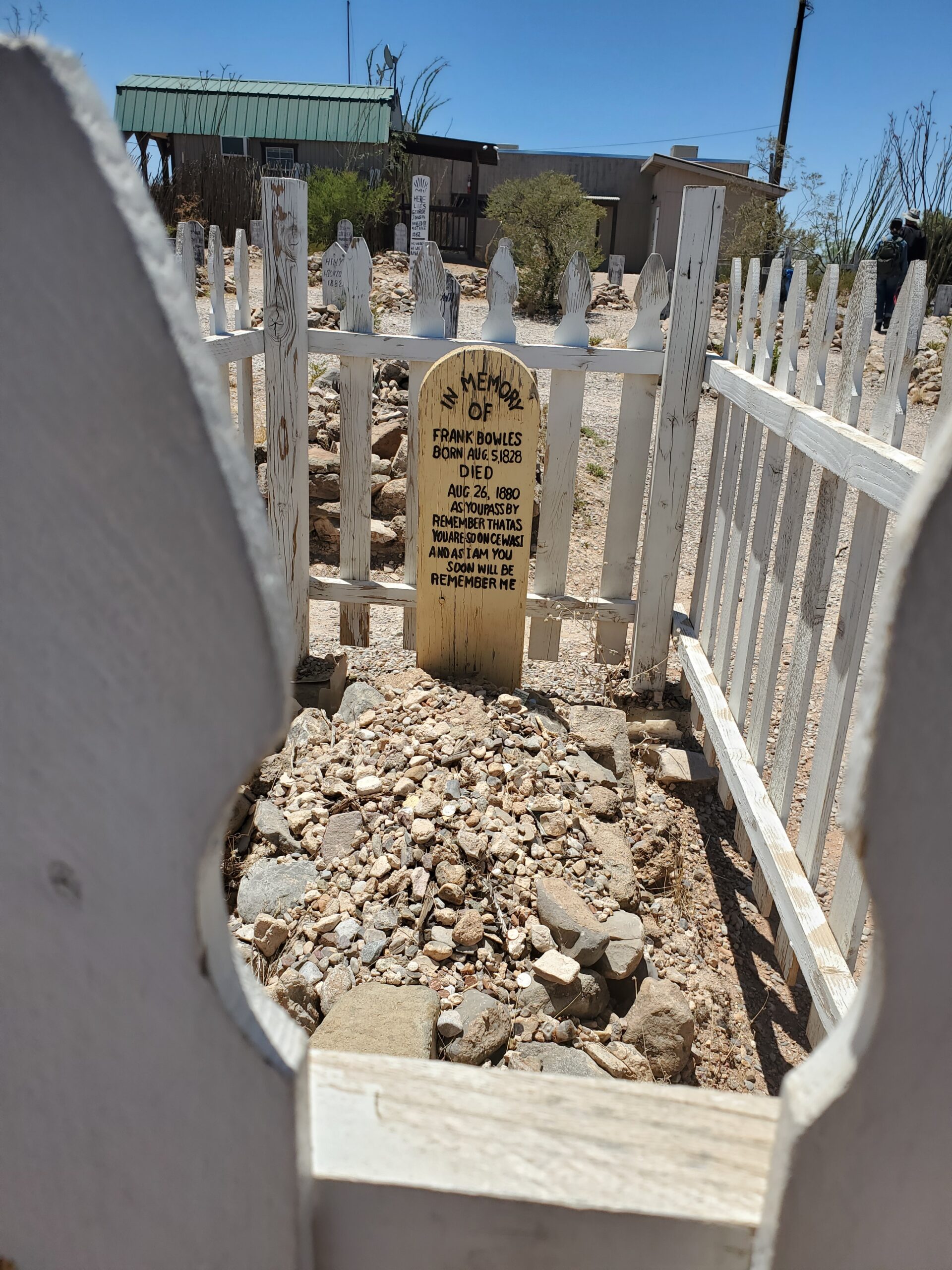
One of the wordier epitaphs in the graveyard
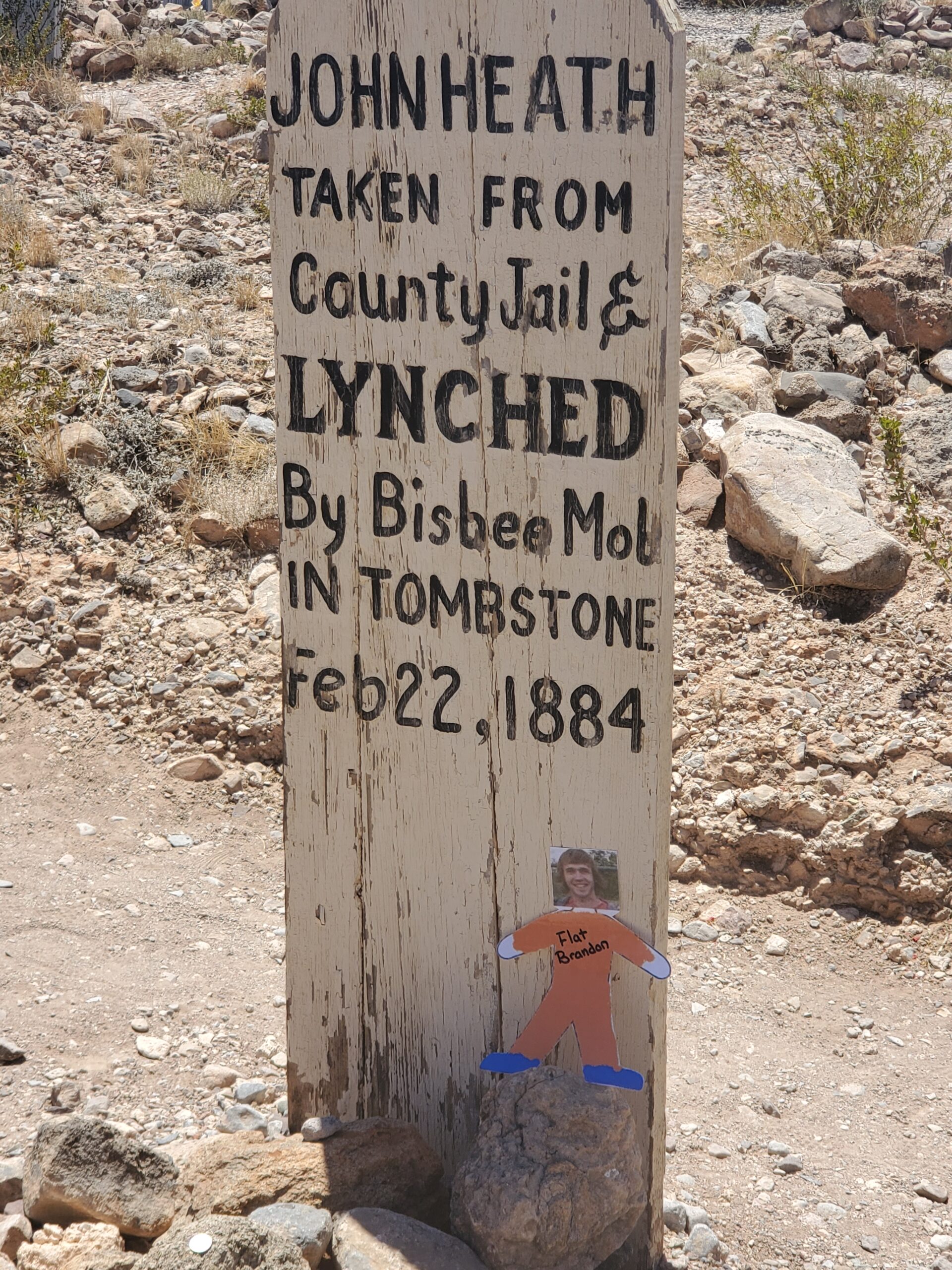
A man who was the victim of a lynch mob

(Please ignore Flat Brandon...)

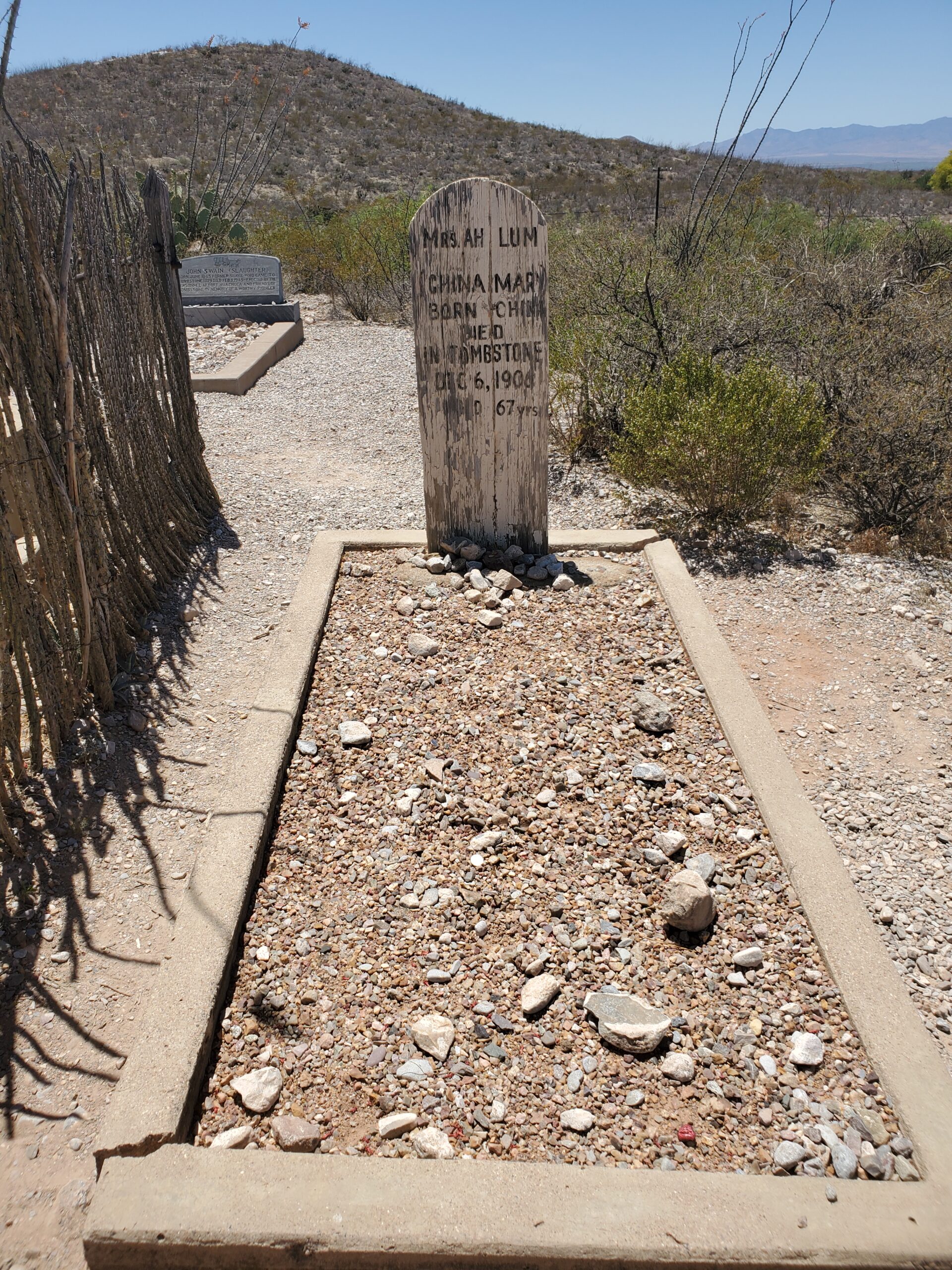
China Mary Grave

China Mary was one of the better known Chinese citizens in Tombstone. Considered the Godfather of the Chinese community by some, China Mary was generous and gave back to her community; opening various businesses and protecting the less prosperous citizens in Tombstone.

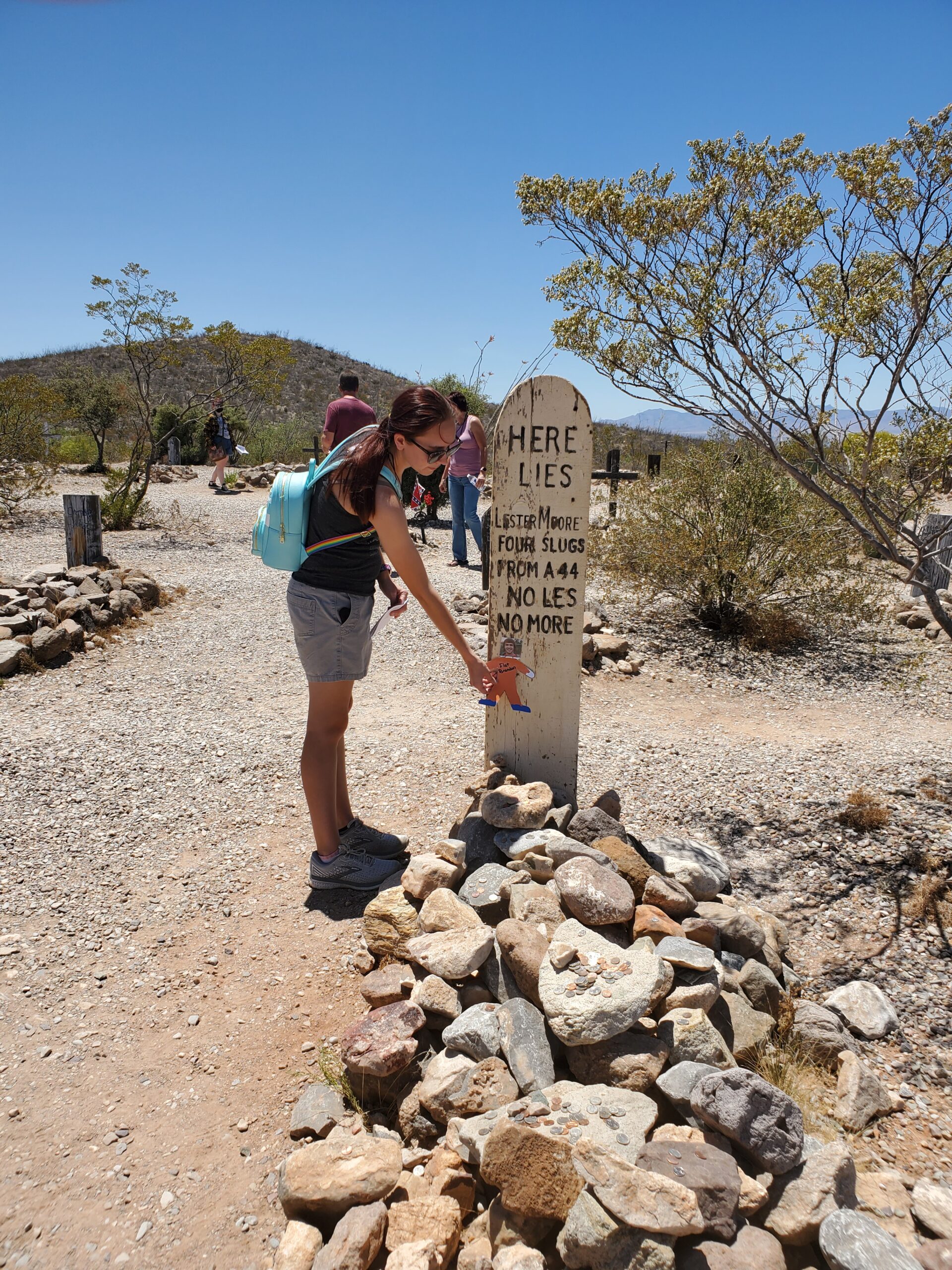
Lester More Grave
One of the more modern looking headstones
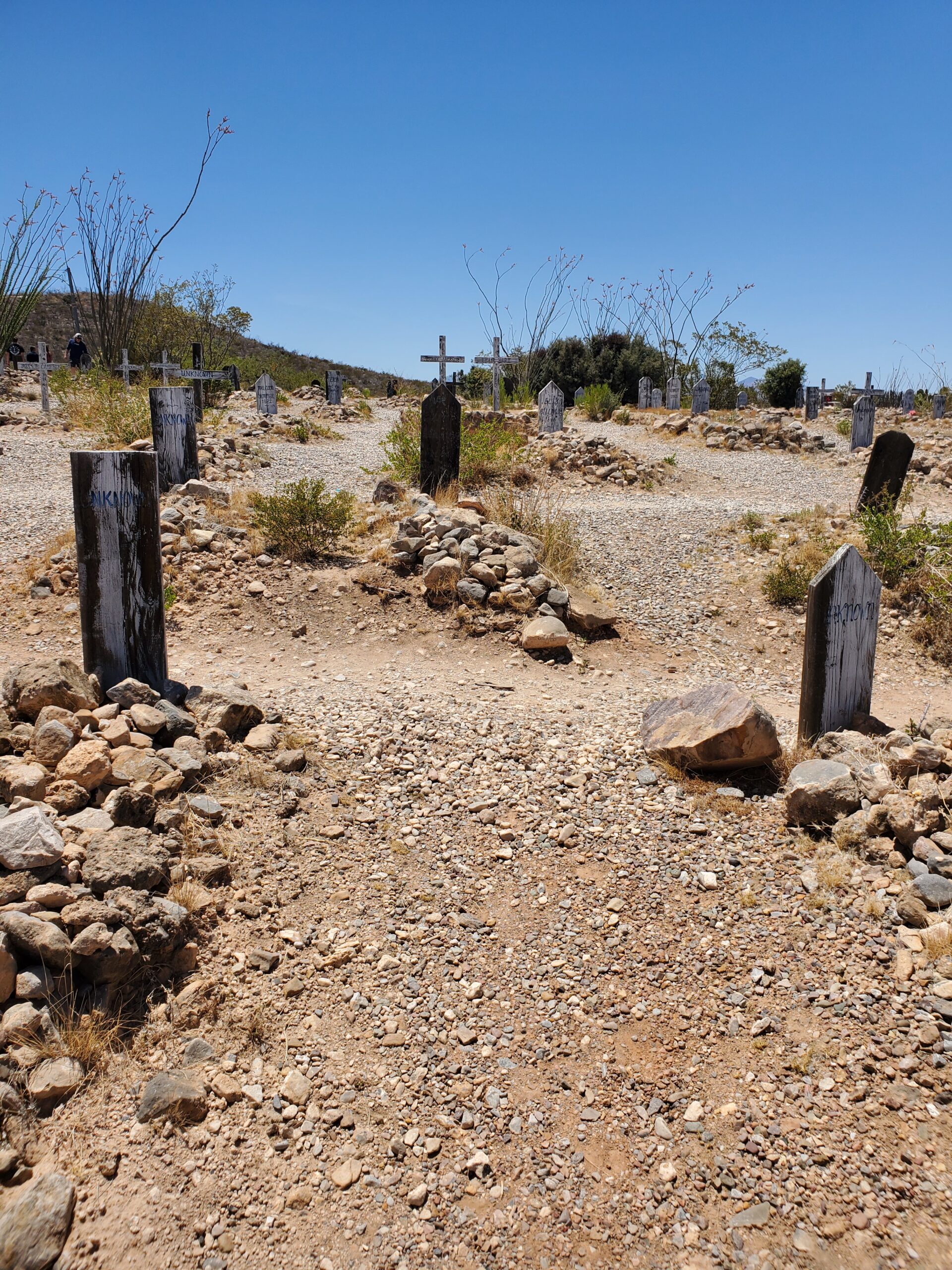
View from the Hill

Here is a view of how the cemetery is laid out near the bottom of the hill.

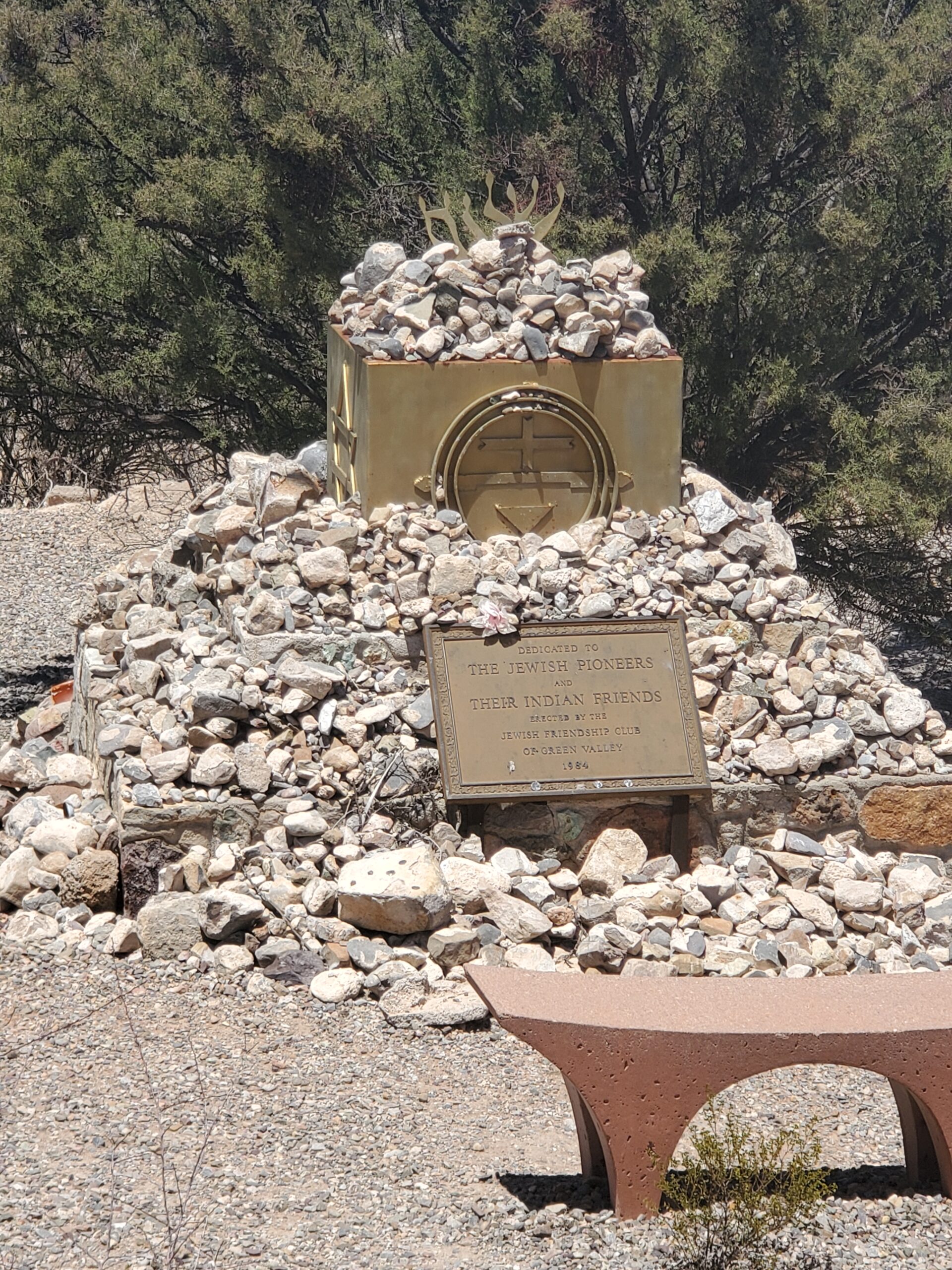
The Jewish Memorial

One of the more interesting aspects of Boothill Graveyard is the Jewish Memorial. Located at the very bottom of the hill, down a meandering path, travelers will find this tranquil moment to Jewish and "Indian" settlers. This area is set apart from the Gentile portion of the cemetery, but is the most intricate and well kept up portion of the entire graveyard. The entire area is fenced off, and in our short visit my family didn't see a way to get closer, so this photo was taken after zooming in on my camera for clarification.

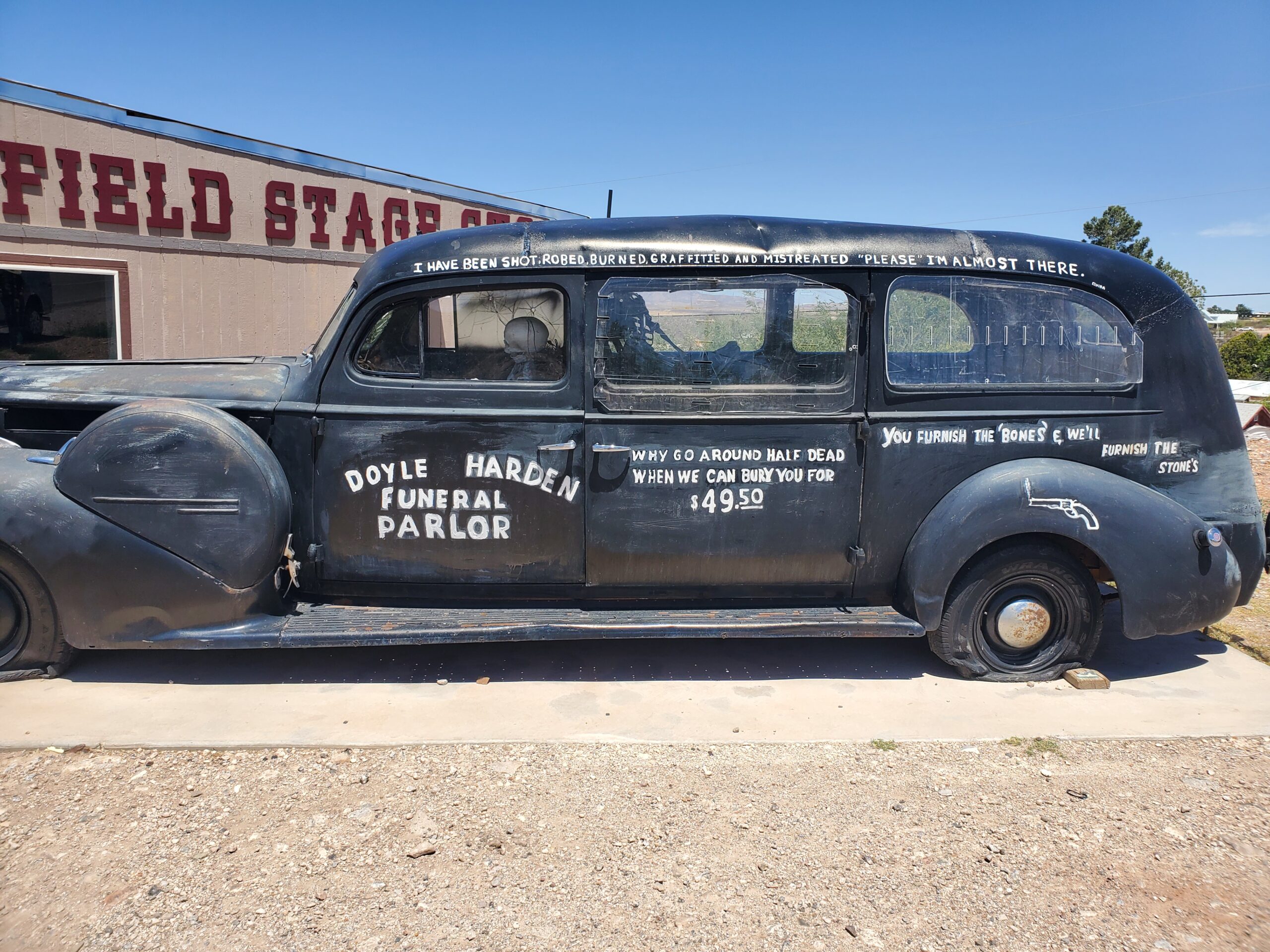
Old Timey Hearse
Backside of the Hearse

Parked on the street, before entering the graveyard, is this old hearse. I had to get a few photos with it! My dream car would honestly be a hearse, and the captioning on this one is hilarious. With phrases like "Why go around half-dead when we can bury you for $49.50?" "I have been shot, robbed, burned, graffitied, and mistreated. 'Please' I'm almost there," "You furnish the bones, we'll furnish the stones," "When you get shot and before you are stiff, we'll be there in just a jiff!" and my personal favorite, "We'll be the last to let you down!" this little hearse adds to the overall atmosphere and fun of the graveyard.

Wandering around Boothill only takes about fifteen to twenty minutes for the casual viewer, a bit longer for those more interested, but its still a fun stop if you're touring historic graveyards.

My family had a great time in southern Arizona over the Memorial Day weekend. We visited the Queen Mine in Bisbee, Kartchner Caverns, did the Bisbee Ghost Tour come nightfall, jaunted around Kent's Tools in Tucson, and also toured the Titan Missile in Green Valley. But out of everything we saw that weekend, my personal favorite stop was Boothill.

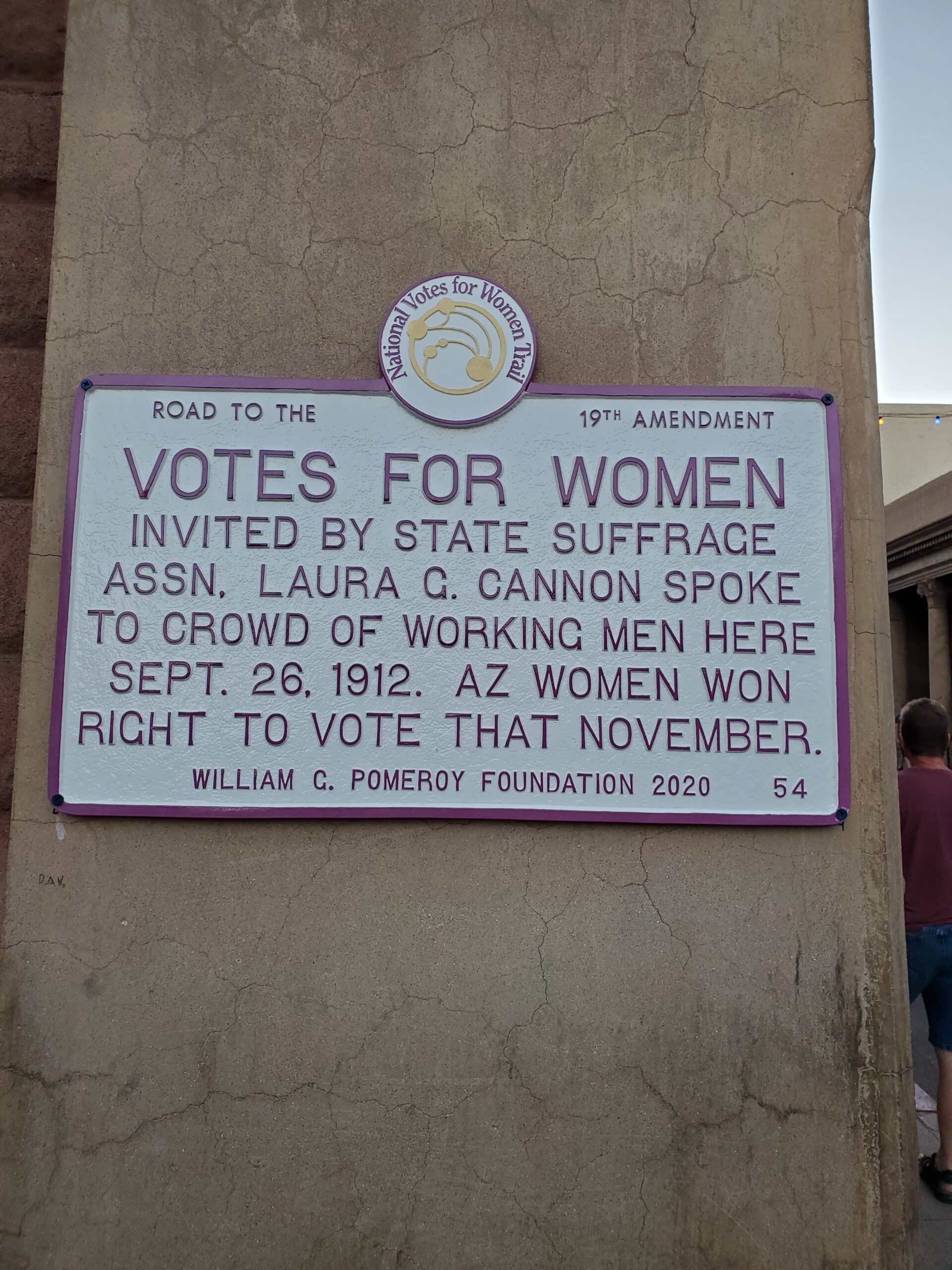
And just because I want to post this but had nowhere else to put it on my website, check out this cool sign that now hangs in downtown Bisbee; erected for the centennial celebration of the Nineteenth Amendment to the US Constitution:

Women Get the Vote, Bisbee

Did you know Arizona women won the right to vote in 1912, a full eight years before the federal government ratified the nineteenth amendment?


And that concludes our tour of Boothill Graveyard. I am heading out on a weeklong car trip starting tomorrow, so hopefully I'll have another historical post to add soon. Thanks for reading!

Categories

Archives

  • July 2025 (10)
  • July 2024 (1)
  • January 2024 (1)
  • August 2023 (1)
  • June 2023 (2)
  • October 2022 (1)
  • July 2022 (1)
  • June 2021 (3)
  • December 2020 (3)
  • August 2019 (1)
  • July 2019 (2)

Search

© 2026 The Exasperated Historian | Powered by Minimalist Blog WordPress Theme