The Exasperated Historian
Menu
  • Home
  • The Women’s List (New)
  • The Men’s List
  • The Animal List
  • Collections
  • The Blog
  • Contact Us
  • FAQ
Menu

Category: Birth Locations

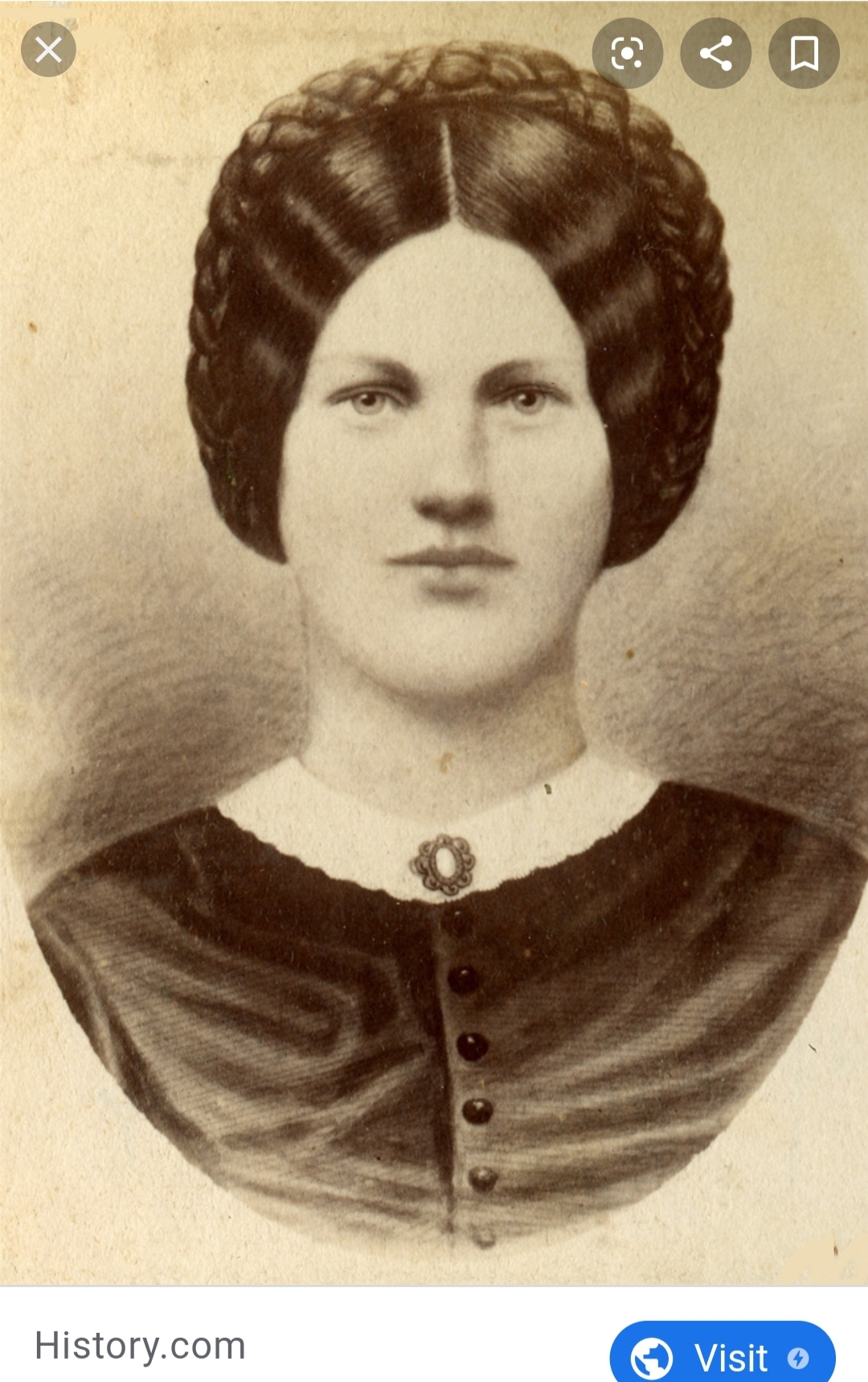
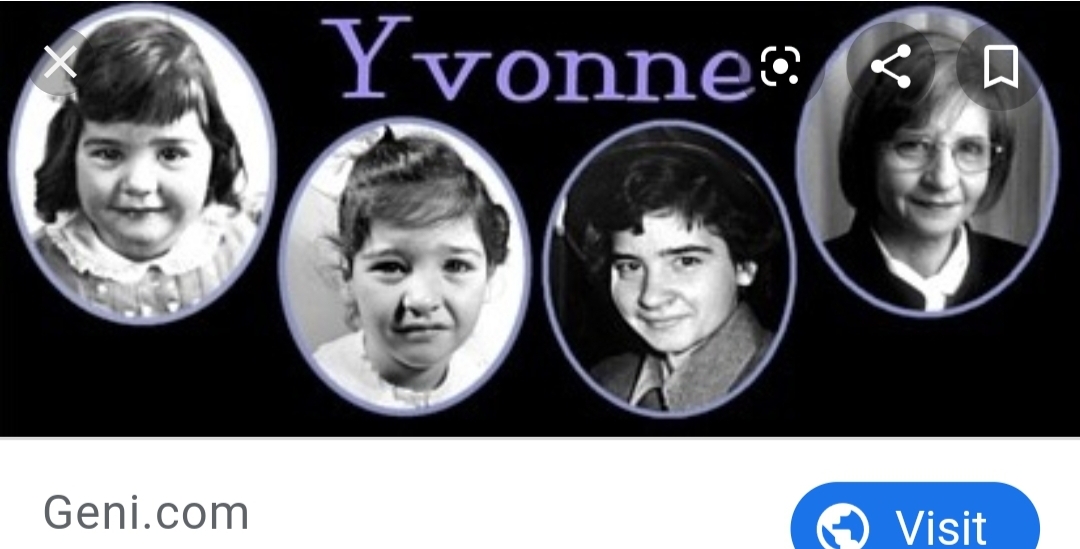
602) Yvonne Dionne

Courtesy of Geni

"I don't want to think about little Yvonne. No. I put an end to it. I want to live in the present, that's all."

602: Yvonne Dionne

The First of Five of the First Set of Quintuplets Known to Survive Infancy

Born: 28 May 1934, Callander, Ontario, Canada

Died: 23 June 2001, Montreal, Canada

The quints were born two months premature; their parents having no idea Mrs. Dionne was pregnant with more than one child. At the time of their birth, combined, the five girls weighed thirteen pounds six ounces (though soon after they began to lose weight).

The girls actually had six older siblings (one of whom died soon after birth) and then three younger siblings as well. The Dionne family was incredibly poor by today’s standards, and after the girls were born, Oliva and Elzire Dionne were terrified at the thought of suddenly having five more mouths to feed. The house they lived in had no electricity, which posed further challenges for charities and medical workers trying to bring in incubators to keep the girls alive. After their story made international headlines, the Red Cross sent in round-the-clock nursing care and breast milk was shipped in far and wide for the girls.

After four months with their parents, the girls were taken away by the Canadian government to become wards of the state. The government did this by passing the Dionne Quintuplets Guardianship Act of 1935. Unlike normal interference between government and private families today though, the quints were not given to foster families. Instead, they were simply moved to a new facility right across the street from their parents’ home.

The Ontario government turned a profit on the quints by making the girls a tourist attraction in a place called “Quintland” (where 6,000 people a day could observe them from galleries placed around the complex the girls were raised in. In fact, by 1937, Quintland was more popular than Niagara Falls). Quintland, as previously mentioned, was built very close to the Dionne home. The quints were raised by nurses, with their every wish and whim catered to them. The world was terrified that one of the girls would die, and so they received around the clock care. The girls also received a few visits with their birth family, but to say tension and pain erupted between the Dionne quintuplets and their parents and siblings during this time would be an understatement.

If Quintland wasn’t enough, the quints also ended up starring in three Hollywood films about a fictionalized version of their lives. They even appeared in numerous advertisements for brand names you would recognize today. The quints were famous worldwide, while their parents and siblings were scrutinized for every little thing.

The sisters rarely left Quintland; but one of the times they were allowed out, they met the King and Queen of the United Kingdom in Toronto. For that trip, the rest of the Dionne Family was also invited along, but the quints remained the stars of the entire show.

When the girls were nine years old, their parents regained custody of them. The girls moved back in with their parents and siblings; however, this situation wasn’t any better than living in Quintland (in fact, the quints themselves stated it was absolutely worse). When the quints returned home, one of their older sisters reportedly told them the reason there were two tables in the dining room was because one was for the quints and one was for the rest of the Dionnes; they were two separate families living in one home. The new nineteen-bedroom mansion the Dionne’s all lived in together was paid for by the quints’ trust fund (see more information below).

Soon after, the quints later revealed, their father also began to abuse them in various ways, including sexually assaulting them. Also, their mother screamed at and hit them at various times. The girls couldn’t escape from everything fast enough. Unbeknownst to them, each girl had a trust fund set up with money from the Quintland attraction. They would not be able to access these funds until their twenty-first birthday and had no idea they even existed when Émilie passed away at the age of twenty. Unfortunately, by the time they learned of the trust funds, most of the money was already gone. The money had paid for everything to keep Quintland up and running, from the construction of public bathrooms for the tourists to the meals doctors ate when coming to observe the girls.

After the quints moved back in with their parents, Quintland was turned into a private Catholic school for the quints and some other girls to attend. It was while attending this school that Annette told the chaplain of the school about her father abusing her, but the chaplain did nothing.

Also, around this time, Émilie started to suffer from seizures, which their parents and doctors covered up for fear of the stigma of epilepsy at the time. When they were fourteen, a newspaper chose to publish how much each girl weighed, proving that while media attention was slowly going away, it was still very prevalent in the girls’ lives.

Eventually, the girls all escaped their hellish homelife, and went on to write their own stories. When they were nineteen, Marie and Émilie were the first to escape, by joining different convents. When Émilie died two months later, media attention in the quintuplets dried up; after all, they were no longer quintuplets, but instead four sisters. As devastating as Émilie’s death was, it gave the others a chance to finally escape once and for all.

So, enough about all the quints in general, let’s talk about Yvonne. After Émilie’s death, Cécile and Yvonne attended nursing school together. Yvonne finished nursing school before becoming a sculptor and librarian. She even worked part time as a substitute teacher. Yvonne was also the only of the quintuplets to learn to drive, and went on a world tour, visiting various countries and becoming very refined and cultured.

In 1998 Yvonne, Annette, and Cécile reached a $2.8 million settlement with the Ontario government for their exploitation (or $4 million in Canadian money).

Three years later, Yvonne passed away from cancer. She never married or had children.

Badges Earned:

Find a Grave Marked

Located In My Personal Library:

The Miracle and Tragedy of the Dionne Quintuplets by Sarah Miller

Sources:

The Miracle and Tragedy of the Dionne Quintuplets by Sarah Miller

https://www.washingtonpost.com/history/2019/11/03/dionne-quintuplets-exploitation-five-girls-raised-baby-zoo/

https://www.nytimes.com/2017/04/02/world/canada/ontario-dionne-quintuplets.html
https://www.findagrave.com/memorial/7014287/yvonne-dionne

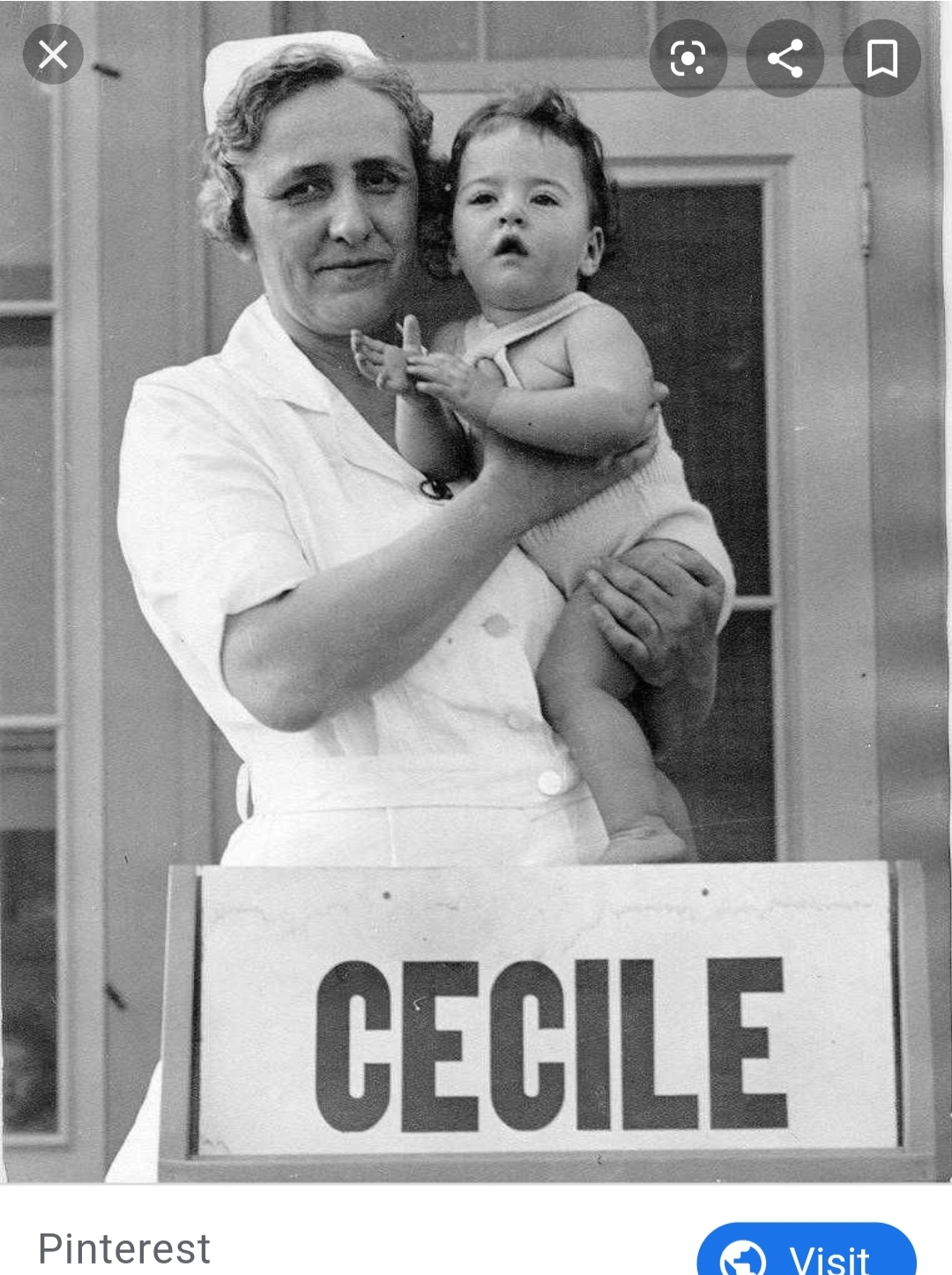
604: Cécile Dionne

Courtesy of Pinterest

“We were obliged to do so many things, so often, that in our head, we didn’t feel that we were able to say, ‘No, not this time, another time.'"

604: Cécile Dionne

The Third of Five of the First Set of Quintuplets Known to Survive Infancy

Born: 28 May 1934, Callander, Ontario, Canada

Died: 28 July 2025, Montreal, Quebec, Canda

The quints were born two months premature; their parents having no idea Mrs. Dionne was pregnant with more than one child. At the time of their birth, combined, the five girls weighed thirteen pounds six ounces (though soon after they began to lose weight).

The girls actually had six older siblings (one of whom died soon after birth) and then three younger siblings as well. The Dionne family was incredibly poor by today’s standards, and after the girls were born, Oliva and Elzire Dionne were terrified at the thought of suddenly having five more mouths to feed. The house they lived in had no electricity, which posed further challenges for charities and medical workers trying to bring in incubators to keep the girls alive. After their story made international headlines, the Red Cross sent in round-the-clock nursing care and breast milk was shipped in far and wide for the girls.

After four months with their parents, the girls were taken away by the Canadian government to become wards of the state. The government did this by passing the Dionne Quintuplets Guardianship Act of 1935. Unlike normal interference between government and private families today though, the quints were not given to foster families. Instead, they were simply moved to a new facility right across the street from their parents’ home.

The Ontario government turned a profit on the quints by making the girls a tourist attraction in a place called “Quintland” (where 6,000 people a day could observe them from galleries placed around the complex the girls were raised in. In fact, by 1937, Quintland was more popular than Niagara Falls). Quintland, as previously mentioned, was built very close to the Dionne home. The quints were raised by nurses, with their every wish and whim catered to them. The world was terrified that one of the girls would die, and so they received around the clock care. The girls also received a few visits with their birth family, but to say tension and pain erupted between the Dionne quintuplets and their parents and siblings during this time would be an understatement.

If Quintland wasn’t enough, the quints also ended up starring in three Hollywood films about a fictionalized version of their lives. They even appeared in numerous advertisements for brand names you would recognize today. The quints were famous worldwide, while their parents and siblings were scrutinized for every little thing.

The sisters rarely left Quintland; but one of the times they were allowed out, they met the King and Queen of the United Kingdom in Toronto. For that trip, the rest of the Dionne Family was also invited along, but the quints remained the stars of the entire show.

When the girls were nine years old, their parents regained custody of them. The girls moved back in with their parents and siblings; however, this situation wasn’t any better than living in Quintland (in fact, the quints themselves stated it was absolutely worse). When the quints returned home, one of their older sisters reportedly told them the reason there were two tables in the dining room was because one was for the quints and one was for the rest of the Dionnes; they were two separate families living in one home. The new nineteen-bedroom mansion the Dionne’s all lived in together was paid for by the quints’ trust fund (see more information below).

Soon after, the quints later revealed, their father also began to abuse them in various ways, including sexually assaulting them. Also, their mother screamed at and hit them at various times. The girls couldn’t escape from everything fast enough. Unbeknownst to them, each girl had a trust fund set up with money from the Quintland attraction. They would not be able to access these funds until their twenty-first birthday and had no idea they even existed when Émilie passed away at the age of twenty. Unfortunately, by the time they learned of the trust funds, most of the money was already gone. The money had paid for everything to keep Quintland up and running, from the construction of public bathrooms for the tourists to the meals doctors ate when coming to observe the girls.

After the quints moved back in with their parents, Quintland was turned into a private Catholic school for the quints and some other girls to attend. It was while attending this school that Annette told the chaplain of the school about her father abusing her, but the chaplain did nothing.

Also, around this time, Émilie started to suffer from seizures, which their parents and doctors covered up for fear of the stigma of epilepsy at the time. When they were fourteen, a newspaper chose to publish how much each girl weighed, proving that while media attention was slowly going away, it was still very prevalent in the girls’ lives.

Eventually, the girls all escaped their hellish homelife, and went on to write their own stories. When they were nineteen, Marie and Émilie were the first to escape, by joining different convents. When Émilie died two months later, media attention in the quintuplets dried up; after all, they were no longer quintuplets, but instead four sisters. As devastating as Émilie’s death was, it gave the others a chance to finally escape once and for all.

So, enough about all the quints in general, let’s talk about Cécile. After Émilie’s death, Cécile and Yvonne attended nursing school together.

Cécile married and had five children (two of her boys were twins, and one of those twins died at fifteen months of age), but her marriage failed. This despite the fact she was the first of the quints to ever reach out and risk dating in the first place. Within months of her wedding, Cécile was pregnant. By the time the marriage failed in 1964, Cécile learned her husband was a closeted gay man, an alcoholic, and was also unfaithful to her. Her ex-husband would never ask to see his children, nor would he provide financial support. At times, Cécile would have to give her children to various foster homes when she was unable to support them emotionally or financially.

In 1998 she, Annette, and Yvonne reached a $2.8 million settlement with the Ontario government for their exploitation (or $4 million in Canadian money). In that same year, Cécile moved into a duplex that her son Bertrand had bought with his portion of the settlement his mother received. In 2006, Bertrand sold the duplex and moved his mother into a nice senior living facility. However, six years later, in 2012, Bertrand disappeared off the map, taking all of Cécile’s money with him. As of 2019, Cécile had yet to hear from him, and is now a ward of the Canadian government once again.

Annette and Cécile cannot see each other in person often, but they call each other multiple times a day. Of the five, they are the only two still alive in 2020.

When Cécile died in 2025, she still had not heard from her son and continued to live in poverty. She was survived by her other three children and two grandchildren.

Badges Earned:

Find a Grave Marked

Located In My Personal Library:

The Miracle and Tragedy of the Dionne Quintuplets by Sarah Miller

Sources:

The Miracle and Tragedy of the Dionne Quintuplets by Sarah Miller

https://www.washingtonpost.com/history/2019/11/03/dionne-quintuplets-exploitation-five-girls-raised-baby-zoo/

https://www.nytimes.com/2017/04/02/world/canada/ontario-dionne-quintuplets.html
https://www.nytimes.com/2025/07/31/world/canada/cecile-dionne-dead.html

https://www.findagrave.com/memorial/285403943/cécile-marie_émilda-dionn

Entries Born in Cuba

These are the entries born on the island of Cuba.

Entries:

  • Berta Soler, Leader of the Ladies in White, who Advocate for the Release of Political Prisoners
  • Gloria Estefan, Musician and Dancer
  • Loreta Janeta Velasquez, Confederate Soldier and Spy

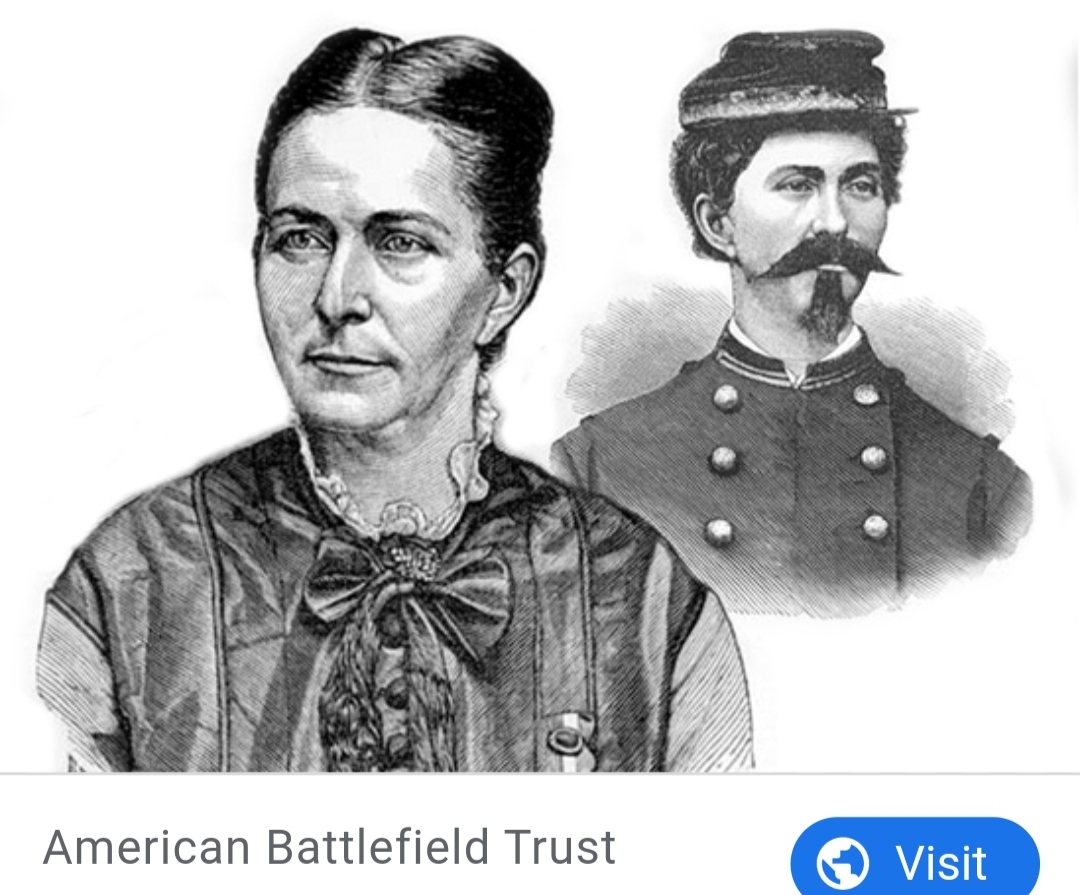
601) Loreta Janeta Velázquez

Courtesy of American Battlefield Trust

“There are some things which men can do better than women, and digging [ditches] in frozen ground is one of them…nature had evidently intended me for a warrior rather than a dirt-digger.”

601: Loreta Janeta Velázquez

Confederate Spy Who Masqueraded as a Man During the War Between the States

Born: 26 June 1842, Havana, Cuba

Died: c. 1897, Possibly Nevada, United States of America (See Below)

Loreta enlisted in 1861 without her husband’s knowledge (he was also a soldier).

She later wrote an account of her exploits in the war. Loreta also self-awarded herself the rank of lieutenant and used the name Harry T Buford.

Loreta was born in Cuba but was sent to New Orleans as a young girl. She lived with her aunt and received a nice education befitting her affluent background. However, when Loreta was fourteen, she eloped with an army officer from Texas.

When Texas seceded from the Union, Loreta’s husband went off to fight but forbid his wife from taking up arms alongside him. Obviously, this didn’t sit well with the courageous Loreta.

According to her book, she went to Arkansas and raised a regiment of volunteers before marching them to Florida and presenting them to her husband (she pretended to be his commanding officer). Her husband was killed in a shooting accident a few days later.

Loreta is known to have fought at the First Battle of Manasses (also known as Bull Run). After the battle, Loreta switched back to feminine clothes to act as a spy in Washington DC. When she returned home to the south, Loreta was inducted into the Detective Corps. Once again though, Loreta didn’t like the life she found herself in, and soon afterward returned to her role as Lieutenant Buford.

It was in this role that Loreta partook in the Battle of Fort Donelson where she was wounded in the foot. Loreta returned home to New Orleans instead of seeking treatment at the camp hospital for fear of being discovered female. Soon after, Loreta was arrested on suspicion of being a Union Spy, which obviously had no basis in reality. Loreta was released but fined for posing as a man.

Undeterred once again, she ended up re-enlisting and was put on burial duty at the Battle of Shiloh where she was wounded once more. Unfortunately for her, an Army doctor discovered Loreta was a woman. And so, Loreta finally ended her career as a soldier and went back to working a spy.

She married again but this husband died soon after. Then Loreta married for the third time and moved to Venezuela but when her third husband died, she returned to the United States and gave birth to a baby boy. Loreta published her memoirs to help support her son.

After the publishing of her book, Loreta drops off the map. It is believed she died in 1897, but no actual evidence to document this date has been uncovered. She was last known to be living in Nevada and may have married for a fourth time.

Badges Earned:

Find a Grave Marked

Located In My Personal Library:

They Fought Like Demons by DeAnne Blanton and Lauren M. Cook

Uppity Women Speak Their Minds by Vicki Leon

Sources:

https://www.battlefields.org/learn/biographies/loreta-janeta-velazquez

https://uncpress.org/book/9781469633190/the-woman-in-battle/

https://civilwarwomen.wp.tulane.edu/essays-3/loreta-janeta-velazquez-and-harry-t-buford/

https://www.findagrave.com/memorial/8564447/loretta-jeneta-velasquez

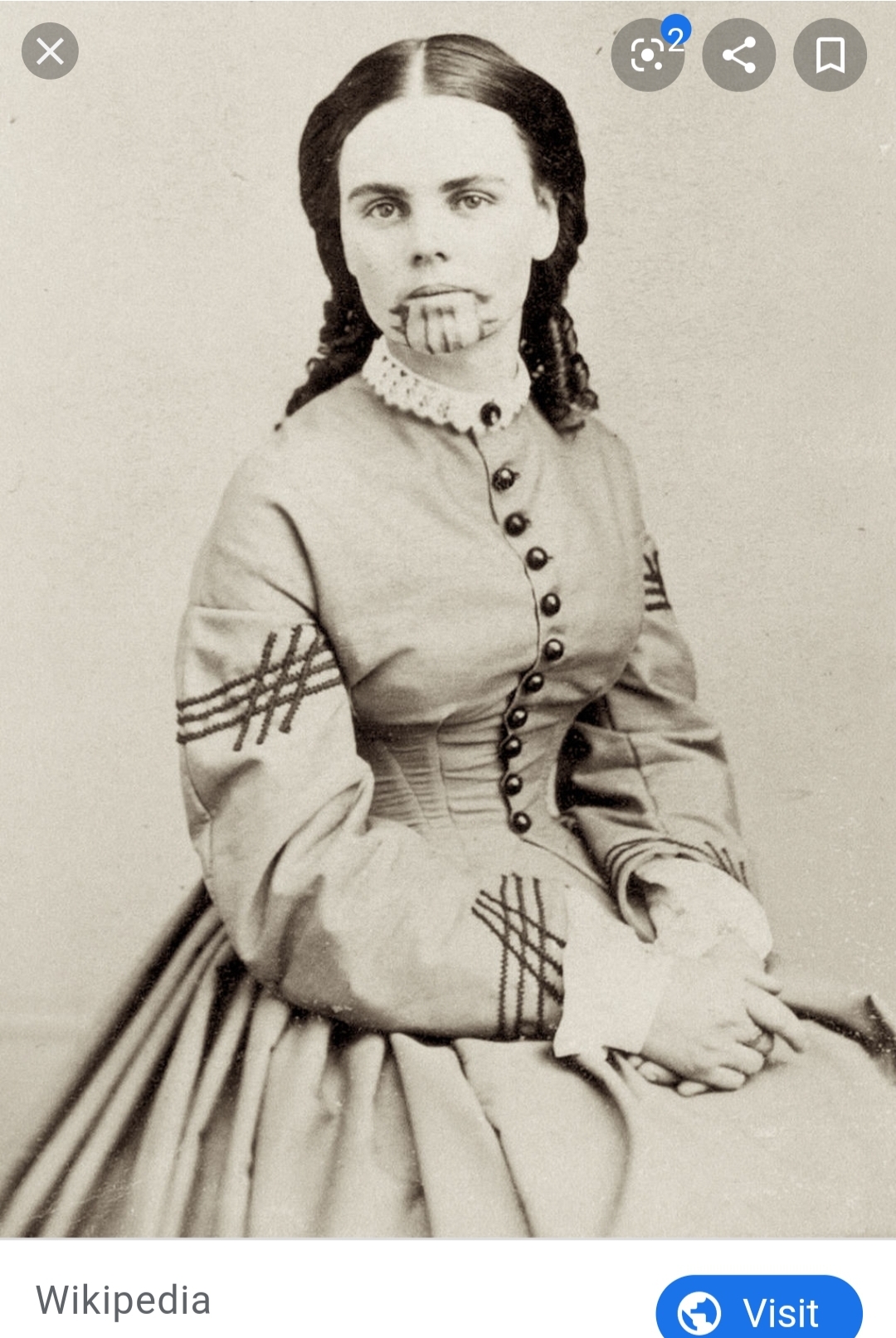
600) Olive Oatman

Courtesy of Wikipedia

 "To the honor of these savages let it be said, they never offered the least unchaste abuse to me."

600: Olive Oatman Fairchild

Famously Enslaved by Native Americans and Given a Distinctive Blue Face Tattoo

Born: 1837, Illinois, United States of America

Died: 20 March 1903, Sherman, Texas, United States of America

Olive was captured with her sister in 1852 when her family was emigrating to California (they were actually captured near the Gila River in present-day Arizona). The Oatman family were traveling west with other members of a sect of the Church of Jesus Christ of Latter-Day Saints; specifically, followers of a man named James Brewster, who disagreed with Brigham Young and decided to break away from the leaders in Salt Lake City, Utah. The Brewsterites, as they were called, left Illinois in August of 1850, heading for Southern California.

Originally the group was around ninety in total, but they split up partway along the journey. James Brewster headed north, while the Oatman family and a few others headed south. While it is not definitively known which band or tribe captured Olive and her sister, some historians believe it was the Tolkepayas Yavapai. Whichever tribe it was, they killed the Oatman parents and several of their children, badly injuring Lorenzo Oatman, and taking Olive and Mary captive.

For a year Olive and her sister served as slaves before being sold off to a Mojave chief, where they were adopted into his family. Her sister Mary died from starvation and abuse during this time. It is believed Olive was fourteen and Mary seven at the time of their kidnapping, and Mary died around the age of eleven.

In 1856, Olive was ransomed back to her only surviving family member, the aforementioned brother Lorenzo, at Fort Yuma, Arizona.

Afterward she sold her story to a man who wrote a book and the royalties paid for her and her brother’s education. Though many claimed Olive was glad to be free of her Mojave captives, the truth is less clear. Surviving evidence seems to indicate Olive grieved the loss of her Mojave family and culture deeply. She had been away from white civilization for five, formative years by the time she was returned to her brother, and she had grown very close to her Mojave family. For the rest of her life, Olive suffered from what some have deemed Post Traumatic Stress Disorder, or maybe Stockholm Syndrome, or even both.

After the publication of the book, Olive went on a lecture tour and eventually married, moving to Texas. While living in Texas, Olive and her husband adopted a little girl named Mamie. Olive remained interested in caring for orphans for the rest of her life, but rarely spoke of her time amongst the Mojave or Tolkepayas, leaving much of that part of her life a mystery. She passed away at the age of sixty-five from a heart attack.

Today, there is a ghost town in Arizona named in her honor: Oatman, Arizona.

Badges Earned:

Find a Grave Marked

Located In My Personal Library:

Captivity of the Oatman Girls: Being an Interesting Narrative of Life Among the Apache and Mohave Indians by Royal B Stratton

The Blue Tattoo: The Life of Olive Oatman by Margot Mifflin

Amazing Girls of Arizona: True Stories of Young Pioneers by Jan Cleere

The Old West by Stephen G Hyslop

Sources:

https://ehistory.osu.edu/biographies/olive-oatman

https://truewestmagazine.com/10-myths-about-olive-oatman/

https://wildwesthistory.blogspot.com/2013/04/olive-oatman-survivors-story.html

https://www.findagrave.com/memorial/1855/olive-oatman

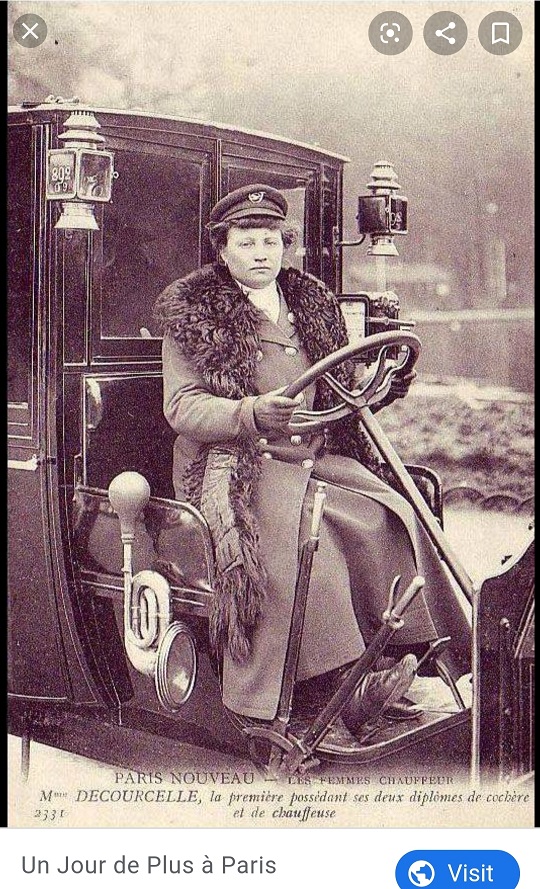
599) Madame DeCourcelle

Courtesy of Un Jour de Plus a Paris

599: Madame DeCourcelle

The First Female Taxi Driver in Paris

Birth and Death Dates Unknown, as is Location

She also held a license to drive horse cabs.

Not much else is known about her but there are several photographs of her. Madame DeCourcelle earned her taxi license in 1908.

Among the things not known about her include: her first name, where she was born, where she died, the years she was born or died, or what the rest of her life entailed. Basically, all we do know about her is that she was a female taxi driver in Paris at the turn of the twentieth century, and for that she’s earned a spot on this list.

Sources:

https://www.unjourdeplusaparis.com/en/paris-insolite/madame-decourcelle-premiere-femme-taxi-paris

https://www.alamy.com/female-french-horse-cab-driver-madame-decourcelle-and-her-best-friend-paris-lady-cab-drivers-were-seen-by-paying-customers-as-a-far-safer-bet-than-their-male-counterparts-and-reaped-the-financial-reward-accordingly-some-male-drivers-even-dressed-up-as-women-to-gain-more-business!-date-1907-image183029002.html

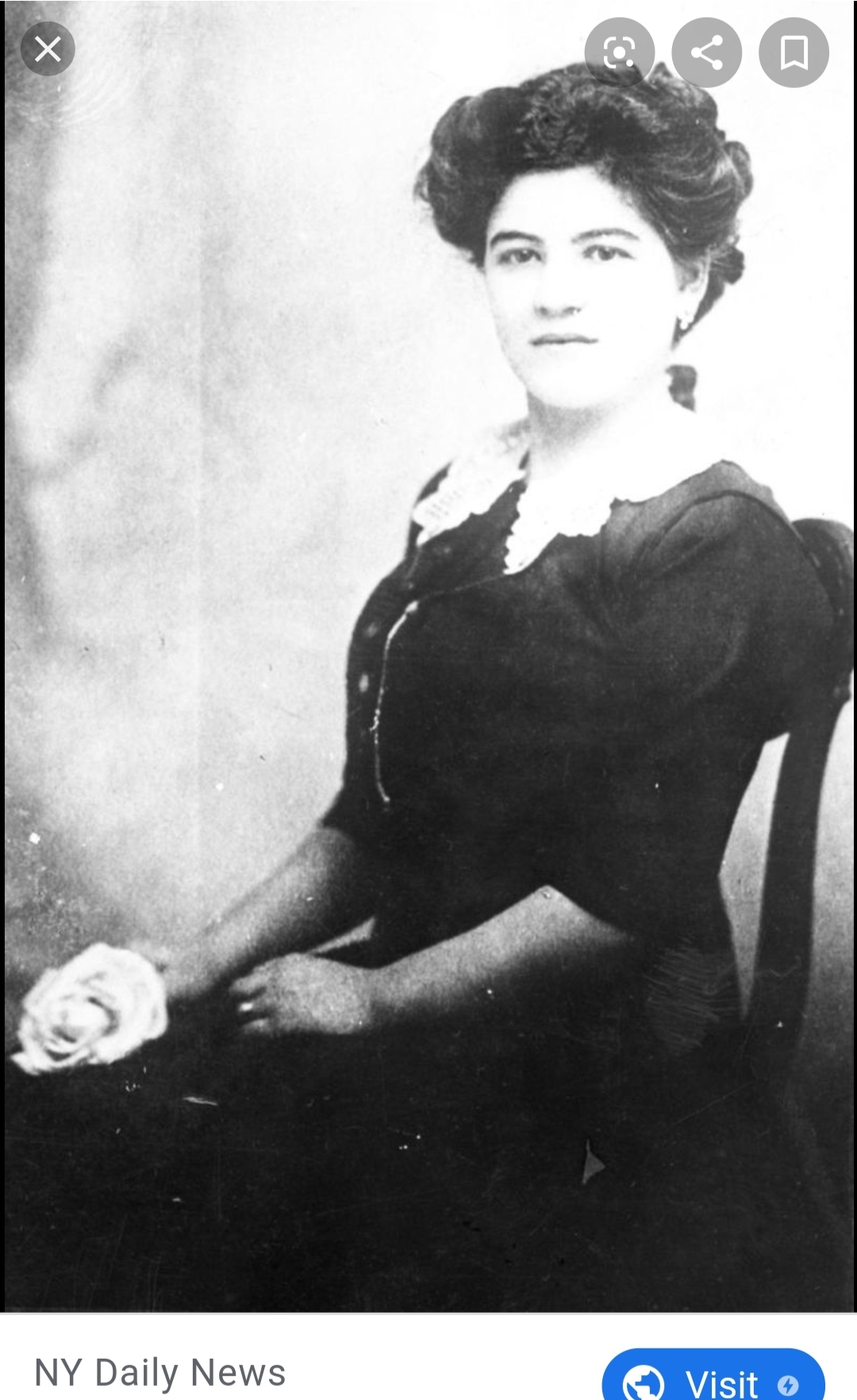
598) Anna Aumüller

Courtesy of NY Daily News

598: Anna Aumüller

Anna is Remembered for Being Murdered by Her Catholic Priest Husband

Born: 1892, Austro-Hungarian Empire (Present-day Austria)

Died: 2 September 1913, Manhattan, New York, United States of America

Sources are conflicted on whether she was pregnant when she was killed or if she gave birth to a baby before she was killed.

Her husband cut Anna up in pieces after killing her and her torso was found in the Hudson River leading the police to realizing she had been murdered.

Anna is buried in the Potter’s Field at Hart Island in New York.

Her husband is the only Catholic Priest in United States history to be sentenced to death and he was electrocuted in the chair.

Disgustingly enough when you Google her name (December 2020) a page for her husband and murderer comes up but not one for her; this is now at least the fifth time I have found this for a murdered or abused woman in history (the others being Mary Phagan, Maria Milagro de Hoyos, Mary Page Handy, and Emily Mather).

Badges Earned:

Find a Grave Marked

Sources:

https://www.nytimes.com/1914/02/04/archives/find-woman-dummy-who-aided-schmidt-posing-as-anna-aumuller-new.html

https://allthatsinteresting.com/interesting-stories/5

https://murderpedia.org/male.S/s/schmidt-hans.htm

https://www.findagrave.com/memorial/122596395/anna-aumuller

597) Jennie Wade

Courtesy of History

597: Jennie Wade

The Only Civilian to be Killed at the Battle of Gettysburg

Born: 21 May 1843, Gettysburg, Pennsylvania, United States of America

Died: 3 July 1863, Gettysburg, Pennsylvania, United States of America

Also Known As: Ginnie Wade

Original Name: Mary Virginia Wade

It is said Jennie was engaged to a Union soldier who was captured after being wounded in Winchester. Jack would later die in captivity; after Ginnie but before he was notified of her death.

Ginnie and her mother worked as seamstresses and lived in another part of town. However, in the days leading up to the bottle, Ginnie and her mother moved in with Ginnie’s sister, who ended up giving birth to a baby only hours before Confederate forces reached the town. The location of her sister’s home was thought to be safer from the war.

Ginnie was killed while kneading bread dough in her sister’s kitchen. The bullet came through the wall and hit her in the shoulder before passing through her heart and catching in her corset killing her instantly. The bullet that killed Ginnie was one of approximately 150 to strike the home that morning.

Gennie is buried near her fiancé and is the only woman other than Betsy Ross to have a perpetual United States flag flying over her grave. This means the flag flies both day and night and is never completely lowered.

You can now visit the home she was living in and died at during the battle as it has been converted to a museum: The Jennie Wade House.

Badges Earned:

Find a Grave Marked

Located In My Personal Library:

Legends & Lies: The Civil War by Bill O'Reilly and David Fisher

Sources:

https://www.gettysburgbattlefieldtours.com/jennie-wade-house/history/

https://www.thevintagenews.com/2018/08/15/jennie-wade/

https://www.findagrave.com/memorial/1064/jennie-wade

Entries Born in Croatia

These were the entries born in the modern geographical borders of the country of Croatia.

Entries:

  • Hedviga Golik, Quiet Woman Whose Body Went Undiscovered in Her Own Apartment For Forty-Two Years

596) Hedviga Golik

"I still remember her. She was a quiet woman who kept herself to herself but was polite. We all thought that she had just moved out and gone to live with relatives." -Hedviga’s neighbor who remembered her from before she went missing

596: Hedviga Golik

Always Check in On Your Neighbors; Even if You Don’t Know Them

Born: 1924, Kingdom of Yugoslavia (Present-day Croatia)

Died: 1966, Zagreb, Socialist Yugoslavia (Present-day Zagreb, Croatia)

Hedviga was a quiet woman who kept to herself and was last seen by her neighbors in 1966.

Forty-two years later, in May of 2018, the owner of her apartment complex had the police break down the door to see who was living inside. Instead of finding a squatter, the police found Hedviga’s body.

It looked as though Hedviga had sat down to a cup of tea and to watch some television and then she died.

Someone eventually reported her missing, but no one ever checked her apartment.

The police in 2008 said the apartment was like a time capsule of things nobody had seen in decades. Hedviga was found still sitting in her chair in front of her television, her cup of tea on the table beside her.

Badges Earned:

Find a Grave Marked

Sources:

https://toronto.citynews.ca/2008/05/16/womans-body-found-in-her-apartment-42-years-after-she-died/

https://www.dailyrecord.co.uk/news/uk-world-news/woman-sat-dead-front-tv-977414

https://gizmodo.com/woman-who-died-while-watching-tv-sat-unfound-for-42-yea-5017621

https://www.findagrave.com/memorial/26866981/hedviga-golik

  • Previous
  • 1
  • …
  • 65
  • 66
  • 67
  • 68
  • 69
  • 70
  • 71
  • …
  • 159
  • Next

Categories

Archives

  • July 2025 (10)
  • July 2024 (1)
  • January 2024 (1)
  • August 2023 (1)
  • June 2023 (2)
  • October 2022 (1)
  • July 2022 (1)
  • June 2021 (3)
  • December 2020 (3)
  • August 2019 (1)
  • July 2019 (2)

Search

© 2026 The Exasperated Historian | Powered by Minimalist Blog WordPress Theme