The Exasperated Historian
Menu
  • Home
  • The Women’s List (New)
  • The Men’s List
  • The Animal List
  • Collections
  • The Blog
  • Contact Us
  • FAQ
Menu

Category: Birth Locations

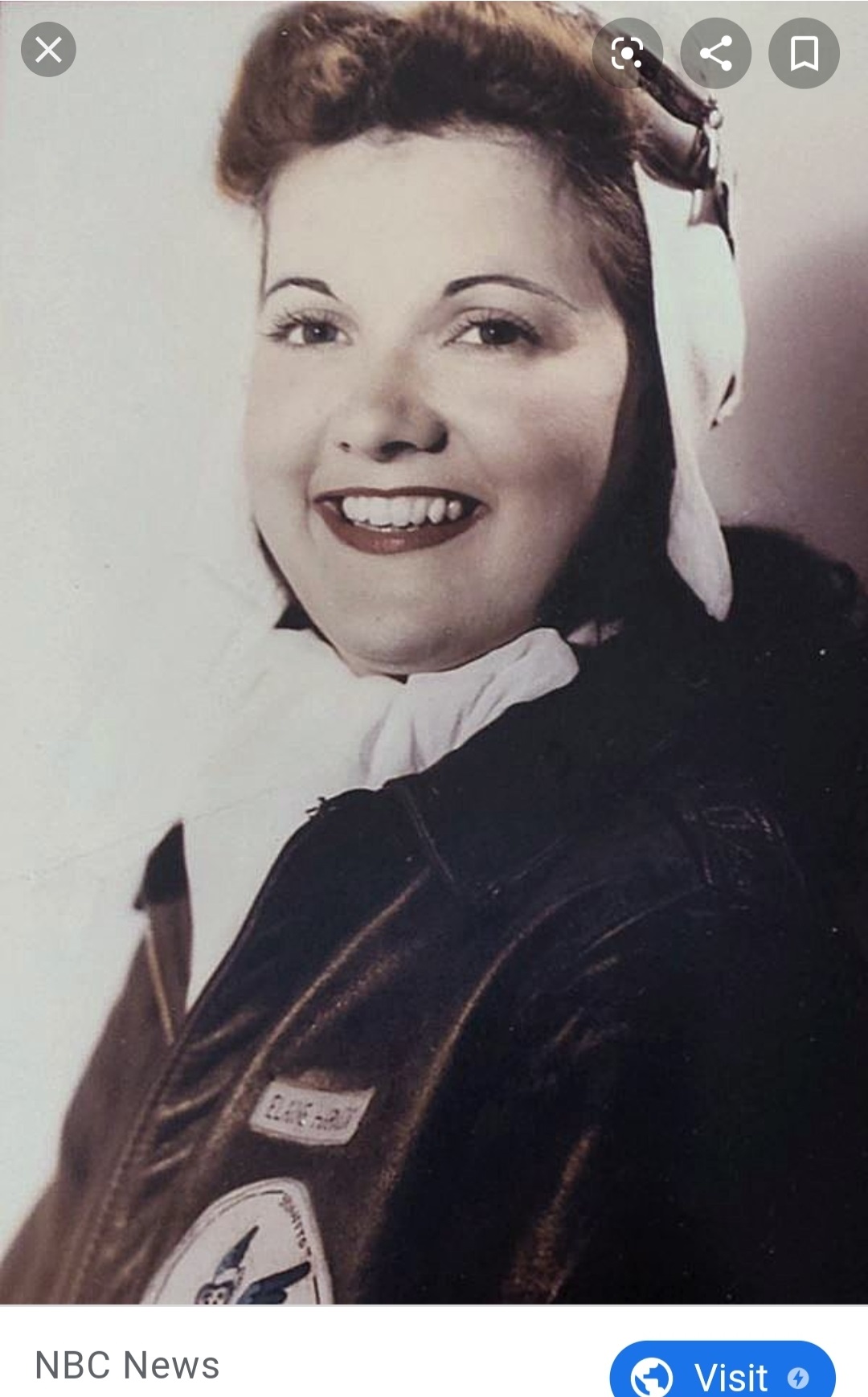
613) Elaine Harmon

Courtesy of NBC News

 “I would like to be buried in Arlington Cemetery…Even if there are no ashes left, I would like an empty urn placed at Arlington.”

“On behalf of the President of the United States, the Department of the Air Force, and a grateful nation, we offer this flag for the faithful and dedicated service of WASP Elaine Danforth Harmon.” -Member of Arlington’s Honor Guard Upon Presentation of the Flag to Elaine’s Granddaughter Terry

613: Florence Elaine Harmon

WASP During World War II and Later Advocate for Her Fellow Female Pilots to Receive Full Veteran’s Benefits

Born: 26 December 1919, Baltimore, Maryland, United States of America

Died: 21 April 2015, Rockville, Maryland, United States of America

For those unaware, the WASPS or Women Airforce Service Pilots were female pilots who served the United States Government during World War II. They did so by flying different planes across the United States throughout the war. They trained other men how to fly the aircraft, tested them before they were approved for full-military service, and went above and beyond the call of duty. Therefore, it is incredibly frustrating that the WASPs were not classified as members of the armed forces. That’s right, the WASPs were not members of the military, and received none of the benefits that came along with that title. WASPs would not become full military veterans until 1977, when the US Congress and President Jimmy Carter passed legislation declaring what the WASPs had always known.

The WASPs required at least one parent’s signature for the girl to fly, so Elaine had it mailed to her father’s place of work since her mother didn’t approve. Her father signed Elaine's papers, and she became one of the 1,094 women declared a WASP.

In 1944, after the disbandment of the WASPs, Elaine transitioned to the role of Air Traffic Controller while waiting for her own husband to return from fighting in the Pacific. Though she was widowed in 1965, Elaine didn’t let that stop her, and she was able to raise four children. She went on to become a real-estate appraiser despite holding a bachelor’s degree in bacteriology.

In the 1970’s, when the WASPs began to fight for their veteran’s benefits and rights, Elaine became the informal secretary of the group. Because she lived so close to Washington DC, Elaine was also able to host WASPs when they came to the capital to lobby.

Over the years, Elaine met five US presidents, and traveled the country to tell the story of the WASPs. In 2009, the WASPs were awarded the Congressional Gold Medal by President Barack Obama. Elaine was there in person to see the award presented.

When Elaine died, she was hoping for burial at Arlington National Cemetery since approval for WASPs to be buried there had come through a decade before. However, Elaine was unaware that a month before she died the (now former) Secretary of the Army overturned the decision because of shrinking space at Arlington. He decided WASPs could only be buried at cemeteries run by the Department of Veteran’s Affairs and Arlington is run by the United States Army.

Then Congresswoman Martha McSally introduced a bill in the House of Representatives to get the previously mentioned decision overturned. The bill was soon also presented to the Senate as well. President Obama signed the legislation into law only months later allowing for ashes of WASPs to be interned above ground in Arlington.

In September of 2016 Elaine’s ashes were interned at a columbarium in Arlington National Cemetery. The ceremony was attended by Martha McSally, five other former WASPs, and many others.

Badges Earned:

Find a Grave Marked

Sources:

https://runwaygirlnetwork.com/2016/09/07/wasp-elaine-harmons-ashes-buried-at-arlington-national-cemetery/

https://www.nbcnews.com/news/us-news/elaine-harmon-female-wwii-pilot-will-finally-be-laid-rest-n643701

https://www.nytimes.com/2016/09/08/us/arlington-female-pilot-elaine-harmon-buried-at-arlington.html

https://www.findagrave.com/memorial/177741101/elaine-danforth-harmon

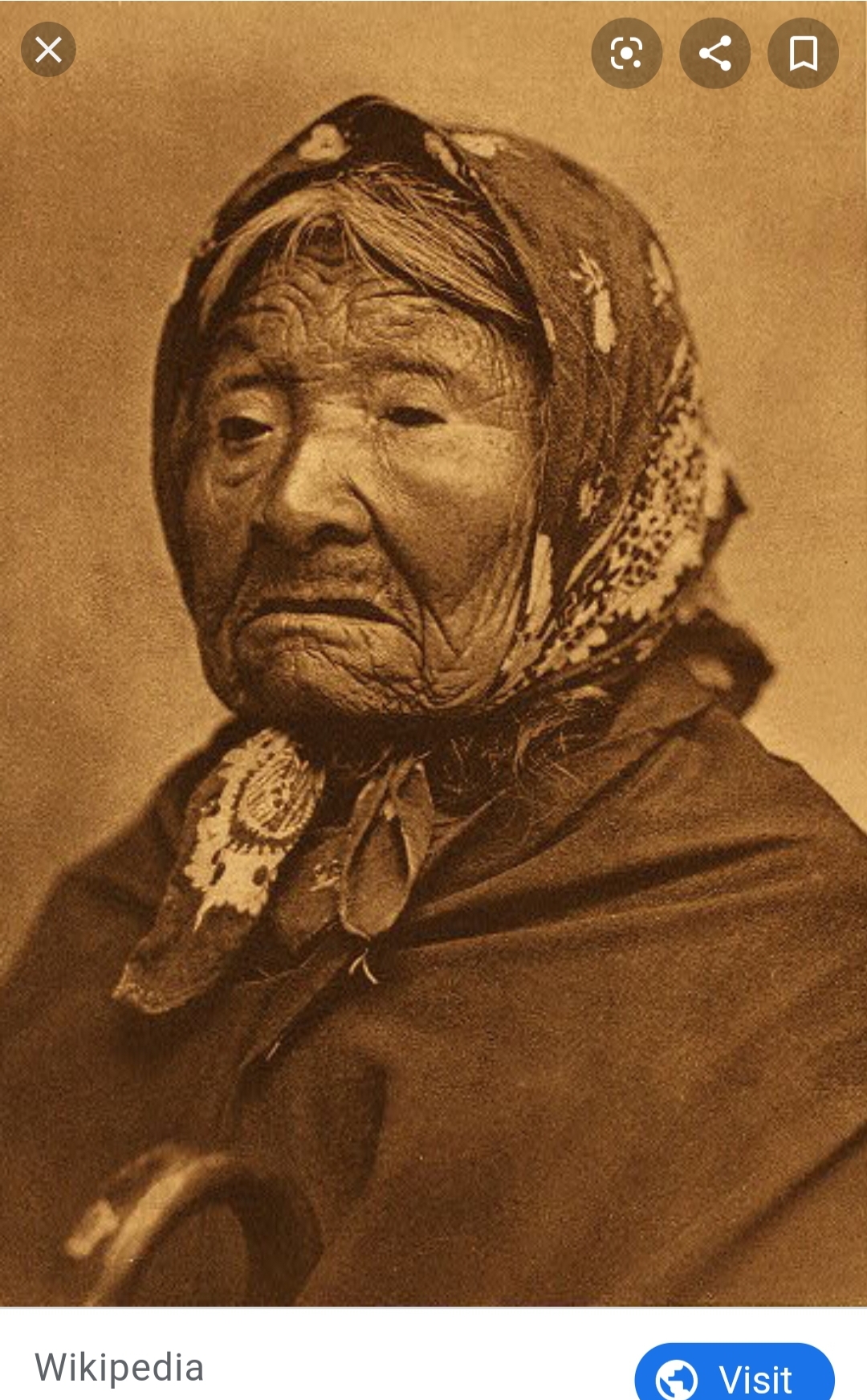
612) Kikisoblu

Courtesy of Wikipedia

612: Kikisoblu

Daughter of Chief Seattle (Si’ahl of the Duwamish and Suquamish Tribes)

Born: c.1828, Washington State, United States of America

Died: 31 May 1896, Seattle, Washington, United States of America

Also Known As: Princess Angeline

Kikisoblu sold baskets and did the Seattle villagers’ laundry to earn her living. She is the subject of many many beautiful photographs and was tolerated by other white settlers because she converted to Christianity and was seen as mostly harmless.

Kikisoblu was Chief Si’ahl’s oldest daughter. She was renamed Princess Angeline by a white settler and friend, who thought it fitting the rest of the world know Kikisoblu was the daughter of a great chief.

Kikisoblu lived a very simple life, living in a small shack by the waterfront. Her friends reportedly wanted to help her financially, but Kikisoblu was independent and took care of herself. For some, Kikisoblu’s refusal to leave her land is an act of final defiance against the white settlers. In fact, Kikisoblu’s father, Chief Si’ahl, had signed a treaty in 1855 (the Point Elliott Treaty) that stipulated the Natives would move off their ancestral lands to allow the white settlers to move in. Kikisoblu, of course, refused to move until the day she died.

She is buried in a coffin in the shape of a canoe.

Badges Earned:

Find a Grave Marked

Sources:

https://www.duwamishtribe.org/princess-angeline

https://www.historylink.org/File/2493

https://historycollection.co/native-american-princess-refused-leave-land-became-legend/

https://www.findagrave.com/memorial/4370/kikisoblu-sealth

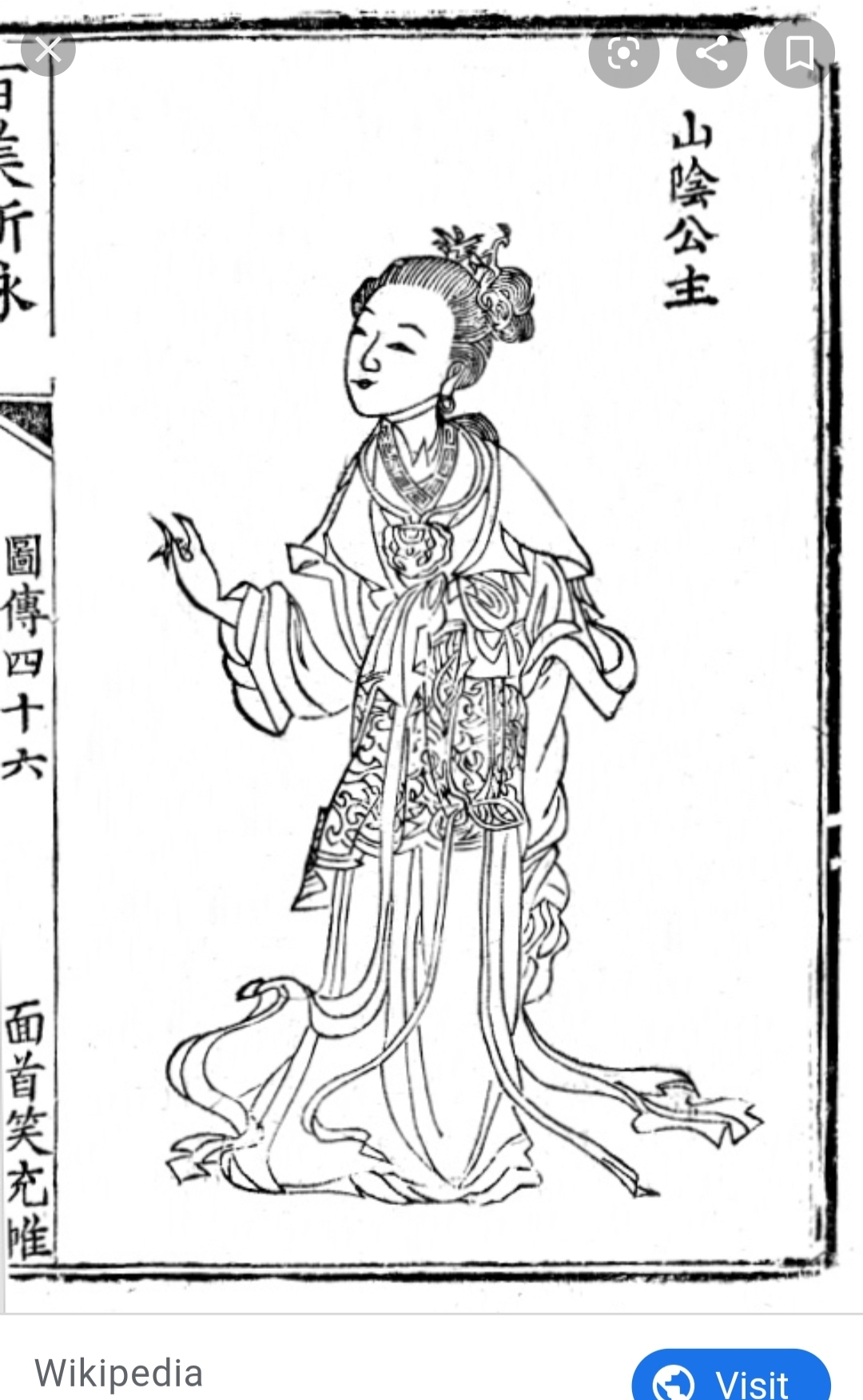
611) Liu Chuyu

Courtesy of Wikipedia

611: Liu Chuyu

Chinese Princess of the Liu Song Dynasty

Born: c. 446 AD, China

Died: 465 AD, China

Also Known As: Princess Shanyin or Princess Kuaiji

Chuyu was the daughter of Emperor Xiaowu.

It is said that Chuyu often complained to her brother after he became Emperor because he had ten thousand concubines and she had one husband who apparently was lackluster at best.

In response her brother (Emperor Qianfei) gave her thirty young men to keep as her own concubines. This arrangement lasted for a year or so until her brother was assassinated, and her uncle was proclaimed the new emperor; Ming.

This new emperor forced Liu to commit suicide for her immorality. This story is little known, and hardly any sources for Liu are available and easily accessible online. In fact, the few sources that are available all say they are basing their articles on Wikipedia. Therefore, here is your official “Take This Story With a Grain of Salt” warning, and I have linked the Wikipedia article below for further transparency. It should also be noted that on the Wikipedia article itself (as of February 2020 anyway) the article has a warning at the top stating it has no sources to verify the information.

The biggest take away from this story? Liu Chuyu may have been a real figure, or she may just be a story about the immorality of women and people in general.

Sources:

https://historical-nonfiction.tumblr.com/post/164420098100/liu-chuyu-was-the-first-born-daughter-of-emperor

https://en.wikipedia.org/wiki/Liu_Chuyu

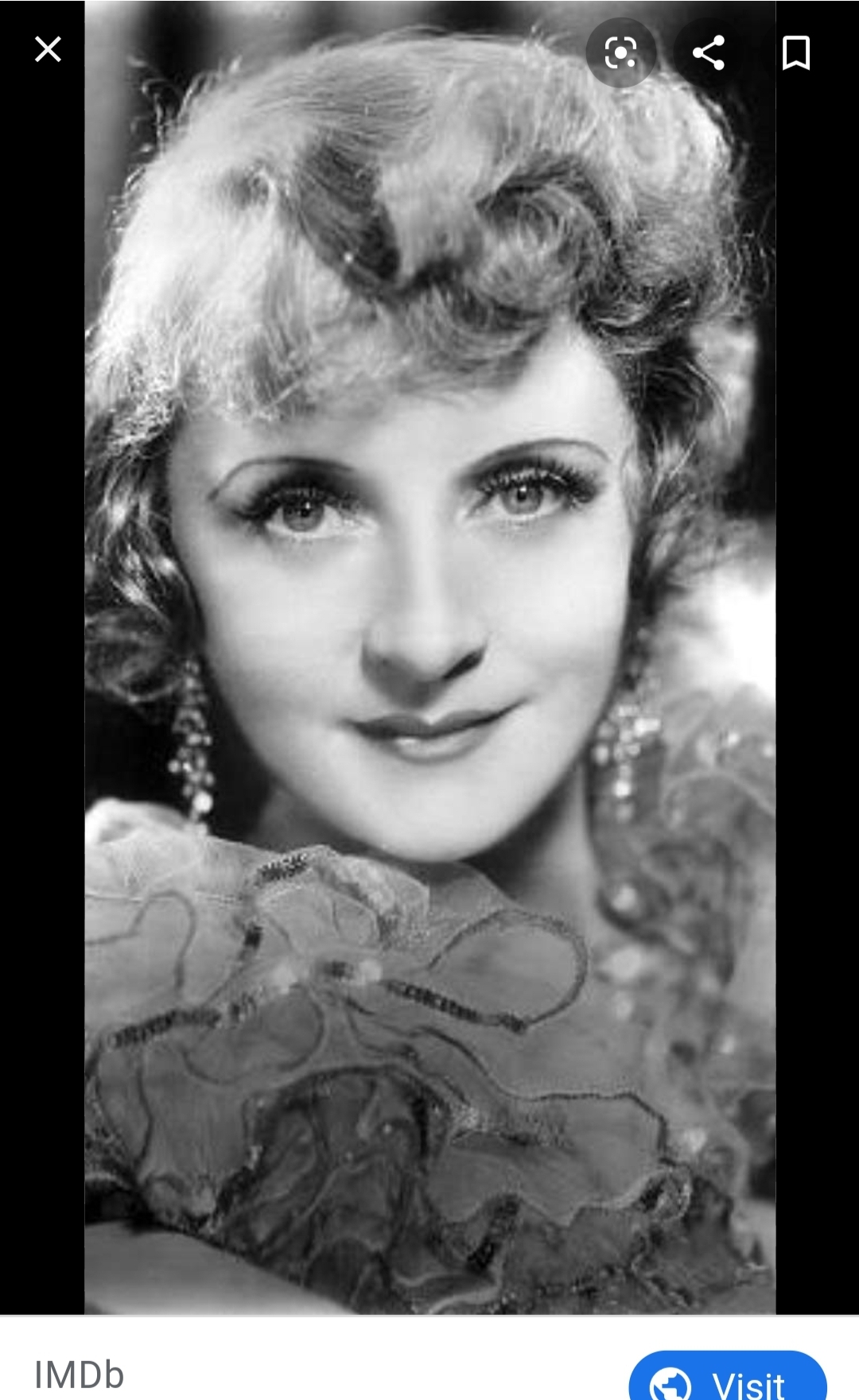
610) Billie Burke

Courtesy of IMDb

610: Billie Burke

Academy Award Nominated Actress

Born: 7 August 1884, Washington DC, United States of America

Died: 14 May 1970, Los Angeles, California, United States of America

Original Name: Mary William Ethelbert Appleton

Billie is most remembered for portraying Glinda the Good Witch in The Wizard of Oz film.

As a child, Billie toured the world following her father who worked for a circus. When the family finally settled in London, Billie decided on a career as a stage actress. Her stage debut came at eighteen, and by twenty-two she was moving to New York City to work on Broadway.

In 1916, Billie made her film debut as the lead role in Peggy. Her eight weeks of filming earned her $40,000—the highest salary ever made by an actor in a single film at that point. By 1921 however, she had decided to retire from cinema as she liked speaking roles on stage more. Also, she was now married.

Billie married the Broadway showman Florenz Ziegfeld Jr of the Ziegfeld Follies fame. They had one daughter together. However, her husband died of what could only be called a broken heart after the stock market crash in 1929, and Billie had to return to work to support herself and her daughter. Between 1940 and 1949, Billie made twenty-five films. However, by the 1950’s, her screen roles dropped to six movies. In 1960, Billie appeared in her final film role at the age of seventy-five.

Despite her character’s larger-than-life persona in the Wizard of Oz, Billie herself only stood between five foot two and a half and five foot three inches (depending on the source). Also, Billie was fifty-three years old at the time of filming.

Badges Earned:

Find a Grave Marked

Located In My Personal Library:

Mrs. Ziegfeld: The Public and Private Lives of Billie Burke by Grant Hayter-Menzies

With a Feather on My Nose by Billie Burke

Sources:

https://www.imdb.com/name/nm0000992/bio

https://oz.fandom.com/wiki/Billie_Burke

http://www.thewizardofozmovie.com/burke.html

https://www.findagrave.com/memorial/1315/billie-burke

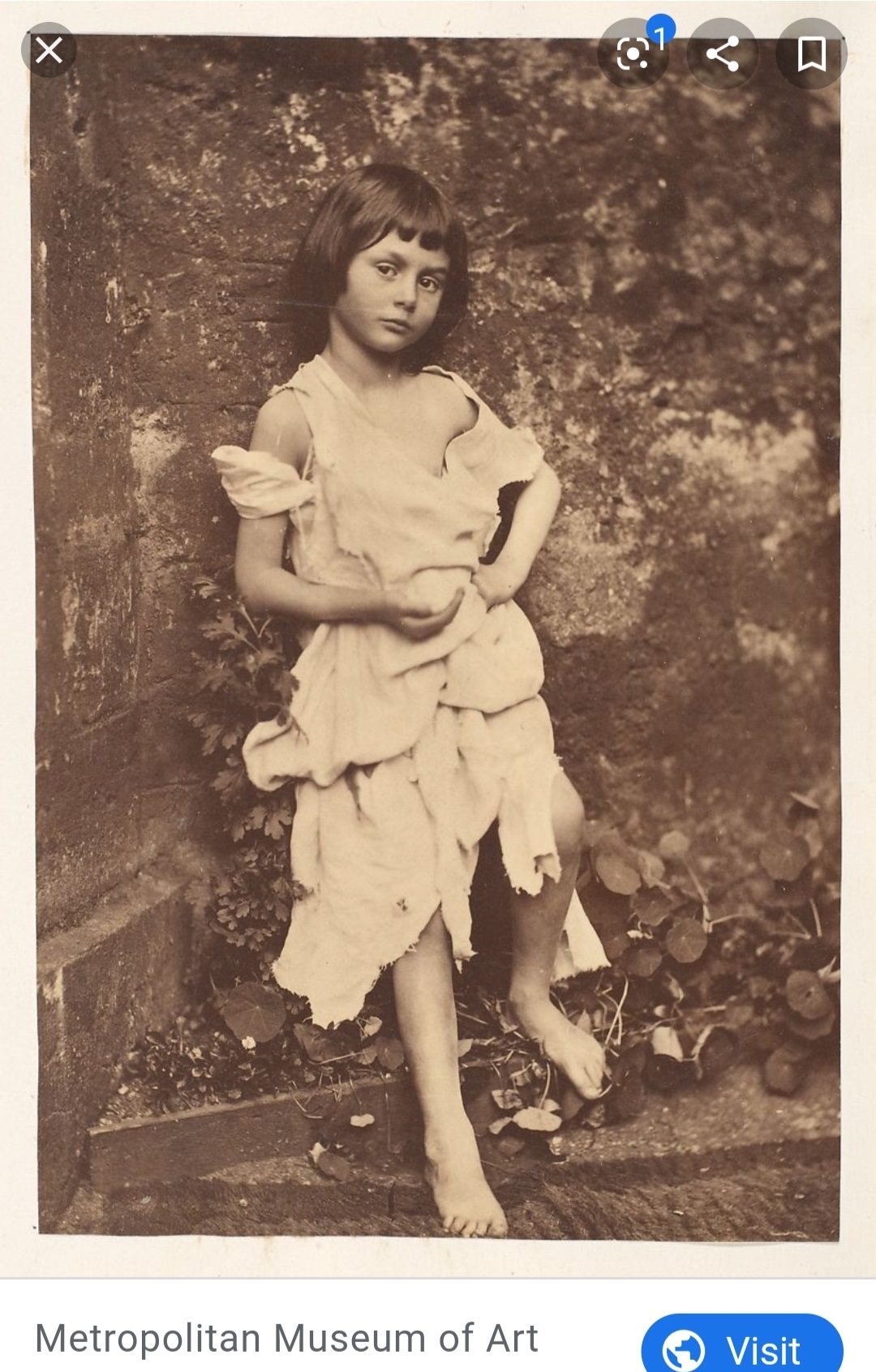
609) Alice Liddell Hargreaves

Courtesy of the Metropolitan Museum of Art

609: Alice Liddell Hargreaves

The Real Alice In Wonderland

Born: 4 May 1852, Westminster, London, United Kingdom

Died: 16 November 1934, Westerham, Kent, United Kingdom

Alice became a personal friend of author Lewis Carroll when she was a child. Lewis created the world of Wonderland for her and her friends. In recent decades, Alice’s relationship with the author has come under renewed criticism, with some claiming their relationship was more than friends between an adult man and a child. However, the exact details have been lost to history, and today all that is known for certain is that Alice was the subject of numerous portraits taken by Lewis.

Alice went on to marry and have three sons (two of whom died in World War I) and lived the life of a society lady. Though no definitive documentation survives, there is speculation that before her wedding, Alice may have had a romantic relationship with Prince Leopold, the youngest son of Queen Victoria. However, the relationship, if real, never went anywhere thanks to Alice's "commoner" status. She went on to name one of her sons Leopold, and he one of his daughters Alice.

In 1928, she auctioned the original manuscript of Alice’s Adventures Under Ground, given to her by Lewis Carroll himself decades before. The book sold for £15,400.

“In 1932, the centennial of Dodgson’s birth, Alice Liddell, then an 80-year-old widow, traveled with her son and sister to New York City to receive an honorary doctorate from Columbia University for “awaking with her girlhood’s charm the ingenious fancy of a mathematician familiar with imaginary quantities, stirring him to reveal his complete understanding of the heart of a child.”” (Courtesy of Smithsonian Magazine, article linked below).

Badges Earned:

Find a Grave Marked

Located In My Personal Library:

What is the Story of Alice in Wonderland? by Dana M Rau

Sources:

https://www.smithsonianmag.com/arts-culture/lewis-carrolls-shifting-reputation-9432378/

https://www.lib.umd.edu/alice150/alice-in-wonderland/alice-liddell

http://www.alice-in-wonderland.net/resources/background/alice-liddell/

https://aliceinwonderland.fandom.com/wiki/Alice_Liddell

https://www.findagrave.com/memorial/8716/alice-liddell

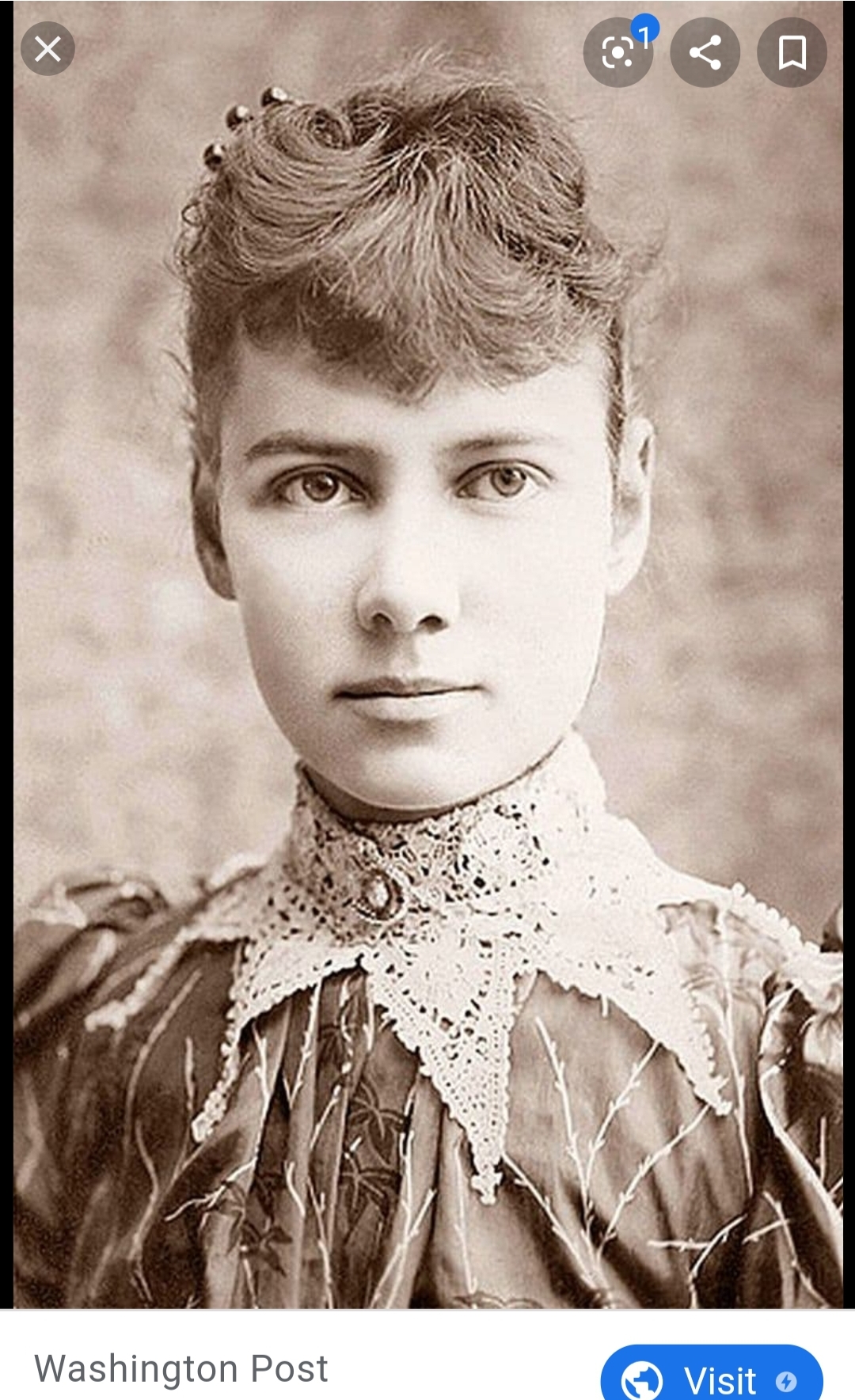
608) Nellie Bly

Courtesy of The Washington Post

“Never having failed, I could not picture what failure meant.”

608: Nellie Bly

Journalist Who Pioneered the Field of Investigative Journalism

Born: 5 May 1864, Cochran’s Mills, Pennsylvania, United States of America

Died: 27 January 1922, The Bronx, New York, United States of America

Original Name: Elizabeth Jane Cochran (also spelled Cochrane)

Nellie exposed politics, dereliction of duty in hospitals, and even feigned insanity to get admitted into a mental institution for the inside scoop.

She also competed with another female journalist to see which one could get around the world in under eighty days; and Nellie won. Though her record of seventy-two days would only hold for a few months, it was still an astounding accomplishment for the time.

Nellie ended up marrying a millionaire forty years her senior and retiring from journalism. But, after ten years of marriage, her husband died, and Nellie started managing his manufacturing company, however the business closed despite Nellie managing to patent a few new inventions along the way.

After her business floundered, Nellie returned to journalism. She became the first woman to report on World War I directly from the front (but was not accredited by the United States War Department). Nellie also wrote fervently on the women’s suffrage movement in the United States. In 1913, she rode in the Women's Suffrage parade in Washington DC.

Nellie died completely destitute after falling ill with pneumonia.

Badges Earned:

Find a Grave Marked

Rejected Princess

Located In My Personal Library:

Magic and Witchcraft: An Illustrated History by Ruth Clydesdale

Revolutionary Women by Inc. Peter Pauper Press

Historical Heartthrobs by Kelly Murphy

National Geographic History Magazine March/April 2021 Edition (Article "Nellie Bly, Pioneer of Investigative Journalism" by Giorgio Pirazzini)

Uppity Women Speak Their Minds by Vicki Leon

Who Knew? Women in History by Sarah Herman

Sources:

https://www.womenshistory.org/education-resources/biographies/nellie-bly

https://www.nps.gov/people/nellie-bly.htm

https://www.rejectedprincesses.com/princesses/nellie-bly

https://www.britannica.com/biography/Nellie-Bly

https://www.findagrave.com/memorial/106/nellie-bly

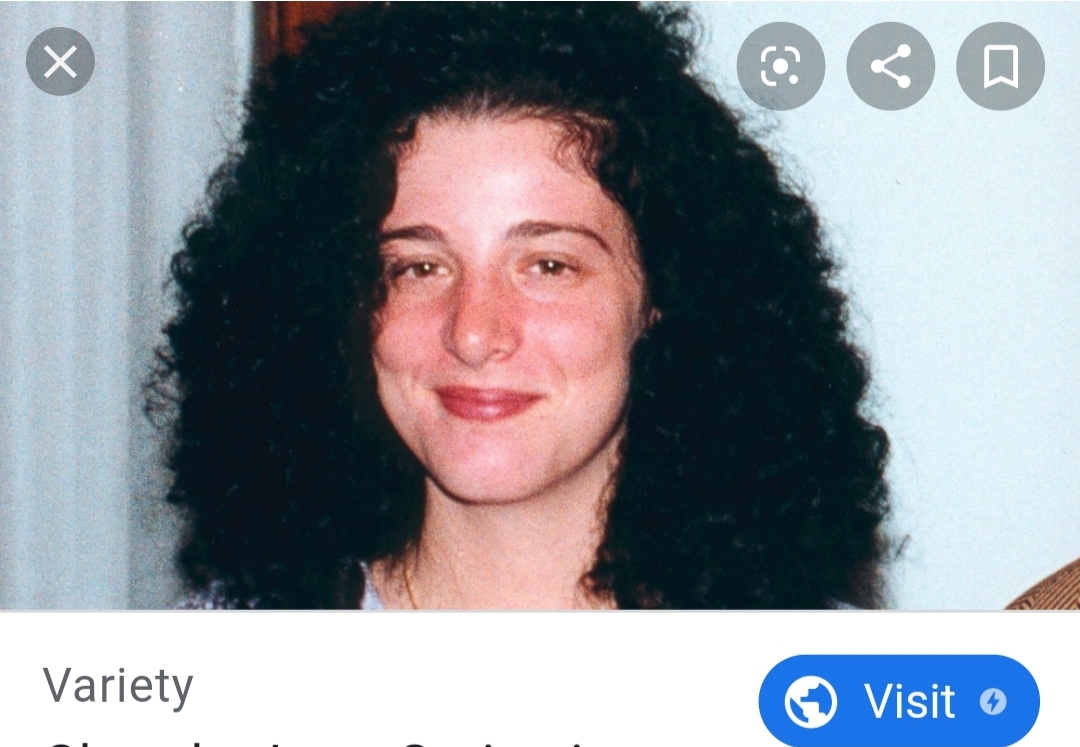
607) Chandra Levy

Courtesy of Variety
https://youtu.be/MUABG_ATs5w

607: Chandra Levy

She’s Remembered For Her Death Rather Than How She Lived

Born: 14 April 1977, Cleveland, Ohio, United States of America

Died: c. 1 May 2001, Washington DC, United States of America

Chandra was a murdered United States Federal Bureau of Prisons Intern who was missing for over a year before her body was discovered in a park not far from where she usually jogged.

Chandra had ended an affair with a Democrat politician before her death and so the media decided he was her killer. The politician in question lost his congressional bid despite being NOT guilty.

Chandra earned a bachelor’s degree in journalism and was working on a master’s degree in public administration in Washington DC.

She disappeared the day she was supposed to move back to California.

An illegal immigrant who had been charged with her murder was deported back to El Salvador in 2017. In 2010, he was convicted and sentenced to sixty years in prison for her murder. However, he was later granted a new trial and in 2016 all charges against him were dropped.

In 2016, ABC's 20/20 Covered the Chandra Levy Case, fifteen years later. I have linked the first part of the documentary episode here in the article.

As of 2020, Chandra’s murder remains unsolved.

Badges Earned:

Find a Grave Marked

Located In My Personal Library:

The Encyclopedia of Unsolved Crimes by Michael Newton

Sources:

https://www.washingtonpost.com/local/the-recording-that-undid-the-chandra-levy-murder-case/2016/08/06/0ce8b72a-5b45-11e6-9767-f6c947fd0cb8_story.html

https://observer.com/2017/12/does-john-conyers-know-who-murdered-chandra-levy/

https://www.findagrave.com/memorial/6439561/chandra-ann-levy

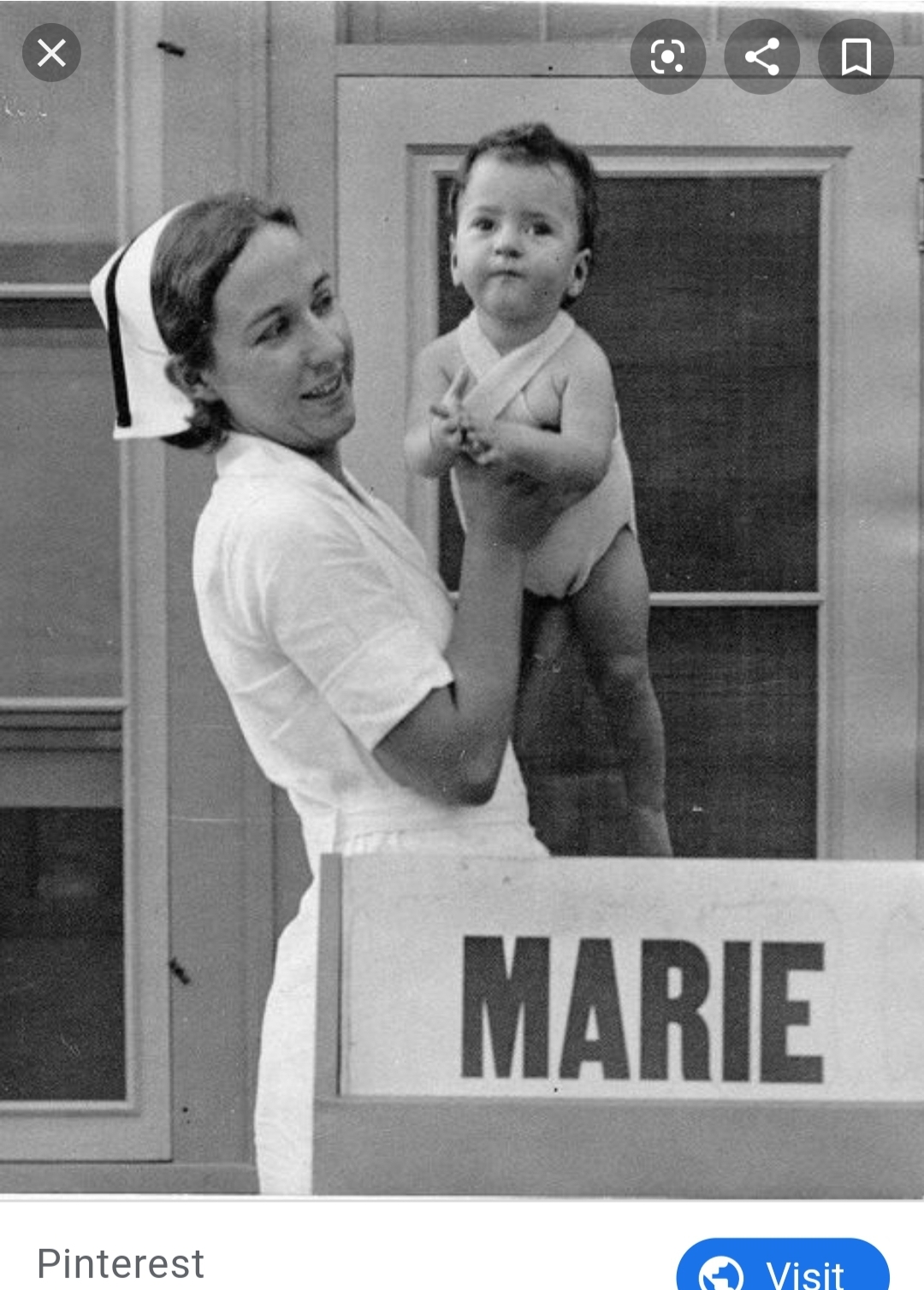
606) Marie Dionne

Courtesy of Pinterest

 “I have an announcement to make. I am going to enter a convent and serve God. I have thought of it for a long time. I have prayed, and I have decided. I care nothing for the things of the world. I feel I belong in a convent. It is the only place where I can be happy.”

606: Marie Dionne

The Fifth and Final Born of the First Set of Quintuplets Known to Survive Infancy

Born: 28 May 1934, Callander, Ontario, Canada

Died: 27 February 1970, Saint-Bruno-de-Montarville, Monteregie Region, Quebec, Canada

The quints were born two months premature; their parents having no idea Mrs. Dionne was pregnant with more than one child. At the time of their birth, combined, the five girls weighed thirteen pounds six ounces (though soon after they began to lose weight). Émilie and Marie were both born still inside their amniotic sacs, the smallest of the five.

The girls actually had six older siblings (one of whom died soon after birth) and then three younger siblings as well. The Dionne family was incredibly poor by today’s standards, and after the girls were born, Oliva and Elzire Dionne were terrified at the thought of suddenly having five more mouths to feed. The house they lived in had no electricity, which posed further challenges for charities and medical workers trying to bring in incubators to keep the girls alive. After their story made international headlines, the Red Cross sent in round-the-clock nursing care and breast milk was shipped in far and wide for the girls.

After four months with their parents, the girls were taken away by the Canadian government to become wards of the state. The government did this by passing the Dionne Quintuplets Guardianship Act of 1935. Unlike normal interference between government and private families today though, the quints were not given to foster families. Instead, they were simply moved to a new facility right across the street from their parents’ home.

The Ontario government turned a profit on the quints by making the girls a tourist attraction in a place called “Quintland” (where 6,000 people a day could observe them from galleries placed around the complex the girls were raised in. In fact, by 1937, Quintland was more popular than Niagara Falls). Quintland, as previously mentioned, was built very close to the Dionne home. The quints were raised by nurses, with their every wish and whim catered to them. The world was terrified that one of the girls would die, and so they received around the clock care. The girls also received a few visits with their birth family, but to say tension and pain erupted between the Dionne quintuplets and their parents and siblings during this time would be an understatement.

If Quintland wasn’t enough, the quints also ended up starring in three Hollywood films about a fictionalized version of their lives. They even appeared in numerous advertisements for brand names you would recognize today. The quints were famous worldwide, while their parents and siblings were scrutinized for every little thing.

The sisters rarely left Quintland; but one of the times they were allowed out, they met the King and Queen of the United Kingdom in Toronto. For that trip, the rest of the Dionne Family was also invited along, but the quints remained the stars of the entire show.

When the girls were nine years old, their parents regained custody of them. The girls moved back in with their parents and siblings; however, this situation wasn’t any better than living in Quintland (in fact, the quints themselves stated it was absolutely worse). When the quints returned home, one of their older sisters reportedly told them the reason there were two tables in the dining room was because one was for the quints and one was for the rest of the Dionnes; they were two separate families living in one home. The new nineteen-bedroom mansion the Dionne’s all lived in together was paid for by the quints’ trust fund (see more information below).

Soon after, the quints later revealed, their father also began to abuse them in various ways, including sexually assaulting them. Also, their mother screamed at and hit them at various times. The girls couldn’t escape from everything fast enough. Unbeknownst to them, each girl had a trust fund set up with money from the Quintland attraction. They would not be able to access these funds until their twenty-first birthday and had no idea they even existed when Émilie passed away at the age of twenty. Unfortunately, by the time they learned of the trust funds, most of the money was already gone. The money had paid for everything to keep Quintland up and running, from the construction of public bathrooms for the tourists to the meals doctors ate when coming to observe the girls.

After the quints moved back in with their parents, Quintland was turned into a private Catholic school for the quints and some other girls to attend. It was while attending this school that Annette told the chaplain of the school about her father abusing her, but the chaplain did nothing.

Also, around this time, Émilie started to suffer from seizures, which their parents and doctors covered up for fear of the stigma of epilepsy at the time. When they were fourteen, a newspaper chose to publish how much each girl weighed, proving that while media attention was slowly going away, it was still very prevalent in the girls’ lives.

Eventually, the girls all escaped their hellish homelife, and went on to write their own stories. When they were nineteen, Marie and Émilie were the first to escape, by joining different convents. When Émilie died two months later, media attention in the quintuplets dried up; after all, they were no longer quintuplets, but instead four sisters. As devastating as Émilie’s death was, it gave the others a chance to finally escape once and for all.

Enough about all the quints in general, let’s talk about Marie.

Marie was the only of the girls to not have a counterclockwise whorl in her hair.

Marie was the first to leave the others, entering Les Servants du Tres Saint Sacrement or The Servants of the Blessed Sacrament convent when she was nineteen. Instead of the normal workings one associates with nuns, like ministering to the poor, the members of Blessed Sacrament spent their days in perpetual adoration of the Eucharist. They prayed for three hour stretches in groups of two or three, twenty-four hours a day, seven days a week. When they weren’t praying, the nuns sewed alter clothes and made Communion bread. If Marie had stuck with it, she would have never been able to set foot outside the convent for the rest of her life. Visitors could only come for one hour a month and were separated from the nuns by a wooden lattice structure. Marie was only allowed to write two letters a month as well.

When Émilie died, Marie was the most profoundly affected. After the funeral, Marie’s mother and one of their sisters had to help her out of the church, and her sobs during the ceremony were witnessed by everyone there that day. At the burial site, cameras recorded Marie almost in a trance-like state.

After Émilie’s death, Marie attempted to return to the convent, but failed. Two months later, suffering from recurring anemia and chest pains, Annette moved her sister to the Hospital where Cecile and Yvonne worked. After Marie was discharged, she and Annette rented a two-bedroom apartment in Montreal.

Because her career as a nun had failed, Marie decided to be a florist instead. She spent two months learning everything there was to know about the floral industry, but when the time came for her to receive the money from her trust to open the shop, the guardians of her money denied her request. Finally, the sisters concocted a strategy to get the money, and Marie opened her store on Mother’s Day 1956, called Salon Émilie. And while the store opened to great fanfare, by the end of the night, Marie had already given away over $600 worth of flowers. After six months, Salon Émilie closed its doors for the final time.

Marie first met her future husband when working under a false name at another flower shop. They married in such secrecy that Annette, Cécile, and Yvonne did not attend the ceremony. Marie would suffer two miscarriages early in her marriage, before she finally had two girls, the first of whom was named Émilie. Eventually, Marie would leave her husband, who was controlling and authoritarian to put it lightly. Marie rented a small apartment in Montreal for her and her daughters to live. Around this time, Marie also began dating her doctor. Her friends worried about her. Marie would faint at times, and her emotions were all over the place. She started seeking more and more intense therapeutic treatments, eventually receiving electro-shock therapy. By 1969, Marie had turned to drinking as well, and placed her daughters, eight and six years old, in a foster home run by nuns.

Annette began calling Marie every day to check on her. One Monday in early 1970, Marie didn’t answer. Annette continued to call every day, but by Thursday she knew something was wrong. Annette’s husband and Marie’s boyfriend arrived at the apartment later that day. Marie was found dead in her bed, with several medication bottles located on her bedside.

While Marie’s cause of death was never officially determined, her ex-husband told the world she had died from a brain embolism. However, rumors continued to swirl, and people came to their own conclusions. She had been dead several days by the time her body was discovered, and so finding the true cause was impossible to determine. Marie was thirty-five years old.

Badges Earned:

Find a Grave Marked

Located In My Personal Library:

The Miracle and Tragedy of the Dionne Quintuplets by Sarah Miller

Sources:

The Miracle and Tragedy of the Dionne Quintuplets by Sarah Miller

https://www.washingtonpost.com/history/2019/11/03/dionne-quintuplets-exploitation-five-girls-raised-baby-zoo/

https://www.nytimes.com/2017/04/02/world/canada/ontario-dionne-quintuplets.html

https://www.findagrave.com/memorial/7014176/marie-dionne

605) Émilie Dionne

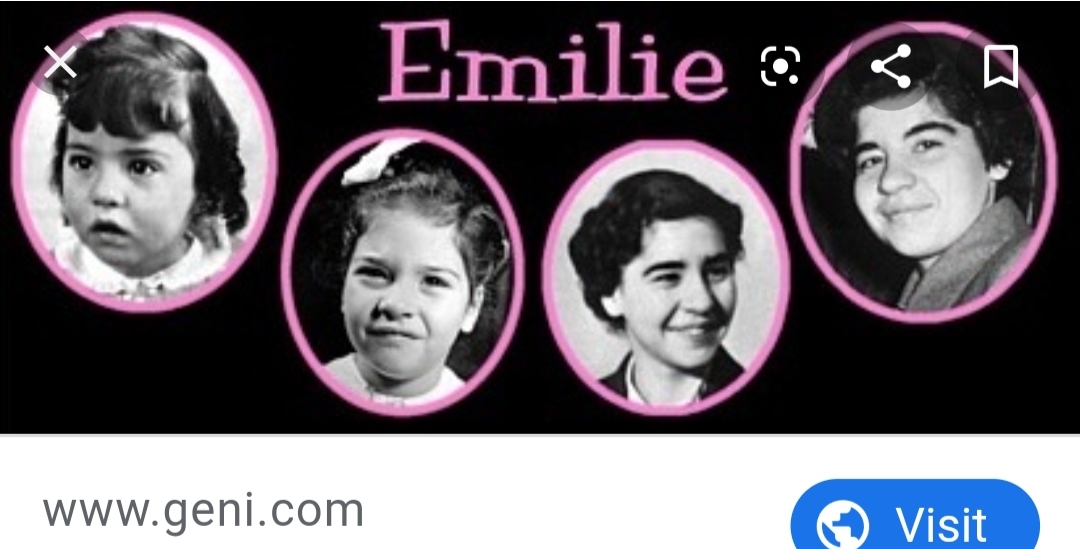
Courtesy of Geni

“I prefer to remain a child in the woods and unattached. Nature means so much to me.”

605: Émilie Dionne

The Fourth of Five of the First Set of Quintuplets Known to Survive Infancy

Born: 28 May 1934, Callander, Ontario, Canada

Died: 6 August 1954, Sainte-Agathe-des-Monts, Laurentides Region, Quebec, Canada

The quints were born two months premature; their parents having no idea Mrs. Dionne was pregnant with more than one child. At the time of their birth, combined, the five girls weighed thirteen pounds six ounces (though soon after they began to lose weight). Émilie and Marie were both born still inside their amniotic sacs, the smallest of the five.

The girls actually had six older siblings (one of whom died soon after birth) and then three younger siblings as well. The Dionne family was incredibly poor by today’s standards, and after the girls were born, Oliva and Elzire Dionne were terrified at the thought of suddenly having five more mouths to feed. The house they lived in had no electricity, which posed further challenges for charities and medical workers trying to bring in incubators to keep the girls alive. After their story made international headlines, the Red Cross sent in round-the-clock nursing care and breast milk was shipped in far and wide for the girls.

After four months with their parents, the girls were taken away by the Canadian government to become wards of the state. The government did this by passing the Dionne Quintuplets Guardianship Act of 1935. Unlike normal interference between government and private families today though, the quints were not given to foster families. Instead, they were simply moved to a new facility right across the street from their parents’ home.

The Ontario government turned a profit on the quints by making the girls a tourist attraction in a place called “Quintland” (where 6,000 people a day could observe them from galleries placed around the complex the girls were raised in. In fact, by 1937, Quintland was more popular than Niagara Falls). Quintland, as previously mentioned, was built very close to the Dionne home. The quints were raised by nurses, with their every wish and whim catered to them. The world was terrified that one of the girls would die, and so they received around the clock care. The girls also received a few visits with their birth family, but to say tension and pain erupted between the Dionne quintuplets and their parents and siblings during this time would be an understatement.

If Quintland wasn’t enough, the quints also ended up starring in three Hollywood films about a fictionalized version of their lives. They even appeared in numerous advertisements for brand names you would recognize today. The quints were famous worldwide, while their parents and siblings were scrutinized for every little thing.

The sisters rarely left Quintland; but one of the times they were allowed out, they met the King and Queen of the United Kingdom in Toronto. For that trip, the rest of the Dionne Family was also invited along, but the quints remained the stars of the entire show.

When the girls were nine years old, their parents regained custody of them. The girls moved back in with their parents and siblings; however, this situation wasn’t any better than living in Quintland (in fact, the quints themselves stated it was absolutely worse). When the quints returned home, one of their older sisters reportedly told them the reason there were two tables in the dining room was because one was for the quints and one was for the rest of the Dionnes; they were two separate families living in one home. The new nineteen-bedroom mansion the Dionne’s all lived in together was paid for by the quints’ trust fund (see more information below).

Soon after, the quints later revealed, their father also began to abuse them in various ways, including sexually assaulting them. Also, their mother screamed at and hit them at various times. The girls couldn’t escape from everything fast enough. Unbeknownst to them, each girl had a trust fund set up with money from the Quintland attraction. They would not be able to access these funds until their twenty-first birthday and had no idea they even existed when Émilie passed away at the age of twenty. Unfortunately, by the time they learned of the trust funds, most of the money was already gone. The money had paid for everything to keep Quintland up and running, from the construction of public bathrooms for the tourists to the meals doctors ate when coming to observe the girls.

After the quints moved back in with their parents, Quintland was turned into a private Catholic school for the quints and some other girls to attend. It was while attending this school that Annette told the chaplain of the school about her father abusing her, but the chaplain did nothing.

Also, around this time, Émilie started to suffer from seizures, which their parents and doctors covered up for fear of the stigma of epilepsy at the time. When they were fourteen, a newspaper chose to publish how much each girl weighed, proving that while media attention was slowly going away, it was still very prevalent in the girls’ lives.

Eventually, the girls all escaped their hellish homelife, and went on to write their own stories. When they were nineteen, Marie and Émilie were the first to escape, by joining different convents. When Émilie died two months later, media attention in the quintuplets dried up; after all, they were no longer quintuplets, but instead four sisters. As devastating as Émilie’s death was, it gave the others a chance to finally escape once and for all.

Enough about all the quints in general, let’s talk about Émilie.

She was the only of the five to be left-handed.

Émilie devoted her brief life to becoming a nun, joining L’Hospice de L’Accueil Gai or The Warm Welcome Hospice. This particular convent was very small, several nuns caring for old priests in a nursing-home like setting.

Émilie died from complications of a seizure. In the day leading up to the final attack Émilie suffered five other seizures. Finally, after laying down for a nap, Émilie’s body seized a final time. She vomited in her sleep, and unable to clear her airway herself, Émilie suffocated to death.

After her death, her surviving sisters were forced to pose for one final photograph, gathered around Émilie’s open casket. Five thousand people came to view her body in their home that day, and at the gravesite, mourners stole every single flower from the grave. They even plucked at the remaining grass, unperturbed by the priest performing the service chastising them for their cold-heartedness.

Émilie’s trust fund, valued at $170,000 at the time of her death, was split fourteen ways: between her parents and twelve surviving siblings, meaning the other quints each inherited $12,000 as a final gift from their sister.

Badges Earned:

Find a Grave Marked

Located In My Personal Library:

The Miracle and Tragedy of the Dionne Quintuplets by Sarah Miller

Sources:

The Miracle and Tragedy of the Dionne Quintuplets by Sarah Miller

https://www.washingtonpost.com/history/2019/11/03/dionne-quintuplets-exploitation-five-girls-raised-baby-zoo/

https://www.nytimes.com/2017/04/02/world/canada/ontario-dionne-quintuplets.html

https://www.findagrave.com/memorial/7014154/emilie-dionne

603) Annette Dionne

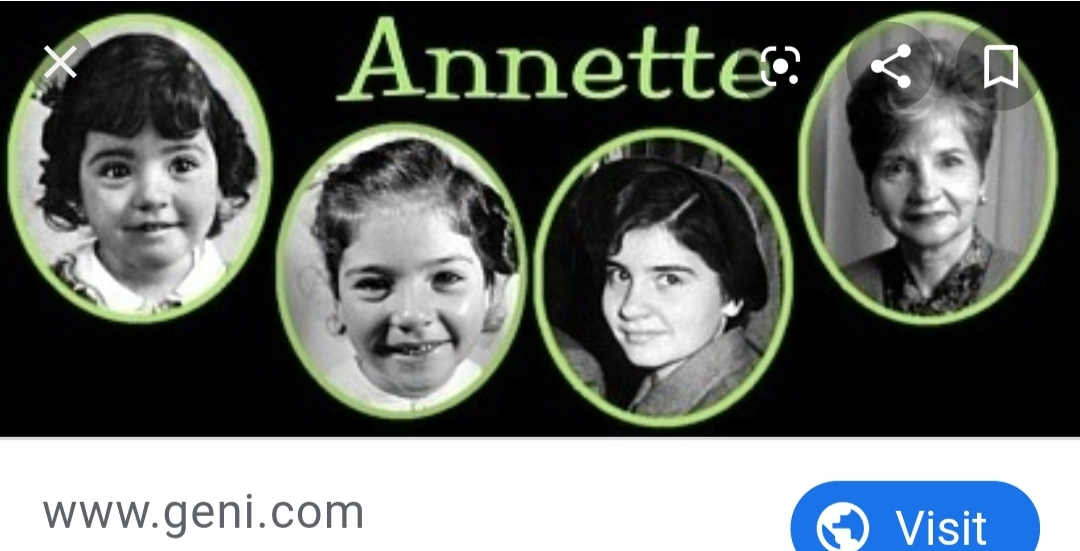
Courtesy of Geni

 “I didn’t know a nickel from a quarter until I left home for the first time at age eighteen.”

603: Annette Dionne

The Second of Five of the First Set of Quintuplets Known to Survive Infancy

Born: 28 May 1934, Callander, Ontario, Canada

The quints were born two months premature; their parents having no idea Mrs. Dionne was pregnant with more than one child. At the time of their birth, combined, the five girls weighed thirteen pounds six ounces (though soon after they began to lose weight).

The girls actually had six older siblings (one of whom died soon after birth) and then three younger siblings as well. The Dionne family was incredibly poor by today’s standards, and after the girls were born, Oliva and Elzire Dionne were terrified at the thought of suddenly having five more mouths to feed. The house they lived in had no electricity, which posed further challenges for charities and medical workers trying to bring in incubators to keep the girls alive. After their story made international headlines, the Red Cross sent in round-the-clock nursing care and breast milk was shipped in far and wide for the girls.

After four months with their parents, the girls were taken away by the Canadian government to become wards of the state. The government did this by passing the Dionne Quintuplets Guardianship Act of 1935. Unlike normal interference between government and private families today though, the quints were not given to foster families. Instead, they were simply moved to a new facility right across the street from their parents’ home.

The Ontario government turned a profit on the quints by making the girls a tourist attraction in a place called “Quintland” (where 6,000 people a day could observe them from galleries placed around the complex the girls were raised in. In fact, by 1937, Quintland was more popular than Niagara Falls). Quintland, as previously mentioned, was built very close to the Dionne home. The quints were raised by nurses, with their every wish and whim catered to them. The world was terrified that one of the girls would die, and so they received around the clock care. The girls also received a few visits with their birth family, but to say tension and pain erupted between the Dionne quintuplets and their parents and siblings during this time would be an understatement.

If Quintland wasn’t enough, the quints also ended up starring in three Hollywood films about a fictionalized version of their lives. They even appeared in numerous advertisements for brand names you would recognize today. The quints were famous worldwide, while their parents and siblings were scrutinized for every little thing.

The sisters rarely left Quintland; but one of the times they were allowed out, they met the King and Queen of the United Kingdom in Toronto. For that trip, the rest of the Dionne Family was also invited along, but the quints remained the stars of the entire show.

When the girls were nine years old, their parents regained custody of them. The girls moved back in with their parents and siblings; however, this situation wasn’t any better than living in Quintland (in fact, the quints themselves stated it was absolutely worse). When the quints returned home, one of their older sisters reportedly told them the reason there were two tables in the dining room was because one was for the quints and one was for the rest of the Dionnes; they were two separate families living in one home. The new nineteen-bedroom mansion the Dionne’s all lived in together was paid for by the quints’ trust fund (see more information below).

Soon after, the quints later revealed, their father also began to abuse them in various ways, including sexually assaulting them. Also, their mother screamed at and hit them at various times. The girls couldn’t escape from everything fast enough. Unbeknownst to them, each girl had a trust fund set up with money from the Quintland attraction. They would not be able to access these funds until their twenty-first birthday and had no idea they even existed when Émilie passed away at the age of twenty. Unfortunately, by the time they learned of the trust funds, most of the money was already gone. The money had paid for everything to keep Quintland up and running, from the construction of public bathrooms for the tourists to the meals doctors ate when coming to observe the girls.

After the quints moved back in with their parents, Quintland was turned into a private Catholic school for the quints and some other girls to attend. It was while attending this school that Annette told the chaplain of the school about her father abusing her, but the chaplain did nothing.

Also, around this time, Émilie started to suffer from seizures, which their parents and doctors covered up for fear of the stigma of epilepsy at the time. When they were fourteen, a newspaper chose to publish how much each girl weighed, proving that while media attention was slowly going away, it was still very prevalent in the girls’ lives.

Eventually, the girls all escaped their hellish homelife, and went on to write their own stories. When they were nineteen, Marie and Émilie were the first to escape, by joining different convents. When Émilie died two months later, media attention in the quintuplets dried up; after all, they were no longer quintuplets, but instead four sisters. As devastating as Émilie’s death was, it gave the others a chance to finally escape once and for all.

So, enough about all the quints in general, let’s talk about Annette.

Annette had three sons, though her marriage was doomed to fail. Annette had married the brother of a girl she attended school with as a teenager. Within months of her marriage, Annette was pregnant with her first child. Gerry and Annette spent many years in blissful happiness, but after Marie’s death, things started to change. Annette, Yvonne, and Cécile moved into the same neighborhood, and spent every day together. Annette’s husband Gerry began to feel as though he were married to three women, and not one. Eventually, he asked Annette to choose, either him or her sisters. Annette refused to make that decision, and so Gerry filed for divorce.

In 1998 Yvonne, Annette, and Cécile reached a $2.8 million settlement with the Ontario government for their exploitation (or $4 million in Canadian money).

As of 2019, Annette lives on her own in a small condo outside Montreal. She spends her days playing piano and working on her computer. Annette and Cécile cannot see each other in person often, but they call each other multiple times a day. Of the five, they are the only two still alive in 2020.

Badges Earned:

Find a Grave Marked

Located In My Personal Library:

The Miracle and Tragedy of the Dionne Quintuplets by Sarah Miller

Sources:

The Miracle and Tragedy of the Dionne Quintuplets by Sarah Miller

https://www.washingtonpost.com/history/2019/11/03/dionne-quintuplets-exploitation-five-girls-raised-baby-zoo/

https://www.nytimes.com/2017/04/02/world/canada/ontario-dionne-quintuplets.html

  • Previous
  • 1
  • …
  • 64
  • 65
  • 66
  • 67
  • 68
  • 69
  • 70
  • …
  • 159
  • Next

Categories

Archives

  • July 2025 (10)
  • July 2024 (1)
  • January 2024 (1)
  • August 2023 (1)
  • June 2023 (2)
  • October 2022 (1)
  • July 2022 (1)
  • June 2021 (3)
  • December 2020 (3)
  • August 2019 (1)
  • July 2019 (2)

Search

© 2026 The Exasperated Historian | Powered by Minimalist Blog WordPress Theme