The Exasperated Historian
Menu
  • Home
  • The Women’s List (New)
  • The Men’s List
  • The Animal List
  • Collections
  • The Blog
  • Contact Us
  • FAQ
Menu

Category: Birth Locations

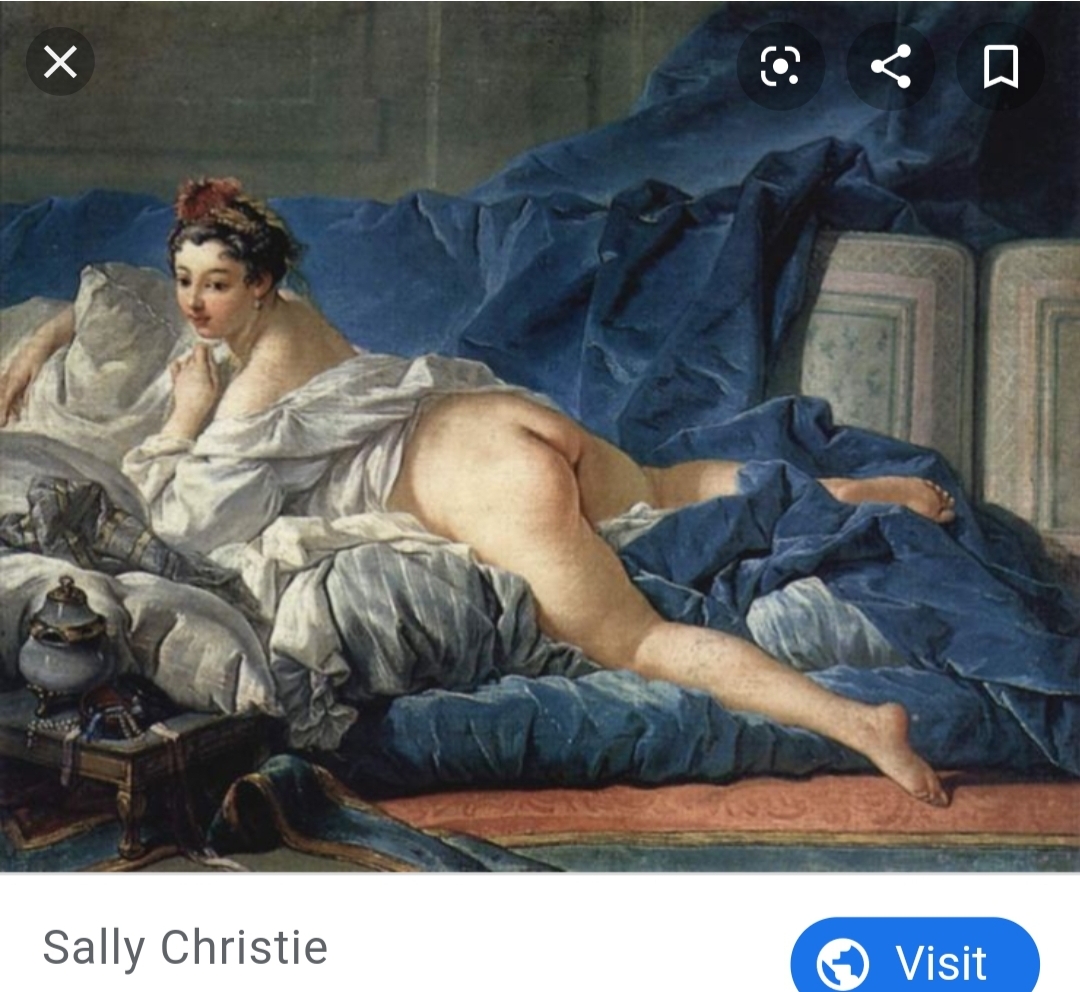
576) Marie-Louise O’Murphy

Courtesy of Sally Christie

<<En quels terms en êtes-vous avec la vielle coquette?>>

“What terms are you on with the old flirt?”

Marie-Louise’s question to the King that saw her packed up and leaving Versailles. A bit of advice she learned the hard way: Don’t call the King’s favorite mistress an old woman!

576: Marie-Louise O’Murphy

The Youngest Known European Royal Mistress

Born: 21 October 1737, Rouen, France

Died: 11 December 1814, Paris, France

Marie-Louise became a courtesan at the age of 13 or 15 (depending on the source); becoming a lower mistress to King Louix XV.

She is also known for being the model in a famous painting by François Boucher, shown here.

Marie-Louise was the youngest in a family of twelve children (the first seven all dying of smallpox) and was actually ethnically Irish despite living in France. Her parents were less than impressive by court standards. Her father served time in the Bastille for espionage and blackmail, while her mother was jailed several times over for prostitution.

The king called Marie-Louise to Versailles after seeing the famed painting. She would serve as a lower level mistress for two years and gave birth to Louis’s illegitimate daughter.

After trying to overtake Madame de Pompadour at court and failing epically at that, Marie-Louise was married off and taken away from Versailles. Marie-Louise would have two more children.

She outlived her first two husbands (becoming a widow for the first time at twenty-two) and survived the Reign of Terror before marrying an officer thirty years her junior. This marriage ended in divorce, and Marie-Louise lived out her twilight years in one of her daughter’s homes.

Badges Earned:

Find a Grave Marked

Located In My Personal Library:

Sex With Kings by Eleanor Herman

Sources:

https://www.irishtimes.com/life-and-style/abroad/marie-louise-o-murphy-the-versailles-king-s-irish-mistress-1.3097712

https://irishamerica.com/2019/10/wild-irish-women-marie-louise-omurphy/

https://www.findagrave.com/memorial/77102923/mary_louise-o_murphy
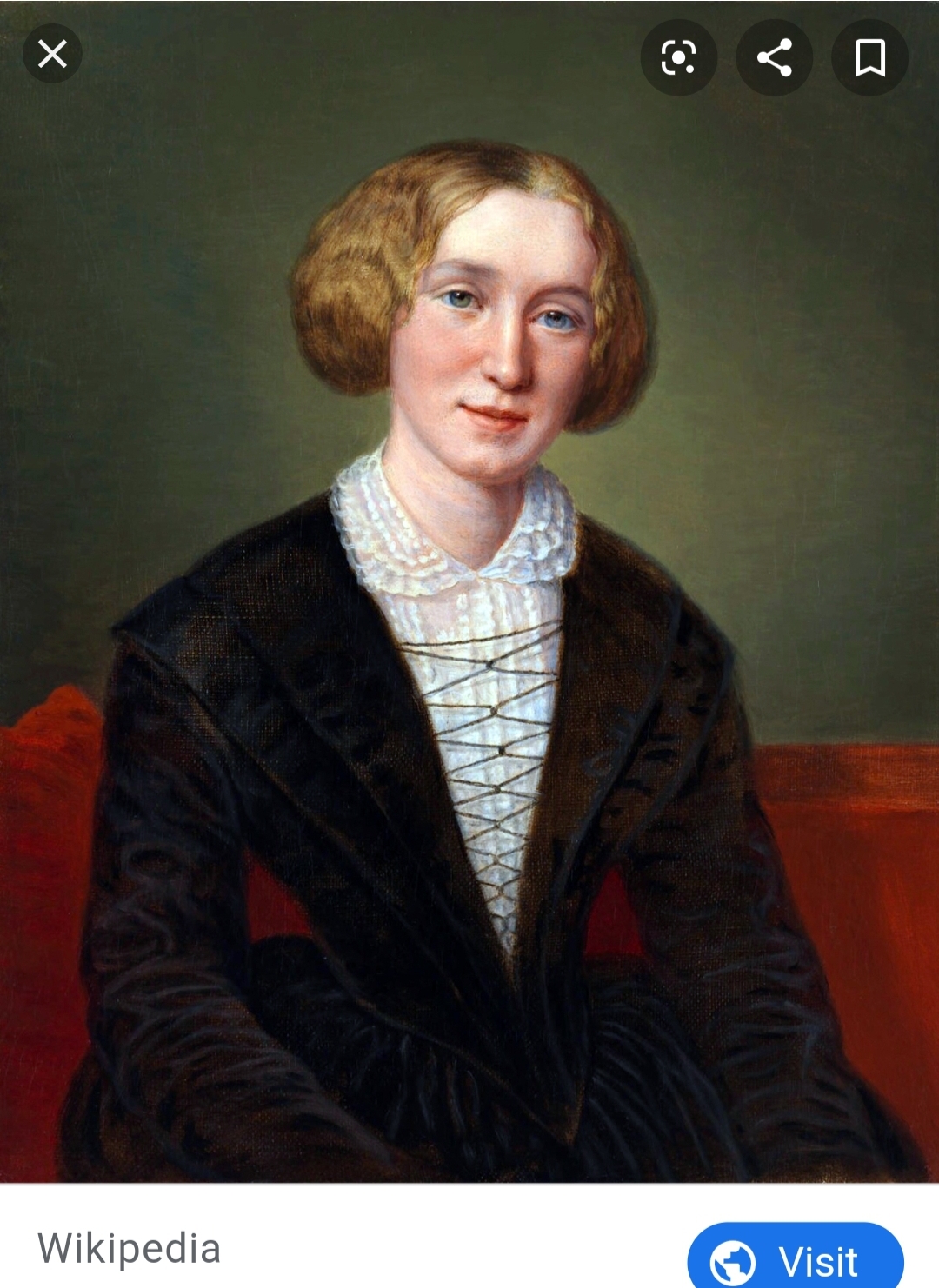
575) George Eliot

Courtesy of Wikipedia

“Women who are content with light and easily broken ties…do not act as I have done. They obtain what they desire and are still invited to dinner.”

575: George Eliot

Novelist

Born: 22 November 1819, Nuneaton, Warwickshire, United Kingdom

Died: 22 December 1880, London, United Kingdom

Original Name: Mary Ann Evans

George published under a male pen name to ensure her works would be read and respected.

George was educated very well, and had a working knowledge of French, Latin, German, and Italian. She also became somewhat of a radical when she decided she could no longer go to church and believe everything in the Bible. This caused a bit of a ruckus with her father, whom she lived with at the time. Eventually, her father and George came up with a compromise of she would appear respectable in church but could think whatever she pleased.

She was considered not pretty enough to secure a good marriage, so her father invested in her education instead helping launch her into her eventual career.

George continued to defy social convention, living for over twenty-years with an already married man. Though to be fair, he was married but couldn’t divorce his wife because she had four children with his best friend, but he had made the mistake of claiming the first and so he had technically “condoned her adultery” in Encyclopedia Britannica’s terms. When he died, George quickly married another man, this one twenty years younger than her. A few months later, she passed away.

Badges Earned:

Find a Grave Marked

Located in My Personal Library:

The Oxford Encyclopedia of Women in World History Edited By Bonnie G Smith

River of the Gods: Genius, Courage, and Betrayal in the Search for the Source of the Nile by Candice Millard

The Secret Library: A Book-Lovers' Journey Through Curiosities of History by Oliver Tearle

Sources:

https://www.newyorker.com/books/page-turner/george-eliots-ugly-beauty

https://www.britannica.com/biography/George-Eliot

https://www.findagrave.com/memorial/317/george-eliot

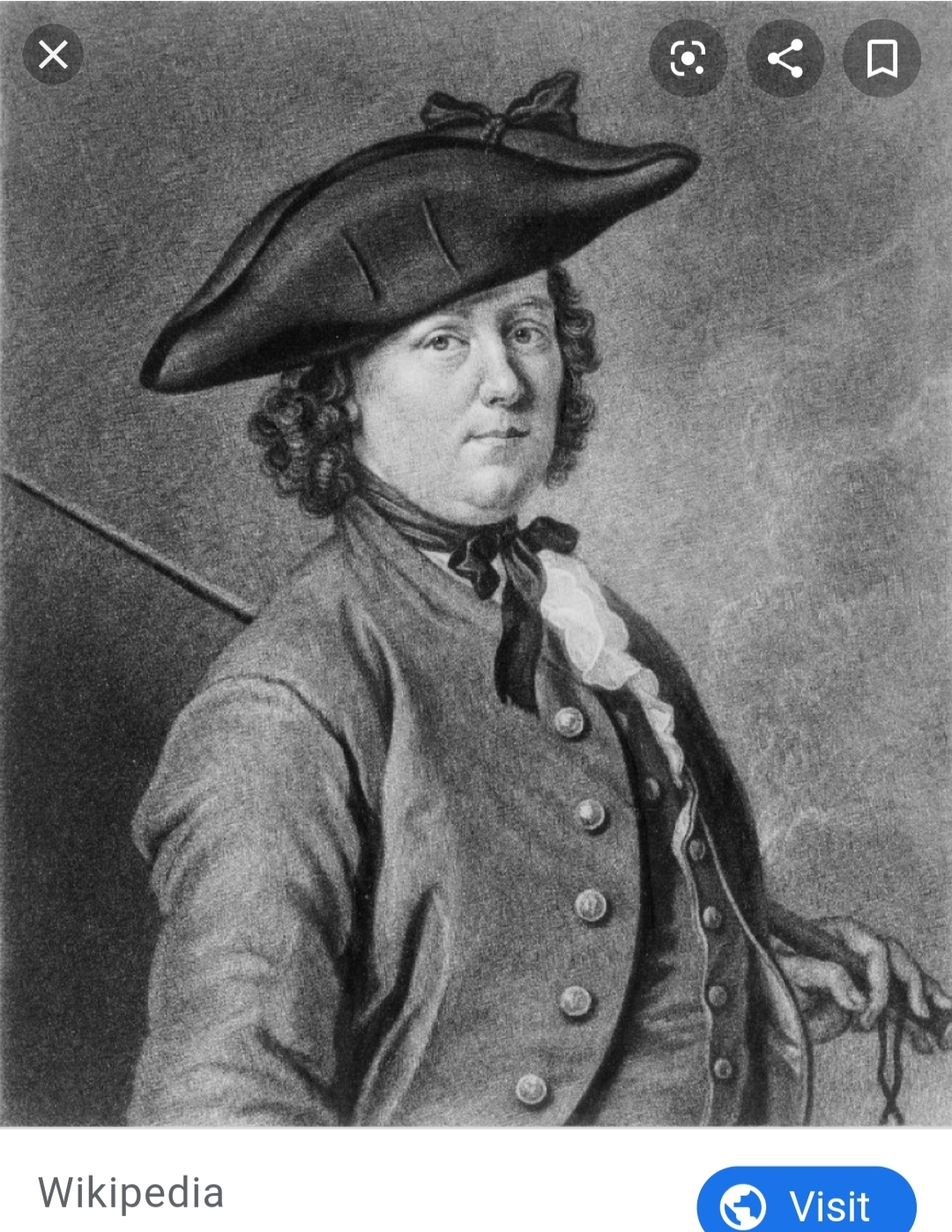
574) Hannah Snell

Courtesy of Wikipedia

574: Hannah Snell

British Soldier and Sailor

Born: 23 April 1723, Worcester, England (Present-day Worcester, United Kingdom)

Died: 8 February 1792, Bishopsgate, London, United Kingdom

Hannah was orphaned at the age of seventeen and her husband abandoned her when she was pregnant. The baby died prematurely, leaving her even more alone.

It’s no surprise that Hannah abandoned life as she had known it and went off dressed as a man; soon pressed into military service working for the army and then marines in India.

After four and a half years of military service Hannah returned to London and revealed her secret to an excited public.

She petitioned for a pension and was granted a lifelong one at the same time her portrait and story were being sold on every street corner.

Hannah married once or twice more (sources differ), had two sons, and ran a pub called “The Female Warrior”.

She spent the last six months of her life in an insane asylum before being buried at the old soldier’s cemetery like she always wanted.

Badges Earned:

Find a Grave Marked

Sources:

http://www.hannahsnell.com/

http://www.berkshirehistory.com/bios/hsnell.html

https://womensmuseum.wordpress.com/2018/01/31/hannah-snell-the-female-solider/

https://www.findagrave.com/memorial/23544265/hannah-snell

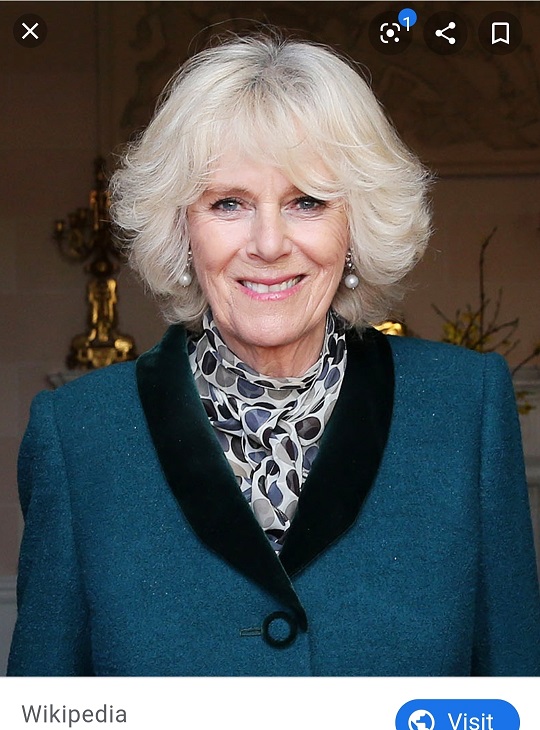
573) Camilla, HRH the Queen Consort

Courtesy of Wikipedia

"My great-grandmother was your great-great-grandfather's mistress. How about it?" -Camilla's first words to Charles

(Source: Sex With Kings by Eleanor Herman)

573: Camilla

HRH The Queen Consort

Born: 17 July 1947, London, United Kingdom

Previously Known As: Camilla Shand, Camilla Parker-Bowles, and Camilla HRH The Duchess of Cornwall

Camilla did not use the designation Princess of Wales even though she is married to Charles, the former Prince of Wales. Some say this was out of respect to the late Diana, Princess of Wales.

She is the longtime mistress and now wife of Charles III, King of Great Britain after the death of his mother Elizabeth II in September of 2022. Charles and Camilla married in a civil ceremony in 2005. According to the Queen’s official website, she is president or patron to over ninety charities.

Camilla has two children with her previous husband.

I’m sure most everyone is at least somewhat aware of the drama and relationship history between Charles, Camilla, and Diana, so there’s no need to recount it in full here. However, for those interested and don’t already know, Camilla was introduced as a character in season three of Netflix’s huge historical drama hit The Crown.

Camilla assumed the title of Queen Consort when her husband was named King.

Badges Earned:

Located In My Personal Library:

The Palace Papers: Inside the House of Windsor- The Truth and the Turmoil by Tina Brown

Queen Elizabeth II, a Life in Photographs by Erin Blakemore (National Geographic Exclusive)

The Royal Wardrobe: Peek Into the Wardrobes of History's Most Fashionable Royals by Rosie Harte

Sex With Kings by Eleanor Herman

Sex With the Queen: 900 Years of Vile Kings, Virile Lovers, and Passionate Politics by Eleanor Herman

Sources:

https://www.royal.uk/the-duchess-of-cornwall

https://www.princeofwales.gov.uk/charities-and-patronages-duchess-cornwall

https://www.bbc.com/news/uk-59150068

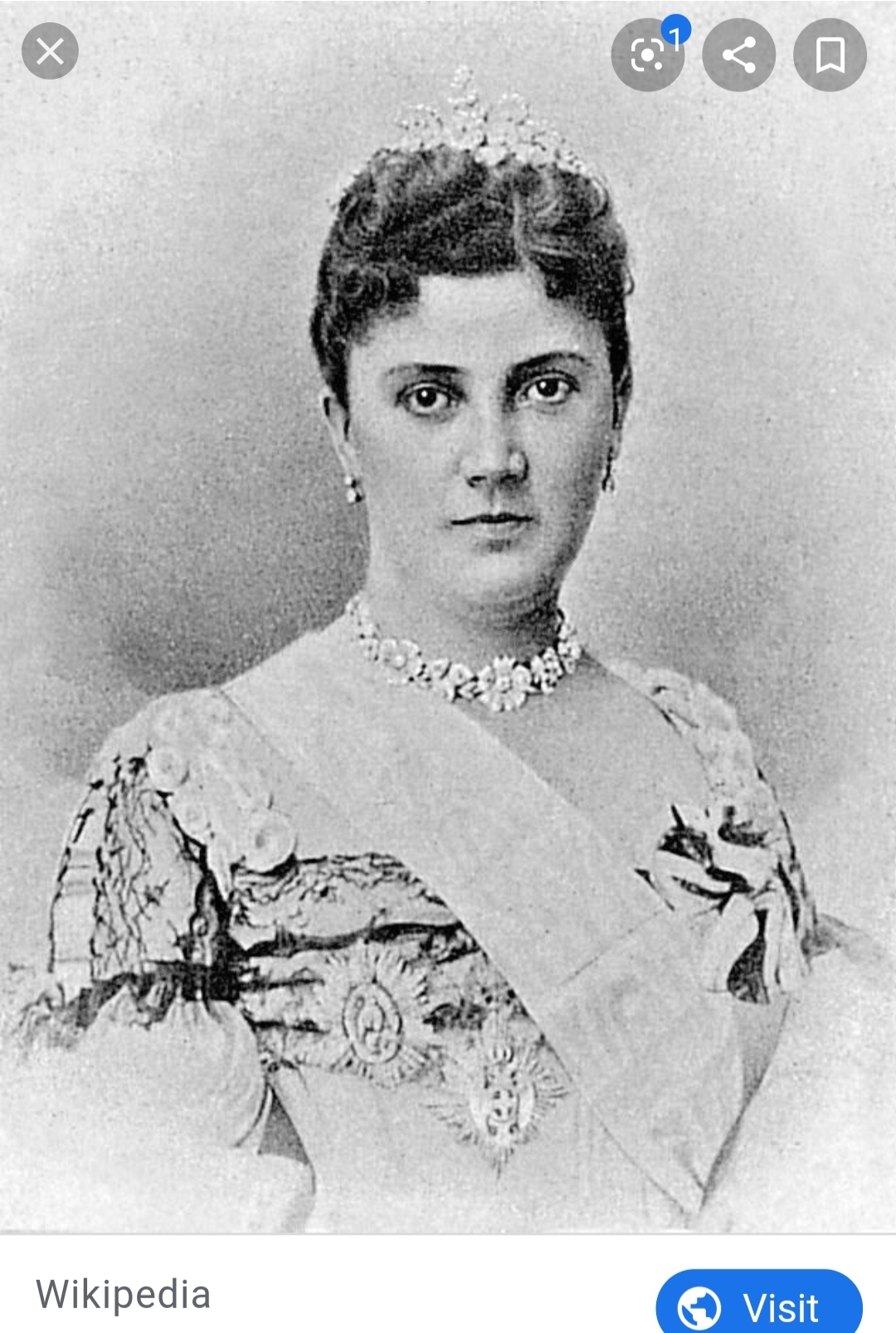
572) Draginja Obrenović

Courtesy of Wikipedia

572: Draginja Obrenović

Queen Consort and Wife of Aleksandar I of Serbia

Born: 11 September 1864, Gornji Milanovac, Serbia

Died: 11 June 1903, Belgrade, Serbia

Also Known As: Draga Mašin

Draga was formerly a lady-in-waiting to Aleksandar’s mother and had been previously married for three years, becoming a widower.

She was the sixth of seven children and her mother was an alcoholic and her father died in an insane asylum. Draga was well educated despite this and spoke several languages.

The marriage between Draga and Aleksandar was very unpopular and gave the king many enemies, including his own mother. Aleksandar exiled his mother, but the final straw in the court of public opinion came when rumor began to circulate Aleksandar was planning on naming one of Draga’s brothers as heir presumptive to the throne. This rumor led to a coup and Aleksandar and Draga’s assassination by pistol shot and sword thrusts.

Their bodies were thrown from a balcony and her two brothers (who were commissioned army officers) were executed by firing squad on the same day.

Badges Earned:

Find a Grave Marked

Sources:

https://www.historyofroyalwomen.com/draga-masin/assassination-queen-draga/

https://www.emedals.com/a-historically-important-personal-seal-of-serbian-queen-draginja-draga-obrenovic

https://www.findagrave.com/memorial/206271713/draginja-obrenovi_

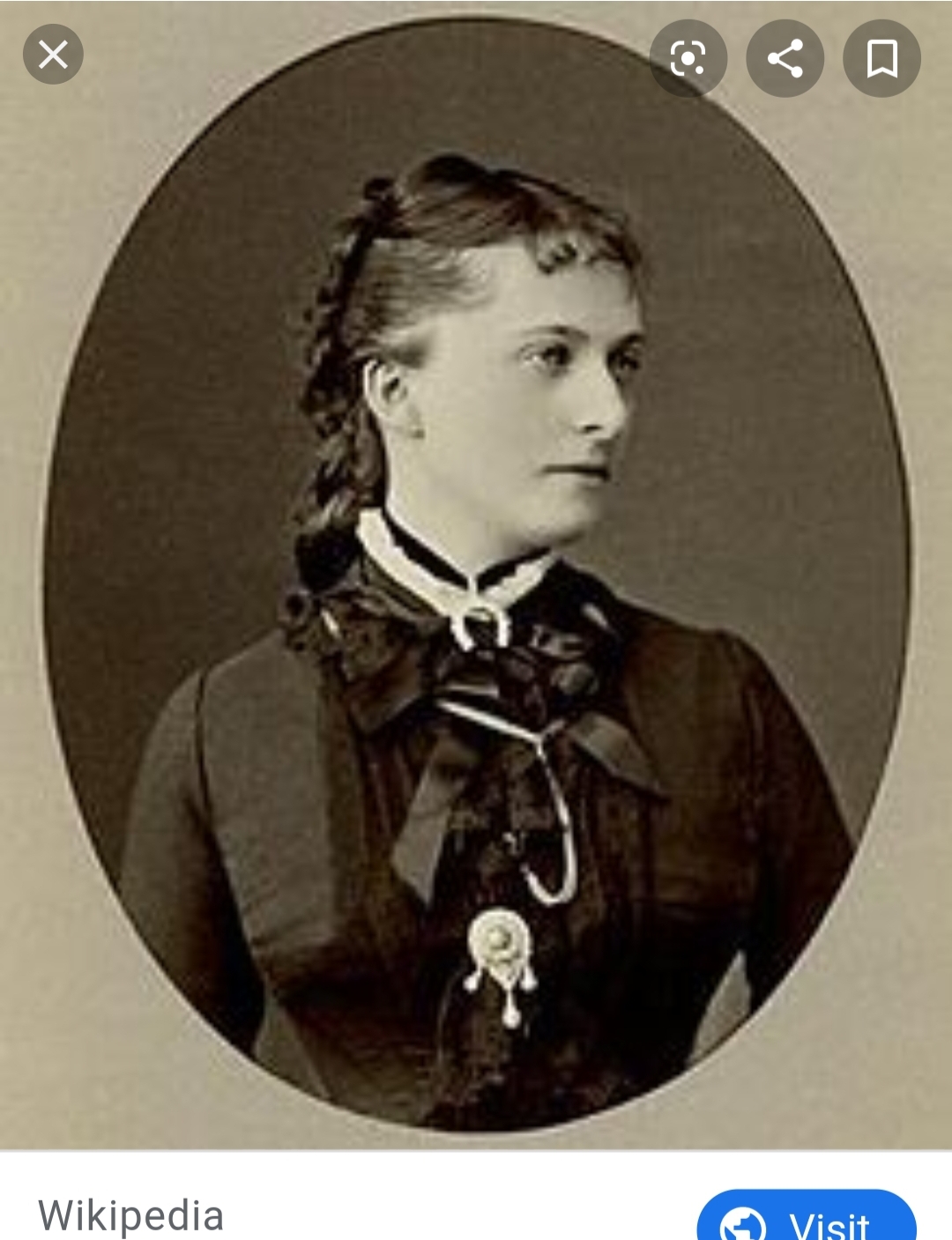
571) Ekaterina Dolgorukaya

Courtesy of Wikipedia

571: Ekaterina Dolgorukaya

Wife of Alexander II of Russia

Born: 2 November 1847, Moscow, Russia

Died: 15 February 1922, Nice, France

Also Known As: Yekatarina or Catherine Dolgorokuv

Katya, as she was also known, came from a high society family. One of her ancestors had founded Moscow, while others were an ancient noble line going back to the 1400’s. Her father and the Tsar were friends.

Ekaterina had known the Tsar since she was ten or twelve (sources differ) but when they met again when she was sixteen or seventeen (again, sources differ) and he immediately instructed his courtiers to ask for her to become his mistress (there was a thirty-year age difference between them—in fact, the Tsar had been married six years longer than Ekaterina had been alive!).

Finally, they started having an affair on the promise that the Tsar would someday marry Ekaterina. They had to wait fourteen years for his wife (the Empress Marie) to die a slow death from tuberculosis.

Meanwhile he had Ekaterina moved into the Winter Palace and installed just above his chambers (it is said the empress could hear his illegitimate children playing in the apartment above her head). At the same time, Ekaterina was made a lady-in-waiting to the Empress, who, if not okay with the situation, had at least accepted it since she knew there was nothing she could do about it.

Katya and the Tsar were really in love, surprising as that may seem, and they wrote to each other very often. A trove of around 3,000 letters between them has been uncovered. More surprising still, is that Ekaterina never tried to gain more influence over court or spent much time making friends in royal circles, happy to be mistress and nothing more.

They would have four children together; one of whom, Boris, died when he was only a few weeks old. The Tsar loved his children dearly and legitimized all of them in 1880; giving them the title of Serene Highness Prince or Princess. Towards the end of Marie’s life, she asked to meet the Tsar’s children. When she met the eldest two, she blessed them, something which reduced both the Emperor and the Empress to tears. Soon after, Marie was dead, and Katya and Alexander married. The marriage was a morganatic one, meaning because Katya and Alexander were from different classes, Katya would not be named Empress nor would her children enter the line of succession. Katya was however granted the title of Princess.

A year after their marriage the Tsar was killed in a terrorist explosion (the fourth attempt on his life) and Ekaterina and their children had to leave the palace. The Tsar’s first family, with Marie, were not fans of Ekaterina or her liberal politics. They viewed her as an outsider and a threat to the nobility, and so she had to go.

She eventually settled on the French Riviera in quiet retirement. Ekaterina had amassed quite a nice pension for herself; and though she died forty-one years after her husband, she never remarried and remained devoted to the Tsar until the very end.

Badges Earned:

Find a Grave Marked

Sources:

https://www.historyofroyalwomen.com/the-royal-mistresses-series/royal-mistress-series-ekaterina-dolgorukova-imperial-mistress/

https://www.unofficialroyalty.com/catherine-dolgorukov-princess-yurievskaya/

https://www.findagrave.com/memorial/34944768/ekaterina-mikhailovna-dolgorukova

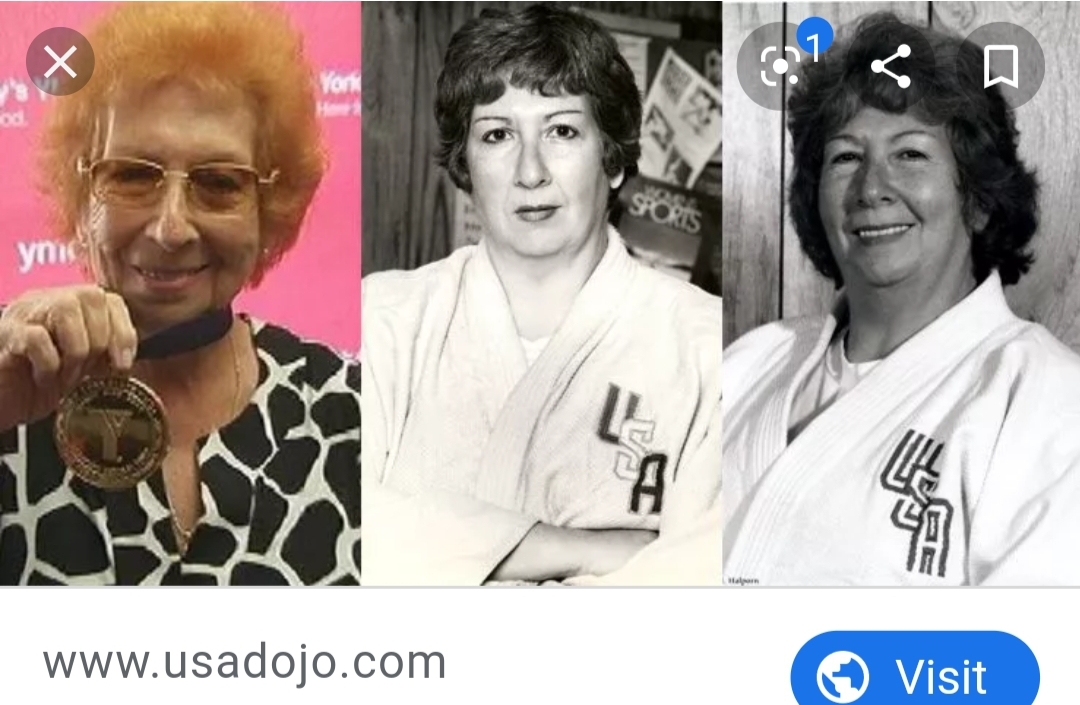
570) Rena “Rusty” Kanokogi

Courtesy of USAdojo.com

570: Rena “Rusty” Kanokogi

Pioneer and Mother of Women’s Judo

Born: 30 July 1935, Coney Island, New York, United States of America

Died: 21 November 2009, Brooklyn, New York, United States of America

Rusty fought for over two decades to get women’s judo recognized as an Olympic sport. Eventually, she would coach the US Olympic Women’s Judo Team.

Her fight to get women’s judo recognized began in 1959 after she won a championship (while dressed like a man) and was stripped of her medal after the organizer asked her if she was a woman.

Rusty was the first woman allowed to train at Japan’s judo headquarters (the Kodokan). She was also a driving force behind the fight for Title IX in the United States.

In 2019, a street in Rusty’s hometown of Brooklyn, New York, was renamed in her honor.

Badges Earned:

Find a Grave Marked

Sources:

https://www.teamusa.org/News/2019/October/28/A-Street-In-Brooklyn-Is-Now-Named-For-The-Mother-Of-Womens-Judo-Rena-Rusty-Kanokogi

https://www.nytimes.com/2009/11/23/sports/olympics/23kanokogi.html

https://jwa.org/weremember/kanokogi-rusty

https://jwa.org/people/kanokogi-rusty

https://www.findagrave.com/memorial/101383194/rena-kanokogi

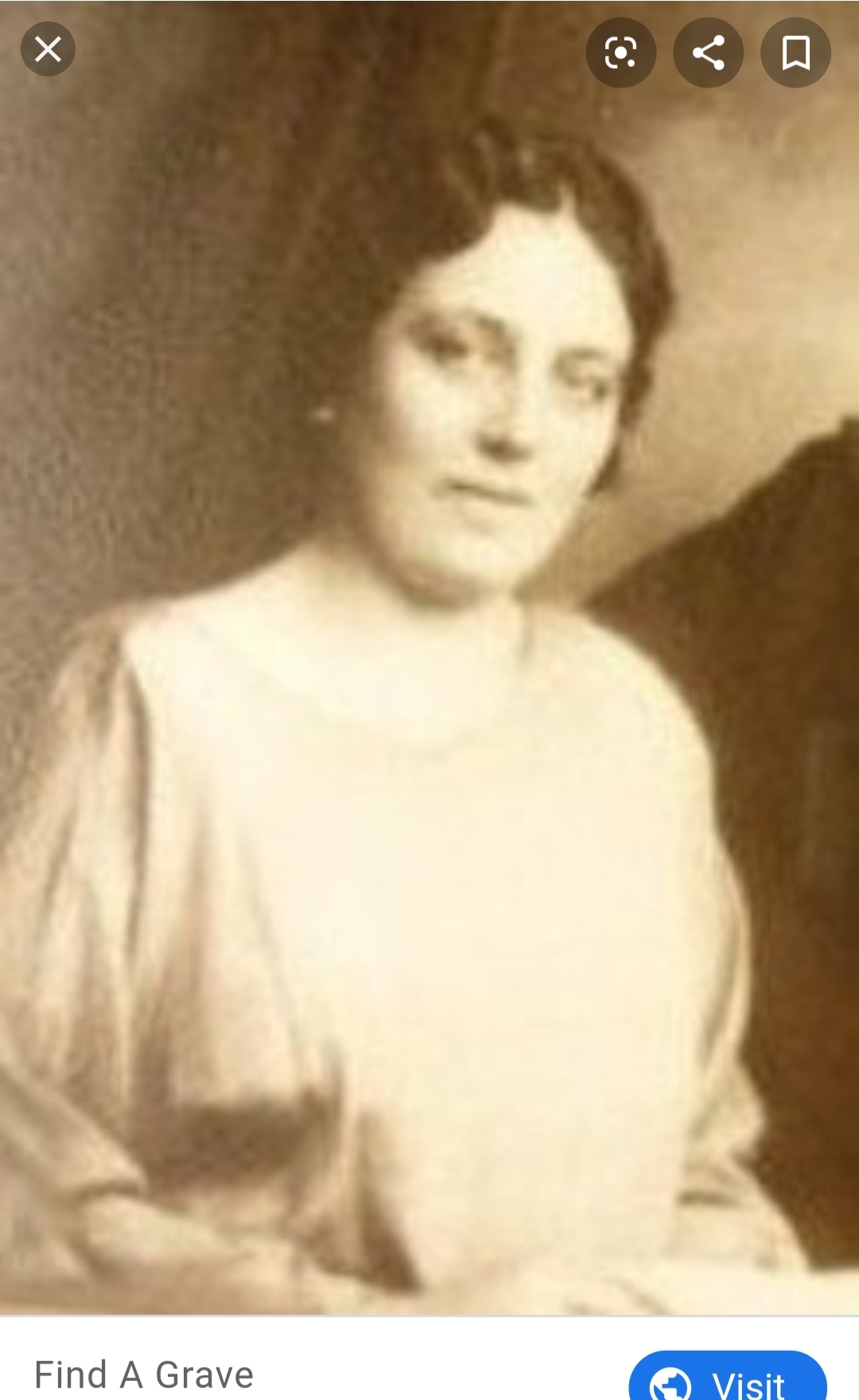
569) Gertrude Schulte-Tenderich Sears

Courtesy of Find a Grave

569: Gertrude Tenderich

Bought the Tampon Patent and the Founded Tampax in 1933

Born: 10 October 1890, Germany

Died: 11 May 1957, Denver, Colorado, United States of America

Full Name: Gertrude Schulte Tenderich Sears

Gertrude became president for the brand as well.

She hired women to manufacture the tampons and two salesmen to help her market them to drugstores in Wyoming and Colorado.

Gertrude also worked with and encouraged nurses to give lectures on the benefits of using tampons.

The company was eventually sold to Johnson and Johnson in 1941.

Badges Earned:

Find a Grave Marked

Sources:

https://www.tribstar.com/community/historical-treasure/article_2054d9e7-411d-55f7-8b58-43d563e3d72e.html

http://www.coderedco.org/the-red-thread/10/4/2017-3

https://tampax.com/en-us/history-of-tampax

http://www.mum.org/Tampaxpatent.htm

https://www.findagrave.com/memorial/112984128/gertrude-schulte_tenderich_sears

A Fun Update...(June 2021):

In late June of 2021, my mother and I took a road trip around some of the closer states to where we live. Along that journey, we were able to stop at the Mount Olivet Catholic Cemetery in Wheat Ridge, Colorado, where Gertrude and several members of her family are laid to rest for all eternity, and I was able to snap these photos while we were there.

Gertrude's headstone
The Family Marker

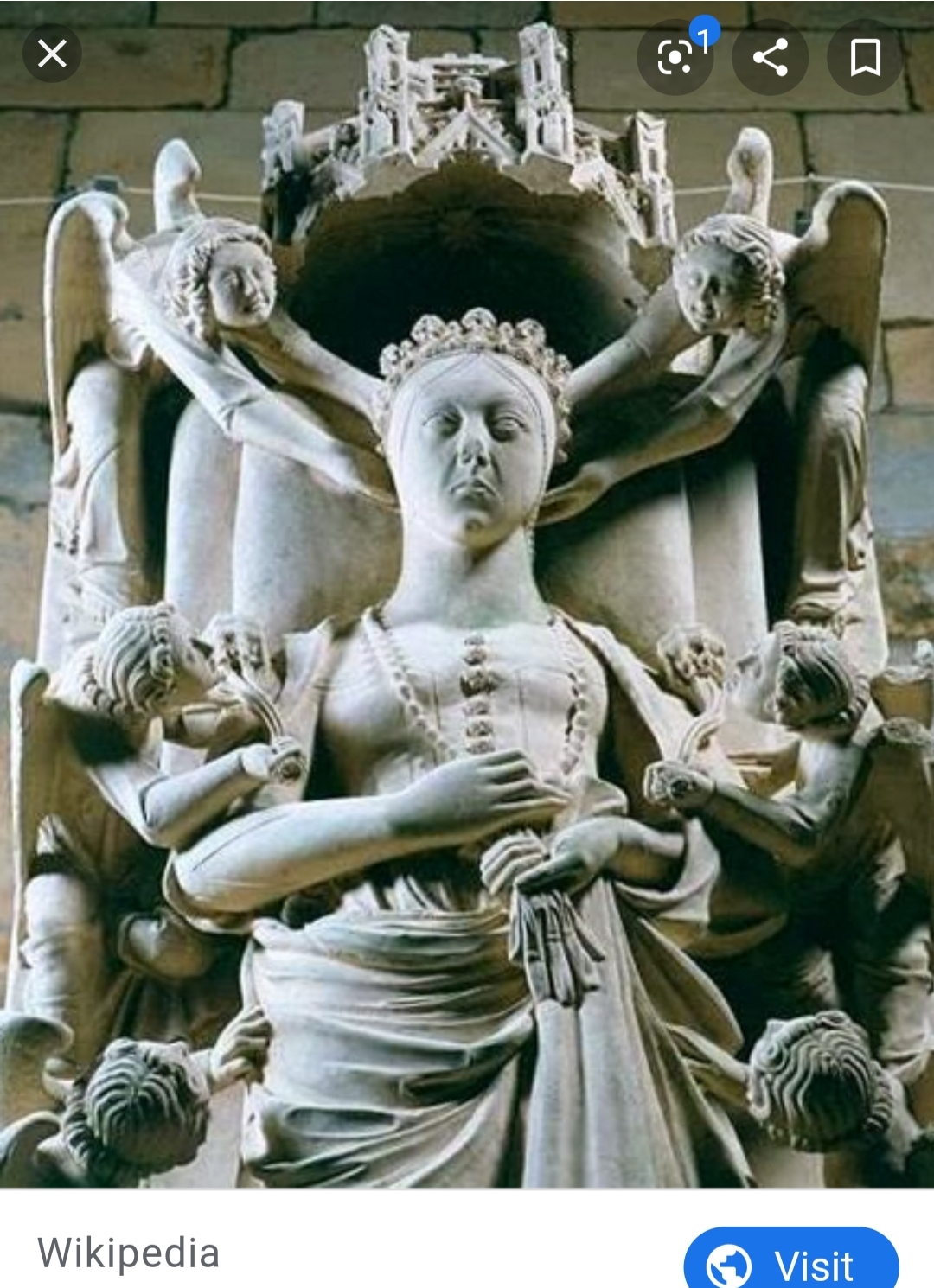
568) Inês de Castro

Courtesy of Wikipedia

568: Inês de Castro

Mistress and Posthumously Recognized Wife of Peter I of Portugal

Born: c.1325, Kingdom of Galicia (Present-day Galicia, Spain)

Died: 7 January 1355, Present-day Coimbra, Portugal

Inês was a lady-in-waiting to Peter’s wife Constanza (who also happened to be Inês’s cousin).

Peter (also known as Pedro I) fell head over heels in love with Inês when she arrived at court aged fifteen.

They began having an affair that became public after Constanza died (shortly after the birth of her third child). Inês would eventually bear four children for Peter.

When she was twenty-nine years old the King (Peter’s father) ordered her assassination for political reasons. Peter had becomd friends with Inês’s brothers, who were Castilian. The king feared that after his death, Peter would put the independence of Portugal in jeopardy by being friendly with the powerful Castilians. Inês was murdered while Peter was away from their home.

This sparked a civil war between father and son and when Peter became king, he ordered that he and Inês (who had been dead two years by this point) would be married and thus legitimize their children.

The story that Peter had her body dug up for the courtiers to kiss her ring is more than likely to be false seeing as it was first told two hundred years after the fact.

In 1944, a Spanish language film telling the tale of Inês and Peter was released (Inês de Castro). This one seems to be a historical drama, however, in 2018 another film Pedro E Ines was also released. This one is far from historically accurate. This newer film is about a man admitted to a psychiatric hospital after being caught driving around with a corpse. Evidently, he recalls several different lifetimes he and his beloved have had, and one of those is the story of our Inês and Peter we write about here.

Badges Earned:

Find a Grave Marked

Located In My Personal Library:

Royal Love Stories by Gill Paul

Sources:

https://www.britannica.com/biography/Ines-de-Castro

https://www.algarvehistoryassociation.com/en/portugal/191-the-tragic-story-of-ines-de-castro

https://www.findagrave.com/memorial/7608960/ines-de_castro

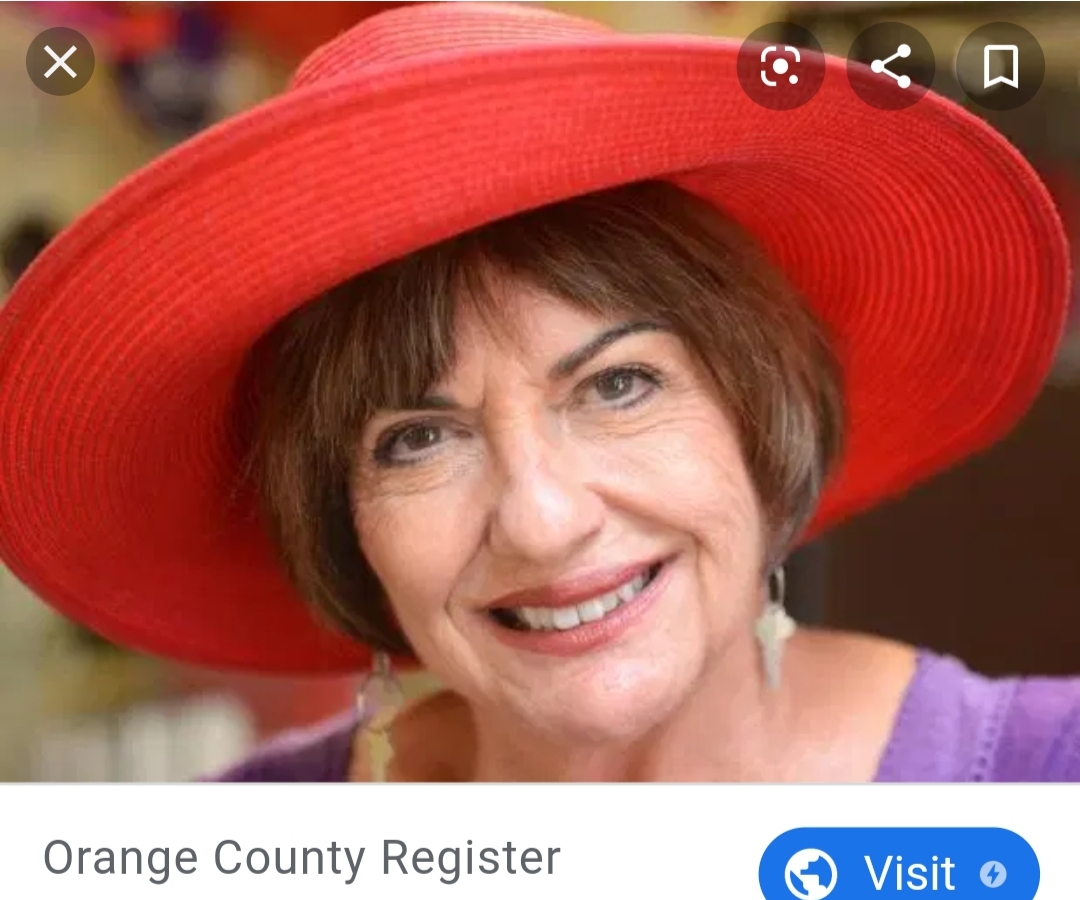
567) Sue Ellen Cooper

Courtesy of the Orange County Register

567: Sue Ellen Cooper

Founder of the Red Hat Society

Birth Date and Location Unknown

Sue graduated from California State University Fullerton in 1968 with a degree in humanities and Social Sciences.

She has two children and formerly worked as a muralist and greeting card illustrator.

The society now has over 29,000 chapters in all fifty US states and over thirty countries since its founding in 1998. For those unaware, the Red Hat Society is a society of women who get together and do activities with one another, typically after turning fifty, to stay active in their communities.

Sources:

https://www.redhatsociety.com/page/sueellencooper

https://us.macmillan.com/author/sueellencooper/

  • Previous
  • 1
  • …
  • 68
  • 69
  • 70
  • 71
  • 72
  • 73
  • 74
  • …
  • 159
  • Next

Categories

Archives

  • July 2025 (10)
  • July 2024 (1)
  • January 2024 (1)
  • August 2023 (1)
  • June 2023 (2)
  • October 2022 (1)
  • July 2022 (1)
  • June 2021 (3)
  • December 2020 (3)
  • August 2019 (1)
  • July 2019 (2)

Search

© 2026 The Exasperated Historian | Powered by Minimalist Blog WordPress Theme