The Exasperated Historian
Menu
  • Home
  • The Women’s List (New)
  • The Men’s List
  • The Animal List
  • Collections
  • The Blog
  • Contact Us
  • FAQ
Menu

Category: Birth Locations

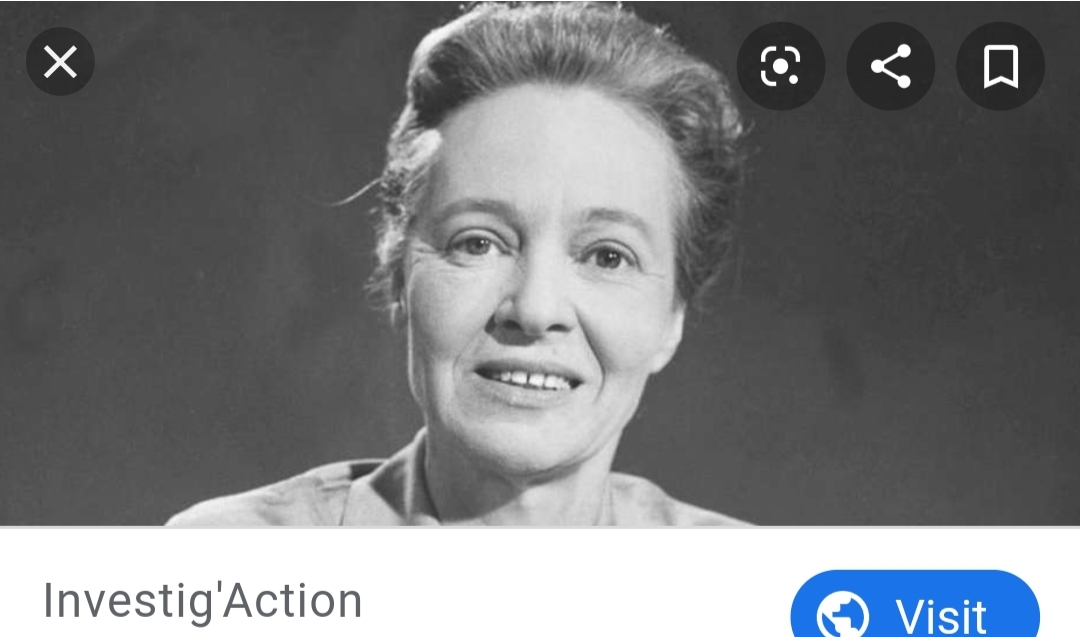
662) Marie-Claude Vaillant-Couturier

Courtesy of Investig'Action

662: Marie-Claude Vaillant-Couturier

French Resistance Fighter and Photojournalist

Born: 5 November 1912, Paris, France

Died: 11 December 1996, France

Marie-Claude was also a Communist and Politician, who was raised in an affluent bourgeois family. She joined the Communist party in the 1930’s and was focused on women’s groups in particular.

In 1937, Marie-Claude married Paul Vaillant-Couturier, though he would die just two weeks after the wedding. Marie-Claude was forced to hide herself and her political affiliations starting in 1939 after France made the party illegal, this due to the fact that the Communist Party was not supporting the war effort.

To support herself, Marie-Claude began writing pacifist literature, hoping to stop the horrors of World War II before they could really take off. Several other leading communists would negotiate with the Germans in order to be allowed to continue publishing, but Marie-Claude was not one of them. Instead, she joined the Resistance, but by 1943 she was incarcerated at Auschwitz. Marie-Claude refused to give up or cower in the camp, or even after being transferred to Ravensbrück the following year. In both camps, Marie-Claude rose up as a leader among the female prisoners.

After the liberation of the camps, Marie-Claude continued to offer aid to other survivors, finally returning to a liberated France in June of 1945. She went on to testify at the Nuremberg Trials.

Marie-Claude also went straight back to her political work and was regularly re-elected to various positions within the French government until 1982. She was also elected as a deputy for the Seine, served as Vice-President of L'Union de Femmes Francaises and also as vice-president of the Women's International Democratic Federation. 

Marie-Claude married for the second time to a Jewish man who was devoted to Stalin and the Communist party. During World War II, he managed to escape the Gestapo by jumping out a window. Marie-Claude remained devoted to him until his death in 1980.

Marie-Claude received the Legion d’Honneur and other commendations for her war efforts.

Badges Earned:

Find a Grave Marked

Sources:

https://www.independent.co.uk/news/people/obituary-marie-claude-vaillant-couturier-1314459.html

https://collections.ushmm.org/search/catalog/irn1001337

https://www.findagrave.com/memorial/196719205/marie_claude-vaillant_couturier
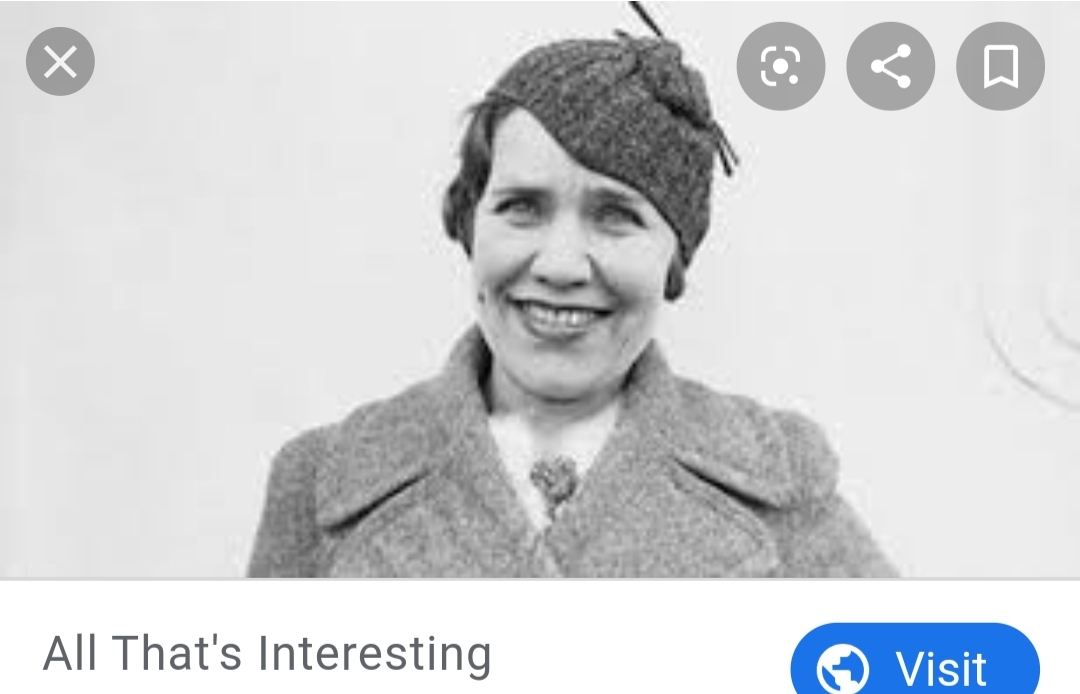
661) Maria Rasputin

Courtesy of All That's Interesting

"I am constantly being persecuted and branded a communist due to my name being Maria Rasputin, daughter of Gregory Rasputin, known as the 'Mad Monk of Russia.' I left Russia 28 years ago and am now a naturalized American citizen, for which privilege I thank God every night, as I love the United States of America from the bottom of my heart. I wish to announce publicly that I am not a communist even though my name is Maria Rasputin, daughter of Gregory Rasputin."

661: Maria Rasputin

Grigori Rasputin’s Daughter

Born: 27 March 1898, Pokrovskoe, Tobolsk, Russian Empire (Present-day Russia)

Died: 27 September 1977, Los Angeles, California, United States of America

Original Name: Matryona Grigorievna Rasputina

She was friends with Tsar Nicholas II’s family, especially his four daughters who never got to experience life outside the palace walls. Everything would fall apart with Maria’s father’s death in 1916, and it was Maria who would identify his body. Maria and her sister stayed with the Tsar’s family for a time, but soon enough Tsarina Alexandra gifted them 50,000 rubles to allow them to run for their lives. The Tsars’ family were murdered soon after.

Maria wrote several memoirs about her father and the Tsar’s family after the Russian Revolution of 1917 caused her to flee her homeland.

After escaping Russia Maria, her husband, and two daughters (named Tatiana and Maria after two of the grand duchesses, Tatiana and Maria Nikolaevna); the young family lived in Europe barely eking out a living. By this point, Maria’s husband and daughters were the only family she had. The royal family had been killed, Maria’s mother and brother disappeared into a Siberian labor camp, her father had of course been assassinated, and Maria’s sister died under equally mysterious circumstances.

In 1926, Maria’s husband also died. Now Maria started to work for a time as a cabaret dancer to support her girls. By 1929, Maria started to work with the Ringling Brothers Circus. Maria worked as a lion/animal trainer, and eventually she used her job to get to the United States. Maria’s daughters were denied entry and spent the rest of their lives in Europe apart from their mother.

In 1935, Maria gave up her circus career after being mauled by a bear. She ended up marrying an old friend from Russia, a former member of the White Army, after running into him in Miami. Maria was able to use the marriage to gain US citizenship.

After divorcing her second husband she became a riveter at a machine ship during World War II. During the ensuing Red Scare, Maria was horrified to learn some were accusing her of being a Communist.

After retiring from her machining job, Maria lived off social security benefits, babysitting, teaching Russian, and publishing various books and memoirs.

Badges Earned:

Find a Grave Marked

Sources:

https://allthatsinteresting.com/maria-rasputin

https://www.atlasobscura.com/articles/the-many-lives-of-maria-rasputin-daughter-of-the-mad-monk

https://www.findagrave.com/memorial/29071215/maria-rasputin

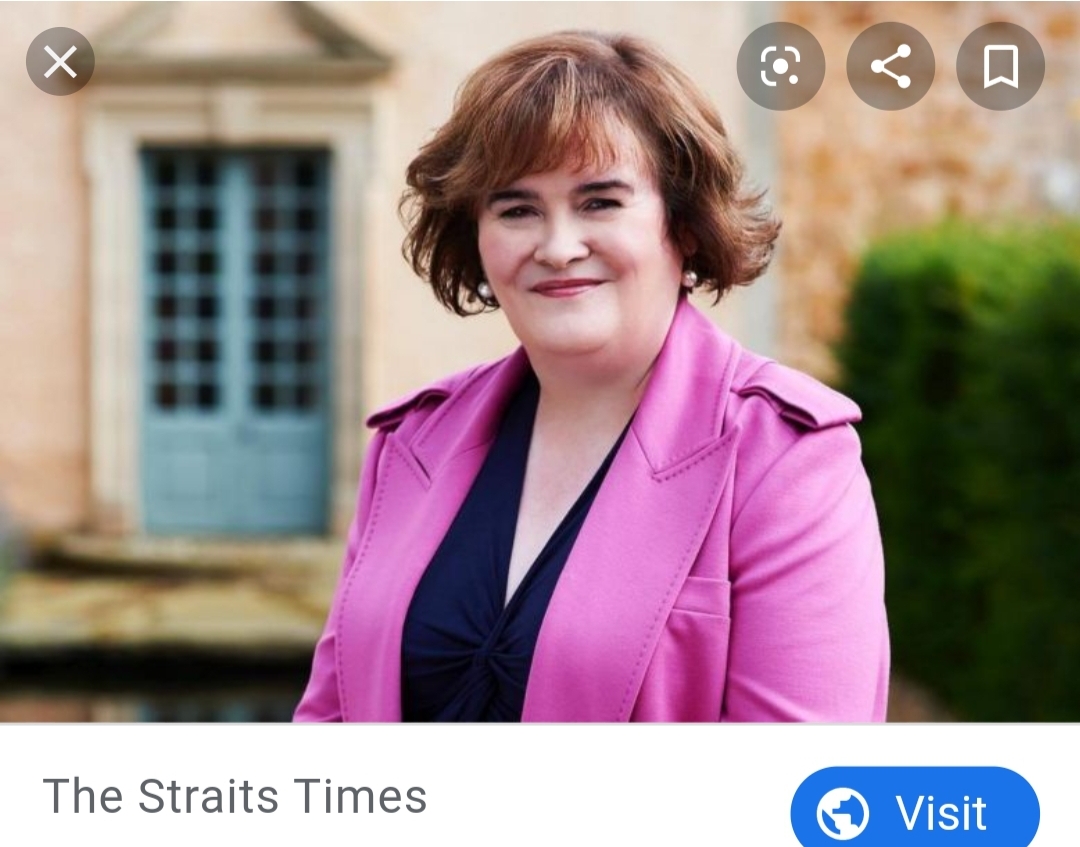
660) Susan Boyle

Courtesy of The Straits Times

660: Susan Boyle

Beloved Singer

Born: 1 April 1961, Blackburn, Scotland, United Kingdom

Susan became an international sensation after winning Britain’s Got Talent in 2009. If you somehow haven’t seen video of her original audition, I have it linked here in this article.

She exemplifies the ideal of never judging a book by its cover as almost everyone thought she was just some random lady auditioning for a few minutes of TV airtime before she opened her mouth and started to sing.

Her debut album, I Dreamed a Dream, was the bestselling debut album of any artist in the UK.

As a child, Susan was bullied by other children and was misdiagnosed with a learning disability. It wasn’t until much later in life that a doctor informed her she actually had Asperger’s Syndrome. She has never married and has no children.
Susan made an appearance competing in 2019’s America’s Got Talent: The Champions.

Sources:

https://www.susanboylemusic.com/about/

https://metro.co.uk/2020/03/05/susan-boyle-wears-iconic-dress-britains-got-talent-audition-11-years-later-one-night-12356899/

https://en.wikipedia.org/wiki/Susan_Boyle

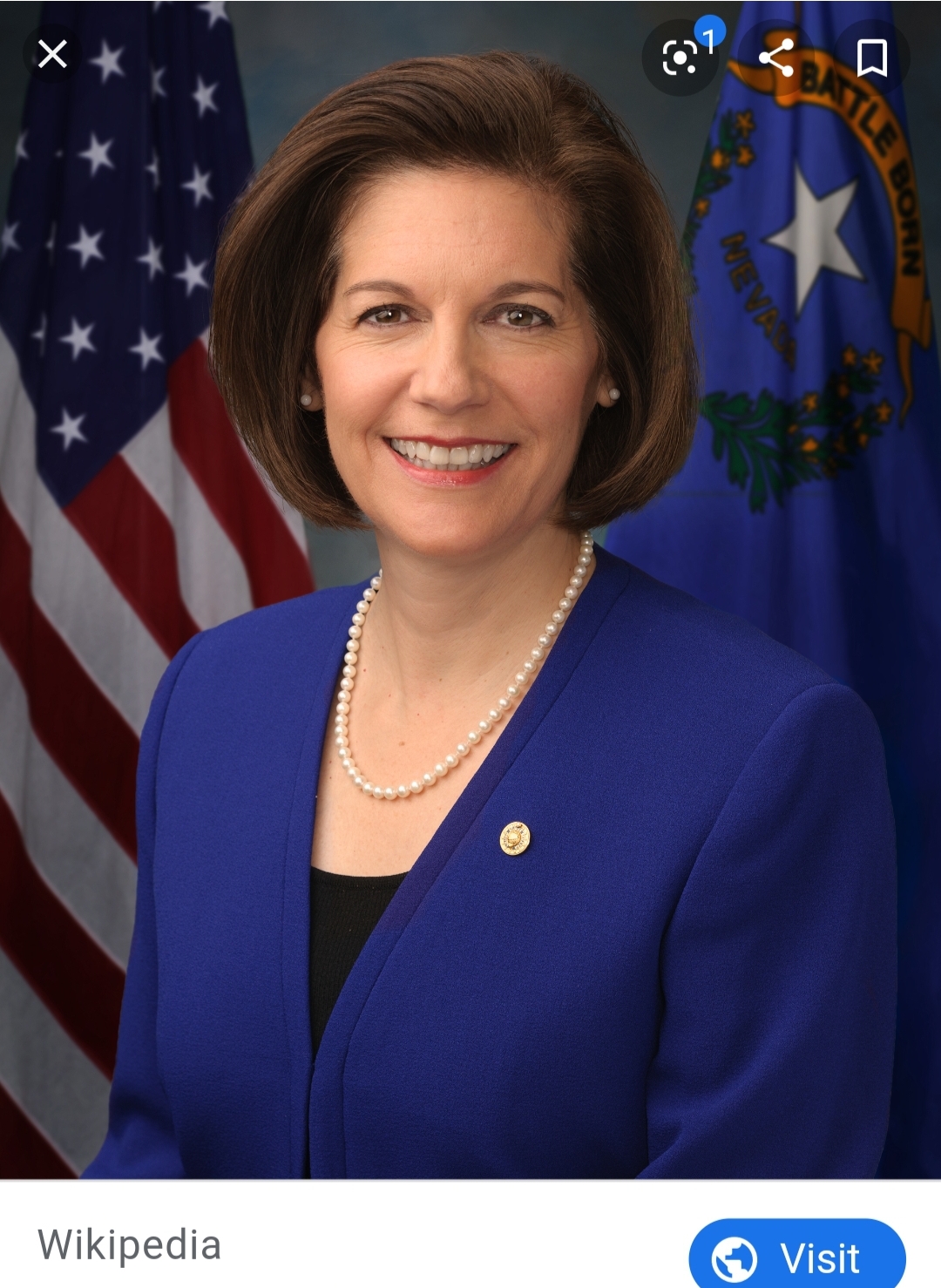
659) Catherine Cortez Masto

Courtesy of Wikipedia

659: Catherine Cortez Masto

The First Latina State Attorney General in the United States

Born: 29 March 1964, Las Vegas, Nevada, United States of America

Catherine served the state of Nevada.

She is a member of the Democrat Party and is now the senior senator from Nevada starting in 2017—becoming the first female senator from Nevada and the first Latina Senator from any state.

Her main focus includes ending human trafficking at the state and local levels and fighting for better healthcare for women and children across the country. As of 2020, Catherine sits on five committees in the United States Senate.

Catherine’s husband is a retired secret service agent.

Her term as Senator will end in 2023, so we’ll see if she runs again in the 2022 election.

Sources:

https://www.cortezmasto.senate.gov/about

https://www.congress.gov/member/catherine-cortez-masto/C001113?searchResultViewType=expanded&KWICView=false

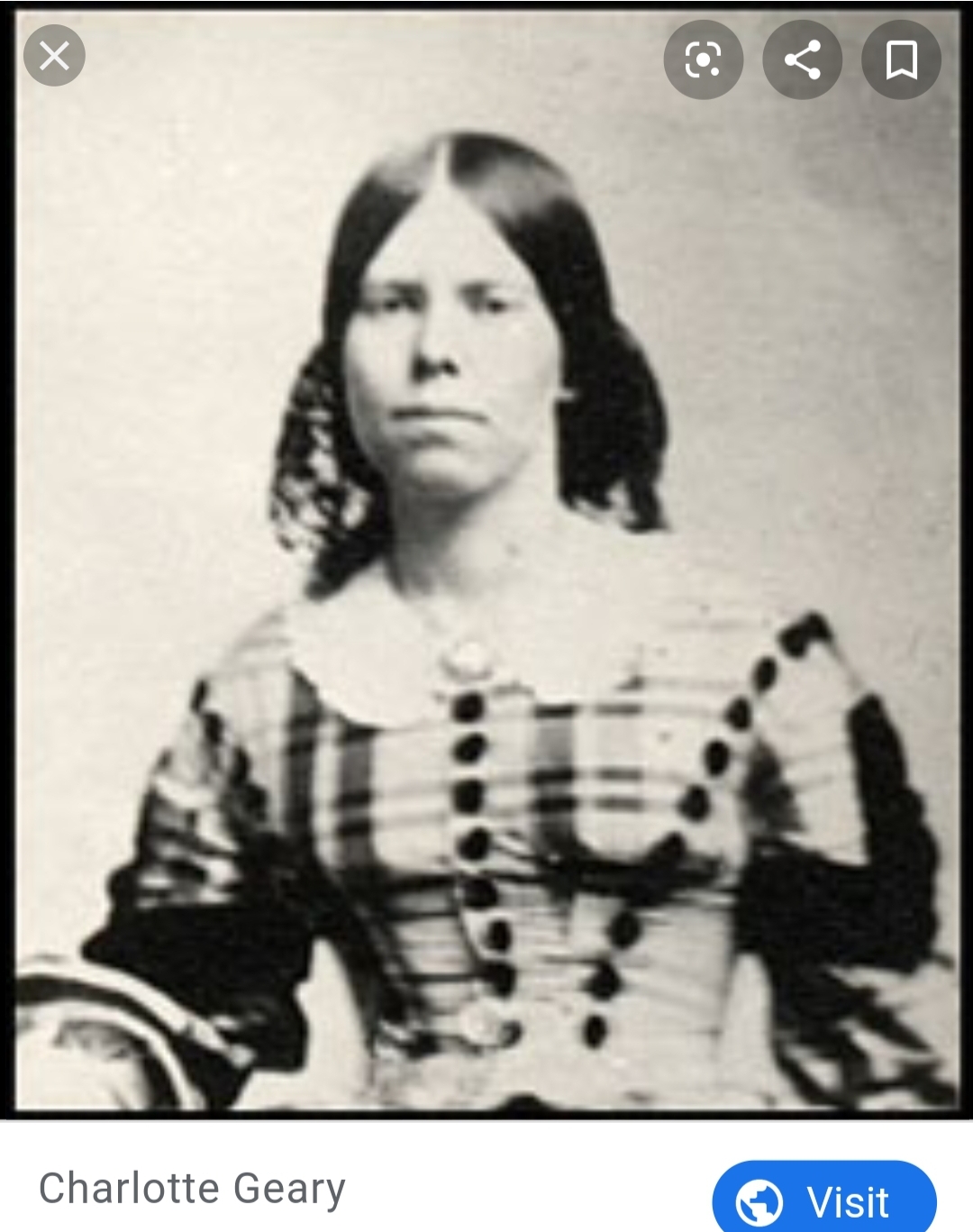
658) Dr. Oriana Moon Andrews

Courtesy of Charlotte Geary

658: Dr. Oriana Moon Andrews

The First Female Confederate Doctor and Surgeon

Born: 11 August 1834, Scottsville, Virginia, United States of America

Died: 24 December 1883, Scottsville, Virginia, United States of America

Oriana’s father believed in his daughters receiving an equal education to his sons. Oriana and her sisters read extensively from their father’s library and were educated by the finest tutors’ money could buy in their area. She was one of seven children, and their parents ensured they were raised to be educated in all the ways of Southern Society in the antebellum period. For the first sixteen years of her life, Orie was so addicted to reading she sometimes wouldn’t stop to eat.

Oriana was awarded her Medical Doctorate in 1857 from a Quaker-run female medical school in Pennsylvania. However, the state of Pennsylvania at the time barred any female medical doctors from practicing at any of the colleges in Pennsylvania. Therefore, Orie and her classmates had to work at the clinic run by the school itself. In 1858, Oriana decided to partake in a family trip to what was then-Palestine; learning their way of practicing medicine amongst other subjects for fourteen months. To protect herself in this new but foreign landscape, Orie carried a revolver and was said to be an expert marksman.

Her three sisters would become a teacher and Baptist Missionaries to China, all putting their education to good work.

Oriana met her husband (a fellow doctor) while treating the wounded from the First Battle of Bull Run. Orie had been granted a ward to run in the hospital, and while outsiders shirked at the thought of a female physician, the other doctors Orie practiced with all approved of her methods and skills. The day Orie met her husband, she consulted with him over her husband’s brother’s wounds. John, Orie’s future husband, wanted a second opinion from a surgeon on how best to treat his brother Robert. While Oriana and John were able to make Robert more comfortable, he would pass away two days later.

Oriana paid for Robert’s body to be taken home and buried in Alabama. When John returned to the hospital a few months later, he learned Orie had taken ill and was no longer working in the hospital. He rode the ten miles to her home, intending to pay back the money she’d spent on Robert’s final ride home. Their first meeting had been in July, and by November of 1861, they were married.

Their first child was born the following October, however, the following May, he died. In October of 1863, Orie and John welcome another baby, James. Another boy, William, was born in February of 1865. The war devastated the area of Virginia in which the young family lived, and so by the end of the decade they had uprooted and moved back to John’s home state of Alabama. The following year they moved again, this time to Tennessee.

After settling in Tennessee, Oriana would give birth to another son, but he would die less than a year later. Soon after, they moved back to Alabama. Oriana would have two more sons while there and turned to her religion more than her doctoral degree. Orie ministered to as many people as would hear her message, but also began to suffer health problems.

By 1874, the Andrews family decided to move back to Virginia and to the home Oriana had been raised in. Seven months out of the year her boys would read from the extensive library Oriana’s father had first bought for her and her siblings. The rest of the year they hiked five miles to a school run by their uncle. In 1875, Oriana gave birth to another baby boy. However, by 1879, Orie’s siblings decided to sell the family home, so Oriana and her family had to move again.

They found a new home, still in Virginia, and Oriana gave birth to another boy the following year, 1880, at the age of forty-six. The Andrews family continued to move around Virginia, John searching for work while Oriana’s health continued to worsen. In 1882, Orie and John opened a medical practice together and began to see patients, but by the following year, Oriana had to quit due to her health continuing to decline. She passed away the morning of Christmas Eve from pneumonia.

Badges Earned:

Find a Grave Marked

Sources:

https://scottsvillemuseum.com/war/moon/home.html

https://civilwartalk.com/threads/oriana-moon-andrews-first-woman-doctor-in-the-confederate-army.133195/

https://www.findagrave.com/memorial/18373392/oriana-russell-andrews

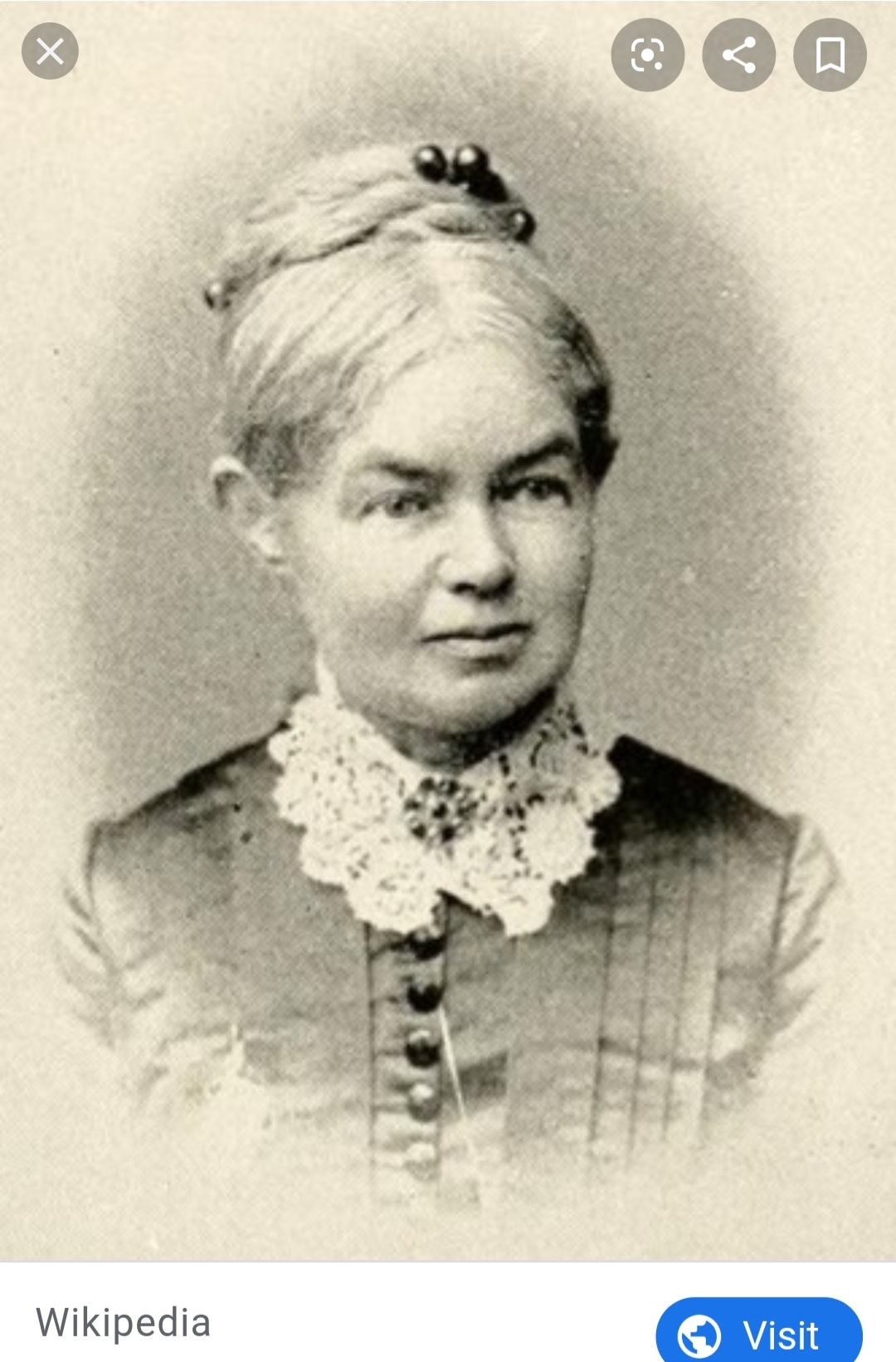
657) Emily Howland

Courtesy of Wikipedia

657: Emily Howland

The First Female Director of a US National Bank

Born: 27 November 1827, New York, United States of America

Died: 29 June 1929, Sherwood, New York, United States of America

Emily was also a philanthropist, educator, and advocate for African American civil rights, temperance, and women’s suffrage.

Emily was friends with Susan B Anthony, Elizabeth Cady Stanton, and Harriet Tubman.

She worked at a school for African American girls before the War Between the States broke out and after she taught freed slaves in Arlington, Virginia and participated in helping the sick during a smallpox epidemic.

Emily continued working at her various jobs passed the age of one hundred years in some cases. She is also credited with convincing Ezra Cornell to make his now famed school, Cornell University, co-educational.

In March of 2019, Emily’s name was in the news thanks to the discovery of a new portrait of Harriet Tubman from when she was a young woman. This new photograph was found inside one of Emily Howland’s photo albums. That same album contains numerous photographs of other prominent abolitionists and civil rights leaders from the day. One of the most incredible finds, outside of Harriet’s picture, is the only known photograph of John Willis Menard, the first African American man ever elected to the United States Congress (House of Representatives for the state of Louisiana, however he was never allowed to take his seat). The album is now on permanent display in Washington DC at the Smithsonian’s National Museum of African American History and Culture.

Badges Earned:
Find a Grave Marked

Sources:

https://www.archives.gov/nhprc/projects/catalog/emily-howland

https://www.smithsonianmag.com/smithsonian-institution/previously-unknown-portrait-abolitionist-harriet-tubman-young-woman-goes-view-180971796/

https://www.findagrave.com/memorial/158238946/emily-howland

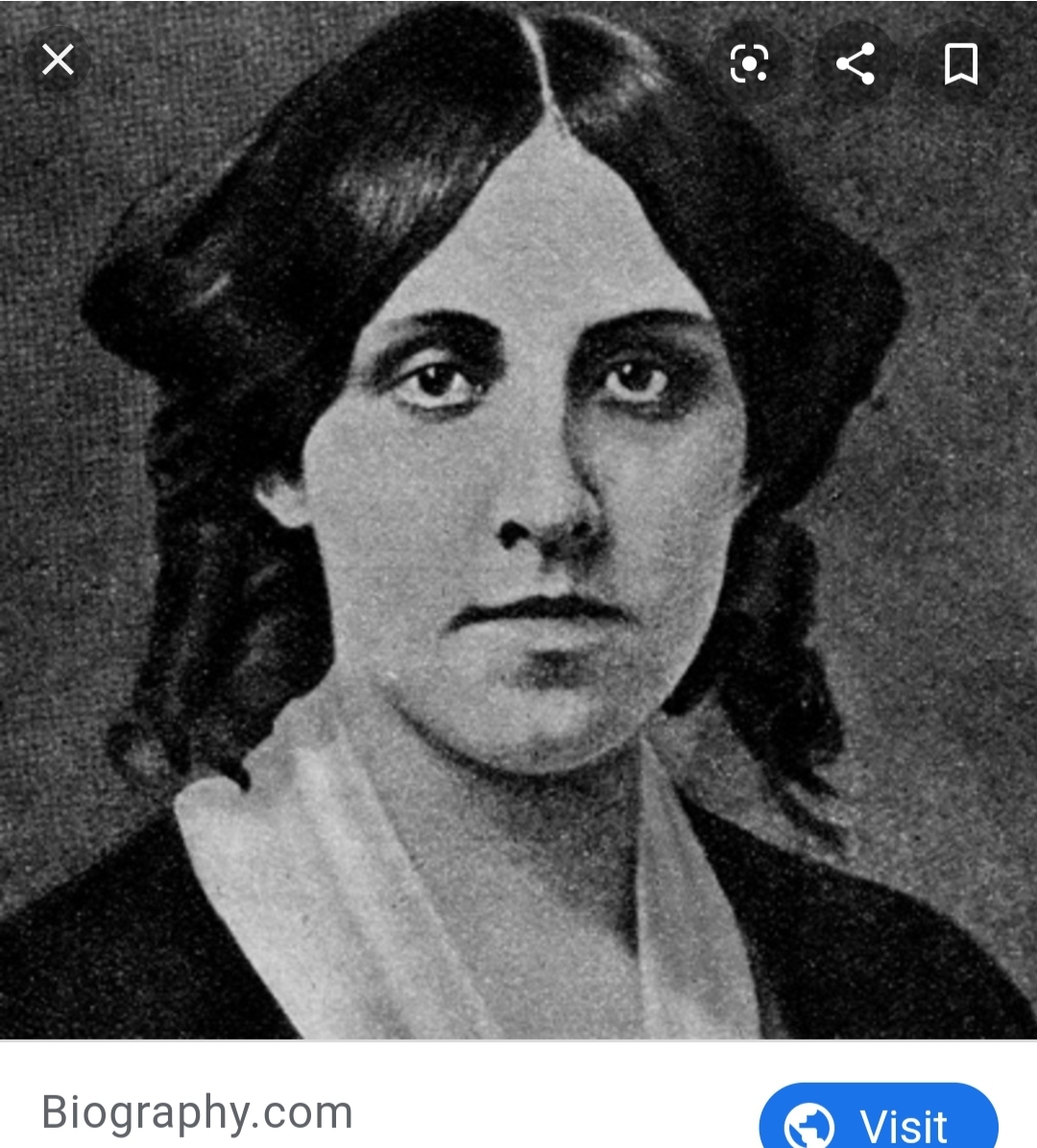
656) Louisa May Alcott

Courtesy of Biography

“Liberty is a better husband than love to many of us.”

656: Louisa May Alcott

Little Women Author (Amongst Other Works)

Born: 29 November 1832, Germantown, Pennsylvania, United States of America

Died: 6 March 1888, Boston, Massachusetts, United States of America

Louisa was also a War Between the States Nurse at the Union Hotel Hospital in Washington DC. Louisa even worked as an editor for a young women’s magazine.

As a child, Louisa and her siblings were educated by their eccentric father, however, Louisa soon realized he could not properly provide for their family. Louisa began working as a teacher, domestic servant, and finally as a writer. She would spend the rest of her life concerned for her family.

After Louisa was released from service as a hospital nurse, she began to write profusely. She spent the last two decades of her life writing and caring for her parents. Eventually, Louisa would also adopt her namesake, Louisa May Neiriker, a daughter of her late sister, though she would never marry or have children of her own. Louisa would also later legally adopt another sister’s son, John Pratt, so that he would own her copyrights after her death.

In 1879, after women in the state of Massachusetts were granted some forms of suffrage, Louisa became the first woman in the city of Concord to register to vote. Louisa was an early feminist and was never interested in getting married or having children. She didn’t even want to write about marriage in her Little Women novel, wanting to show girls across the country that marriage and children were not necessarily the only happy endings available in their lives.

Two days after her father’s death, Louisa died, likely from mercury poisoning, as a failed treatment for typhoid—which she originally contracted while serving as a Nurse during the war and never truly became healthy again.

Orchard House—the home where she grew up and based Little Women on, is now a museum where you can explore her story.

Badges Earned:

Find a Grave Marked

Located In My Personal Library:

After the Fact: The Surprising Fates of American History's Heroes, Villains, and Supporting Characters by Owen Hurd

Uppity Women Speak Their Minds by Vicki Leon

Where Are They Buried, How Did They Die? by Tod Benoit

King Tutankhamun: The Treasures of the Tomb by Zahi Hawass

National Geographic History Magazine Article "Louisa May Alcott, Author of Her Own Story" by Amaranta Sbardella (November/December 2021 Edition)

Sources:

https://www.britannica.com/biography/Louisa-May-Alcott

https://bwht.org/louisa-may-alcott/

https://www.womenshistory.org/education-resources/biographies/louisa-may-alcott

https://www.pbs.org/wgbh/masterpiece/specialfeatures/little-women-7-surprising-facts-about-louisa-may-alcott/

https://www.findagrave.com/memorial/14/louisa-may-alcott

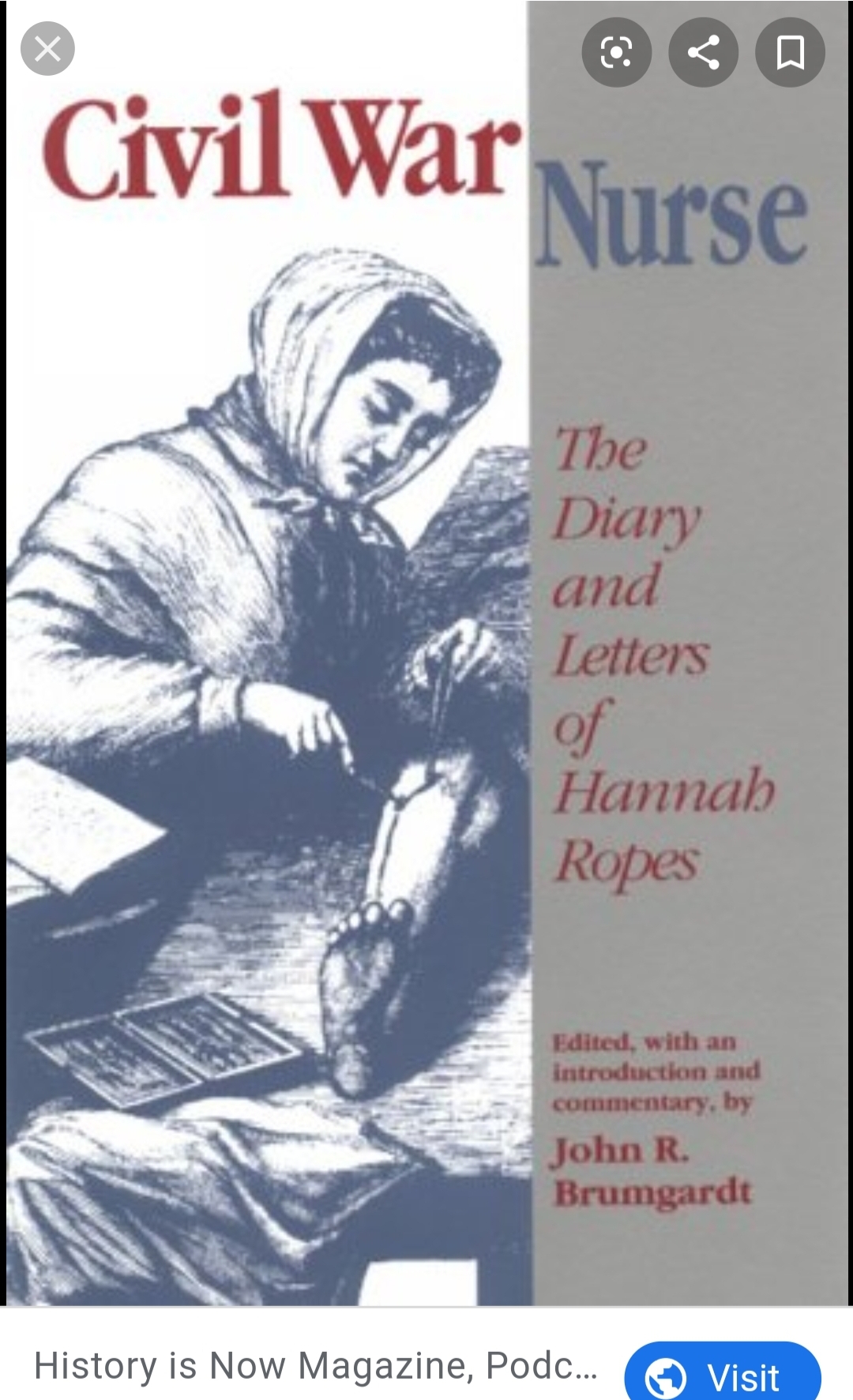
655) Hannah Anderson Ropes

Courtesy of History Is Now Magazine, Podcast

655: Hannah Anderson Ropes

War Between the States Nurse and Abolitionist

Born: 13 June 1809, New Gloucester, Maine, United States of America

Died: 20 January 1863, Washington DC, United States of America

Hannah’s parents were wealthy enough to provide her with a fine education at home. She was also raised to be a good Christian. Her Christian faith fit well with her belief in abolition and equality between the sexes. While Hannah’s beliefs weren’t popular with the majority of men in her day and age, she did manage to find a like minded man, and they married in 1834.

Unfortunately, the man wasn’t without fault. Hannah had four children with her husband before he abandoned her and the children (two of which lived to adulthood), in 1847, citing “health concerns”. He moved to Florida and a few years later, Hannah packed up and moved herself and the children to the Kansas Territory.

The Kansas Territory at the time was in the midst of the struggle that would soon become known as Bleeding Kansas. Hannah protected her children by keeping knives and loaded guns in the house but refused to shake in her abolitionist faith. She was an ardent liberal feminist, at least the nineteenth century definition.

In 1857, Hannah moved her family back to Massachusetts where they would be safer. After the move, Hannah took up a career in writing, publishing several books. She also began reading from a wide range of topics. One of the books she picked up was by Florence Nightingale. This book would change Hannah’s life, and thereafter she endeavored to become a nurse.

At the outbreak of war, Hannah began working as a hospital nurse. Soon enough she became matron of the Union Hotel Hospital in Washington DC. As head matron, Hannah instructed the nurses to treat every soldier with the equal amount of respect. They each deserved good treatment, a clean environment, and healthy food. Hannah was such a strong force for change in the hospital not everyone liked her or agreed with her. Surgeons frequently got into Hannah’s bad graces, and the disagreements sometimes boiled over to actual fights. At one point, Hannah actually had to go to then-Secretary of War Edwin Stanton to see action against a surgeon treating his patients with actual cruelty. The Secretary listened to Hannah and acted accordingly. He followed it up by ordering no one could remove Hannah from her post.

One of the nurses Hannah worked with at this time was Louisa May Alcott, before Louisa became an internationally known author. After the particularly dreadful Battle of Fredericksburg, Louisa suggesting cutting rations for the wounded soldiers, but Hannah would have none of it. She said, “‘Bless their hearts, why shouldn’t they eat? It’s their only amusement; so fill every one [bowl], and, if there’s not enough ready tonight, I’ll lend my share to the Lord by giving it to the boys.”

Hannah and Louisa both ended up contracting typhoid pneumonia at the hospital where they were working. While Louisa would recover, sadly, Hannah did not; proving her point that better sanitation and more help was needed in the medical field during the war. After her death, the hospital was draped in black and the soldiers staged a moment of silence for their fallen head matron.

The diary Hannah wrote while in Kansas, entitled Six Months in Kansas: By a Lady, is now available in print copies and shares a unique perspective on the battle that became known as Bleeding Kansas.

Badges Earned:

Find a Grave Marked

Sources:

http://www.historyisnowmagazine.com/blog/2019/2/24/a-great-us-civil-war-nurse-hannah-anderson-ropes#.XmPuIahKhPY=

https://www.newenglandhistoricalsociety.com/hannah-ropes-spends-6-months-in-kansas-with-loaded-pistols-and-bowie-knife/

https://www.findagrave.com/memorial/39185837/hannah-a_-ropes

654) Frances Clayton

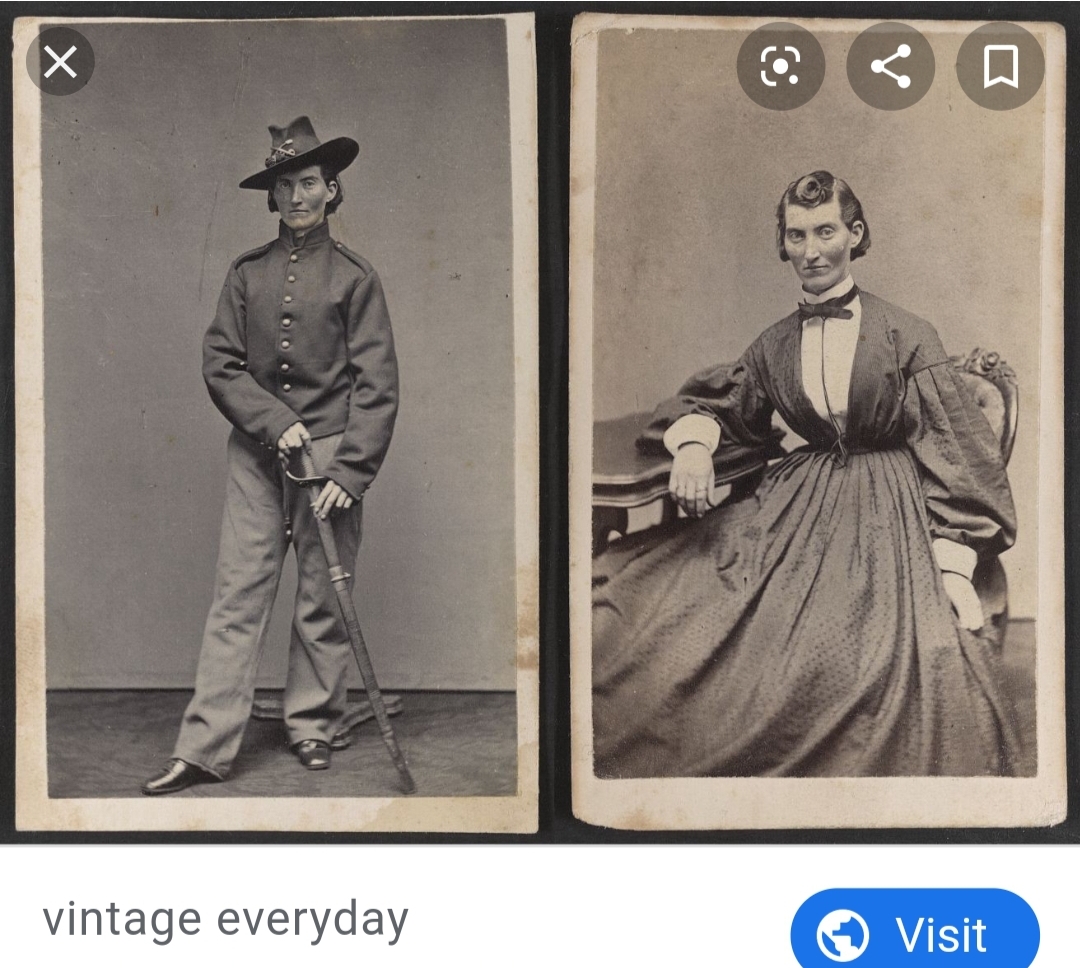
Courtesy of Vintage Everyday

654: Frances Clayton

Union Soldier in the War Between the States

Born: c.1830, Illinois, United States of America

Died: after 1865

Frances served under the aliases Jack Williams and Frances Clalin.

She enlisted in a Missouri regiment alongside her husband and fought in several battles. It is said Frances continued to fight after watching her husband die at her feet in 1862. Frances told reporters she’d been wounded three times and fought in eighteen battles but was mustered out of service after her true identity was learned after her husband’s death.

She disappeared from history in 1865, despite the fact that her name was all over several newspapers that year and the two previous. Frances was searching for someone with the authority to grant the back pay she felt was due to herself and her late husband. France’s last reported sighting was in Illinois. She claimed to have been headed to Washington DC but was never seen or heard from again.

The photographs of Frances taken in and out of uniform are today seen as some of the clearest images of a female soldier in uniform. However, it should be noted that some historians doubt the authenticity of her story due to the lack of surviving archival evidence and the contradictory reports in newspapers from the time she was alive.

Badges Earned:

Find a Grave Marked

Located In My Personal Library:

They Fought Like Demons: Women Soldiers in the American Civil War by DeAnne Blanton and Lauren M Cook

Sources:

https://www.battlefields.org/learn/biographies/frances-clayton

https://historyengine.richmond.edu/episodes/view/6853

https://www.findagrave.com/memorial/93779396/frances-louise-clayton

653) Gertrude Carraway

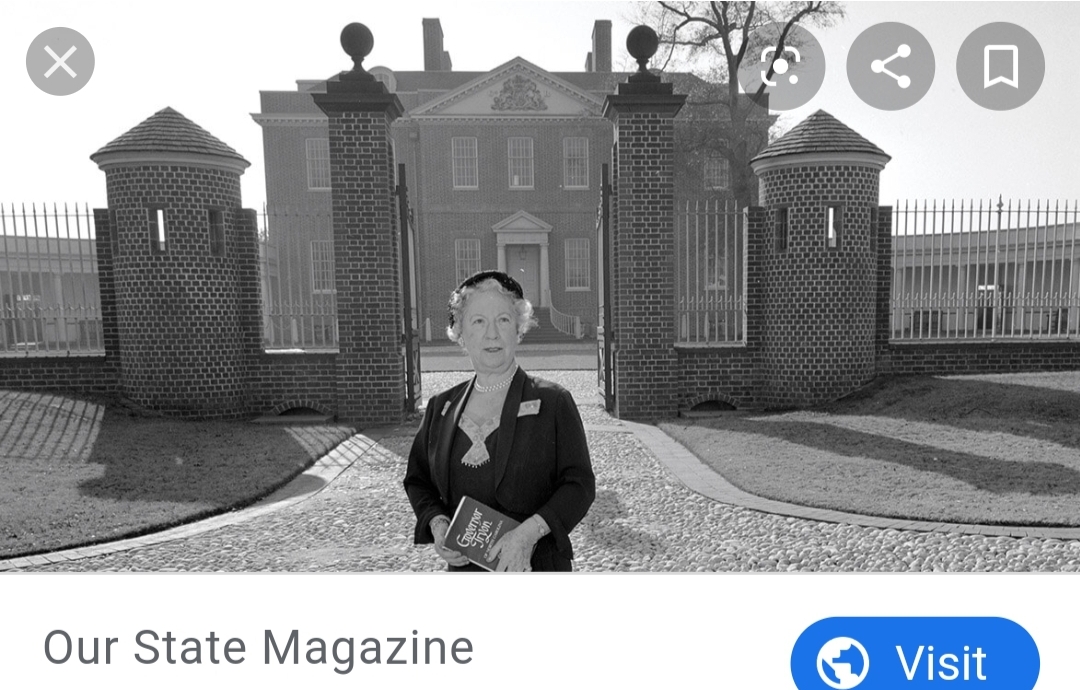
Courtesy of Our State Magazine

“You didn’t want to physically be in the way of Gertrude. If Gertrude would have stood up to Hitler, it would have been a two-year war. She just flat out got it done,” -Nelson McDaniel, President of the New Bern [North Carolina] Historical Society

653: Gertrude Carraway

Journalist, Teacher, Speaker, Historian, Director and President General of the National Society Daughters of the American Revolution

Born: 6 August 1896, New Bern, North Carolina, United States of America

Died: 7 May 1993, New Bern, North Carolina, United States of America

Gertrude graduated from high school at the age of fifteen. Her father was a banker, and she was raised from the get-go to be a strong, iron willed woman. She went to college, taught English, and coached the basketball and debate teams at the school where she worked. Eventually, Gertrude left teaching to become a journalist for a variety of publications, including the Associated Press, before turning to freelance writing.

Her job as a freelance writer left Gertrude with plenty of free time. She filled this time with a variety of efforts and projects, including leading the charge to restore Tryon Palace in her home state of North Carolina. Rebuilding Tryon Palace wasn’t as simple as putting a few bricks back in their place. The palace had burned to the ground in 1798, and Gertrude's work on rebuilding began in the early 1920’s. Blueprints for the palace had long since disappeared, and houses and other construction works had sprung up in its place, but Gertrude didn’t give up. She talked to the grandchildren of the original architect before finally uncovering the blueprints at a historical society in New York. Gertrude even got her friend to pledge to donate her entire estate, worth $1 Million, after her death to see the palace finished. When Mrs. Latham died in 1951, the state of North Carolina accepted the money, and construction on Tryon Palace's restoration started soon after.

When the palace opened in 1959, Gertrude instructed tour guides in a lengthy course. The guides were to know everything about the palace, from the history behind it to the wallpapers and doorknobs in each of the rooms (most of the decor had been personally chosen by Gertrude herself).

Gertrude even found the time to travel the world twice, visiting every state except Alaska and journeying as far as China. She also helped create the North Carolina Historical Marker Program.

When Gertrude ran for the office of President General of the NSDAR, she ran unopposed. She also led the effort to make her friend, President of the United States Dwight Eisenhower, create the national Constitution Week holiday. Gertrude was appointed publicity committee chair of the North Carolina DAR before her application had even been approved at the National Level, meaning she was a state committee chair without a national number for fifteen days! She served as state regent and national vice president before her election as President General. Gertrude even went on to create the National Magazine as a way to stop DAR from collapsing into bankruptcy. Today’s magazine, American Spirit, is highly subscribed to by DAR members and outsiders alike.

The DAR came under fire during the era of the Civil Rights movement for their refusal to let singer Marian Anderson sing at Constitutional Hall, one of the most prestigious concert halls in Washington DC, in 1939. In response to the controversy, First Lady Eleanor Roosevelt resigned from DAR and referred to the organization as narrow minded.

This was Gertrude’s response to the First Lady’s remarks: “If being patriotic, with deep love of country and its welfare, and being zealous to maintain our American Way of Life can be considered ‘narrow and conservative,’ then we plead guilty, and are proud to be guilty of such a worthy characteristic.”

Gertrude knew every first lady of the United States between Eleanor Roosevelt and Barbara Bush. She was also interviewed by Jackie before she became a Kennedy.

While Gertrude was President General membership increased at an unprecedented rate that hasn’t been seen since. Junior Membership rates increased, the society’s debt was paid off, no new debt was incurred, and Gertrude oversaw the unveiling of the painting The Battle of Bennington by famed artist Anna Mary Robertson Moses (better known as Grandma Moses).

Gertrude was born and died in the same bed, having never married or had children. Gertrude wasn’t meant for homemaking, she was made to work, and she worked hard every day of her life.

Badges Earned:

Find a Grave Marked

Sources:

https://www.ourstate.com/gertrude-carraway/

http://www.ncdar.org/ncdar/html/history.html

https://www.dar.org/national-society/dar-presidents-general

https://www.findagrave.com/memorial/25430672/gertrude-sprague-carraway

  • Previous
  • 1
  • …
  • 59
  • 60
  • 61
  • 62
  • 63
  • 64
  • 65
  • …
  • 159
  • Next

Categories

Archives

  • July 2025 (10)
  • July 2024 (1)
  • January 2024 (1)
  • August 2023 (1)
  • June 2023 (2)
  • October 2022 (1)
  • July 2022 (1)
  • June 2021 (3)
  • December 2020 (3)
  • August 2019 (1)
  • July 2019 (2)

Search

© 2026 The Exasperated Historian | Powered by Minimalist Blog WordPress Theme