The Exasperated Historian
Menu
  • Home
  • The Women’s List (New)
  • The Men’s List
  • The Animal List
  • Collections
  • The Blog
  • Contact Us
  • FAQ
Menu

Category: Birth Locations

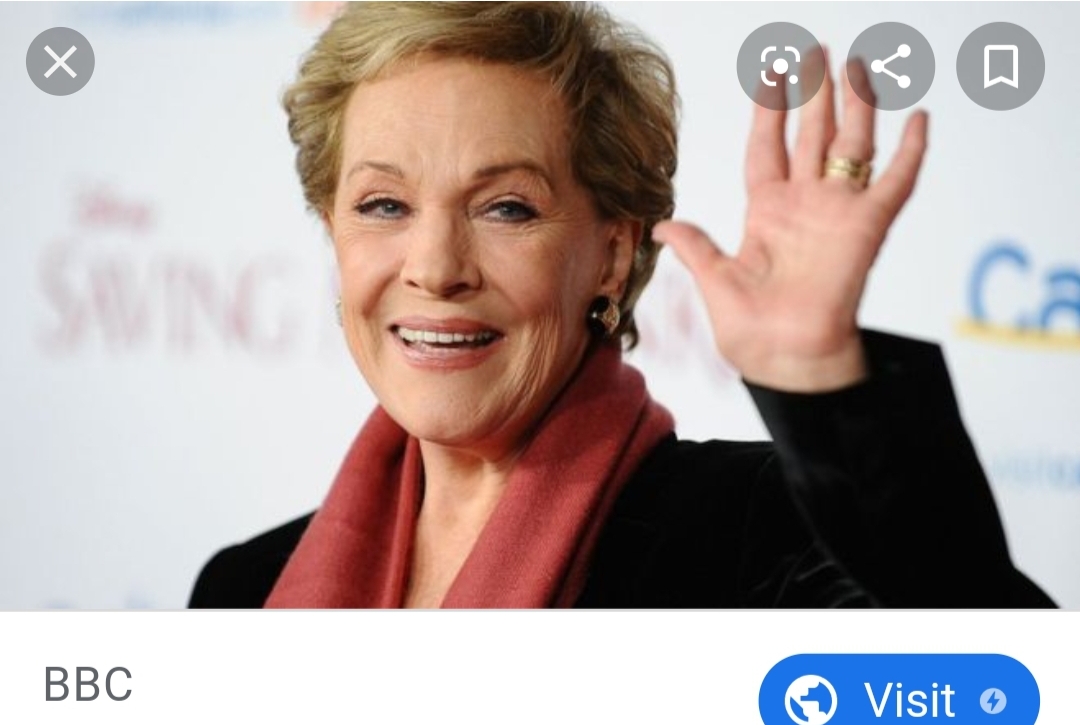
652) Julie Andrews

Courtesy of the BBC

652: Julie Andrews

Actress and Singer

Born: 1 October 1935, Walton-on-Thames, Surrey, United Kingdom

Julie was once able to sing in four octaves; which allowed her to launch an early career in stage musicals like Cinderella, My Fair Lady, The Sound of Music, and Mary Poppins.

Julie grew up in the world of performing arts and took part in her first production of Cinderella at the age of twenty. By 1964, Julie was a worldwide star thanks to her starring role in Disney’s Mary Poppins. Julie would go on to win the Academy Award for the film.

The following year, The Sound of Music debuted in theatres, becoming the highest grossing film of its day. Julia has also starred in films like Victor Victoria (which earned her another Academy Award nomination) and then became an even bigger household name, for a new generation, as she starred in The Princess Diaries and The Princess Diaries 2: The Royal Engagement as the enigmatic Queen of Genovia, Clarisse Renaldi.

Julie has been married twice and has three children and two step-children. During the 1970’s, she also authored two children’s books.

In 1997, Julie had to undergo a throat operation, which subsequently destroyed her ability to sing with perfect pitch. In the ensuing years Julie has only sung in public less than a handful of times.

In 2000, Julie was named a Dame, Order of the British Empire.

Badges Earned:

Located in My Personal Library:

Ink & Paint: The Women of Walt Disney's Animation by Mindy Johnson

The Rough Guide to Film Musicals by David Parkinson

Sources:

https://www.imdb.com/name/nm0000267/bio?ref_=nm_ov_bio_sm

https://www.britannica.com/biography/Julie-Andrews

https://www.theguardian.com/lifeandstyle/2019/oct/19/julie-andrews-second-memoir-home-work-interview

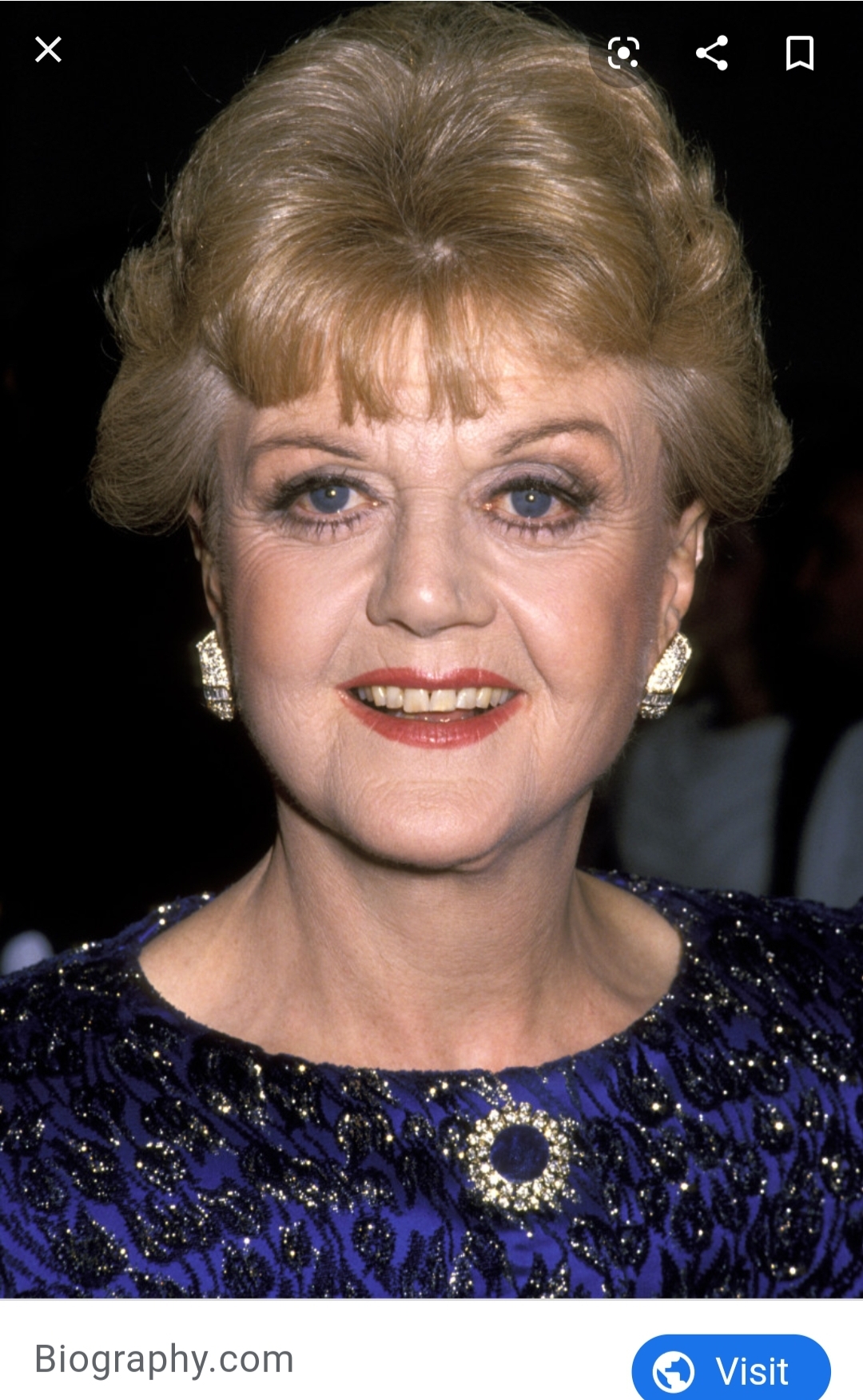
651) Angela Lansbury

Courtesy of Biography

651: Angela Lansbury

Beloved Actress

Born: 16 October 1925, London, United Kingdom

Died: 11 October 2020, Los Angeles, California, United States of America

Angela earned her first Academy Award nomination for her first film role, Gaslight, in 1944. Today, Angela is best remembered for her roles in Murder She Wrote, Beauty and the Beast (the original Disney Cartoon), and Bedknobs and Broomsticks. Though her work had slowed down in recent years, Angela had yet to fully retire at the time of her death.

Angela earned three Academy nominations and had worked in Broadway and Television as well. Angela also earned four Tony awards; despite being nominated for the Emmy eighteen times for her work on Murder She Wrote and other projects; Angela never won that particular award.

In 1951, Angela became a naturalized United States citizen.

In 2014 she was named a Dame, Order of the British Empire (DBE).

Angela’s hand prints are impressed outside Disneyland Paris. She was one of the performers asked to help open the park, which was the first Disney Theme park in Europe.

Badges Earned:

Find a Grave Marked

Located In My Personal Library:

Appetite For America: Fred Harvey and the Business of Civilizing the Wild West--One Meal at a Time by Stephen Fried

Harvey Houses of Arizona: Historic Hospitality from Winslow to the Grand Canyon by Rosa Walston Latimer

Sources:

https://www.imdb.com/name/nm0001450/bio?ref_=nm_ov_bio_sm

https://www.biography.com/actor/angela-lansbury

https://www.nytimes.com/2022/10/11/arts/angela-lansbury-dead.html

https://www.findagrave.com/memorial/244491514/angela-lansbury

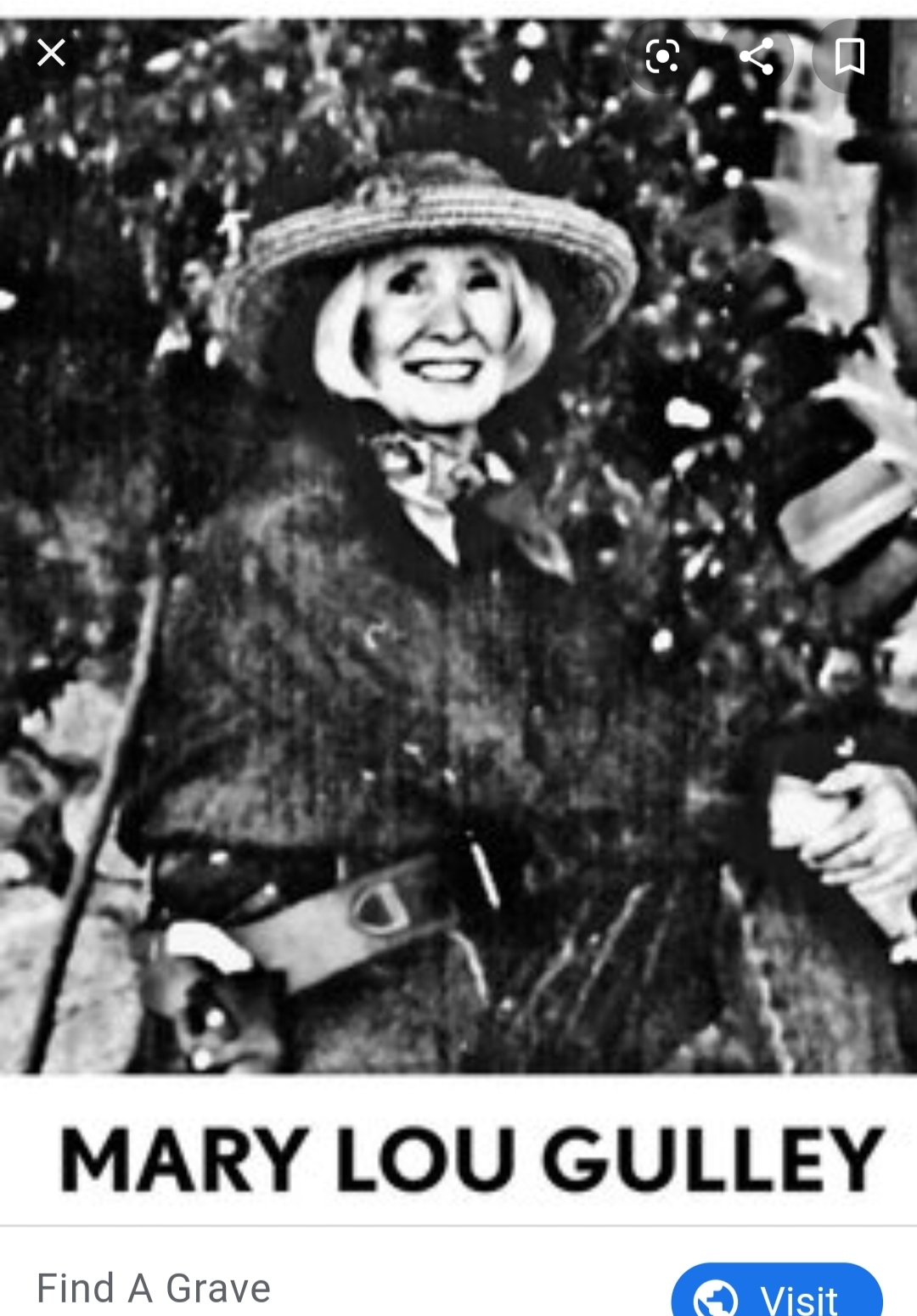
650) Mary Lou Gulley

Courtesy of Find a Grave

"Please, Daddy, build me a big and strong castle someday that I can live in."

650: Mary Lou Gulley

The Mystery Castle Owner in Phoenix, Arizona

Born: 1923, Seattle, Washington, United States of America

Died: 3 November 2010, Phoenix, Arizona, United States of America

Mary’s father built the castle for her after having to leave his family to battle tuberculosis in 1929. At the time, one of the best treatments for the lung disease was living in a place with a dry and arid climate; and what better place to find that then the Sonoran Desert? Mary Lou and her mother had no idea why her father had left, or if he would ever return.

A few years later, Mary began to receive letters from her father that were postmarked from Arizona. Her father never once asked for her to join him in Arizona, nor did he tell her exactly where he was living or what his circumstances were.

In 1945, Mary and her mother came to Phoenix after receiving word of her father’s death. They were informed he had owned a property, which now belonged to Mary, but they had no idea what they would find when they arrived in Phoenix. Unbeknownst to them, Mary’s father, who had spent two years in college pursuing an architectural degree, had spent the last fifteen years building his daughter her own castle to live in. By the time he died, Mary’s father had created an 8,000 square foot fortress with eighteen rooms, thirteen fireplaces, and twisting hallways made from mostly recycled materials.

Mary inherited the castle in her father’s estate and would ensure it was a home and tourist attraction for visitors from around the world for the rest of her life. Her father had stipulated in his will the castle was hers, so long as she didn’t open the trapdoor in the basement until New Years’ Day 1948. Mary abided the wish, spending the intervening years finding notes hidden beneath loose stones in the walls. On January 1st that fateful year, reporters from Life Magazine watched as Mary descended into the basement of the castle.

Inside she discovered gold, cash, and letters and a photograph of her father. Mary would spend the rest of her life living in the castle; her obituary named her the “Resident Princess and Proprietress of the Mystery Castle.”

Mary won a Mark Twain Young Writer’s award for her book My Mystery Castle.

Mary’s story was featured on an episode of Monumental Mysteries entitled "St. Urho, Mystery Castle, Bat Bombs".

In March 2022, the castle was vandalized and suffered approximately $200,000 worth of damage. As a result, the castle has been closed to visitors ever since.

In 2023, the owners of the Mystery Castle (a 501(c)(3) charity who had overtaken the property's management after Mary's death) requested a permit from the city of Phoenix to demolish the castle. The Phoenix Historic Preservation office denied the permit--for one year.

The reason for why the castle could be demolished is most likely because of the cost of maintaining it, bringing the castle up to city code, and because the property that the castle sits on is worth a ton of money. While the charity foundation has refused to answer questions as to why they want to demolish the very thing they are supposed to protect, the answer is most likely the fact that they can make a lot more money demolishing the castle and selling the land then they ever possibly could by trying to maintain the dilapidated structure.

Hopefully the update we receive in November 2024 brings us more insight into what's happening with the castle.

Badges Earned:

Find a Grave Marked

Sources:

https://www.legacy.com/obituaries/azcentral/obituary.aspx?n=mary-lou-gulley&pid=146971415

https://falconerfuneralhome.com/mysendoff/story/the-mystery-castle-of-mary-lou-gulley

http://www.weirdus.com/states/arizona/personalized_properties/mystery_castle/index.php

https://www.findagrave.com/memorial/131683664/mary-lou-gulley

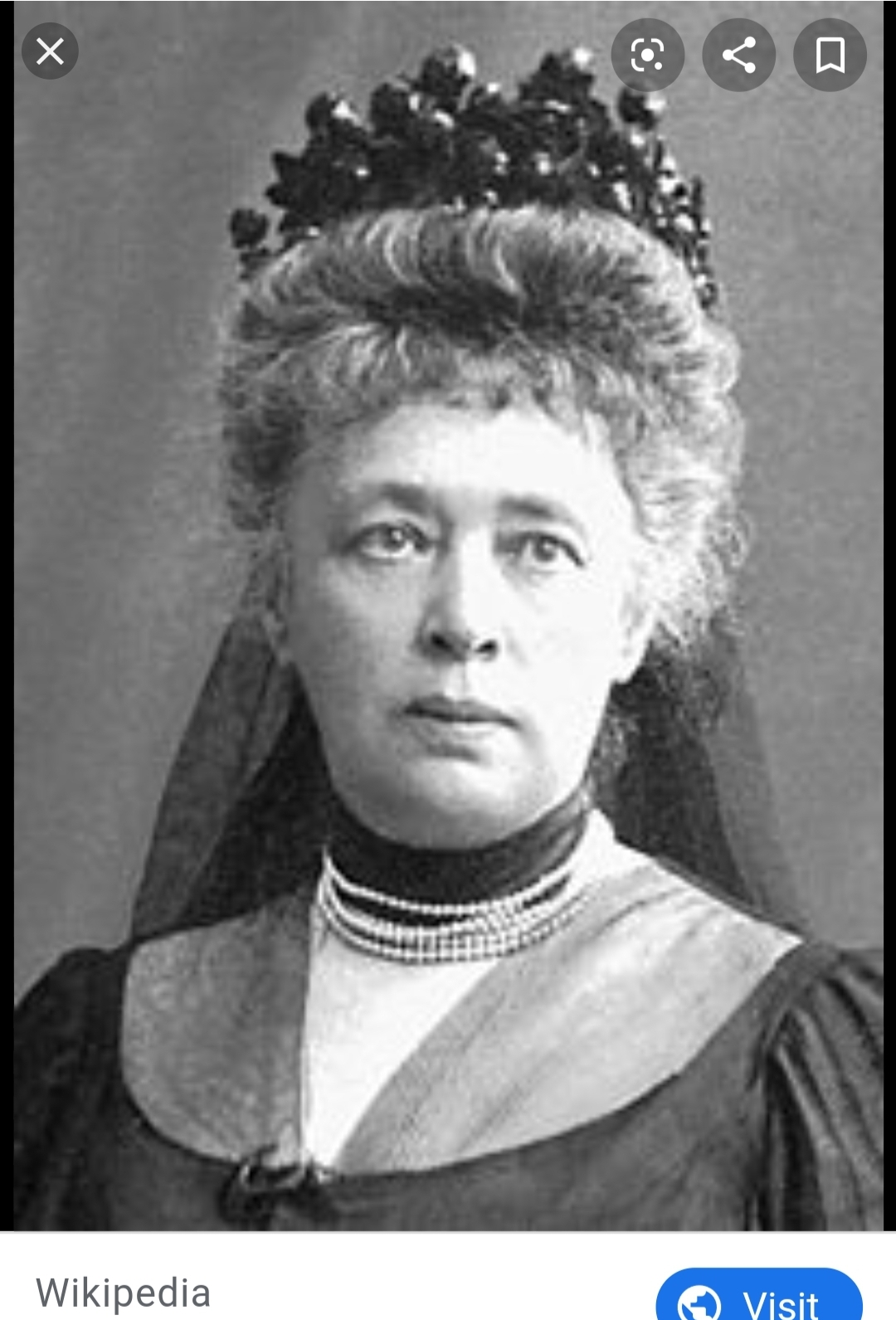
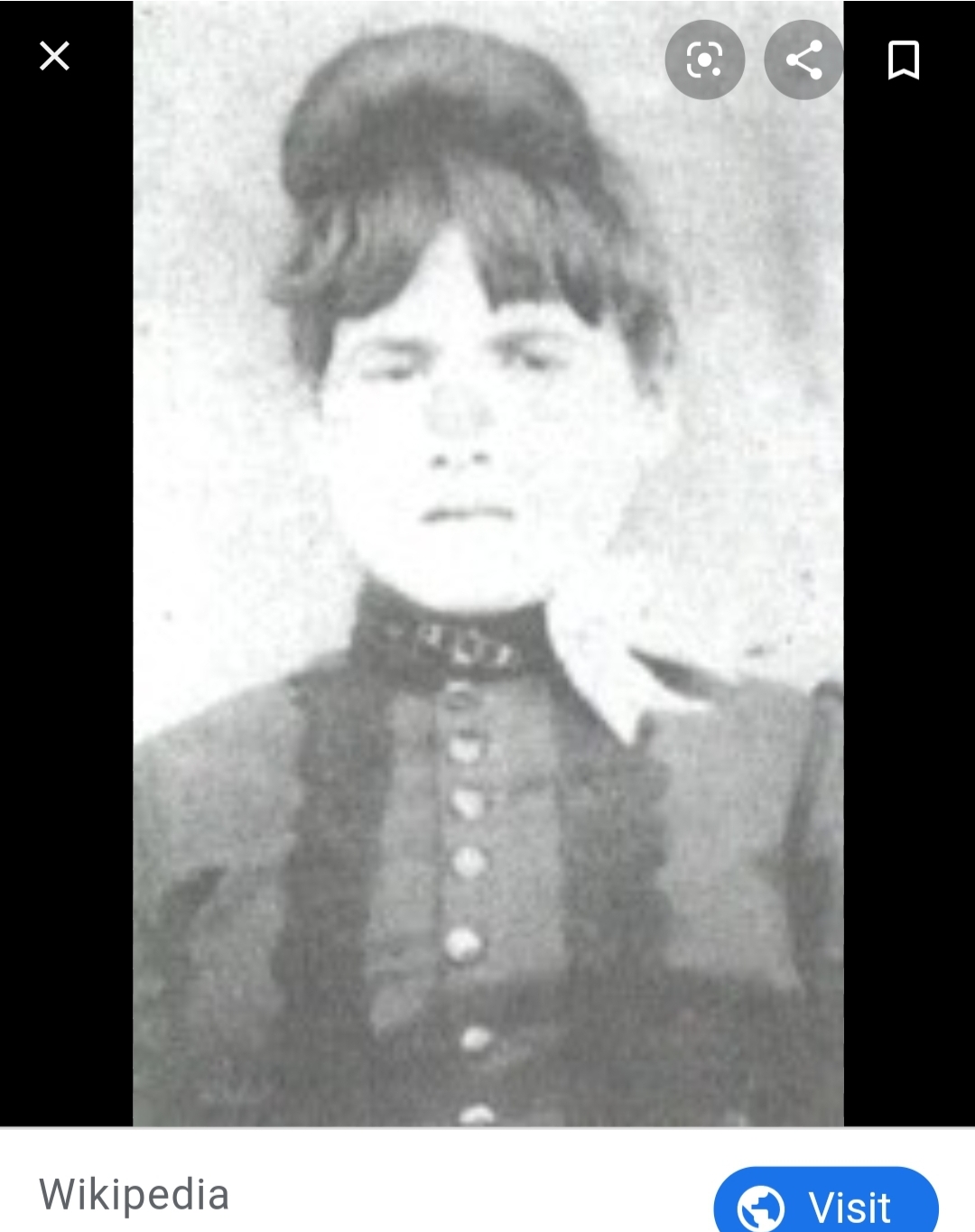
649) Bertha von Suttner

Courtesy of Wikipedia

“War is not necessary to achieve glory. In technology, art, science…more beautiful goals than those on the battlefield beckon.”

649: Bertha von Suttner

Novelist and Peace Activist

Born: 9 June 1843, Prague, Austrian Empire (Present-day Prague, Czech Republic)

Died: 21 June 1914, Vienna, Austrian Empire (Present-day Vienna, Austria)

Bertha was the first Woman to be Awarded the Nobel Peace Prize independently. She was also the second female Nobel laureate overall.

Bertha wrote poetry, other works, and taught languages, needing these jobs to earn money. Bertha and her husband’s marriage was not approved of by his family (she was seven years older than him after all), and so they moved to the Caucasus and worked primarily as writers.

Eventually her husband’s family grew amicable to their marriage, and Bertha and her husband returned to Austria, where she would write the majority of her works. It was upon her return to Austria that Bertha became entrenched in the cause of peace, writing multiple books and working in various aid societies to promote the cause.

Bertha served as longtime president of the Austrian Peace Society. Bertha’s work in the peace society was so instrumental in fact, she is seen as partially responsible for Alfred Nobel’s creation of the Nobel Peace Prize.

Bertha passed away two months before the world descended into what would be called “The War to End All Wars”. She had spent the last decades of her life warning Europe this war would come to pass should they not change their ways, and Bertha might have seen it come true had it not been for the illness that took her life (suspected to have been cancer).

In December of 2019, Google honored Bertha with a Google Doodle on the anniversary of her being awarded the Nobel Peace Prize.

Badges Earned:

Find a Grave Marked

Located In My Personal Library:

Uppity Women Speak Their Minds by Vicki Leon

The Book of Awesome Women: Boundary Breakers, Freedom Fighters, Sheroes, and Female Firsts by Becca Anderson

Sources:

https://www.nobelprize.org/prizes/peace/1905/suttner/biographical/

https://www.google.com/doodles/celebrating-bertha-von-suttner

https://www.britannica.com/biography/Bertha-Freifrau-von-Suttner

https://www.findagrave.com/memorial/143445002/bertha-von_suttner

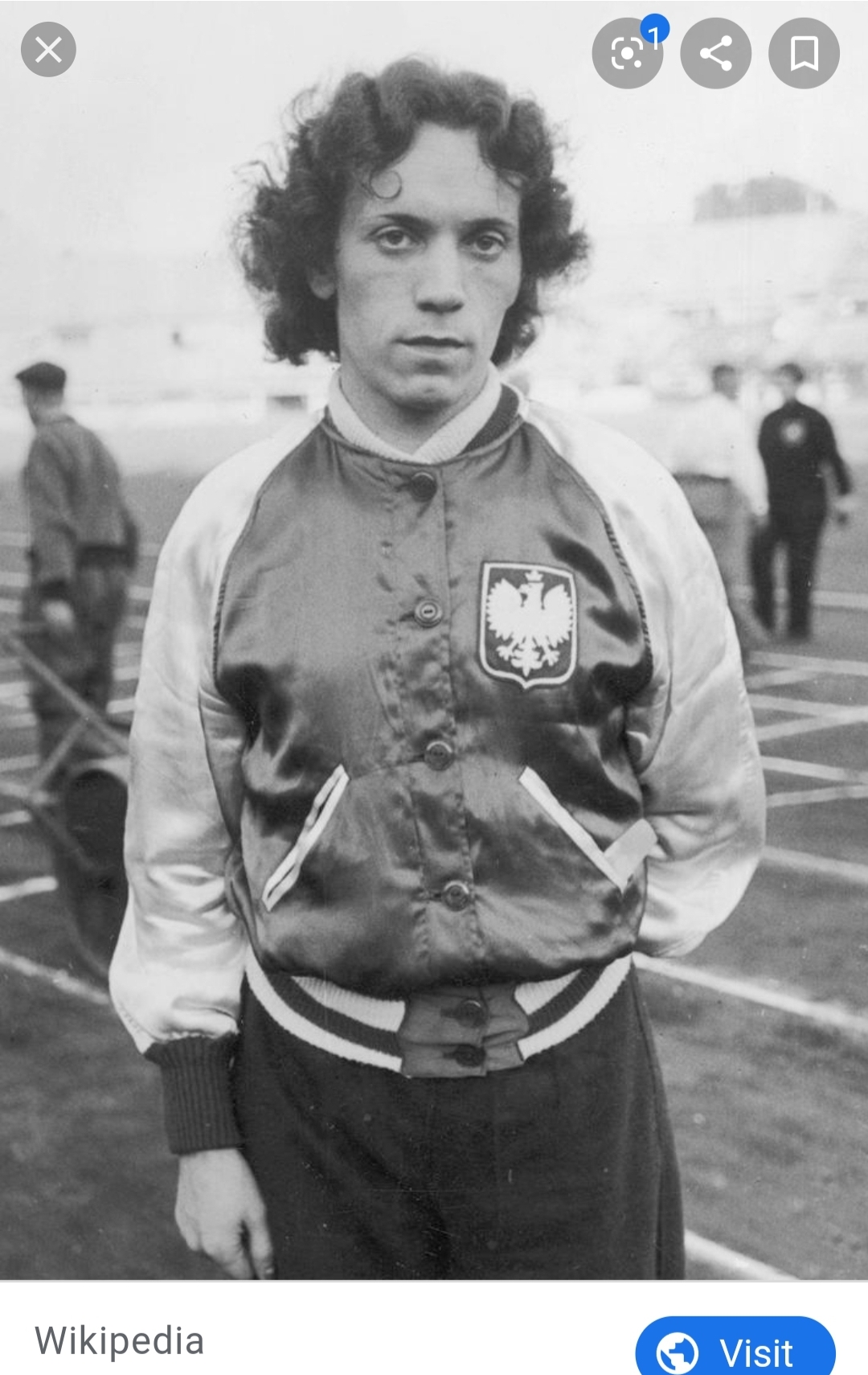
648) Stella Walsh

Courtesy of Wikipedia

"I have competed five times for my native country, Poland, in Olympics and women's Olympiads. But my greatest ambition is to run for my adopted country, America, in the November Olympics at Melbourne, Australia."

648: Stella Walsh

Olympic Athlete With a Sad End to Her Story

Born: 13 April 1911, Poland

Died: 4 December 1980, Cleveland, Ohio, United States of America

Also Known As: Stanisława Walasiewicz

Original Name: Stefania Walasiewicz

Stella was born in Poland, but her family immigrated to the United States when she was a young girl. In high school she competed in track and field and found her passion. She also played for the boy’s baseball team and several others.

In 1930, Stella beat the world record in the 100-yard dash. She was expected to win gold for the United States at the 1932 Olympics.

However, the Great Depression struck first. Stella lost her job and was unable to pay her way to the Olympics in Los Angeles, California. At that time, athletes were expected to pay their own way instead of relying on their country to get them places. Stella had to make a tough decision, and eventually she took a job at the Polish Consulate in New York. This job allowed her to compete at the Olympics, however, she competed for Poland and not the United States.

Her decision would spark backlash from various venues. Some blamed the United States for failing to support their female athletes. Others claimed Stella was betraying her new home country. Either way, Stella’s naturalization as a citizen was delayed for fifteen years. Finally, in 1947, Stella was granted US citizenship.

In 1936, Stella would again compete at the Olympics for Poland. She won gold in 1932 and silver in 1936, losing to a rival from the United States. Stella’s impressive strides led to nasty rumors and remarks, with some claiming she was secretly a man. This was compounded by the fact she stood six feet tall and had features that are seen as more typically masculine. Her appearance and athletic prowess led to her being called “Bull Montana” in high school.

After the 1936 games, Stella faded from the spotlight, but never stopped competing in various athletic competitions. In 1952, Stella tried to compete for the US at the Olympics but was barred because of a rule stating an athlete could only compete for one country in their lifetime. However, a loophole was soon discovered. A woman could compete for a second country if she married a man from that country. Stella soon married an American man twelve years her junior.

She tried out, but Stella failed to make the Olympic team. Stella and her husband separated a few months later, but never finalized their divorce. Stella attempted to try out again in 1960, but again failed to make the team. She was inducted into the US Track and Field Hall of Fame in 1975.

In 1980, Stella was murdered in a Cleveland Parking lot in a robbery gone wrong.

It was discovered at her subsequent autopsy that Stella had been born with Mosaicism—a genetic disorder that causes sexually ambiguous genitalia. Unfortunately, this discover sparked rumors and speculation against Stella all over again, harkening back to her days as an Olympic Athlete. Neighbors and friends claimed they had always known Stella was intersex, but that it didn’t matter, she was always a woman. Her husband called her a freak of nature while in the same breath claimed they’d been intimate on occasions and that he’d never suspected anything was “wrong.” Soon, the press started calling her “Stella the Fella.” However, it is important to note Stella lived her entire life as a woman and nothing else.

Thankfully, the IOC (International Olympic Committee) ruled against rescinding any of Stella’s medals after her death because of the gender controversy.

Badges Earned:

Find a Grave Marked

Sources:

https://www.britannica.com/topic/1932-Olympic-Games-The-Curious-Story-of-Stella-Walsh-1367962

https://www.mentalfloss.com/article/69911/how-olympic-sprinter-stella-walsh-nearly-lost-her-medals-because-her-autopsy

https://www.findagrave.com/memorial/4424/stella-walsh

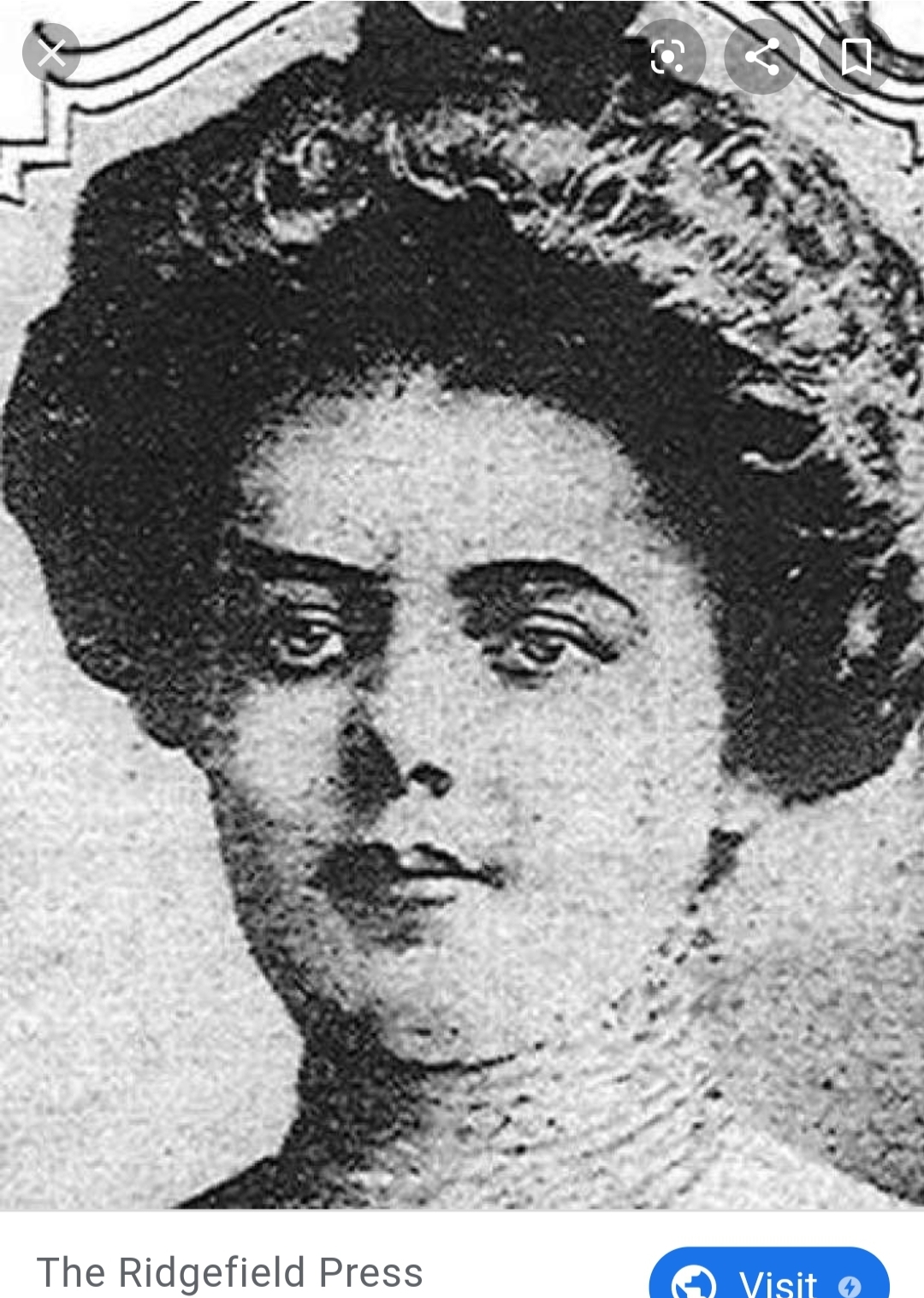
647) Mary Mallon

Courtesy of The Ridgefield Press

647: Mary Mallon

And This is Why Quarantine and Ethical Treatment Are So Important

Born: 23 September 1869, Cookstown, Northern Ireland, United Kingdom

Died: 11 November 1938, The Bronx, New York, United States of America

Also Known As: Typhoid Mary

After immigrating to New York City from Ireland, Mary took on the job of being a cook for a wealthy man. Within three weeks six of the eleven people in the house had come down with typhoid fever.

It was soon discovered that of the eight families Mary had lived with over the past ten years, seven had had typhoid fever outbreaks with one person dying.

Mary earned the nickname “Typhoid Mary” due to the fact she was what is called a “healthy carrier”, in this case of salmonella typhi. A healthy carrier is someone able to spread a disease without ever feeling the symptoms themselves.

It is believed in 1907 alone the outbreak in New York City that affected 3,000 people stems from Mary simply being present in the city and spreading the germs. Mary was first placed in isolation that same year, but by 1910 had been freed on the promise she would never work as a cook again. Mary agreed despite knowing her one real job skill was cooking.

Five years later, Mary was discovered working at a hospital. During her three months working at the hospital twenty-five people were infected with typhoid and two died. Mary had managed to get the job after claiming her name was “Mary Brown.” Suffice to say, Mary was once again placed in isolation, where she remained for the rest of her life, including the last six years of which after she was paralyzed from a stroke.

Today, Mary’s life and her treatment at the hands of the New York Health Department raise lots of ethical questions. Mary was never educated on why she was such a risk to others, or how she carried the disease. The years she spent in isolation were solitary ones, with the only visitors stemming from doctors intending to use her as a type of lab rat. By the time she died, New York had identified around 400 other “healthy carriers”, but none of them were ever forcibly isolated.

Mary Mallon was, well, I'm not sure if "Honored" is the right word or not--but I recently found out that a hip-hip/rock band named Hail Mary Mallon after her. According to the band's Wikipedia article, they released music from 2009 to 2018 and several of their songs were either food-related or, in the case of the song I have linked here in the article entitled "Plagues and Bacon"--were loosely inspired by Mary's story.

Badges Earned:

Find a Grave Marked

Located In My Personal Library:

American Passage: The History of Ellis Island by Vincent J Cannato

National Geographic History Magazine Article "Robert Koch: The Bacteria Hunter" by Raul Rivas (July/August 2021 Edition)

Sources:

https://www.ncbi.nlm.nih.gov/pmc/articles/PMC3959940/

https://www.smithsonianmag.com/history/the-frightening-legacy-of-typhoid-mary-180954324/

https://www.history.com/news/10-things-you-may-not-know-about-typhoid-mary

https://www.pbs.org/wgbh/nova/typhoid/letter.html

https://www.findagrave.com/memorial/2166/mary-mallon

https://first-avenue.com/performer/hail-mary-mallon/

https://en.wikipedia.org/wiki/Hail_Mary_Mallon

646) Zona Heaster Shue

Courtesy of Wikipedia

646: Zona Heaster Shue

The Greenbrier Ghost

Born: c.1873, Greenbrier County, West Virginia, United States of America

Died: 23 January 1897, Greenbrier County, West Virginia, United States of America

Also Known As: Elva Zona Heaster Shue

Zona’s death was presumed accidental from a fall down the stairs until her ghost appeared to her mother and told her she’d been murdered by her husband. Just wait, it gets weirder, because…

Zona’s case is the only known case in United States history where a spirit’s testimony helped convict a man and send him to state prison. No, I am not kidding.

Part of the reason is what so easy to convict her husband is because they had only married five months before her death. Prior to their wedding, he was also new to town, meaning not many people knew him or trusted him. He had married twice before, and soon it was learned that his first wife divorced him while he was in prison for stealing a horse (she claimed he was abusive) and his second wife died a “mysterious” death. On the day Zona died, her husband moved her body upon learning of her death before the coroner could make his initial examination. Then, reportedly, once he did begin to examine the body, Zona’s husband became upset and asked him to leave.

Zona’s ghost appeared to her mother four nights in a row, and she told her mom exactly what evidence was needed to convict. She claimed her husband had murdered her after she failed to prepare any meat for dinner. Zona claimed her husband had strangled her in a specific spot on her neck, and when her body was exhumed and examined more closely, the coroner found evidence at that exact spot. After the autopsy, Zona’s body was reinterred. Her spirit was never seen again, and her husband died in prison in 1900.

Zona’s story appeared on an episode of Monumental Mysteries entitled "First Circus Elephant, Greenbrier Ghost, Death of Captain Cook."

Badges Earned:

Find a Grave Marked

Sources:

https://www.onlyinyourstate.com/west-virginia/the-greenbrier-ghost-zona-heaster-shue-wv/

https://www.mentalfloss.com/article/30608/elva-zona-heaster-ghost-who-helped-solve-her-own-murder

https://www.findagrave.com/memorial/5015852/zona-shue

645) Rose Michtom

Courtesy of Find a Grave

645: Rose Michtom

Co-Inventor of the Teddy Bear

Born: c.1867, Russian Empire

Died: 29 August 1937, Brooklyn, New York, United States of America

Hebrew Name: Rochel Malka

Rose created the teddy bear alongside her husband, Morris.

Rose and her husband were Russian Jewish immigrants who emigrated to Brooklyn, New York, United States of America at different times, meeting in Brooklyn. They had five children together.

In 1902, President Roosevelt was working to find a solution for the boundary dispute between the states of Louisiana and Mississippi. While there, President Roosevelt, who was known for his big game hunts, decided to partake in a five-day long black bear hunt. For four days, President Roosevelt trekked through the wilderness with no luck. On the fifth day, a fellow hunter captured a black bear cub and tied it up, to allow the president to get his kill. However, President Roosevelt refused to harm the cub; he would only shoot an animal that had been given a fair chance to defend itself first. (It should be noted that sources dispute whether the bear was a cub or an older aged bear—but the point still stands regardless).

The story of President Roosevelt refusing to shoot the baby bear took the nation by storm. Bears were suddenly flipped from a symbol of fear to one of love and affection. Rose and her husband Morris decided to capitalize on this new idea and created the teddy bear to sell in their small shop in Brooklyn. It started with a single bear Rose sewed to sit in the ship window (labeled Teddy’s Bear). Within a single day, Rose and Morris had numerous offers to buy the bear.

The teddy bear went on to become the symbol of the Republican party for the election cycle of 1904. The bears were so popular they were displayed all over the White House, and Rose and her husband Morris decided to commit all their time to creating and selling their Teddy’s Bears. Soon after they founded Ideal Toy Company, which remained in the Michtom family until the 1970’s. Ideal Toys would go on to become the largest doll manufacturer in the United States.

Despite the fact the Teddy’s Bear made the Michtoms millionaires, they did not settle into a life of luxury. Rose and Morris supported numerous Jewish charities and aid societies throughout the rest of their lives.

Their first ever bear (which was sent to the White House after the Michtoms asked President Theodore Roosevelt for permission to use his name) is now preserved by the Smithsonian.

Badges Earned:

Find a Grave Marked

Sources:

https://www.jewishvirtuallibrary.org/rose-and-morris-michtom

https://americanhistory.si.edu/collections/search/object/nmah_491375

https://www.wikitree.com/wiki/Katz-1030

https://www.findagrave.com/memorial/158200248/rose-michtom

644) Martha Borthwick Cheney

Courtesy of History

644: Martha Borthwick Cheney

Most Remembered for Being Frank Lloyd Wright’s Mistress

Born: 19 June 1869, Boone, Iowa, United States of America

Died: 15 August 1914, Spring Green, Wisconsin, United States of America

Also Known As: Mamah Cheney

Martha was previously married with two children, while Frank was still married with six. Though Frank was firmly in love with Martha, his wife refused to grant him a divorce. Martha’s ex-husband was a client of Frank’s, and this is how they originally met.

Martha was a translator and feminist. Together, she and Frank were able to bring the ideas of the Swedish Feminist Ellen Key to the American public. Martha had obtained a bachelor’s degree from the University of Michigan and worked for a time as a librarian.

In 1911, Frank built a home and studio hidden away in a secluded home in Wisconsin for him and Martha to live. The media would dub the home the “Love Cottage”, however the locals were not happy about their new neighbors. The school board was horrified at the thought of Frank and Martha poisoning the minds of the youth with their sin, etc, and some of the townsfolk even wanted the sheriff to arrest Frank.

One day, Frank was in Chicago working on a new commission. Martha sat down to eat with her children, eight-year-old Martha and twelve-year-old John. At the same time, the house servants also sat down to eat. It was a perfectly normal day…until it wasn’t.

Her children, four other domestic servants, and Martha were all murdered by another employee of the home after he went on a homicidal rampage with an axe. Two other people survived the attack. After they were dead, the man tossed gasoline around the house and lit the place on fire.

No motive has ever been definitively proven, but possible explanations include racial issues between the killer and the other members of the staff or the fact that he and his wife were being let go from their jobs the day after the attack.

By the end of 1914, Frank had rebuilt most of the home, and announced he had fallen in love with another woman. They married in 1923, after Frank finally obtained a divorce from his first wife. Then a few years later the “Love Cottage” burned again. Frank rebuilt once more, and today the house is a National Historic Landmark.

Badges Earned:

Find a Grave Marked

Sources:

https://www.history.com/news/the-massacre-at-frank-lloyd-wrights-love-cottage

http://www.steinerag.com/flw/Artifact%20Pages/PhotoWrightPortraitsC.htm

https://www.findagrave.com/memorial/34136185/martha-bouton-cheney

643) Kate Warne

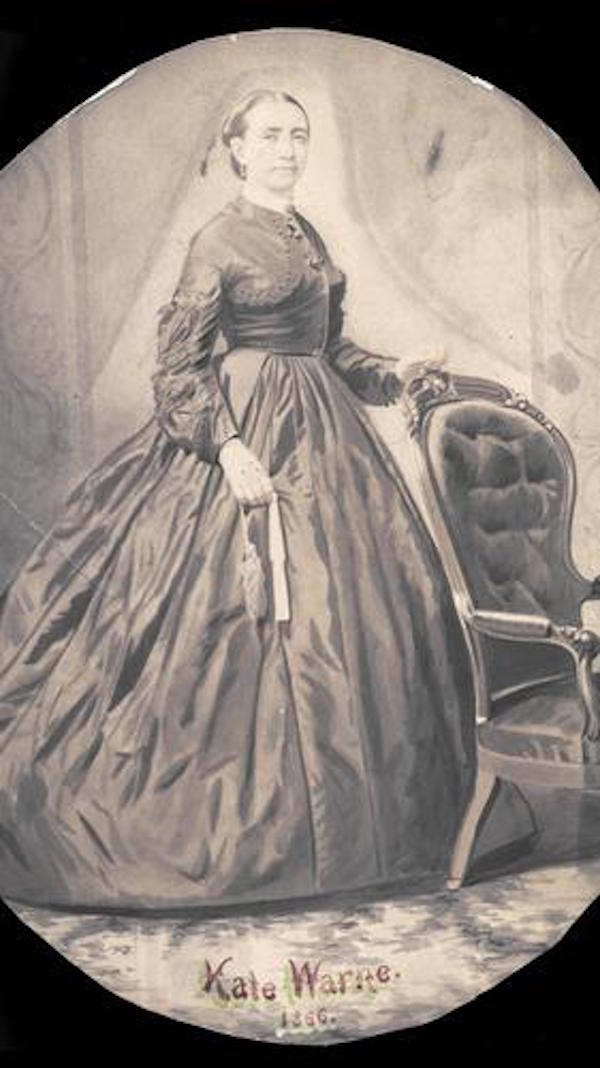
This watercolor of Kate is from 1866. There are no known photographs of Kate.

643: Kate Warne

The First Female Detective in the United States

Born: c.1833, Erin, New York, United States of America

Died: 28 January 1868, Chicago, Illinois, United States of America

Kate worked for the Pinkerton Detective Agency for twelve years, from 1856 until her death. When she arrived at the Pinkerton office, she told Allan Pinkerton she was applying for the new detective job, not to work as a secretary. As a recently widowed woman, Kate was looking for a job to support herself, and evidently also wanted some adventure in her life.

Only two years after starting to work for Pinkerton, Kate was able to catch a thief. The man had stolen around $50,000 from an equity fund, and with Kate becoming friends with the thief’s wife, she was able to catch him in the act. The man would later return around $30,000 worth of the stolen cash and was sentenced to ten years in prison.

Kate was also one of the operatives who protected President Lincoln in 1861 as he traveled from Illinois to Washington DC to assume the presidency. The most important part of her job for the president came in Baltimore, when Kate uncovered an assassination plot against the president-elect. Kate posed as the president’s sister, while he posed as an invalid in disguise on the train, potentially saving his life. Kate was one of two detectives traveling with the president that day; the other was Allan Pinkerton.

Kate also helped break the Rose O’Neal Greenhow spy ring during the War Between the States.

After the war, Kate investigated the murder of a bank-teller. By making friends with the suspected murderer’s wife, Kate was not only able to catch the killer, but also account for the $130,000 taken during the course of the crime.

Then she became superintendent of the Female Detective Bureau in the Chicago office, overseeing the training and operation of several other female detectives.

Kate fell ill with pneumonia and died with Pinkerton himself by her side. Kate was buried in the Pinkerton family plot alongside several other fallen detectives. Kate was so important to Allan Pinkerton he personally thanked her in his memoirs.

In 1871, the majority of the Pinkerton Case files in Chicago were destroyed in a fire, so the already elusive life of Kate Warne became even more so.

Badges Earned:

Find a Grave Marked

Located In My Personal Library:

Who Knew? Women in History by Sarah Herman

The Pinks: The First Women Detectives, Operatives, and Spies with the Pinkerton National Detective Agency by Chris Enss

Sources:

https://www.asisonline.org/security-management-magazine/latest-news/today-in-security/2019/august/detective-kate-warne/

https://allthatsinteresting.com/kate-warne

https://blogs.loc.gov/loc/2015/03/celebrating-womens-history-americas-first-female-p-i/

https://www.findagrave.com/memorial/6425/kate-warne

  • Previous
  • 1
  • …
  • 60
  • 61
  • 62
  • 63
  • 64
  • 65
  • 66
  • …
  • 159
  • Next

Categories

Archives

  • July 2025 (10)
  • July 2024 (1)
  • January 2024 (1)
  • August 2023 (1)
  • June 2023 (2)
  • October 2022 (1)
  • July 2022 (1)
  • June 2021 (3)
  • December 2020 (3)
  • August 2019 (1)
  • July 2019 (2)

Search

© 2026 The Exasperated Historian | Powered by Minimalist Blog WordPress Theme