The Exasperated Historian
Menu
  • Home
  • The Women’s List (New)
  • The Men’s List
  • The Animal List
  • Collections
  • The Blog
  • Contact Us
  • FAQ
Menu

Category: Birth Locations

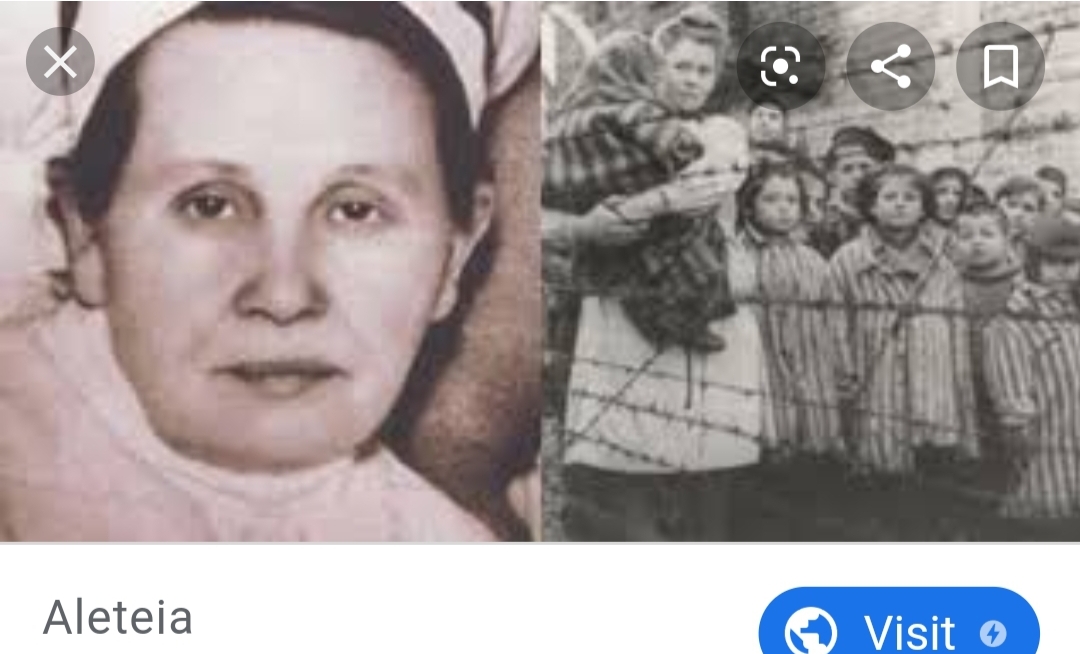
682) Stanisława Leszczyńska

Courtesy of Aleteia

“From that time on, (May 1943), all mothers gave birth at the concentration camp’s hospital. Some mothers were sent to the crematorium together with their infants immediately after they gave birth. The vision of those women each carrying her child wrapped in paper, sometimes on a winter day, to the place of execution, was terrible.”

682: Stanisława Leszczyńska

Midwife at Auschwitz

Born: 8 May 1896, Łódź, Poland

Died: 11 March 1974, Łódź, Poland

Stanisława delivered around 3,000 babies during the two years she was incarcerated there.

Stanisława spent two years in Rio de Janeiro when she was young but spent the majority of her youth in Poland. She married in 1916 and attended a two-year obstetrics school in order to earn her certificate to work as a midwife in Poland. Stanisława was devoutly religious and was said to have prayed for every mother she attended to.

Her husband was a printer who made fake identification for Jews in Poland, as well as providing food and other supplies. Once he was caught their entire family was arrested (Stanislawa and her daughter ended up in Auschwitz, two sons went to Mauthausen Gusen, and her husband and another son escaped and were later killed in Warsaw).

According to her memoirs, all children born in Auschwitz before 1943 were drowned in a barrel after being declared stillborn. When Stanisława arrived and learned she was expected to murder the babies, she refused. She did not cower or bend to the will of the Nazis. Stanisława stood her ground. She began helping mothers and delivering babies with the help of her daughter and some of the other women. Stanisława knew the children would most likely be murdered soon after, but still she did everything to ensure the mothers and babies survived the births, even standing up to Dr. Mengele himself.

After 1943, babies that were blonde with blue eyes were sent to Germany in part of the Lebensborn Program. This program is believed to have kidnapped 100,000 babies in Poland alone in a ten year period. Some non-Jewish mothers were allowed to keep their children, but most died from the horrible conditions in the camp. Other mothers killed their babies themselves in the hopes of sparing them from the Nazis torture.

Stanisława hoped to reunite mothers with their babies by tattooing the children under their armpits where the SS would not see them.

Sadly, 1500 were murdered, 1,000 died from cold and hunger, 500 were sent to Germany to be brought up there, and 30 survived the camp, but none died in childbirth.

In early 1945, when the Nazis ordered prisoners to leave the camp in the now infamous Death March, Stanisława refused to leave, staying in the camp until liberation. After she was freed, Stanisława returned to working as a midwife. She did not begin discussing what she had done in Auschwitz until after she retired in 1957 or 58 (sources differ).

Stanisława is an official candidate for canonization by the Catholic Church.

Badges Earned:

Find a Grave Marked

Sources:

https://www.history.com/news/auschwitz-midwife-stanislawa-leszczynska-saint

https://www.mp.pl/auschwitz/journal/english/206159,stanislawa-leszczynska

https://www.polishnews.com/stanislawa-leszczynska-midwife-in-auschwitz

https://www.findagrave.com/memorial/130579070/stanislawa-leszczynska
681) Cora the Witch

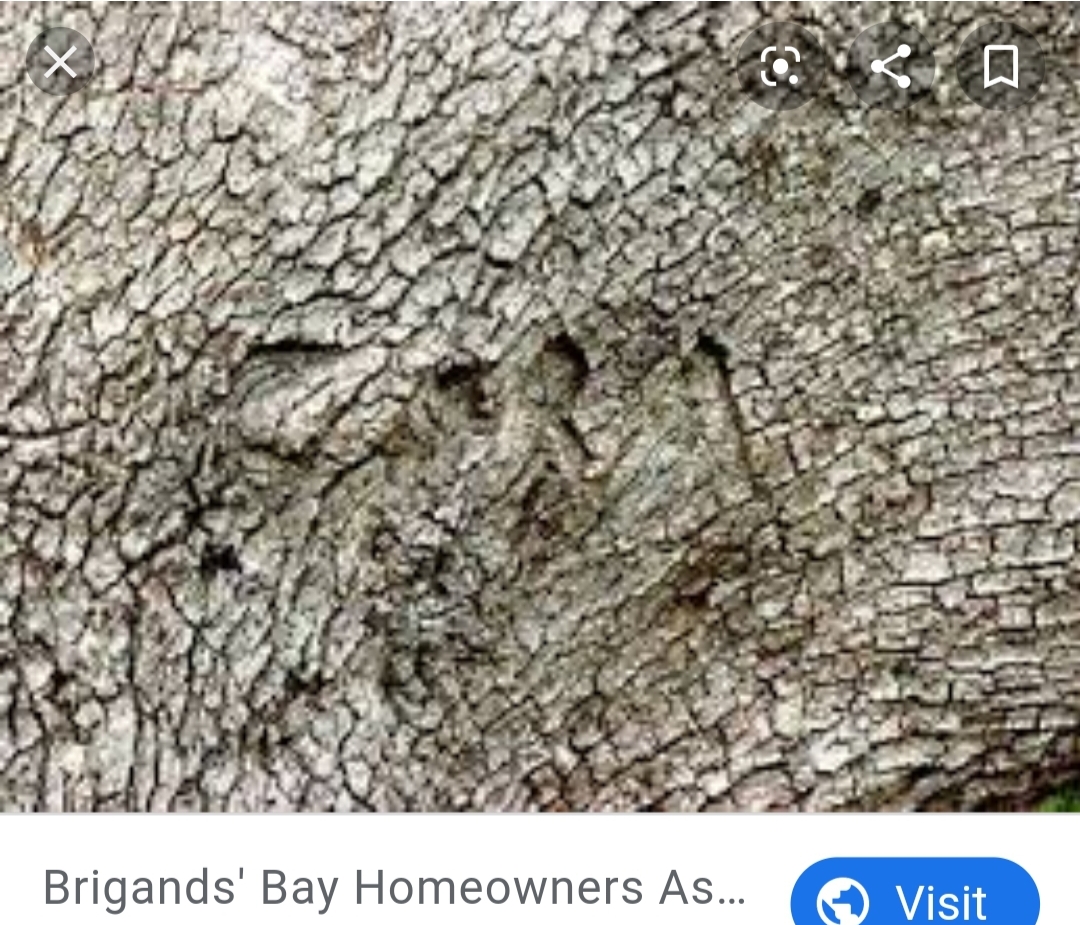
Courtesy of Brigands' Bay Homeowners Association

681: Cora the Witch

Legend behind the Cora Tree on Hatteras Island in North Carolina

Birth and Death Dates Unknown, As Are Locations

Reportedly, Cora showed up one day and started living in a little hut not far from the Cora Tree. She lived alone except for this baby she took with her everywhere.

Pretty soon the neighbors noticed every time Cora came into town something bad happened afterward. Still, the neighbors let her be, until one day a body washed ashore with the digits 666 branded on it and small dainty footprints leading away. The body was the last straw, and Cora was accused of being a witch. This was only a few years after the Salem Witch Trials had rocked the colonies, and people were still on edge. No surprise, Cora tested positive; and by tested positive, so the story goes, her hair couldn’t be cut and she floated in water, Guilty!

As a result, Cora and her baby were tied to a tree and were supposed to be set on fire, but one person protested, and the baby turned into a devil-like creature (some say a cat) and disappeared which scared the crap out of everyone. So, then the villagers tried to set the tree on fire. Instead a giant bolt of lightning came down and Cora disappeared leaving the letters “Cora” in the tree trunk. She was never seen again.

If you visit the tree today, you can still see the letters in the trunk of the tree (pictured here in this article). While it may seem improbable that the carving has survived over three hundred years, arborists have concluded that carvings in tree trunks, especially in the type of tree the Cora Tree is, can survive hundreds if not thousands of years, so please do not carve tree trunks!

One of the articles I’ve linked below hypothesizes that the CORA carving might actually be older than the Cora Legend states. The carving is done in a similar style and placement to the CROATOAN and CRO carvings found on Roanoke Island, also in North Carolina. Those carvings are believed to have been left behind by the Lost Colonizers of Roanoke, including Virginia Dare. While we may never know for certain where the CORA carving comes from, or even if Cora herself was a real person, the story is still a fascinating and fun one to read about.

Cora’s story was highlighted on an episode of Monumental Mysteries entitled "Escape From Slavery, A Witch on Hatteras Island, The Horn That Made a Big Bang".

Sources:

https://www.hatterasrealty.com/blog/hatteras-history/hatteras-island-mystery-cora-tree

https://islandfreepress.org/hatteras-island-features/the-cora-tree-a-halloween-worthy-local-legend-or-a-link-to-the-lost-colony/#:~:text=

http://brigandsbay.org/tree.asp

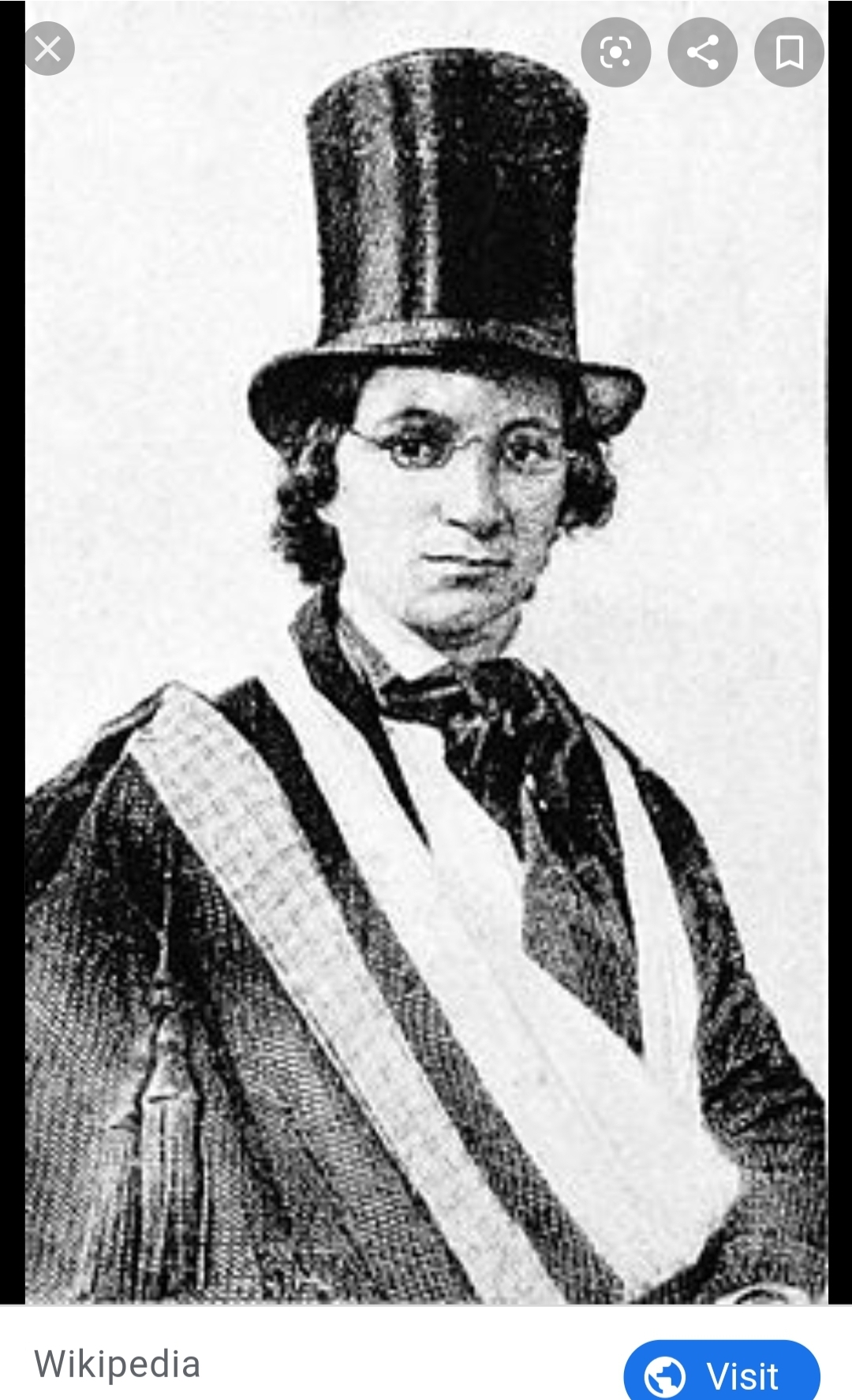
680) Ellen Craft

Courtesy of Wikipedia

680: Ellen Craft

Escaped Slave Who Traveled With Her Husband to Freedom

Born: 1826, Clinton, Georgia, United States of America

Died: 1891, Charleston, South Carolina, United States of America

When she married her husband, they had different owners—meaning they could not live together or build a home as a free couple would. Ellen and William also feared the very thought of having children and seeing them sold to various owners across the south. These fears and the dream of having a future together inspired the couple to escape.

When the time came, Ellen and William were able to obtain passes for a few days off from work thanks to the fact they were well behaved to their masters. Ellen and William worked together to craft Ellen’s disguise, transforming her into a well-to-do white southern cotton planter. Ellen went so far as to place her arm in a sling so people on their route wouldn’t ask her to sign anything, as both Ellen and William were illiterate.

Ellen has been described as a quadroon, meaning she had three-fourths white ancestry one-fourth African. Her light skin enabled Ellen to pose as an upper-class male white slaveowner. During their escape, Ellen and her husband rode in first class on trains, dined with ship’s captains, and experienced a side of life they had only dreamed of before. However, this isn’t to say the journey was all smooth sailing. Ellen and William were detained several times along the route, before finally escaping to freedom. They arrived in free-Philadelphia on Christmas Day, 1848.

Immediately the Crafts were given their first lessons in learning to read and write. They moved to Boston and both got jobs, carving out a living for themselves. Their neighbors and fellow abolitionists in Boston protected them from bounty hunters that came calling after the passage of the Fugitive Slave Act in 1850, which allowed bounty hunters to return escaped slaves to their owners in the south. However, the hunters rightly scared the Crafts enough to move to England.

Upon arriving there, the Crafts quickly garnered a sizable income from people hearing their story. They went on lecture tours in the US and in England and wrote a book to generate more money for the family. The Crafts returned to the United States after nineteen years; by then they were the parents of five children.

The Crafts opened a school to teach former slaves in Georgia upon their return, living happily ever after.

Their story was highlighted in an episode of Monumental Mysteries entitled "Escape From Slavery, A Witch on Hatteras Island, The Horn That Made a Big Bang".

Badges Earned:

Find a Grave Marked

Located In My Personal Library:

National Geographic History Magazine Article "Ellen Craft: The Appearance of Freedom" written by Tucker Toole (January/February 2022 Edition)

America's Women: 400 Years of Dolls, Drudges, Helpmates, and Heroines by Gail Collins

Sources:

https://www.smithsonianmag.com/history/the-great-escape-from-slavery-of-ellen-and-william-craft-497960/

https://www.findagrave.com/memorial/187533194/ellen-craft

https://www.monticello.org/getting-word/william-and-ellen-craft-story

679) Hattie Lewis Lawton

Courtesy of Wikipedia

679: Hattie Lewis Lawton

Pinkerton Detective

Born: c.1837

Died: after 1862

The majority of Hattie’s life is shrouded in mystery.

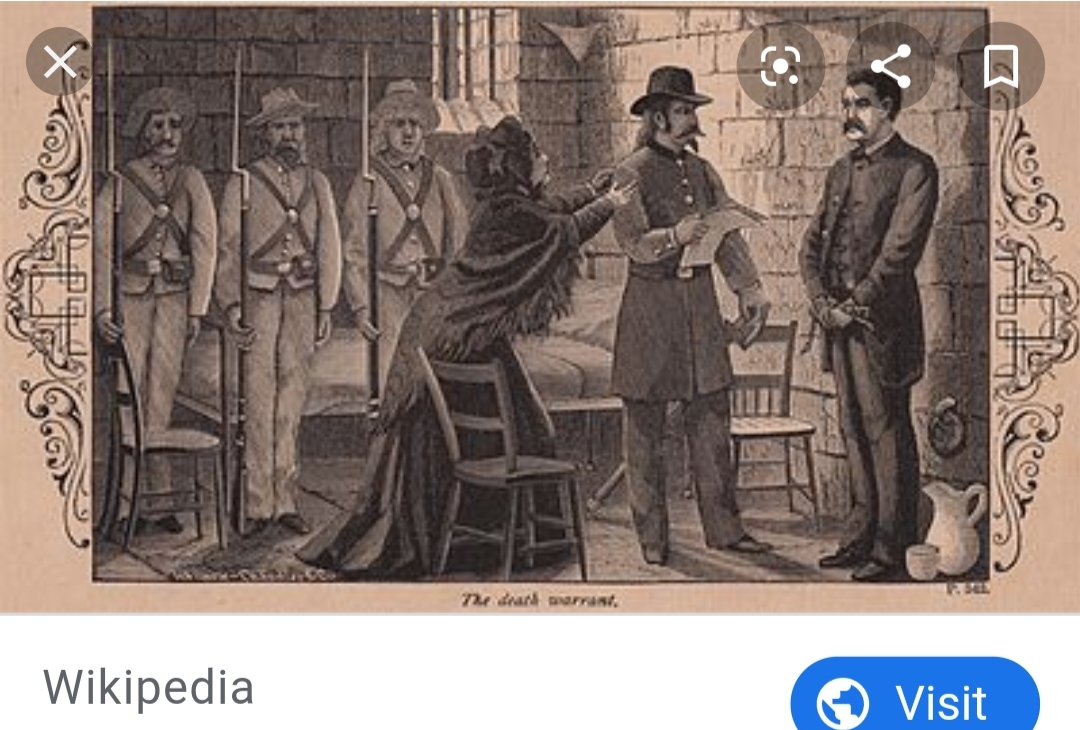
What is known is that she was a part of the Female Detective Bureau that Pinkerton formed in 1860 alongside Kate Warne. Hattie and Kate were both widows at the time, with Hattie being the second woman hired in 1860.

Two sources claims Hattie was mixed race but could pass as white. If true, that means Hattie was likely the first mixed race female detective.

Eventually, Hattie took a job posing as the wife of another spy named Webster in then Confederate Richmond. While there, Webster fell in and Hattie tended to him, but she was so busy tending him she was unable to send communications back to Pinkerton. The agency deployed two agents to Hattie and Webster’s location in an attempt to see what had happened to them, but these agents were recognized and arrested. These agents revealed Hattie and Webster’s true identities, leading to Webster being convicted of espionage and executed.

Hattie was also found guilty but was sentenced to one year in prison instead. Hattie was one of four federal prisoners exchanged for the Confederate spy Belle Boyd in December of 1862.

After returning to Pinkerton’s Agency, Hattie vanishes from the annals of history.

Badges Earned:

Located In My Personal Library:

The Pinks: The First Women Detectives, Operatives, and Spies with the Pinkerton National Detective Agency by Chris Enss

Sources:

https://military.wikia.org/wiki/Hattie_Lawton

https://www.asisonline.org/security-management-magazine/latest-news/today-in-security/2019/august/security-history-hattie-lawton/

https://cowgirlmagazine.com/hattie-lawton-wild-women-wednesday/

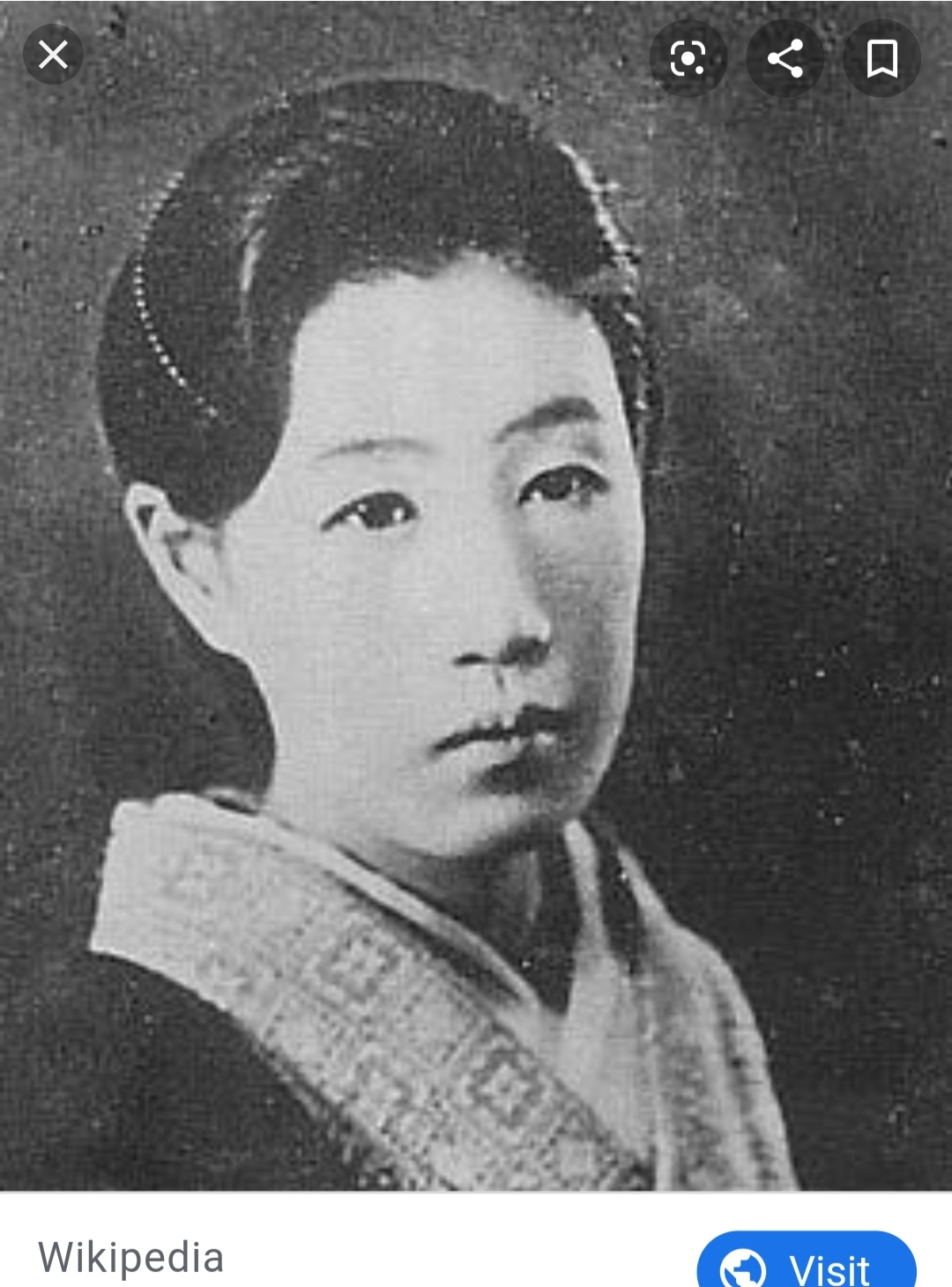
678) Sada Abe

Courtesy of Wikipedia

 "I loved him so much, I wanted him all to myself. But since we were not husband and wife, as long as he lived he could be embraced by other women. I knew that if I killed him no other woman could ever touch him again, so I killed him..."

678: Sada Abe

Well That’s a Different Kink

Born: 28 May 1905, Tokyo, Japan

Died: after 1970

Sada is remembered for asphyxiating her lover and then cutting off his genitals to carry around with her. I wish I was kidding.

Sada had been forced into life as a geisha after her parents made her become one as punishment for being promiscuous as a teenager. This was partly due to the fact Sada had been raped when she was fifteen, and never received psychiatric treatment to help with the aftereffects. After spending some time as a geisha, Sade quickly switched to being a government licensed prostitute and then an illegal one before being hired as a waitress in her future lover’s hotel.

When her lover refused to leave his wife Sada became insanely jealous and bought a kitchen knife threatening to kill him. Her lover attempted to appease her by taking her to an inn for two days, however, Sada erotically asphyxiated him before removing his aforementioned parts and carrying them around in her purse. Whether or not Sada intentionally killed him or not is still up for debate.

The search for Sada ignited panic around Japan with multiple sightings of her after her lover was found dead—meanwhile she’d checked herself into a hotel under a fake name and waited patiently for the police to find her.

Sada asked for the death sentence but was given six years instead. Her sentence was eventually commuted, and she was released after five years.

She spent the next few decades working in and out of the spotlight. She wrote a book and saw a movie released based on her story. Eventually, she got a job as a waitress, giving interviews occasionally to curious journalists. One day, in 1970, she disappeared. Stories abound that she killed herself or moved into a convent, but nothing is known for certain. She was there one day and gone the next.

As for her lover’s genitals, they were sent to the pathology museum at Tokyo Medical School before disappearing as well after World War II.

Badges Earned:

Find a Grave Marked

Sources:

https://murderpedia.org/female.A/a/abe-sada.htm

https://allthatsinteresting.com/sada-abe

https://www.findagrave.com/memorial/106722541/sada-abe

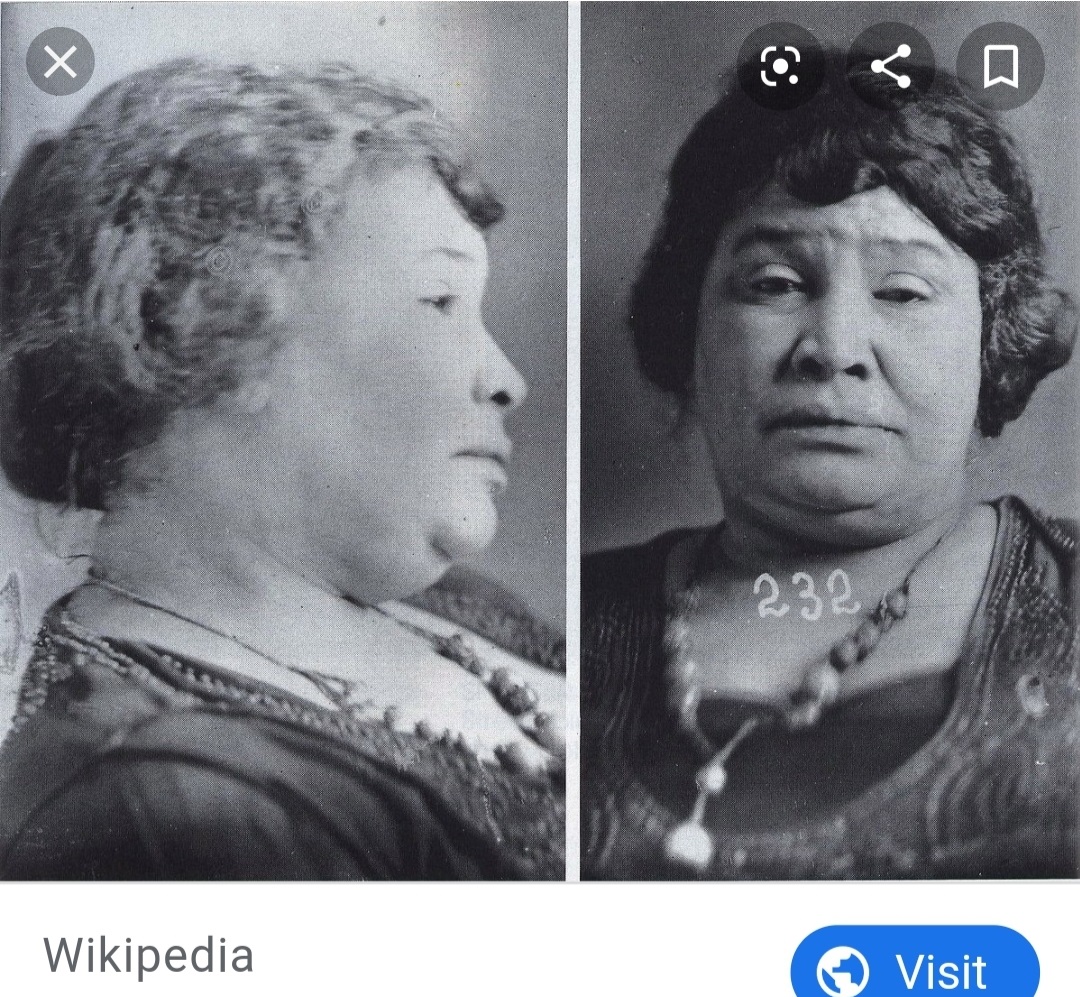
677) Lulu White

Courtesy of Wikipedia

677: Lulu White

Entrepreneur and Madam

Born: 1868, Alabama, United States of America

Died: c.1931

Also Known As: Lulu Hendley, Diamond Queen, or Notorious Negress--yes really

Lulu described herself as an octoroon. Though most are not familiar with the word today, in America’s not-so-distant-past, this word was used to refer to a person who had seven white ancestors and one black (though the numbers were not necessarily one hundred percent precise. Basically, an octoroon was anyone with a drop of African American or colored blood in their veins). One of the most famous octoroons in literature is the character Eliza in the polarizing novel Uncle Tom’s Cabin.

Lulu experienced racism throughout her life and tried to combat it in a variety of ways. One of the ways she did this was by claiming she was from the West Indies and didn’t have a drop of African blood in her. Instead, she was all West Indian; if true that meant she wouldn’t be held to the same prejudices as Africans were in the Southern United States. There are records of Creole women suing for libel in New Orleans courts after being labeled “colored”, so by Lulu claiming she was Caribbean, she helped distance herself from life as an African woman. Unfortunately for Lulu, this was a lie. It is a known fact that she was born in Alabama.

Lulu’s brothel (Mahogany Hall) was extremely renowned and visited by many of the Southern upper-class gentry. Lulu ran her brothel with light-skinned African women to cater to the wealthy white elite. She did not allow colored men to patronize her girls. This was part of Lulu’s problem when the end came in 1917. By claiming she and her employees were octoroons, Lulu was violating segregation laws.

Mahogany Hall was a part of New Orleans famed Storyville Red Light District. Storyville was big business for the city from 1898 to 1917, and Mahogany Hall capitalized on every part of that. A promotional pamphlet for the hall described the establishment thusly: “unquestionably the most elaborately furnished house in the city of New Orleans, and without a doubt one of the most elegant palaces in this or any other country.”

In 1917, New Orleans decided to crack down on Storyville, and forced Lulu to shut Mahogany Hall down. Lulu fought the closure, taking the city of New Orleans to court and winning, but her brothel was still closed. The entire district would be shut down within the year.

Lulu was arrested several times over the years, including once for attempted murder, but she never spent time in jail until Storyville closed. In November of 1918, Lulu was arrested for violating the Draft Act, which prohibits a brothel within ten miles of a military base or other facility. Lulu was sentenced to just over a year in prison, but after three months applied for a pardon. She was released for health reasons.

Lulu would eventually lose over $150,000 before leaving New Orleans absolutely destitute. She died in obscure poverty. Today, her death date, location, or where her gravesite lie are all unknown.

Mahogany Hall was immortalized in the “Mahogany Hall Stomp” recorded by Louis Armstrong and other Jazz pioneers. The building was demolished in 1949 after being used as a warehouse for a department store. Today only three structures from Storyville survive, and the site of Mahogany Hall is now a parking lot.

Sources:

http://www.storyvilledistrictnola.com/Lulu_White.html

https://www.whatitmeanstobeamerican.org/identities/the-notorious-mixed-race-new-orleans-madam-who-turned-her-identity-into-a-brand/

http://cdm16880.contentdm.oclc.org/cdm/landingpage/collection/p16880coll39

https://64parishes.org/entry/lulu-white

676) Hannah Duston

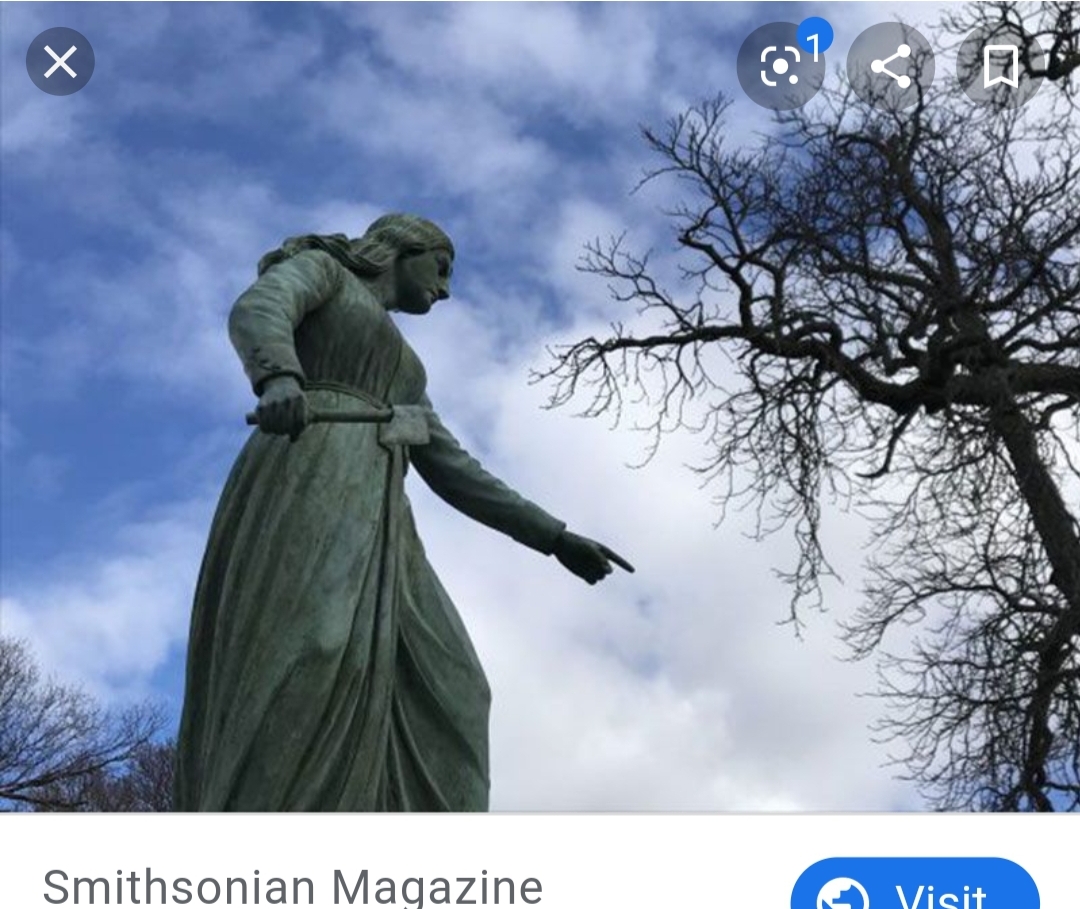
Courtesy of Smithsonian Magazine

676: Hannah Duston

Hannah’s Story is Tragic For Both Sides

Born: 23 December 1657, Haverhill, Massachusetts Bay Colony (Present-day Haverhill, Massachusetts, United States of America)

Died: 1736, Ipswich, Massachusetts Bay Colony (Present-day Ipswich, Massachusetts, United States of America)

Hannah was kidnapped by the Abenaki Native American Tribe (most likely). However, her story is debated on what the real facts are to this day.

What is known is that Hannah was taken captive in 1697 during King William’s War along with her baby, her neighbor and several others. Here’s where the story gets a little tricky. Her captors are said to have killed her one-week old baby (possibly by smashing the baby’s skull against a tree), before forcing Hannah and the others to march 100 miles north into what is now New Hampshire. Hannah was then placed with another boy who had been taken captive a year before, the two of them living with a Native family. After a few days, Hannah and the boy managed to kill most of their captives (ten Natives total including six children) and scalp them before making it back home. One older Native woman and a small boy managed to escape the carnage. Hannah and her fellows managed to receive a reward of £50 from the Colonial Government for their work.

Hannah never wrote her own story, and instead what we know about her comes from three accounts written by Cotton Mather. The discrepancies and lack of first-person evidence continues to put the exact details of Hannah’s story in question. Needless to say, very many people are very angry whenever her name is mentioned for a variety of reasons. Its sad to say that seeing as Hannah was been dead for over two hundred-fifty years.

Random fact of the day for you; Hannah may be the subject of the first female public statue in the United States (erected in 1874). Unfortunately, the statue depicts her holding a hatchet and a fistful of scalps, so the scars for all those involved remain. Especially since the monument builders claimed the island on which is was erected was where Hannah murdered her captives. The photo used in this article is of a different statue.

Hannah actually had three monuments built in her honor between 1861 and 1879.

Badges Earned:

Find a Grave Marked

Located In My Personal Library:

America's Women: 400 Years of Dolls, Drudges, Helpmates, and Heroines by Gail Collins

Sources:

https://www.smithsonianmag.com/history/gruesome-story-hannah-duston-american-colonist-whose-slaying-indians-made-her-folk-hero-180968721/

https://www.britannica.com/biography/Hannah-Emerson-Duston

https://www.findagrave.com/memorial/4667/hannah-duston

675) Veronica Franco

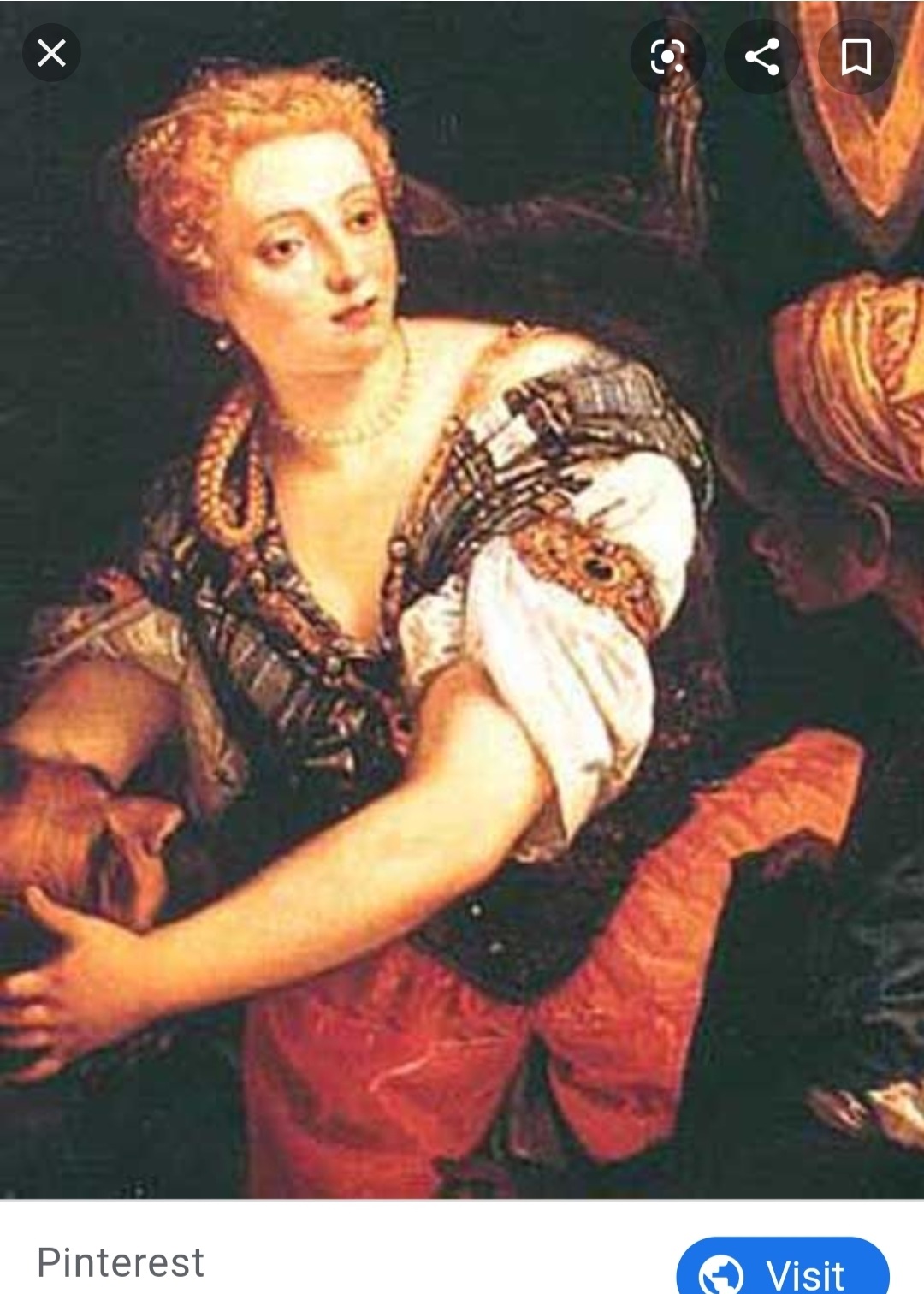
Courtesy of Pinterest

“When we women, too, have weapons and training, we will be able to prove to all men that we have hands and feet and hearts like yours.”

675: Veronica Franco

Poet and Courtesan

Born: 1546, Venice, The Venitian Republic (Present-day Venice, Italy)

Died: 1591, Venice, The Venitian Republic (Present-day Venice, Italy)

Veronica’s mother was a courtesan too.

Veronica was educated alongside her brothers growing up and knew how to play several instruments as well as being versed in Ancient Greek and Roman literature.

Veronica was married to a doctor in an arranged marriage but separated from him soon afterword and requested the return of her dowry (though sources seem to indicate Veronica didn’t actually get it back).

She had six children from various men (three survived to adulthood) and supported herself, her children, and staff all on her own. She did this by writing and publishing poetry and by working as an “honest courtesan”. In contrast to regular prostitutes, Veronica entertained her johns intellectually and physically. Veronica was so good at her job she has been hailed as the most famous Venetian courtesan of her time.

Veronica used her position and her writing to advocate for the cause of women. She fought for women’s political and social rights, and their right to education. Veronica’s poetry was also sexually explicit, proving she wasn’t afraid of anyone. She continued to write, though her writing shifted to letters for her johns; advising them in various fields like politics, morality, and philosophy. Veronica would also create a charity for other courtesans and their children.

However, by the end of her life, she was destitute from plague that swept the city and from people stealing from her. It also didn’t help when one of Veronica’s financial backers died. In 1577 or 1580 (sources differ), Veronica was brought to trial after being accused of practicing magic in her home. Though she defended herself and was acquitted of the charges, the damage to her reputation was done. By 1582, her tax return shows her living in a section of Venice prostitutes usually went to die. Veronica herself died in obscure poverty nine years later.

Badges Earned:

Find a Grave Marked

Sources:

https://www.lib.uchicago.edu/efts/IWW/BIOS/A0017.html

https://dornsife.usc.edu/veronica-franco/biography/

https://www.findagrave.com/memorial/112211238/veronica-franco

674) Phryne

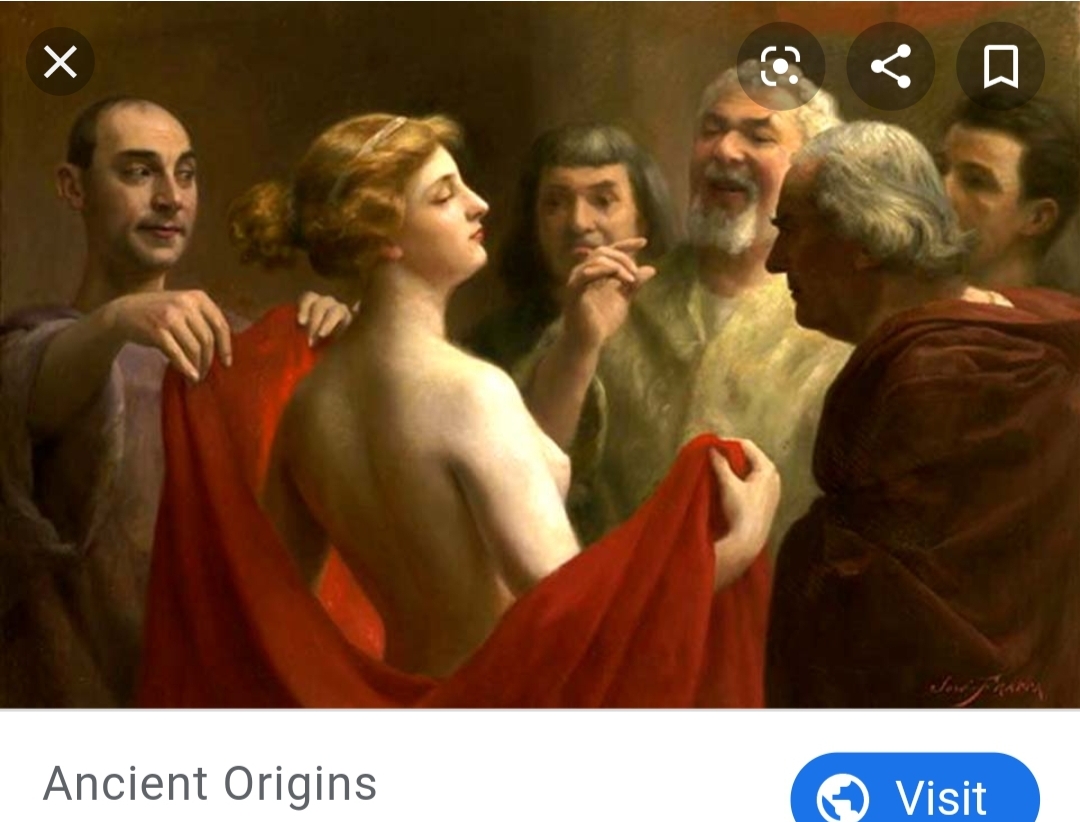
Courtesy of Ancient Origins

674: Phryne

Greek Prostitute who was Put on Trial and Won Her Suit by Flashing Her Breasts to the Crowd

Born: c.371 BC, Thespiae, Boeotia, (Near Present-day Thespies, Greece)

Died: 310 BC, Athens (Present-day Athens, Greece)

Original Name: Mnesarete

Her lawyer argued that a woman sculpted so perfectly had to be done so by the gods, so imprisoning or killing her would go against the Olympiad. She was unanimously acquitted by the all-male jury.

She was referred to as Phryne, which means toad, because she looked yellow in direct sunlight.

Phryne was a model for various painters and sculptors; she was also incredibly wealthy, possibly the richest self-made woman of her time! She earned her money through her modeling and sex work.

At one point, she reportedly offered to rebuild the walls around Thebes that had been destroyed by Alexander the Great. The walls were not fixed by Phryne because she wanted the walls to say she had been the one to put them back up and the men in town didn’t want a prostitute’s name inscribed for the world to see like that.

The story about Phryne's day before the court has been questioned over time. Some historians doubt whether or not her lawyer would really rip open her dress, but what is known is that she was definitely tried...for something. Exactly what Phryne had done to earn a day before a jury has been lost to history.

Badges Earned:

Located In My Personal Library:

Uppity Women Speak Their Minds by Vicki Leon

Sources:

https://www.britannica.com/biography/Phryne

https://www.ancient-origins.net/history-famous-people/phryne-ancient-greek-prostitute-who-flashed-her-way-freedom-007571

http://www.bbc.com/culture/story/20171108-the-it-girl-of-ancient-greece

673) Caresse Crosby

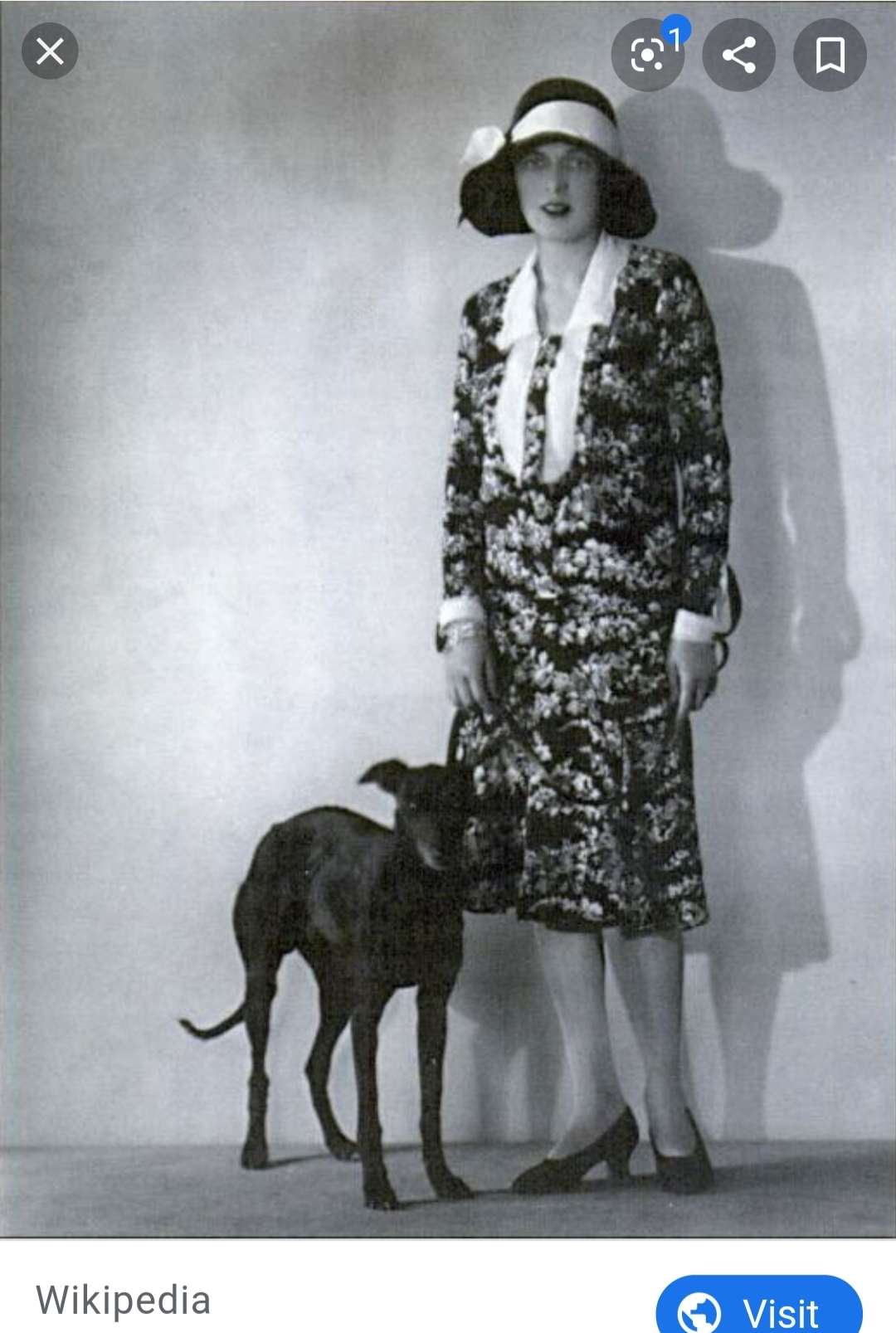
Courtesy of Wikipedia

"I can't say the brassiere will ever take as great a place in history as the steamboat, but I did invent it."

673: Caresse Crosby

The First Person to Patent the Modern Brassiere

Born: 20 April 1891, New Rochelle, New York, United States of America

Died: 24 January 1970, Rome, Italy

Original Name: Mary Phelps Jacobs

After receiving her patent, Caresse went on to start the Fashion Form Brassiere Company employing women to manufacture wireless bras.

Before the invention ever really took off, she sold her patent to Warner Brothers Corset Company for $1500 (over the next 30 years the company would earn $15 million for this acquisition).

Caresse first created her bra after getting dressed for a debutante ball when she was nineteen. The traditional whale bone corsets worn by most upper-class women of the day looked uncomfortable and funny under Caresse’s slinky dress; so in a pinch she crafted a bra out of silk, thread, and ribbons.

Soon after, Caresse’s friends and other high society women started asking after her new invention. By November of 1914, Caresse had been granted her patent from the US Patent Office and launched her business.

Part of the reason why Caresse’s design was so popular in the early years was because of the lack of metal needed to construct them. During World War I, the government rationed the metal needed to create corsets, leaving Caresse’s bra a viable alternative. However, Caresse’s bra has very in common with the bras used today. Instead, they are much closer to a bralette. Caresse’s design offered little to no support and actually flattened the breasts to the chest.

Caresse began an affair while still married to her first husband and after divorcing him married the man she’d been seeing and the side. By this time, she was twenty-nine and ready to start her life anew. All her life, Caresse had been known as “Polly”, but after saying “I Do” for the second time, she changed her name to the provocative “Caresse”. Oh, and she named her dog Clytoris.

Caresse and her new beau moved to France where she and her husband became publishers (opening their own company called Black Sun Press) and expatriates living the Bohemian lifestyle. They started boozing, taking opium, and having wild parties with friends. Those same friends were invited to sprawl their signatures on the wall of the Crosby home with watercolor paints. The Crosbys were so ahead of their time they also had an open marriage. Caresse and her husband even vowed to commit suicide together—crazy I know. But when her husband killed himself it was his new girlfriend that followed him to the grave and not Caresse.

In later life she married again (for three years) opened a gallery in DC, returned to Europe, bought a castle in Rome, and entered politics. She was remembered in her obituary from TIME Magazine as, “[the] literary godmother to the 'lost generation' of expatriate writers in Paris."

Badges Earned:

Find a Grave Marked

Sources:

https://www.mentalfloss.com/article/71612/caresse-crosby-brazen-inventor-brassiere

http://www.phelpsfamilyhistory.com/bios/mary_phelps_jacob.asp

https://www.findagrave.com/memorial/39959760/caresse-crosby

  • Previous
  • 1
  • …
  • 57
  • 58
  • 59
  • 60
  • 61
  • 62
  • 63
  • …
  • 159
  • Next

Categories

Archives

  • July 2025 (10)
  • July 2024 (1)
  • January 2024 (1)
  • August 2023 (1)
  • June 2023 (2)
  • October 2022 (1)
  • July 2022 (1)
  • June 2021 (3)
  • December 2020 (3)
  • August 2019 (1)
  • July 2019 (2)

Search

© 2026 The Exasperated Historian | Powered by Minimalist Blog WordPress Theme