The Exasperated Historian
Menu
  • Home
  • The Women’s List (New)
  • The Men’s List
  • The Animal List
  • Collections
  • The Blog
  • Contact Us
  • FAQ
Menu

Category: Birth Locations

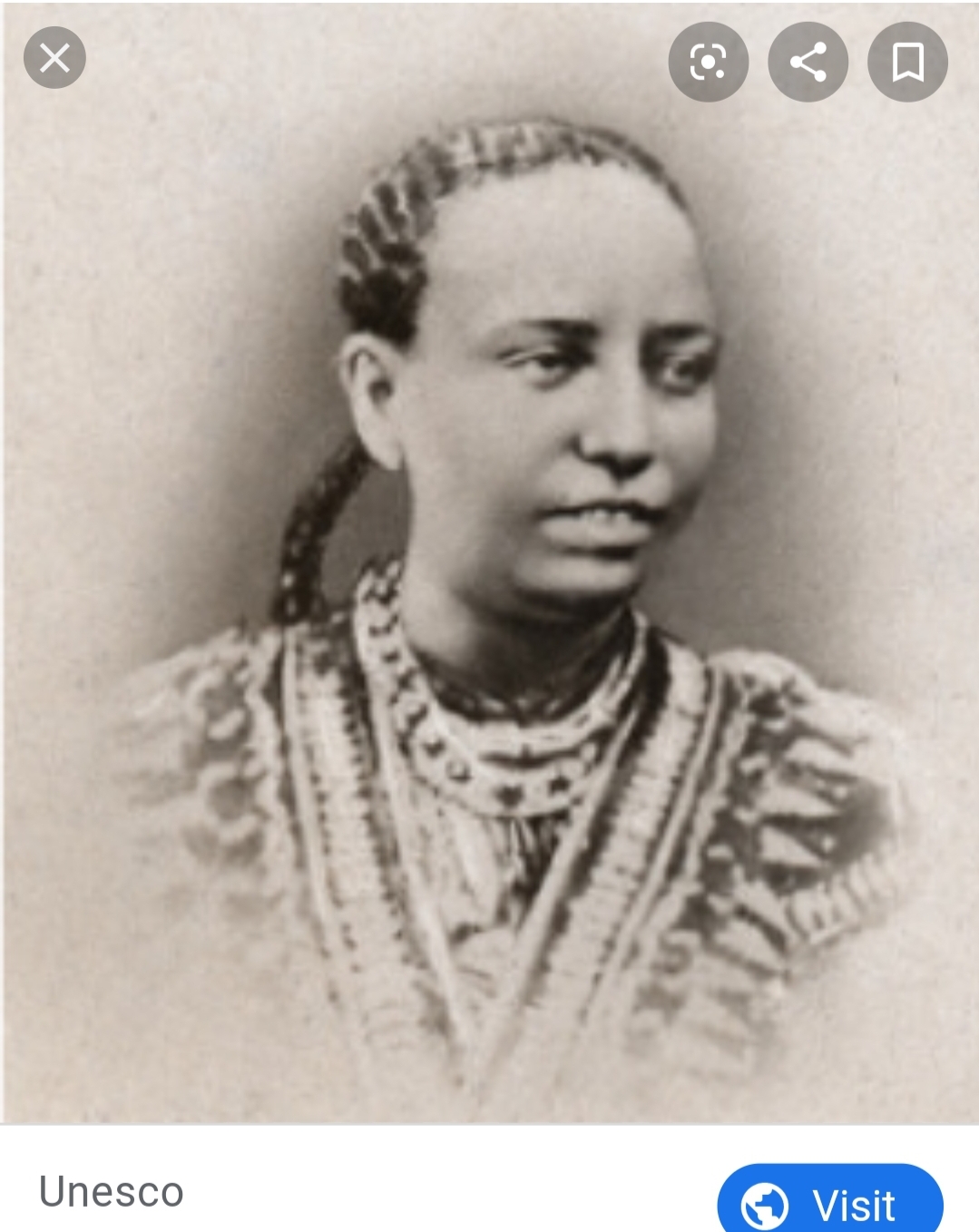
793) Taytu Betul

Courtesy of Unesco

 “You [Italy] want other countries to see Ethiopia as your protégé, but that will never be.”

793: Taytu Betul

Empress of Ethiopia

Born: c.1851, Begemder Province, Ethiopia

Died: 11 February 1918, Addis Ababa, Ethiopia

Taytu is also remembered for founding Addis Ababa.

Taytu means Sun in the Amharic language, and she definitely brought the sunshine to her people out of some dark days. Taytu is also pronounced Tie-tu, in case you were wondering.

Her ethnic group of people (the Oromo) performed FGM (Female Genital Mutilation or Circumcision) extremely young, in her case before she was three months old, which left Taytu unable to bear children. She was, however, educated extremely well, especially for a woman in her country at the time. Taytu could read and write Amharic and knew Ge’ez, the language that sacred Christian texts are written in and were handed down over time. Taytu could also play the lyre, knew how to play chess, and composed poetry.

Before marrying the emperor (Menilek II) Taytu had already had four husbands and was over thirty years old—which was ancient in terms of a royal consort. Taytu first tied the knot when she was the grand old age of ten. The first marriage ended after her husband was arrested and Taytu was forced to follow him and the men who’d arrested him, on foot, and in chains. Her second husband was the brother of her future and fifth husband (the emperor). Taytu’s second husband beat her, and so one day Taytu said she was going to visit her mother, and she never went back to her husband. She also never bothered to get a divorce, but she did take several servants and much of her husband’s material property. You go girl! The next two husbands weren’t very notable, but finally Taytu got it right the fifth time around when she married Menilek, and became queen and later empress as a result.

Taytu and her husband united Ethiopia’s warring clans under one banner, and she was notorious for being strong and immovable to her husband’s slightly more wavering ways. Evidently Menilek’s favorite phrase was Ishi, nega (Yes, tomorrow) as opposed to Taytu’s more forceful Imbi (absolutely not).

At the time, much of Africa was either already colonized or under threat from various European nations—including Ethiopia. Ethiopia had come to Italy’s attention, and the Italians were like, “Hey, Ethiopia looks like a perfectly good country for us to colonize and suck dry.” Taytu was not at all on board with the Italians’ plans, and so she interrupted negotiations when she saw things going sour and openly pointed out Italy was trying to colonize and take over her country when others were trying to pretend this wasn’t happening. And the worst part? Italy had been claiming to be Ethiopia’s ally in the years leading up to their invasion. The claim stemmed from the Treaty of Ucciali (or Wuchale), written in 1889 in both Amharic and Italian. In the Ethiopian version (Amharic), Italy basically said, “We’ll be best friends and I will protect you from the rest of Europe!” but the Italian version read, “Ethiopia totally belongs to us now; gotcha!”

Obviously once Menilek and Taytu realized this they were not happy, and war between the nations broke out. Taytu reportedly fought on the front lines alongside her men to repel the Italian forces, including at the famed Siege of Mek’ele (where Taytu suggested cutting off the water supply to the fort where the Italians had holed themselves up) and the final Battle at Adwa, both in 1896. By the end, the Ethiopian army numbered over 100,000, while Italy had sent a meek 17,000. Ethiopia was the only African nation (that existed at the time) to never be colonized.

After the Ethiopian victory European countries would specifically ask to speak with Taytu when negotiating. Apparently, they could be taught! She also inaugurated the Ethiopian Red Cross and started several industries in her country, like wine and candle making. Taytu is credited with the modernization of Ethiopia, preparing the country for the new world that opened up with the twentieth century. Taytu and her husband worked to better their country in various ways. “Modern roads and bridges connected the new city with the rest of the empire, the tax system was reformed, a national currency was created, a postal system was instituted, and railways were built. Menelik also promoted secular education, established medical care, and founded a government press. By the turn of the century, telegraph and telephone lines stretched across the country and a national bank financed new enterprises,” (Encyclopedia, linked below).

Taytu eventually even became de-facto ruler a few years before her husband’s death. But Taytu also had a darker side. She was linked to numerous poisonings of her enemies, was Xenophobic at times to European envoys (though, can you blame her?) and filled the government with people loyal to her. But in the end, Taytu did step down and retire quietly (after being ousted by rivals upon her husband’s death), turning over power to her husband’s grandson, Isayu. After Isayu was forced from the throne, Zewditu, Menelik’s daughter and Taytu’s chosen successor, claimed the throne instead. Zewditu, being a woman, was sidelined by a man named Haile Selassie who became her regent. When Zauditu died, Haile became the last emperor of Ethiopia.

Badges Earned:

Find a Grave Marked

Rejected Princesses

Sources:

https://www.rejectedprincesses.com/princesses/taytu-betul

https://en.unesco.org/womeninafrica/taytu-betul/biography

https://www.encyclopedia.com/women/encyclopedias-almanacs-transcripts-and-maps/taytu-c-1850-1918
https://face2faceafrica.com/article/the-ethiopian-empress-and-master-strategist-behind-the-battle-that-humiliated-the-italians-in-1896

https://www.findagrave.com/memorial/194879851/taytu-betul

792) Gouyen

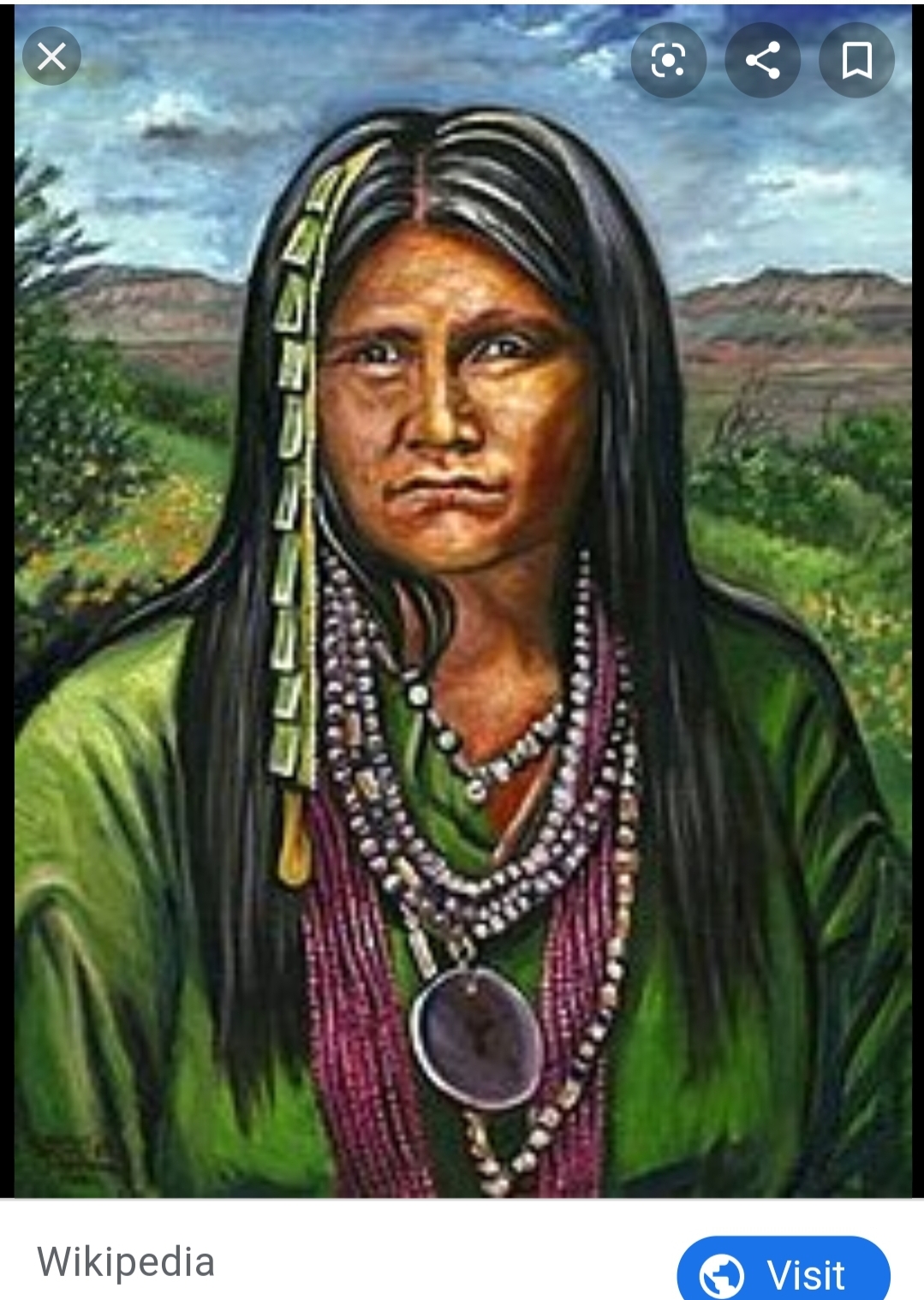
Courtesy of Wikipedia

792: Gouyen

Mescalero Apache with a Vendetta against the Comanche

Born: 1857, Chiricahua Apache Territory (Present-day parts of New Mexico & Arizona, United States of America)

Died: 1903, Fort Sill, Oklahoma, United States of America

Also Written: Góyą́ń

Her birth name is unknown; Gouyen is a title reserved for brilliant and wise Apache women. Some sources state she was a Mescalero Apache, but others say Chihenne. The Chihenne is a more distinct subset of the Chiricahua band which--depending on who you ask, are either their own band or they fall under the Mescalero Band's purview all within the Apache umbrella (its okay if you're confused, Apache is a very broad term and most people don't know how broad until you actually start to study their people).

This Gouyen decided to take revenge against the Comanche after they killed her husband and all of her family was too weak or elderly to seek vengeance for her; but she was seeking vengeance without the approval of her chief.

Without a weapon, and without a horse, Gouyen made it to the Comanche camp and enticed her husband’s killer into dancing with her to gain his knife. This man was a chief, and he wore the scalp of Gouyen’s husband on his belt. But Gouyen was not cowed. She led him further and further out of sight of the other Comanche warriors. Finally, Gouyen was able to reach for his knife, but she dropped it and the man realized what she was doing.

Out of desperation she bit him in the neck until he died. When Gouyen finally let go, the man fell to the ground—dead. She used his knife to carve out his heart and take his scalp, also taking his moccasins, head band, breech cloth, and belt; finding the vengeance she’d sought for her husband. Gouyen stole the man’s horse and fled, knowing the Comanche would kill her if they caught her. She rode for two days and nights, sometimes falling asleep in the saddle only to awaken at the sound of her pursuers.

Eventually, so exhausted, Gouyen passed out. She was found by her people and brought back to her parents. After she regained consciousness and her health, Gouyen was commended for her bravery and given the title Gouyen.

Eventually, Gouyen remarried a warrior who went on to become chief of the Warm Springs band (later to become known as the Fort Sill Apache-they are descended from the aforementioned Chiricahua). Gouyen and her new husband joined Chief Victorio and other Chiricahua Warriors as they dodged American troops in the 1870’s (though most sources indicate they were not married at the time, only working for the same goal with other warriors). Eventually, Mexican soldiers trapped the Apache and killed seventy-eight of their people (warriors, women, and children), including Gouyen’s infant daughter; known today as the Battle of Tres Castillos. Another one hundred or so were taken captive and sold into slavery. Only seventeen escaped, including Gouyen, her husband, and their son. They were then sent to the San Carlos Reservation in Arizona Territory, before escaping with Geronimo a few years later.

After Geronimo was captured in 1886, Gouyen and her family were taken prisoner; the last Native American tribe to be forcibly removed from their homelands. First, their people were sent to Texas, then Florida, and later Oklahoma. Gouyen died while still in captivity, at Fort Sill in Oklahoma. Today, the surviving members of Gouyen’s tribe are known as the Warm Springs/Fort Sill Apache, and they are still fighting to be able to return to their homeland in present-day New Mexico.

Badges Earned:

Find a Grave Marked

Rejected Princess

Find a Grave Marked

The Apache Wars: The Hunt for Geronimo, The Apache Kid, and the Captive Boy who Started the Longest War in American History by Paul Andrew Hutton

Sources:

https://www.rejectedprincesses.com/princesses/gouyen

https://newmexiconomad.com/apache-warrior-women-gouyen-lozen-dahteste/

https://www.wikitree.com/wiki/Apache-39

https://www.findagrave.com/memorial/45624887

791) Nitocris

791: Nitocris

Last Pharaoh of the Sixth Dynasty

Unknown Birth Date, Ancient Egypt

Died: c.2181 BC, Ancient Egypt

Also Spelled: Nitiqret or Nicaule

Her reign ended the period of Egyptian history known as the Old Kingdom.

Nitocris is mentioned in Herodotus’s Histories. However, some scholars believe her story is nothing more than that, a story. These scholars believe she never actually ruled Egypt; or at least never ruled on her own and in her own right.

If Nitocris did rule, she possibly became Pharaoh after her brother was killed by other high-ranking Egyptians. As the story goes, Nitocris got revenge on the people who killed her brother by inviting them to a dinner feast and then drowning them.

According to Herodotus, she died soon after by jumping into hot coals and burning to death. Another scholar, Percy Newberry, theorized Nitocris could have stepped in as ruler after her husband died (Pepi II), and not her brother, but again, none of this is certain. Percy’s push for Nitocris and her story to be accepted as fact rather than fiction has allowed for a new light to be shed on the tale of Nitocris. Without Percy’s intervention, Nitocris would probably still be seen as nothing more than a tall tale. Because of his beliefs though, many today see Nitocris as the first female regnant monarch of Ancient Egypt, meaning the first to rule in her own right.

More proof of her life comes from her name appearing on the Turin King List (possibly—the spelling of the name is different), Manetho’s list of Sixth Dynasty Rulers, and the Abydos King List (again possibly, for the same reason as the Turin’s). Nitocris’s tomb may be located in Saqqara, though this is disputed (more info below). Officially, there is no tomb or any other surviving documents or artifacts relating to her reign. The lack of documentation or anything else leads some scholars to claim Nitocris is actually just the jumbled misspelling of the actual last Pharaoh of the sixth dynasty-- Neitiqerty Siptah.

Nitocris’s name probably translates to Neith is Excellent. Percy Newberry established this explanation for Nitocris’s name in the same article he stated her tomb is located at Saqqara. Percy also suggested Nitocris is connected to Neith because of the Pharaoh Pepi II. One of Pepi’s wives is identified in his tomb as Neith. Percy continued his explanation of the tomb by harkening back to Manetho and his writings on Nitocris. Earlier scholars had dismissed Manetho’s account because he stated Nitocris built the third pyramid. Today it is almost universally acknowledged the third pyramid at Giza was built by another pharaoh named Menkaure—obviously not Nitocris. However, Manetho never said where the so-called third pyramid he refers to was built. The third pyramid at Saqqara was built for the previously mentioned Queen Neith, wife of Pepi II.

If Nitocris was married to Pepi II, this would contradict Herodotus’s account. Nitocris, in this case, wouldn’t have taken over after the murder of her brother—but she may have become regnant after the death of her husband; presumably after he outlived all of his heirs. The other issue stems from the fact that the pyramids at Saqqara, including the one built for Neith, were not built during the time period Nitocris is usually associated with (the sixth dynasty). Archaeologists have also pointed out that the pyramid of Neith at Saqqara may have actually been the first built, not the third.

Another possibility is that Nitocris was the sister of Pepi II’s son Merenre Nemtyemsaf II, who did take over ruling Egypt after his father’s death. Because this son, Merenre, only ruled Egypt for a year, it is very possible his sister Nitocris could have taken over the throne for a short time after his death. Whatever the case, the truth may never really be known.

Also, don’t confuse this Nitocris with the high priestess also named Nitocris. They are two completely different people from two completely different time periods!

Badges Earned:

Rejected Princess

Located In My Personal Library:

The Pharaohs by Joyce Tyldesley

Histories by Herodotus

Ancient Egypt An Introduction by Salima Ikram

When Women Ruled the World: Six Queens of Egypt by Kara Cooney

Sources:

https://www.ancient.eu/Nitocris/

https://ancientegyptonline.co.uk/queennitocris/

https://www.rejectedprincesses.com/princesses/nitocris

https://www.ancient-origins.net/history-famous-people/shrouded-history-nitocris-was-last-pharaoh-sixth-dynasty-woman-005347

Entries Born in Mongolia

These are the entries born in present-day Mongolia or the Mongolian Empire.

Entries:

  • Hoelun, Mother of Genghis Khan
  • Khutulun, Mongol Warrior
  • Mandukhai, Khatun of the Northern Yuan Dynasty
  • Toregene, Yeke Khatun of the Mongolian Empire

790) Khutulun

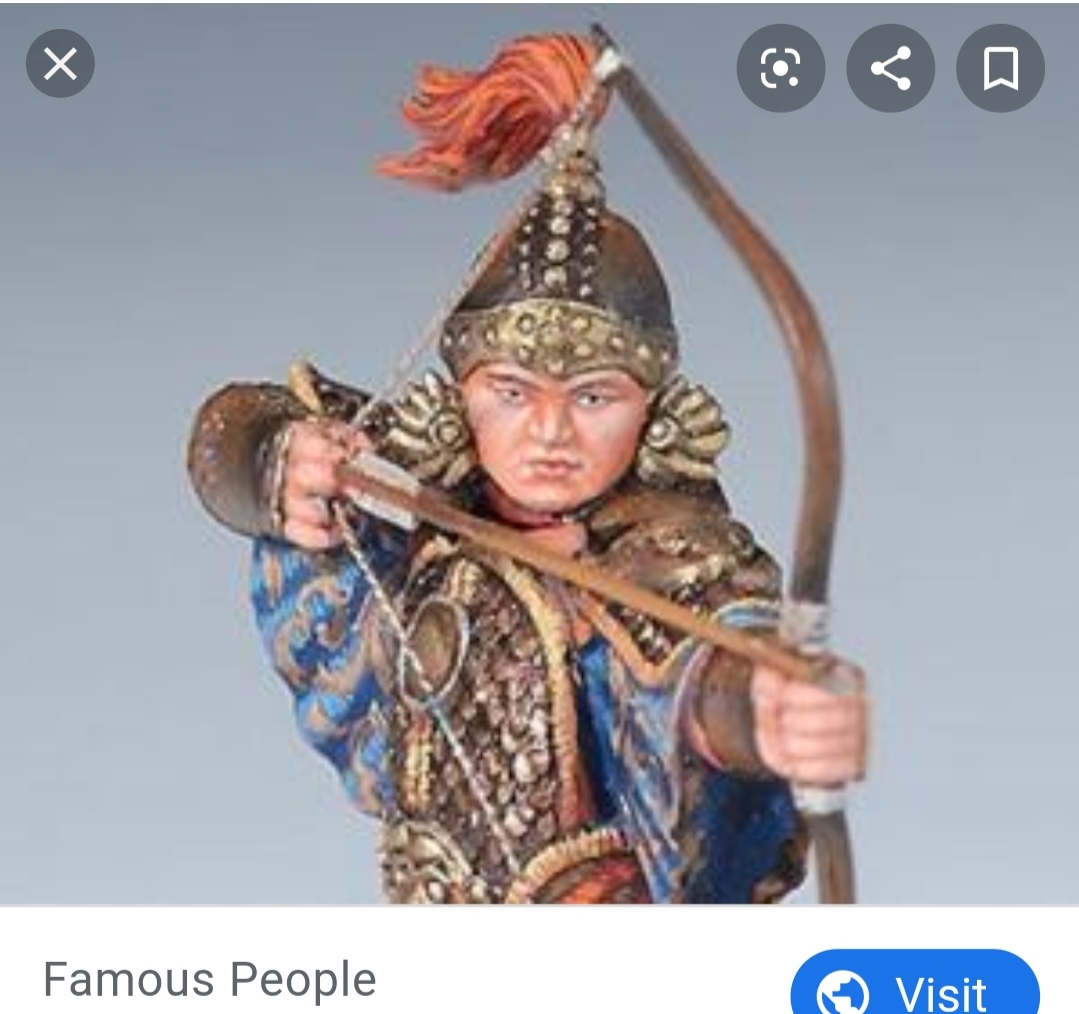
Courtesy of Famous People

790: Khutulun

Wrestler and Great-great-granddaughter of Genghis Khan

Born: c.1260, Mongol Empire (Present-day Much of Central Asia)*

Died: 1306, Mongol Empire (Present-day Much of Central Asia)

Also Known As: Aigiarne, Aiyurug, or Khotol Tsagaan

Khutulun’s father and uncle started a thirty-year civil war over control of how the Mongol Empire should be run.

Her father relied on Khutulun and not her fourteen brothers for military advice.

Her father kept trying to marry her off to the point Khutulun set up a standing bet; any man who wrestled her and won she would marry, but if they lost, they owed her 100 horses.

Not only was she undefeated but Khutulun also ended up with a herd of thousands. She finally married someone after disgusting rumors started to circulate about her relationship with her father (which are entirely unfounded) but her husband never beat her at wrestling.

Marco Polo described her as being pretty rough and tumble on her own in his account of the Mongol Empire. Marco Polo’s words, along with the writings of the Persian scholar Rashid al-Din, are the two main sources for Khutulun’s life.

Today, Khutulun’s story is becoming more and more widely known around the world, but that isn’t to say she was entirely forgotten altogether. The lead character Turandot of the opera of the same name is said to be based on Khutulun, and in more recent history, Khutulun appears on the Netflix series Marco Polo.

*I have chosen to link Khutulun under the birth location of present-day Mongolia. Though we aren’t certain she was born within the borders of Mongolia, her culture survives today among the Mongolian people.

Badges Earned:

Rejected Princess

Located In My Personal Library:

Princesses Behaving Badly by Linda Rodriguez McRobbie

Bygone Badass Broads by Mackenzi Lee

Who Knew? Women in History by Sarah Herman

Rejected Princesses by Jason Porath

The Secret History of the Mongol Queens: How the Daughters of Genghis Khan Rescued His Empire by Jack Weatherford

Sources:

https://www.rejectedprincesses.com/princesses/khutulun

https://allthatsinteresting.com/khutulun

https://www.ancient-origins.net/history-famous-people/khutulun-0010840

Entries Born in New Zealand

These are the entries born on the islands that make up New Zealand.

Entries:

  • Donaldina Cameron, The Angry Angel of Chinatown
  • Nancy Wake, The Most Decorated Servicewoman From World War II
  • Te Puea Herangi, Maori Leader and Activist

789) Te Puea Hērangi

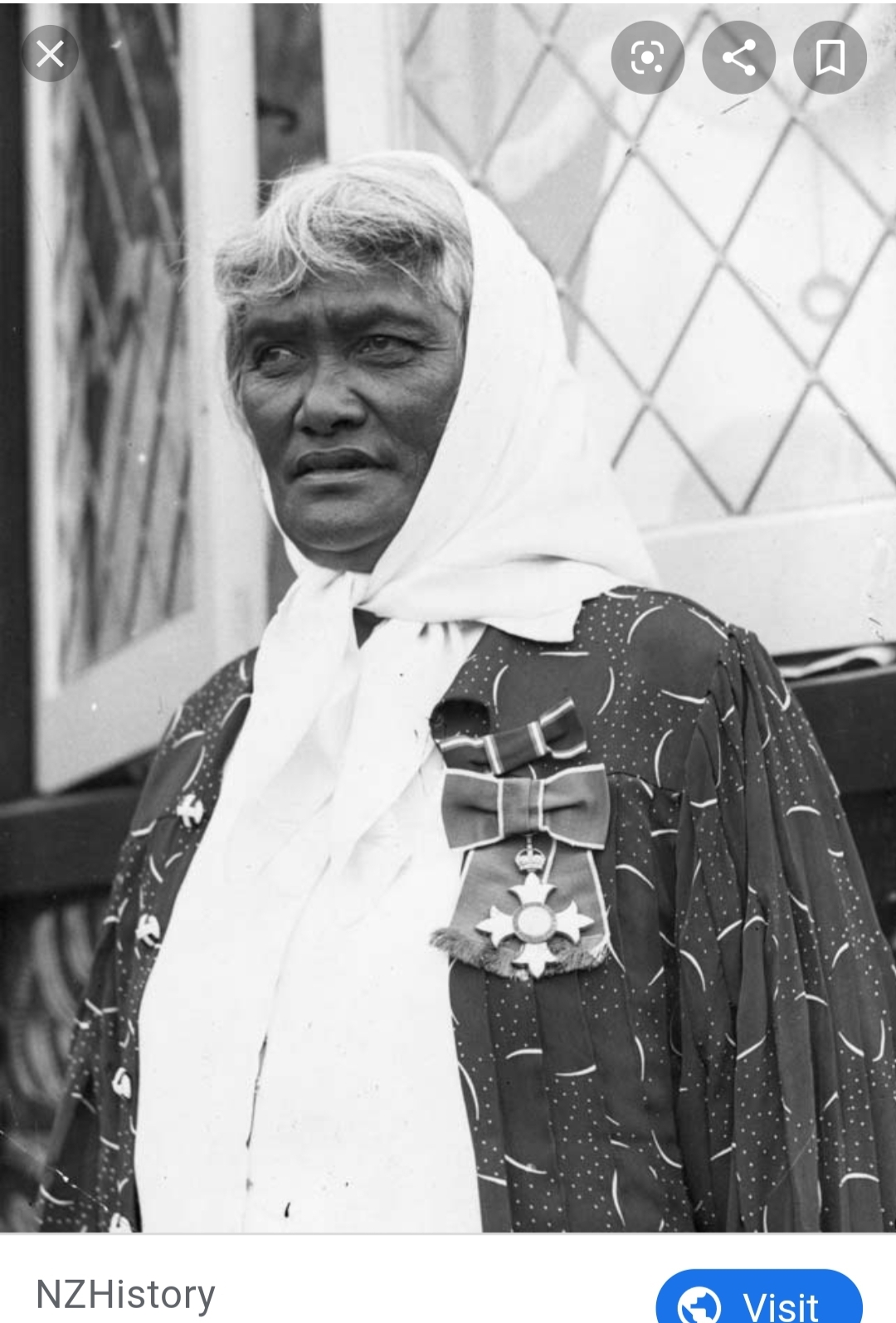
Courtesy of NZHistory

789: Te Puea Hērangi

Māori Leader Known as Princess Te Puea

Born: 9 November 1883, Whatiwhatihoe, Waikato District, New Zealand

Died: 12 October 1952, Ngaruawahia, New Zealand

Full Name: Te Kirihaehae Te Puea Hērangi

Te Puea’s family was literally royalty as she was descended from the first Maori King and helped three successive kingships in her lifetime achieve dominance and recognition on the world stage. Te Puea’s mother, Tiahuia, was also the elder sister of King Mahuta.

Te Puea was a political adviser to her people and helped fight back against the mandatory conscription of her people during World War I.

After the war she helped orphaned children from the Spanish Flu Epidemic and then went on to work for years to rebuild a building of great religious importance for her people.

In 1938, Te Puea was honored with the title Dame Commander of the British Empire (CBE).

She remained extremely active amongst her people and the world stage until she died. Though she had no biological children, Te Puea adopted many throughout her life and raised them as her own.

Sources:

https://teara.govt.nz/en/biographies/3h17/herangi-te-kirihaehae-te-puea

https://nzhistory.govt.nz/media/photo/te-puea-h%C4%93rangi

https://nzhistory.govt.nz/people/te-kirihaehae-te-puea-herangi

https://lestweforget.org.nz/profiles/te-puea-herangi/

788) Sybil Ludington

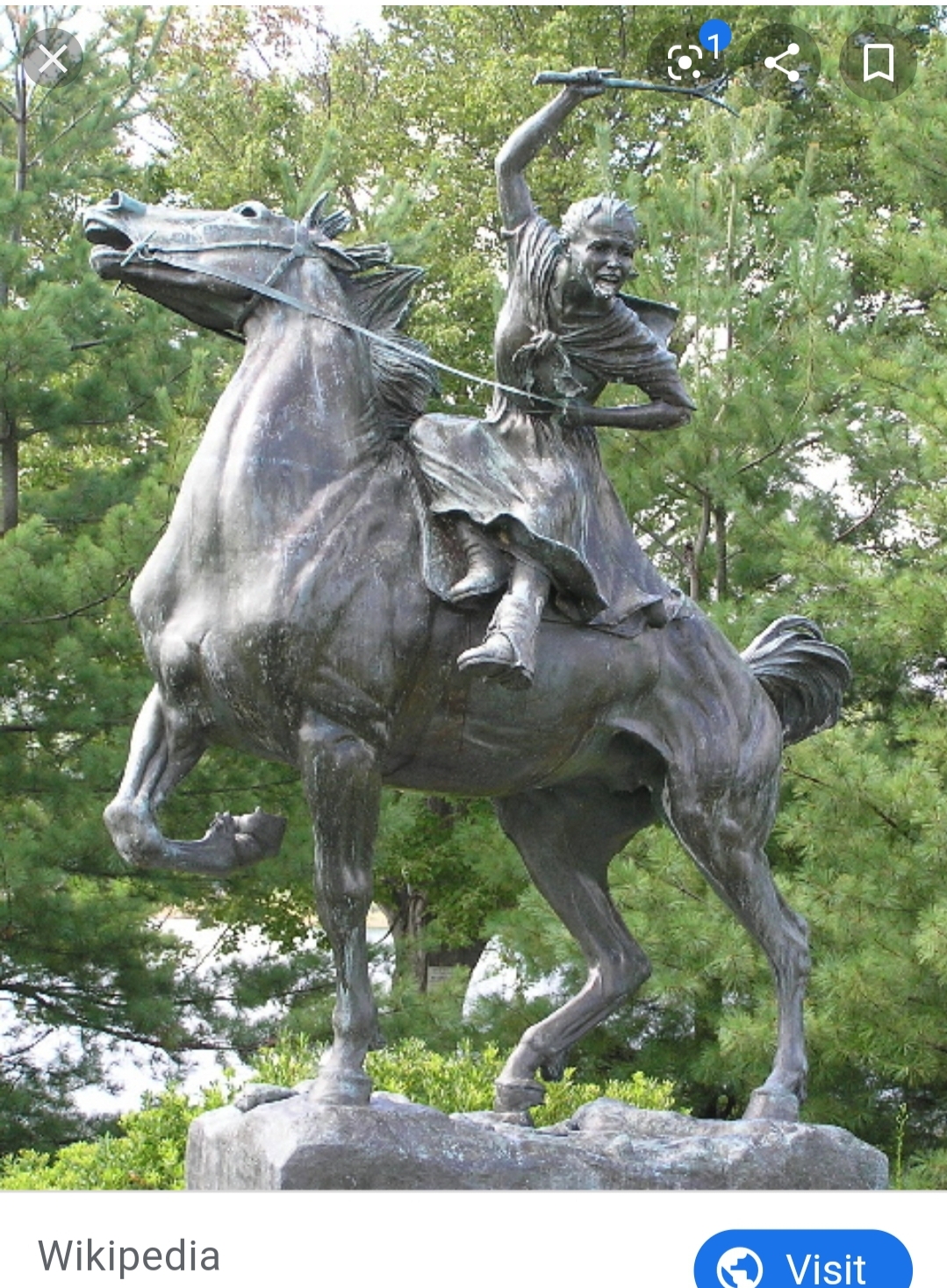
Courtesy of Wikipedia

788: Sybil Ludington Ogden

The Real Midnight Rider

Born: 5 April 1761, Fredericksburg, The Colony of New York (Present-day Lugintonville, New York, United States of America)

Died: 26 February 1839, Catskill, New York, United States of America

Also Spelled: Sibbell, Sebal, Sebil, Cybil, or Sibel

Sybil was a heroine of the American Revolution; and unlike Paul Revere—the other famed Midnight Rider, Sybil wasn’t caught.

When she was sixteen years old, word reached Sybil’s home that the British were burning Danbury, Connecticut; prompting her father to ask Sybil to ride over forty miles throughout the New York winter to find and gather up the neighboring minutemen to launch a successful counter assault.

Sybil was the oldest of twelve children, and her father all in all served in the military for over sixty years. Although Henry Ludington was originally aligned with the British crown, when the time for independence came, he switched his allegiance to the American rebels. Henry was promoted to colonel of his local regiment. On a cold rainy night in April 1777, the Ludington family received word of the impending attack. The rider who brought the message was too tired to continue on, and the colonel needed to focus on preparing for battle. Therefore, the task of gathering the local militiamen fell to Sybil.

Whether she volunteered or was asked by her father to take up her reigns isn’t known for certain today, but either way, Sybil got in the saddle and went out in the storm. Estimates vary if the actual ride was closer to twenty or forty miles, but either way it wasn’t easy. Sybil didn’t have a nice paved road to trot her horse along—in fact she rode through heavy woods, at night, and again in the middle of a massive storm. By the time Sybil finished her ride, hundreds of men had shown up to fight back the British. Sadly, they arrived too late to win the battle, but the men did still attack the departing soldiers, and were able to drive them back to Long Island Sound.

After the war, Sybil married and had one son. Her husband died of yellow fever, and so Sybil opened a tavern and helped her son become a lawyer. Selling the tavern ensured Sybil had enough money to get her through for a time. Sybil bought a home in which she lived with her son and his family. However, after her son died, Sybil tried to apply for a war pension. Her husband had served in the war, but Sybil was denied on the basis she didn’t have enough proof she was married.

I know, right?!

Because of the denial of the pension, Sybil died in poverty when she was seventy-seven, completely forgotten by her country. Today, a statue stands of Sybil in her native New York, and all along her famous route in Putnam County are historical markers. The statue of Sybil was erected in 1961 by the Daughters of the American Revolution. The statue’s construction brought Sybil’s name to the history books, where she should have been all along.

Sybil was also honored with a US postal stamp in 1975. Her story is recounted on an episode of Monumental Mysteries entitled Eureka Springs Cancer Hotel, Female Paul Revere, Frozen Grandpa.

Badges Earned:

Find a Grave Marked

Rejected Princess

Located In My Personal Library:

Women Heroes of the Revolution by Susan Casey

Bygone Badass Broads by Mackenzi Lee

Rejected Princesses by Jason Porath

Legends & Lies: The Patriots by Bill O'Reilly and David Fisher

Revolutionary Mothers by Carol Berkin

Sources:

https://www.womenshistory.org/education-resources/biographies/sybil-ludington

https://www.battlefields.org/learn/biographies/sybil-ludington

https://www.historicpatterson.org/Exhibits/ExhSybilLudington.php

https://www.findagrave.com/memorial/2539/sybil-ludington

787) Serena Shim

Courtesy of Democracy and Class Struggle

 “The price of truth cost my daughter her life,” -Judith Poe, Serena’s Mother

787: Serena Shim

Why Don’t We Remember Her Name?

Born: 10 October 1985, Detroit, Michigan, United States of America

Died: 19 October 2014, Suruç, Turkey

Also Known As: Serena Ali Suhaim

Serena was a journalist who worked for Press TV, which is backed by Iran.

While covering the Siege of Kobanî as a war correspondent in Turkey Serena was killed in a car crash.

Her death raised suspicions as the Turkish government had accused Serena of spying only two days before.

The Siege of Kobane involved Islamic State Militants against Kurdish Freedom Fighters. Serena reported on Turkey smuggling high ranking Islamic State officials and soldiers into the country through so-called Syrian Refugee Camps and World Food Programme trucks.

One day before her death, in her last recorded interview broadcast, Serena spoke on how she was now afraid for her life. The Turkish government had labeled her a spy and ordered its citizens to call them if they spotted her.

The crash that took Serena’s life is highly suspicious. For one thing, Turkish officials handled the entire investigation, and the United States had no role—nor did the US government seem to even try to take an active role in it despite Serena being a US citizen. According to Turkish media, a heavy vehicle—later identified as a cement truck—rammed into Serena’s car. Her cousin Judy had been driving and sustained only minor injuries. Judy and Serena were taken to separate hospitals, Serena’s over thirty miles from the hospital Judy was taken to. At first, it seemed the driver of the other vehicle was blaming Judy and Serena. Then the narrative pivoted, and the other driver was supposed to go on trial for death through negligence. The trial was supposed to take place in 2015, and as of 2019 had yet to occur.

Judy, Serena’s cousin, completely disputes the cement truck story. Judy claims they were hit by a semi-truck that intentionally ran into them. No images or video of the crash site have ever been publicly released. Other discrepancies include the fact that at first Serena was said to have died at the scene of the crash, and then later was said to have died of heart failure at the hospital. Turkey and Lebanon both reportedly performed autopsies but could not confirm a cause of death or release the details of their investigations. Judith, Serena’s mother, viewed her daughter’s body in Lebanon. She claimed there wasn’t a scratch on her daughter, and that Serena didn’t even look dead. How could she look so perfect if she was killed from injuries sustained in a violent car accident?

After graduating high school in Michigan, Serena moved to Lebanon, near her father’s hometown. She was hired in 2006 by Press TV while still attending university. The last four years of Serena’s life were consumed by reporting on the wars and uprisings across the Middle East. Serena’s mother says her daughter became an enemy of the now dictator in charge of Turkey (as of 2020) when Serena dared ask him some hard questions. She was not only removed from the press conference the dictator (who was Prime Minister at the time) had called, but she was also supposedly banned from Turkey entirely.

She had two young children when she was killed, and Serena herself was only twenty-nine years old. According to her family, Serena and her husband and children had been playing on returning to Michigan at the time of her death. According to Who What Why, Serena reportedly said to her mother a week before her death, ““This is my last trip and I’m done. Because, after that, there’s nothing else that I can do — and I want to go out with a bang.”

For Serena’s bravery and fight to report the truth and nothing less; in 2019 The Serena Shim Award for Uncompromised Integrity in Journalism was established. She is also celebrated at the Arab American National Museum, an affiliate of the Smithsonian Institution in her native Michigan. Unfortunately that’s not where Serena’s story ends.

A week after her funeral, the Turkish Embassy in Lebanon dug an even deeper wound into the Shim family. They called to inquire whether or not Serena was still in Turkey, like they didn’t already know she was dead.

A month after her death, the US State Department finally spoke. They claimed they did not conduct investigations into deaths overseas. They later said they could monitor areas where US citizens were living but were unable to conduct actual investigations when a citizen died on foreign soil. Six years after her death the United States government has yet to act or investigate how Serena actually died. To me, this is made all the more disgusting and shows the double standard of the media and the United States government at large. When the Washington Post reporter Jamal Khasoggi was murdered in October 2018 (in Turkey no less!), supposedly by the Saudi Arabian government, his name and face were everywhere, and even President Trump got involved. When Serena was killed, the media and President Obama were silent. Where is the justice for Serena? Where is the commendation for her? Why is no one showing her face, name, and photo amongst other reporters who are worthy of praise and being looked at in glory? In 2018, TIME Magazine named reporters and journalists at large as the person of the year. Was Serena included in those highlighted? You can guess the answer to that question.

I will never forget you Serena, and I can only pray for the day you and your family see the justice you so obviously deserve.

Badges Earned:

Find a Grave Marked

Sources:

https://whowhatwhy.org/2019/10/21/serena-shim-the-life-and-unexplained-death-of-a-syria-war-reporter/

https://serenashimaward.org/

https://www.theguardian.com/media/greenslade/2014/oct/20/journalist-safety-turkey

https://www.middleeasteye.net/news/war-zones-museum-legacy-serena-shim

https://www.anonymous-france.eu/blog/serena-shim/?__cf_chl_jschl_tk__=e54f3d5516497462985ca796f54d8efd64a1add6-1592096415-0-AYI7ktFUJ81Lf2kO38XEWfxZ0E4ZMKEBqV9vxS6q7TC31miyAdgKDH2XmbkfuaKs4JfLdh7jhYflsZFOsr73ztKw62TvxjXh-IZVd7PGP0_PO58WL7um9n-2VtMBoQrbqSQt_sfXEAcvvh1McGgkkjp2TYIQNLfF_q2lvqrz3HS5iCxTR1zLZAFCCThGUIWt8H2TUux41Bdgwie0K47OjqDY4VwlS046y4q_NvMGjqvnzG2fMvguPLFmlF1ivz3RLKg6YH08GXsvnIoN8ZHEoIrLAXy4l8DwHF3_5pAP1fAK

https://www.findagrave.com/memorial/137499724/serena-shim

786) Mary Higby Schweitzer

Department of Biological-NC

"I don't care what they say about me. I know my work is good."

786: Mary Higby Schweitzer

Paleontologist Who Made an Astonishing Discovery

Born: c.1955, Montana, United States of America

Mary discovered blood vessels and structures that looked like whole cells inside a 68-million-year-old t-rex fossil. Mary has also found organic material in a woolly mammoth fossil and an 80-million-year-old hadrosaur fossil. While this sounds amazing, the issue lies with the fact that other scientists have pointed out the organic material might be a contaminant from a later date.

She holds a PhD in paleontology.

Mary is very angry and works tirelessly to disprove the creationists who use her work to push the narrative that the earth is only as old as the Bible claims it is. (The creationists claim Mary’s work proves dinosaurs and mammoths could not have lived more than X number of years old because other scientists previously though organic material could not survive in a fossil--Mary’s work proves they can). Mary’s work in combatting creationism is even more groundbreaking when compared with her own past. Mary was raised Catholic, and after her father died when she was sixteen, Mary became hard-core Christian, to say the least. She became so involved in the creationist movement that she challenged Professor Jack Horner (who had been the inspiration for the paleontologist in Jurassic Park). Mary claimed she would audit his class and prove him wrong about evolution. Instead, Mary’s eyes were opened to the science behind evolution and the extreme age of the earth itself. Mary has never looked back. Mary’s conversion from Christian wife and mother to Christian scientist and ex-wife was a painful one, but she had her children and her coworkers at her back, and she got through it.

Mary also started working with NASA trying to find evidence of life on other celestial bodies.

No other scientists outside her lab have been able to replicate her work, which leads to major criticisms against her and again, creationists being able to use her work as stated above. It should be noted that the previously mentioned Dr. Jack Horner is a huge backer and proponent of Mary’s work, and has co-authored several papers with her over the years.

Sources:

https://www.sciencemag.org/news/2017/09/i-don-t-care-what-they-say-about-me-paleontologist-stares-down-critics-her-hunt

https://naturalsciences.org/staff/mary-schweitzer

https://www.discovermagazine.com/the-sciences/schweitzers-dangerous-discovery
https://www.geology.lu.se/mary-higby-schweitzer

  • Previous
  • 1
  • …
  • 45
  • 46
  • 47
  • 48
  • 49
  • 50
  • 51
  • …
  • 159
  • Next

Categories

Archives

  • July 2025 (10)
  • July 2024 (1)
  • January 2024 (1)
  • August 2023 (1)
  • June 2023 (2)
  • October 2022 (1)
  • July 2022 (1)
  • June 2021 (3)
  • December 2020 (3)
  • August 2019 (1)
  • July 2019 (2)

Search

© 2026 The Exasperated Historian | Powered by Minimalist Blog WordPress Theme