The Exasperated Historian
Menu
  • Home
  • The Women’s List (New)
  • The Men’s List
  • The Animal List
  • Collections
  • The Blog
  • Contact Us
  • FAQ
Menu

Category: Birth Locations

802) Myrtle Corbin

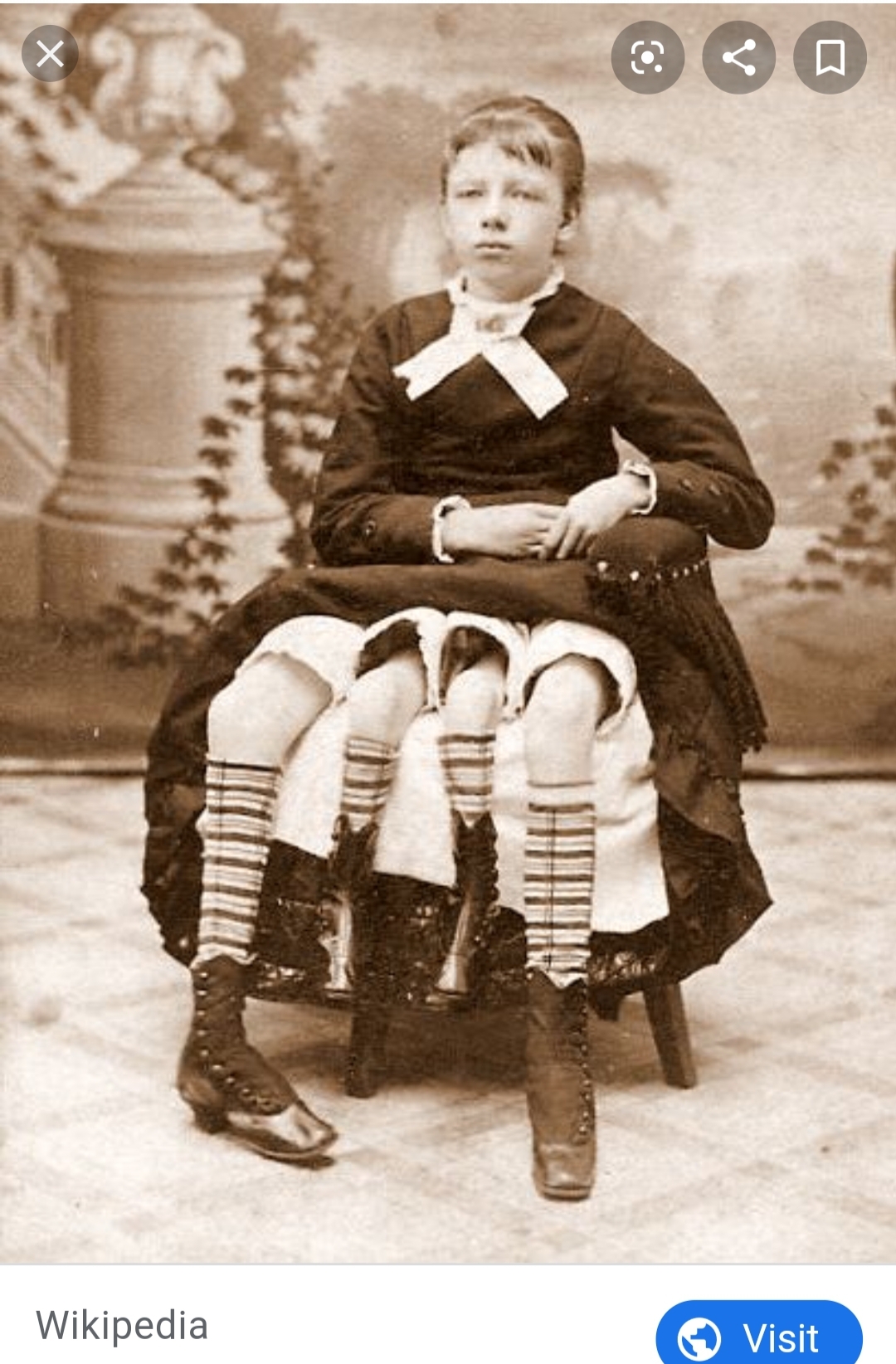
Courtesy of Wikipedia

802: Myrtle Corbin

"The Four-Legged Girl From Texas"

Born: 12 May 1868, Lincoln County, Tennessee, United States of America

Died: 6 May 1928, Cleburne, Texas, United States of America

Original Name: Josephine Myrtle Corbin

Myrtle was born a dipygus; meaning she had two separate pelvises side by side from the waist down (including two sets of external and internal reproductive anatomical structures and four legs). Each smaller inner leg was paired with a larger outer leg. There are different forms of dipygus presentations, and sources differ on which exactly Myrtle had. Since she lived so long ago, there was no genetic testing or other ways of examining her like there would be today.

Myrtle had the ability to move the extra legs but couldn’t walk on them, while the smaller feet had only three toes each. She also had a clubbed foot on one of her bigger legs, leaving her with one good leg out of four.

Most surprising of all, Myrtle was the only “oddity” in her family—her parents had seven other children, all of whom had no birth defects or other abnormalities.

Myrtle’s father started showing her around when she was a month old, and when she was fourteen Myrtle started touring with Barnum and Bailey and later Ringling Brothers. Myrtle made so much money she retired when she was eighteen. At her height she was earning around $450 a week!

Myrtle later married and had four or five children (sources differ). There was a rumor some of the children were born from one uterus and some the other, and while this was never definitively proven, it is medically possible.

After she died, Myrtle’s family had her casket covered in concrete, to deter any would-be grave robbers to come calling.

Badges Earned:

Find a Grave Marked

Sources:

https://allthatsinteresting.com/myrtle-corbin

https://briefly.co.za/39117-josephine-myrtle-corbin-4-shocking-facts-4-legged-woman.html

https://www.postize.com/four-legged-woman

https://www.findagrave.com/memorial/31675682/josephine-myrtle-bicknell

801) Cindy Crawford

Courtesy of The Evening Standard

801: Cindy Crawford

One of the World’s First Supermodels

Born: 20 February 1966, DeKalb, Illinois, United States of America

Original Name: Cynthia Ann Crawford

Cindy is also an actress and spokesperson.

Her modeling career really started when she was seventeen. Cindy earned the nickname "Baby Gia" for her resemblance to Gia Carangi; arguably the world's most famous supermodel before Cindy.

Cindy was valedictorian of her high school graduating class. She went to college at Northwestern for one semester to study chemical engineering before dropping out to pursue her modeling career.

Cindy retired from full time modeling in 2000. Since then she has appeared in numerous television shows and movies in cameo roles. Cindy has also signed multi-million-dollar endorsement deals with both Revlon and Pepsi.

She has long been an advocate for childhood leukemia research, sadly because her brother Jeffrey died from the disease when he was three and Cindy was ten.

Cindy has been married twice and has two children.

Sources:

https://www.biography.com/performer/cindy-crawford

https://en.wikipedia.org/wiki/Cindy_Crawford

https://www.imdb.com/name/nm0000340/bio?ref_=nm_ov_bio_sm

800) Jeanne Boulet

800: Jeanne Boulet

Victim of the Beast of Gévaudan

Born: c.1750, Most Likely France

Died: 30 June 1764, Gévaudan, France (Present-day Lozère, France)

The beast was a terrifying man-eating mythical beast that killed around 100 and left 300 more injured over a three-year span, from 1764 to 1767.

Jeanne was the first victim to die and was around fourteen years old at the time. She was the second victim overall, the first having been attacked two months earlier but surviving the encounter.

Jeanne had been watching her sheep when the beast, most likely a large wolf, attacked and completely devoured her body leaving only her clogs and bonnet behind.

The attacks got so bad the actual king of France, Louis XV, sent in troops to try and quell the beast. Stories of the beast spread across the world, appearing in newspapers from Boston to Brussels. The beast is seen by some as one of the first media sensations; and it couldn’t have hit at a worse time. France was still reeling after its humiliating defeat in the Seven Years’ War.

Several large creatures were shot and killed over the three-year period, until the attacks finally stopped in 1767 after another was killed. Though the body appeared to be a wolf, the features were different. People have speculated everything from a prehistoric holdout to a lion or hyena. Some even speculate a human serial killer was using a large dog to carry out attacks against other people. The truth will never be known for certain.

Badges Earned:

Located In My Personal Library:

National Geographic History Magazine Article "The Beast of Gevaudan" by Juan Jose Sanchez Arreseigor (September/October 2021 Edition)

Sources:

https://www.history.com/news/beast-gevaudan-france-theories

https://www.smithsonianmag.com/history/beast-gevaudan-terrorized-france-countryside-180963820/

https://www.forbes.com/sites/davidbressan/2017/06/28/terror-and-geology-the-beast-of-gevaudan/#1f30b08922c4

799) Antonietta Gonsalvus

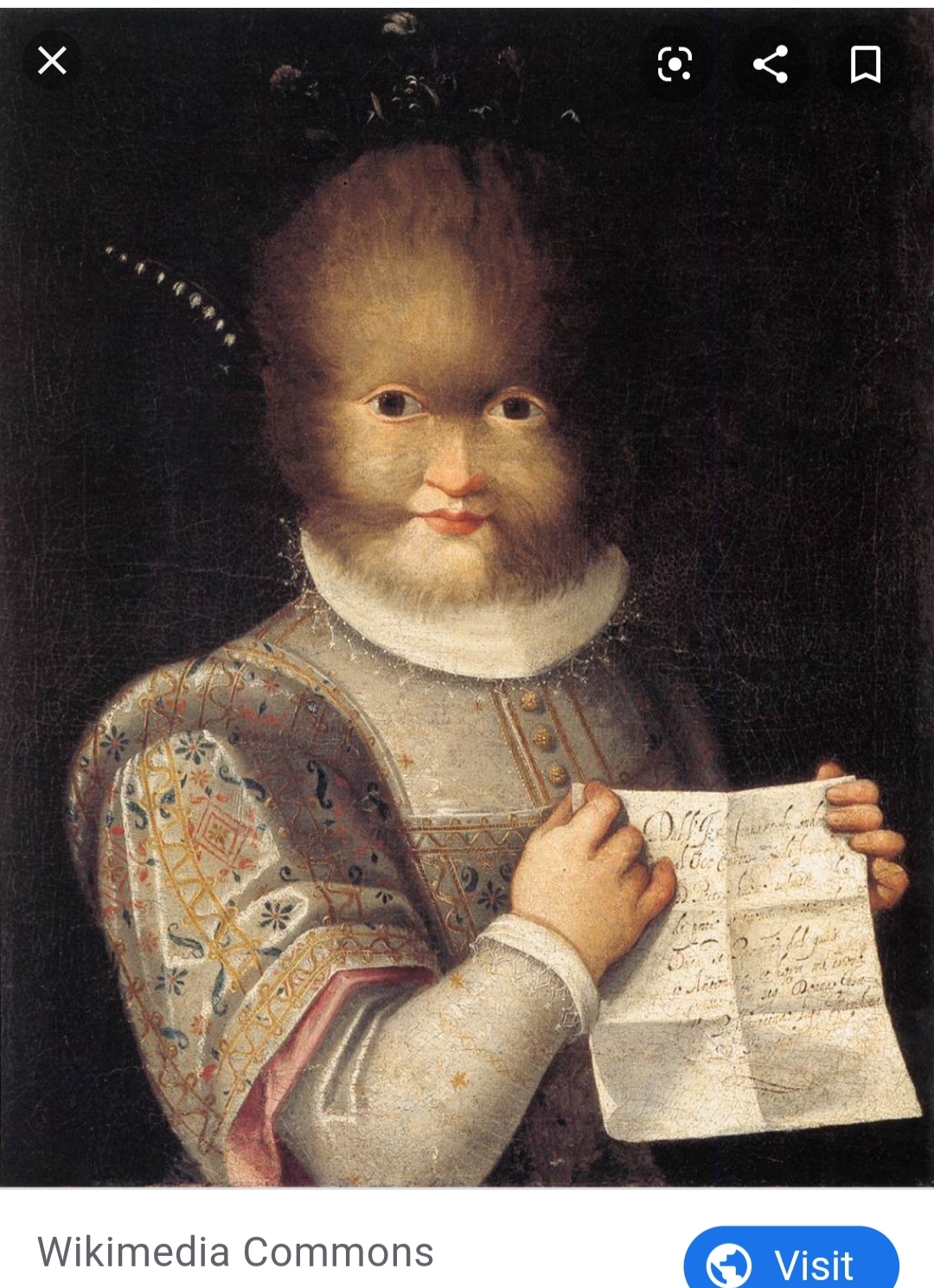
Courtesy of Wikimedia Commons

799: Antonietta Gonzalvus

The Hairy Noblewoman

Born: c.1588, France

Death Date Unknown, Capodimonte, Italy

Also Spelled: Antonietta Gonzalez

Antonietta was the daughter of one of the most famous Hypertrichosis sufferers, Petrus Gonsalvus, and his “normal” wife Catherine.

Antonietta was one of seven children. Three of her siblings were “normal” and three others besides Antonietta had hypertrichosis. The four who had the disease were taken from their parents and sold to various nobles around Europe. Antonietta, for instance, was sold to a family in Bologna, Italy. Her three other hairy siblings have much less documentation to record their lives, but sketches and doctors notes from Antonietta survive.

One of the portraits of Antonietta that survive today was painted by Lavinia Fontana; which is shown here in this article. Because of the curious nature of Antonietta’s family, they were often painted and sketched, so an abundance of images of Antonietta survive. We just don’t know that much about her other than her appearance.

Sources:

https://historycollection.com/the-real-beauty-and-the-beast-didnt-live-happily-ever-after/

https://allthatsinteresting.com/petrus-gonsalvus-real-beauty-and-the-beast

https://womennart.com/2020/01/22/portrait-of-antonietta-gonzalez-by-lavinia-fontana/

798) Catherine Gonsalvus

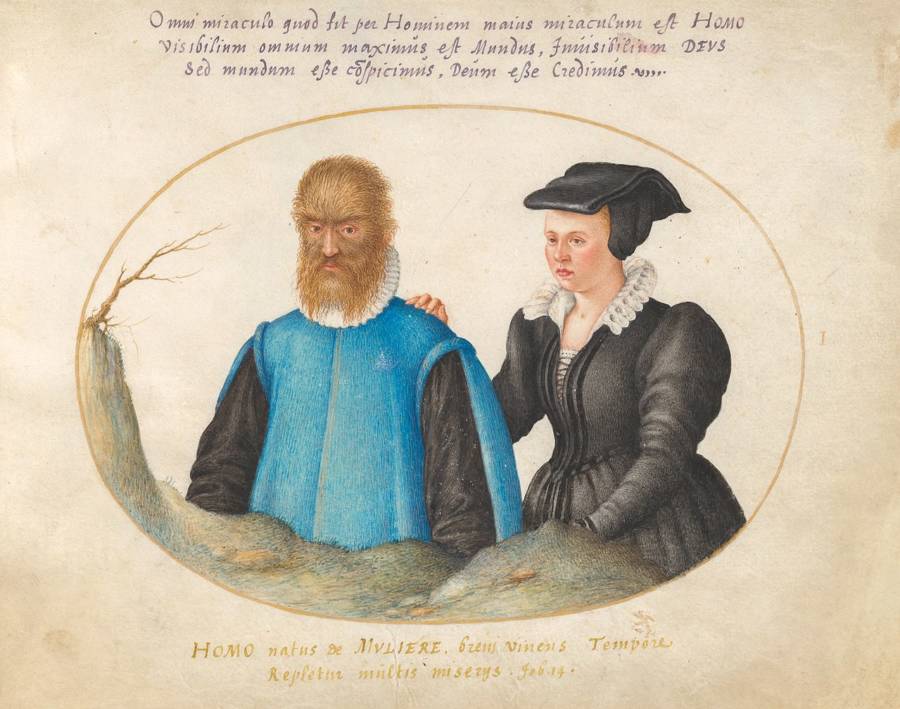
Courtesy of All Thats Interesting

798: Catherine Gonsalvus

Beauty was a Real Woman, Believe it or Not

Lived: 1500’s Europe (Probably Born in France)

Catherine was the wife of a man named Petrus. Petrus suffered from hypertrichosis; and when he was brought to the court of Henri II of France at the age of ten, most believed he was a feral wild child who could barely speak. However, over time, Petrus learned to read and communicate as well as any other educated nobleman.

Eventually the court decided Petrus needed to get married in order to be a proper gentleman. By then, Henri II had died and his widow, the famous Catherine de Medici, decided she wanted to play matchmaker. Catherine chose the daughter of a servant who was known for her beautiful features and decided they would marry.

This is where our Catherine enters the picture. She had no idea she was being set up for a marriage with anyone, well, unusual. Catherine must have been stunned, to say the least, when she met her groom the day of the wedding, but seeing as this was the Middle Ages, Catherine wasn’t unable to back out or get divorced later if she wanted to.

While it is impossible to know today if Catherine and Petrus were actually in love, they did have seven children together. Some of the children were “normal” while four of them had hypertrichosis. All four of them were sold to other members of the nobility with the queen pocketing the money. Luckily all four children were treated like family members and not, well, slaves.

Eventually, Catherine and Petrus were allowed to retire and live with a Duke in Italy (or Spain, sources differ). And that’s about all anyone knows about Catherine. When she was born or when she died is unknown.

Today, Catherine and Petrus are seen as possibly inspirations behind the version of Beauty and the Beast written in 1740 by a French novelist.

Sources:

https://historycollection.com/the-real-beauty-and-the-beast-didnt-live-happily-ever-after/

https://allthatsinteresting.com/petrus-gonsalvus-real-beauty-and-the-beast

https://www.thevintagenews.com/2019/01/07/pedro-gonzales-and-catherine/

https://www.smithsonianchannel.com/shows/the-real-beauty-and-the-beast/0/3394874

797) Mary Custis Lee

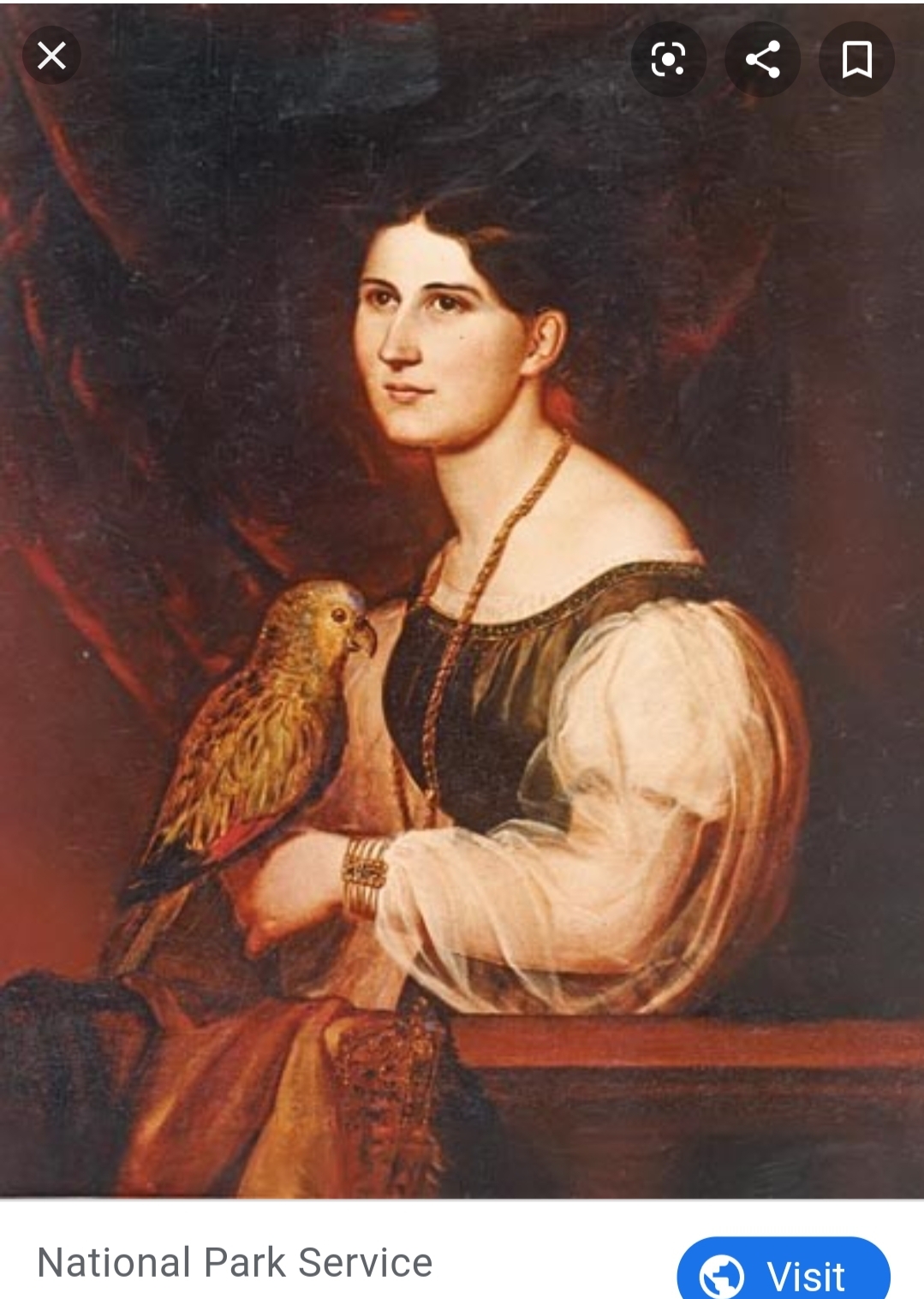
Courtesy of the National Park Service

“Life is waning away, and with the exception of my own immediate family, I am cut off from all I have ever known & loved in my youth & my dear old Arlington I cannot bear to think of that used as it is now & so little hope of my ever getting there again. I do not think I can die in peace until I have seen it once more.”

797: Mary Anna Randolph Custis Lee

Her Connections Are a Whose Who of American Genealogy

Born: 1 October 1807 (or 1808, sources differ), Annfield, Virginia, United States of America

Died: 5 November 1873, Alexandria, Virginia, United States of America

Mary was Robert E Lee’s wife and the daughter of George Washington Parke Custis, making her a step-descendant of George Washington. These connections put Mary in an extraordinary position within the history of the United States, but they also ensured her story was overshadowed by her more famous relatives.

The Custis family was incredibly wealthy (in terms of property and valuables, not necessarily hard cash). Mary’s great-great-grandmother was Martha Custis Washington, the first First Lady of the United States. Martha’s first husband had been wealthy in not just land, but slaves as well. When George Washington married Martha, he inherited control of her lands and wealth. Though they never had children together, the Custis-Washington estate did pass on to future generations through Martha biological’s grandchildren. One of those grandchildren was George Washington Parke Custis, Mary’s father. Mary was the only surviving child of her parents, meaning the entire estate her father had inherited would pass on to her. Mary’s father, called Wash by family members, was so enamored with the man who had raised him, he spent much of his inheritance buying up artifacts that had once belonged to George Washington upon Martha’s death. Wash spent so much money buying the family valuables the Custis estate never really recovered financially. But to other genealogists out there, you probably recognize as well as I do the desire to own and protect the things your family used and cherished before you.

This is the family dynasty Mary was born into (and that's without going into details on her mother's family, who were high ranking socially in Virginian society as well). The Custis family owned Arlington House in Virginia; within sight of the nation’s capital, Washington DC. By the time Mary was born, the attitude of the Custis family had changed. Her parents owned slaves but didn’t believe in the practice itself. They kept their slaves because they were fearful for how the slaves would support themselves once freed. When Mary was a child, she played with the children of other slaves as her playmates. And so when Mary and Robert took over the estate, Mary saw to it her slaves were educated like her mother before her, to prepare them for the day they would be free. Mary’s mother also ensured the slaves were able to attend Sunday School lessons if they chose.

Mary’s father was a founding member of the American Colonization Society, which freed over 6,000 slaves and returned them to Africa. Mary’s mother, Molly, was also a firm believer in the emancipation of slaves and fought for that goal her entire life. She freed her own slaves in her own lifetime and asked family members to do the same, including her husband. Molly’s Will also stipulated a part of her fortune be used to continue the education of Arlington’s slaves in the hopes of them being able to support themselves once freed. The idea of returning people of African descent to a random spot in Africa may seem distasteful today, but many abolitionists in America believed in such a practice, including President Lincoln, and the American Colonization Society helped found the nation of Liberia in Africa as a result.

Mary knew French, Latin, and Greek and always read the newspapers to keep up to date on current events. Her education allowed Mary to edit her father’s Recollections and Private Memoirs of Washington, his memoir of sorts of the memories he had from growing up at Mount Vernon with George and Martha. Though the book was published after her father's death, it is seen today as a treasure of information on the family life within the Washington home.

Mary was a mother of seven children and suffered from ill health her entire adult life. She was a painter, like her father, and the landscape depictions she created can still be viewed in Arlington House today. Mary’s other main hobby was gardening; she grew eleven different varieties of roses just outside her home. She also ensured she was well versed in politics, though she didn’t like them. Mary could always have a discussion with her father or husband about politics but preferred more domestic pursuits. Mary was also very religious and involved in the Episcopal church.

Mary and Robert spent the early years of their marriage on the move. Robert, a graduate of West Point and an army man, was assigned to various forts across the eastern seaboard. Though he didn't see any military action in the beginning years of his career, he was still beholden to his duties--wherever they sent him. Mary and their seemingly ever-growing brood of children followed along with him some of the time but stayed in Arlington the rest. Mary struggled at the outset, unused to keeping a home without the assistance of her mother or the slaves, and Robert often teased her for this. Mary also experienced intense homesickness in these years, missing the Arlington she had loved and spent so much of her time growing up. The first few years were spent at Old Point Comfort; where Mary cared for her own family as well as spending her own money to purchase books for the slave children who were barred from attending religious services. Mary also opened her own home to teach the children religion. The next few years saw Robert assigned to numerous places. In 1837, Mary was filled with dread when she learned they were headed to St. Louis, so far from their beloved Arlington.

Mary did go to St. Louis with Robert, but returned to Arlington soon after, where their fourth child was born. Mary was perfectly content to stay at Arlington and raise her children but realized without Robert it wasn’t a content life there after all. In 1841, their fifth child was born at Arlington, and soon after the family relocated to Robert’s new assignment—New York. By now, Mary was feeling increasing pressure as she tried to raise the children on her own. With Robert largely absent and her parents far away at times, Mary was left to raise the children under her own steam.

Even before she married, Mary had been beset by ill health. A fever nearly took her life in the months before her nuptials, though she gradually recovered. Soon after the wedding, the symptoms returned, and Mary nearly died once again. She was also ill during her first pregnancy and in the months following her second. The next few years saw Mary’s health increasingly failing, and the near-constant state of being pregnant and rearing children did nothing to improve things. No wonder Mary felt so worn out! 1843 saw the birth of Mary and Robert’s sixth child and two years later, the older children were leaving to head to boarding school. In 1846, Mary gave birth to her seventh and final child, but the taxing nature of the pregnancy had taken its toll on her fragile health, and she spent months after bedridden.

A few months later, Robert received a field commission in the war with Mexico, and Mary and the children returned to Arlington. All seven of the children were home with Mary, but for once she wasn’t overwhelmed. Being home at Arlington was a huge mental relief to Mary, and she finally found the happy idyllic life she’d been looking for—though still in constant pain. When the war with Mexico ended, Robert received a commission at West Point, and the family returned to New York. Soon after, Mary’s mother died, and Mary became the new lady of Arlington Estate. Mary returned to West Point and saw her oldest son graduate first in his class, but soon after it was back to Arlington after Robert received his new commission in Texas. This is when Mary and Robert realized and became concerned by the dire financial straights Mary’s father Wash had left Arlington in. Though Wash was still alive, it was clear he needed his daughter’s help to get the estate back in working order.

By the 1850’s, Mary began to be even more debilitated by severe rheumatoid arthritis. She visited spas and did her best to keep her spirits up but lived in constant pain. Mary was now the lady of Arlington, caretaker to her father and younger children, and overseer of the family’s estate (which included several properties beside Arlington) while Robert was off in Texas. In 1857, Wash died, and Mary inherited the estate. When Wash’s Will was read, Mary learned she and Robert now owned the 1,100-acre estate at Arlington, all the slaves that lived there (but were to be freed within five years of Wash’s death) and the other Custis properties scattered around Virginia. The Will also stipulated how the estate was to be split to Mary’s children.

Robert spent the years of 1857 to 1859 attempting to straighten out the family’s financial situation. His two month leave from Texas had turned to two years, and when he finally deemed things settled, he was reassigned to Harper’s Ferry, then in Virginia. It was here that Robert E Lee was cemented an American hero thanks to him overseeing the capture and execution of the wayward thinking John Brown.

By 1861, Mary was confined to a wheelchair. That same year, in April, Robert wrote to Mary urging her to abandon Arlington for her own safety, but Mary delayed. By now, the War Between the States was on the horizon. Robert had resigned his commission with the Union Army and joined the Confederate. Mary was torn, wanting to ensure her husband she was safe but also anxious at the very idea of leaving behind her family’s property and memories. Finally, in May, Mary and her daughters still living at home fled. They would never live at Arlington House again.

Mary and her daughters spent the war years knitting socks for the Confederate soldiers; hoping Robert and their other male relatives would come home alive. She also helped nurse the wounded after the First Battle of Bull Run (First Manassas). In quick succession, Mary lost her twenty-three-year-old daughter Annie, as well as two grandchildren and their mother Charlotte (Mary’s daughter-in-law). Also lost during the war was the home at White House Plantation. Union soldiers had burned the home to the ground after learning it belonged to the Custis/Lee Family. Unfortunately for lovers of American history, the home had been owned by the Washingtons when still alive, and so the loss was a great one not just to the Custis/Lee Family. White House Plantation was the home in which Martha Dandridge married her first husband Daniel Parke Custis. Mary also had to watch as her son “Rooney” (Henry) was imprisoned for much of the war. It was Rooney’s wife and children that had died in 1862.

After the war, Mary moved with her husband to Lexington, where Robert became president of Washington College (now named Washington and Lee University). She petitioned for the return of Arlington but failed. By that point, her health was in such a state she needed constant care. Around this time, Mary returned to the location where she had buried the Washington letters at the start of the war in the hopes of recovering them. Instead, she found the letters and papers had been exposed to the elements and were ruined. Mary burned the remains herself, the very action as heartbreaking to the world at large as it was to her. In 1869, President Johnson authorized the return of all of Mary’s personal belongings that had been sacked from inside Arlington House, however, Congress stopped her from recovering them. Congress declared the items were the belongings of the Father of the United States and as such belonged to the people, not Mary Custis Lee.

Mary never recovered from the loss of her beloved home. By the time Robert died in 1870, she was so ill she could not attend his service, and instead stayed home and reread his letters. Mary also became incensed at this time after learning the Arlington slaves, freed with the passage of the thirteenth amendment, had largely abandoned Arlington. Mary wrote a series of nasty letters after learning this, and unfortunately abandoned her earlier efforts to support the people who were now former slaves.

A few months before she died in 1873, Mary returned to Arlington for the first time since she fled twelve years before. She was unable to get out of the carriage but was able to view the property from the window. One of her former slaves, who still worked the land, brought her a drink of water from the well. Mary later wrote she did not recognize her home save for a few of the trees she and Robert had planted so many years before. Though she was able to visit that one time, Mary was never able to recover her family’s home. A few months later, her daughter Agnes died. In November of that same year, Mary’s crippled body and tired soul finally gave out and she passed away.

So how did the Custis-Lee Family lose Arlington during the war? The truth may come as a shock to you, in fact, I hope it angers more than shocks.

The Arlington Estate was seized in a tax scheme by the United States federal government in 1864, after the property taxes had become delinquent. The government demanded the property taxes be paid in person, knowing the Custis/Lee family could not take that risk. If Robert had appeared, he would have been taken captive by the Union Army. Mary was physically unable to return because of her ill health. Mary instead sent her cousin to pay the tax, but the tax commissioner refused to accept a payment from anyone other than the owner. When the Lees failed to appear, the federal government seized the property (technically they bought it at auction for a mere $26,800 but is it a coincidence they ended up winning the bid at auction?). The government then used Arlington as a burial ground for Union Soldiers as a final up yours to the Lee Family for fighting for the Confederacy. That’s right, the federal government was so incensed Robert E Lee had left to fight for his native Virginia; the government literally seized his wife’s property—the property that belonged to the family of the first president of the United States—and used it to bury the “enemy” soldiers of the Lee family. And make no mistake, the soldiers were not buried on the property because it was the only option available; they were literally buried there in the hopes of ensuring the Lee family never returned.* The government succeeded.

After Mary’s death, her oldest son Custis took up the fight to recover the family home. Finally, in 1882, the United States Supreme Court ruled that Arlington had indeed been illegally seized. The deed and property were returned to Custis, but he did not want to live at Arlington, amongst the generations of his family’s shadows and the ghosts of dead soldiers. Custis sold the Arlington estate back to the government for $150,000—half the property’s estimated value. In 1901, President Woodrow Wilson finally allowed Mary to rest in peace. The president ordered all other artifacts seized from the Custis/Lee home were to be returned to the family.

Today, the property is known as Arlington National Cemetery; the most hallowed ground in all the United States. Most visitors to the cemetery have no idea of the true history behind America’s most beloved cemetery; the final resting place of hundreds of thousands of our soldiers and their families. Arlington is a beautiful property. Having visited myself, I can tell you just walking around and seeing all those thousands and thousands of white headstones fills you with a sense of awe and respect, but I won’t ever trick myself into believing what happened to the Custis/Lee Family was justified. And though things were finally “set right” in the end, the fact that the government did something so inexcusable to a family so important to the history of our country in the first place leaves a sour taste in my mouth. Arlington Estate is described as having been built by George Washington Parke Custis (Mary's father) as a "living memorial to the first president" (Arlington National Cemetery). Instead, today the property is a memorial to our nation's best and bravest, but the way it came to be just that was anything but the best humanity had to offer.

*According to the Arlington National Cemetery website, the Arlington estate was not seized from the Custis Lee family to punish them, but it was instead seized for its strategic value. Sounds like an excuse to me, but hey, if that's the stance they take, I'll include it here.

Badges Earned:

Find a Grave Marked

Located In My Personal Library:

Legends & Lies: The Civil War by Bill O'Reilly and David Fisher

Sources:

https://www.wikitree.com/wiki/Custis-1

https://www.nps.gov/arho/learn/historyculture/mary-lee.htm

https://ehistory.osu.edu/articles/life-mary-custis-lee

https://www.encyclopediavirginia.org/Lee_Mary_Anna_Randolph_Custis_1807-1873

https://www.findagrave.com/memorial/7416695/mary-anna_randolph-lee

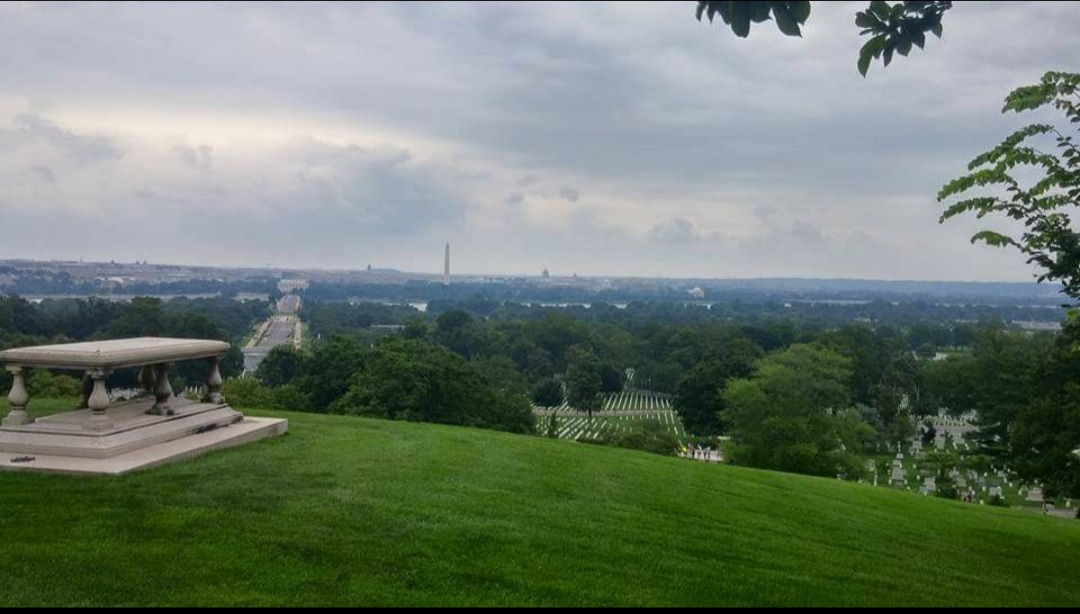
Grave of L'Enfant Near Arlington House

The grave of Pierre L'Enfant (left) overlooking some of Arlington's graves. Directly behind the tomb of L'Enfant lies Arlington House.

(Photo Taken by the Historian on her trip to DC in 2015).

796) Tu Youyou

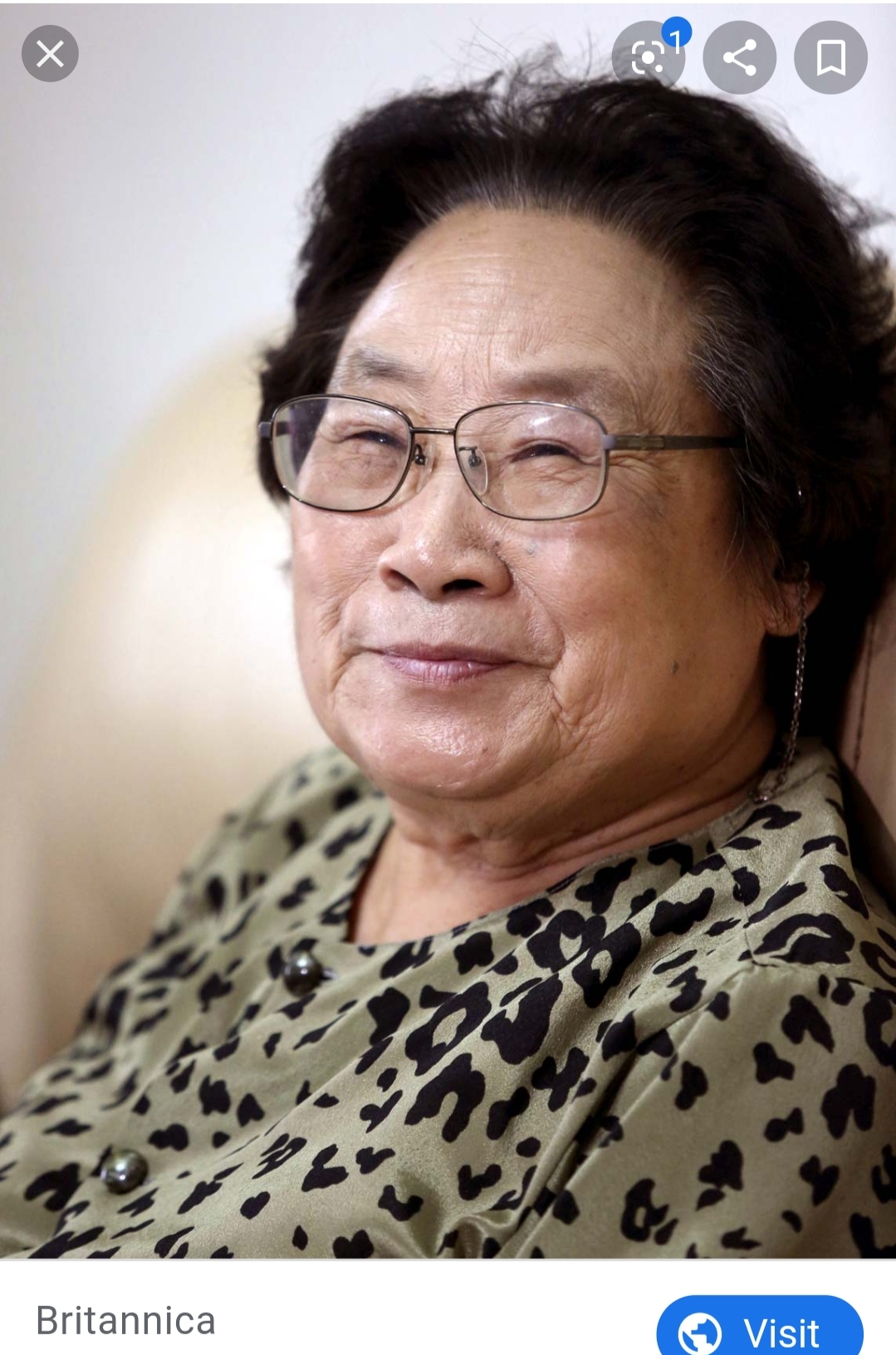
Courtesy of Britannica

“Every scientist dreams of doing something that can help the world.”

A Facebook Meme

796: Tu Youyou

Pharmaceutical Chemist

Born: 30 December 1930, Zhejiang Ningbo, China

Youyou won the Nobel Prize in Physiology or Medicine, 2015.

She is the chief scientist at the China Academy of Traditional Chinese Medicine (where she has worked since 1965).

Youyou pioneered a medicine from the traditional Chinese wormwood treatment that has helped millions suffering from malaria. She was able to extract a substance called artemisinin, which she promptly tested on herself first to prove it was safe.

Youyou is married and has two daughters. She was the first scientist from mainland China to receive a Nobel Prize in any scientific category, and incredibly she did it without a medical degree, any training abroad, or a doctoral degree.

Youyou was one of five siblings in her family, all of whom were encouraged to get an education. When Youyou was sixteen, however, she had to take a break from studying for two years. She had contracted tuberculosis, and while the disease is deadly, even today, Youyou survived. Once she recovered, Youyou decided she wanted to study medicine and find cures to diseases like the one that had nearly killed her.

In 1967, after working at the China Academy for two years, Youyou’s work was steered towards malarial treatments. At the time, the North Vietnamese were being decimated by malaria, exacerbated by the Vietnam War. Chairman Mao, the dictator in charge of China at the time, agreed to help the communist Vietnamese in the north by tasking his scientists with finding another treatment for malaria. The one available at the time, a drug called chloroquine, was no longer working for the Vietnamese soldiers.

And yes, if you’re wondering, chloroquine is the drug that is being highlighted as a possible treatment for Covid-19 in 2020—no word yet on how well that will work.

In 1969, Youyou was placed in charge of the project to find a new treatment for malaria. At the time, her children were four and one years old. It would be three years before she saw her children again. By 1971, the team had tested literally over 200,000 different compounds or treatments with none working. Finally, they discovered a text from around 400 AD relating wormwood as a cure for fevers that came and went—a sign of malaria. After a few false starts, Youyou and her fellows successfully extracted the artemisinin that has now saved millions of lives around the world.

Even more impressive? Youyou is incredibly humble in spite of this. She has said multiple times she is just happy to have been able to share the incredible wealth of knowledge ancient Chinese herbal medicine contains.

Badges Earned:

Located In My Personal Library:

Time Magazine's 100 Women of the Year (Youyou appears in the 1979 article, "Tu Youyou”)

Sources:

https://www.nobelprize.org/prizes/medicine/2015/tu/facts/

https://www.nobelprize.org/womenwhochangedscience/stories/tu-youyou

https://www.ncbi.nlm.nih.gov/pmc/articles/PMC4731589/

795) Carol Greider

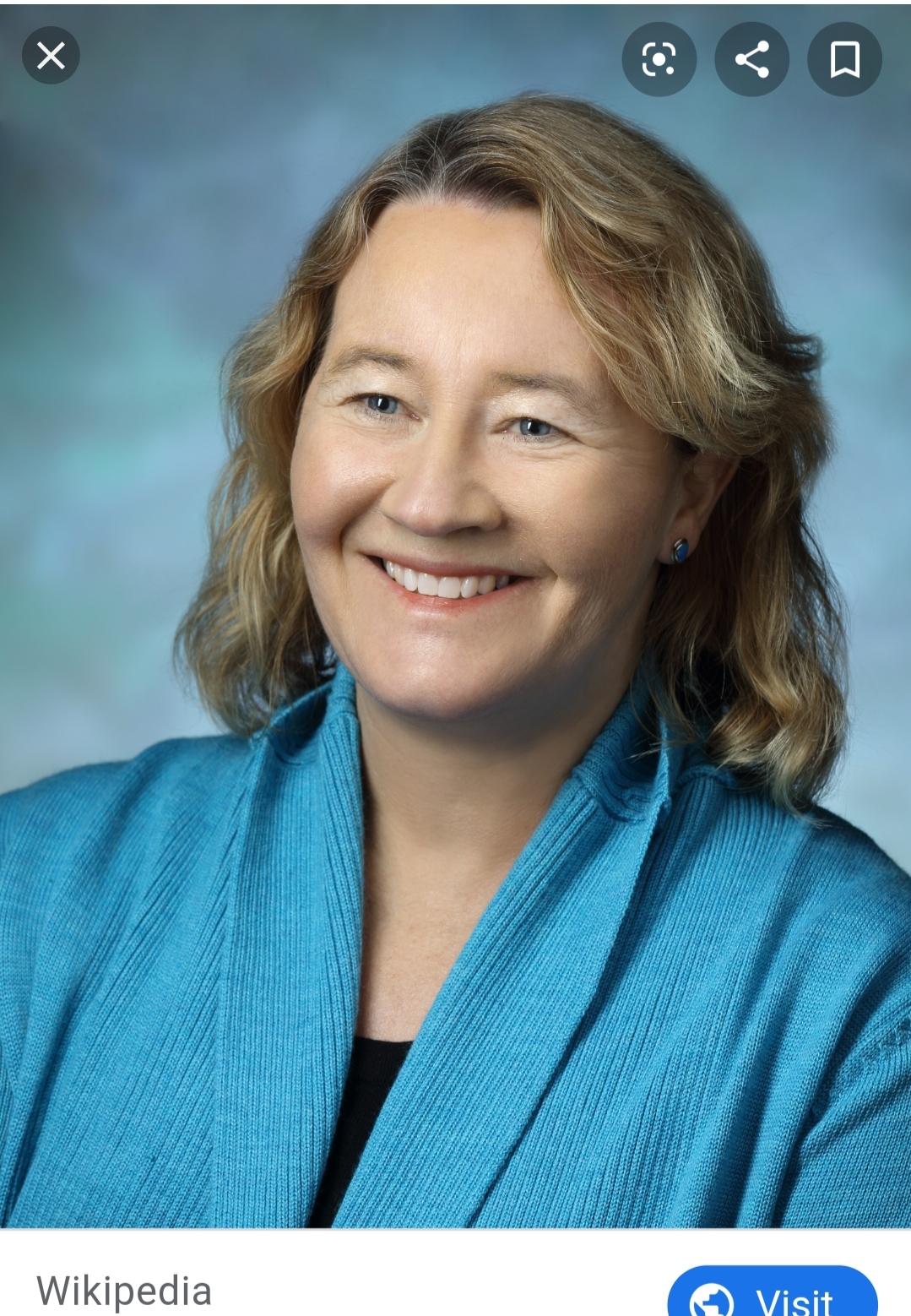
Courtesy of Wikipedia

“It's going to be hard work whether you think it's fun or not, so you might as well have fun while you're doing the hard work.”

795: Dr. Carol Greider

Molecular Biologist

Born: 15 April 1961, San Diego, California, United States of America

Full Name: Carolyn Widney Greider

Carol won the Nobel Prize in Physiology or Medicine 2009.

When she was only seven years old, Carol’s mother died. The death of her mother spurred Carol to be very independent, and she struggled in school after. Years later, Carol was diagnosed with Dyslexia, which helped to explain part of her struggles in school. Thankfully, one of her teachers spurred Carol’s interest in biology, and she never looked back.

She holds a PhD from UC Berkeley. Carol’s supervisor at Berkeley was Elizabeth Blackburn. They share the Nobel Prize alongside one other scientist.

Carol co-discovered telomerase in 1984—which stores the DNA of a telomere. This DNA is what prevents chromosomes from being broken down during cell division. Carol uses her work with telomeres and telomerase to study various cancers and age-related diseases.

In 2003, Carol was elected to the National Academy of Sciences. Today, it is estimated around 1,000 scientific papers are published every year with the word “Telomerase” in the title.

Carol has two children.

Sources:

https://www.nobelprize.org/prizes/medicine/2009/greider/facts/

https://www.hopkinsmedicine.org/profiles/results/directory/profile/6764749/carol-greider

https://www.pnas.org/content/102/23/8077

794) Kate Shelley

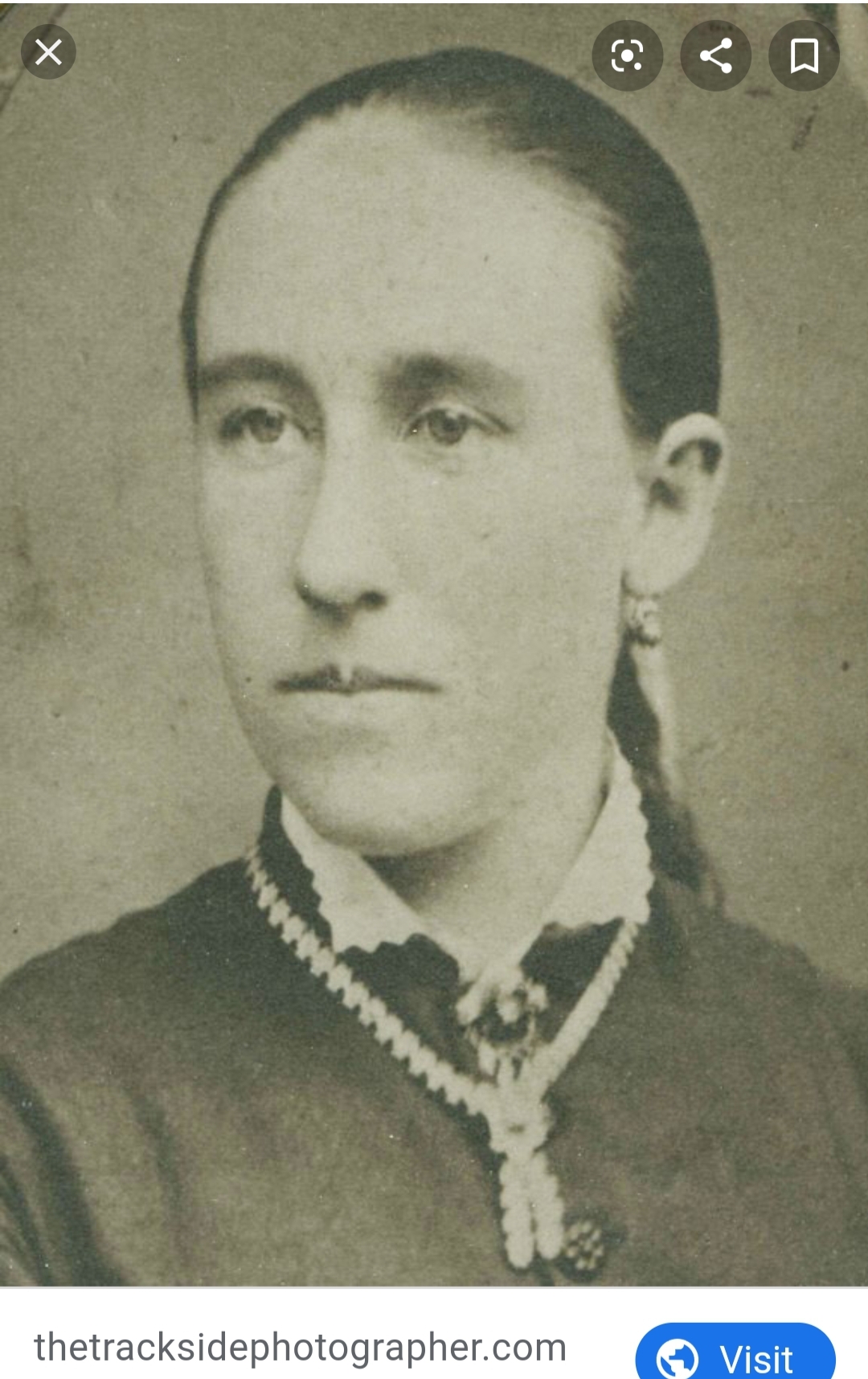
Courtesy of The Trackside Photographer

794: Kate Shelley

The First Woman in the United States to have a Bridge Named After Her

Born: c.1863, County Offaly, Ireland (Present-day County Offaly, Republic of Ireland)

Died: 21 January 1912, Moingona, Iowa, United States of America

Full Name: Catherine Carroll Shelly

The bridge is called the Kate Shelley High Bridge and is located near the site of the original crash in Iowa.

Kate was given this distinction for her railroad heroism.

When she was seventeen, Kate helped save a crew of a train after the train had been washed into a flooded creek from a collapsed bridge. She saved two people from the original crash and helped prevent another by telling the depot to flag down the approaching train that was full of passengers. Its important to note that sources differ on what exactly Kate was able to do that night. One source says there were no survivors among the wrecked train, but Kate was able to stop the coming passenger car. Meanwhile other sources say Kate met two survivors but was urged to keep going to the train depot. One of these sources say by the time she arrived at the train depot the passenger car had already been warned and stopped. They also disagree on how old Kate was at the time of the accident. Some state she was fifteen and others say seventeen. This is likely due to the fact her birth date is listed incorrectly on her headstone--but what her actual birth date was is also disputed by historians. Even though sources differ, you cannot deny Kate’s bravery—going out in the middle of the night to try and help a wrecked train and stop another from crashing, with no light and facing extremely dangerous situations on her way to and from the depot.

Kate was able to work fast and save lives thanks to her father teaching her all about railroads (which he had worked on) before he died. Soon after her father’s death, Kate’s brother drowned in the river near their home. So, by the time Kate became a railroad heroine in 1881, she, her mother, her remaining siblings had already been hardworking homesteaders fighting to protect their land.

Kate’s also one of the few women to have a train named after (the Kate Shelley 400). She was given several other awards and honors throughout her life but struggled with poverty and trying to keep her family’s land. After the initial newspaper fame hit, donations poured in to pay her family’s mortgage, but the money didn’t last.

Kate tried going to college and teaching, but neither suited her. She never married or had children. For the last nine years of her life, Kate worked as a station agent for a rail line, before dying in her late forties.

Kate's story is recounted on Mysteries at the Museum's episode entitled, "Kate Shelley, Niagara Falls Daredevil, John Dillinger, Chupacabra, Big Jim Kennelly Gang, Mars Bluff Nuclear Bomb Incident."

Badges Earned:

Find a Grave Marked

Rejected Princess

Sources:

https://www.kateshelley.com/about-kate.html

https://www.rejectedprincesses.com/princesses/kate-shelley

https://www.uprr.com/newsinfo/attachments/media_kit/regional/northern/kate_shelley/kate_shelley.pdf

https://data.desmoinesregister.com/famous-iowans/kate-shelley

https://www.findagrave.com/memorial/5374/kate-shelley

Entries Born in Ethiopia

These are the entries born in the country of Ethiopia.

Entries:

  • Taytu Betul, Empress of Ethiopia
  • Previous
  • 1
  • …
  • 44
  • 45
  • 46
  • 47
  • 48
  • 49
  • 50
  • …
  • 159
  • Next

Categories

Archives

  • July 2025 (10)
  • July 2024 (1)
  • January 2024 (1)
  • August 2023 (1)
  • June 2023 (2)
  • October 2022 (1)
  • July 2022 (1)
  • June 2021 (3)
  • December 2020 (3)
  • August 2019 (1)
  • July 2019 (2)

Search

© 2026 The Exasperated Historian | Powered by Minimalist Blog WordPress Theme