The Exasperated Historian
Menu
  • Home
  • The Women’s List (New)
  • The Men’s List
  • The Animal List
  • Collections
  • The Blog
  • Contact Us
  • FAQ
Menu

Category: Birth Locations

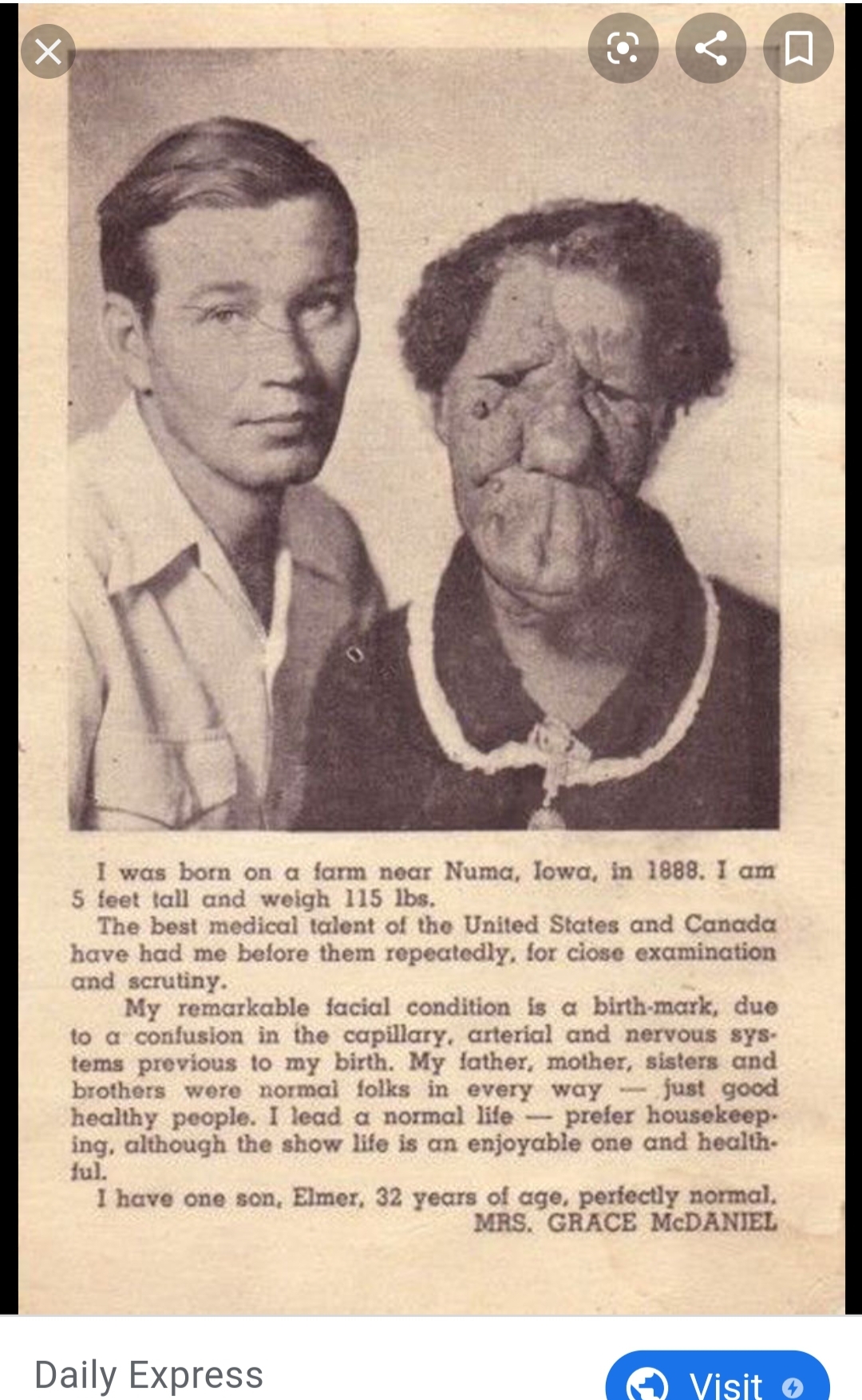
778) Grace McDaniels

Courtesy of the Daily Express

778: Grace McDaniels

The Mule-Faced Woman

Born: 17 March 1888, Numa, Iowa, United States of America

Died: 14 March 1958, Gibsonton, Florida, United States of America

Grace was a sideshow performer who had elephantiasis of the lip which caused her deformity (also called Sturge-Weber Syndrome). Grace’s condition made speaking difficult, and it took her years before she fully mastered fluent speech. Neither her parents or any of her siblings suffered from any facial deformities, nor did her son (pictured with her in this article).

At first, Grace was billed as the Ugliest Woman in the World (which she was not happy about) but eventually she became the Mule-Faced woman.

Grace earned around $175 a week; not bad for simply appearing onstage. She saw moderate success over her career, and despite accepting her disability and eventually embracing it, Grace did not like having her photo taken. This explains why so few pictures of her survive today.

Grace had several men propose marriage before finally settling down and having a son who went on to become her manager. Grace was described as a very kind and loving individual by all who knew her.

Badges Earned:

Find a Grave Marked

Sources:

https://www.ripleys.com/play/gracemcdaniels/

https://sideshows.fandom.com/wiki/Grace_McDaniels

https://www.imdb.com/name/nm0567453/bio

https://www.findagrave.com/memorial/12816361/grace-mcdaniels

777) Ella Harper

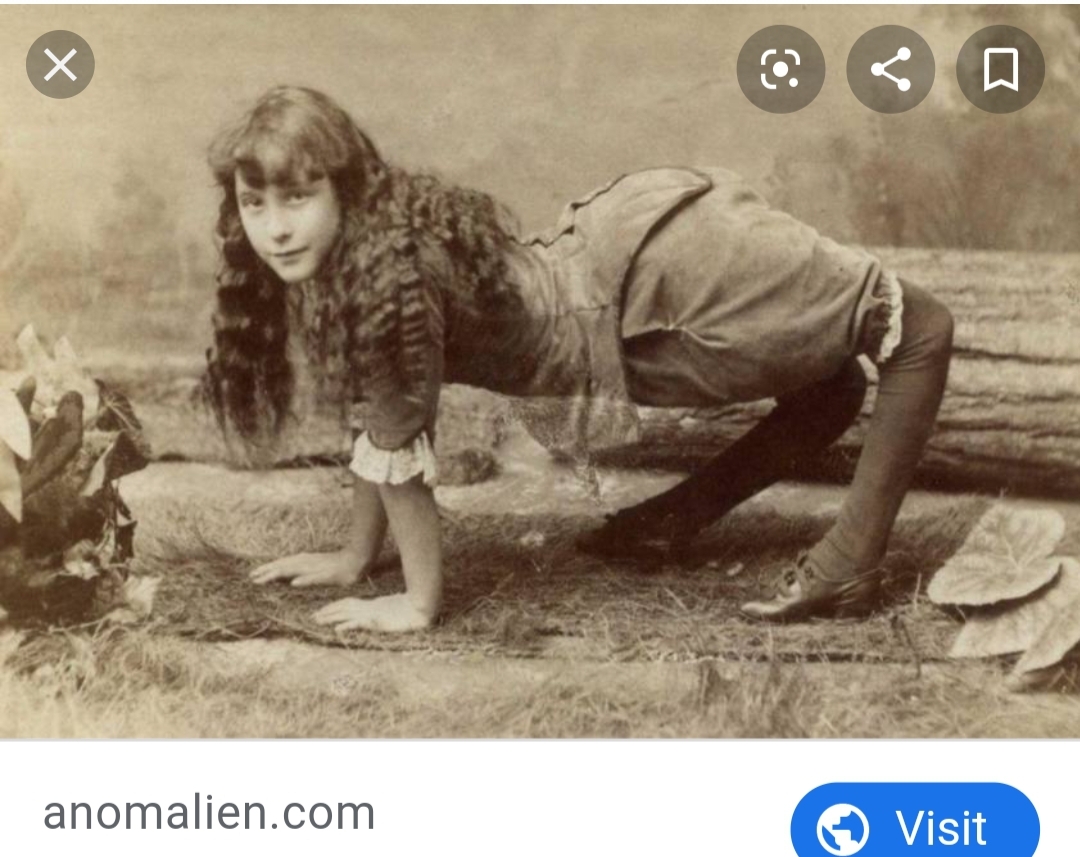
Courtesy of Anomalien

777: Ella Harper

The Camel Girl

Born: 5 January 1870, Gallatin, Tennessee, United States of America

Died: 19 December 1921, Nashville, Tennessee, United States of America

Ella was born with a rare orthopedic condition that made her knees bend backwards (called congenital genu recurvatum).

Ella’s sideshow name was the camel girl because she preferred to walk on all fours to be more comfortable. Some claimed Ella’s appearance resembled a camel when she walked on all fours, and sometimes she even appeared alongside a camel onstage to hammer in that comparison.

Her salary was around $200 a week; a huge sum in her day. When she quit performing around the age of sixteen, very little else was ever known about her. Ella probably retired to go to school, and according to Find a Grave she married later in life.

Badges Earned:

Find a Grave Marked

Sources:

https://entertainment.howstuffworks.com/arts/circus-arts/5-famous-sideshow-entertainers5.htm

https://warehouse-13-artifact-database.fandom.com/wiki/Ella_Harper%27s_Shoes

https://www.findagrave.com/memorial/12937034/ella-harper

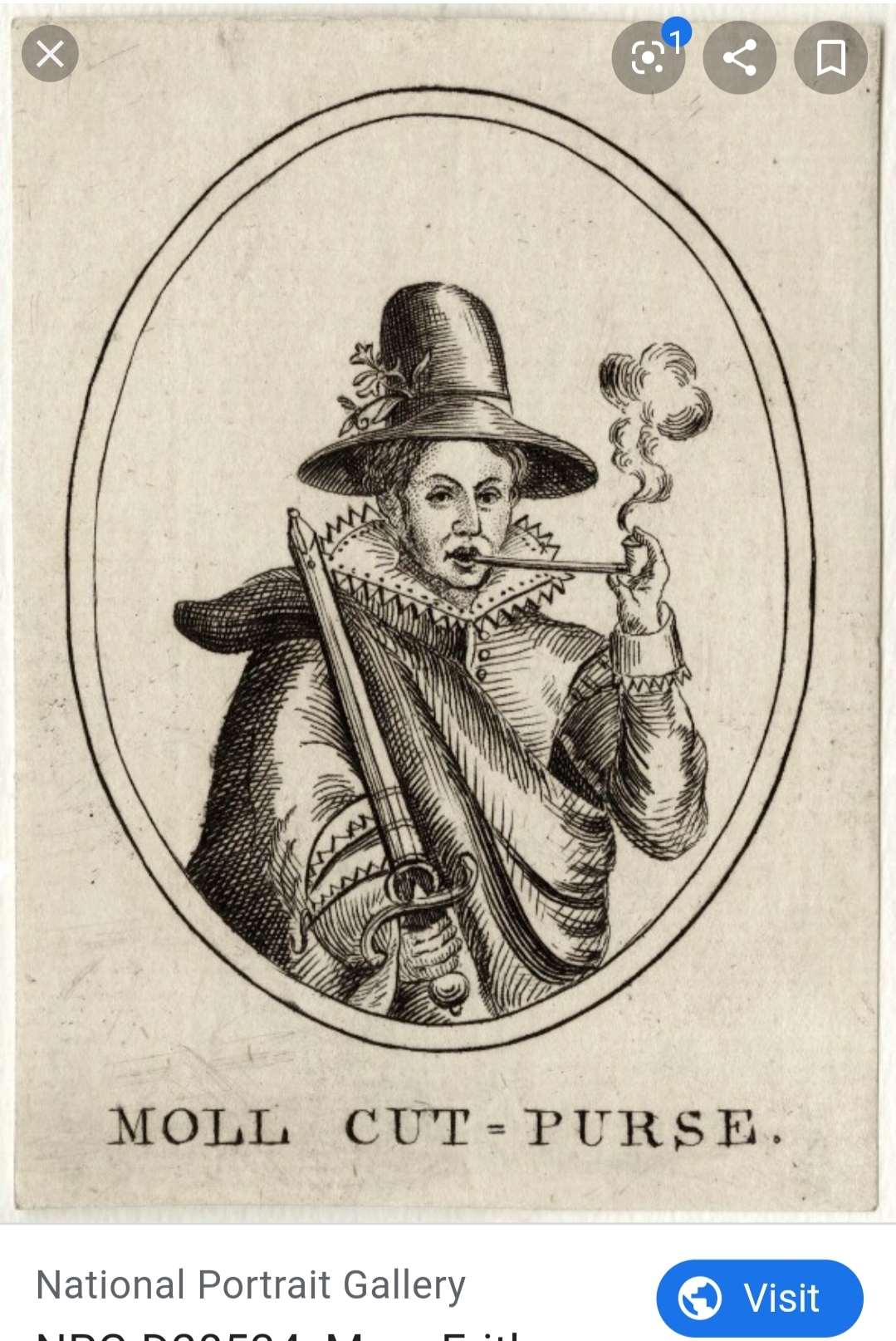
776) Mary Frith

Courtesy of The National Portrait Gallery

 “I please myself and care not else who loves me,” -Moll’s character in the play “The Roaring Girl”

776: Mary Frith

Notorious Underworld Figure and Pick Pocket

Born: c.1584 London, England (Present-day London, England, United Kingdom)

Died: 26 July 1659, Fleet Street, London, England (Present-day Fleet Street, London, England, United Kingdom)

Also Known As: Moll Cutpurse or Mary Markham

Mary was known for cross dressing, stealing, brokering stolen goods, and entertaining. She first crops up in the historical record in 1600 and again in 1602 after she was caught selling stolen purses. As the years passed, her criminal record expanded alongside her mythical lifestyle.

Most of the “facts” of her life cannot be documented or are highly exaggerated, and today she’s seen as a legend more than her actual historical record. The following are the stories that seem to crop up in all or most of the sources I’ve found, so I am including them as the likely truth of Mary’s life.

When Mary was still a teenager, her family literally tried to send her away—not to a convent or anything like that, but to the New World. That’s right, they tried to ship her off to North America in the hopes of keeping her troubled past and most likely future away from the rest of them. Instead of their plan working, Mary was able to talk her way back off the ship, and she never left England’s shores again.

Eventually Moll began performing onstage in various venues. While she sang, danced, and played her lute (without a license), her friends would steal from the distracted crowds. By 1611, Moll’s fame was so widespread plays were being written about her, including “The Roaring Girl” which portrays Moll as a matchmaker. Moll would appear at times onstage for cameo appearances in this play, and some claim this makes Moll the first English woman to perform in a public theatre (at that time, men would play the roles of both male and female characters onstage). Moll is also considered by some as the first woman in England to smoke; she was famous for her smoking pipe.

That same year, Moll was arrested and sent to a correction house for a few months for her performance work and for daring to dress as a man. By October of the following year, afterpieces, or the kind of performances Moll had become famous for, were completely banned. This was done in an attempt to stop people from pickpocketing off crowds.

Around that same time, Moll apparently decided she wasn’t famous enough. One of her friends made a bet, which Moll gladly accepted. There was a famous dancing horse named Marocco that lived at the time, and Moll’s friend bet that Moll couldn’t ride the horse three miles from Charing Cross to Shoreditch dressed as a man. Moll not only took the bet, but also attached a banner to the back of the horse and played a trumpet as she rode around, ensuring nobody in the area would be able to look away.

In January of 1612 Moll confessed to a number of crimes, including, “flaunting her male attire, blaspheming and swearing, being a drunkard, and keeping lewd and dissolute company, including cutpurses,” (Britannica). Although pressed to admit it, Moll refused to confess to be a prostitute. Even though Moll claimed to have repented, by 1614 she was back at it. This time Moll was actually operating a business; working as a broker for various stolen goods.

This business was actually, kind of legal, in a weird way. Thieves would bring stolen goods and Moll would pay for them, while Moll was also demanding payment when those who had been stolen from came in search of their items. If they wanted their stuff back, Moll demanded a finder’s fee of sorts. The police, meanwhile, would bring petty criminals to Moll because she was so good at interrogating people. Aw, she went full circle!

Moll also claimed to be a committed royalist, that is somehow who approved of the royal family. This position was slightly dangerous considering she lived through the Civil War and the fall of the English Monarchy to the hands of Oliver Cromwell. At one point, Moll is said to have held up the Parliamentarian General and robbed him of 250 gold coins; quite a hefty sum for the day and a sharp thorn in the side of the anti-royalists.

Though Moll was married she might not have ever lived with her husband and he was never mentioned in her will. At one court proceeding, Moll couldn’t even remember how long they had been married. Most likely the reason for her marriage was legal shields. Moll was able to fight off suits against her made in her maiden name since she now went by her husband’s name, and as a married woman she had more protection under the eyes of the law.

Moll died from dropsy (edema), and reportedly asked to be buried face down with her backside pointing up. This was her final F you to the world it seemed. After her death, many biographies cropped up over the centuries. Many of these embellished Moll’s story to the confusing legend we know today.

Badges Earned:

Find a Grave Marked

Rejected Princess

Located In My Personal Library:

Rejected Princesses by Jason Porath

Sources:

https://www.britannica.com/biography/Moll-Cutpurse

https://www.historic-uk.com/HistoryUK/HistoryofEngland/Moll-Frith/

https://www.mentalfloss.com/article/561584/retrobituaries-mary-frith-17th-century-londons-roaring-girl

https://www.findagrave.com/memorial/12085444/mary-frith

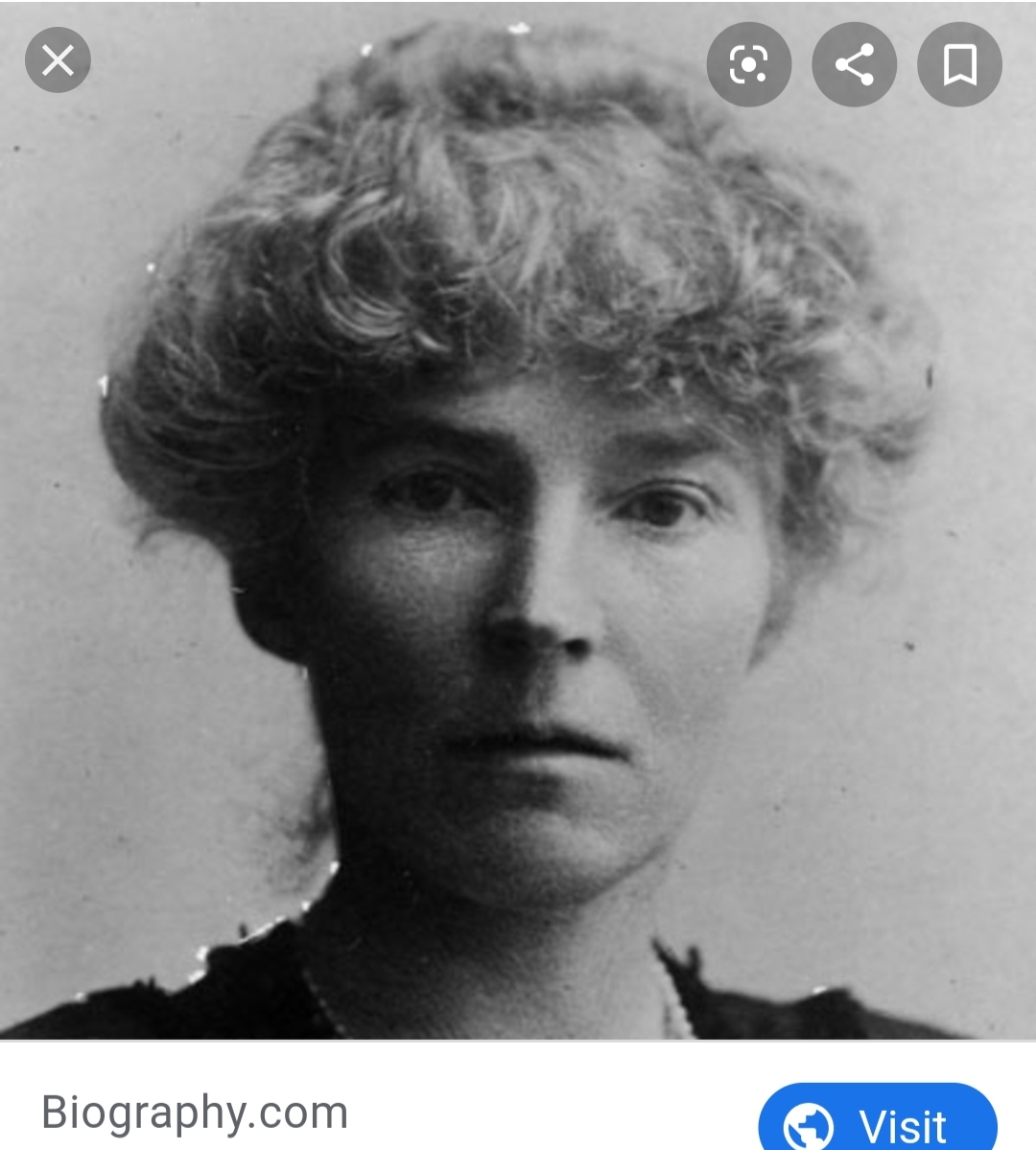
775) Gertrude Bell

Courtesy of Biography

775: Gertrude Bell

The Queen of the Desert

Born: 14 July 1868, Washington, England, United Kingdom

Died: 12 July 1926, Baghdad, Iraq

Gertrude helped map Iraq for the British government while simultaneously helping found the modern version of the country in the aftermath of World War I.

Gertrude grew up in a well to do family. Her grandfather had worked with Prime Minister Benjamin Disraeli while her father was an industrialist and businessman. Gertrude’s mother sadly died giving birth to Gertrude’s younger brother. Her father eventually remarried and had several children, giving Gertrude and her brother half-siblings. Eventually, Gertrude found herself at Oxford, studying history.

After graduation, Gertrude went on to become a distinguished scholar, author, linguist, and archaeologist; also working as a spy for the British government. She was the first woman in British History to serve as a military intelligence officer (during World War I).

Before the war kicked off though, Gertrude traveled all across Europe, Asia, and the Middle East. She published several works along the way and kept up a lively correspondence with various individuals, which were also eventually published.

She was friends with the real Lawrence of Arabia and spoke fluent Arabic and Persian, often wearing male attire when in the field. Gertrude started her World War I service by volunteering with the Red Cross, before she and TE Lawrence began working to try and forge alliances with various Arab tribes.

After the capture of Baghdad in 1917, Gertrude helped form modern day Iraq. She helped local authorities install Iraq’s first modern monarch (Faisal I) and helped form a stable government structure for the new nation. At the 1921 Conference held in Cairo, which Winston Churchill headed to establish the borders of Iraq, Gertrude was the only woman in attendance.

Gertrude was also an expert camel rider and helped spearhead the idea of keeping a culture’s antiquities artifacts in their nation of origin rather than shipping them to a foreign land. This belief pushed Gertrude to helping found the National Museum of Iraq. The Museum houses one of the world’s largest collections of Mesopotamian artifacts in the world, however it should be noted part of the museum’s collection was damaged in the aftermath of the 2003 Invasion of Iraq.

Gertrude actively opposed women’s suffrage in her native Britain. It was her belief that, at the time at least, the vast majority of women did not have the education or knowledge of politics and the world at large to contribute in a positive way to Britain’s political field.

In 1926, Gertrude took a large amount of prescription sleeping pills, and drifted off into death. Today, most historians interpret her actions as suicide, probably brought on by her persistent health issues and the recent death of her brother. Gertrude never married nor had children. The only man she had ever considered marrying had died during World War I.

The 2015 Hollywood film Queen of the Desert starring Nicole Kidman is a fictionalized account of Gertrude’s life.

Badges Earned:

Find a Grave Marked

Rejected Princess

Located In My Personal Library:

The Only Woman by Immy Humes

Rejected Princesses by Jason Porath

Scandalous Women: The Lives and Loves of History's Most Notorious Women by Elizabeth Kerri Mahon

Sources:

https://www.biography.com/writer/gertrude-bell

https://www.britannica.com/biography/Gertrude-Bell

https://www.theatlantic.com/magazine/archive/2007/06/the-woman-who-made-iraq/305893/

https://www.findagrave.com/memorial/19726067/gertrude-bell

774) Ann Hodges

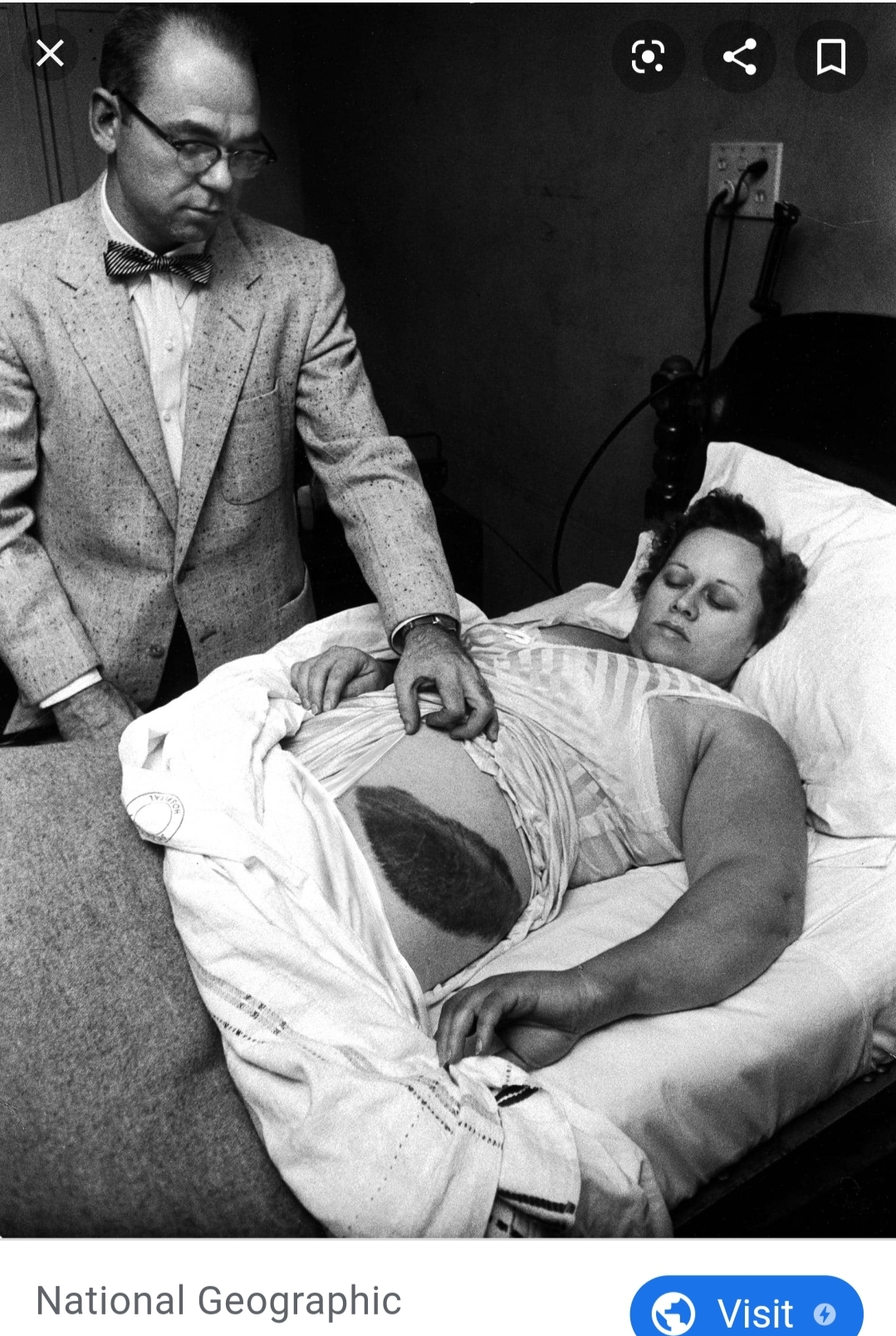
Courtesy of National Geographic

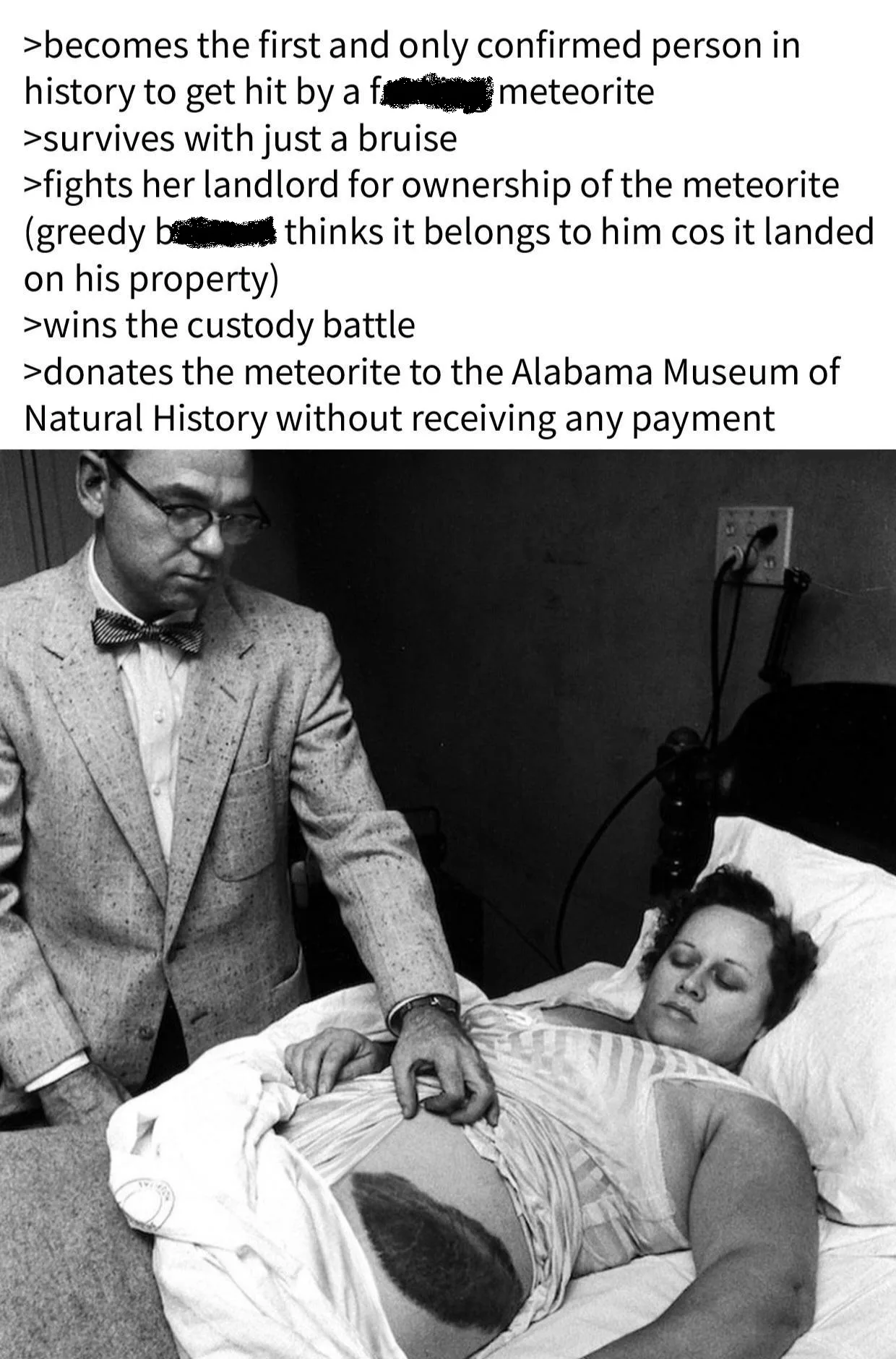
“I think God intended it for me. After all, it hit me!”

A Tumblr Meme

774: Ann Hodges

Meteorite Victim

Born: 2 February 1920, Most Likely Alabama, United States of America

Died: 10 September 1972, Sylacauga, Alabama, United States of America

Ann is the only known person to have been directly hit and injured by a meteorite and survive to tell the tale.

What was originally exciting for Ann and her husband quickly turned into a nightmare when their privacy was completely overrun by reporters and onlookers gawking at their house and asking questions. The house had a gaping hole in the roof from the meteorite strike and so Ann and her husband couldn’t hide from gawkers who came to flood the porch with questions.

The meteor in question weighed just over eight pounds and is officially known as the Sylacauga Meteor. It is estimated the rock is over 4.5 billion years old and can fit into a person’s hands because it is around the same size as a softball.

Ann thought the meteor belonged to her because it had hit her after all, but she was renting the house she lived in and so the owner wanted ownership of the space rock as well. Technically, the law was on the landlady’s side, but public opinion was firmly in Ann’s court. Both sides hired lawyers to fight it out, but eventually they settled out of court.

The Hodges eventually bought the rights to the meteorite for $500. The Smithsonian offered to buy it, but the Hodges refused. Nobody else wanted it so Ann eventually donated the rock to the Alabama Museum of Natural History.

She later suffered from a nervous breakdown and separated from her husband before dying alone in a nursing home from kidney failure. She was only fifty-two years old.

Ann’s story saw new fame in 2020 after the hit television show 911 featured a story of a girl getting struck by a meteorite.

Badges Earned:

Find a Grave Marked

Sources:

https://www.space.com/meteorite-hit-alabama-woman-65-years-ago.html

https://www.smithsonianmag.com/smithsonian-institution/1954-extraterrestrial-bruiser-shocked-alabama-woman-180973646/

https://www.nationalgeographic.com/news/2013/2/130220-russia-meteorite-ann-hodges-science-space-hit/

https://www.mentalfloss.com/article/89383/62-years-ago-today-ann-hodges-was-hit-meteorite

https://www.findagrave.com/memorial/43549421/ann-elizabeth-hodges

773) Mary Jo Kopechne

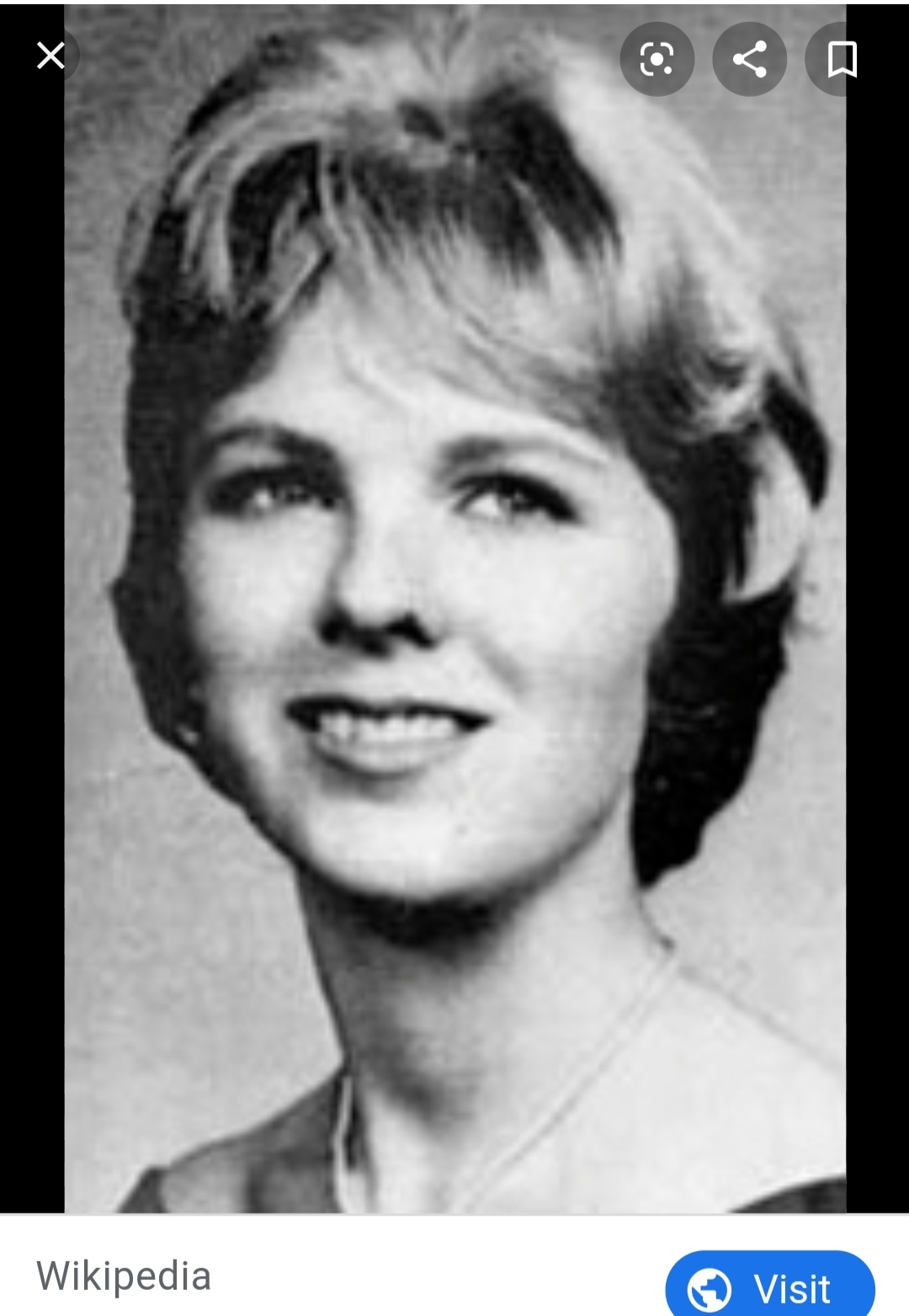
Courtesy of Wikipedia

773: Mary Jo Kopechne

Teacher and Campaign Worker

Born: 26 July 1940, Wilkes-Barre, Pennsylvania, United States of America

Died: 18 July 1969, Chappaquiddick, Massachusetts, United States of America

Mary Jo is sadly remembered for her horrifying death in a car accident with Senator Edward Kennedy.

Mary Jo worked for several campaigns and politicians including Robert Kennedy (Senator Edward Kennedy’s older brother) before his assassination. Mary Jo helped write one of Robert’s anti-Vietnam War speeches and also worked to help him craft his speech formally suspending his campaign for the presidency.

Mary Jo and Ted, as the Senator was called, were guests at a party off the small island of Chappaquiddick, near Martha’s Vineyard. When they decided to leave the party, Ted, who had been drinking, drove while Mary Jo rode alongside. While crossing the small bridge, the car veered off the bridge and into the water. Ted was able to escape the car and went home, but he left Mary Jo inside. Today theories abound as to whether she died from the water or lack of oxygen, but either way, her death was horrifying, sad, and didn’t have to happen. Ted didn’t tell anyone about the accident for hours afterward, so theories also abound as to whether or not Mary Jo’s life could have been saved had someone been notified sooner. Ted even had two of his friends attempt to retrieve Mary Jo from the car after he returned to the party, but these men also failed to save Mary Jo or notify police. Instead, Ted waited until the following morning to call the cops, but by that time the police had already found her body.

The only punishment Senator Kennedy ever saw was his White House ambitions dashed. That’s right, a woman died, and the only negative Ted received was failure to become President of the United States. To be fair, he did plead guilty to leaving the scene and received a suspended sentence of two months in prison—boo hoo for him, right? By the way, in case you don’t know, suspended means Ted didn’t serve a single day in prison.

Even more shocking, Ted Kennedy was married at the time! This raised even more questions as to what Ted and Mary Jo were doing alone in the car that night. Ted’s wife, Joan, was pregnant at the time of the incident. The intense media scrutiny was so bad Joan eventually suffered a miscarriage from the stress—but she also claimed she completely believed her husband’s story, or lack thereof.

Mary Jo’s parents decided against having an autopsy performed so the true cause of her death, whether it be suffocation or drowning, will never be definitively known. They pushed for no autopsy because of the heinous and vicious lies the press decided to toss at them and their daughter. Mary Jo was a good Catholic girl, didn't smoke, despised profanity, and rarely drank; yet the media decided she must have been pregnant with the senator's baby. Mary Jo's parents stopped an autopsy from going forward to protect their daughter's dignity.

The story of the horrifying crash was the subject of the 2017 film Chappaquiddick.

Badges Earned:

Find a Grave Marked

Located In My Personal Library:

Ask Not: The Kennedys and the Women They Destroyed by Maureen Callahan

Before Chappaquiddick: The Untold Story of Mary Jo Kopechne and the Kennedy Brothers by William C Kashatus

The House of Kennedy by James Patterson and Cynthia Fagen

Sources:

https://spartacus-educational.com/JFKkopechne.htm

https://www.usatoday.com/story/news/2019/07/16/chappaquiddick-ted-kennedy-caused-death-mary-jo-kopechne-50-years-ago/1742106001/

https://www.smithsonianmag.com/history/why-true-story-chappaquiddick-impossible-tell-180968638/

https://www.findagrave.com/memorial/4569/mary-jo-kopechne

772) Josefina Guerrero

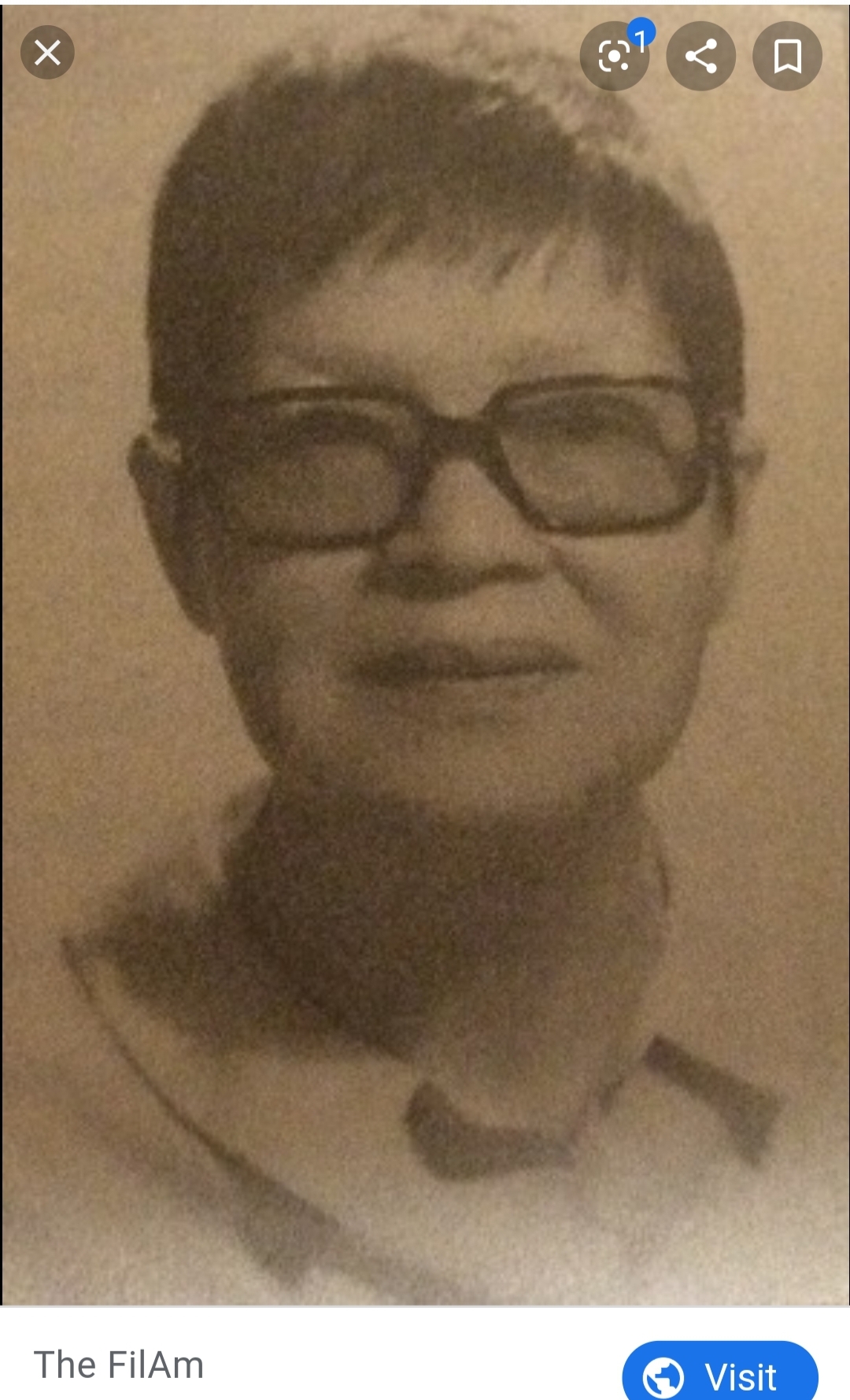
Courtesy of the FilAM

772: Josefina Guerrero

Leper and Spy in the Philippines during World War II

Born: 1918, Lucban, Quezon Province, Calabarzon, Philippines

Died: 18 June 1996, Washington DC, United States of America

Full Name: Josefina Veluya Guerrero-Leaumax

Josefina married for the first time when she was sixteen, but her husband left and took their daughter after Josefina’s leprosy diagnosis came to light. According to the book The Leper Spy, Josefina would only meet her daughter Cynthia one other time in her life, long after Cynthia was grown.

Josefina’s spy work allowed her to cross into Japanese camps, record intelligence and ferry messages between United States camps. She would eventually smuggle food, medicine, and supplies to POWs as well. Josefina received a Medal of Freedom from the US government for her work.

After the war ended, Josefina came to the United States because better treatments for lepers were available stateside than back home in the Philippines.

Josefina is the first known person to be given a visa to come to the United States for leprosy treatment, largely thanks to her participation in the war efforts.

For a few years Josefina was threatened with deportation but finally was granted US citizenship after divorcing her second husband.

When she died, Josefina was only known as a woman who worked as an usher at the Kennedy Center for seventeen years; her coworkers having no idea she was actually a heroine of World War II.

Badges Earned:

Find a Grave Marked

Rejected Princess

Located In My Personal Library:

The Leper Spy by Ben Montgomery

Rejected Princesses by Jason Porath

Sources:

https://www.rejectedprincesses.com/princesses/josefina-guerrero

http://www.jeanwilsonmurray.com/joey-guerrero-spy-and-heroine-of-world-war-ii/

http://content.time.com/time/magazine/article/0,9171,798844,00.html

https://www.findagrave.com/memorial/194926311/josefina-gurrero_leaumax

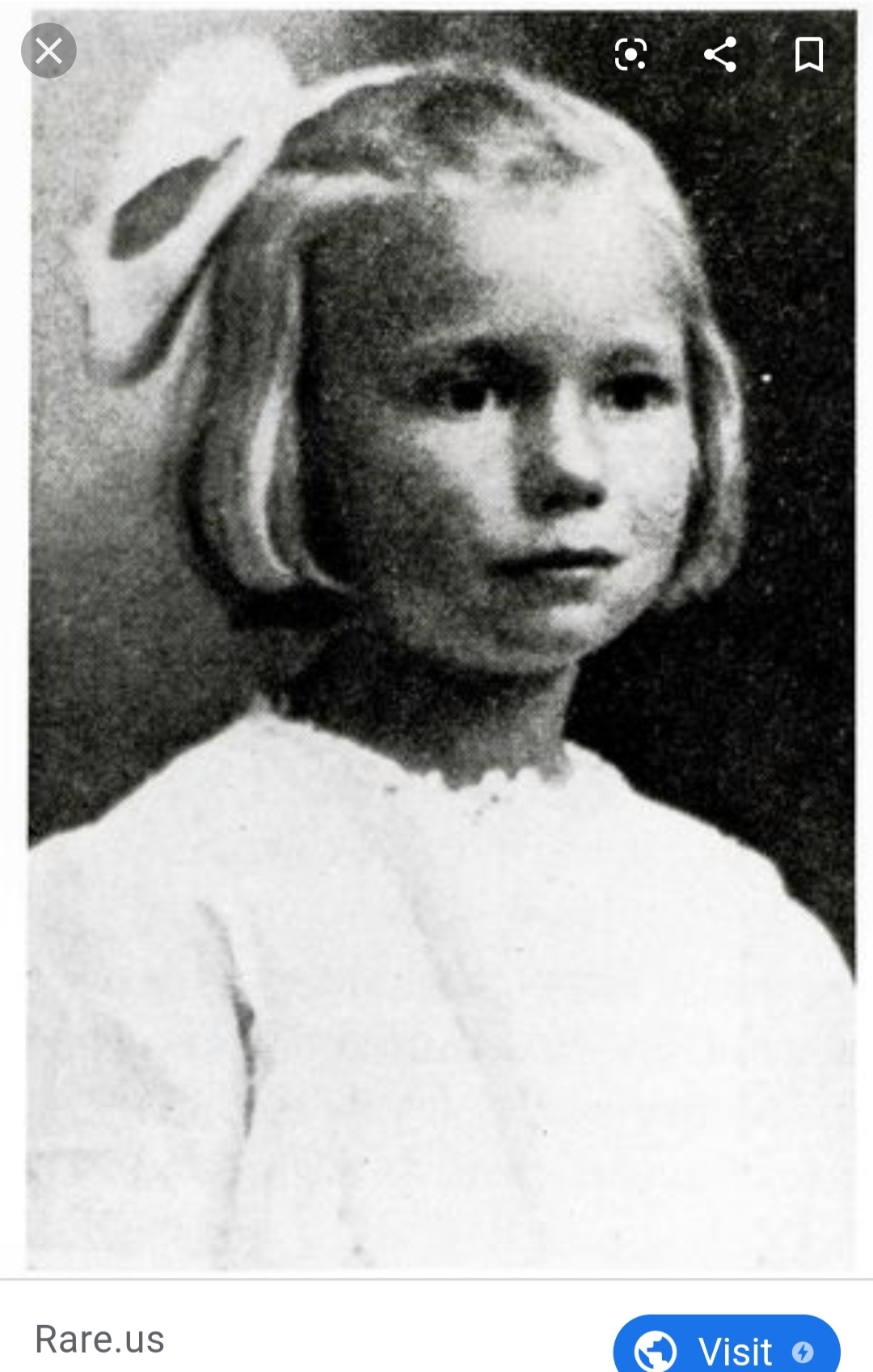
771) Charlotte Sipes

Courtesy of Rare.us

771: Charlotte May Pierstorff Sipes

She was Mailed as a Child Through the United States Postal System

Born: 12 May 1908, Westlake, Idaho, United States of America

Died: 25 April 1987, Santa Cruz, California, United States of America

After Charlotte’s famous shipment, the US postal service was forced to change their shipping policies to prevent further children hitching rides in the mail.

Charlotte’s parents didn’t want to pay for the train fare to send her to visit her grandparents, so they paid the much less expensive postal shipping fee instead.

Charlotte was not the first child mailed through the postal system, or the last, but her name is most well known among the child shipments today. Charlotte’s story became so famous a children’s book was actually written based on her story: Mailing May. Before you panic, thinking May (as she was known) was stuffed in a mail sack alongside other packages, that’s not what happened. Turns out May’s older cousin worked for the railway mail service, and he escorted her the seventy-three miles to their grandmother’s home.

May’s famous journey took place in 1914, but children were not officially banned from the mail service until 1920. No other information about Charlotte May is readily available on the internet. According to Find a Grave she was married and had some children during her lifetime, but what else she did with her life, career wise or anything else, remains a mystery.

Badges Earned:

Find a Grave Marked

Sources:

https://www.smithsonianmag.com/smart-news/brief-history-children-sent-through-mail-180959372/

https://rare.us/rare-news/history/people-used-to-mail-their-children/

https://www.thevintagenews.com/2016/02/15/you-got-mail-lvl-1913-that-time-it-was-legal-and-appropriate-to-mail-children/

https://www.findagrave.com/memorial/105855902/charlotte-may-sipes

770) Petra Herrera

Courtesy of Rejected Princesses

770: Petra Herrera

Soldadera who Fought in the Mexican Revolution

Birth Date Unknown, Mexico

Died: c.1917, Ciudad Jiménez, Chihuahua, Mexico

Petra fought alongside Pancho Villa under the name “Pedro” (she also dressed like a man).

What Petra’s early life was like is unknown. When she was born, or where, or who her parents were—all mysteries. Why she even joined the fighting is unknown. I have listed her place of birth as Mexico because she fought so valiantly for her country, and obviously claimed Mexico as her country, but I don’t have definitive proof she was born within the boundaries of the country.

Women were allowed to enter the Revolutionary Army, but they were not allowed in battle, which prompted Petra to take on her male persona. Her signature move was blowing up bridges.

Petra decided after a time that she’d climbed high enough through the ranks to expose herself as a woman, and surprisingly she wasn’t immediately kicked out. By 1914, Petra was serving as a Captain under Pancho Villa, leading two hundred men into battle. Petra was also instrumental in sacking Torreón. Taking the city of Torreón gave the revolutionaries everything: armored trucks, ammunition, guns, everything. And yet Petra’s involvement has been largely ignored or undercut.

The slight for this (and the fact the men refused to make Petra a general) made her decision to strike out on her own. Around 400 women joined up with Petra for an all-female troop, also evidently fed up with men by that point.

When the fighting ended, Petra and her women were absorbed into the regular military. Petra was again refused commission as a general and her women’s brigade was disbanded. What happened to the women under her command after has been lost to history.

After the war Petra worked as a spy for a time. On one of her missions, she was posing as a bartender. While working one night, some drunk men came in and shot her three times. She later died of her injuries.

Badges Earned:

Rejected Princess

Located in My Personal Library:

Rejected Princesses by Jason Porath

Soldaderas In the Mexican Military; Myth and History by Elizabeth Salas

Sources:

https://www.rejectedprincesses.com/princesses/petra-herrera

https://www.teenvogue.com/story/mexican-revolutionary-petra-herrera-posed-as-a-man-to-fight

https://remezcla.com/features/culture/petra-herrera-mexican-revolution-heroine/

Entries Born in Armenia

These are the entries born in the country of Armenia or within the borders of that modern country.

Entries:

  • Shajar al-Durr, The second female sultan in Islamic history
  • Previous
  • 1
  • …
  • 47
  • 48
  • 49
  • 50
  • 51
  • 52
  • 53
  • …
  • 159
  • Next

Categories

Archives

  • July 2025 (10)
  • July 2024 (1)
  • January 2024 (1)
  • August 2023 (1)
  • June 2023 (2)
  • October 2022 (1)
  • July 2022 (1)
  • June 2021 (3)
  • December 2020 (3)
  • August 2019 (1)
  • July 2019 (2)

Search

© 2026 The Exasperated Historian | Powered by Minimalist Blog WordPress Theme