The Exasperated Historian
Menu
  • Home
  • The Women’s List (New)
  • The Men’s List
  • The Animal List
  • Collections
  • The Blog
  • Contact Us
  • FAQ
Menu

Category: Birth Locations

750) La Malinche

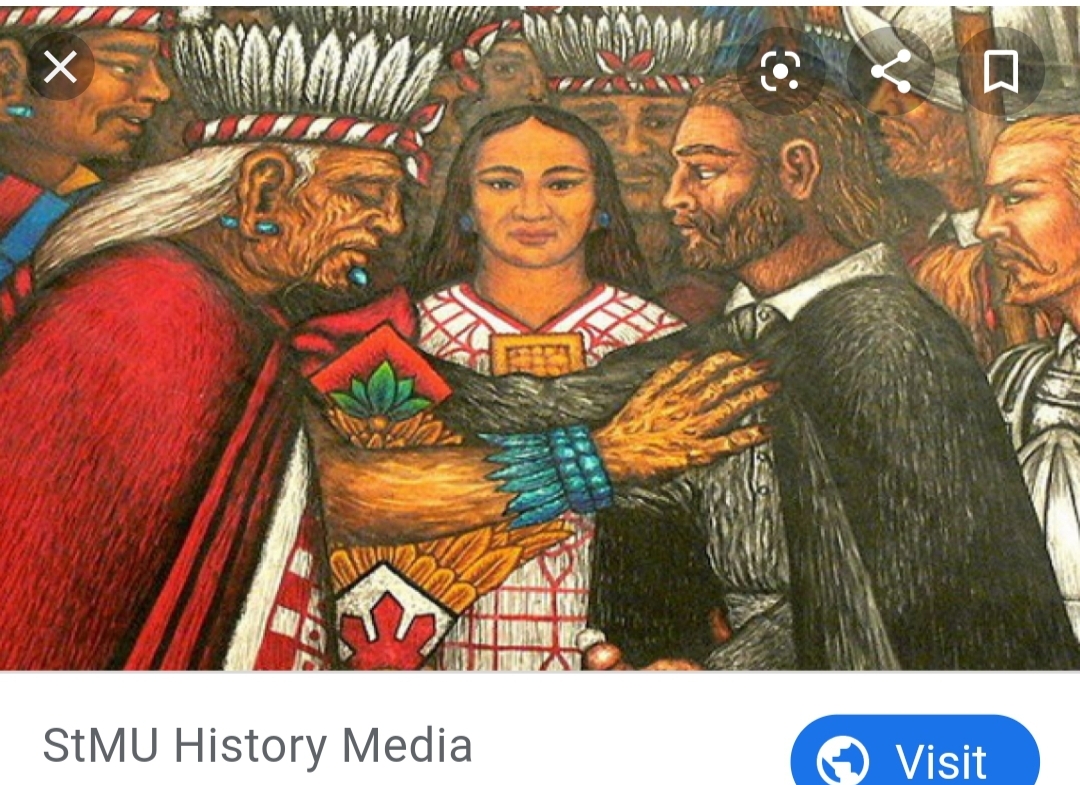
Courtesy of StMU History Media

750: La Malinche

Interpreter who Helped Bring Down the Aztecs

Born: c.1496-1505, Aztec Empire (Present-day Mexico)

Died: c.129, Spanish Controlled Mexico (Present-day Mexico)

Also Known As: Doña Marina or Malintzin

Original Name: Malinal

La Malinche was a Nahua woman from the Mexican Gulf Coast.

She worked with the Spanish as an intermediary and advisor when meeting with the Aztecs. La Malinche was the daughter of a lower level Aztec chief, but was sold into slavery by her own mother after her father died. Reportedly, her mother even staged a funeral to explain La Malinche’s disappearance.

She spoke Nahuatl (the Native Aztec language) along with Mayan and Spanish allowing her to work as Hernán Cortés’s interpreter. La Malinche was so good at her job she was able to read body language and tell Cortés when people were lying to her.

La Malinche gave birth to Cortés’s son Don Martin (not to be confused with another son of his—also named Martin, that his second wife gave birth to). La Malinche’s son is considered one of the first Mestizos, or person of mixed indigenous and Spanish blood.

After the Spanish conquest of the Aztecs La Malinche faded into obscurity, but it is known La Malinche had at least one child with her husband after Cortés told her to marry him.

It is important to note that much of La Malinche’s life story is missing or estimated at at best. Cortés himself only briefly referred to her in his letters, and then only as his interpreter. The details of their intimate relationship is also unknown. Many belief La Malinche was given to Cortés as a slave, and that little, if any, affection was a part of their relationship. La Malinche's story has many historical parallels to Sally Hemings and Pocahontas.

La Malinche means “The Captain’s Woman” and the Spanish word Malinchista is slang meaning something along the lines of “Traitor to his/her own people.”

Today, La Malinche is villainized by many of Aztec descent. They believe La Malinche is responsible for the fall of the Aztec empire. Whatever her true involvement was, La Malinche was a complex woman who should be remembered, if nothing else, for her vast education at a time when most women had none. And she used that education to incredibly affect, if nothing else.

Badges Earned:

Rejected Princess

Located In My Personal Library:

Malinche, Pocahontas, and Sacagawea: Indian Women as Cultural Intermediaries and National Symbols by Rebecca Kay Juger

National Geographic History Magazine Article "La Malinche, The Key That Unlocked Mexico" (August/September 2015 Edition)

National Geographic History Magazine Article "The Women in Cortes's Life" (May/June 2016 Edition)

Princesses Behaving Badly by Linda Rodriguez-McRobbie

Rejected Princesses by Jason Porath

Soldaderas In the Mexican Military; Myth and History by Elizabeth Salas

Sources:
https://daily.jstor.org/who-was-la-malinche/

https://www.ancient-origins.net/history-famous-people/controversial-role-la-malinche-fall-aztec-empire-traitor-or-hero-005284

https://www.npr.org/sections/goatsandsoda/2015/11/25/457256340/despite-similarities-pocahontas-gets-love-malinche-gets-hate-why

749) Phoolan Devi

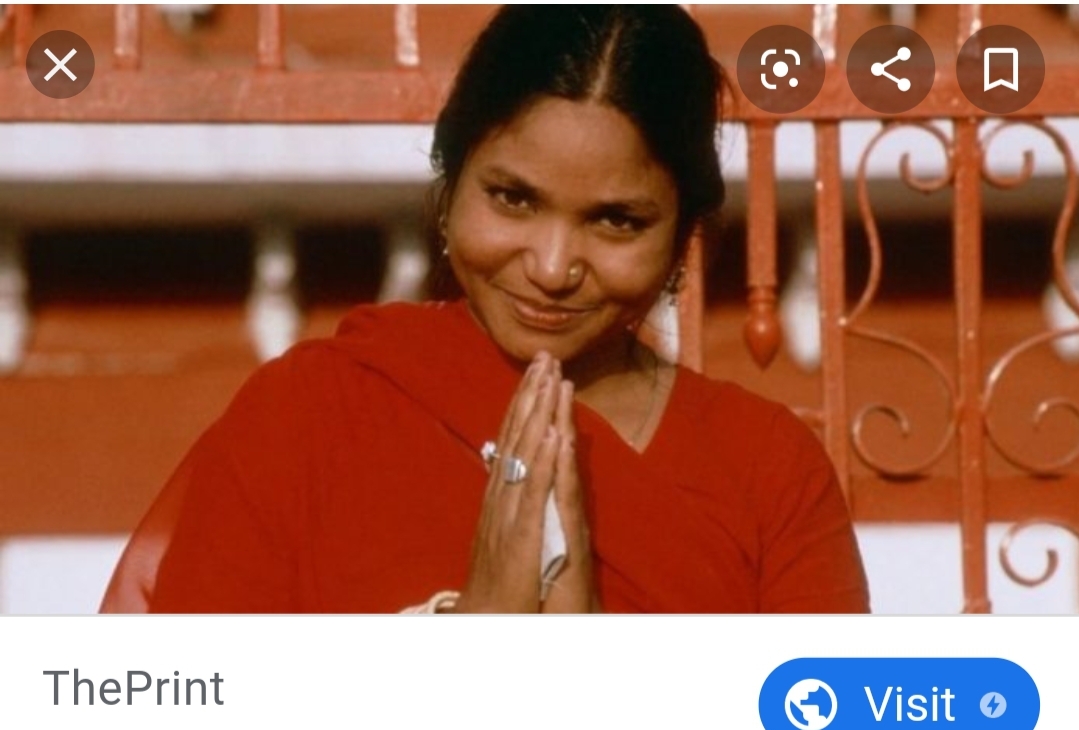
Courtesy of The Print

749: Phoolan Devi

The Bandit Queen of India

Born: 10 August 1963, Jalaun, India

Died: 25 July 2001, New Delhi, India

Phoolan was championed by the poor as an idol of the lower Castes. Her name meant Flower Goddess.

She was forced to marry a man when she was eleven and he was three times older. After a year of dealing with his abuse Phoolan returned home which her family considered disgraceful.

She was later kidnapped and forced into working with a group of bandits who repeatedly gang raped her and left her barren.

In 1981, on Valentine’s Day, Phoolan rounded up twenty people and shot them full of bullet holes for revenge for raping her.

In1983, Phoolan surrendered to police and served eleven years in prison (after agreeing to an eight-year sentence). When she surrendered, she was wanted on twenty-two counts of murder and twenty-six counts of kidnapping and looting.

After being released in 1994, Phoolan ran for lower Parliament (the Lok Sabha) and was elected in 1996 where she continued to fight for women and the rights of the poor and the untouchable caste.

Phoolan was murdered by three gunmen who shot her outside her home in an ambush.

In 1994, a Bollywood production company released a film on Phoolan entitled Bandit Queen. Phoolan did not approve of the film and even criticized it.

In 2014, one of her killers, who was from an upper-caste, was sentenced to life in prison for Phoolan’s murder.

Badges Earned:

Find a Grave Marked

Rejected Princess

Located In My Personal Library:

I, Phoolan Devi by Phoolan Devi

Rejected Princesses by Jason Porath

The Book of Awesome Women: Boundary Breakers, Freedom Fighters, Sheroes, and Female Firsts by Becca Anderson

Sources:

https://roadsandkingdoms.com/2017/indias-bandit-queen/

https://www.britannica.com/biography/Phoolan-Devi

https://www.theguardian.com/world/2014/aug/14/sher-singh-rana-murderer-phoolan-devi-bandit-queen-life-sentence

https://www.findagrave.com/memorial/23446/phoolan-devi

748) Joan Crawford

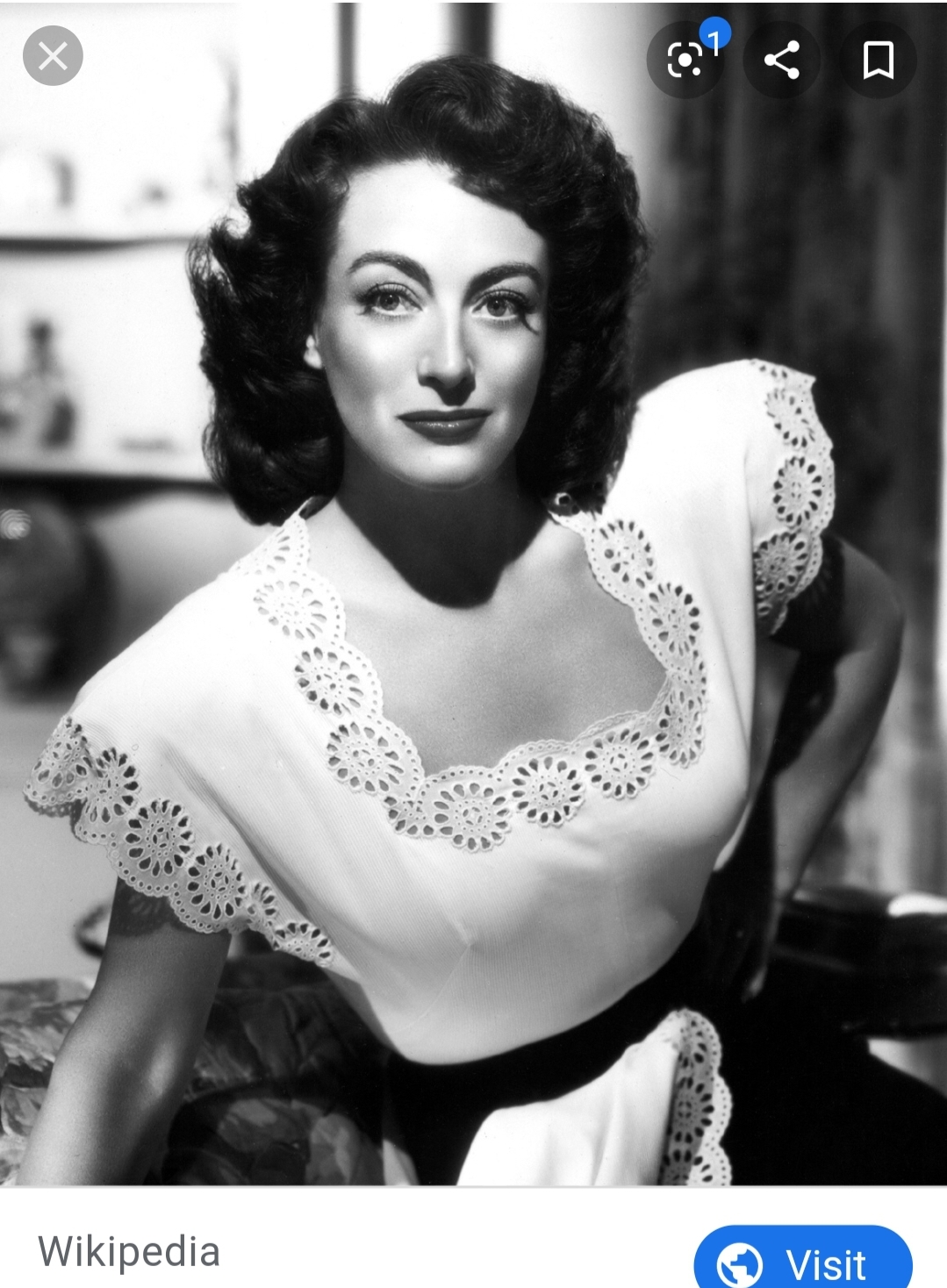
Courtesy of Wikipedia

 “If you want to see the girl next door, go next door.”

748: Joan Crawford

Actress and Dancer

Born: 23 March 1905, San Antonio, Texas, United States of America

Died: 10 May 1977, New York City, New York, United States of America

Original Name: Lucille Fay LeSueur

Joan has been immortalized by Hollywood as being one of the most famous, scandalous, and memorable actresses to ever grace the silver screen.

Joan’s homelife was tumultuous at best. Growing up, she was born to parents already separated, and had three stepfathers by her teenage years.

She started as a dancer and chorus girl throughout the Midwest, but after two years, Joan headed for Hollywood. By 1928, she’d graduated from bit parts to actual stardom. The following year, Joan also successfully transitioned to “talkies” that is—films with sound. After leaving MGM in the early 1940’s, Joan landed at Warner Bros, and by 1945 had won her first, and only, best actress Academy Award. By the 1960’s, her star had fallen, and Joan retired from acting.

Joan’s fourth and final husband was the chairman of Pepsi Cola. After his death, Joan became a member of the board allowing her to hire her friend Dorothy Arzner to direct several commercials. Joan also acted as an ambassador and free advertiser for Pepsi Cola until she was forced to retire from the company in 1973.

According to IMDB’s trivia: “[Joan] Was asked to take over Carole Lombard's role in They All Kissed the Bride (1942) after Lombard died in an airplane crash returning from a war bond tour. Crawford then donated all of her salary to the Red Cross, which found Lombard's body, and promptly fired her agent for taking his usual 10%.” Joan also served in the American Women’s Voluntary Services during World War II.

Joan is remembered today partially for her daughter’s tell-all memoir and later film entitled Mommie Dearest which portrayed the harsh realities of living with Joan as a mother. Joan had disinherited Christina (the daughter in question) and a son named Christopher, both adopted, and so many felt Mommie Dearest was simply a scorned daughter lashing out, but others supported Christina and believed her. In her will, Joan literally stated, “It is my intention to make no provision herein for my son, Christopher, or my daughter, Christina, for reasons which are well known to them.” Christina and Christopher later contested the will, and were awarded a settlement.

Joan had four adopted children in all. She also had a fifth, but that one was returned to the birth mother soon after Joan acquired him. Various sources claim at least three of her four children were illegally adopted; purchased on the black market.

Whatever the truth, anyone who has seen Mommie Dearest will never look at wire hangers the same way again.

Badges Earned:

Find a Grave Marked

Located In My Personal Library:

Backwards and in Heels: The Past, Present, and Future of Women Working in Film by Alicia Malone

The Encyclopedia of Ugly Fashion: A Hilarious Introspective of History’s Best Worst Fashion Trends by Karolina Żebrowska

Location Filming in Arizona: The Screen Legacy of the Grand Canyon State by Lili Debarbieri

The Hollywood Book of Death by James Robert Parish

Where Are They Buried, How Did They Die? By Tod Benoit

Sources:

https://www.joancrawfordbest.com/biography.htm

https://www.imdb.com/name/nm0001076/bio

https://www.britannica.com/biography/Joan-Crawford

https://www.factinate.com/people/joan-crawford-facts/

https://www.findagrave.com/memorial/242/joan-crawford

747) Gregoria Apaza

747: Gregoria Apaza

Bartolina Sisa’s Sister-in-Law and Rebel Leader

Born: c.1752, Viceroyalty of Peru, (Present-day Ayo Ayo, Bolivia)

Died: 5 September 1782, Nuestra Señora de La Paz, Viceroyalty of Peru, (Present-day La Paz, Bolivia)

Gregoria’s brother was the famed rebel leader Túpac Katari, who in turn was married to Bartolina.

Gregoria revolted against the Spanish in present-day Bolivia and was an indigenous leader amongst her people, the Aymara. She was married and had one child.

Reportedly, Gregoria was incredibly important and was seen as one of the true leaders of the rebellion. She fought in battle and worked to distribute the spoils of war her people had accrued. According to some sources, Gregoria was also entitled "Queen" and was in charge of executions in Sorata. Obviously, none of this made her very popular with the Spanish.

Gregoria, Bartolina, and their army were eventually defeated, and the leaders executed.

In 1983, a group of women founded the Center for the Promotion of Women Gregoria Apaza that promotes equality and equity between men and women in Bolivia.

Badges Earned:

Located In My Personal Library:

The Tupac Amaru and Catarista Rebellions: An Anthology of Sources edited by Ward Stavig and Ella Schmidt

Sources:

https://pueblosoriginarios.com/biografias/apaza.html

https://en.wikipedia.org/wiki/Gregoria_Apaza

https://www.womenwin.org/partners/programme-partners/gregoria-apaza

746) Christine Collins

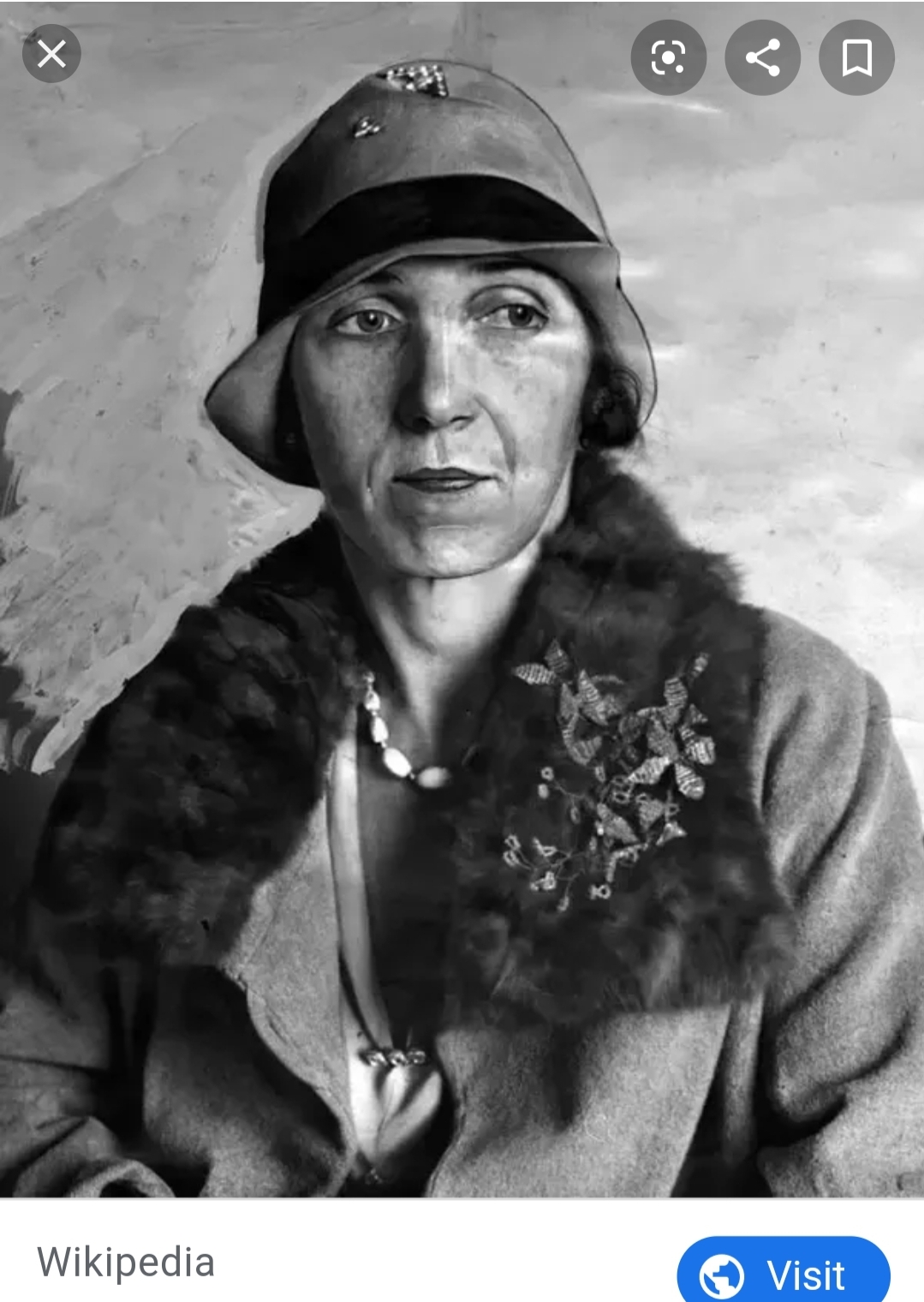
Courtesy of Wikipedia

746: Christine Collins

Walter’s Mother

Born: 14 December 1888, Los Angeles, California, United States of America

Died: 8 December 1964, Pomona, California, United States of America

Christine led a relentless search for thirty-six years to find her son after he went missing. Christine’s search eventually led to the national story known as the Wineville Chicken Coop Murders.

After Christine went to the police after Walter’s disappearance in 1928, they bungled the search completely and proved how incompetent the LAPD was at the time. Christine herself ended up in an Insane Asylum after the police tried to force her into believing a different boy, this one named Arthur Hutchins, was her son, and when she insisted otherwise, they persuaded her into taking the boy home and pretending he was her Walter. Obviously, this didn’t do any good for Christine’s mental health, and after she continued to insist Arthur wasn’t her son, she was committed against her will. This after evidence from the Chicken Coop Murders began to be uncovered.

Shortly after Arthur confessed that he was not, in actuality, Walter Collins, he was sent back to Illinois and Christine was released from the hospital. Her stint in the facility was only ten days long, but to a perfectly sane woman, ten days was a lifetime.

Christine was awarded $10,800 in damages after filing a wrongful imprisonment suit, but the police chief never paid. That money is equivalent to more than $150,000 today.

At the time all this happened, Christine’s husband was serving a forty-year sentence in prison for robbery. He believed Walter’s disappearance was revenge from former prisoners who he had snitched on to the guards.

It has never been definitively proven that Walter was a victim of the mass murderer responsible for the Chicken Coop Murders and Christine never believed he had died there; her story was made even more famous after Angelina Jolie portrayed her in the film Changeling.

A woman named Sarah was convicted and sentenced to life in prison for Walter’s murder, though she was paroled in 1940. She was the mother of the depraved man who confessed to killing other boys in the Chicken Coop scandal; and Sarah was only acting to save her son. The son was sentenced to death after being convicted of the murders of two brothers and an “Anonymous victim”, who has been identified at times as a Latino boy named Alvin Gothea. The murderer was hanged until dead, but the families never received closure. No intact bodies for any of the boys were discovered, and no evidence that Walter was ever actually in the custody of these sick individuals was uncovered other than their word.

After the murders, Wineville residents changed the name of their town to Mira Loma, or View from the Hill in Spanish.

Badges Earned:

Find a Grave Marked

Sources:

https://allthatsinteresting.com/christine-collins

https://www.crimemuseum.org/crime-library/serial-killers/wineville-chicken-coop-murders/

https://derangedlacrimes.com/?tag=sarah-louise-northcott

https://www.findagrave.com/memorial/203764596/christine-d_-collins

Bolivia’s Own

These are the entries born in the country of Bolivia, both before and after the country was created.

Entries:

  • Bartolina Sisa, Aymara Rebel Leader
  • Gregoria Apaza, Aymara Rebel Leader

745) Bartolina Sisa

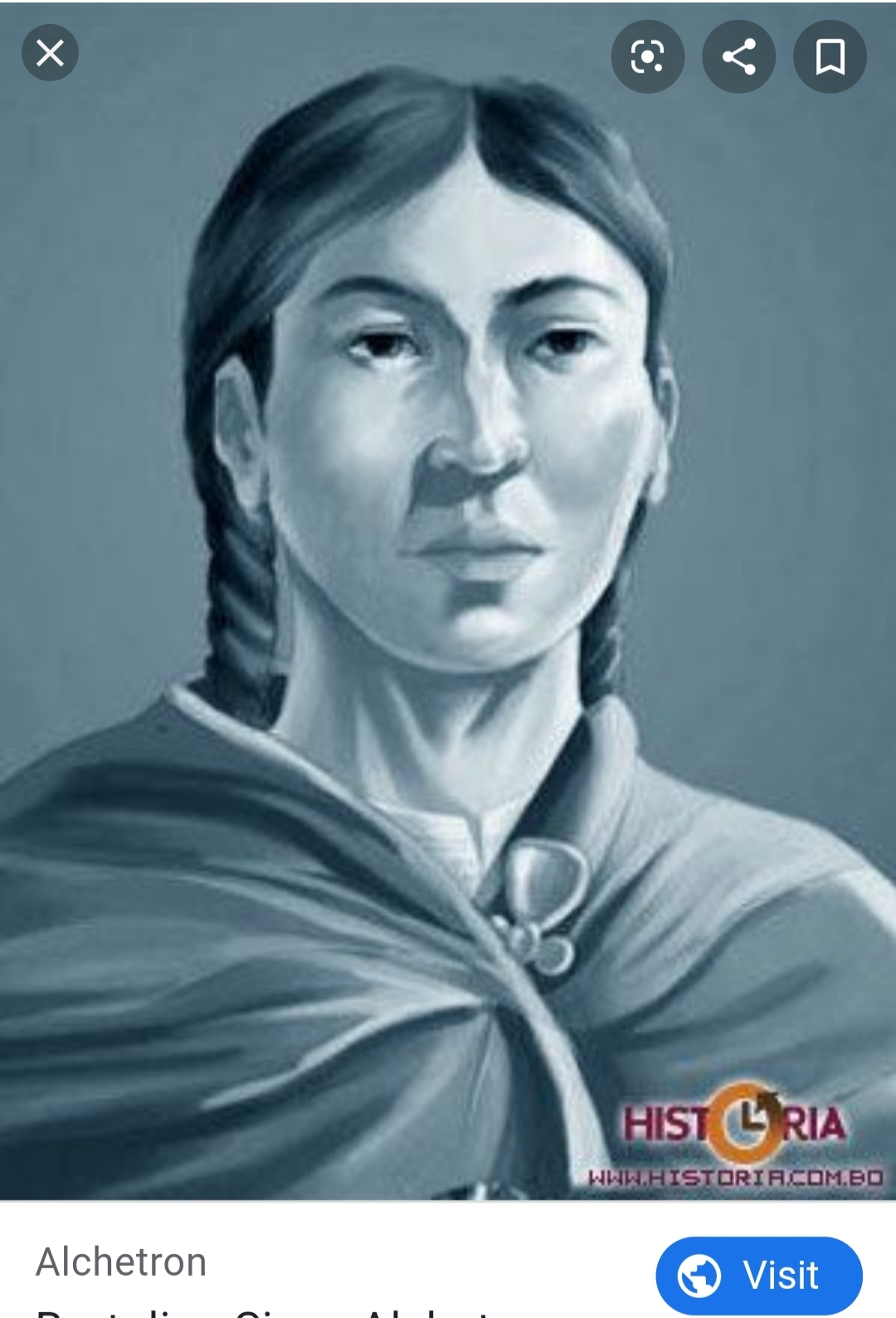
Courtesy of Alchetron

745: Bartolina Sisa

Túpac Katari’s Wife and Aymaran Indigenous Woman

Born: c.1750, Q'ara Qhatu, Viceroyalty of Peru (Present-day Bolivia)

Died: 5 September 1782, Nuestra Señora de La Paz, Viceroyalty of Pery, (Present-day La Paz, Bolivia)

Full Name: Bartolina Sisa Vargas

Along with her husband and sister-in-law Gregoria Apaza, Bartolina led an uprising against the Spanish in Bolivia. Eighteen months before her death, Bartolina and her husband led a force 40,000 strong to lay La Paz under siege. Over the course of the siege ten thousand people died and La Paz nearly collapsed. Unfortunately, Bolivia and her indigenous people were not freed from Spanish rule during Bartolina's lifetime.

Bartolina was captured, raped, and hung until dead and then her body was cut into pieces and sent to various villages for display to humiliate her story and put fear into the hearts of the indigenous people. This only after Bartolina had to watch a similar fate befall her husband.

Bartolina was a mother of four. According to one source, their eldest son was captured and murdered, but the other three survived and changed their names in order to stay alive.

Today, the Bartolina Sisa Confederation, is the primary Union organization of peasant women in Bolivia after being founded in 1980.

In 1983, the 5th of September was made the International Day of the Indigenous Woman in honor of Bartolina.

Badges Earned:

Find a Grave Marked

Sources:

http://www.executedtoday.com/2014/09/05/1782-bartolina-sisa-indigenous-rebel/

https://www.servindi.org/actualidad/92872

https://en.wikipedia.org/wiki/Bartolina_Sisa

https://www.findagrave.com/memorial/209479481/bartolina-sisa

744) Sarah Morgan Dawson

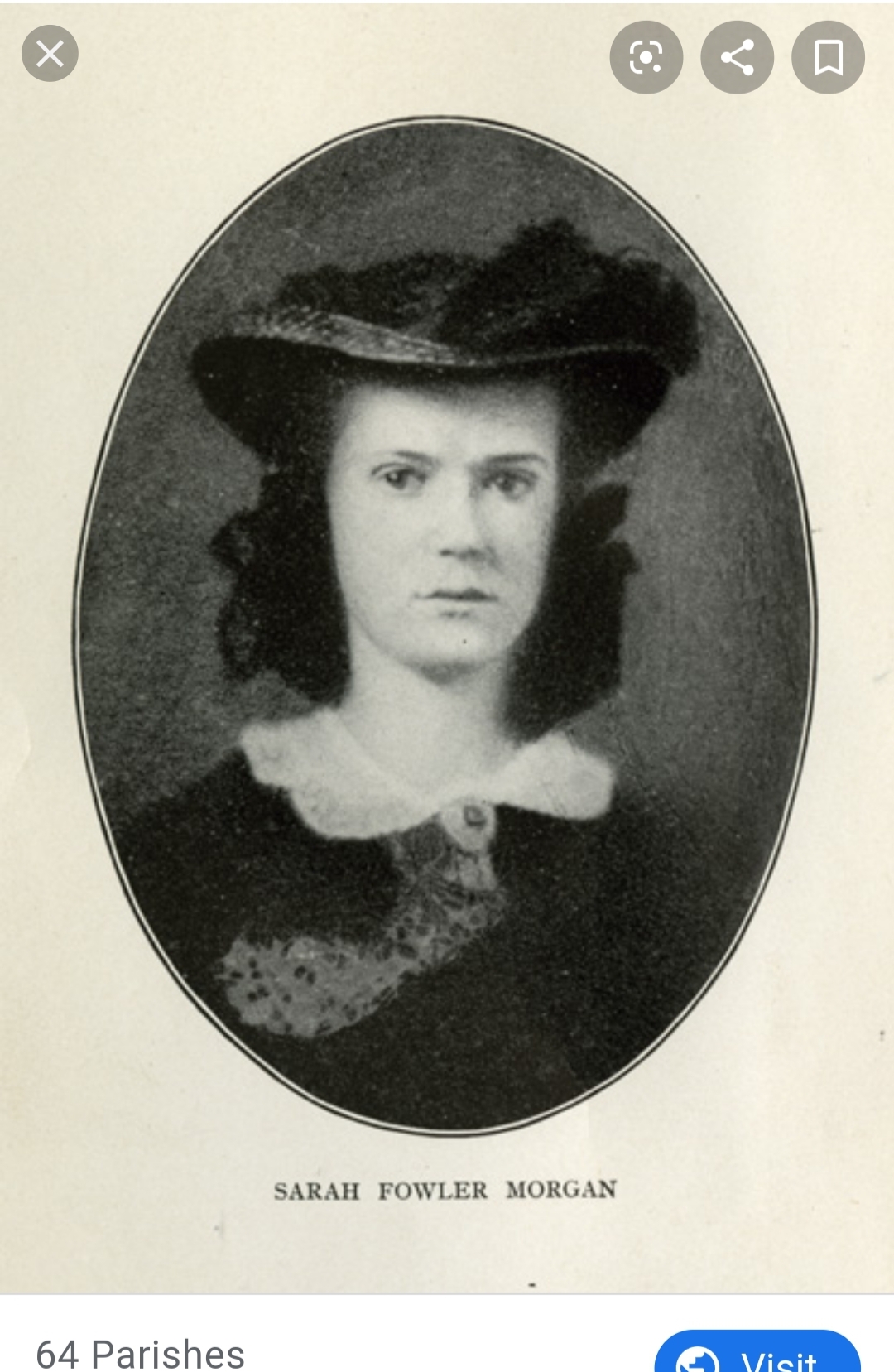
Courtesy of 64 Parishes

744: Sarah Morgan Dawson

Author of A Confederate Girl’s Diary

Born: 28 February 1842, New Orleans, Louisiana, United States of America

Died: 5 May 1909, Paris, France

The diary chronicled Sarah’s life from the age of nineteen to just before her death and has been published three times.

Sarah only received one year of formal education but was educated further at home by her mothers and sisters. She also learned French. Sarah was expected to be a wife and mother and was raised in the elite society of New Orleans in the antebellum period.

In 1861, Sarah lost her brother in a duel and her father expectantly. Losing two family members wasn’t enough though; the War Between the States also tore apart Sarah’s southern world just months later. She lost several other family members throughout the war and watched as both her family’s homes were ransacked.

After the war, Sarah began writing for News and Courier in Charleston, South Carolina. The editor of the paper and Sarah eventually courted and wed. They had three children, two of whom survived to adulthood. When her husband died in 1889, Sarah moved to France with her son.

Sarah’s diary collection is actually five separate diaries she wrote throughout the course of the war. Originally, Sarah told her son to destroy her writings, but eventually he convinced her to publish. Sarah consented, and after her death the diaries were merged into one book and published in 1913. Then they were republished again in 1960, two years before her son’s death. In 1991, the diaries were re-edited, with entries Sarah’s son had originally omitted added back in. They were published for the third time later that year.

Sarah is remembered today as an early Feminist writer from her time at the News and Courier.

Badges Earned:

Find a Grave Marked

Sources:

https://www.battlefields.org/learn/biographies/sarah-morgan-dawson

https://64parishes.org/entry/sarah-morgan-dawson

https://docsouth.unc.edu/fpn/dawson/summary.html

https://www.findagrave.com/memorial/6840056/sarah-ida_fowler-dawson

743) Sara Blakely

Courtesy of Forbes

743: Sara Blakely

Spanx Founder

Born: 27 February 1971, Clearwater, Florida, United States of America

Sara is now estimated to be worth a billion dollars. That’s this many: $1,000,000,000! In March of 2012, Forbes crowned Sara the youngest (until Kylie Jenner came along that is) self-made female billionaire. The following year, Sara signed the Melinda and Bill Gates’ and Warren Buffett’s Giving Pledge, the first self-made female billionaire to do-so. The Giving Pledge is a pledge to donate half of the signatory’s earnings to charity.

Sara used to sell fax machines door to door before beginning to sell Spanx in Neiman Marcus stores. When she first came up with her idea for the shapewear brand, Sara kept the news from her family from her family for a year. She new they would probably talk her out of taking a risk and didn’t want to take that chance herself. Thank goodness she didn’t!

She holds a Bachelor of Art/Science degree from Florida State University.

Sarah is a mother of four and continues to run her company. Spanx is now sold in sixty-five countries around the world. In 2006, with the help of Richard Branson, Sara launched the Spanx by Sara Blakely Foundation, which is designed to help empower women around the world.

She has been featured as a shark on ABC’s hit show Shark Tank. Sara is also co-owner of the Atlanta Hawks baseball team.

Sources:

https://www.forbes.com/profile/sara-blakely/#36d1778b76bb

https://www.spanx.com/saras-world

https://www.linkedin.com/in/sarablakely27/

http://www.spanxfoundation.com/about/

https://www.cnbc.com/2020/02/06/why-spanxs-sara-blakely-kept-billion-dollar-idea-secret.html

742) Al-Khansa

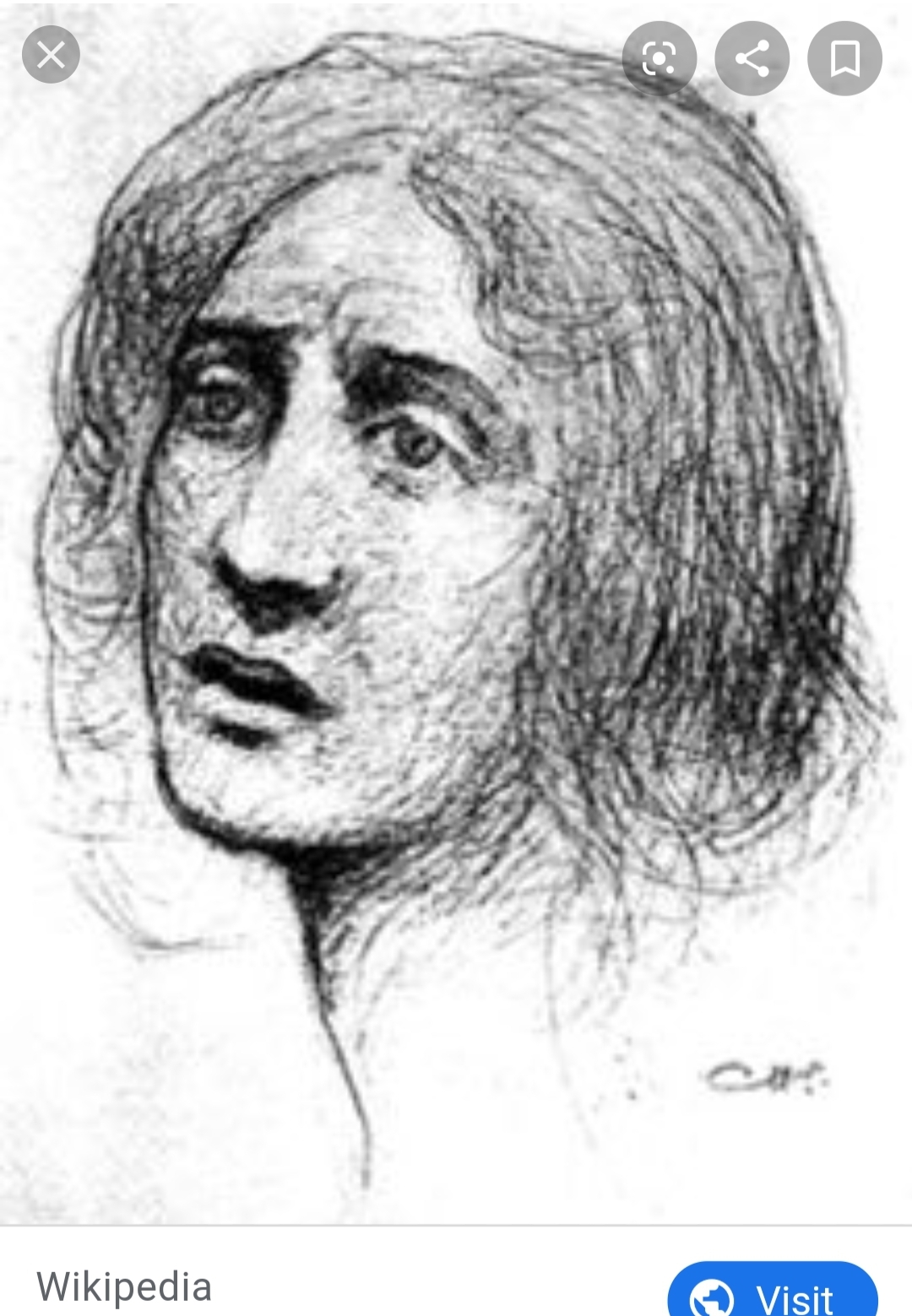
Courtesy of Wikipedia

What have we done to you death
that you treat us so, with always another catch
one day a warrior
the next a head of state
charmed by the loyal
you choose the best
iniquitous, unequalling death
I would not complain
if you were just
but you take the worthy
leaving fools for us.

742: Al-Khansa

Best Known Female Poet in Arabic Literature

Born: 575 AD, Present-day Najd, Oman (or Saudi Arabia, depending on the source)

Died: c.645 AD, Present-day Najd, Oman (or Saudi Arabia, depending on the source)

Also Spelled: al-Khansā

Full Name: Tumāḍir bint ʿAmr ibn al-Ḥārith ibn al-Sharīd al-Sulamīyah

Her name, Al-Khansa, means “The Snub Nosed” in Arabic. According to one source, this actually refers to the graceful gazelle, and not a remark on Al-Khansa’s features, thank goodness.

Al-Khansa started writing before Islam has been formed as a religion; and continued to wear mourning dress for her dead brothers and father after converting to the new religion despite it not adhering to Islamic law. Her elegies, or writings on her feelings about their deaths, made her a well-known and celebrated poet in her own lifetime.

She met the prophet Muhammad in person.

Al-Khansa lost four sons in one battle and the Caliph ʿUmar is said to have sent her a letter congratulating her on their heroism and granting her a pension. She was also granted the title Mother of Martyrs (Umm Al Shuhada).

In 1958, one of the first girls’ schools to open in Dubai was named in honor of Al-Khansa. Her name has been given to numerous schools, hospitals, and other buildings across the Arab world.

Her poems were finally translated into English in 1973. The collection, entitled Dīwān, are an invaluable insight into an Arabia before the rise of Islam.

The sketch of Al-Khansa, shown here, was drawn by the Arab poet Kahlil Gibran, who has been called the Arab Shakespeare.

Sources:

https://www.britannica.com/biography/al-Khansa

http://www.projectcontinua.org/al-khansa/

https://www.thenational.ae/arts-culture/arabic-treasures-the-beauty-of-al-khansa-s-melancholic-verses-refuses-to-fade-1.37438

  • Previous
  • 1
  • …
  • 50
  • 51
  • 52
  • 53
  • 54
  • 55
  • 56
  • …
  • 159
  • Next

Categories

Archives

  • July 2025 (10)
  • July 2024 (1)
  • January 2024 (1)
  • August 2023 (1)
  • June 2023 (2)
  • October 2022 (1)
  • July 2022 (1)
  • June 2021 (3)
  • December 2020 (3)
  • August 2019 (1)
  • July 2019 (2)

Search

© 2026 The Exasperated Historian | Powered by Minimalist Blog WordPress Theme