The Exasperated Historian
Menu
  • Home
  • The Women’s List (New)
  • The Men’s List
  • The Animal List
  • Collections
  • The Blog
  • Contact Us
  • FAQ
Menu

Category: Birth Locations

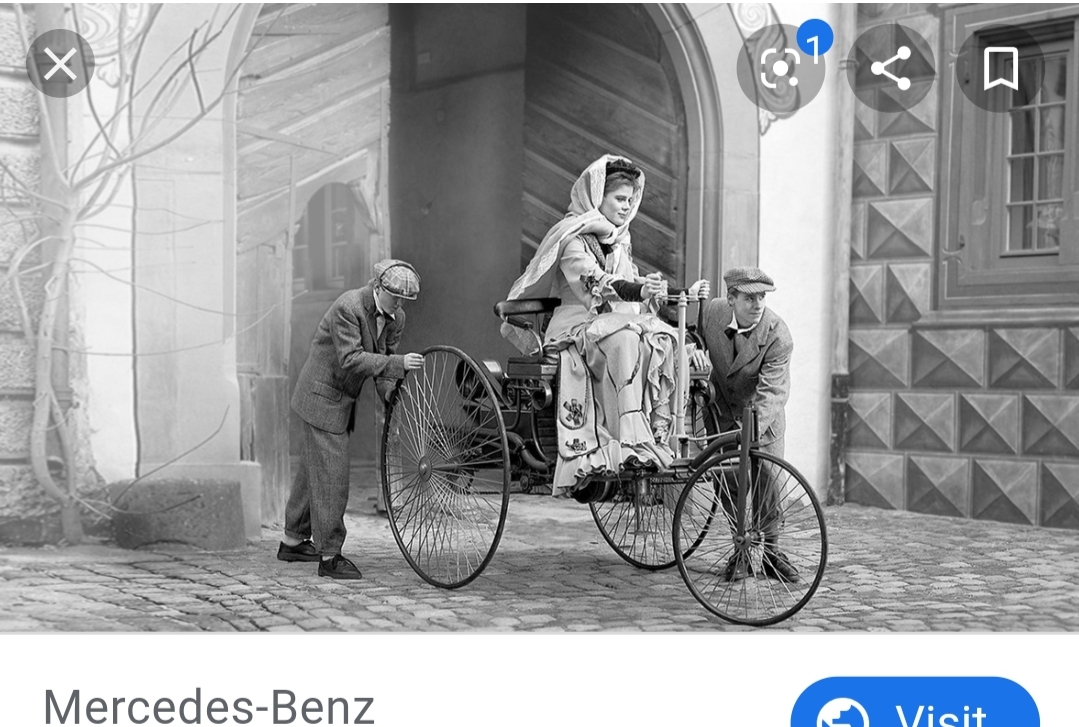
722) Bertha Benz

Courtesy of Mercedes-Benz

722: Bertha Benz

The First Person to Drive an Automobile Long Distance

Born: 3 May 1849, Pforzheim, Germany

Died: 5 May 1944, Ladenburg, Germany

Bertha was the wife and business partner of Karl Benz (Of Mercedes-Benz fame).

It is said Bertha made her decision to make her mark on the world after finding the Family Bible and seeing her father had wrote “Unfortunately only a girl again” to denote her birth. Bertha loved her father and had cherished the moments they’d spent together, her father teaching her all about locomotive engines, so finding his note was heartbreaking to say the least.

When she was nine, Bertha was finally able to attend school, where her favorite subject was the Natural Sciences. Bertha’s family had plenty of money and she plenty of suitors; unfortunately for her family’s social standings, Bertha’s heart went out to the penniless inventor Karl Benz. Bertha was in love from the moment he began to describe his dream to build a horseless motor-driven carriage.

Even before they’d made it down the aisle, Bertha had invested her entire dowry into Karl’s business and inventions, but he had no business sense and she frequently had to step in and help. The early years were hard with numerous setbacks and instances where social ridicule came onto the Benzes, but Bertha never wavered in her support for her husband or left his side. They had five children together.

On 29 January 1886, Karl officially received a patent for his motor carriage, and became the official inventor of the motor vehicle. Unfortunately, no one was interested in buying. The invention was about to become a massive flop unless a marketing genius figured out how to sell it. And so, Bertha took the car for a joyride across the German countryside.

In 1888, Bertha took a trip that was sixty-six miles each way in the Benz Patent Motor Car #3 to prove they were safe and reliable; making her the first long-distance car driver in history. The drive took her twelve hours one way  (the vehicle’s maximum speed was 25 miles per hour after all); a journey Bertha undertook with two of her sons. The first pharmacy where she stopped to pick up the liquid needed to propel the car is considered the first gas station in history.

Bertha took the car without her husband’s knowledge and faced many issues with the car along the way, but she made it. Through the use of hat pins, pieces of her clothes, and emptying out pharmacy shelves, Bertha and her boys made it…almost. In actuality, they ran out of fuel completely a few miles short of their destination and had to push the car the rest of the way—but they made it! On the return trip, Bertha and her sons took a different route to introduce even more people to the car. Their trip inspired a new idea in Karl, and he invented the first gear shift to help the car go over hills and other various terrains. The route Bertha drove is now the Bertha Benz Memorial Route in Germany.

After the drive, the Benz cars became a smash hit, and the Benzes the talk of society. In 1926, Karl and three other men officially founded Mercedes-Benz, and the rest is history.

On her ninety-fifth birthday, Bertha was honored as an honorary senator at the University of Karlsruhe (also known as the Karlsruhe Institute of Technology). Bertha had never been allowed to receive a higher education herself, and so when she died two days later, she died in peace.

In 2018, Mercedes-Benz honored Bertha with two short adverts, which I have linked in this article. In 2016, Bertha was also inducted into the Automotive Hall of Fame. She and her husband represent the first married couple ever inducted into the hall.

By the way, Bertha is also credited with creating the world’s first brake pads, so she was an inventor too.

Badges Earned:

Find a Grave Marked

Sources:

https://www.mercedes-benz.com/en/classic/bertha-benz/

https://www.history.com/news/bertha-benz-hits-the-road
https://www.automotivehalloffame.org/honoree/bertha-benz/

https://www.findagrave.com/memorial/131428035/bertha-benz

721) Sparethra

721: Sparethra

Queen who Fought Cyrus the Great

-Lived Around 547 BC- Eurasian Steppes (Exact Location Unknown)

Cyrus captured her husband in battle and pissed Sparethra off.

Sparethra and her husband, Amorges, were leaders of a band called the Amyrgioi of Sogdiana and Bactria, one of the Saka tribes that lived between the Caspian Sea and Bactria.

Sparethra raised an army of 500,000 (40% of which were female) and kicked his ass, saving her husband. The numbers are probably exaggerated, but the point still stands. Sparethra exchanged her husband for the high-ranking Persians Cyrus had lost in the battle. Later on in history, Sparethra’s forces joined up with Cyrus’s and not much else is known about her.

The Saka tribes were Eurasian, and the evidence from Sparethra’s story helps back up the claim that the real, factual, Amazons were from the Eurasian steppes.

Badges Earned:

Rejected Princess*

*Sparethra is briefly mentioned in the Rejected Princess entry for Tomyris, linked below.

Sources:

http://www.iranicaonline.org/articles/amazons-ii

https://www.rejectedprincesses.com/princesses/tomyris

https://www.ancient.eu/Cyrus_the_Great/ (Sparethra is mentioned under the heading “Other Campaigns”

https://en.wikipedia.org/wiki/Amyrgians

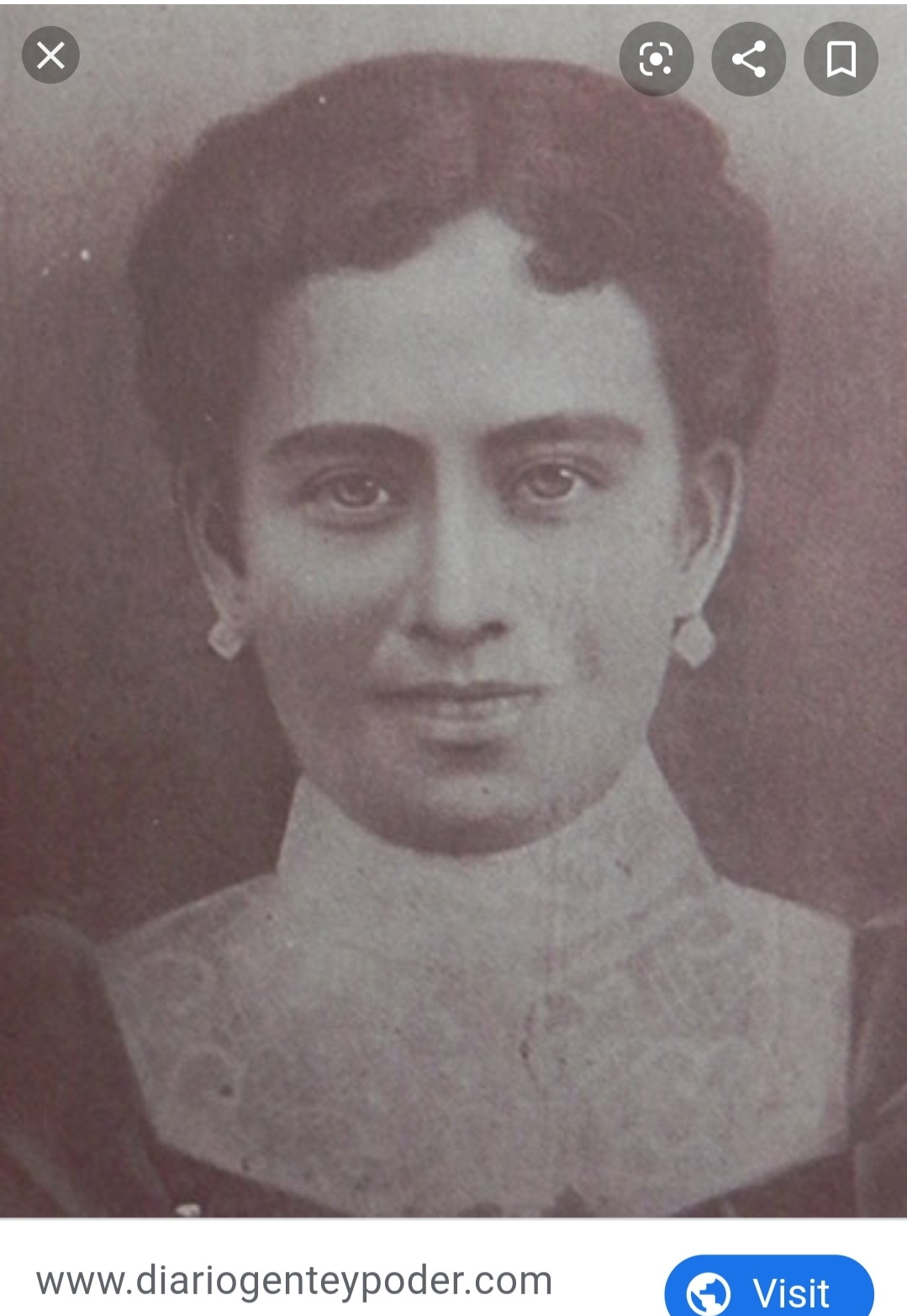
720) Elisa Griensen

Courtesy of Diariogenteypoder.com

720: Elisa Griensen

Fought with Pancho Villa in the Mexican Revolution Against the United States

Born: 2 January 1888, Hidalgo de Parral, Chihuahua, Mexico

Died: 14 November 1972, Ciudad Juárez, Chihuahua, Mexico

Also Known As: Maria Elisa Martiniana Griensen Zambrano

Elisa was orphaned as a child, but her older sister cared for her and their siblings (there were nine total). Life was hard until Elisa’s sister married a man who owned a man and had enough money to raise the children in comfort.

When the Mexican Revolution against the United States started, Elisa decided to fight for her country. She had been a supporter of Pancho Villa since she was twelve years old, and when opportunity knocked, Elisa answered. When the Americans invaded Parral, Elisa led a group of citizens, mostly women and children, to protest and riot against them; urging Americans to leave their city. When the Americans finally did leave, Elisa and the others made them chant, “Viva México, Viva Villa.”

It should be noted that several conflicting versions of events exist regarding the occupation of Parral, and some of them state Elisa’s role in forcing the Americans out was less than what is stated here. However, today, Elisa is seen as a Mexican Hero to many no matter the exact details of the war.

Elisa later married and had a daughter. She passed away from pneumonia.

Sources:

http://felixsommerfeld.com/news/mexican-revolution-blog/2016/6/1/one-woman-against-the-us-cavalry-elisa-griensen

https://www.loc.gov/exhibits/mexican-revolution-and-the-united-states/individual-women.html

https://es.wikipedia.org/wiki/Elisa_Griensen

719) Lela Karagianni

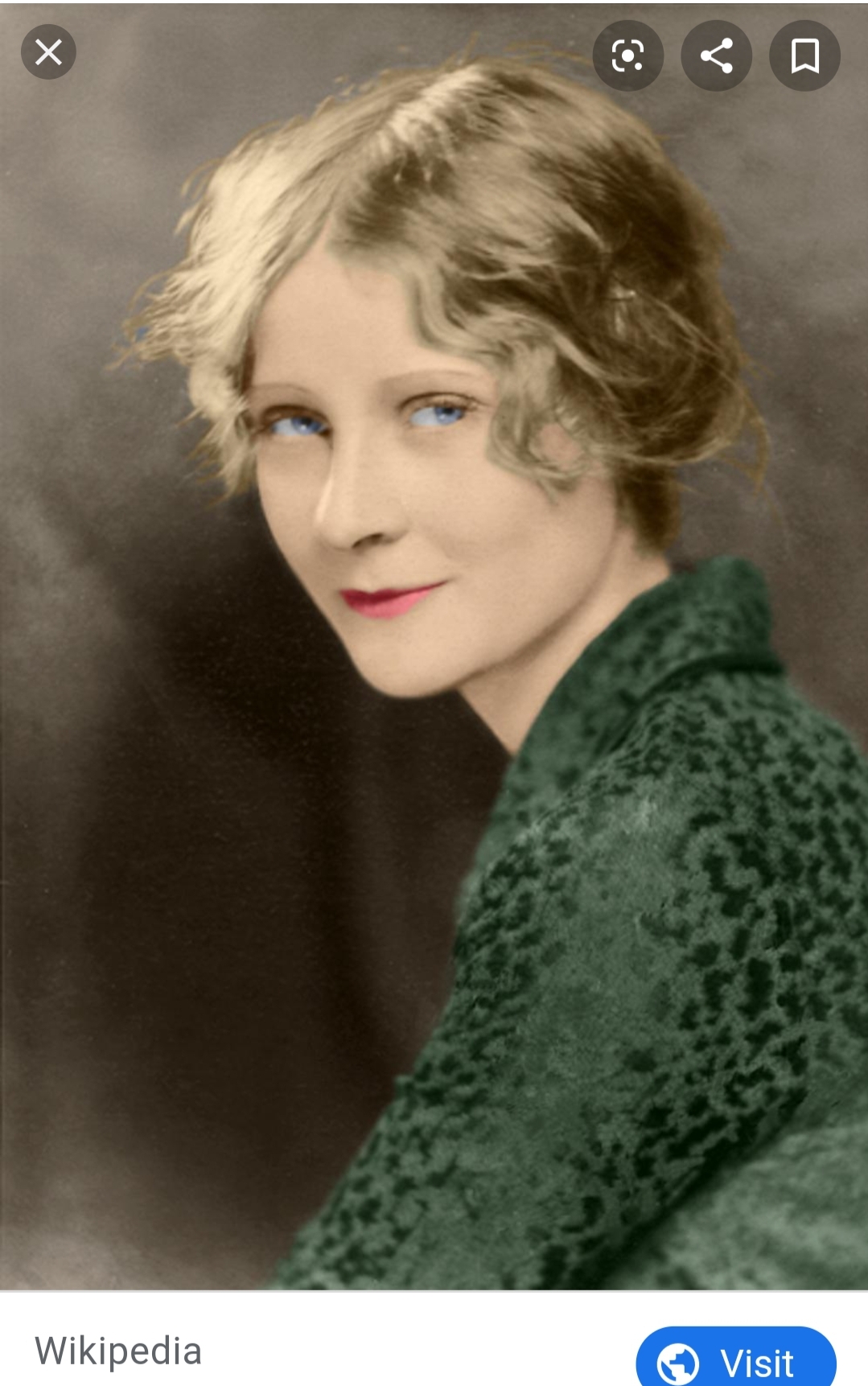
Courtesy of Wikipedia

719: Lela Karagianni

Created a Greek Resistance Group During the Axis Occupation

Born: 24 June 1898, Euboea, Kingdom of Greece (Present-day Euboea, Greece)

Died: 8 September 1944, Haidari Concentration Camp, Athens, Greece

Original Name: Eleni (Or Helen) Karagianni

Lela was married and a mother of seven children.

She forged documents, supplied information to the British, and smuggled prisoners to safety, among other heroic efforts. Her group, called Bouboulina, would amass around 100 members, including some of Lela’s children.

Lela was captured alongside five of her children, tortured, and executed in Haidari Concentration Camp (also spelled Chaidari) only a month before the liberation of Greece.

In 1995, Lela’s home and the base of her operations in Athens was declared a historical landmark and is maintained by the city as a museum to honor Lela and her followers.

In 1947, Greece awarded her the Award for Virtue and Sacrifice. Lela was honored by Yad Vashem as being Righteous Among the Nations in 2011. Her last name is spelled Karayanni in the Righteous Database.

Badges Earned:

Find a Grave Marked

Sources:

https://www.startproject.gr/en/the-building/

https://www.greeknewsonline.com/heroine-of-the-underground-lela-karagianni/

https://int.ert.gr/two-greek-families-to-receive-yad-vashem-medals-for-rescuing-jews-during-holocaust/

https://righteous.yadvashem.org/?searchType=all&language=en&itemId=6425096&ind=68

https://www.findagrave.com/memorial/195111533/lela-karagianni

718) Manfreda Visconti da Pirovano

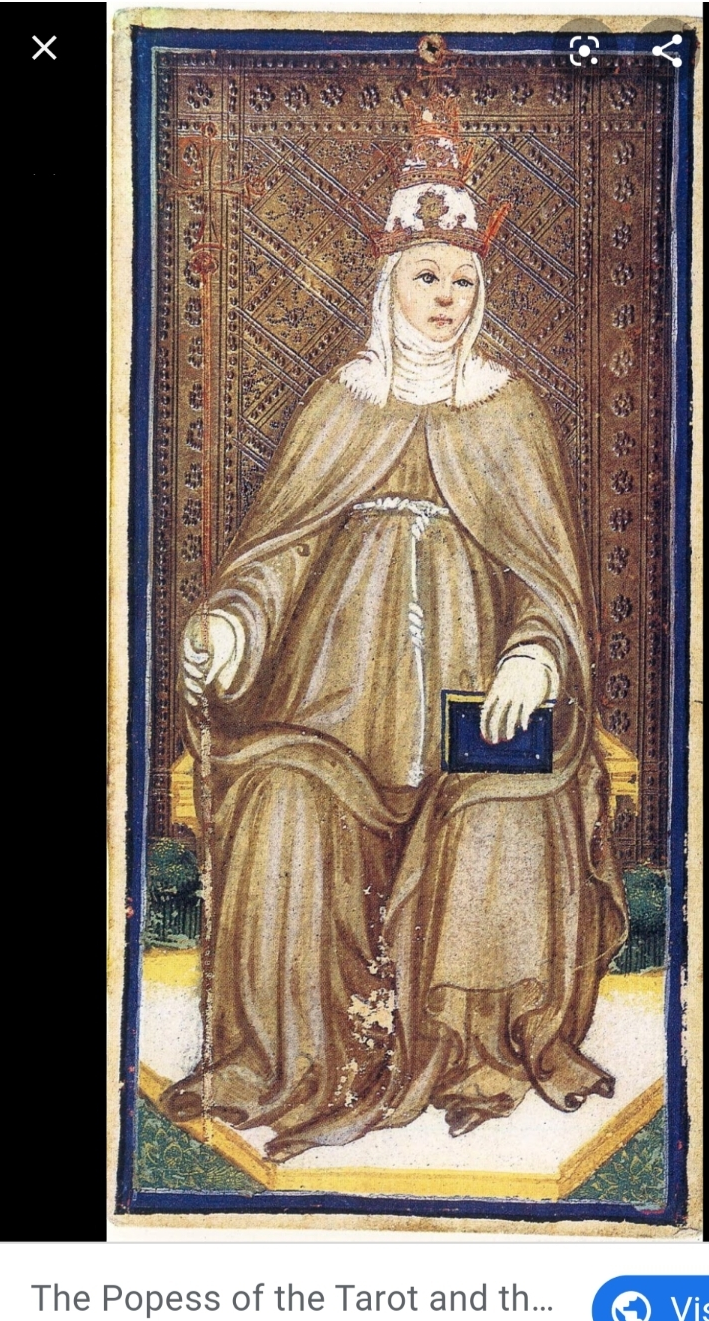
Courtesy of The Popess and the Tarot

718: Manfreda Visconti da Pirovano

Papess of Guglielma’s Feminized Christian Sect

Birth Date Unknown, Most Likely Milan, Holy Roman Empire (Present-day Milan, Italy)

Died: 1300 AD, Milan, Holy Roman Empire (Present-day Milan, Italy)

Also Spelled: Maifreda

Manfreda was supposed to ascend in 1300 after Easter in a new age of Holy Spiritual-ness but instead she and her followers were all burned at the stake; including the disinterred body of Guglielma who founded the sect.

Manfreda was an abbess and first cousin of the anti-pope (Matteo Visconti) ruling in Milan at the time.

Some believe the woman depicted on the popess tarot card is in fact Manfreda, but not everyone. Another possibility is Pope Joan, but again, not everyone agrees.

Sources:

https://pt.wikipedia.org/wiki/Maifreda_de_Pirovano

https://marykgreer.com/2009/11/07/papess-maifreda-visconti-of-the-guglielmites%E2%80%94new-evidence/

717) Peg Entwistle

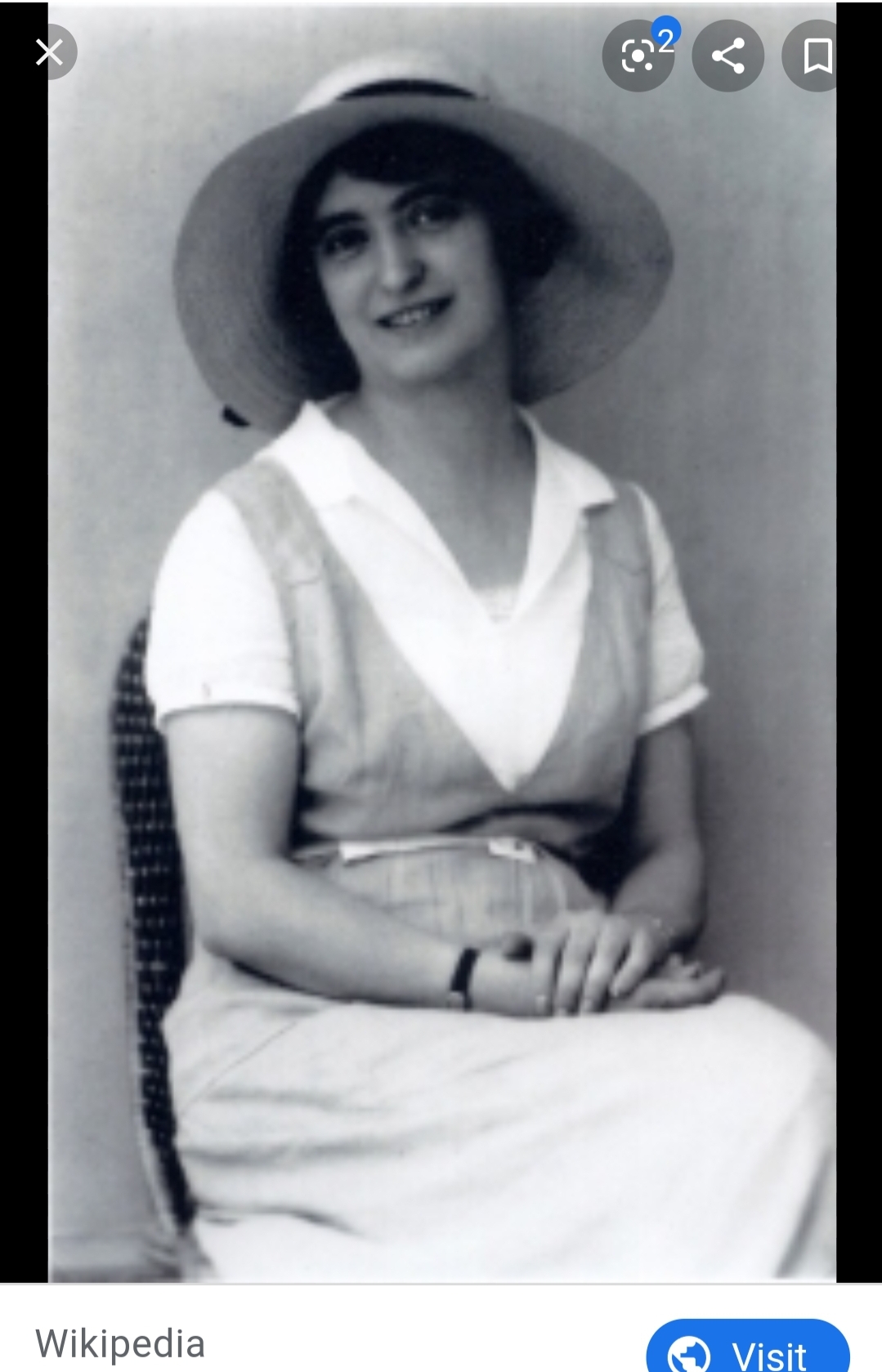
Courtesy of Wikipedia

"I am afraid I am a coward. I am sorry for everything. If I had done this a long time ago, it would have saved a lot of pain. P.E."

717: Peg Entwistle

Actress who Jumped from the Hollywoodland Sign

Born: 5 February 1908, Port Talbot, Wales, United Kingdom

Died: 16 September 1932, Los Angeles, California, United States of America

Original Name: Millicent Lilian Entwistle

As a child, her birth mother left and then her father and stepmother died in quick succession leaving her and her brothers to be raised by her uncle who was a manager for a Broadway actor. This connection helped launch Peg’s career onto the stage. Unfortunately, much like Marilyn Monroe, Peg was type cast as a dumb blonde type for most of her Broadway performances.

She married at nineteen but was divorced two years later after finding out her husband had been married previously and had a six-year-old son. In her divorce proceeding, Peg claimed he had also been abusive and cruel.

Peg decided she would head to Hollywood, determined to break onto the silver screen. She moved back in with her uncle, the home within sight of the famous Hollywood Sign. Back in ’32, it read “Hollywoodland”, but the sign is the same. Peg’s one film role was cut down after shooting into a small appearance partly because the film was made in the 30’s and she played a lesbian. The rest of the summer, Peg waited around for the call from the studios that never came. Finally, one September evening, Peg told her uncle she was leaving to meet some friends. She never came home.

Peg did not commit suicide because of bad reviews, but her slowing career may have played a part. It’s more likely she committed suicide because her husband had remarried, and she was a naturally “moody” person according to some friends and family. Her uncle said it was probably an impulsive decision and not premeditated.

Peg’s body was discovered the following day by a hiker. They found her jacket and purse first, then looked over the ledge of the hill and found her body. Inside Peg’s purse was a suicide note, from which the quote shown in this article was taken.

Ever since Peg’s death people have seen a disoriented blonde ghost smelling of gardenias (her favorite perfume) appear and then vanish near the sign.

Peg’s story was featured on an episode of Monumental Mysteries entitled “Monumental Mysteries: A Mystery at the Museum Special.”

Badges Earned:

Find a Grave Marked

Located In My Personal Library:

The Hollywood Book of Death by James Robert Parish

Sources:

https://hollywoodsign.org/announcement/a-sign-of-the-times-tragic-suicide-off-the-h/

https://www.imdb.com/name/nm0258201/bio?ref_=nm_ov_bio_sm

https://allthatsinteresting.com/peg-entwistle

https://www.thevintagenews.com/2018/06/30/peg-entwistle/

https://www.vanityfair.com/hollywood/2014/10/hollywood-sign-haunted

https://www.findagrave.com/memorial/4704/peg-entwistle

716) Octavia the Younger

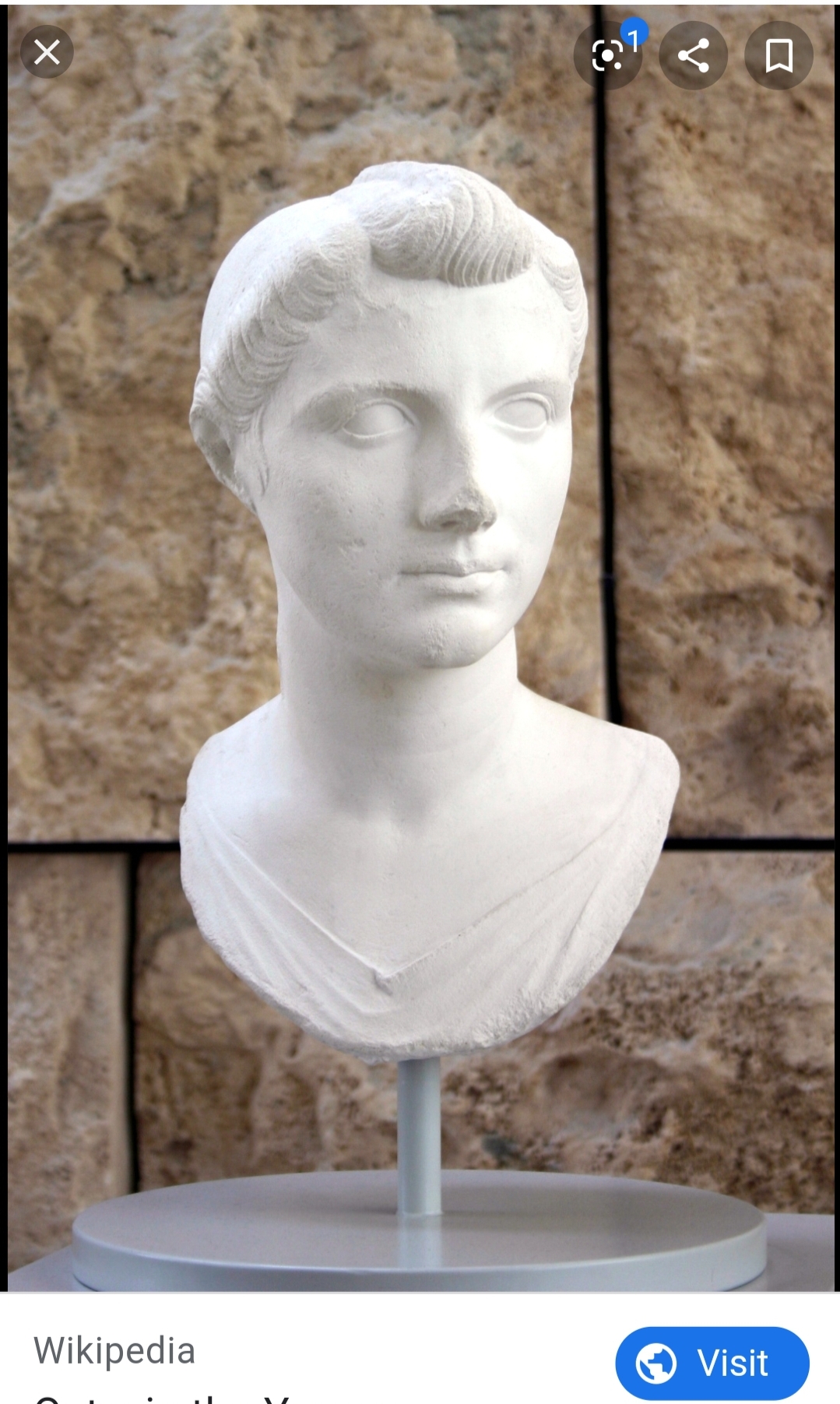
Courtesy of Wikipedia

716: Octavia the Younger

Marc Antony’s Fourth Wife

Born: c.69 BC, Nola, Roman Empire (Present-day Nola, Italy)

Died: c.11 BC, Rome, Roman Empire (Present-day Rome, Italy)

Also Known As: Octavia Minor

Octavia was also Octavian (later known as Augustus)’s sister, Octavia Major’s half-sister, and the great grandmother of Caligula and Agrippina the Younger. Oh, she was also distantly related to Julius Caesar on her mother’s side and through marriage a distant relation to Pompey. Basically, there weren’t a lot of high placed Romans she wasn’t related to somehow.

Octavia married her first husband when she was fifteen and had three children with him. She also refused to divorce him when asked by Caesar to marry Pompey instead. Caesar wanted Octavia married to Pompey in order to continue the peace between the two of them. However, Octavia and her husband, who was a friend of Pompey’s, didn’t want to throw in the hat and call their marriage quits.

Soon after, Pompey and Caesar broke out into civil war. At the outset, Octavia’s husband Claudius sided with Pompey, but switched sides. No doubt this had something to do with Octavia, seeing as Caesar was her great-uncle. When her husband died, Octavia was twenty-nine, and his death left her in a vulnerable position to quarreling men. By now, Pompey and Caesar were dead, however, Octavian and Marc Antony were very much alive and quarreling. In order to improve their relationship, Octavian forced his sister to marry Marc Antony. Octavia was still mourning Claudius’s death and had only been single again for a few months, but that didn’t matter. Octavia would go on to have two children with Marc Antony, but the marriage was far from bliss.

After Marc fell in love with Cleopatra VII, he divorced Octavia in order to be able to continue his relationship with the Egyptian Queen. Octavia was sent back to Rome, and despite being forced to marry Marc in the first place, Octavia remained loyal to him.

She not only cared for her own five children but also the three children Marc Antony and Cleopatra had after Marc and Cleopatra committed suicide. Octavia also helped raise another of Marc’s children from a previous marriage. She was nearly forty years old, but never remarried. Instead, she raised nine children on her own, seven of whom went on to marry well. The two who did not were Cleopatra’s sons, who disappear from history after coming into Octavia’s care; leading many to believe they died young. Cleopatra’s third child, a daughter named Cleopatra Selene, went on to marry the king of Mauritania. Octavia’s other stepchildren all married into the elite Roman society. They too had become pawns of their uncle, the newly styled Emperor Augustus.

Octavia was one of the first Roman women to have her image appear on a coin and was honored as a goddess after her death. She was less than sixty years old.

Badges Earned:

Find a Grave Marked

Located In My Personal Library:

Goddesses, Whores, Wives, and Slaves: Women in Classical Antiquity by Sarah B Pomeroy

One Bloody Thing After Another by Jacob F Field

The Warrior Queens by Antonia Fraser

When Women Ruled the World: Six Queens of Egypt by Kara Cooney

Women in Ancient Rome by Paul Chrystal

Sources:

https://www.livius.org/articles/person/octavia-minor/

https://www.britannica.com/biography/Octavia-wife-of-Mark-Antony

https://www.findagrave.com/memorial/57804802/octavia-minor

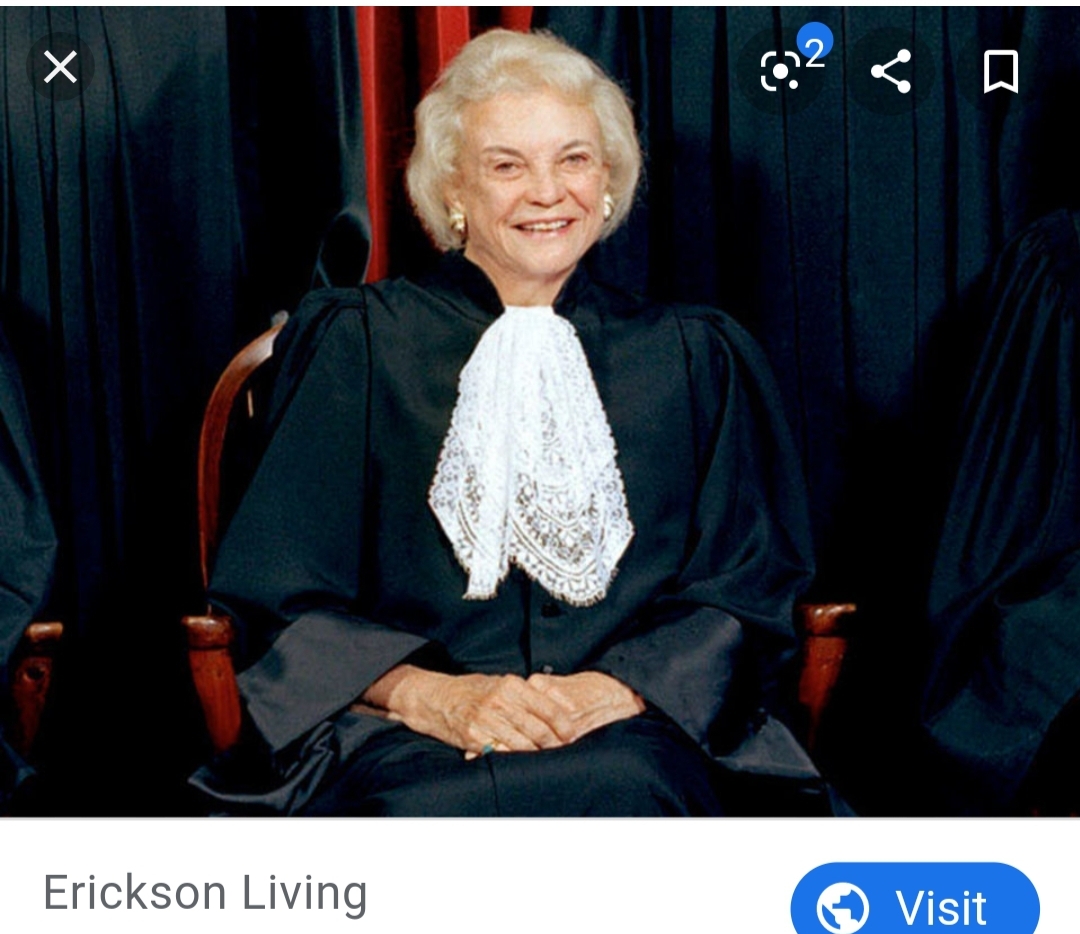
715) Sandra Day O’Connor

Courtesy of Erickson Living

715: Sandra Day O’Connor

First Female Supreme Court Justice in United States History

Born: 26 March 1930, El Paso, Texas, United States of America

Died: 1 December 2023, Phoenix, Arizona, United States of America

Sandra graduated high school two years early and was admitted to Stanford when she was sixteen; earning a bachelor’s degree in economics. Sandra then attended Stanford Law and earned her degree in two years as opposed to the usual three. She graduated third in her class with other former justice (and we now know her boyfriend around this time) William H Rehnquist being one of the two ahead of her.

Sandra met her husband soon after and they married quickly, having three sons. Though she struggled initially to find employment due to the bias against women lawyers at the time; she eventually found work as a deputy district attorney in San Mateo County, California. Soon after, Sandra’s husband was sent to Germany as a member of the US Army Judge Advocate General Corps. While there, Sandra worked as a civil attorney for the army.

In the 1960’s, Sandra and her husband returned to the states, moving to Arizona. Sandra started work in private practice before becoming Assistant Attorney General for the state.

In 1969, Sandra was appointed to a vacated seat in the AZ State Senate as a Republican. She was then reelected to the position twice becoming the first female majority leader of a state senate regardless of party in the United States. In the 70’s, Sandra began working for the Superior Court of Maricopa County, eventually rising to the Arizona Court of Appeals.

Then in 1981, President Reagan nominated her to the Supreme Court with unanimous approval from the Senate, making Sandra the first woman to ever sit on the bench of the United States’ highest court. During her tenure, Sandra was considered a swing vote, meaning she didn’t always decide along party lines. She also suffered from breast cancer, and had to undergo a mastectomy as a result.

In 2006, Sandra retired from the Court to care for her husband who was suffering from Alzheimer’s disease. Sadly, in 2018, Sandra announced she was suffering from dementia that may progress into Alzheimer’s. Before her retirement from public life, Sandra wrote several books and launched an online civics program designed to help teach middle school students.

In 2006, Arizona State University named their law school after Sandra. She was also awarded the Presidential Medal of Freedom in 2009.

Sandra passed away at the age of ninety-three.

Badges Earned:

Find a Grave Marked

Located In My Personal Library:

Arizona: A History by Thomas Sheridan

Time Magazine's 100 Women of the Year (Sandra appears in the 2000 article, "Sandra Day O'Connor")

Sources:

https://www.britannica.com/biography/Sandra-Day-OConnor

https://www.biography.com/law-figure/sandra-day-oconnor

https://www.supremecourt.gov/visiting/SandraDayOConnor.aspx

https://www.nytimes.com/2023/12/01/us/sandra-day-oconnor-dead.html 

https://www.findagrave.com/memorial/261942258/sandra-o'connor

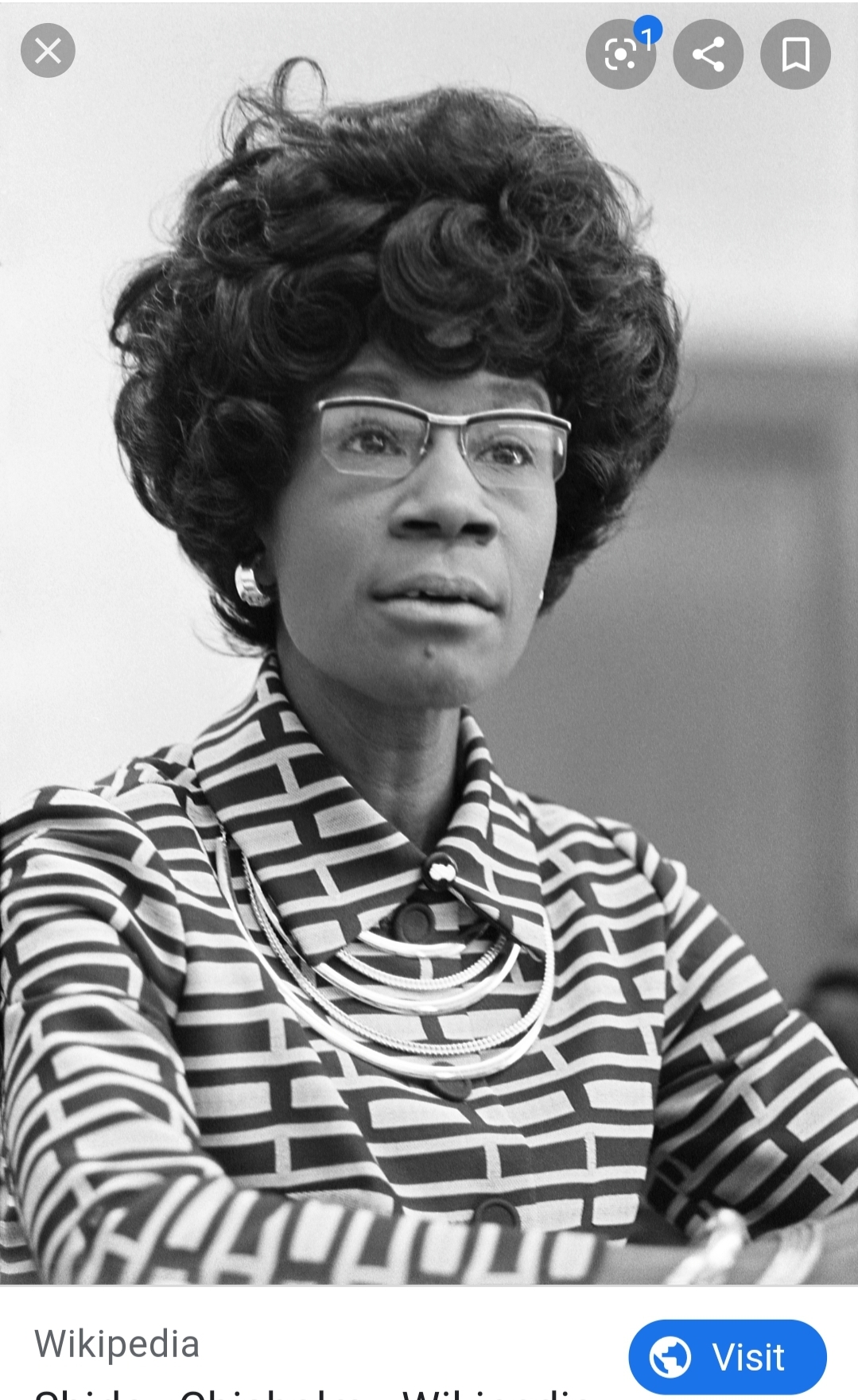
714) Shirley Chisholm

Courtesy of Wikipedia

"I have no intention of just sitting quietly and observing. I intend to focus attention on the nation's problems."

714: Shirley Chisholm

Congresswoman and the First African American Woman to Serve in the House of Representatives

Born: 30 November 1924, Brooklyn, New York, United States of America

Died: 1 January 2005, Ormond Beach, Florida, United States of America

Shirley served New York’s 12th District in the House of Representatives.

She held a master’s degree from Columbia University, and before entering politics worked as a preschool teacher. She married a private investigator (though they later divorced) and by the 1960’s was working for the New York Division of Day Care as a consultant.

In 1964, Shirley won her local election and became the second African American person to serve in the New York State Legislator. She spent her entire adult life focused on helping serve women and minorities. By 1968, Shirley had won her seat in Congress, and earned the nickname “Fighting Shirley.” While serving, Shirley made history in the House by becoming the first black woman and second woman ever to serve on the House Rules Committee. She remarried that same year, this time to a man serving in the New York State legislature.

In 1972, Shirley ran for the Democratic Nomination for the United States Presidency and even visited her rival George Wallace in the hospital after he was shot five times in a failed assassination attempt. The visit was profound in that George, the Governor of Alabama, was openly racist. The attack left him paralyzed from the waist down for the rest of his life.

Shirley failed to win the nomination, but her run is notable for being the first woman and the first African American to seek the nomination from one of America’s major political parties. She had managed to scoop up 10% of the delegates though, all the more impressive after considering her campaign was blocked by several powerful discriminatory groups and she had minimal funding to help boost her.

After retiring from Congress, Shirley became a teacher at Mount Holyoke College. She also helped found the National Political Congress of Black Women. After retiring to Florida, she declined the nomination to become the Ambassador to Jamaica.

In November of 2015, she was posthumously awarded the Presidential Medal of Freedom.

Badges Earned:

Find a Grave Marked

Located In My Personal Library:

The Book of Awesome Women: Boundary Breakers, Freedom Fighters, Sheroes, and Female Firsts by Becca Anderson

The Only Woman by Immy Humes

Sources:

https://www.womenshistory.org/education-resources/biographies/shirley-chisholm

https://history.house.gov/People/Listing/C/CHISHOLM,-Shirley-Anita-(C000371)/

https://www.biography.com/political-figure/shirley-chisholm

https://www.smithsonianmag.com/smithsonian-institution/unbought-and-unbossed-when-black-woman-ran-for-the-white-house-180958699/

https://www.findagrave.com/memorial/10211114/shirley-chisholm

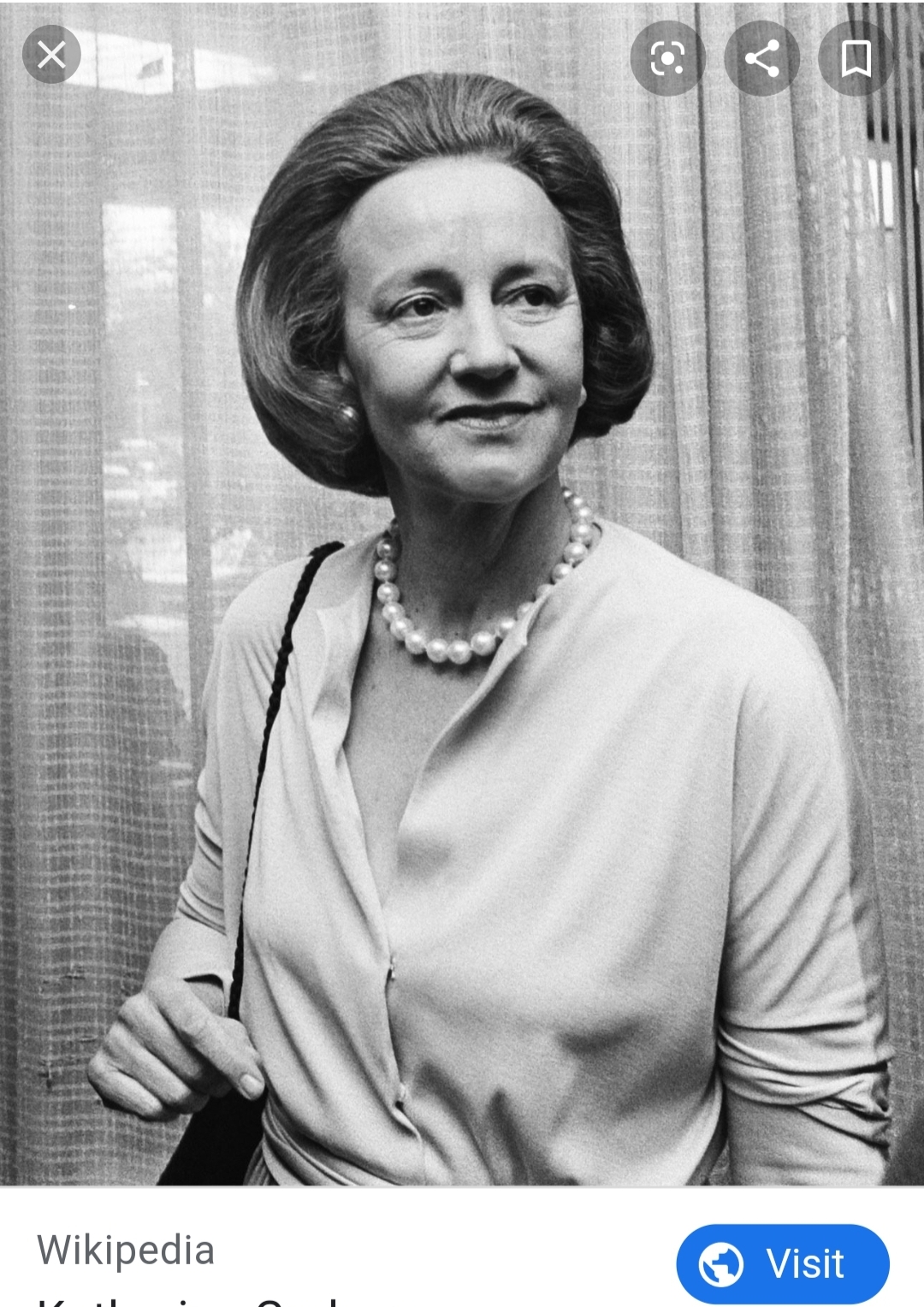
713) Katharine Meyer Graham

Courtesy of Wikipedia

"The only thing I think any of us want, is to last as long as we're any good…And then not."

713: Katharine Meyer Graham

Former President of The Washington Post

Born: 16 June 1917, New York City, New York, United States of America

Died: 17 July 2001, Boise, Idaho, United States of America

Katharine’s childhood was far from the normal, ideal, one we think of today. She was the fourth of five children and was more attached to her governess than her mother. When Katharine graduated from college in 1938, neither of her parents turned up to congratulate her.

Katharine’s father bought the paper in 1933 and her husband became the publisher when he was thirty-one in 1946. Before her marriage, Katharine worked for various other papers as a reporter and editor. When she started working for her father’s paper, he reportedly said if things didn’t work out, she would be fired. After her marriage, Katharine left the workplace to focus on her family. By 1948, Katharine and her husband purchased the voting stock in The Washington Post from Katharine’s father, however, Katharine’s husband retained a higher percentage than Katharine because she was a woman.

Over the years, Katharine’s husband became more and more controlling and mentally ill. Katharine paid all of their domestic expenses out of her own trust fund so her husband would be able to invest in other media interests with his paycheck. He began drinking and suffered a mental break in 1957 before returning to work. Eventually, Katharine learned not only that he was having an affair, but that he also planned to buy out her shares in The Post and force her out.

Instead of granting her husband a divorce and bowing out, Katharine fought back. She told her husband she’d grant him a divorce if, and only if, he gave her a majority share of The Post. Her husband refused, and became more and more mentally ill, eventually refusing all treatment.

Katharine took over running the Post completely after her husband committed suicide in a manic-depressive episode; leaving her to raise their four children alone. Under her leadership, the Post would become one of the most widely circulated and read papers across the country, but at the outset, Katharine’s plan was to run the paper until her three sons were old enough to run it themselves. She hadn’t considered her daughter a candidate, just like how she’d been excluded thirty years before by her own father. Eventually however, Katharine’s friends convinced her to run it herself.

While she was running the paper, The Post published The Pentagon Papers. The Post acted only after The New York Times was placed under a temporary restraining order for publishing The Pentagon Papers, the first time in US history a newspaper was censured in that way by the federal government. The Post quickly obtained their own copy of the papers, and under Katharine’s say-so, published them. Eventually, the Supreme Court would decide against censuring The Times and The Post. Eventually, the Post would also go on to break the story connecting the Watergate Scandal to the White House, proving Richard Nixon was behind the famous foiled break in. They continued to break the story and publish more details despite facing backlash and threats of intimidation from the Nixon Administration. This period of history was covered in the film The Post, the trailer for which I have linked in this article.

Katharine was the first woman to head a Fortune 500 Company, being named CEO in 1972. She remained in that position until 1991 and stepped down as Chairwoman of the Board until 1993, though she remained a board member. Her son took over both positions. Katharine went on to receive a Pulitzer Prize for her autobiography in 1998.

Despite being mostly retired, Katharine continued to work until her death. She was attending a business conference when Katharine slipped and hit her head on some concrete. She never regained consciousness.

In 2002, Katharine was inducted into the National Women’s Hall of Fame.

Badges Earned:

Find a Grave Marked

Located In My Personal Library:

The Book of Awesome Women: Boundary Breakers, Freedom Fighters, Sheroes, and Female Firsts by Becca Anderson

The Oxford Encyclopedia of Women in World History Edited By Bonnie G Smith

Sources:

https://www.britannica.com/biography/Katharine-Graham

https://www.nytimes.com/2001/07/17/obituaries/katharine-graham-former-publisher-of-washington-post-dies-at-84.html

https://www.pulitzer.org/winners/katharine-graham

https://www.washingtonpost.com/wp-srv/metro/specials/graham/grahamtimeline.htm

https://www.womenofthehall.org/inductee/katharine-graham/

https://www.findagrave.com/memorial/23269/katharine-graham

  • Previous
  • 1
  • …
  • 53
  • 54
  • 55
  • 56
  • 57
  • 58
  • 59
  • …
  • 159
  • Next

Categories

Archives

  • July 2025 (10)
  • July 2024 (1)
  • January 2024 (1)
  • August 2023 (1)
  • June 2023 (2)
  • October 2022 (1)
  • July 2022 (1)
  • June 2021 (3)
  • December 2020 (3)
  • August 2019 (1)
  • July 2019 (2)

Search

© 2026 The Exasperated Historian | Powered by Minimalist Blog WordPress Theme