These are the entries born in Malaysia.
Entries:
- Nur Suryani Mohd Taibi, Olympic Rifle Shooter Who Competed While Eight Months Pregnant

These are the entries born in Malaysia.

785: Nur Suryani Mohd Taibi
The First Olympic Athlete to Compete While Eight Months Pregnant
Born: 24 September 1982, Perak, Malaysia
Also Spelled: Nur Suryani Mohamed Taibi
That’s right, Nur competed in the 2012 Summer Olympics Rifle Events while heavily pregnant (though she was far from the first athlete to compete while pregnant). Nur wasn’t afraid of the competition, but she was afraid her baby girl would decide to kick just when Nur fired her shot.
She was also the first woman to represent Malaysia in an Olympic shooting competition.
Nur discovered she was pregnant two days before qualifying for the games and refused to give up her place after the Malaysian higher ups tried to convince her to. Nur was able to convince them to change their tune after pointing out her overall performance in the sport had actually improved as her pregnancy advanced.
Luckily for Nur, her story became so famous the Malaysian government pledged to care for all her medical needs throughout the Olympics in London. The Prime Minister also said they would pay for her husband to fly to the UK to watch her compete as well.
The 2012 games were her first Olympics, but she has been shooting since she was fourteen. She had also previously competed in several other competitions. Nur placed thirty-fourth in the competition, not bad at all!
Nur’s day job (which she took a year off of to compete) is as a logistics officer in the Malaysian Navy. She is now a mother of two and has been called the best female competition shooter in Malaysia.
Sources:
https://www.nytimes.com/2012/07/17/sports/olympics/17iht-oly17.html
https://results.gc2018.com/en/shooting/athlete-profile-n6031903-nur-suryani-mohamed-taibi.htm
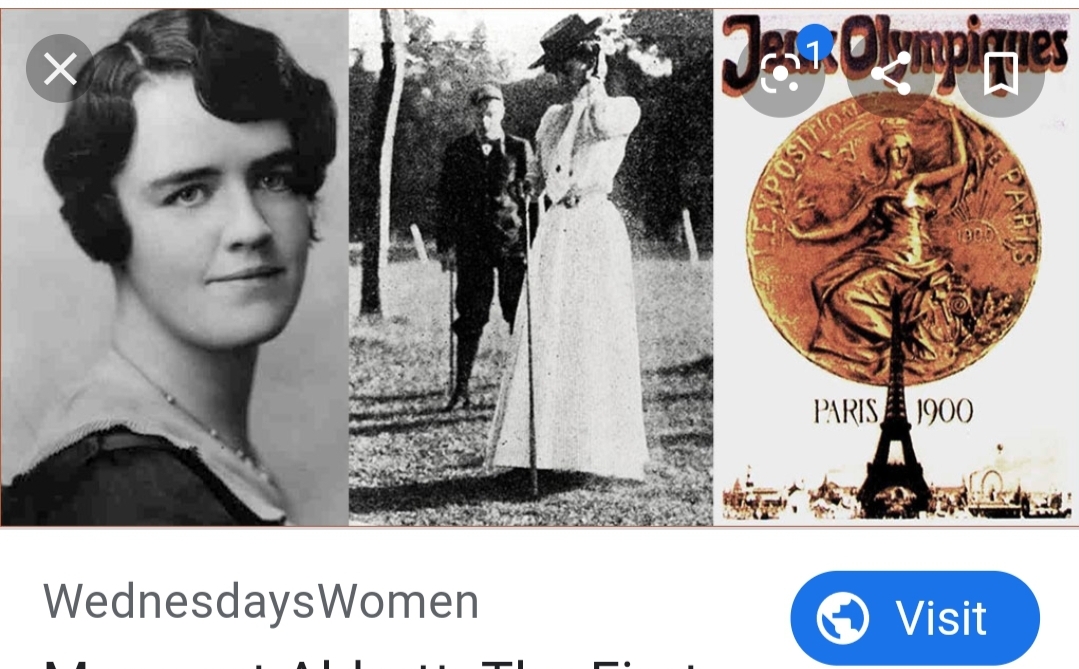
784: Margaret Abbott
The First United States’ Woman to Win Gold at the Olympics
Born: 15 June 1878, Calcutta, British-Controlled India (Present-day Kolkata, India)
Died: 10 June 1955, Greenwich, Connecticut, United States of America
Full Name: Margaret Ives Abbott Dunne
Nickname: Peggy
Margaret died without ever learning she’d actually won an Olympic Event, having competed in the 1900 Games.
Margaret was born into a wealthy socialite family, and spent three years in Paris with her mother, a novelist. This time in Paris allowed her to compete at the games.
Margaret’s sport was golf, and her actual prize was a gilded porcelain bowl. She didn’t realize she was competing in the Olympics because the game of golf was never billed as an Olympic sport at the time. Margaret had previously played and won in several championship games in Chicago.
After the games were over Margaret still wasn’t made aware that she was an Olympian, much less a champion.
The 1900 Olympics were the first games where women were allowed to compete (in five sports: golf, croquet, tennis, sailing, and equestrian). Golf was introduced for the first time that year, and then discontinued for women altogether for the next 116 years. The 2016 Games were the first since 1904 that allowed men to compete in golf as well.
Margaret’s mother also competed in the golf tournament making Margaret and her mother the only women in modern history to compete in the same game at the same Olympics.
Margaret was married and had four children.
Badges Earned:
Find a Grave Marked
Sources:
https://www.britannica.com/topic/A-Study-Break-1367944
https://www.olympic.org/margaret-abbott
http://www.womengolfersmuseum.com/Famousgolfers/AbbottMargaret.htm
https://www.findagrave.com/memorial/194921835/margaret-ives-dunne

783: Vivienne Nearing
Imagine Being Remembered for Cheating on a Game Show
Born: 3 February 1926, New York City, New York, United States of America
Died: 4 July 2007, East Hampton, New York, United States of America
Vivienne was a Twenty-One player and was eventually convicted of perjury. She came under suspicion in 1957 after defeating Charles Van Doren on the television quiz show. In all, Vivienne took home $5,500 in just four appearances on the show before she herself was eliminated.
Vivienne was convicted of second-degree perjury after she was proven to have lied when testifying in court about the show. She was one of fourteen contestants who were all convicted. Vivienne claimed to be innocent but had, in fact, been fed answers to the show while on the air. She was caught lying after she broke and told the truth at a later court date alongside the other contestants.
At the time of appearing on the show, Vivienne was a lawyer for Warner Brothers. After being disbarred for six months, her license was reinstated, and she became senior partner at a New York based law firm. She worked there until she died, giving up her dream of being a judge in fear of the scandal being brought up.
Vivienne had a master’s and a law degree from Columbia University. She was also a feminist and was not pleased when the media described her as a blonde and what her cooking habits were.
The scandal behind the game show Twenty-One was eventually turned into the Hollywood film Quiz Show. Vivienne refused to have anything to do with the film, which was released in 1994.
Badges Earned:
Find a Grave Marked
Sources:
https://www.nytimes.com/2007/07/15/nyregion/15nearing.html
https://www.latimes.com/archives/la-xpm-2007-jul-16-me-passings16.1-story.html
https://magazine.columbia.edu/article/truth-and-consequences
https://www.findagrave.com/memorial/122016959/vivienne-helen-nearing
These are the entries born in the country of Kyrgyzstan.
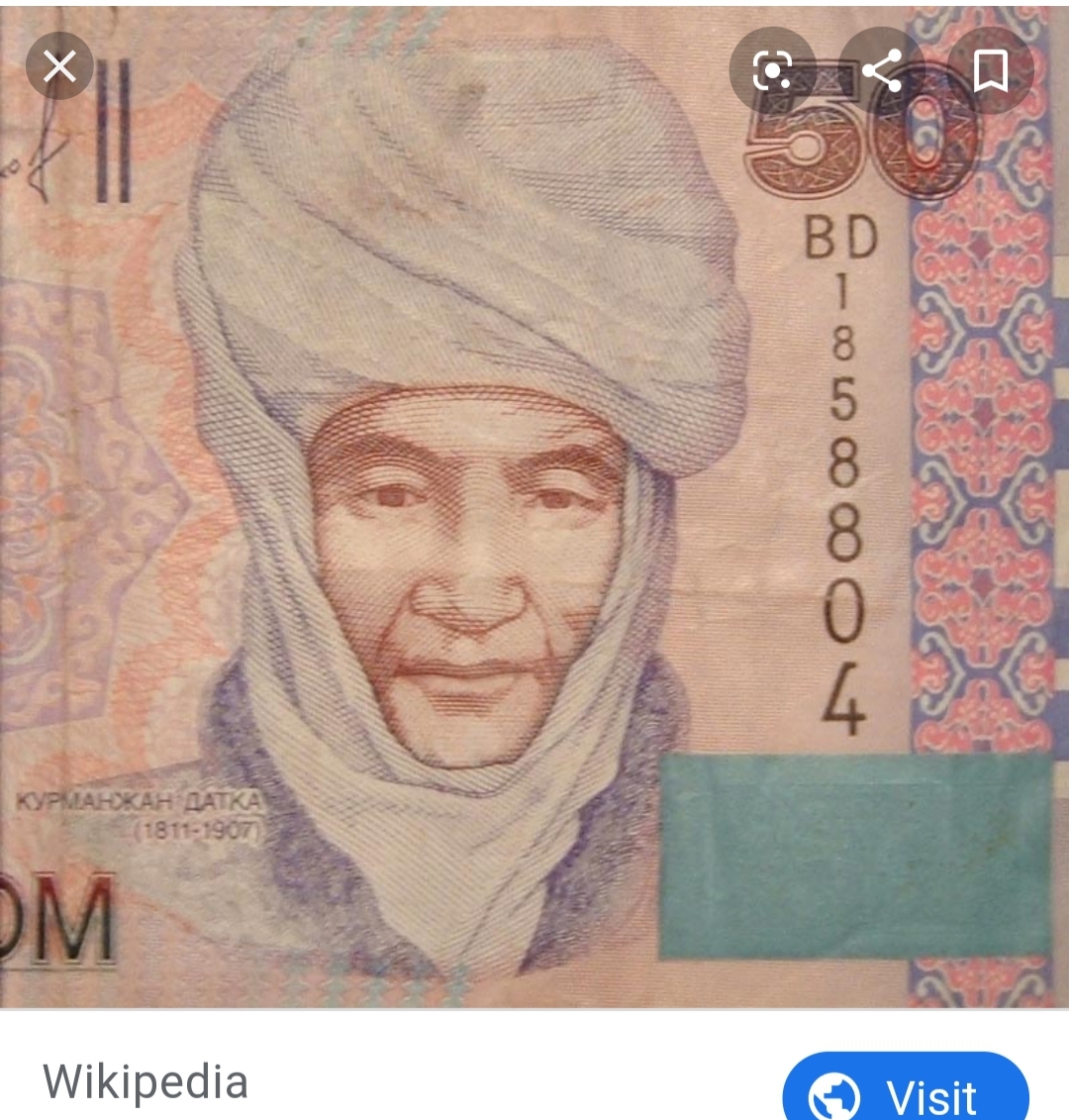
782: Kurmanjan Datka
United Kyrgyzstan as a Country
Born: 22 May 1811, Pamir-Alay Mountains (Present-day Kyrgyzstan)
Died: 1 February 1907, Osh, Kyrgyzstan
After running away from an arranged marriage when she was eighteen, Kurmanjan later married a local feudal leader for love. This marriage and Kurmanjan’s insistence on freedom of choice is a large part of the reason why Kurmanjan is seen as a beacon for Kyrgyz women and their independence. Kurmanjan and her husband would have five sons.
When Kurmanjan’s husband was killed in a palace coup, Kurmanjan was made leader of the region, and soon she had united the different tribes into one united Kyrgyzstan. Kurmanjan’s consolidation of power made her one-part governor one part general. Then when her land was annexed by the Russian Empire, Kurmanjan encouraged people to accept it instead of fighting back and getting killed.
Kurmanjan wouldn’t even help her own son after he was captured and sentenced to death for fear of the Russians attacking her people. For Kurmanjan, the death of her son was more bearable than the death of her people and their culture at large. The Russians respected Kurmanjan’s authority over her people and bestowed upon her the title Tsaritsa Alaia, or Queen of the Alai. As powerful and moving as Kurmanjan’s story is, one should still remember she bargained for her people by letting colonial Russia rule over them as a whole. However, Kurmanjan is remembered today as being kind to people from all cultures and ways of life, and even though her people had colonial Russia over their shoulders, they didn't suffer in the way other colonies in world history have.
Today, Kurmanjan’s face graces a banknote in Kyrgyzstan, which is seen in this article. There are also statues and roads named for her across the country.
A 2014 movie was made about her life, “Kurmanjan Datka: Queen of the Mountains.”
By the way, Datka in Kyrgyz means Righteous Ruler. Sources differ as to whether Kurmanjan is the only woman in Kyrgyz history to have attained that title or not, but either way; badass.
As of 2020, Kyrgyzstan was also the only Central Asian country to have been ruled by a female president; Roza Otunbayeva. When Roza’s term as president expired, she stepped down and quietly left politics without trying to force a successor in her wake or interfere further. Roza decreed 2011 would be the Year of Kurmanjan Datka in honor of Kurmanjan’s 200th anniversary.
Badges Earned:
Rejected Princess
Located In My Personal Library:
Rejected Princesses by Jason Porath
Sources:
https://www.rferl.org/a/qishloq-ovozi-who-was-kurmanjan-datka/26770979.html
https://www.kyrgyzstantravel.com/kurmanjan-datka-queen-of-the-kyrgyz
https://www.rejectedprincesses.com/princesses/kurmanjan-datka
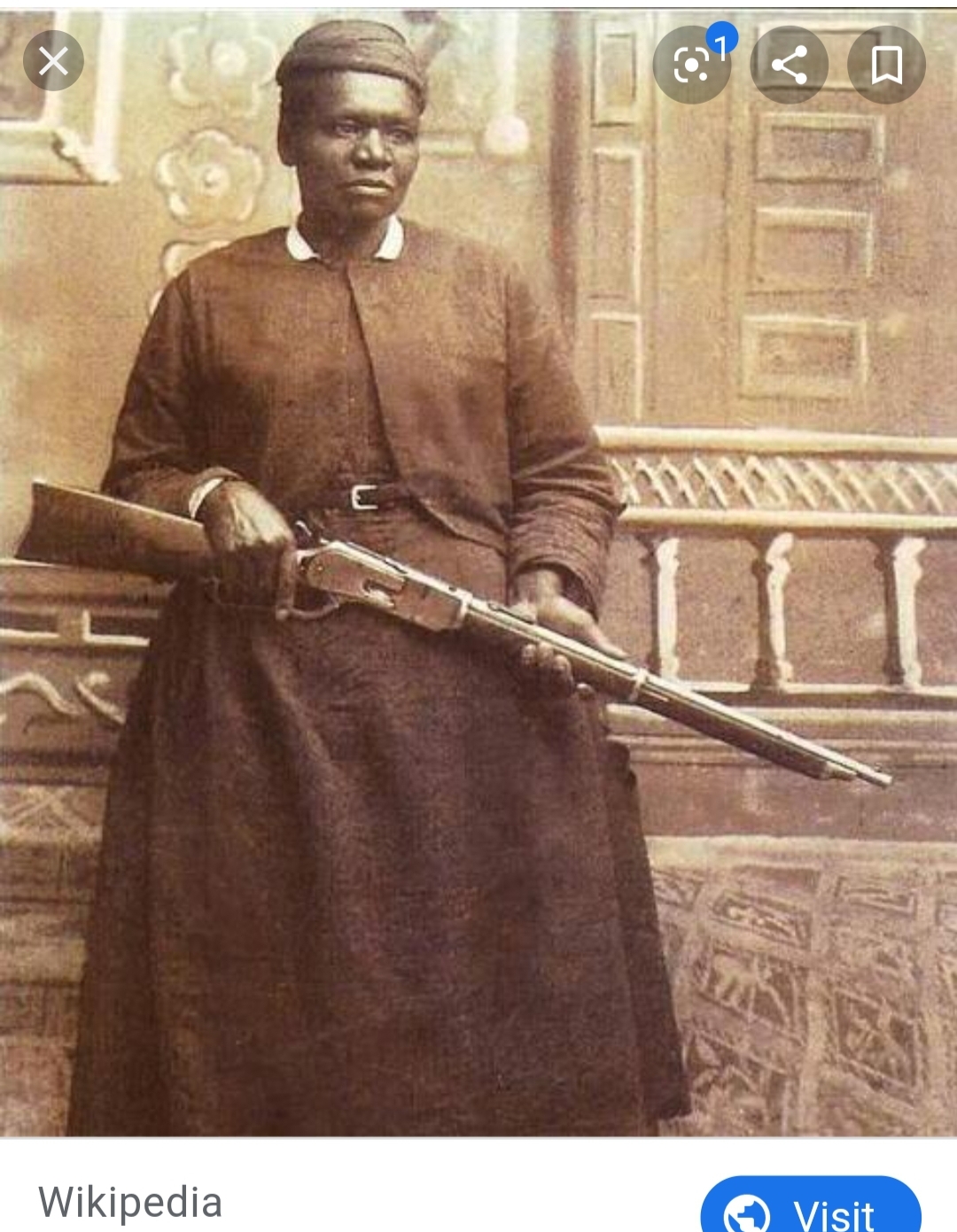
781: Mary Fields
She Wasn’t Called Stagecoach for Nothing
Born: c. 1832, Hickman County, Tennessee, United States of America
Died: 5 December 1914, Cascade, Montana, United States of America
Mary was the First African American Woman to work for the Star Route Mail Service. This also meant Mary was the first African American woman to become a United States postal service contract carrier and the second woman overall.
Her nickname was Stagecoach Mary for her mail delivering duties and for her size. Mary was six feet tall, heavy (around two hundred pounds), and toted guns to boot.
Most of Mary’s early life is unknown. She was born into slavery, but the details of her life in the years after emancipation are also unknown. She was said to be literate but left no written record of her own. By the late 1870’s Mary was working as a housekeeper in a convent in Ohio. While there, or possibly earlier on, Mary became very close with a nun named Mother Amadeus.
When Mother Amadeus relocated to Montana, Mary initially stayed in Ohio. However, by 1885, Mother Amadeus had sent for Mary. Mary packed her things and traveled to the Wild West to work for the mission where Mother Amadeus was staying. Mary did maintenance, repairs, laundry, gardening, and other housekeeping chores for the nuns. She also apparently took care of four hundred chickens. Mary was the only African American person at the mission and later in Cascade, Montana.
Although Mary was devoted to the nuns, she wasn’t one herself. This was showcased by her quick temper and penchant for drinking in the saloons with other men. One source even says she was the only woman allowed to drink in said saloons by order of the mayor. Mary also smoked cigars and was willing to talk politics with anyone who brought them up. Reportedly, after Mary got into a gunfight with another man, the bishop of the Montana diocese asked the nuns to fire Mary.
After leaving the mission, Mary is said to have opened two restaurants or cafes in the town of Cascade. Both businesses closed, however, because Mary was simply too nice. If a patron couldn’t afford to pay for their meal, Mary would give it to them for free.
In 1895, Mary became a mail carrier. Her job entailed moving mail between Cascade, Montana and the mission she had previously worked for. The route was fifteen miles of rough and tumble wilderness. It was while working for the mail service Mary earned her nickname Stagecoach since that was what she used to transport the mail. Mary had to not only deliver the mail intact, but also protect it from bandits, wolves, adverse weather, and any other obstacles that got in her way.
Mary spent eight years delivering mail, before she retired to work as a laundress and babysitter. When she passed away, Mary was one of the most beloved icons in her area of Montana, and she remains an icon today. In fact, two years before she died, Mary’s home burned to the ground. The townsfolk gathered together and built her a new home, free of charge, just because they loved her that much.
Badges Earned:
Find a Grave Marked
Rejected Princess
Located In My Personal Library:
Rejected Princesses by Jason Porath
Bygone Badass Broads by Mackenzi Lee
Stagecoach Women: Brave and Daring Women of the Wild West by Cheryl Mullenbach
Sources:
https://www.britannica.com/biography/Mary-Fields
https://www.historynet.com/mary-fields-female-pioneer-in-montana.htm
https://postalmuseum.si.edu/stagecoach-mary-fields
http://montanawomenshistory.org/the-life-and-legend-of-mary-fields/
These are the entries born in the Republic of Ghana, or within the borders of that modern day country.
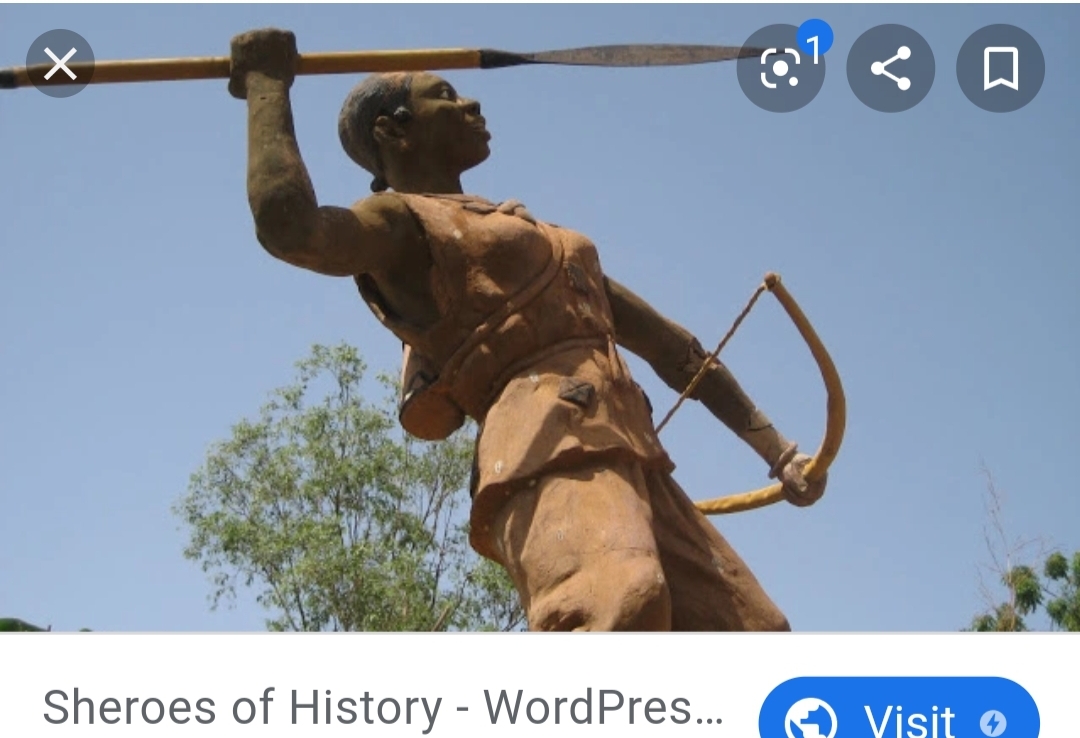
780: Yennenga
Mother of the Mossi People
Born: Early 12th to 15th Century AD, Kingdom of Dagomba (Present-day Republic of Ghana)
Died: Early 12th to 15th Century AD
Also Known As: Yalanga or Poko
The Mossi hail from present-day Burkina Faso and most of what we know of Yennenga comes from the Mossi people’s oral history.
Yennenga was also a battalion commander. She was an expert horse rider and could throw a javelin, spear, and use a bow.
Yennenga was such an expert in the field that her father banned her from marrying when she came of age, she was too useful for him to let her skills go to waste as a homemaker. When Yennenga was only fourteen, she fought in battle against a warring people, the Malinkes. Yennenga was born into the Dagomba (also spelled Dagomaba) tribe of which her father was king.
All Yennenga really wanted was to fall in love, get married, and have kids but she remained obedient to her father anyway. To show her dissatisfaction with her dad, Yennenga planted a field of wheat. When the crop had grown, she let it rot instead of harvesting it. When her father asked Yennenga why she let the plants die, she explained to him that he was doing the same thing to her by preventing her from getting married and having a family.
For her insolence, Yennenga’s dear old dad locked her up. After a while in prison, someone helped Yennenga escape. After traveling a long distance and becoming exhausted, Yennenga eventually met an elephant hunter and they fell in love and had a son.
Once their son was fully grown, Ouedraogo left his parents’ home and returned to her mother’s home kingdom. Ouedraogo informed King Nadega (also spelled Nedega or Nedegea), his grandfather and her mother’s father, that Yennenga was not only alive, but happy with her husband and son. King Nadega was so happy to learn his daughter was alive, he threw a feast in her honor and oversaw the training of Ouedraogo. King Nadega also gifted his grandson a cavalry and other goods including cattle. Ouedraogo used his grandfather’s gifts to fund his own kingdom, the Tenkodogo. The Tenkodogo is today considered the cradle and beginning of the Mossi People and Kingdoms.
Yennenga is a cultural icon throughout Burkina Faso and neighboring African countries. There are numerous statues of her throughout the lands, roads names in her honor, and even a film award styled after her.
In Burkina Faso, the Yennenga Progress works to create welfare societies and a better world for people in miniature format before growing into a larger creation.
Badges Earned:
Rejected Princess
Located In My Personal Library:
Rejected Princesses by Jason Porath
Sources:
https://sheroesofhistory.wordpress.com/2014/08/21/yennenga-warrior-princess/
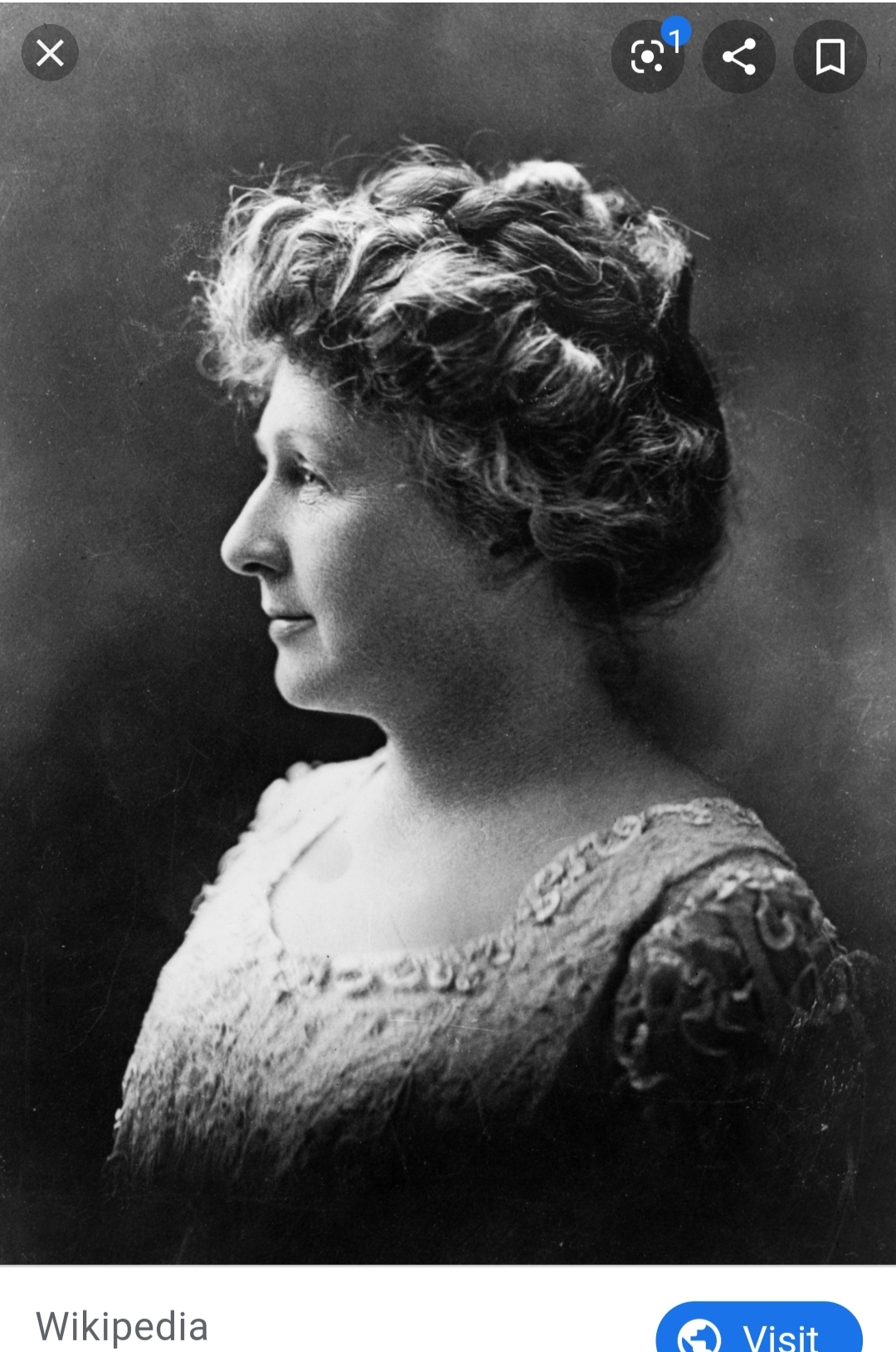
779: Annie Jump Cannon
Astronomer and Categorizer of the Stars
Born: 11 December 1863, Dover, Delaware, United States of America
Died: 13 April 1941, Cambridge, Massachusetts, United States of America
Annie was personally responsible for the discovery of over 300 stars and five novae; earning herself the nickname “The Census Taker of the Sky.”
Annie graduated from Wellesley College in 1884. She studied physics and astronomy. After spending a few years traveling and focusing on music, she returned to Wellesley in 1894 to study more advanced classes on astronomy. The following year, she enrolled at Radcliffe College, the all-female version of Harvard, to study under the man who directed the Harvard Observatory.
In 1896, Annie was named an assistant at the Harvard Observatory. The appointment made her one of the famed “Pickering’s Women” named after the observer’s director. While there, Annie worked alongside other women liked Williamina PS Fleming. Annie alone would eventually classify over 350,000 stars and was the first woman to become an officer in the American Astronomical Society. Annie and the other girls would have made as low as fifty cents an hour, and Annie suffered from acute hearing loss from a young age but didn’t let any of these obstacles stop her. Of the 350,000 stars catalogued, each had their own photo plate and classification. Annie could remember not only the details of each star, but where exactly the photo plate to it was located.
To explain Annie’s work to a non-astronomer, such as myself, would be confusing to say the least. Basically, what you need to know is that Annie completely reworked the way stars, nebulae, planetary bodies, and other works in space are categorized. Annie simplified the process of figuring out what went where and made the entire field of astronomy easier for everyone to study and understand. Generations of star categorizers have memorized the pneumonic, “Oh Be A Fine Girl—Kiss Me!” which was developed by Annie in her classification work.
In 1925, she became the first woman to be awarded an honorary doctorate from Oxford. This came four years after she became the first woman to receive a doctor of astronomy degree from Groningen University. In 1933, Annie helped organize the Annie Jump Cannon Award, which is bestowed upon a North American based female astronomer within five years of receiving her doctoral degree and has showed exemplary work in the field of astronomy.
Annie was also an astronomy professor at Harvard, finally obtaining a full-time faculty position there in 1938. She retired two years later, in 1940, but continued to research the skies until her death one year later.
Aside from astronomy work, Annie was also an ardent supporter of women’s suffrage. She was a member of the National Women’s Suffrage Party and was voted one of the twelve greatest living women in America in 1923. She never married nor had children, but to say her life was unfulfilled by that would be a lie. Annie lived through the Victorian Era but proved a woman could be more than just a baby making machine. She pioneered the field of astronomy and pushed forward the rights of women in STEM fields everywhere for generations to come.
Badges Earned:
Find a Grave Marked
Rejected Princess
Located In My Personal Library:
Revolutionary Women by Peter Pauper Press
The Glass Universe by Dava Sobel
Bygone Badass Broads by Mackenzi Lee
Who Knew? Women in History by Sarah Herman
Rejected Princesses by Jason Porath
Sources:
https://www.britannica.com/biography/Annie-Jump-Cannon
https://www.sdsc.edu/ScienceWomen/cannon.html
https://www.womenshistory.org/education-resources/biographies/annie-jump-cannon
https://www.findagrave.com/memorial/6652470/annie-jump-cannon