The Exasperated Historian
Menu
  • Home
  • The Women’s List (New)
  • The Men’s List
  • The Animal List
  • Collections
  • The Blog
  • Contact Us
  • FAQ
Menu

Category: Birth Locations

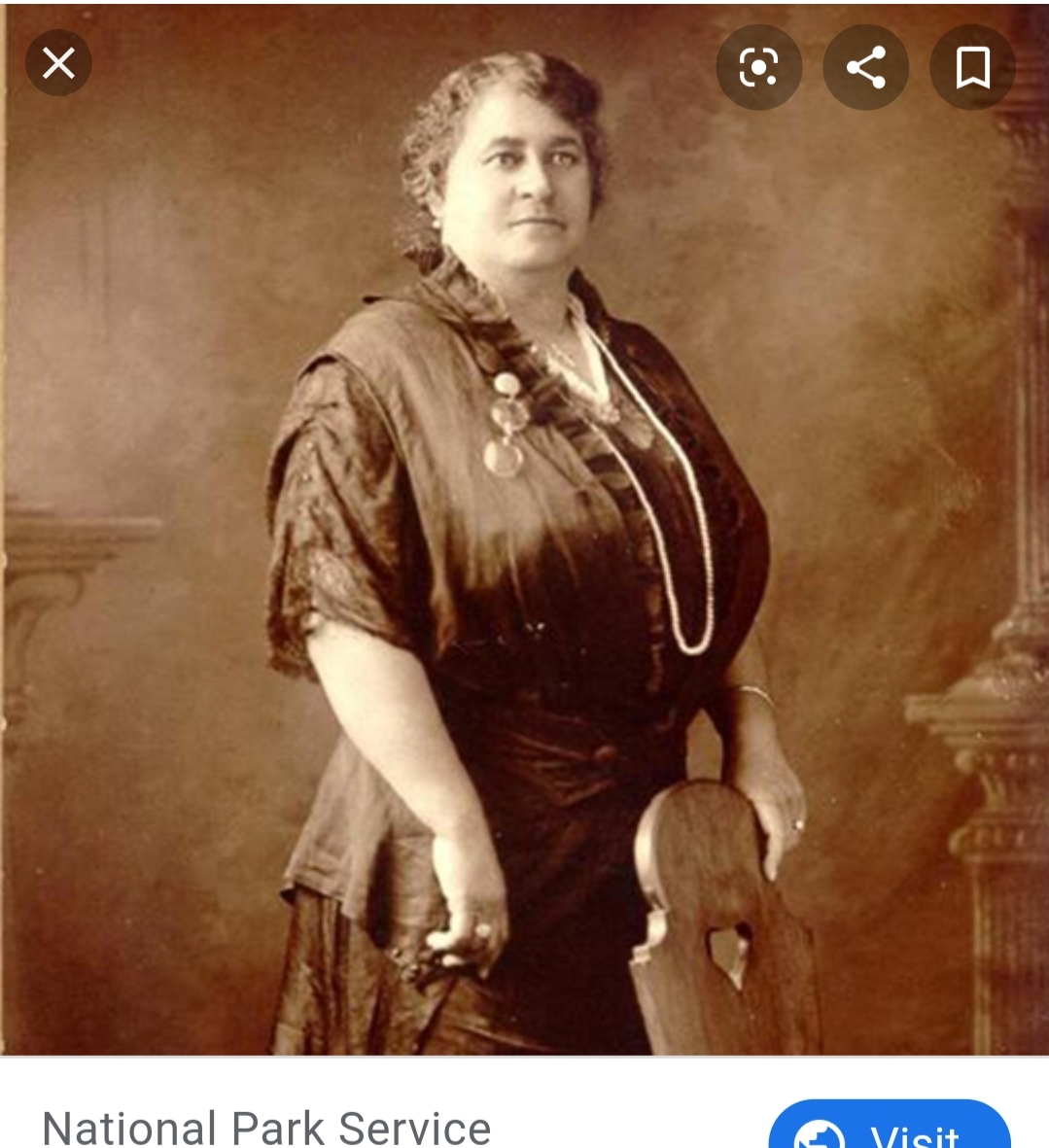
829) Maggie Walker

Courtesy of the National Park Service

“Let us put our money together; let us use our money—and reap the benefits ourselves.”

829: Maggie L Walker

The First Female Bank President to Charter a United States Bank

Born: 15 July 1864, Richmond, Virginia, Confederate States of America (Present-day Richmond, Virginia, United States of America)

Died: 15 December 1934, Richmond, Virginia, United States of America

Maggie was also the first African American woman to be President of a Bank in the United States. The majority of the staff of the bank were other African American women.

She became head and Grand Secretary of the Independent Order of Saint Luke which helped women and minorities get jobs in over twenty states. As Grand Secretary, Maggie oversaw the organization rising from a nearly bankrupt group to a highly profitable and helpful syndicate. The Order owned a bank (the aforementioned one Maggie chartered) and a department store. Maggie also oversaw the creation of the order’s newspaper, which carried on the news of the order’s activities.

Before any of that, Maggie worked as a teacher, and then was a stay-at-home mother part-time after she married a brick contractor. The rest of her time was spent working for the Independent Order, where she would spend the rest of her life. Maggie also served as Vice President of the Richmond Chapter of the NAACP and worked with the NACW. She was also an advocate for women’s rights and education rights, particularly for African American girls.

She was born on the estate owned by abolitionist Elizabeth Van Lew, and Maggie’s mother worked as Elizabeth’s assistant cook, a former slave herself. Maggie’s parents never married (according to one source), and soon after Maggie was born, her mother married another man, having a son with him, Maggie’s half-brother Johnnie (in another source, Johnnie and Maggie were full blooded siblings with the same parents, so the sources are contradictory). A few years later, Maggie’s stepfather was found dead. The police ruled it a suicide, but Maggie’s mother insisted until her own death he had been murdered. Either way, the stepfather’s death left the family in poverty. It was the next few struggling years that cemented in Maggie the need to ensure African Americans would not have to struggle to gain their footing the way she had.

Unfortunately, Maggie’s adult life was not all just a fairy tale of success. One of her children died in infancy. A few years later, another of her sons shot and killed his father after mistaking him for an intruder. Maggie’s son was tried for murder but found innocent. Around the same time, Maggie also developed diabetes. The disease would later kill her, after confining her to a wheelchair in her final years.

That bank she was president of survived the Great Depression. Maggie ensured this by merging it with two others in 1929. The bank was bought out in 2005 but still operates in the same location in Richmond to this day.

In 1979, Maggie’s home was purchased by the National Park Service and is now a National Historic Site.

Badges Earned:

Find a Grave Marked

Located In My Personal Library:

Uppity Women Speak Their Minds by Vicki Leon

Sources:

https://www.biography.com/scholar/maggie-lena-walker

https://www.womenshistory.org/education-resources/biographies/maggie-l-walker

https://www.britannica.com/biography/Maggie-Lena-Draper-Walker

https://americanhistory.si.edu/american-enterprise/new-perspectives/only-one-room/maggie-lena-walker

https://www.findagrave.com/memorial/9104631/maggie-lena-walker
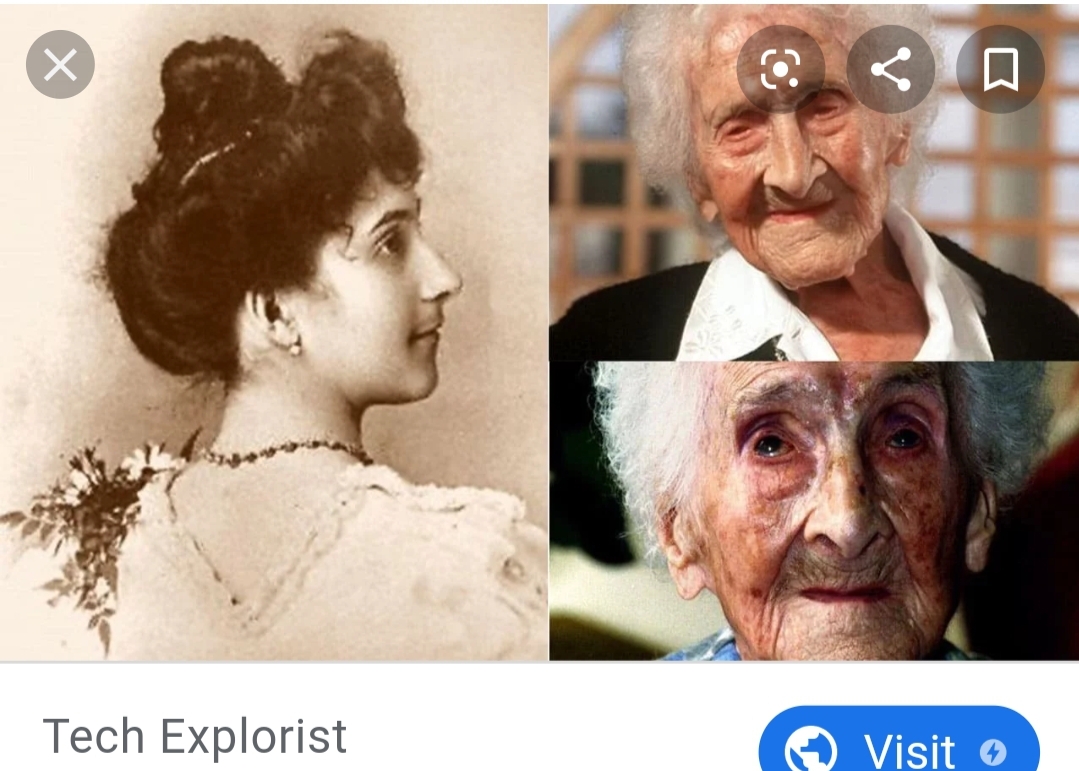
828) Jeanne Louise Calment

Courtesy of the Tech Explorist

“I waited 110 years to get famous. I intend to enjoy it.”

828: Jeanne Louise Calment

The Longest Confirmed Living Human (So Far)

Born: 21 February 1875, Arles, France

Died: 4 August 1997, Arles, France

Jeanne lived 122 years 164 days; outliving her daughter and grandson both.

She spent her entire life in the same area of France. In fact, in her entire life, she only ever lived in four different locations. She reigned as the oldest living human being from 1991 until her death in 1997.

For context, Jeanne was born the same year Jules Verne published The Survivors of the Chancellor, a year before Alexander Graham Bell invented the telephone, and when she was thirteen or so, she met Vincent Van Gogh and said she wasn’t impressed with him (though the details of her meeting with the famed artist changed over the years). Two years after the death of her husband, women got the vote in France—Jeanne was sixty-seven. During her lifetime, twenty different French presidents presided over her country. She died the same year James Cameron’s blockbuster Titanic was released in theatres. That same summer, France was rocked by three deaths actually: Jeanne’s, Princess Diana’s, and Mother Teresa’s.

Jeanne was blind and nearly deaf by the end but remained mentally sharp. At the age of 121 she released two CD’s talking about her life; one in French and one in English. She reportedly hated Communists and her attitude tended towards being a bit stuck up and egotistical at times, but hey, when you live to be that old, you can act however you want.

Her husband died in 1942 after ingesting spoiled cherries. Jeanne’s daughter died in 1934 at the age of thirty-six from pneumonia or tuberculosis and her grandson died in 1963 in a car accident.

Researchers believe her longevity had something to do with Jeanne’s immunity to stress. She took up fencing at the age of eighty-five and rode her bike until she was 100. She ate two pounds of chocolate every week until her doctor made her give it up when she was 117. Jeanne also kept smoking until she was 117.

After she moved into a retirement home, Jeanne received many many visitors and journalists. The attention became so bad one of the nurses, who was supposed to be in charge of caring for her, was transferred to another facility for “failure to observe the obligation of reserve, discretion, and restraint,” (according to The New Yorker). Jeanne died the following year, some claim from boredom. The last months of her life saw her shuttered away from the world, with hardly any visitors and nothing to do. Unfortunately, she ensured her personal papers were destroyed before her death, so large parts of her life will remain a mystery.

In recent years, some folks have decided to challenge Jeanne’s story. Something I can only describe as a conspiracy theory has cropped up, claiming it was actually Jeanne who died in 1934 and not her daughter Yvonne, and that Yvonne simply stole her mother’s identity to avoid paying inheritance taxes. Then she preceded to live a not-quite-so-exceptionally long life and just claimed otherwise. The “researchers” who have put forth this idea don’t seem to be very, well, accredited. It seems to be nothing more than just that, a conspiracy theory, put forward by people who for some reason don’t want to admit a woman could actually live for 122 years. You can read up on the entire investigation in more detail through the first link below.

Badges Earned:

Find a Grave Marked

Sources:

https://www.newyorker.com/magazine/2020/02/17/was-jeanne-calment-the-oldest-person-who-ever-lived-or-a-fraud

https://www.smithsonianmag.com/smart-news/study-questions-age-worlds-oldest-woman-180971153/

https://www.smh.com.au/world/europe/worlds-oldest-woman-was-122-when-she-died-but-researcher-says-she-was-lying-about-her-age-20190106-p50pu7.html

https://www.prospectmagazine.co.uk/arts-and-books/jeanne-calment-the-supercentenarian-who-met-van-gogh-and-lived-to-see-tony-blair-elected-pm

https://www.findagrave.com/memorial/1864/jeanne-louise-calment

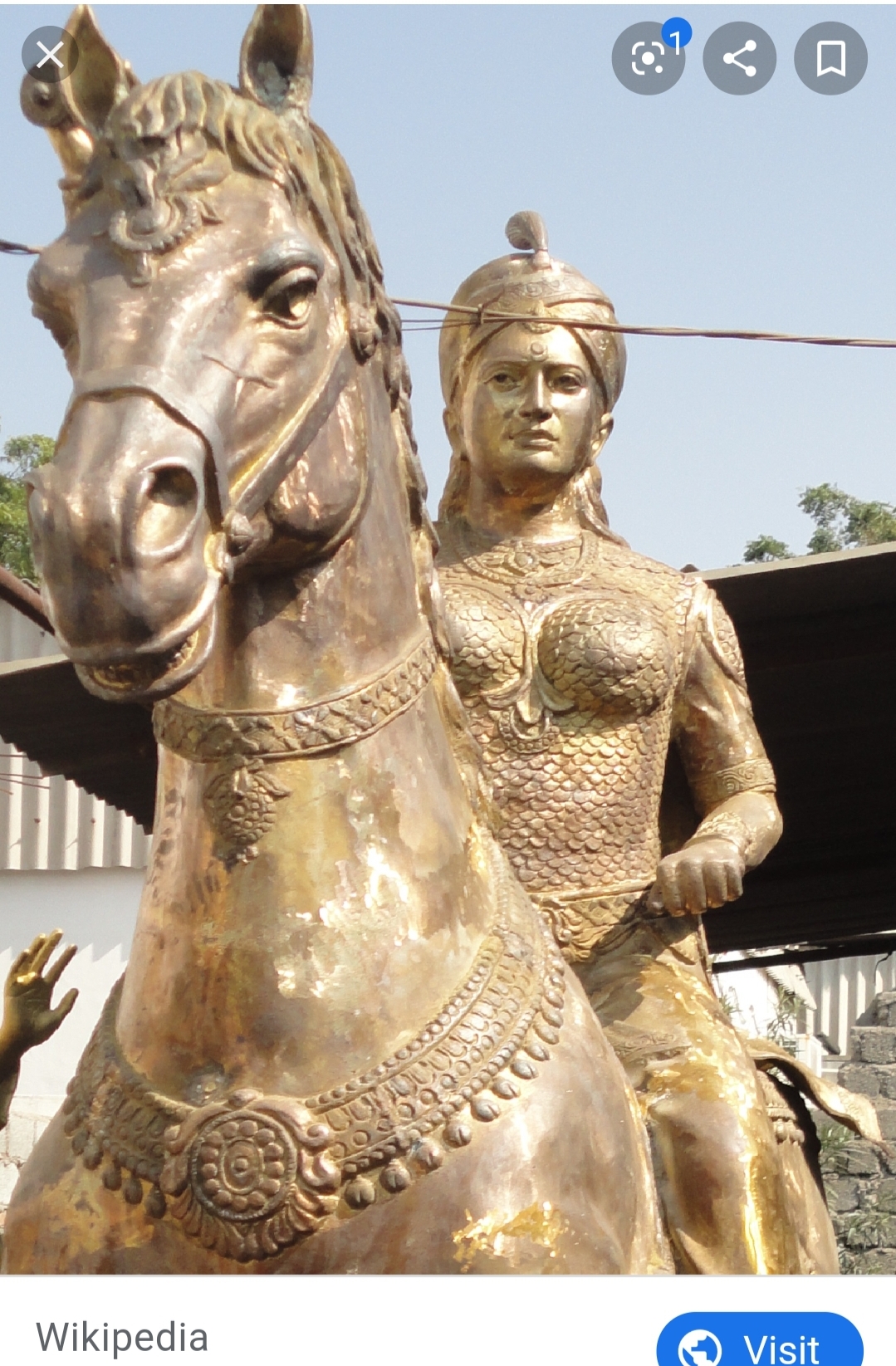
827) Rani Rudrama Devi

Courtesy of Wikipedia

827: Rani Rudrama Devi

Queen of Telangana During the Kakatiya Dynasty

Born: 1259, Orugallu, Telangana (Present-day Warangal, India)

Died: c.1289-1295, Present-day Chandupatla, Nalgonda District, India

Also Known As: Rudradeva Maharaja

Also Spelled As: Rudramadevi

Rudrama became co-ruler in her teens when her father named her co-regent. Since he had no male children, Rudrama’s father gave her a masculine form of her name and presented her as his male heir. She gladly accepted by dressing in male clothes and adopting a male persona. In some stories, Rudrama was an only child; while in others she had a younger sister.

Rudrama ended up marrying and having two daughters, but her husband died early on. After a significant defeat in battle (but a somewhat ultimate victory in the war) her father withdrew from public life completely and passed full power to her. When he died, she was proclaimed sole queen (or Rani in her language).

Because of her becoming queen, a rebellion raised up against Rudrama—led by her two stepbrothers, but she quickly crushed it. Rudrama spent the rest of her reign defending her kingdom from other warring nations.

Her kingdom was visited by Marco Polo and he described her as someone who ruled with justice and equity. This is seen by a new radical policy Rudrama put forward. Rudrama oversaw the move that allowed commoners to become officers in the military, as opposed to only those from aristocratic backgrounds. Rudrama also oversaw a peace accord signed between her people and the Yedava King of Devagiri. Rudrama also oversaw the completion of a major fort and the capture of several others.

In 1280, Rudrama passed the reigns onto her grandson but five years later she went to battle to defend her kingdom and was most likely killed in the conflict. Though her grandson was technically the last king of the Kakatiya, her descendants continued to rule a small kingdom in India until 1947 (according to one source), when the kingdom was united with the rest of India.

In 2015, Rudrama’s story was depicted in the Telugu film Rudhramadevi.

In 2017, the Archaeological Survey of India uncovered two statues of Rudrama in a temple in a remote village. The statues were uncovered while the temple was being excavated in the hopes of finding new information on the Kakatiya Dynasty.

Badges Earned:

Find a Grave Marked

Sources:

https://feminisminindia.com/2019/11/08/rudrama-devi-queen-kings-image/

https://www.thehindu.com/news/two-sculptures-of-rani-rudrama-devi-shed-light-on-her-death/article21268201.ece

https://www.livehistoryindia.com/herstory/2017/07/05/rudramadevi-a-king-like-no-other

https://www.findagrave.com/memorial/194653104/rani_rudrama-devi

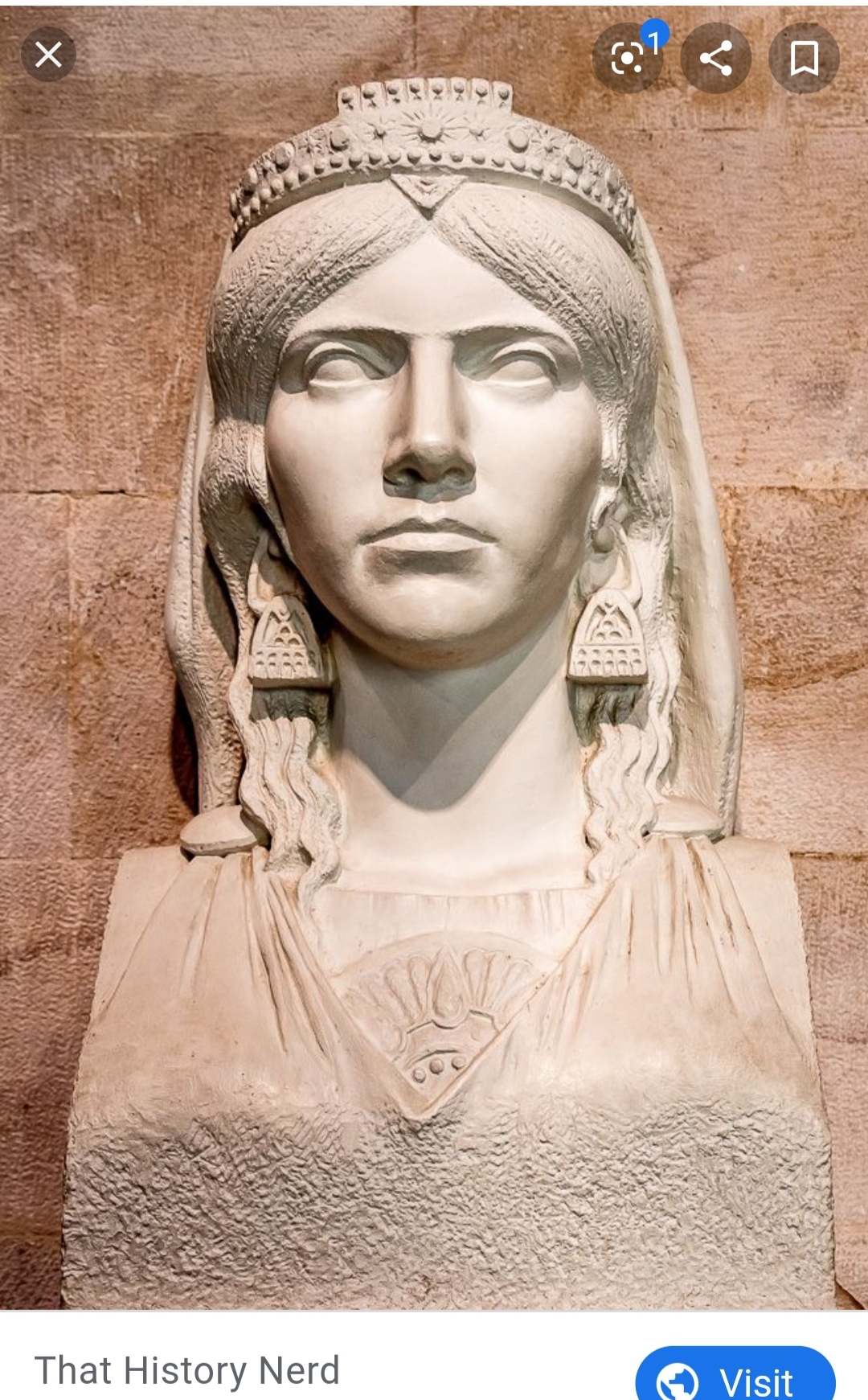
826) Teuta of Illyria

Courtesy of That History Nerd

826: Teuta of Illyria

Queen Regent of the Ardiaei Tribe

Reigned c.231 to 227 BC, Illyria (Present-day Balkan Peninsula in Europe*)

Teuta’s kingdom threatened Rome’s naval power in the Adriatic Sea; setting off what became the first of several Illyrian Wars.

Teuta’s husband, King Agron, died after enjoying his victory over the Aetolian People too much (succumbing to pleurisy—otherwise known as inflammation of the lungs and chest brought on in his case by excessive drinking). Teuta became regent in place of her stepson; a small boy named Pinnes from Agron’s first marriage.

The Romans noted Teuta kept up the practice of piracy and raiding nearby kingdoms as she continued her husband’s expansionist policy. Piracy was completely legal in Illyria, and Teuta sponsored several ships across the Mediterranean to plunder however they pleased. Because of these raids, the Roman Senate finally decided to go to war against the Illyrians.

They tried diplomacy first sending envoys but evidently Teuta did not like that. She refused to change her people’s laws to fit what the Romans wanted. When envoys arrived on her shores, Teuta took one captive and had the other killed. In another version of the story, she kills all of them, while in another she simply imprisons them. Either way, this didn’t sit well with Rome, and they decided their only course of action was war.

From the start, things weren’t going well for Teuta. When the Romans reached her shores at the city of Corcyra, the local governor who also happened to be Teuta’s lieutenant immediately surrendered. No one knows for certain why the governor defected and joined the Romans, but whatever happened, the Illyrians were off to a rough start. The Romans quickly overtook the entire coastline, and Teuta surrendered in 227 BC; losing nearly all of her territory which fell under Roman control.

Teuta was scorned, and though she was allowed to continue to rule, it was over a much smaller area surrounding her capitol city. Soon after, Teuta stepped down and disappeared into the folds of history.

She is known to have lived on a few years or decades more after the defeat; however, her birth and death dates remain a mystery. One story says Teuta jumped off a cliff in modern-day Montenegro. Her death cursed the spot, making it the only city in the region without a seafaring culture or tradition. However, this has not been confirmed and there’s no evidence of Teuta actually dying in this manner. No tomb for her survives, but multiple statues do.

*The Illyrian people populated parts of modern-day Croatia, Slovenia, Montenegro, Bosnia & Herzegovina, Kosovo, Albania, and Serbia. Since the area is so large and covers so many countries, Teuta will appear on the list of unknown origins because I cannot pinpoint which modern-day country she was born within the borders of; however it should be noted Albania seems to lay a claim to her.

Badges Earned:

Located In My Personal Library:

Pirate Women: The Princesses, Prostitutes, and Privateers Who Ruled the Seven Seas by Laura Sook Duncombe

Sources:

https://allthatsinteresting.com/queen-teuta-ancient-illyria

https://www.ancient-origins.net/history-famous-people/fierce-queen-illyrians-teuta-untameable-003126

https://invest-in-albania.org/albanian-legend-the-incredible-treasure-buried-by-queen-teuta-of-illyria/

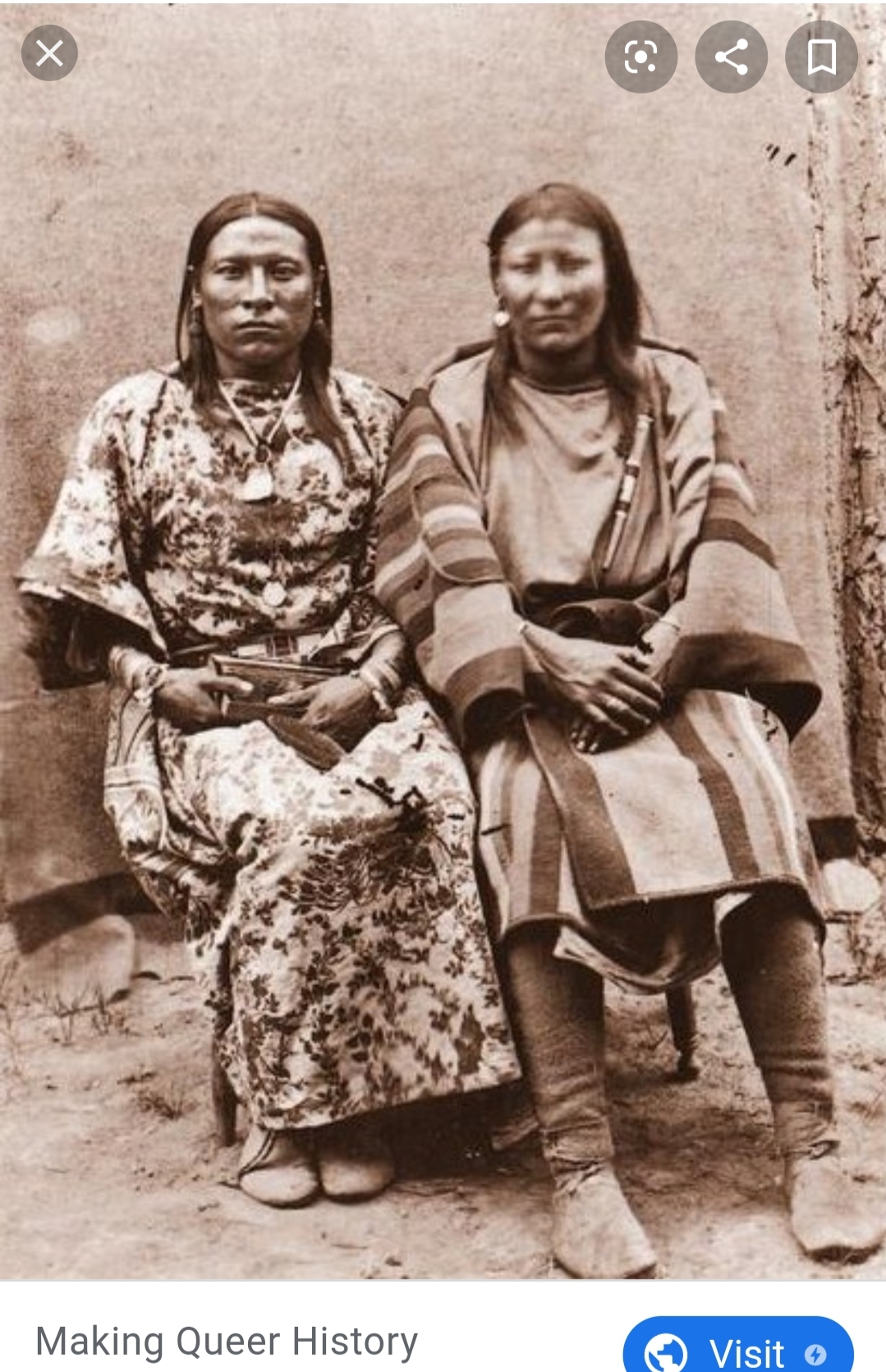
825) Osh-Tisch

Courtesy of Making Queer History

825: Osh-Tisch

Crow Badé Warrior

Born: 1854, Crow Territory (Present-day Montana, United States of America)

Died: 1929, Montana, United States of America

Similar to the concept of Two Spirit, badé (or baté or boté) is a title specific to the Crow (or more accurately Apsáalooke) culture that refers to a man living in the societal role of a woman. In American culture layman’s terms, similar to a trans-woman (someone born biologically male but choosing to live/ gender-identify as female).

Osh-Tisch is most famous for fighting in the 1876 Battle of the Rosebud (where the Crow joined up with the United States Army to fight against the Lakota and Cheyenne).

Her name translates to “Finds Them and Kills Them”, so you know—cool. Osh-Tisch was the leader of the badé and her duties ranged from shaman to medicine woman. She is remembered for her remarkable sewing skills, and for her ferocity in battle.

In the late 1890’s, after the Crow had been forced onto reservations, the white men forced the badé to cut their hair off and wear men’s clothing; forcing the bate to “return” to acting appropriate to the biological sex they were born to. The man in charge of this little operation earned the wrath of the Crow nation, who rallied behind Osh-Tisch and in short order assured that the federal government fired that guy.

A Lakota man at the time was quoted as saying many winktes (the Lakota term for the concept of Two Spirit or badé) committed suicide rather than being forced into their new “role”.

Osh-Tisch is remembered, thankfully, because of a woman named Pretty Shield, who recounted Osh-Tisch’s story many years later and ensured she would never be forgotten. Pretty Shield also ensured Osh-Tisch’s fellow female bada** warrior The Other Magpie was also remembered for fighting at the Battle of the Rosebud alongside Osh-Tisch.

Badges Earned:

Find a Grave Marked

Rejected Princess

Located In My Personal Library:

Rejected Princesses by Jason Porath

Sources:

https://www.makingqueerhistory.com/articles/2019/4/29/osh-tisch-the-warrior

https://www.rejectedprincesses.com/princesses/osh-tisch

http://thefemalesoldier.com/blog/osh-tisch

https://www.findagrave.com/memorial/194654364/osh-tisch

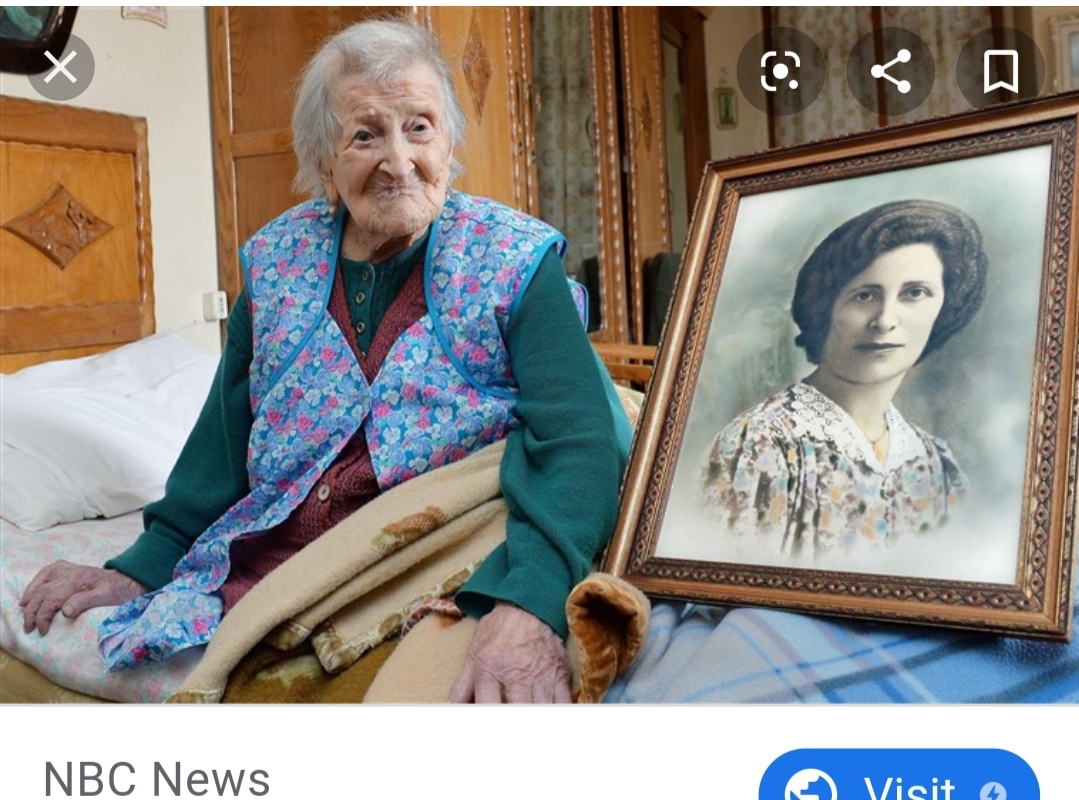
824) Emma Morano

Courtesy of NBC News

“I didn’t want to be dominated by anyone.”

824: Emma Morano

She was the Oldest Living Person In the World at 117 and 137 Days When She Died

Born: 29 November 1899, Civiasco, Piemonte, Italy

Died: 15 April 2017, Verbania, Piemonte, Italy

Emma was also the last known person alive to be born in the 1800’s (that had verified documentation to prove it).

Emma was the oldest Italian woman ever, second oldest European (behind Jeanne Calment) and in the top five overall for oldest people ever.

She was the oldest of eight siblings and outlived all of them. Emma contributed her long life to the fact she ate three eggs every day (two of them raw) and just plain old good genetics. Her mother lived to be ninety-one, one sister died just short of her hundredth birthday, and another reached 102.

Emma survived an abusive relationship; outliving her son (who only lived six months) and more than ninety Italian governments. She also lived through both world wars and technically lived in three separate centuries (19th, 20th, and 21st). The photograph Emma had kept of her son by her bedside was buried with her, according to her wishes.

Emma kicked her husband out in 1938 but they stayed married until he died in 1978 and she never remarried; claiming she had only ever loved a man who died in World War I.

After she turned 102, Emma never left her apartment again. She did, however, continue to cook herself every meal until she was 112 and lived alone with no caretakers until she was 115. Despite this, she gained international fame as the oldest living person in the world. She lived a quiet and humble life but is remembered for her extraordinary longevity.

Badges Earned:

Find a Grave Marked

Sources:

https://www.bbc.com/news/world-europe-39610937

https://www.nytimes.com/2017/04/21/world/europe/emma-morano-world-oldest-woman.html

https://gerontology.wikia.org/wiki/Emma_Morano

https://www.findagrave.com/memorial/178630450/emma-martina_luigia-morano

823) Dr. Oluwo Adedunmola

Courtesy of PYB NAIJA

823: Dr. Oluwo Adedunmola

What, Like Its Hard or Something?

Born: c.1992, Nigeria

Also Known As: Dr. Dedun

Oluwo finished medical school while running four businesses before the age of twenty-four. Her story went semi-viral on the internet, and for good reason.

Oluwo calls herself the Doctorpreneur. She didn’t have to repeat a single course while in medical school and has a master’s degree in business from a school in Rome.

Her businesses are Dedun’s Cake, Hair by Dedun, DedunCooks, and Belle Artistry by Dedun. Oluwo also runs a YouTube channel and a personal blog. She even has a free mentorship program she runs for young people as well.

She went to medical school in Hungary and did all of this in the hopes of helping her retired single mother. And no, I honestly have no idea when she sleeps.

According to a custom wedding website created via The Knot, Oluwo was set to be married in April of 2020. I hope for her and her groom’s sake the wedding did take place and was not pushed back because of the Coronavirus Pandemic.

Sources:

https://www.pulse.ng/news/dr-oluwo-adedunmola-meet-the-24-yr-old-nigerian-who-finished-med-school-whilst/yxqntx8

https://ng.linkedin.com/in/drdedun

https://womenafrica.com/dr-oluwo-adedunmola-is-the-24-yr-old-nigerian-who-finished-med-school-whilst-running-4-businesses/

https://www.theknot.com/us/dedun-oluwo-and-dapo-ajayi-apr-2020/our-story

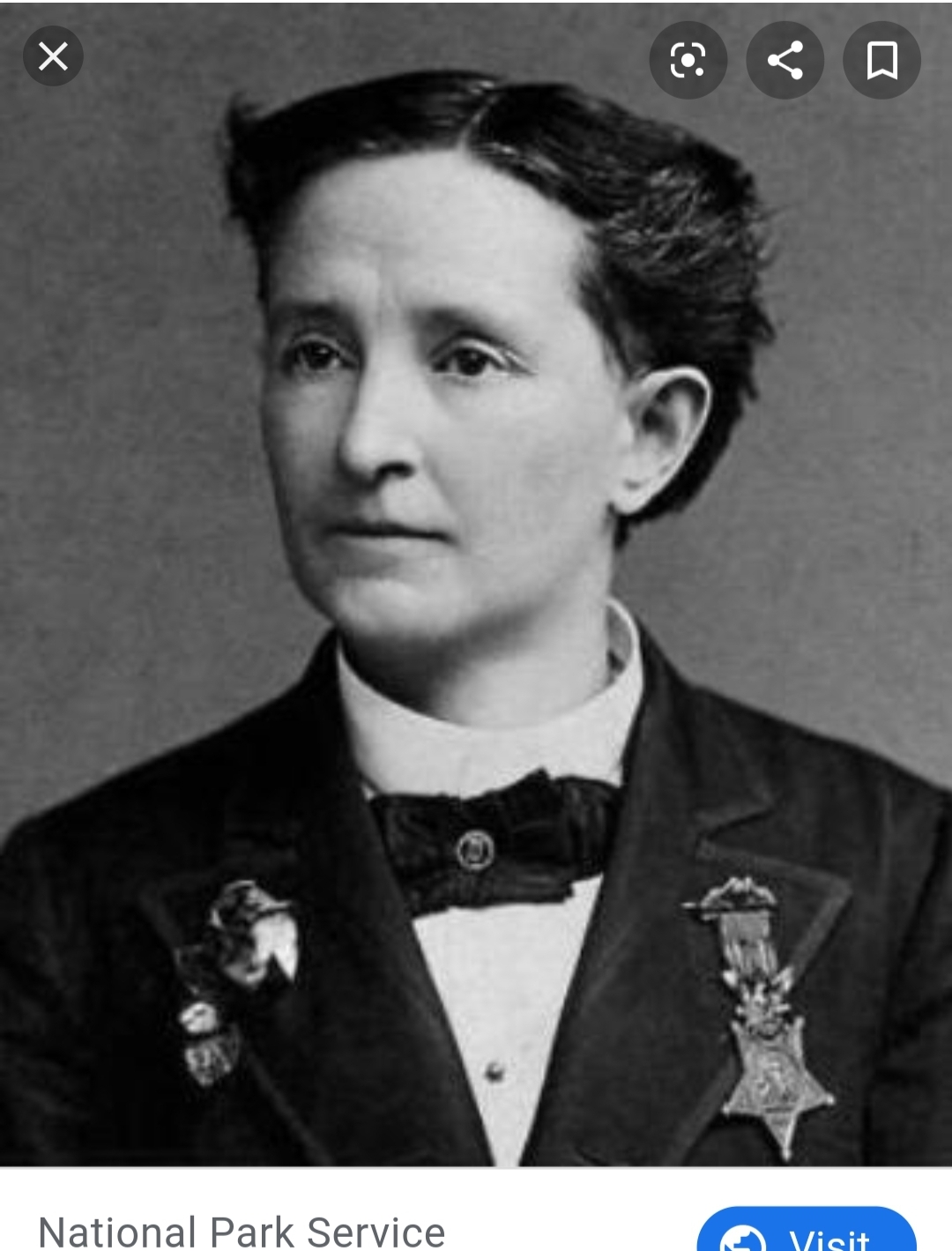
822) Mary Edwards Walker

Courtesy of the National Park Service

"I don't wear men's clothes, I wear my own clothes."

822: Dr. Mary Edwards Walker

The Only Woman to Ever Receive the Medal of Honor (United States)

Born: 26 November 1832, Oswego, New York, United States of America

Died: 21 February 1919, Oswego, New York, United States of America

Mary was an abolitionist, women’s rights advocate, possible spy, and prisoner of war.

She served as a military surgeon during the War Between the States (serving the Union Army as the first female surgeon [the first female surgeon for the Confederate army was Dr. Oriana Moon Andrews]).

Mary wore female fitted outfits that looked like male clothing after her father told her and her sisters (of which there were five total) that he didn’t expect them to wear corsets. She had no desire to conceal her gender and simply dressed that way for practical reasons. One of the pieces of clothing Mary and her sisters wore were the now famous Bloomer costume, named after the trendsetter who made them popular, Amelia Bloomer. Mary’s parents were so forward thinking they founded their own school, the first of its kind in Oswego, simply so their daughters could be just as educated as their son.

Mary graduated from Syracuse Medical College in 1855; becoming the second woman to receive her medical degree from there after Elizabeth Blackwell. She was also a member of the National Society Daughters of the American Revolution.

At her wedding the word “obey” was deleted from her vows and Mary insisted on being called Dr. Miller-Walker. Mary even dressed in a short skirt with trousers underneath instead of a dress. However, she and her husband divorced after fourteen years, and she would never marry again, nor have any children.

For the first three years of the war Mary served as an army nurse, though the position was a volunteer one and she was not paid. In 1864, she was commissioned as the first woman assistant surgeon in the United States Army (though she was technically a civilian agent, the pay equivalent of her position was a lieutenant or captain). In 1864, Mary partook in a surgical case with a Confederate surgeon. Once the surgery was completed, Mary was captured by Confederate soldiers and held as a prisoner of war after being charged as a spy (According to one source, but there is little other evidence to back up this claim). They held her for four months, during which time she refused to dress in women’s attire because they were less hygienic than male clothing was at the time.

In 1865, President Johnson served Mary with the Medal of Honor and in 1907 she received a replacement medal and would proudly wear them together.

In 1871, Mary published a book entitled Hit. Throughout the 1870’s, Mary’s work advocated for women’s rights skyrocketed. She fought for overall dress reform and was even arrested in New Orleans in 1870 for refusing to dress like a woman. The following year, Mary unsuccessfully attempted to register to vote. She then ran for United States Senate in 1881 and the United States Congress in 1890 but failed to receive a nomination.

Mary continued to work for the cause of Suffrage. She testified before the US House of Representatives in 1912 and 1914; however, the mainstream suffrage movement began to distance themselves from her. Mary believed women had already been given the right to vote in the US Constitution, and simply needed an act of Congress to make it so. The mainstream Suffrage movement, on the other hand, wanted a constitutional amendment added for further clarification and protection.

In 1916, Mary’s name was stricken from the record of Medal of Honor Recipients alongside many others (because she was never a commissioned officer in the military) but she continued to wear both of hers until she died. This is particularly confusing considering some sources state Mary was officially ranked as a “First Lieutenant” by the end of the war but was still in fact a civilian agent. The same decision that revoked Mary’s medal also saw William “Buffalo Bill” Cody lose his as well for the same reasons.

Finally, in 1977 the records were corrected, and Mary’s medal was reinstated by President Jimmy Carter thanks to her family continuing to fight for what was right.

Mary was buried in a black frock suit, defying society conventions till the end.

In 2012, her hometown of Oswego, New York unveiled a statue in her honor.

Badges Earned:

Find a Grave Marked

Located In My Personal Library:

Legends & Lies: The Civil War by Bill O'Reilly and David Fisher

They Fought Like Demons: Women Soldiers in the American Civil War by DeAnne Blanton and Lauren M Cook

The Pinks: The First Women Detectives, Operatives, and Spies with the Pinkerton National Detective Agency by Chris Enss

Sources:

https://www.womenshistory.org/education-resources/biographies/mary-edwards-walker

https://cfmedicine.nlm.nih.gov/physicians/biography_325.html

https://www.army.mil/article/183800/meet_dr_mary_walker_the_only_female_medal_of_honor_recipient

https://www.nps.gov/people/mary-walker.htm

https://www.battlefields.org/learn/biographies/mary-e-walker

https://www.findagrave.com/memorial/23089/mary-edwards-walker

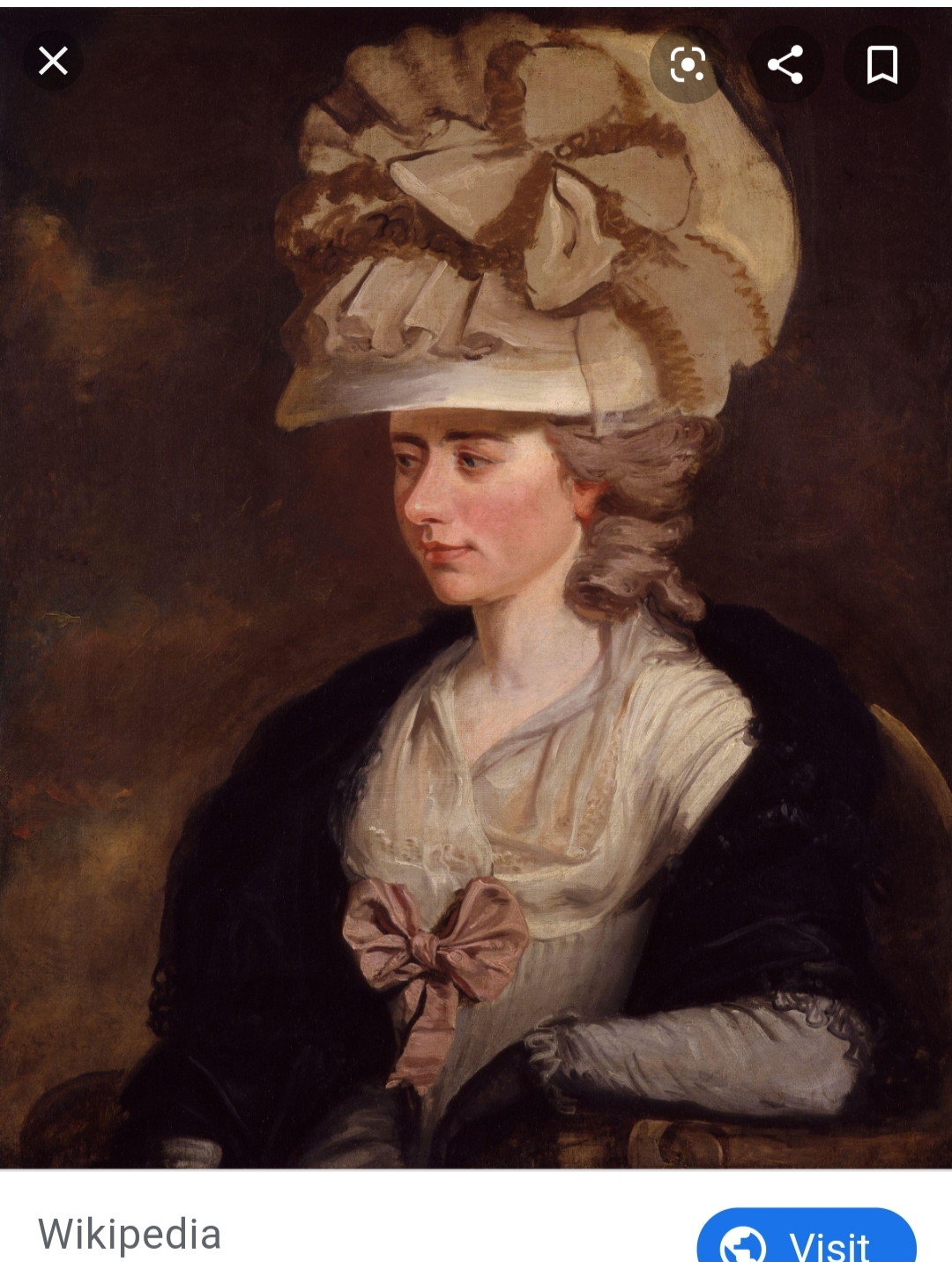
821) Frances Burney

Courtesy of Wikipedia

"I am ashamed of confessing that I have nothing to confess."

821: Frances Burney

Satirical Novelist, Diarist, and Playwright

Born: 13 June 1752, Kings Lynn, Norfolk, England (Present-day United Kingdom)

Died: 6 January 1840, Bath, Somerset, England, United Kingdom

Also Known As: Fanny Burney or Frances d’Arblay

Frances is also known for having had a double mastectomy without anesthesia in 1811 after being diagnosed with breast cancer (she went on to write a harrowing account that’ll make anyone cringe in sympathy pain).

Frances educated herself through reading at home. Her mother died when she was ten and her father was a celebrated musician.

She published Evelina (or The of a Young Lady’s Entrance Into the World) anonymously in 1778 because of how shy she was at the time, but after a while the secret was out, and she grew out of her shell so to speak. In 1782, she published her second novel Cecilia (or Memoirs of an Heiress). Her father and other male influences had tried to talk her out of writing comedic or satirical works, but Frances wrote them anyway.

For five (albeit unhappy) years she served as second keeper of the robes in the royal household to King George III and Queen Charlotte. When accepting the position, Frances was thirty-four and unwed, so prospects for her were low. Luckily, soon after Frances asked to be dismissed in 1791, she was introduced to the man she would soon marry.

Frances and her husband had one child, a son. Despite the fact that she was forty-one when they wed; Frances’s father did not approve of Frances’s husband and decided against attending their wedding ceremonies (they had two, one in each of their respective churches). Frances supported the family after her husband’s lands were confiscated. In 1796, her third novel, Camilla (or a Picture of Youth) was published.

When visiting France in the early 1800’s, the family got stuck for ten years because of the resurgence of the Napoleonic Wars. They were finally able to return to England after the Battle of Waterloo. It was while staying in France that Frances underwent her excruciating mastectomy. Her letter of the account is one of the earliest patient descriptions of undergoing the procedure and has been digitized and placed online by the British Library. She also published her fourth and final novel while in France, this one entitled The Wanderer (or Female Difficulties).

When Frances’s husband died, she returned to London and edited her father’s written works. Throughout her life, she published four novels, eight plays, and many different journals and letters that survive. Of her eight plays, only one was produced during her lifetime (Edwy and Elgiva). Six of the seven others were published for the first time in 1995.

Today, Frances is considered the author who paved the way for other female writers, like Jane Austen. According to one source, Frances was actually the first woman to make writing novels a respectable career.

Badges Earned:

Find a Grave Marked

Located In My Personal Library:

Hypatia’s Heritage by Margaret Alic

The Royal Wardrobe: Peek Into the Wardrobes of History's Most Fashionable Royals by Rosie Harte

Sources:

https://www.bl.uk/people/frances-burney

https://www.britannica.com/biography/Fanny-Burney

https://www.mcgill.ca/burneycentre/resources/frances-fanny-burney-darblay-1752-1840

https://www.findagrave.com/memorial/193250496/frances-d_arblay

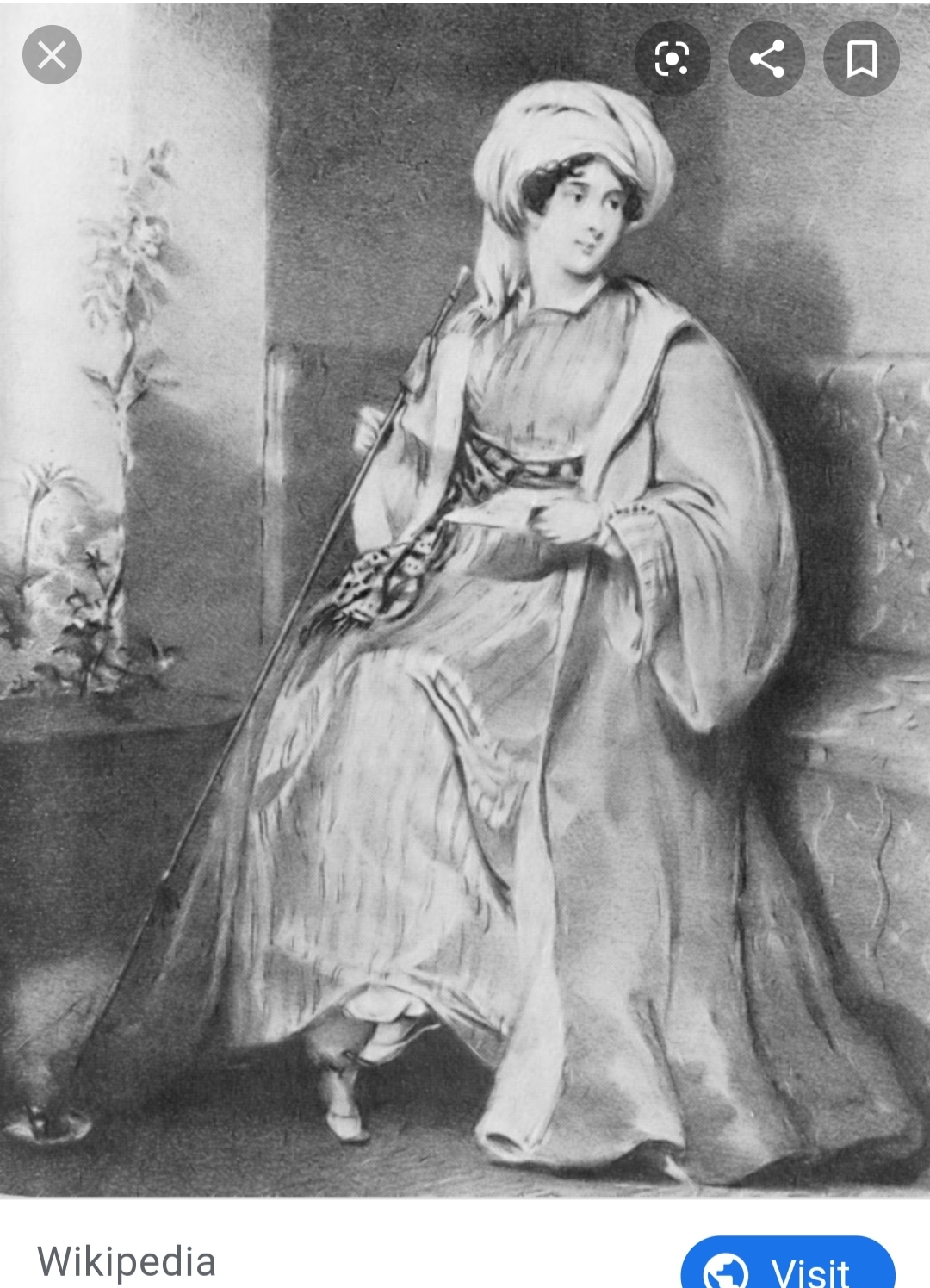
820) Hester Stanhope

Courtesy of Wikipedia

"I have been thought mad—ridiculed and abused; but it is out of the power of man to change my way of thinking upon any subject."

820: Hester Stanhope

The Queen of the East

Born: 12 March 1776, Chevening, Kent, England (Present-day United Kingdom)

Died: 13 June 1839, Djoun, Ottoman Empire (Present-day Joun, Lebanon)

Hester became her uncle’s hostess after he (a bachelor) was made Prime Minister of Great Britain. She also became his private secretary.

After her uncle’s death Hester started traveling extensively. After being shipwrecked in Rhodes, she and the crew (and her boyfriend who happened to be twelve years younger than her) had to purchase all new (Turkish) clothing. Hester refused to wear a veil and dressed as a man instead of the typical conservative feminine attire of the day.

Hester became the first Christian/European Woman to travel to Palmyra (despite the sixty-mile road to the inaccessible city being covered by Bedouins who loved to rob rich people). Palmyra was the capitol of Zenobia’s once great empire; so, it was a meeting of two badass women from history in a way. She continued to refuse to wear a veil even in Islamic controlled Damascus.

Hester was even given a special tour of the Church of the Holy Sepulchre in Jerusalem. She was also a part of the first modern excavation of the Holy Land in 1815. This came after Hester found an Italian manual in which the city of Ashkelon was supposedly the site of where some treasure was buried. Hester didn’t find the treasure, but she did become one of the first to excavate the Holy Land with a textual source as her reason for excavating.

Hester was far from the conventional Englishwoman. She was headstrong, spoke her mind, and lived life to the fullest. When the famed poet Lord Byron met her, he described Hester as “that dangerous thing, a female whit.” Oh, and she was six feet tall.

She ended up settling in modern-day Lebanon with a thriving household living well beyond her means. Hester continued to live well with thirty servants she couldn’t afford. Meanwhile her mental faculties also declined. Hester decided she didn’t approve of the way Queen Victoria was governing Great Britain and wrote her various letters telling her off. Her finances were so bad Hester died absolutely alone with nothing but her oddly organized compound/estate to her name. The ruins of her home can still be seen in Lebanon today.

When it came time for Hester to be eulogized, writers were at a loss on how to sum up her life. They finally decided on, “She was wholly and magnificently unique.”

Badges Earned:

Find a Grave Marked

Rejected Princess

Located In My Personal Library:

Uppity Women Speak Their Minds by Vicki Leon

Scandalous Women: The Lives and Loves of History's Most Notorious Women by Elizabeth Kerri Mahon

Sources:

https://www.theguardian.com/travel/2020/may/17/lady-hester-stanhope-middle-east-explorer-queen-of-the-desert

https://trowelblazers.com/lady-hester-stanhope-queen-of-the-east/

https://www.brooklynmuseum.org/eascfa/dinner_party/heritage_floor/hester_stanhope

https://www.rejectedprincesses.com/princesses/hester-stanhope

https://www.encyclopedia.com/women/encyclopedias-almanacs-transcripts-and-maps/stanhope-hester-1776-1839

https://www.findagrave.com/memorial/1202/hester-lucy-stanhope

  • Previous
  • 1
  • …
  • 41
  • 42
  • 43
  • 44
  • 45
  • 46
  • 47
  • …
  • 159
  • Next

Categories

Archives

  • July 2025 (10)
  • July 2024 (1)
  • January 2024 (1)
  • August 2023 (1)
  • June 2023 (2)
  • October 2022 (1)
  • July 2022 (1)
  • June 2021 (3)
  • December 2020 (3)
  • August 2019 (1)
  • July 2019 (2)

Search

© 2026 The Exasperated Historian | Powered by Minimalist Blog WordPress Theme