The Exasperated Historian
Menu
  • Home
  • The Women’s List (New)
  • The Men’s List
  • The Animal List
  • Collections
  • The Blog
  • Contact Us
  • FAQ
Menu

Category: Birth Locations

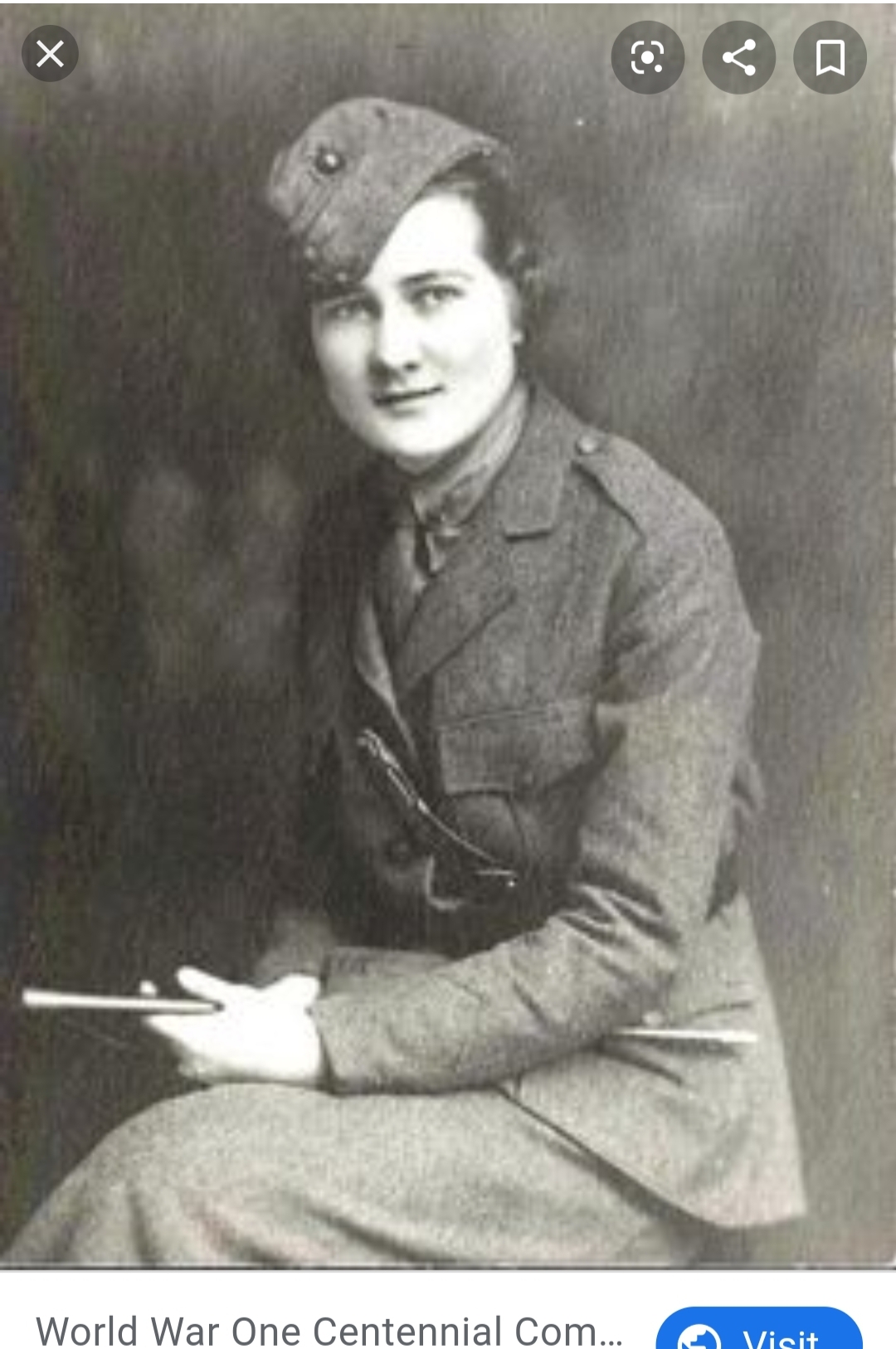
849) Sergeant Opha Johnson

Courtesy of World War One Centennial Commission

849: Sergeant Opha Johnson

The First Female Enlisted Marine in the United States

Born: 4 May 1879, Kokomo, Indiana, United States of America

Died: 11 August 1955, Washington, District of Columbia, United States of America

Her middle name has been spelled as either “May” or “Mae.” Not much is known about her early life, but it is known that Opha’s father was a veteran of the War Between the States.

Before joining the Marines, Opha graduated from the Shorthand Typing Department of Wood’s Commercial College. She then moved on to working as a civil servant in the US Marine Corps headquarters.

Opha was married to a man named Victor Hugo (yes really—only his last name was Johnson). Victor was the music director for the Lafayette Opera House in Washington DC at the time of their marriage. They never had children.

Opha was thirty-nine when she enlisted in the US Marine Corps in 1918. She was the first of 300 women that signed up to fill the roles that had previously been occupied by men who were now free to serve on the frontlines. In fact, thousands of women across the United States flooded the recruitment centers, but not all were able to enlist.

Although the girls mostly did clerical work in the Marines they were still required to train with physical and mental tests to prove they had what it took to be a Marine. Unfortunately, some of the men in the service didn’t agree, and gave these ladies nicknames like “Shemarines” “Femarines” or “Marinettes.”

In August (or February, sources differ) of 1919, Opha was released from service (alongside every other enlisted woman in the Marine Corps) and joined the first American Legion post that was dedicated to women. Even though they were quickly released from service, all of the women who had served in the US Marine Corps were awarded the same veterans’ benefits as their male counterparts; including the option to be buried at Arlington National Cemetery.

Opha was very supportive of women getting more involved and higher-ranking roles in the military. As of 2016, the US Marine Corps had over 12,000 enlisted women and 1,300 female officers in their ranks.

Sadly, when Opha passed away five years after her husband, she was buried in an unmarked grave. It would take just over sixty-three years, but in 2018 the Women Marines Association unveiled a monument over Opha’s grave to celebrate her life, legacy, and to commemorate one hundred years of women serving in the Marine Corps.

Badges Earned:

Find a Grave Marked

Sources:

https://www.worldwar1centennial.org/index.php/communicate/press-media/wwi-centennial-news/4221-opha-mae-johnson-first-woman-to-enlist-in-the-usmc.html

https://www.indystar.com/story/news/history/retroindy/2020/03/04/opha-johnson-kokomo-native-first-female-marine-corps-hoosier/4902257002/

https://howardcountymuseum.org/staff/opha-may-johnson-id-54

https://www.findagrave.com/memorial/188960417/opha-may-johnson

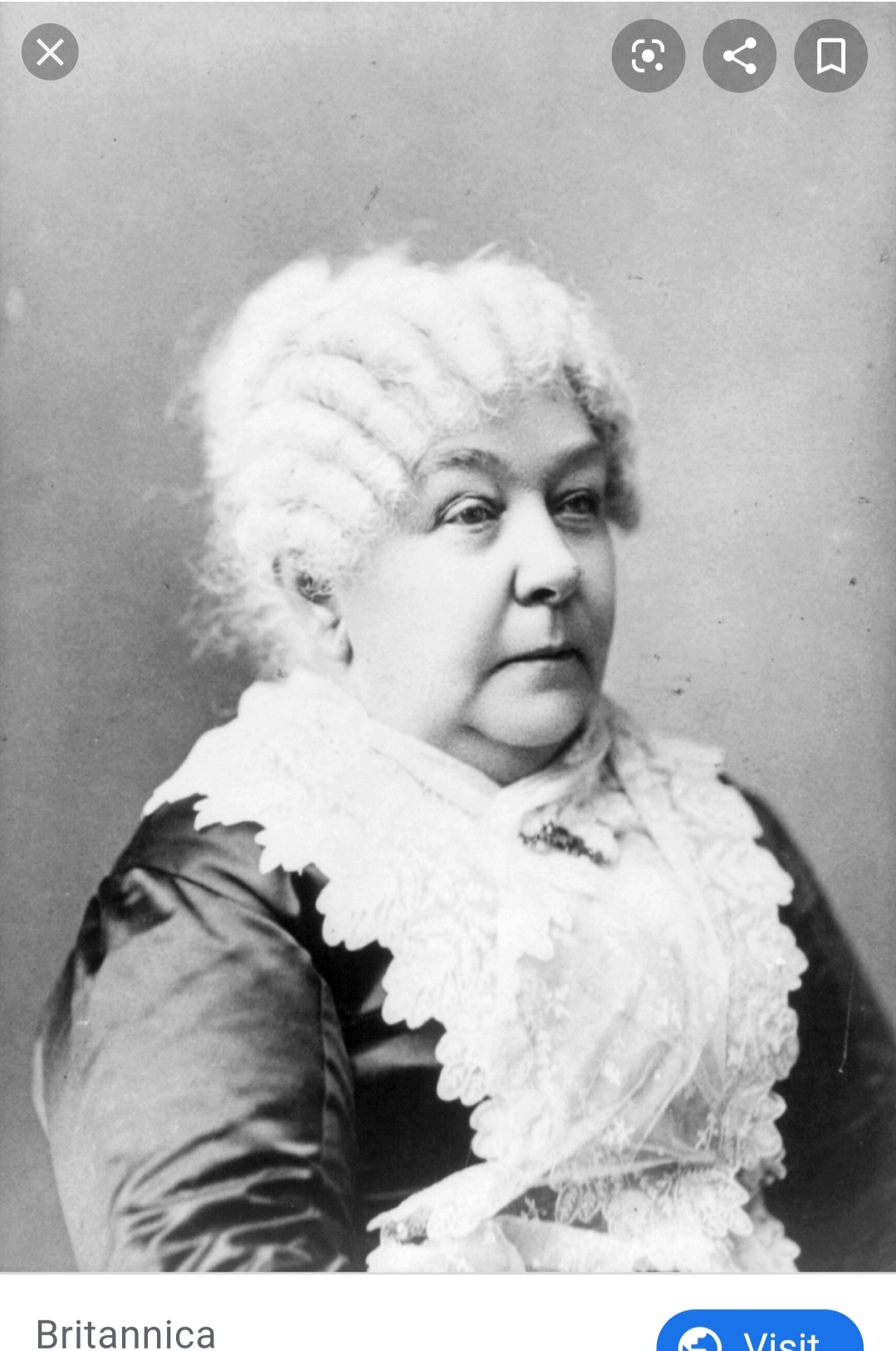
848) Elizabeth Cady Stanton

Courtesy of Britannica

“I would have girls regard themselves not as adjectives but as nouns.”

848: Elizabeth Cady Stanton

Social Reformer and Leading Figure in the Women’s Suffrage Movement in the United States

Born: 12 November 1815, Johnstown, New York, United States of America

Died: 26 October 1902, New York City, New York, United States of America

Elizabeth did attend school and was well educated there but she also learned extensive legal knowledge from her father who went on to serve as a judge on the New York Supreme Court. He was also a slave owner.

Elizabeth started as an abolitionist alongside her husband. When they met, Henry was a member of the American Anti-Slavery Society; which included such esteemed members as William Lloyd Garrison and Frederick Douglass. Elizabeth fell hard for Henry, but in what can only be described as a perfect prelude to her future, Elizabeth insisted the word “obey” be removed from her vows. Her parents were obviously not pleased by the match, and so also against social norms, Elizabeth married Henry against their wishes.

Elizabeth’s abolitionist activism was the perfect transition to her women’s rights work; in which she eventually became instrumental in the gathering of the Seneca Falls Convention. This came about after Elizabeth met Lucretia Mott while attending an anti-slavery exhibition in London. Presented at the Seneca Falls Convention was Elizabeth’s immortal “Declaration of Sentiments”; an expansion to the Declaration of Independence which added the words “woman” and “women” throughout. The goal of Elizabeth’s declaration was to bring attention to the fight for women’s suffrage across the United States. The document outlined eighteen specific grievances women in the US had against the federal government and men in general. The grievances included everything from the right to vote, the right to attain a college education, the ability to earn wages and own property without a husband or father’s consent, being compelled to submit and be subject to laws passed without their consent, better rights for women in cases of divorce and child custody proceedings, allowing women more representation in church affairs, stopping women from being submissive and dominated by men, and even changing things so that women were no longer held to a different moral code than men.

As someone who owns a copy and has read the Declaration of Sentiments myself, I have say, even as a non-feminist like myself (I prefer egalitarian), the document is bada** and should be required reading in school.

Elizabeth was the first woman given the right to speak before the New York Legislature and used that ability to help pass the Married Women’s Property Act of New York in 1848; the same year as the Seneca Falls convention.

Elizabeth mostly wrote speeches and documents as she stayed home with her seven children while Susan B Anthony (who was single with no children and now one of Elizabeth’s closest friends and colleagues) was free to move around and deliver those speeches. They worked together for both the women’s suffrage and temperance movements.

During the years the War Between the States raged, Susan and Elizabeth both advocated for the passage of the thirteenth amendment to the United States constitution. The thirteenth amendment abolished slavery in the country. Today, Elizabeth and Susan have both been criticized for their failure to support the fourteenth and fifteenth amendments, which both ensured the legal right of African American men to vote. The important thing to remember is Elizabeth and Susan would have supported the amendments, had they also ensured voting rights for women. But because the drafted amendments failed to deliver suffrage to the female population, Elizabeth and Susan turned their backs on them.

In the late 1860’s, Elizabeth’s views became more and more “radical.” She was advocating for things like (gasp!) teaching women contraceptive measures to avoid becoming pregnant. Elizabeth also pushed for even more lax divorce laws and greater sexual freedoms. Her beliefs would also lead her to support Victoria Woodhull in her run for President of the United States.

Elizabeth eventually became the President of the National Woman Suffrage Association after she and Susan co-founded the group in 1869. They founded the organization after splitting from other suffrage advocates who advocated for suffrage on the state level as opposed to the national level. In 1890, the two sides found peace and reunited under the banner “the National American Women’s Suffrage Association.”

Elizabeth wrote the first three of the six volumes of the controversial Women’s Bible. This work advocated for women to recognize church orthodoxy and masculine theology as a barrier to women being able to govern themselves. Elizabeth also advocated for a secular state through this work. The reason why Elizabeth was so seemingly anti-religious harkened all the way back to when she was sixteen. As a teenager, Elizabeth experienced severe religious teachings that emphasized the fiery pits of hell and so forth while attending a seminary school. To say the preaching left her with a bad taste in her mouth was an understatement.

But her writings weren’t all religious based. Elizabeth also authored an autobiography and three volumes of the History of Woman Suffrage. She passed away eighteen years before women were given the right to vote.

Upon her death, Elizabeth asked her brain be donated to science to debunk the notion that men’s brains had more mass than women’s. Unfortunately, her children decided against her wishes.

Badges Earned:

Find a Grave Marked

Located In My Personal Library:

Revolutionary Women by Peter Pauper Press

After the Fact: The Surprising Fates of American History's Heroes, Villains, and Supporting Characters by Owen Hurd

America's Women: 400 Years of Dolls, Drudges, Helpmates, and Heroines by Gail Collins

Who Knew Women in History by Sarah Herman

The Book of Awesome Women: Boundary Breakers, Freedom Fighters, Sheroes, and Female Firsts by Becca Anderson

The Declaration of Sentiments by Elizabeth Cady Stanton

The Woman's Bible by Elizabeth Cady Stanton

Suffragists in Washington DC: The 1913 Parade and the Fight for the Vote by Rebecca Boggs Roberts

No Place for a Woman: The Struggle for Suffrage in the Wild West by Chris Enss

Victoria Woodhull's Sexual Revolution: Political Theatre and the Popular Press in Nineteenth Century America by Amanda Frisken

Notorious Victoria: The Life of Victoria Woodhull, Uncensored by Mary Gabriel

Sources:

https://www.womenshistory.org/education-resources/biographies/elizabeth-cady-stanton

https://www.history.com/topics/womens-history/elizabeth-cady-stanton

https://www.nps.gov/wori/learn/historyculture/elizabeth-cady-stanton.htm

https://www.findagrave.com/memorial/974/elizabeth-cady-stanton

847) Christie Hefner

Courtesy of Wikipedia

847: Christie Hefner

Former Playboy Enterprises Inc CEO

Born: 8 November 1952, Wilmette, Illinois, United States of America

Christie is the daughter of Hugh Hefner. She is his oldest child. Christie’s parents divorced when she was four and her only full sibling was one. Her mother remarried and moved Christie and her brother to a Chicago suburb to live in relative comfort. Though the marriage wasn’t meant to last, at the time Christie did adopt her stepfather’s last name of Gunn before later changing it back to Hefner.

Christie holds a degree in English and American Literature; surprisingly she has no formal schooling or a degree in business management of any sort.

She was made President of Playboy Enterprises in 1982 at the age of 29; nearly thirty years after the company was launched by her father. That year, Playboy was estimated to be valued at $389 Million.

When Christie was named President, Playboy was at a crossroads. In their own words, Playboy was hemorrhaging cash and in desperate need of a new way to keep afloat. The company had lost their major money makers, multiple gambling dens that had raked in around $39 million in cash each year. Christie herself was seen as not at all qualified to run her father’s empire, and people were all too ready to criticize her at every turn.

Christie was undaunted, and soon turned the company around. She fired several expensive top executives, closed some divisions, and tightened the company’s overall budget. Soon after, Christie also announced she planned to increase revenue through the internationally known magazine as well as several cable TV ventures.

Christie was made CEO and Chairman of the Board in 1988. She worked for Playboy for twenty-six years before stepping down in 2009. That whole time she worked alongside her father; who sometimes referred to his daughter as “Corporate” or “Chicago.” One of Christie’s proudest achievements during her tenure at Playboy was the fact she was able to raise $30 Million for Chicago’s CORE Center for People with AIDS.

After leaving Playboy she’s been involved with other companies and has forayed into politics. She married in 1995 but later divorced after her husband got into some hot water. He was accused of illegally buying Playboy stock and trading with confidential corporate information he managed to snag from Christie. No surprise the marriage didn’t last after that came to light.

Christie has said she is a very private person and would never be interested in publishing an autobiography; she rarely grants interviews either.

Sources:

https://www.playboy.com/read/playboy-interview-christie-hefner

https://www.imdb.com/name/nm1078706/bio

846) Bobbie Arnstein

Courtesy of Timeline

" … Hugh M. Hefner is—though few will ever really realize it—a staunchly upright, rigorously moral man—and I know him well and he has never been involved in the criminal activity which is being attributed to him now.”

846: Bobbie Arnstein

Hugh Hefner’s Personal Secretary

Born: 2 May 1940, Chicago, Illinois, United States of America

Died: 18 January 1975, Los Angeles, California, United States of America

Original Name: Roberta Arnstein

There are conflicting theories on what it was that made Bobbie commit suicide (they range from drug charges to her car crash ten years earlier that had killed her fiancé).

Bobbie grew up in a tight-knit Jewish family. She was extremely close to her twin brother and claimed to not remember her father after he died when Bobbie was ten. She was also extremely bright when it came to school. After being informed she was able to skip a grade, Bobbie at first refused; she didn’t want to leave her twin behind. After her brother told her to go for it though, Bobbie agreed.

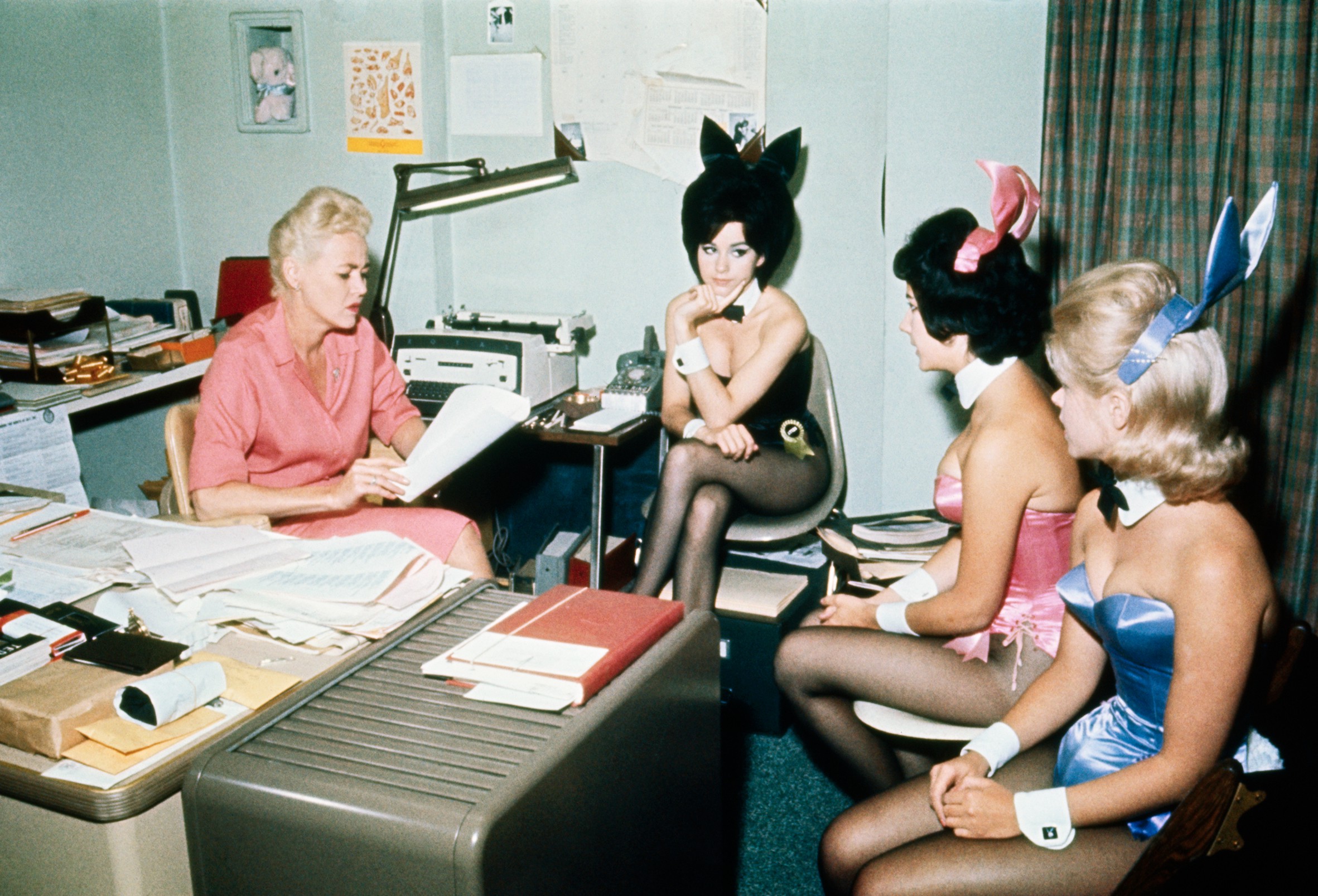
Bobbie joined the Playboy empire as soon as she graduated high school. Though she dated Hugh Hefner for a time, the personal relationship didn’t last. However, she soon moved into an apartment at the first Playboy Mansion in Chicago. Bobbie also worked as Hugh’s “Social Secretary,” overseeing his meetings and running the day to day schedule for Hugh before he moved to California full-time. Sadly, whenever Bobbie asked for a raise or a title befitting all the work she did for Hugh, he laughed her off.

Soon after she began working for Playboy, Bobbie began dating a man named Tom who also worked for the company. Sadly, Tom was killed in a car accident. Bobbie always blamed herself for the crash. She had been driving at the time when she lost control of the car. Bobbie was thrown from the vehicle, but Tom was trapped inside and crushed to death after the car flipped. This episode in Bobbie’s life was only the beginning of what would soon be numerous mental health issues. She soon became dependent on alcohol and marijuana according to some sources.

Bobbie was plagued by low self-esteem and other issues with her mental health throughout her adult life. She was constantly comparing her body to those in the photos from the Playboy shoots she saw every day. Bobbie was also incapable of seeing just how valued she was at Playboy. True she wasn’t getting paid enough and didn’t have a fancy title (both of which are horrible, don’t get me wrong), but the people who worked in the Chicago mansion loved Bobbie and loved everything she did for them. Unfortunately, Bobbie wasn’t able to see and feel their love and appreciation herself. The only time she spent away for Playboy for an extended period of time after beginning to work there was a month she spent at a “fat farm” in the late 1960’s. Bobbie’s mental health began to spiral after her weight ballooned to one-hundred-forty pounds on her slight five foot three frame. Luckily the farm worked, and Bobbie dropped close to forty pounds. She also quit drinking and smoking around that time too.

In the early 70’s, Bobbie, now in her thirties, began dating younger men. One of them was a twenty-four-year-old drug dealer who lived in the mansion on and off. Bobbie was interrogated by Federal Agents with her boyfriend. Though she wasn’t arrested or charged formally, the reason given was Bobbie had intent to transport a half a pound of cocaine between Florida and Illinois. Before her official arrest came down, Bobbie was interviewed over and over again by the FBI and DEA, both of whom were trying to get Bobbie to confess Hugh Hefner and Playboy in general were drug dens. Bobbie refused to break or implicate Hefner or Playboy in any way, which understandably pissed off the DEA and FBI agents who had spent years on this operation.

Finally, in 1974, three years after the initial bust, Bobbie was arrested. She was found guilty in a trial later that year. Bobbie refused to testify in her own defense, not wanting to have to face up to a cross examination. She was sentenced to fifteen years in prison (meanwhile her boyfriend, the actual drug dealer, got six). Many see Bobbie’s excessive sentence as punishment for refusing to crack and give the federal government what they wanted. However, Bobbie’s lawyers were able to snag a ray of hope. If Bobbie underwent ninety days of psychiatric evaluation, she had the chance of having her sentence reduced to probation instead of jail time. She was then released entirely pending an appeal. Soon after, subpoenas were issued for several members of the Playboy Empire, including Hugh Hefner and Bobbie. Bobbie was terrified of being faced with the option of immunity or jail. She would never turn on Hugh, but she would also never go to jail.

Bobbie’s arrest and subsequent death ended a multi-year operation the federal government launched into the Playboy Empire. The federal government was trying to catch Playboy in the act of distributing narcotics, but unfortunately Bobbie was the only connection they were able to “prove” and even that was a sham. The US Department of Justice shuttered the case soon after Bobbie’s death, citing a lack of evidence.

Hugh Hefner accused the federal agents who had harassed Bobbie of murder. Hugh believed they had manufactured the evidence to arrest her in the first place, and then they had her killed after her sentence was handed down. Even if they hadn’t forced the pills down Bobbie’s throat, it was their fault she was dead. Bobbie’s was the first funeral Hugh ever attended.

Bobbie attempted suicide twice before succeeding on the third attempt only weeks after being given her sentence. For this reason, many of her friends insisted Bobbie’s death was on her alone, and not anyone else.

Bobbie’s first suicide attempt came in 1970. She took an overdose of barbiturates and then called a friend, who could tell by her slurred words that Bobbie had overdosed. Bobbie was taken to a hospital where her stomach was pumped. Soon after, she received a promotion and a raise at Playboy (Her new title was assistant to the President—AKA Hugh Hefner). Bobbie’s second attempt came just before her trial began, but again she was saved. After the trial ended, Bobbie agreed to visit California after things blew over, to possibly join the new Playboy Mansion crew out there permanently. Things were seemingly looking up from the outside looking in. She had dinner with friends the night before she died, and when she called the same friend who had saved her twice before, she told her friend’s husband (who answered the phone), she would talk to her friend in the morning.

However, on the inside, Bobbie obviously thought differently than she was presenting outwardly. Her third and final suicide attempt was successful; her body was discovered lying in a hotel room twelve hours after she stopped breathing.

Her suicide note was left in an envelope labeled “This is another one of those boring suicide notes.”

Badges Earned:

Find a Grave Marked

Sources:

https://www.imdb.com/name/nm4514043/bio?ref_=nm_ov_bio_sm

https://gangsterreport.com/federal-drug-probe-almost-crashed-playboy-empire-40-yrs-ago/

https://timeline.com/bobbie-arnstein-playboy-suicide-9bbeac0bc70

https://www.chicagoreader.com/chicago/the-life-and-death-of-bobbie-arnstein/Content?oid=3183912

https://www.findagrave.com/memorial/194645809/roberta-arnstein

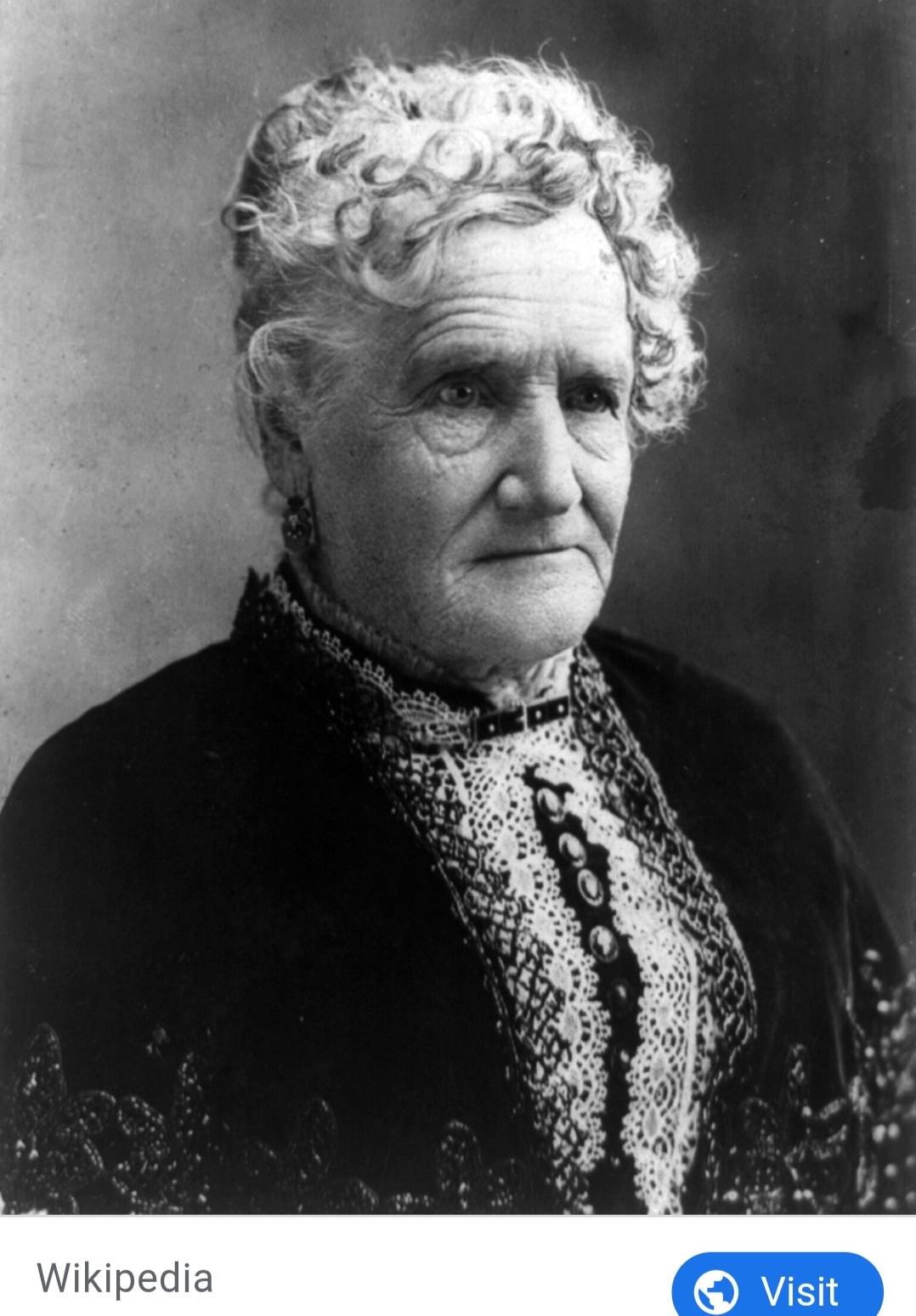
845) Esther Hobart Morris

Courtesy of Wikipedia

"Like all pioneers, I labored more in faith and hope.”

845: Esther Hobart Morris

The First Female Justice of the Peace in the United States

Born: 8 August 1814, Spencer, New York, United States of America

Died: 2 April 1902, Cheyenne, Wyoming, United States of America

Esther served the city of South Pass in Wyoming.

She was orphaned at the age of eleven but rose on to start a successful millinery business. Esther learned how to run her own business, and also began her activism work in the abolitionist movement.

Esther’s first husband died after four years of marriage, and she unfortunately struggled to settle his estate because women in Illinois at the time were not allowed to inherit property. Esther eventually remarried; though according to the National Parks Service her new husband was known for being a drunk (and Esther even had him arrested for assault and battery at one point). She had three sons; one from her first marriage and twins from her second.

After moving to Wyoming, Esther was immediately a supporter of giving women the vote among other rights. In case you’re wondering, Wyoming is the hallmark state in terms of giving women voting rights and in terms of women attaining positions within the state government. In December of 1869, when Wyoming was still a territory, the territorial government passed an edict giving women the right to vote and the guarantee they were allowed to hold office (unfortunately the amendment that would afford the same protections to "colored" and "squaw" women failed--and I promise you that's not my phrasing but actually the original that was used in 1869). Soon after, the territory also passed laws stating female teachers were owed the same pay as their male counterparts and that married women had control of their own property. Wyoming is the best okay? That’s all I’m trying to say.

Anyway, back to Esther. She was appointed to the Justice of the Peace position in 1870; again, while Wyoming was still a territory. Esther was the first woman to hold any judicial office in the United States and the modern world as a whole. Esther was appointed after her predecessor resigned in protest after the territorial suffrage laws were passed. She served for eight months and oversaw twenty-six cases (with 0 appeals). Sadly, Esther was not nominated to run for a reappointment to the position.

Esther traveled the country for the suffrage cause. She traveled to conventions in San Francisco and Philadelphia, and even served as the vice president of the National American Woman Suffrage Association.

She presented the state flag to the first governor upon Wyoming becoming a state in 1890. She was honored as a suffrage pioneer during the statehood celebrations. Five years later, when Esther was eighty, she was selected to serve as a delegate to the national suffrage convention in Cleveland, Ohio.

Unfortunately, Esther passed away eighteen years before women were given the right to vote on a national level.

After her death, supporters and well-meaning advocates began to claim Esther was at least partially responsible for the 1869 law that allowed women the right to vote and hold office in the Wyoming Territory. However, Esther never claimed that when she was alive and the main source that does make this claim was written after she died and has some inaccurate statements within. Therefore, the veracity of this claim cannot be made certain. In actuality, the suffrage bill was passed thanks to a political fumble. The Democrats largely controlled the territorial legislator at the time and presented the suffrage bill to the Republican territorial governor to try and embarrass him. Instead, the governor signed the bill into law. The Democrats had hoped that if the bill did pass, women would vote for the Democrat Party as thanks. Instead, most women voted Republican in the first election they were allowed to participate in.

In 1960, a statue of Esther was placed in the National Statuary Hall Collection. Her statue represents the great state of Wyoming in Washington DC.  Three years later, a duplicate of the statue was placed in the Wyoming State Capitol in Cheyenne.

Badges Earned:

Find a Grave Marked

Located In My Personal Library:

America's Women: 400 Years of Dolls, Drudges, Helpmates, and Heroines by Gail Collins

Sources:

https://www.aoc.gov/explore-capitol-campus/art/esther-hobart-morris

https://www.wyohistory.org/encyclopedia/esther-hobart-morris-justice-peace-and-icon-womens-rights

https://www.nps.gov/people/esther-hobart-morris.htm

https://www.findagrave.com/memorial/6653029/esther-hobart-morris

844) Charlotta Bass

Courtesy of Black Past

"I give you as my slogan in this campaign—'Let my people go.'"

844: Charlotta Bass

Newspaper Publisher and Politician

Born: 13 February 1874, Sumter, South Carolina, United States of America

Died: 12 April 1969, Los Angeles, California, United States of America

In 2020 news broke that Kamala Harris was the first African American woman to run for Vice President of the United States. Unfortunately for her and anyone else making this claim, they are all incorrect.

Charlotta was, in fact, the first woman of African American heritage to run for Vice President of the United States. She was also the first African American woman to own a newspaper in the United States and is remembered today for her long and hard fight for the rights of women and African Americans across the country.

Charlotta was the sixth of eleven children born in the deep south of the United States, only a decade after the end of the War Between the States. She first entered the newspaper business after moving to Rhode Island to live with her brother. After ten years of selling advertisements for the local black-owned paper, Charlotta moved across the country to sunny California. Soon after, she took control of another black-owned paper after the owner and editor passed away.

Charlotta would continue to run the paper until she retired in 1951. In 1912, she hired a man named Joseph to work as the editor of the paper; the couple later married. Charlotta used the paper to bring light and attention to African American issues like police brutality, the reality of the KKK, the horrific portrayal of African Americans in the film Birth of a Nation,and other things impacting their lives.

Charlotta was a proponent of patronizing black owned businesses and she advocated for the rights of women, immigrants, and African Americans. No surprise this means her life was threatened by extremists several times and the FBI under J Edgar Hoover opened a file on Charlotta for being a suspected communist.

After her husband died suddenly in 1934, Charlotta focused her attention on political activism. She began participating in movements alongside groups like the NAACP. Around the same time, Charlotta also founded the National Sojourner for Truth and Justice Club. The Club’s focus was helping African American women find jobs in an economy plagued by the Great Depression.

In 1952, Charlotta was nominated for Vice President under the Progressive Party, which she had helped found after years of supporting the Republican Party. Though she knew she had no chance of achieving national office, Charlotta was hopeful her run would shed light on the issues she had fought so hard for. Her campaign slogan was, “Win or lose, we win by raising the issues.”

Badges Earned:

Find a Grave Marked

Sources:

https://www.blackpast.org/african-american-history/1952-charlotta-bass-acceptance-speech-vice-presidential-candidate-progressive-party/

https://www.nps.gov/people/charlottabass.htm

https://www.pbs.org/blackpress/news_bios/bass.html

https://www.britannica.com/biography/Charlotta-Spears-Bass

https://www.findagrave.com/memorial/7125785/charlotta-amanda-bass

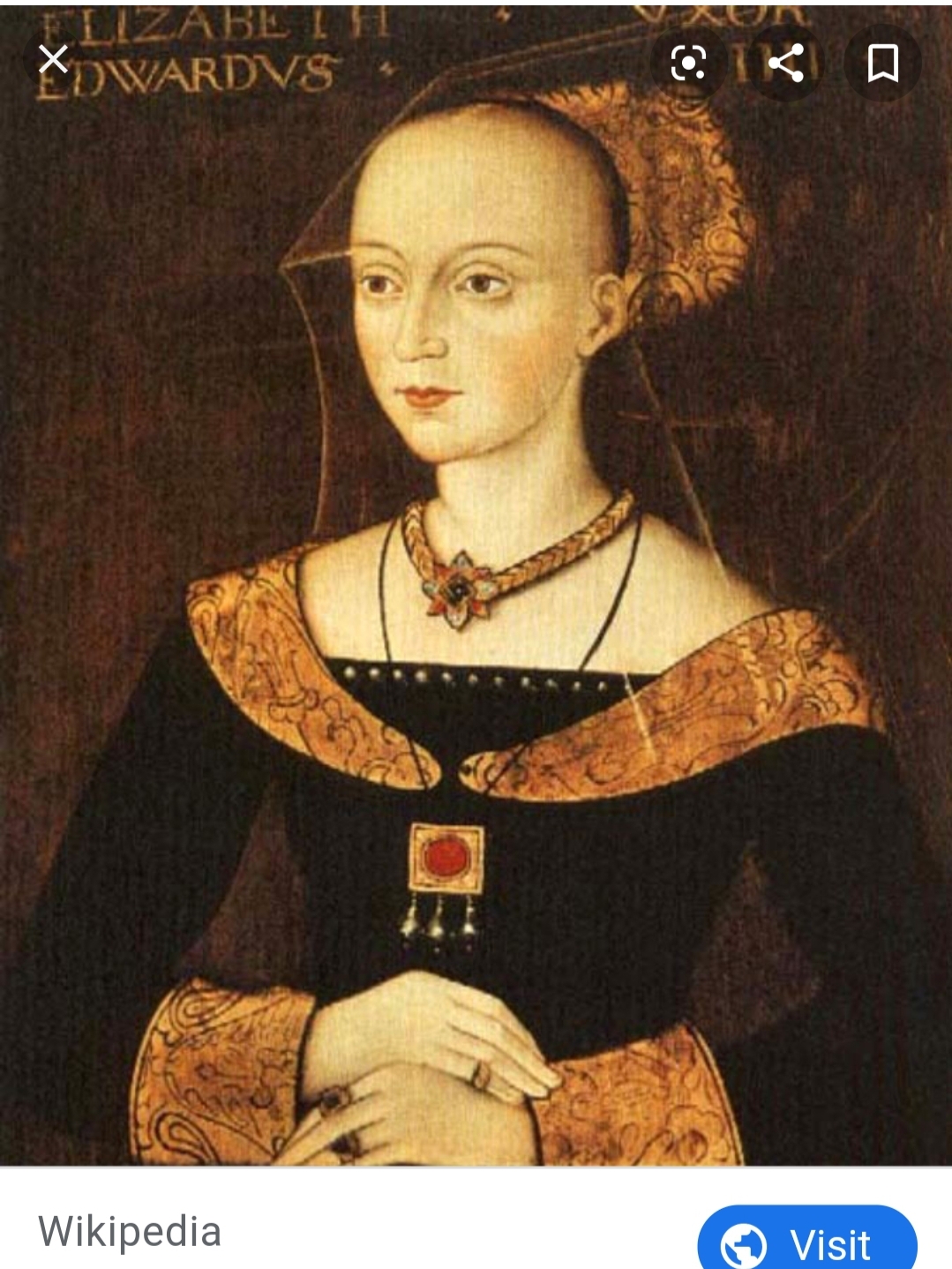
843) Elizabeth Woodville

Courtesy of Wikipedia

843: Elizabeth Woodville

Queen Consort of England Known as “The White Queen”

Born: 1437, Grafton Regis, Northamptonshire, England (Present-day Northamptonshire, England, United Kindgom)

Died: 8 June 1492, Bermondsey Abbey, Greater London, England (Present-day Bermondsey, London, England, United Kingdom)

Elizabeth was frowned upon (to put it politely) because of her Low Birth Status. In layman’s terms, Elizabeth was not a part of the English aristocracy, so how dare the King marry her?!

Elizabeth’s first husband (and father of two of her children) was a knight who was killed early on. Elizabeth’s family, the Woodvilles, had long been seen as the type who wanted to crawl up to the higher ranks of English nobility instead of staying where they currently hung on the ladder. This came in part from Elizabeth’s mother, Jacquetta, who was a part of the Royal House of Burgundy. Jacquetta was close with Henry VI and his wife, Margaret of Anjou. Henry and Margaret were the leaders of the Lancastrian faction, symbolized by a red rose. This fact will be important in a minute.

Elizabeth herself was renowned for her beauty. She had silky blonde hair and features that might have made her a model had she lived in the modern world. Its hardly a surprise the king would fall in love (or at least in lust) with her.

Elizabeth secretly married Edward IV (who was claimant to the throne during part of the tumultuous period known as The Wars of the Roses), around May of 1464. She was five years older than the young king. Because of this secret marriage, Elizabeth became the first commoner in English History to become Queen (however she was still “well-blooded” which means she wasn’t from the peasant class either, more of an in-between). Even more interesting than the fact Elizabeth and Edward seemingly married for love was the fact that Elizabeth and her family, the Woodvilles, had fought against Edward and for the previously mentioned king Henry VI. Luckily for her, Edward pardoned Elizabeth’s father, and soon after he married the “older” widow. Edward IV was the leader of the rival Yorkist Faction, and they were symbolized by a white rose. When Elizabeth changed sides to support the Yorks, she also changed her mark to identify with the White York rose; ergo she became the White Queen.

Elizabeth had twelve children in total and was described as selfish and demanding by some, but a loving wife and doting mother by others. When her husband suddenly died all of their shared children were considered illegitimate and Elizabeth herself had to take sanctuary in a church to save her own life. The ten children Elizabeth and Edward shared were declared illegitimate after a bishop stepped out of the woodwork to suddenly claim Edward had promised himself to another woman before Elizabeth, and so the secret wedding between Elizabeth and Edward was invalid (though it should be noted the other woman in question and anyone else who could have been a witness was long dead by that point). This obviously helped the power-hungry Richard III (Edward’s younger brother) immensely; however, after Elizabeth’s sons were removed from the line of succession in lieu of Richard, the new King took things a step further, and most likely had his nephews murdered. To this day no one can prove this for certain, but Elizabeth’s sons became known as “The Princes in the Tower” after they went missing from the Tower of London. The skeletons of two young boys were discovered within the tower’s walls in the 1600’s but have still not been definitely proven to be the young princes.

Of Elizabeth’s ten children with Edward, seven were girls and three boys. Five of the girls reached adulthood, but the other two girls and three boys all died in childhood or were murdered as mentioned above. Around the same time her sons went missing, Elizabeth also learned her father and one of her sons from her first marriage had been executed on order of Richard III.

Elizabeth did not take this lying down, and she conspired with Margaret Beaufort, the mother of Henry Tudor, promising Henry her oldest daughter in exchange for him taking the throne. Henry needed Elizabeth’s daughter to help tie in his legitimate claim to the throne, and Elizabeth wanted Richard gone. Their scheme worked, and Henry became the first Tudor king.

Once Henry was on the throne, Elizabeth’s children were made legitimate again, and now simply Dame Elizabeth Grey retired and died in peace. However, after her death, she was not given a state funeral befitting a former queen. Instead, she was buried in silence with few mourners there to observe the ceremony. Smithsonian has put forward a theory believing she may have died from plague, which would explain her simple funeral. Plague victims were buried as soon as possible for fear of contagion. However, another possible (and arguably more probable) explanation was the fact that Elizabeth herself requested a small and intimate burial. Elizabeth had spent the last years of her life living in seclusion at a convent and did not want a fancy send off.

The YouTube Channel “Real Royalty” has uploaded a four-part documentary series chronicling the events of the Wars of the Roses. I went ahead and created a playlist of them, which you can reach here.

Badges Earned:

Find a Grave Marked

Located In My Personal Library:

Blood Sisters: The Women Behind the Wars of the Roses by Sarah Gristwood

Isabella: The Warrior Queen by Kirstin Downey

Kings & Queens of England and Scotland by Plantagenet Somerset Fry

Lost Bodies by Jenni Davis

Scottish Queens 1034-1714 by Rosalind K Marshall

The Other Tudors by Philippa Jones

The Wars of the Roses: The Fall of the Plantagenets and the Rise of the Tudors by Dan Jones

The Wives of Henry VIII by Antonia Fraser

The Woodvilles: The Wars of the Roses and England's Most Notorious Family by Susan Higginbotham

Sources:

https://www.historyextra.com/period/medieval/marrying-for-love-edward-iv-and-elizabeth-woodville/

https://www.britannica.com/biography/Elizabeth-Woodville

https://www.smithsonianmag.com/smart-news/did-elizabeth-woodville-englands-white-queen-die-plague-180972053/

https://amazingwomeninhistory.com/elizabeth-woodville-the-white-queen/

https://www.findagrave.com/memorial/8382021/elizabeth-woodville

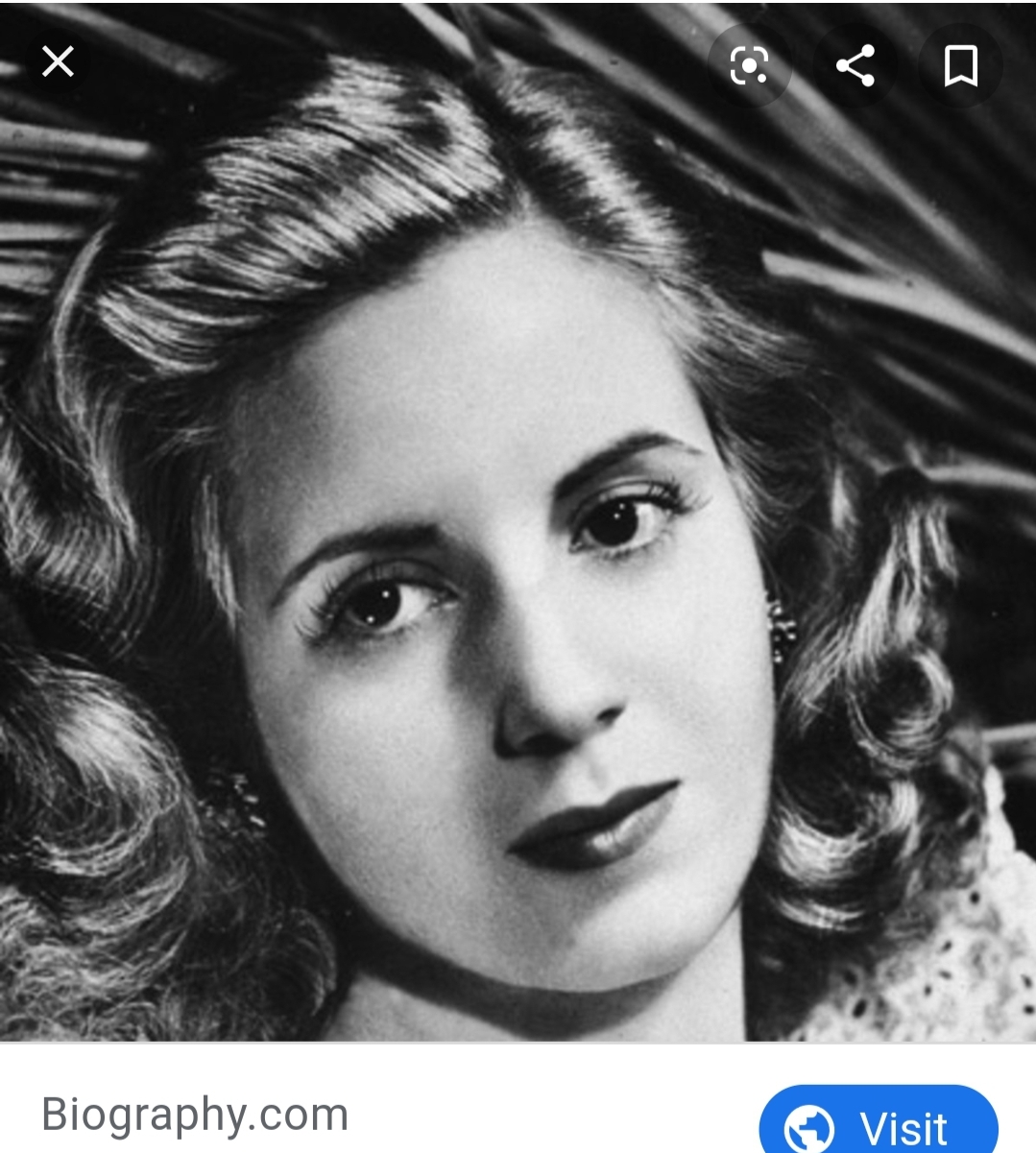
842) Eva Perón

Courtesy of Biography

842: Eva Perón

Actress and First Lady of Argentina

Born: 7 May 1919, Los Toldos, Argentina

Died: 26 July 1952, Buenos Aires, Argentina

Original Name: María Eva Ibarguren Duarte

The people who supported her and her husband’s regime called her “Evita.” Eva’s husband was Juan Perón, longtime president (or dictator, depending on your definition) of Argentina. Juan’s third wife was Isabel Perón, the first female president of Argentina. Eva was his second wife.

You wouldn’t think Eva would have become the most politically powerful woman in her country when she was born. Her parents were not married, and Eva’s father was married to someone else and had another family. Eva grew up in harsh poverty, and her situation worsened when her father died when she was six. When Eva was fifteen or sixteen (sources differ), she moved to Buenos Aires in the hopes of becoming an actress. Her earliest performances were in radio.

Eva and Juan married in 1945. At the time, Juan was already a rising star in Argentinian politics and the leader of the country’s new government. (Eva was twenty-four and he was forty-eight, by the way). However, he was ousted by some army and navy officers who did not agree with his policies. Juan was taken into custody but then released, and soon after he entered the presidential race. This is where Eva first began to shine herself. She was active in her husband’s political campaigning and helped ensure he won the election in 1946.

Eva got women the right to vote, and opened schools, orphanages, hospitals, etc. She helped found the Peronista Feminist Party in 1949 and forced through compulsory religious teaching in all Argentinian schools. Eva was also, basically, the minister of health and labor. She visited schools and hospitals, hoping to eradicate malaria, leprosy, and tuberculosis. Eva also ensured numerous wage increases for union members; helping ensure the unions through their political support behind her husband. For these reasons, many people consider Evita to be one of the best and brightest moments in Argentinian history; however, not everyone actually loved her as much as popular assumption would have you believe.

Many of Eva and Juan’s enemies were from the traditional, elite Argentinian society. Eva angered this group after cutting government funding to the Aid Society (Sociedad de Beneficencia). Instead, Eva created her own Eva Perón Foundation, which took most of its funding from the government’s budget alongside “contributions” from the aforementioned unions and businessmen (though not all of these contributions were given willingly). Eva’s foundation is how she funded and created the orphanages and schools mentioned above.

Another point that should be raised by any historian trying to show the complete story is this: Eva wasn’t exactly innocent in regard to her husband supporting Nazis. As I’m sure anyone who has studied what happened to the Nazis at the end of World War II, you will know a flood of them headed across the sea to settle in Argentina. Juan and Eva may have gladly accepted gold from the Nazis in order to allow them to settle in their country. The gold had arrived in Nazi hands from victims of the Shoah. The evidence behind Juan knowing the backstory behind the money is much stronger than Eva knowing, but the point still stands. Juan allowed some of the most horrible people in the history of the twentieth century into his country, accepting money and bribes to hide them from the international community. For more information on this little tidbit from history, I encourage you to read the Washington Post article linked under this article’s source heading.

Eva’s supporters wanted her to run for vice-president near the end of her life, but by then she was already too ill from cancer. Though she received a nomination in 1951, the army forced Eva to withdraw her name from the running.

Eva’s mission was to be the savior of the poor, and it’s almost universally recognized by now that she held more power over the people than her husband ever could. If Eva hadn’t died from ovarian cancer so early on, who knows how Argentinian history would have gone?

The year after she died, her followers tried to have her canonized. To fight back, her body was stolen by enemies of the Peróns and their followers in 1955. For sixteen years, Eva rested under a false headstone in Italy. In 1971, the Argentinian military returned her remains to Juan, by that time living in exile in Madrid.

Three years later, in 1974, Juan died while in office, having retaken the presidency in Argentina. By then he had also remarried, this time to Isabel Perón, his third wife and the first woman to serve as President of Argentina. In an effort to appeal to her husband’s followers and shore up support for her presidency, Isabel had Eva’s remains finally returned home to Argentina, where it was buried beside Juan in the presidential tomb. However, two years later, the government forced the bodies to be moved again. Eva was finally laid to rest in her birth family’s crypt, buried under a layer of concrete so that no one could ever move her again. To learn more about her body's journey through the years, check out the video from Caitlin Doughty, "Ask a Mortician" linked in this article.

As previously mentioned, some claim Evita is the most beloved woman in Argentinian history to the Argentinian people; however, the truth is not so black and white. Like all political movements, Eva is loved by some and hated by others. Perónism, as the political movement they started is named, is still a huge party throughout the country. In October of 2019, for instance, the Perónists were able to retake the presidency in Argentina. To celebrate, a massive portrait of Eva was relit on one of the largest streets in Buenos Aires, after political rivals had blacked it out previously. Eva will never be erased from Argentinian history, and the many emotions the name Evita conveys will never truly die.

And in case you’re wondering, yes, the famed Broadway play Evita is a semi-biographical musical based on her life. The most well-known song is the iconic "Don't Cry For Me Argentina." In 1996, Warner Brothers released a film version of the musical, and Madonna covered the well-known song as well as playing Eva in the film.

In 2020, TIME announced their “100 Women of the Year” Campaign, listing one woman per year for every year from 1920 to 2019. Eva was selected to represent 1946, the year she became First Lady of Argentina.

Badges Earned:

Find a Grave Marked

Located In My Personal Library:

In Praise of Difficult Women: Life Lessons From 29 Heroines Who Dared to Break the Rules by Karen Karbo

Historical Heartthrobs: 50 Timeless Crushes From Cleopatra to Camus by Kelly Murphy

Lost Bodies by Jenni Davis

Time Magazine's 100 Women of the Year (Eva appears in the 1946 article, "Eva Peron")

Who Knew? Women in History by Sarah Herman

Sources:

https://www.britannica.com/biography/Eva-Peron

https://www.history.co.uk/biographies/evita

https://time.com/5793530/eva-peron-100-women-of-the-year/

https://www.evitaperon.org/part1.htm

https://www.washingtonpost.com/history/2019/07/08/activists-slam-ocasio-cortez-sanitizing-eva-pern-was-evita-nazi-sympathizer/

https://www.findagrave.com/memorial/1297/eva-per_n

841) Grace Sherwood

841: Grace Sherwood,

The Last Person Convicted of Witchcraft in Virginia

Born: c.1660, The Colony of Virginia, (Present-day Pungo, Virginia Beach, Virginia, United States of America)

Died: Autumn 1740, Pungo, The Colony of Virginia, (Present-day Pungo, Virginia Beach, Virginia, United States of America)

Also Known As: The Witch of Pungo or the Virginia Witch

Grace was a widow with three sons living in rural Virginia. Unfortunately for her, she worked as a midwife and healer (according to some sources), drawing suspicion from nosy and idiotic neighbors. They frequently accused Grace of various things including ruining crops, conjuring storms, and killing livestock. Grace had drawn their ire even more after she and her husband sued those same neighbors for slander. Apparently, Grace wasn’t down with people claiming things about her that weren’t true. Unfortunately, the Sherwood’s lost both slander cases.

Four years after her husband’s death, Grace was back in court. These time she won her case; taking home twenty pounds sterling after alleging the neighbors had assaulted and battered her. It all came to a head in January of 1706. One of Grace’s neighbors (the same neighbors who’d been forced to pay her the years before) formally accused her of witchcraft, and the case quickly moved up to the colony’s attorney general (despite the fact no judgement had been applied at the lower levels of the court system).

Two women examined Grace and discovered “witch marks”. These marks were supposed proof of the spot where a demon suckled on the witch in question. After finding these marks, it was decided Grace was to be “ducked” in order to prove guilt or innocence. Ducking is exactly like it sounds—the person ducked is dropped into consecrated water. If the person sinks (and drowns), she is innocent, but if they float—guilty! But don’t worry, if you did drown, you’d be buried on the church grounds, so you know, that’s a plus.

Today, the place where Grace was tested is known as Witchduck Point; yes really. Before we explain further—you should know Grace actually agreed to the trial by water, and it was postponed since the original date it was to be done on was deemed too dangerous weather wise. In any case, Grace had her limbs bound and then she was tossed from the boat. Instead of letting herself drown, Grace managed to free herself from the binds and swim to the surface. And she was immediately declared guilty for her efforts. The fact that women examining her once again found the so-called “witch marks” only compounded this.

Luckily, she wasn’t burned at the stake or anything like that. Grace spent seven years in prison, and she lost custody of her sons. After her release from prison, Grace went home and lived out her days in quiet solitude before peacefully passing away around the age of eighty.

On 10 July 2006, then-Governor of Virginia officially cleared Grace Sherwood’s name; three hundred years to the day after she was ducked and found guilty. A statue now honors Grace in Virginia Beach and parts of her trial have been reenacted in Colonial Williamsburg.

Badges Earned:

Find a Grave Marked

Sources:

https://www.virginiahistory.org/collections-and-resources/virginia-history-explorer/grace-sherwood-witch-pungo

https://ferryplantationva.net/grace/

https://www.encyclopediavirginia.org/Sherwood_Grace_ca_1660-1740#start_entry

https://www.findagrave.com/memorial/58856020/grace-sherwood

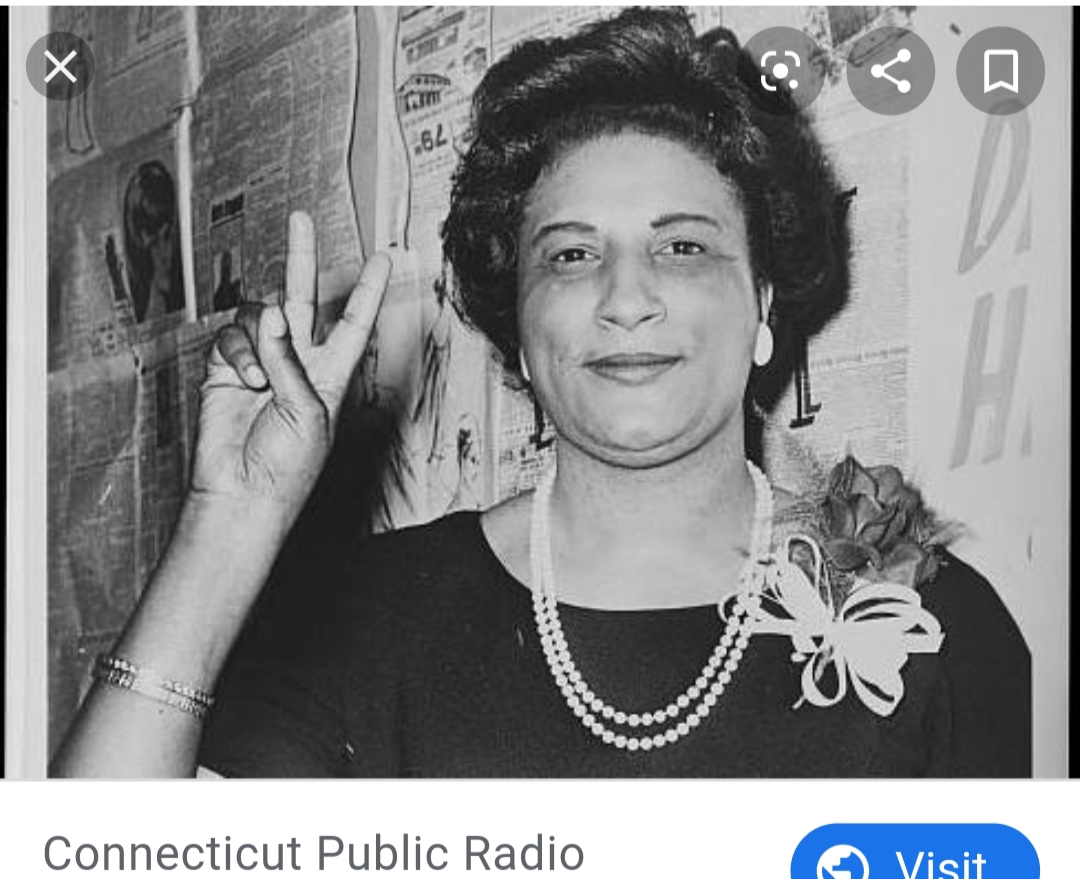
840) Constance Baker Motley

Courtesy of Connecticut Public Radio

“I was the kind of person who would not be put down. I rejected any notion that my race or sex would bar my success in life.”

840: Constance Baker Motley

The First African American Woman appointed to the Federal Judiciary in the United States

Born: 14 September 1921, New Haven, Connecticut, United States of America

Died: 21 September 2005, New York City, New York, United States of America

Constance was the only female lawyer on the NAACP team that saw Brown v Board of Education to victory—desegregating public schools across the US. She was personally responsible for drafting the first legal brief for the case.

Constance was also the first African American woman elected to the New York State Senate. She argued ten civil rights cases before the Supreme Court and won nine of them. Constance was the first African American woman to argue a case before the nation’s highest court.

She worked just beneath Thurgood Marshall and represented Martin Luther King Jr during some of his most crucial legal battles. Her autobiography is entitled Equal Justice Under Law.

Constance was lucky. Her parents were working-class immigrants and could not afford to send their daughter to college. One day, Constance was speaking at an event and impressed a local philanthropist. After Constance told him she wanted to become a lawyer, he agreed to pay for her education. Sadly, this education would open up Constance’s eyes to the Jim Crow laws of the south for the first time.

Seeing as she’d grown up in Connecticut, Constance had no idea just how abhorrent African Americans were treated across the south. She graduated from law school in 1946 (the first African American woman to attend Columbia’s law school) and began working for the NAACP; determined to change things for her people. Constance was hired by none other than Thurgood Marshall. After leaving the NAACP in 1965, she spent the rest of her life serving the people of New York; first as a state senator and later as a federal judge. Through it all, she never stopped fighting for the rights of African Americans across the United States.

Constance was honored with a place in the National Women’s Hall of Fame in 1993.

Badges Earned:

Find a Grave Marked

Sources:

https://www.uscourts.gov/news/2020/02/20/constance-baker-motley-judiciarys-unsung-rights-hero

https://www.womenofthehall.org/inductee/constance-baker-motley/

https://connecticuthistory.org/constance-baker-motley-a-warrior-for-justice/

https://www.findagrave.com/memorial/12261874/constance-motley

  • Previous
  • 1
  • …
  • 39
  • 40
  • 41
  • 42
  • 43
  • 44
  • 45
  • …
  • 159
  • Next

Categories

Archives

  • July 2025 (10)
  • July 2024 (1)
  • January 2024 (1)
  • August 2023 (1)
  • June 2023 (2)
  • October 2022 (1)
  • July 2022 (1)
  • June 2021 (3)
  • December 2020 (3)
  • August 2019 (1)
  • July 2019 (2)

Search

© 2026 The Exasperated Historian | Powered by Minimalist Blog WordPress Theme