The Exasperated Historian
Menu
  • Home
  • The Women’s List (New)
  • The Men’s List
  • The Animal List
  • Collections
  • The Blog
  • Contact Us
  • FAQ
Menu

Category: Birth Locations

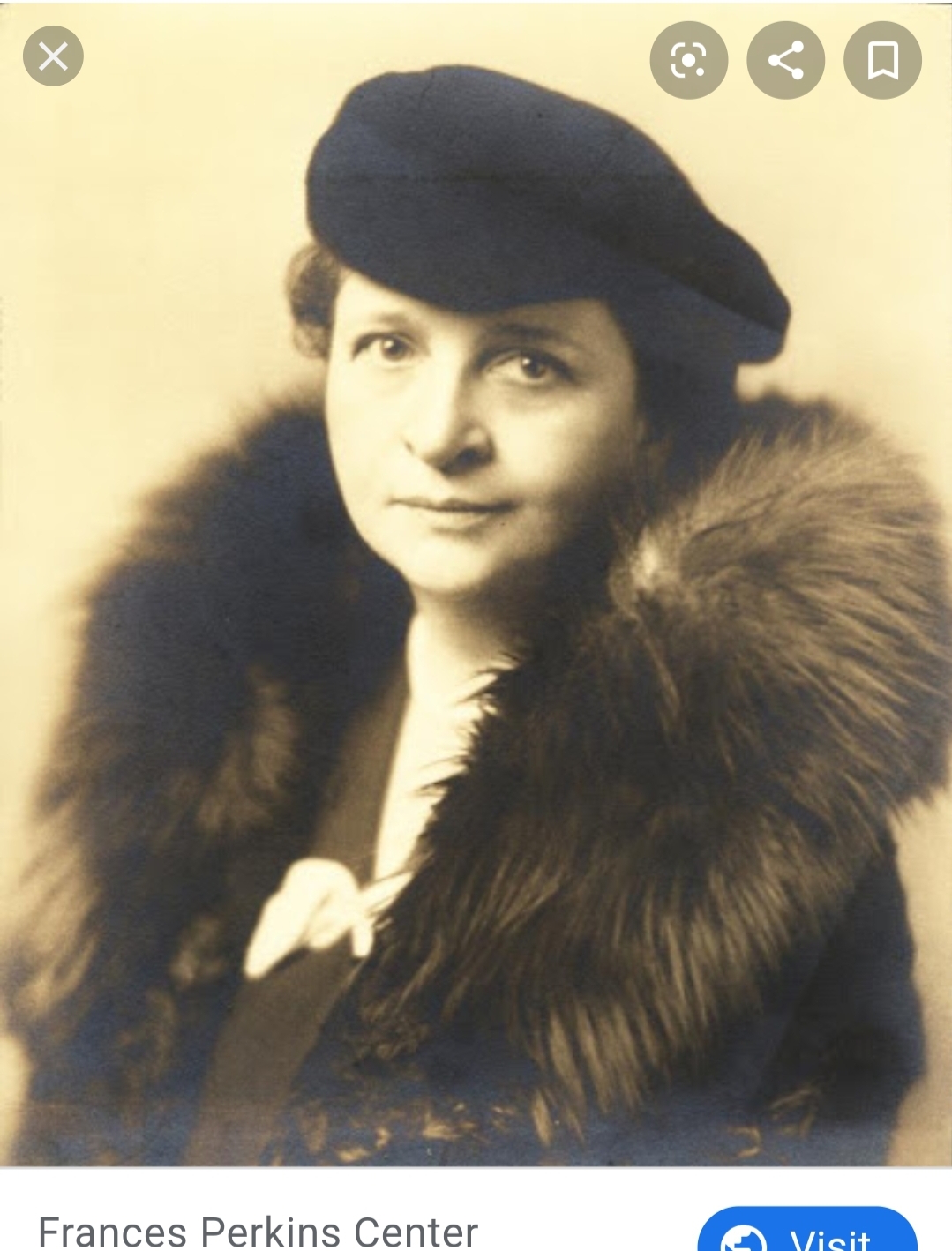
839) Frances Perkins

Courtesy of the Frances Perkins Center

“The people are what matter to government, and a government should aim to give all the people under its jurisdiction the best possible life.”

839: Frances Perkins

The First Woman to Serve in a United States Presidential Cabinet

Born: 10 April 1880, Boston, Massachusetts, United States of America

Died: 15 May 1965, New York City, New York, United States of America

Original Name: Fannie Coralie Perkins

Full Name: Frances Perkins Wilson

Frances’s first job in 1907 took her to Philadelphia, where she worked to crack down on pimps and drug dealers who targeted and preyed on immigrant women for cheap labor. So yeah, she was a bit of a bada**.

Frances earned a master’s degree in 1910 and in 1911 she began her first job in government regulation and safety. She had previously also worked as a teacher and a social worker. Her parents had raised her to be a conservative housewife or stick with teaching, but Frances had other plans.

Frances was the kind who didn’t stand out too much in a crowd. She never wore makeup and was most often seen wearing a tricorn hat and navy suit. According to one source, she began to take notes on her male coworkers and left them in a file labeled “Notes on the Male Mind.”

Long before Frances became an employee of the federal government, her path was set in stone after witnessing the Triangle Shirtwaist Factory Fire. Frances would later proclaim that day was the day the New Deal was born. In all, 146 women and girls died after three floors of the factory caught fire. After the fire, Frances became executive secretary of the citizen’s Committee on Safety for the state of New York.

In 1918, with the women of New York able to vote in their state for the first time, Frances campaigned hard for her friend and lobbying ally, Al Smith. After Al won the governorship, he appointed Frances to the New York State Industrial Commission. This appointment made Frances the first woman in New York State to be appointed to a government position and the highest paid woman to hold public office in the United States. Her annual salary was $8,000. Ten years later, New York elected a new governor, Franklin D Roosevelt. Roosevelt asked Frances to become the state’s Industrial Commissioner, and soon she was seen as the foremost state labor official across the country. Its no surprise Roosevelt would soon ask for her to take on another task.

In 1932, now President Roosevelt appointed her to his cabinet as Secretary of Labor. She served until 1945 and was instrumental in nearly all of the New Deal Legislation. Frances also oversaw the implementation of a minimum wage and the maximum amount of hours allowed per workweek. Frances also worked to push for unemployment benefits and a law to make it illegal for children under sixteen to enter the workforce. She even oversaw the drafting of the Social Security Act before working to reform the Department of Labor.

Unfortunately, it wasn’t always an easy ride of passing legislation and working for the good of the American people. Frances was, as already mentioned, the first woman to serve in a cabinet position. Not everyone was happy with Roosevelt appointing a woman and they made their positions known. In 1939, Frances also, unfortunately, became the first female cabinet member to have the threat of impeachment imposed upon her. This occurred after Frances refused to deport an Australian man who had lead a prolonged labor strike in San Francisco.

Frances resigned from the Cabinet two months after President Roosevelt’s death. She was one of two cabinet secretaries to serve for the entirety of Roosevelt’s presidency (twelve years). After leaving the West Wing, Frances worked until 1953 with the Civil Service Commission. She left government life behind completely that year, turning instead to work as a guest lecturer for Cornell University.

She was married and had one daughter. Both her husband and daughter had Bipolar disorder, and so Frances spent her entire adult life working to support them. Even into her eighties, Frances was continuing to lecture at Cornell.

Soon after President Roosevelt’s death, Frances’s memoir and biography of the man appeared on bookshelves. The Roosevelt I Knew was the first true biography written about the president and remains a staple for Roosevelt historians to this day.

Badges Earned:

Find a Grave Marked

Located In My Personal Library:

America's Women: 400 Years of Dolls, Drudges, Helpmates, and Heroines by Gail Collins

The Book of Awesome Women: Boundary Breakers, Freedom Fighters, Sheroes, and Female Firsts by Becca Anderson

The Only Woman by Immy Humes

Time Magazine's 100 Women of the Year (Alice appears in the 1933 article, "Frances Perkins")

Sources:

https://www.britannica.com/biography/Frances-Perkins

https://www.npr.org/templates/story/story.php?storyId=102959041

https://francesperkinscenter.org/life-new/

https://www.fdrlibrary.org/perkins

https://www.findagrave.com/memorial/9318940/frances-coralie-perkins
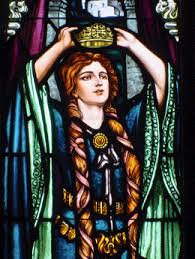
838) Gruoch ingen Boite

Courtest of Facebook

838: Gruoch ingen Boite

The First Queen of Scotland in Recorded History

Born: c. 1015, Present-day Scotland

Died: c. 1060, Present-day Scotland

Also Spelled: Grauch

Gruoch has earned this title not by being the first ever queen of Scotland, but by being the first whose name we know. There were other kings before, and they obviously had wives, but no one thought to write down or record their names before Gruoch came along*.

Gruoch was married twice. Her first husband died in a fire with fifty other men, and her second husband was Macbeth—as in the real one on which the Shakespearian play is based.

Gruoch had one son with her first husband and was already royalty before marrying her now infamous second husband. Gruoch was a relative of Malcolm II, king of Scotland from around 1005 to 1034. This connection made her political gold, and her first marriage helped ensure her husband’s family had a viable shot for the throne of Scotland. Her first husband, Gillacomgain (also written as Gille Coemgáin), and his brother had forcibly taken the throne of Moray (today a part of Scotland but back then a kingdom in its own right). Unfortunately for Gillacomgain, Mac Bethad mac Findláich (aka Macbeth), son of the now dead king, was not at all pleased with this turn of events, and eventually returned to exact his revenge.

In 1030, Macbeth returned from exile and killed Gillacomgain and his followers in the aforementioned fire. Soon after, Macbeth married the widow Gruoch. The death of Gillacomgain and the marriage of Macbeth and Gruoch ended the Game-of-Thrones-esque bloodiness ravaging the Scottish royal family and strengthened the family’s ties to the throne. Macbeth was free to raise Gruoch’s son as his own and heir, but whether or not Gruoch was a willing participant in the marriage or how she actually felt about any of this is unknown.

In 1034, Macbeth went to battle against the actual king of Scotland at the time, Malcolm II. Though Malcolm died that day, Macbeth did not become king. Instead, a man named Duncan who had a much stronger claim to the throne took that title. Six years later, in 1040, Duncan marched into the Kingdom of Moray to challenge Macbeth’s claim to that throne. Another battle ensued, and this time Duncan died, possibly at the hands of Macbeth himself.

For the next seventeen years, Macbeth and Gruoch ruled Scotland and Moray jointly as King and Queen. Macbeth would have had next to no claim to the throne of Scotland without Gruoch by his side. They were so confident and secure in their claims, in 1050, both Macbeth and Gruoch left Scotland on a pilgrimage to Rome.

This is where sources begin to differ. The first account of Macbeth’s end comes this way: In 1057, Macbeth abdicated the throne in favor of his stepson; Gruoch’s only son Lulach. Unfortunately, Lulach was killed in battle the following year. Lulach had a son who was only a child and was much too young to rule on his own. Macbeth took up arms to defend his step-grandson’s claim and died in the fighting.

Now, a second account tells of Macbeth’s end like this: In 1057, Macbeth is killed in battle fighting against Duncan’s son, Malcolm. After Macbeth’s death, Lulach takes the throne, and then he himself is killed the following year (1058), whereupon Malcolm takes the throne for himself. (I should tell you more sources tend to stick to this story as opposed to the first).

After Macbeth’s death, whichever way it happened, Gruoch disappears from the pages of history, but she was probably buried beside Macbeth in the royal burying grounds in Iona.

We may not know much about Gruoch, but we do know she was radically different from the villainess, Lady Macbeth.

* There is one possibly known queen before Gruoch; in one source the wife of Duncan I is listed as Suthen, but whether or not that was her actual name remains unknown seeing as no one else bothered to write her name down.

Badges Earned:

Located In My Personal Library:

A History of Scotland by Neil Oliver

Scottish Queens 1034-1714 by Rosalind K Marshall

Sources:

https://www.wikitree.com/wiki/Boite-6

https://www.historyofroyalwomen.com/gruoch/gruoch-real-lady-macbeth/

https://en.wikipedia.org/wiki/Gruoch_of_Scotland

https://www.geni.com/people/Gruoch-Lady-MacBeth/6000000004533031237?through=6000000000307274753

https://en.wikipedia.org/wiki/List_of_Scottish_consorts

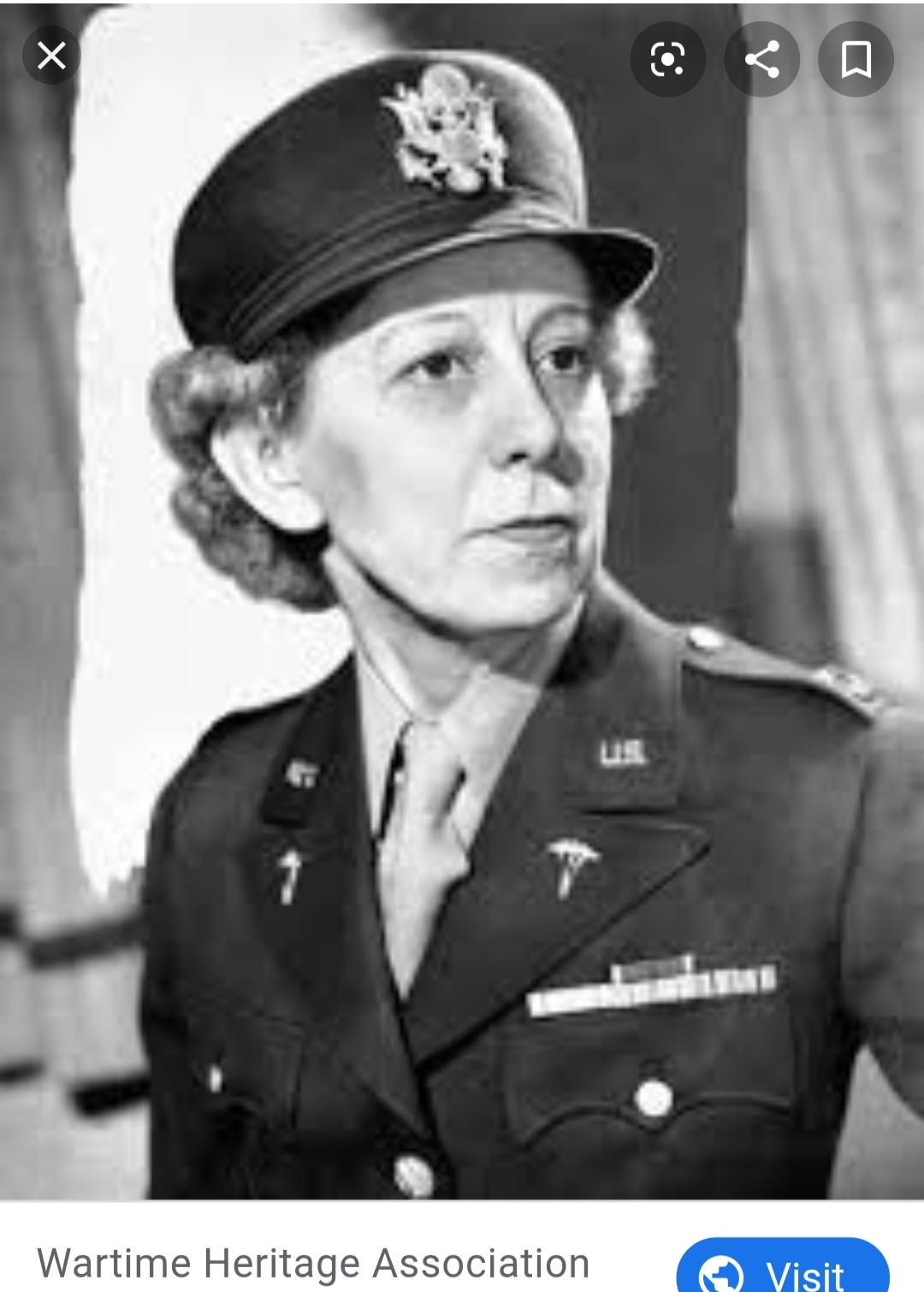
837) Major Annie Fox

Courtesy of the Wartime Heritage Foundation

837: Major Annie Fox

The First Female Recipient of the United States' Combat Purple Heart

Born: 4 August 1893, Pubnico, Yarmouth County, Nova Scotia, Canada

Died: 20 January 1987, San Francisco, California, United States of America

Full Name: Annie Gayton Fox

Annie served as the head nurse at Pearl Harbor, that fateful December day.

She served in the First and Second World Wars, becoming an Officer in the Army Nurse Corps. Annie became 1st Lieutenant Nurse in 1941 while stationed in Hawaii. She’d been in charge less than a month when the Japanese struck.

Annie was given the Purple Heart before the rule of having to be injured in battle was applied, and so two years later her Purple Heart was rescinded, and she was given the Bronze Star in its stead. The Bronze Star is the fourth highest combat award and the ninth highest military award bestowed upon United States armed forces members.

Annie’s award citation read: “[For] outstanding performance of duty and meritorious acts of extraordinary fidelity…During the attack, Lieutenant Fox, in an exemplary manner, performed her duties as head Nurse of the Station Hospital… in addition she administered anesthesia to patients during the heaviest part of the bombardment, assisted in dressing the wounded, taught civilian volunteer nurses to make dressings, and worked ceaselessly with coolness and efficiency, and her fine example of calmness, courage and leadership was of great benefit to the morale of all with whom she came in contact….”

Annie went on to become a Captain in 1943 and then Major before retiring from active duty in 1945. Four other nurses who worked under Annie during the Pearl Harbor attack were awarded the Legion of Merit for their service.

Annie never married or had children.

Badges Earned:

Find a Grave Marked

Sources:

http://www.wartimeheritage.com/storyarchive2/story_annie_fox_us_army_nurse.htm

https://www.womenshistory.org/articles/bravery-army-nurse-annie-g-fox-pearl-harbor

https://www.archives.gov/exhibits/a_people_at_war/women_who_served/annie_g_fox.html

https://www.findagrave.com/memorial/3527056/annie-gayton-fox

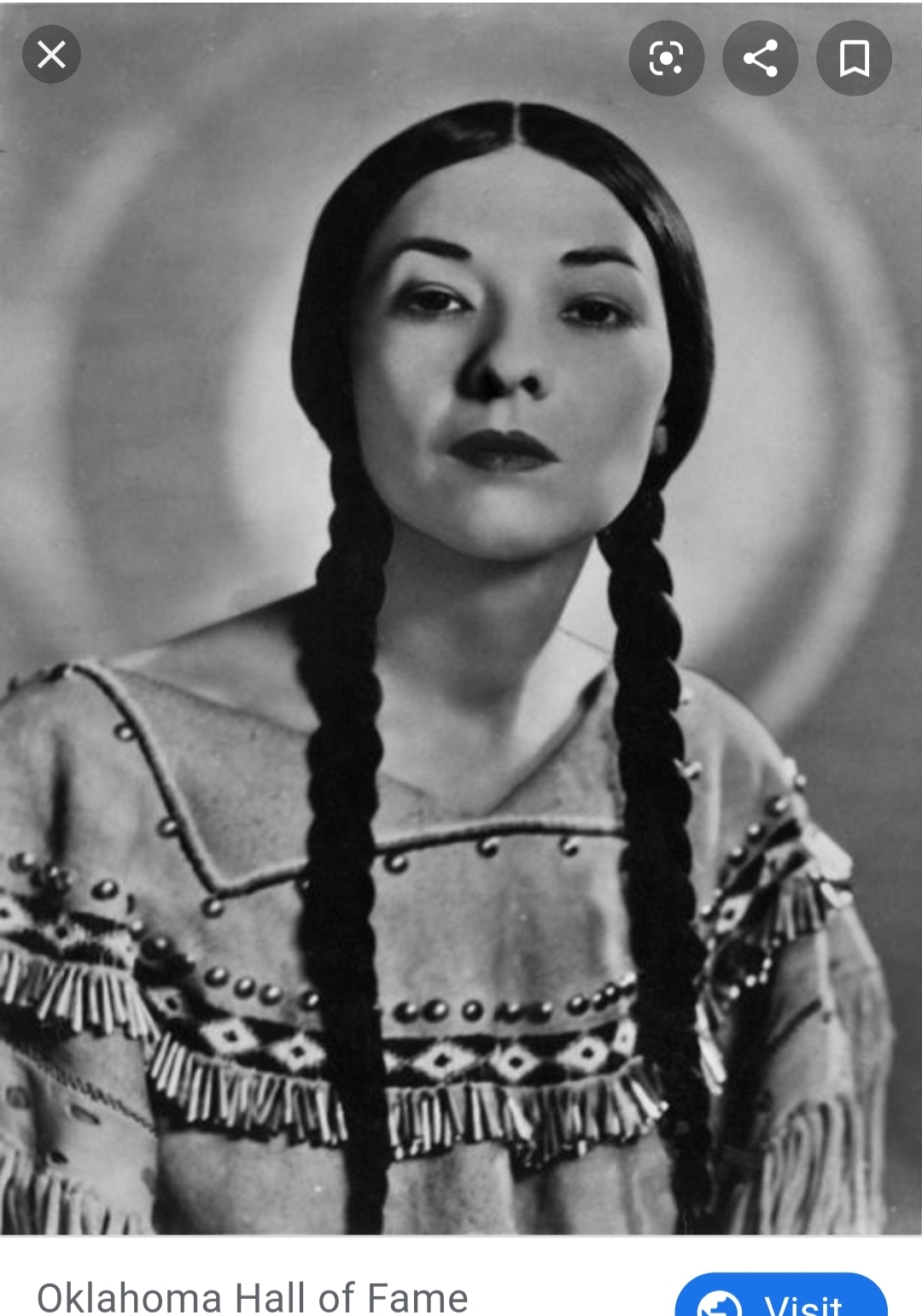
836) Te Ata Fisher

Courtesy of The Oklahoma Hall of Fame

836: Te Ata Fisher

Native American Storyteller of the Chickasaw Nation

Born: 3 December 1895, Emet, Chickasaw Nation, Indian Territory, United States of America (Present-day Emet, Oklahoma, United States of America)

Died: 26 October 1995, Oklahoma City, Oklahoma, United States of America

Original Name: Mary Frances Thompson

Te Ata (A Chickasaw name) means “Bearer of the Morning.”

Te Ata went to many schools for her education including the Carnegie Institute of Technology for one year.

In 1933, she performed at the first state dinner given by President Franklin Roosevelt. In 1939, Te Ata performed for the Roosevelts again, this time at a state dinner with the King and Queen of Britain.

She later toured Europe performing for royal families. Te Ata is today mainly known for her work telling Native American folklore, but she also acted on Broadway.

In 1987, Te Ata became the first person to be declared “An Oklahoma Treasure.”

She also co-wrote a children’s book of Native American stories.

A play was created based on her life. A small-budget biopic telling her story was also created; unfortunately, the Washington Post gave it a very unflattering review.

Badges Earned:

Find a Grave Marked

Sources:

https://hof.chickasaw.net/Members/1990/Te-Ata-Fisher.aspx

https://www.okhistory.org/publications/enc/entry.php?entry=TE001

https://www.si.edu/newsdesk/releases/who-te-ata-chickasaw-nation-and-national-museum-american-indian-celebrate-life-native-story

https://www.washingtonpost.com/goingoutguide/movies/te-ata-the-life-story-of-a-gifted-native-american-performer-is-a-poorly-told-tale/2017/10/05/25066784-a3b6-11e7-b14f-f41773cd5a14_story.html

https://www.findagrave.com/memorial/125781769/mary-frances-fisher

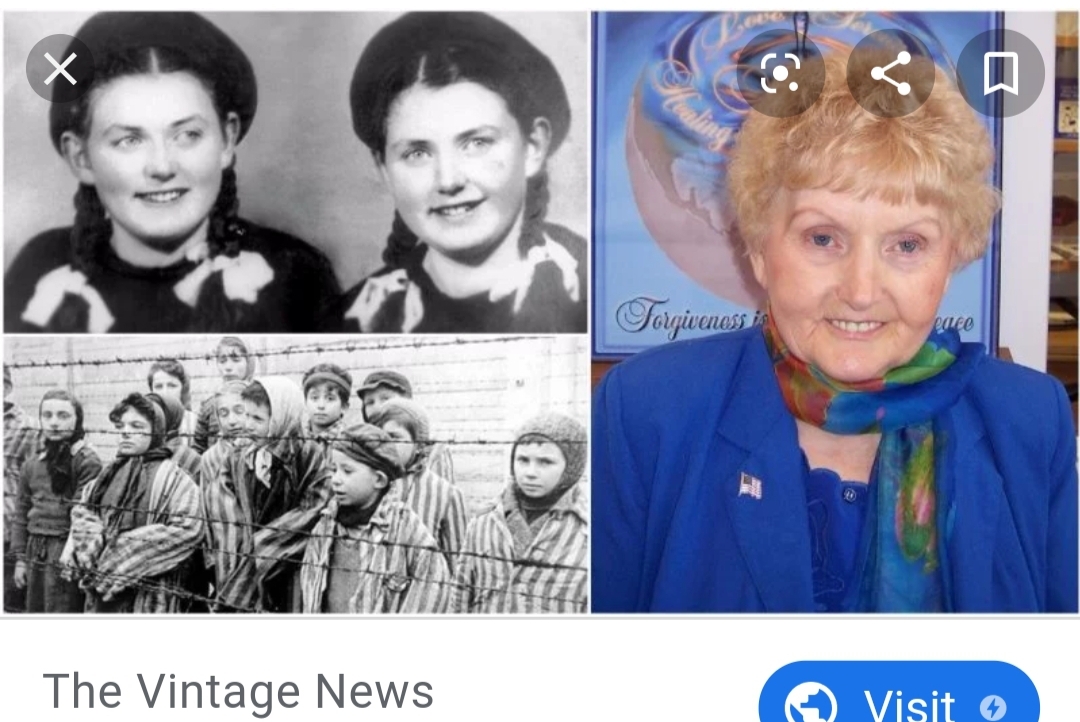
835) Eva Mozes Kor

Courtesy of The Vintage News

 “What I tell everybody is that you — any victim, any person hurt — you have the same power. You have the power to forgive. And what it does, forgiveness, has nothing to do with the perpetrator. It has everything to do with the way the victim feels.”

835: Eva Mozes Kor

Shoah Survivor and One of the Twins Experimented on at Auschwitz

Born: 31 January 1934, Portz, Greater Romania (Present-day Sălaj, Romania)

Died: 4 July 2019, Kraków, Poland

Eva was also the subject of the documentary “Forgiving Dr. Mengele.”

She founded the CANDLEs Museum and was a forgiveness and human rights advocate. CANDLEs stands for Children of Auschwitz Nazi Death Lab Experiments Survivors, and Eva started the project in 1984 after suffering pushback in the preceding decades from people who didn’t want to hear her story. But Eva wasn’t content to sit back and let these horrible memories destroy her. Though she was only four feet nine inches tall, she was mighty, and because of Eva thousands of schoolchildren have been able to travel to Auschwitz and learn the horror of the Shoah firsthand. Its only by knowing, learning, and acknowledging that we can prevent it from happening again, and that was Eva’s goal.

Eva had three siblings: her twin sister Miriam and her older sisters Edit and Aliz. They were the only Jewish family in their village. Edit, Aliz, and their parents would all die almost immediately after arriving in Auschwitz in 1944.

In the famous footage of the liberation of Auschwitz Eva and Miriam are the twins seen front and center at the beginning of the clip. After liberation, Eva and Miriam spent some time in an orphanage before eventually making their way to Israel. Eva served eight years in the Israeli army and eventually married a fellow soldier and survivor. She didn’t speak a word of English, but Eva showed no fear as she followed her husband halfway around the world to Indiana, where she would live for the rest of her life. Eva raised two children and worked in real estate for thirty-four years.

Though her twin sister Miriam survived the camps, Miriam later died from medical complications sustained from the experiments the sisters received while imprisoned.

In 2007, Eva was proud to work with educators in her adopted home of Indiana, United States of America to see a law passed requiring public schools to teach about the Shoah in secondary schools.

Eva was cheerful to the end, and the day before she died, she was tweeting out to the world she was able to get chicken McNuggets from McDonald’s just yards from where Auschwitz once operated. She was visiting the camp on her yearly pilgrimage with school children when Eva passed away.

Badges Earned:

Find a Grave Marked

Sources:

https://candlesholocaustmuseum.org/eva-kor/her-story/her-story.html

https://candlesholocaustmuseum.org/eva-kor/her-story/her-story.html/title/read-about-eva-and-her-family-s-last-days-before-the-war

https://www.indystar.com/story/news/2019/07/04/eva-mozes-kor-holocaust-survivor-indiana-dies-obituary/1647524001/

https://obituaries.tribstar.com/obituary/eva-kor-1075581056

https://www.findagrave.com/memorial/200822846/eva-kor

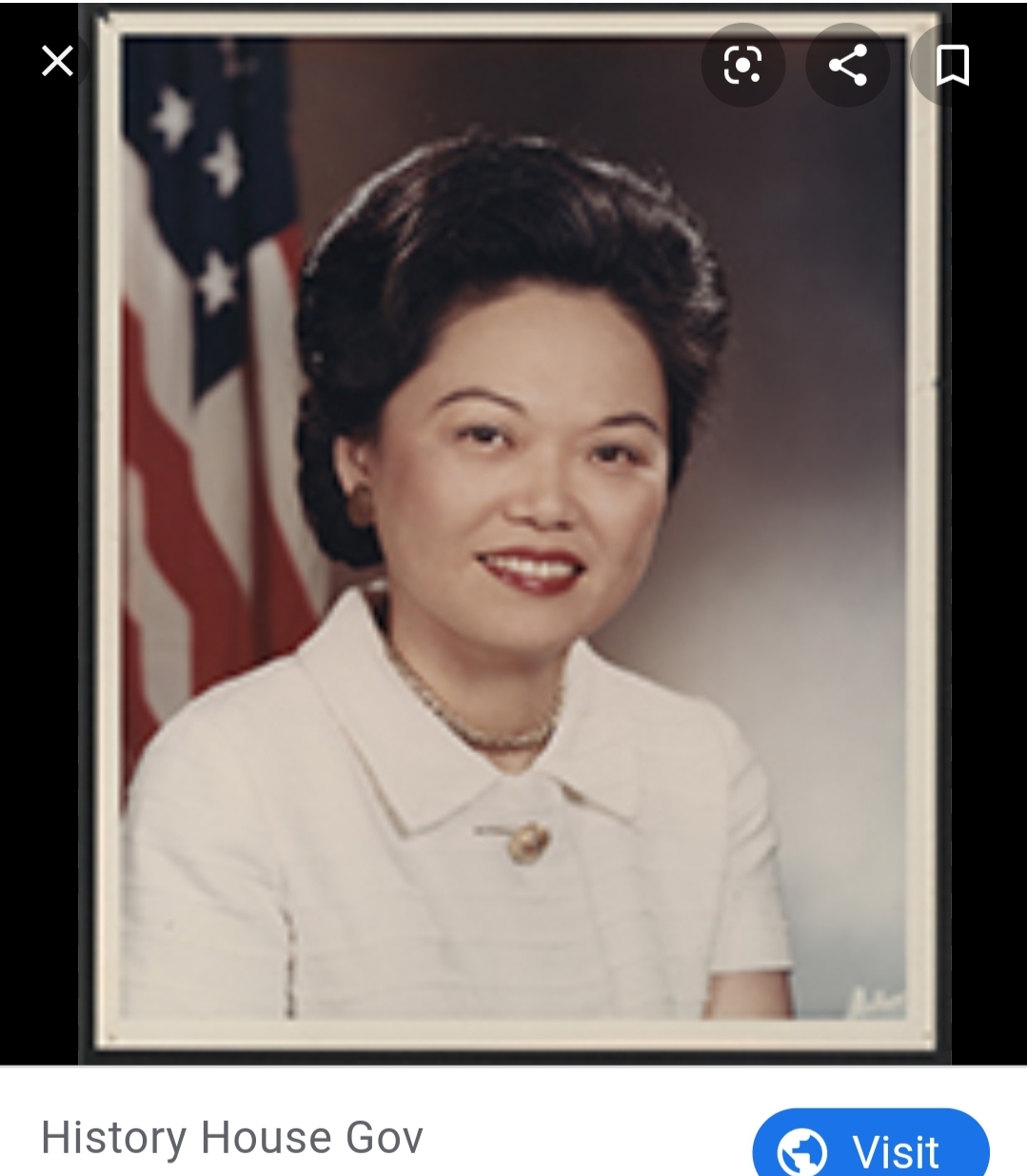
834) Patsy Mink

Courtesy of History House Gov

“You were not elected to Congress, in my interpretation of things, to represent your district, period. You are national legislators.”

834: Patsy Mink

The First Asian American Woman (and First Woman of Color) Elected to United States Congress

Born: 6 December 1927, Paia, Territory of Hawaii (Present-day Paia, Hawaii, United States of America)

Died: 28 September 2002, Honolulu, Hawaii, United States of America

Patsy graduated high school as valedictorian and class president before receiving a bachelor’s degree in Zoology and Chemistry in 1948.

She went on to become the first Hawaiian Nisei (meaning person with Japanese Immigrant parents) woman to graduate with a law degree. Patsy went into private practice after big firms in Honolulu discriminated her for being in an interracial marriage. She had one daughter.

Despite being a Democrat herself, the leaders of the Hawaii Democratic Party tried again and again to get her out of politics, so she was seen as more of an independent candidate instead.

Patsy also served in Hawaii’s Territorial and State Legislatures and was a candidate on the Democratic Ticket for President in 1972. Patsy even ran for Governor of Hawaii and the United States Senate seat and mayor of Honolulu.

When she died from pneumonia Patsy had been planning on running for a thirteenth term in the US House of Representatives (she actually was reelected despite having died before the voting began).

One of her greatest victories was seeing Title IX become law. Patsy had been the driving force behind Title IX, the Early Childhood Education Act, and the Women’s Educational Equity Act. After her death, Title IX was renamed, “The Patsy T Mink Equal Opportunity in Education Act” in her honor. Patsy was also posthumously honored with the President Medal of Freedom.

In 2020, TIME announced their “100 Women of the Year” Project, in which one woman for each year for the past 100 years were chosen. Patsy was honored for the year 1972; the year Title IX became law.

Badges Earned:

Find a Grave Marked

Located In My Personal Library:

Time Magazine's 100 Women of the Year (Patsy appears in the 1972 article, "Patsy Takemoto Mink”)

Sources:

https://history.house.gov/People/detail/18329

https://www.womenshistory.org/education-resources/biographies/patsy-mink

https://www.womenofthehall.org/inductee/patsy-takemoto-mink/

https://time.com/5793641/patsy-takemoto-mink-100-women-of-the-year/

https://www.findagrave.com/memorial/6808216/patsy-matsu-mink

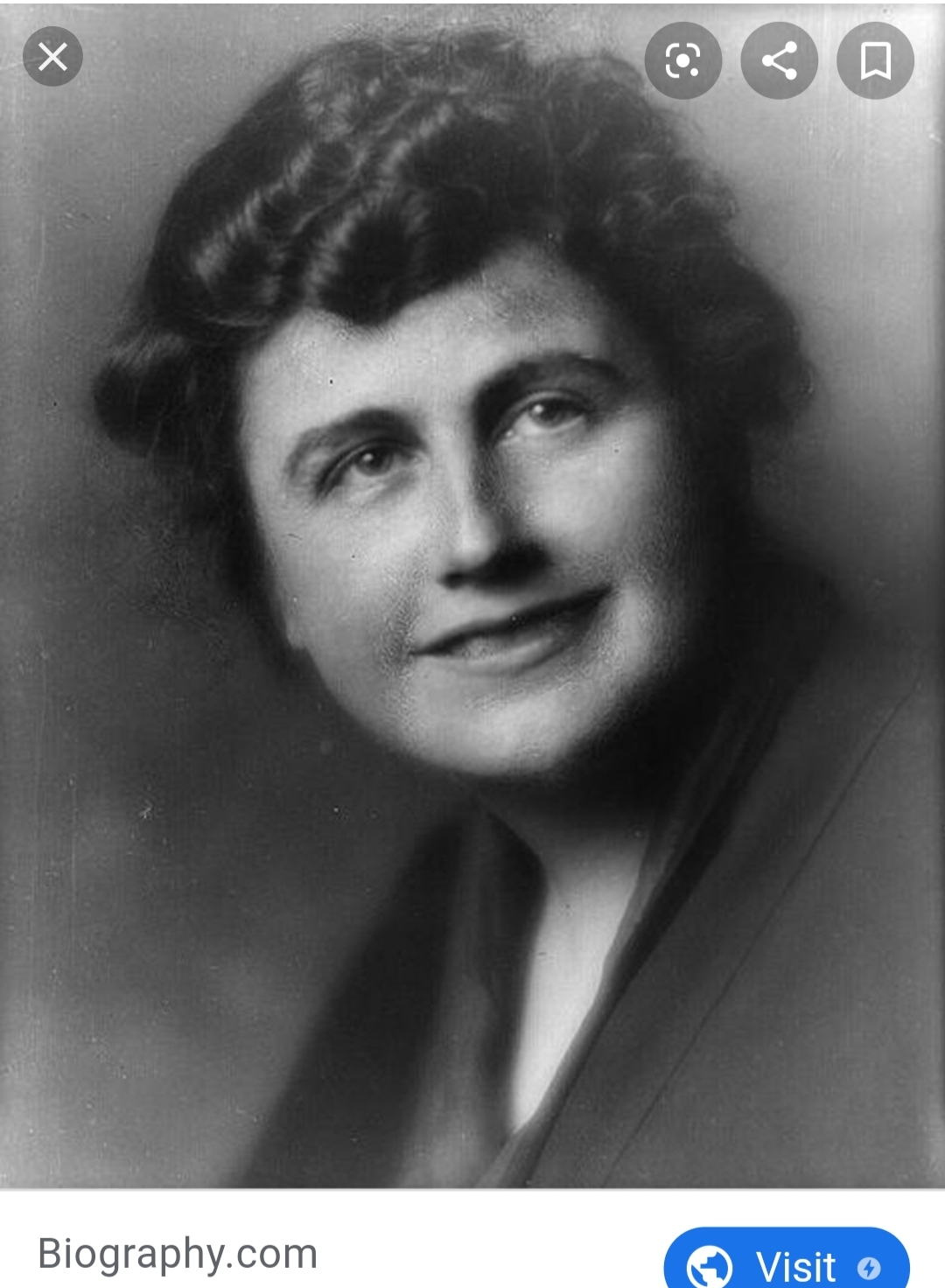
833) Edith Wilson

Courtesy of Biography

 “So began my stewardship. I studied every paper, sent from the different Secretaries or senators, and tried to digest and present in tabloid form the things that, despite my vigilance, had to go to the President. I myself never made a single decision regarding the disposition of public affairs. The only decision that was mine was what was important and what was not, and the very important decision of when to present matters to my husband.”

833: Edith Wilson

Former First Lady of the United States of the United States During her Husband, Woodrow Wilson’s Administration

Born: 15 October 1872, Wytheville, Virginia, United States of America

Died: 28 December 1961, Washington, District of Columbia, United States of America

Full Name: Edith Bolling Galt Wilson

Technically speaking, Edith might also claim the title first Acting Female President of the United States after her husband suffered a debilitating stroke that left him unable to serve in the capacity of president. Edith decided to take charge rather than let the Vice President in to fulfill that position.

Edith forged Woodrow’s signature on official documents, decoded war correspondence, and went over every piece of paper put before the president's eyes for seventeen months, finishing out his second term. She refused to let cabinet members see him, reportedly out of respect for wanting to preserve his dignity, and did her best to completely obscure what was actually happening behind the scenes in the president's office bedroom.

Edith could reportedly trace her lineage back to Pocahontas. She was also related to other famous Virginians, including Thomas Jefferson, Letitia Tyler, Martha Washington, and the Harrison Family. Her first husband owned a jewelry business and was financially successful. They had twelve happy years of marriage together; however, the union only presented one child, a baby boy who died soon after birth. Edith’s husband died suddenly in 1908, leaving her a young widow and owner of a lucrative jewelry store. She also had money; lots of it. Edith had expensive taste in clothes and was the first woman in the capitol to drive her own car.

Edith also happened to be living in Washington DC at the time. A few years after her husband died, Edith met the president, who was also grieving the loss of his wife, Ellen, who had served as First Lady before her death. Three months after Edith and Woodrow met, they were engaged, and married a few months after that. The wedding occurred just over a year after his first wife Ellen died, and some of Woodrow’s advisors were horrified by this turn of events. They reportedly tried to get rid of Edith before the nuptials but were unable to do so.

Edith used sheep to “mow” the White House lawn and sold the wool to benefit the Red Cross to help with the war effort (her term as first lady coinciding with World War I). She also encouraged rationing and attempted to do whatever she could to help the war effort. Edith sat in on meetings, looked through the President’s mail, and made her own opinions about certain members of government known to her husband. Much like another former first lady, Sarah Polk, Edith was an invaluable aid to her husband the president; at least in Woodrow’s eyes. She was different from most first ladies in that, during her tenure, Edith never had the opportunity to host the lavish ceremonies and dances most first ladies are associated with.

When the time came for peace to be discussed in Europe, Edith followed her husband there. She was the first first lady to go to Europe while still serving her country. Edith’s presence on European soil alongside the queens of various royal houses helped elevate the position of First Lady to the place it is held today; not equal to royalty but the closest equivalent the United States will ever have.

After returning home, Woodrow began campaigning the Senate to approve the peace accords and vote on becoming a part of his brainchild, the League of Nations. Unfortunately for Woodrow, the United States would fail to join the League (this has partially been deemed Edith’s fault after she argued with a British liaison who had made cruel jokes at her expense and refused to apologize), and in the autumn of 1919, Woodrow suffered the stroke that would leave him partially paralyzed and unable to fulfill his duties as president.

The Wilson Administration was due to stay in the White House until March of 1921, a full seventeen months away. Edith made the extraordinary decision to not pass the reigns of power over to Woodrow’s Vice President, as the Constitution rules should have occurred. Instead, Edith began what she would eventually coin her “Stewardship.” And she did it all without letting the general public know. If the government and the people had known, they would have put a stop to Edith and made Woodrow resign. Edith would never let this happen—it would depress her husband, she would later state.

According to the official White House website, Edith, “took over many routine duties and details of government. But she did not initiate programs or make major decisions, and she did not try to control the executive branch. She selected matters for her husband’s attention and let everything else go to the heads of departments or remain in abeyance.”

So, was she really the first female president? Technically? No. But she is the closest, as of 2020, the United States has ever gotten. Edith’s memoirs, which she published in 1939, stated that Edith had been pressed into her “stewardship” by Woodrow’s doctors, but there is no definitive proof either way.

After leaving the White House in 1921, the Wilsons retired to a fine home in the city. Three years later, Woodrow passed away. But Edith found ways to keep herself busy. In 1928, Edith was considered as a potential candidate for the Vice President on the Democrat ticket—but this never came to fruition. As mentioned above, Edith published her memoirs in 1939 (now considered to be historically inaccurate by historians). And in 1961, Edith made her last public appearance when she rode in President Kennedy’s inaugural parade. She donated her and Woodrow’s home upon her death to the National Trust for Historic Preservation, making the Wilson House the only private former-presidential home in DC open to the public.

Badges Earned:

Find a Grave Marked

Located In My Personal Library:

Confronting the Presidents: No Spin Assessments from Washington to Biden by Bill O'Reilly and Martin Dugard

Dead Presidents: An American Adventure Into the Strange Deaths and Surprising Afterlives of Our Nation's Leaders by Brady Carlson

First Ladies: Presidential Historians on the Lives of 45 Iconic American Women by Susan Swain and C-SPAN

The Smithsonian First Ladies Collection by Lisa Kathleen Graddy and Amy Pastan

The Who, the What, and the When: 65 Artists Illustrate the Secret Sidekicks of History by Jenny Volvovski, Julia Rothman, and Matt LaMothe

Sources:

https://www.whitehouse.gov/about-the-white-house/first-ladies/edith-bolling-galt-wilson/

https://www.biography.com/news/edith-wilson-first-president-biography-facts

http://www.firstladies.org/biographies/firstladies.aspx?biography=29

https://www.history.com/topics/first-ladies/edith-wilson

https://www.findagrave.com/memorial/19670/edith-white-wilson

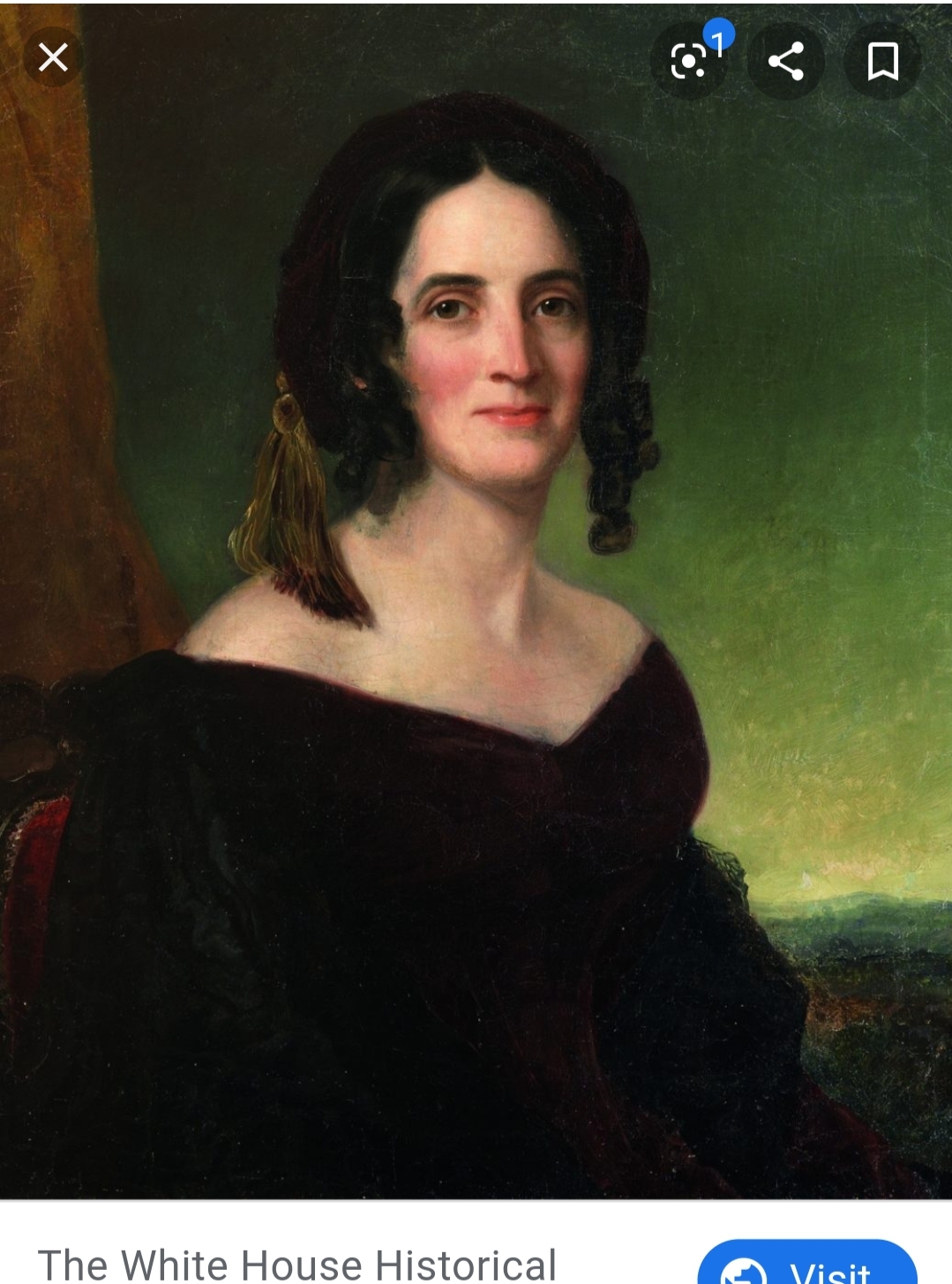
832) Sarah Polk

Courtesy of the White House Historical Assocation

"If I should be so fortunate as to reach the White House, I expect to live on twenty-five thousand dollars a year, and I will neither keep house nor make butter."

832: Sarah Polk

Former First Lady of the United States During Her Husband, James K Polk’s Administration

Born: 4 September 1803, Murfreesboro, Tennessee, United States of America

Died: 14 August 1891, Nashville, Tennessee, United States of America

Sarah was educated well in her childhood thanks to her father’s money and influence. Her education put her at a distinct advantage in the role she would later play in her husband’s political ambitions.

When James and Sarah married, Sarah’s husband had just started his political career in Tennessee. Rumor has it, Andrew Jackson himself introduced them.

Sarah and her husband owned a farm on which numerous slaves resided and worked. Unfortunately, by today’s standards, neither James or Sarah had any intention of freeing their slaves or working towards the abolitionist cause. Thankfully however, they did fire any overseer who harmed or mistreated the slaves. James and Sarah also ensured the slaves were educated in religious training and given medical care. They also ensured any spouses of their slaves who had been separated were purchased in an effort to keep families together (sometimes…if it meant turning a profit, Sarah would sell a slave that was a part of a family unit later in life). Sarah sold the slaves and farm in 1860.

To swing back towards the unfortunate—Sarah evidently believed African Americans were enslaved because it was God’s plan that they be. She also believed Cherokee Native Americans (famously forced to walk on the Trail of Tears during her friend Andrew Jackson's Administration) should be denied the right to education for the same reason—God didn’t want them to be educated. Sarah also disavowed the suffrage movement. She never thought for a moment that women deserved the right to vote; and honestly believed women were subservient to men in every respect.

The Polks never had children which allowed Sarah to take a more active place in her husband’s career. She acted as his secretary and answered all his correspondence while he campaigned for governor of Tennessee. Upon becoming First Lady she helped him conduct all manners of business and would even attend cabinet meetings with him. Sarah is largely seen as one of, if not the first, First Lady to have just as much political ambition as her husband and was all too happy to work beside him. Sarah also had her own thoughts about political things, but never voiced them in that way. Instead, everything was phrased as, "Well the President thinks so and so..."

However, Sarah was also a strict Presbyterian and issued many commands which included no drinking, dancing, gambling, singing, or music would be had in the White House while she was there. The only alcoholic beverage served was wine, though neither Polk ever drank it. Sarah also ensured no business was ever conducted on Sunday. One of the more famous moments stemming from this rule came when the Austrian Minister was turned away after he appeared on a Sunday to show his credentials.

However, it wasn’t all sober and dower in the Polk White House. Sarah observed the first traditional Thanksgiving dinner in the president’s mansion. The feast was made a permanent fixture during the Lincoln Administration.

Interestingly enough, modern scholars are trying to twist the narrative on whether or not all the doom and gloom was Sarah’s fault. Her husband James, evidently, despised being distracted from his work, and so some of the banned fun activities might have come from him. Also, Sarah had never run a large home or offered entertainment on the scale of the White House before, and so to say she was unprepared upon arrival is an understatement.

Sarah was also interested in technology and its advancements. It was Sarah who oversaw the White House being converted from candle to gas, though she did keep one room left alone to be entirely lit by candlelight. She also spoke to her husband on the matter of cargo transportation. James loved steamboats, but Sarah saw the future, and the future was steam powered railroads.

It was Sarah, more often than James, who would meet with members of Congress to discuss legislation being put forward on Saturday afternoons. Sarah also continued to work as James’s personal secretary. He spent little time with his cabinet and did not like meeting the general public either; so Sarah filled the void and connected James to the outside world. Because Sarah and James were together so much of the time, few letters between them survive this period. James and Sarah did practically everything together, and while we will never know just how much Sarah was involved in the actual administration of the country, you cannot dismiss her as being there solely to decorate and plan ceremonies.

Sarah’s husband died three months after leaving the White House from cholera, making her the longest surviving widow of any First Lady in the United States (Forty-two years) so far.

During the War Between the States, Sarah maintained political neutrality and entertained officers from both sides in her home. She later admitted her sympathies were with the south, and when asked to swear an oath of loyalty to the Union in order to receive a supply of coal, she refused. Sarah also stated she believed the war was caused by divisions within the Democrat Party, and that the war could have been avoided through legislative efforts.

Much like Queen Victoria, Sarah spent the rest of her life clad in black and turned her and James’s home into a shrine for her deceased husband. She continued on her technological journey, having a telegraph and later telephone installed in the home, which was called Polk Place.

Since they had no children her life became joyless and was only sometimes punctuated by famous visitors. Over the years Sarah looked after various children, but never legally adopted any and only one of them was ever really viewed as a surrogate daughter—the girl was named Sally (also called Sadie) and was Sarah’s niece.

After Sarah's death their home became run down and was later demolished, despite the fact that in both Sarah and James’s wills they wanted it kept up and preserved. Both were buried on what used to be the front lawn of their home. The tombs have since been moved to be close to the Tennessee State Capitol.

Sarah is one of those interestingly hypocritical historical figures. She is, on the one hand, to be admired for her political acumen and grasp on power. On the other, she had many qualities seen as distasteful at best by today’s standards. We should admire her for her ability to climb to her position of power and influence, but remember no one from history is perfect. Not by a long shot.

Badges Earned:

Find a Grave Marked

Located In My Personal Library:

Confronting the Presidents: No Spin Assessments from Washington to Biden by Bill O'Reilly and Martin Dugard

Dead Presidents: An American Adventure Into the Strange Deaths and Surprising Afterlives of Our Nation's Leaders by Brady Carlson

First Ladies: Presidential Historians on the Lives of 45 Iconic American Women by Susan Swain and C-SPAN

The Smithsonian First Ladies Collection by Lisa Kathleen Graddy and Amy Pastan

Sources:

http://www.firstladies.org/biographies/firstladies.aspx?biography=12

https://www.whitehousehistory.org/bios/sarah-polk

https://www.smithsonianmag.com/history/how-first-lady-sarah-polk-set-model-conservative-female-power-180971393/

http://firstladies.c-span.org/FirstLady/13/Sarah-Polk.aspx#:~:text=During%20the%20Civil%20War%2C%20Mrs,dinner%20at%20the%20White%20House.

https://www.findagrave.com/memorial/8627/sarah-polk

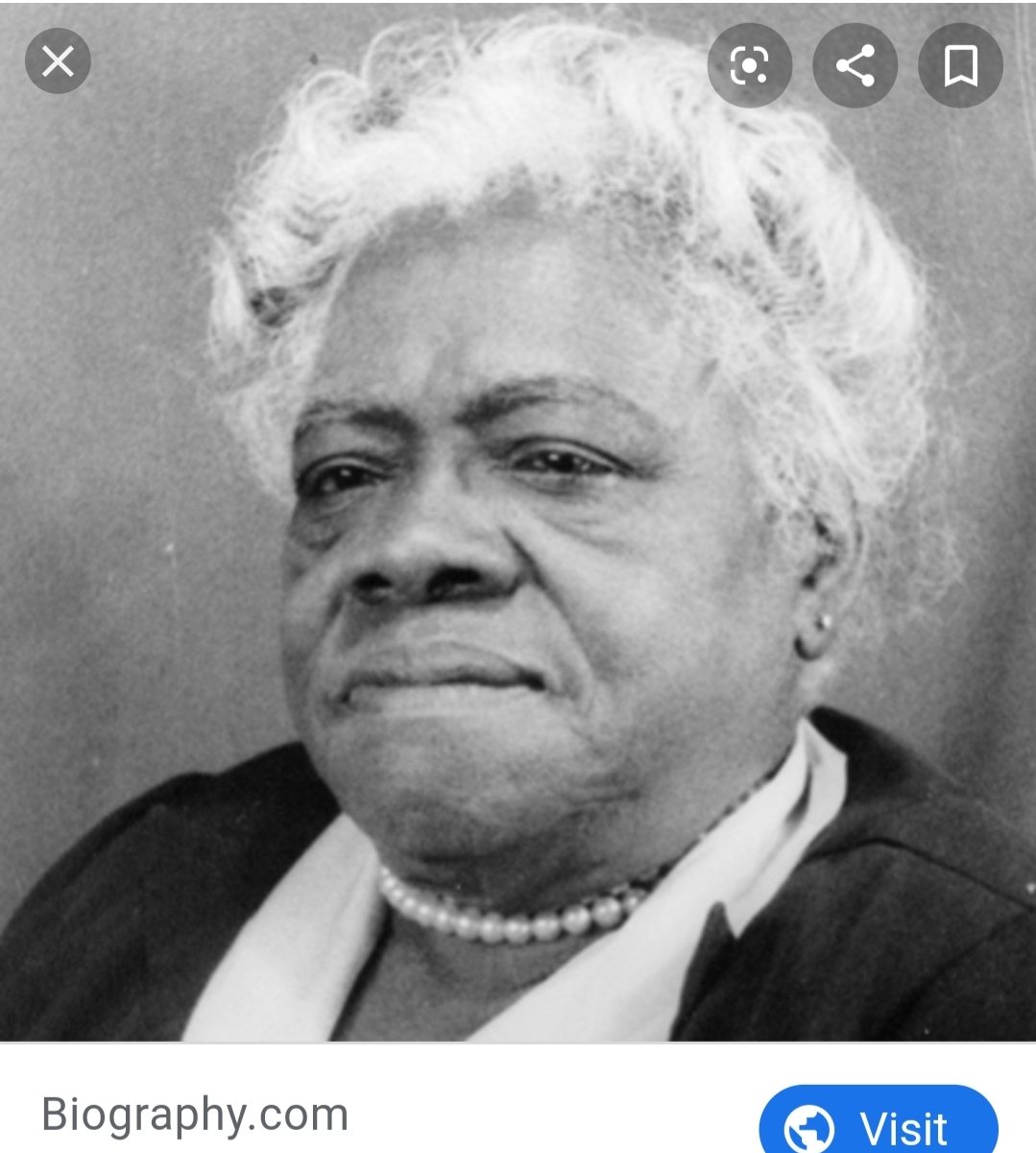
831) Mary McLeod Bethune

Courtesy of Biography

"The true worth of a race must be measured by the character of its womanhood."

831: Mary McLeod Bethune

Civil Rights Activist and Educator

Born: 10 July 1875, Mayesville, South Carolina, United States of America

Died: 18 May 1955, Daytona Beach, Florida, United States of America

Mary is most remembered for starting a private all black school in Daytona Beach, Florida. Some consider her the most influential African American woman in United States History.

Mary was one of the youngest of her parents’ seventeen children. They themselves were former slaves; Mary being a part of the first generation of African Americans who were all free. Mary’s parents worked for their former owners until they earned enough money to buy their own farm. By the time Mary was nine, she was able to pick 250 pounds of cotton a day.

Mary was very well educated and had envisioned serving as a missionary when going to school, but decided against it later on. Instead, she put her education to good use stateside.

Mary went on to become a teacher who believed the best way to help her people was to get them a better education, especially the girls. Her husband was also a teacher and they had one son together. Outside of her education and political work, Mary also oversaw the opening of a hospital to serve African American citizens and a life insurance agency.

After the dissolution of her marriage, Mary became determined to see her dreams of a school for African American children realized. Her Daytona Beach school was started with five pupils and $1.50 to its name; eventually morphing from a girls boarding school into a preeminent black college. Mary therefore became the first African American woman to serve as president of a United States college. Her school would set the tone and pave the way for many of the historic black colleges across the United States today. The school, which is still open under the name Bethune-Cookman College, enrolls approximately four thousand students.

After the passing of the 19th Amendment in which women were given the right to vote, Mary openly defied the KKK by teaching 100 African Americans to read and provided the money to pay the poll tax so both sexes could go to the booths and vote. The KKK marched on her college multiple times, threatening to burn down buildings and commit other violence if Mary continued to peacefully and legally get African Americans to vote.

Mary quickly entered the national attention by working on several different boards and advising five US Presidents (most importantly as Director of the Division of Negro Affairs of the National Youth Administration, whereupon she became the first African American woman to head a federal agency and the only woman in President Franklin Delano Roosevelt’s “black cabinet”). Mary’s work in politics alongside other African American leaders is largely seen as the reason why African American voters transitioned from voting for Republicans (the historical party of “The Great Emancipator” Lincoln to the Democrat party instead; hoping Roosevelt's New Deal policies would help disenfranchised African Americas. Mary was a good friend of Eleanor Roosevelt’s and so its no surprise she supported FDR for the presidency.

Mary also worked in high ranking positions with the NAACP, the National Association of Colored Women, and the National Council of Negro Women. She was also an advisor on the board that created the Women’s Army Corps (the WAC) and ensured therefore that the first women to serve in the US Army served in integrated units. Mary was also the only women of color to appear at the founding conference of the United Nations; appointed to serve there by President Harry Truman.

After her death, Mary became the first woman and first African American to be honored with a statue in a public park in Washington DC. Her final home is a National Historic Site and she has also been honored on a postage stamp. In 2021, a likeness of Bethune will be placed inside the National Statuary Hall representing the great state of Florida.

Badges Earned:

Find a Grave Marked

Located In My Personal Library:

America's Women: 400 Years of Dolls, Drudges, Helpmates, and Heroines by Gail Collins

The Book of Awesome Women: Boundary Breakers, Freedom Fighters, Sheroes, and Female Firsts by Becca Anderson

On Her Own Ground by A'Lelia Bundles

Time Magazine's 100 Women of the Year (Alice appears in the 1934 article, "Mary McLeod Bethune")

Whose Who in American History: Leaders, Visionaries, and Icons who Shaped Our Nation by John M Thompson, William R Gray, and KM Kostyal

Sources:

https://www.womenshistory.org/education-resources/biographies/mary-mcleod-bethune

https://www.nps.gov/mamc/learn/historyculture/mary-mcleod-bethune.htm

https://www.smithsonianmag.com/history/mary-mcleod-bethune-vanguard-more-than-50-years-black-progress-180975202/

https://womenshistory.si.edu/herstory/object/mary-mcleod-bethune

https://www.cookman.edu/about_bcu/history/our_founder.html

https://www.findagrave.com/memorial/91/mary-jane-bethune

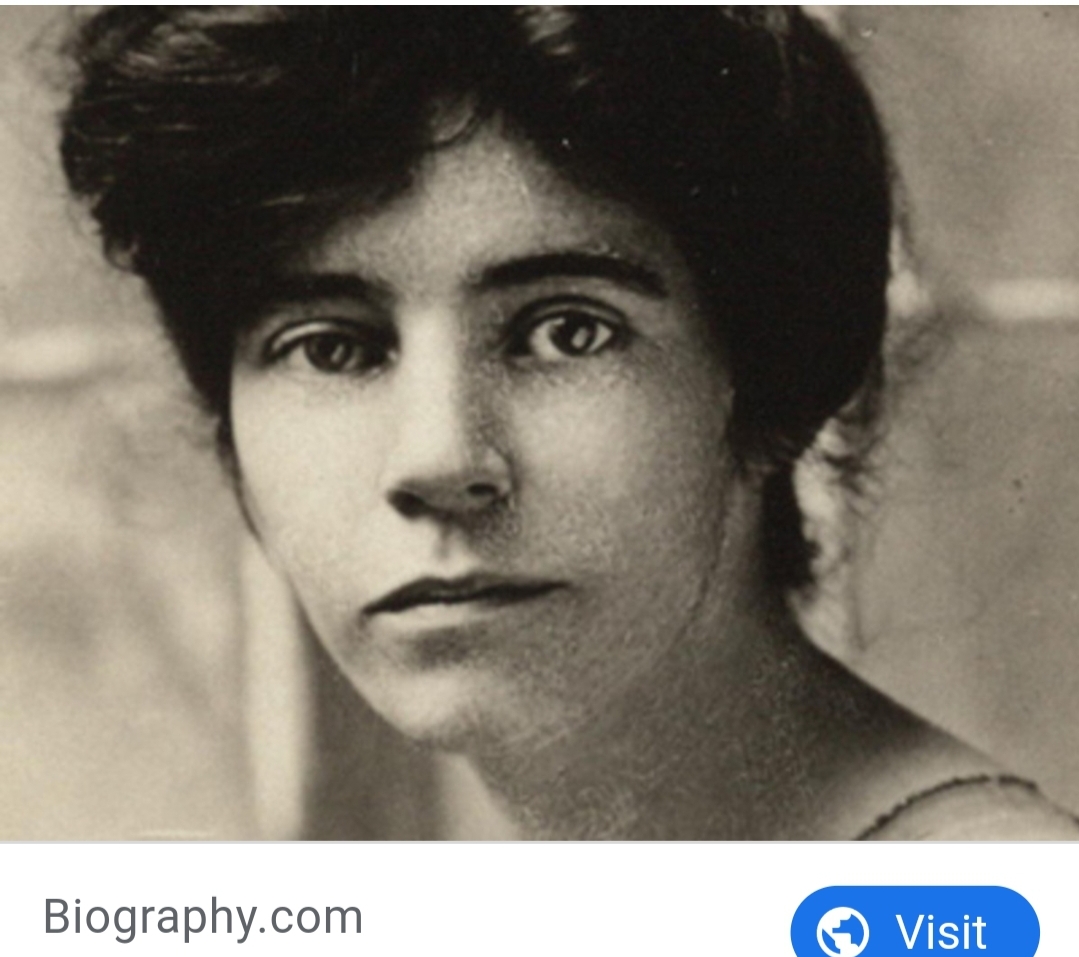
830) Alice Paul

Courtesy of Biography

 “I never doubted that equal rights was the right direction. Most reforms, most problems are complicated. But to me there is nothing complicated about ordinary equality.”

830: Alice Paul

One of the Main Leaders and Strategists of the Campaign to Pass the 19th Amendment to the United States’ Constitution

Born: 11 January 1885, Mount Laurel, New Jersey, United States of America

Died: 9 July 1977, Moorestown, New Jersey, United States of America

Alice was raised fighting for gender equality from the start. Her parents believed in equality and her mother, a suffrage advocate herself, would bring Alice and her sisters to local suffrage meetings from the time they could walk.

Alice earned a master’s degree in Sociology before moving to the United Kingdom as a PhD student. This is where she attended a lecture that would launch her into the realm of campaigning for women’s rights.

Alice was such an ardent advocate that she would be arrested three times for the cause throughout her life.

One time she even went on a hunger strike with other women that resulted in them being force-fed. The harrowing account of their ordeal is now a black mark in the history of suffrage in the United States and will turn the stomach of anyone who studies it.

In 1910, Alice returned to the United States to fight for equality on the home front. In 1913, she co-founded the Congressional Union for Women’s Suffrage that was A-OK with using militant methods they’d seen in England to get their message across.

They picketed the White House daily, asking why President Wilson refused to pass suffrage. These pickets were the first of their kind in the United States and were met with open hostility from journalists and average people alike across the country. Starting in January 1917, the picket lines kept up for eighteen straight months. One of the most famous slogans the protestors used was, “Mr. President, How Long Must Women Wait for Liberty?” which were reportedly the last words of suffragist Inez Milholland.

Alice continued to picket during World War I and was imprisoned for seven months. This is when she went on a hunger strike and was later released. Alice and her fellow protestors were arrested by police officers while picketing on the charge of “Obstructing Traffic”. In actuality, they were using their first amendment right to peacefully protest.

Alice is credited with having drafted the Equal Rights Amendment and helping found the World Women’s Political Party, fighting till the very end. Oh, and she happened to be a member of the National Society Daughters of the American Revolution.

Badges Earned:

Find a Grave Marked

Located In My Personal Library:

America's Women: 400 Years of Dolls, Drudges, Helpmates, and Heroines by Gail Collins

Consuelo and Alva Vanderbilt: The Story of a Daughter and a Mother in the Gilded Age by Amanda Mackenzie Stuart

Suffragists in Washington DC: The 1913 Parade and the Fight for the Vote by Rebecca Boggs Roberts

National Geographic History Magazine’s July/August 2020 Edition: “The Silent Sentinels”

Time Magazine's 100 Women of the Year (Alice appears in the 1920 article, "the Suffragists")

Sources:

https://www.womenshistory.org/education-resources/biographies/alice-paul

https://www.alicepaul.org/who-was-alice-paul/

https://www.biography.com/activist/alice-paul

https://www.nps.gov/people/alice-paul.htm

https://www.dar.org/archives/suffrage-march-centennial-anniversary-online-exhibition

https://www.findagrave.com/memorial/6283941/alice-stokes-paul

  • Previous
  • 1
  • …
  • 40
  • 41
  • 42
  • 43
  • 44
  • 45
  • 46
  • …
  • 159
  • Next

Categories

Archives

  • July 2025 (10)
  • July 2024 (1)
  • January 2024 (1)
  • August 2023 (1)
  • June 2023 (2)
  • October 2022 (1)
  • July 2022 (1)
  • June 2021 (3)
  • December 2020 (3)
  • August 2019 (1)
  • July 2019 (2)

Search

© 2026 The Exasperated Historian | Powered by Minimalist Blog WordPress Theme