The Exasperated Historian
Menu
  • Home
  • The Women’s List (New)
  • The Men’s List
  • The Animal List
  • Collections
  • The Blog
  • Contact Us
  • FAQ
Menu

Category: Birth Locations

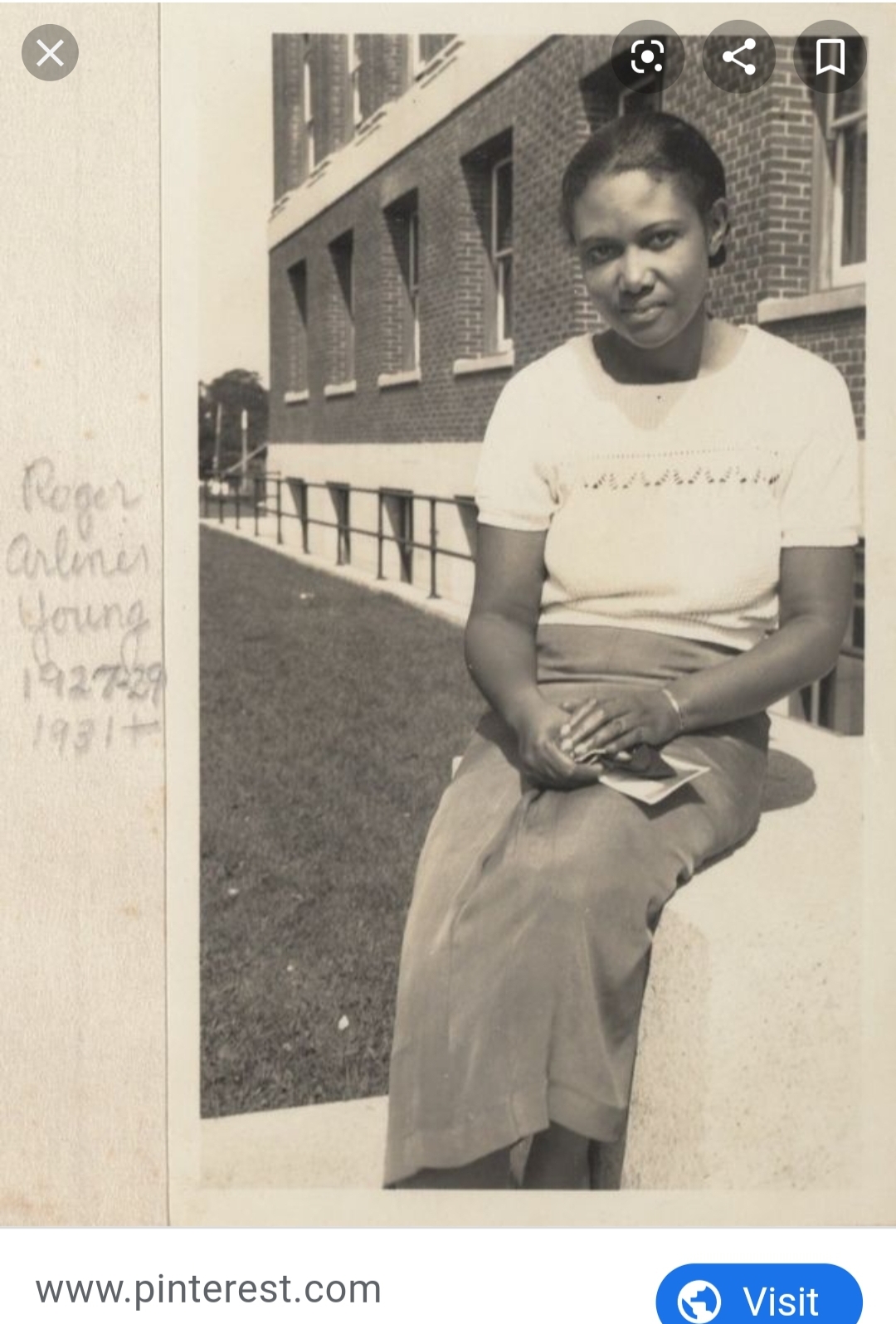
859) Roger Arliner Young

Courtesy of Pinterest

859: Roger Arliner Young

The First African American Woman to get a PhD in Zoology

Born: 1899, Clifton Forge, Virginia, United States of America*

Died: 9 November 1964, New Orleans, Louisiana, United States of America

Roger worked as a zoologist, biologist, and marine biologist.

She published her first scholarly article in 1924 and received her master’s in 1926. While working on her master’s degree, Roger was asked to join the elite society Sigma Xi, an honorary science research society. Other members included Albert Einstein and Richard Feynman.

In 1929, Roger was able to step in as Head of the Howard University Zoology department for a time after the actual head took some time off to work on a project in Europe.

Roger earned her PhD in 1940 after years of hard work and perseverance (including being fired by a mentor who might have been more than that and caring for her disabled mother). In fact, her so-called mentor had begun mistreating her years before, pushing her further and further out of the way before finally firing her in 1936. When Roger earned her doctoral degree, she was forty-one years old.

The stress of Roger failing her first round of exams for the doctoral program earlier in the decade caused Roger’s first noticeable issues with mental health. Her faculties continued to decline after she earned a position at the North Carolina College for Negroes upon receiving her PhD. Roger moved between several different schools across the southern United States, and even became interested in politics. In 1944, Roger joined the NAACP. She started traveling and registering people to vote. Things were seemingly looking up.

Then, in the 1950’s, Roger voluntary checked herself in to a state mental institution.

In 1962 she was released and moved to work at the Southern University in New Orleans, Louisiana. She died there in 1964, poor and alone.

Today, Roger is honored in the Roger Arliner Young (RAY) Fellowship, whose goal is to increase diversity in the field of marine biology.

*Roger’s birthplace is not entirely clear. About half the sources state she was born in the state of Virginia, while a few others state Pennsylvania. I’ve chosen to list her birthplace here as Virginia, because the sources that do state the southern spot go on to state that Roger moved north to Pennsylvania as a child. If I find definitive documentation to prove Roger was indeed born in Pennsylvania, I will update this listing accordingly.

Badges Earned:

Find a Grave Marked

Sources:

https://www.sdsc.edu/ScienceWomen/young.html

https://info.umkc.edu/unews/celebrating-women-in-stem-dr-roger-arliner-young/

https://www.blackpast.org/african-american-history/young-roger-arliner-1889-1964/

https://www.findagrave.com/memorial/194625451/roger-arliner-young

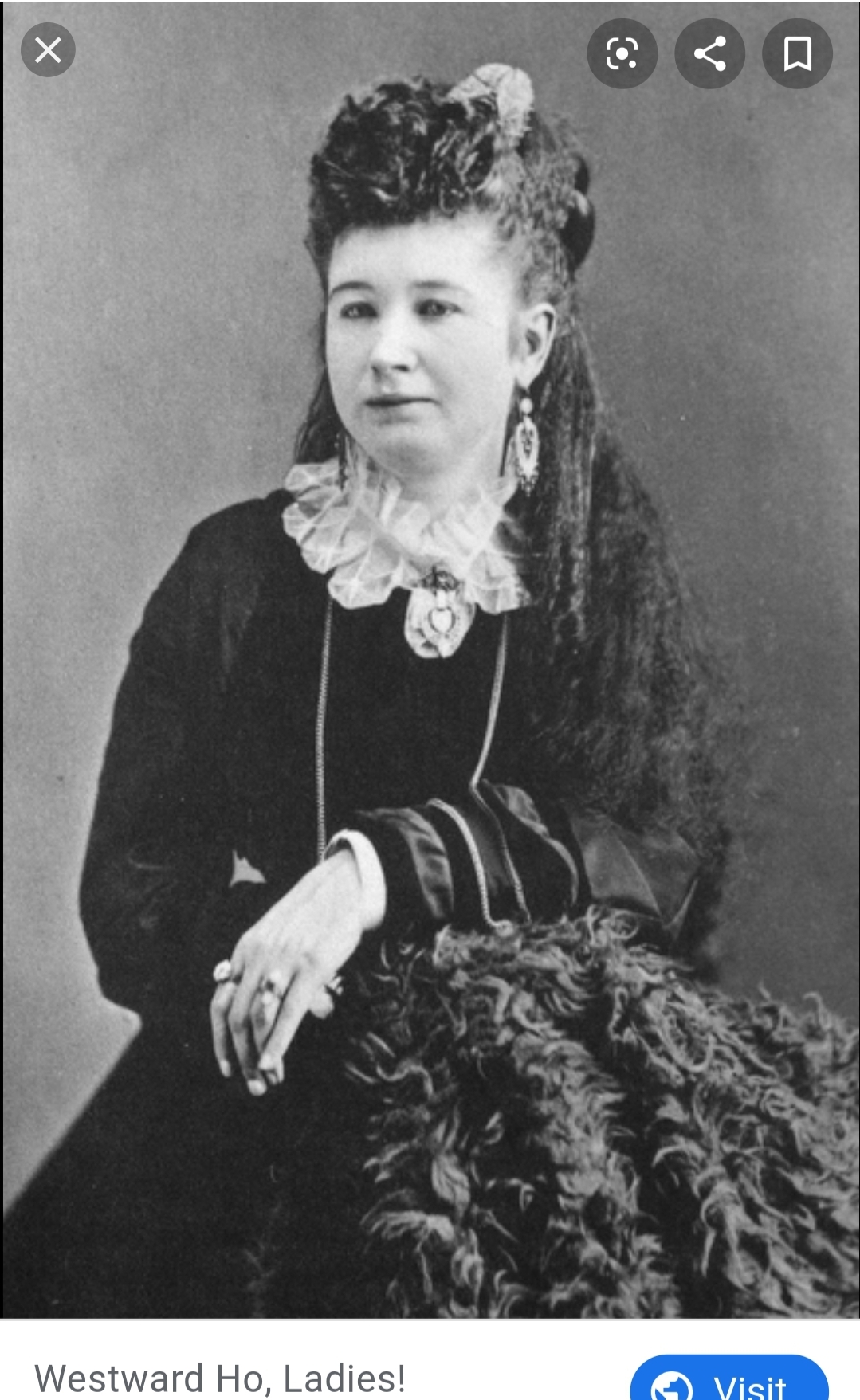
858) Josephine Hensley

Courtesy of Westward Ho, Ladies!

858: Josephine Hensley

The Most Influential Landowner in Helena, Montana

Born: 1844, Ireland*

Died: 25 October 1899, Helena, Montana, United States of America

Also Known As: “Chicago Joe” or Josephine Airey

Original Name: Mary Welch

Josephine changed her name from Mary to Josephine when she immigrated to the United States from Ireland in 1858. Her parents ensured Josephine was given a fine education in both regular and etiquette schools.

When Josephine was eighteen, she left home and traveled by train to Chicago, Illinois. Falling on hard times financially, Josephine turned herself out and became a prostitute. After a few years, Josephine heard of the gold rush hitting Montana and traversed to the territory.

At the age of twenty-three, Josephine opened the first brothel in Helena in a small log cabin. Josephine’s brothel took off in terms of popularity because she also employed an orchestra for additional entertainment.

By 1874, Josephine had a larger building to operate her brothel in. She also began investing in real estate. Four years later, Josephine married and opened both a dance hall and her famous “Red Light Saloon” with her husband’s help. Josephine soon also owned the Coliseum variety theatre and “Grand” bordello and became the largest landowner in Helena’s red-light district.

Josephine was so wealthy she often donated to charities and political campaigns. She was known for her extravagant dress and the parties she and her husband threw.

However, all the success wasn’t to last. In 1885, the Montana legislature instituted a ban, forcing all brothels in the territory to shut down. The news laws went after Josephine before anyone else. By then, she had gained a new nickname, “Queen of the Red-Light District.” When Josephine got her day in court, her attorney was able to ensure she got off Scott-free thanks to the fact the law stated the businesses to be shut down were “hurdy-gurdy” places. Josephine’s lawyer successfully argued Josephine had never operated her business as a “hurdy-gurdy” and the courts agreed.

For a time, Josephine laid low. She closed up shop for a time before quietly reopening as a “Variety Theatre” that also happened to provide, ehem, private services.

Josephine died in poverty after the money dried up following the Financial Panic of 1893. She was only fifty-six when she was struck down by pneumonia. Her brothel closed its doors with Josephine’s passing.

*Like Bridget Driscoll, Josephine Hensley’s exact place of birth other than “Ireland” does not survive. For this reason, I will list Josephine under the “Northern Ireland” and “Republic of Ireland” listings under Birth Locations on this website. One day, if the county Josephine was actually born in does surface, I will amend her entry accordingly.

Badges Earned:

Find a Grave Marked

Sources:

https://www.legendsofamerica.com/we-chicagojoe/

http://www.helenahistory.org/red_light_district.htm

https://en.wikipedia.org/wiki/Josephine_Airey

https://www.findagrave.com/memorial/83721110/josephine-hensley

857) Mary Ann Conklin

857: Mary Ann Conklin

Manager of Seattle’s First Known Brothel

Born: 1821, Bucks County, Pennsylvania, United States of America

Died: 1873, Seattle, Washington, United States of America

Also Known As: “Mother Damnable” or “Madame Damnable”

Mary was married (or at least in a relationship with) a sea captain. After he abandoned her in Washington state, Mary decided to support herself by going into business (one source says he never abandoned her at all and instead they both lived and worked in Seattle, but most conclude Mary was effectively single upon reaching Seattle). She hooked up with another captain, this one by the name of Felker, who owned a two-story lumber house in the small town of Seattle. Mary began working at Felker House when it was just a hotel, but soon oversaw the addition of a brothel to the second floor; the first brothel to operate in Seattle. Sadly, Felker House burned to the ground in the Great Fire of 1889.

Mary earned her nickname from her fiery temper and profane vocabulary—evidently, she could swear in English, French, Spanish, Chinese, Portuguese, and German. So, you know, that’s impressive.

Mary rented out two of the rooms in the hotel/brothel to also serve as the courthouse and juror room. She charged the provincial government $25 (some claim per day!) for the courthouse room and $10 for the room to house the jurors. As the years passed, Seattle residents transitioned from calling the building Felker House to instead referring to it as Conklin House or Mother Damnable’s.

Eleven years after she died, the cemetery Mary had been buried in was converted to a park, so all the coffins had to be moved. According to local legend, when they dug up her grave her entire body had turned to stone with the features intact.

Badges Earned:

Find a Grave Marked

Sources:

https://www.historylink.org/File/1934

http://pcad.lib.washington.edu/building/19134/

https://www.atlasobscura.com/articles/the-damnable-dames-who-helped-shape-seattles-character

https://www.findagrave.com/memorial/5103826/mary-ann-conklin

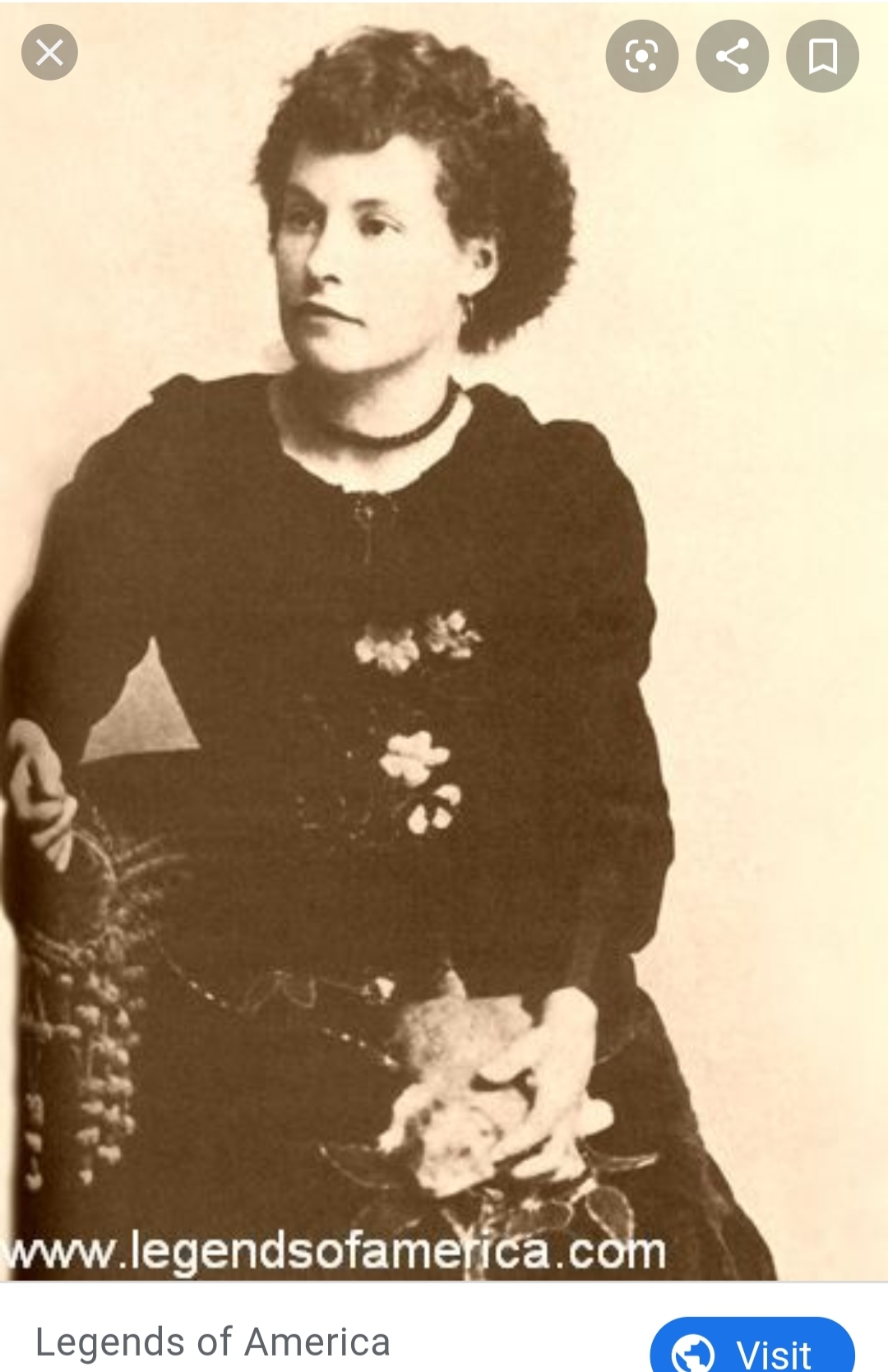
856) Libby Thompson

Courtesy of Legends of America

856: Elizabeth “Libby” Thompson

Madam, Prostitute, and Dance Hall Girl

Born: 15 October 1855, Belton, Texas, United States of America

Died: 13 April 1953, Los Angeles, California, United States of America

Full Name: Mary Elizabeth Haley Thompson

Also Known As: Squirrel Tooth Alice (I wish I was kidding)

Libby was taken captive by Comanche Native Americans as a girl after her family lost their fortune in the War Between the States. Libby was taken in 1864 and she would remain with her captors for three years.

When she was thirteen, Libby’s parents paid a ransom to get her back, but by then everyone assumed she’d “submitted sexually” to the Native Americans and was therefore an outcast. She was an actual child and white society ostracized her and threw her out for something that was literally not her fault. Gotta love people, right?

Libby soon found solace in an older man who didn’t care about her past, but her dad didn’t like her new relationship. Libby’s father shot and killed the guy which made Libby’s life even worse.

Then Libby ran away from home a year later to start over. She wound up in Abilene, Kansas, where she worked as a dance hall girl and prostitute. This was also when Libby got her nickname “Squirrel Tooth Alice.” The name came about from two reasons: the first, she had a huge gap in her teeth. The second, Libby liked to keep prairie dogs as pets and parade them around on leashes. Thankfully she didn’t end up with the moniker “Prairie Dog Tooth Alice.”

Eventually Libby got involved with William “Texas Billy” Thompson. This means Libby’s future brother-in-law was the more famous Ben Thompson, protector of women, gunslinger, and all around pretty cool dude.

Anyway, Libby wasn’t married to Ben, she was married to Billy. And Billy had some issues. They spent a few months together, traveling around while Billy worked as a cowboy and Libby a prostitute. After Libby gave birth to their first child, the two got hitched. But remember when I said Billy had some issues?

One day, Billy ended up getting drunk and shooting the sheriff, so Libby ended up on the run to Texas. Billy was eventually caught and extradited back to Kansas, where he stood trial for murder. Luckily for him, the shooting was ruled an accident and Billy was released.

Libby and her husband were married twenty-four years and ended up living well owning a brothel and ranch. She had nine children in total, but some claim three were fathered by men other than her husband (she had continued to work as a prostitute long after she got married).

Later in life, Libby’s daughters became prostitutes and her sons mostly turned to crime. Libby finally returned and moved to California, where she passed away in a nursing home.

Badges Earned:

Find a Grave Marked

Sources:

https://www.legendsofamerica.com/we-squirreltooth/

https://www.dodgeglobe.com/news/20170925/remembering-squirrel-tooth-alice

https://maggiemcneill.wordpress.com/2015/08/07/squirrel-tooth-alice/

https://www.findagrave.com/memorial/96310453/mary-elizabeth-thompson

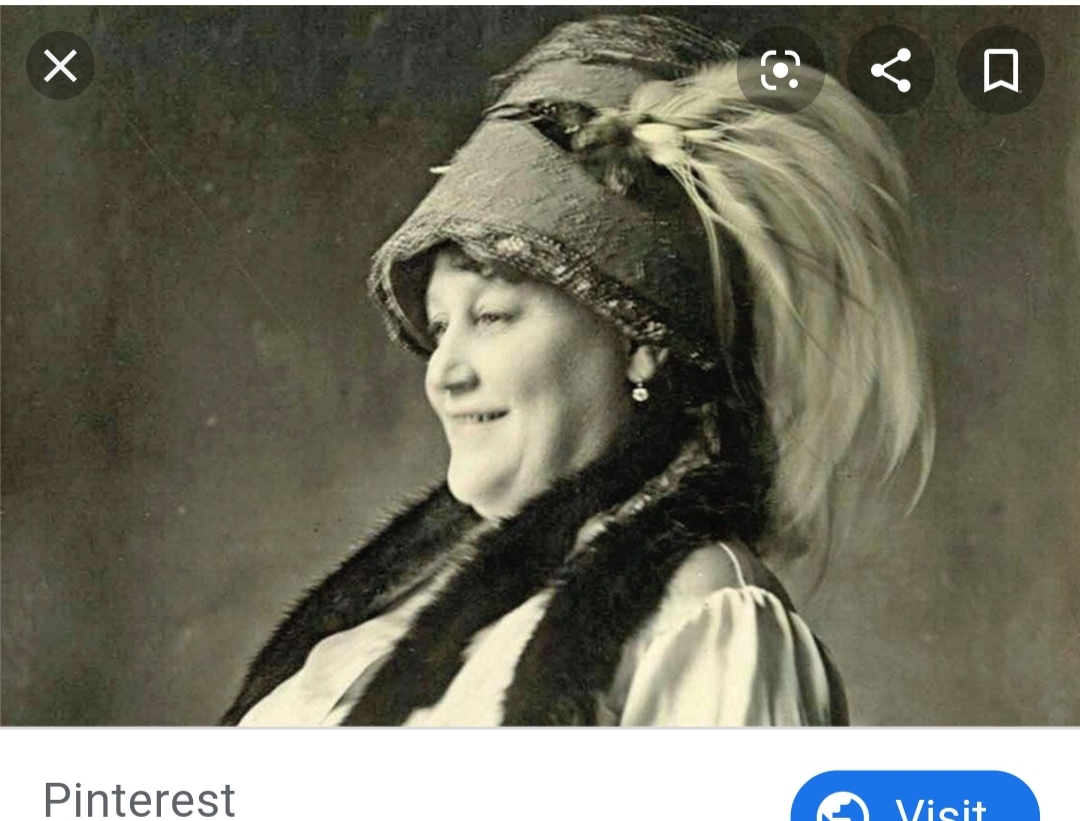
855) Dora DuFran

Courtesy of Pinterest

855: Dora DuFran

One of the Most Successful Madams in Deadwood

Born: 16 November 1868, Liverpool, England, United Kingdom

Died: 5 August 1934, Rapid City, South Dakota, United States of America

Also Known As: Dora Bolshaw

Original Name: Amy Helen Dorothea (or Dorothy) Bolshaw

Deadwood is one of the most famous towns associated with the Wild West in United States history.

In 1869, Dora immigrated to the United States with her parents. They eventually headed west and landed in Lincoln, Nebraska.

Before becoming a business owner, Dora had worked as a prostitute herself (one source claiming she started working in the world’s oldest profession when she was only thirteen, though others say fifteen). Dora also worked as a dancehall girl before settling in Deadwood at the age of fifteen.

When Dora decided she wanted to be a madam, it was her husband who gave his support and helped her open their first location. Dora and her husband would eventually own four brothels and several saloons. One of Dora’s weirdest claims to fame is her being friends with Calamity Jane who worked as a maid and prostitute in one of Dora’s brothels during the hard times. Calamity also, evidently, helped Dora gather other girls to work in the brothels. Dora's girls were known for being the cleanest and most professional prostitutes in the areas they served.

Dora gave financial help to those in need around her and was pretty much loved by all the miners and men in town.

After Calamity Jane and Dora’s husband passed away, Dora moved to Rapid City to oversee the brothel she ran there. The Rapid City brothel was extremely popular and survived the Prohibition Period thanks to it also serving as a speakeasy. The other brothels were located in Sturgis and Belle Fourche. The Belle Fourche location was called “Diddlin’ Dora’s” and advertised their services as the “Three D’s—Dining, Drinking, and Dancing—a place where you can bring your mother.”

Dora is buried beside her pet parrot and her husband (whom little else is known about), in the Mount Moriah Cemetery in Deadwood. Dora’s obituary claimed she was “a noted social worker.” She lays in good company; Wild Bill Hickok and Calamity Jane are buried in the same cemetery.

Dora has been credited as the inspiration behind the character Joanie Stubbs on the HBO series and film Deadwood. Dora has also been credited as coining the term “Cathouse” to mean a house of prostitution, however, there is no way to prove if Dora actually did first use the word in this reference.

Badges Earned:

Find a Grave Marked

Sources:

https://www.legendsofamerica.com/sd-deadwoodpaintedladies/2/

https://truewestmagazine.com/dora-dufran/

https://sites.google.com/site/samanthapattersonamh/marriage-among-prostitutes/madam-dora-dufran

https://www.sdstate.edu/south-dakota-agricultural-heritage-museum/national-history-day-south-dakota/dora-dufran

https://www.findagrave.com/memorial/8089519/dora-dufran

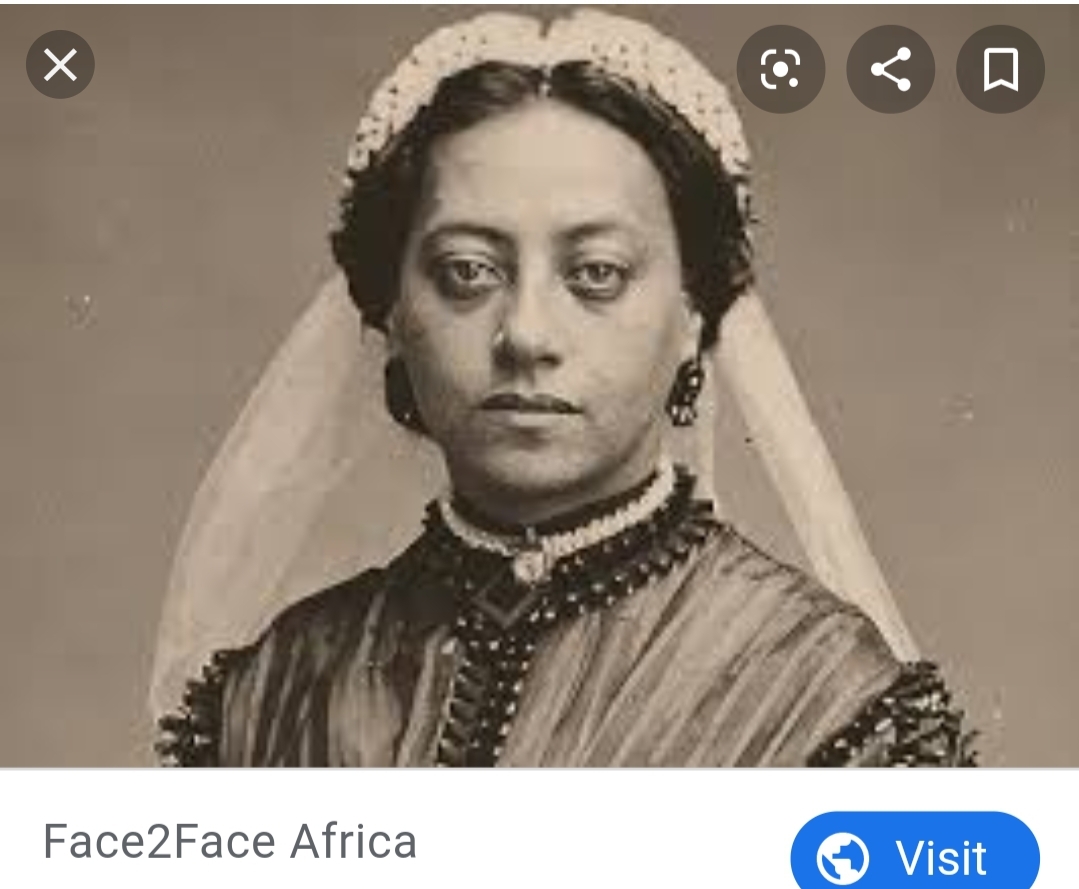
854) Mary Ellen Pleasant

Courtesy of Face2Face Africa

 “I’d rather be a corpse than a coward.”

854: Mary Ellen Pleasant

African American Entrepreneur & Abolitionist

Born: 19 August 1814, Augusta, Georgia, United States of America*

Died: 11 January 1904, San Francisco, California, United States of America

Mary Ellen listed ‘Capitalist by Profession’ as her official career description in the 1890 Census. Hell yeah she was.

Mary’s early life was spent as a domestic servant in Nantucket. She married her first husband sometime in the 1820’s and it is believed he either introduced Mary to the Underground Railroad or they met while working on it at different points. The railroad was an operation that helped slaves from the south escape north, sometimes as far as Canada. Mary would eventually become a major operator on the railroad and was one of the most active abolitionists in the United States before the War Between the States kicked off.

In the 1840’s, Mary’s husband died and left her quite a tidy sum of money. She would eventually remarry. After the Gold Rush hit California, Mary set off across the country to settle there in 1852. Mary decided she would make money by working as a laundress, cook, or any other position a woman could fill at the time. Mary quickly picked up a job as a cook and began to invest her inheritance money in everything from local laundromats to Wells Faro. While in California, Mary continued her work in the abolitionist movement and used her connections to forge a partnership with a white male banker. This was highly unusual for the time but their purely business partnership would last until his death decades later.

Mary also invested in infrastructure for African Americans, some of whom were escaped slaves. She built safe houses and helped ensure her fellow people had a safe place to stay and access to the things they would need to start over. Mary would also help financially whenever an African American person needed legal assistance; including in the infamous Archy Lee case from 1857, where the judge ruled that even though Archy Lee was free by California’s status as a free state, he would ignore that fact because Archy’s owner was in need of a slave. That’s nice. Luckily Archy was eventually reassured of what was already legally proven--he was free! It was work like this that helped ensure Mary’s place in San Franciscan society would grow.

Mary also financially supported the notorious John Brown of the failed Harper’s Ferry Raid. Mary herself claimed she donated $30,000 (or around $900,000 today) towards the raid’s attempt to forcibly free slaves across the state. While there is no concrete evidence to support just how much Mary contributed, most historians agree it would have been a substantial amount.

After the end of the War Between the States, Mary’s financial situation improved even more; eventually Mary became a multi-millionaire. She opened boarding houses, chains of laundromats, and restaurants and continued to slip further into the highest ranks of San Franciscan society. By that point, Mary was considered to have more dirt on the highest-ranking members of Californian society than anyone else.

Mary’s lawsuit in 1866 helped end segregation on public transportation in San Francisco. Mary would eventually earn the title “Mother of Civil Rights” in California thanks to the suit. This all came about after a streetcar refused to allow Mary to ride. A white woman whom Mary had once worked as a domestic servant testified on Mary’s behalf in the case, which dragged on for two years. Unfortunately, the woman referred to Mary as “Mamma” and several other white people over the years would call her “Mammy”, but the point still stands, and Mary made public transportation for African Americans that much safer and more accessible.

In case you’re wondering, this is how Mary felt about being referred to as Mammy: “I don’t like to be called mammy by everybody. Put that down. I am not mammy to everybody in California. I got a letter from a minister in Sacramento. It was addressed to Mammy Pleasant. I wrote back to him on his own paper that my name was Mrs. Mary E. Pleasant. I wouldn’t waste any of my paper on him.”

Mary’s name would be dragged through the mud over and over again. She was accused of casting spells, poisoning food, baby farming, using Voodoo, and more—all because she was an African American woman with a large sum of money and a good deal of influence.

In the 1880’s, people started a smear campaign against Mary and damaged her reputation which she never came back from. This started with a nasty divorce case (Sharon v Sharon) before eventually spinning around to that white banker businessman I mentioned earlier. Mary had built a large mansion style home in which she lived with her business partner and his entire family. American society couldn’t believe a respectable white family would willingly live with a woman of color, and so rumors began to spread that Mary had the Bell family under her spell.

In 1892, Mary’s business partner died. Suddenly, his widowed wife came forward to declare the rumors were true. Mary had stolen tens of thousands of dollars from the now dead man and had kept him under a spell for decades. The court began to tear into Mary’s financials, and it was hard to see where Mary’s financial statements ended and where her old partners began. Even though Mary had financed and paid for the mansion, the courts ordered her to move out and handed the deed over to the vindictive widow. Rumors continued to swirl; including things like Mary had abused the children and murdered her business partner by pushing him down the stairs. In the widow’s diary, she described Mary as “A demon from first to last.”

Wow lady tell us how you really feel.

Mary spent her last years watching her fortunes begin to dwindle. She lived with friends, and while she didn’t die impoverished, Mary’s personal wealth had definitely declined. The San Francisco Examiner entitled her obituary, “Mammy Pleasant Will Work Weird Spells No More.”

Mary was described by WEB DuBois thusly: “Quite a different kind of woman and yet strangely effective and influential… Here was a colored woman who became one of the shrewdest business minds of the State. She anticipated the development in oil. She was the trusted confidante of many of the California pioneers such as Ralston, Mills and Booth, and for years was a power in San Francisco affairs. Throughout a life that was perhaps more than unconventional, she treasured a bitter hatred for slavery and a certain contempt for white people.”

It took until 1965 for Mary’s final wish to be fulfilled. The words, “She was a Friend of John Brown” were finally added to her gravestone.

Mary's story is recounted on an episode of Don Wildman's show Mysteries at the Museum. 

*Mary’s actual place of birth is disputed. Find a Grave lists her place of birth as Augusta, Georgia while others claim Virginia. Mary herself stated her place of birth was Philadelphia in the year 1812.

Badges Earned:

Find a Grave Marked

Located In My Personal Library:

Wild West Women by Erin Turner

Scandalous Women: The Lives and Loves of History's Most Notorious Women by Elizabeth Kerri Mahon

America's Women: 400 Years of Dolls, Drudges, Helpmates, and Heroines by Gail Collins

Sources:

https://www.theparisreview.org/blog/2017/06/02/a-girl-full-of-smartness/

https://www.nytimes.com/interactive/2019/obituaries/mary-ellen-pleasant-overlooked.html

https://www.cnbc.com/2020/02/14/how-mary-ellen-pleasant-became-one-of-the-first-black-millionaires.html

https://www.findagrave.com/memorial/8235492/mary-ellen-pleasant

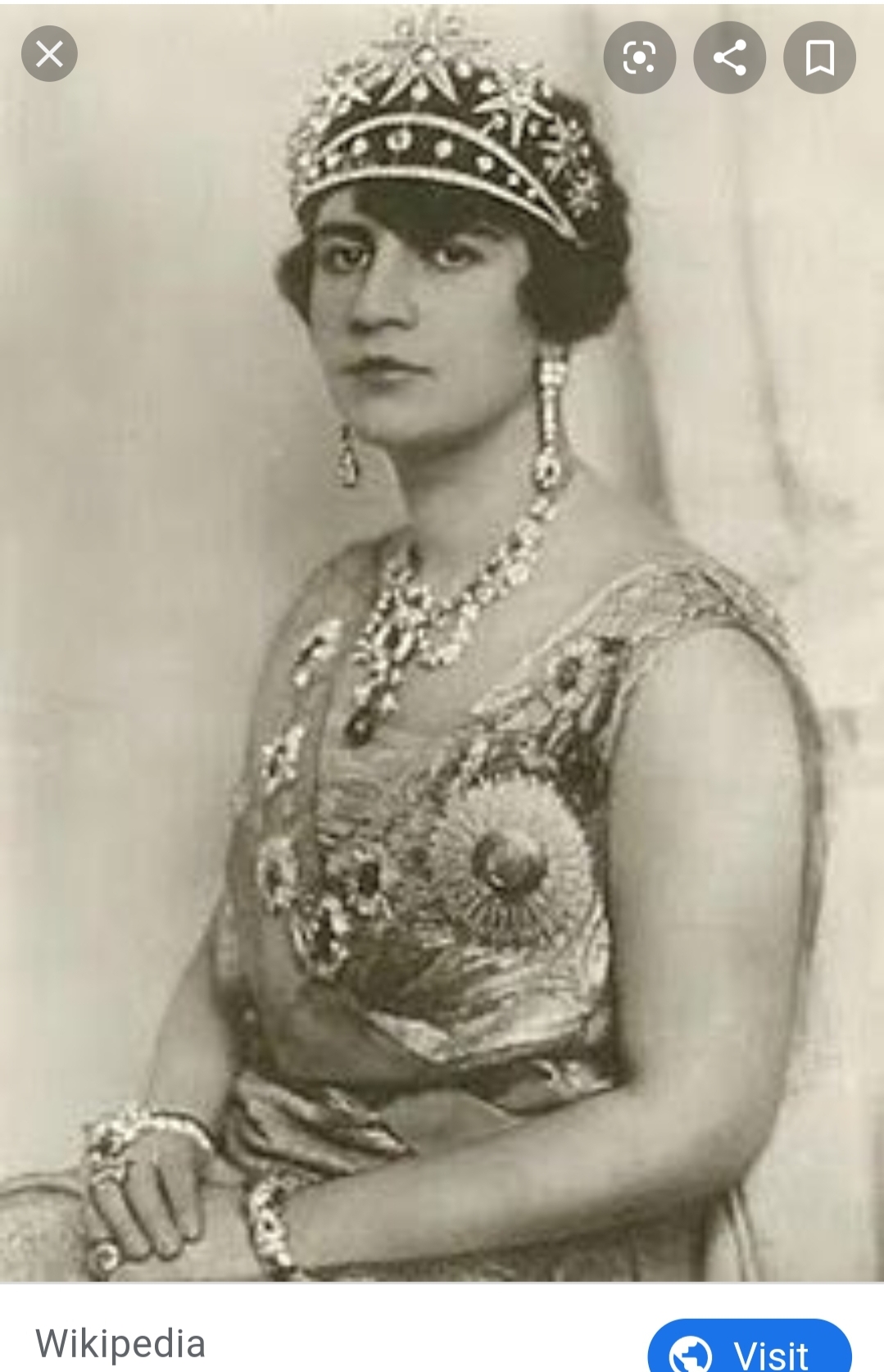
853) Soraya Tarzi

Courtesy of Wikipedia

853: Soraya Tarzi

The First Queen Consort of Afghanistan

Born: 14 November 1899, Damascus, Ottoman Empire (Present-day Damascus, Syria)

Died: 20 April 1968, Rome, Italy

Soraya fought for women’s equality, education rights, and more in her country.

Soraya’s father was a liberal-minded thinker and politician. He was a firm advocate for the modernization of Afghanistan, and so Soraya learned directly from him. She would meet and later marry her husband, the future king, in 1913.

Soraya’s husband (the king--Amanullah Khan) was the ruler who declared independence from Britain; which they won after a brief but intense war. Soraya would serve her country as queen consort from 1919 to 1929 and became the first Muslim consort to appear in public alongside her husband. She would appear in cabinet meetings, attend hunting parties, and partook in military parades.

The new Afghani government immediately started issuing reforms like abolishing slavery, forbidding torture, doing away with child marriage, making polygamy illegal and burqas optional, and welcoming all religions. They also ensured the right of citizens to charge officials with corruption.

As the new Minister of Education, Soraya was passionate about educating girls, and she opened the first school for girls in the country. She also encouraged women to enter politics and founded magazines for women, including Ershad-I-Niswan or Guidance for Women, which Soraya created with her mother. Then Soraya formed an all-female secret-service and a court system specifically for women who’d been abused and were seeking a divorce.

To celebrate these new victories Soraya and her husband tried to bring in European countries to become their allies; which angered the already miffed Conservative rural areas of the country.

When the King returned to Afghanistan from his European travels, he issued even more mandates (like increasing taxes, mandating co-education in schools, and creating a social security type pension) and Soraya publicly took off her veil (which was a huge no-no, as you can imagine). Unfortunately, while these new rules and regulations helped the cities, the Afghani people in more rural areas did not benefit and became frustrated with a major interruption to their way of life.

A Conservative rebel overthrew the Monarchy entirely after Soraya’s husband abdicated, and a pregnant Soraya had to flee with her husband soon following. The new rebel leader undid everything Soraya and her husband had worked so hard for. He enforced Islam as the state religion, closed all the new schools, abolished new taxes, enforced the veiling laws once again, shut down any unfriendly press, removed the right to vote from women, banned western-style clothing, and more. The new leader went as far as to expel all foreign diplomats (save the British) and even instituted a travel ban. Within nine months, that whacko was overthrown; however, Soraya and her husband were never able to return to their beloved Afghanistan.

Soraya spent the rest of her life in exile. In the final years before her death, she watched with hope as Afghanistan began to reintroduce the things Soraya and her husband had first brought about forty years before. Unfortunately, after the United States and the USSR got involved, things quickly regressed in Afghanistan, and women are still far from equal to men in 2020.

In 2020, Time announced they would be honoring one hundred women from history representing every year from 1920 to 2019. Soraya was chosen to represent the year 1927, the year after she was named Minister of Education.

Badges Earned:

Find a Grave Marked

Rejected Princess

Located in My Personal Library:

Tough Mothers by Jason Porath

Time Magazine's 100 Women of the Year (Alice appears in the 1927 article, "Queen Soraya Tarzi")

Sources:

https://time.com/5792702/queen-soraya-tarzi-100-women-of-the-year/

https://www.afghan-web.com/biographies/biography-of-soraya-tarzi/

https://www.rejectedprincesses.com/princesses/soraya-tarzi

http://www.tarzi.net/people/historical/SorayaTarzi.html

https://www.findagrave.com/memorial/113810861/soraya-tarzi

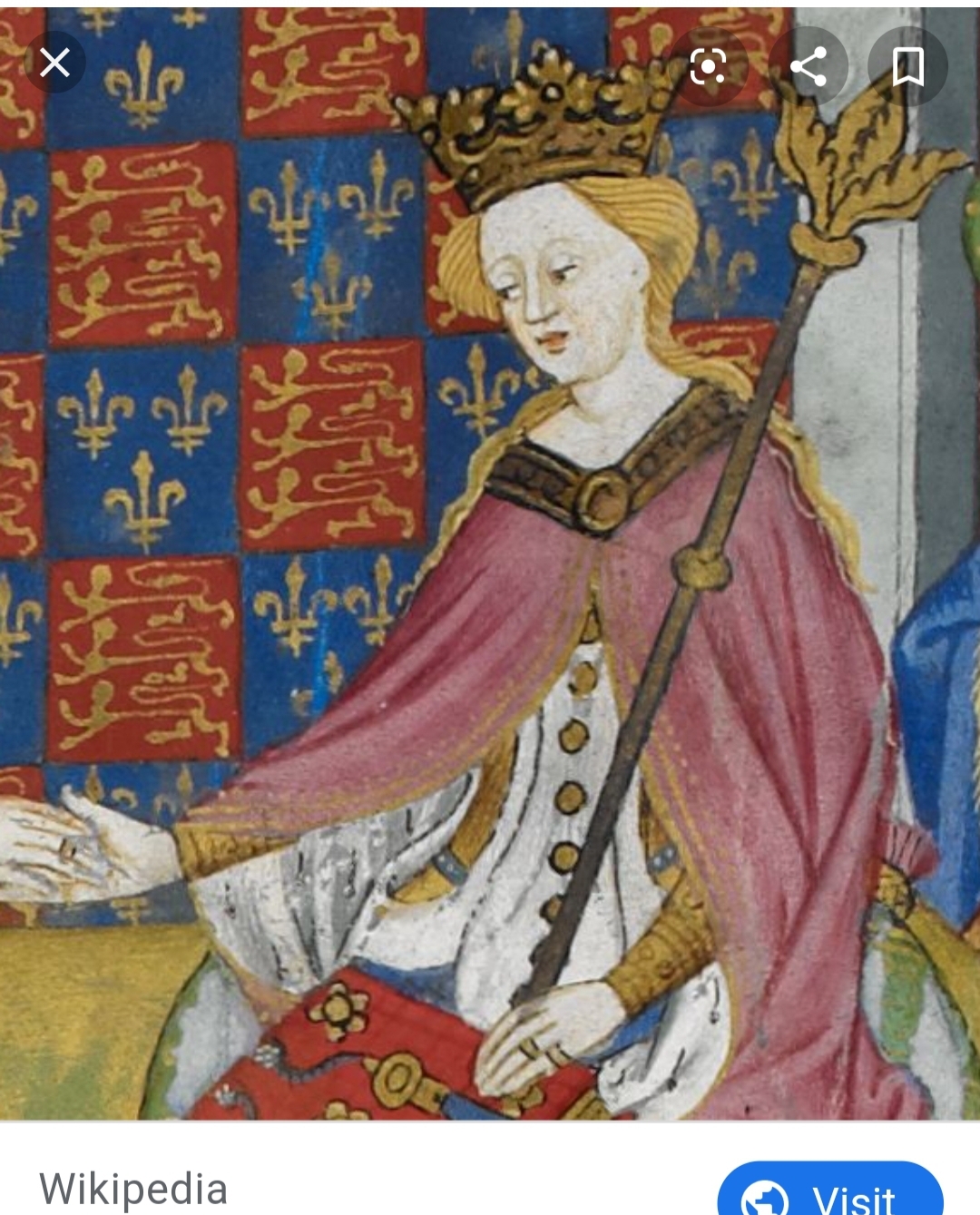
852) Margaret of Anjou

Courtesy of Wikipedia

852: Margaret of Anjou

Queen of England Who Ruled in Her Husband’s Favor During His Bouts of Insanity

Born: 23 March 1429/1430, Lorraine, France (Sources differ)

Died: 25 August 1482, Anjou, France

Margaret was also a pivotal figure in the Wars of the Roses and is recognized as the leader of the Lancastrian faction.

Margaret’s marriage to Henry VI was supposed to help secure the truce secured between France and England near the end of the Hundred Years’ War. Margaret’s father was the king of Naples, Sicily, and Jerusalem, but in reality, was more of a peasant soldier who spent large periods of time in prison. Margaret watched as her mother (who was Duchess of Lorraine in her own right) and grandmother took over and ruled in her father’s place, and so when the time came, Margaret was ready to do the same for her husband. Oh, and her aunt was married to the King of France, so you know, that helps.

Margaret was fifteen when she married Henry VI, and she was immediately unpopular in her home country. Unfortunately for Margaret, her father’s lack of money meant she was given to Henry with no dowry. Instead, England would give up control of the occupied areas of Maine and Anjou in France. When the English public learned this, most decided Margaret wasn’t worth it.

Henry wasn’t much of a catch either. He was the child of Catherine of Valois (whose brother was the king of France) and Henry V, the famed English king who won the day at the bloody Battle of Agincourt. Henry VI became king at the grand old age of—nine months! Yes, it’s true; Henry V died of dysentery while on campaign in France, leaving the infant son he never had a chance to meet as the new king. Henry VI was the youngest minor to ever achieve the throne of England, and he also was far from the tough and imposing figure his father was. In actuality Henry was a pushover; there’s no nicer way of saying it.

Margaret and Henry spent eight years of marriage before a child was born to them. Henry was completely faithful to his wife, a rarity in the Middle Ages, but this was less a romantic gesture and more because of Henry’s well-known revulsion for the naked human body. No wonder it took eight years for a child to be born to the pair (and even then, some claimed at the time and still today that Henry could not have been the father. Two other men have been named as possible fathers, but there’s no solid evidence either way and Henry accepted the child as his own, so…).

Only a few months after Margaret realized she was pregnant; Henry VI fell into a famed eighteen-month long stupor. This occurred after the English lost the last of their grand territories in France; the final nail in the coffin and the end of the Hundred Years’ War. Henry had lost almost everything his father had fought so hard to gain and couldn’t deal with it. His son, whom Margaret christened Edward, was born in the middle of Henry’s stupor, but even the birth of his child wasn’t enough to wake him.

With Edward brought safely into the world, Margaret decided to use her infant son and invalid husband to her advantage. By that point, political tensions in England were rough, and the Yorks were adamant they be given more control in Henry’s mental absence. Margaret did her best to rebuff the men she saw as enemies and attempted to pass five articles which would give her practically total control of the country. The articles were thoroughly rejected, but you cannot blame her for trying.

Eventually Henry woke up, but he still wasn’t strong enough to end the political minefield England had become. Bloody conflicts and riots broke out across the country, and the aforementioned Yorks began to grow in number and power. After the battle of St. Albans, in which the Yorks lost some of their popularity after they killed some of the other nobles despite winning the battle, Margaret seized the day and quickly became the most powerful political figure in the realm. It was at this moment when she really took over for her lackluster husband.

To punish the Yorks, Margaret oversaw a bill of attainder that stripped the Yorks of their properties and other properties. This really rubbed the Yorks wrong and made them hate Margaret even more. Soon after, another battle broke out in the town of Towton which made Margaret and Edward flee to Scotland. Soon after that another invasion force compelled Margaret and her young son Edward to flee again, this time across the channel to France. Henry was left behind in Scotland.

At this time, the rival and new leader of the Yorkist Faction took the throne of England as Edward IV. Edward would eventually marry Elizabeth Woodville.

Eventually, Edward IV would be temporarily tossed from the throne with Henry VI put back in his “rightful” place. However, this didn’t last very long, and Edward was able to retake control of the country. Henry was murdered in the Tower of London to get him out of the way, permanently.

Margaret would also lose her son, Edward. He was captured and killed at the Battle of Tewkesbury in 1471, just before his own father’s murder. Margaret herself would be imprisoned for a time before finally being released after the King of France intervened four years later in return for taking Margaret’s inheritance. Margaret would live out the rest of her days in relative poverty in France. To add insult to injury, her tomb was looted during the French Revolution.

Margaret is also remembered for founding Queens College Cambridge in 1448. She was devoted to hunting and reading, and even though she was not victorious in taking back her throne, she should be remembered for being tough, insightful, and politically savvy in an age when the majority of European women couldn’t even read or write.

The YouTube Channel “Real Royalty” has uploaded a four-part documentary series chronicling the events of the Wars of the Roses. I went ahead and created a playlist of them, which you can reach here.

Badges Earned:

Find a Grave Marked

Located In My Personal Library:

Eleanor, the Secret Queen: The Woman who Put Richard III on the Throne by John Ashdown-Hill

Lost Bodies by Jenni Davis

Powers & Thrones: A New History of the Middle Ages by Dan Jones

Warrior Queens by Antonia Fraser

The Wars of the Roses by Dan Jones

The Woodvilles: The Wars of the Roses and England's Most Notorious Family by Susan Higginbotham

Sources:

https://www.britannica.com/biography/Margaret-of-Anjou-queen-of-England

https://www.philippagregory.com/characters/margaret-danjou

http://www.englishmonarchs.co.uk/plantagenet_26.html

https://www.historyofroyalwomen.com/margaret-of-anjou/margaret-of-anjou-the-forgotten-she-wolf/

https://www.findagrave.com/memorial/8375049/margaret_of_anjou

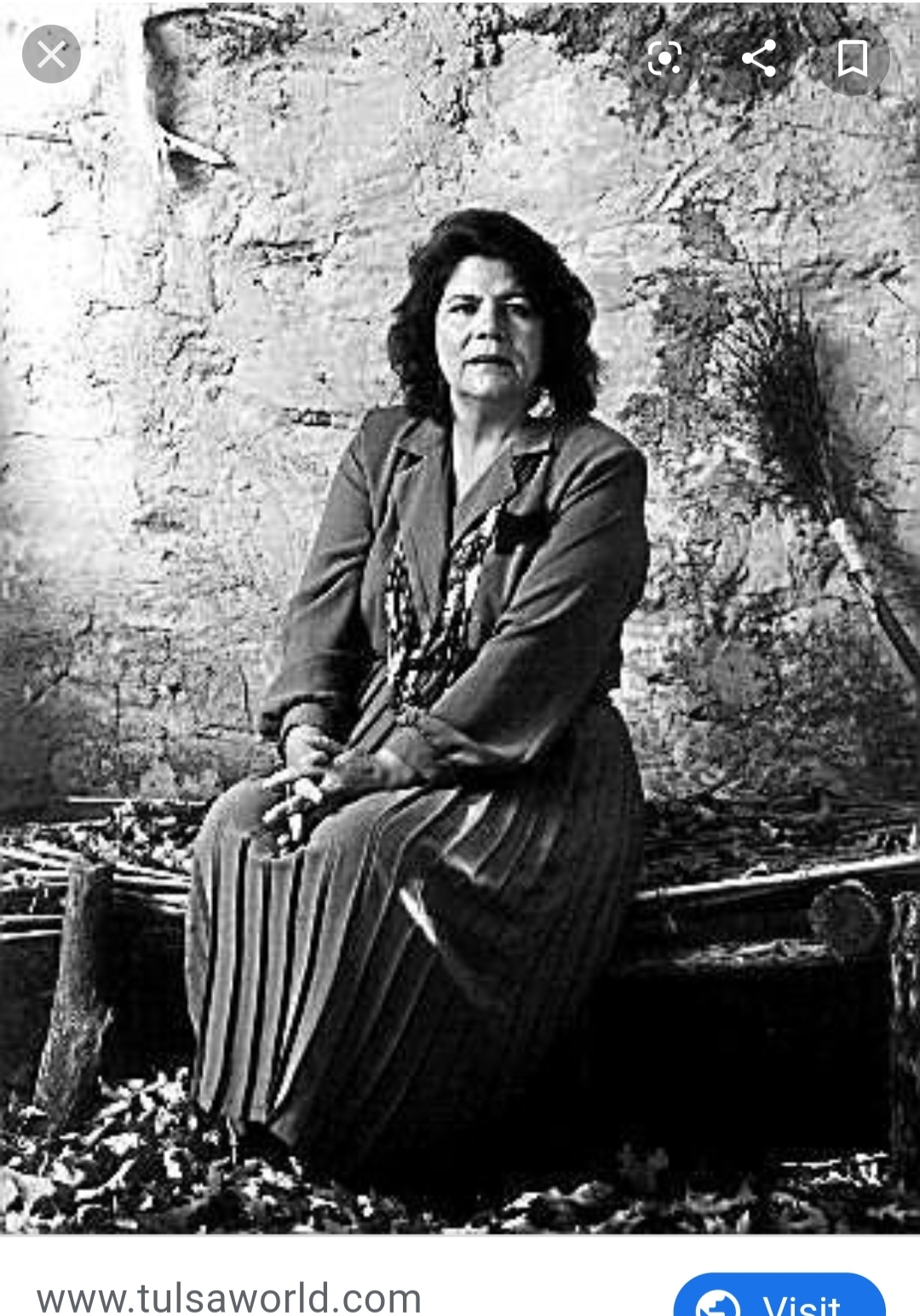
851) Wilma Mankiller

Courtesy of Tulsa World

 “Prior to my election, Cherokee girls would have never thought that they might grow up and become chief.” 

851: Wilma Mankiller

The First Female Chief of the Cherokee Nation

Born: 18 November 1945, Tahlequah, Oklahoma, United States of America

Died: 6 April 2010, Stilwell, Oklahoma, United States of America

Wilma was born dirt poor on a farm in what used to be the “Indian Territory,” but is today a part of the Cherokee Reservation and tribal land. She had no telephone, no indoor plumbing, and no electricity. Wilma’s father was full-blooded Cherokee, but her mother was European, and Wilma was the sixth of eleven children born to their family. Her great-grandfather had survived the infamous Trail of Tears march, in which the president of the United States, Andrew Jackson, forced thousands of Native Americans, including the Cherokee, to march thousands of miles across rough terrain in the middle of winter with no food or supplies to their new reservation lands.

In 1963, Wilma married an Ecuadorean man and had two daughters. Around that same time, she became involved with Native American activism that was sweeping the nation, most notably in the Occupation of Alcatraz Island in San Francisco Bay. Wilma became inspired by the activists and also began attending night school for higher learning. As Wilma watched the occupation of Alcatraz, she realized she needed to step up and fight for her fellow Native people. Her husband disagreed. After her divorce came through in 1977, Wilma and her girls returned to Cherokee land to live for the first time since Wilma’s family moved away over twenty years before. Wilma remarried to a full-blooded Cherokee man, who was fluent in their language and knew their culture and customs well.

In 1983, Wilma became the first female deputy-Chief of the Cherokee nation after joining the ticket of the incumbent chief in his reelection campaign. Wilma worked hard to improve sanitation and water conditions across the reservation. Two years later, when the chief was called to head the US Bureau of Indian Affairs, Wilma stepped into the role of Chief (and two years later was elected in her own right).

Wilma was the first elected female chief of a Native American nation in modern times. She served as Chief Principal of the Cherokee for ten years from 1985 to 1995 (Stepping down because of health concerns). During her second campaign in 1991, Wilma secured 83% of the vote. Wilma urged and encouraged her people to be self-sufficient and also hang on to their customs and traditions. She tripled enrollment into the tribe and oversaw vast improvements to her people’s welfare and way of life on the reservation. Wilma also oversaw the signing of a piece of legislation in which the Bureau of Indian Affairs turned over control of millions of federal dollars for the tribe to use at their own discretion. In total, the Cherokee Nation encompasses 300,000 members, and Wilma watched over them all. The Cherokee are the second largest tribe in the United States.

Wilma was awarded the Presidential Medal of Freedom for her activism work in the cause of Women’s Rights and Native American Rights. She was also inducted into the National Women’s Hall of Fame, the Oklahoma Hall of Fame, and the Oklahoma Women’s Hall of Fame. Wilma also published an autobiography and worked as a guest lecturer at Dartmouth College in the years after she stepped down as chief.

When asked how she got the surname Mankiller Wilma would tell people, “I Earned It.”

In 2023, Mattel announced Wilma would be honored with a new Barbie doll from the Inspiring Women Series.

Badges Earned:

Find a Grave Marked

Located In My Personal Library:

Malinche, Pocahontas, and Sacagawea: Indian Women as Cultural Intermediaries and National Symbols by Rebecca Kay Juger

Time Magazine's 100 Women of the Year (Wilma appears in the 1985 article, "Wilma Mankiller”)

Women in American Indian Society by Rayna Green

Sources:

https://www.womenon20s.org/wilma-mankiller

https://www.womenshistory.org/education-resources/biographies/wilma-mankiller

https://www.okhistory.org/publications/enc/entry.php?entry=MA013

https://www.findagrave.com/memorial/50707945/wilma-pearl-mankiller

https://www.kold.com/2023/11/08/new-barbie-honors-first-female-cherokee-chief-wilma-mankiller/

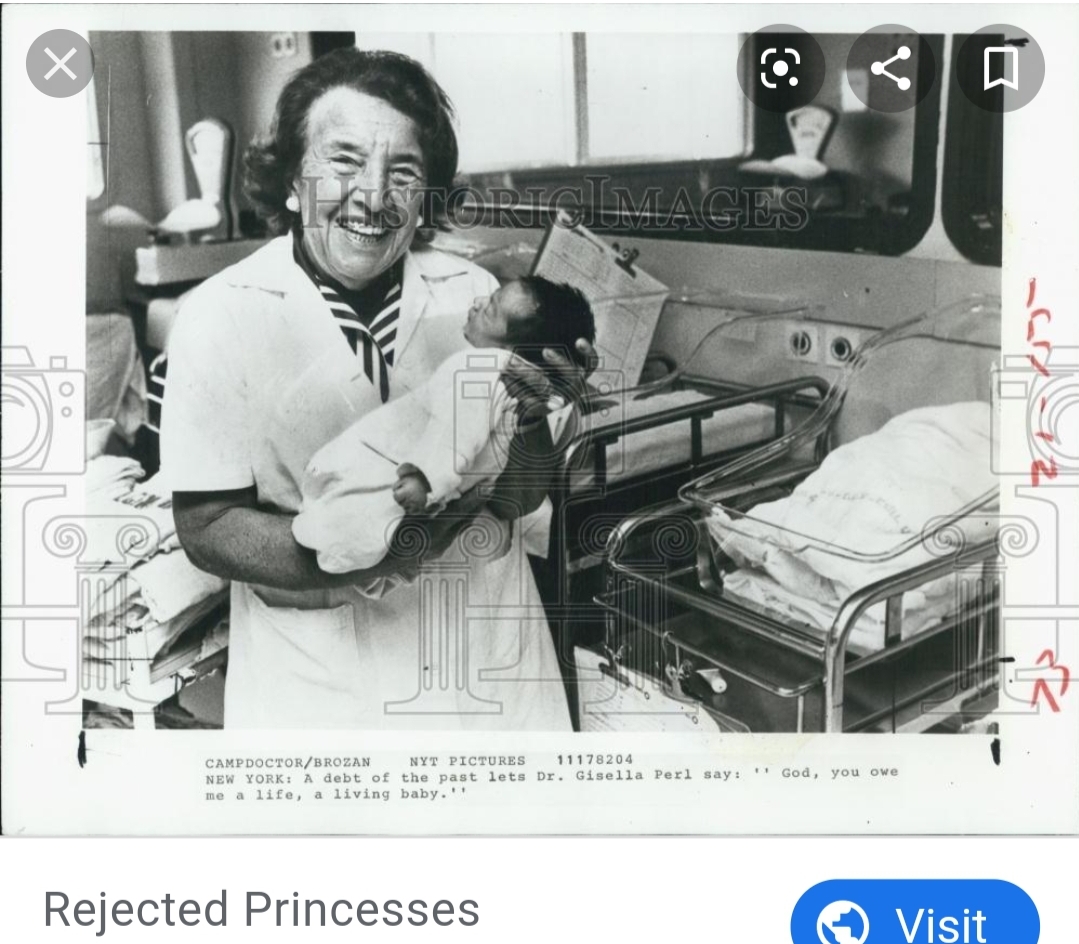
850) Dr. Gisella Perl

Courtesy of Rejected Princesses

“I swear on this [prayer] book that wherever life will take me, under whatever circumstance, I shall always remain a good, true Jew.”

850: Gisella Perl

Gynecologist and Prisoner in Auschwitz Concentration Camp

Born: 1907, Maramarossziget, Hungary (Present-day Sighet Marmatiei, Maramureș, Romania)

Died: 30 November 1988, Jerusalem, Israel

Gisella’s father was a Rabbi, and Gisella herself was a gifted student. When she was sixteen, she became the only woman and only Jewish student to graduate from her secondary school. She spoke Yiddish, German, French, Hungarian, Romanian, and eventually English. At first, Gisella’s father did not want to allow her to go to medical school, for fear it would make her lose her faith in Judaism. However, after Gisella convinced her father nothing would make her lose her faith, he relented, and sent her to school.

After a time, when Gisella was given her first payment from a patient, she thanked her father with a prayer book engraved with his name. Gisella would later say her father went into the gas chamber holding that very prayer book.

In 1944, Gisella was working as a gynecologist in a ghetto in occupied Hungary. Her husband was a surgeon and they had one son and one daughter. One day, Gisella, her husband, her son, her parents, and her extended family were all rounded up and sent to Auschwitz. Gisella’s daughter was spared because she was hidden with a Gentile family.

Upon arrival in the camp, Dr. Mengele assigned Gisella to work in the camp hospital. At first, she did basic wound care like cleaning wounds and providing bandages. However, things soon changed. Dr. Mengele informed Gisella she would need to inform him of any pregnant woman discovered in the camp. He claimed the women would be transferred to a special are of the camp and given better nutrition for their babies. Instead, Gisella learned they were all either transferred to the medical experiment block or beaten and tossed into the crematoria, sometimes while still alive. Gisella made the decision and performed hundreds of abortions to save the mother’s lives. When the mothers were too far along for an abortion to be possible, Gisella would assist in the birth and then smother the child before any other harm could befall them. Because of her work, she was called the Angel of Auschwitz.

According to Jewish faith the abortions were permitted because they saved the mother’s life (if they had been discovered pregnant the mother most likely would have ended up in the clutches of Dr. Mengele).

Near the end of the war, Gisella was transferred twice and eventually wound up in Bergen-Belsen, where she was liberated. Earlier that day, Gisella delivered the first free baby born in the camp. She spent months searching for her family, and while Gisella would one day learn her daughter had survived, the rest of her family had perished in the camp. The only other member of Gisella’s family to survive was her sister Rose, who had traveled to then-Palestine in 1938 in order to study there.

In 1947, Gisella attempted suicide, weighed down by what she had done and all the horrors she had seen and been dealt during the Shoah. Later that year, she was invited to the United States to speak on behalf of the six million whose voices had been silenced during those dark days. Eleanor Roosevelt invited Gisella to lunch, and Gisella at first declined by saying she was kosher. When Eleanor insisted, Gisella relented and appeared to find Eleanor had provided a kosher meal for her. According to Gisella, it was Eleanor who got her back to work by saying, “Stop torturing yourself; become a doctor again.”

In 1951, Gisella was granted citizenship in the United States. She began working at Mount Sinai hospital in New York, where she specialized in infertility. She would eventually open a private practice on Park Avenue. She would author or co-author nine papers on diseases that commonly affected pregnant women.

Gisella went on to deliver over 3,000 babies after the war in the hopes of helping repopulate the Jewish people and give penance to what she had done in the camps. Each time she entered a delivery room, Gisella prayed, “God, you owe me a life—a living baby.”

In 1979, Gisella moved to Israel to live with her daughter and grandson. She explained her move by saying the last words she explained with her husband and father were, “We will meet someday in Jerusalem.”

Her memoire/autobiography was called “I was a Doctor in Auschwitz.” Published in 1948, the account was one of the earliest accounts of the Shoah published and one of the only to recount the horrors of the sexual violence inflicted on female inmates.

Gisella’s story is even more interesting when compared with that of Stanislawa Leszczynska, who was known as the Midwife of Auschwitz for her work in helping deliver babies for women who were much further along in their pregnancies when brought to the camp. Both women were angels and saviors to the women they served and should be honored today.

Badges Earned:

Find a Grave Marked

Located In My Personal Library:

Birth, Sex, and Abuse: Women's Voices Under Nazi Rule by Beverley Chalmers

Sources:

https://www.history.com/news/auschwitz-doctor-prisoner-saved-womens-lives-gisella-perl

https://www.nytimes.com/1982/11/15/style/out-of-death-a-zest-for-life.html

https://www.bbc.com/future/article/20200526-dr-gisella-perl-the-auschwitz-doctor-who-saved-lives

https://www.findagrave.com/memorial/137066237/gisella-perl

  • Previous
  • 1
  • …
  • 38
  • 39
  • 40
  • 41
  • 42
  • 43
  • 44
  • …
  • 159
  • Next

Categories

Archives

  • July 2025 (10)
  • July 2024 (1)
  • January 2024 (1)
  • August 2023 (1)
  • June 2023 (2)
  • October 2022 (1)
  • July 2022 (1)
  • June 2021 (3)
  • December 2020 (3)
  • August 2019 (1)
  • July 2019 (2)

Search

© 2026 The Exasperated Historian | Powered by Minimalist Blog WordPress Theme