The Exasperated Historian
Menu
  • Home
  • The Women’s List (New)
  • The Men’s List
  • The Animal List
  • Collections
  • The Blog
  • Contact Us
  • FAQ
Menu

Category: Birth Locations

879) Clara de la Rocha

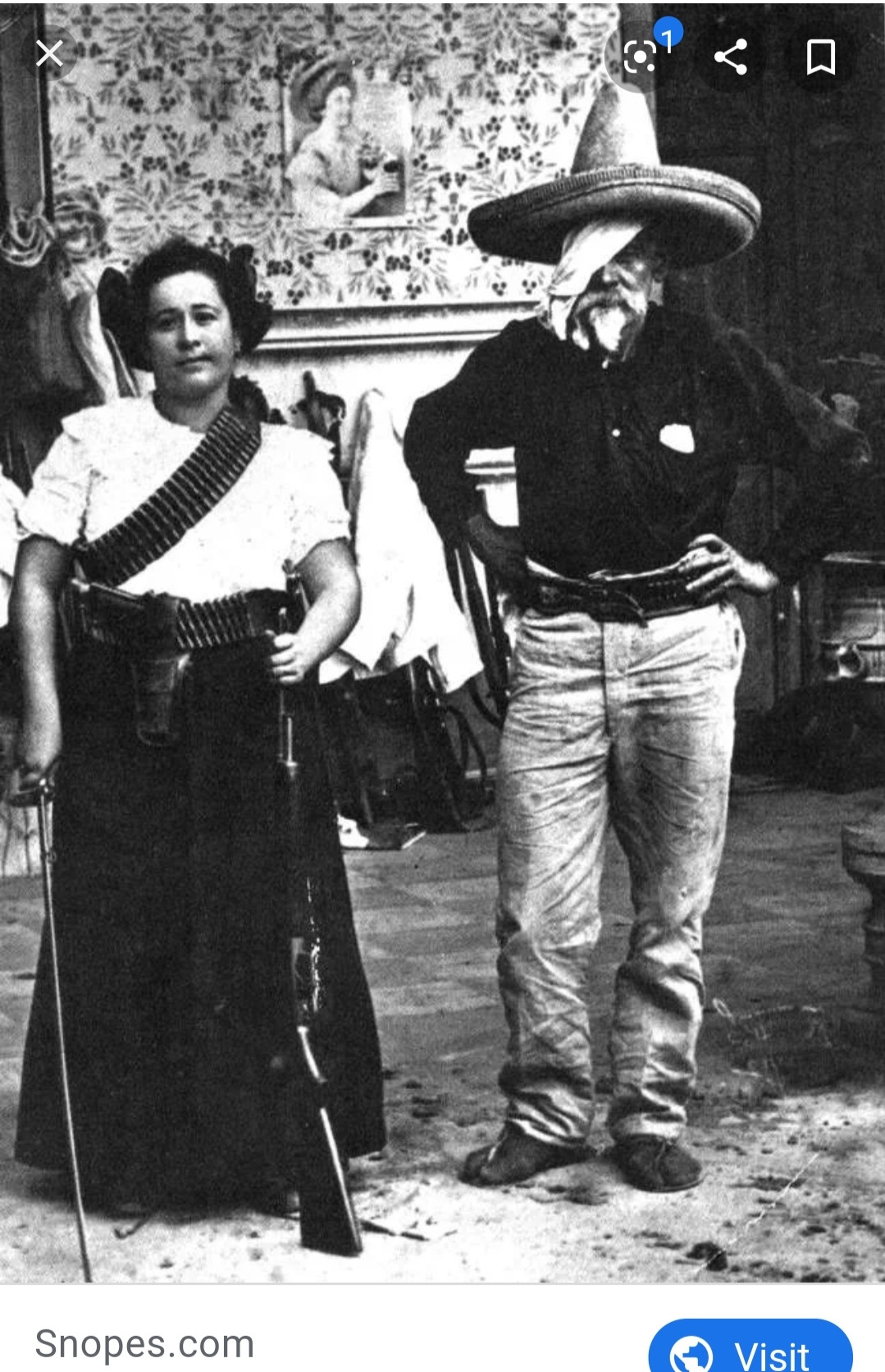
Courtesy of Snopes

879: Clara de la Rocha

Soldadera in the Mexican Revolution

Birth Date Unknown, Durango, Mexico

Died: 1 June 1970, Culiacán Municipality, Sinaloa, Mexico

Clara was a Mexican Revolutionary who helped seize Culiacán. She achieved the rank of Colonel, but little else is known about her. According to a distant relative, Clara once attacked a power station on horseback, which allowed rebel fighters to attack at night without being seen.

Clara was also the hair inspiration for Princess Leia’s iconic hair loops in Star Wars Episode IV: A New Hope. Other possible inspirations might stem from the Native American Hopi tribe (located in Northeastern Arizona). Some Hopi women have worn their hair in buns similar to Princess Leia’s but not exactly the same. For Hopi women, their buns are more square shaped than round. To see photos, click here.

Badges Earned:

Find a Grave Marked

Sources:

https://www.pri.org/stories/2016-12-29/little-known-link-between-princess-leia-s-iconic-hairstyle-and-mexican-revolution

https://www.snopes.com/fact-check/origins-princess-leias-hairstyle/

https://www.ripleys.com/weird-news/princess-leias-hair/

https://www.findagrave.com/memorial/194620903/clara-de_la_rocha

878) Asia Ramazan Antar

Courtesy of the BBC

878: Asia Ramazan Antar

Teenage Warrior

Born: 1997, Al-Quamshili, Syria

Died: 30 August 2016, Near Manbij, Syria

Also Known As: Viyan Antar

Asia served with the YPJ (Women’s Protection Units Fighter), a Kurdish group primarily known for fighting to eliminate the Islamic State from the world (and fight to see the Kurds have a country to call their own, for full transparency). The YPJ’s other main focus is securing equality between men and women in the Kurdish culture.

Asia partook in five battles as a team-leader and machine gunner before dying in battle. It is believed Asia was wounded after the YPJ deployed a bomb that killed other IS fighters. Asia’s family released a statement saying they believed she was killed instantly by the blast.

She joined the YPJ in either 2014 or 2015 (sources differ), and lost six cousins and uncles who were also fighting to defeat IS.

Before she died, Asia’s photo went viral on the internet after various media agencies labeled her the “Kurdish Angelina Jolie” because of her looks. To say Feminists everywhere were pissed was an understatement. The YPJ also released statements saying they were equally disappointed. The YPJ pride themselves on their modesty and simplicity, and the fact that Asia was continued to be nicknamed after a Hollywood actress after her death continued to spark outrage amongst women’s groups everywhere. Asia was more than her looks, and we should honor her for the things she fought and died for.

Badges Earned:

Find a Grave Marked

Sources:

https://www.bbc.com/news/world-middle-east-37337908

https://www.india.com/news/world/face-of-rojava-revolution-asia-ramazan-antar-known-as-kurdish-angelina-jolie-killed-in-gunfight-with-isis-1478692/

https://feminisminindia.com/2020/01/23/kurdish-women-patriarchy-independence/

https://www.findagrave.com/memorial/194621062/asia-ramazan-antar

877) Christine Granville

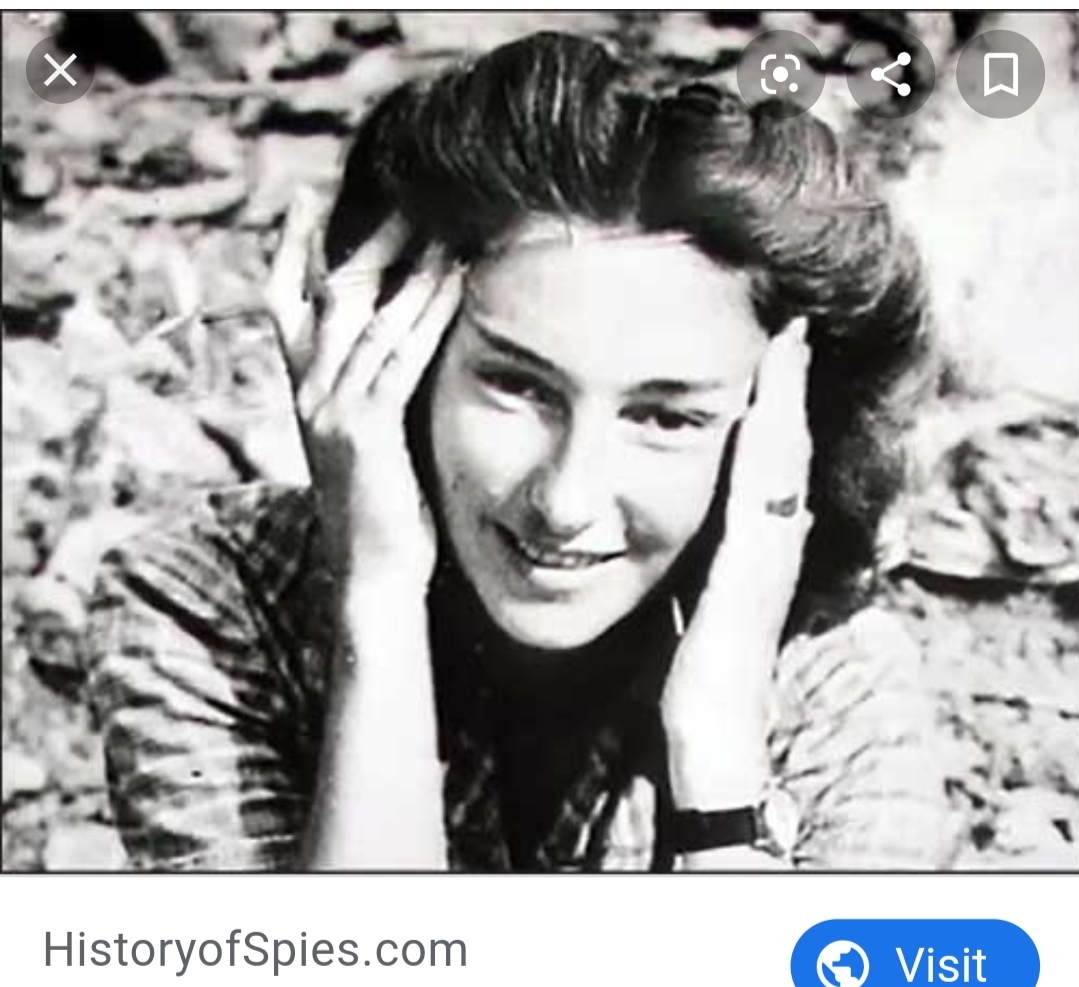
Courtesy of History of Spies

877: Christine Granville

World War II Spy

Born: 1 May 1908, Poland

Died: 15 June 1952, Earl’s Court, Chelsea, United Kingdom

Original Name: Krystyna Skarbek

Christine’s father was a member of the Polish aristocracy and her mother had been born to a Jewish banking family and therefore was seen as lower class (because Anti-Semitism was alive and well in Poland, and the rest of Europe, at the time!). Christine was educated well, taught to ski, and entered Poland’s national beauty pageant at one point. When the Depression hit, things changed, and Christine had to get a job as a secretary.

Christine was married twice in her life. Her first husband was an older businessman, and the divorce settlement awarded Christine a healthy income to live off of.

By the time Germany invaded Poland in 1939, Christine was married to her second husband and not about to let her country collapse to German forces. She immediately headed for the British Special Operations Executive (SOE) in London and volunteered her services. According to one source this made her the first woman to do so. Christine is therefore recognized as the longest serving female special agent for the British in World War II (according to that same, single source, so take that for what you will).

Christine’s first mission was to head to neutral Hungary and then traverse into occupied Poland, where she was later arrested with her fellow spy and lover (her second marriage was over by this point too). During Christine’s interrogation by the Gestapo, she managed to bite her tongue so hard she started bleeding and was able to convince the guards she had tuberculosis, so they let her, and her boyfriend go. The pair managed to get out of the country and travel to Cairo, where the SOE had set up a headquarters.

At first, the SOE though Christine had become a double agent, because they were convinced she could not have possibly made it to Cairo without being caught and turned by the Vichy Government that controlled France, and therefore Syria, at the time. It was only after Christine warned the SOE Hitler was going to invade the Soviet Union (and then he did) that the British realized Christine was still on their side. After hearing of this, Winston Churchill later dubbed Christine his “Favorite Spy.”

In 1944, Christine was dropped into occupied France, and quickly became known to the other spies as lethal and able to get the job done, no matter what. She saved the lives of two British officers after paying two million francs ransom and (possibly) convincing the Gestapo guard the men were her family members.

Christine was awarded the French Croix de Guerre and the British George Medal for her exploits during the war. She was also appointed to the Order of the British Empire (or OBE). Once Christine’s severance pay ran out, she found it difficult adapting to civilian life. She applied for British citizenship, but the application process was slow going.

Christine took several odd jobs including housekeeper, department store employee, and even a switchboard operator. When Christine applied to work at the United Nations office in Geneva for Britain, she was turned down because she was not British.
Christine’s last years were difficult. She suffered from depression and slowly recovered from injuries sustained after being hit by a car. Eventually, Christine was able to land a job as a stewardess on a cruise ship. While onboard the ship, another male crewmate became obsessed with Christine, and he began stalking her. Christine told him she wasn’t interested, but it wasn’t enough to rebuff him. The man stabbed and killed Christine outside of her hotel room, and later pled guilty to the crime. A sad and lonely death for someone who had done so much to protect the rights and freedoms of people across the world.

Christine is seen as the inspiration for the very first Bond Girl, Vesper Lynd in Casino Royale. Some sources claim Ian Fleming never actually met Christine, only heard of her through his ties to MI5, while other sources claim they dated for a year, so who knows!

Badges Earned:

Find a Grave Marked

Located In My Personal Library:

Women Wartime Spies by Ann Kramer

Sources:

https://www.mentalfloss.com/article/74271/retrobituaries-christine-granville-wwii-special-agent

https://www.notablebiographies.com/supp/Supplement-Fl-Ka/Granville-Christine.html

https://ww2db.com/person_bio.php?person_id=1050

https://www.findagrave.com/memorial/8800412/christine-granville

876) Annie Moore Schayer

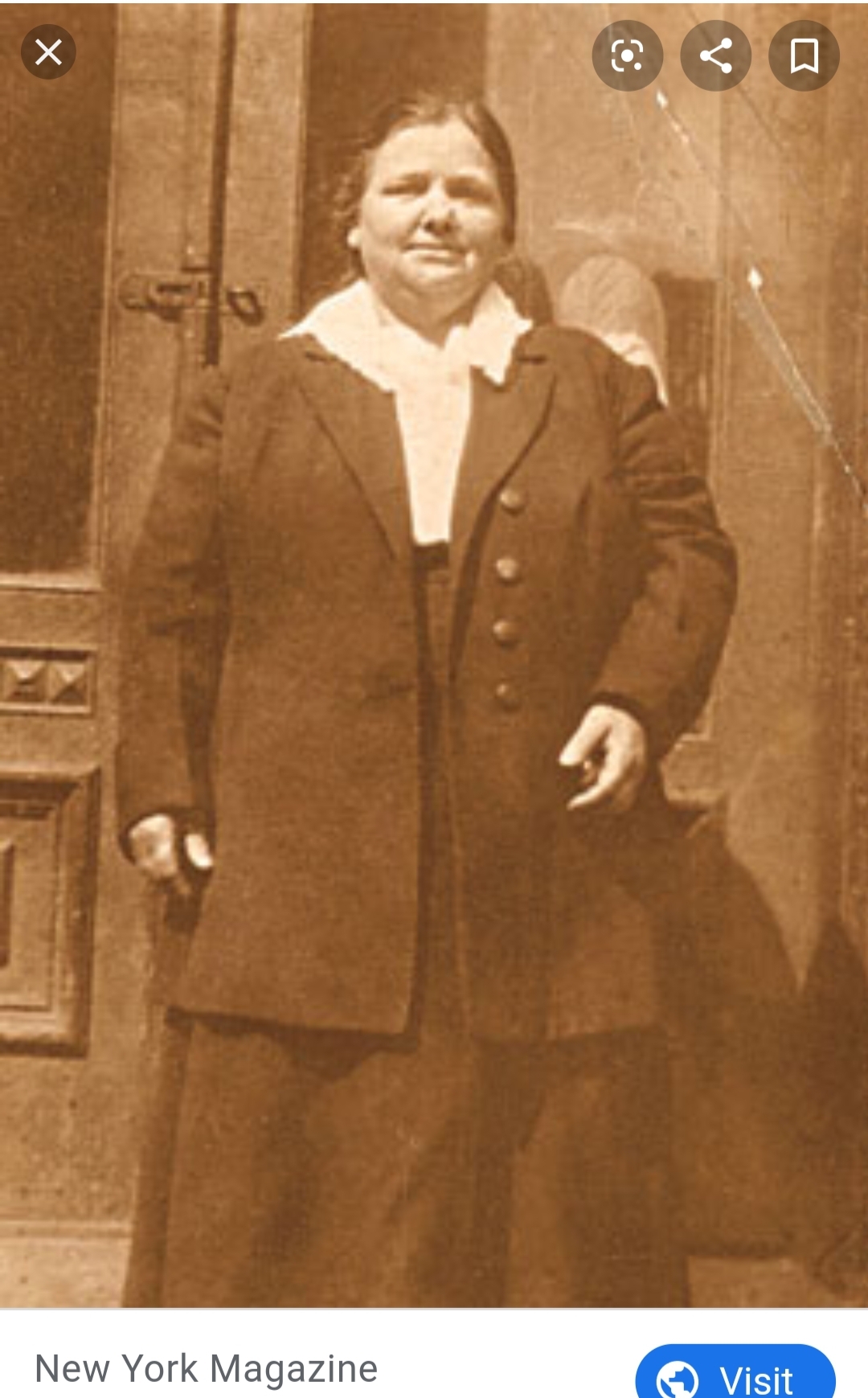
Courtesy of New York Magazine

876: Annie Moore Schayer

The First Immigrant to Come Through Ellis Island Immigration Station

Born: 24 April 1874, County Cork, Ireland (Present-day County Cork, Republic of Ireland)

Died: 6 December 1924, New York City, New York, United States of America

Annie was seventeen years old and traveling with two younger brothers when she arrived in New York City. Her parents and two older siblings had left Ireland for the new world two or four years before (sources differ), and Annie and her brothers were anxious to be reunited. The ocean crossing had taken twelve days, and the Moores had spent Christmas at sea.

Annie, her brothers, and the rest of the passengers aboard their steamer were registered on New Year’s Day, 1892.

Speculation has been made on whether or not somebody rearranged people in line so a more memorable and “appropriate” person would get the honor of being the first Immigrant registered. The federal government didn't want an undesirable immigrant, you know like an Italian or a Jewish person (I wish I was kidding, but you know, racism and anti-Semitism were alive and well at the time).

Annie married and had at least ten children before dying of heart failure, never having left New York. Five of her children died before the age of three. Little else is known about her today.

What we do know is that certain facts about Annie have been misreported, and I’m here to tell you the following facts are NOT True. Annie was NOT fifteen when she arrived at Ellis Island. This was an invention made up by the media at the time, who claimed she celebrated her fifteenth birthday on New Year’s Day as she passed through the immigration checkpoint. Annie’s birthday was NOT in January and she was NOT fifteen at the time. Also misreported is how Annie died. If you read tales of her ending up in New Mexico, where she died in a streetcar accident, know this is NOT true. That was a different Annie Moore who was falsely identified as the true Annie who passed through Ellis Island first. As previously stated, the true Annie Moore in question died in New York City of heart failure in 1924.

When our Annie did die in 1924, she was buried in a family plot alongside many of her children and another child of a family friend. They were together, but they had no headstones. Poverty had racked the family ever since Annie had arrived in New York and purchasing a headstone for any of the Schayers was out of the question at the time. After a genealogist was able to track down Annie’s true descendants, and set the record straight regarding the falsehoods mentioned above, a group got together and raised enough funds to finally mark Annie’s grave in 2007.

Today, a pair of statues of Annie and her brothers stand in Cobh, Ireland (the present name of what used to be Queenstown, where Annie and her brothers left Ireland) and the second stands at Ellis Island itself. The Irish statue represents the millions of Irish immigrants who left their homeland to come to America; including 3.5 Million who passed through Ellis Island in its more than sixty years of operation, while the Ellis Island statue honors Annie and her brothers as the first of twelve million immigrants who passed through Ellis Island itself.

Badges Earned:

Find a Grave Marked

Located In My Personal Library:

American Passage: The History of Ellis Island by Vincent J Cannato

Sources:

https://www.history.com/news/remembering-annie-moore-ellis-islands-first-immigrant

https://www.irishcentral.com/roots/history/annie-moore-first-immigrant-through-ellis-island

https://www.huffpost.com/entry/125th-anniversary-of-annie-moore-and-ellis-island-reminds_b_5867f25ae4b04d7df167d530

https://www.anniemoore.net/memorial-project.html

https://www.findagrave.com/memorial/16193022/annie-schayer

875) Margaret Pole

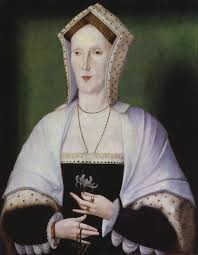
Courtesy of Wikipedia

875: Margaret Pole

Her Family Had Risen So Far, and They Fell So Low

Born: 14 August 1473, Farleigh Hungerford Castle, Somerset, England (Present-day Somerset, United Kingdom)

Died: 27 May 1541, Tower of London, London, England (Present-day Tower of London, London, United Kingdom)

Margaret was one of two women in her time to hold an English peerage in her own right. In her case, she was the Countess of Salisbury.

Margaret was the daughter of George, Duke of Clarence and Isabel Neville (Anne Neville’s older sister). This made Margaret a Plantagenet Princess upon her birth. Two of Margaret’s uncles were King of England—Edward IV and Richard III, and Margaret herself was born in the midst of the political upheaval known toady as The Wars of the Roses.

Before Margaret’s fifth birthday, both of her parents were dead. Her mother died first; and her father would go on to accuse a local woman of murdering her. Then Margaret’s father was executed by his own brother, the king, on the grounds of treason.

After Richard III, Margaret’s uncle, was killed at the Battle of Bosworth, Henry VII came to the throne as the first Tudor King. This left Margaret and her brother in a tense position. They were next in line to the new king’s throne until he had heirs of his own and seeing as they’d seen so much death and destruction throughout their young lives, they knew theirs were just as precarious. Margaret’s brother was quickly arrested and detained in the Tower of London, so he wouldn’t be able to try anything. Edward was executed soon after for the sole reason of being the last surviving male of the Plantagenet Bloodline.

Margaret and the other daughters of Edward IV were quickly married off to allies of the new king. Margaret’s husband would be Richard Pole; a less than ideal match seeing as she was royal, and he was not. Richard was the nephew of Henry VII, albeit distantly. Richard’s mother was the half-sister of Henry’s own mother, Margaret Beaufort. Margaret and Richard had many children, of whom five survived to adulthood. Richard died in 1504.

In 1509, Henry VII died and his son, Henry VIII, took the throne. With this changing of kings, Margaret’s situation improved. She was brought into the royal household to work for Catherine of Aragon, Henry’s first of many queens. Three years later, Margaret was also given the title Countess of Salisbury in her own right, as mentioned above. This benefited Margaret in two ways. For one thing, the Salisbury peerage had once belonged to her family before, and so this was a way of her family reclaiming what was once there’s. The second benefit stemmed from the income Margaret made from the lands that now belonged to her. She was quickly one of the wealthiest members of the aristocracy in England.

Margaret was also devoutly religious and belonged to the Roman Catholic Faith. Her son Reginald was also devout (he was a cardinal and was once the Archbishop of Canterbury), and he fled England when the Reformation began to strike at her border’s. Unfortunately for Margaret, her son Reginald didn’t just go quietly into the night. Once he was safely abroad, Reginald let it be known far and wide he disapproved of the new Church of England and urged the European Princes to denounce Henry for his actions. Henry was rather furious when he learned of this, but with Reginald out of his reach, he instead turned to Margaret and her other family who remained in England. Though Margaret and her son Henry denounced Reginald’s actions in a bid to appease the king, the damage had been done.

Henry already had a bad taste in his mouth towards Margaret for her defense of his first wife, Catherine, and his daughter Mary in his messy divorce. Though this is no surprise, Margaret had been Mary’s sponsor in baptism and confirmation, and she was later appointed governess of Mary and her household. In the intervening years, Margaret had even discussed having her son Reginald (while he was still a layman) possibly marrying Mary. All of this, plus the fact that Margaret had once worked in Catherine’s household meant it was natural to support the now-former Queen and Princess.

Unfortunately, this meant King Henry had even more ammunition to use against the Pole family.

Margaret’s remaining two sons were arrested with other members of their family. Henry was executed for treason, though Geoffrey would go free. Soon after, Margaret and other members of her family were all detained. Margaret was convicted and lost her lands and titles. It is now known part of the so-called evidence used to convict her was fabricated.

Now she was simply Margaret Pole, a sixty-five-year-old woman completely at the king’s mercy. For two and a half years she wasted away in the Tower of London, waiting for the date of her execution.

Finally, on the morning of May 27th, Margaret was informed she would be dead within the hour. Till the end, she clung to her innocence and said she had done nothing to go against the king. Because of her noble rank, Margaret was “Spared” the horror of a public execution, but a number of witnesses were still permitted to watch as the frail sixty-seven-year-old grandmother made her way to the block. Sadly, it wasn’t a swift and easy execution like Anne Boleyn’s had been. Instead, Margaret’s shoulders and neck were hacked to pieces by an executioner who had no idea what he was doing. She finally, mercifully died, and was buried on the grounds of the Tower.

After her death, Margaret’s son Reginald proclaimed he would, “Never fear to call himself the son of a martyr,” and in 1886, Margaret became just that. 345 years after her death, Margaret was beatified by Pope Leo XIII.

Badges Earned:

Find a Grave Marked

Located in My Personal Library:

The Woodvilles: The Wars of the Roses and England's Most Infamous Family by Susan Higginbotham

Sources:

https://www.tudorsociety.com/the-downfall-of-margaret-pole-countess-of-salisbury-by-alexander-taylor/

https://tudorhistory.org/people/mpole/

https://www.newadvent.org/cathen/09656b.htm

https://www.philippagregory.com/characters/margaret-pole

https://www.findagrave.com/memorial/18701/margaret-countess_of_salisbury

874) Anne Neville

874: Anne Neville

The Last Plantagenet Queen of England

Born: 10 June 1456, Warwickshire, England (Present-day Warwickshire, England, United Kingdom)

Died: 16 March 1485, Westminster, England (Present-day Westminster, England, United Kingdom)

Even though Anne was a queen of England, very little information about her survives to this day. No portraits have been deemed “reliable” or verified to even be of her, little documentation survives, and no personal letters of Anne’s have made it to present-day either. This makes finding the truth about who Anne really was an elusive undertaking.

Anne’s father was Richard Neville, Earl of Warwick, also known as the King Maker. This made her beloved in England’s north and not so popular in the south (politics, you know?). In any case, Anne’s hand in marriage was very important to her father, seeing as he had no sons. Originally, Warwick sided with Edward IV, and has been largely credited with helping Edward succeed to the throne. However, after Edward turned away and embarrassed Warwick, Anne’s father switched sides and decided to back the ousted queen Margaret of Anjou.

Anne was married twice in her life. Her first husband was Prince Edward, son of Henry VI and the aforementioned Margaret of Anjou. Anne’s father forced her to marry Edward when she was only fifteen years old (The wedding actually took place the day after she turned fifteen). Had things gone according to plan, Edward would have become king and Anne queen consort. But this was fifteenth century England, and chaos in the royal courts of Europe were all the rage.

So instead of becoming queen with Edward, Anne was instead widowed as a young teenager after he was killed at the Battle of Tewkesbury. Anne’s sister, who was married to a man loyal to the House of York (the enemies of Anne’s former in-laws), took Anne in under what was most likely a form of house arrest. Next, Anne was married off to the Shakespearian villain Richard III (okay, not the actual Shakespeare character, but the actual real-life murderer—I mean King). Anne and Richard would have one son together, but he died when he was eight years old.

When Richard made himself king of England after murdering his nephews, he had Anne crowned alongside him. This was the first instance of an English king and queen being crowned together. Some have taken this as a sign Richard showed genuine fondness and love for his wife, and that he saw Anne as an equal.

The winter before Anne died, she fell ill with what was described as a “mortal illness”, possibly tuberculosis or influenza. She was also grappling with the fact that her husband wanted to marry his own niece—joy (Okay, we don’t know if Anne knew this for certain or not but come on, you’d think something that huge would make it to the queen’s ears). A rumor sprang up soon after Anne’s death at the young age of only twenty-eight that her husband Richard had poisoned her in order to marry his niece, but there’s little evidence he actually did kill Anne. She was laid to rest in an unmarked grave, something almost unfathomable considering she was queen. In 1960, a bronze plaque was erected near the site.

In case you’re wondering, Richard himself was killed before he could marry his niece; thank goodness. Instead, she married Henry VII and went on to become the mother of Henry VIII.

Badges Earned:

Find a Grave Marked

Located In My Personal Library:

Blood Sisters: The Women Behind the Wars of the Roses by Sarah Gristwood

Eleanor, the Secret Queen: The Woman who Put Richard III on the Throne by John Ashdown-Hill

The Wars of the Roses by Dan Jones

The Woodvilles: The Wars of the Roses and England's Most Notorious Family by Susan Higginbotham

Sources:

https://www.tudorsociety.com/anne-nevilles-final-months-alex-taylor/

https://www.philippagregory.com/characters/anne-neville

https://www.westminster-abbey.org/abbey-commemorations/royals/anne-neville-wife-of-richard-iii

https://www.findagrave.com/memorial/8344524/anne-neville

873) Margaret Heffernan Borland

Courtesy of Wikipedia

873: Margaret Heffernan Borland

Drove 1000 Longhorns Along the Chisholm Trail

Born: 3 April 1824, Ireland*

Died: 5 July 1873, Wichita, Kansas, United States of America

Margaret was one of the first female cattle drivers in the United States.

She immigrated from Ireland at the age of five. Margaret was married and was widowed three times. She had seven children between all three husbands.

Margaret’s first husband died in what was described as a “Private Argument” after their first and only child was born (Wikipedia says it was a pistol duel). Her second husband died form cholera. Her last husband’s death was preceded by several children and grandchildren thanks to a Yellow Fever Epidemic. Margaret saw a lot of death in a short period of time but didn’t let it break her.

After her last husband’s death, Margaret assumed full responsibility of his ranch, buying and selling cattle and managing the estate. She left the more physical aspects of the job to hired hands, but everything else Margaret took on.

By 1873, she had 10,000 head of cattle and was described as the only female cattle driver in the US.

Margaret died from trail fever, also known as congestion of the brain.

*Margaret’s exact place of birth other than “Ireland” is not known. I have listed her, therefore, under both the Republic of Ireland and under the United Kingdom’s listing of “Northern Ireland.” If it ever does become clear which portion of Ireland Margaret was born in, I will update the listing accordingly.

Badges Earned:

Find a Grave Marked

Sources:

https://www.tshaonline.org/handbook/entries/borland-margaret-heffernan

https://snaccooperative.org/ark:/99166/w6615bwq

https://en.wikipedia.org/wiki/Margaret_Borland

https://www.findagrave.com/memorial/12802467/margaret-borland

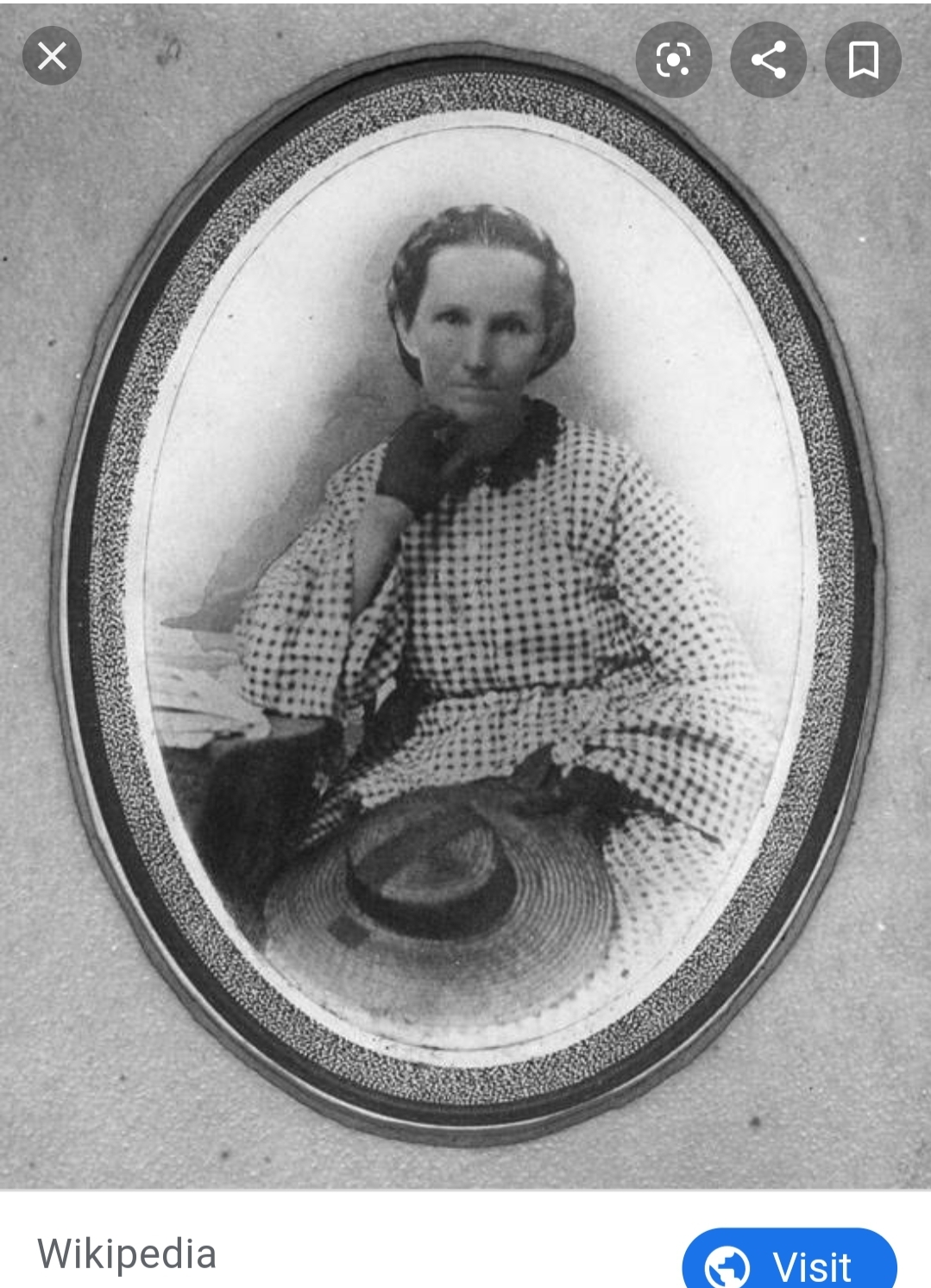
872) Sarah Bowman

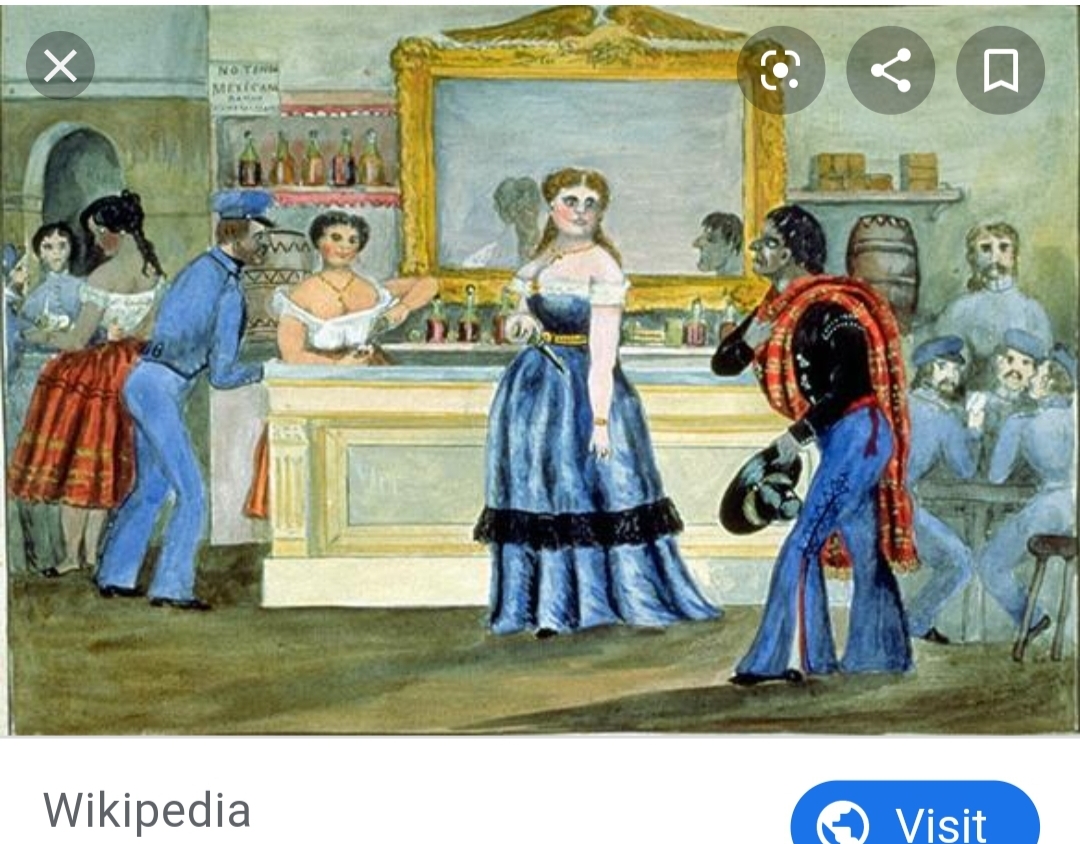
Courtesy of Wikipedia

872: Sarah ‘Great Western’ Bowman

Innkeeper, Army Camp Follower, and Restauranteur

Born: c.1813, Tennessee or Missouri, United States of America*

Died: 22 December 1866, Fort Yuma, California, United States of America

Sarah is best known for being a follower of General Zachary Taylor’s army during the Mexican/American War.

Sarah was (according to one source in any case) the first woman to become an officer in the United States Army. General Taylor promoted her to the rank of Colonel after she protected Fort Brown in Texas from Mexican Bombardment. She also served valiantly at the Battle of Buena Vista, treating the wounded, carrying them off the field at times, reloading weapons, and ensuring the troops were fed throughout the bombardment.

She earned her nickname “Great Western” from the fact she was at least six feet tall and 200 pounds—and the fact that a steamship operating at the time was called The Great Western and was known for being, well, huge.

She had many business interests despite being illiterate, including operating several inns, hotels, and restaurants over the years (and possibly some brothels too). Sarah was also fluent in Spanish and had several adopted children.

It is believed she was married three times or more over the course of her life. The reason we don’t know for certain is because of the numerous surnames Sarah used throughout her life. The names included: Boginnis, Bourdette, Bourget, Bourjette, Borginnis, Davis, Bowman, and according to some, Foyle.

Rumors circulate that Sarah first became involved in military life after becoming a laundress and cook for her first husband’s unit during the Second Seminole War (however, there is no actual source from the time period confirming this). By the time of the Mexican/American War, Sarah was married again (this is known with more certainty as the first historical record we know of with concrete fact stems from 1845). Sarah married her third or fourth husband later in life (Some sources state she had two during the course of the Mexican/American War).

Sarah is credited with being the first white woman to settle in El Paso, Texas and Fort Yuma, Arizona.

Sarah died from a spider bite. She was given a military funeral and buried in the fort’s cemetery, the first woman to ever receive these honors. In 1890, all of the bodies in the cemetery were exhumed and moved to the San Francisco National Cemetery at the Presidio in California.

*The sources are split evenly between the two states, so for now Sarah will be listed under “Unknown Origins” as per the “Birth Locations” tab. If Sarah’s definitive birth location is ever proven, then I will adjust her position accordingly.

Badges Earned:

Find a Grave Marked

Located In My Personal Library:

The Blue Tattoo: The Life of Olive Oatman by Margot Mifflin

Levi's and Lace: Arizona Women Who Made History by Jan Cleere

Sources:

https://library.uta.edu/usmexicowar/item?bio_id=51&nation=US&ofst=6&sort=nameasc&ni=52

https://www.tshaonline.org/handbook/entries/bowman-sarah

https://www.legendsofamerica.com/sarah-bowman/

https://militaryhallofhonor.com/honoree-record.php?id=2272

https://www.findagrave.com/memorial/3521415/sarah-a_-bowman

871) Angelina Eberly

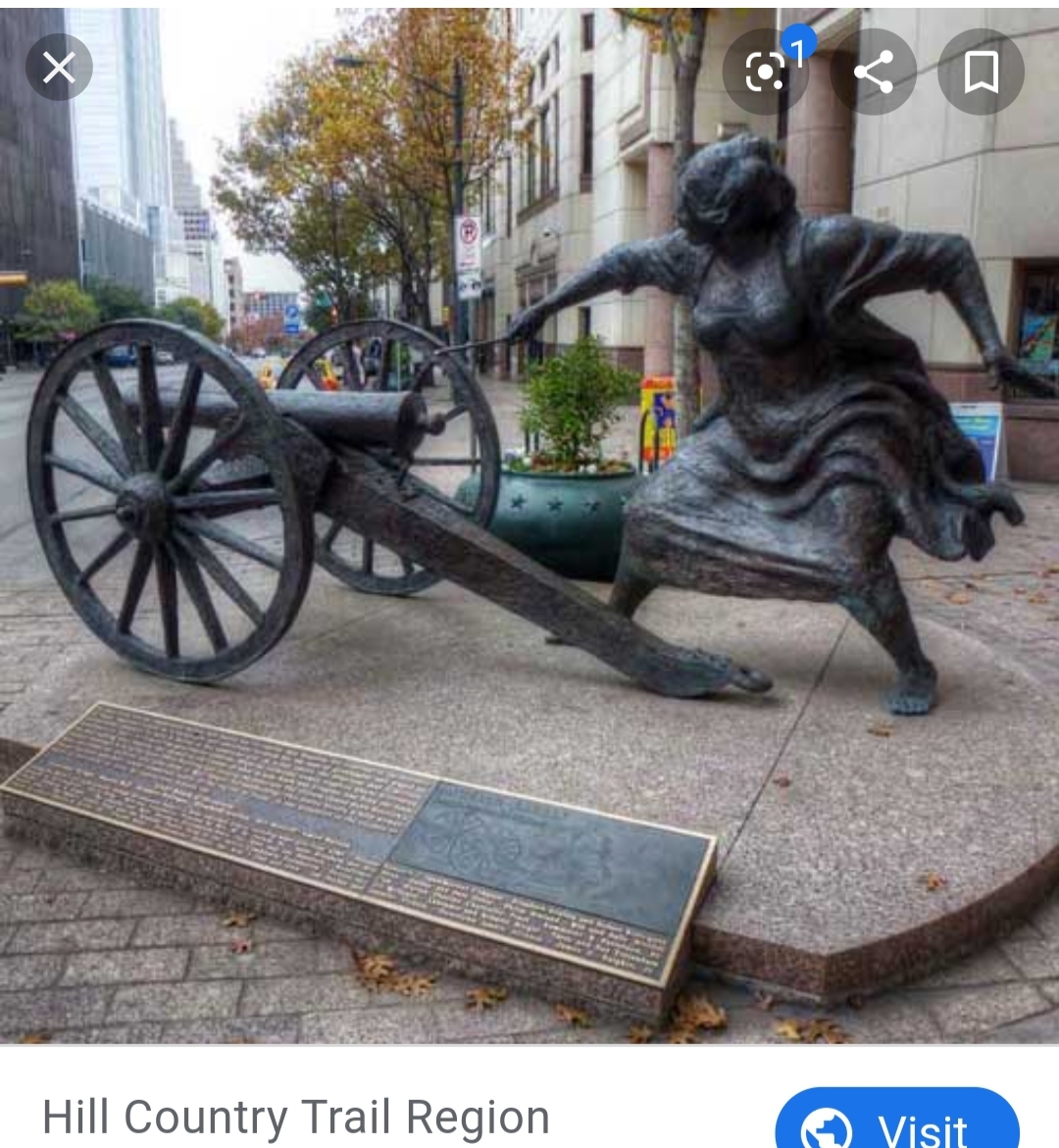
Courtesy of Hill County Trail Region

871: Angelina Eberly

Hero of the Texas Archive War

Born: 2 July 1798, Sumner County, Tennessee, United States of America

Died: 15 March 1860, Indianola, Texas, United States of America

Angelina discovered a group of men secretly trying to remove archives and records from the capital (which was Austin even back then). The President of the Republic of Texas at the time was wanting to move the capital from Austin to Washington-on-Brazos (and was partially successful). President Houston hired these thugs to steal the Texas historical documents to move them from Austin to the new capital, which had been chosen because of the danger nearby Mexico posed. This happened in December of 1842.

Angelina fired a cannon upon seeing the thugs taking the archives. The cannon woke the other residents, who were sleeping since this was in the middle of the night, and together they managed to chase the thugs off entirely. The archives were recovered eighteen miles away and returned to the Eberly House, where they were kept safe until Austin resumed being the capital in 1845.

Angelina firing the cannon is now the subject of the statue of her located in Austin. The photo included in this article is of Angelina's statue.

Angelina operated an inn in Texas, which she operated with her husband until he died in 1834. They had three children. Angelina then remarried and opened an inn with her second husband. Her second husband died in 1841. After the Archive War ended, Angelina ended up opening the first hotel in Indianola, where she later passed away. Her grandson was named sole heir of her estate when Angelina died. The estate was valued at $50,000.

Badges Earned:

Find a Grave Marked

Sources:

https://txhillcountrytrail.com/plan-your-adventure/historic-sites-and-cities/sites/angelina-eberly-statue

https://www.tshaonline.org/handbook/entries/eberly-angelina-belle-peyton

https://sites.google.com/site/austinsinfluentialwomen/angelina-eberly-4

https://www.findagrave.com/memorial/29278338/angelina-belle-eberly

870) Delia Haskett Rawson

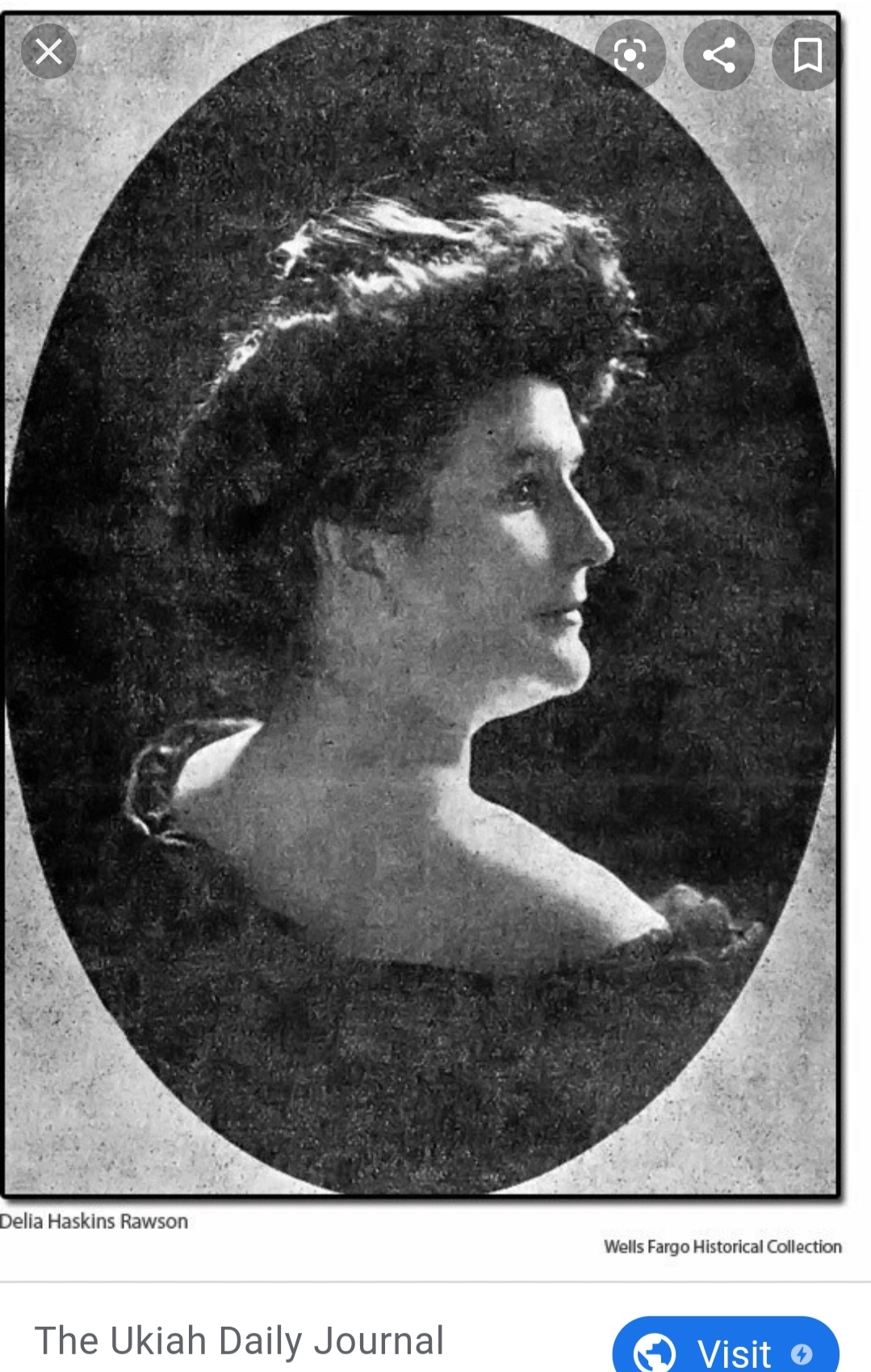
Courtesy of The Ukiah Daily Journal

870: Delia Haskett Rawson

She Made it Look Easy

Born: 7 December 1861, Ukiah, California, United States of America

Died: 15 May 1949, California, United States of America

At age fourteen, Delia became the first (maybe youngest and maybe only) female stagecoach United States Mail driver in California. The line was carried by Wells Fargo, and so today Delia is also considered an employee of the Wells Fargo you recognize.

Delia took the reins after one of her father’s drivers took ill and a replacement could not be found, but it should be noted she’d been wanting to drive her whole life. This happened in 1875, and Delia’s trip took twelve hours to complete, during which time she was constantly on the lookout for bandits out to steal the precious packages she carried.

Delia had spent her entire childhood riding alongside her father on the stagecoaches. They had prepared her well for her time as a driver. At the time, driving the stagecoach was considered a man’s job, and so Delia had been waiting for an opportunity to present itself, which it finally did.

Delia was a backup driver on the same forty-five-mile route for about ten years. Her initial drive had been half that but was such a success her father never questioned her again.

She later married, had three children, and was elected Vice-President of the Pioneer Stage Drivers of California Association.

In later life she worked on a ten-acre orange grove.

Badges Earned:

Find a Grave Marked

Sources:

https://www.legendsofamerica.com/delia-rawson/

http://theglindafactor.com/delia-haskett-rawson/

http://cowboykisses.blogspot.com/2019/09/delia-haskett-1st-female-wells-fargo.html

https://www.findagrave.com/memorial/85494140/delia-buraguard-rawson

  • Previous
  • 1
  • …
  • 36
  • 37
  • 38
  • 39
  • 40
  • 41
  • 42
  • …
  • 159
  • Next

Categories

Archives

  • July 2025 (10)
  • July 2024 (1)
  • January 2024 (1)
  • August 2023 (1)
  • June 2023 (2)
  • October 2022 (1)
  • July 2022 (1)
  • June 2021 (3)
  • December 2020 (3)
  • August 2019 (1)
  • July 2019 (2)

Search

© 2026 The Exasperated Historian | Powered by Minimalist Blog WordPress Theme