The Exasperated Historian
Menu
  • Home
  • The Women’s List (New)
  • The Men’s List
  • The Animal List
  • Collections
  • The Blog
  • Contact Us
  • FAQ
Menu

Category: Birth Locations

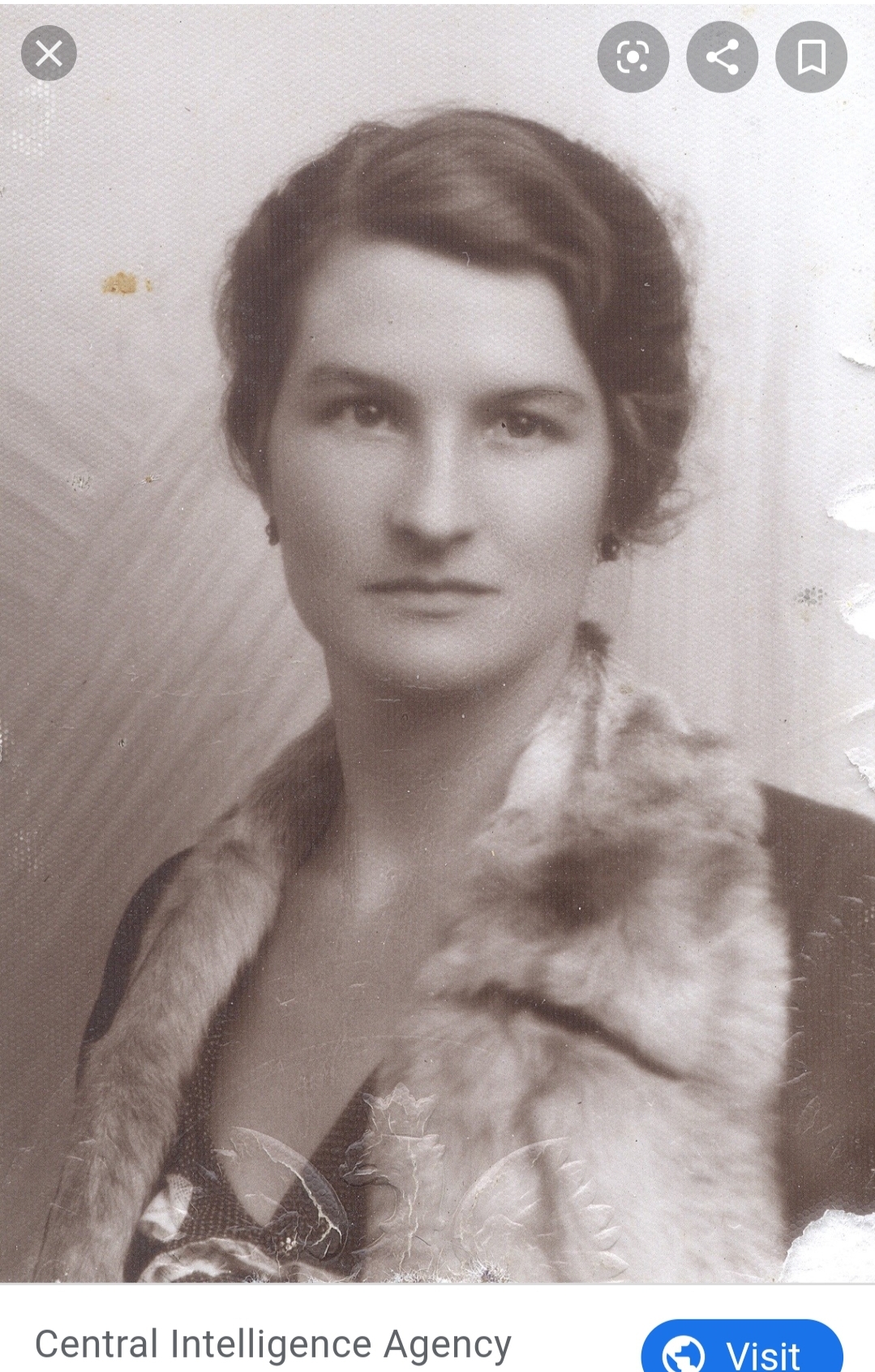
897) Virginia Hall Goillot

Courtesy of the Central Intelligence Agency

897: Virginia Hall Goillot

Allied Spy During World War II

Born: 6 April 1906, Baltimore, Maryland, United States of America

Died: 8 July 1982, Rockland, Maryland, United States of America

Virginia was reportedly labeled the most dangerous Allied spy by the Gestapo.

Virginia was raised in a well-to-do family and was expected to marry into an equally well-off family. However, she wanted something different from her life—a life of adventure.

In high school, Virginia was elected class president and was captain of the field hockey team. She was also editor of the school paper.

Virginia went on to study at Barnard and Radcliffe before moving to Europe where she became fluent in German, French, and Italian. She wanted to be a diplomat from the United States to Europe, but the state department wasn’t interested.

Virginia had a prosthetic leg that she called Cuthbert. Cuthbert came into her possession after she lost a significant portion of her left leg in a hunting accident.

After Germany invaded France, Virginia volunteered to be an ambulance driver for the French. Soon after, she fled to Britain. Virginia was quickly trained and sent back to France in 1941, posing as an American reporter. In actuality, she was a spy for the SOE.

Her main codename in the SOE (Special Operations Executive) was Germaine. Then Virginia joined the OSS under the name Marcelle Montagne. She used so many different codenames she might use four in one day, but those are the two she was most known for.

Virginia was stationed in the French city of Lyon. To gain information about Nazi goings on, she befriended a brothel owner and asked the French prostitutes what they’d learned from German clients.

The infamous Nazi Klaus Barbie himself was put in charge of tracking her down, but he was never able to uncover her real name or nationality. All the Gestapo ever knew for certain about Virginia was that she was a limping lady.

By 1942, the Nazis were closing in and Virginia had to flee to Spain. Her journey across the mountains is an exhausting one even for the best trained hiker and is almost unimaginable for a woman toting a prosthetic leg. When she finally arrived in Spain, Virginia was detained for six weeks for missing an entrance stamp on her passport. After finally being released, she made her way back to Britain.

In 1944, Virginia was finally sent back to France. This time she was working for the OSS (Office of Strategic Services) which was run by the Americans. She had her teeth ground down and learned how to change her makeup so she could pose as a French milkmaid (or an old lady, sources differ) this time around.

Virginia was able to call in airdrops to France, allowing soldiers to blow up bridges and further sabotage trains. This allowed the Allies to retake several French towns and villages in advance of their push through the countryside. At her height, Virginia was overseeing some 1,500 fellow spies in her network. One of those was the man who would become her husband.

After the war she received high honors from Britain, France, and the United States. Virginia is considered the most highly decorated female civilian from World War II. She was the only woman honored with the Distinguished Service Cross. The most highly decorated servicewoman overall was Nancy Wake.

Virginia worked for the CIA as an analyst until 1966. She was less than happy there, not at all suited to riding a desk as opposed to being a free agent in the field. And according to some, she was also mistreated because she was a woman, so you know, that’s nice.

After Virginia retired, she went back to Maryland and never spoke publicly about her wartime activities. She never had children and died in the same relative obscurity she had fought so hard to attain as a spy.

The CIA now houses a special exhibit in their museum in dedication to Virginia, though its off-limits to civilians. The CIA has also named a training center the “Virginia Hall Expeditionary Center.”

Badges Earned:

Find a Grave Marked

Rejected Princess

Located In My Personal Library:

A Woman of No Importance by Sonia Purnell

Women Wartime Spies by Ann Kramer

Secret Heroes of World War II by Eric Chalene

Who Knew? Women in History by Sarah Herman

Time Magazine's 100 Women of the Year (Virginia appears in the 1943 article, "Virginia Hall")

Sources:

https://www.npr.org/2019/04/18/711356336/a-woman-of-no-importance-finally-gets-her-due

https://www.intelligence.gov/index.php/people/barrier-breakers-in-history/662-1945-virginia-hall
https://www.cia.gov/news-information/featured-story-archive/2015-featured-story-archive/virginia-hall-the-courage-and-daring-of-the-limping-lady.html

https://www.rejectedprincesses.com/princesses/virginia-hall

https://www.findagrave.com/memorial/14354228/virginia-hall

Entries Born in Sudan

These are the entries born in Sudan or the geographic equivalent of the modern country.

Entries:

  • Amanirenas, Warrior Queen of Kush

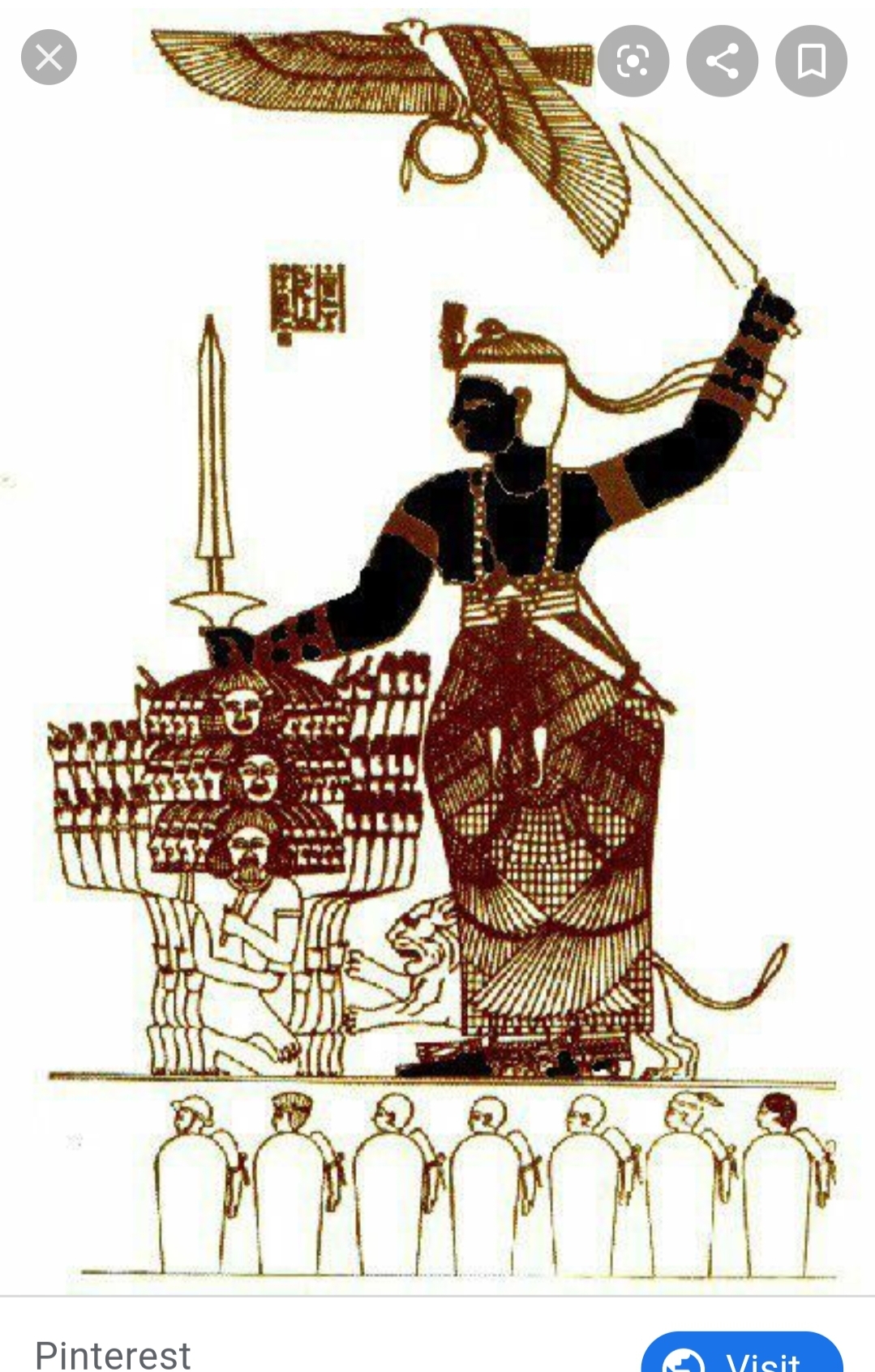
896) Amanirenas

Courtesy of Pinterest

896: Amanirenas

Queen of Kush

Born: c.60-50 BC, Kush (Present-day Sudan)

Died: c.10 BC, Probably Kush (Present-day Sudan)

Full Title: Amanirenas qore li kdwe li

Also Known As: Kandace Amanirenas (Kandace means Queen)

Amanirenas fought back to drive the Romans from her land after they conquered Egypt. Kush was just south of the toppled empire, and Amanirenas was not about to let what happened to her Pharaonic neighbors happen to her own people.

She was purportedly blind in one eye (she lost the sight after her eye was put out in battle). Amanirenas was a Kandace, which is the closest equivalent to a queen who ruled in her own right.

Instead of waiting for Rome to come for them after Cleopatra and Antony’s defeat, Kush pushed forward and quickly overtook several Roman cities expanding their borders. Amanirenas’s husband died early on and left her and her son in charge. They defaced most of Augustus’s statues for good measure.

But then Rome pushed back all the way to destroying Kush’s capitol city and selling thousands into slavery. However, Amanirenas didn’t take it lying down and pushed back herself. Before long Rome gave up and went home. The Kushite Empire flourished for another four hundred years, before it died out completely. Their ruins went largely unstudied until the 1900’s, when interest in the Kushites was peaked again.

To this day the Kushite hieroglyphs haven’t been translated so historians have no idea how the Kushites actually felt about anything. Information about the Kushite Empire mostly stems from the Greek Historian Strabo and the Romans Cassius Dio and Pliny the Elder.

Badges Earned:

Rejected Princess

Located In My Personal Library:

Tough Mothers by Jason Porath

Sources:

https://www.blackpast.org/global-african-history/kandake-amanirenas-10-bc/

https://www.rejectedprincesses.com/princesses/amanirenas

https://face2faceafrica.com/article/amanirenas-the-brave-one-eyed-african-queen-who-led-an-army-against-the-romans-in-24bc

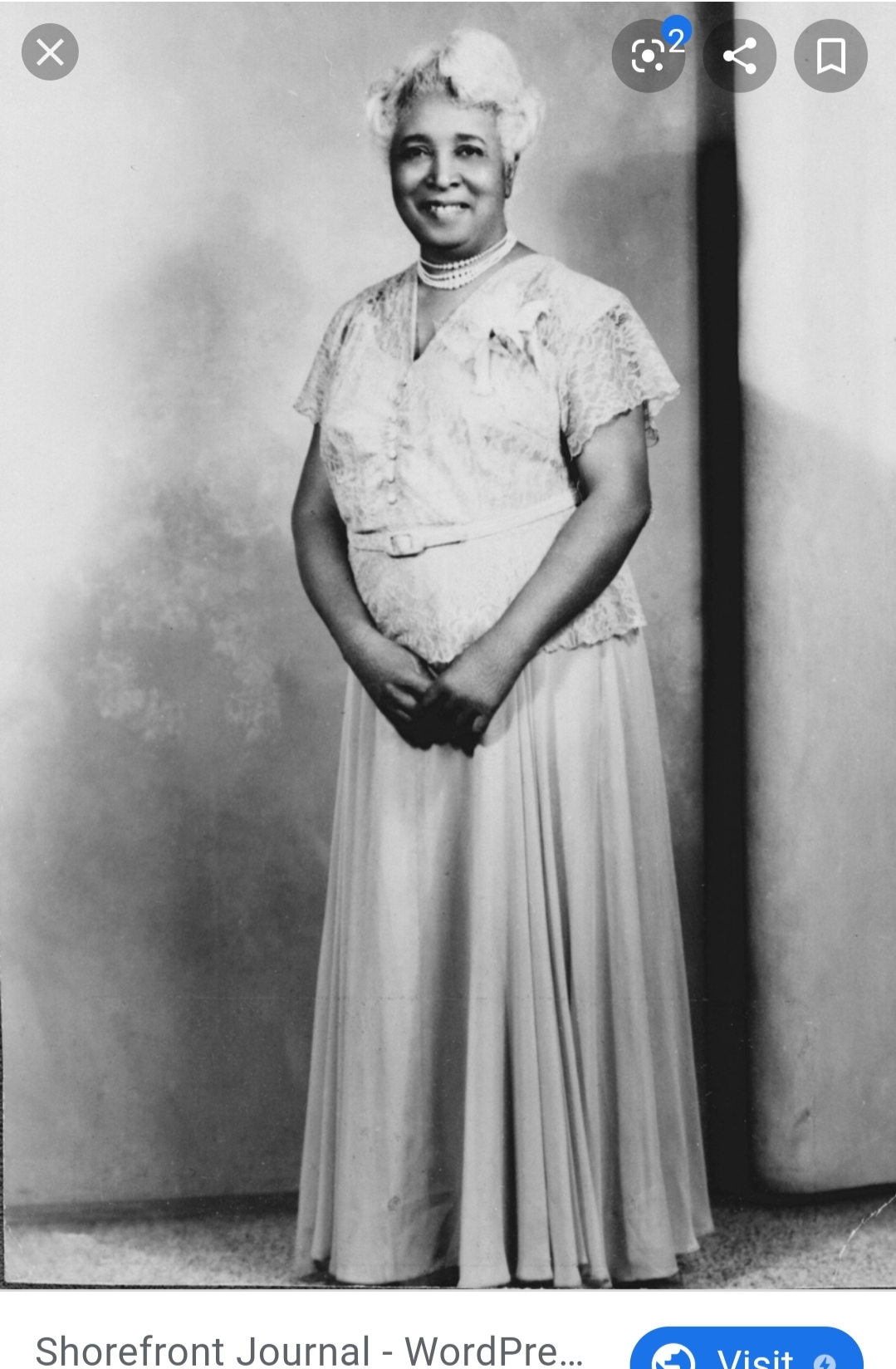
895) Carrie Crawford Smith

Courtesy of the Shorefront Journal

"She would also not waiver from her rules to appease her white customers in face of lost revenue; she demanded that employers treated her laborers with dignity" -Carrie’s son, Melvin

895: Carrie Crawford Smith

Now This is How You Help the Unemployed

Born: 1877, Nashville, Tennessee, United States of America

Died: 1954, Evanston, Illinois, United States of America

Carrie opened an employment agency to help women and minorities called the Smith Employment Agency. She placed domestic help with families in need.

Carrie wrote the “Smith Employment Agency Standards and Principles”—a contract that stated potential employers would not degrade black women in their work environments and that her female workers would not clean floors or windows because she had men who could do that.

Carrie also refused to do business with people who called her “Carrie” and not “Mrs. Smith.”

Carrie’s husband left her after her business became a success and his did not. Before he left, he was abusive towards her.

Carrie's son wrote that when he was four, he remembered his father beating his mother and she in turn threatened to hit him with an oil lamp.

So while we may not know a ton about Carrie, what we do know is that she was a bada** who protected herself and her own.

Badges Earned:

Find a Grave Marked

Sources:

https://shorefrontjournal.wordpress.com/2012/08/23/carrie-crawford-smiths-back-door-leadership/

https://blackthen.com/carrie-crawford-smith-opened-an-employment-agency-to-help-african-americans-during-the-great-migration/

https://www.findagrave.com/memorial/194611430/carrie-smith

894) Freddie Dekker-Oversteegen

Courtesy of Wikipedia

894: Freddie Dekker-Oversteegen

Now This is How You Resist

Born: 6 September 1925, Schoten, Noord-Holland, Netherlands (Presently, Schoten is a part of Haarlem)

Died: 5 September 2018, Driehuis, Noord-Holland, Netherlands

Freddie was raised by her single Communist mother who encouraged the girls to help children during the Spanish Civil War and other conflicts before World War II began.

Freddie joined the Dutch Resistance against the Nazi Occupation at the age of fourteen. Her older sister Truus was also involved in the operation, as was their friend Hannie Schaft. Hannie was executed three weeks before the end of the war, but Freddie and her sister survived.

Freddie killed Nazis by seducing them and leading them to their deaths. Sometimes the sisters would shoot their targets themselves, other times it was other members of the operation. They also targeted Dutch collaborators who put the resistance members and innocent Jews in danger. The sisters also helped blow up train tracks and smuggle Jewish children to safety. Before they started their seduction raids, they handed out pamphlets and hung anti-Nazi posters. Neither sister ever revealed how many they had killed.

After the war, Freddie was a board member of the National Hannie Schaft Foundation set up to remember Hannie and the other female Dutch resistance fighters (the organization was founded by her sister Truus in 1996). She married and had three children.

Truus and Freddie both lived the rest of their lives suffering from PTSD and horrifically vivid nightmares. In 2014, Truus and Freddie both received the Dutch Mobilization War Cross in recognition for their war efforts. They’ve also both had streets in the Netherlands named after them.

Badges Earned:

Find a Grave Marked

Sources:

https://time.com/5661142/dutch-resistance-friendship/

https://www.history.com/news/dutch-resistance-teenager-killed-nazis-freddie-oversteegen

https://www.nytimes.com/2018/09/25/obituaries/freddie-oversteegen-dutch-resistance-fighter-dies-at-92.html

https://www.findagrave.com/memorial/193179957/freddie-nanda-dekker-oversteegen

893) Aisha Muhammadu Buhari

Courtesy of Twitter

“If there is no corruption in governance and public life, there would be enough resources in any nation to meet the important needs of the common people, including women and youth.”

893: Aisha Muhammadu Buhari

Former First Lady of the Federal Republic of Nigeria

Born: 17 February 1971, Adamawa, Nigeria

Though Aisha preferred to be called Wife of the President.

Aisha is a trained cosmetologist, beauty therapist, and an author.

Aisha’s grandfather was Nigeria’s first Minister of Defense.

She is continually working to #BringbackourGirls (after hundreds of young Chibok schoolgirls were kidnapped by Boko Haram while they took their school exams). 112 of the Chibok Girls are still missing as of September 2020. Aisha helps other children and women affected by terrorists in her country as well.

Aisha holds a bachelor’s degree in public education, which is far from normal in her country. She also holds a Diploma in Beauty Therapy and a master’s degree in International Affairs and Strategic Study. Aisha also holds more formal education than her husband, the president.

In October 2016, Aisha made headlines by claiming she wouldn’t back her husband or his party for reelection because she wasn’t impressed with their work. Her husband reacted by saying she belongs in the living room and kitchen (remember, she holds more formal education degrees than he does so--ouch).

It can be seen that her husband won reelection because of her fights for women’s rights in her country. Aisha is focused on ensuring women and girls have a right and access to education and health resources. Aisha has even gone so far as to oversee construction of maternity wards in Nigerian hospitals. According to Aisha’s biography on the Nigerian Government website (Linked below), she has seen 5,000 Nigerian women and girls receive education to allow them to enter the workforce. If all that isn’t impressive enough, Aisha also advocates for the end of domestic violence, rape, and rape of minors in her country.

Aisha has made it known she and her children live off their own money and not the taxpayer’s. She has five children.

Unfortunately, Aisha was in the news again in 2020. This time she was in the news after claiming she had to fly to Dubai for medical treatments when in actuality the media learned she flew there to go shopping for her daughter’s upcoming wedding. In any other year this wouldn’t have been a big deal, but in 2020 with the Coronavirus interrupting travel and shutting down industries, Aisha's decision to fly to Dubai on a private jet owned by a millionaire just made her seem...out of touch to say the least.

Aisha ceased to serve as first lady as of 2023.

Sources:

https://statehouse.gov.ng/people/aisha-muhammadu-buhari/

https://www.entrepreneurs.ng/aisha-buhari/

http://saharareporters.com/2020/08/10/exposed-real-reason-president-buhari%E2%80%99s-wife-aisha-travelled-dubai

https://www.bbc.com/news/av/world-africa-37658760

892) Olga Erteszek

Courtesy of the National Women's History Museum

892: Olga Erteszek

The Queen of Ladies’ Lingerie

Born: 15 June 1916, Krakow, Poland

Died: 15 September 1989, Brentwood, California, United States of America

Olga had several patents (Wikipedia claims twenty-eight) for women’s undergarments--including the first nightgown with a built-in bra, the seamless bra, and her first product, a lacy garter belt (ooh la la). Olga’s face graced hundreds if not thousands of advertisements for the brand over the years, and most department store shoppers in the latter half of the twentieth century would have recognized her face. In fact, at one point her products were sold in 3,000 department stores around the world. At their peak, the company offered 150 different garment designs in over 2,000 color and style combinations.

Olga and her husband immigrated from Poland and started their company with $10 and a rented sewing machine. The pair had fled Poland before World War II kicked off, both of them fervent anti-Communists.

When her brand, The Olga Company (Today known as Olga Intimates), sold in 1984 it had reached $67 million in volume. They also had 1,800 employees that same year.

After the company sold, Olga’s daughter continued to work for the brand under the new owners. Olga and her husband had three daughters in total.

Olga and her husband were honored for their humanitarian work, as well as remembered for their keen business sense. Olga designed while her husband, a lawyer before moving to the United States, ran the paperwork end. Together, they were an unstoppable force in the world of lingerie. Their dedication and hard work has ensured the company has survived over seventy years, with no signs of stopping.

Olga passed away from breast cancer.

Badges Earned:

Find a Grave Marked

Sources:

https://www.nytimes.com/1989/09/19/obituaries/olga-erteszek-73-dies-founder-and-designer-of-a-lingerie-firm.html

https://www.chicagotribune.com/news/ct-xpm-1985-12-04-8503240360-story.html

https://www.latimes.com/archives/la-xpm-1989-09-17-mn-174-story.html

https://en.wikipedia.org/wiki/Olga_Erteszek

https://www.findagrave.com/memorial/85395950/olga-erteszek

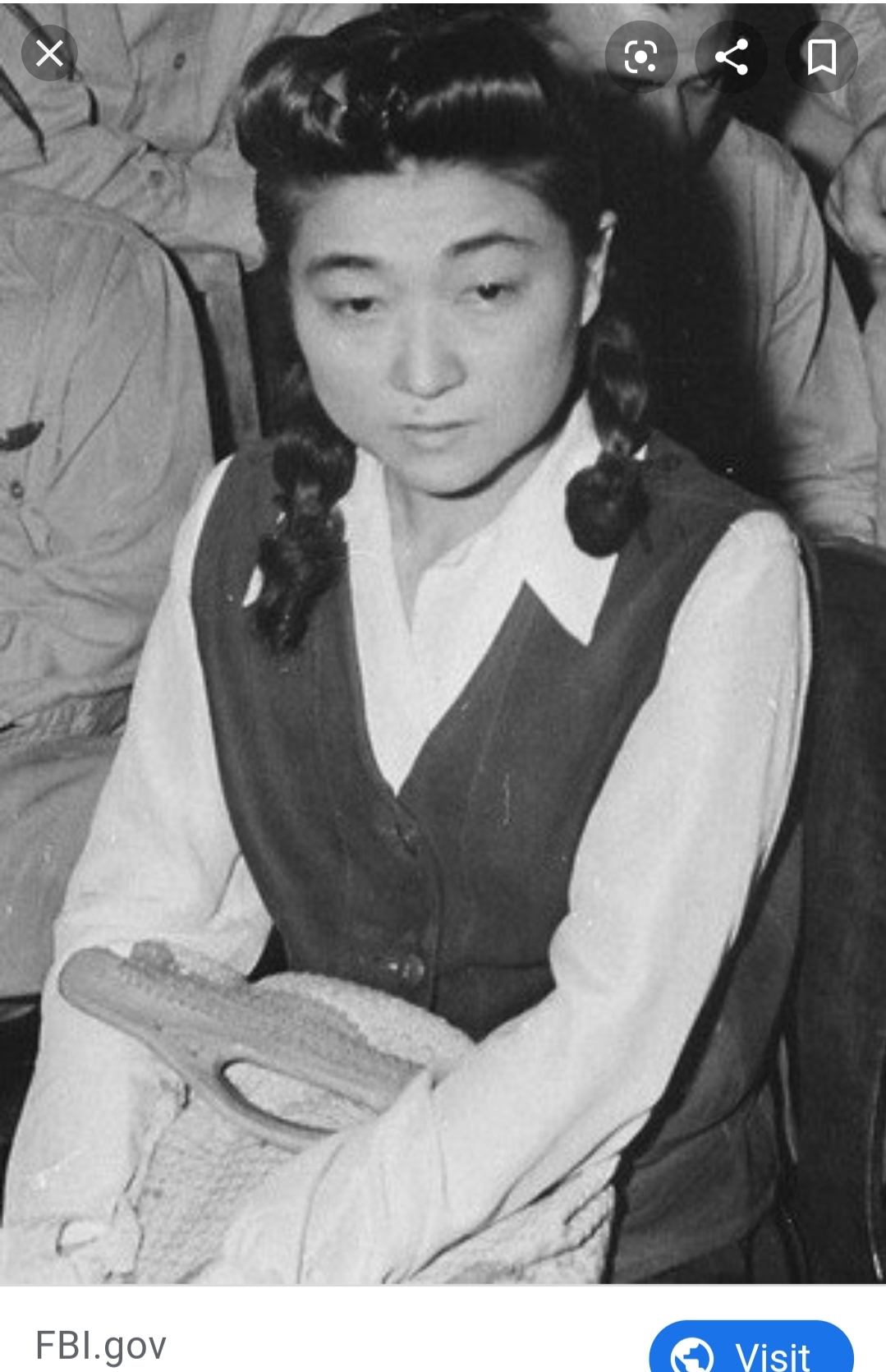
891) Iva Toguri D’Aquino

Courtesy of the FBI

891: Iva Toguri D’Aquino

Before You Judge, You Should Know the Whole Story

Born: 4 July 1916, Los Angeles, California, United States of America

Died: 26 September 2006, Chicago, Illinois, United States of America

Also Known As: Tokyo Rose

Original Name: Ikuko Toguri

Iva was arrested and charged with treason against the United States for her radio broadcasts during World War II.

Iva was later pardoned by President Ford.

So, what was the real story?

In truth, Iva was an American citizen trapped in Japan after the bombing of Pearl Harbor.

Her parents had both immigrated from Japan before Iva was born. She attended school in the United States and even earned a degree in zoology in 1940. Schoolmates and teachers never questioned her loyalty to the United States. In July of 1941, Iva sailed to Japan to visit a sick aunt and to study medicine. She traveled without a passport and had no idea this mistake would trap her in the land of her ancestors for four years. In September of 1941, Iva applied to receive a US passport while still in Japan, hoping to return home to California for permanent residence. Unfortunately, war broke out before her passport could be issued.

Needing money, she took a job for the Japanese Radio companies and in 1943 became a DJ on the propaganda stations (specifically on the Zero Hour program). Before she got a job, Iva had been branded an “enemy alien” by the Japanese government for her refusal to denounce her US citizenship. She was refused a ration card as well, meaning Iva’s very existence was a struggle to survive.

Zero Hour, the program Iva would eventually write and speak on, was run by three prisoners of war (one Australian, one American, and one Filipino). The men hated the Japanese government, obviously. Though they had been tasked with creating a propaganda machine to demoralize the Allied troops, they decided to do the opposite. Because the program was in English, and most of the Japanese commanders who ordered them to create the program were not fluent in English, Iva and the men had some leeway with their programming.

Prior to being hired to work on Zero Hour, Iva had gained her future bosses' trust by smuggling food into the Prisoner of War camp they had been living in. If Iva had been caught, she would have been killed. After taking the job at Zero Hour, Iva informed her bosses she would never speak ill against the Americans, and she would refuse to read any script that was meant to be used as propaganda against those troops.

Iva spoke for about twenty minutes per day on weekdays, and most of her time slot was devoted to popular music of the day. Her nickname on air was “Orphan Ann” or “Orphan Annie” and though she was on a propaganda station, her words could hardly be construed as anything actually dangerous (as previously stated). Some reports even showed troop morale was raised by her performances. After all, Iva was still a loyal US citizen throughout all of this. She just happened to be trapped in Japan because of the war.

Though evidence would later come out that it was other Japanese women who made the infamous Tokyo Rose* broadcasts, Iva was the unfortunate girl to be charged with making them. The Tokyo Rose broadcasts were hated by the Americans because of their demoralizing nature. Tokyo Rose was always there to quickly remind US soldiers and sailors in the Pacific Theatre how many of their own had died or been taken prisoner. This was very different from Iva’s Zero Hour broadcasts, but that didn’t matter.

In April 1945, Iva married a Portuguese/Japanese man, who held Portuguese citizenship. After the wedding, Iva refused to renounce her US citizenship in favor of her husband's Portuguese. She also continued her Zero Hour radio programming until the war ended later that year. In total, Iva would make three hundred forty appearances on Zero Hour.

Once the war was over, of course the leaders back home in the US wanted to find Tokyo Rose and make an example out of her. Unfortunately for Iva, she signed a contract with two American broadcasters that identified her as Tokyo Rose. Iva wasn’t aware of the implications of that little piece of the puzzle. She simply needed money and was willing to talk about the broadcasts she’d made during the war years. Once the contract was signed, Iva was branded as the one true Tokyo Rose, and she never received a dime of the money that had been promised her.

It should be noted, however, that by the end of 1945, actual prosecutors and detectives back in the US refused to charge Iva. They had found insufficient evidence that she was the real Tokyo Rose, and they released her from their detention. That should have been the end of the story. Unfortunately, the following year, Iva again requested a US passport. Veterans organizations and others who had heard of Tokyo Rose were outraged at the very thought of the infamous broadcaster being allowed to return to US soil. They didn’t care that Iva had been released for lack of evidence.

The Department of Justice reopened the case against Iva and asked the FBI to turn over all of their files into the matter. The DOJ also requested all American servicemen who believed they could identify Tokyo Rose’s voice contact the FBI for further questioning. Today it is known one of the DOJ’s attorneys even went so far as to convince a contact to perjure himself in order to make the case against Iva.

In September of 1948, Iva was indicted on several charges. Her one and only child was born around the same time, in Japan, but died soon after it was born. Iva was quickly detained in Japan and dragged back to the United States to face the charges. Her trial began on July 5th of the following year (one day after her thirty-third birthday). On September 29th, the jury found her guilty on one charge—she had spoken about the loss of US troops on a ship on an unspecified day in October of 1944. It was the fact that Iva had spoken these words into a microphone that was owned by the Japanese Broadcasting Corporation that did her in. She was charged with eight counts total, but the jury only ever found her guilty of one.

Iva was sentenced to ten years in prison and a $10,000 fine. She was only the seventh person in US history to be found guilty of treason. Iva served six years and lost her citizenship, then fought her deportation for years.

Iva's husband was arrested and questioned about his wife's activities during the war. Then he was forcibly banned from US soil. Iva could never leave the US for fear of not being allowed back, and her husband was never allowed to return. Finally, in 1980, they obtained a divorce to allow them both to move on with their lives.

Iva worked in her father’s shop in Chicago after being released from prison. Luckily for her, she became a little known figure in her neighborhood, and was largely left alone by the public.

President Ford pardoned Iva on his last full day in office and restored her citizenship. The pardon came after the president was made aware of the fact that one of the DOJ's main witnesses later admitted to perjuring himself.

The DOJ attorney mentioned earlier was never charged for suborning perjury.

*In actuality, no Japanese broadcaster ever used the nickname “Tokyo Rose” while on air. The name came from a phrase American and other Allied soldiers used to describe all of the female Japanese radio broadcasters during the war.

Badges Earned:

Find a Grave Marked

Located In My Personal Library:

Where Are They Buried, How Did They Die? by Tod Benoit

Miracles & Massacres: True and Untold Stories of the Making of America by Glenn Beck

A Short History of the World in 50 Lies by Natasha Tidd

Unsolved Mysteries of World War II: From the Nazi Ghost Train and 'Tokyo Rose' to the day Los Angeles was Attacked by Phantom Fighters by Michael FitzGerald

Sources:

https://www.fbi.gov/history/famous-cases/iva-toguri-daquino-and-tokyo-rose

https://www.britannica.com/biography/Iva-Toguri-DAquino

https://military.wikia.org/wiki/Iva_Toguri_D%27Aquino

https://www.findagrave.com/memorial/15906036/iva-d'aquino

Entries Born in Jamaica

These are the entries born in the island nation of Jamaica.

Entries:

  • Bessie Stringfield, Pioneering Motorcycle Rider
  • Mary Seacole, Nurse During the Crimean War

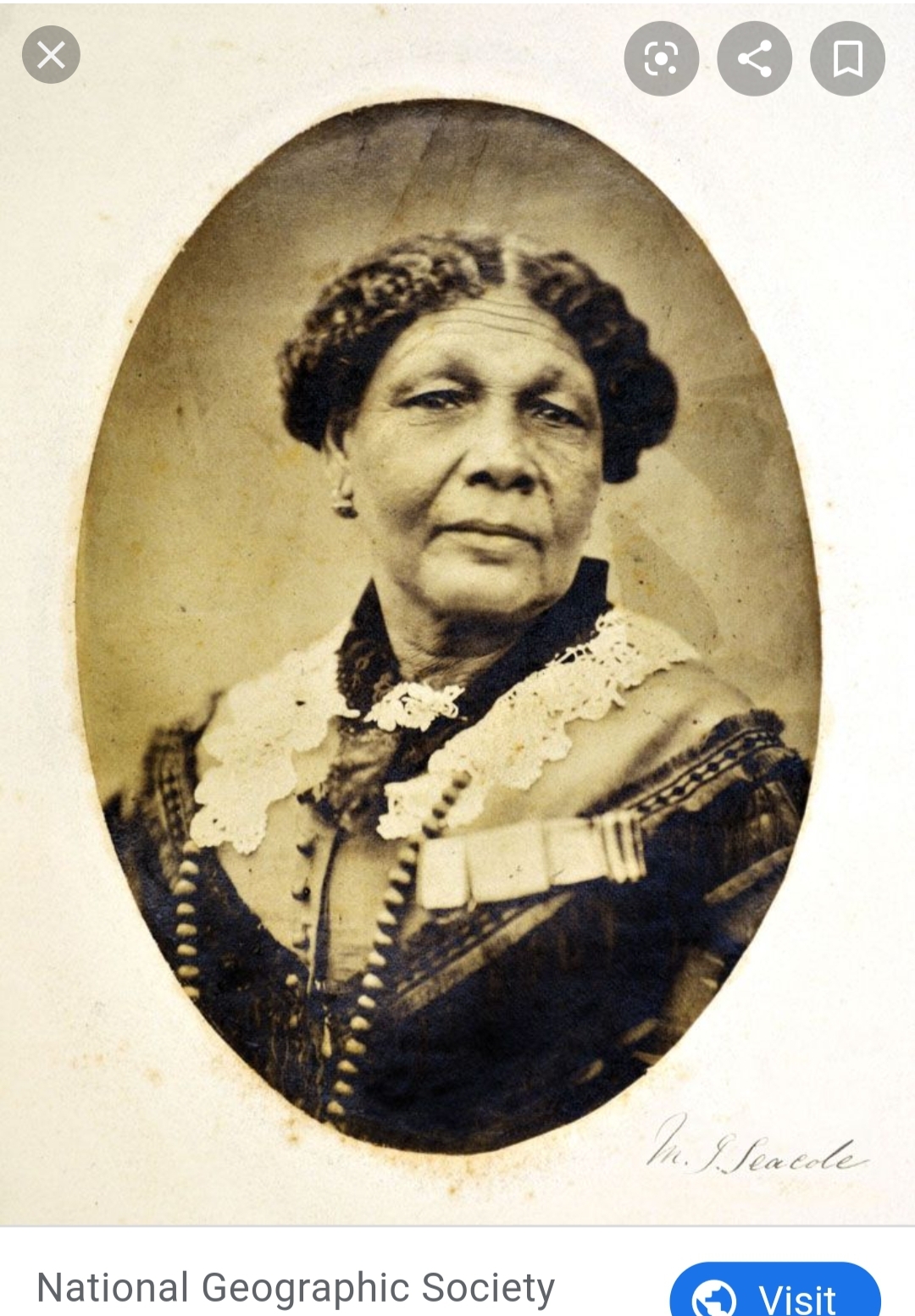
890) Mary Seacole

Courtesy of the National Geographic Society

 “I made up my mind that if the army wanted nurses, they would be glad of me…I would go to the Crimea; and go I did, as all the world knows.”

890: Mary Seacole

Nurse during The Crimean War

Born: 14 October 1805, Kingston, Jamaica

Died: 14 May 1881, Paddington, Greater London, United Kingdom

Mary opened up a British Hotel where she treated patients behind the lines during the war.

Her mother was black, but Mary’s father was a white Scottish army officer. This meant Mary and her siblings were born free (though they could not vote, enter a profession, or hold public office). Mary’s mother worked as a healer, and taught Mary the local healing techniques their people had used for generations. Mary’s medical knowledge was furthered when she traveled to England. Unfortunately, Mary also experienced racist remarks while there.

Mary returned to Jamaica and married. However, her husband was ill, and he died. Mary’s mother followed him to the grave soon after. Mary was devastated by their deaths but pushed past them. In 1850, Mary’s skills as a nurse were greatly needed when cholera struck Jamaica.

The following year, she traveled to Panama to visit her brother. A similar epidemic broke out in the area and Mary was the only person around with any medical training. Mary saved many lives during the pandemic. In 1853, she returned to Jamaica and saved her fellows all over again, this time during a Yellow Fever outbreak.

When the Crimean War broke out later that year, Mary was rejected by every British organization she applied to to become a hospital nurse, leading her to buy her own supplies and travel there at her own expense where she opened the British Hotel.

Mary was the first woman to enter Sebastapol after the fall of the town. Despite being revered by the soldiers at the “Black Nightingale” she received zero official recognition for her work (she got that particular nickname because Florence Nightingale was the main, white, nurse employed by the British during the conflict).

The war ended so abruptly Mary was left bankrupt. Luckily others started a fund for her, and she raised even more money by writing her autobiography.

Despite dying with a good amount of money her grave was left unmarked until 1973. In 2004, Mary was voted the greatest Black Briton (Jamaica was controlled by Great Britain during her lifetime, ergo Mary was British!). In 2016, a statue was unveiled of Mary in Great Britain.

Badges Earned:

Find a Grave Marked

Rejected Princess

Located In My Personal Library:

Rejected Princesses by Jason Porath

Bygone Badass Broads by Mackenzi Lee

Uppity Women Speak Their Minds by Vicki Leon

Sources:

https://www.maryseacoletrust.org.uk/learn-about-mary/

http://www.bbc.co.uk/history/historic_figures/seacole_mary.shtml

https://www.blackhistorymonth.org.uk/article/section/bhm-heroes/970/

https://www.findagrave.com/memorial/9068802/mary-seacole

  • Previous
  • 1
  • …
  • 34
  • 35
  • 36
  • 37
  • 38
  • 39
  • 40
  • …
  • 159
  • Next

Categories

Archives

  • July 2025 (10)
  • July 2024 (1)
  • January 2024 (1)
  • August 2023 (1)
  • June 2023 (2)
  • October 2022 (1)
  • July 2022 (1)
  • June 2021 (3)
  • December 2020 (3)
  • August 2019 (1)
  • July 2019 (2)

Search

© 2026 The Exasperated Historian | Powered by Minimalist Blog WordPress Theme