The Exasperated Historian
Menu
  • Home
  • The Women’s List (New)
  • The Men’s List
  • The Animal List
  • Collections
  • The Blog
  • Contact Us
  • FAQ
Menu

Category: Birth Locations

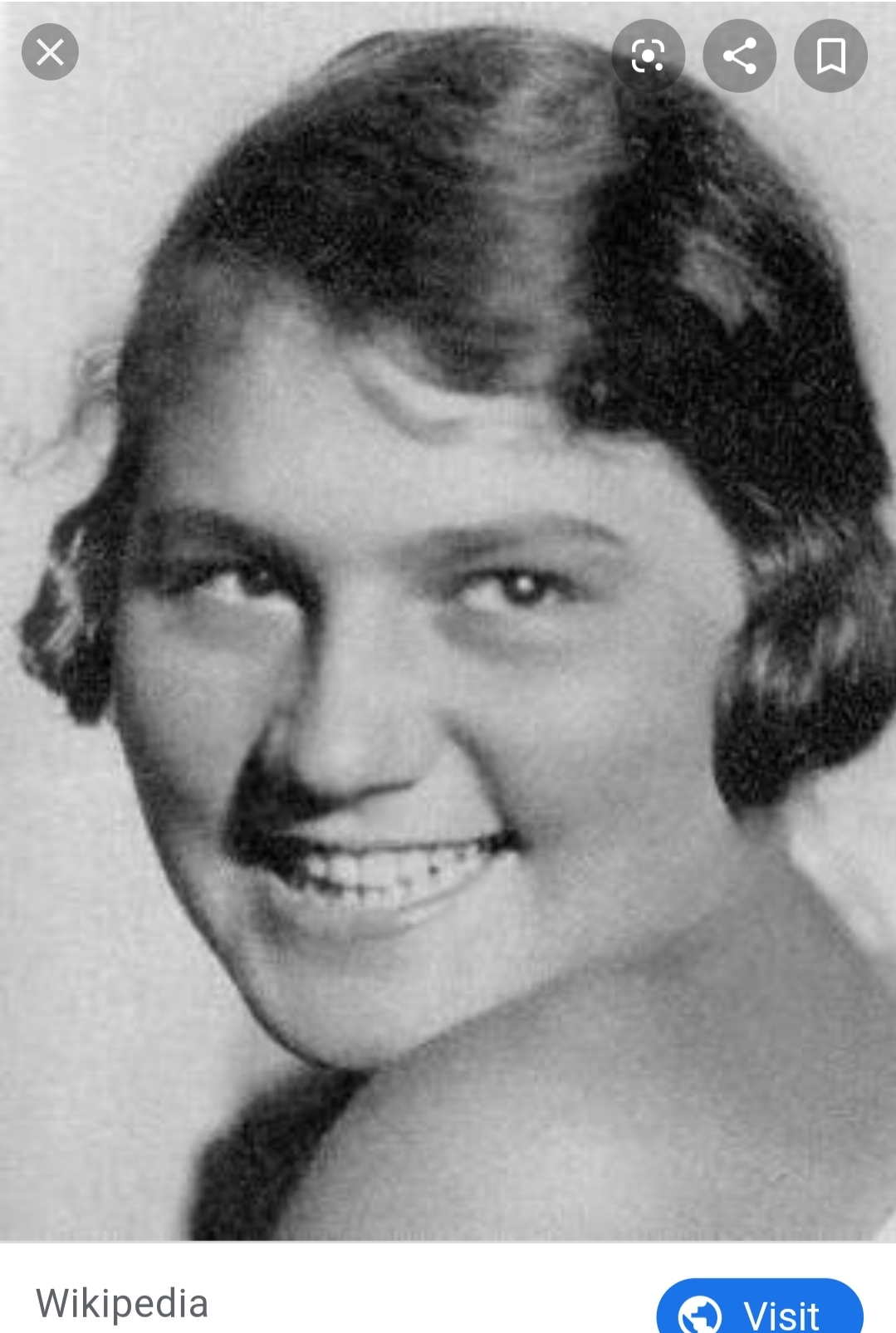
927) Geli Raubal

Courtesy of Wikipedia

927: Angela Maria Raubal

Adolf Hitler’s Half-Niece & Longtime Girlfriend (I Wish I was Kidding)

Born: 4 June 1908, Linz, Austro-Hungarian Empire (Present-day Linz, Austria)

Died: 18 September 1931, Munich, Germany

Geli, as she was known, was an up and coming singer (Hitler paid for her vocal lessons). However, she spent the majority of her time confined to a large nine-room apartment with only Hitler and a canary for comfort. Outside the apartment, Geli was a celebrity, but inside she was a prisoner. They lived in the apartment all alone, just the two of them, for four years. When she died, Geli was twenty-three and Adolf was forty-two, just for reference.

Geli’s mother was Hitler’s half-sister (also named Angela). As a child, Geli would refer to Adolf as either “Uncle Alfie” or “Uncle Alf”, which makes their relationship even more, let’s just say unnerving. Though the exact nature of their relationship has never been definitively proven, the pair were close enough Geli’s mother reportedly believed Adolf wanted to marry Geli (according to one source).

On the last day of her life, both Geli and Adolf had plans to travel away from Munich. Geli was headed to Vienna to take some more vocal lessons while Adolf headed to Hamburg. According to practically everyone (save Hitler that is) the pair fought over Geli’s travel plans. She reportedly was halfway to Vienna when Adolf made her come back. The pair fought again, and a few hours later Geli was dead.

Geli reportedly committed suicide shortly after finding a note from Eva Braun to Adolf which insinuated a relationship had formed between them. At the time, Adolf and Geli were still a couple, and her death put Hitler and the National Socialist Party on a huge undertaking to cover up the exact nature of Adolf and Geli’s relationship. It would have been politically disastrous for Hitler’s career if the general public learned he was not only having an affair with his own blood kin, but also that she had ended her own life with Adolf’s pistol in his apartment.

Even though he did everything he could to bury the story, some historians believe Geli was the only woman Hitler ever truly loved. His next relationship with Eva Braun was nowhere near perfect (in fact, she was arguably treated much worse than Geli had been in my own personal opinion), and many believe Hitler would have never stayed with Eva had Geli lived.

Many historians and even contemporaries of Hitler like to point to Geli’s death as the turning point in Hitler’s own life. Geli’s death made the future-Fuhrer even darker, more brooding, and angry. Many also like to claim Geli was Hitler’s first victim. That claim is even more chilling for those who believed it was literally Adolf who shot her rather than believing it was a suicide (but again, this hasn’t been proven).

In 1992, an amateur historian petitioned the Viennese government to exhume Geli’s remains in an effort to see if she committed suicide or was murdered. His petition did not come out of nowhere. In fact, people had been questioning Geli’s sudden and violent death from the moment her body was discovered. Remember how the National Socialist Party had conducted an extensive cover-up? Part of the cover-up included an incomplete autopsy (in fact, the only postmortem done was a sort of glance over of the body) before the police deemed it a suicide and shipped Geli’s remains off to Vienna for burial. The party also decided to initially claim Geli had either accidentally killed herself by playing with a loaded gun, or she shot herself because of “stage fright” since her first on-stage debut of her musical talents was scheduled for soon after her death.

In 1933, a journalist who had been making a case for Hitler killing her was beaten up and deported to Dachau Concentration Camp, where he was executed during the Night of Long Knives in 1934. Nothing spells cover-up like a journalist doing his job being murdered and permanently silenced.

So, what’s the evidence of Geli’s death being something other than a suicide? Well, there isn’t a lot other than speculation. At the time of her death, Geli was in the middle of writing a letter. Though she never finished the first sentence, that sentence did contain her hope to travel to Vienna soon. Not exactly your standard suicide note. Also compelling is the fact the last word she had written “and” (or in German “und”) was never completed, Geli never wrote the final letter “d.” This suggests she was interrupted in the midst of her letter and obviously never got back to it. That’s not the only evidence though.

One of the earliest newspaper accounts of her death noted Geli had a broken nose when her body was discovered. Other rumors suggested she was pregnant, and the father of the baby was either Hitler himself or a Jewish music teacher. If Geli’s body is exhumed and a full postmortem of what’s left of her remains is done, historians and journalists will finally know for certain if her nose was broken and, if she was more than three months pregnant, a child is still in her womb. However, the Viennese government so far has refused to allow any such exhumation to take place.

How Geli’s body was even discovered in the first place isn’t clear. Stories are split on who made the decision to break into the room and locate her lifeless body. The live-in housekeepers were adamant they hadn’t heard any noise from inside Geli’s rooms, much less the sound of a gunshot, and yet that was clearly the cause of death. Some state it was Rudolf Hess who broke down the door, while others state it was Franz Schwarz and Max Amann who found the door locked and summoned a locksmith. Either way it was obviously a high-ranking Nazi official who made the decision to get the door open. Once the door was open, someone went inside and reportedly found Geli lying on her sofa in a pool of blood, allegedly with Hitler’s pistol still in hand. The gunshot wound was in her chest, leaving her beautiful face intact (which is a pattern seen more often in female gunshot suicides anyway, but I digress).

Other motives for her death range from money to knowledge. If Geli was really as close to Adolf as it seems, she had to know information about him, information that could damage Hitler’s career or the Nazi party at large. A more radical theory is that by killing Geli, Adolf was somehow able to obtain the large swaths of money needed to buy his expensive cars and mountain estate (this theory seems extremely unlikely, and not even I completely understand the link between Geli and the money, but you never know and I thought it best to at least mention it).

The cemetery where Geli was buried originally had a grand plot for her paid for by Hitler, but the spot is in a cemetery where you rent the spot. In 1946, with Hitler obviously not around to keep up the payments, Geli's body was exhumed and moved to a pauper’s field. The weird thing is Geli was originally buried in consecrated ground, and for Catholics you are not allowed to be buried in such a place if you’ve committed a mortal sin such as suicide. But this could be explained away by Adolf’s pull over the government already starting to show through by the time Geli died.

In the 1990’s Geli’s remains were at risk of being dug up and moved again, this time to a mass grave if the new cemetery plan went through. As far as I can tell, this hasn’t taken place, but her burial situation hasn’t improved either. According to Find a Grave she remains in an unmarked grave.

Badges Earned:

Find a Grave Marked

Located In My Personal Library:

The Lost Life of Eva Braun by Angela Lambert

A Concise Biography of Adolf Hitler by Thomas Fuchs

Nazi Wives: The Women at the Top of Hitler's Germany by James Wyllie

Sources:

https://www.vanityfair.com/news/1992/04/hitlers-doomed-angel

https://allthatsinteresting.com/geli-raubal

https://www.irishtimes.com/news/geli-did-he-or-didn-t-he-1.93658

https://www.findagrave.com/memorial/22116/angela-maria-raubal
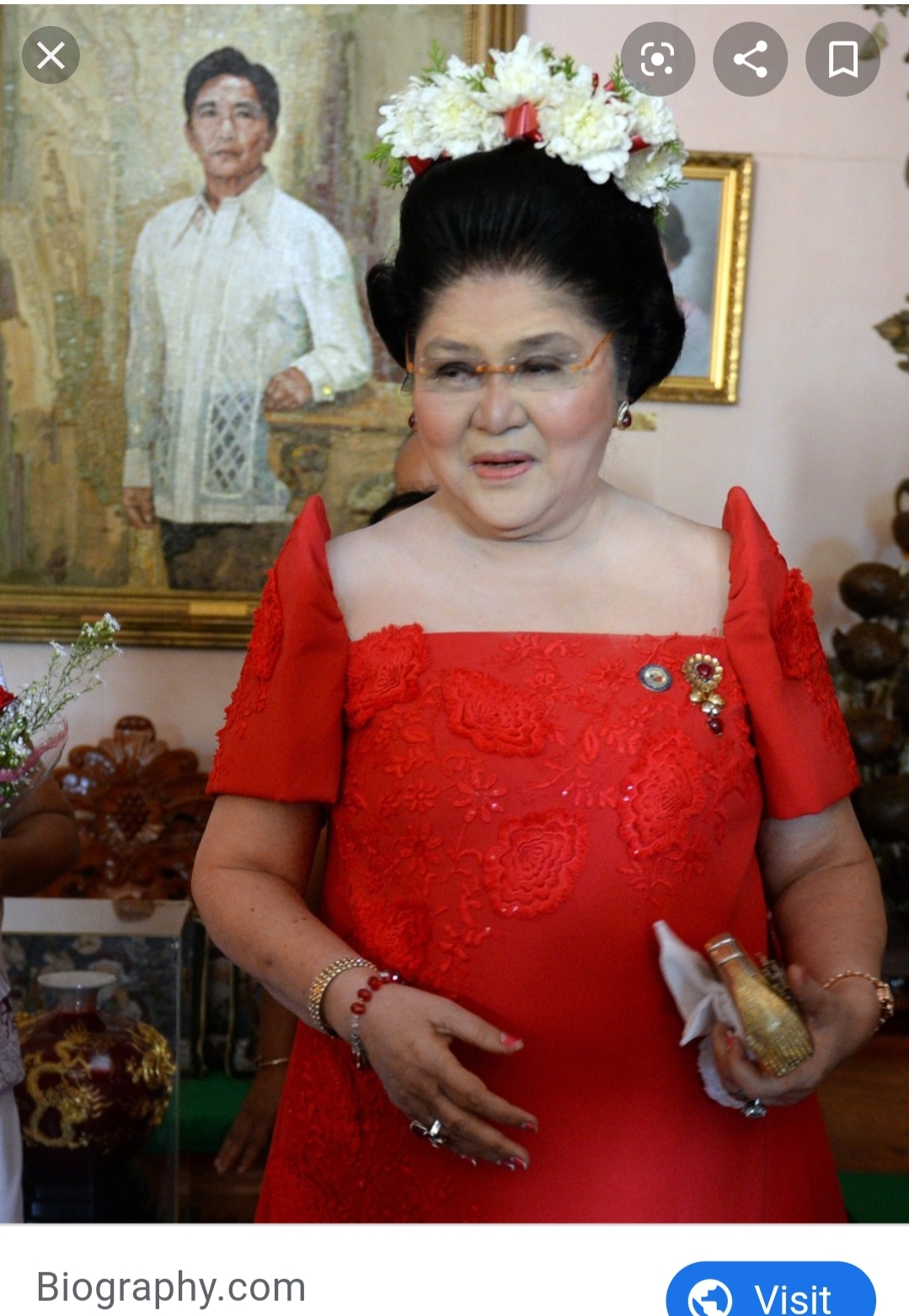
926) Imelda Marcos

Courtesy of Biography

926: Imelda Marcos

Former First Lady of the Philippines from 1965 to 1986

Born: 2 July 1929, Manila, Philippines

Imelda is most famous for her thousands of pairs of shoes and her overall extravagant lifestyle.

When Imelda was eight, her mother died from pneumonia. Her father’s legal practice went bankrupt soon after, and the family struggled financially for a long time. In 1949, Imelda won a beauty contest in her new home province and was dubbed “The Rose of Tacloban.” This nickname was far different from the one she’d earn later in life, “The Steel Butterfly.”

In 1954, Imelda married the up and coming politician Ferdinand Marcos after only meeting him eleven days prior. The couple had three children together. When Ferdinand was elected president in 1965, media likened the glamorous Imelda to another famous first lady of her time, Jacqueline Kennedy.

Beginning in the 1970’s, Imelda became governor of Manila and oversaw extensive beautification procedures across the city. This was one of many government positions she would hold throughout her tenure as first lady. One of her projects Imelda ordered was the rushed construction of a building to house the Manila Film Festival. The construction job was so rushed that the building actually collapsed, killing as many as 169, due to the poor planning and irresponsible construction plans. Local legend says some of the victims were buried under quick poured cement as the job continued to rush ahead. While the film festival did take place, the Philippines never became the cultural phenomenon like Cannes.

Imelda’s husband was a dictator more so than a president (as evidenced by his declaration of martial law in 1972) and the couple were driven out of the country after being accused of stealing billions from the Filipino people. Resentment had been growing for years, with as many as 35,000 citizens tortured and 3,200 executed without trial. In 1983, one of the leading critics against the Marcos regime was executed, and so three years later the people were finally fed up enough to oust the couple altogether.

Another instance of the Marcos’s gross negligence towards their people is evidenced in their “private safari park.” In 1976, Imelda and Ferdinand decided to evict 254 families from the island of Calauit. Once the people were gone, Imelda filled the island with a large collection of various African animals. The animals are still there today, though different breeds have become inbred thanks to a lack of supervision and overall neglect.

When Imelda fled to Hawaii, she left at least 1,200 pairs of shoes (Some sources suggest as many as 3,000) and 800 purses behind. And those were just the items that grabbed international attention. The entire palace was stuffed to the brim with designer everything.

Imelda was acquitted of racketeering charges in a New York court for her role in the missing money from the Philippines. The charges came down soon after her husband died in 1989. Two years later, Imelda returned to the Philippines only to be arrested the following day.

Imelda was eventually found guilty of various corruption charges and was given a lengthy prison sentence. She was also handed a $4.3 Million fine in the hopes of recouping some of the lost money. The decision was later overturned by the Supreme Court of her country.

In 2010, Imelda was fined another $300,000. She was also ordered to auction off her jewelry collection (valued at $21 Million) in 2016.

Imelda ran for president of the Philippines twice. She lost the first race but withdrew from the second before she could officially lose. Imelda later served in the Philippines House of Representatives, winning races in 1995 and 2010. Two of her three children are also involved in Filipino politics.

In 2018, Imelda was sentenced to eleven years in prison following more corruption charges. This time the charges surfaced after prosecutors uncovered $200 Million in illegal transfers to Swiss banks while Imelda was governor of Manila in the 1970’s. As of 2019, Imelda was appealing the decision and had not gone to prison.

The president of the Philippines, Duterte, has acknowledge the Marcos family helped finance his victory in the presidential race in 2016. He has become very close (some say to close) to the Marcos’s and even allowed for Ferdinand’s body to be reburied in Manila (to learn more about that story, click the link to the video in this article). President Duterte has even publicly stated he wants Imelda’s son to succeed him and not the elected Vice President (who happens to also be a former human rights attorney).

In 2019, Imelda was back in the news after two hundred and sixty-one guests at her ninetieth birthday party were rushed to the hospital with suspected food poisoning. The patients ended up at nine hospitals, but luckily the number of people affected wasn’t worse. In all, enough food had been prepared for 2,500 guests. Neither Imelda nor her other family members were affected.

In 2020, a controversial documentary about Imelda was released around the world. Entitled “The Kingmaker”, the film struggled to beat censors in the Philippines. However, opposition politicians and activists in the country praised the film as a great way to educate those under forty-five in the country (who make up sixty percent of the population). The film has been championed as a way to ensure the Filipino people never forget what happened to them under the Marcos Regime. Only time will tell.

Badges Earned:

Located In My Personal Library:

Bad Days in History by Michael Farquhar

Sources:

https://www.biography.com/political-figure/imelda-marcos

https://www.britannica.com/biography/Imelda-Marcos

https://www.reuters.com/article/us-philippines-politics-marcos/unhappy-returns-imelda-marcos-90th-birthday-bash-ruined-as-261-hospitalized-idUSKCN1TY0UJ

https://asia.nikkei.com/Life-Arts/Life/Philippines-fired-up-over-Imelda-Marcos-documentary

925) Myra Bradwell

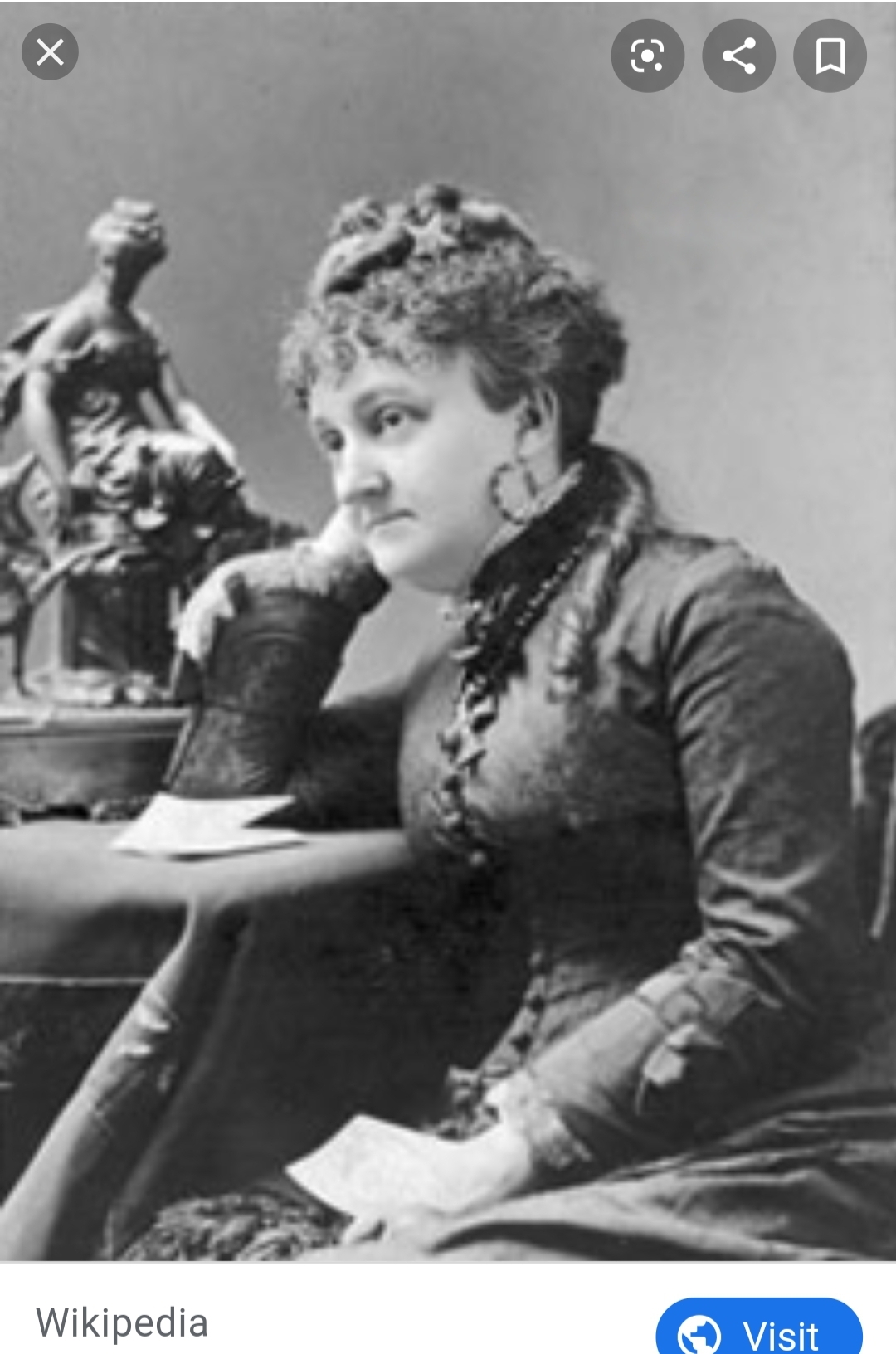
Courtesy of Wikipedia

925: Myra Bradwell

The First Licensed Female Attorney in Illinois

Born: 12 February 1831, Manchester, Vermont, United States of America

Died: 14 February 1894, Chicago, Illinois, United States of America

Myra was denied by Illinois and later federal courts in her attempts to pass the bar; possibly because she was a married woman. At the time, married women had to receive their husband’s consent before entering into any legal contracts. This meant she would not be able to facilitate a proper/attorney client privilege, or other things needed between an attorney and their client.

Before she married, Myra worked as a schoolteacher. After her wedding, she and her husband opened their own private school in Memphis, Tennessee. In 1855, after moving back to Chicago, Myra’s husband was admitted to the Illinois State Bar; meaning he had a license and was able to practice law in the state of Illinois.

In 1869, Myra passed the examination and applied for admittance to the Illinois State Bar herself. Her application was refused on the grounds Myra was a married woman. Not one to be shut out, Myra continued to fight for her case, eventually leading to it being presented before the United States Supreme Court. In 1873, the court ruled against her. Myra would not be admitted to the bar.

Luckily in 1872, the state of Illinois had opened all professions to women. So, while Myra did not renew her application to the bar, she was made an honorary member instead. In 1890, the Illinois State Bar, on its own, decided to admit her to the bar as a full member. In March of 1892, Myra was also admitted to practice before the United States Supreme Court. Unfortunately she passed away from cancer only two years after the decision was handed down.

Myra published the most important legal newspaper in the Western United States for its time (the Chicago Legal News). This was the first legal publication in the United States to be edited by a woman. Myra also helped to organize Chicago’s first women’s suffrage convention and worked with her husband and other leaders to create the American Woman Suffrage Association of Cleveland, Ohio.

Myra also helped get a law signed protecting widows and married women’s rights to retain their own earnings in 1869. This was done with the help of other notable suffrage advocates like Elizabeth Cady Stanton.

In 1876, Myra was chosen to as one of the representatives for the state of Illinois at the Centennial Exposition. While there, Myra was instrumental in securing Chicago as the location of the 1893 World’s Columbian Exposition.

Myra is also known for advocating for the release of the former First Lady, Mary Todd Lincoln from an insane asylum. Myra and her husband were Mary’s chief legal advisors at the time, and they were ultimately successful in securing her release.

In 1994, Myra was posthumously inducted into the National Women’s Hall of Fame.

Badges Earned:

Find a Grave Marked

Located In My Personal Library:

The Book of Awesome Women: Boundary Breakers, Freedom Fighters, Sheroes, and Female Firsts by Becca Anderson

Affairs of State by Robert P Watson

America's Women: 400 Years of Dolls, Drudges, Helpmates, and Heroines by Gail Collins

Sources:

https://www.britannica.com/biography/Myra-Bradwell

https://www.womenofthehall.org/inductee/myra-bradwell/

https://www.americanbar.org/groups/litigation/committees/minority-trial-lawyer/practice/2017/myra-bradwell-first-woman-admitted-to-illinois-bar/

https://www.americanheritage.com/madness-mary-lincoln-0

https://www.findagrave.com/memorial/92728825/myra-willey-bradwell

924) Elizabeth Keckley

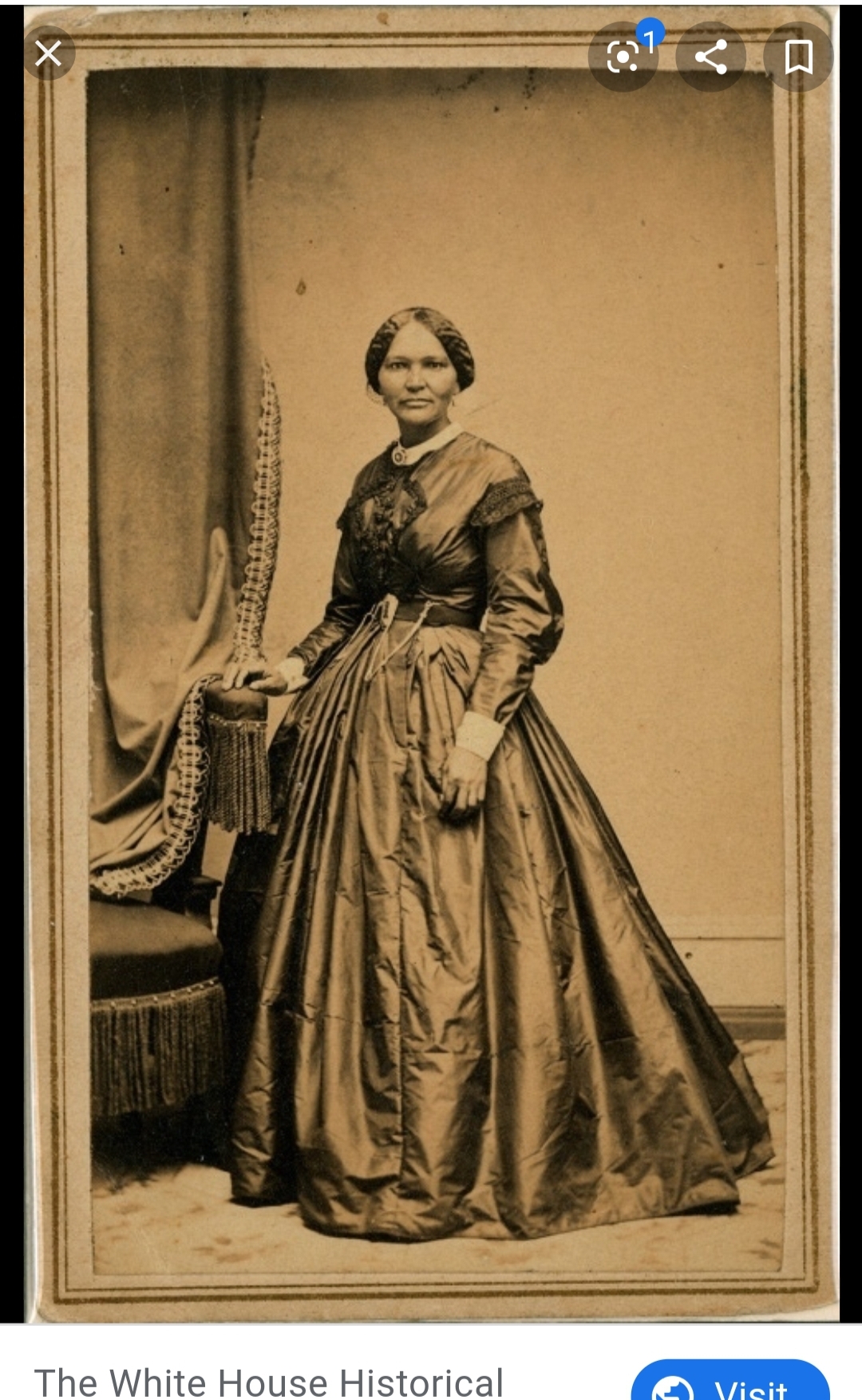
Courtesy of the White House Historical Association

“No common mortal has died—the Moses of my people has fallen.” (Elizabeth's reaction upon seeing Abraham Lincoln’s body)

924: Elizabeth Keckley

Former Slave and Later Personal Seamstress of Mary Todd Lincoln

Born: February 1818, Dinwiddie County, Virginia, United States of America

Died: 26 May 1907, Washington, DC, United States of America

Elizabeth was able to purchase her and her son’s freedom through her seamstress work in 1855. Five years later, Elizabeth moved to Washington DC and opened her own seamstress shop. Her clients quickly included some of the most prominent wives of the nation’s politicians (including Varina Davis, the woman who would soon be First Lady of the Confederacy).

By 1861, on the recommendation of other clients, Elizabeth met the First Lady of the United States, Mary Todd Lincoln. Elizabeth quickly became Mary Todd’s go-to dressmaker, and the pair became close. Mary Todd and Elizabeth relied on one another to survive their grief; both lost sons within a seven-month period of each other (Elizabeth’s only son was killed at the Battle of Wilson’s Creek after enlisting in the Union Army). Mary Todd donated to Elizabeth’s relief aid for newly freed slaves who made their way to the capital, and Elizabeth was one of the few people Mary Todd asked for after Abraham Lincoln’s assassination.

She wrote a book about the goings on in her relationship with Mary Todd, which critics panned for violating her employer’s trust and privacy. Oh if only we lived in an age where a person’s privacy was still so valued (though I should add this was highly hypocritical on the hand of the journalists themselves, who were all to happy to invade Mary Todd and her family’s privacy both during and then after the War Between the States but I digress, back to Elizabeth).

Unfortunately, the book’s publication also led to the end of Elizabeth and Mary Todd’s friendship in 1868. She had written the account in the hopes of improving Mary Todd’s reputation, which had been torn apart after her husband’s death, but instead Mary Todd felt Elizabeth was violating her trust. The pair never spoke again.

Elizabeth returned to her own dressmaking shop, where she also trained other African American women in the art of sewing dresses. In this way, Elizabeth ensured her fellow women would be able to support themselves and their families, the way Elizabeth had done.

At the age of seventy-four, Elizabeth took a faculty position at Wilberforce University in Ohio, as Department Head of Sewing and Domestic Arts. Retirement? What’s that?

Nearer the end of her life, Elizabeth returned to Washington DC, where she passed away.

Badges Earned:

Find a Grave Marked

Located In My Personal Library:

Uppity Women Speak Their Minds by Vicki Leon

Legends & Lies: The Civil War by Bill O'Reilly and David Fisher

Sources:

https://www.whitehousehistory.org/elizabeth-keckley

https://www.loc.gov/exhibits/civil-war-in-america/biographies/elizabeth-keckley.html

https://www.virginiahistory.org/collections-and-resources/virginia-history-explorer/elizabeth-keckley

https://www.smithsonianmag.com/arts-culture/the-story-of-elizabeth-keckley-former-slave-turned-mrs-lincolns-dressmaker-41112782/

https://www.findagrave.com/memorial/156217916/elizabeth-keckley

923) Christina Hoff Sommers

Courtesy of the Washington Times

“Here are young women with more opportunities, more liberties than almost any women in history and at that moment we tell them they’re short-changed silenced victims of a patriarchy? It’s defeatist and demoralizing.”

923: Christina Hoff Sommers

She is Known for Critiquing Contemporary Feminism

Born: 28 September 1950, Sonoma County, California, United States of America

Christina was a philosophy professor and is currently a resident scholar at the American Enterprise Institute (AEI). According to her biography on AEI, Christina “studies the politics of gender and feminism, as well as free expression, due process, and the preservation of liberty in the academy.”

Christina defends equity feminism and critiques the newer gender feminism as she defines them. The terms are explained by WebMD as follows, “The former are women who like men and who want to obtain equality within current social systems in cooperation with men. The latter are women who want to change social systems and who view men as the oppressive enemy and themselves as constant victims.”

Basically, even though Christina herself identifies as more left-leaning in terms of politics, the majority of the left hates her for daring not to fall in line. Its very unfortunate that a figure like Christina can be deemed “controversial” for her views, which are literally that men and women she be treated equally, for both good and bad, and that both sexes should be given equal opportunities regardless of the natural abilities inherent in both sexes.

In 2018, Christina was invited to speak at the law school of Lewis and Clark College. "Protestors" first tried to block people from getting in to hear her speak, and then they repeatedly interrupted Christina during her speech by calling her a fascist. Great job there guys. Glad we all still support free speech.

Christina holds a PhD in philosophy and hosts a vlog series on AEI’s YouTube channel entitled “The Factual Feminist.” Christina has also been a featured guest on Ben Shapiro’s “Sunday Special” YouTube program as well as appearing on various television programs like 20/20, one of Oprah's shows, and others.

Christina is married and has two sons.

Sources:

https://www.aei.org/profile/christina-hoff-sommers/

https://www.bookbrowse.com/biographies/index.cfm/author_number/464/christina-hoff-sommers

https://www.webmd.com/christina-hoff-sommers

https://www.insidehighered.com/news/2018/03/06/students-interrupt-several-portions-speech-christina-hoff-sommers

922) Ayaan Hirsi Ali

Courtesy of Britannica

“Tolerance of intolerance is cowardice.”

922: Ayaan Hirsi Ali

Outspoken Atheist and Activist

Born: 13 November 1969, Mogadishu, Somalia

Ayaan is a champion of free speech, a women’s rights activist, and an author. She has also been criticized by many for stating Islam “is fundamentally incompatible with Western democratic values, especially those upholding the rights of women,” (quote courtesy of Britannica).

Ayaan is a supporter of ridding the world of Female Genital Mutilation once and for all. Sadly, she herself was subjected to this horrible practice as a child (it was carried out on her grandmother’s orders). She could not understand, even as a young girl, why she was being taught women must always obey their husbands. Ayaan wondered if husbands had to obey their wives as well. She would soon learn the answer to that question—it was a resounding no (in her strict Muslim upbringing in any case).

Ayaan fled and claimed political asylum in the Netherlands after her father forced her to marry a distant cousin. Ayaan was eventually elected to parliament after starting off in the country as a janitor. While in parliament, Ayaan let her voice be heard. She advocated for an end to FGM and honor killings once and for all.

In 2004, Theo van Gogh, who had directed a short film about Ayaan and other oppressed Muslim women, was assassinated with the killers leaving a threatening note for Ayaan on his body.

In 2013, Ayaan became a United States citizen; continuing her activism work in a country that supported her right to free speech and expression in a way she wasn’t able to attain in the Netherlands.

As of 2021, Ayaan has published six books and holds a degree in political science.

Ayaan founded the AHA Foundation to help further her efforts with free speech and women’s rights. She is also a research fellow at the Hoover Institution at Stanford University.

Badges Earned:

Located In My Personal Library:

Infidel by Ayaan Hirsi Ali

Prey: Immigration, Islam, and the Erosion of Women's Rights by Ayaan Hirsi Ali

Sources:

https://www.theahafoundation.org/ayaan-hirsi-ali-founder-of-the-aha-foundation/

https://www.britannica.com/biography/Ayaan-Hirsi-Ali

https://www.hoover.org/profiles/ayaan-hirsi-ali

921) Qandeel Baloch

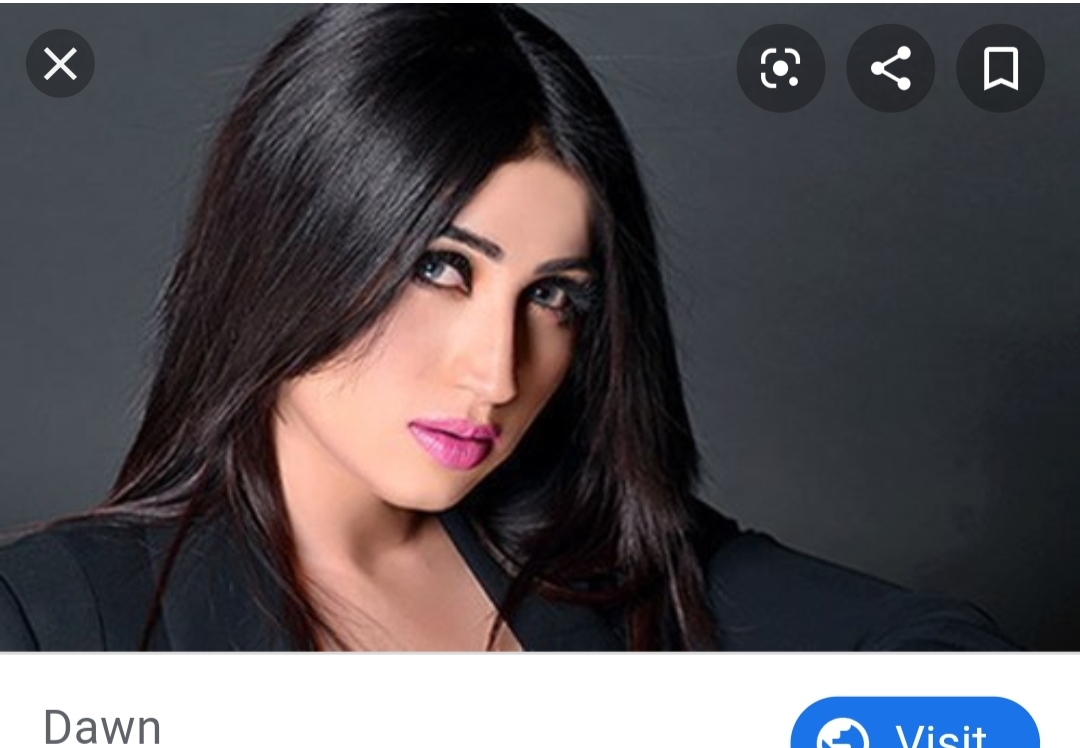
Courtesy of Dawn

"As a woman, we must stand up for ourselves. As a woman, we must stand up for each other."


"At least international media can see how I am trying to change the typical orthodox mindset of people who don’t want to come out of their shells of false beliefs and old practices."

921: Qandeel Baloch

Model and Women’s Right Activist

Born: 1 March 1990, Dera Ghazi Khan, Punjab, Pakistan

Died: 15 July 2016, Multan, Punjab, Pakistan

Original Name: Fouzia (or Fauzia) Azeem

Qandeel was murdered via a so-called “Honor Killing” by her brother.

She was called the Kim Kardashian of Pakistan for her social media presence. Some have even gone so far as to claim Qandeel was Pakistan’s first social media star in general.

At the age of eighteen, Qandeel had been married off to a cousin and had a son with him. She accused her husband of abuse, but he denies the accusations. After two years, the marriage ended. Initially, Qandeel tried to raise her son as a single mother. However, after she realized she couldn’t take care of him in her current circumstances, Qandeel returned the boy to his father. She always hoped to get him back one day, but Qandeel never saw her son after he was returned to his father.

After leaving her husband, Qandeel was disowned by her family. One of her brothers even reportedly threatened to kill her to reclaim the family’s honor, but she escaped the violence at that time. The next three years of her life are shrouded in mystery. No one really knows where she was or what she was doing, but by 2012 that would change. Moving to Karachi, Qandeel officially changed her name and began her career on television. She had a few bit parts, but nothing major. Finally, in 2014, Qandeel discovered social media.

Qandeel’s social media presence always marked her as refusing to follow the more mainstream Conservative role Pakistani women have long played in society. One of her first posts to garner attention was Qandeel swimming in a pool with other men around. For those of us in the western world, the response might have been, “Um, so what?” But in Pakistan, this was boundary breaking.

Qandeel went on to appear in music videos and became a huge star on various social media sites, most notably Facebook. She was even paid to promote several products on a few occasions. According to people she worked with, Qandeel wrote scripts and reshot her videos over and over again until she thought they were perfect and would go viral. Qandeel even made national headlines when she promised to do a striptease for the captain of the Pakistani cricket team should Pakistan beat their rival India in the World Twenty20 Cup.

At another time, Qandeel went viral again. This time it was after a Pakistani politician and former cricket player announced he was divorcing his second wife. Qandeel, never one to let a good headline go, showed up in front of his house with news cameras in tow. Qandeel was determined to become Mrs. Khan number three, and even asked cameramen to help her over the wall into the man’s yard to beg him to marry her. Obviously in her eyes, this was all in good fun, and it made Qandeel an even more household name across her country.

Qandeel hid her real name and birthplace as best she could, but the truth about her past came out after a major controversy surrounding a leading Muslim scholar in her country. The scholar was fired from his job after photos surfaced of Qandeel and him in a hotel room, alone, during Ramadan. In one of the photos, Qandeel can be seen wearing his lambskin hat, while in others they are posed in ways Muslim religious scholars are not supposed to pose; if you catch my meaning. Both Qandeel and the scholar would later accuse each other of various things. Qandeel stated the man was in love with her, while he would say Qandeel was trying to steal publicity off of him. Qandeel also said the mullah shared a cigarette and a drink with her; a major no-no seeing as this happened during a religious holiday and she was a woman.

Before her identity was leaked, Qandeel had told her followers she was the daughter of a rich landlord. In actuality, she had grown up in a house with dirt floors in a small rural village. She had six brothers and at least one sister. Her family was horrified and angered when her identity was leaked, and the world learned she had come from them. Qandeel’s father was staunchly conservative and the women in her village are rarely seen outside of the home. When they are, they are completely covered from head to toe in a niqab. One of Qandeel’s sisters remembered, as a child, Qandeel was already claiming she would never cover up with a niqab.

Qandeel was found dead only eighteen days after her real name hit the press. Before her death, Qandeel asked for police protection and never received a response. Her brother killed her in their family home while their parents slept; possibly after being dosed with sleeping pills by Qandeel’s brother. The Human Rights Commission of Pakistan said they estimated in 2015, 1,100 women in Pakistan were victims of so-called “honor crimes.” The estimates continue to state that around 1,000 women are murdered in honor killings ever year in Pakistan, but that might be underreported considering most are chalked up to "suicide."

After three years, Qandeel’s brother was found guilty of murder and sentenced to twenty-five years to life in prison in 2019. Several other defendants were acquitted; including the man Qandeel had been in the hotel room with when the scandal erupted. He was being investigated after it was reported that his influence and following might have indirectly led Qandeel’s brother to kill her. He certainly had motive of his own, seeing as the scandal ruined his career.

After her murder was announced, that man’s official response was, “In the future, before you humiliate the clergy, you should remind yourself of this woman's fate.” So, you know, an overall stellar guy there. He also stated that even though he’s a liberal who supports the ending of honor killings, in Qandeel’s case her death was a sign of God’s displeasure towards her. He also said it was telling that she had over 700,000 followers online but less than 100 showed up to her funeral service. Just go on and keep proving why Qandeel didn’t like you.

Qandeel’s parents were very upset when the verdict was handed down against their son. They stated they had forgiven him and did not want him to go to prison. As sick as that sounds, its worse when you realize Qandeel had paid for them to move to a bigger town and bought them a new house with the money she earned from her career (they were subsequently sent back to their original home after Qandeel’s death). At the time in Pakistan, the family of a murdered girl could ensure the murderer, who is also a member of their own family, could not be found guilty so long as the family forgives them. However, in Qandeel’s case, the local police decided the family’s forgiveness could not save Qandeel’s brother that time. Luckily today the law has changed, so that even if a family member is forgiven, they will still have to serve time in prison if they are found guilty.

In my own personal opinion, the reaction of Qandeel’s family is exactly why so many women and girls are still victimized in Pakistan and other Middle Eastern and Muslim majority countries. It is the same attitude that allows dowry crime to fester in rural parts of India (it is estimated twenty women every day die from dowry murder or forcible suicide every year in India). We have to protect our women and girls, not let their own families kill them for so-called honor or to collect another dowry. Why is this such a controversial opinion?!

I’ve taken the liberty of sharing the following statistics from the second BBC article linked below. This information was written in 2019. As you can see, Pakistan is one of the many nations that has a long way to go in terms of gender equality. Qandeel helped push her people closer in that direction, but her murder shows just how far things need to go still.

“According to the World Economic Forum, Pakistan is the second worst country in the world in terms of gender parity. Women hold fewer than 7% of managerial positions.

Early marriage remains a serious issue in Pakistan, with 21% of girls in the country marrying before the age of 18, and 3% marrying before 15.

More than five million primary school age children in Pakistan are not in school, most of them are girls, according to Human Rights Watch.

There were 35,935 female suicides between 2014 and 2016 according to figures by White Ribbon Pakistan,” (Courtesy of the BBC).

Badges Earned:

Find a Grave Marked

Sources:

https://www.bbc.com/news/world-asia-49874994

https://www.bbc.com/news/world-asia-49848384

https://www.theguardian.com/world/2017/sep/22/qandeel-baloch-feared-no-one-life-and-death

https://tribune.com.pk/story/1143032/10-inspiring-quotes-qandeel-baloch

https://www.findagrave.com/memorial/167109094/qandeel-baloch

920) Joanna Palani

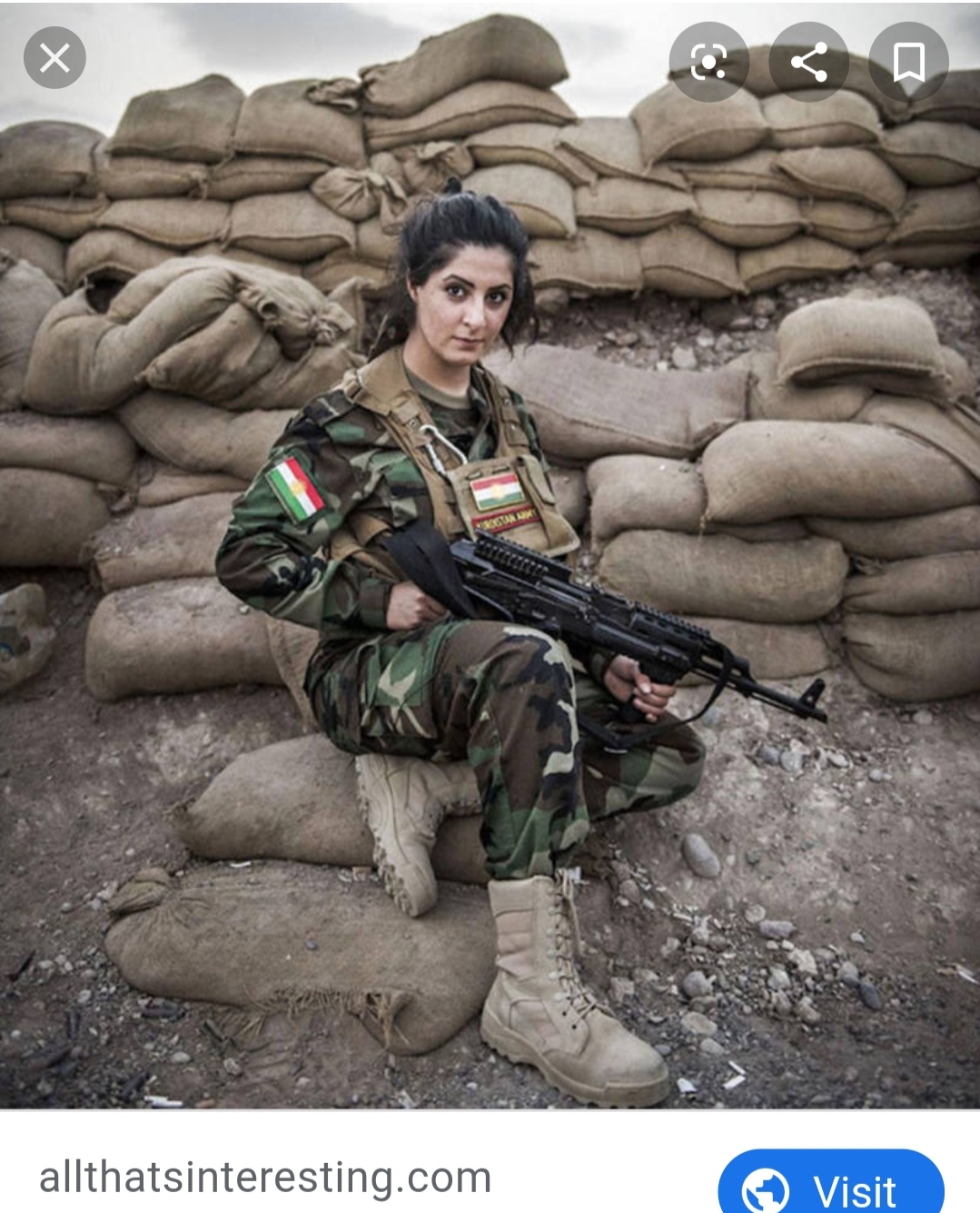
Courtesy of All That's Interesting

“Before I came to Denmark, I remember I made a promise to myself to make a difference. This was my plan as a three-year-old when I was just a girl digging holes in the desert for water.”

920: Joanna Palani

Danish/Kurdish Warrior Who was Jailed by Denmark For Fighting the Islamic State

Born: 1993, Ramadi Desert, Iraq

Original Name: Hero Palani (Yes really)

Yes, you’re reading that right. Joanna was jailed by her own country for being a hero—as horrible as it sounds.

Joanna fought and was trained as a sniper in the war against the Islamic State. She served in the Kurdish Peshmerga and YPJ forces.

Joanna was jailed upon returning home to Denmark for breeching passport laws and fighting as an unofficial soldier; becoming the first person in Danish history to be jailed for fighting in a war on the same side as international coalition forces. The law she was arrested under had been passed to stop Danish citizens from joining the Islamic State, but also meant people who chose to fight against IS would also be punished.

Joanna was sentenced to nine months in prison for this “offense.” Its also been reported by some that Jihadists put out a $1 Million bounty on her head. She now says she fears for her safety in Denmark more so than on the front lines in Syria. The Danish government also continued to punish Joanna further. She was arrested after trying to remove money from her own bank account. Joanna needed the money to buy food, but the government didn’t care. They took away her bank card and her student card from her time in university. She was literally left homeless and with nothing to her name; all for daring to fight for her people and her adopted country.

Joanna was born in a refugee camp in Iraq before emigrating to Denmark as a small child. While she quickly adapted to her new Danish life, her family clung harder to their Kurdish ways. Unfortunately, this meant Joanna’s relationship with her family was often strained, and she was abused by them all throughout her upbringing. This abuse included mental, physical, and even unwanted sexual contact. Her family later abandoned her entirely for being both too Western and too Kurdish.

Joanna left university to fight the Islamic State and served three tours in the Middle East—one after her passport was revoked. While serving in the Middle East, Joanna served in the Battle of Kobani and was a part of a raid that liberated several Yazidi girls who had been used as sex slaves by the Islamic State. Most of the girls were still children, and one was found pregnant. Sadly, the baby had already died inside of her, and it was too late to save the child herself. She died in excruciating pain only a few hours after being rescued.

She had to return to Denmark twice from the frontlines because of injuries—the first for stomach surgery and the second after fracturing her skull after falling from a building.

For the small time she worked with the Peshmerga she became the third generation in her family to do so. Her father and grandfather had fought with the Peshmerga before her, but instead of being proud of her, Joanna’s family shunned her actions.

I highly encourage anyone with the ability to read Joanna’s memoir: Freedom Fighter, to do so. The account teaches not just a basic history of Kurdish beliefs and customs—and why they continue to fight so hard for their basic human rights, but also explains why the Kurds continue to fight the Islamic State. This is something that is rarely if ever taught in the public school system, and seeing as its happening right before our very eyes, its important to be educated.

Badges Earned:

Located In My Personal Library:

Freedom Fighter by Joanna Palani

Sources:

Freedom Fighter by Joanna Palani

https://allthatsinteresting.com/joanna-palani

http://www.hanburyagency.com/authors/joanna-palani.asp

https://www.thetimes.co.uk/article/joanna-palani-interview-she-fought-isis-in-syria-and-now-fears-for-her-life-at-home-in-denmark-gjb8lfnlw


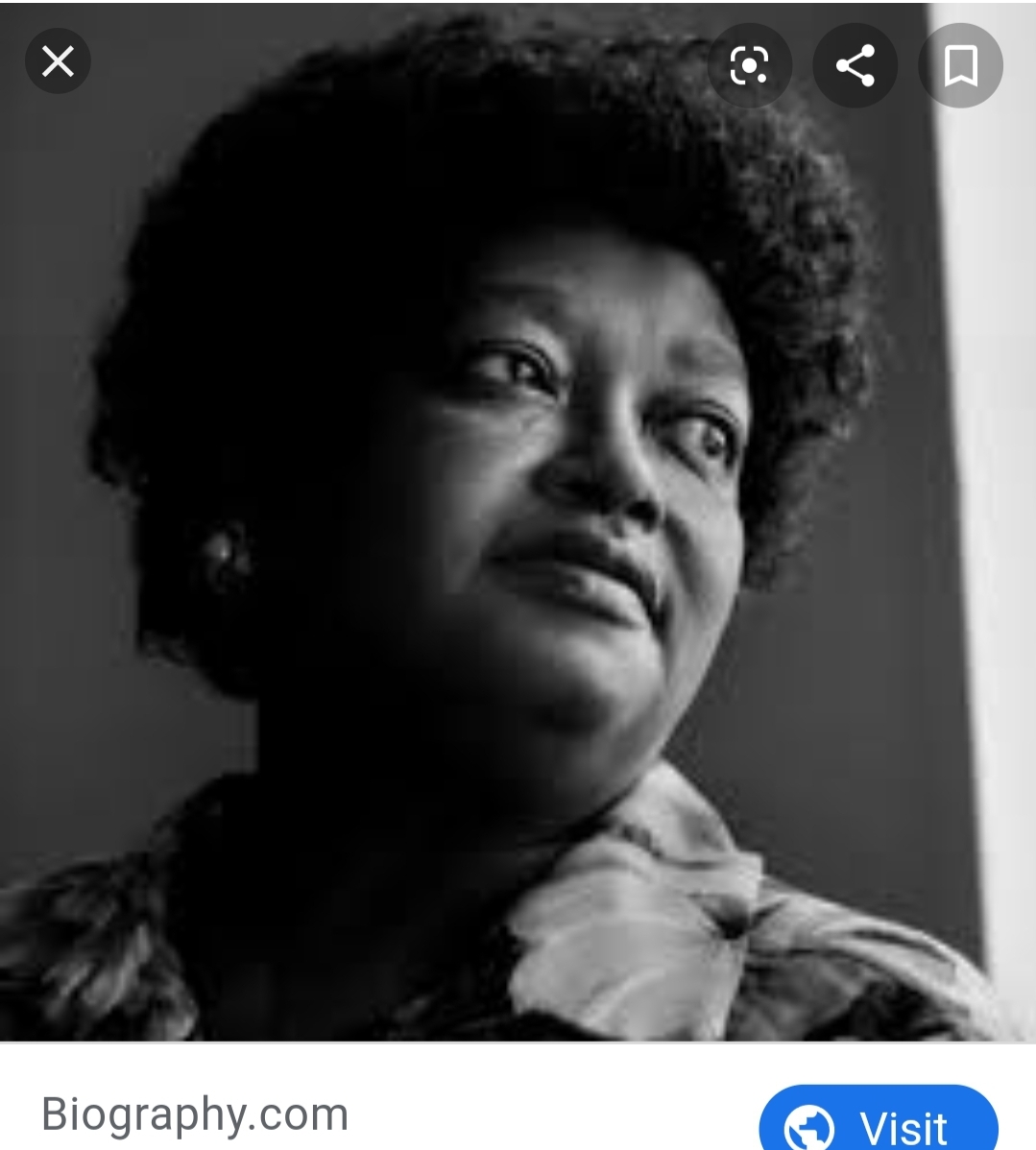
919) Claudette Colvin

Courtesy of Biography

"My head was just too full of black history, you know, the oppression that we went through."

919: Claudette Colvin

Refused to Give Up Her Bus Seat Nine Months Before Rosa Parks

Born: 5 September 1939, Montgomery, Alabama, United States of America

Claudette’s act of bravery occurred on the Montgomery bus lines too no less! Oh, and she was only fifteen years old at the time.

The bus driver asked Claudette and three of her friends to all stand up and move to the back so one white passenger could sit on the bench.

The three friends got up and moved but Claudette remained sitting by the window. She stated she had paid her fare and it was her Constitutional right to be able to sit where she was. By law the white passenger wasn’t allowed to sit beside Claudette because white and black people weren’t allowed to share seats. Yes, I acknowledge just how stupid that sounds, but that was the unfortunate law of the time.

The driver decided to continue on the route until he found some policemen who handcuffed Claudette and forcibly removed her from the bus.

Claudette had to wait in an adult jail cell for three hours before her mom and pastor could bail her out. She was later given probation after being found guilty of violating the city’s segregation laws and assault. Evidently she'd scratched the police officers as they dragged her off the bus.

Claudette later claimed her bravery in the moment stemmed from the fact she had been learning about African American figures in school who had also defied convention and laws to do great things (figures like Harriet Tubman and Sojourner Truth for example). Claudette’s story is one I personally love because she entered history by studying history—exactly what my personal goal and hope for the world is! Until you know where you came from, you cannot possibly be educated to know why you stand for what you do. Claudette used her knowledge to take a stand, and it worked.

Later on, she become one of four plaintiffs in Browder v Gayle, which ended segregation on buses in Montgomery and Alabama at large.

When asked why the general public (and the NAACP that is) latched onto Rosa’s story and not her own, Claudette said she believed it was because Rosa was an adult and she had the right look. Claudette embellished with, "Her skin texture was the kind that people associate with the middle class. She fit that profile." Claudette was from the poorest section of Montgomery. Her father mowed lawns and her mother was a maid. Though they went to church, they weren’t the ideal candidates for launching a nationwide protest.

Another reason Claudette was forgotten about and even shunned by parts of her community is because soon after her arrest, she became pregnant. One source states the father was an older married man no less. This meant Claudette was far from the ideal candidate to get the court of public opinion on her side, sadly. So instead she faded from view for the next fifty years. Her story was only really rediscovered in the late 2000’s, when a biography was published about her in 2009.

In later life, Claudette moved to New York and became a nurse. She had two sons, Raymond and Randy. Sadly, Raymond died when he was only thirty-seven after struggling with various addictions. Randy got married and had a family of his own; allowing Claudette to become a grandmother. And although her story was forgotten at the time, Claudette continued to fight for racial equality and justice. She continues that fight today.

In December of 2021, an Alabama judge honored Claudette's request to have her juvenile arrest record expunged. Claudette is no longer labeled a "Juvenile Delinquent", and considering she was never arrested or charged with any other crimes, she now has a completely free and clean record in that department.

Badges Earned:

Located In My Personal Library:

Time Magazine's 100 Women of the Year (Claudette appears in the 1955 article, "The Bus Riders”)

Sources:

https://www.npr.org/2009/03/15/101719889/before-rosa-parks-there-was-claudette-colvin

https://www.biography.com/activist/claudette-colvin

https://www.npr.org/2021/12/16/1064890661/claudette-colvin-rosa-parks-arrest-record-expunged

http://www.core-online.org/History/colvin.htm

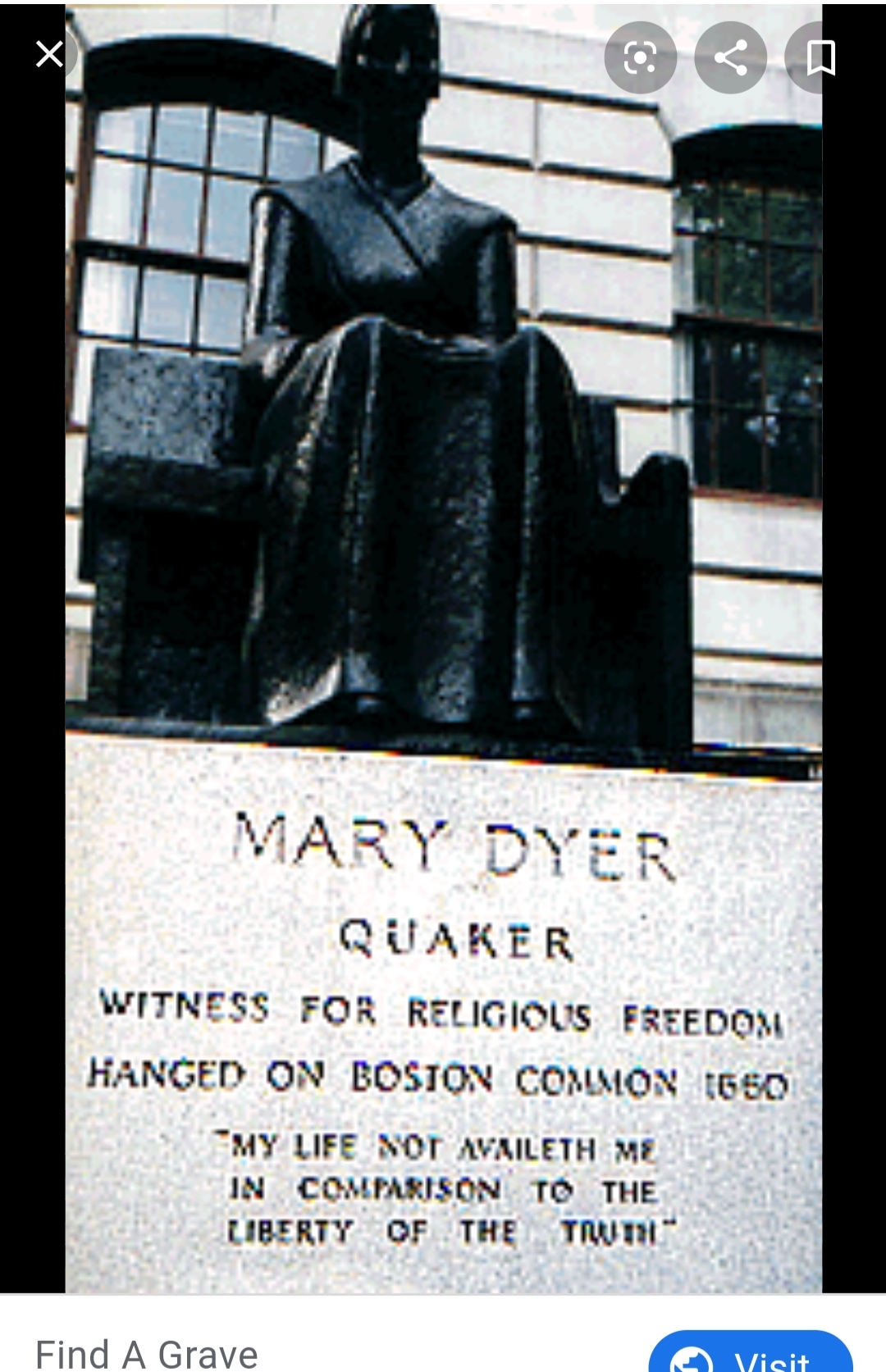
918) Mary Barrett Dyer

Courtesy of Find a Grave

“Nay, man, I am not now to repent."

918: Mary Barrett Dyer

One of America’s First Religious Martyrs

Born: c.1611, England (Present-day England, United Kingdom)

Died: 1 June 1660, Boston, The Colony of Massachusetts (Present-day Boston, Massachusetts, United States of America)

Mary converted to Quakerism (or more correctly a member of the Society of Friends) after being born a Puritan. She believed in Anne Hutchinson’s preaching and supported the message behind them (before she converted, both women still identified as Puritans at the time). Anne and Mary were therefore seen as dangerous outliers to the theocratic Puritan government in charge of the Massachusetts Bay Colony. The dangerous words Anne and Mary preached? That god “spoke directly to individuals” rather than only speaking through members of the Clergy (Quote from "Quakers in the World" linked below).

Before she, her husband, Anne Hutchinson, and several others were banished from the colony, Mary gave birth to a stillborn deformed baby which was privately buried. Mary and her husband would eventually have six children; the deformed one was her third.

After her banishment, the governor of the colony ordered the body exhumed to be ridiculed and used as proof Mary and her friends were heretics. His disgusting and vile description of the dead child circulated throughout the western world and was even published in England several years later.

After their banishment, Mary and her friends went to Rhode Island, which was founded on the principle of religious freedom. Anne and her family went to Long Island, where they were slaughtered by a tribe of Native Americans. A few years later, Mary and her husband traveled to England, where Mary learned of the Society of Friends and their beliefs for the first time. Mary identified their beliefs as similar to the ones she herself had come to accept with Anne Hutchinson years before. This is when Mary converted to Quakerism.

Mary was not just a Quaker, but a preacher in her own right. The Society of Friends was one of the first religious sects to allow women to preach before congregations. This definitely attracted a wide variety of women to their teachings and way of life.

Remaining in England until 1657, Mary finally returned to the colonies. (I'd like to note that the details from here on out get a little sketchy depending on which source you use, but this is my best summation of those various stories and sources). A year later, Mary traveled to Boston to protest the new law that had been put in place which banned Quakers from living in the colony. The law also mandated Quaker books be burned, and any new Quaker arriving from England be jailed. Mary was arrested for her protests but was later released after her husband, who hadn’t converted, was able to get her out on the promise Mary would never return to the Massachusetts Bay Colony.

Mary was lucky. Other Quakers in the colony faced punishments like whippings, having their ears chopped off, and being branded with the letter B on their forehead (for Blasphemy—subtle I know). Others even had their tongues burned with hot irons to prevent them from speaking their blasphemous ways.

Despite knowing all of this, Mary wasn’t about to listen to any banishment order. She re-entered Massachusetts twice more and was caught and arrested both times. The first time, Mary was kicked out of the colony and warned against coming back. The second time she came back, Mary was arrested alongside other Quakers who had traveled with her to publicly defy the law. This time Mary was sentenced to death alongside two other Quakers. The two others were hung, but at the last-minute Mary’s husband (or son, sources differ) secured a reprieve for her, against her wishes. Mary would never renounce her newfound faith.

In 1660, Mary returned to Massachusetts again. She had continued to preach all over New England and couldn’t ignore the law that banned her people from merely living within the boundaries of Massachusetts Bay. Her husband and family begged her not to go, and then begged her to repent after she was arrested once more. Mary stood by her convictions and beliefs and refused. She was once again sentenced to death.

Mary was hanged in Boston alongside three other Quakers. Today, they are remembered as the Boston Martyrs. Three identical statues of Mary stand in front of the Massachusetts state capitol, the Stout Meetinghouse of Earlham College in Richmond, Virginia and the Friends Center in Philadelphia, Pennsylvania.

Badges Earned:

Find a Grave Marked

Located In My Personal Library:

America's Women: 400 Years of Dolls, Drudges, Helpmates, and Heroines by Gail Collins

Here is Where: Remembering America’s Great Forgotten History by Andrew Carroll

Sources:

https://www.quakersintheworld.org/quakers-in-action/15/Mary-Dyer

https://www.tolerance.org/classroom-resources/texts/the-silencing-of-mary-dyer

https://www.brooklynmuseum.org/eascfa/dinner_party/heritage_floor/mary_dyer

https://www.britannica.com/biography/Mary-Barrett-Dyer

https://www.findagrave.com/memorial/8753491/mary-dyer

  • Previous
  • 1
  • …
  • 31
  • 32
  • 33
  • 34
  • 35
  • 36
  • 37
  • …
  • 159
  • Next

Categories

Archives

  • July 2025 (10)
  • July 2024 (1)
  • January 2024 (1)
  • August 2023 (1)
  • June 2023 (2)
  • October 2022 (1)
  • July 2022 (1)
  • June 2021 (3)
  • December 2020 (3)
  • August 2019 (1)
  • July 2019 (2)

Search

© 2026 The Exasperated Historian | Powered by Minimalist Blog WordPress Theme