The Exasperated Historian
Menu
  • Home
  • The Women’s List (New)
  • The Men’s List
  • The Animal List
  • Collections
  • The Blog
  • Contact Us
  • FAQ
Menu

Category: Birth Locations

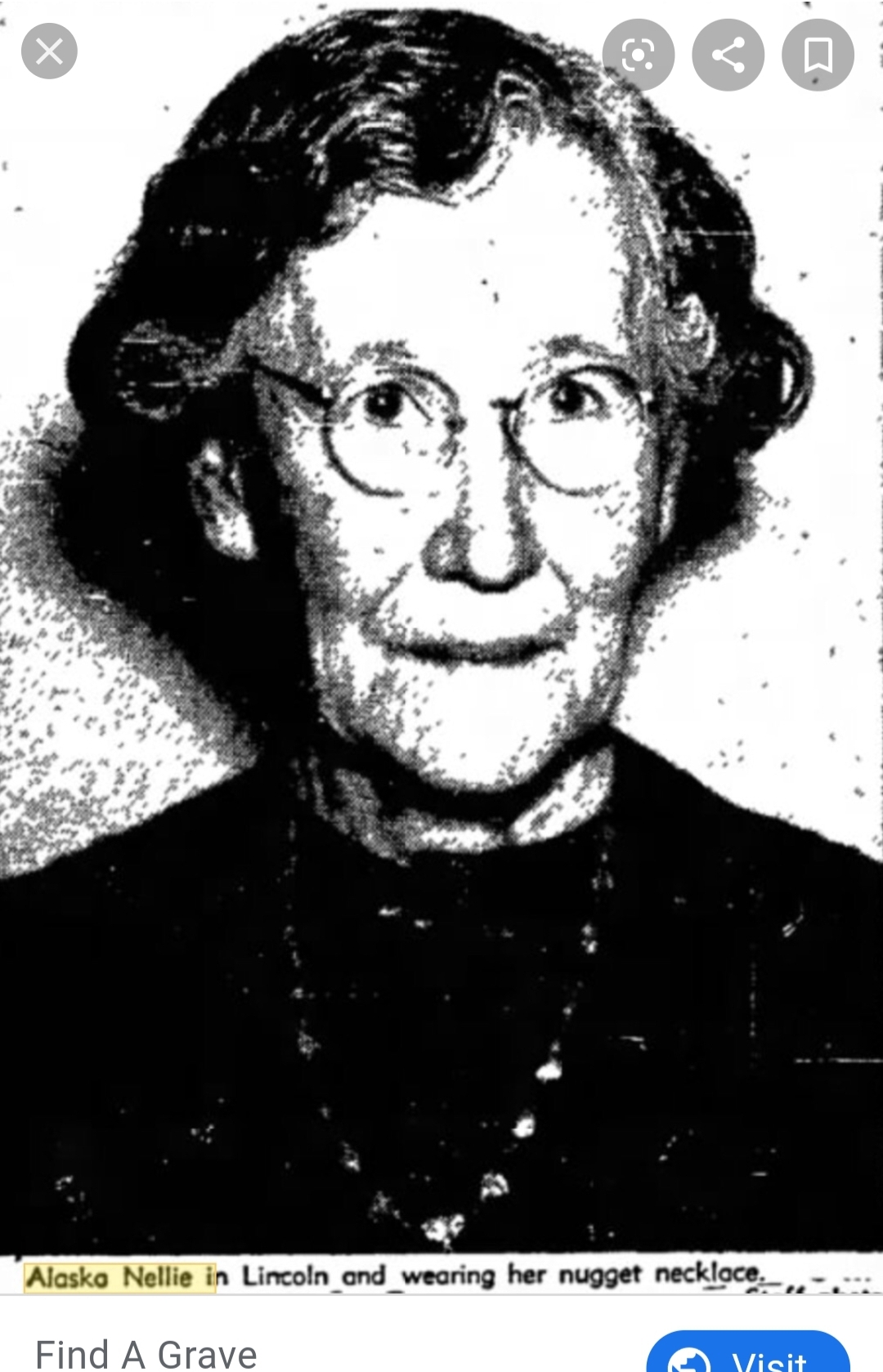
947) Nellie Neal Lawing

Courtesy of Find a Grave

947: Nellie Neal Lawing

Roadhouse Operator, Frontierswoman, Sled Runner, Hunter, & Trapper

Born: c.1874, Buchanan County, Missouri, United States of America

Died: 10 May 1956, Steward, Alaska, United States of America

Also Known As: Alaska Nellie

From the time she was a child, Nellie dreamed of going to Alaska; America’s last frontier. She finally arrived in the icy northern state in 1915 when she was forty-two years old.

Nellie ran her roadhouse on the payroll of the United States Federal Government while the Alaska Railroad was being built. She was the first woman to be paid by the federal government in Alaska. Nellie was contractually obligated to provide food and lodging to employees of the railroad, but she did more than that.

Eventually, Nellie operated three roadhouses for the workers, providing fresh game and vegetables from her garden. Nellie also entertained the lodgers with storytelling and by letting people look at her pet bear (yes, I’m serious). She also loved to show off her hunting trophies and was reportedly one of the best big game hunters in the area.

One winter, Nellie noted the mailman hadn’t arrived on time. She went out in the blizzard, tracked the mailman down, helped him back to her roadhouse, fed him, and then delivered the mail to the train station while the man recovered. So yeah, Nellie was a bit of a bada**. The local town gifted Nellie a gold nugget necklace in gratitude for her rescue of the mailman.

Nellie also kept track of how many visitors she’d seen over the years. Her final count reached above 150,000, including two US presidents, a Bulgarian prince, various other celebrities. The home was added to the National Historic Register in 1975.

Nellie was married but had no children. Her autobiography was published in 1940.

Nellie’s final roadhouse can still be visited; albeit from the outside. After her death, it was realized that the probate courts had never gone through her husband’s things when he had died twenty years earlier. Now Alaska had to go through probate for both Nellie and her husband’s effects, and the entire ordeal took years to sort out. Today, most of Nellie’s items have been auctioned off and spread around the world; despite the fact fans tried to keep them together after her death.

Badges Earned:

Find a Grave Marked

Located In My Personal Library:

Wild West Women by Erin Turner

Sources:

https://www.anchoragemuseum.org/exhibits/extra-tough-women-of-the-north/women-of-the-north-profiles/nellie-neal-lawing-pioneer-hunter-roadhouse-operator/

http://www.litsitealaska.org/index.cfm?section=Digital-Archives&page=People-of-the-North&cat=Pioneers&viewpost=2&ContentId=2720

https://www.geni.com/people/Nellie-Lawing/6000000022988605380

https://www.findagrave.com/memorial/9907925/nellie-neal-lawing

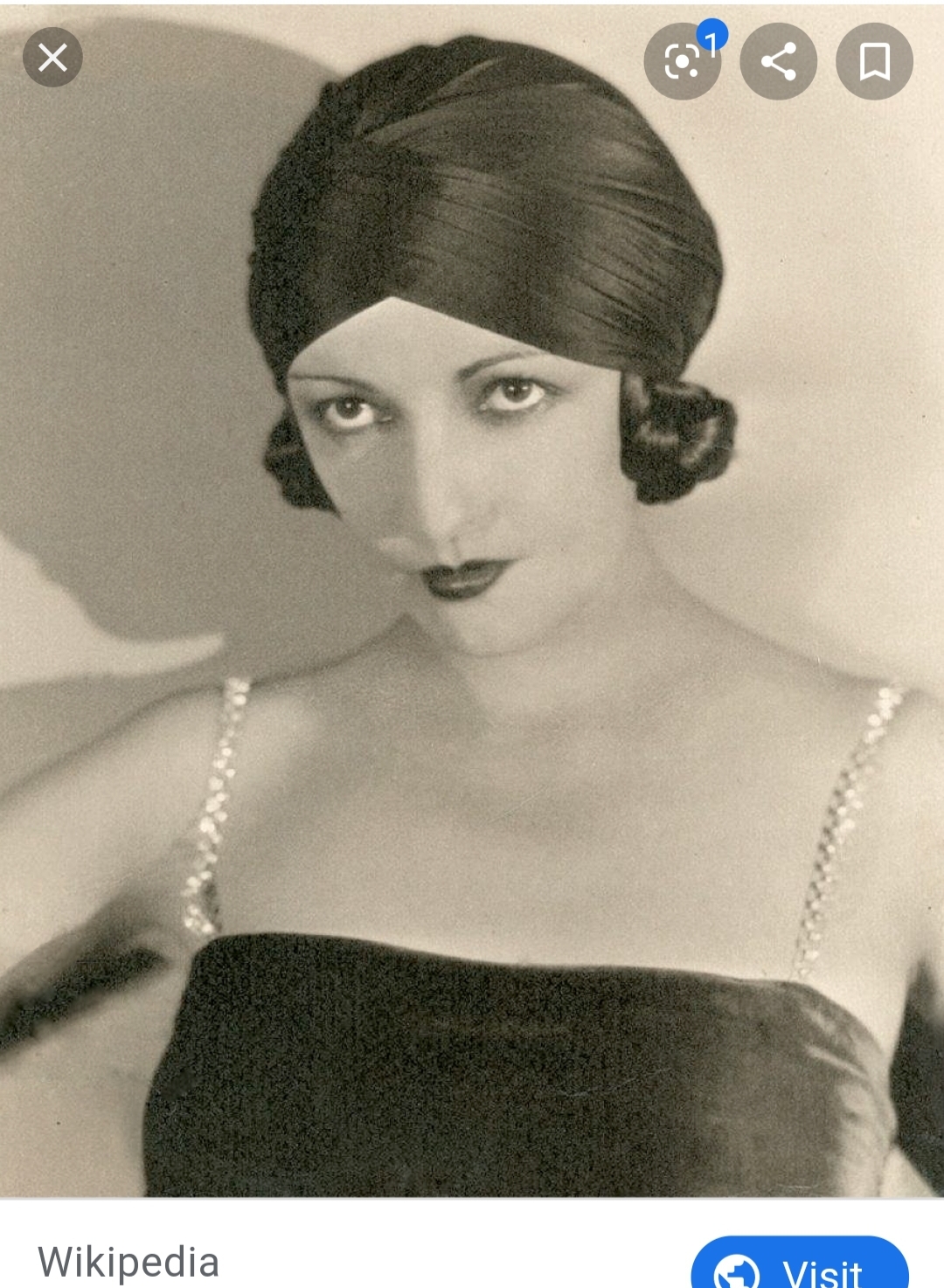
946) Natacha Rambova

Courtesy of Wikipedia

"I have been working since I was 17. Homes and babies are all very nice, but you can't have them and a career as well."

946: Natacha Rambova

Film & Costume Set Designer in Early Hollywood

Born: 19 January 1897, Salt Lake City, Utah, United States of America

Died: 5 June 1966, Pasadena, California, United States of America

Original Name: Winifred Kimball Shaughnessy

Natacha was also a silent-era actress.

When not working on movies, she was also an Egyptologist and Antiquities Collector. Oh, and she had previously been a principal dancer in a ballet company.

Natacha was the great-granddaughter of one of the founders of the Church of Jesus Christ of Latter-Day Saints, Heber Kimball. She didn’t stick to her Mormon roots long, however, and had changed her name from Winifred to Natacha before her twentieth birthday.

When she first began working in Hollywood, much of Natacha’s work went uncredited to her. Another male coworker took all the credit, and even after Natacha proved the designs were really hers, it was too late, the damage had been done. Many believe this early theft of her work has helped explain why so few know of Natacha and her work today.

Natacha’s designs were groundbreaking for several reasons. For one thing, she did her best to ensure everything was historically accurate (she had several projects that included Ancient Egyptian and other ancient cultures). Natacha also included feathers, draped fabrics, bangles, baubles, and other fun items to add to her costumes.

Natacha was married to Rudolph Valentino. The couple lived together for five years and were married for three of them. Reportedly at the time of their first wedding, Rudolph was still legally married to someone else and so he was charged with bigamy and the couple had to remarry a year later after his divorce went through. In the five years they were together, they made seven movies together. Natacha also worked as Rudolph’s manager during this time and helped him to sue a film company for mistreatment. Rudolph and Natacha would win the suit and gain complete creative control over their future works.

Despite working on many movies as a set designer, costume designer, and even producer and writer at times, Natacha was labeled by some as the most disliked woman in Hollywood at the time. She was too artistic, too weird, and was considered by many to be ruining Rudolph’s career by dragging him into her avant garde productions as well.

In 1925, Rudolph signed a new studio contract that stated he could only work if he removed Natacha from his career. Obviously, this upset Natacha and the contract was a contributing factor in their divorce proceedings. However, less than a year later Rudolph was dead, leaving the whole thing a moot point.

By 1928, Natacha left Hollywood entirely. Natacha began working as a set designer and actress for stage productions and also pivoted to writing as a journalist. She even operated her own clothing store for a time in New York City. She got remarried in the 1930’s but was divorced by the end of the decade. Reportedly both of Natacha’s marriages ended, in part anyway, because she did not want children and her husbands did.

In the 1950’s she actually became a published scholar in the field of Egyptology. Natacha had first traveled to Egypt with her second husband and quickly became interested in the field. She published articles, gave lectures, and was given grants to continue her studies on Egyptian symbolism and mythology.

When she died in 1965, reports state Natacha’s mental health had declined from malnutrition. Despite everything she had accomplished in her life, her death certificate reportedly lists her occupation in life as “housewife,” according to one source.

Natacha is portrayed by actress Alexandra Daddario in American Horror Story’s fourth season, Hotel.

Badges Earned:

Find a Grave Marked

Sources:

https://wfpp.columbia.edu/pioneer/ccp-natacha-rambova/

https://www.imdb.com/name/nm0708118/bio?ref_=nm_ov_bio_sm

https://www.utahwomenshistory.org/bios/natacha-rambova/

https://egyptology.yale.edu/collections/natacha-rambova-archive-yale-university/life-natacha-rambova

https://www.findagrave.com/memorial/10126189/natacha-rambova

945) Jane Dieulafoy

Courtesy of Mental Floss

945: Jane Dieulafoy

Parisian Gender Non-Conformist & Archaeologist

Born: 29 June 1851, Toulouse, France

Died: 25 May 1916, Haute-Garonne, France

Also Spelled: Jeanne Dieulafoy

Jane is most known for wearing pants when it was illegal to do so in France (don’t worry, she got special permission from the government allowing her to walk around wearing men’s clothes and keeping her hair short).

Jane also fought in the Franco-Prussian War and was an archaeologist.

She was the fifth girl born in her family, and her father died soon after she was born. Jane was educated at a convent and learned several languages, taking a particular interest in the arts.

In 1870, Jane married Marcel Dieulafoy, a civil engineer who agreed to enter an equal marriage and partnership with Jane. She would not be a subservient housewife and he would not be a dominating overbearing husband.

The same year as the marriage, the Franco-Prussian War broke out. Marcel joined the French Army as an engineer, and rather than stay home and wait for him to come back, Jane slipped into a soldier’s uniform and followed after him. She was never discovered as a woman and trained as a sharpshooter, following Marcel on every mission.

With the war over, Marcel and Jane traveled all over the Middle East; exploring Iran, Egypt, and Morocco. After a while, Marcel quit his day job so that he and Jane could explore all the time. In 1880, while at a dig in Iran (Persia at the time), they came across a 6,000-year-old regional capital at Susa.

During the entirety of the fourteen month dig and journey across ancient Persia; Jane continued to dress as a man. This was partly for practicality and partly for safety. At the time, a white woman traveling in the Middle East was dangerous, and so Marcel and Jane both carried weapons, and even had to use them on occasion. The couple also both endured fevers and other strange ailments; and at one-point Jane had to shave her head after a lice infestation.

Once they returned to Paris, Jane released a book filled with drawings, photographs, and her own recollections of her travels. The book became a bestseller throughout France.

In 1885, Marcel and Jane returned to Susa, where their second expedition yielded much better results than the first. Jane had used the time away to become a trained archaeologist in her own right, and so on this trip she was able to lead teams of dozens or even hundreds of workers to excavate the site. The pride of the dig to be discovered was a Lion Frieze from the former king’s palace, now hanging in the Louvre.

In 1886, upon her return to Paris, Jane was awarded the Legion D’Honneur and was given special permission to continue to dress as a man, as mentioned above. Jane considered her male attire and short hair a great way to save time.

Sadly, after their second expedition to Persia ended, it was too dangerous for the couple to return to the Middle East. Instead, they decided to travel closer to home, heading to Portugal, Spain, and other places. Jane continued to write, publishing two novels and other articles and posts about her travels. In 1904, Jane and other French authors got together to create the Prix Femina, the first literary award in France that could be given to women.

When World War I kicked off, Marcel volunteered to fight in Morocco, despite the fact he was seventy years old. Jane went with him, despite being sixty-five herself. However, she contracted dysentery and was forced to return to Paris, where she died in 1916. Her husband Marcel was not by her side sadly, and he passed away four years later.

Badges Earned:

Located In My Personal Library:

National Geographic History Magazine Article “Jane Dieulafoy, France’s Superstar Archaeologist” (November/December 2020 Edition)

Sources:

https://trowelblazers.com/jane-dieulafoy-cross-dressing-war-hero-and-persian-pioneer/

https://www.mentalfloss.com/article/67507/adventurous-life-jane-dieulafoy-pioneering-archaeologist-artist-and-feminist

https://heritage.bnf.fr/bibliothequesorient/en/jane-dieulafoy-art

944) Anne Sheafe Miller

944: Anne Sheafe Miller

The First Person Saved by Penicillin

Born: 13 October 1908, New York, United States of America

Died: 27 May 1999, Salisbury, Connecticut, United States of America

Anne was suffering from a Streptococcal Infection.

She got the infection in 1942 and was in the hospital for over a month. What today is an illness quickly cleared up with a round of antibiotics was a deadly disease strain that had killed millions when Anne was admitted to the hospital. Luckily for her, she happened to be admitted at just the right moment in history.

For four weeks, Anne was wracked with a fever at times peaking above 106 degrees. Anne had fallen ill after suffering a miscarriage and contracting streptococcal septicemia (also known as blood poisoning).

Penicillin had first been isolated and discovered in 1928, however, Anne was the first patient in the United States for whom there was enough of the antibiotic available to save a life. The sample used to spare her was flown in from a neighboring state and escorted to the hospital by a state trooper. Four of six test patients in the United Kingdom had been saved by the new wonder-drug (according to Yale Medicine, however other sources state Anne was the first overall), but Anne would be the first in the United States to stay alive. The science was so new, doctors weren’t even sure how much was needed to be effective.

Anne was administered five and a half grams of the Penicillin. The first treatment began at 3:30 PM on Saturday, and by Monday she was alert, her fever had dropped, and she was able to eat four square meals for the first time in days.

Her hospital chart is now in the Smithsonian. Because of Anne’s case, thousands of civilians and servicemen’s lives were saved during the course of World War II thanks to penicillin.

Anne graduated from Columbia Presbyterian School of Nursing in 1931. Her husband was on the faculty for Yale University and also served as headmaster of a school. At the time of her death she was survived by three sons.

Badges Earned:

Find a Grave Marked

Located In My Personal Library:

Here is Where: Discovering America’s Great Forgotten History by Andrew Carroll

Sources:

https://medicine.yale.edu/news/yale-medicine-magazine/fulton-penicillin-and-chance/

https://www.nytimes.com/1999/06/09/us/anne-miller-90-first-patient-who-was-saved-by-penicillin.html

https://time.com/4250235/penicillin-1942-history/

https://www.baltimoresun.com/news/bs-xpm-1999-06-12-9906120371-story.html

https://www.findagrave.com/memorial/192289745/anne-miller

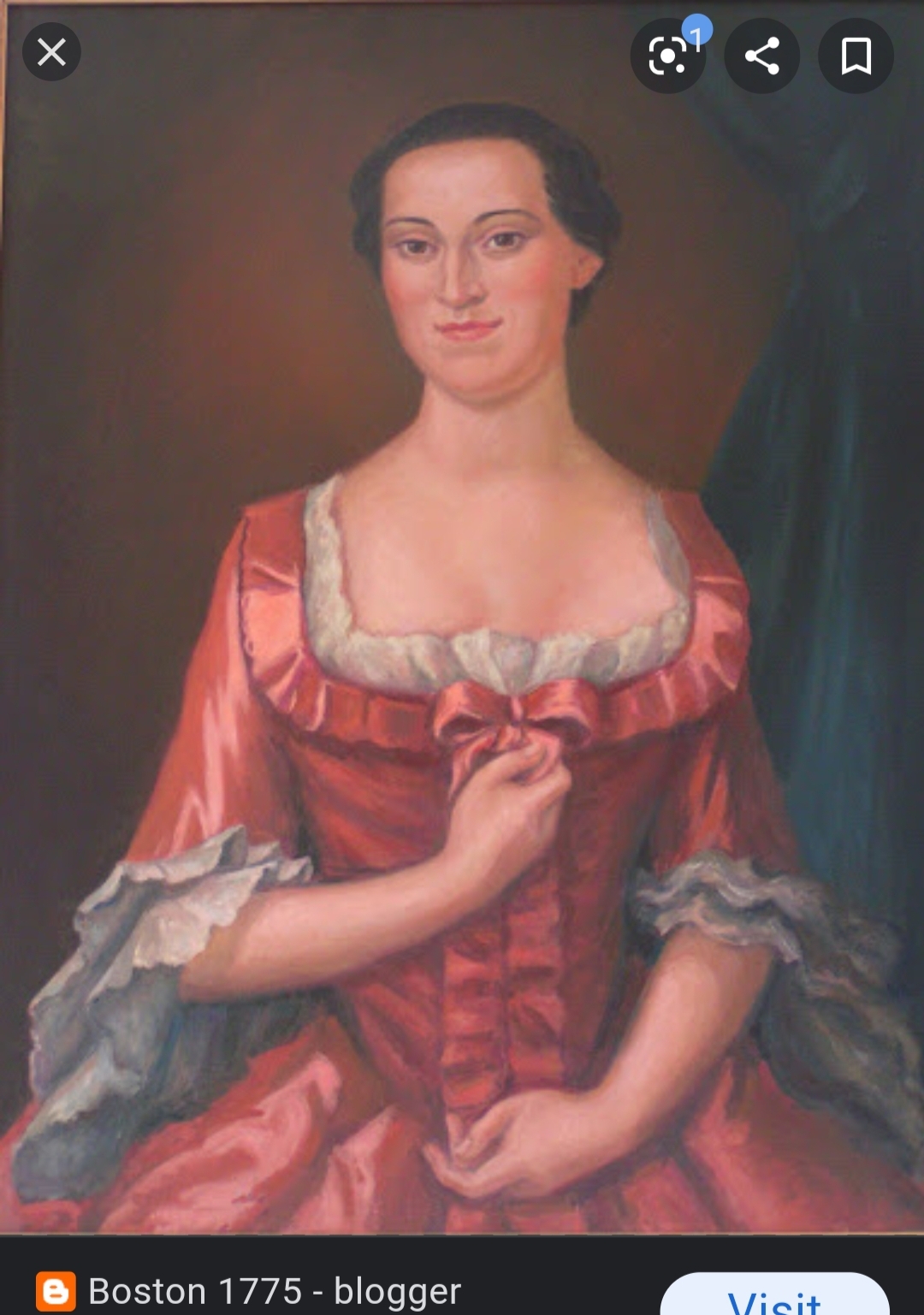
943) Penelope Barker

Courtesy of Reddit, Boston 1775 Blogger

“Maybe it has only been men who have protested the king up to now. That only means we women have taken too long to let our voices be heard. We are signing our names to a document, not hiding ourselves behind costumes like the men in Boston did at their tea party. The British will know who we are.”

943: Penelope Barker

Organized the First Recorded Women’s Political Demonstration in America

Born: 17 June 1728, Edenton, The Colony of North Carolina (Present-day Edenton, North Carolina, United States of America)

Died: 1796, Edenton, North Carolina, United States of America

The Demonstration is known today as the Edenton Tea Party, and it took place a few months shy of 146 years before women secured the right to vote across the United States.

Penelope was one of three daughters; her father was a farmer and physician and her mother’s father was a wealthy politician. Her father died when she was young, and Penelope had to help her mother run the plantation.

Unsurprising for her time frame, Penelope married young and had two sons with her first husband; also becoming a stepmother to his three children from a previous marriage (and just so you know, that previous marriage was to Penelope’s sister, so her stepchildren were also her niece and nephews). Unfortunately, her husband died after only two years (while she was pregnant with her second son), leaving Penelope to raise five young children; a widow at only nineteen years old.

She married her second husband in 1751, though he died only four years later and they had no children. However, hubby number two had been extremely wealthy and so when he died Penelope inherited his entire state; making her one of the wealthiest women in North Carolina at the time.

In 1757, Penelope married for the third time to Thomas Barker, an attorney who was sixteen years older than her. With Thomas Penelope would have three more children, but all of them died before their first birthday. Penelope also became stepmother to Thomas’s daughter Betsy, from a previous marriage.

In 1761, Thomas left for England as an agent of the North Carolina colony. He would be unable to come home for seventeen long years thanks to the American Revolution and the British Blockade.

While Thomas was away, Penelope stepped up and managed their estate. She also kept herself aware of current affairs in the Colonies and became an ardent supporter of liberty and the revolution. Soon after the First Continental Congress was called in 1774, Penelope held a gathering of her own, the Edenton Tea Party.

The Edenton Tea Party was a direct response to the Tea Act of 1773, which gave the British East India Company a monopoly on imports of tea into the Colonies. Penelope and forty-nine or fifty other women (sources differ) got together and decided to boycott tea for the duration of the war. Instead of buying imported tea, they brewed their own from local herbs. The ladies also signed a resolution in support of their boycott; the resolution reading: “We the Ladyes of Edenton, do hereby solemnly engage not to conform to ye pernicious Custom of Drinking Tea, or that we, the aforesaid Ladyes, will not promote ye wear of any manufacture from England, until such time that all Acts which tend to enslave this our Native Country shall be repealed."

The Edenton Tea Party is remembered today as the first gathering of women for a political demonstration in the United States (one source claims in the entirety of Western History), but it should be noted other smaller gatherings might have occurred earlier but were not written down. The Edenton Tea Party was also the first boycott of British Goods staged by women in the colonies.

The Edenton women were applauded by other Patriots but were lambasted in the British press as loose women and bad mothers. Caricatures of the women appeared in the newspapers, copies of which survive today.

Penelope’s husband finally returned to the United States in 1778. He had to leave Britain and sail to France, and from there back to North Carolina, but he finally arrived. They built a new home together and settled down. Penelope outlived her third husband by six or seven years (sources differ).

In all, she had given birth to five children and acted as stepmother to four more. Of these nine children, eight died before her, as well as all three of her husbands.

The home Penelope and Thomas built in later life is a welcome center and museum to her life today.

In case you’re wondering, here is the complete list of women who signed the Edenton Tea Party Resolution (Duplicate names were all separate women, just relatives with the same name):

  1. Abigail Charlton
  2. F. Johnston
  3. Margaret Cathcart
  4. Anne Johnston
  5. Margaret Pearson
  6. Penelope Dawson
  7. Jean Blair
  8. Grace Clayton
  9. Frances Hall
  10. Mary Blount
  11. Elizabeth Creacy
  12. Elizabeth Patterson
  13. Jane Wellwood
  14. Mary Woolard
  15. Sarah Beasley
  16. Susannah Vail
  17. Elizabeth Vail
  18. Elizabeth Vail
  19. Mary Jones Anne Hall
  20. Rebecca Bondfield
  21. Sarah Littlejohn
  22. Penelope Barker
  23. Elizabeth P. Ormond
  24. M. Payne
  25. Elizabeth Johnston
  26. Mary Bonner
  27. Lydia Bonner
  28. Sarah Howe
  29. Lydia Bennet
  30. Marion Wells
  31. Anne Anderson
  32. Sarah Matthews
  33. Anne Haughton
  34. Elizabeth Beasley
  35. Mary Creacy
  36. Mary Creacy
  37. Ruth Benbury
  38. Sarah Howcott
  39. Sarah Hoskins
  40. Mary Littledle
  41. Sarah Valentine
  42. Elizabeth Crickett
  43. Elizabeth Green
  44. Mary Ramsay
  45. Anne Horniblow
  46. Mary Hunter
  47. Teressa Cunningham
  48. Elizabeth Roberts
  49. Elizabeth Roberts
  50. Elizabeth Roberts

In 2021, the National Society Daughters of the American Revolution (better known as DAR), announced they would be adding all of the women who signed the resolution against the Tea Act to their ancestor/patriot database. This is exciting news for women above the age of eighteen who can prove they are a direct descendant of one of these brave women, as they should now be eligible to join DAR.

Badges Earned:

Find a Grave Marked

Located In My Personal Library:

Women Heroes of the Revolution by Susan Casey

Sources:

https://www.womenshistory.org/education-resources/biographies/penelope-barker

https://www.ncpedia.org/biography/barker-penelope

https://www.visitedenton.com/edenton-people-barker.php

http://ehcnc.org/people/penelope-barker/

https://www.ncgenealogy.org/blog/51-north-carolina-women-approved-to-be-dar-patriots/?fbclid=IwAR1kE2Hcet2EQuUiQDTR1CpIWMHer4j14wGLTB0GNXQUBV628lIR0NnbZ_I#.YD5B2zWjMTA.facebook

https://www.findagrave.com/memorial/33444070/penelope-barker

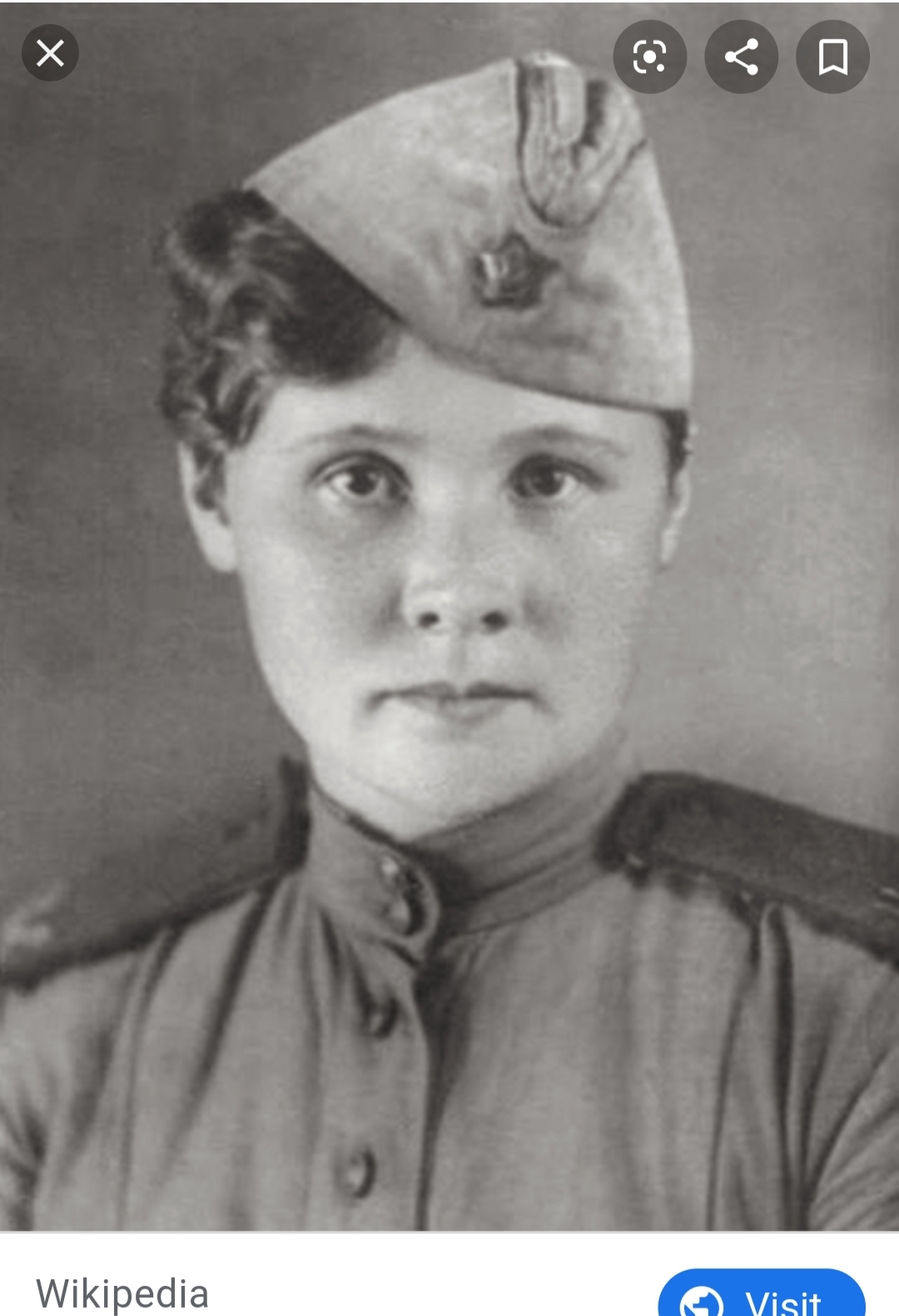
942) Tatyana Baramzina

Courtesy of Wikipedia

942: Lance Corporal Tatyana Baramzina

Soviet Sniper During World War II

Born: 12 December 1919, Glazov, Udmurtia Republic, Russia

Died: 5 July 1944, Present-day Belarus

Also Spelled: Tatiana or even Tanya

Tatyana had thirty-six confirmed kills before her capture and eventual execution.

Before the war she was a Kindergarten teacher for two years. She trained simultaneously as a nurse and sharpshooter for the war effort.

Tatyana was taken captive by the Germans and tortured for information, but she refused to speak. After her eyes had been gouged out, she was shot point blank by an anti-tank artillery rifle. Tatyana’s body was further mutilated until, according to Wikipedia anyway, only pieces of her hair and uniform could be used to identify her body before she was buried in a mass grave.

Tatyana was posthumously awarded the Gold Star and Hero of the Soviet Union Status. Several streets and other buildings have been named after Tatyana, including a female sniper training school.

Unfortunately, there isn’t a lot of information about Tatyana readily available on the internet, and what is out there has been mainly posted on Wiki articles that can be edited by anyone with access to the internet.

Badges Earned:

Find a Grave Marked

Sources:

https://www.tracesofwar.com/persons/44133/Baramzina-Tatyana-Nikolayevna.htm

https://military.wikia.org/wiki/Tanya_Baramzina

https://en.wikipedia.org/wiki/Tatyana_Baramzina

https://www.findagrave.com/memorial/194382729/tatyana-baramzina

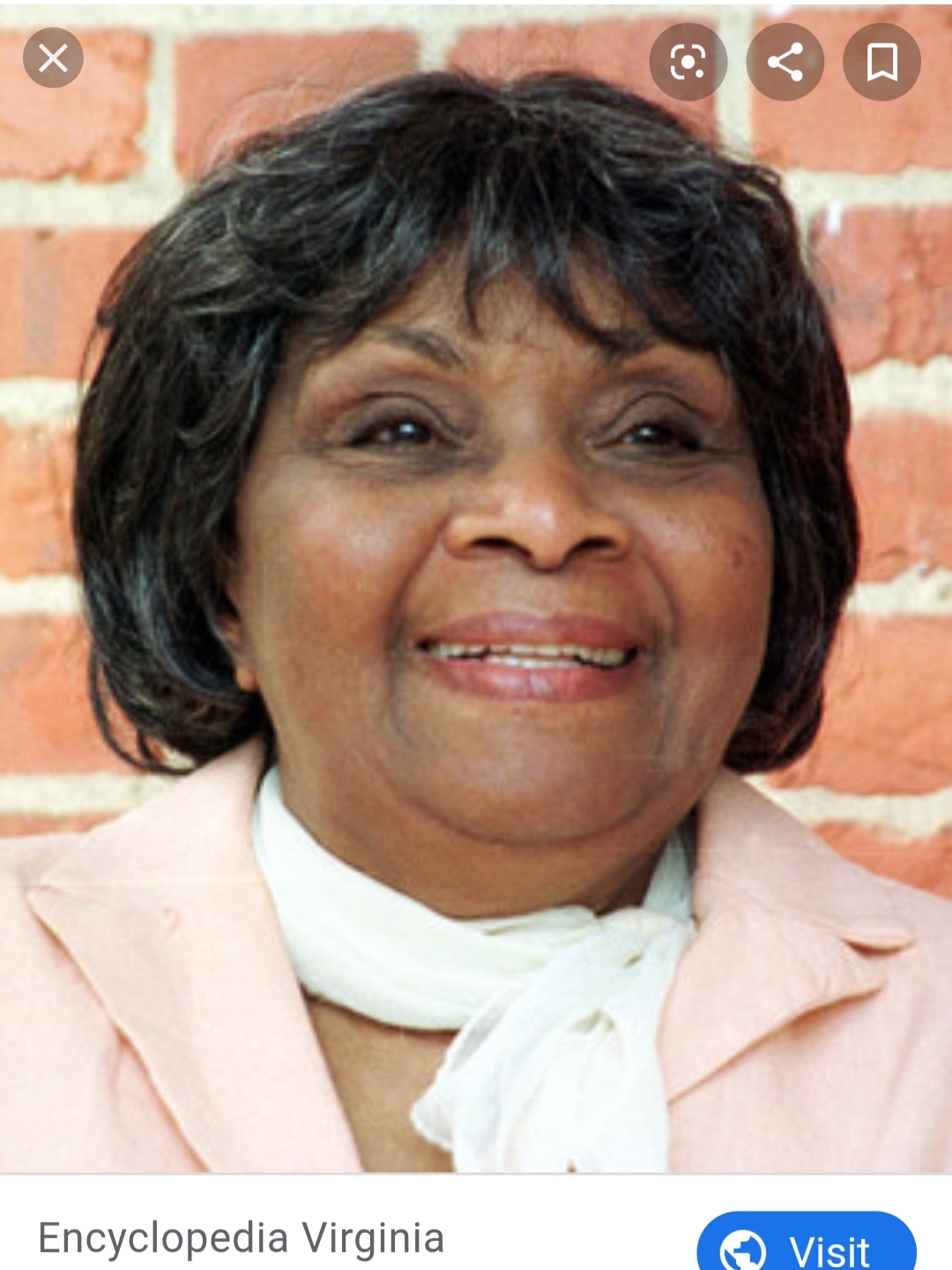
941) Irene Morgan Kirkaldy

Courtesy of Encyclopedia Virginia

941: Irene Morgan Kirkaldy

Now That's How You Make Your Mark 

Born: 9 April 1917, Baltimore, Maryland, United States of America

Died: 10 August 2007, Hayes, Virginia, United States of America

Eleven years before Rosa Parks refused to leave her seat on a public bus, Irene was forcibly removed from a Greyhound going from Gloucester, Virginia to Baltimore, Maryland.

Irene was one of nine children and was raised a Seventh Day Adventist. During the Great Depression, she dropped out of high school in order to get a job to help support her family. Irene eventually got a job working on a production line for B-26 planes during World War II. She married and quickly had two children.

On 16 July 1944, Irene refused to leave the bus she had boarded because she had recently suffered a miscarriage and was not feeling well. She was sitting in the colored section of the bus, but the driver demanded she give up her seat for a white couple anyway. Irene refused to move, so the driver drove the entire bus straight to a police station. An officer boarded the bus and handed Irene an arrest warrant.

In response, Irene kicked the cop in the groin and tore up her arrest warrant right in front of him. Irene was subsequently arrested. She plead guilty to resisting arrest but refused to plead guilty to violating Virginia’s segregation laws. Irene initially lost but refused to give up the fight.

Her case went before the Supreme Court in Irene Morgan v Commonwealth of Virginia where the Supreme Court ruled that Irene’s arrest did indeed violate interstate commerce laws (which had been her defense since her initial arrest). Their ruling read in part, “It seems clear to us that seating arrangements for the different races in interstate motor travel require a single, uniform rule to promote and protect national travel. Consequently, we hold the Virginia statute in controversy invalid.”

Irene’s lawyer before the Supreme Court was Thurgood Marshall (technically he was co-counsel, but still!).

The landmark ruling was a serious blow to Jim Crow laws in the South, and unsurprisingly most southern states refused to enforce the new ruling. This lead to the creation of the Freedom Rides, of which Irene was said to have inspired.

Beginning in 1947 (and continuing through 1961), African American activists rode buses and trains all across the southern states to protest the segregation laws. The rides were fraught with danger, and several of the buses were even lit aflame and firebombed in an attempt to stop the riders.

As they rode, the activists would often sing the following verse, “You Don't Have to Ride Jim Crow/Get on the bus, sit anyplace, 'Cause Irene Morgan won her case."

The following year, in 1949, Irene’s husband died when she was only thirty-two and had two young children. Soon after she remarried and ran several small businesses alongside her new husband in Queens, New York. In 1981, Irene won a scholarship contest over the radio. Four years later, at the age of sixty-eight, Irene graduated with a bachelor’s degree in communications. Five years later, at the age of seventy-two, Irene graduated with a master’s degree in urban studies. She proved it doesn’t matter how old you are, you’re never too old to go back to school.

Irene was later awarded the Presidential Citizens Medal, the second-highest civilian honor awarded in the United States.

Eight years after Irene had her day in the highest court of the land, the Supreme Court also ruled in Brown V Board of Education, which outlawed segregation in public schools. Only a few years after that, Rosa Parks would set off the Maryland Bus Boycotts, and by the turn of the 1970’s segregation was nothing more than a memory.

Badges Earned:

Find a Grave Marked

Sources:

https://msa.maryland.gov/msa/educ/exhibits/womenshall/html/kirkaldy.html

https://www.blackpast.org/african-american-history/irene-morgan-kirkaldy-1917-2007/

https://www.zinnedproject.org/news/tdih/irene-morgan-refuses/

https://www.findagrave.com/memorial/192951723/irene-morgan-kirkaldy

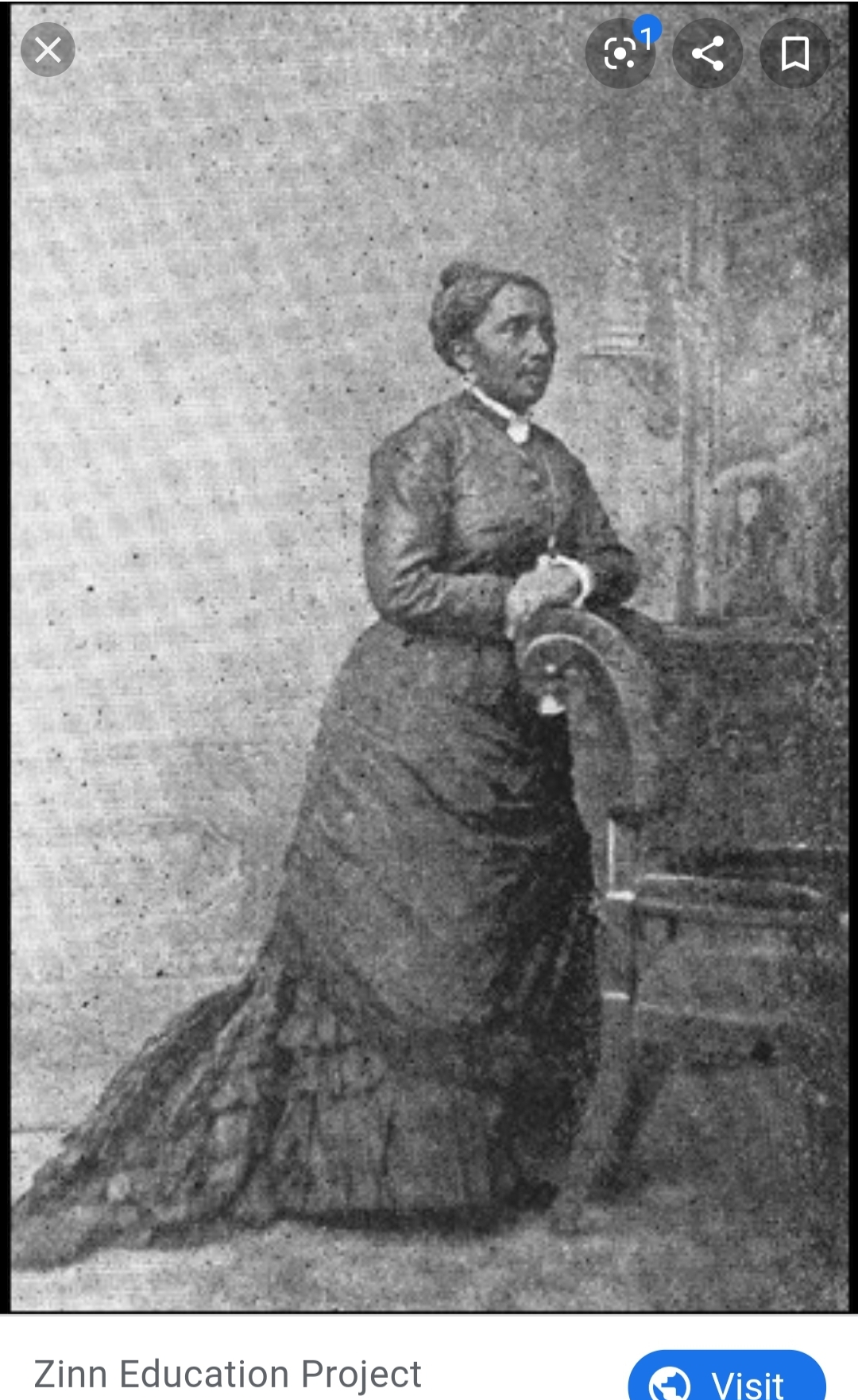
940) Elizabeth Jennings Graham

Courtesy of Zinn Education Project

940: Elizabeth Jennings Graham

Rosa Parks Who?

Born: c.1830*, New York, United States of America

Died: 5 June 1901, Manhattan, New York, United States of America

Elizabeth is known for being the first African American woman to be denied a seat on public transportation and whose case later made national news in the United States (in 1854).

Elizabeth’s father was said to have been the first African American man in the United States to hold a patent. She herself was working as a schoolteacher at the time of the incident.

Elizabeth was on her way to play the organ in church when she was forcibly removed from the streetcar by a policeman. At the time, no African Americans were allowed on this particular streetcar, but the driver let her on as long as none of the other passengers complained. However, as soon as the driver found a police officer to throw her off the streetcar, he did just that. Elizabeth was tossed into the dirt and saw her clothes dirtied and ripped, but luckily she was not harmed further than that.

Protests broke out against the streetcar line from as far away as San Francisco, and Elizabeth’s father hired then-lawyer Chester A Arthur to represent her in a civil case against the streetcar.

Elizabeth was awarded $225 in damages after the court found there was no reason for the streetcar driver to remove her for being African American. Judge Rockwell’s ruling read in part, “Colored persons if sober, well behaved and free from disease, had the same rights as others and could neither be excluded by the rules of the company, nor by force or violence.”

By 1873, all of New York City’s streetcars had been desegregated after the passage of a Civil Rights law.

Elizabeth had one son who died at a year old. His death took place during the New York City Draft Riots, in which (mostly) Irish immigrants fought back against the draft which would have conscripted them to fight in the War Between the States for the Union. Because it was too dangerous for Elizabeth and her husband to be seen outside at the time, they had to sneak into the cemetery to lay their baby boy to rest.

She spent the last six years of her life running a kindergarten for African American children out of her home.

*At the time of Elizabeth being taken off the streetcar by force, she was stated as being twenty-four years old in most sources. This suggests a birth year of around 1830, seeing as the event happened in 1854. However, many sources list her birth year as being as early as 1827, meaning she would have been closer to twenty-seven at the time of the court case. I have elected to list her birth year as circa 1830 for this reason.

Badges Earned:

Find a Grave Marked

Located In My Personal Library:

America's Women: 400 Years of Dolls, Drudges, Helpmates, and Heroines by Gail Collins

Sources:

https://www.nytransitmuseum.org/elizabethjenningsgraham/

https://www.nytimes.com/interactive/2019/obituaries/elizabeth-jennings-overlooked.html

https://www.zinnedproject.org/news/tdih/elizabeth-jennings-graham/

https://www.findagrave.com/memorial/88729004/elizabeth-graham

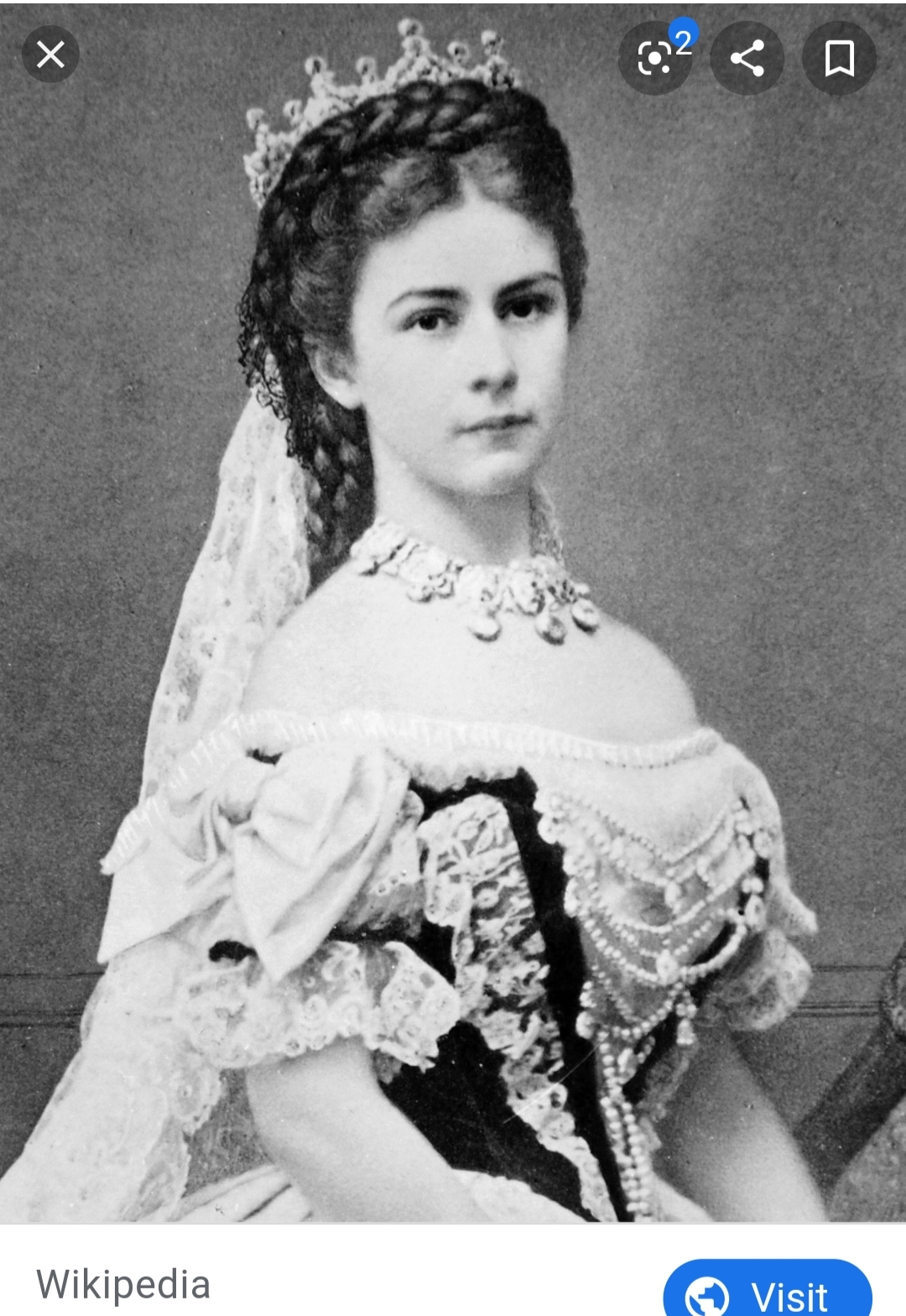
939) Elisabeth of Austria

Courtesy of Wikipedia

“Every ship I see sailing away fills me with the greatest desire to be on it.”

939: Elisabeth of Austria

Empress of Austria, Queen of Hungary, and Duchess of Bavaria

Born: 24 December 1837, Munich, Bavaria (Present-day Munich, Germany)

Died: 10 September 1898, Geneva, Switzerland

Also Known As: Sisi or Sissi

Elisabeth’s husband was her cousin (their mothers were sisters). When they married, Elisabeth was sixteen and her husband Franz Josef was twenty-three. Originally, Franz Josef was supposed to marry Elisabeth’s older sister; however, he fell in love at the sight of Elisabeth and so she became the “lucky” bride instead. Elisabeth for her part was so nervous and ill-at-ease about the match she was unable to eat for much of their courtship.

Elisabeth was one of seven siblings and was raised in the forests of Bavaria; a duchess from the Royal House of Wittelsbach. From her father she learned to respect and believe in the ideals of pacifism and even some forms of democracy. This would make her unpopular among European royals later on. From her mother, Elisabeth learned to hate publicity and any role in the public eye; something that would also harm her in later life.

After becoming empress, Elisabeth was never out of the public eye. She endured the same invasion of privacy from the press and public alike that Princess Diana would endure one hundred years later. Elisabeth shunned publicity as much as possible, but the public couldn’t get enough of her drop-dead beauty and brown hair that grew to her ankles.

In the first four years of their marriage, Elisabeth gave birth to three children; two of whom would survive infancy. She also learned just how icy court life could become after conflict arose with her mother-in-life, the Archduchess Sophia.

As per Hapsburg Court custom, Elisabeth was unable to control any major aspect of her children’s upbringing (something Elisabeth was not happy about). She spent long periods trapped in the palace, suffering through episodes of mental illness and instability. Elisabeth may have married into royalty, but she was ill equipped for her role as Empress of the second largest empire in Europe.

Elisabeth’s symptoms today may have been diagnosed as anorexia nervosa. She spent three hours a day getting her hair done, and spent another hour being cinched into her corset (reportedly her waist was 19.5 inches). Elisabeth was also a fanatic about exercising (spending four hours each day doing some kind of physical activity) and spent much of her adult life surviving on raw milk, eggs, and oranges. Before that her diet had been almost exclusively a thin broth.

After the birth of her third child, Elisabeth decided she needed to get away from the Hofburg Palace in Vienna, which she considered a prison. Her favorite vacation spots were England, Switzerland, Hungary, Ireland, and Greece. At the time, Hungary was a part of the Austro-Hungarian Empire, meaning Elisabeth’s husband ruled over the Hungarian people (though they weren’t happy about it). Elisabeth believed the Hungarian people deserved greater freedoms and even became friends with a Hungarian statesmen. All of this made Elisabeth very unpopular within the Viennese society.

In 1867, Hungary became an equal partner within the empire, and Franz Josef was crowned king of Hungary. Elisabeth was crowned alongside him as queen; the Compromise (as it became known) coming about in large part due to pressure from Elisabeth. Franz Josef and his wife had spent many years apart, but after the Compromise came about the couple came back together. Ten years after their third child was born, their fourth and final was welcomed in 1868.

After becoming queen of Hungary, Elisabeth adapted to her public role more. She spent much of her time traveling to hospitals and charity wards with only a lady-in-waiting with her. Elisabeth became the royal who represented and loved the common people within the empire. She would hold the hands of the dying and comfort their family members.

Elisabeth was also interested in treatments for various mental illnesses. She pondered opening her own mental institution and followed advances within the field. Elisabeth’s interest in the field may have been linked to her own mental decline. By the 1880’s, Elisabeth’s fourth child—on whom she doted endlessly, was noting she would find Elisabeth laughing hysterically in the bathtub. The empress would also talk of suicide often with her husband, making his own concern for hew grow. Things got so bad Elisabeth began to turn to psychic mediums for help in alleviating her mental decline.

In 1889, Elisabeth’s mental health was tested anew when she learned of the death of her beloved son Prince Rudolf. Rudolf had committed suicide, after murdering his seventeen-year-old mistress Mary Vetsera in what became known as The Mayerling Incident. Rudolf had been the natural heir to the throne of Austria-Hungary, and politically had leaned to the left. Elisabeth knew with his death the empire would not last. The next heir in line was Franz Josef’s brother, Archduke Karl Ludwig. Karl’s son Archduke Franz Ferdinand would be assassinated alongside his wife Sophie in 1914, kicking off World War I and bringing the Austro-Hungarian empire to an end—Elisabeth’s prediction had come true.

After Rudolf’s death, Elisabeth determined she would spend the rest of her days wandering the earth until death greeted her. She dressed in black and traveled across Europe and North Africa, without any sort of police protection. When she was fifty-one, she got a tattoo of an anchor on her arm.

Elisabeth was assassinated by an Italian anarchist who had been trying to kill a member of the House of Orleans. At the time, Elisabeth had been visiting Geneva under an assumed name. When the anarchist learned his true target would not actually be visiting Geneva, and he discovered Elisabeth’s true identity, the anarchist’s plan changed. He approached Elisabeth when she was on the docks heading to board a ship. The man stabbed Elisabeth in the chest with a triangular shaped file.

Initially, Elisabeth had thought she had only been punched. She continued on and boarded the ship, only to collapse on the deck of the ship. Elisabeth would pass away soon after from internal bleeding. Elisabeth had finally found the end she had been yearning for for so many years.

Badges Earned:

Find a Grave Marked

Located In My Personal Library:

National Geographic History Magazine Article "Beauty Queen, Empress Elisabeth of Austria" (May/June 2019 Edition)

National Geographic History Magazine Article "Franz Josef of Austria: Private Life of am Emperor" by Maria Pilar Queralt del Hierro (May/June 2023 Edition)

Sources:

https://www.history.com/news/the-tragic-austrian-empress-who-was-murdered-by-anarchists

https://www.britannica.com/biography/Elizabeth-empress-consort-of-Austria

https://metropole.at/5-things-about-elisabeth-sissi/

https://www.findagrave.com/memorial/7176/elisabeth_of_austria

938) Fereshteh Forough

Courtesy of Code to Inspire

938: Fereshteh Forough

Founder, CEO, & President of Code to Inspire

Born: 1985, Iran*

Code to Inspire is the first school to teach girls coding in Afghanistan.

Fereshteh is an education advocate for gender equality and women’s empowerment in developing countries.

Fereshteh is one of eight children. Her family left Afghanistan after the Soviet Invasion in the 1980’s, however, after the collapse of the Soviet Union they returned to the country.

Fereshteh holds both bachelors and master’s degrees. Her master’s degree was earned from the Technical University of Berlin in Germany. She then taught for three years at the Computer Science faculty at Herat University before founding Code to Inspire.

In 2013 Fereshteh became a TED Speaker with her speech focusing on communication without borders and digital literacy. Fereshteh has even become an advocate for digital currency like Bitcoin, and according to one source was the first Afghani person to advocate for its use in her home country.

*Fereshteh was born in a refugee camp on the border of Iran and Afghanistan. One source does not make the distinction between which side she was born on, while another states she was definitively born in Iran and even went to high school there before her family moved back to Afghanistan, so I have decided to list her birth location as Iran.

Sources:

https://www.codetoinspire.org/team/

https://peaceisloud.org/speaker/fereshteh-forough/

https://www.malanational.org/fereshteh-forough-code-to-inspire/

https://www.linkedin.com/in/fereshtehforough/

  • Previous
  • 1
  • …
  • 29
  • 30
  • 31
  • 32
  • 33
  • 34
  • 35
  • …
  • 159
  • Next

Categories

Archives

  • July 2025 (10)
  • July 2024 (1)
  • January 2024 (1)
  • August 2023 (1)
  • June 2023 (2)
  • October 2022 (1)
  • July 2022 (1)
  • June 2021 (3)
  • December 2020 (3)
  • August 2019 (1)
  • July 2019 (2)

Search

© 2026 The Exasperated Historian | Powered by Minimalist Blog WordPress Theme