The Exasperated Historian
Menu
  • Home
  • The Women’s List (New)
  • The Men’s List
  • The Animal List
  • Collections
  • The Blog
  • Contact Us
  • FAQ
Menu

Category: Birth Locations

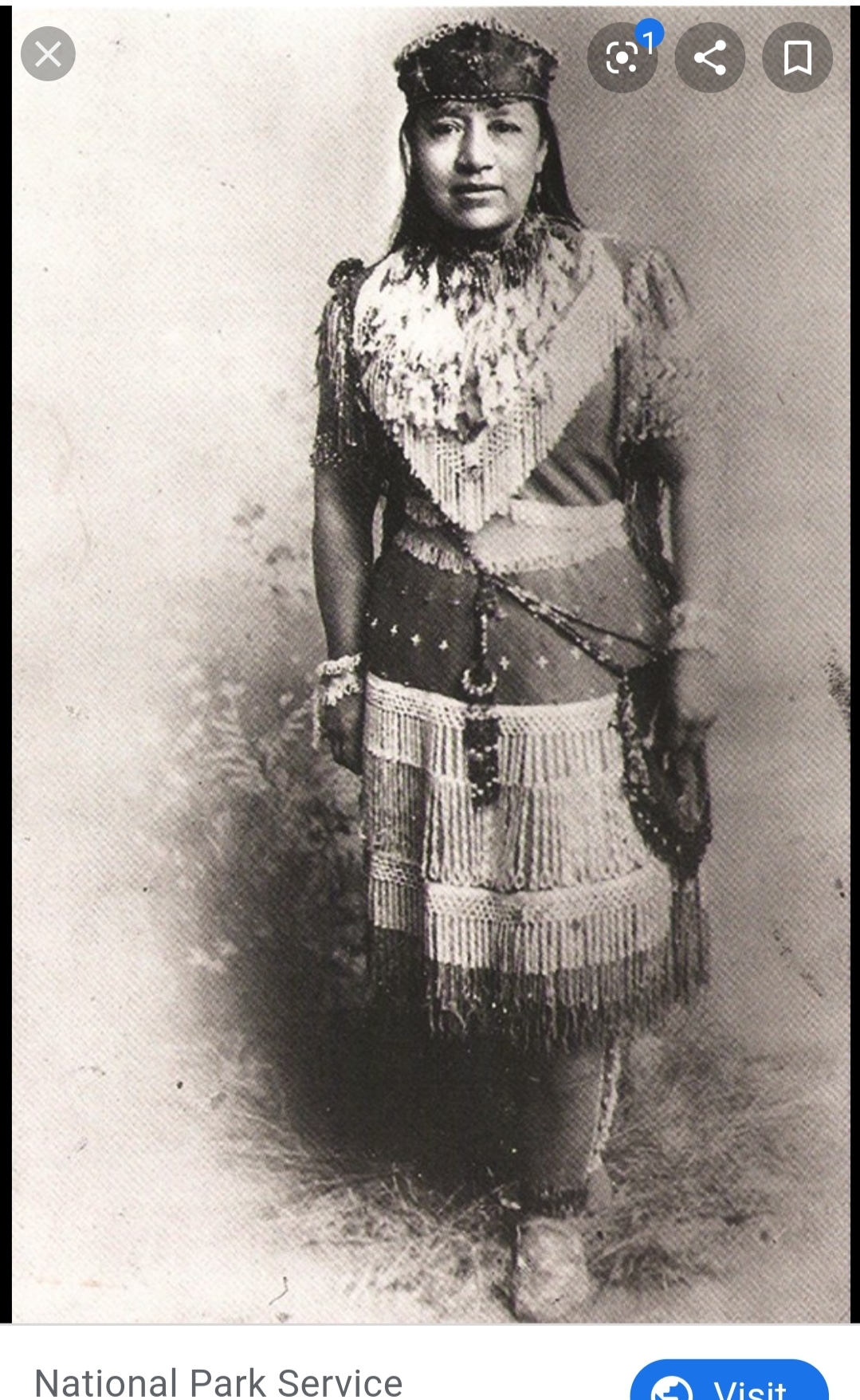
967) Sarah Winnemucca

Courtesy of the National Park Service

“Since the war of 1860 there have been one hundred and three (103) of my people murdered, and our reservation taken from us; and yet we, who are called blood-seeking savages, are keeping our promises to the government. Oh, my dear good Christian people, how long are you going to stand by and see us suffer at your hands?”

967: Sarah Winnemucca Hopkins

Northern Paiute Activist Most Remembered for Trying to get Funding to Help her People

Born: c.1844, Alta California, Mexico (Present-day Nevada, United States of America)

Died: 16 October 1891, Montana, United States of America

Original Name: Thocmetony (Shell Flower)

Sarah was the first Native American woman known to secure a copyright for her book and also to publish a book in English. The book, published in 1893, was called Life Among the P[a]iutes: Their Wrongs and Claims.

Sarah’s father and grandfather were both chiefs among the Paiute tribe. She adopted the name Sarah after living with a white family for a time. Sarah also attended a convent school for a short while with her sister, before they were forced to withdraw after objections to their presence from white parents arose.

In 1859, the federal government forced the Northern Paiutes onto a reservation. Sarah and her family made the transition, but it was difficult. Many of her people would die of starvation while living there, and the federal government stopped handing out supplies after the first year. For the next twenty-two years, corrupt Indian Agents would pocket the money that was supposed to go to the tribe.

The Paiutes would be forced to move several times over the ensuing years, often at a high cost physically and emotionally to the tribe. Some of the members accused Sarah of pocketing money or working against them when the federal government repeatedly walked back on promises and allowed conditions for her people to worsen. Eventually, Sarah began making speeches to white audiences in an effort to try and save her people’s way of life.

Sarah gave over 300 speeches across the United States, many with the backing of Elizabeth Peabody, in the hopes of swaying public opinion in favor of the plight of Native Americans. The proceeds from her book helped Sarah pay for her traveling expenses on the lecture tour. The speeches came at a cost for Sarah personally though. One of the corrupt Indian agents she had worked with over the years publicly slandered Sarah, claiming she was a drunk prostitute and a gambler (none of which were true).

After giving up on her speaking tours, Sarah opened a school for Paiute children. She taught them to read and write English and gave them an education in a valuable trade skill so they could have a career in the future. Unfortunately, Sarah always struggled to find funding for the school, and it was eventually shut down entirely after the passage of the Dawes Act in 1887, a federal law that mandated all Native Children be educated in white schools.

Sarah was married at least twice, to two different white army officers, but had no children. One source states she was also married to a Native man at one time, but no other sources mention him. She spoke fluent English, Spanish, and three tribal languages.

Sarah died from tuberculosis believing she had failed in her mission to see Natives and other American settlers living in harmony. At the time of her death, her obituary was featured in the New York Times. So even though a lasting peace was not found between the two differing peoples, Sarah ensured her story and her dreams were never forgotten.

As of 2020, Sarah is one of nine women represented as a statue at the United States Capitol’s National Statuary Hall Collection. Each state was given two slots to be represented at the capitol and Sarah is one of the two given by the state of Nevada.

Badges Earned:

Find a Grave Marked

Located In My Personal Library:

America's Women: 400 Years of Dolls, Drudges, Helpmates, and Heroines by Gail Collins

Wild West Women by Erin Turner

Princesses Behaving Badly by Linda Rodriguez McRobbie

Uppity Women Speak Their Minds by Vicki Leon

Encyclopedia of Goddesses and Heroines by Patricia Monaghan PhD

The Historical Atlas of Native Americans: 150 Maps That Chronicle the Fascinating and Tragic Story of North America's Indigenous Peoples by Dr. Ian Barnes

The Old West by Stephen G Hyslop

Scandalous Women: The Lives and Loves of History's Most Notorious Women by Elizabeth Kerri Mahon

Tales Behind the Tombstones: The Deaths and Burial's of the Old West's Most Nefarious Outlaws, Notorious Women, and Celebrated Lawmen by Chris Enss

Whose Who in American History: Leaders, Visionaries, and Icons who Shaped Our Nation by John M Thompson, William R Gray, and KM Kostyal

Women in American Indian Society by Rayna Green

Sources:

https://www.britannica.com/biography/Sarah-Winnemucca

https://www.smithsonianmag.com/history/sarah-winnemucca-devoted-life-protecting-lives-native-americans-face-expanding-united-states-180959930/

https://www.nevadawomen.org/research-center/biographies-alphabetical/sarah-winnemucca/

https://www.womenofthehall.org/inductee/sarah-winnemucca/

https://www.aoc.gov/explore-capitol-campus/art/sarah-winnemucca
https://www.findagrave.com/memorial/8750319/sarah-hopkins

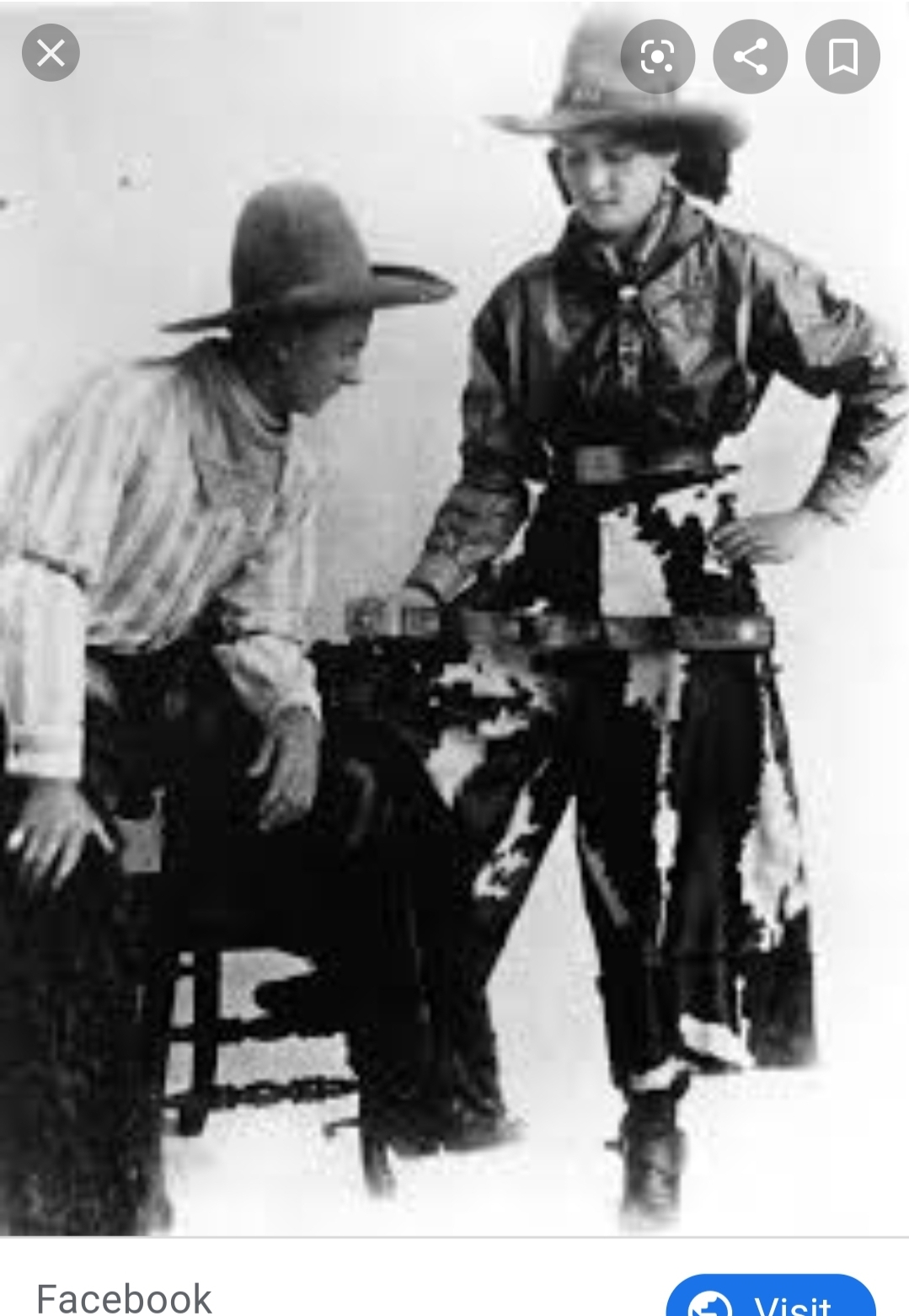
966) Fannie Sperry Steele

Courtesy of Facebook

 “You just forget about being scared when you ride horses”.

966: Fannie Sperry Steele

Bronc Rider and Rodeo Performer

Born: 27 March 1887, Lewis and Clark County, Montana, United States of America

Died: 11 February 1983, Helena, Montana, United States of America

Fannie’s mother taught her to ride by the time she could walk. She was one of five children, all of whom broke wild horses so their father could sell them.

In 1904, Fannie made her first rodeo appearance in a relay race at the Montana State Fair. Three years later, she transitioned to bucking horse competitions. Fannie was so good at the competitions she earned the title “Lady Bucking Horse Champion of the World,” in 1912 and again in 1913.

Fannie was the only woman to ride her entire career without tying her stirrups under the horse’s belly. Other women did so so that the horse would not be able to completely throw them off, but Fannie believed “hobbling,” as the practice was called, was even more dangerous than riding without being tied on. If the horse rolled, the rider would be trapped on their back and unable to escape. Fannie therefore was famous for riding “slick” (otherwise known as “unhobbled”). Riding slick was safer for all involved and, as Fannie believed, gave the horse a fairer shot at bucking off the rider.

Fannie’s husband was also part of the rodeo circuit. Part of their act was her shooting cigars out of his mouth after Fannie became a sharpshooter as well. They never had children.

After twenty years on the rodeo circuit, Fannie and her husband left the stage behind. Fannie spent the next forty years working to make pinto horse pack outfits for cowboys and hunters headed off into the Montana wilderness. She was the first woman in Montana State History to earn a packer’s license.

Fannie finally retired at the age of eighty-seven (or seventy-eight, depending on the source. Bottom line—she was old!).

Fannie was one of the first women inducted into the Rodeo Hall of Fame and the first Montana native to be inducted into the National Cowgirl Hall of Fame.

Badges Earned:

Find a Grave Marked

Located In My Personal Library:

Wild West Women by Erin Turner

Sources:

https://www.historynet.com/fannie-sperry-made-the-ride-of-her-life.htm

https://mhs.mt.gov/Portals/11/education/Montanans/FSperrySteelePanel.pdf

http://www.cowgirl.net/portfolios/fannie-sperry-steele/

https://amazingwomeninhistory.com/fannie-sperry-steele-rodeo-performer-cowgirl/

https://www.findagrave.com/memorial/103279997/fannie-elizabeth-steele

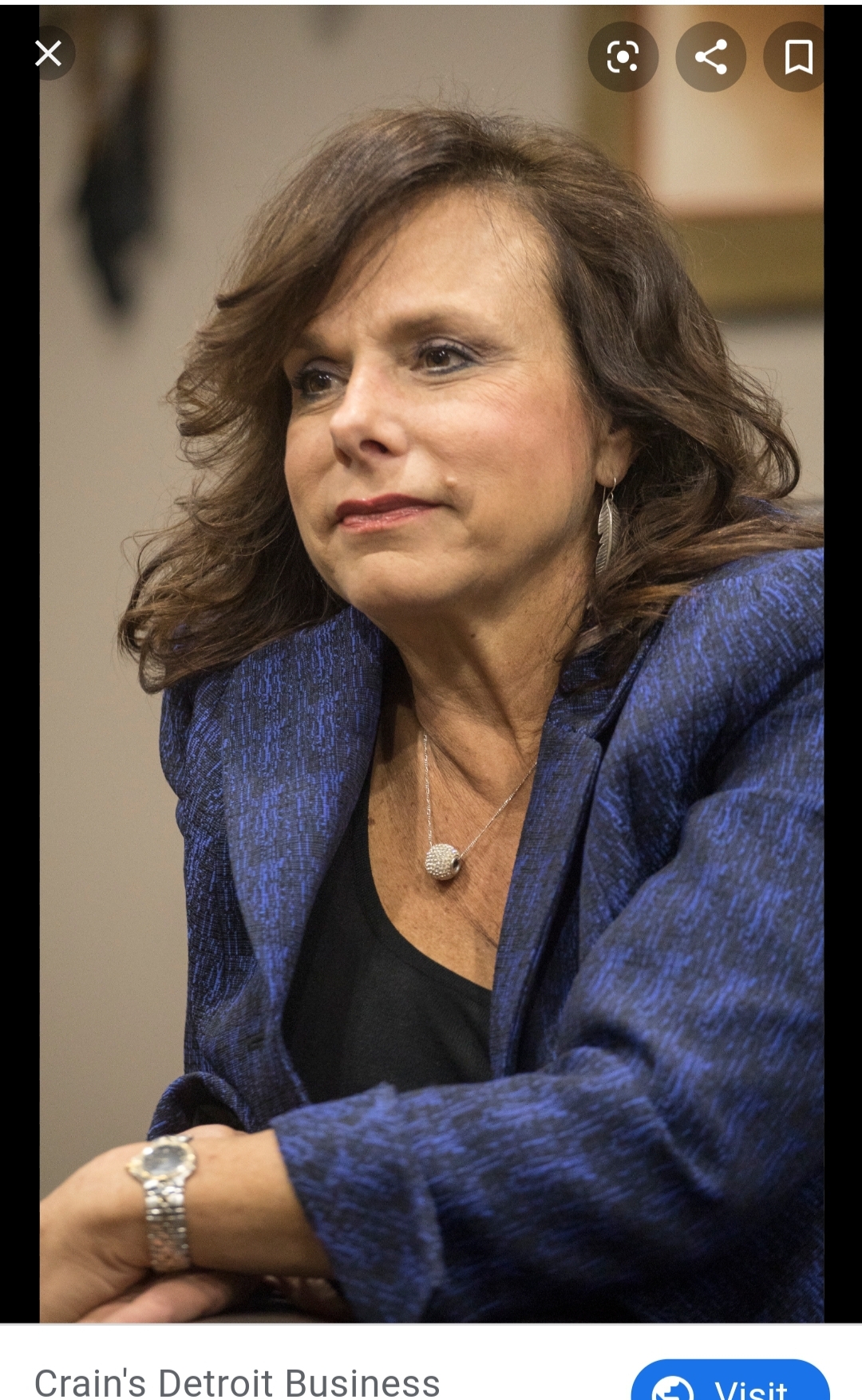
965) Andra Rush

Courtesy of Crain's Detroit Business

“I wake up thinking about how we can be relevant, meaningful and prepared for the next opportunity or the next technological breakthrough.”

965: Andra Rush

Founder of Rush Trucking (Now Known as Rush Group LLC)

Birth Date Unknown, Most Likely Detroit, Michigan, United States of America

Rush Group LLC is one of the largest Native American owned business in the United States and the largest woman owned business based in Michigan.

Andra is descended from the Mohawk Native American tribe. She went to school to be trained as a nurse but decided against making a career out of it after figuring out how little nurses made.

Andra never finished business school and worked full time as a nurse while getting Rush off the ground. In 1984, she launched Rush with a combined $8,000 and several credit cards, the fleet comprised of one van and two pickup trucks. In 2001, Andra added Dakkota Integrated Systems to her business portfolio. As of 2020, Dakkota has thirteen locations all located near tribal lands in the US and Canada to provide good-paying jobs to tribal people; around 2,000 employees in all.

President Obama personally praised her in his 2014 State of the Union Address for creating jobs in Detroit, Michigan. The praise came after Andra opened the first car manufacturing plant of its kind to be opened in Detroit in decades (in 2012).

In 2018, Andra stepped down as CEO of Detroit Manufacturing Systems LLC. The company started with twenty-five employees and now has over twelve hundred in two locations.

Andra maintains an ownership stake in Rush Group LLC, which is comprised of Dakkota Integrated Systems LLC, Rush Trucking Corp, and Rush Supply Chain Management. As of 2020, Andra is the CEO of Rush Group. According to the company’s website, “Rush Group Rush Group specializes in large-scale component manufacturing, complex assembly and sequencing, supply chain management, logistics and land transportation for global brands, and employs 3,000 team members. It is one of the largest Native American-owned and woman-owned enterprises in the U.S,” (First source linked below). The three companies are estimated to generate $2 Billion in revenue.

Andra also works on the board of Terex Corporation and the Ford Supplier Council. She has previously served on the boards for both Chrysler and Ford.

Andra was listed among Crain’s Most Influential Women of 2016. She has been honored as an inductee of the Michigan Women’s Hall of Fame, the Michigan Businesswoman Hall of Fame, and the Michigan Minority Business Hall of Fame.

She is a mother to three sons.

Sources:

https://dakkota.com/staff-member/andra-rush/

https://www.diversitywoman.com/conference/portfolio_page/andra-rush/

https://www.crainsdetroit.com/awards/andra-rush-0

https://chiefexecutive.net/andra-rush-builds-new-factory-in-detroit-and-keeps-on-trucking/

https://www.rushtrucking.com/who-we-are

https://www.crainsdetroit.com/article/20180107/blog025/649406/andra-rush-from-nurse-to-trucking-company-founder

964) Maria Halpin Hunt

Courtesy of Smithsonian Magazine

“The circumstances under which my ruin was accomplished are too revolting on the part of Grover Cleveland to be made public.”

964: Maria Halpin Hunt

To Say Her Life was Ruined by a United States President Would be an Understatement

Born: 22 March 1842 (according to her headstone), Brooklyn, New York, United States of America

Died: 7 February 1902, New Rochelle, New York, United States of America

Maria was raped by Grover Cleveland before he became president.

At the time, Maria was a recently widowed mother of two and Grover was an up and coming politician and attorney in Buffalo, New York.

One night, Maria was walking to a friend’s birthday party after dark. Grover spotted her on the street and asked her to dinner. They were acquaintances, but it was far from proper for a single woman to accept a dinner invitation on a whim and follow a man to a restaurant at that time. Unsurprisingly, Maria at first refused, telling him she was headed to her friend’s party, but Grover wasn’t about to take no for an answer.

After dinner, he next insisted on walking her home. Once they got up to Maria’s apartment, Grover raped her and then left. He later promised to destroy her life and reputation if she went to the police.

Maria had hoped the whole matter would fade to only her memory, but six weeks later she realized she was pregnant. Maria approached Grover and asked him to marry her. Grover led her on for a while but failed to follow through.

When Maria’s son was born, she tried her best to raise him, but eventually Grover’s political aspirations got in the way. Maria had turned to drinking and was possibly planning on pursuing legal action against Grover. His goons decided to reply by throwing Maria in an insane asylum and taking away her son; she never regained custody of him. In fact, Maria’s son was adopted by another family soon after.

Maria once again tried to move on with her life. She lost her older children, moved away, and tried to start her life over. Things quieted down—and then Grover decided to run for president.

Someone caught wind of Maria’s story, and her name was suddenly dragged all across the nation press. Maria was now an alcoholic whore who had tricked or beguiled Grover into bed. And those were the nice descriptions. According to Maria, once Grover decided to run for president and before the story become a national sensation, she was kidnapped once again by Grover’s goons and taken to Albany, where he was working as Governor of New York. Maria was warned once again to keep her mouth shut or risk something much worse.

A journalist tracked Maria down once she was sent home and tried to get her to talk, but Maria clearly wanted nothing to do with it. Maria was, however, willing to tell that she’d been raped and that any excuse Grover came up with for his actions was disgusting. She also called him out for being a horrible excuse for a human being by trying to claim any number of other men (including Grover’s best friend, who would have been his father-in-law had he lived) was the father of Maria’s child.

Then the reporters figured out Maria had been in an asylum. They tracked down her doctors from the asylum and asked them about it. The doctors confirmed Maria was not in any way insane and backed up her story that she had been raped by Grover. Maria never changed her story or any significant details in all the times she recounted her memory of that night.

When confronted about it, Grover didn’t claim innocence. While he never outright confessed, he never said he hadn’t attacked Maria either. So, you know, an actual rapist was elected President—with the public knowing he was a rapist at the time they decided to vote for him. Voters in 1884 decided an actual rapist was better than the Republican candidate, who was as crooked a politician as they came. Yikes.

Maria lived out the rest of her life in quiet obscurity. Her last wish to her new husband was to have a private funeral because, in her own words (according to her obituary), "Do not. let my funeral be too public. I do not want strangers to come and gaze on my face. Let everything be very quiet. Let me rest."

Sadly, in the years after Maria’s story made national headlines and for decades afterward, Grover Cleveland apologists and historians covered up Maria’s story. Only now, in the era of the #MeToo Movement, is Maria’s story finally being told again. She was not a willing participant or a playful hidden lover. Maria was attacked, had her life destroyed, her children taken away from her, and was forced to sit by while her name was dragged through the mud of the national press. And that’s not even pointing out she was literally kidnapped twice and involuntarily committed once. Maria’s life was utter hell, and yet how many people know her name?

That's what I thought.

Badges Earned:

Find a Grave

Located In My Personal Library:

Sex With Presidents: The Ins and Outs of Love and Lust in the White House by Eleanor Herman

Sources:

Sex With Presidents: The Ins and Outs of Love and Lust in the White House by Eleanor Herman

https://www.smithsonianmag.com/history/president-clevelands-problem-child-100800/

https://www.jamesarsenault.com/pages/books/5266/maria-halpin/tell-the-truth-here-it-is-maria-b-halpin-s-statement?soldItem=true

https://cdnc.ucr.edu/?a=d&d=SFC19020208.2.11&e=-------en--20--1--txt-txIN--------1

https://risecollaborative.com/rise/maria-halpin-grover-cleveland

https://www.findagrave.com/memorial/113447867/maria-bertha-hunt

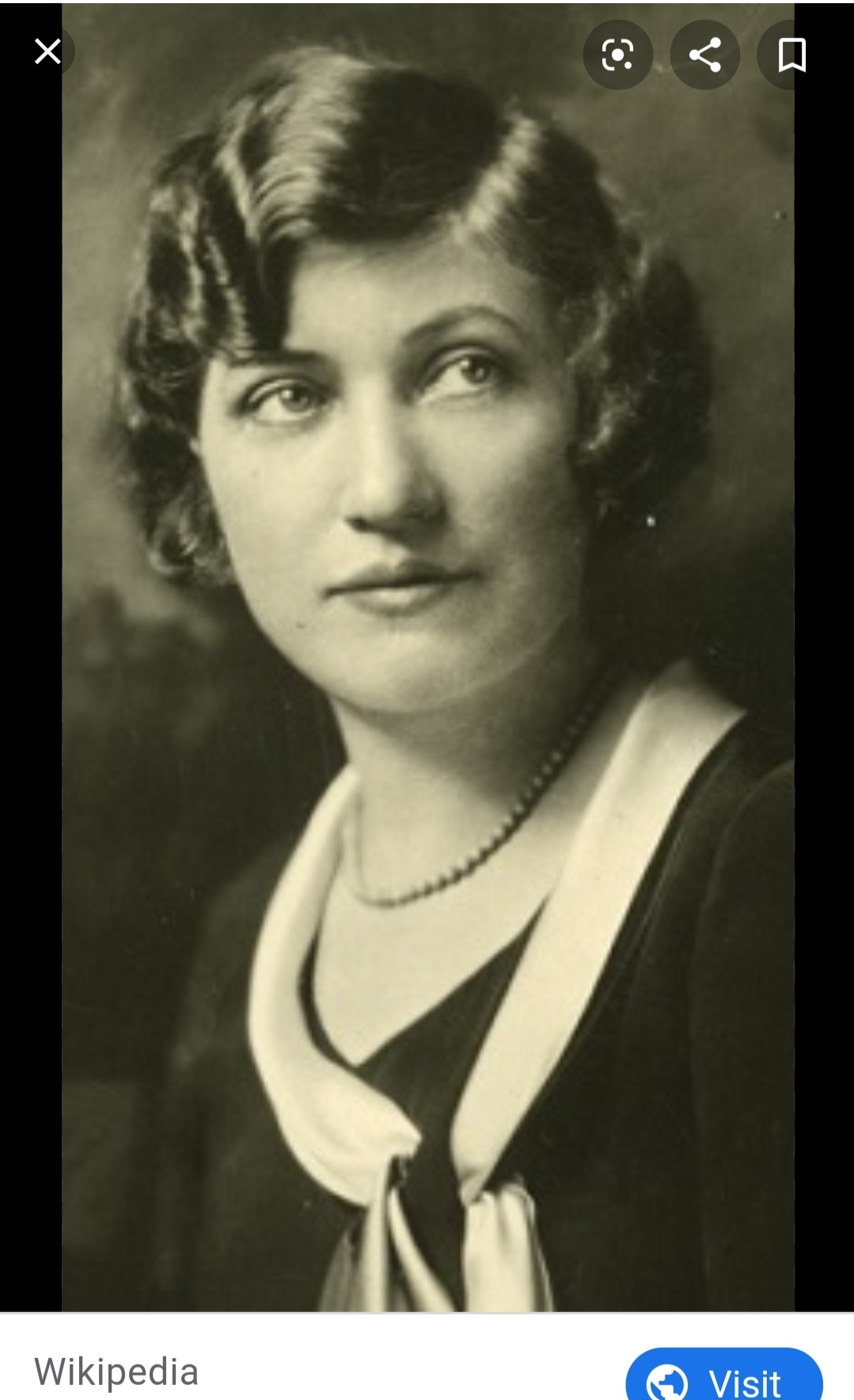
963) Nell Donnelly Reed

Courtesy of Wikipedia

963: Nell Donnelly Reed

Founder of Nelly Don, an American Women’s Clothing Line

Born:  6 March 1889, Parsons, Kansas, United States of America

Died: 8 September 1991, Kansas City, Missouri, United States of America

Original Name: Ellen Quinlan

Nell started sewing as a child to repair her family’s clothes. To say her family was large and had plenty of clothes to fix was an understatement; she was the twelfth of thirteen children. Nell also made dresses for her dolls.

In 1916, Nell started making her own dresses and selling them at a local store in Kansas City. Three years later, she started Donnelly Garment Company.

The following information on Nell’s business practices are skewed in several directions. The main source I used for this article, the chapter about Nell from the book Wild West Women, states the following information about Nell:

By 1931 Nell had over 1,000 employees and over $3.5 million in sales. Nell provided a pension plan, onsite medical care, a cafeteria, a recreation center and paid for group hospital care and life insurance for her employees. She also set up a scholarship fund for the employees’ children to go to local colleges and paid for her employees to attend night classes if they wanted. While at work, the employees were also provided with coffee and donuts in the morning and lemonade and snacks in the afternoon; all while working in the comfort of an air conditioning building in the summer and a heated factory in the winter. Nell always ensured her employees were paid on time and had high wages. She also had both a farm and three-story clubhouse for the employees to vacation at whenever they wanted.

When the Great Depression broke out, Nell realized her female workers needed help. The majority of their husbands had been laid off from their jobs en masse. Nell rectified this by switching her business practice entirely. Before, Nell had hired seasonal workers, employing larger amounts of workers in the busy seasons while laying them off during the summer. After the Depression struck, Nell kept her workers year-round; having them work on her aprons during the summer months so they could keep taking a paycheck home.

In 1937 when the Ladies’ Garment Workers Union came knocking the Nelly Don employees said No Thank You (In 1968 the workers finally joined long after Nell Retired). The fight between Nell and her employees and the Union eventually made its way to the Supreme Court, and the court sided with Nell and her workers in 1947. That same year, Donnelly Garment was the largest ladies ready-to-wear clothing manufacturer in the world.

During the fighting with the union bosses, Nell and her executives decided to ask their employees to sign an oath of loyalty, to stay with Nell Donnelly and not join the union. Out of 1,300 employees, only six chose not to sign the oath.

All of that information, to a lesser extent, is also cited and written in the article on Historic Missourians about Nell (linked below), as well as her New York Times obituary, published at the time of her death (also linked below).

Now, a fourth source (Pendergast Years) says pretty much the exact opposite of everything stated above. I’ll admit it now; I have a bias towards the first two sources because, in my own personal opinion, unions are horrible for everyone involved. The Pendergast source, in my opinion, was written by someone who highly favors unions and probably has a negative opinion of Nell because she chose to fight unionization. Its up for you to interpret and decide, but the math says three against one; just saying. In any case…

The Pendergast source states Nell’s workers were overworked and underpaid, and that she refused to allow the unions in because she knew it would increase costs and decrease production. According to this source, several workers actually took Nell to court over her harsh business practices.

The one thing Wild West Women and Pendergast Years agree on? How Nell managed to increase her production. In a time when Henry Ford was innovating the assembly line to manufacture his cars, Nell chose the same route for her own factory. Instead of having one woman make an entire dress, she had women creating pieces that were stitched together at the end. The way Nell’s dresses were designed meant that, instead of the typical one size fits all, Nell’s dresses were adjustable to fit women of all shapes and sizes.

Back to Nell’s personal life; since everyone seems to agree on this end.

In December 1931, Nell was kidnapped and held for a ransom of $75,000 but after thirty-four hours she was located and released with no ransom being paid. The kidnappers, despite initially fleeing, were caught charged, and sentenced. At the time, Nell was married to a Mr. Donnelly. They fought all the time and were less than happy together. Nell’s husband reached out to their attorneys after receiving the ransom note. The attorneys reached out to United States Senator Reed, who held a little more clout and used to be an attorney himself.

Reed was able to get Nell back safe and sound because; I kid you not, he contacted the local mafia boss and made him use his goons to find Nell. I mean hey, if it works right? I should note Historic Missourians uses the term “allegedly” alongside this fact, but Wild West Women states it as definitive fact.

Now, the plot gets a little thicker, because a year before, Nell had “come home from Europe” toting a baby boy with her. Nell’s husband, Mr. Donnelly, hadn’t wanted kids, but Nell did. The true story wouldn’t emerge until 2006. Nell didn’t actually go to Europe, instead she headed up to one of the Northern states and gave birth in secret; not to her husband’s baby, but instead to the aforementioned Senator Reed’s. Yeah, turns out they’d been having an affair for a while.

In 1932, Nell divorced her husband, Mr. Donnelly, and bought out his entire share in Donnelly Garment. Nell was now the majority owner of her company for the first time. The following year, Nell married Senator Reed and he adopted their son. Nell was forty-four at the time. Senator Reed was seventy-two.

By 1953, Donnelly Garment were the largest dress manufacturer in the world. It was estimated at the time that one in seven women wore Donnelly dresses.

Nell sold her share in 1956 and that’s when the company was renamed Nelly Don. Sadly, the company filed for bankruptcy in 1978.

Nell spent the rest of her life working for various nonprofits and local organizations. She died exactly forty-seven years to the day after her husband Senator Reed. Nell was one hundred and two years old at the time.

So, whether she was a cruel crackdown factory owner or a kind hearted mother figure to her employees, what cannot be denied is that Nell rose from the very bottom all the way to the top, and she did it all with a smile and good old hard-working American innovation. According to her New York Times obituary, in 1935 Nell was described by Fortune Magazine as "possibly the most successful businesswoman in the United States."

Badges Earned:

Find a Grave Marked

Located In My Personal Library:

Wild West Women by Erin Turner

Sources:

Wild West Women by Erin Turner

https://pendergastkc.org/article/biography/nell-donnelly-reed

https://historicmissourians.shsmo.org/historicmissourians/name/r/reed/

https://www.nytimes.com/1991/09/11/us/nell-donnelly-reed-102-pioneer-in-manufacture-of-women-s-attire.html

https://www.findagrave.com/memorial/6137912/nell-reed

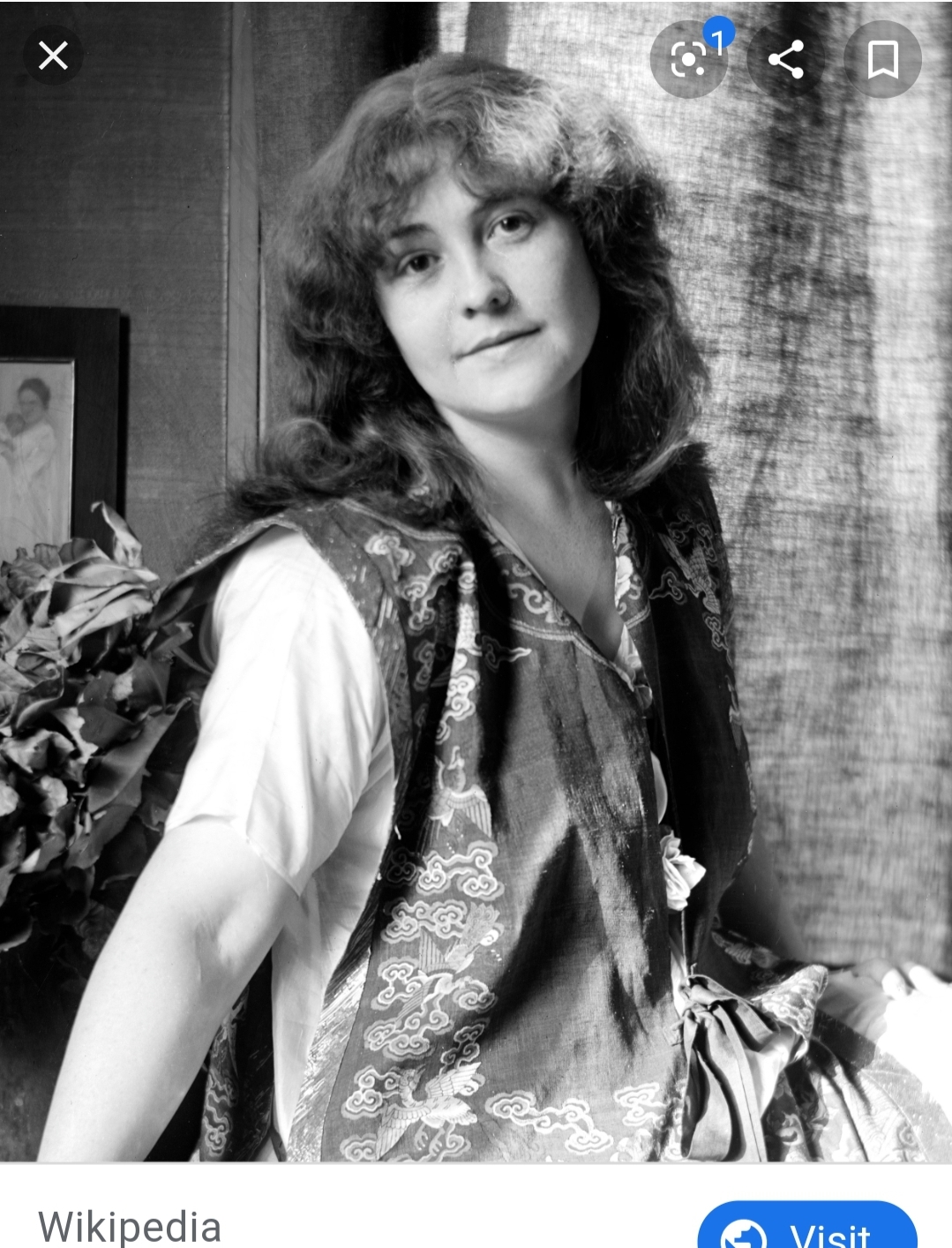
962) Rose Cecil O’Neill

Courtesy of Wikipedia

 “Do good deeds in a funny way. The world needs to laugh or at least smile more than it does.”

Courtesy of Smithsonian

962: Rose Cecil O’Neill

The First Published Female Cartoonist in the United States

Born: 25 June 1874, Wilkes-Barre, Pennsylvania, United States of America

Died: 6 April 1944, Springfield, Missouri, United States of America

Rose created Kewpies, which were the most recognizable cartoon before Mickey Mouse. Beginning in 1913, Rose also oversaw the creation of Kewpie dolls which were manufactured in Germany and sold all over the world.

Rose was also a self-trained artist but grew up with very artistic parents. She went to New York on her own at the age of nineteen to sell her first novel. Instead, Rose showed her illustrations to various magazines and began earning commissions for her work.

By 1914 she was the highest paid female illustrator in the US. She was married twice but remained single after her second divorce in 1907. Rose never had children but drove herself to near destitution because of the financial support she gave to her family members and other artists.

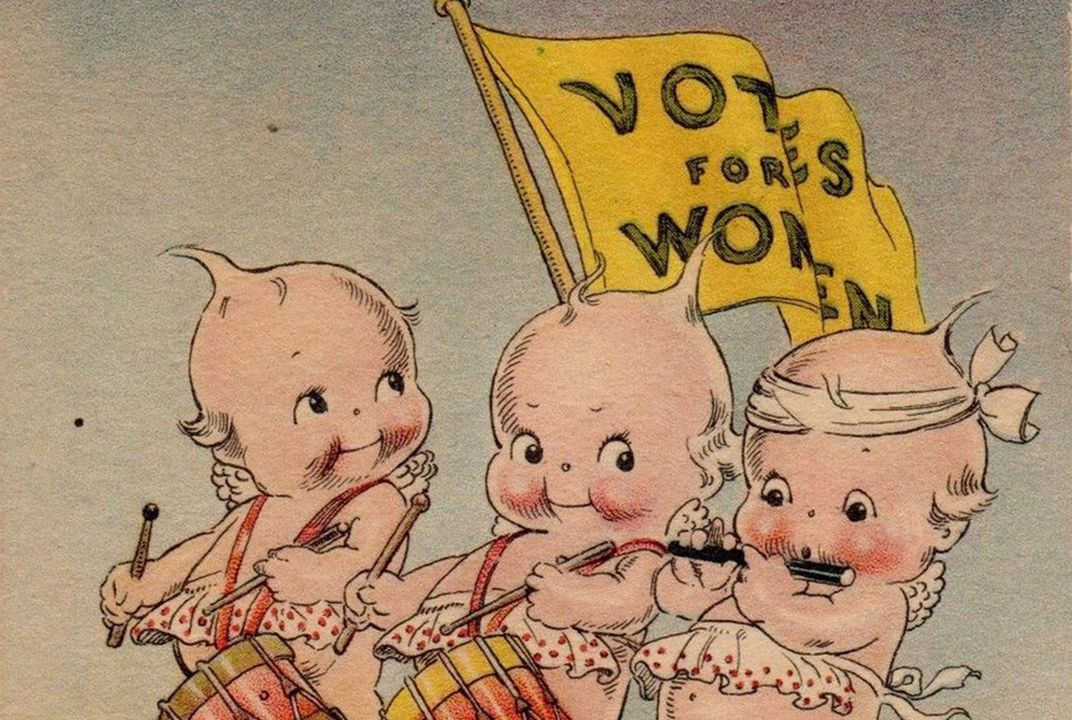
Rose also actively participated in the women’s suffrage movement in the United States alongside her sister Callista. Rose designed posters, participated in marches, and proudly witnessed the signing of the twentieth amendment to the United States Constitution in 1920.

Rose’s autobiography was published posthumously.

Badges Earned:

Find a Grave Marked

Located In My Personal Library:

Wild West Women by Erin Turner

Sources:

https://historicmissourians.shsmo.org/historicmissourians/name/o/oneill/index.html

https://www.britannica.com/biography/Rose-Cecil-ONeill

https://americanart.si.edu/artist/rose-cecil-oneill-3599

https://www.findagrave.com/memorial/21784408/rose-cecil-o'neill

961) Rose Cleveland

Courtesy of Wikipedia

 “I need you and life is not long enough to always wait."

961: Rose Cleveland

Acting First Lady of the United States During Her Brother Grover Cleveland’s First Administration

Born: 13 June 1846, Buffalo, New York, United States of America

Died: 11 November 1918, Bagni di Lucca, Italy

Rose was also present for the dedication for the Statue of Liberty.

Rose was chosen to serve as First Lady because she was seen as a balance to her brother’s more outlandish (read: horrifying) behavior. To put it in layman’s terms, Grover was the first presidential candidate to be publicly accused of rape (something he never denied, instead he just made Maria Halpin’s life a living nightmare afterward). Rose on the other hand was a published author, former teacher at a women’s seminary, and was scandal free—at the time anyway.

After Rose’s brother married Frances Folsom, she resigned as First Lady (a role she did not like at all) and re-entered the field of education and writing. Rose was said to have spent her time at long and drawn out state functions conjugating Latin and Greek verbs in her head, so you know, it’s not that much of a surprise she found the role of First Lady dull.

Rose is also remembered for having a girlfriend named Evangeline (which caused quite a stir as you can imagine). The couple spent six years in romantic bliss, visiting one another (Rose lived in New York and Evangeline Massachusetts), vacationing in Europe and the Middle East, and even buying property together in Florida. But then, in 1896, Evangeline announced she was getting married. Evangeline had been previously widowed and had no children.

Rose was about ten years older than Evangeline and had never married herself. Evangeline was by then forty years old, past the point of marrying to have children, and besides her husband was literally almost twice her age. But apparently, she did love him; Rose was understandably upset by the news. Three weeks after Evangeline married, Rose left for Europe and would not return for three years.

Five years after saying their vows; Evangeline’s husband died. Rose and Evangeline had continued to write one another over the years, and with Evangeline’s husband gone, the wording of Rose’s letters make it seem as though they were growing closer again. In 1910, Rose and Evangeline moved to Italy. At first, they had gone to care for Evangeline’s brother, but after he died two years later, they continued to live together in Italy. During World War I, the couple volunteered and did what they could for the refugees flooding into Tuscany.

Rose died during the Spanish Flu Epidemic at the age of seventy-two. Evangeline wrote to her stepdaughter, “The light has gone out for me,” after Rose passed. When Evangeline died twelve years later, she was buried next to Rose in the English Cemetery in Bagni di Lucca, Italy. The letters Rose wrote to Evangeline over the last twenty-eight years of her life have since been compiled into a book (the majority of Evangeline’s letters have not survived the decades since they were written).

Badges Earned:

Find a Grave Marked

Sources:

https://www.washingtonpost.com/history/2019/06/20/she-was-once-first-lady-she-is-buried-next-her-longtime-female-partner/

https://www.smithsonianmag.com/smart-news/new-book-chronicles-first-lady-rose-clevelands-love-affair-evangeline-simpson-whipple-180972472/

https://allthatsinteresting.com/rose-cleveland

https://www.findagrave.com/memorial/199466633/rose-elizabeth-cleveland

960) Katharine Berry Richardson

Courtesy of Find a Grave

960: Katharine Berry Richardson

Created a Children’s Hospital in Kansas City

Born: c.1858, Kentucky, United States of America

Died: 3 June 1933, Kansas City, Missouri, United States of America

Katharine was sent to school by her older sister Alice. Once Katharine had her degrees, she worked so Alice could go to school.

Katharine held degrees in general medicine and philosophy; earning her medical degree in 1887.

The sisters started a practice in Kansas City, Missouri on their own because no hospitals at the time would employ female doctors. At first, they had one bed in which to treat children, but quickly needed more space. They soon bought the hospital in which their single bed resided and renamed it "Free Bed Fund Association for Crippled, Deformed, and Ruptured Children.” The long-winded name didn’t last long, and in 1904 they renamed the place Children’s Mercy Hospital. The hospital grew from five beds to twenty-seven within two years.

The hospital was based on the program of not charging patients, unless the parents or guardians could afford to pay. The sisters’ goal was to save as many children as they could, regardless of socioeconomic status or ethnic background.

In 1910, the sisters introduced a teaching program into the hospital, which allowed their patients to keep up with schoolwork during prolonged hospital stays. This was but one of many innovations the sisters would introduce over their combined thirty-six years running the hospital.

Four years after Alice died, Katharine successful oversaw the completion of a four-story building to expand the hospital.

Katharine also worked with the owners and operators of Wheatly-Providence Hospital, the only hospital in Kansas City that would treat African Americans. Katharine worked to oversee the completion of a pediatric surgical and residency program at the hospital.

Katharine herself was one of the most gifted surgeons in Missouri. She continued to operate until two days before she died; her specialty being repairing facial deformities like cleft palates.

Today, Children’s Mercy Hospital is recognized as being in the top ten best children’s hospitals in the United States.

Katharine was married but never had children.

Badges Earned:

Find a Grave Marked

Located In My Personal Library:

Wild West Women by Erin Turner

Sources:

https://www.childrensmercy.org/about-us/our-history/

https://www.childrensmercy.org/about-us/our-history/significant-dates-in-the-history-of-childrens-mercy/

https://kchistory.org/week-kansas-city-history/mothers-mercy

http://beckerexhibits.wustl.edu/mowihsp/bios/GrahamRichardson.htm

https://kchistory.org/islandora/object/kchistory%253A115414

https://www.findagrave.com/memorial/6870906/katharine-richardson

959) Alice Berry Graham

Courtesy of Wikipedia

959: Alice Berry Graham

Created a Children’s Hospital in Kansas City (Missouri)

Born: c.1850, Warren County, Pennsylvania, United States of America

Died: 3 May 1913, Kansas City, Missouri, United States of America

Alice used her salary as a schoolteacher to send her younger sister Katharine to medical school. Once Katharine had earned her medical degree, she worked in turn to be able to send Alice to school.

Alice herself held a degree in dentistry.

The sisters started a practice in Kansas City, Missouri on their own because no hospitals at the time would employ women doctors. At first, they had one bed in which to treat children, but quickly needed more space. They soon bought the hospital in which their single bed resided and renamed it "Free Bed Fund Association for Crippled, Deformed, and Ruptured Children.” The long-winded name didn’t last long, and in 1904 they renamed the place Children’s Mercy Hospital. The hospital grew from five beds to twenty-seven within two years.

The hospital was based on the program of not charging patients, unless the parents or guardians could afford to pay. The sisters’ goal was to save as many children as they could, regardless of socioeconomic status or ethnic background.

In 1910, the sisters introduced a teaching program into the hospital, which allowed their patients to keep up with schoolwork during prolonged hospital stays. This was but one of many innovations the sisters would introduce over their combined thirty-six years running the hospital.

Alice died of cancer. Today, Children’s Mercy Hospital in Kansas City is recognized as being in the top ten of best children’s hospitals in the United States.

Badges Earned:

Find a Grave Marked

Located In My Personal Library:

Wild West Women by Erin Turner

Sources:

https://www.childrensmercy.org/about-us/our-history/

https://www.childrensmercy.org/about-us/our-history/significant-dates-in-the-history-of-childrens-mercy/

http://beckerexhibits.wustl.edu/mowihsp/bios/GrahamRichardson.htm

https://kchistory.org/week-kansas-city-history/mothers-mercy

https://www.findagrave.com/memorial/6870907/alice-graham

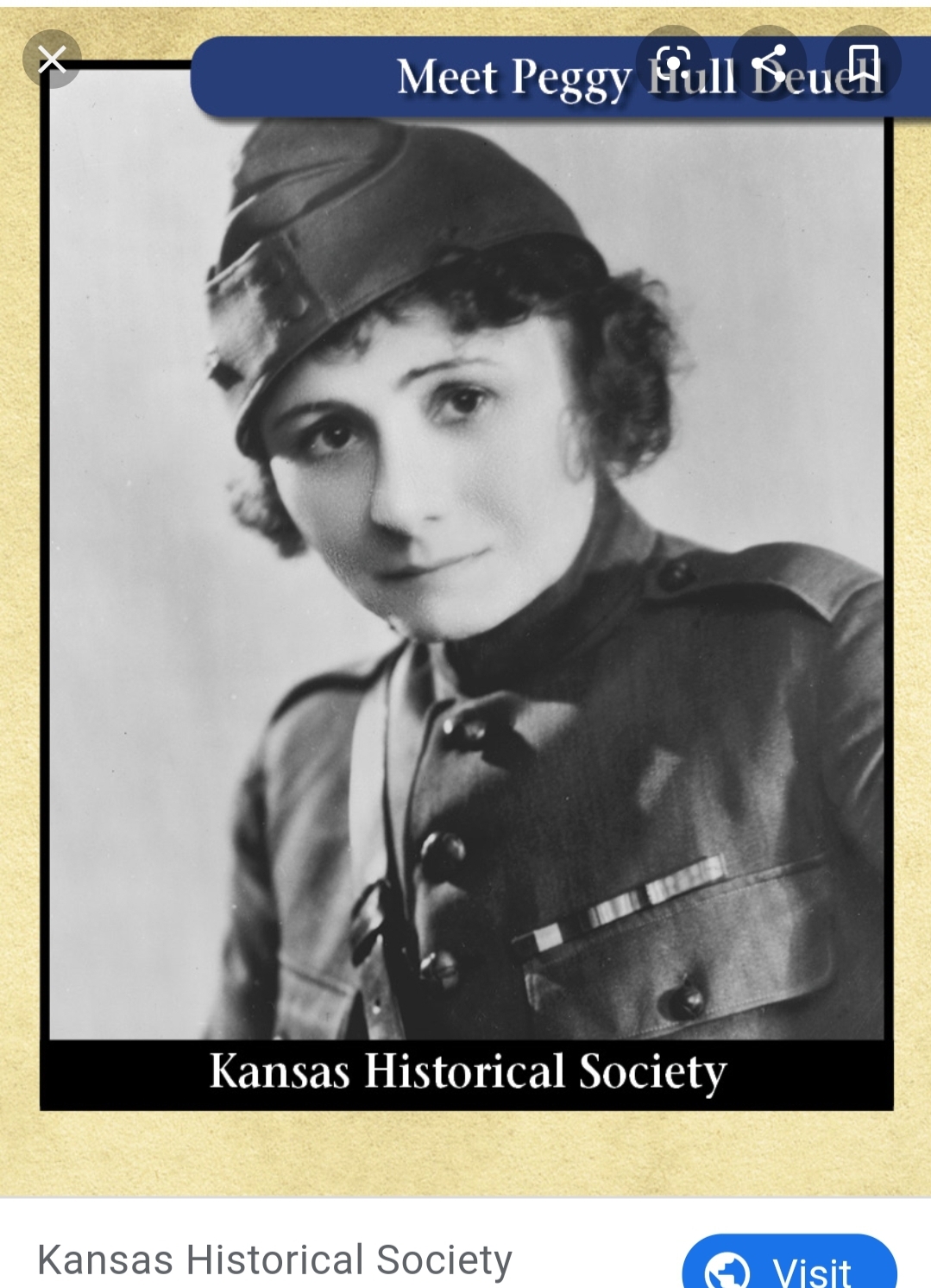
958) Peggy Hull

Courtesy of the Kansas Historical Society

"Siberia is on the threshold of its blackest period...Twice a victim, first to monarchy and then to anarchy—its people will die by the thousands. They are freezing to death now."

958: Peggy Hull

The First Female War Correspondent Accredited by the United States War Department

Born: 30 September 1889, near Bennington, Kansas, United States of America

Died: 18 June 1967, Carmel-by-the-Sea, California, United States of America

Original Name: Henrietta Eleanor Goodnough Deuell

Peggy was the first woman to serve on four battle fronts in a career spanning thirty-one years. She received quite a following on the home front because of the way she reported on the war. Peggy wrote about the war from the personal perspective of soldiers, giving details about their life stories as well. Readers back home were receptive to the change in tone from the usual war coverage of stats, figures, and maps.

Peggy became interested in investigative journalism early on after becoming a fan of Nellie Bly. By the time Peggy reached high school she had decided on journalism for her career path and was honing her craft.

Between 1909 and 1916, Peggy worked for newspapers in Hawaii, Colorado, Minnesota, and California. In 1916, she found herself in Ohio. That year, Peggy asked to cover the Ohio National Guard’s actions in Mexico. The guardsmen had been deployed to protect the border after Pancho Villa’s raid into New Mexico. Peggy covered the troop’s movements and the goings on so accurately her word is considered one of the most accurate writings for the troops in that time period; despite the fact she never actually made it to the frontlines.

A year later, in 1917, Peggy asked her bosses at the El Paso Morning Times to send her to France to cover World War I. Though Peggy sailed East without accreditation from the War Department, Peggy was able to cover an artillery training camp for a month thanks to her earlier connections in Mexico. According to sources, jealous male reporters put pressure on the higher ups, and Peggy was sent back to Paris. She sailed home soon after to care for her ailing mother.

The following summer, Peggy finally received accreditation from the War Department. Peggy traveled all across Asia and the Pacific covering various topics concerning battles and wars in the following years, but she often complained about her distance from the front lines. Peggy assumed, and was probably right to assume, that the reason for the distance was due to the fact that Peggy was a woman.

In 1918, Peggy covered a thousand-mile trek through northern Russia, following refugees numbering in the thousands. These refugees were fleeing from both the Red and White Russian armies, who had torn the country apart following the abdication of the Tsar in 1916. Peggy was one of the few American journalists to cover what was happening in that part of Russia at the time, and her words survive today as an eyewitness account of the period.

Despite not being a member of the armed forces, Peggy still dressed in an army uniform in her early work and carried her own equipment wherever she went. By the time Peggy finally received accreditation, she was given a uniform to wear and the same privileges of a commissioned officer. She was in her fifties when she covered World War II, traveling all across the Pacific to chart the movements of troops and the goings on there. She retired after the war.

Peggy She was married three times in her life; the first two ending in divorce and the third ending with her husband’s death in 1939. Even crazier, Peggy actually lost her United States citizenship because of her second marriage. At the time, if an American woman married a foreigner, she lost her citizenship on the presumption she’d take up the citizenship of whichever country her husband hailed from.

Peggy never had children.

Badges Earned:

Find a Grave Marked

Located In My Personal Library:

Wild West Women by Erin Turner

Sources:

https://www.kshs.org/kansapedia/peggy-hull-deuell/15137

https://www.kshs.org/p/peggy-hull/19405

https://www.encyclopedia.com/women/encyclopedias-almanacs-transcripts-and-maps/hull-peggy-1889-1967

https://www.findagrave.com/memorial/8106968/eleanor-goodnough-deuell

  • Previous
  • 1
  • …
  • 27
  • 28
  • 29
  • 30
  • 31
  • 32
  • 33
  • …
  • 159
  • Next

Categories

Archives

  • July 2025 (10)
  • July 2024 (1)
  • January 2024 (1)
  • August 2023 (1)
  • June 2023 (2)
  • October 2022 (1)
  • July 2022 (1)
  • June 2021 (3)
  • December 2020 (3)
  • August 2019 (1)
  • July 2019 (2)

Search

© 2026 The Exasperated Historian | Powered by Minimalist Blog WordPress Theme