The Exasperated Historian
Menu
  • Home
  • The Women’s List (New)
  • The Men’s List
  • The Animal List
  • Collections
  • The Blog
  • Contact Us
  • FAQ
Menu

Category: Birth Locations

985) Neferneferure

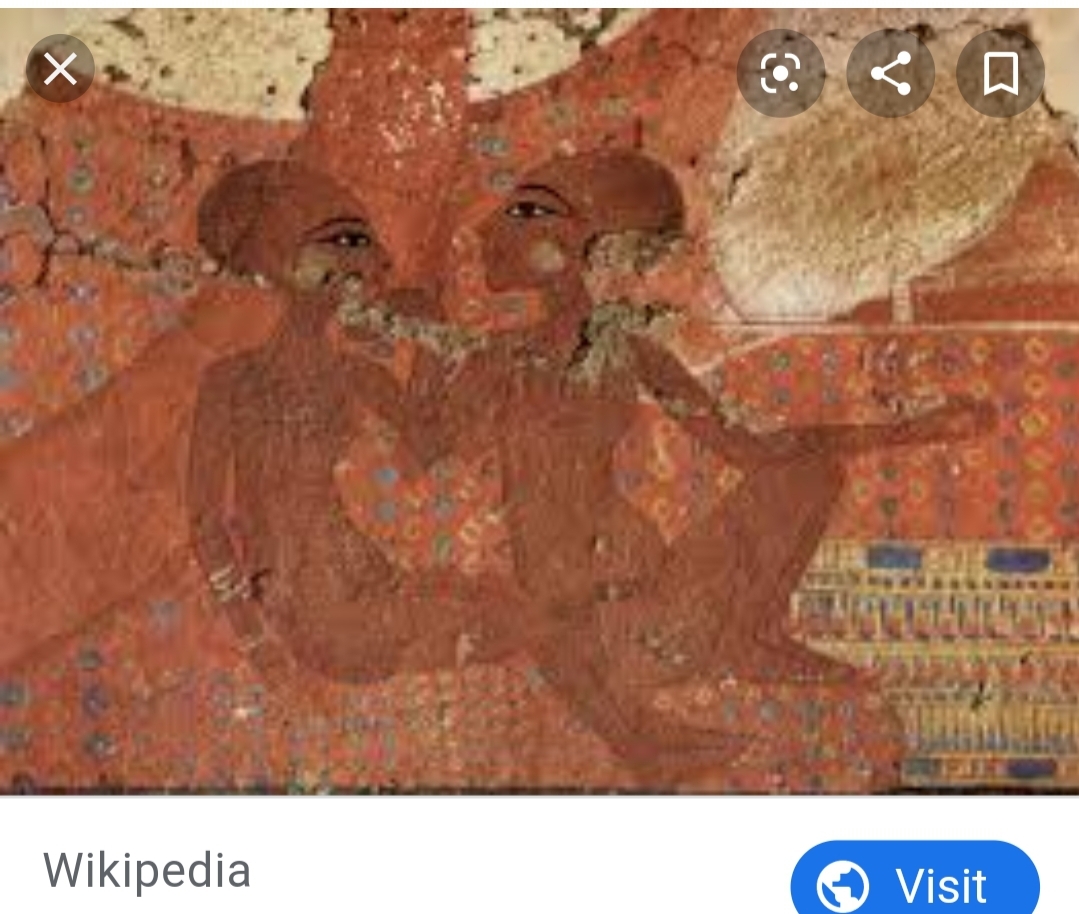
Neferneferuaten and Her Sister Neferneferure

985: Neferneferure

Fifth Born of Nefertiti and Akhenaten’s Daughters

Born: c.1344, Akhetaten, Ancient Egypt (Present-day Amarna, Egypt)

Died: c. 1339, Akhetaten, Ancient Egypt (Present-day Amarna, Egypt)

Her name has been translated as “Most Beautiful One of Re,” or “Beautiful are the Beauties of Re.”

It is believed Neferneferure was born around the eighth year of her father’s reign. She had four older sisters and one younger. The image shown here in this article depicts Neferneferure with her sister Nefernefernuaten Tasherit; it appears in the royal residence in the capital city of Akhetaten (known as Amarna today).

Neferneferure died around the thirteenth or fourteenth year of her father’s reign, possibly during an outbreak of disease across the land. Historians have dated her death to around this time because she is absent from one image of the royal family and has been plastered over in another; both images dating to around the year of Neferneferure’s estimated death.

One of the images Neferneferure is missing from is the mourning scene of her elder sister Meketaten which appears in Akhenaten’s tomb. This leads historians to believe Neferneferure, and her younger sister Setepenre who is also missing, both died before their elder sister Meketaten.

Very little else is known of Neferneferure's short life. For more information about the Amarna Period, click the link to her sister Meketaten's article.

Badges Earned:

Located in My Personal Library:

King Tutankhamun: The Treasures of the Tomb by Zahi Hawass

Secret Egypt by Zahi Hawass

Temples, Tombs & Hieroglyphs: A Popular History of Ancient Egypt by Barbara Mertz

Sources:

https://www.angelfire.com/ne2/SheritrasAkhet/neferneferure.html

https://en.wikipedia.org/wiki/Neferneferure

https://ancientegypt.fandom.com/wiki/Neferneferure

984) Meketaten

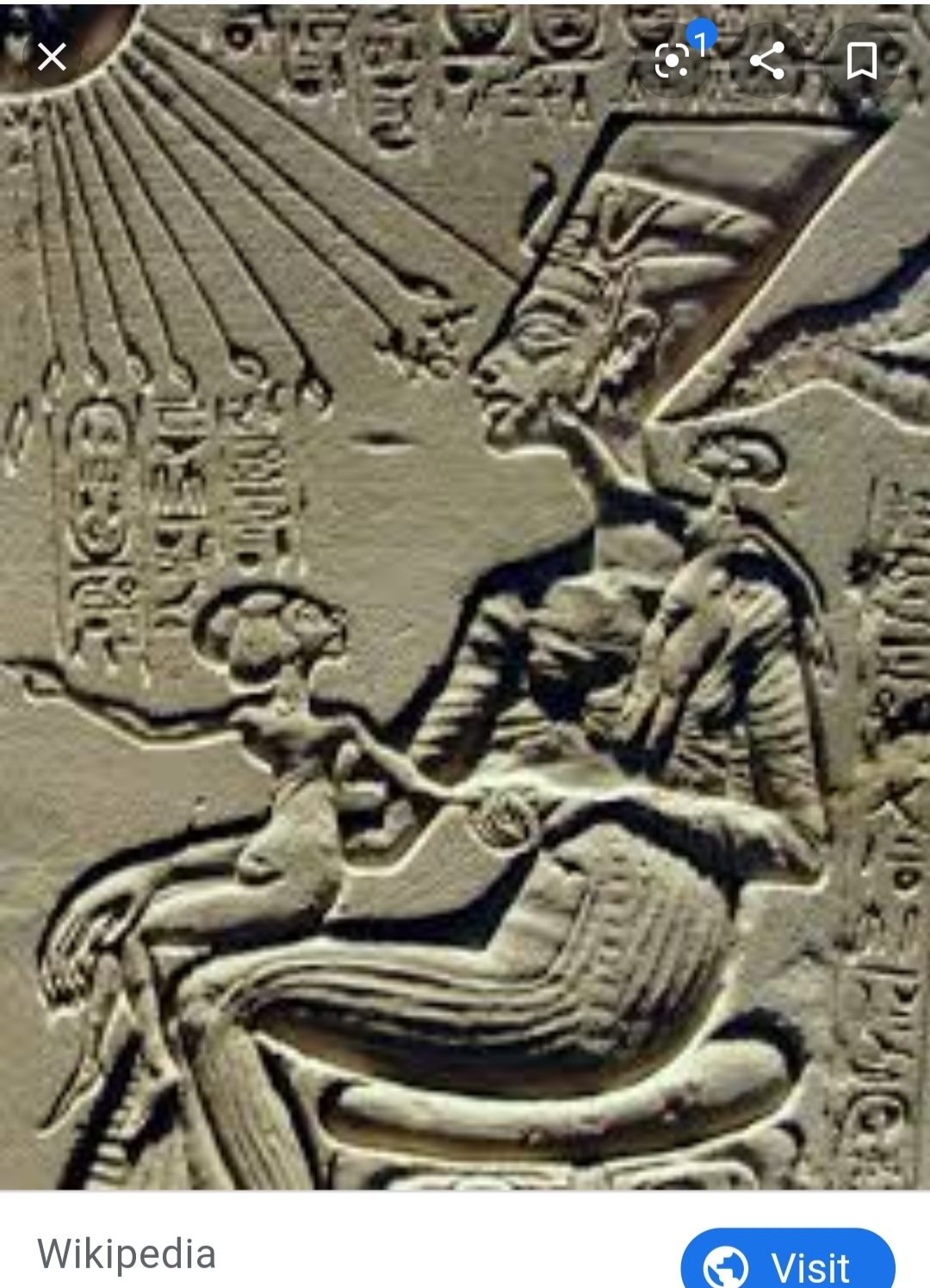
Meketaten situated on her mother, Nefertiti's lap

984: Meketaten

Second Born of Nefertiti and Akhenaten’s Daughters

Born: c.1348 BC, Thebes, Ancient Egypt (Present-day Luxor, Egypt)

Died: c.1338 BC, Akhetaten, Ancient Egypt (Present-day Amarna, Egypt)

Her name has been translated as either “Behold the Aten” or “Protected by Aten.” For more information about the Aten and the Amarna period in general, view the explanation under the “Note” section below.

It is believed Meketaten was born between the second and the fourth year of her father’s reign, but because she lived so long ago, nothing is certain.

Not much else is known about Meketaten’s life. She appears in early depictions of her family, usually in images with religious iconography common of the Amarna Period (as its known today). Estimates place her age at death to be between ten and twelve years old.

How and why Meketaten died is not certain either. What is known is that she predeceased her parents. An image of the princess’s funeral is depicted in Akhenaten’s tomb; in which her parents gather around Meketaten’s coffin and openly grieve her death while holding each other.

Theories for how Meketaten died vary from a plague brought by visitors from a neighboring land to possibly even complications of childbirth. Despite Meketaten’s young age, near the scene depicting her funeral in Akhenaten’s tomb is another image of a nurse holding a baby. The name of the nurse and child were both removed during Antiquity, adding further questions to the mystery. Some who believe Meketaten died in childbirth also believe her child was the so-called Boy King, Pharaoh Tutankhamun, but again, there’s no way (at this point anyway) to prove that with certainty.

Today, one of Meketaten’s writing palettes and some of her brushes are held in the Metropolitan Museum of Art in New York City. Having visited the Met’s Egyptian Wing myself (though I don’t recall seeing Meketaten’s brushes while there) I can tell you with certainty that particular portion of the museum is astoundingly amazing. I could spend a week in that wing alone; so I find this little random fact sweet to say the least.

Note:

Meketaten's father's reign was something completely unique in Egyptian Antiquity--radical, strange, and flabbergasting to some of the people living under him at the time.

So, what did Akhenaten do that was so radical? Well, as I'm sure you're at least vaguely aware, Egypt had many many gods. Akhenaten decided he wanted to change the state religion, from polytheistic to monotheistic (kind of anyway, the exact minor details are debated by Egyptologists but for this writing that's the best word to easily explain). Akhenaten took the principal deity, Amun, and replaced him with Aten. This period of Egyptian History is called the Amarna Period today and didn't last very long. In fact, the Amarna Period ended after only two Pharaohs--Akhenaten and the next reigning Pharaoh Smenkhare. Once Akhenaten's son Tutankhamun took the throne, King Tut as he is called in popular media, began to return Egypt to the old ways.

Badges Earned:

Located In My Personal Library:

The Pharaohs by Joyce Tyldesley

Secret Egypt by Zahi Hawass

Sources:

http://www.heptune.com/meketate.html

https://www.angelfire.com/art/ankhes/meketaten.html

https://artsandculture.google.com/entity/meketaten/m0906r2?hl=en

https://ancientegypt.fandom.com/wiki/Meketaten

https://www.metmuseum.org/art/collection/search/544694

Adamsville and Butte View Cemeteries (Florence, Arizona)

Posted on December 2, 2020January 16, 2022 by nickssquire12

In October of 2020, I casually purchased a copy of Graveyards of the Wild West: Arizona by Heather L Moulton and Susan Tatterson from my local Barnes and Noble. After thumbing through the book, my mother and I decided it would be fun to take several road trips around our state to visit these Old West cemeteries to see what we could find. Yes, we are those kind of people (the kind that find visiting cemeteries fun!).

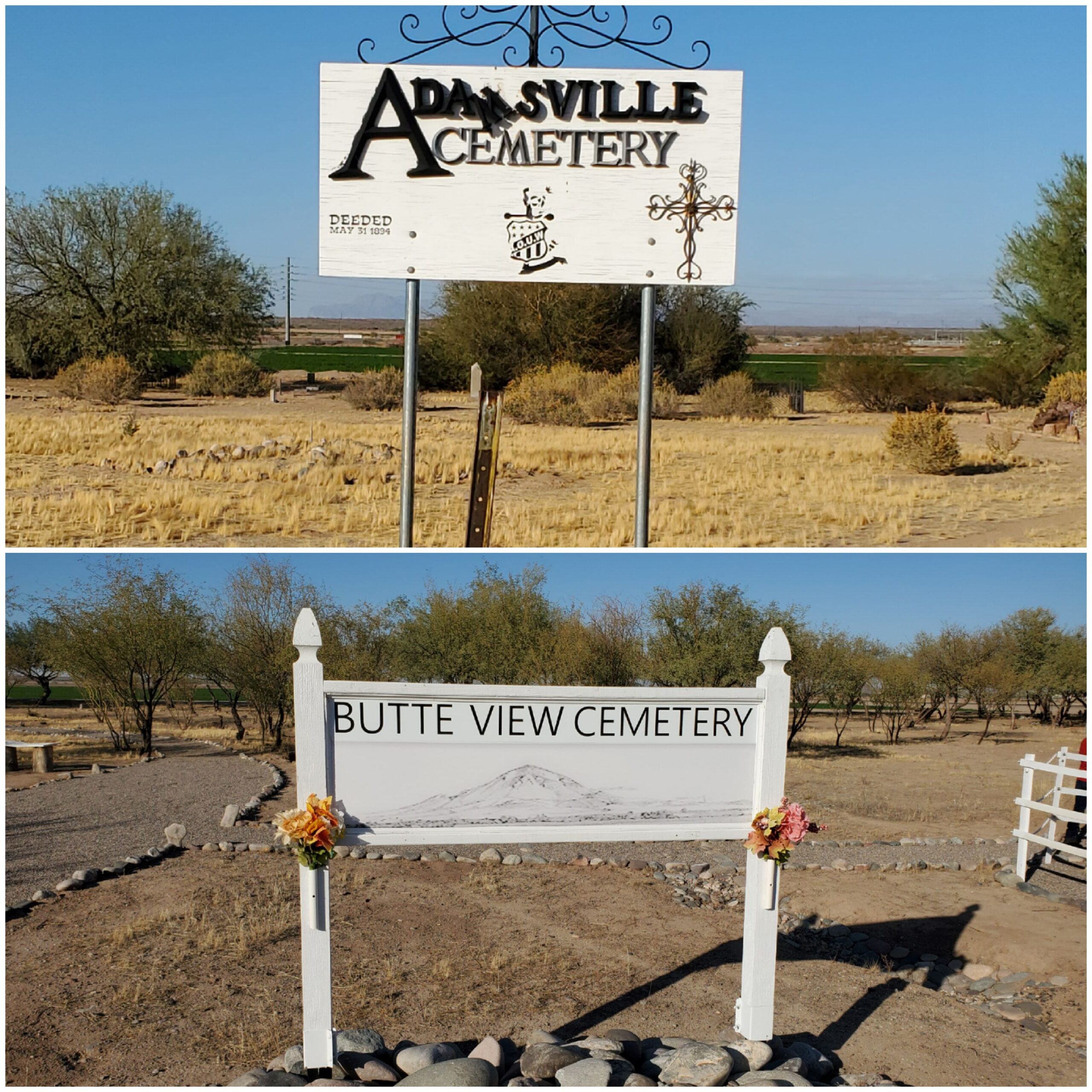
So with the long Thanksgiving weekend in sight, we set out to drive down to Florence, which is about forty minutes from where we live. Down in Florence you will find two cemeteries that lay back to back: Butte View and Adamsville (named after the town of the same name that no longer exists--Adamsville was washed away when the Gila River flooded in the early 1900's!).

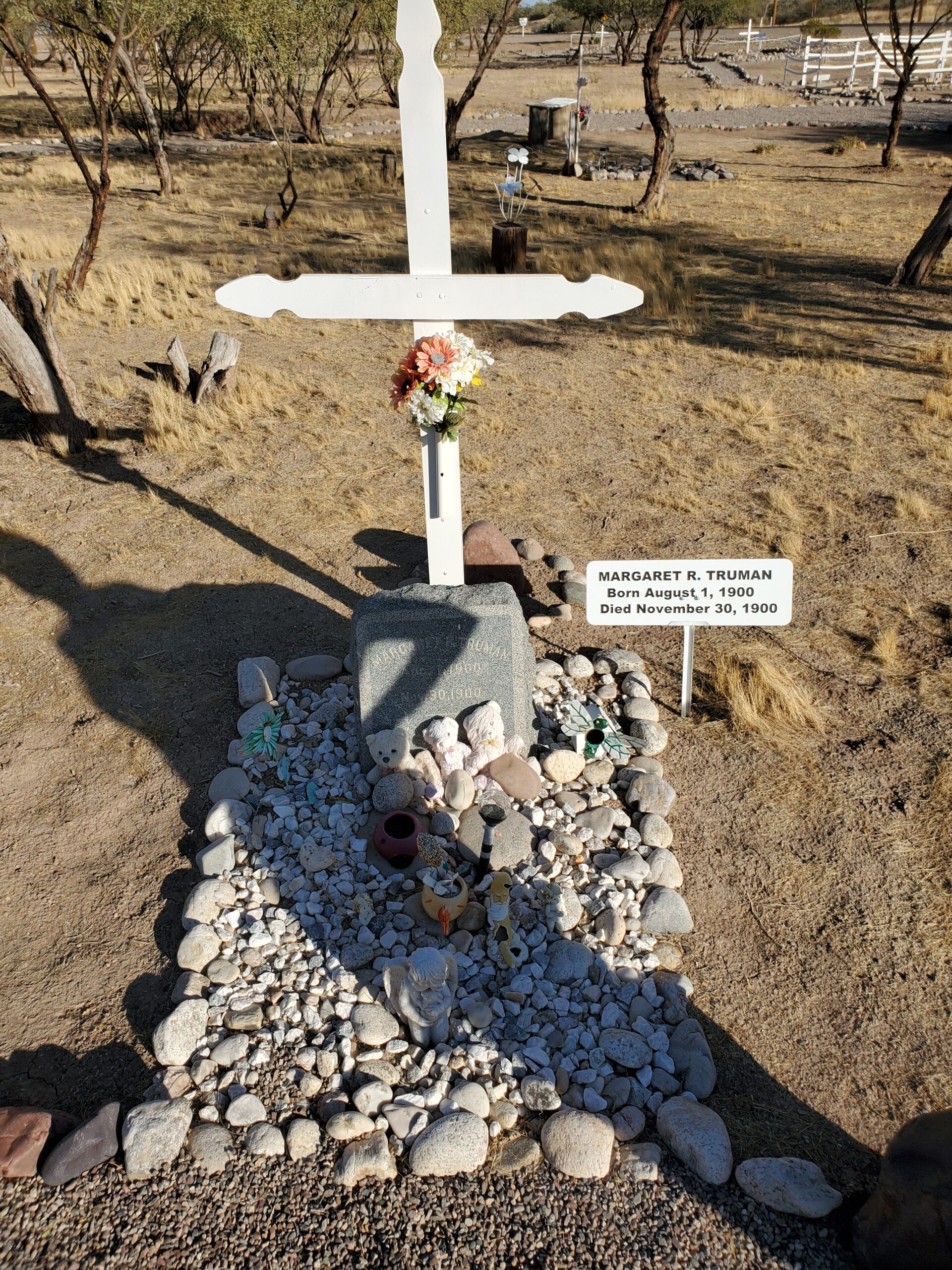
Most of the graves date to before Arizona became a state in 1912, but several others are from much later. Adamsville covers more land area and has more graves, but they are spread out and not as well kept up as Butte View. Butte View has a gravel path linking all of the graves, the majority of which are marked with a plain white cross and the words "Unknown Grave" with a number and any information about the deceased that might be known. While in Butte View, my mother and I noticed a baby girl buried there was celebrating her 120th birthday that very weekend (gravesite pictured below).

Margaret's grave has a white cross and a small placard explaining her name, birth and death dates.

Margaret Truman was only a few months old when she died in 1900. Her gravesite was recently restored in time for us to visit near her 120th birthday.

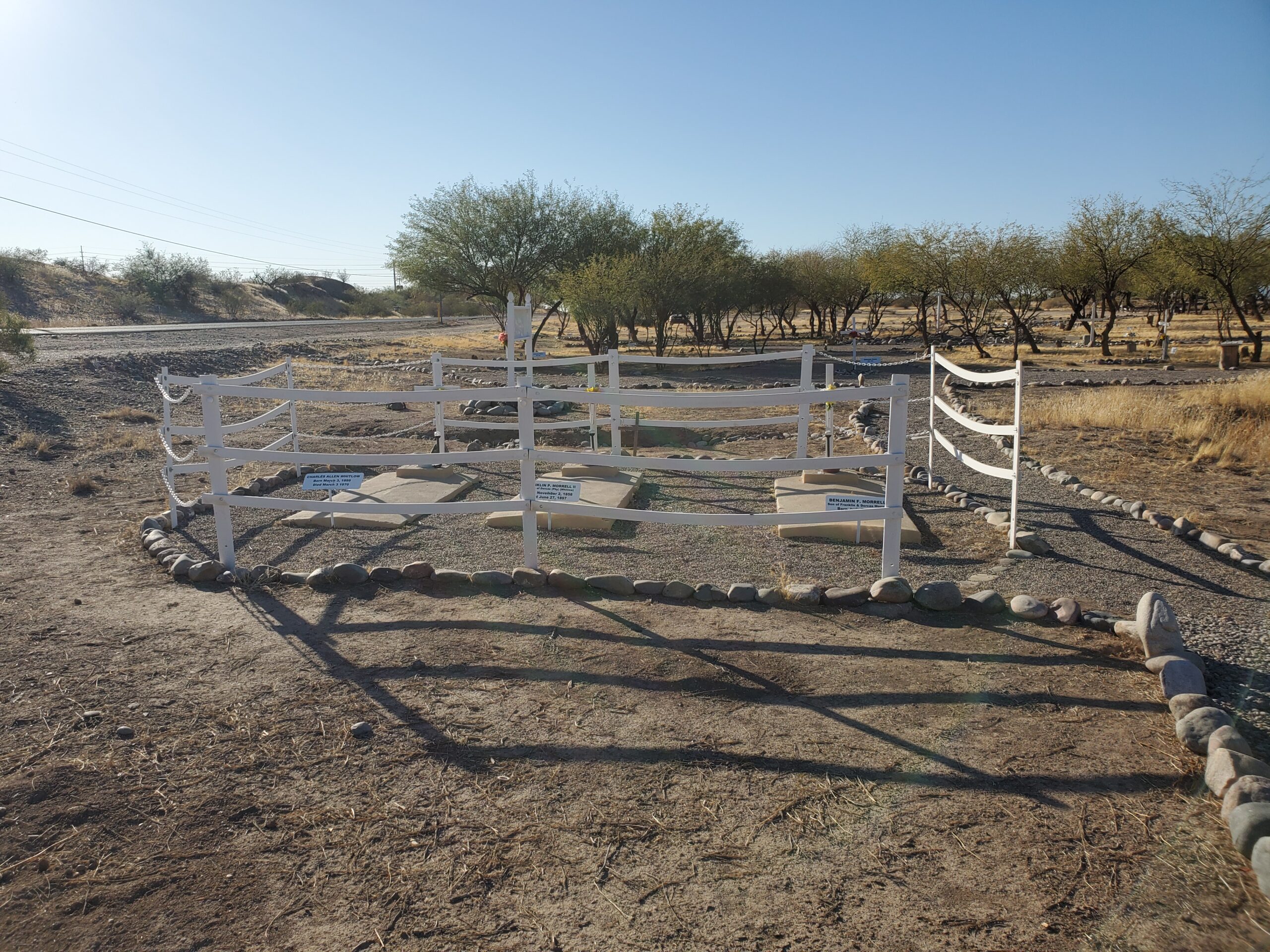
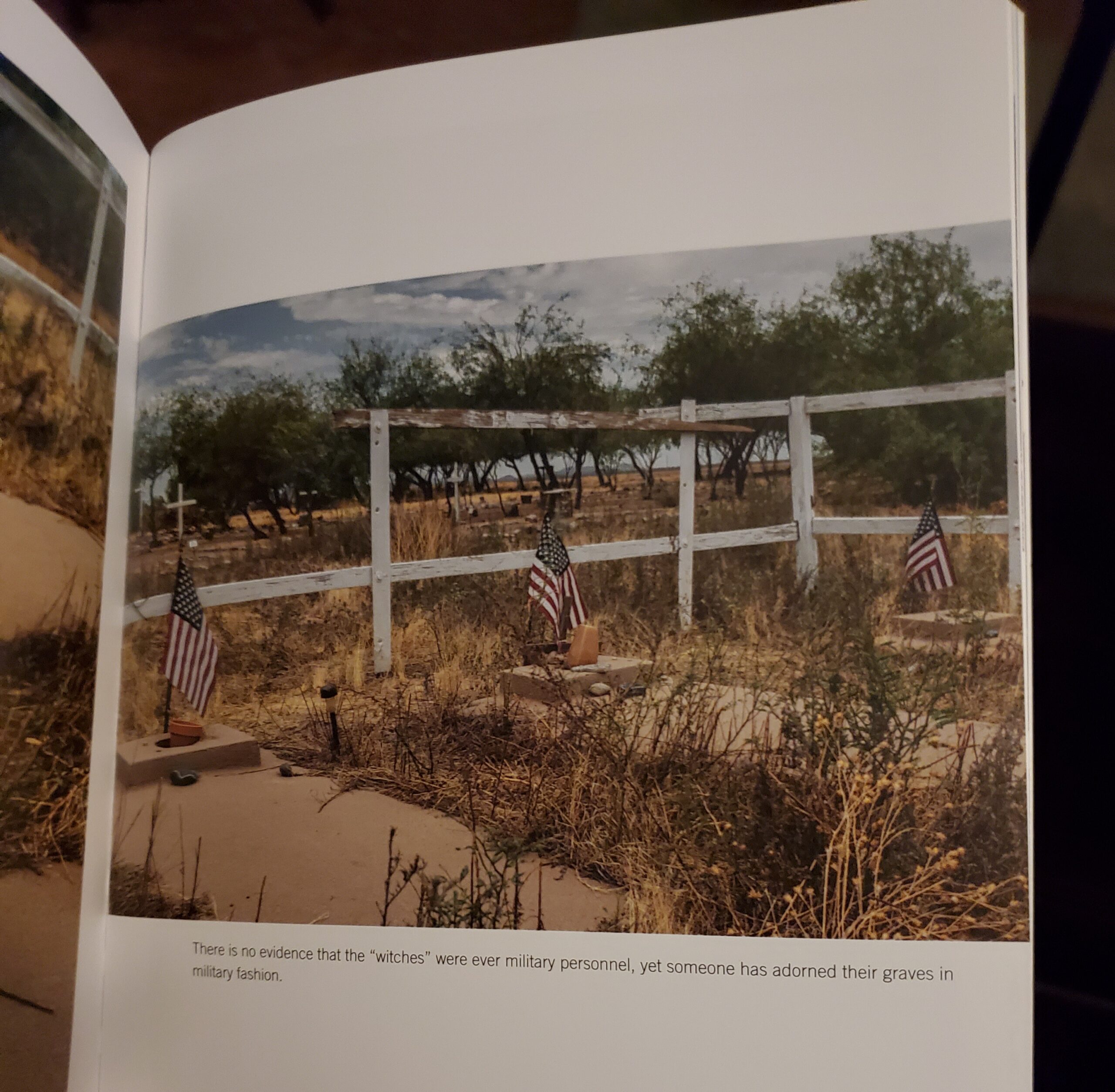
The other notable grave in Butte View, at least according to Graveyards of the Wild West, is the three Butte View "Witches". I must confess, the witches are the reason my mom and I were most interested in visiting the cemetery. According to the book, the three witches are buried outside the confines of the cemetery; their graves are unmarked but were later adorned by visitors. Interestingly enough, this is not at all what you see at Butte View today. After comparing photos from the book with the graves in the cemetery while we were there, my mother and I discovered the three graves now have markers indicating the birth and death dates, along with the names of those buried there. So now the question is, are the graves really those of "witches" and someone created fake names and identities for the graves, or were the authors of the book fed false information? If I'm ever back in Florence when the local historical society is open, I'll have to stop in and ask a few questions...

Three graves marked with concrete slabs surrounded by a white fence

According to the book, these graves are of the three Butte View "Witches", but according to the graves themselves, these three individuals are men of the same family

The three "witches" graves at Butte View cemetery, as shown in Graveyards of the Wild West

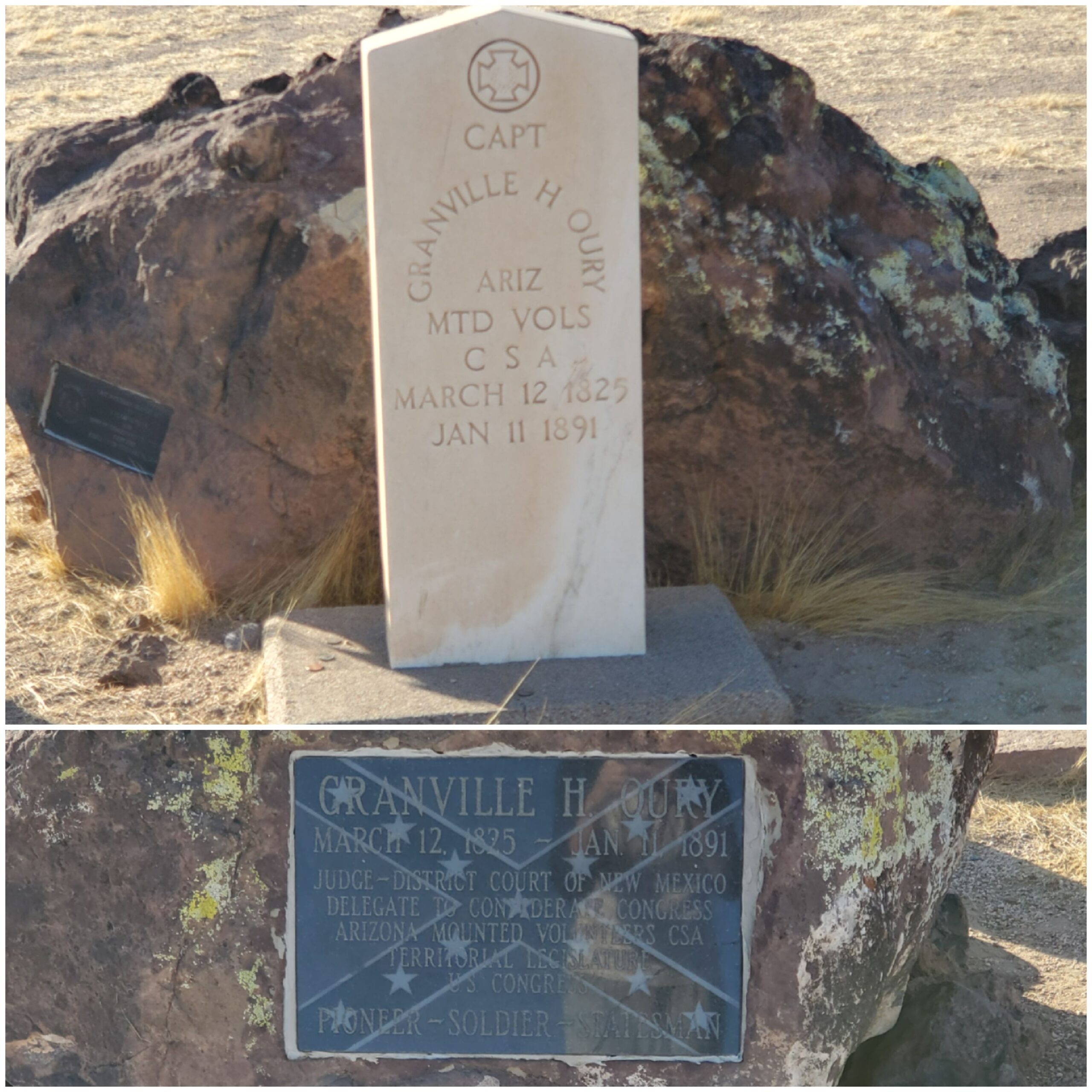
Heading over to Adamsville, you'll find another notable grave. Way out here in the middle of nowhere (practically anyway), you'll find the grave of a Confederate Veteran, the only veteran of the War Between the States in this area of Arizona. His name was Granville Oury, and he has a traditional marker as provided by the United States Government for veteran graves (note the pointed tip at the top; Union veterans have rounded tops to their headstones). Besides the traditional grave marker, Captain Oury also has a rock engraved with the Confederate Battle Flag and more information about his life. The two markers are side by side out there in the desert.


Captain Oury's government issue marker is on the top of this image while the engraved polished stone is beneath. I took both of these photos in November of 2020

Located in the Adamsville Cemetery, Captain Granville Oury is the only Confederate veteran buried in either of these cemeteries.

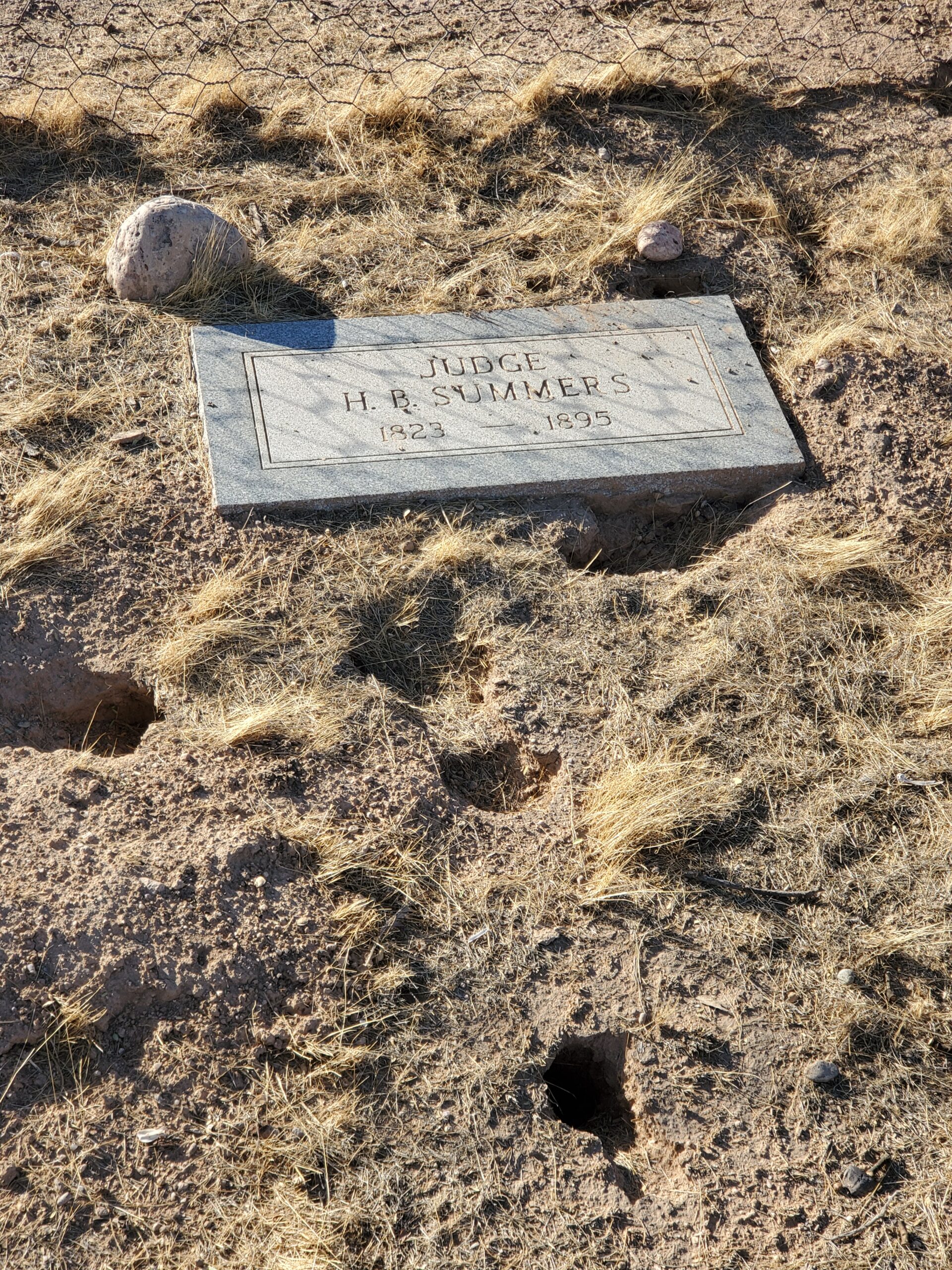
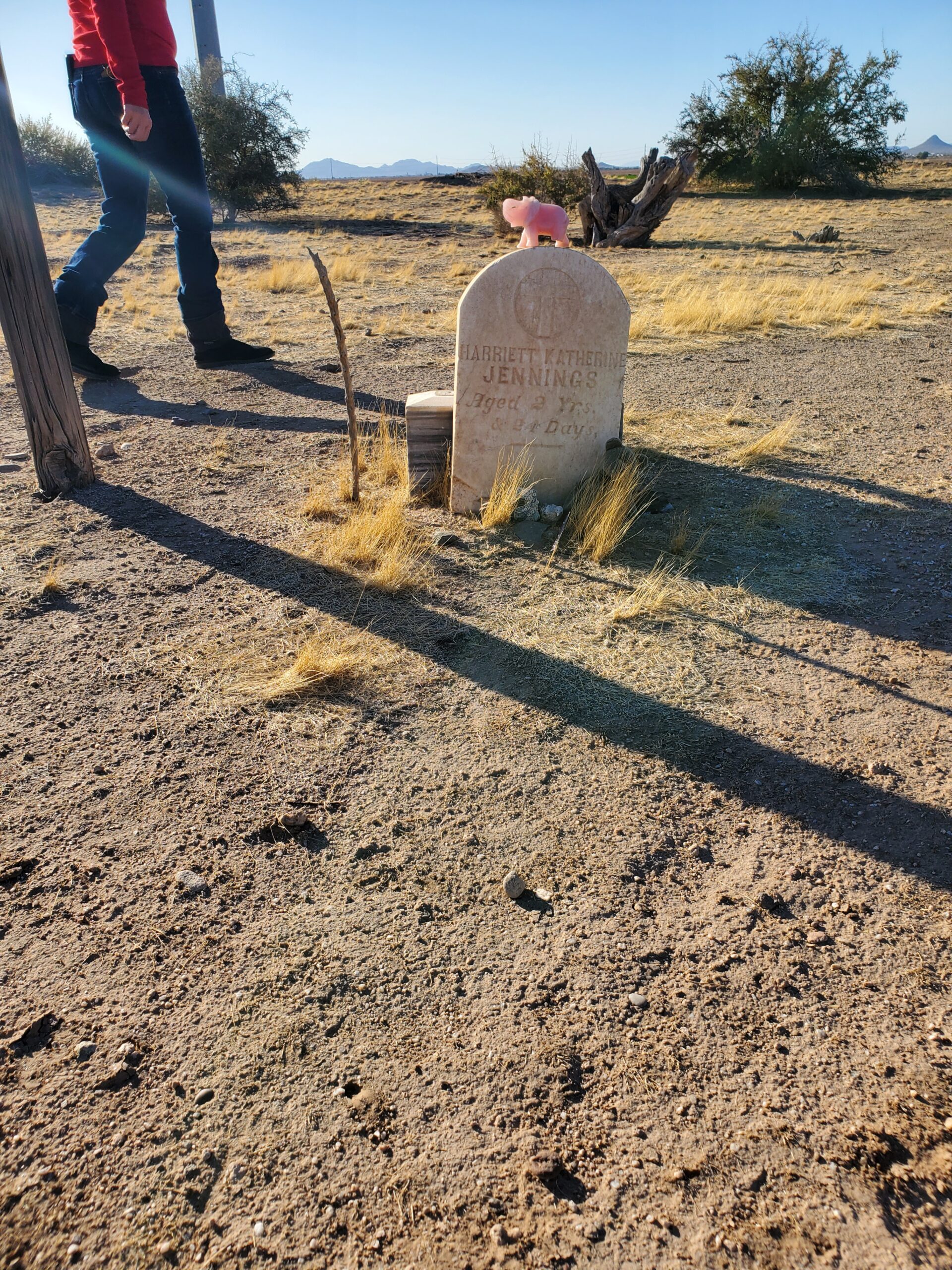
Some of the other graves in Adamsville I took photos of include a judge, two children buried back to back, and a hand engraved stone with little information. Another marker has completely broken off the original pedestal and now lays flush with the ground. Adamsville is a stark contrast to Butte View, to say the least. What's remarkable about the two cemeteries is the fact that they are side by side, only a few hundred yards apart. One (Butte View) is well cared for, clean, and welcoming to visitors. Adamsville is the complete opposite; surrounded by sharp wire fencing, with dilapidated headstones that are nearly worn away and no one there to clean them up or restore them.

This simple headstone marks the final resting place of a judge from before Arizona became a state
Two Children Buried Back to Back

The headstone in front is for a young girl who died before her third birthday. Directly behind her stone is a small marker in the shape of a box for a boy who died at one and a half years old (the box is peeking out to the left of the girl's stone in this photo)

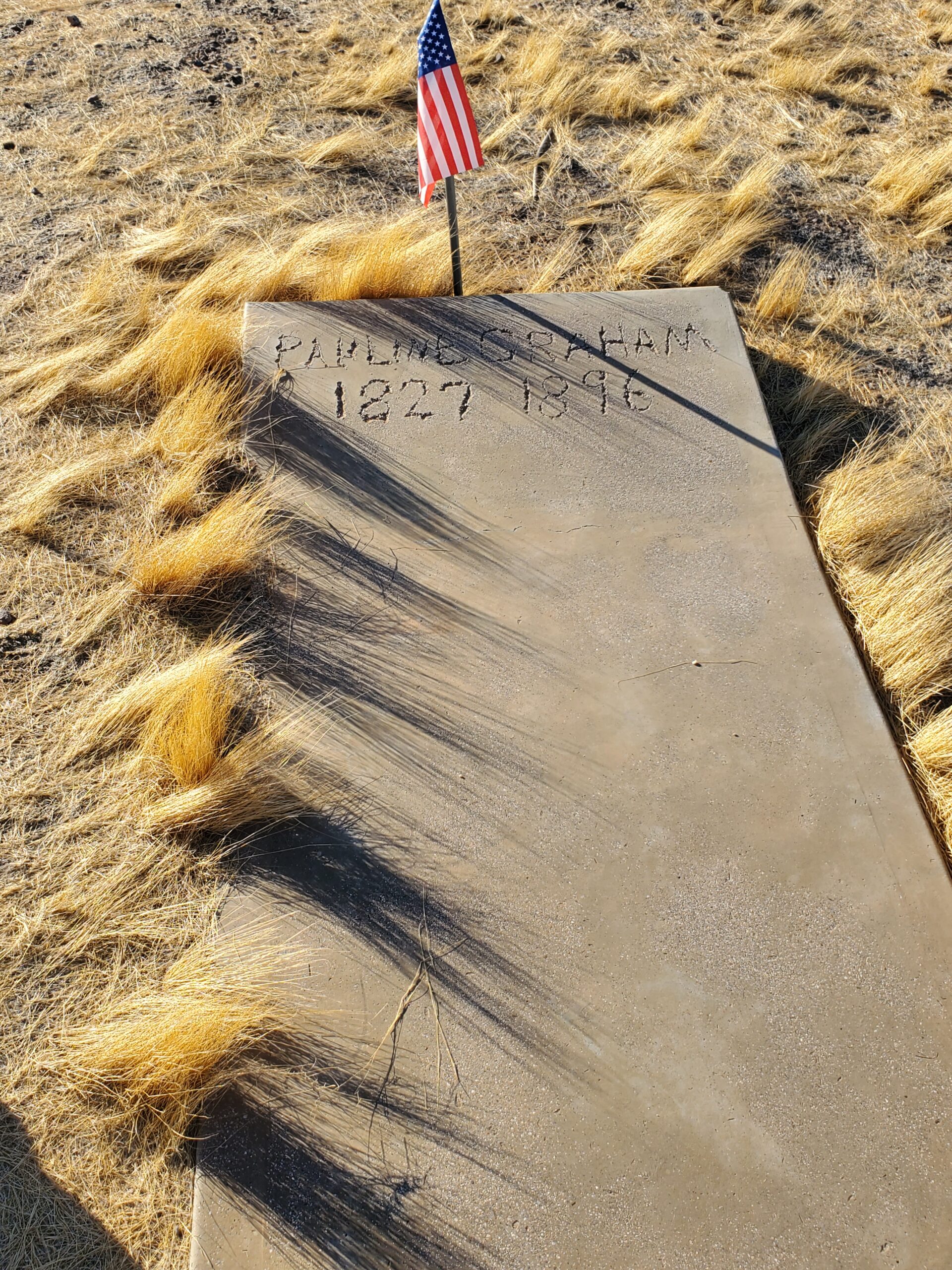
Hand Engraved Headstone

This simple headstone is a concrete slab with a hand engraved marker that lists the deceased's name and years they lived

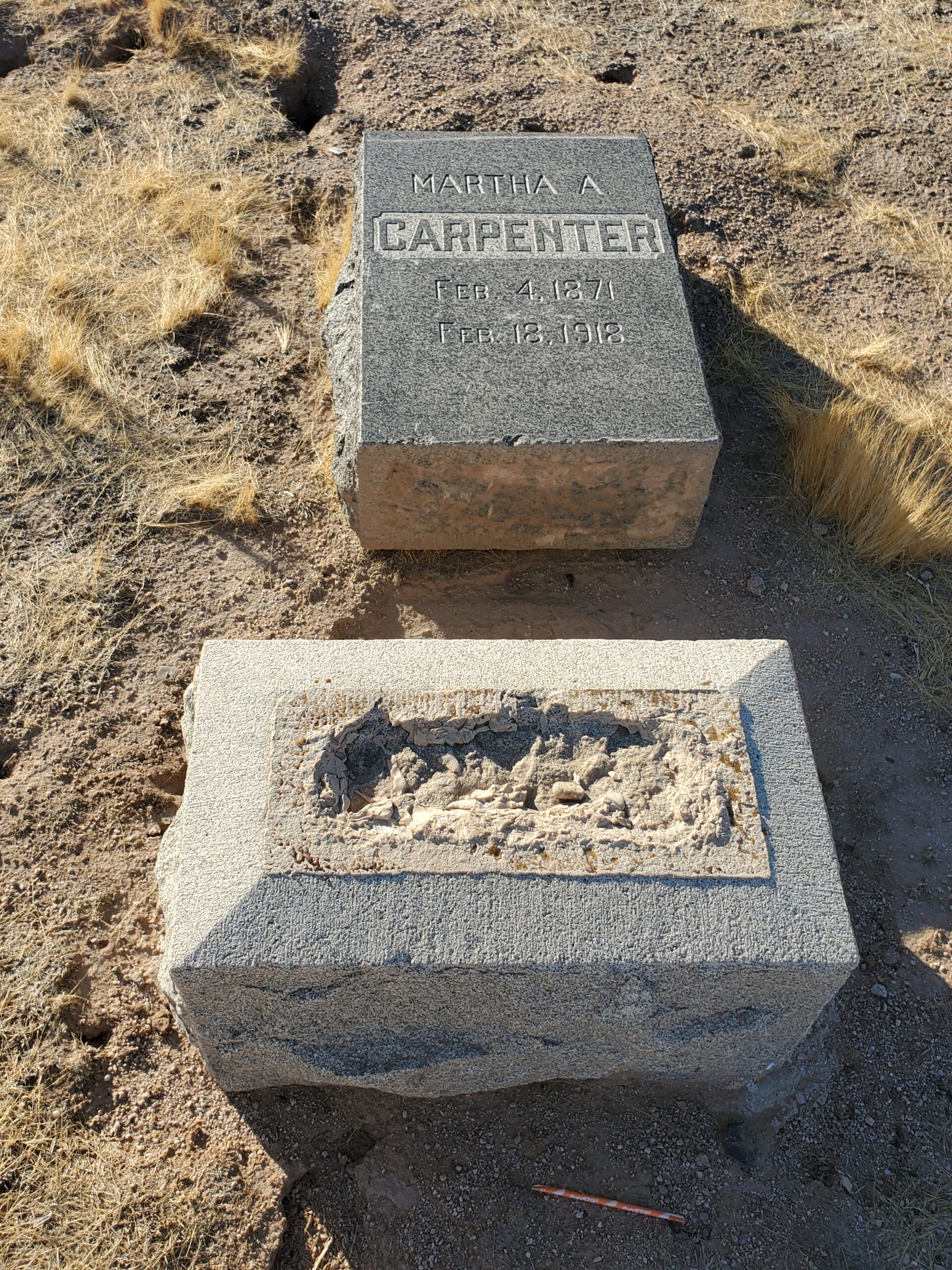
Broken Grave Marker

This grave marker has broken off the pedestal base. The majority of the upright stone now lays behind the base on the desert floor

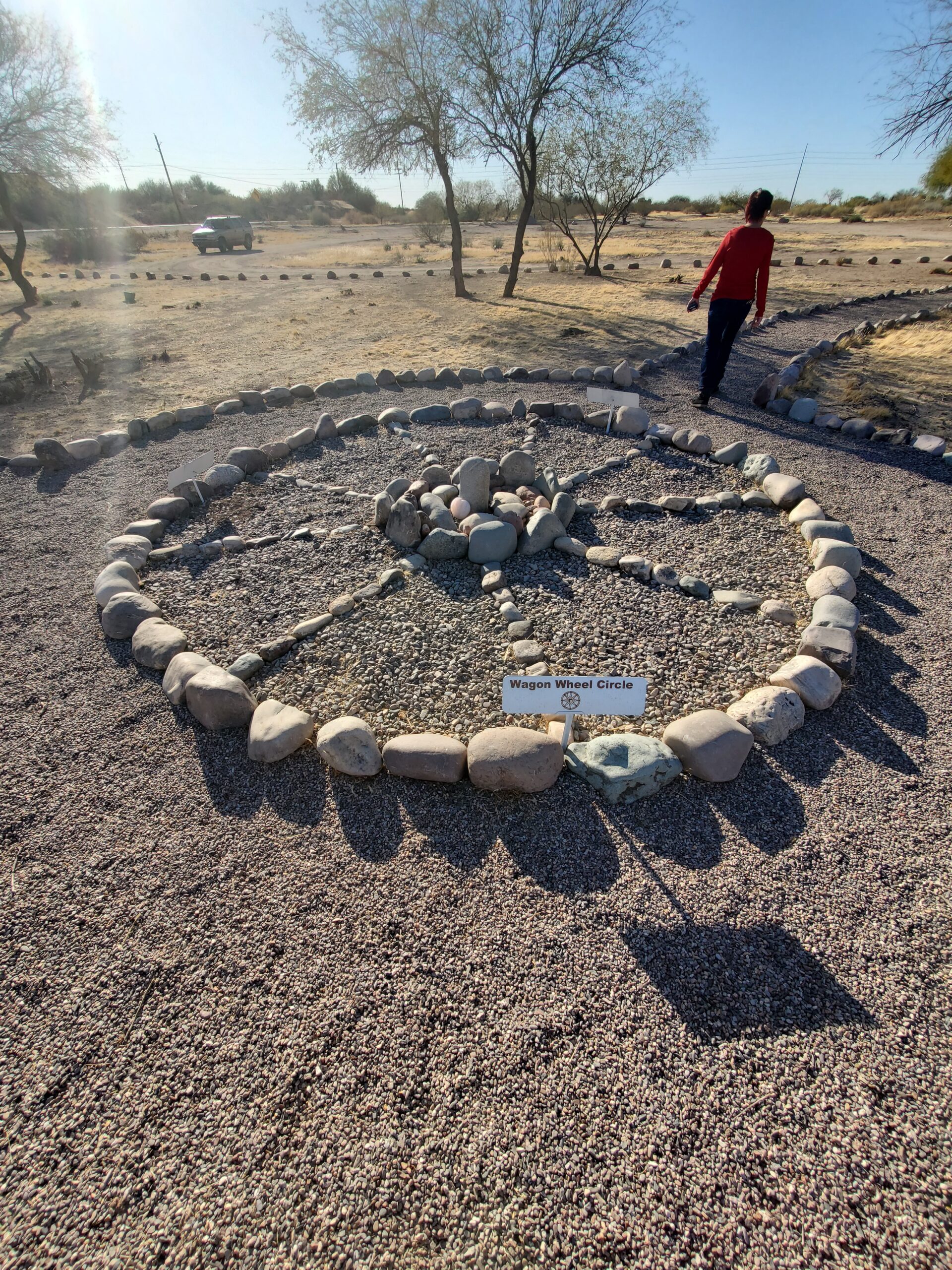
I'll end this short tour of the headstone back at Butte View Cemetery. Right in the center is a large wagon wheel made of rocks. Why the wagon wheel is there, other than being decorative, I have no idea. The only explanation is a sign saying the design is a wagon wheel. Whatever reason, I thought it looked cool and snapped a photo, so here it is for you all to enjoy as well.

Located in Butte View is this artistic wagon wheel circle made of rocks

Someday soon we hope to also visit the following historic cemeteries in Arizona:

  • Historic Pinal (Outside Superior)
  • Pearce (Outside Tombstone)
  • Boothill (Tombstone)
  • Jerome (Jerome)
  • Arizona Pioneers (Prescott)
  • Grand Canyon Pioneer (Outside the Grand Canyon in Northern Arizona)

Hopefully once the Covid health scare calms down and we're able to travel more, I and other members of my family will be able to visit other historic cemeteries around the United States.

There are two other "historic" cemeteries I've also visited: Arlington National in Arlington, Virginia, where our nation's heroes are laid to rest, and the City of Mesa Cemetery in my hometown of Mesa, Arizona. I now have fifteen relatives and friends buried in the City of Mesa Cemetery, and I try to visit them all once a month if not more often. Visiting cemeteries is a great way to learn local history and also say hello to some of history's forgotten every day people.

So the next time you drive by a scenic or abandoned cemetery, stop in and say hello. You never know whose story you might learn by doing so.

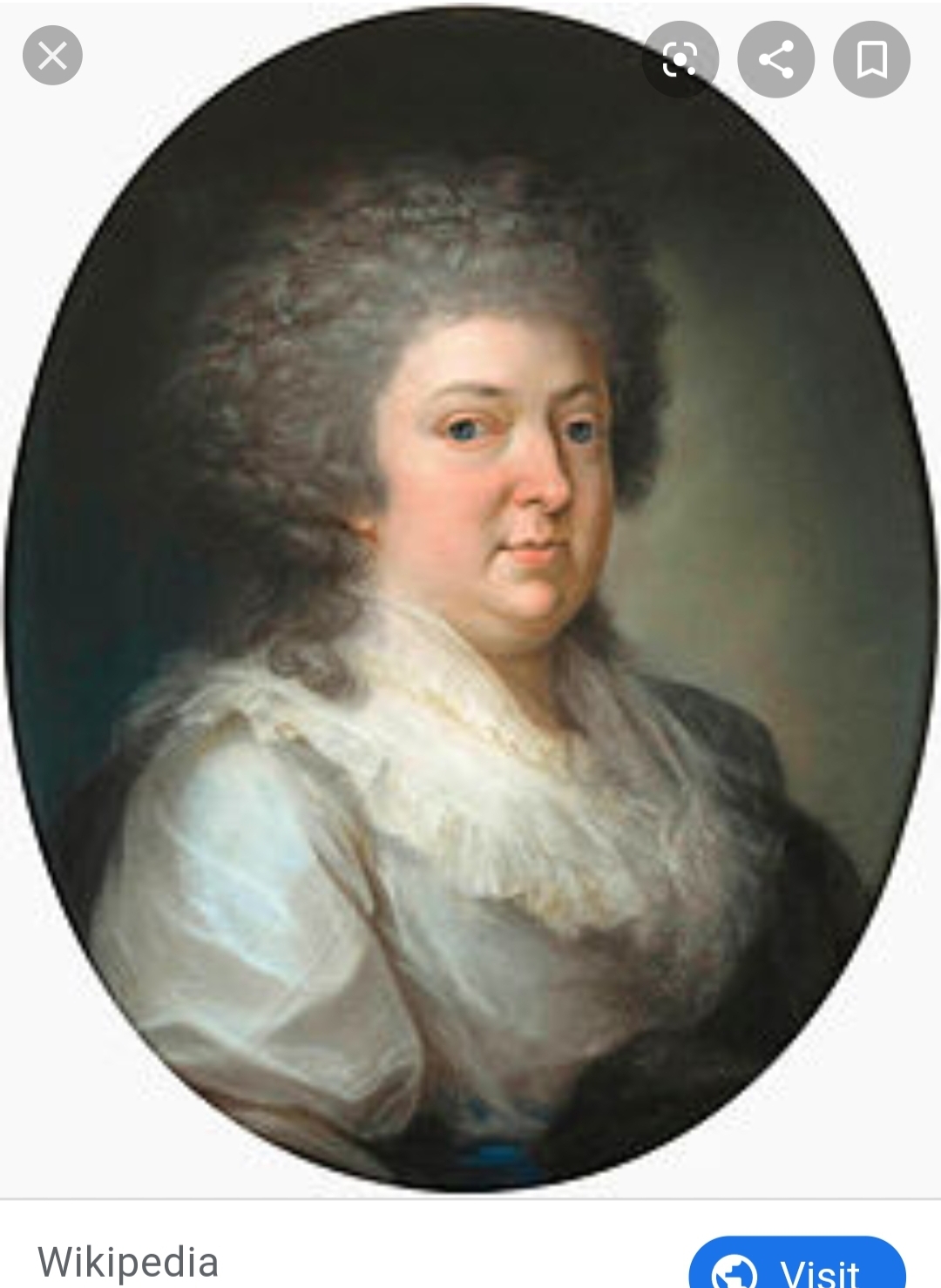
988) Frederika von Riedesel

Courtesy of Wikipedia

"I was an eyewitness of the whole affair [the Battle of Saratoga]…. I knew my husband was in the midst of it…. I shivered at every shot."

988: Baroness Frederika von Riedesel

Accompanied Her Husband During the Revolutionary War and Later Wrote a Book of Her Recollections

Born: 11 July 1746, Brandenberg, Kingdom of Prussia (Present-day Brandenberg an der Havel, Germany)

Died: 29 March 1808, Berlin, Kingdom of Prussia (Present-day Berlin, Germany)

Full Name: Frederika Charlotte Louise von Massow, Baroness Riedesel zu Eisenbach

Better Known As: The Baroness

Frederika was a member of the German aristocracy. Her husband was one of the many Germans who fought during the American Revolutionary War, and as a camp follower, Frederika spent six years in the Americas viewing the war from her own unique perspective.

During the course of her stay, Frederika was taken prisoner, nursed her children through several health scares, and worried every time her husband left to fight. To say her experience was fraught with danger and suspense would be an understatement.

Frederika’s father was a count and served as head of an army for the Prussian King Frederick William II. During her childhood, Frederika and her family would travel around, following her father on his various campaigns. This would better equip Frederika for her future with her husband.

When Frederika was either sixteen or seventeen (sources differ), she married the twenty-one-year-old (or twenty-four, again sources differ) Freidrich Adolphus von Riedesel (their last name is pronounced Ree-day-zel). Friedrich was a captain in a German cavalry unit. Sadly, their first two children would both die in infancy while the couple were living in their own home in Berlin.

Fourteen years after they wed, Frederika’s husband was one of four thousand (or six-thousand, again, sources differ) troops from the German state of Brunswick commissioned to fight for the English king in the American Colonies. Friedrich was promoted to the rank of General and placed in charge of the first group of German soldiers sent to quell the revolution brewing in the colonies. The year was 1776, and though hostilities had been brewing for several years, 1776 was the year when the actual war between the Americans and the English broke out.

Frederika did not immediately leave with her husband when he and his men headed to Canada (the plan was for the German soldiers to join up with English General John Burgoyne, who would be invading the colonies from Canada). Frederika was pregnant when her husband left, so she stayed in Germany for a year to have her baby and care for the other children they had.

The journey from Germany to the ship waiting to take her across the Atlantic in France took seventy-five days, according to one source. Imagine that, besides the fact you know you’re about to be stuck on a perilous ocean journey for months, you also have to spend seventy-five days in a carriage traveling over land with your possessions and children before you even get to the boat. Two sources also state that while they were traveling, Frederika was disturbed on the journey after she was struck by the hanging body of a criminal who had been strung up a few days before along the carriage path. Yikes!

Finally, Frederika and her three daughters arrived in Quebec safe and sound. The baroness was thirty-one years old and in the prime of her life. From Frederika’s writings we know her main concern with coming to North America was her lack of understanding the English language. Though their initial stay in Canada was safe and secure, the family’s situation was soon to change.

Between June and October 1777, General Burgoyne and his soldiers traveled through New York, determined to reclaim the colony and place it back under the control of the English crown. Frederika traveled with her husband and the other soldiers through the rough wilderness during the campaign. By the time they arrived at Fort Hudson, the English/German army was running low on supplies. General Burgoyne ordered Frederika’s husband to travel through the countryside, seizing cattle and other supplies in order to better feed and protect their soldiers. Friedrich tried to get his wife to stay behind at the Fort where it was safe, but she refused and accompanied him anyway.

In August, the crown’s forces suffered a humiliating defeat in Vermont, followed up by an even worse loss at the battles of Saratoga—seen by many as the turning point in the war that allowed the rebel Americans to win the war. In October of 1777, General Burgoyne and Frederika’s husband formally surrendered to American General Horatio Gates. Before, the surrender, Frederika would help tend the wounded, sometimes in the midst of cannon fire. After the surrender, the Baroness, her family, and her husband’s soldiers became prisoners of war to the Americans. Their status as prisoners would stay in place for two years, however, they weren’t treated badly. They received food, lodging, and supplies to keep them comfortable. Basically, they lost their freedom, which is horrible in it of itself, but they were under more of a house arrest situation than a prisoner in an actual prison one.

The good times came to an end when the Americans ordered the Baroness and her family south to Virginia. The Americans no longer had the ability to feed and care for the prisoners in the northern states, and they hoped that by sending them south the prisoners would be better equipped to survive and also be further away from the crown’s forces to stop any temptation of trying to assist their old comrades-in-arms.

While traveling south, Frederika and her family often went without food or shelter. They were also moving in the middle of winter, and so their travel was hampered by snow, mud, and ice. The Americans who did take pity on the family and gave them food and shelter treated their “guests” with suspicion or overall rudeness—which isn’t that surprising considering they were technically enemies on opposite sides of a war.

Frederika did her best to remain optimistic throughout all of this, but her husband couldn’t say the same. Friedrich had become depressed after coming to America, and this was only exacerbated by the journey.

Finally, the couple arrived in Virginia in January of 1779. They stayed on an estate outside Charlottesville for around a year, during which time the family could garden or play the piano. While staying there, the von Riedesel family were guests of Thomas Jefferson’s on his own plantation. Though they were on opposite sides of the war, the families enjoyed one another’s company. Frederika and her family also dined with the Marquis de Lafayette, and she is also said to have met George Washington as well.

After several months of this, the family were ordered back to New York City. They obeyed, as they were obligated to because of their status as prisoners of war. Upon arrival in New York, the Baroness and children were inoculated against smallpox, which was ravaging the city at the time. And then they waited, for months and months, living in an elegant home with many loyalists in the city to keep them company.

Finally, news came through that Frederika’s husband was to be exchanged alongside another crown prisoner for an American general that had also been captured. Once free, Frederika’s husband was placed in charge of troops on Long Island. During this time, Frederika gave birth to a baby girl whom she christened Amerika.

In the summer of 1781, Friedrich and his family headed back across the border to Canada, where they stayed until the end of hostilities in 1783. Their family had survived intact and were allowed to go home to Germany. Before they made it home, the family stopped in England to meet the royal family. Frederika and her daughters entertained Queen Charlotte and her own daughters with tales of America and the adventures that had unfolded for them there.

Of the four thousand troops that had left Germany at the beginning of the war, only 2,800 made it home (according to one source). For six years, Friedrich remained in the armed forces, serving in the Netherlands, before retiring to a castle in Lauterbach. He went on to become an official for the city of Brunswick.

After Frederika returned home, she compiled the many letters she had written to family during the war. Frederika edited them into a more coherent form and published the book. Frederika’s account remains one of the greatest eye-witness accounts from the Revolutionary War period. When the book was published in Germany, the title included her husband’s name and the author was noted as being a manuscript the entire family contributed to. This was done so that Frederika would not disgrace her family by being known as a female author; which would have been a minor scandal at the time.

The baroness’s husband passed away in 1800, though he left them with a nice financial cushion to care for Frederika and their daughters. Frederika survived eight years longer than her husband, spending her time visiting her children and grandchildren. When she passed away, the Baroness was buried alongside her husband. They had been married for thirty-seven years when he passed away, and in death they are together forever.

The first English translation of Frederika’s account was published in 1827, while a translation of the complete work was published in 1867.

Badges Earned:

Located In My Personal Library:

An Echo in The Bone by Diana Gabaldon (One of the fictional Outlander books, the Baroness is a minor character in the novel)

Sources:

https://www.encyclopedia.com/history/educational-magazines/riedesel-frederika-von

https://www.americanheritage.com/baroness-battlefield

https://www.nps.gov/sara/learn/historyculture/frederika-charlotte-riedesel.htm

https://www.pbs.org/ktca/liberty/popup_vonriedesel.html

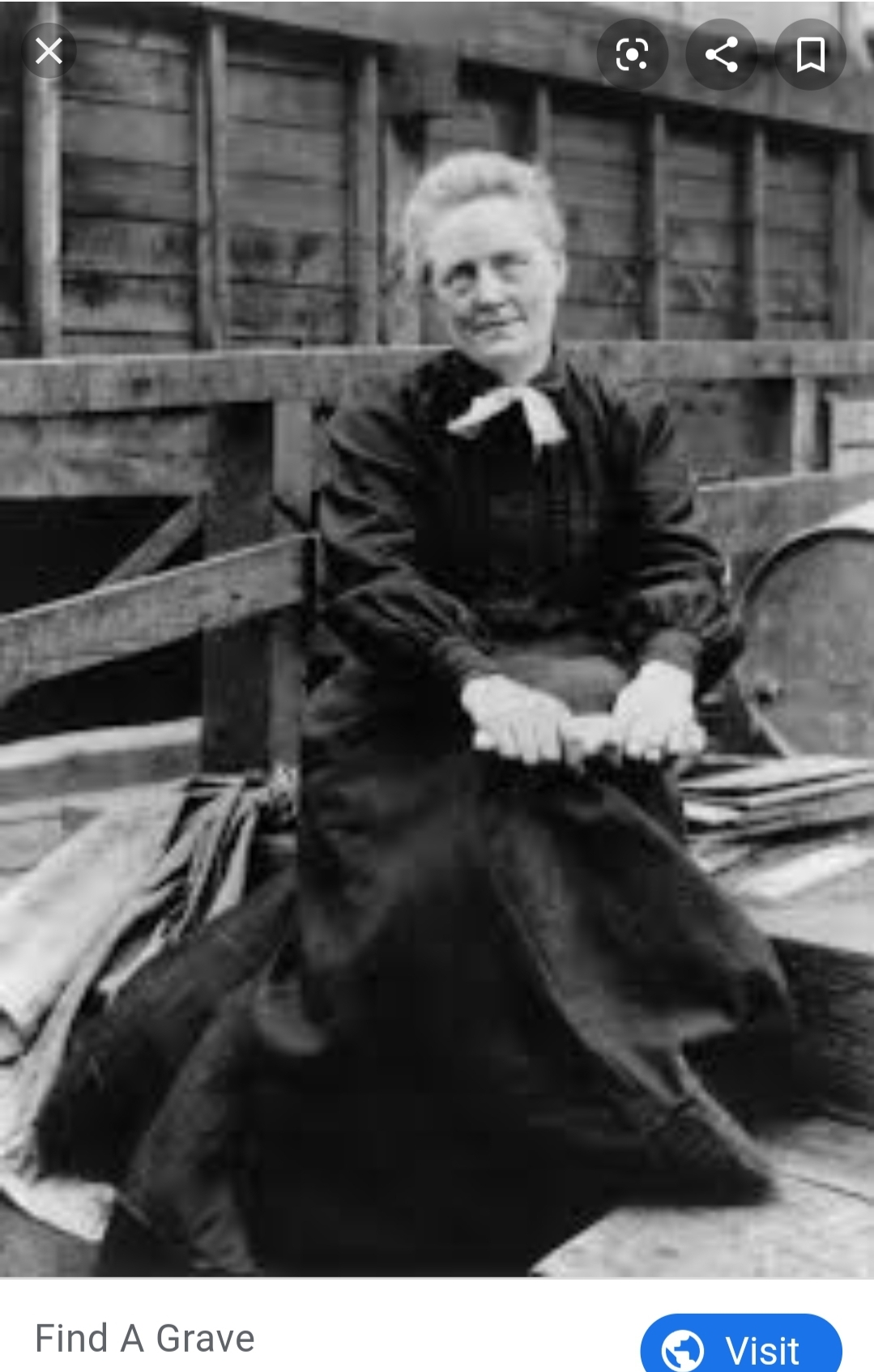
983) Thea Christiansen Foss

Courtesy of Find a Grave

"The law imprinted in all men's hearts is to love one another. I will look to the whole world as my Country and all men as my brothers. We are made for cooperation and to act against one another is to act contrary to nature." 

983: Thea Christiansen Foss

Founder of Foss Launch Company, Arguably the Largest Maritime Business in the Western United States

Born: 8 June 1857, Eidsberg, Norway

Died: 7 June 1927, Tacoma, Washington, United States of America

Original Name: Thea Christiansen Oleson

Thea was one of eight children, and left school when she was fourteen in order to earn a wage to support the family. While working in the city now known as Oslo, Thea met the man she decided she wanted to marry. He went to America and sent money back to Norway for her to come meet him. Instead, Thea gave the money to her fiancé’s brother. The next time he sent money, she gave the money to his sister. Thea had decided to earn her own money to pay her own way. Finally, after several years of hard work, Thea arrived in America in 1881.

The couple wed in a Lutheran Church in Saint Paul, Minnesota. They lived in Minnesota for the next eight years, during which time Thea gave birth to four children (one daughter died during this period at the age of four). The family also changed their last name to Fossen and then later Foss, and Thea’s husband helped bring over two more of his siblings from Norway. In 1889, Thea and the children followed her husband (who had left the year before), to Tacoma in what was then Washington Territory. The only English Thea knew was what she overheard and learned while on the train headed to Washington. When Thea and the children arrived, her husband brought them to the new home he had established for them—a houseboat.

That’s right, not an actual house, but a houseboat. Thea’s husband loved the sea, which was part of the reason why they moved to Washington, and he was trained in various seafaring activities. Unfortunately, Thea was actually scared of water! And yet she stuck by her husband, living on the boat, surviving a scary case of typhoid pneumonia on top of things. She was bedridden for two months, but after recovering enough to continue caring for the children, Thea’s husband left to build her an actual house, on land, and was gone for two months.

While her husband was gone, Thea launched her company with just one rowboat. A local legend says she bought the boat for $5, repainted it, sold it $10, and bought two more! By the time her husband came home, she had a small fleet of boats and $41. Thea earned the majority of her money from renting the boats out for fifty cents a day. Her husband was happy to pivot from building houses to rowboats, and the company that would become Foss Maritime was born.

By the time Thea’s last child was born, her family owned around two hundred rowboats. They built a new storage facility with living space overhead, and for the first time since moving to Washington Thea was treated to running water in her own home. She also coined the company’s slogan, “Always Ready” around this time. While Thea’s husband and his brothers worked on constructing the boats, Thea ran the household, worked on the paperwork end of things, and thought through new ways of diversifying the business with the ever-expanding waterfront in Tacoma.

As the company grew, the Foss family built a boarding house for their employees next to their own home. Thea and her daughter would cook for around thirty employees every day. In 1893, after a financial panic wracked the city, Thea stepped up even more. One of Thea’s friends was left widowed with three small children after her husband committed suicide after losing everything. Thea had her friend and her daughters move in with the Foss family until they were able to be back on their feet.

When the rowboat business began to dry up, Thea and her husband changed their business model. According to History Link, article linked below, “They began making deliveries to ships at anchor. They could bring groceries and marine supplies out to the ships and bring crew in for shore leave. They could ferry workers to mills accessible only by water at high tide.” Around this time, Foss Maritime also began to add engines to make their boats motorized.

Some of Thea’s brothers-in-law also set up a rescue business. Knowing that not everyone was equipped to use a boat in the choppy waters off of Tacoma, the brothers would go out and rescue the hapless victims if needed. If the victim happened to be a customer of Foss Maritime, they wouldn’t be charged. If they weren’t customers, they were charged twenty-five cents.

Thea continued to stay closely involved with the business right up until she died. Thea’s only daughter died in 1914 at the age of twenty-five, and Thea was devastated. Her three sons stepped in and helped run the company taking on more responsibility, enabling Thea to move into more community activism roles as well. She died the day before her seventieth birthday. Her funeral was one of the largest ever seen in Tacoma.

The company continued to grow and is now a world class shipping fleet known for being the largest tug and towing operation on the west coast of the United States. Originally based out of Tacoma, Washington the company later moved to Seattle. The Foss family sold their major interest in the company in 1987, but the business continues to stay in operation.

Tugboat Annie is said to have been inspired by Thea’s story, one of the many plays, movies, and other projects based on her story. Although the Annie in the story is loud and outspoken, the same was not true for Thea who was known to be reserved, quiet, and of course not at all comfortable floating on the seas (some difference from a captain of a vessel like Annie!). Despite the differences, the Tugboat Annie stories began to spring up in the years after Thea’s death in the Tacoma area, and so she is credited with being an inspiration behind the character.

According to History Link, article linked below, the following have been named in her honor: “Thea Foss Waterway on Tacoma's Commencement Bay waterfront and the Thea Foss Lodge of the Daughters of Norway in Port Townsend.”

In 2006, a documentary about her life entitled Finding Thea was released and won several awards and accolades. After the documentary aired in Norway, a play was written about Thea’s life in Norwegian. The play was later translated into English to be performed in front of American audiences as well as Norwegian.

Badges Earned:

Find a Grave Marked

Located In My Personal Library:

Wild West Women by Erin Turner

Sources:

https://historylink.org/File/20706

https://fosswaterwayseaport.org/seaport-exhibits-2/finding-thea/finding-thea-dvd/

https://www.nwyachting.com/2020/05/the-remarkable-thea-foss/

https://www.findagrave.com/memorial/14662316/thea-andrine-foss

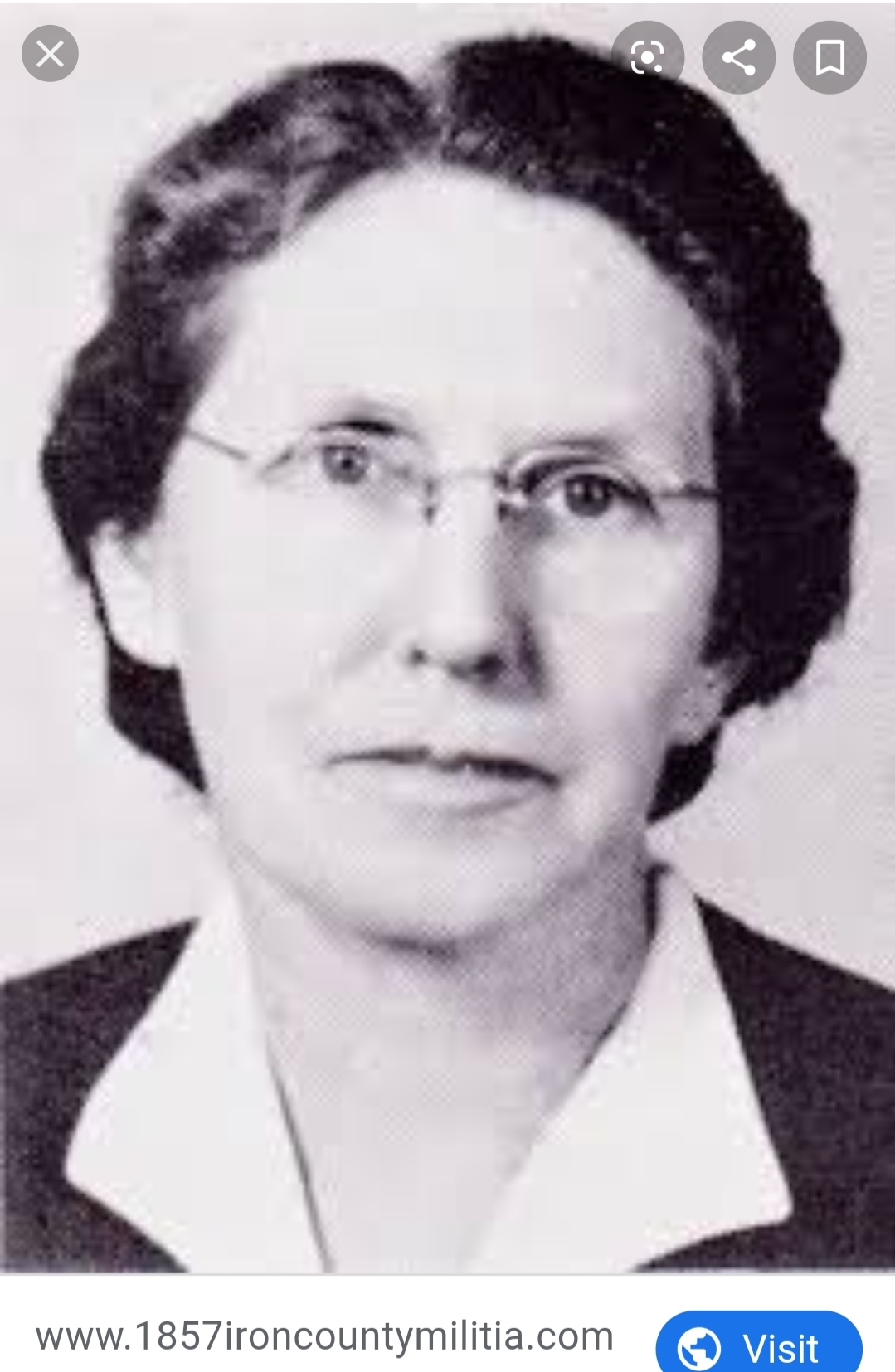
982) Juanita Brooks

Courtesy of 1857 Iron County Militia

"This study is not designed either to smear or to clear any individual; its purpose is to present the truth. I feel sure that nothing but the truth can be good enough for the church to which I belong.” 

982: Juanita Brooks

Uncovered the truth of the Mountain Meadows Massacre

Born: 15 January 1898, Bunkerville, Nevada, United States of America

Died: 26 August 1989, Saint George, Utah, United States of America

The Mountain Meadows Massacre occurred when Latter-Day-Saint settlers (more often known as Mormons) slaughtered and attacked a wagon train of other white settlers while dressed as Native Americans (and with the help of several Native warriors as well). In all, one hundred and twenty men, women, and children were killed. The LDS community tried to pin the attack on one man, John D Lee, who was tried and executed for being involved in the slaughter. And while John was present, he was far from the only person responsible for the attack that nearly drove the United States to declaring war on the fledgling religious group. Juanita set out to uncover the truth, in all its ugly glory.

Juanita herself was an LDS historian, author, and dean of Women Dixie College.

She was also a mother of nine (including stepchildren).

Juanita first married in 1919 and had one son with her husband. Unfortunately, he died soon after of lymphoma, leaving her alone to raise their son.

Juanita earned a degree from Brigham Young University, and taught English at Dixie Junior College before becoming the Dean of Women at the same school. She went on to earn a master’s degree from Columbia University.

In 1933, Juanita resigned her position at Dixie Junior in order to marry. Her second husband already had four sons. Together they would have four more children (one daughter and three sons). Including Juanita’s earlier son from her first marriage, this meant they had eight sons and one daughter.

While raising the children, Juanita continued to research the people who had lived in the area of Utah she currently resided in. Juanita served on the Utah Historical Society board for twenty-four years. She also worked to gather diaries and writings of early Utah settlers, including compiling a library of early Mormon pioneer history.

During this time, Juanita uncovered the story of the 1857 slaughter dubbed the Mountain Meadows Massacre. Juanita was given a Rockefeller grant, which allowed her to fund a fifteen-year research expedition into the history of the event. Her book, titled The Mountain Meadows Massacre, was published in 1950.

A follow up book, published twelve years later, tried to help clear John D Lee's name of being the sole instigator behind the massacre. It turns out the encounter lasted for five days, in which local warriors of the Paiute Tribe, and several Mormon warriors dressed as Paiutes, attacked a wagon train of Arkansas settlers trying to make it to California. The settlers were most likely unaware the governor of Utah territory, LDS Prophet Brigham Young, had recently declared the territory to be under martial law. The settlers, therefore, were crossing the territory illegally and without a permit. After five days, with supplies running low, the Mormon leaders ordered that the non-Mormon settlers be wiped out, with the only exception being the young children who were too little to remember what was about to happen.

This is what happened next, according to Smithsonian Magazine (article linked below): "On September 11, John D. Lee and a group of militiamen approached the camp under a white flag and offered a truce, with assurances that Lee and his men would escort the emigrants to safety in Cedar City. All they’d have to do is leave their livestock and possessions to the Paiutes. Having no good options, the emigrants, about 120 men, women and children, laid down their weapons and followed Lee and the militia away from the camp in three groups—the last comprising adult males. It was over quickly. The Arkansas men were shot at point-blank range; the women and children ahead were slaughtered by bullets and arrows in an ambush party. No one over the age of seven survived. The victims were hastily buried. Locals auctioned off or distributed their possessions and took in the surviving 17 young children."

The following year, 1858, the United States Army arrived in the territory. Though no war took place, Brigham Young did step down as governor. Army officials went out to the sight and uncovered the bones of the dead. They erected a memorial cairn on the site, along with the words "Here 120 men, women, and children were massacred in cold blood early in September, 1857. They were from Arkansas." The soldiers then also set up a cross on the site with the words, "Vengeance is mine. I will repay, saith the Lord.”

John D Lee informed Brigham Young the Paiutes were solely responsible for the attack, which the Church of Jesus Christ of Latter Day Saints as a whole would also claim for the next ninety years. After the US Army refused to let the matter go, Brigham Young excommunicated John Lee and one other militia member who had been involved in the massacre, but only Lee would face charges. In 1877, after the first was declared a mistrial, Lee was tried again, found guilty, and executed by firing squad. Lee later stated that Brigham Young knew of the attack at the time it happened, and that by ignoring the other men involved, the prophet was leading the people astray. Lee was executed at the site where the massacre had taken place twenty years before.

At the time of publishing, Juanita was worried she would face criticism from her church for her research, and while no official condemnation came from church leaders, Juanita and her family were singled out and ostracized by fellow church goers at the local level. However, as time passed, the church as a whole has gone on to do additional research into the event based on Juanita’s earlier findings. In 1961, the church reinstated John D Lee, reversing the excommunication order from before his death. In 2007, the church finally and formally came forward to announce they took full responsibility for the attack and the deaths of one hundred and twenty innocent people.

In total, Juanita authored sixteen books and co-authored three more. She earned several honorary degrees and accommodations for her work over the years, before passing away from complications of Alzheimer’s Disease at the age of ninety-one.

Badges Earned:

Find a Grave Marked

Located In My Personal Library:

Wild West Women by Erin Turner

Sources:

https://www.utahwomenshistory.org/bios/juanita-brooks/

https://www.uen.org/utah_history_encyclopedia/b/BROOKS_JUANITA.shtml

https://wchsutah.org/people/juanita-brooks.php

https://www.findagrave.com/memorial/15422484/juanita-leone-brooks

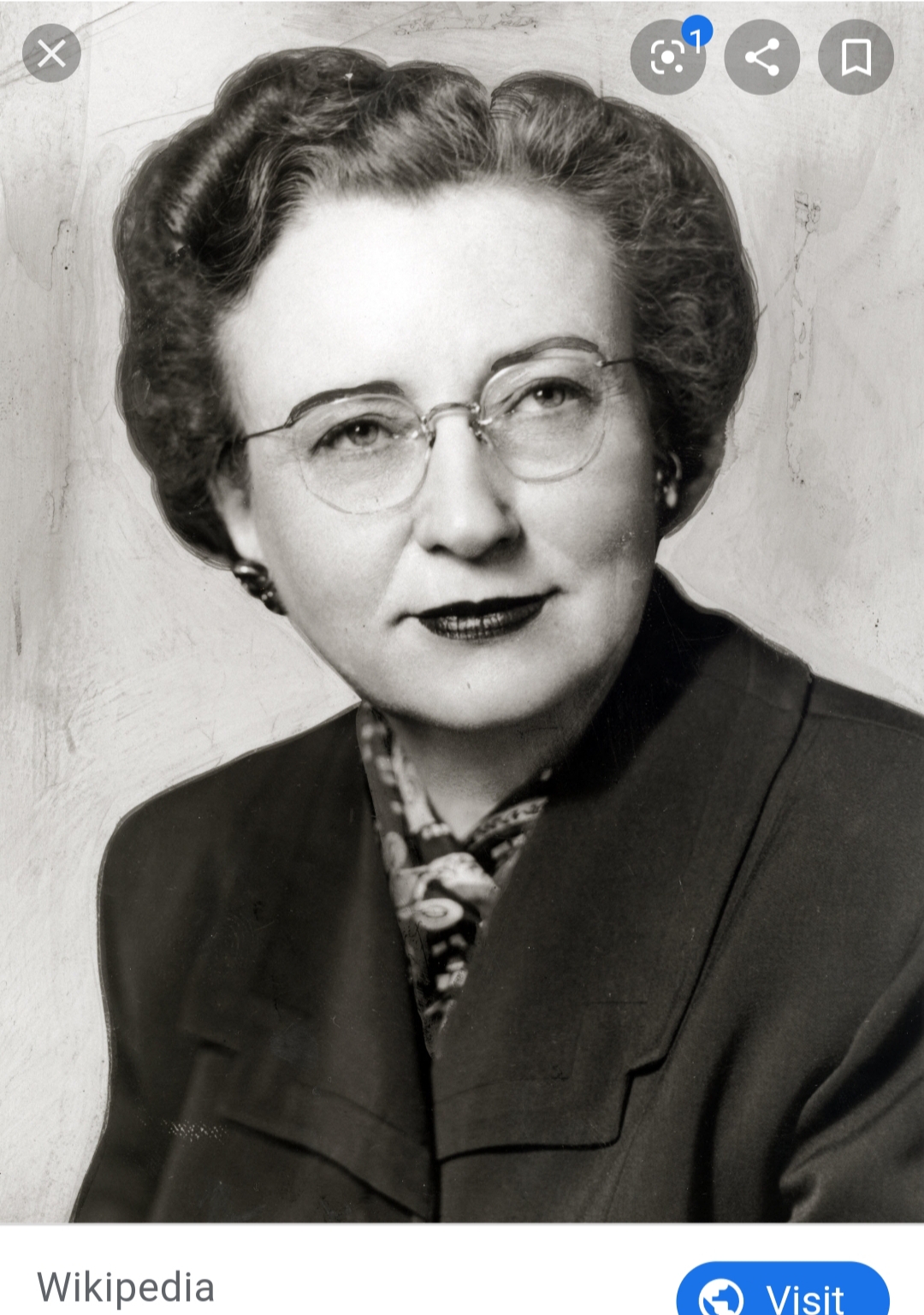
981) Reva Beck Bosone

Courtesy of Wikipedia

"The job should be done, whether the required course of action is popular or not. The biggest need in politics and government today is for people of integrity and courage, who will do what they believe is right and not worry about the political consequences to themselves.”

981: Reva Beck Bosone

The First Woman Elected to Congress from the State of Utah

Born: 2 April 1895, American Fork, Utah Territory, United States of America (Present-day American Fork, Utah, United States of America)

Died: 21 July 1983, Vienna, Virginia, United States of America

Reva served in the federal House of Representatives from 1949 to 1953.

Reva taught high school drama and speech classes for seven years after earning a Bachelor of Arts degree. In 1929, Reva earned her law degree just before the birth of her daughter Zilpha (whom she had with her second husband).

In 1932, Reva was elected to the Utah state House of Representatives. She was the first woman elected to the state legislature and was a member of the Democrat party. According to the Federal House of Representatives official biography on Reva (linked below) Reva, “secured passage of a women’s and children’s wage and hour law, a child labor amendment to the Utah constitution, and an unemployment insurance law.” After leaving the house in 1936, Reva became the first woman elected and able to hold a place on the bench as a judge in Salt Lake City (one source states she was the first female judge in Utah period).

Reva was the first Utah woman to serve as both a judge and in the state House of Representatives.

She was the first director of the Utah State Board of Education on Alcoholism (taking up the post in 1947) and had her own popular radio show. As a judge, Reva was able to greatly reduce the number of traffic collisions and was very tough on leveling fines and jailing repeat offenders. All of this made her loved by the majority of Salt Lake City’s citizens.

In 1948, Reva challenged the incumbent Republican member of Congress for her district. She raised $1,250; a miniscule number compared to today, but still managed to rake in fifty-seven percent of the vote. Reva was the first woman elected to federal congress from the state of Utah and helped the Democrats regain a majority in the House.

When Reva worked in the House of Representatives, she focused primarily on reforming the Indian Affairs Bureau and overseeing land reclamation and various water projects. She served for two terms (four years) before losing her reelection bid in 1952. That year, the entirety of the Utah legislature that was up for reelection swung to the Republican side, and the Democrats lost the majority hold on the house.

After leaving Washington DC, Reva returned to Salt Lake City, where she resumed her law practice and hosted a television show which aired four days a week. In 1954, Reva won the primary but lost during the general election after hoping to regain her seat in Congress. After that, Reva worked as legal counsel for one of the House subcommittees and as judicial officer to the US Postal Service. In 1963, Reva was a contender for but was not ultimately appointed to the Supreme Court.

She married twice, both ending in divorce, and had one daughter.

Badges Earned:

Find a Grave Marked

Located In My Personal Library:

Wild West Women by Erin Turner

Sources:

https://history.house.gov/People/Detail/9625

https://www.utahwomenshistory.org/bios/reva-beck-bosone/

https://ilovehistory.utah.gov/people/difference/bosone.html

https://www.findagrave.com/memorial/8218087/reva-zilpha-bosone

A Fun Update...(June 2021):

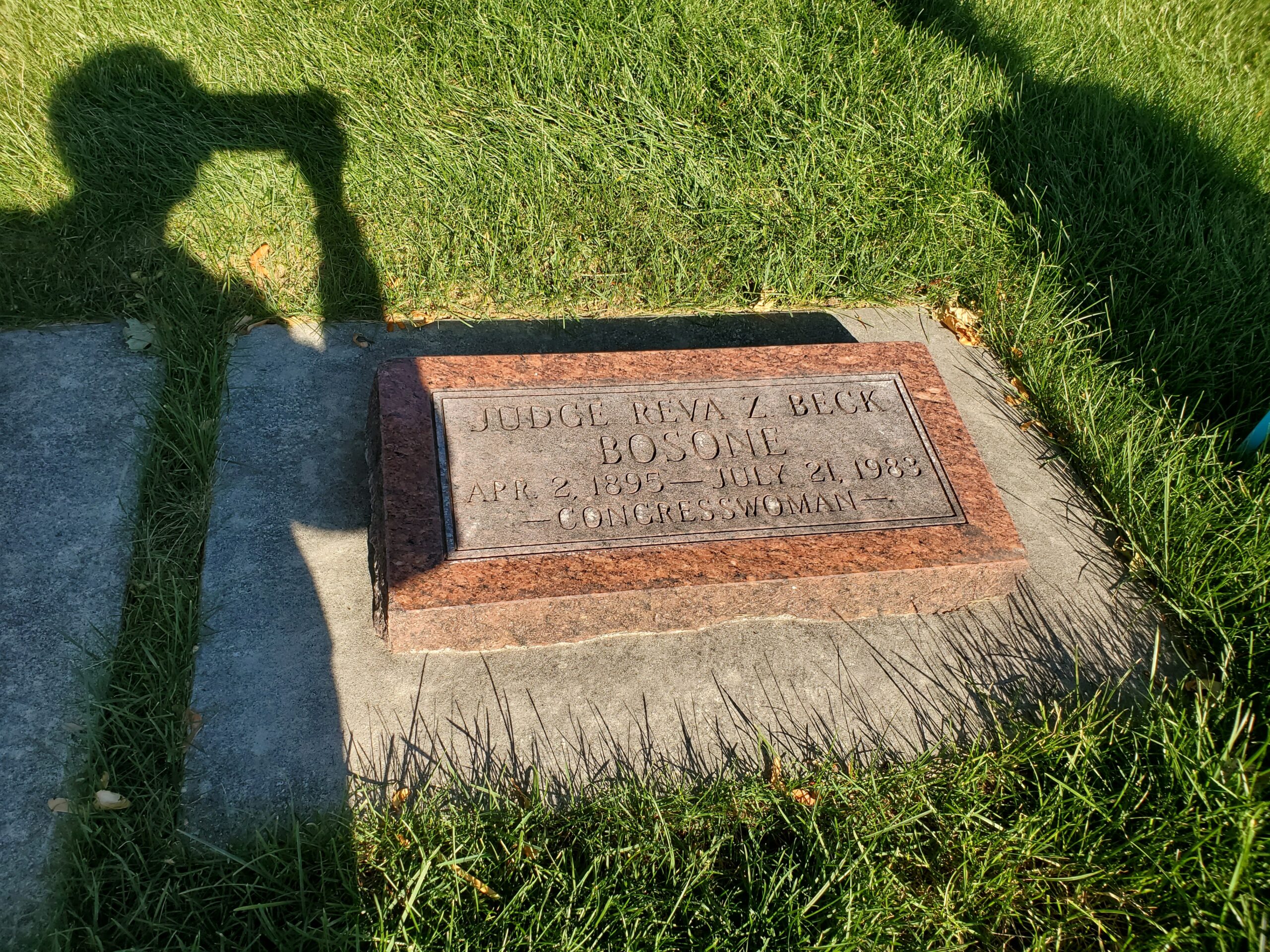
In late June of 2021, my mother and I took a road trip around some of the closer states to where we live. Along that journey, we were able to stop at the American Fork Cemetery, where Reva is laid to rest for all eternity, and I was able to snap this photo while we were there.

Reva Beck Bosone Grave

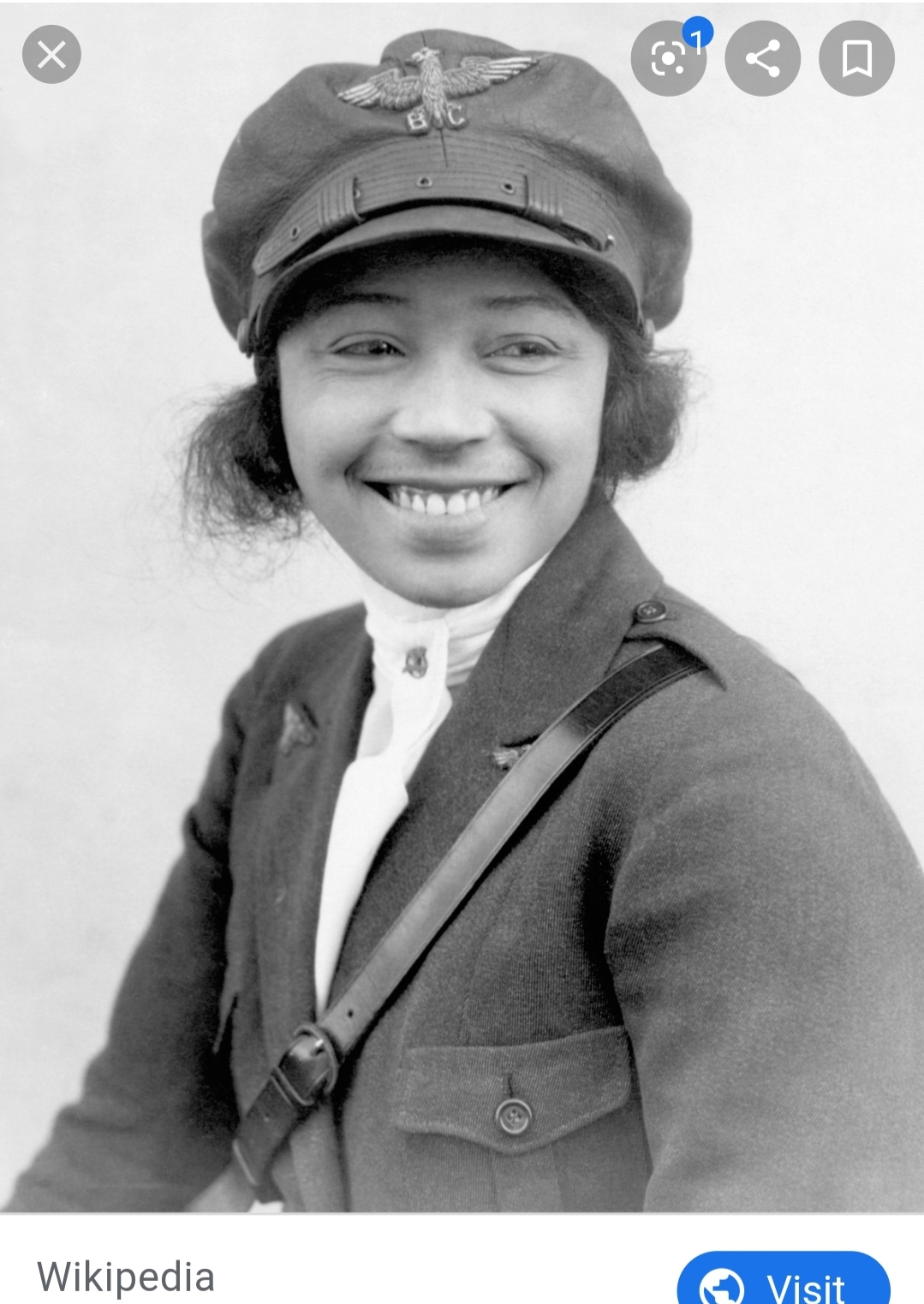
980) Bessie Coleman

Courtesy of Wikipedia

980: Bessie Coleman

The First Female African American & the First Female Native American to Receive a Pilot’s License

Born: 26 January 1892, Atlanta, Texas, United States of America

Died: 30 April 1926, Jacksonville, Florida, United States of America

Original Name: Elizabeth Coleman

Bessie was also the first African American person to earn a civilian pilot’s license in world history.

Bessie had twelve brothers and sisters. Her father was a Native American (I haven't been able to see which tribe or nation he came from) sharecropper and her mother was an African American maid. In 1901, Bessie’s father returned to Oklahoma while Bessie’s mother and her numerous siblings stayed in Texas. Though Bessie worked throughout her childhood to save money, she had to drop out of college after only one semester because she ran out of money.

In 1915, Bessie moved to Chicago and went to school to become a manicurist. Bessie’s brothers, whom she’d been living with at the time, went off to serve in World War I. Upon returning, Bessie’s brother John teased her his sister because she was unable to learn to fly but French women could.

That’s right, Bessie heard her brother talk and decided she wanted to earn her pilot’s license, but she would be denied lessons over and over again. The reason? Her race, of course.

With this in mind, Bessie teased her brother right back and began taking night classes to learn French. If she wanted to apply to flight schools in France, she needed to be able to fill out her applications in French. Once she’d learned enough to get by, Bessie headed to France, where she successfully signed up for classes. She earned her international pilot’s license in 1921, but it wasn’t easy. Bessie later recounted seeing one of her fellow students die in a crash during a training flight.

After returning to the United States, she worked in exhibition shows across the country and dreamed of opening an aviation school for young girls. Bessie’s other dream was to own her own plane. She began touring across the country, giving speeches and showing footage of her flights in order to raise money. Bessie refused to speak in any location that discriminated or segregated against any population.

In 1922, Bessie became the first African American woman to perform a public flight. She was most known for doing two stunts: the figure eight and the loop the loops. Bessie also began teaching flying lessons, doing her best to encourage women to learn to fly.

The following year, Bessie was involved in her first major accident. In February of 1923, Bessie was in the middle of a flight when her engine suddenly stalled and she crashed. She walked away with a broken leg, cuts to her face, and several cracked ribs. Bessie was back to performing dangerous aerial tricks within two years of the crash.

Finally, after years of hard work, Bessie was able to purchase her own plane. To celebrate, Bessie returned to her hometown to celebrate and perform in a show. At first, the managers of the show wanted the entrance to the show to be segregated, one gate for whites and one gate for colored people. Bessie refused to appear in the program unless there was one gate for everyone to enter through. Unfortunately, the seating arrangement for the show was still segregated, but Bessie was recognized for her work in getting the entrance to be open for everyone and for standing up for her beliefs.

Sadly, Bessie died when riding as a passenger on a flight. The pilot on the flight was a mechanic named William Wills. When flying at approximately three thousand feet, a loose wrench somehow got stuck in the engine. With William no longer able to steer the craft, the plane flipped upside down. Bessie was not wearing a seatbelt, and immediately fell out of the plane (aircraft did not have roofs at the time). She died upon impact with the ground. William also died in the crash. Though he was wearing his seatbelt, William died when the plane crashed into the ground.

Bessie’s funeral was held in Chicago. Her service was conducted by Ida B Wells-Barnett. In 1931, the Challenger Pilots’ Association of Chicago began a tradition of flying over Bessie’s grave every year. In 1977, a group of African American female pilots got together and formed the Bessie Coleman Aviators Club. Then in either 1992 or 1995 (sources differ), Bessie was honored on a postage stamp.

In 2006, Bessie was inducted into the National Aviation Hall of Fame.

Badges Earned:

Find a Grave Marked

Located In My Personal Library:

Wild West Women by Erin Turner

Historical Heartthrobs by Kelly Murphy

Who Knew? Women in History by Sarah Herman

Sources:

https://www.womenshistory.org/education-resources/biographies/bessie-coleman

https://www.pbs.org/wgbh/americanexperience/features/flygirls-bessie-coleman/

https://www.nationalaviation.org/our-enshrinees/coleman-bessie/

https://www.findagrave.com/memorial/19750/bessie-coleman

A Fun Update (July 2021):

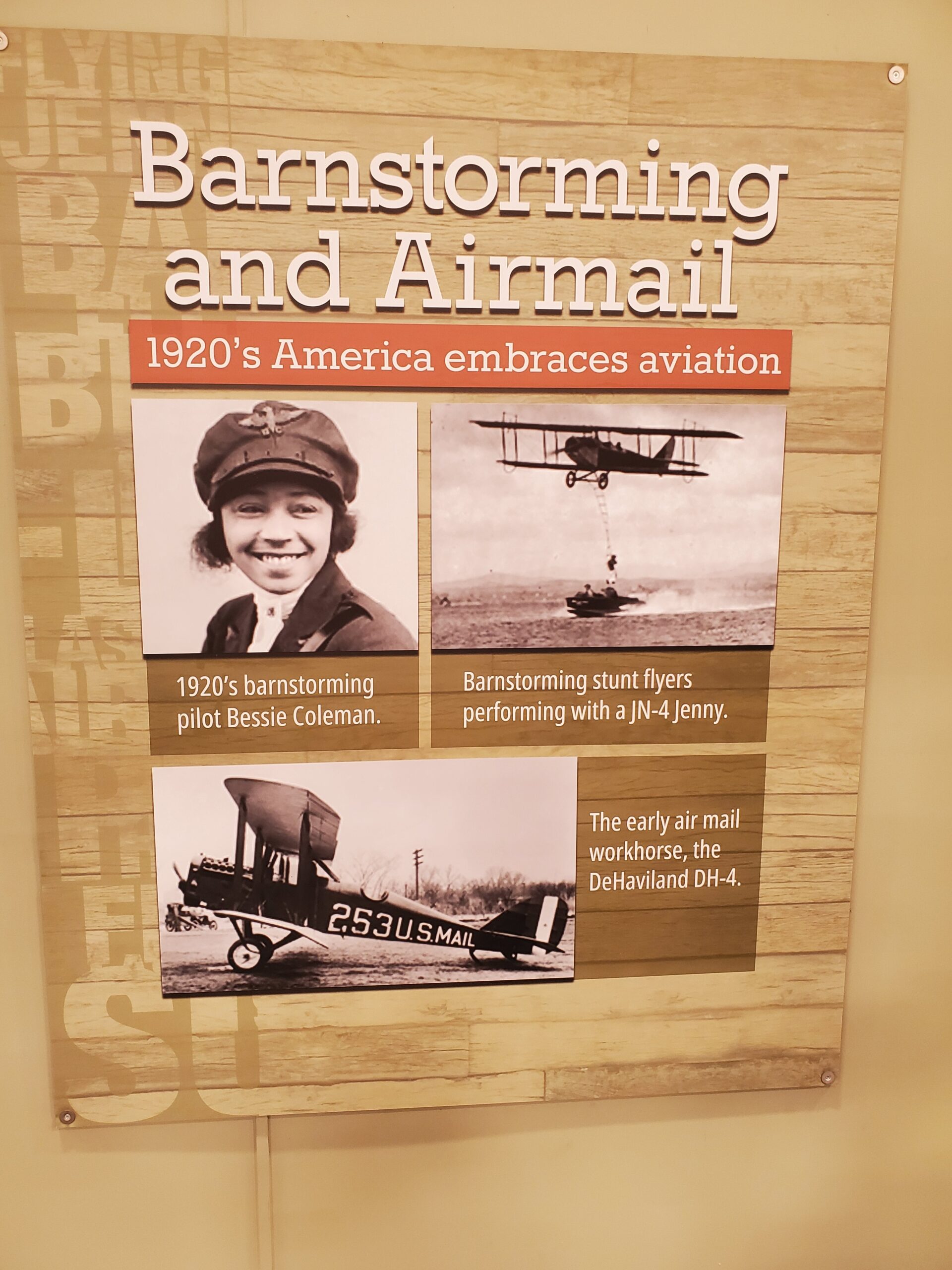
In late June/early July 2021, my mom and I took a road trip around some of the closer states to where we live. Along the way we stopped at the National World War II Aviation Museum in Colorado Springs, Colorado, where the following was on display there (this is a photo I snapped while in the museum).

Bessie Coleman Display

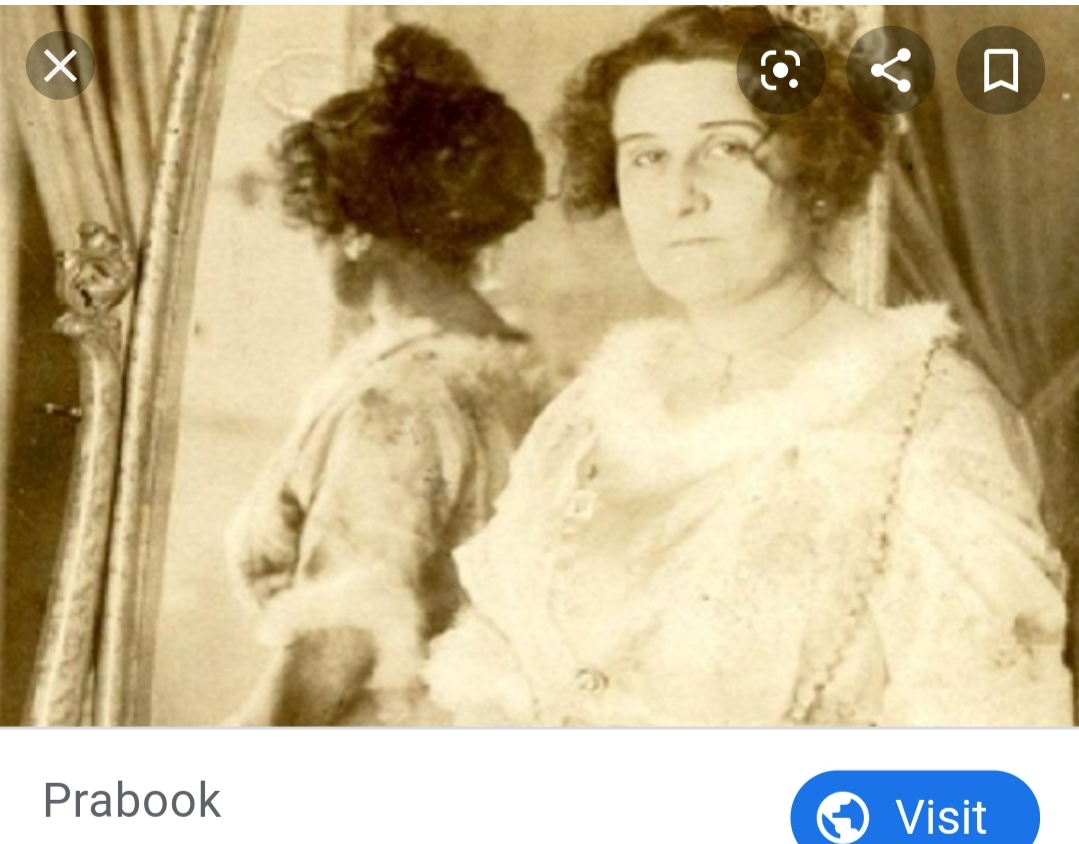
979) Leonor Villegas de Magnon

Courtesy of Prabook

979: Leonor Villegas de Magnón

Founded La Cruz Blanca (The White Cross)

Born: 12 June 1876, Nuevo Laredo, Mexico

Died: 17 April 1955, Mexico City, Mexico

Leonor was a political activist, journalist, and teacher.

Leonor was educated in the United States and married an American citizen in 1901. She had three children with her husband.

With the outbreak of the Mexican Revolution, Leonor’s husband moved across the border into the United States for stability. He died there in 1910, and Leonor and her children attended his funeral. Sadly, when they tried to go back home into Mexico, they were unable to cross the border because of the war.

Stuck in Laredo, Texas, Leonor opened a kindergarten in her new home to earn money. Leonor was sympathetic towards the rebel cause in her native Mexico and began writing for the Laredo based newspaper La Cronica, which chronicled the revolutionary activities happening in Mexico.

In 1913, Leonor’s hometown in Mexico was besieged by the war (Laredo was on the Texas side and Nuevo Laredo was on the Mexican side of the river). Leonor and her friends on the Texas side of the border managed to cross back into Mexico to nurse the wounded. Becoming inspired, Leonor founded La Cruz Blanca, or The White Cross in English; a relief society to help the wounded and disenfranchised by the war.

The following year, in January of 1914, Nuevo Laredo was attacked again. Leonor transformed her home, in Texas, into a makeshift hospital. Leonor was willing to treat any revolutionary soldier who crossed the border into Texas. In January alone Leonor treated around 100 soldiers.

The American authorities quickly caught on to what Leonor was doing. They arrived at her door and attempted to arrest the Mexican soldiers. Leonor refused them entry and managed to help several of the soldiers escape by having “visitors” come in to visit them bringing clean street clothes, so the soldiers could simply walk out the door with the “visitors.”

Despite Leonor’s best efforts, around forty of the soldiers were still arrested. Leonor wasn’t about to let this injustice go though, and she hired a lawyer to represent the soldiers and seek their release. Their efforts stalled with the Governor of Texas for a time, but Leonor persisted, and eventually the United States Secretary of State secured the release of the revolutionary soldiers.

Later that year, Leonor became more involved with the war and eventually traveled with the army to Mexico City. Because of her efforts, Leonor was eventually awarded five medals by the Mexican government. Leonor also went on to become one of the first Mexican/American women to publish an autobiographical account of her life in an account titled La Rebelde (The Rebel).

Badges Earned:

Located In My Personal Library:

Wild West Women by Erin Turner

Sources:

Wild West Women by Erin Turner

https://www.tshaonline.org/handbook/entries/villegas-de-magnon-leonor

https://en.wikipedia.org/wiki/Leonor_Villegas_de_Magn%C3%B3n

978) Lola Baldwin

Courtesy of Wikipedia

978: Lola Greene Baldwin

The First Female Police Officer in the United States

Born: 1860, Elmira, New York, United States of America

Died: 22 June 1957, Portland, Oregon, United States of America

Original Name: Aurora Greene

Lola had to leave school early to begin working after her father lost his job. She taught for several years in her native New York and out west in Nebraska before getting married in 1884. Lola and her husband had two sons together.

Lola spent several years working with delinquent girls in Rhode Island, Massachusetts, New York state, and Virginia—following her husband wherever he moved for his job. In Rhode Island, Lola worked with two Florence Crittenton Homes for unwed mothers. After a while, Lola and her husband moved their family to Portland, Oregon.

In 1905, Portland hosted the Lewis and Clark Centennial Exposition, a one-hundred-year anniversary gathering to celebrate the Corps of Discovery. Portland authorities were wary of the hundreds of visitors that would be flooding the city, knowing young women and girls would be particularly at risk for conmen and human traffickers. Lola was hired to patrol the exposition and was paid $75 a month for her efforts. She was given privileges to make arrests for anyone breaking the law, and she organized a volunteer group to help her patrol the grounds and ease the pressure of local police.

After the fair ended, Lola switched to working as a volunteer for the police department. She would go out on calls to do with sex crimes involving young women. That same year, 1905, Lola organized the juvenile court system for Portland and became the first probation officer for female juvenile offenders in the city.

In 1908, she officially joined the Portland Police Department at the age of forty-eight. Lola had to pass a civil service exam, and afterward became the first female municipally paid police officer in the United States. Lola didn’t wear a badge or uniform like other officers and did not stay at the police headquarters like other male officers and instead was housed at the Young Women’s Christian Association building when working overnights.

Lola was also a fervent suffragist and fought for equal pay for female workers. It was her belief that a fair and living wage for women would help keep them off the streets or from falling into prostitution. Lola was even a charter member of the Oregon Social Hygiene Society, which sough to educate the public about sexually transmitted infections and sex education.

With the outbreak of World War I, Lola was also hired by the federal government with a very specific task in mind. She was supposed to keep prostitutes away from military bases on the west coast and into Arizona. If only she’d been in Europe! The outbreak of STI’s in troops during World War I is a fascinating subject to research, but let’s save that for another day…

Lola officially retired from the Portland Police Department in 1922 but didn’t stop her work as an advocate. She went on to serve for several terms on the Oregon Parole Board and the National Board of Prisons and Prison Labor. Lola also continued to travel the country, advocating for better protections for young women and pushing for more women to be hired by police departments.

Today, Lola’s logbooks and other police records are held by the Portland Police Museum and are often on display.

Badges Earned:

Find a Grave Marked

Located In My Personal Library:

Wild West Women by Erin Turner

Sources:

https://sos.oregon.gov/blue-book/Pages/explore/notable/baldwin.aspx

https://www.oregonencyclopedia.org/articles/baldwin_lola_1860_1957_/

http://osupress.oregonstate.edu/book/municipal-mother

https://www.findagrave.com/memorial/6254137/lola-baldwin

  • Previous
  • 1
  • …
  • 25
  • 26
  • 27
  • 28
  • 29
  • 30
  • 31
  • …
  • 159
  • Next

Categories

Archives

  • July 2025 (10)
  • July 2024 (1)
  • January 2024 (1)
  • August 2023 (1)
  • June 2023 (2)
  • October 2022 (1)
  • July 2022 (1)
  • June 2021 (3)
  • December 2020 (3)
  • August 2019 (1)
  • July 2019 (2)

Search

© 2026 The Exasperated Historian | Powered by Minimalist Blog WordPress Theme