The Exasperated Historian
Menu
  • Home
  • The Women’s List (New)
  • The Men’s List
  • The Animal List
  • Collections
  • The Blog
  • Contact Us
  • FAQ
Menu

Category: Birth Locations

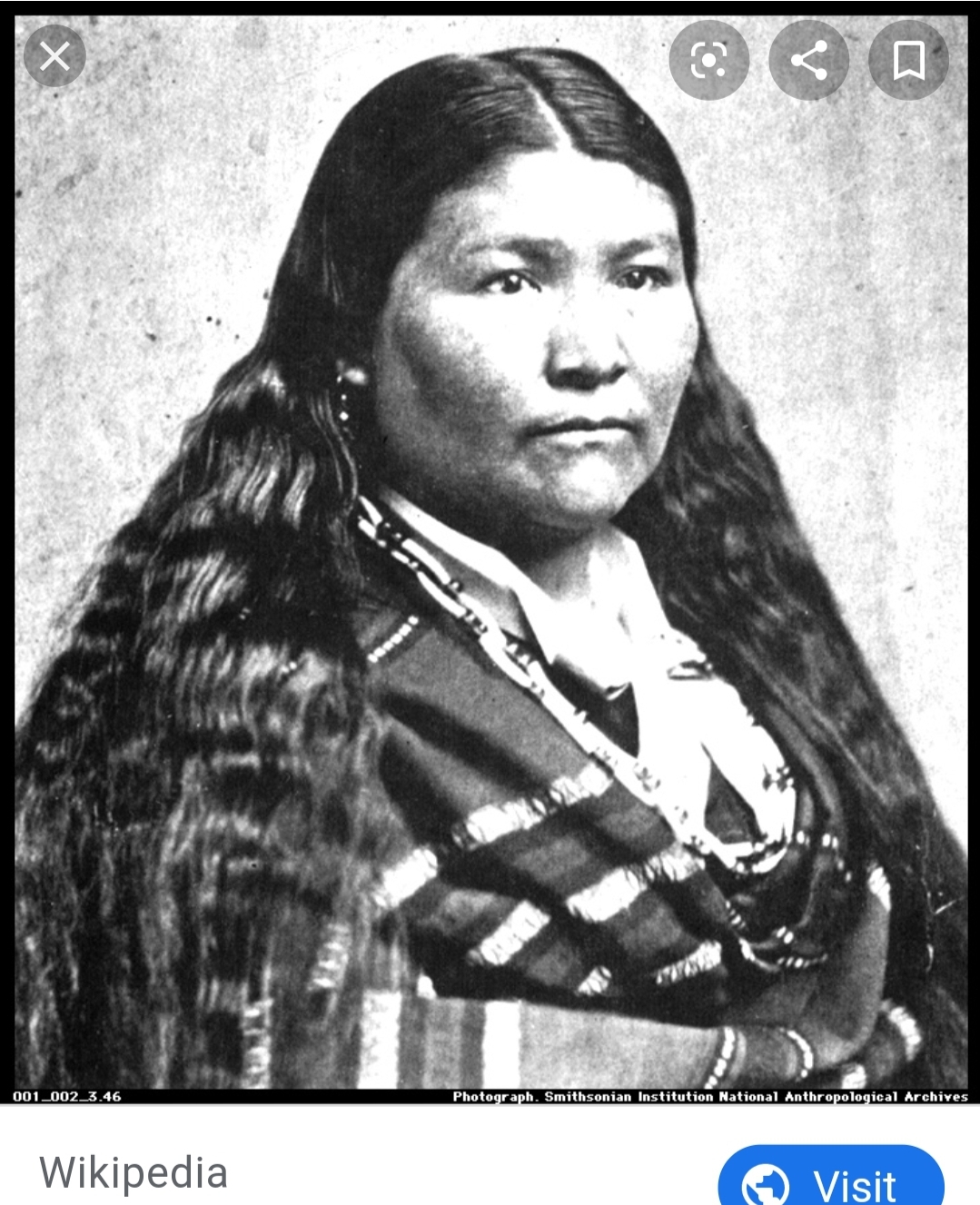
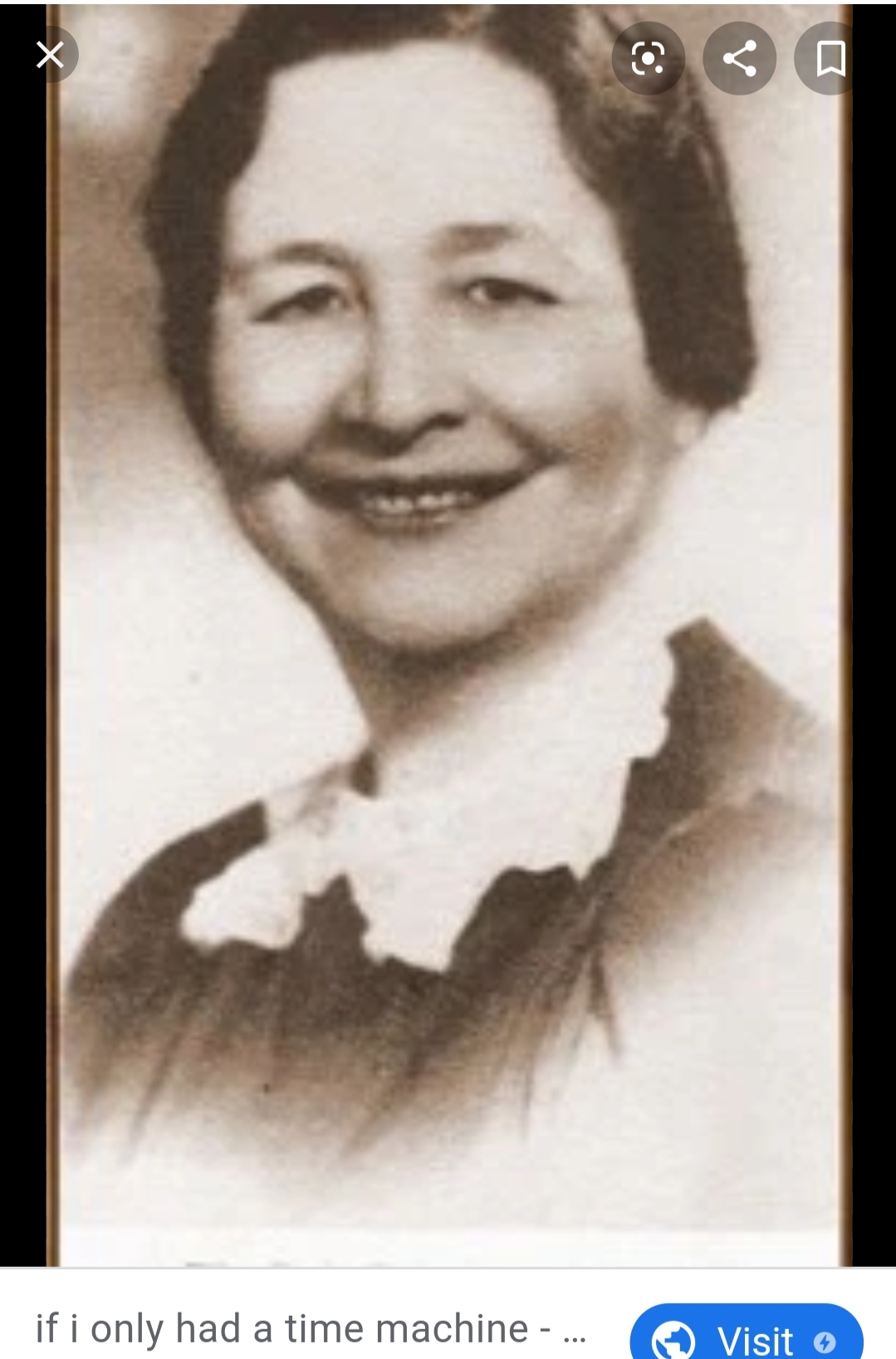
957) Ella Deloria

Courtesy of If Only I Had a Time Machine...

"...a woman with a plan is persistent." -Waterlily (1948)

957: Ella Cara Deloria

Yankton Sioux Linguist, Ethnographer and Anthropologist

Born: c.1888*, Yankton Sioux Reservation, Dakota Territory, United States of America (Present-day Yankton Sioux Reservation, South Dakota, United States of America)

Died: 12 February 1971, Vermillion, South Dakota, United States of America

Original Name: Anpetu Washte-win (Beautiful Day Woman)

Ella did it all with no formal training in anthropology or ethnography. She was also an author and held a Bachelor of Science degree.

Ella’s whole family spoke both Dakota and Lakota dialects of the Sioux language, which helped Ella in her work as an ethnographer tremendously. Her father was one of the first two Sioux to become an ordained priest in the Episcopal church and had renounced his claim to tribal leadership after converting. Both of Ella’s parents had mixed heritage with some European blood and some native Yankton. This allowed Ella to grow up in a household that respected and understood both sides of the cultural divide.

Ella translated and wrote many different texts about the Sioux people. Her first major publication was a translation and description of the Sun Dance, an extremely important traditional religious movement among the Lakota Sioux. Thereafter, Ella continued to study the Lakota people (she was much more knowledgeable about the Dakota), and she went on to publish several works on Lakota mythology and beliefs. Unfortunately, Ella was not allowed to press on into publishing more about the religious practices of the various Sioux bands. Because of her father and brother’s positions within the Episcopal church, and because of Ella’s own devout Christian faith, she was put in an awkward position. If Ella had pressed on in attempting to learn and publish about the traditional religious practices of the Sioux, she would have put her family in a strenuous position within their church. And that would be if she even gathered enough material to publish. For obvious reasons, the traditional medicine men and other leaders within the Sioux were nervous or outright hostile towards Christians as a whole, so yeah, things didn’t go as far as they could have.

Another of Ella’s works is Speaking of Indians. Published in 1944, this book was meant to introduce the western audience to the ways of the Native peoples. The artwork for the book was done by Ella’s sister, a professional artist, whom Ella spent most of her adult life living with. Despite her successes, Ella lived a very frugal life on a small income, sometime relying on friends for help to get by.

Over the years, Ella also worked in various museums, as a teacher (teaching dance, physical education, and lecturing on her anthropological studies), and even ran one of the schools she attended as a child. She had a long fruitful career that spanned several states, decades, and paths. It is believed a vast majority of her notes and work remain unpublished today.

Ella’s novel Waterlily was not published until after she died but contained much of the knowledge she had learned about her people and culture over time. The novel was published posthumously because of Ella’s status as an unmarried woman (according to one source). Ella knew more about her people than an unmarried woman should, and that was reflected in her historical novel. The plot covers the lives of three generations of Teton Sioux women before the reservations took over their way of life. Though Ella finished the novel in 1948, she could not find a publisher and so the manuscript sat by the wayside. The book was finally published in 1988 and quickly became a bestseller.

Ella’s work constitutes the greatest knowledge collection of Sioux language and culture. She spent her entire adult life teaching, researching, and writing out her vast knowledge of the Dakota and Lakota Sioux peoples. Her papers are in the process of being cataloged so that the information she gathered can be preserved for her people and the world forever.

*Most sources agree Ella’s birthday was the thirty-first of January, however they are pretty evenly split on whether the year was 1888 or 1889. Her grave marker lists 1888, but since no one can fully agree I picked the earlier date and simply added the circa marker for full transparency.

Badges Earned:

Find a Grave Marked

Located In My Personal Library:

Wild West Women by Erin Turner

Women in American Indian Society by Rayna Green

Sources:

http://aktalakota.stjo.org/site/News2?page=NewsArticle&id=9006

http://zia.aisri.indiana.edu/deloria_archive/about.php?topic=ella

https://www.nps.gov/people/ella-cara-deloria.htm

https://www.britannica.com/biography/Ella-Cara-Deloria

https://www.findagrave.com/memorial/19746467/ella-cara-deloria
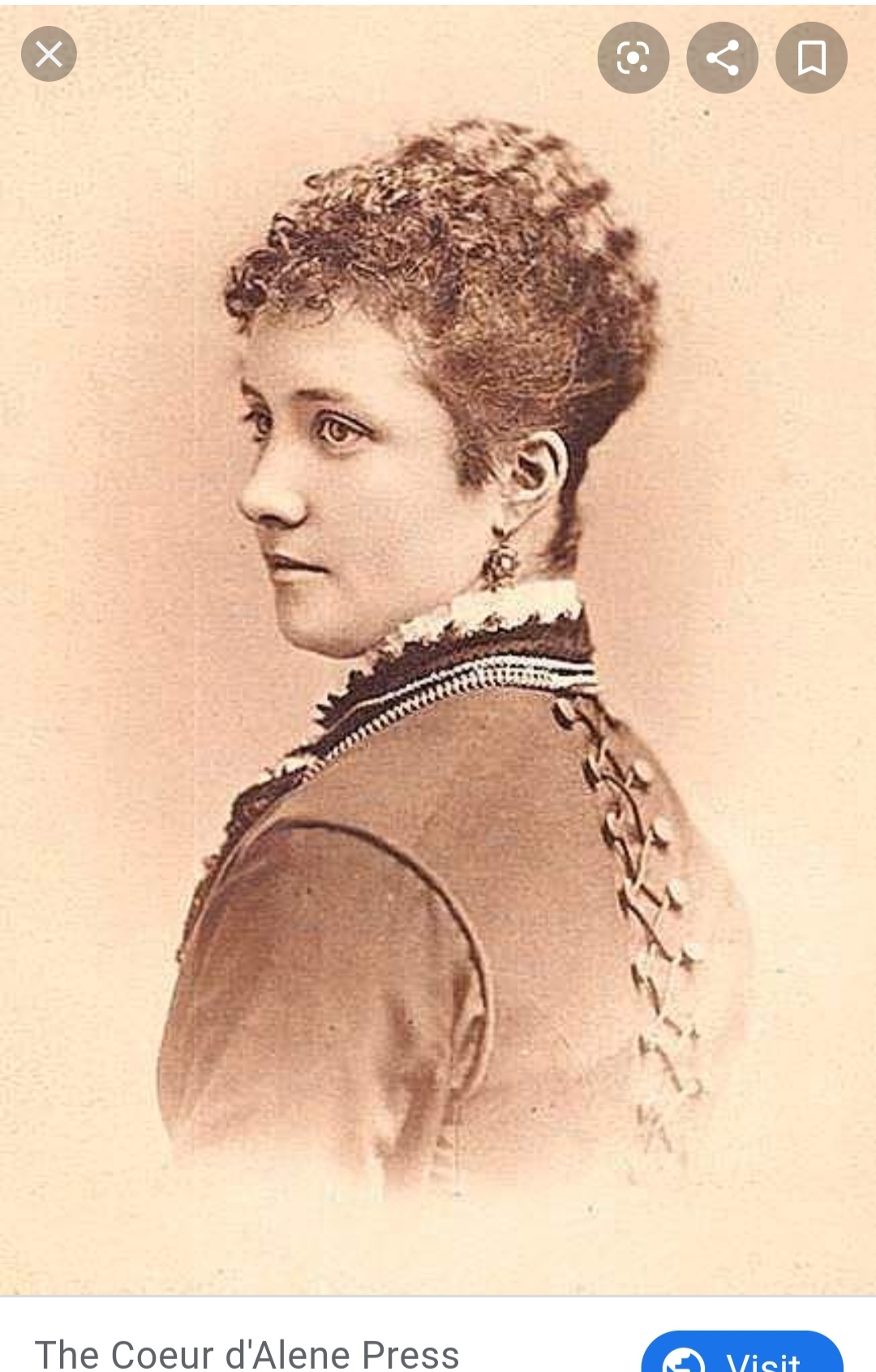
956) Kittie Wilkins

Courtesy of the Coeur d'Alene Press

“Often I am the only woman in a crowd of two hundred or more horse dealers…Sometimes people come out to the stockyards to see in me a new curiosity, and there are a few who try to flirt or make sport of me. I just walk up to a group of such men and, looking them squarely in the face, say, ‘Do you gentlemen wish to look at my horses?’”

956: Kittie Wilkins

The Horse Queen of Idaho

Born: 15 May 1857, Oregon Territory (Present-day Jacksonville, Oregon, United States of America)

Died: 8 October 1936, Glenns Ferry, Idaho, United States of America

Original Name: Katherine Wilkins

Note: Her Gravestone Spells Her Name “Kitty” Which is Inaccurate; and Unfortunately, Her Wikipedia Page Also Has the Same Spelling

Kittie was the only woman of her time to earn her livelihood solely from Horse Breeding and Selling. Her other nickname was The Queen of Diamonds, in reference to her unique diamond patterned brand that flanked every horse in her herd.

Her family owned the Wilkins Horse Company which owned close to 10,000 horses at its peak. Their herd was the largest owned by a single family in the West and Kittie made the biggest sale of horses in the American West in 1900 (selling 8,000 heads to a single buyer in Kansas—the horses eventually made their way to the British fighting in South Africa during the Boer War).

Kittie’s father began taking Kittie on business trips when she was in her mid-twenties, and he quickly realized she was a natural when it came to selling horses, as referenced above.

In 1909 her foreman (who was most likely her fiancé) was killed in a range dispute. Later that same year a gold rush in Nevada led to a mining camp being built up on her land near some hot springs (her land was the best way to get to Nevada from the East). When Kittie went to build a hotel there to gain some profit from the deal a squatter claimed it was his land and the judge ruled in favor of the squatter.

After her hotel plans were dashed, Kittie moved to Idaho and spent her twilight years divvying up her wealth between charities.

Kittie always insisted on riding sidesaddle and in the latest fashions (very Victorian/Edwardian). She also opposed the push for women’s suffrage in the beginning but was very independent besides. Kittie even went so far as to detest bicycles, for two reasons. The first? Bicycles were horrible unladylike. The second? They were a threat to the horse market!

Step aside Elizabeth Taylor; Kittie was the true Queen of Diamonds.

Badges Earned:

Find a Grave Marked

Located In My Personal Library:

Wild West Women by Erin Turner

Sources:

https://www.neh.gov/humanities/2012/marchapril/statement/woman-the-west

https://www.idahohumanities.org/speaker-topic/queen-of-diamonds-kittie-wilkins-horse-queen-of-idaho-and-the-wilkins-horse-company/

http://eyeonsunvalley.com/Story_Reader/7446/Idaho%E2%80%99s-Horse-Queen-Kittie-Wilkins-Launches-Remarkable-Woman-Series/

https://en.wikipedia.org/wiki/Kitty_Wilkins

https://www.findagrave.com/memorial/67211853/katherine-caroline-wilkins

955) Louise Siuwheem Polotkin

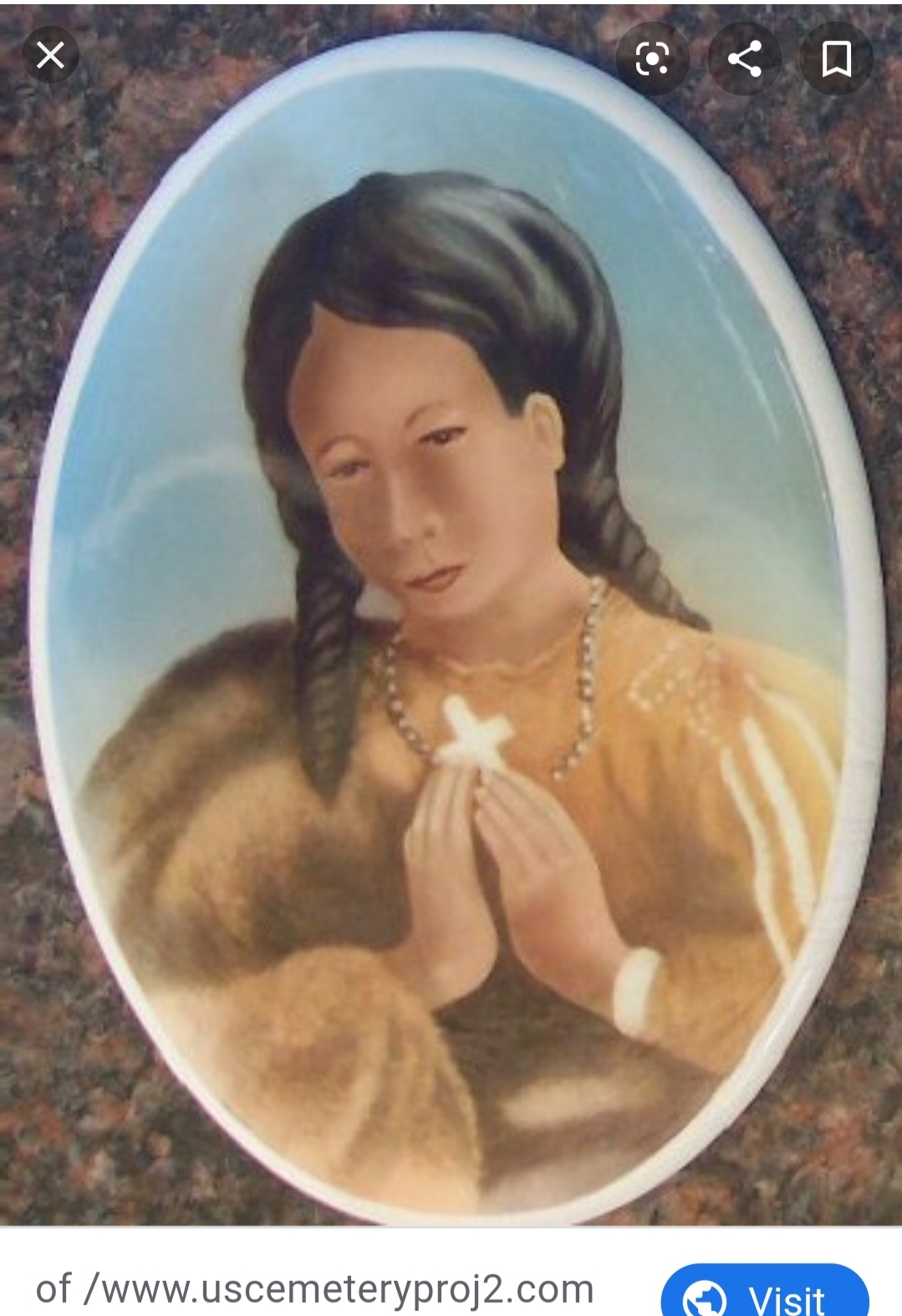
Courtesy of uscemeteryproj2.com

955: Louise Siuwheem Polotkin

Apostle to Her People, The Coeur d’Alene

Born: c.1800, Present-day Kootenai County, Idaho, United States of America

Died: 1853, Present-day Kootenai County, Idaho, United States of America

Original Name: Siuwheem (Meaning Tranquil Waters)

Louise helped convert her people to Christianity after Catholic Missionaries arrived on her tribal lands in 1842.

Missionaries called her the Spiritual Director and Guardian Angel of her entire tribe. According to one source, she was so devoted to the faith Louise would plant her crops in cross shaped patterns.

Louise was descended from a chief of the Coeur d’Alene (Circling Raven) who had a vision that someday someone would come and bring a new religion, so she felt it was her duty to become a Christian and was deeply devoted to the religion.

Louise not only ministered to her people, but she cared for the sick and the orphaned as well. According to her grave marker, she also visited the same cemetery she’s buried in every day to pray for the people who had died before her.

Louise was married and had three children, as well as fostering several others.

Badges Earned:

Find a Grave Marked

Located In My Personal Library:

Wild West Women by Erin Turner

Sources:

http://www.uscemeteryproj2.com/idaho/kootenai/sacredheart/siuwheeml.htm

https://catholicsentinel.org/Content/News/Local/Article/Woman-called-apostle-of-Coeur-d-Alenes/2/35/4104

https://www.rickjust.com/blog/siuwheem

https://www.findagrave.com/memorial/7633771/louise-polotkin

954) Clara Brown

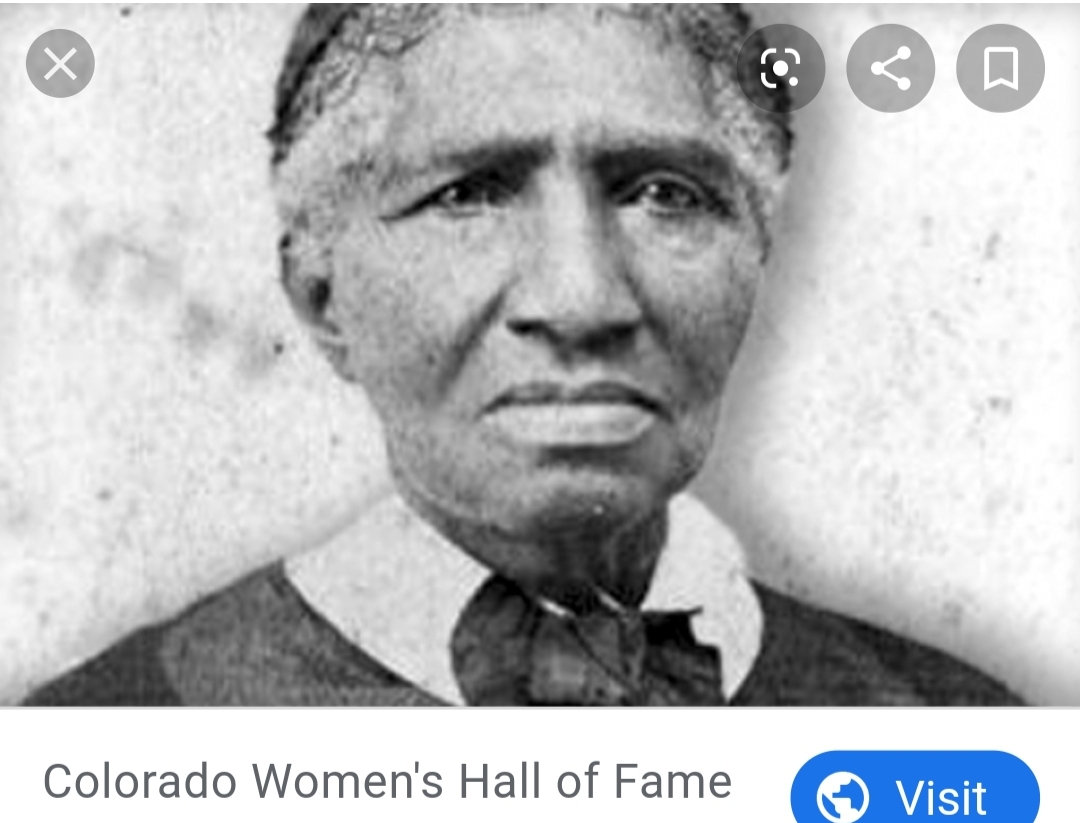
Courtesy of the Colorado Women's Hall of Fame

954: Clara Brown

Former Slave who Helped Settle Colorado

Born: c.1800, Virginia, United States of America

Died: 23 October 1885, Denver, Colorado, United States of America

Also Known As: Aunt Clara

Clara was freed from bondage in 1859, but her husband and children who had been separated from her earlier on were not.

When Clara was nine, she and her mother were moved to Kentucky. By eighteen, Clara was married and soon after had four children. When she was thirty-five, Clara was sold at auction and separated from her husband and children. She would never see her husband or three of her four children again.

Clara was one of the first African American people to live in Colorado. She headed west on a wagon train after being freed in her late fifties, bartering her skills as a cook in exchange for transportation.

Clara ran a laundry and took care of miners in Central City before moving to Denver where she became the first female member of the Colorado Society of Pioneers. Clara also opened the first Protestant church in Colorado.

Clara is most notable for helping former slaves settle during the Colorado Gold Rush. After only a few years in the territory, she had raised $10,000 and was trying to locate her family. She used the rest of her money to help resettle former slaves from other parts of the country.

She earned enough money to buy property and even invest in mines. Clara never turned away anyone in need and continued to search for her family throughout her life. Unfortunately, she was too late for some of them. Clara learned her husband and two children had already died, and no one knew the whereabouts of her son.

Luckily, before her death Clara was reunited with her daughter Eliza (or just Liza, sourced differ) forty-seven years after being separated. Clara also found a granddaughter named Cindy. She passed away in her sleep three years later.

Badges Earned:

Find a Grave Marked

Located In My Personal Library:

America's Women: 400 Years of Dolls, Drudges, Helpmates, and Heroines by Gail Collins

Wild West Women by Erin Turner

Sources:

https://www.cogreatwomen.org/project/clara-brown/

https://coloradoencyclopedia.org/article/clara-brown

https://www.historycolorado.org/sites/default/files/media/documents/2017/aunt_clara_brown.pdf

https://www.findagrave.com/memorial/8053901/clara-brown

953) Donaldina Cameron

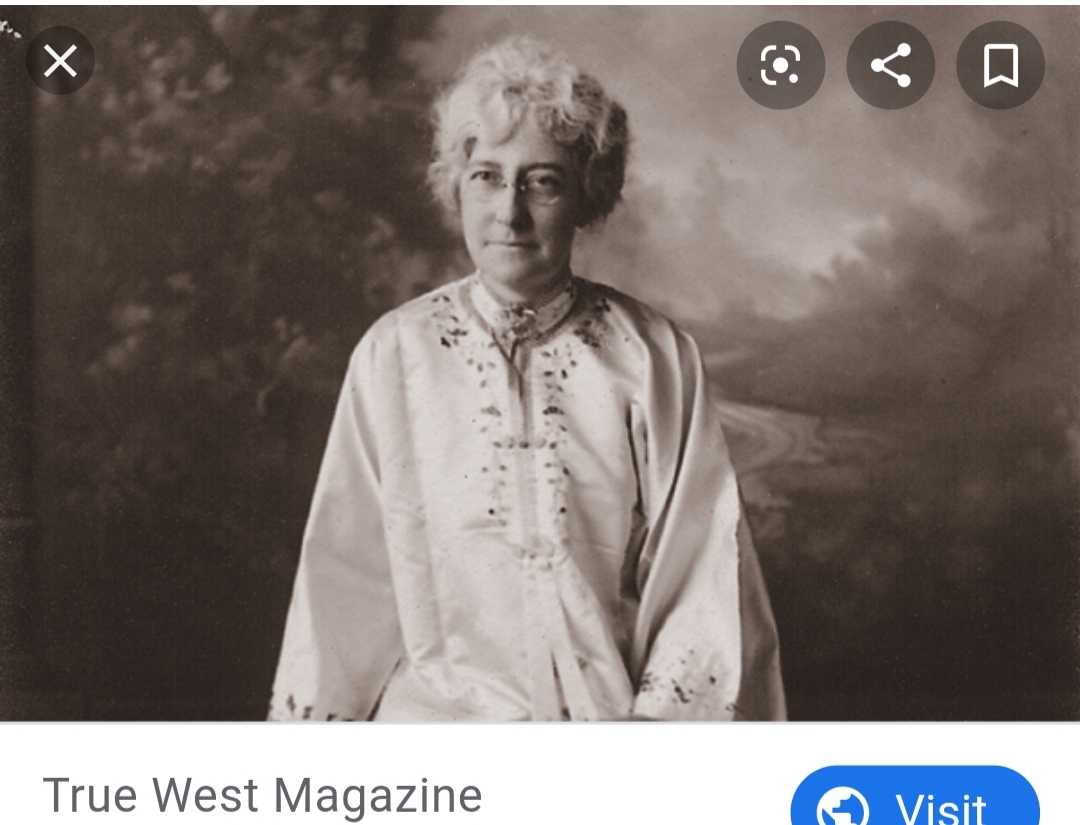
Courtesy of True West Magazine

953: Donaldina Cameron

The Angry Angel of Chinatown

Born: 26 July 1869, Otago Land District, New Zealand

Died: 4 January 1968, Palo Alto, California, United States of America

Other Nicknames Included: Lo Mo, Fahn Quait (White Devil) or Beloved Mother

Donaldina was called Fahn Quait by those who opposed her work, and Beloved Mother or Lo Mo by those who supported her.

Donaldina is remembered for saving around 3,000 women and girls from Slavery and Forced Prostitution during her forty-seven years as a Presbyterian Missionary.

What’s even more remarkable? Donaldina had no idea the Chinese Slave Trade in California was even an issue until she was twenty-three years old.

When Donaldina was two, her family packed up and left New Zealand, headed to California to pursue ranching in the United States. Three years later, Donaldina’s mother died; leaving behind six children. The family ranch would falter soon after, and Donaldina’s father supported his children by working on other ranches in the area. Though she was engaged at the age of nineteen, Donaldina never followed through and she never did get married.

In 1895, Donaldina arrived at what would become Cameron House. She had been hired to work as a sewing teacher for the Asian women and girls who had sought refuge with the Christian missionaries. Two years later, after Maggie Culbertson grew ill and then died, Donaldina took over as superintendent of the home despite having no prior experience.

During the California Gold Rush, Chinese Men made a demand for wives and prostitutes, so Chinese Slave Traders would purchase girls as young as five from their parents in China and shipped them to the United States. The older girls would be pressed into prostitution; with the average dying within five years of arriving in the country. The younger girls were forced into domestic servitude.

The issue arose after the United States Congress passed what became known as the Chinese Exclusion Act, which barred the vast majority of Chinese from immigrating to the United States. The ratio of single Chinese men to single Chinese women immigrants in the country had a substantial gap, and Chinese men were not allowed to marry non-Chinese women. With the demand for available women on the rise, slave traders brought in Chinese women and girls by the thousands.

Donaldina spent over forty years traipsing across rooftops, busting down doors, and taking slave traders to court to save the victims of their heinous crimes; despite the fact her own life was repeatedly threatened by the slave traders she was fighting against. The raids employed to rescue the girls was described in the San Francisco History Encyclopedia (article linked below) thusly:

Rescues were often secret nighttime raids conducted with axe and sledgehammer wielding policemen. Donaldina quickly became a master at finding girls that had been hidden under trap doors and behind false walls. She also became adept at protecting already rescued girls from writs of habeas corpus, a legally sanctioned ploy wherein slave owners would accuse a girl of a crime and have her removed from the Mission Home. Once a girl was so removed, she was rarely heard from again. Members of the fighting Tongs, many of whom were slave owners, did not take the loss of their property lightly. Slaves were valuable property, many fetching prices in the thousands of dollars. The Mission Home and its inhabitants were under constant legal and physical assault from the slave owners.

In 1906, The Cameron House was destroyed in the fire and earthquake that razed most of the city. The home withstood the initial quake but was subsequently demolished after city officials lit dynamite in the hopes of stopping the fire. With the fire raging; Donaldina forced her way back into the home to retrieve the paper documentation she had that proved Donaldina and the mission home held legal guardianship over the rescued girls.

Once things calmed down, the home was rebuilt on the same lot and remains there to this day. In the next few years, Donaldina also oversaw the building of two more homes, one for Chinese girls and one for Chinese boys. Donaldina retired in 1934 but continued to work as a volunteer with the mission until 1939. She spent her twilight years caring for her three remaining sisters.

The mission home was renamed in her honor in 1942.

One of the girls Donaldina saved became the first Chinese Girl to graduate from Stanford, while another, Tye Leung Schulze, was the first Chinese American woman to vote in the United States—and the first Chinese American woman hired by the United States federal government.

Today, some cite Donaldina as a racist religious zealot for her work; citing the fact that she never learned to speak or read Chinese and that, at least in the beginning, her reasoning behind rescuing the girls was in the hopes of converting them to Christianity. However, I would argue that Donaldina urged the girls to learn English because it would be easier for them living in the United States, and religious or not she still saved three thousand girls from literal slavery. No one from history is perfect, but trying to nitpick and tear apart the people who spent their lives trying to help will never improve mankind either.

Badges Earned:

Find a Grave Marked

Located In My Personal Library:

Wild West Women by Erin Turner

The White Devil's Daughters: The Fight Against Slavery in San Francisco's Chinatown by Julia Flynn Siler

America's Women: 400 Years of Dolls, Drudges, Helpmates, and Heroines by Gail Collins

Sources:

https://cameronhouse.org/about-us/history/

https://www.sfhistoryencyclopedia.com/articles/c/cameronDonaldina.html

https://www.encyclopedia.com/women/encyclopedias-almanacs-transcripts-and-maps/cameron-donaldina-1869-1968

https://wanderwomenproject.com/women/donaldina-cameron/

https://www.findagrave.com/memorial/7846225/donaldina-cameron

952) Tye Leung Schulze

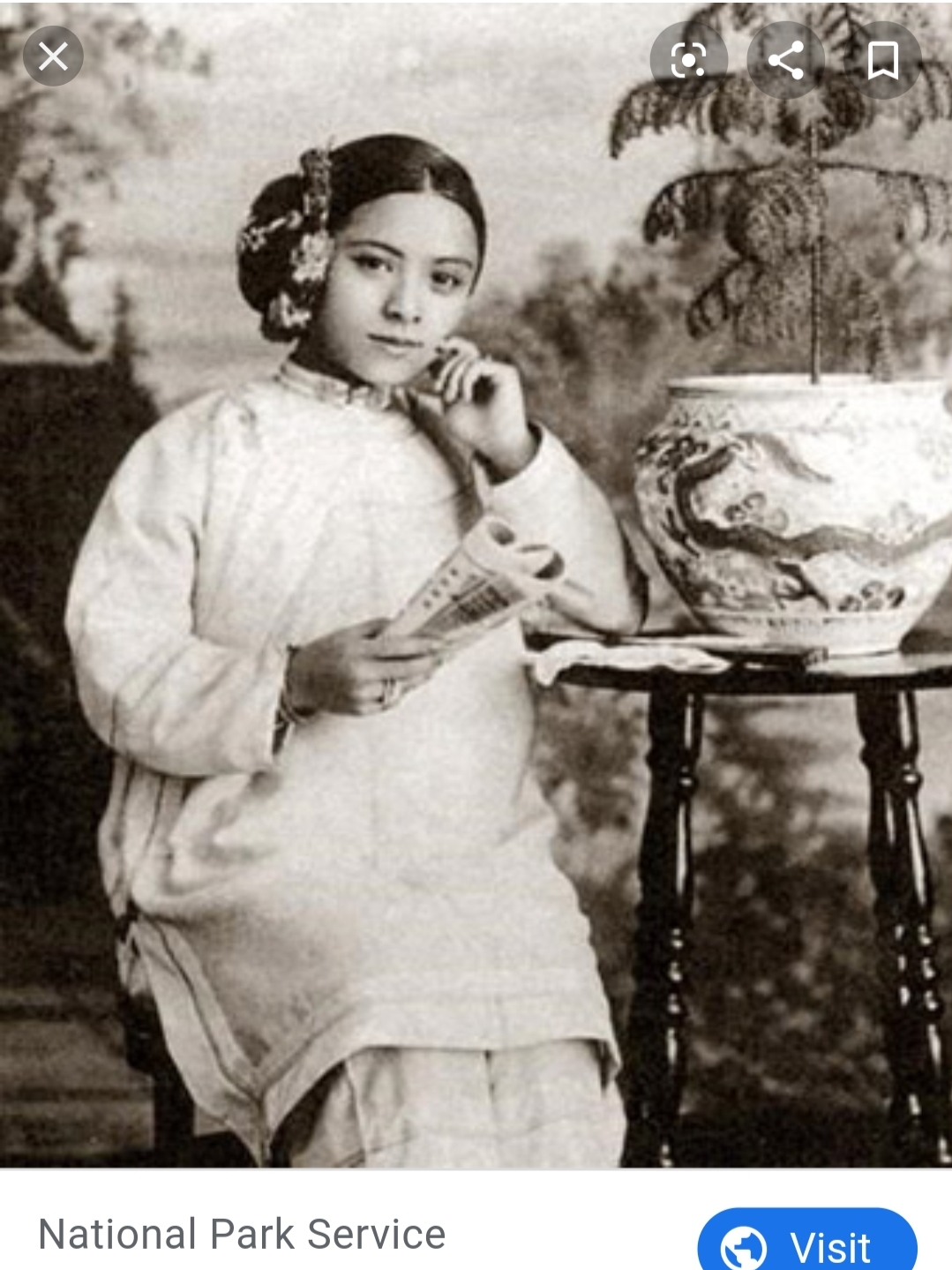
Courtesy of the National Park Service

"My first vote? - Oh, yes, I thought long over that. I studied; I read about all your men who wished to be president. I learned about the new laws. I wanted to KNOW what was right, not to act blindly...I think it right we should all try to learn, not vote blindly, since we have been given this right to say which man we think is the greatest...I think too that we women are more careful than the men. We want to do our whole duty more. I do not think it is just the newness that makes use like that. It is conscience."

952: Tye Leung Schulze

The First Chinese American Woman to Vote in the History of the United States

Born: 24 August 1887, Chinatown, San Francisco, California, United States of America

Died: 10 March 1972, California, United States of America

Also Known As: Leung Schulze

Leung worked as an Interpreter at Angel Island Immigration Station (becoming the first Chinese American woman to work in a federal civil service job).

Leung was also friends and worked closely with Donaldina Cameron to help stop the Chinese Slave Trade in San Francisco.

Leung started her anti-trafficking work after arriving at the Church Mission as a teenager after running away from an arranged marriage. At the time, Leung was only twelve or fourteen, and her would-be husband lived in Montana. Leung’s older sister was originally supposed to marry him, but she ran away with her boyfriend. Instead of letting the marriage fall through Leung’s parents turned to their other daughter instead.

After gaining a higher education thanks to Donaldina, Leung began to work as an interpreter and translator in San Franciscan courts for other Chinese women who were trying to escape sex slavery. In case you have no idea what I’m talking about, I highly recommend reading my more in-depth article on the subject with Donaldina or researching it yourself. Basically, all you need to really know is the Chinese slave trade in California was horrible, with a capitol H, and is severely underplayed if its taught in American schools at all.

In 1910, Leung began working at Angel Island (which again, in case you don’t know, was basically the Ellis Island of the west coast and can be visited today. Angel Island is within sight of Alcatrez Island). On 19 May 1912, Leung became the first Chinese American woman to vote in the United States and may have been the first Chinese woman to vote in a modern election in the world. Leung voted in the presidential primary election, one of many Californian women who took the opportunity to vote for the first time since they had been enfranchised the year before.

Leung was forced to resign from working at Angel Island after falling in love with and marrying a man named Charles Schulze. Charles was also an Angel Island employee; in fact, he was an Immigration Service Inspector. So, what was the problem? Well, Charles was white. And Leung was obviously not. In 1913, interracial marriages were illegal in California; but Leung and Charles were determined. They headed north to Washington State and got hitched there.

Upon returning to California, both Charles and Leung lost their jobs at Angel Island. It took a while, but both were able to find other work in the state. They lived in wedded bliss until Charles died in 1934 or 35 (sources differ).

After he died, Leung was left to raise their four children alone. She managed by working as a bookkeeper and a night-shift operator for a telephone exchange. Leung also continued to provide her services as a translator, making her a well-known member of the Chinese community in San Francisco.

Leung managed to keep her name out of the news except for one more incident. In 1948, Leung was arrested and charged with the crime of driving women to abortion clinics to receive illegal abortions. The charges were later dropped. The next time Leung’s name appeared in the newspapers was when she died in 1972. She was eighty-four years old.

Leung had lived a truly remarkable life, and yet today very few know her name. Let’s rectify that, shall we?

Badges Earned:

Located In My Personal Library:

Wild West Women by Erin Turner

The White Devil's Daughters: The Fight Against Slavery in San Francisco's Chinatown by Julia Flynn Siler

Sources:

https://www.nps.gov/people/tye-leung-schulze.htm

https://www.immigrant-voices.aiisf.org/stories-by-author/988-tye-leung-and-charles-schulze-an-untold-angel-island-love-story/

https://unladylike2020.com/profile/tye-leung-schulze/

https://sos.oregon.gov/archives/exhibits/suffrage/Pages/bio/schulze.aspx

951) Toby Riddle

Courtesy of Wikipedia

951: Toby Riddle

Modoc Woman Who Helped Negotiations Between Her Tribe and the United States

Born: c.1846, Present-day Oregon, United States of America

Died: 1920, Klamath County, Oregon, United States of America

Original Name: Kaitchkona

Later Called: Nonooktowa (or Strange Child) and then Winema (or Woman Chief [or Woman with Brave Heart])

The Modoc War (which took place between 1872 and 1873) was a conflict between the United States and the Modoc Native American tribe.

The war sprung up after federal troops forced the Modoc people onto the Klamath reservation. Just one problem: the Klamath people and the Modoc people were no longer friendly by that point. Though the tribes lived in bordering regions and had some intermarriage, they were far from allies one hundred percent of the time. Things were going alright between the two tribes until the time came for the Modoc to move onto the Klamath reservation. You see, the reservation had been created on land that had traditionally been held by the Klamath people. And so, when the Modoc “moved in” they were seen as invaders or intruders by the Klamath people.

The Modoc requested the federal troops move them to a new area, but they received no positive response. Around the same time, a group of federal troops attacked and killed around forty Modoc people after the federal troops had earlier been attacked by—a completely different tribe (possibly the Pit River people). So yeah, the Modoc weren’t exactly feeling the love towards the federal troops at the time.

By 1870, the Modoc had gotten fed up with waiting for the federal troops to respond to their request. The majority of the tribe simply left the reservation and returned to their homelands near Mount Shasta in present-day California. A couple more years of bureaucratic back and forth eventually led to the federal government deciding they would create a separate reservation for the Modoc people. You’d think that would be a good thing. However, it was not. By that time the Modoc warriors and the federal soldiers had already been going back and forth and the war was on.

Back to Toby.

The leader of the Modoc at the time was a man known today as Captain Jack (Kintpuash). Captain Jack’s cousin was a woman named Winema, but better known as Toby. During the war, Toby worked as an interpreter between the federal troops and the Modoc, trying to find peace for her people.

Toby was sympathetic to both the Modoc side and the “white” or federal side of the conflict because of her own life story. Toby was married to a white settler, a man named Frank Riddle. At first, Toby’s family shunned her for daring to marry a white man, but they eventually came around and allowed her back into the family (after Toby’s husband learned the ways of a Modoc husband and gave his father-in-law several horses—we love a supportive spouse).

Toby’s first act to help furnish peace was acting as a messenger between the Modoc and the federal troops. She spent months going back and forth between the Modoc hide out and the federal troop camps. Because she was a member of Captain Jack’s family, she was mostly unharmed by her own people (some were still mad at her for working with the whites). Things came to a head, however, after Toby overheard some of her fellow tribesmen hatching a plot. The Modoc warriors had decided to assassinate several high-ranking federal officers. When she learned of this, Toby reached out and tried to save the white officers. One of them completely ignored her (he was later killed as well as another man) while another listened, and his life was saved (Toby shouted soldiers were coming, scaring off the Modoc warriors while they were in the process of scalping the poor man).

Two months later, the Modoc were fully surrounded and were forced to surrender to the federal troops. Though Toby would testify at the trial and attempt to get some leniency for her tribesmen; Captain Jack and three others were sentenced to death for the death and assassination attempt mentioned earlier. The other Modoc warriors who had been arrested at the end of the war were sent to Indian Territory in present-day Oklahoma.

Toby was awarded a pension by the United States government for her help in trying to keep the peace during the war. She was granted $25 a month. While the amount may seem small today, the action itself was extraordinary. The granting of the pension makes Toby one of the first women acknowledged by the United States Congress for the actions she took in a time of war.

After the war, Toby, her husband, and son traveled throughout the United States, trying to raise awareness for the plight of Native Americans across the country. However, Toby soon became homesick and the family returned to the Klamath reservation, where Toby and Frank lived for the rest of their lives.

When Toby passed away from influenza, she was one of the last remaining survivors of the Modoc War. In 1954, the Klamath reservation was dissolved and sold by the federal government. Most of the money was given to the former residents of the reservation, while the majority of the land was set aside and turned into the Winema National Forest. The Modoc and Klamath people would not regain federal recognition until 1986; but even with federal recognition once more upon them, the tribes failed to regain their former reservation or tribal lands.

Toby has been honored with a gravestone marker placed by the National Society Daughters of the American Revolution (in 1932). The marker was placed by the Winema (Corvallis, OR) and Eulalona (Klamath Falls, OR) Chapters.

Badges Earned:

Find a Grave Marked

Located In My Personal Library:

Wild West Women by Erin Turner

Sources:

https://www.newworldencyclopedia.org/entry/Toby_Riddle

https://www.oregonhistoryproject.org/articles/historical-records/toby-winema-riddle/#.X6C91ohKhPY

https://womensmuseum.wordpress.com/2017/09/27/first-in-their-field-toby-riddle/

https://www.legendsofamerica.com/na-winema/

https://www.findagrave.com/memorial/20462992/winema-riddle

950) Mother Fidelia McMahon

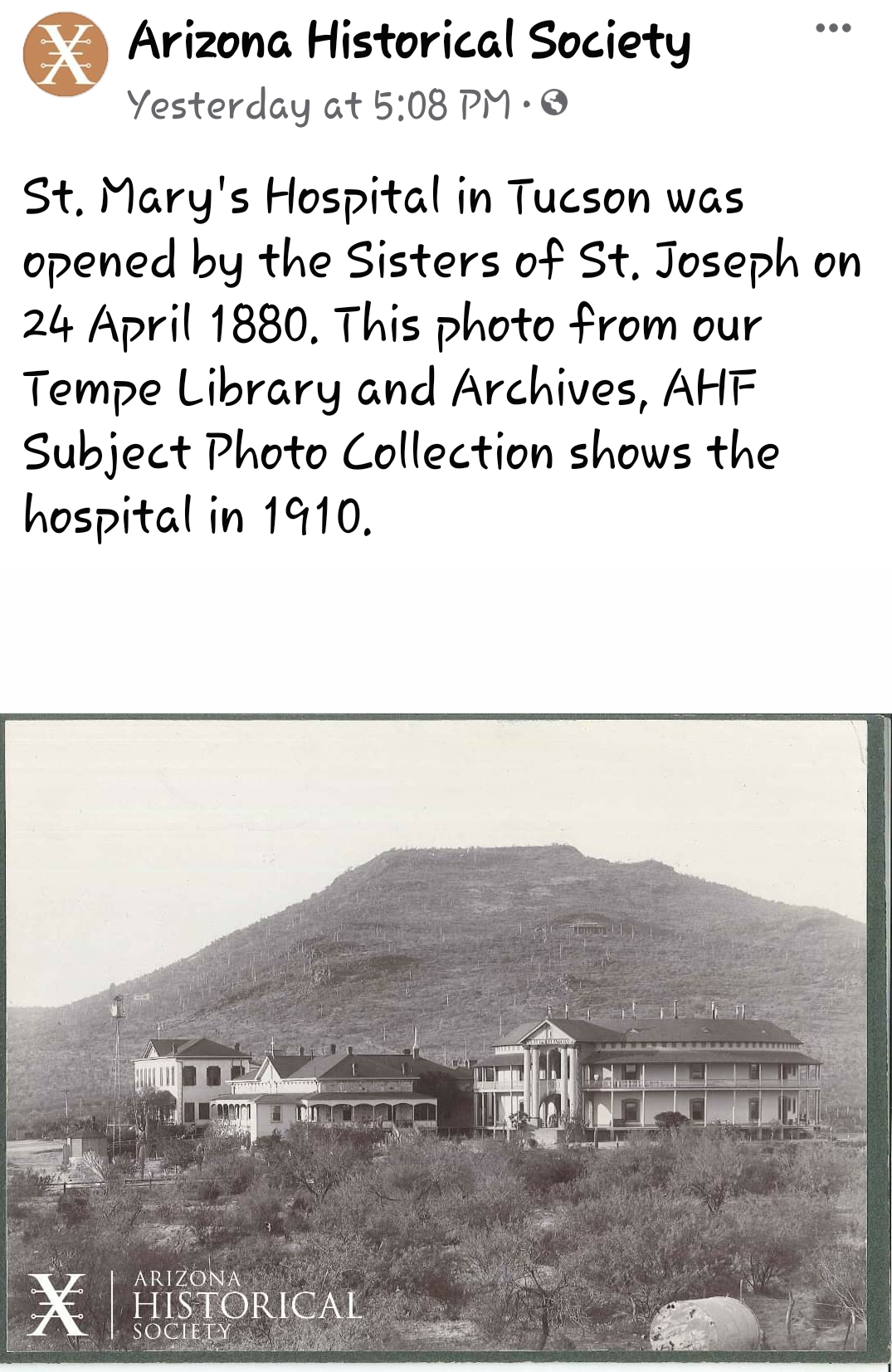
Courtesy of Arizona Historical Society on Facebook

950: Mother (Mary) Fidelia McMahon

Helped Expand St. Mary’s Hospital in Tucson, Arizona

Born: 1850, Cohoes, New York, United States of America

Died: 6 February 1923, Los Angeles, California, United States of America

Original Name: Bridget McMahon

Mother Fidelia, as she was known, entered the convent of St. Joseph of Carondelet in 1872. The sisters of St. Joseph originally began in France, but Mother Fidelia joined the order in Missouri.

She served in Arizona for thirty-seven years, including as Mother Superior and president of St. Mary’s Hospital for twenty-eight years. St. Mary’s first opened in 1880 and was Arizona’s first hospital. Located in Tucson, the hospital originally housed room for twelve patients and was sold to the sisters on the condition it remain in operation as a hospital for the next ninety-nine years. The hospital remains open today.

When Mother Fidelia took over the hospital it was a small one room building with a ground floor and a basement. By the time Mother Fidelia left in 1920, the hospital had expanded to several buildings with enough innovations the complete list of them all is several pages long (one of the sources I've linked below actually goes into the timeline of how the hospital has changed over the years).

Though there were several nuns on staff, there was also no place for the sisters to live on site in the early 1890's. Mother Fidelia rectified this by immediately requesting the construction of a living quarters for the nuns on the hospital property. The old adobe building they used to live in was converted to an orphanage.

Next, Mother Fidelia decided the hospital needed a separate building to house patients in need of isolation if they were suffering from infectious diseases (the number of tuberculosis patients had skyrocketed in Arizona around that time). A large four-room building was created specifically for this task.

With the isolation building complete, Mother Fidelia also opened a surgical wing with sterilization areas and an attached emergency room—in 1903! The new section of the hospital even included a place to tie up horses that were used for ambulance services at the time. That same year Mother Fidelia also added an ice room to provide a way to cool patients in the summer heat. Three years later she added a heating system for the cool winters. In 1907 the hospital even received electricity; their first electric bill was $19.40. By that point, unfortunately, the hospital was also $12,000 in debt. Ten years later, continuing to push forward, Mother Fidelia also oversaw an X-ray room being added to the ever-expanding hospital.

Mother Fidelia insisted a separate building be created specifically to teach nurses. At the time, nurses were usually trained while on the job, and an actual school for nursing was practically unheard of. The first student nurses arrived in 1914; unfortunately, the graduates could not be licensed to practice as nurses in the state because there were no laws in the state providing for nurses at the time (give us a break, Arizona was literally two years old at the time!). Luckily, in 1921, legislation was passed allowing for nursing graduates to become licensed to practice in the state.

Even more impressive than the fact the first nurses enrolled in 1914 is this—the first national curriculum to teach nursing in the United States wouldn’t even be published until 1917. Basically, Mother Fidelia was ahead of her time in all aspects of her management of the hospital.

In 1920, Mother Fidelia was reassigned to a new post in Los Angeles. She died there, three years later. Very little is known about her personal life outside her work with the order.

I haven’t been able to track down a photo of Mother Fidelia, but I have found an old photo of St. Mary’s hospital, posted courtesy of the Arizona Historical Society.

Badges Earned:

Find a Grave Marked

Located In My Personal Library:

Levi's and Lace: Arizona Women Who Made History by Jan Cleere

More Than Petticoats: Remarkable Arizona Women by Wynne Brown

Wild West Women by Erin Turner

Sources:

Wild West Women by Erin Turner

https://tucson.com/news/local/western-women-the-sisters-of-st-joseph-of-carondelet/article_e3ce7b26-4241-5900-a2e9-3cd675ac61f3.html

https://tope.sites.arizona.edu/node/98

https://tope.sites.arizona.edu/node/76

https://www.carondelet.org/about/our-history

https://www.findagrave.com/memorial/185571651/mary-fidelia-mcmahon

949) Anfesia Shapsnikoff

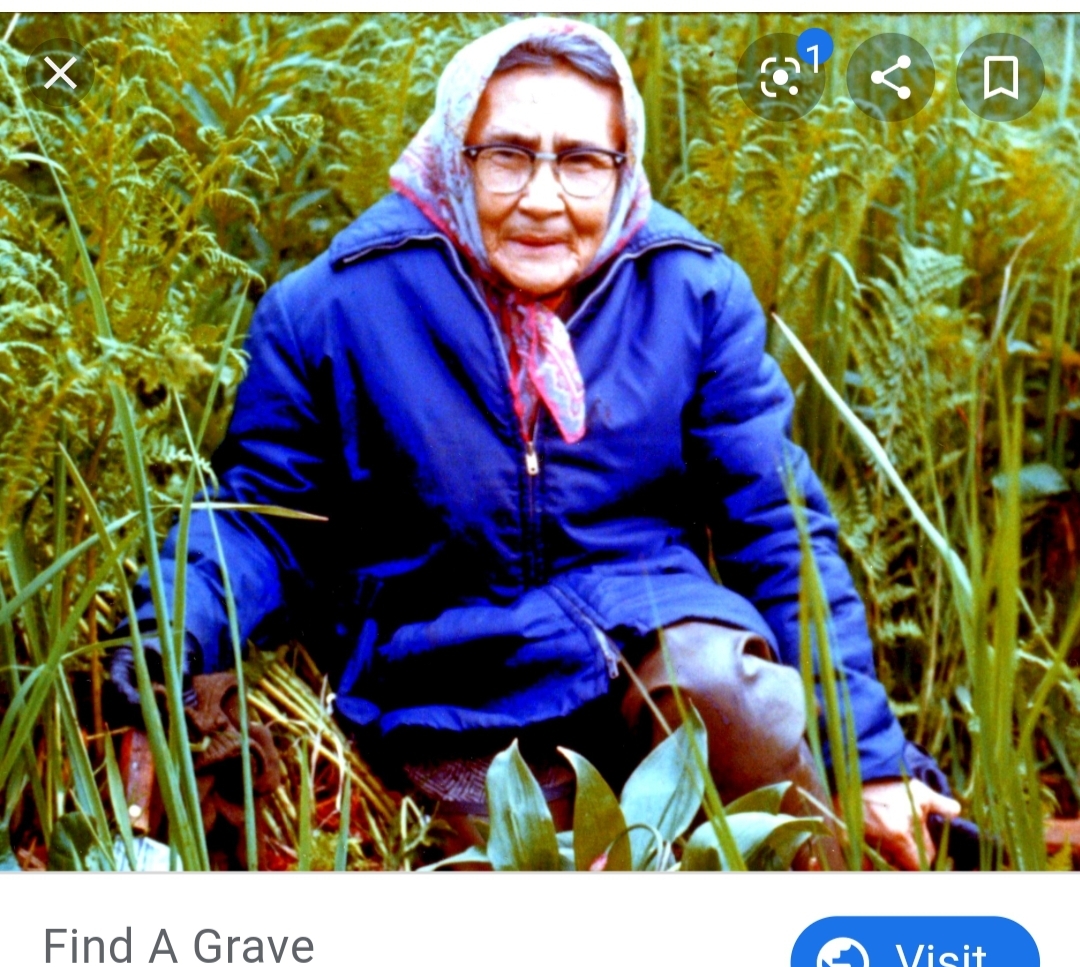
Courtesy of Find a Grave

 “When the army came and built all around Unalaska they destroyed our berry patches and disturbed our fishing grounds. Up to this day this is why we have a hard time getting Aleut food in Unalaska.”

949: Anfesia Shapsnikoff

Aleut Leader & Educator

Born: 1 October 1901, Atka, Alaska Territory (Present-day Atka, Alaska, United States of America)

Died: 15 January 1973, Anchorage, Alaska, United States of America

Anfesia refused to let her People’s culture die with her. During World War II, most of the Alaskan islands were either evacuated by the United States or occupied by the Japanese. Both options were detrimental to the native people of the islands. They were uprooted and moved away from their homelands and lost most of their traditions and language. It was Anfesia’s lifelong goal to not only ensure their culture survived the coming generations, but also that their culture could be shared and taught to outsiders as well.

Anfesia’s main focus was teaching children the lost art of Attu basket weaving which she practiced and taught all over Alaska.

Fifteen audio recordings of Anfesia telling oral traditions are archived for history at the Alaska Native Language Archive.

Badges Earned:

Find a Grave Marked

Located In My Personal Library:

Wild West Women by Erin Turner

Sources:

Wild West Women by Erin Turner

https://alaska.si.edu/media.asp?id=889&object_id=461

https://en.wikipedia.org/wiki/Anfesia_Shapsnikoff

https://www.findagrave.com/memorial/8875928/anfesia-t.-shapsnikoff

948) Etta Schureman Jones

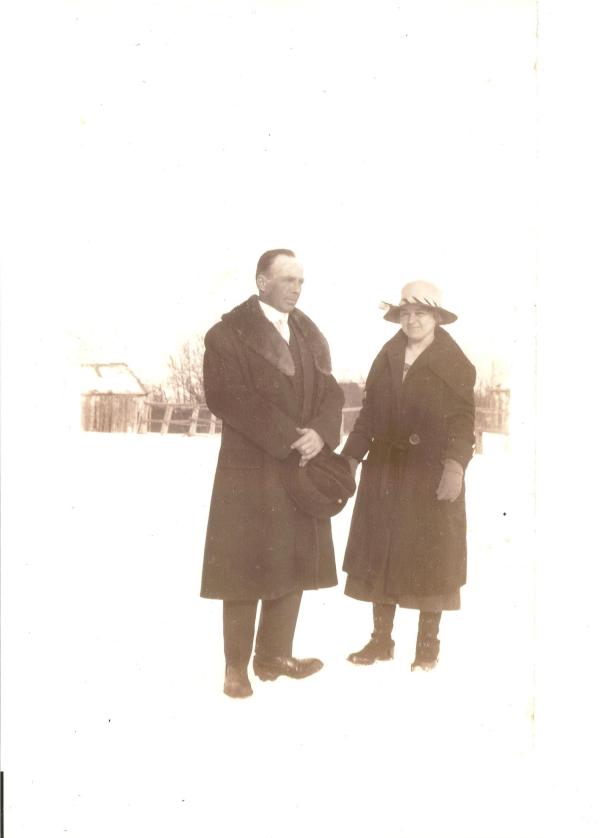
Courtesy of Chalkboard Champions

948: Etta Eugenie Schureman Jones

Teacher Turned Prisoner of War

Born: September 1879, New Jersey*, United States of America

Died: December 1965, Bradenton, Florida, United States of America

Etta taught at Alaskan schools for Native children and was a trained nurse. She married her husband when she was forty-two years old, and they never had children of their own.

During World War II, Etta was taken captive by the Japanese and became a Prisoner Of War.

This came about because Etta and her husband were teaching at the remote island of Attu in Alaska when the Pearl Harbor attack happened. At the time, only forty people lived on the island at all times, and mail could be delivered months apart.

The island (which had her students on it as well) were supposed to be evacuated by the United States Navy but the Japanese got their first. The Japanese killed Etta’s husband and took her to an internment camp where she spent months alone, before other Australian nurses who were captured in Papua New Guinea arrived to be housed with her. The three dozen Alaskan Natives were taken to Japan possibly with the hopes of assimilating them into Japanese culture. Instead, most would die from malnutrition and disease.

Etta’s husband, Charles Foster Jones, has been identified as the only United States civilian to be killed by the Japanese Army in North America during World War II. At first, Etta was told her husband had killed himself. Then, when the Japanese forced her to view his body, the soldiers decapitated him in front of her.

Etta survived and was repatriated to the United States at the end of the war. She never spoke of her three years in captivity; and she never returned to Alaska. Though she spoke of her time in the icy north often, she never spoke of her time as a prisoner of war.

After she died, Etta’s great-niece wrote a biography about her entitled “Last Letters From Attu.”

*Most sources state Etta was from New Jersey, however her biography on Find a Grave says Connecticut. Considering Find a Grave does not require sources, and in her case her profile has no burial information either, I have decided to trust the other sources and list her birth location as New Jersey.

Badges Earned:

Find a Grave Marked

Located In My Personal Library:

Last Letters From Attu: The True Story of Etta Jones, Alaska Pioneer and Japanese POW by Mary Breu

Wild West Women by Erin Turner

Sources:

https://www.adn.com/our-alaska/article/lone-civilian-one-alaska-war-heros-unique-place-history/2014/05/24/

https://chalkboardchampions.org/alaskan-teacher-etta-schureman-jones-wwii-prisoner-of-war/

https://www.findagrave.com/memorial/199799498/etta-e-jones

  • Previous
  • 1
  • …
  • 28
  • 29
  • 30
  • 31
  • 32
  • 33
  • 34
  • …
  • 159
  • Next

Categories

Archives

  • July 2025 (10)
  • July 2024 (1)
  • January 2024 (1)
  • August 2023 (1)
  • June 2023 (2)
  • October 2022 (1)
  • July 2022 (1)
  • June 2021 (3)
  • December 2020 (3)
  • August 2019 (1)
  • July 2019 (2)

Search

© 2026 The Exasperated Historian | Powered by Minimalist Blog WordPress Theme