The Exasperated Historian
Menu
  • Home
  • The Women’s List (New)
  • The Men’s List
  • The Animal List
  • Collections
  • The Blog
  • Contact Us
  • FAQ
Menu

Category: Birth Locations

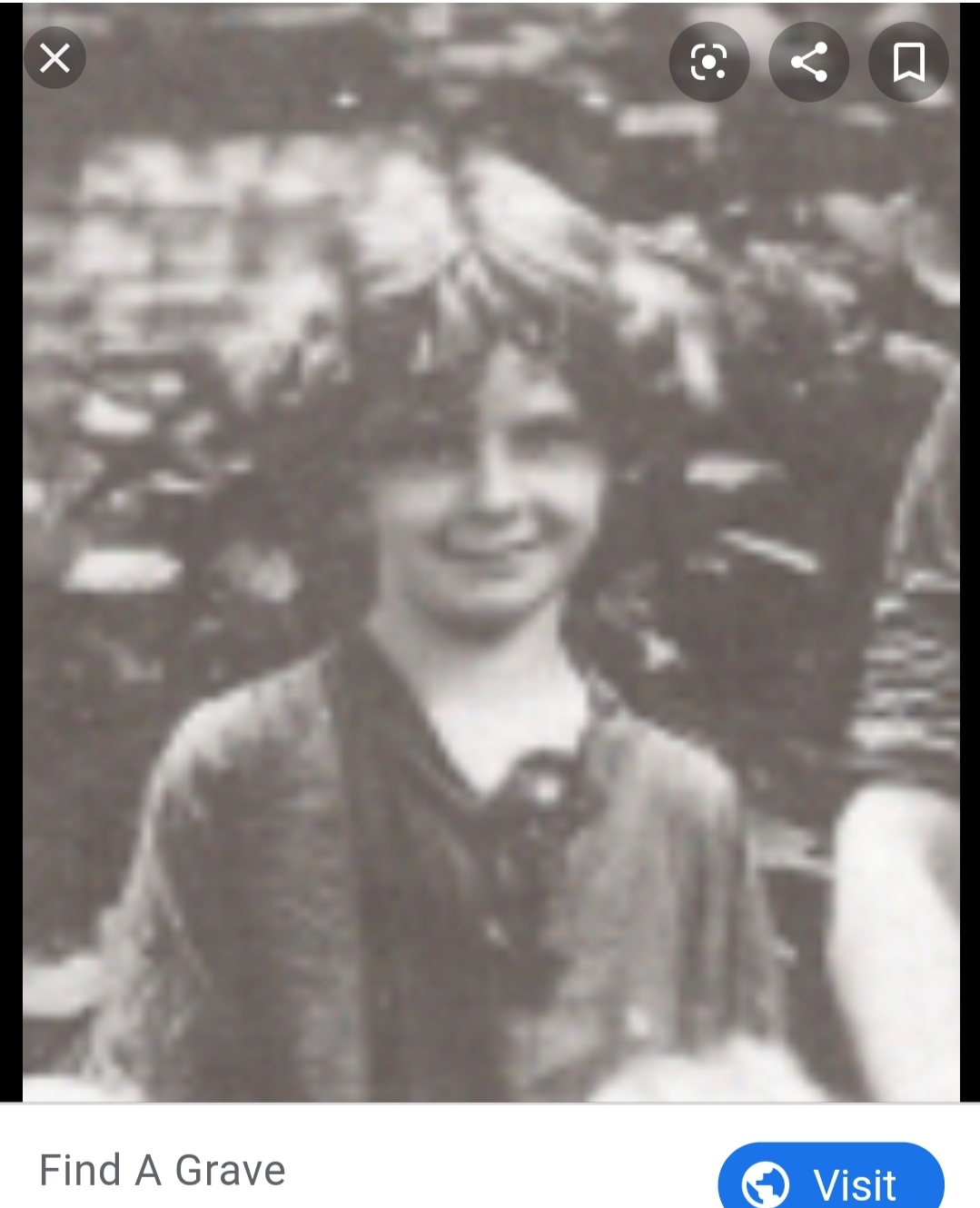
937) Alice Bullis Ayler

Courtesy of Find a Grave

“The kids were shipped like cattle on train cars, with up to 300 on each trip.  The adult agents who accompanied the children dressed them up and groomed them like livestock for a show.  They taught them poems and songs to present to their prospective owners."

937: Alice Bullis Ayler

One of the Last Three Children to Ride an Orphan Train

Born: 29 June 1919, Cherry Valley, New York, United States of America

Died: 2 June 2005, Oklahoma City, Oklahoma, United States of America

Alice boarded the train when she was ten or eleven years old. She had been orphaned at the age of nine, and before that had been living in a tent with her mother and siblings in a forest in upstate New York. After a year in an orphan asylum, she was later put on a train and sent to Kansas.

Alice later wrote of how grateful she was for the train ride, but at the time she was anything but.

The orphan trains ran from 1854 (some sources claim 1850) to 1929, transporting orphans from the East Coast out West to help work the farms that were cropping up everywhere and to help boost the sporadic populations of midwestern states. Its believed between 150,000 to 250,000 children in all rode the trains, and that they have over two million descendants today.

For context, the number of orphan asylums (where orphans were sent seeing as foster care hadn’t been invented in the states yet) in New York grew from two in 1825 to sixty asylums in 1866. It was also estimated that between 30,000 and 50,000 children were homeless in New York City on average every year between the 1850's and the 1920's. These kids were literally eating garbage, begging on street corners, and dying in droves. Hopefully these tidbits help to explain why the Orphan Trains began running in the first place. The trains helped get the kids off the streets and also helped the economies of the midwestern states—its just too bad the kids went from being homeless to child labor in some cases.

When Alice was initially taken to Kansas it was just after the Market Crash and at the beginning of the Great Depression. Too old to be adopted, she was shipped around from family to family without being paid for her work.

Finally, when Alice was seventeen, she started working at JC Penney and living on her own; never looking back. She got married to her high school sweetheart three years later and moved with him to Chicago and later Oklahoma City, where he worked as an optometrist.

Alice and her husband had one biological son and one adopted daughter. Her daughter Ann died at the age of thirty-nine, after suffering years from mental trauma stemming from her being given up for adoption. Alice and her husband brought Ann home when she was ten days old, but just because she didn't remember her birth mother didn't mean her mental anguish was lessened in any way.

With Alice watching her daughter suffering, she began looking into the field of psychology, and earned her bachelor’s degree in 1973. In 1977, she received a master’s degree in education. Alice spent a few years working as a psychologist and psychometrist for the school system in Oklahoma City.

Alice also became involved with the Orphan Train Heritage Society in later life, traveling around to spread awareness of the trains and the impact it had on their friends and family.

Badges Earned:

Find a Grave Marked

Sources:

https://orphantraindepot.org/history/orphan-train-rider-stories/alice-bullis-ayler/

https://obits.oklahoman.com/obituaries/oklahoman/obituary.aspx?n=alice-blanche-bullis-ayler&pid=14142837

http://www.hastingstribune.com/speaker-brings-orphan-train-to-life-as-part-of-library-celebration/article_8005e112-1896-11ea-ad96-27c48bc6cd87.html

https://www.findagrave.com/memorial/39294265/alice-ayler

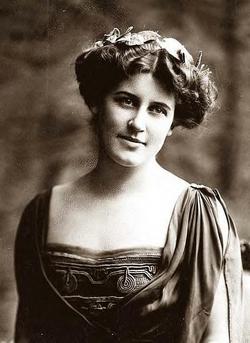
936) Inez Milholland

Courtesy of Find a Grave

“Mr. President, how long must women wait for liberty?”

936: Inez Milholland

Literally Campaigned Herself to Death for the Cause of Suffrage

Born: 6 August 1886, Brooklyn, New York, United States of America

Died: 25 November 1916, Los Angeles, California, United States of America

Full Name: Inez Milholland Boissevain

Inez was a labor lawyer and suffragist in the United States. Though hardly remembered today, in her own time Inez was known for leading the 1913 Suffrage Parade in Washington DC. The parade, spearheaded by Alice Paul, was the first protest of its kind to be seen in the nation’s capital.

Inez was raised in an affluent Brooklyn family, and split her time between the United States and London, England. While in the UK, Inez first became acquainted with the more-militant faction of the British Suffrage movement (known as Suffragettes). Inez was inspired by their protests and became a political radical herself.

One tiny detail I cannot stress enough here; American women who fought for suffrage were known as Suffragists. The British women who fought for Suffrage through more militaristic tactics were known as Suffragettes. These days its popular for the term Suffragette to be applied to all women who fought for suffrage, but in actuality large swaths of the American women who fought for suffrage in the early 1900’s fought very hard to not be equated with the Suffragettes.

Okay, now back to Inez.

Inez attended school at Vassar College. While there, she became involved in the suffrage movement after learning the very topic was banned from speaking on campus. Inez defied the rules by hosting suffrage discussions at the local cemetery nearby. She graduated from the college in 1909.

That same year and the following, Inez was arrested multiple times for joining pickets and strikes in support of women’s labor rights. Since she had money, Inez also contributed to the cause by paying bail for other activists who’d been arrested.

Because of her unfortunate birth defect (being born a woman—that’s sarcasm by the way), Inez was rejected from several law schools. Finally, in 1912, Inez was able to graduate with a law degree from New York University. She had officially jumped from public nuisance (from the perspective of the factory owners in any case) to powerful advocate who could fight for her fellow women with that much more power and might. By the way, Inez didn't just support women in these endeavors. She supported the rights of all laborers and those down on their luck do to economic hardships; she's just better known for her supporting women.

The following year, Inez rode astride the horse Grey Dawn as she led thousands of women down Pennsylvania Avenue in the first organized march on Washington. Inez was supposed to represent the New Woman of the twentieth century, and she did just that.

After the parade, Inez continued her advocacy work in both the United States and overseas. She also met a man while onboard a ship to visit Europe. Before they’d even docked, Inez proposed marriage. The man agreed and was an ardent supporter of her suffrage advocacy.

Inez’s attention pivoted away from suffrage somewhat as she began to openly ask for peace in Europe. Unfortunately, her wishes would go unrealized, and World War I broke out in 1914.

The War to End All Wars, as it was known at the time, directed attention away from Women’s Suffrage. The women in the United Kingdom put down their signs and picked up their Red Cross aprons; deciding the preservation of their nation and way of life was more important than voting rights at that window in time.

However, women in the United States had a slightly different point of view. Seeing as the Americans didn’t immediately jump in to join the fighting, the American suffragists continued to push for their rights. On the frontlines of this battle was Inez.

In 1916, despite the fact she’d been suffering poor health for quite some time, Inez began a tour of the Western United States. She went by train and gave numerous speeches at each stop; each time asking for more support and donations for the cause.

Inez was onstage, in the midst of an impassioned speech in Los Angeles on 22 October 1916. One second, she was pleading for women’s rights, and the next she’d collapsed to the stage. Inez died a few weeks later in the hospital. She had literally campaigned herself to death for the cause, and still died four years before suffrage was gained on a Federal Level.

Inez’s memorial service, held at the Washington DC Statuary Hall at the US Capitol, was the first for a woman ever held at that site.

After her death, Inez’s sister stated her last words were, “Mr. President, how long must women wait for liberty?” Whether or not the words were actually spoken by Inez in her last moments of lucidity or not, they became a rallying cry for the Suffragists.

When Alice Paul and the Silent Sentinals began to stand outside the gates of the White House, one of their most famous and frequent signs was emblazoned with Inez’s words.

In 1921, a statue depicting the original suffragists (for the United States anyway) Elizabeth Cady Stanton, Susan B Anthony, and Lucretia Mott was dedicated at the US Capitol. The statue was only on public display a few hours (or weeks, depending on the source) before it was hidden away in the basement. Finally, in 1997, groups of supporters across the country raised the funds needed to bring the statue out of the crypt and put on public display in the Capitol Rotunda at long last.

Badges Earned:

Find a Grave Marked

Located In My Personal Library:

Consuelo and Alva Vanderbilt: The Story of a Daughter and a Mother in the Gilded Age by Amanda Mackenzie Stuart

No Place for a Woman: The Struggle for Suffrage in the Wild West by Chris Enss

Suffragists in Washington DC: The 1913 Parade and the Fight for the Vote by Rebecca Boggs Roberts

Sources:

Suffragists in Washington DC: The 1913 Parade and the Fight for the Vote by Rebecca Boggs Roberts

https://www.nps.gov/people/inez-milholland.htm

http://vcencyclopedia.vassar.edu/alumni/inez-milholland.html

https://www.nytimes.com/2020/08/19/arts/design/inez-milholland-suffragist.html

https://www.findagrave.com/memorial/8660159/inez-milholland

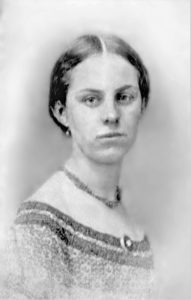
935) Clara Harris Rathbone

Courtesy of History of American Women

 “The President is Shot!”

Ticket I Received When Visiting Ford's Theatre
The ticket I received when visiting Ford's Theatre.

935: Clara Harris Rathbone

She Didn’t Know it at the Time, but President Lincoln Wasn’t the Only Victim in the Box That Night

Born: 4 September 1834, Albany, New York, United States of America

Died: 23 December 1883, Hanover, Imperial Germany (Present-day Hanover, Germany)

Clara and her fiancé were the guests of Abraham and Mary Lincoln that infamous night at Ford’s Theatre. Sadly, for Clara, her fiancé (later husband) suffered from mental illness. Clara would not escape her second brush with death.

Clara and Henry (her fiancé, later husband) weren’t even supposed to be in the presidential box that night. The original guests would have been future President US Grant and his wife Julia, but they canceled only hours before the curtain rose. Several others also canceled (one source states at least four others), and at the last-minute Mary Todd invited Clara, whom she had become friendly with through the Washington DC social scene.

Clara’s father was a Senator from New York state. Her mother died when she was a young teenager, and her father remarried a woman named Pauline Rathbone. Pauline had children as well, including a son named Henry. Though Clara and Henry were technically stepsiblings by their parents’ marriage, Clara and Henry fell in love and became engaged to be married anyway. They didn’t grow up together, if that’s what you’re thinking. Henry’s biological father was seventeen when he died and so, by today’s standards anyway, Henry was already an adult by the time his mother married Clara’s father. That makes his and Clara’s situation a little less odd; a little.

Henry’s mental illness first began to appear while he served in the Union Army during the War Between the States. Henry was present for some of the worst battles of the war, and some believe his Post Traumatic Stress Disorder was exacerbated by his memories of the war. Matters did not improve when Henry was severely wounded during the Presidential assassination. After Lincoln was shot, Henry tried to interfere. John Wilkes Booth stabbed Henry, dragging the knife from Henry’s shoulder down to his elbow, severely wounding him. When John went to make his escape attempt, Henry called out, “Stop that Man!” at the same time Clara screamed, “Won’t somebody stop that man? The president is shot!”

After Abraham Lincoln’s wounded body was moved across the street, Clara remained in attendance throughout the night until he passed the next morning (according to some sources, others state she went home with Henry—more on that in a second). Henry was returned to Clara’s home after he collapsed from blood loss. He was lucky to survive the night, the knife wound coming within inches of a major artery in his arm that would have certainly caused him to bleed out entirely had it been severed.

Trying to put the night behind them, Clara and Henry married two years later and had three children. Though he resigned his Army commission in 1870 and never had regular work after, the Rathbone family remained affluent thanks to an inheritance Henry received from his late-father’s estate.

Unfortunately, Henry’s mental health continued to decline. He believed the horrid gossip people were saying about him, that he should have done more to prevent the assassination. Survivor’s guilt gripped him like a vice. His paranoia growing, Henry eventually concluded Clara was going to leave him and take the children. One source mentions Clara had brought up the idea with her family but decided against it because of the stigma attached to divorced women of her day, but none of the other sources state either way what she was thinking at the time.

After moving to Germany, Henry’s mental health finally snapped. Just before Christmas, Henry shot Clara dead and stabbed himself several times. Clara had just enough time to get the children behind a locked door before Henry shot her twice and then stabbed her multiple times as well. According to two sources, Clara’s sister was living with the family at the time and served as the children’s nanny. One of those sources goes on to state Clara said to her sister, "Lock the door and save the children; there is going to be dreadful work,” after she discovered Henry armed with his knife and gun.

A few minutes later, Clara’s sister and her children heard the screams and gunshots. Clara’s sister rushed into the bedroom to find Clara dying. This same source as I’ve mentioned above (From the Assassination of Abraham Lincoln website, linked below) claims Clara’s last words were, "He has killed us both at last."

Henry survived the suicide attempt and was later declared insane. He spent the rest of his life in an asylum. After his death, he was buried beside Clara in Germany; though tradition in the country dictated their bodies were eventually moved and "disposed of" after they failed to receive visitors for many years.

Find a Grave backs this tidbit up, claiming Henry and Clara’s graves were reused in 1952.

Their children were sent back to the United States after Henry was committed. The three children were raised by one of Clara's brothers.

Clara’s oldest son believed a curse had fallen on the family, and he knew why. The bloodstained dress Clara was wearing the night of the assassination remained in her possession. The dress had taken on mythic proportions after John Wilkes Booth fired his pistol. Though the blood on the dress was not from the president (not the majority of it anyway), Mary Lincoln was still reported to have screamed when she saw Clara later that evening. Mary reportedly shouted, “Oh, my husband’s blood, my dear husband’s blood!” Most of the blood on the dress actually came from Henry’s arm wound, but the sentiment was the same either way. It didn't help that the dress was white, allowing the red stains to show up even better than if the fabric had been another color.

One source says Clara later posed for a photograph with a famed photographer of the era while wearing the dress, but none of the other sources mention this. In any case, yes, Clara hung onto the dress. She didn't feel it would have been appropriate to have the dress cleaned so she could reuse it, but Clara also didn't feel like disposing of the dress either.

Eventually, Clara had the dress bricked up in a wall, reportedly after she saw Abraham Lincoln’s ghost. After her own death, guests of the home reported seeing both Lincoln’s specter and the apparition of a woman in a blood-soaked gown sobbing uncontrollably. Others said they would hear a gunshot every year on the anniversary of Lincoln’s death.

In 1910, Clara’s son had the dress dug out of the wall and burned, claiming all it had done was curse the family. He went on to become a member of the House of Representatives and proposed Ford’s Theatre be turned into a museum. His hope came true. Visitors to the theatre today see it exactly as it was the night Lincoln was shot.

When I visited the theatre in 2015, I couldn’t make myself climb up to the opposing balcony to look at the president’s box. I didn’t know Clara and Henry’s story at the time, but to me the very atmosphere of the theatre and the house across the street where Lincoln died was, well, creepy. You can still feel the sadness and heavy emotions in the air. President Lincoln’s assassination was tragic because of the death of the president yes, but it was also unexpected (he was the first US president to be assassinated) and it proved that the United States and the former Confederate States were far from being reunited happily.

Did John Wilkes Booth know, the night he shot the President, that he was actually destroying the lives of all four of the people in that box? I doubt it. But his actions did ensure that came to be. Mary Todd herself was committed to an asylum, by her own son, and she died a broken and sad woman, never able to overcome the deaths of her husband and three of her sons. Clara was murdered in a manner eerily similar to the way the president had died. Henry spent the last twenty-eight years of his life in an insane asylum, claiming the other inmates were trying to kill him and suffering intense hallucinations.

I would argue the United States has never fully healed from the effects of that one shot, the night of 14 April 1865. Only time will tell if the country grows closer or is pushed further apart. One thing is for sure though, Clara’s story is proof that a single moment in history can affect the lives of anyone, even an innocent bystander that should have never been there in the first place.

Badges Earned:

Find a Grave Marked

Located In My Personal Library:

After the Fact: The Surprising Fates of American History's Heroes, Villains, and Supporting Characters by Owen Hurd

Legends & Lies: The Civil War by Bill O'Reilly and David Fisher

Sources:

http://blog.nyhistory.org/attending-fords-theater-with-the-lincolns-the-tragic-lives-of-clara-harris-and-henry-rathbone/

https://medium.com/@mlrendek/major-henry-rathbone-and-clara-harris-forgotten-victims-of-the-lincoln-assassination-85727619bc76

https://www.assassinationofabrahamlincoln.com/clara-harris-rathbone

https://www.americanheritage.com/haunted-major

https://www.thevintagenews.com/2018/06/07/henry-reed-rathbone/

https://www.findagrave.com/memorial/13980435/clara-hamilton-rathbone

934) Sarah Thomas

Courtesy of the Washington Post

934: Sarah Thomas

Sports Fan Who has Kept Her Life Involved in a Number of Different Games

Born: 21 September 1973, Pascagoula, Mississippi, United States of America

In 2009, Sarah became the first woman to officiate a bowl game (college football).

In 2011, she became the first woman to work in a Big Ten stadium.

In 2015, Sarah was hired by the NFL making her the first female official to call professional football games (as in multiple). She’s also the first female NFL employee to be a full-time official and the only female official hired for the 2020/2021 season.

Sarah is not the first woman to officiate an NFL game, however. That honor goes to Shannon Eastin, who called a game in 2012 during the NFL Referees Association lockout in 2012.

Sarah also works as a pharmaceutical representative and is a mother to three.

In January of 2021, news broke that Sarah will be the first woman to officiate a Super Bowl game.

Sources:

https://www.sportingnews.com/us/nfl/news/nfl-female-referee-sarah-thomas/114uw3bkmy0001hecsxvualx4w

https://www.espn.com/nfl/story/_/id/12669370/meet-sarah-thomas-first-female-nfl-official-referee

https://www.nfl.com/videos/nfl-official-sarah-thomas-reflects-on-being-first-woman-to-officiate-play-396004

https://www.dailywire.com/news/nfl-makes-history-with-sarah-thomas-the-first-woman-to-officiate-a-super-bowl?%3Futm_source=twitter&utm_medium=social&utm_campaign=dwtwitter

933) Misty Copeland

Courtesy of Black Enterprise

933: Misty Copeland

The First African American Woman to be Hired as a Principal Dancer by a Major US Ballet Company

Born: 10 September 1982, Kansas City, Missouri, United States of America

Misty was hired by American Ballet Theatre in 2001. In the beginning, when she danced in the theater’s corps de ballet, she was the only African American woman in a group of eighty dancers. In 2007, Misty became ABT’s first African American female soloist in twenty years. This made her achievement as Principal dancer eight years later that much sweeter.

Misty was dancing professionally at fifteen, despite the fact she’d only began taking lessons since she was thirteen.

In 2014 she was appointed by President Obama to the President’s Council on Fitness, Sports, and Nutrition. That same year, she performed the lead role of Clara in The Nutcracker and was the first African American dancer to perform the duel lead role of Odette/Odile in Swan Lake. The following year she also portrayed Juliet in a production of Romeo and Juliet.

Misty has worked with Coach and Under Armor on endorsement deals and has published a memoir.

Sources:

https://mistycopeland.com/about-2/

https://www.abt.org/people/misty-copeland/

https://www.britannica.com/biography/Misty-Copeland

932) Mayar Mohamed Moussa

932: Mayar Mohamed Moussa

Died During a “Botched” Female Genital Mutilation Surgery When She was Seventeen

Born: c.1999, Most Likely Egypt

Died: May 2016, Suez Province, Egypt

Mayar’s death sparked Egypt’s second ever prosecution for an FGM crime. The first case took place in 2013, after thirteen-year-old Sohair al-Bata’a (her name has also been spelled Soheir al-Batea) also died during a medical FGM procedure. The person who performed the “procedure” was sentenced to two years and three months in prison but only served three months before being released after “reconciling” with Sohair’s family.

Mayar’s mother, who was a trained nurse, took Mayar and her twin sister both in for the operation. Mayar’s sister went first and survived the ordeal.

Mayar’s mother was one of the four charged and found guilty of Mayar’s murder. Three (including the mother) were all given a one-year suspended prison sentence (that’s what we call a “slap-on-the-wrist” children). The murderers were also fined between EYP £1,000 and EYP £5,000.

A fourth accused (a nurse) did not appear in court and was given a five-year suspended sentence and a 50,000 fine (which will be reduced if she ever appears in court).

The lawyer representing Mayar and her sister was not allowed to speak in court. They stated, “The judge did not give me a chance because [he] is sympathetic to the defendants and does not see FGM as a crime worthy of attention, in my opinion – just like any other women’s issues of sexual harassment and violence against women. I do not find that the police and the judiciary care about them,” (Quote courtesy of The Guardian, linked below).

Female Genital Mutilation has been banned in Egypt since 2008 yet experts believe 87% of women in the country are cut. Today, anyone caught performing FGM in Egypt can be sentenced to up to fifteen years in prison.

Mayar’s lawyer was hopeful for a retrial with a harsher sentenced handed down to Mayar’s killers, however it seems there haven’t been any updates on the case since 2017.

Estimates in 2016 put the number of women and girls suspected to have been cut at 200 Million. Mayar’s case was unique in that she was the oldest known girl authorities had seen undergo FGM in Egypt. The vast majority are cut when they are children, with fifteen being the previous eldest age. That fact just makes the entire practice worse, doesn’t it?

Sources:

https://www.theguardian.com/world/2017/jan/18/egyptian-judge-gives-four-people-suspended-sentences-over-fgm-death

https://www.theguardian.com/world/2016/may/31/egyptian-girl-dies-during-banned-female-genital-mutilation-operation

https://www.newsweek.com/mayar-mohamed-mousa-female-genital-mutilation-death-465868

931) Seraph Young Ford

Created with GIMP

931: Seraph Young Ford

The First American Woman to Cast a Ballot Vote

Born: 6 November 1846, Winter Quarters, Nebraska Territory, United States of America (Present-day Near Omaha, Nebraska, United States of America)

Died: 22 June 1938, Montgomery County, Maryland, United States of America

It was 14 February 1870, and Seraph had arrived at the polling station early to cast her ballot before heading to work as a schoolteacher. The simple act of filling out her ballot secured Seraph’s place in history. She was the first American woman to vote under a new equal suffrage law, a full fifty years before the Nineteenth Amendment to the US Constitution guaranteed the rights of citizens to vote regardless of sex in federal and state elections both.

On 12 February 1870, Utah became the second US territory (following Wyoming) to enfranchise women. Though Wyoming passed their law first, Utah held an election first. Therefore, women in Utah were given the first chance to vote despite living in the second territory to earn that right (I know, it’s a little confusing).

It’s believed only around twenty-five Utah women voted in the first election that February day. However, by the time a general election was held six months later several thousand women participated.

Little is known of Seraph’s personal life. What is known is that she was a grandniece of Brigham Young, a prophet for the Church of Jesus Christ of Latter-Day Saints and later Governor of Utah. Seraph traveled to Utah as an infant and was the oldest of nine children. Two years after casting her historic vote, she married a War Between the States veteran. They had three children, one of whom died in childhood. The family later moved to New York state. The move sadly meant Seraph had to forfeit her right to vote for a time.

The family lived off of Seraph’s husband’s small wartime pension. In the records for when he applied for the pension, Seraph’s husband listed his ailments as blindness and spinal disease, meaning he was paralyzed. Seraph cared for him and their children both, as well as maintaining the house. Money grew so tight, some newspaper accounts state Seraph and her children would perform on street corners, singing and playing instruments to earn coins from people passing by.

The family eventually moved to Maryland, just outside Washington DC. Seraph would eventually adopt her ten-year-old granddaughter after one of Seraph’s daughters divorced and remarried. Seraph’s husband passed away in 1910, and after Seraph lived in a small rented home near one of her daughters.

Seraph is buried at Arlington National Cemetery alongside her husband. Her name was in the news in 2020 thanks to the fact that the Trump Administration and other community activists from Utah finally corrected the spelling of Seraph’s name on her headstone. Her name was mistakenly written as “Serath” instead of “Seraph,” for eighty-two long years.

Seraph has been honored in the Utah state capitol building. A large mural in the North House Chamber depicts Seraph casting her historic vote.

Badges Earned:

Find a Grave Marked

Sources:

https://www.utahwomenshistory.org/bios/seraph-young/

https://www.betterdays2020.com/blog/2018/11/6/meet-seraph-young-utahs-first-female-voter

https://history.churchofjesuschrist.org/training/museum/first-to-vote

https://kutv.com/news/local/headstone-of-utahs-seraph-young-ford-corrected-at-arlington-national-cemetery

https://www.findagrave.com/memorial/31643474/seraph-cedenia-ford

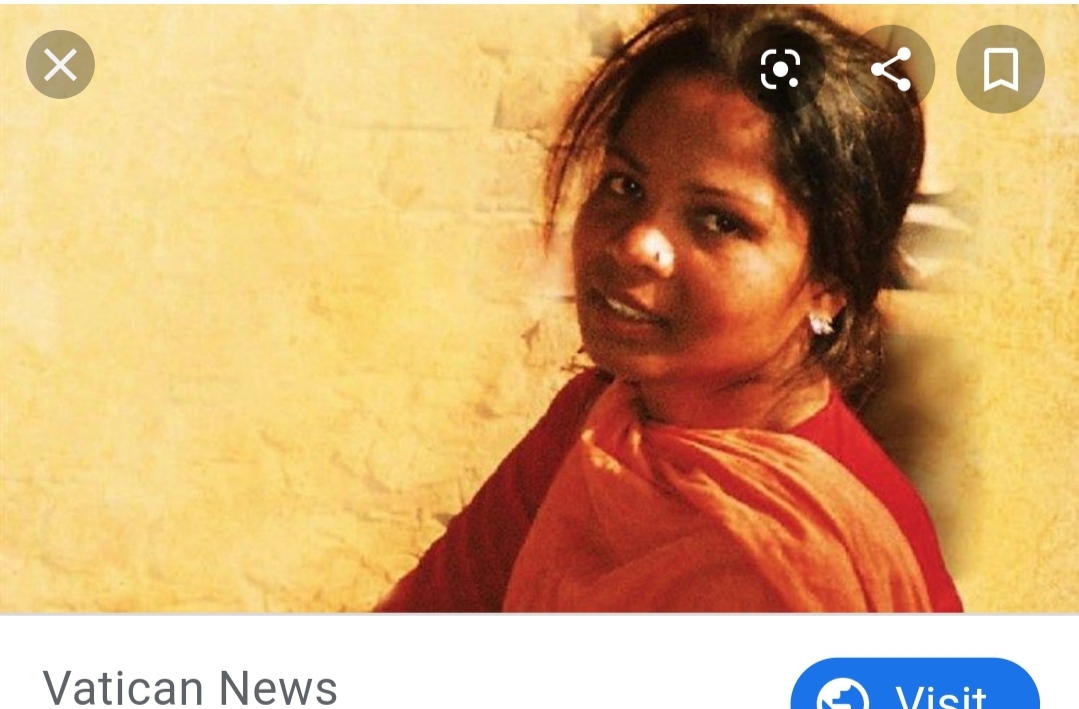
930) Asia Bibi

Courtesy of Vatican News

"They said change your faith, and you'll be freed. But I said no. I will live my sentence. With my faith.”

930: Asia Bibi

Christian Woman who was Jailed After Being Accused of Blasphemy

Born: 1971, Sheikhupura, Pakistan

Also Known As: Aaisya Noreen Bibi

Christians make up less than two percent of Pakistan’s population (as of 2020), and are among the poorest citizens within the country. They have faced ample persecution from the Muslim majority but hold strong to their faith anyway. Asia is just one of those stories.

Asia was accused of insulting the Prophet Mohammed by some Muslim co-workers on the farm they all worked on.

In actuality, Asia took a sip of water and the Muslim women accused her of contaminating it. Next thing anyone knew Asia was imprisoned for blasphemy.

Some Muslims believe Christians are dirty, and will not share a container of water with those of the Christina faith.

Another "fun fact", in Pakistan you can be put to death for insulting the Prophet (a holdover of Sharia Law). So, because Asia dared to drink water, she was suddenly facing the death penalty. Gotta love it (I type completely sarcastically).

When she was convicted, Asia became the first Pakistani woman to be sentenced to death for blasphemy. Asia had been held longer than anyone else in Pakistani history for this crime (nine years) and had gone through every appeal. All hope seemed lost.

Finally, Asia was acquitted of the charge by the Pakistani Supreme Court on 31 October 2018. In May of 2019 she finally made it to safety with her husband and children in Canada (I say safety because she has made it to a destination with religious freedom, but it should be noted Islamic extremists have vowed to hunt her down and murder her, no matter where she lives).

Once arriving safely in the country, Asia wrote a memoir (possibly) with a French journalist entitled Enfin Libre! (Finally Free! for all you non-French speakers). Just before the release of the book’s English translation, Asia stated in an interview the book was written without her authorization and she doesn’t even know when the author penned it.* The controversy seems to stem from a passage in the book in which the French journalist stated a noose placed around Asia’s neck during an incident in her village was done with the consent of Pakistani law. Asia, however, says it was because of a dispute with neighbors and that the law was not in agreement with the people who tried to kill her (that day anyway). Asia’s words have been interpreted as her now agreeing with the very laws she was found guilty of (blasphemy) and she has angered the very people who fought so hard for her release. Personally, I believe this is a tactic for her to try and stay safe. Can you blame her? Asia’s own life and that of her family have been threatened over and over again. Maybe she's just trying to bow out of the spotlight and fade into the new identity Canada may have granted her.

Asia has also said she hopes to return to Pakistan someday. This also makes me believe her statement on the memoir has more to do with preserving her own sense of self and her family's security. Pakistan is still Asia’s country and she is proud the government was the one to release her. I hope someday things change enough she is able to go home safely.

As someone who has followed Asia’s story since I first came across it in 2016, I can tell you I spent that six-month period between November and May in constant fear. Muslim protestors in Pakistan surrounded the prison she was held in, holding posters and openly chanting death threats towards her. I was terrified that after all those years of being detained for doing nothing wrong, she would be murdered as soon as the government let her walk out of the prison.  Every few days I was Googling her name, desperate to hear any news. You can imagine my relief on the day I read she had made it to safety.

Asia’s story is not unique in Pakistani history. Thousands of her citizens have fallen victim to various crimes (including two of her most vocal supporters being murdered), like in any other country, but women in Pakistan seem to have it particularly horrible. In “her” memoir, Asia (or the journalist at least) recounts the various methods of torture the guards employed on Asia while in prison, including devices such as a brace put around her neck and tightened with a key. An attached chain allowed the guards to yank Asia around like a dog (the Pakistani government says all of the claims of torture in the book are “not plausible”—okay sure).

Another example of a Pakistani name we should all remember is Qandeel Baloch, who was murdered in a so-called “Honor Killing” by her own brother after becoming Pakistan’s first social media star.

So, I’m sorry, but here’s my bias coming in again. I will never, ever, support Sharia Law, and I hope and pray for the day its completely eliminated across the globe. Another victim of Sharia Law, this one in Iran, was Atefah Sahaaleh, who was executed by her government at the age of sixteen despite the judge knowing she was a victim of sexual assault and abuse (he may have abused her himself). Sharia Law is evil, end of story in my book.

I hope Asia is able to find peace, freedom, and happiness in Canada, and that she and her family never have to face the horrors of a corrupt and tyrannical government again.

*I want to note that I have not read the memoir myself, and am attempting to describe the controversy based off an article I read which is linked below.

Sources:

https://www.bbc.com/news/world-asia-51658141

https://www.theguardian.com/world/2019/may/08/asia-bibi-begins-new-life-in-canada-but-her-ordeal-may-not-be-over

https://cruxnow.com/church-in-asia/2020/09/activists-shocked-after-asia-bibi-dissociates-herself-from-autobiography/

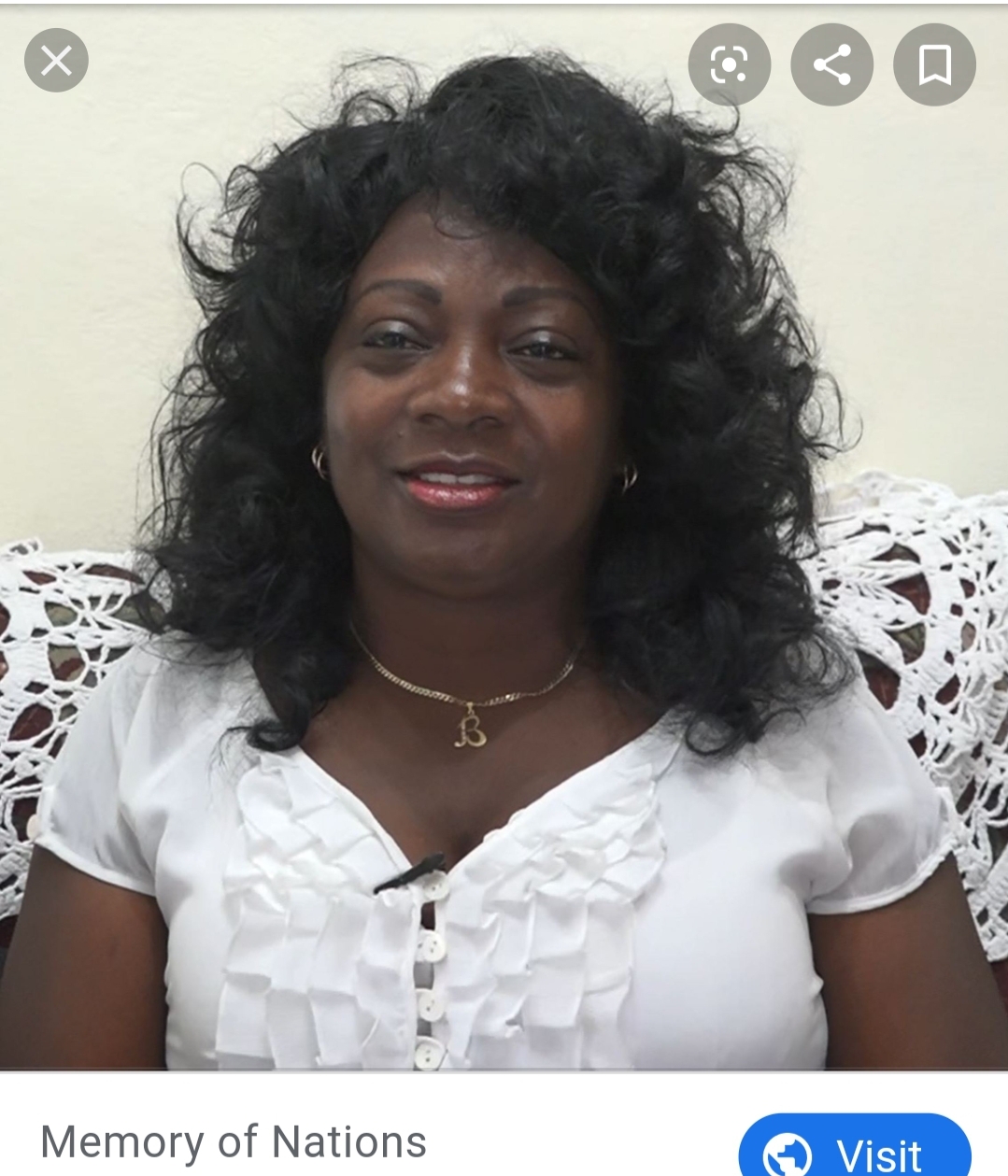
929) Berta Soler

Courtesy of Memory of Nations

“We will continue to fight for our rights because we recognize it is our duty to free ourselves, but we can’t do it alone."

929: Berta Soler

Leader of the Ladies in White (Damas de Blanco Laura Pollan)

Born: 31 July 1963, Matanzas, Cuba

Full Name: Berta de los Angeles Soler Fernandez

The Ladies in White protest for the return of their unjustly jailed relatives (specifically political prisoners) in Cuba. Laura Pollan cofounded the organization with Berta and led it until she died in 2013. Berta was been in charge of the group ever since.

The organization was founded in 2003.

The women protest by wearing white to church every Sunday and walking silently through the streets of Havana. They were awarded a prize in 2005 by the European Parliament but were barred by their government from leaving the country and could not collect the prize until 2013.

For twenty-five years, Berta worked as a hospital technician until she was forced to resign in 2012 after repeated harassment from the Cuban state security police. She is married and has two sons. Berta’s husband was banned from living with his family in Havana for ten years, until Berta’s efforts saw the decision overturned and he was allowed to return home.

In December of 2016, Berta and three other women were detained by the Cuban government. Berta was released that same day, but according to Front Line Defenders, the other three women remain in detention (as of 2020--unless they haven't updated their website, I honestly can't tell). One of those women is being held “incommunicado” meaning her family members have no idea where she is being detained or what conditions she is in.

The President of the United States, Donald Trump, addressed Berta by name when he announced he was reversing the policy of previous US President Obama towards trade deals and other negotiations with the Cuban regime. President Trump stated: “I want to welcome two people who are not here: Jose Daniel Ferrer and Berta Soler [who] were both prevented from leaving Cuba for this event.  So, we acknowledge them.  They’re great friends — great help.  And although they could not be with us, we are with them 100 percent.”

After Trump’s speech, Berta and the Ladies in White responded positively towards the president. They praised his actions in condemning the Castro regime while pointing out Obama’s policy did nothing to acknowledge the rampant human rights abuses happening in Cuba. In 2016 alone, it is believed there were over 10,000 political arrests and beatings of dissidents in the island nation.

The following is an excerpt from “Cuba Money Project,” the article of which I have linked below.

[The United States} Re-establishing diplomatic ties with Cuba in December 2014 “was like a green light that Obama gave the Cuban regime to act freely, but against the people and not on behalf of the people,” dissident leader Berta Soler said.

She urges the Trump administration to “suffocate” the socialist government “because as long as it has oxygen,” it will repress the Cuban people.

“You have to have a firm hand with the Cuban regime,” said Soler.

For full disclosure; I hope one day Berta’s dreams come true and the Cuban people are finally given back control of their own lives and government.

Sources:

https://www.frontlinedefenders.org/en/case/case-history-berta-soler

https://www.blackpast.org/global-african-history/soler-berta-1963/

https://www.dailysignal.com/2017/06/18/how-dissidents-are-responding-to-trumps-change-in-cuba-policy/

https://www.whitehouse.gov/briefings-statements/remarks-president-trump-policy-united-states-towards-cuba/

928) Melanie Gaydos

Courtesy of Revolver Magazine

"I was never, ever bothered by the way that I look. It has nothing to do with me."

928: Melanie Gaydos

Model Born with Ectodermal Dysplasia

Born: 1990, Connecticut, United States of America

Melanie is unique within the field of Ectodermal Dysplasia. Though its estimated 1 in 10,000 human births result in a form of the genetic disorder, Melanie is the first in recorded medical history to have the exact symptoms or presentation of the disorder in the way she does.

Ectodermal Dysplasia, in Melanie's case, has prevented her teeth, bones, pores, nails, and cartilage from fully developing. She also has alopecia and is partially blind because her eyelashes grew in and scratched her corneas when she was a child. Melanie underwent over thirty different surgeries as a child. The results are easy to see with your own eyes (see the photo in this article) but instead of letting it get to her, Melanie rocks her look and uses it to her advantage. She’s completely given up using wigs or dentures and instead has decided to live exactly the way she was born and work with what she was given.

Melanie first entered the art world after attending the Pratt Institute in New York City. While there, one of her friends who happened to be a photographer asked her to sit for a few photos. As a child, Melanie was taught how to draw realistic human portraits by her father, but she hadn't really decided what she wanted to do with her life.

Melanie walked in New York Fashion Week for the first time in 2015. Most of her photoshoots can safely be described as avant garde. Her unique look allows her to appear in all different sorts of locations, outfits, and accessories.

One of Melanie’s first big gigs was appearing in a music video for German heavy metal band Rammstein. She has also appeared in a music video for polish artist Behemoth. In 2018, Melanie was featured as one of the ten muses in Kat Von D’s “Muses” makeup collection. Melanie has also appeared in several horror films.

Melanie was featured in the PBS docu-series 9 Months That Made You.

Sources:

https://www.harpersbazaar.com/fashion/models/a10033498/model-melanie-gaydos-interview/

https://i-d.vice.com/en_au/article/59g5qz/melanie-gaydos-is-one-of-the-many-models-challenging-normative-standards-of-beauty

https://www.boredpanda.com/model-genetic-disorder-ectodermal-dysplasia-melanie-gaydos/?utm_source=google&utm_medium=organic&utm_campaign=organic

  • Previous
  • 1
  • …
  • 30
  • 31
  • 32
  • 33
  • 34
  • 35
  • 36
  • …
  • 159
  • Next

Categories

Archives

  • July 2025 (10)
  • July 2024 (1)
  • January 2024 (1)
  • August 2023 (1)
  • June 2023 (2)
  • October 2022 (1)
  • July 2022 (1)
  • June 2021 (3)
  • December 2020 (3)
  • August 2019 (1)
  • July 2019 (2)

Search

© 2026 The Exasperated Historian | Powered by Minimalist Blog WordPress Theme