The Exasperated Historian
Menu
  • Home
  • The Women’s List (New)
  • The Men’s List
  • The Animal List
  • Collections
  • The Blog
  • Contact Us
  • FAQ
Menu

Category: Birth Locations

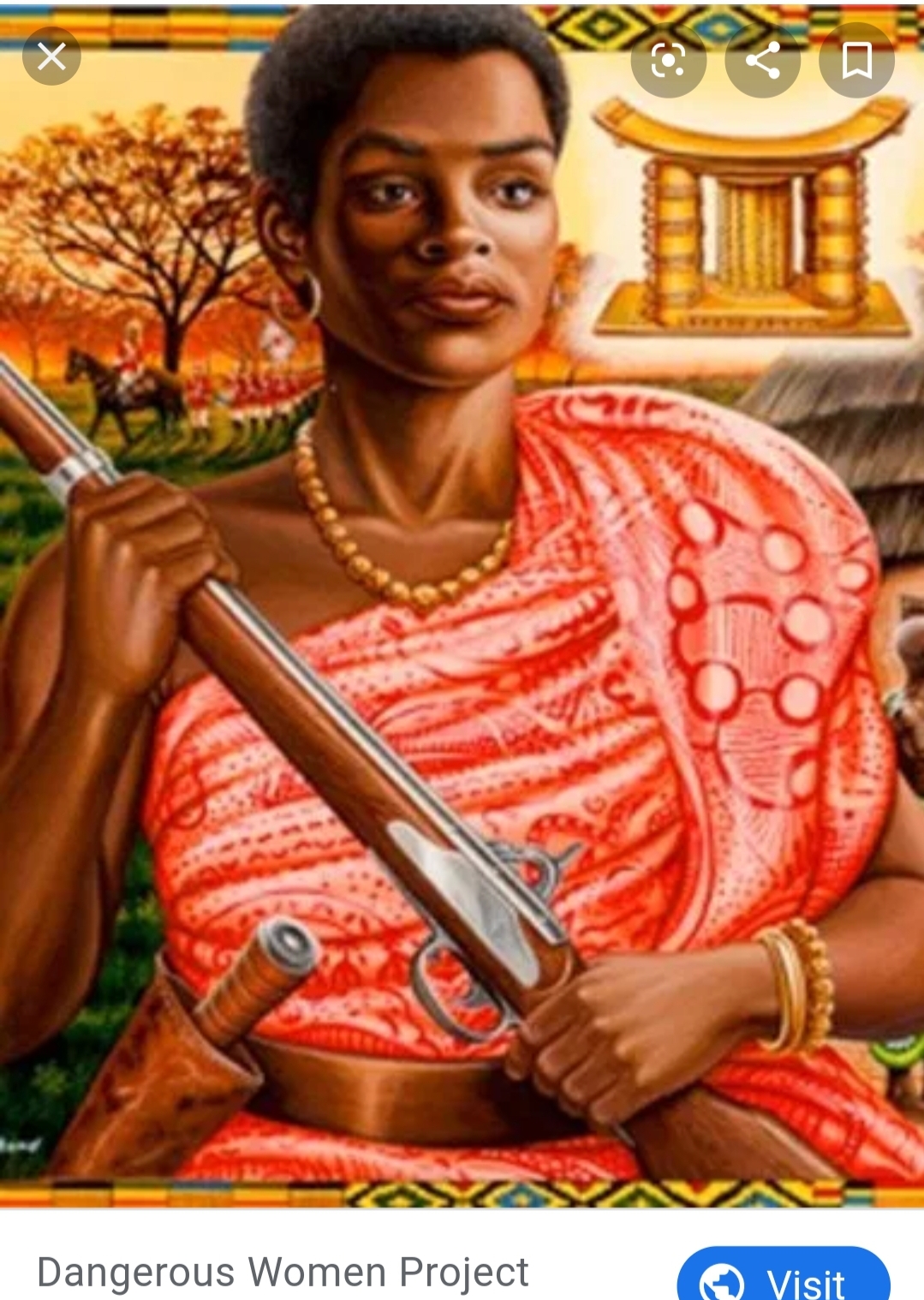
889) Yaa Asantewaa

Courtesy of the Dangerous Woman Project

889: Yaa Asantewaa

Led Soldiers During “The War of the Golden Stool”

Born: c.1840-1860, Ashanti Confederacy (Present-day Ghana)

Died: 17 October 1921, British Controlled Seychelles (Present-day Republic of Seychelles)

Also Written: Nana Yaa Asantewaa

Yaa was also Queen Mother of the Ejisu (an ethnic group within the Ashanti [also spelled Asante] Confederacy) in modern day Ghana. It is believed Yaa was elevated to the position of Queen Mother thanks to her brother, who gave her the title. After he died, Yaa nominated her grandson to become king. Before becoming a queen, Yaa was interested in both farming and administration in the local government.

As Queen Mother, one of Yaa’s principal duties was protecting the Golden Stool. The Golden Stool is representative of the Ashanti culture, its people, and their power. When the stool becomes vacant (meaning the ruler of the confederacy is gone), the Queen Mother presents candidates to take the vacant place. The Queen Mother protects the stool because she is the main advisor to the king, and therefore the second most powerful person in the Confederacy.

In 1899, many Ashanti leaders were captured and exiled, but Yaa’s bravery and refusal to let the British continue to mistreat her people led to Yaa becoming the leader of the Ashanti army. In March of 1900, the fifth and final war for independence from the British finally broke out. This one would be called two names: “The War of the Golden Stool” or “The Yaa Asantewaa War for Independence.” This war broke out after a British guy decided he wanted to sit on the Golden Stool, and possibly capture it altogether. Big mistake.

By the end of the war, 1,000 British and their allies lay dead alongside 2,000 Ashanti. Sadly, Yaa herself was captured during the conflict and exiled to Seychelles, where she died in 1921. But her bravery inspired her people to continue fighting, and finally in 1957 they were finally made free of Britain. Ghana was the first sub-Saharan African nation to have independence in the post-Colonial era.

In 1930, twenty-nine bodies of Ashanti men and women who had died in captivity in Seychelles were returned to the Golden Coast, including Yaa. She was buried in her hometown of Edweso.

Ghana was only the first in a quick succession of other African countries to achieve freedom. By 1960, Nigeria, the Benin Republic, Cameroon, and Côte d’Ivoire all became free of Britain and France.

In 2000, a museum in Ghana was opened to honor Yaa and her story. Today she is remembered for being a fighter for gender equality and women’s emancipation. She fought for her fellow women, and her people as a whole.

Badges Earned:

Find a Grave Marked

Sources:

https://www.blackpast.org/global-african-history/yaa-asantewaa-mid-1800s-1921/

https://www.libertarianism.org/columns/african-heroes-freedom-queen-mother-yaa-asantewaa-ejisu
http://nanayaaasantewaa.de/who-is-nana-yaa-asantewaa/

https://www.findagrave.com/memorial/215261628/yaa-asantewaa

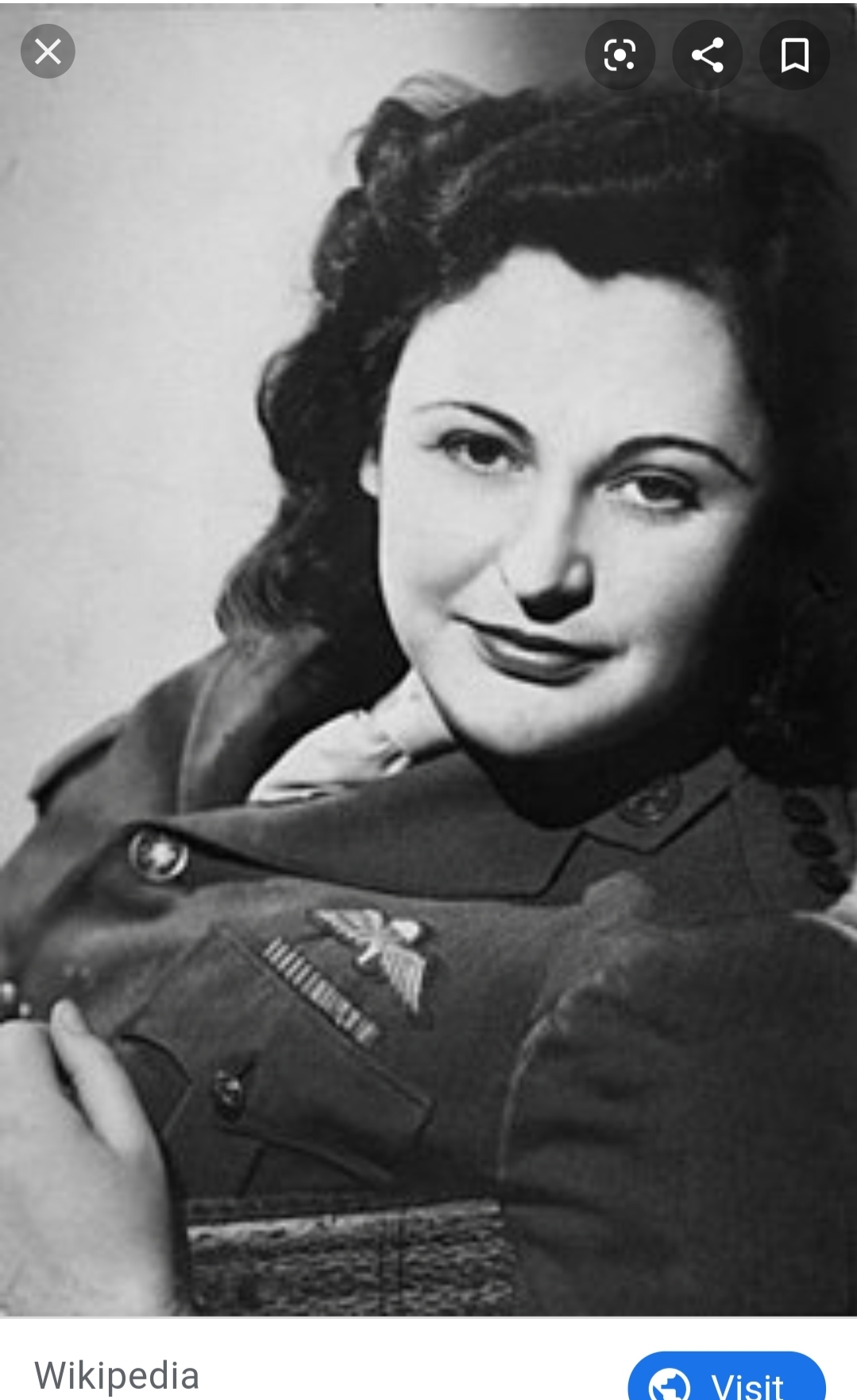
888) Nancy Wake

Courtesy of Wikipedia

“I was never afraid. I was too busy to be afraid.”

888: Nancy Wake

Most Decorated Servicewoman from World War II

Born: 30 August 1912, Wellington, New Zealand

Died: 7 August 2011, Richmond, Greater London, United Kingdom

Also Known As: The White Mouse

Before the war, Nancy supported herself as a freelance journalist. She was raised in Sydney, Australia, and ran away from home when she was sixteen. At first Nancy worked as a nurse, but eventually “escaped” to Europe in 1932. This is where Nancy took up her work as a journalist in Paris.

Living in Europe in the 30’s allowed Nancy to see Nazism on the rise firsthand. After visiting Berlin and Vienna in 1935, Nancy became determined to fight Nazism firsthand.

In 1939, Nancy married her first husband in Marseilles. Six months later, the Germans invaded Frances. Nancy and her husband both immediately pledged to join the French resistance.

Nancy helped hundreds if not thousands of refugees, soldiers, and downed airmen escape Vichy France to Spain. In 1943, the Gestapo formally identified Nancy and placed her as their number one most wanted individual in France. They put a bounty of $5 Million Francs on her head to boot.

After being trained by the SOE (Special Operations Executive), Nancy was parachute dropped into France in 1943. Once D-Day had come and gone, Nancy raided SS headquarters and killed one of them with her bare hands before interrogating other prisoners.

After the war, Nancy learned her husband had been killed in action, leaving her with no money and no idea what to do with her life. He had been executed less than a year after she escaped France, and the reason he'd been tortured and executed? To get information on where Nancy had gone.

Unable to cope with civilian life in Europe, Nancy returned home to Australia. She ran for parliament twice but lost both races. Growing frustrated once more, Nancy then moved to England. She married an RAF officer, and after two years in England the couple returned to Australia.

Nancy ran for Parliament a third time and failed once again. Thereafter she and her husband retired from public life. Her husband died in 1997. In 2001, Nancy moved back to England, where she died ten years later.

Nancy’s various medals and accommodations included the George Medal (Great Britain), the French and German Star, The Defence Medal, the British War Medal, the French Officer of the Legion of Honor, the French Croix de Guerre with Star and Two Palms, the US Medal For Freedom with Palm, and the French Medaille de la Resistance. Today, Nancy’s medals are held in the Second World War Gallery of the Australian War Memorial.

Badges Earned:

Find a Grave Marked

Rejected Princess

Located In My Personal Library:

Women Wartime Spies by Ann Kramer

Secret Heroes of World War II by Eric Chaline

Who Knew? Women in History by Sarah Herman

Sources:

https://www.awm.gov.au/collection/P332

https://www.nytimes.com/2011/08/14/world/europe/14wake.html

https://www.jewishvirtuallibrary.org/nancy-wake

https://www.rejectedprincesses.com/princesses/nancy-wake

https://www.findagrave.com/memorial/74617823/nancy-wake

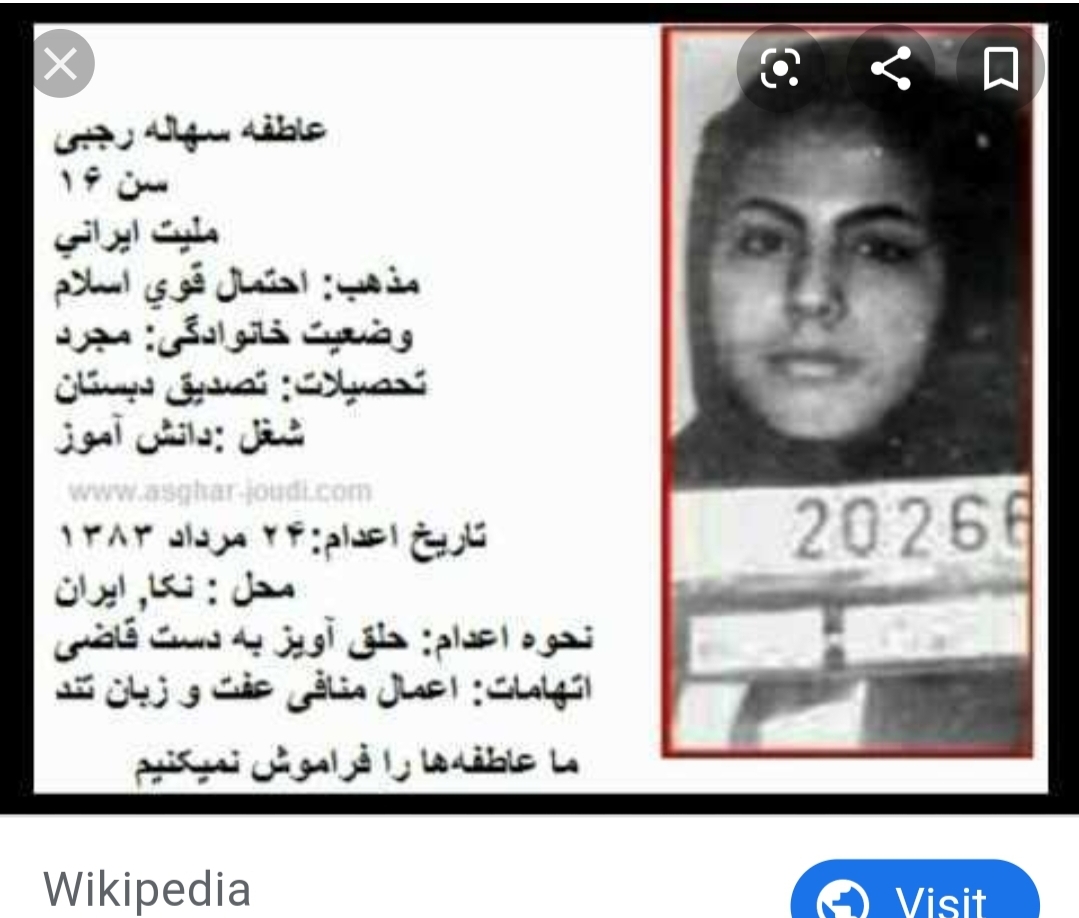
887) Atefah Sahaaleh

Courtesy of Wikipedia

"Atefah used to say the moon won't always stay behind the clouds - and she was right." -Atefah’s father, Safer Ali

887: Atefeh Sahaaleh

The Fight for Human Rights is Far from Over

Born: 21 September 1987, Neka, Iran

Died: 15 August 2004, Neka, Iran

Atefah was executed at the age of sixteen after being charged with adultery and crimes against chastity. In actuality, Atefah was raped by a fifty-one-year-old man for three years (he was married with children).

And if that’s not bad enough, another man (as in one) literally served as her judge, jury, and executioner. That single man also later admitted to raping Atefah before she had been executed. The judge also reportedly tortured her for names of other men she might have had relations with.

Atefah’s mother and brother both died when she was five or so and her dad became a drug addict. This left Atefah in the care of her grandparents, who were both really old and feeble from arthritis. Atefah had to help them as much as they were able to help her.

She had been previously arrested by the morality police two or three times for having relations with unmarried men (the punishment of which was 100 lashes each time). Her first arrest occurred when Atefah was only thirteen years old, and another source claims the first time she was raped, she was nine.

After being arrested the final time, Atefah realized she was losing her case. She removed her hijab (which is seen as contempt of court) and even threw her shoes at the judge saying her rapist should be punished and not her. The judge sentenced her to death.

Atefah appealed and was not appointed a lawyer (which is against the law in Iran). Atefah’s death sentence was upheld by the Supreme Court after her judge personally appealed for her death.

The court documents claimed Atefah was twenty-two despite her birth certificate and other records certifying she was sixteen (and ergo too young to be executed per Iranian law). However, this detail was not noticed until it was conveniently too late. Beginning in 1995, Iran promised to stop executing anyone under the age of eighteen, but the practice has continued ever since. Usually it is carried out more carefully, in secret, but in Atefah’s case the government hardly even tried to hide it.

Atefah was publicly hung from a crane for forty-five minutes in her hometown. The man who had ensured she was given the death penalty would personally place the noose around her neck. The next day her body was stolen and never recovered. She had been arrested on May second, and by August fifteenth of the same year she was dead.

According to one source, at the time of her death Atefah was trying to turn her life around. She was dating a nice boy and he wanted to marry her, but Atefah was underage and too young to be wed. Imagine that, too young to marry but old enough to be executed by your own government.

Two months after Atefah was murdered, two policemen in Neka were arrested and charged with running a child sex trafficking ring. But the arrests came too late to help Atefah.

Sadly, Iran’s government is operated under a mixture of Sharia Law and some other laws mixed in. This means at the age of nine for girls and fifteen for boys, these children can be judged criminally responsible for crimes as though they are adults. It also means a nine-year-old girl is capable of consenting to a sexual relationship, even if the partner in question is a fifty or sixty-year-old man.

In most civilized societies, the proof needed for a conviction is “beyond reasonable doubt” (you’ve probably heard the phrase a time or ten on Law & Order). According to a source I've listed below, Sharia Law is different, the only proof needed for a conviction is “the knowledge of the judge.”* This is how Atefah was literally judged and hung by one man.

If Sharia Law had been followed to a T, Atefah would have been stoned to death. Instead, Iran has been hanging everyone the way Atefah was for years. It doesn’t matter the crime, if you were sentenced to death, you’ll be hung.

Atefah's death stunned her father to his core. After years of abusing heroin and being unable to care for his loved ones, he wasn't there for Atefah when she died. Some sources say the crowd was filled with strangers from the town, while another said her grandfather had managed to be there for her. Either way, Atefah's father was not there. Her death finally woke him from the fog of addiction, and he managed to get clean. The quote in this article was obtained from him after a British journalist snuck into Iran and interviewed him. The fight for Iran to stop executing underage children continues to this day.

*Please note I am not an expert in criminal law, especially pertaining to Sharia Law and the Iranian law codes of all things, but from the sources I have listed below I provided information in this article to explain how a government could possibly justify executing a sixteen year old victim and survivor of sexual exploitation. If I have something wrong and you have a source to explain what it is I have wrong, please send it to me through the contact form and I will update the entry accordingly.

Badges Earned:

Find a Grave Marked

Sources:

https://www.theguardian.com/media/2006/jul/27/iran.broadcasting

https://www.newyorker.com/magazine/2016/01/04/war-of-words-annals-of-activism-laura-secor

https://iranwire.com/en/features/244

https://sites.google.com/site/theresagriffinkennedy/atefeh-of-iran-the-gypsy-of-neka

https://en.wikipedia.org/wiki/Judicial_system_of_Iran#Court_structure

https://www.findagrave.com/memorial/202864996/atefah-rajabi-sahaaleh

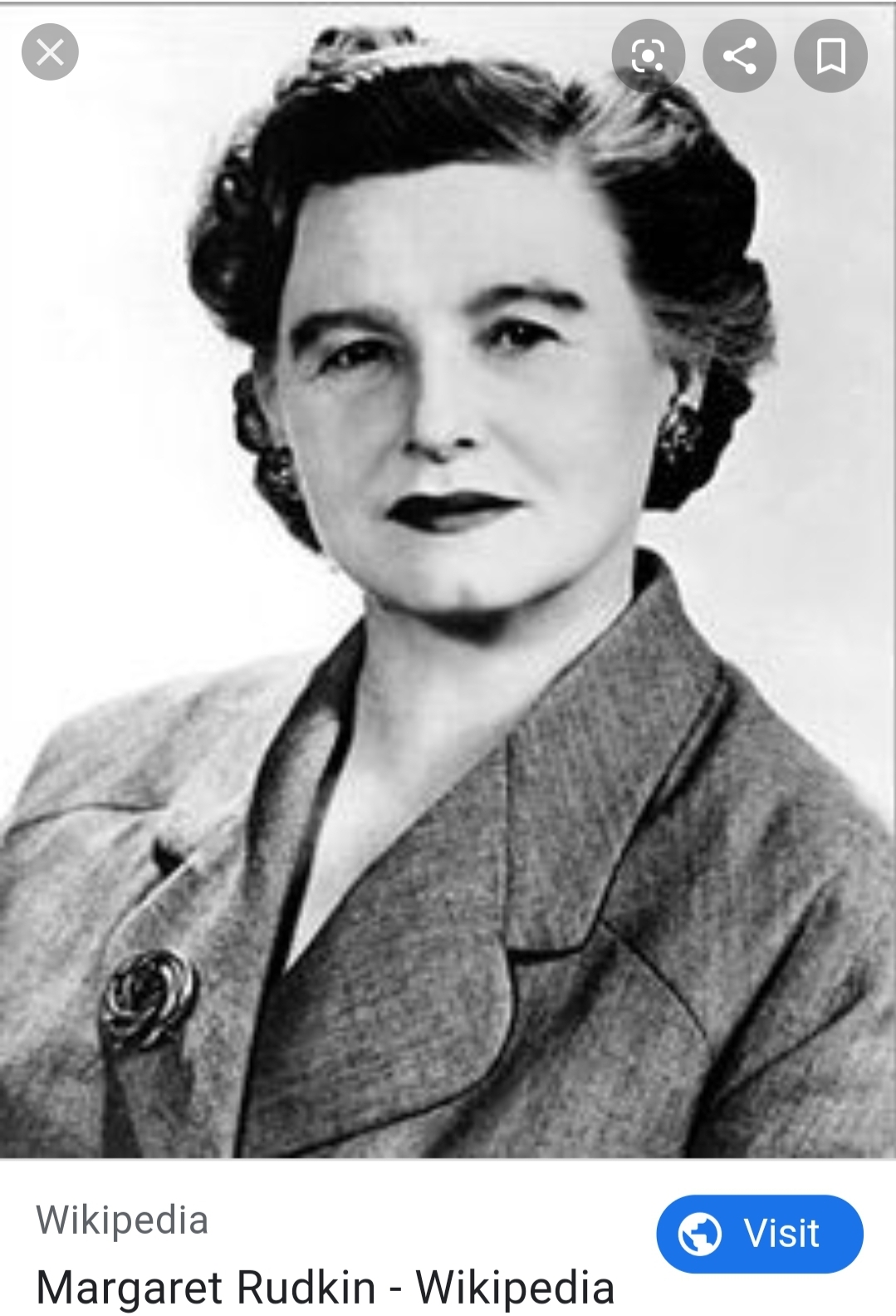
886) Margaret Rudkin

Courtesy of Wikipedia

 “That first loaf should have been sent to the Smithsonian Institution as a sample of bread from the Stone Age for it was hard as a rock and about one inch high."

886: Margaret Rudkin

Pepperidge Farm Remembers

Born: 14 September 1897, Manhattan, New York, United States of America

Died: 1 June 1967, New Haven, Connecticut, United States of America

Margaret founded Pepperidge Farm after her son developed intestinal issues from eating breads available for sale at the market.

Margaret was high school valedictorian and worked in New York City for nine years before settling down and getting married. She would have three sons and her husband worked as a stockbroker on Wall Street. Unfortunately for them, Margaret’s husband was in a polo accident that left him out of work for six months; and the Great Depression happened to strike at the same time. To say the family was in financial distress would be an understatement.

The name Pepperidge Farm came from the property on which the Rudkin family lived, Pepperidge Farm. The property was named that way after an ancient Pepperidge tree that grew on the homestead.

From 1937 to 1940, Margaret operated the business out of her garage. She started with no business model or even any idea how to make bread, but soon enough the loaves took off. Even though they sold for fifteen cents more per loaf than the average bread at the time (twenty-five as opposed to ten), people couldn’t get enough of Pepperidge Farm.

In 1939, Pepperidge Farm sold their millionth loaf of bread. They opened their first factory in 1940, but production had to be cut during World War II. Some of the ingredients Margaret insisted on using, including honey and real butter, were in short supply due to the war effort. But by the time peace rang out in 1945, Margaret had been given enough time to develop a solid business plan on how to expand.

On 4 July 1947, Pepperidge Farm celebrated the grand opening of their first commercial kitchen and factory in Connecticut. During the 1950’s, Margaret often traveled to Europe, where she encountered Belgian chocolate cookies. Knowing there were no similar products on the market in the United States, Margaret bought the rights to the pastries to begin selling under the Pepperidge Farm banner. Today the cookies remain some of Pepperidge Farm’s best sellers. Soon after, Margaret also dug into the frozen pastry world. She knew Americans were on the cusp of having freezers in their homes and kitchens and was able to guess frozen food would be a big-ticket item too. Frozen products are now responsible for up to twenty percent of Pepperidge Farm’s sales. Next up came the most iconic of all Pepperidge Farm products. While traveling in Switzerland, Margaret discovered small fish shaped crackers, and Goldfish were born.

In 1961, Margaret sold Pepperidge Farm to Campbell Soup Co and became the first woman to serve on the board of Campbell Soup.

Her cookbook was the first to ever make the bestseller list on the New York Times. Published in 1963, the Margaret Rudkin Pepperidge Farm Cookbook held both recipes and Margaret’s memoirs.

Margaret would continue to lecture at Harvard and other business schools across the country. She retired from Pepperidge Farm in 1966, and passed away from breast cancer the following year.

Badges Earned:

Find a Grave Marked

Sources:

https://www.pepperidgefarm.com/our-story/

https://www.tastecooking.com/distinctive-life-margaret-rudkin-founder-pepperidge-farm/

https://www.innovationhartford.com/entrepreneurial-legend-pepperidge-farm-founder-margaret-rudkin/

https://www.findagrave.com/memorial/6923482/margaret-rudkin

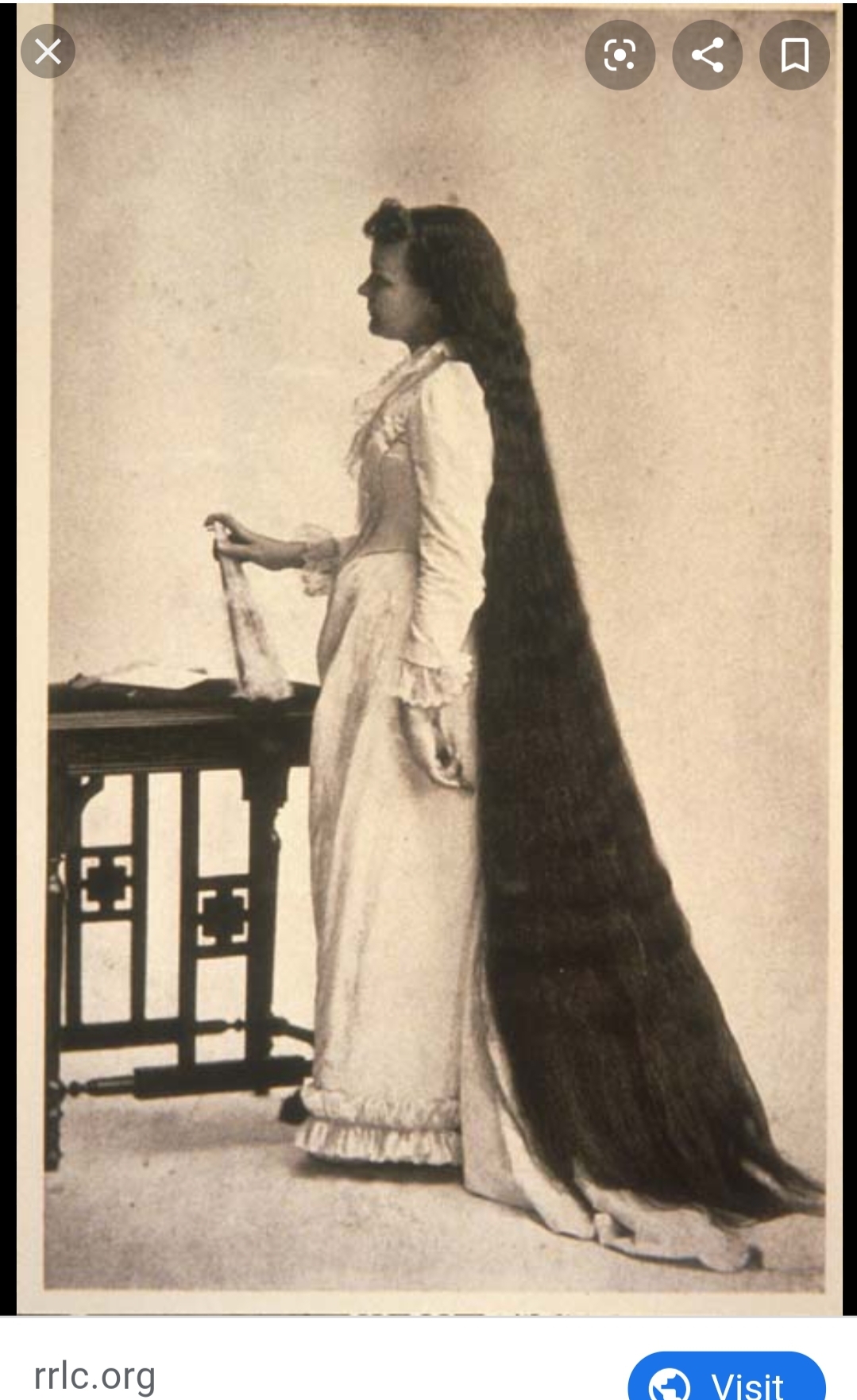
885) Martha Matilda Harper

Courtesy of RRLC

885: Martha Matilda Harper

Entrepreneur Who Emphasized Healthy Hair Care

Born: 10 September 1857, Oakville, Ontario, Canada

Died: 3 August 1950, Rochester, New York, United States of America

Full Married Name: Martha Matilda Harper MacBain

Martha is credited with creating the first formal business franchising system in the United States.

When Martha was seven, her father bound her out into domestic servitude in her native Canada. She would remain a domestic there for the next twenty-two years. Martha emigrated to the United States to continue to work as a domestic servant in New York, spending three more years in a menial role. Her story is remarkably similar to another hair care entrepreneur, Madam CJ Walker.

By 1888, Martha had saved up enough money to open her first office, the Harper Method Shop, which was a combination hair salon and factory to make and bottle her shampoo. Martha also invented the first reclining saloon chair, which is a staple of hair salons today.

In 1891 Martha opened her first franchise in Buffalo, NY. In 1892 she expanded further to Chicago. By the time she died in 1950, over 350 such stores existed North and South America and Europe (at the franchise’s height, there had been 500 stores around the world).

Susan B Anthony was a client who also used Martha as an example of what women in the business world could do. Other clients included Presidents Calvin Coolidge and Woodrow Wilson, First Lady Jacqueline Kennedy, and First Lady Grace Coolidge. Part of Martha’s success stemmed from her own hair, which she kept long enough to nearly reach the ground at all times (as you can see in the picture).

Martha’s line later expanded to creams, makeups, permanent hair colors and the like (all products were organic). Alongside the salons and factories, Martha also opened beauty training schools across the US and Canada.

She was also the first female member of the Rochester Chamber of Commerce. Martha was married but had no children. In 2003, Martha was posthumously inducted into the National Women’s Hall of Fame.

Badges Earned:

Find a Grave Marked

Sources:

https://rrlc.org/winningthevote/biographies/martha-matilda-harper/

https://www.pbs.org/wgbh/theymadeamerica/whomade/harper_hi.html

https://www.womenofthehall.org/inductee/martha-matilda-harper/

https://www.findagrave.com/memorial/76598219/martha-matilda-macbain

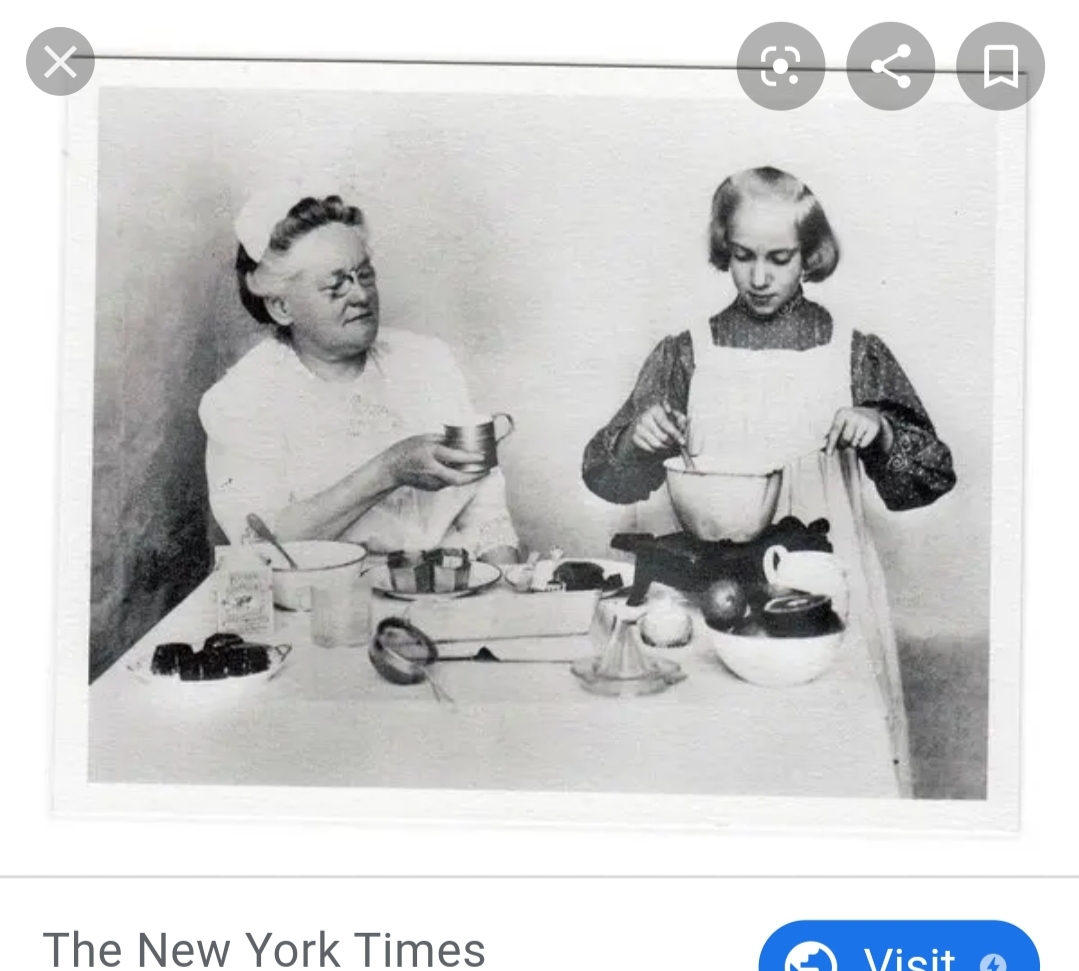
884) Fannie Farmer

Courtesy of the New York Times

“Correct measurements are absolutely necessary to ensure the best results."

884: Fannie Farmer

Betty Crocker Who?

Born: 23 March 1857, Boston, Massachusetts, United States of America

Died: 15 January 1915, Boston, Massachusetts, United States of America

Fannie wrote one of the earliest American cookbooks still in publication (The Fannie Farmer Cookbook). Her books were widespread because they stressed using exact measurements (as opposed to a pinch of this and a dash of that). Fannie wrote six cookbooks in total.

Fannie’s parents hoped for her to go to college, but she suffered a paralytic stroke while in high school that left her homebound for years. While recovering at home, she took up an interest in cooking, and once she was well enough her parents encouraged her to enroll in Boston’s Cooking School.

Fannie was so good that after graduation she was offered the position of assistant director of the school. She became director after her boss’s death in 1891.

After serving at the school eleven years, Fannie resigned and started her own school. Fannie’s school focused on teaching mothers and housewives to cook, as opposed to professional cooks, servants, teachers, and the like. The school continued to operate until 1944.

Fannie also taught for a year at Harvard Medical School, giving instruction on teaching invalids how to cook. For ten years, Fannie and her sister also wrote a column in the Women’s Home Companion. Her other contribution to the field was teaching medical professionals about proper dietary needs to help the sick.

Her most famous cookbook had twelve editions published in seventy years, with nearly four million copies sold. Julia Child would later state Fannie's work was extremely influential in Julia's childhood. Julia's mother taught Julia how to cook using Fannie's book.

Fannie continued working—delivering her last lecture from a wheelchair ten days before she died.

Badges Earned:

Find a Grave Marked

Located In My Personal Library:

America's Women: 400 Years of Dolls, Drudges, Helpmates, and Heroines by Gail Collins

Sources:

https://www.britannica.com/biography/Fannie-Merritt-Farmer

https://www.history.com/this-day-in-history/fannie-farmer-opens-cooking-school

https://www.newenglandhistoricalsociety.com/great-fannie-farmer-cookbook-controversy/

https://www.nytimes.com/2018/06/13/obituaries/fannie-farmer-overlooked.html

https://www.findagrave.com/memorial/1764/fannie-farmer

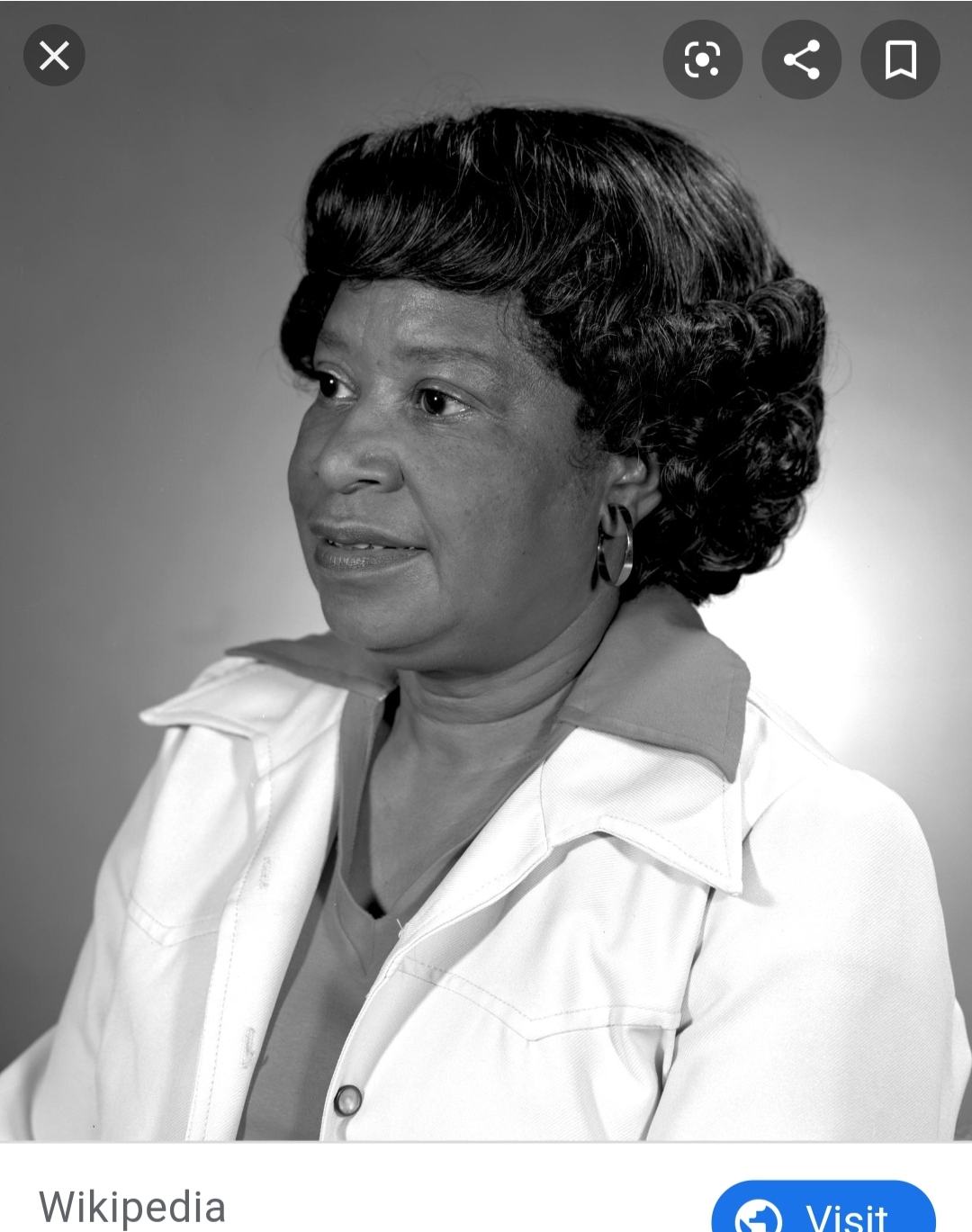
883) Mary Jackson

Courtesy of Wikipedia

883: Mary Jackson

One of NASA’s Hidden Figures

Born: 9 April 1921, Hampton, Virginia, United States of America

Died: 11 February 2005, Hampton, Virginia, United States of America

Mary earned bachelor’s degrees in math and physical sciences in 1942. She worked as a teacher, bookkeeper, and secretary initially. She was married and had two children.

She joined NACA in 1951, working in the segregated West Area Computing Unit at Langley. At the time, the West Area Computing Unit was managed by fellow Hidden Figure Dorothy Vaughan. The NACA would go on to become NASA, the National Aeronautics and Space Administration.

In 1958, Mary became the first African American Female Engineer working at NASA. She wrote or co-authored twelve different research papers in her time at NASA.

Mary stopped working as an engineer at NASA in 1979 after becoming frustrated that she was never promoted to a management position. She pivoted to working at Langley’s Federal Women’s Program where she was able to influence the hiring and promoting of women in several fields at NASA. She left Langley and NASA as a whole in 1985.

Mary is portrayed by Janelle Monae in the Hollywood film Hidden Figures.

In June of 2020, it was announced the NASA Headquarters in Washington DC would be named in honor of Mary. A year earlier, she was posthumously awarded the Congressional Gold Medal.

Badges Earned:

Find a Grave Marked

Located In My Personal Library:

The Book of Awesome Women: Boundary Breakers, Freedom Fighters, Sheroes, and Female Firsts by Becca Anderson

Hidden Figures by Margot Lee Shetterly

Sources:

https://www.nasa.gov/press-release/nasa-names-headquarters-after-hidden-figure-mary-w-jackson

https://www.nasa.gov/content/mary-jackson-biography

https://www.britannica.com/biography/Mary-Jackson-mathematician-and-engineer

https://www.findagrave.com/memorial/174900723/mary-eliza-jackson

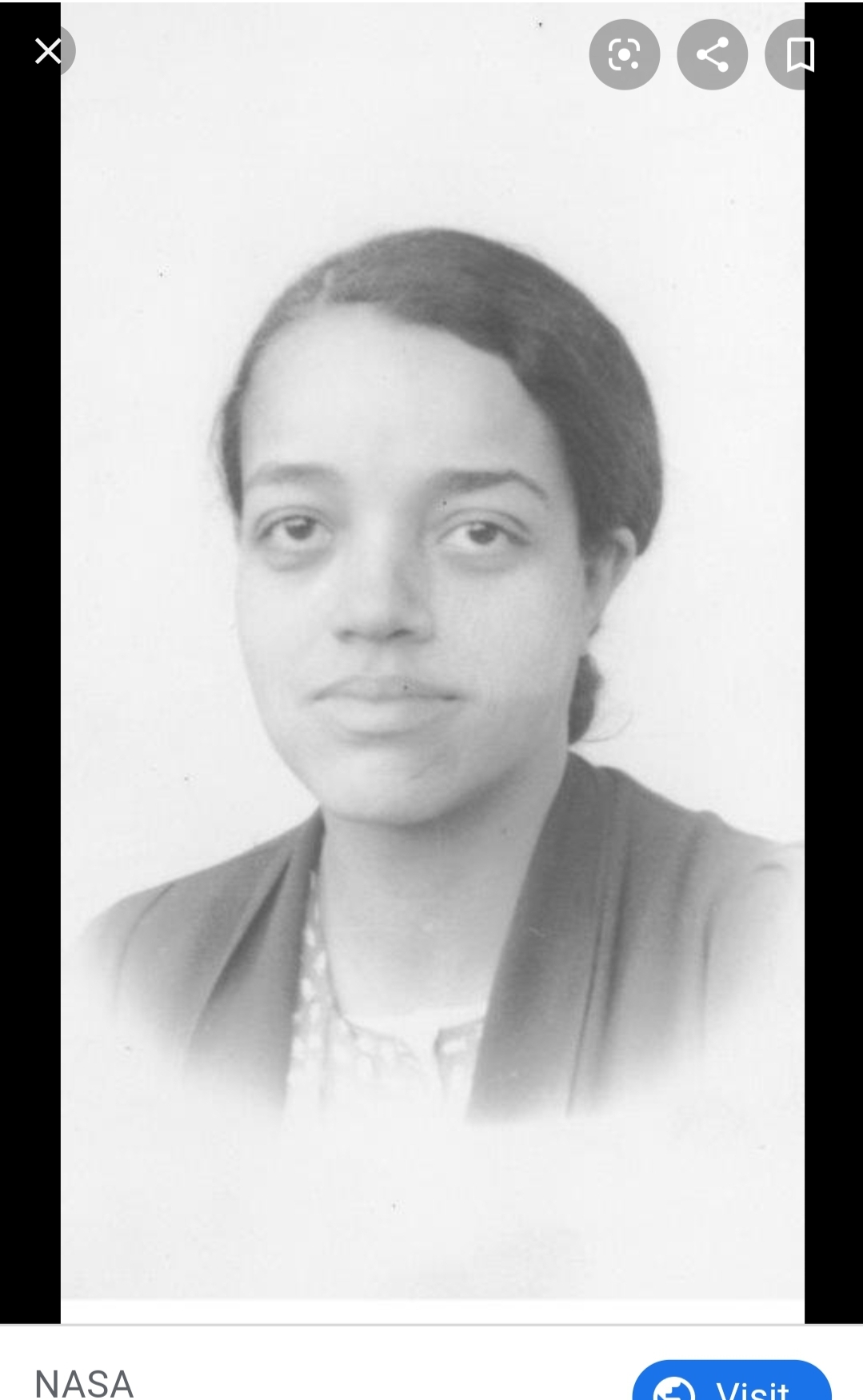
882) Dorothy Vaughan

Courtesy of NASA

882: Dorothy Vaughan

One of NASA’s Hidden Figures

Born: 20 September 1910, Kansas City, Missouri, United States of America

Died: 10 November 2008, Hampton, Virginia, United States of America

Dorothy received a bachelor’s degree in Mathematics in 1929.

Dorothy was a math teacher in Virginia before World War II struck. In 1943, she took what she assumed at the time would be a temporary job at the Langley Memorial Aeronautical Laboratory, later a part of the National Aeronautics and Space Administration (NASA).

From 1949 until 1958 she was the manager of the West Area Computing Unit at Langley, then a part of the NACA (making her the first African American manager male or female at NACA). The NACA would eventually change its name to NASA.

After NASA came forward all segregation through gender and race were abolished moving everyone together. This is when Dorothy became a FORTRAN Programmer and helped her contribute to the Scout Launch Vehicle Program. Though her contributions to these areas were great, Dorothy had lost her managerial position at Langley after West Area Computing was abolished after segregation ended. Dorothy would continually seek higher positions at NASA throughout her career, but never received such a commission.

Dorothy retired from NASA in 1971. In her personal life she was married and had six children.

In 2019, Dorothy was posthumously awarded the Congressional Gold Medal for her work as a Hidden Figure.

Dorothy is portrayed by Octavia Spencer in the Hollywood film Hidden Figures.

Badges Earned:

Find a Grave Marked

Located In My Personal Library:

Hidden Figures by Margot Lee Shetterly

Sources:

https://www.nasa.gov/content/dorothy-vaughan-biography/

https://www.britannica.com/biography/Dorothy-Vaughan

https://scientificwomen.net/women/vaughan-dorothy-103

https://www.findagrave.com/memorial/168430683/dorothy-jean-vaughan

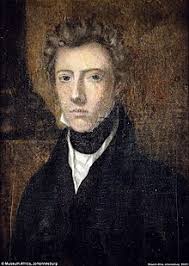
881) Margaret Ann Bulkley

Courtesy of Wikipedia

“Was I not a girl I would be a Soldier!”

881: Margaret Ann Bulkley

One of The First European Doctors to Perform a Successful C-Section

Born: c.1789-1795, Cork, Ireland (Present-day Cork, Republic of Ireland)

Died: 25 July 1865, London, United Kingdom

Also Known As: Dr. James Barry

Margaret’s medical feat occurred while serving in Cape Town, South Africa.

Margaret served as a surgeon in the British Army all under the guise of pretending to be a man (Dr. James Barry to be precise). She rose all the way to the position of Inspector General of Hospitals, one of the highest medical positions within the military at the time.

Margaret was the first female doctor in Britain (though the public didn’t know it). Over the years she was known for her eccentricities. She was a vegetarian, fought a duel, made Florence Nightingale mad, carried around a small menagerie of animals (according to one source anyway), and managed to keep her career afloat despite several inquiries from the Army into her conduct.

Her secret only came out after she died, when a woman undressed her to prepare her body for burial. The woman described Margaret as “a perfect woman” and guessed Margaret had once given birth based on stretchmarks on her abdomen (though no proof of her having a child has ever surfaced). This examination was done in direct defiance to Margaret’s final wishes, that she be buried as soon as possible in the clothes she died in without an inspection of her body.

News exploded across the media of the day, and the scandal was so great the British Army buried her medical records for nearly one hundred years. Margaret’s story spawned conspiracy theories (including one which stated she was the illegitimate child of King George III) and even a play. The doctor who signed Margaret’s death certificate, when asked for a comment, stated it was none of his business whether Margaret was born male or female. And that was the truth; by that point Margaret, or James, was dead, and nothing could change that. But that didn’t stop the media inquiries from continuing to question.

The truth was almost stranger than any of the stories previously put forward. Margaret was the daughter of an Irish shopkeeper, and when she was nineteen, she abandoned female attire in order to dress as a man and attend medical school in Edinburgh. Margaret borrowed her late uncle’s name, James Berry, and used the small fortune she had inherited from him to pay for her schooling. Margaret became the first British woman to graduate from medical school; only she was the only person who knew it at the time.

After graduation, Margaret successfully joined the army as an assistant surgeon. Her first posting was to Cape Town in South Africa, where she would serve for the next twelve years and eventually come to be in charge of all medical practices there. After leaving South Africa, Margaret served in Canada, the West Indies, and parts of the Mediterranean. In total, she served the army for forty-six years.

Margaret had a temper issue, as mentioned above. She threw medicine bottles, fought in a duel, shouted at patients, and even other doctors and nurses. But she also had a medical gift. As also previously mentioned, Margaret performed one of the first successful cesarean sections in the world, and she was an advocate for better sanitation practices.

Though she was an incredible figure, even in her own day, her life was a lonely one. Because she was hiding such a huge secret, Margaret never married, and its never been verified if she had children or not. She died alone, but her story did not die with her.

NOTE: In the past few years it has become fashionable to affix labels like “transgender” to figures such as Margaret, however, I am uncomfortable labeling historical figures like Margaret in that way. Yes, she lived the majority of her adult life in the guise of a man. However, there’s no evidence she did this for any reason other than to succeed in the medical field. Other theories state she was intersex, a hermaphrodite, following a male lover to school and had to dress as a male in order to do so, and so on. If evidence ever arises to show Margaret wanted to live her life as a man fully--socially, medically, and for her career, then I will reassess her profile on a transgender basis here. Until such time arises though, I will simply list her incredible feats and honor her under the biological sex she was while alive.

Badges Earned:

Find a Grave Marked

Located in My Personal Library:

Hypatia’s Heritage: A History of Women in Science From Antiquity to the Late Nineteenth Century by Margaret Alic

Sources:

https://www.theguardian.com/books/2016/nov/10/dr-james-barry-a-woman-ahead-of-her-time-review

https://hekint.org/2020/04/03/a-surgeon-and-a-gentleman-the-life-of-james-barry/

http://www.medicaldiscoverynews.com/shows/jamesBerry.html

https://embryo.asu.edu/pages/margaret-ann-bulkley-james-barry-17891865

https://allthatsinteresting.com/james-barry

https://www.findagrave.com/memorial/2613/james-barry

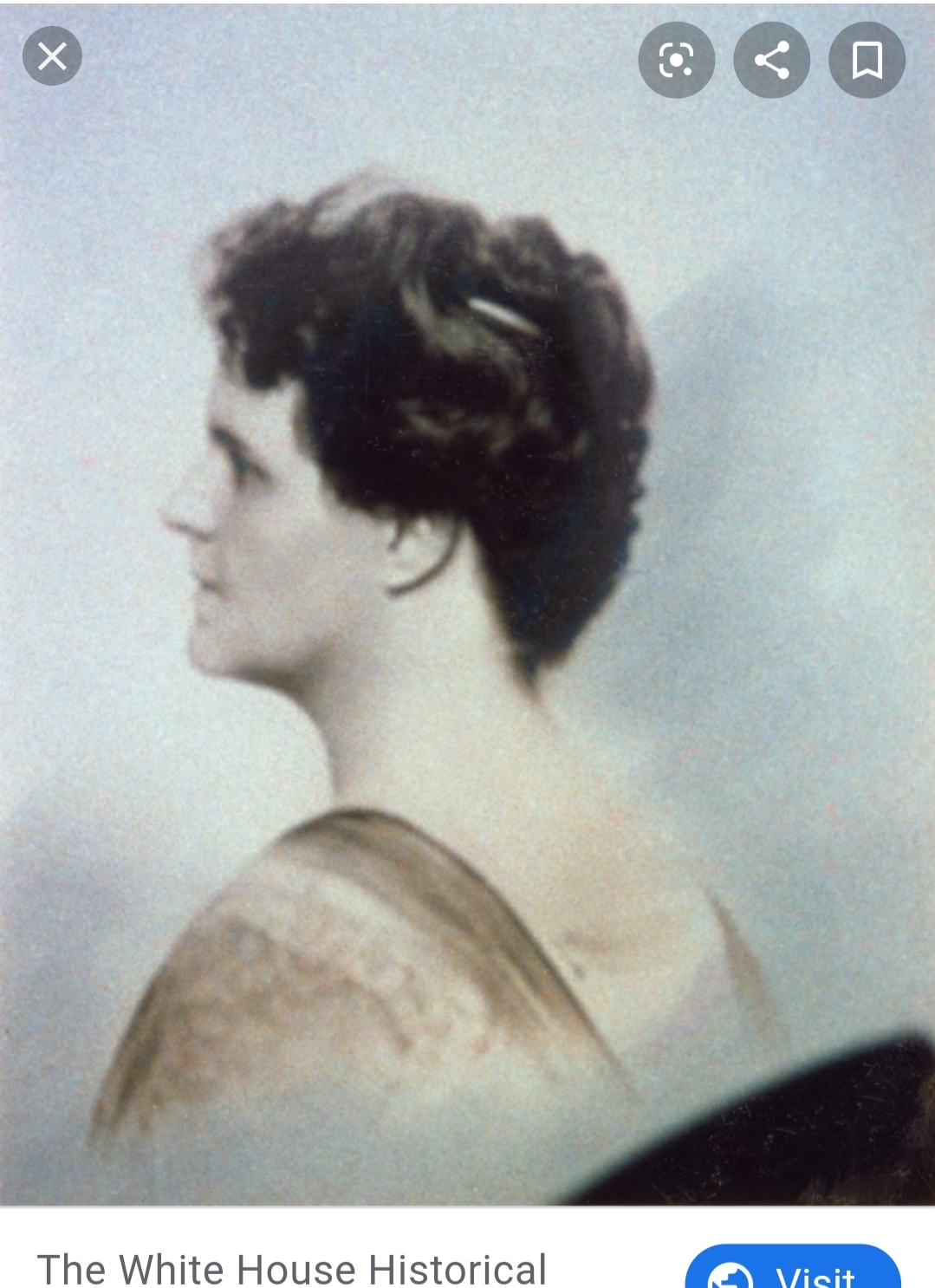
880) Isabella Hagner James

Courtesy of the White House Historical Association

880: Isabella Hagner James

The First Person Employed by a First Lady of the United States

Born: 1876, Washington, District of Columbia, United States of America

Died: 1 November 1943, Baltimore, Maryland, United States of America

Also Known As: Belle Hagner

When Isabella was a child, the man who would assassinate President Garfield befriended her and her brother. The incident ended up in a societal paper, much to Isabella’s nanny’s horror.

After being orphaned at sixteen, Isabella was put in charge of her three younger brothers. They had to sell their home and move into a rat-infested home in a seedier part of town, but Isabella’s uncle was a judge and was able to help them keep most of their furniture. Sadly, not enough money remained to allow Isabella or her brothers to attend school or receive a higher education.

Luckily all of Isabella’s brothers soon landed jobs, including her thirteen-year-old youngest brother. The money they earned allowed the family to survive these trying times. Isabella also began to be hired to write invitations and do other secretarial work for high society ladies throughout the DC area. At one point she even worked as a clerk in the Surgeon General’s Office of the War Department (where she earned half the pay of the man sitting next to her).

She was eventually hired by Mrs. Edith Roosevelt becoming the first salaried Social Secretary to a First Lady of the United States. As stated above, Isabella was the first staff member ever employed by a first lady. Isabella became fast friends with every member of the Roosevelt family, and enjoyed her time with them in the White House. She went on to be the first person appointed to stay during the Wilson Administration, serving First Lady Ellen Wilson.

Before her marriage, Isabella was the first agent for the Social Register in Washington. This meant Isabella compiled lists of those deemed socially eligible, and also decide which ranks of officials should also be included (military, diplomatic, etc.).

Isabella became a surrogate mother to her nephew Alec, who lived with Belle and his father (one of Isabella’s brothers) after his parents divorced. By now Belle was in her thirties and still single. After Alec had a tonsillectomy, Belle traveled with him to rest and recuperate. It was while on this journey that Belle met the man she would one day marry.

After her marriage Isabella stepped down from the White House to be a stepmother to her husband’s three children and mistress of his estate. Thirteen years after the wedding, the couple sold the estate, library, and their art collection for reasons Isabella did not include in her memoirs. They then moved to a smaller more modest home in Baltimore. Isabella outlived her husband by four years.

In 1983, Isabella’s niece-in-law, the wife of Alec (the young man who had the tonsillectomy), donated Isabella’s personal papers to the White House Collection.

Badges Earned:

Find a Grave Marked

Sources:

https://www.whitehousehistory.org/memoirs-the-first-white-house-social-secretary-isabella-hagner

https://www.theodorerooseveltcenter.org/Learn-About-TR/TR-Encyclopedia/Family-and-Friends/Isabella-Hagner

https://www.findagrave.com/memorial/116228927/isabella-louisa-james

  • Previous
  • 1
  • …
  • 35
  • 36
  • 37
  • 38
  • 39
  • 40
  • 41
  • …
  • 159
  • Next

Categories

Archives

  • July 2025 (10)
  • July 2024 (1)
  • January 2024 (1)
  • August 2023 (1)
  • June 2023 (2)
  • October 2022 (1)
  • July 2022 (1)
  • June 2021 (3)
  • December 2020 (3)
  • August 2019 (1)
  • July 2019 (2)

Search

© 2026 The Exasperated Historian | Powered by Minimalist Blog WordPress Theme