
The Exasperated Historian
Menu
  • Home
  • The Women’s List (New)
  • The Men’s List
  • The Animal List
  • Collections
  • The Blog
  • Contact Us
  • FAQ
Menu

Category: Birth Locations

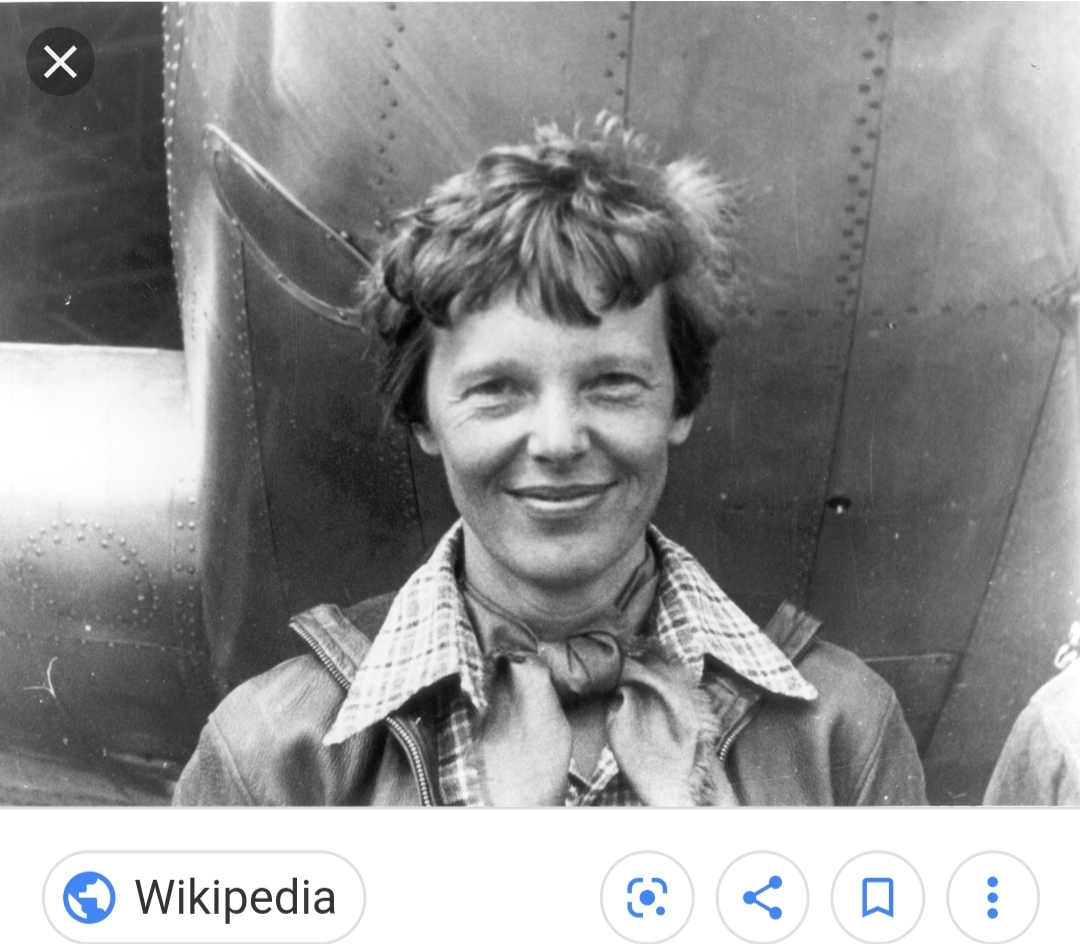
133) Amelia Earhart

Courtesy of Wikipedia
Meme

133) Amelia Earhart

Pilot Who Broke Many Records for Women and Pilots in General

Born: 24 July 1897, Atchison, Kansas, United States of America

Died: Most Likely July 1937, The Pacific Ocean

She was the first woman to fly solo across the Atlantic (and second person after Charles Lindbergh).

Amelia was the first person to fly solo from the Hawaiian Islands to the mainland United States.

During World War I, she worked as a Red Cross nurse.

Amelia learned how to fly in 1921 and purchased her first plane that same year.

She was the first woman to receive the Distinguished Flying Cross from the United States government.

In 1929 she helped form the Ninety Nines—an international organization that still exists for women in forty-four countries—helping to advance their careers (Amelia served as the first president for licensed pilots).

In 1937 she became the first person to attempt to circumnavigate the globe by flight with her navigator Fred Noonan.

In July of that year they were declared lost at sea somewhere near Howland Island in the South Pacific. President Roosevelt organized a massive two-week search party but to this day no definitive proof or wreckage of the pair has ever been found.

Since 1988 TIGHAR has been postulating the theory that the pair landed on Gardner Island and may have survived for several weeks. They found a woman’s shoe and a cosmetics jar dating to the 1930’s alongside human finger bones and a piece of plexiglass that could have come from her plane.

In July of 2019, National Geographic announced they were funding an expedition led by Robert Ballard, the man famous for accidentally discovering the RMS Titanic’s wreck site, would be heading out on August 7th to locate Amelia’s lost plane. National Geographic plans to document the entire search and air a documentary about the search on their cable channel October 20th. UPDATE: After watching the documentary, I can inform you that, not surprisingly, they didn't find anything concrete. The only thing I would note from the piece is one piece of evidence I had never heard before. In the days and weeks after Amelia disappeared, fifty-seven different people reported to their local newspapers and police stations that they had heard radio distress signals coming from the two stations Amelia had been given to transmit on during her journey; no other craft were authorized to use those stations. The fifty-seven people overheard a woman giving distress signals, saying she had crashed, identifying herself as Amelia Earhart, and that she needed help but was uncertain of where she was. The radio broadcasts seem to have been coming from the island called Nikumaroro, formerly known as Gardner Island. In the early 1940's, thirteen bones and a woman's shoe were recovered from the island, and in the decades since small pieces of women's cosmetic equipment have been uncovered as well.

In November of 2019 CNN and The Vintage News announced that bones that may possible belong to Amelia Earhart have been sent in for DNA analysis. The bones will be compared against Amelia's only still surviving niece. I will update this article when more information is released.

Badges Earned:
Find a Grave Marked

Located in My Personal Library:

America's Women: 400 Years of Dolls, Drudges, Helpmates, and Heroines by Gail Collins

Amelia Earhart by Jane Sutcliffe

Breaking History: Vanished! America's Most Mysterious Kidnappings, Castaways, and the Forever Lost by Sarah Pruitt

Don't Know Much About History: Everything You Need to Know About American History but Never Learned by Kenneth C Davis

Fly Girls by Keith O’Brien

Flying For Her Country by Amy Goodpaster Strebe

How They Choked by Kevin O'Malley

In Praise of Difficult Women by Karen Karbo

Lost Bodies by Jenni Davis

The Oxford Encyclopedia of Women in World History Edited By Bonnie G Smith

National Geographic History Magazine Article "The Mystery of Amelia Earhart's Last Flight" (July/August 2019 Edition)

100 Greatest Mysteries: The World's Secrets Revealed (Magazine by History)

Princesses Behaving Badly by Linda Rodriguez McRobbie

Scandalous Women: The Lives and Loves of History's Most Notorious Women by Elizabeth Kerri Mahon

Unsolved Mysteries of American History: An Eye-Opening Journey Through 500 Years of Discoveries, Disappearances, and Baffling Events by Paul Aron

Who Knew? Women in History: Questions That Will Make You Think Again by Sarah Herman

The Who, the What, and the When: 65 Artists Illustrate the Secret Sidekicks of History by Jenny Volvovski, Julia Rothman, and Matt LaMothe

Time Magazine's 100 Women of the Year (Amelia appears in the 1935 article, "Amelia Earhart")

Sources:

https://www.history.com/topics/exploration/amelia-earhart

https://www.nationalgeographic.com/archaeology-and-history/magazine/2019/07-08/aviator-amelia-earhart-last-flight/

https://economictimes.indiatimes.com/news/international/world-news/man-who-found-wrecked-titanic-to-search-for-amelia-earhart/on-an-expedition/slideshow/70434387.cms

https://www.thevintagenews.com/2019/11/04/amelia-earhart-dna/

https://www.findagrave.com/memorial/6667/amelia-earhart

Personal Note:

My connection to Amelia Earhart.

When I first began studying Amelia Earhart, my mom noticed a few details that seemed a little strange.

For one thing, we think that when you compare pictures of Amelia to my grandmother Ruth, when she was younger. They have a bit of a resemblance. My grandma has also always been headstrong and, shall we say, outgoing for a woman born in her generation, just like Amelia.

My grandma also loves to travel, and while her preferred method is a car and not a plane, listen to this. When she initially left to circumnavigate the globe, Amelia took off on March 17th 1937. My grandma was born March 17th 1942. And Amelia’s last flight lasted right around eighteen hours. For many years, my grandmother owned a home in Texas despite us living in Arizona. She would drive straight through without stopping, and the trip lasted…eighteen hours.

Freaky, right? As stated above, my grandma was born in 1942, so hey, you never know…
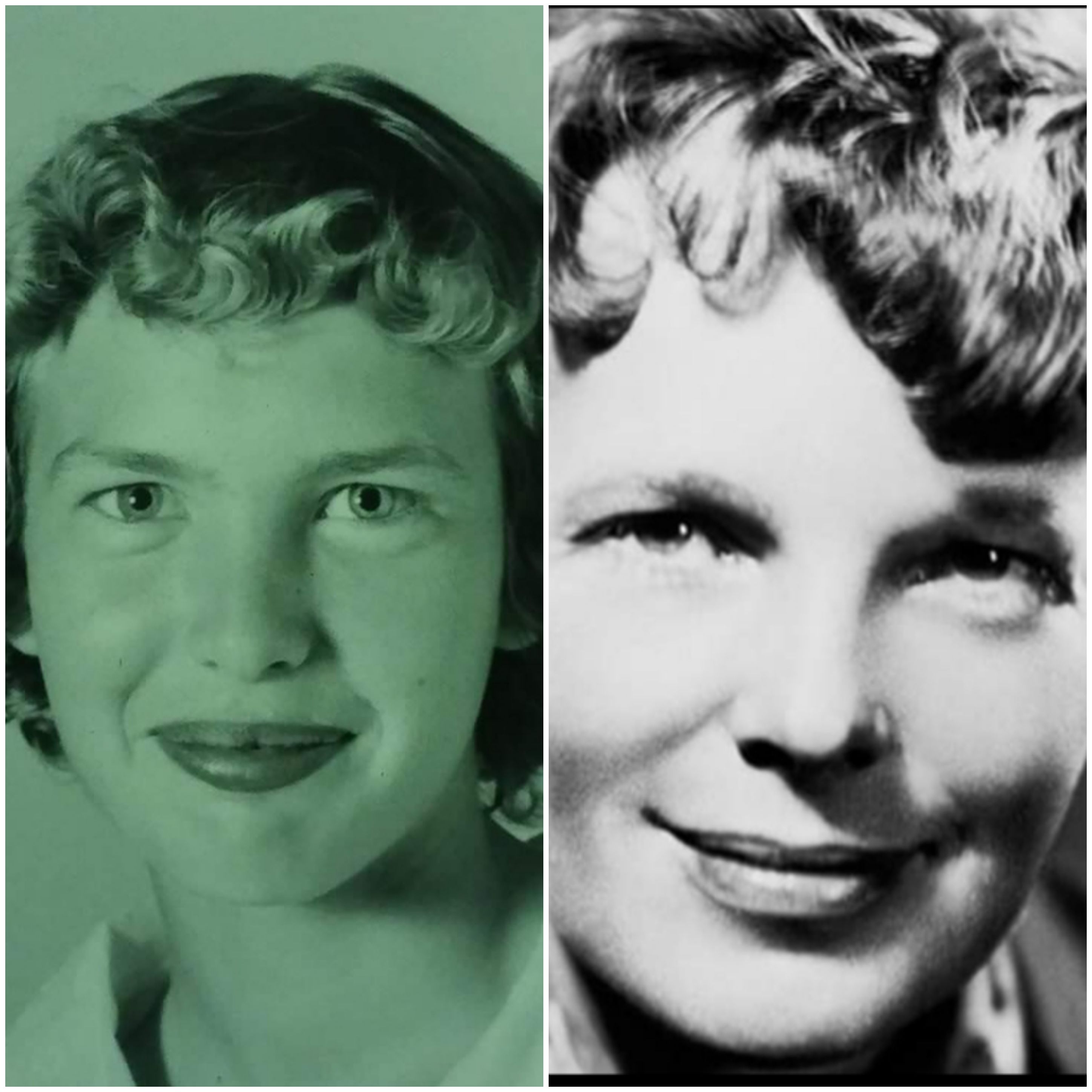
My grandma and Amelia

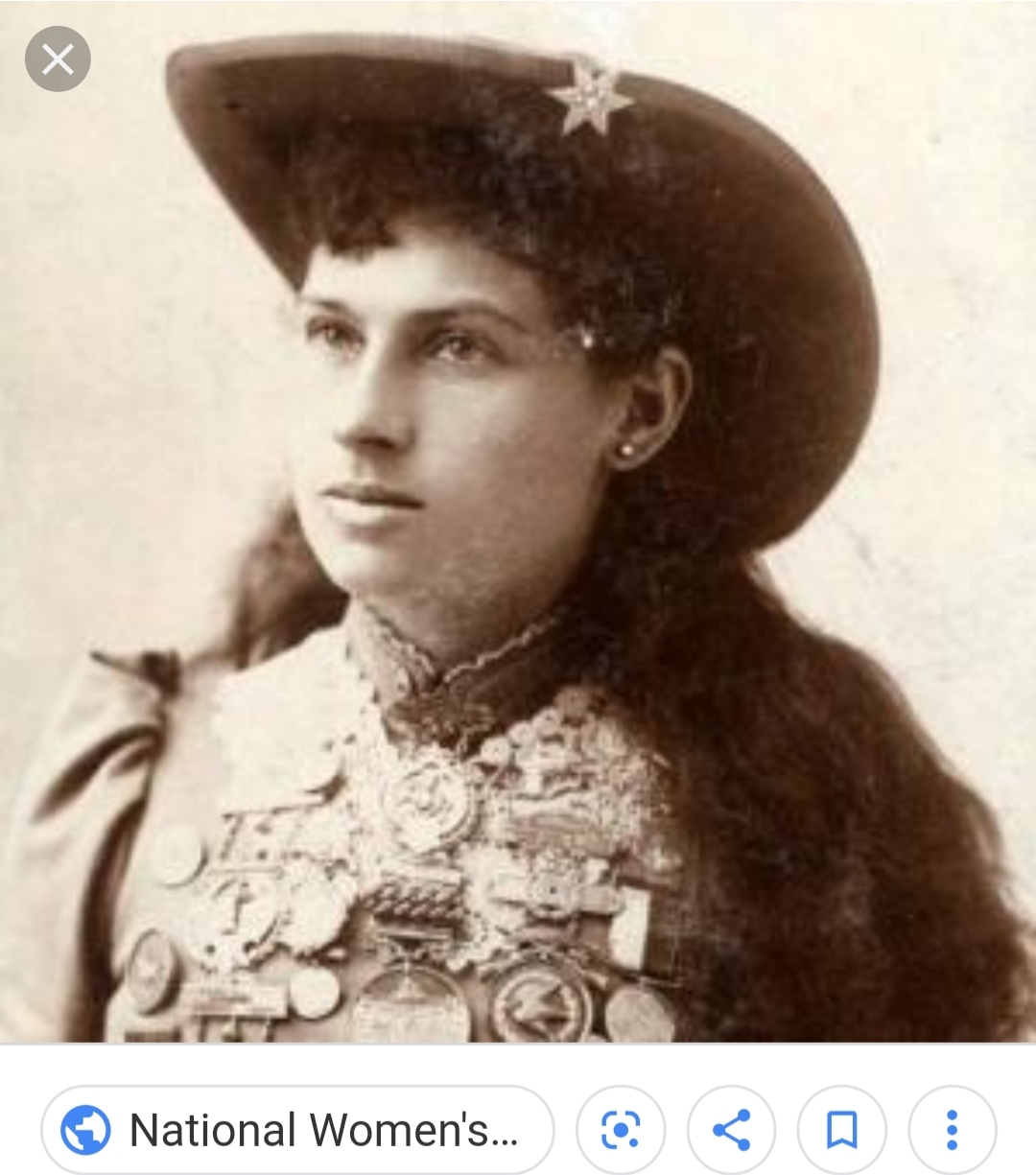
132) Phoebe Ann “Annie Oakley” Moses-Butler

Courtesy of the National Women's History Museum

"I for one feel confident that your good judgement will carry America safely through without war--but in case of such an event I am ready to place a Company of fifty Lady sharpshooters at your disposal," -Annie in a letter to President William McKinley

132) Phoebe Moses-Butler

"I ain't afraid to Love a man. I ain't afraid to shoot him either."

Born: 13 August 1860, Dark County, Ohio, United States of America

Died: 3 November 1926, Greenville, Ohio, United States of America

Also Known As: Annie Oakley or Little Sure Shot

Her father died when she was six leaving Annie’s mother to raise six small children alone.

Her mother remarried and her new husband died leaving her with another baby.

Annie was soon sent to the Darke County Infirmary where she was given an education and taught to sew—a skill she’d later use to make her own costumes. She would be sent to live with a horribly abusive couple she could only refer to as “The Wolves” before going back to the infirmary and then finally home to her mother when she was thirteen or fourteen.

Her mother had remarried again and now Annie used her father’s rifle to hunt and sell game to the local grocers for money. One of the animals she hunted at this time was the Passenger Pigeon, which went extinct from over-hunting. in 1914.

At the age of fifteen Annie paid off her mother’s $200 mortgage from her hunting.

It was from this skill as a shooter that she met her husband—competing against him in a turkey shoot (she got a perfect 25/25 while Frank received 24/25). They were married in 1876 (despite Annie’s family not approving—she was 17 to his 30).

Annie and Frank first appeared onstage together in 1882 after Frank’s partner was ill and Annie stepped in.

In March of 1884 Annie befriended Sitting Bull—leader of the Lakota Tribe. Sitting Bull and Annie became fast friends—he even adopted her into the tribe and gave her the name of Watanya Cicilla—Little Sure Shot.

In 1885 Annie and Frank joined Buffalo Bill’s Wild West Show. They would stay with the show for sixteen years and Annie took center stage with Frank retiring to be her manager behind the scenes.

They retired from the professional arena in 1913.

During both the Spanish-American War and World War I Annie volunteered to raise up a regiment of shooting women—the federal government declined her request both times. She volunteered for several veteran’s charities and the Red Cross instead.

In 1922 Annie and Frank were in a bad car wreck—dashing her plans for a comeback and starring in a major motion picture. Annie never fully recovered and after fifty years of marriage she passed away—with Frank following three weeks later.

Badges Earned:

Find a Grave Marked

Located in my Personal Library:

Buffalo Bill's Wild West: An American Experience by Robert Lawrence

America's Women: 400 Years of Dolls, Drudges, Helpmates, and Heroines by Gail Collins

Annie Oakley by Chuck Wills

Annie Oakley by Ginger Wadsworth

Haunted West: Legendary Tales From the Frontier (Magazine Published by Centennial Today, Fall 2020)

Love Untamed: Romances of the Old West by JoAnn Chartier and Chris Enss

The Old West by Stephen G Hyslop

The Only Woman by Immy Humes

Princesses Behaving Badly by Linda Rodriguez McRobbie

Revolutionary Women From Colonists to Suffragettes by Peter Pauper Press Inc

Uppity Women Speak Their Minds by Vicki León

Who Was Annie Oakley? By Stephanie Spinner

Women Who Charmed the West by Anne Seagraves

Sources:

https://centerofthewest.org/explore/buffalo-bill/research/annie-oakley/

https://www.goodreads.com/author/quotes/895762.Annie_Oakley

https://www.findagrave.com/memorial/774/annie-oakley

The Books linked above as well ^^

Personal Note:

I first heard Annie’s story when I was seven or eight years old. She was the first woman from history to grab my attention and kept me hooked, all these years later. Without her, I might have never found Hypatia in a roundabout way or started this project all together. So, here’s to you Annie, and I’m sorry I mispronounced your name (Phoebe) for a solid three years before anyone bothered to correct me. It’s not phoh-bee, its Phee-bee, got it!

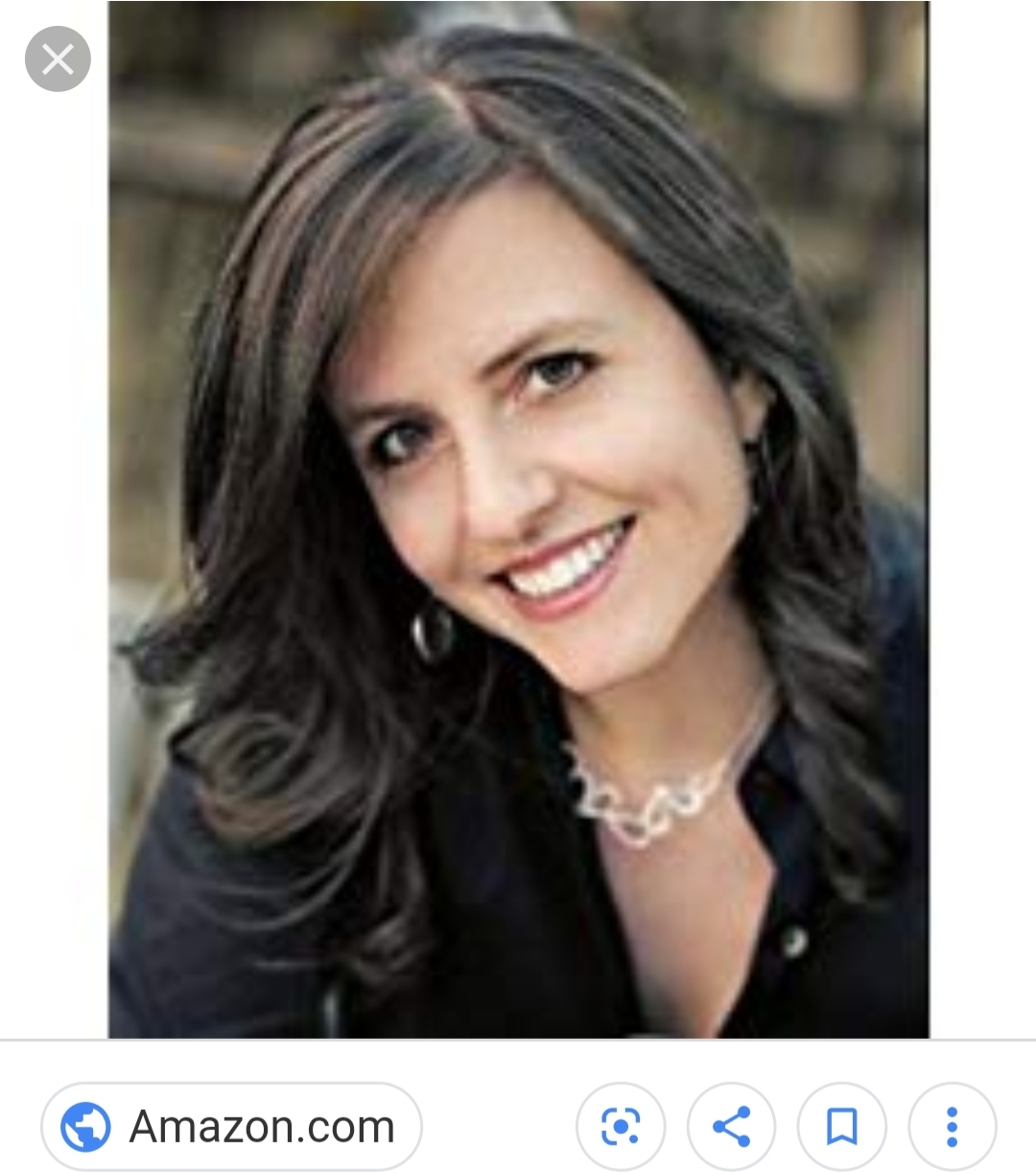
131) Rebecca Skloot

Courtesy of Amazon

131) Rebecca Skloot

Author of the New York Times Bestseller The Immortal Life of Henrietta Lacks—which introduced the world at large to the extraordinary woman and story behind the HeLa cells that have saved thousands of lives

Born: 19 September 1972, Springfield, Illinois, United States of America

Rebecca writes on a wide array of scientific topics, but The Immortal Life was her first book and took over a decade to write and research.

She is the founder and president of the Henrietta Lacks Foundation.

Before becoming a writer, she spent more than a decade working as a vet tech.

To learn more about Henrietta, click here.

Badges Earned:

Located In My personal Library:

The Immortal Life of Henrietta Lacks by Rebecca Skloot

Sources:

http://rebeccaskloot.com/about/bio/

http://rebeccaskloot.com/the-immortal-life/

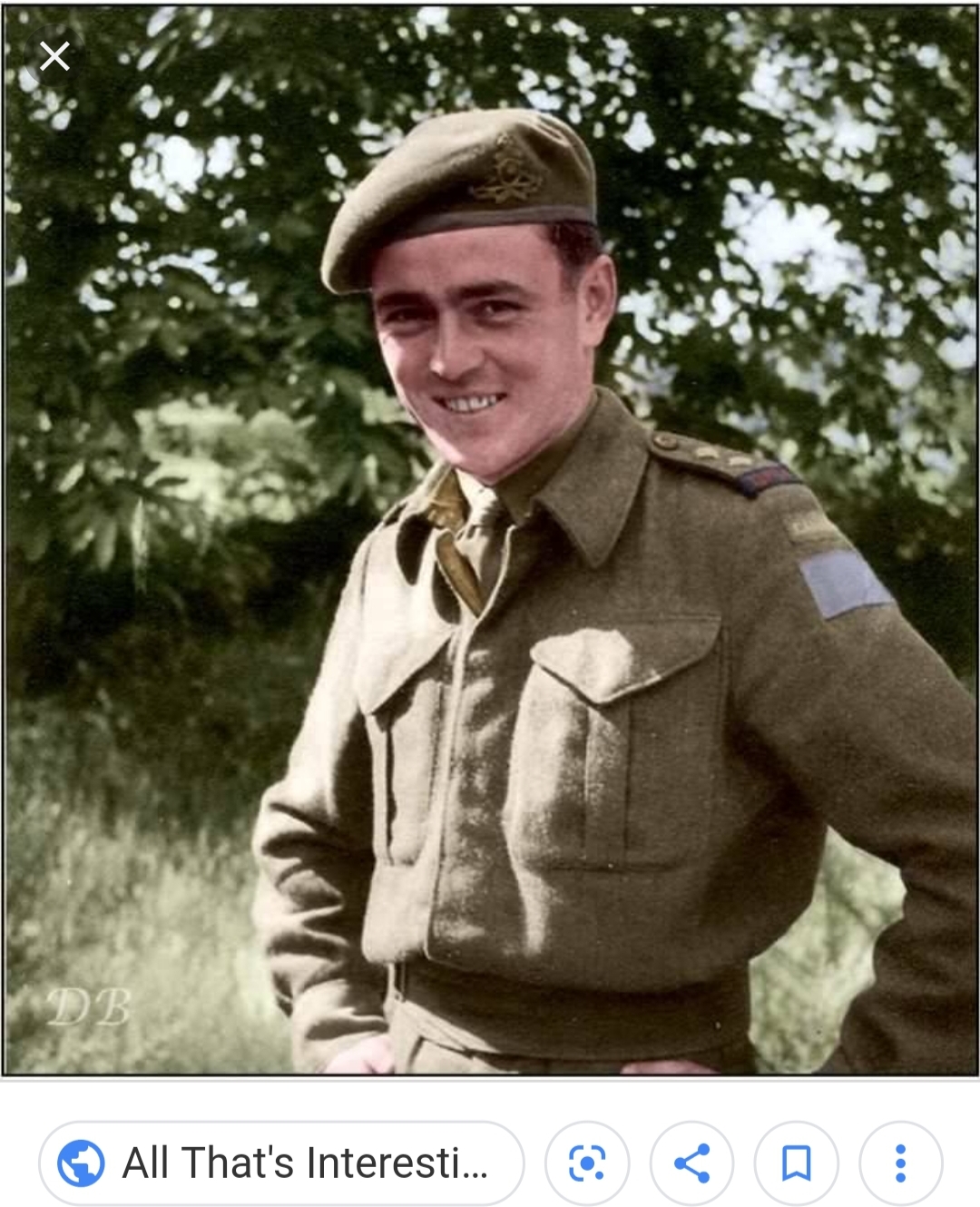
140) James Doohan

Courtesy of All That's Interesting

140) Captain James Doohan

Before He was Scotty, He was Shot Six Times During World War II

Born: 3 March 1920, Vancouver, Canada

Died: 20 July 2005, Redmond, Washington State, United States of America

Actor Known for portraying Montgomery “Scotty” Scott (played by Simon Pegg in the newest iteration) on the original Star Trek series, along with several movies and Star Trek The Next Generation.

During the Invasion of Normandy (Also known as D-Day) James was shot six times and lost a finger, something he tried to hide while filming Star Trek.

James was a part of the Canadian Army that landed on Juno Beach. That night he was machine gunned—shot six times (Some sources say by friendly fire and others don’t specify). Four hit his leg, one shot off his middle finger, and a sixth would have hit his chest had it not been stopped by a silver cigarette case in his pocket.

He also worked on Bonanza, Bewitched, and other programs.

Badges Earned:
Find a Grave Marked

Sources:

https://www.imdb.com/name/nm0001150/bio

https://www.startrek.com/article/memorial-day-james-doohan-world-war-two

https://www.thevintagenews.com/2019/01/05/james-doohan/
https://www.findagrave.com/memorial/11391281/james-doohan

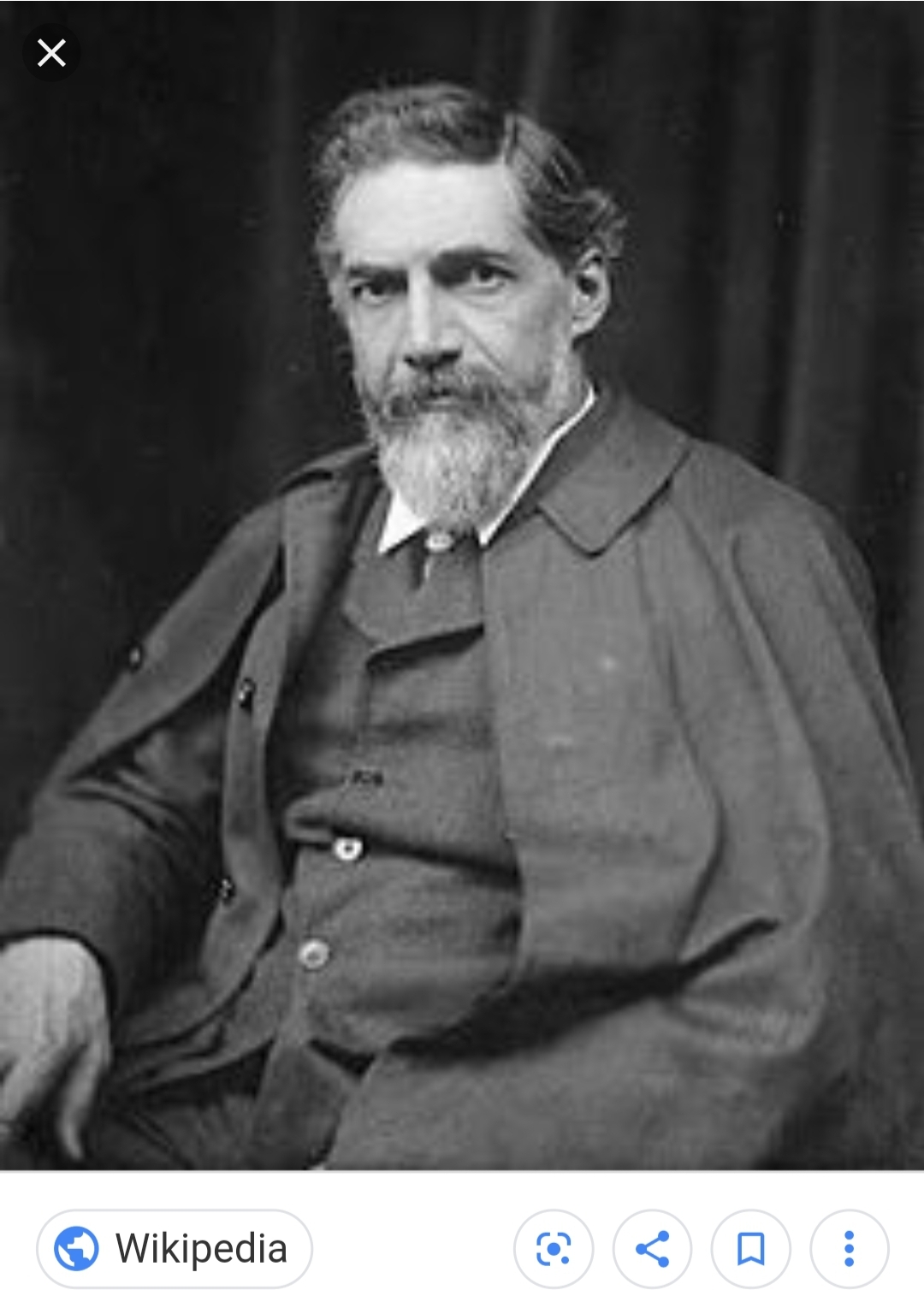
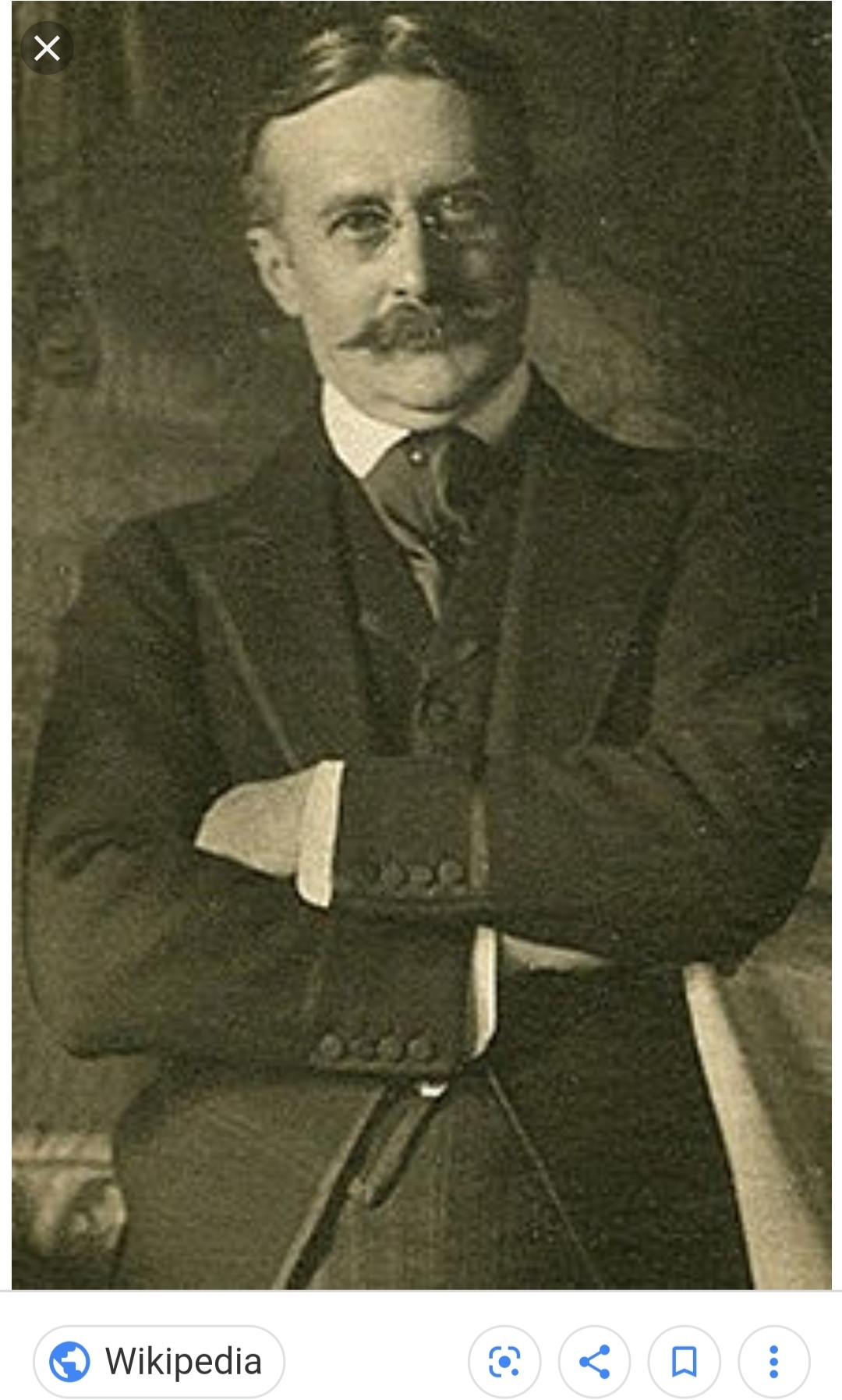
139) Flinders Petrie

Courtesy of Wikipedia

139) W.F. Petrie

Pioneer of Systematic Methodology in Archaeology

Born: 3 June 1853, Charlton, Greater London, United Kingdom

Died: 28 July 1942, Jerusalem, Palestine (Present-day Jerusalem, Israel)

Original Name: William Matthew Flinders Petrie

Egyptologist who also Studied ancient systems of weights and measures; Flinders excavated at Abydos, Amarna, The Pyramids at Giza, and other important Egyptian sites as well as in Palestine.

Flinders put forth the notion of sequence dating objects from archaeological sites. This allowed for a reconstruction of history itself in a way that was never before possible.

He was knighted in 1923.

Badges Earned:
Find a Grave Marked

Located In My Personal Library:

Ancient Egypt: An Introduction by Salima Ikram

Religion and Magic in Ancient Egypt by Rosalie David

The Curse of the Pharaohs by Philipp Vandenberg

The Great Book of Ancient Egypt: In the Realm of the Pharaohs by Zahi Hawass

When Women Ruled the World: Six Queens of Egypt by Kara Cooney

Lost Cities, Ancient Tombs: 100 Discoveries That Changed the World edited by Ann R Williams

King Tutankhamun: The Treasures of the Tomb by Zahi Hawass

Women in the Valley of the Kings: The Untold Story of Women Egyptologists in the Gilded Age by Kathleen Sheppard

Temples, Tombs & Hieroglyphs: A Popular History of Ancient Egypt by Barbara Mertz

Sources:

https://www.britannica.com/biography/Flinders-Petrie

https://www.findagrave.com/memorial/11634248/william-flinders-petrie

138) Harry Gordon Selfridge

Courtesy of Wikipedia

"Life is what you make it."

"Excite the mind and the hand will reach for the pocket."

https://youtu.be/MziJW0Ox2H0

138) Harry Gordon Selfridge

Founder of Selfridges, a London Based Department Store

Born: 11 January 1858, Ripon, Wisconsin, United States of America

Died: 8 May 1947, London, United Kingdom

Harry became known as the Earl of Oxford Street.

Harry grew up an only child. His mother was his sole parent, as his father had chosen to leave the family to fight in The War Between the States, however, after the war, Harry's father chose to not return to his family. Harry's lonely childhood with his mother led to his close relationship with her, and his need to protect women.

When he was twenty-one, Harry joined the company that later became Marshall Fields and Company. He stayed there for twenty-five years and became a junior partner.

In 1906, he headed for London with his fortunes in tow, determined to build his own department store. The store opened in 1909 with a floor space of 42,000 square feet (that later doubled). Before the store even had a chance to open, Harry spent over two million dollars on advertising, attracting future customers to his store.

Selfridges soon became a household name across England, and Harry became a British Citizen in 1937.

Harry was also a Supporter of the Suffragette Movement. He wrote articles defending the cause of suffragettes, flew their flag above the store, and carried goods in the colors of the suffrage movement. Harry's support for the suffragettes also meant his store was one of the few to escape being ransacked and tarnished by the Suffragettes later on.

Eventually, Harry's son, Harry Jr, began working at Selfridges. However, Harry Jr began having an affair with a woman working in the toy department. For all of his egalitarian views, Harry Sr could not stand the thought of his children marrying anyone not in the upper class. Harry Jr actually sequestered his pregnant girlfriend away to hide the relationship from his father. Harry Jr went on to have four children with his wife but was so afraid of revealing his relationship to his father, Harry Sr passed away having no idea he had grandchildren through his son. Harry Jr would not live openly will his family until after Harry Sr's death.

When Harry's wife died in 1918, he began showing up in nightclubs and having a grand old time with the younger generations. Sure, he was in his sixties, but Harry had money and knew how to have a good time. Around this time, Harry began to make friends with celebrities of the day. Some of them would sign the corner of Harry's office window with a diamond tipped pen. Harry was so obsessed with trying to make it into the British social circles, he nearly bankrupted his company. Harry used the store's income as a personal pocketbook, desperate to do anything to make the upper class accept him. He had a huge yacht, rented expensive lands, and did everything he possibly could to make it as a respectable gentleman. Unfortunately for him, Harry also became obsessed with the racy Dolly Sisters around this time. He was already spending buckets of money on his attempts to become a gentleman; but Harry also funded every habit the Dolly sisters picked up...including gambling. If the sisters lost at the gambling table, Harry fronted the money. If they won, they kept the winnings. This added up to thousands of pounds a night. Adjusted for inflation around 2013, it was believed the Dolly sisters cost Harry Selfridge around $200 Million.

By the 1930's, the store had fallen into debt and was struggling to survive. When Harry was eighty years old, the board of Selfridges told him to pay his debts or go. Harry was given a pension and a demotion, but he was out. As the months wore on, Harry became more and more of an embarrassment to the store he had worked so hard to build. By 1940, he was informed he was no longer welcome in the store. Every day, Harry would travel to Oxford Street to stand outside the store and look in, but by then his clothes were shabby and worn. He counted his pennies every day to ride the bus to and from the store, and in 1943 he was arrested for being a public vagrant. He passed away completely penniless.

But why did Selfridges Department Store become such a sensation? Well, there were many reasons. Here are just a few of the highlights:

At Selfridges, Harry was determined to ensure potential buyers felt no pressure to buy anything. At the time of the store’s opening, stores employed men to wander around and remove people who weren't actually interested in buying anything. Harry ensured that not only were these men not employed in Selfridges, but that there was also no feeling of pressure or a rush to get people in and out. Selfridges also brought in new innovations like, wait for it, the ability for customers to actually look at and touch individual items for sale rather than looking at them from behind glass cabinets. That seems shockingly dull today, but in 1909, this was unheard of.

Selfridges was also the first department store in Europe with public bathrooms for women. This innovation allowed for much more freedom for upper class women in England. These women no longer had to be sequestered in the home, nor did they have to wait for an escort to go out in public. At Selfridges, women were allowed to shop to their heart's content, and gain new freedoms as they did so.

Selfridges also came up with the idea of debuting makeup and perfume at the front of the store. Before Selfridges, makeup and perfume were hidden away. Harry wanted makeup and perfume to be respectable true, but this innovation also brought fresh scents and bright colors to the front of the store. Selfridges made brightly colored cosmetics popular for girls, and today, vividly colored makeup is a several billion dollar a year business, and popular with both women and men.

Selfridges was also the first store in London in which every social class shopped together. No longer would upper-class and lower-class folk be divided. When Selfridges opened the Bargain Basement in 1910, they did so in the hopes of attracting the middle class. The store also introduced the first bi-annual sale, something retailers the world over do now.

The staff at Selfridge's was also treated much better than any other store. Instead of treating his staff like domestic servants, Harry saw them as members of the team. He refused to fine his employees, and ensured none lived on site, a first for London department stores. Harry also urged his workers to improve their customer service and not push making a sale on anyone. Every morning, he would write notes to the staff on how to better improve the store's operations.

During World War I, Harry earned a contract to make underwear for the French Army. And in 1915, the store pharmacist staged a demonstration by creating Mustard Gas on the roof. By 1919, the size of the store doubled to the size it remains today.

In the 1920's, Selfridges made another leap forward. For the first time, the store was stocking dresses available off the rack. No longer did dresses have to be specially made for each woman; now one could walk in, pick a dress, and walk out with it the same day. The dresses available in this style were also much shorter than what had been seen before. That's right, the flappers were in.

Also, during this time, Selfridges had the largest viewing windows in the world. Selfridges was the first store to have their display windows lit at night. And to this day, Selfridges store windows attract attention for thousands of visitors a year. The store was even the first to use mass electricity, was one of the first to broadcast radio, used television, and had nine elevators, more than any other store. Selfridges was also one of the first to employ women to operate the elevators.

Today, Selfridges dedicates more space to fashion and accessories for younger generations, helping bring in a new generation of customers constantly.

After decades of declining sales, the store was bought in 2003 by a millionaire Canadian family, and today the store is once again posting record profits. It’s really no surprise Selfridges has dominated not just Oxford Street but shopping the world round for over a hundred years.

PBS Released a Documentary called Secrets of Selfridges in 2013. You can watch it in the video linked here in this article.

Badges Earned:
Find a Grave Marked

Sources:

https://www.britannica.com/biography/Harry-Gordon-Selfridge

https://www.selfridges.com/US/en/features/articles/selfridges-loves/selfridges-in-bloom/

https://www.selfridges.com/US/en/features/info/our-heritage/?cm_sp=feature-_-TheSelfridgesStory12345ThereAreGreatThingsToCome-_-CT-HarrysTopFiveFirstsmakingBeautyBigBusinessmakingASpectaclechampioningWomensRightstheTheatreOfRetailtuningIn-US

https://www.findagrave.com/memorial/13731901/harry-gordon-selfridge

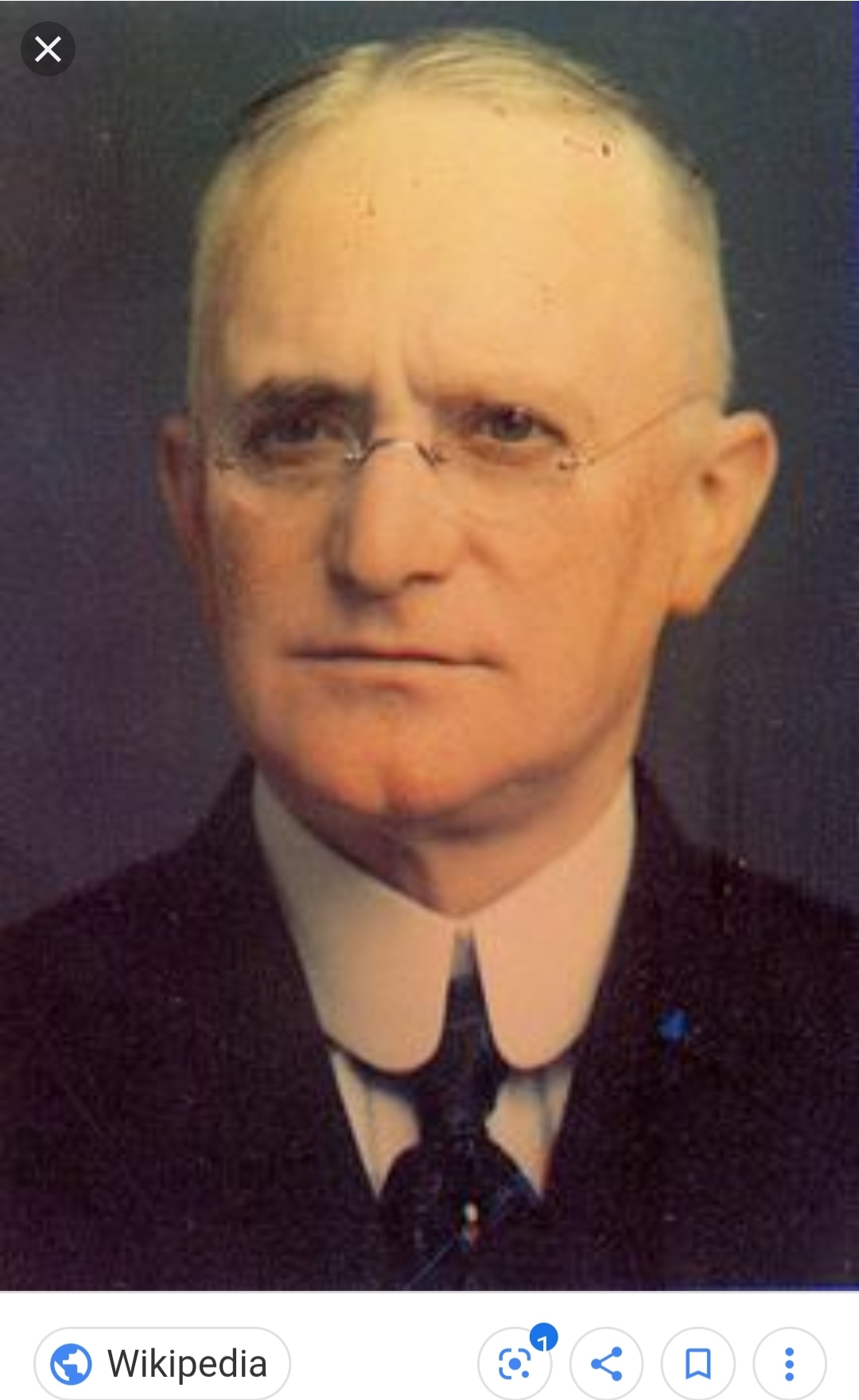
137) George Eastman

Courtesy of Wikipedia

137) George Eastman

Founder of Eastman Kodak Company

Born: 12 July 1854, Waterville, New York, United States of America

Died: 14 March 1932, Rochester, New York, United States of America

He was a pioneer in the field of print photography, and not just because he made the first simple cameras available to the public.

George had to leave school at the age of fourteen to support his family after his father’s death. When he was twenty-three, he purchased his first photography kit, and quickly became obsessed.

However, early photography was a chore. The equipment was expensive, cumbersome, and awkward to use. George spent three years experimenting in as many different ways as he could to ease the process. He soon came up with the dry-plate coating machine, which he patented as well.

In 1881, he opened the Eastman Dry Plate Company, which became the Eastman Dry Plate and Film Company in 1884 and then finally the Eastman Kodak Company in 1892.

His work included, as mentioned above, an easy to use and less expensive camera for the wider public, as well as a flexible film that made making moving pictures much easier.

George committed Suicide shortly after being diagnosed with an irreversible spinal disease. He reportedly wrote in his suicide note, “My work here is done. Why wait?”

His estimated net-worth at the time of his death was $84.9 million, or in 2018 dollars, $1.55 billion. During his lifetime, he donated over one hundred million dollars to various charitable works. He also put in his will that his money should be used to encourage education, provide medical care to the community, and create an appreciation for the arts.

Badges Earned:

Find a Grave Marked

Sources:

https://www.eastman.org/about-george-eastman

https://www.kodak.com/US/en/corp/aboutus/heritage/georgeeastman/default.htm

https://www.findagrave.com/memorial/2184/george-eastman

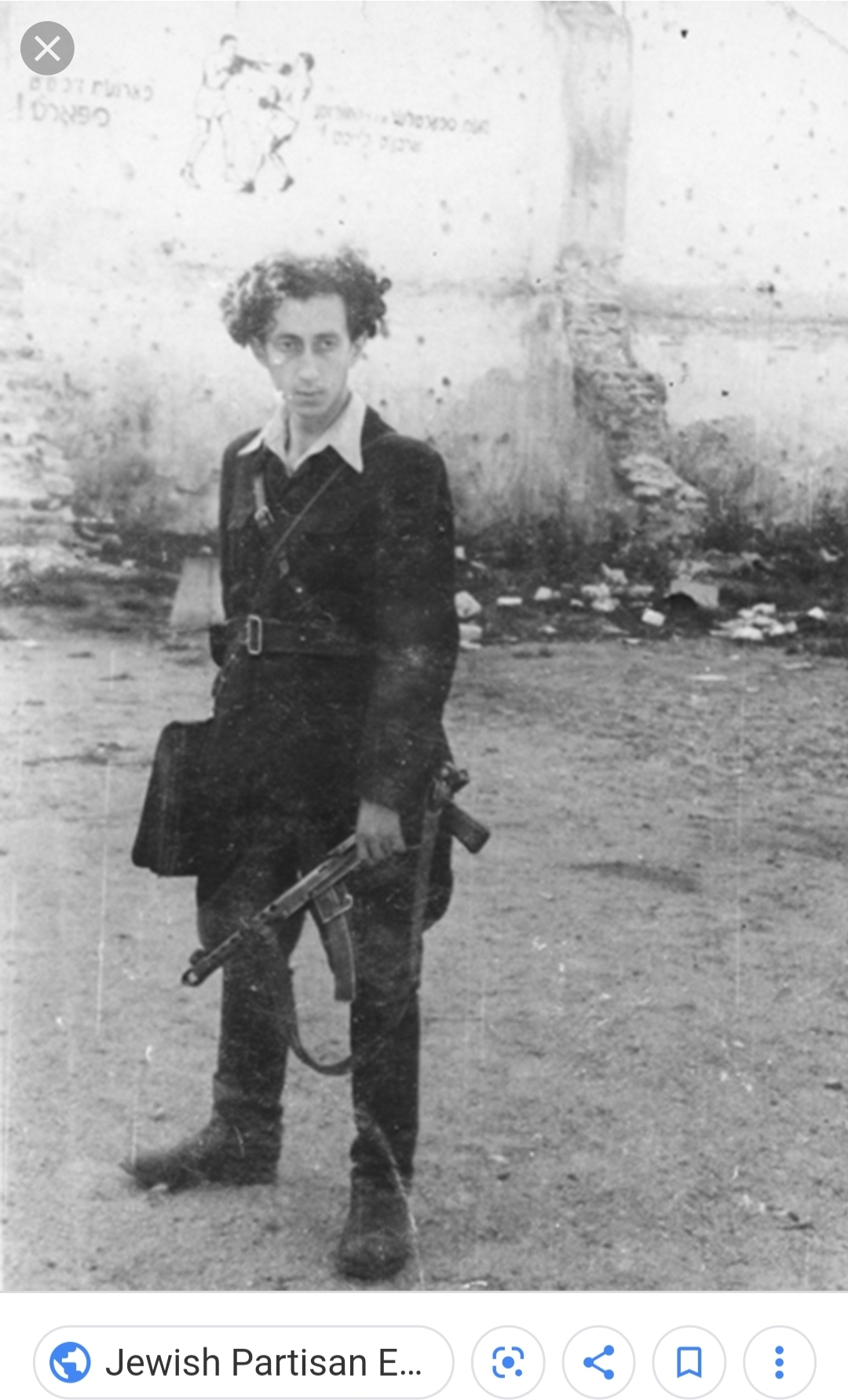
136) Abba Kovner

Courtesy of the Jewish Partisan Educational Foundation

136) Abba Kovner

Founder of the Ha-Nokmim Resistance Movement

Born: 14 March 1918, Either Russia or Belarus (Sources Vary)

Died: 25 September 1987, HaMerkaz, Israel

He was also a Poet and Writer.

Ha-Nokmim functioned in the forests outside of Vilna in modern-day Lithuania during the Shoah. Ha-Nokmim means The Avengers. The Avengers destroyed over 180 miles of train tracks, 40 enemy train cars, and five bridges. They also killed over 200 enemy soldiers and rescued over seventy Jews.

They also participated in recapturing Vilna with the help of the Red Army in 1944.

Abba and some of the other partisans also took part in an attempt to poison millions of Germans by tarnishing their water sources. This group was called Nakam, or Revenge. The plot failed after Abba was arrested trying to smuggle the poison back into Europe, but he didn’t stop.

Instead, Abba instructed Vitka Kempner, a fellow resistance fighter and his girlfriend, to find the German POWs and kill them. Vitka would oversee having 2,300 loaves of bread coated with arsenic.

According to released news sources, no one died, they just fell ill and then recovered, but some believe deaths did occur, and were just covered up. Whatever the case, the plot had once again failed.

Abba gave up and ordered the members of Revenge to return to Palestine and move on with their lives.

Abba and Vitka married and helped unite and form Israel. They had two children together.

Abba would also testify at the trial of Adolf Eichmann in 1961, but above all, he was remembered for his poetry.

In 2018, a documentary entitled Holocaust: The Revenge Plot was released for television. I have linked the trailer in this article.

Badges Earned:

Find a Grave Marked

Sources:

http://www.jewishpartisans.org/partisans/abba-kovner

https://www.rejectedprincesses.com/princesses/vitka-kempner

https://www.findagrave.com/memorial/162134033/abba-kovner

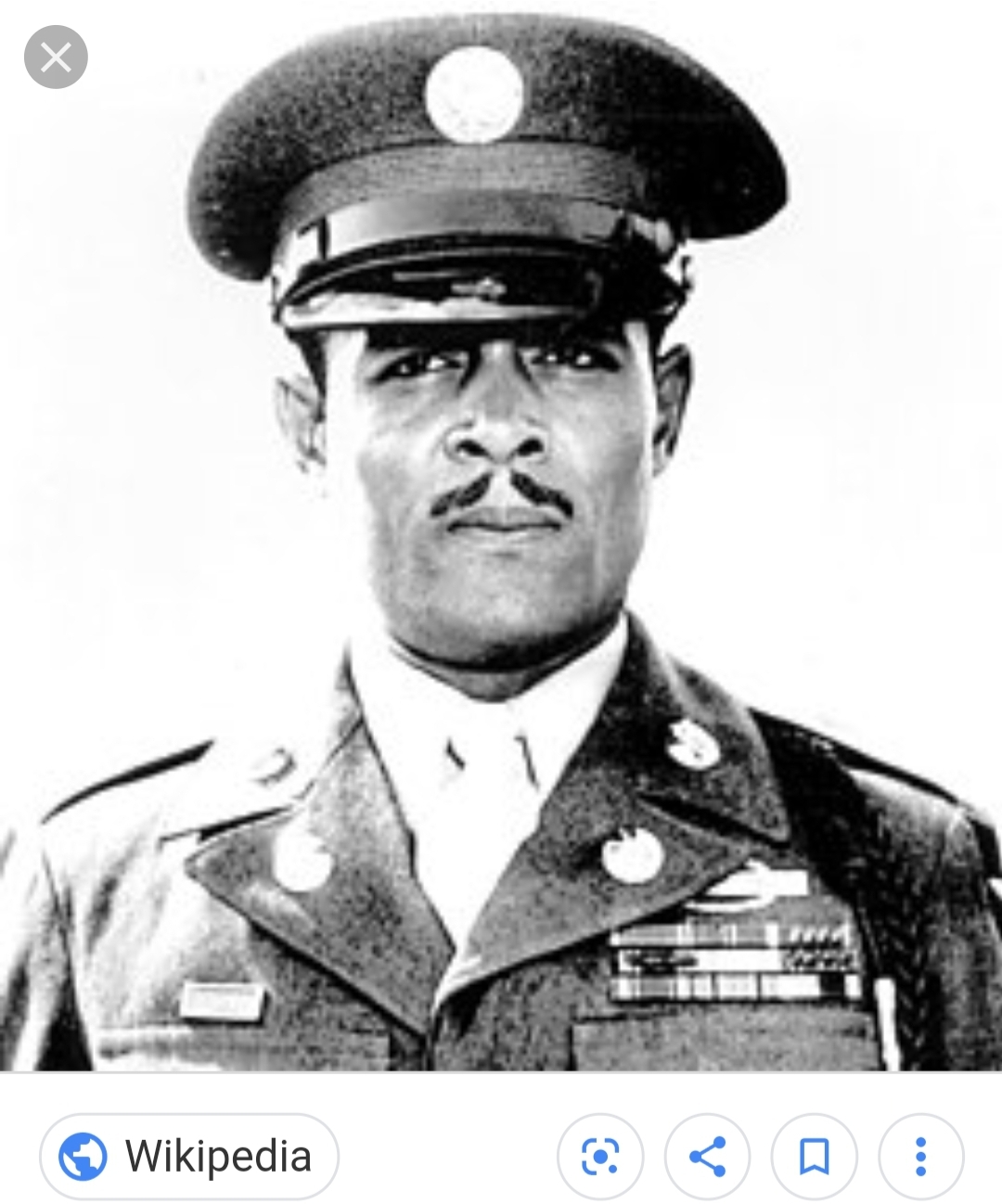
135) Sergeant First-Class Edward Allen Carter Jr

Courtesy of Wikipedia

135) Sergeant First-Class Edward Allen Carter Jr

Medal of Honor Recipient who before that became fluent in English, Hindi, Mandarin, and German (his family moved a lot)

Born: 26 May 1916, Los Angeles, California, United States of America

Died: 20 January 1963, Los Angeles, California, United States of America

He joined the Chinese Nationalist Army while living in China; Edward made it the rank of lieutenant before being discharged for being underage.

He then fought in the Spanish Civil War.

In 1941 he joined the US Army and was promoted to Staff Sergeant because of his prior military experience.

He remained in the Army even after being demoted to a cook, the reason was either because he was African American, a suspected Communist (he wasn't) or a combination of both.

Luckily by 1945 he was given his Staff Sergeant Stripes back and became an infantry squad leader.

Edward would later serve as one of George Patton’s bodyguards.

He was awarded the Distinguished Service Cross when he should have earned the Medal of Honor (literally the only reason he didn’t was because of racism).

Edward was promoted to Sergeant First Class but was denied re-enlistment when his contract came up.

He was honorably discharged in 1949 over fears that he might have communist sympathies from his past.

Edward was finally awarded the Medal of Honor in 1997 and a re-burial in Arlington National Cemetery.

His family also received on his behalf a new discharge order from the military that stated he should have and was eligible for full re-enlistment.

Edward is featured in the Netflix Series Medal of Honor. I've included the trailer in this article.

Badges Earned:

Find a Grave Marked

Sources:
https://www.blackpast.org/african-american-history/edward-carter-jr-1916-1963/

http://www.militarymuseum.org/Carter.html

https://www.findagrave.com/memorial/471406/edward-allen-carter

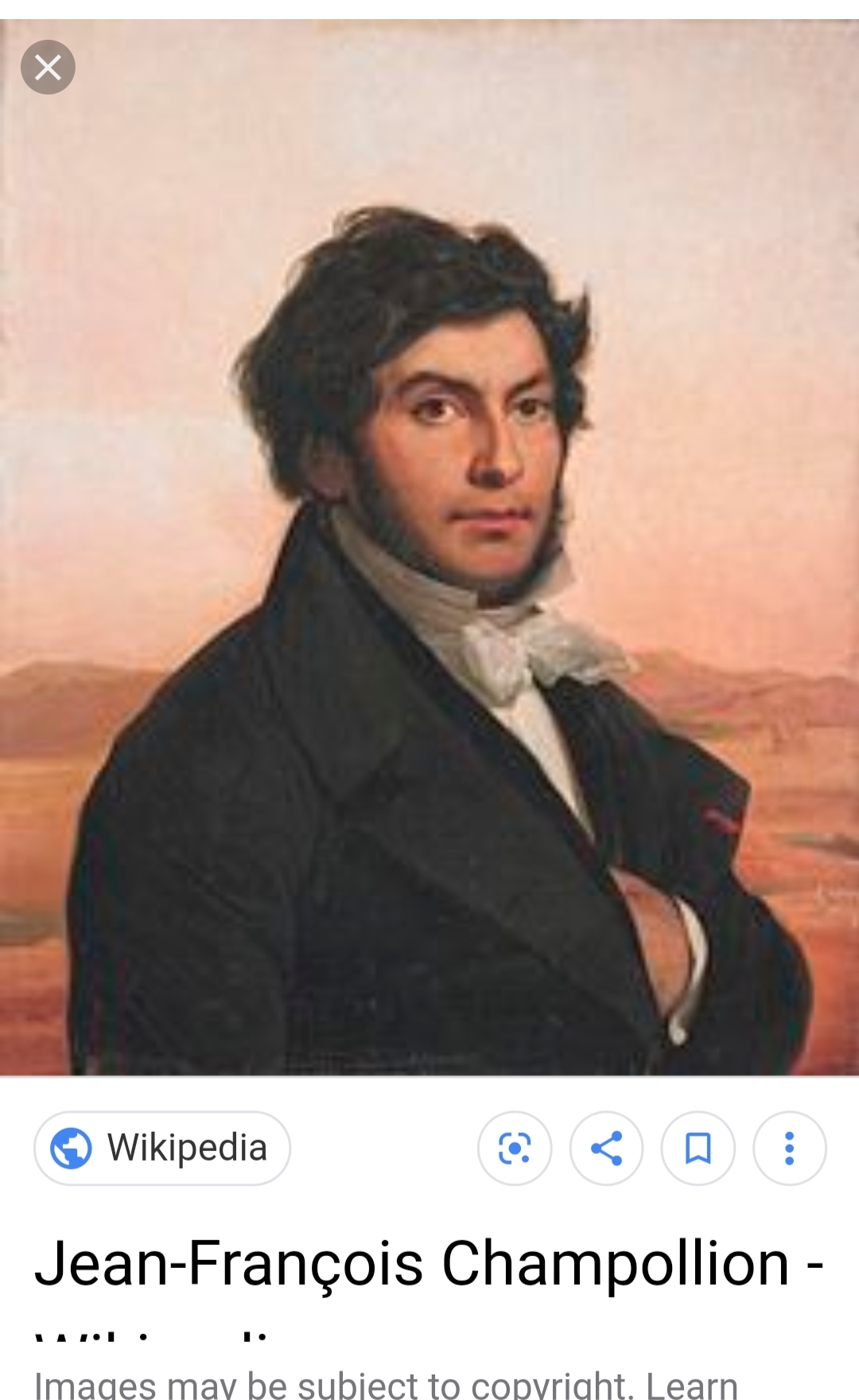
134) Jean-François Champollion

Courtesy of Wikipedia

134) Jean-François Champollion

Most Known For His Significant Contributions in Translating Egyptian Hieroglyphs

Born: 23 December 1790, Figeac, France

Died: 4 March 1832 AD, Paris, France

Part of the reason why Champollion was able to translate Hieroglyphs (via the Rosetta Stone) was because of his amazing linguistic capabilities. It is said he mastered a dozen languages by the time he was sixteen.

By the age of twenty he supposedly knew: French, Latin, Greek, Hebrew, Amharic, Sanskrit, Avestan, Pahlavi, Arabic, Syriac, Chaldean, Persian, and Chinese.

Champollion became a history professor in 1809 when he was only nineteen years old, with a special interest in Oriental Languages.

It was his interest in Coptic, an early Christian language spoken in Egypt, that led to his breakthrough in cracking the Rosetta Stone, which is inscribed in Ancient Greek, Demotic, and Egyptian Hieroglyphs.

Champollion was the first to correctly realize that hieroglyphs can stand for alphabetic signs, syllabic signs, and determinative—meaning standing for a whole idea or concept.

Today, Coptic is recognized as the closest still spoken language to that the Ancient Egyptians used.

After publishing his translation of the stone in 1824, he became a professor of Egyptology. Champollion also served as the curator of the Egyptian Collection at the Louvre and led an archaeological expedition to Egypt.

He died while in the middle of creating his book of Egyptian Grammar and Dictionary, but his brother published it after his death.

Badges Earned:

Find a Grave Marked

Located in My Personal Library:

Ancient Egypt: An Introduction by Salima Ikram

Hieroglyph Detective by Nigel Strudwick

The Keys of Egypt by Lesley Adkins

Lost Cities, Ancient Tombs: 100 Discoveries That Changed the World edited by Ann R Williams

National Geographic History Magazine Article "Champollion: Hieroglyphic Hero" by Penelope Wilson (September/October 2022 Edition)

National Geographic History Magazine Article "The Rosetta Stone" (June/July 2015 Edition)

The Curse of the Pharaohs by Philipp Vandenberg

Sources:

https://www.britannica.com/biography/Jean-Francois-Champollion

https://www.bbc.co.uk/history/historic_figures/champollion_jean.shtml
https://www.findagrave.com/memorial/7772/jean-fran_ois-champollion

  • Previous
  • 1
  • …
  • 129
  • 130
  • 131
  • 132
  • 133
  • 134
  • 135
  • …
  • 159
  • Next

Categories

Archives

  • July 2025 (10)
  • July 2024 (1)
  • January 2024 (1)
  • August 2023 (1)
  • June 2023 (2)
  • October 2022 (1)
  • July 2022 (1)
  • June 2021 (3)
  • December 2020 (3)
  • August 2019 (1)
  • July 2019 (2)

Search

© 2026 The Exasperated Historian | Powered by Minimalist Blog WordPress Theme