The Exasperated Historian
Menu
  • Home
  • The Women’s List (New)
  • The Men’s List
  • The Animal List
  • Collections
  • The Blog
  • Contact Us
  • FAQ
Menu

Category: Birth Locations

123) Private John J Williams

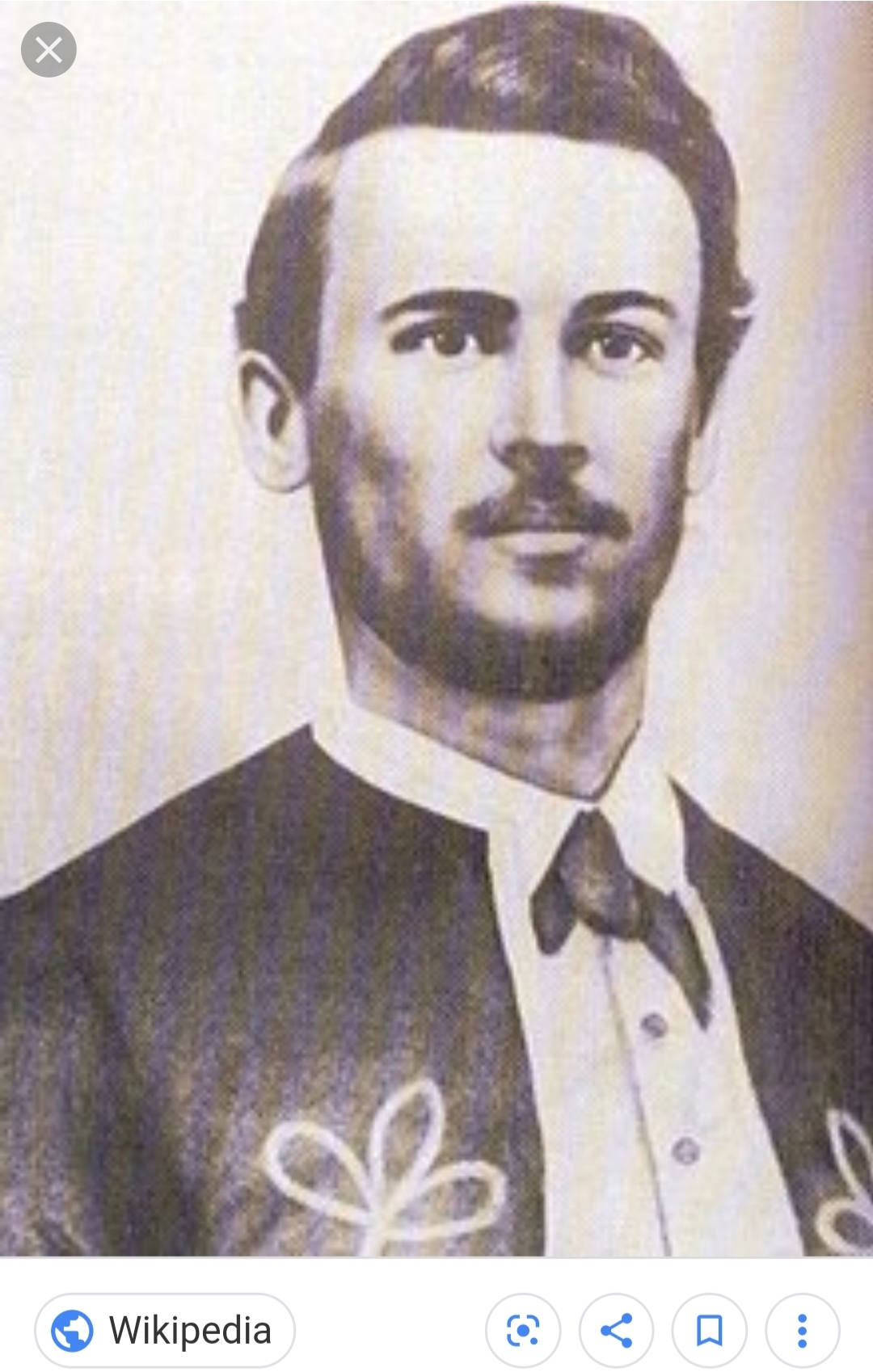
Courtesy of Wikipedia

123: Private John Jefferson Williams

The Last Casualty of the War Between the States

Born: 1843, Jay County, Indiana, United States of America (Or Pineville, Louisiana, United States of America—Sources Differ)

Died: 13 May 1865, Cameron County, Texas, United States of America

He was killed after the Appomattox Surrender; at the Battle of Palmito Ranch.

John was a Union Soldier.

The only real sources I can find for him on the internet are Wikipedia (Yikes) and Find a Grave—which means there is no solid information to pull from out there. However, I have linked to his Genealogy profile from Geni.com which has many sources if you would like to do some independent study and research of your own.

According to Find a Grave he is buried in two separate states with two different headstones. After doing a little digging, I’ve found a website that has an explanation for the discrepancy. According to A3 Genealogy, John has actually had three different burial sites over the years: the second, in the Alexandria National Cemetery in Louisiana, retains a headstone for him despite his body being moved. The third burial site, and the second listed on Find a Grave, is where his body truly lies, in the family cemetery in Indiana.

Badges Earned:

Find a Grave Marked

Sources:

https://www.geni.com/people/John-Williams/6000000034213493086

http://blog.a3genealogy.com/2011/08/civil-war-burials.html

https://www.findagrave.com/memorial/6805019/john-jefferson-williams

https://www.findagrave.com/memorial/68473848/john-jefferson-williams

122: Alfréd Wetzler

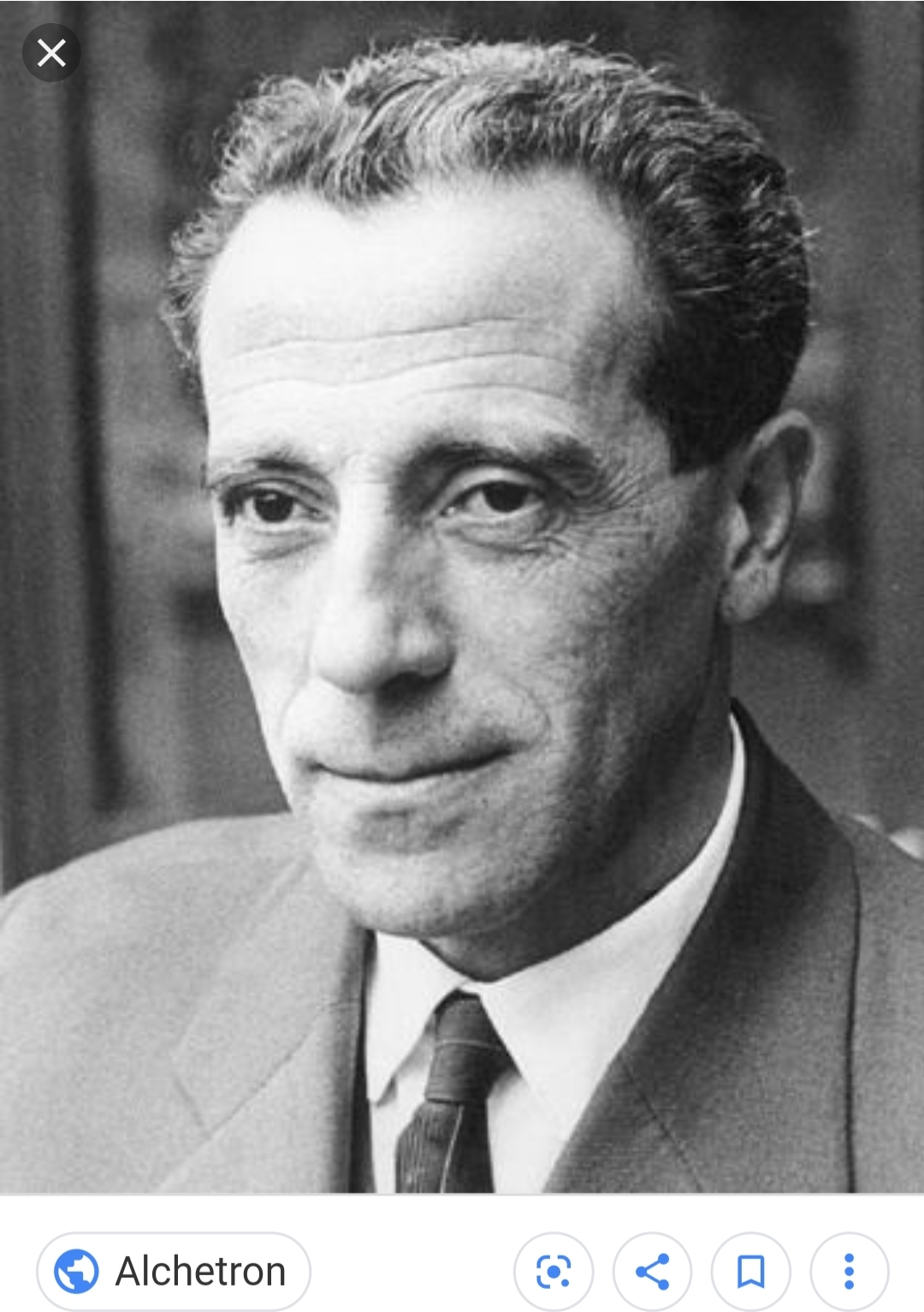
Courtesy of Alchetron

122: Alfréd Wetzler

Escaped Auschwitz alongside Rudolf Vrba

Born: 10 May 1918, Trnava, Slovakia

Died: 8 February 1988, Bratislava, Slovakia

Alfréd and Rudolf wrote a forty-page long document detailing what they saw and experienced within the camp during the two years they were imprisoned there. Today the document is known by two names, The Vrba-Wetzler Report or the Auschwitz Protocols. The report is invaluable in many ways. For one thing, it was one of the earliest documents that tried to estimate how many were being killed in the camp every day, and for another, it provided an extremely detailed look into the Gas Chambers located within the camp.

It was translated into English later that same year, 1944, and presented by the War Refugee Board. The original English translation is kept in the Franklin D Roosevelt Presidential Library today.

The true Auschwitz Protocols is really three different eye-witness accounts piled together, with the other two also being from men who escaped Auschwitz and Birkenau. The three compiled reports were presented as evidence at the Nuremburg Trials and the Adolf Eichmann Trial.

Once the Auschwitz Protocols were released to journalists around the world, the details inside started to make headlines. Hungary, in particular, felt the heat of an international audience, and several heads of state made it known that if Hungary did not stop deportations to Auschwitz, they would be held personally responsible. On 9 July 1944, Hungary halted all deportations to Auschwitz. German high command was furious, but unable to resume deportations for a while.

In November of that same year, the pro-Nazi political party took power in Hungary, and deportations started again, but thousands were spared because of the Auschwitz Protocols.

Their story has been featured on an episode of Secrets of the Dead. I will link to where you can watch the full episode below.

Badges Earned:

Find A Grave Marked

Located In My Personal Library:

The Dressmakers of Auschwitz: The True Story of the Women Who Sewed to Survive by Lucy Adlington

Sources:

https://www.jewishvirtuallibrary.org/the-vrba-wetzler-report-auschwitz-protocols

Secrets of the Dead Episode Link: https://www.pbs.org/wnet/secrets/escape-from-auschwitz/8/

https://www.findagrave.com/memorial/26950426/alfred-israel-wetzler

121) Abdul Sattar Edhi

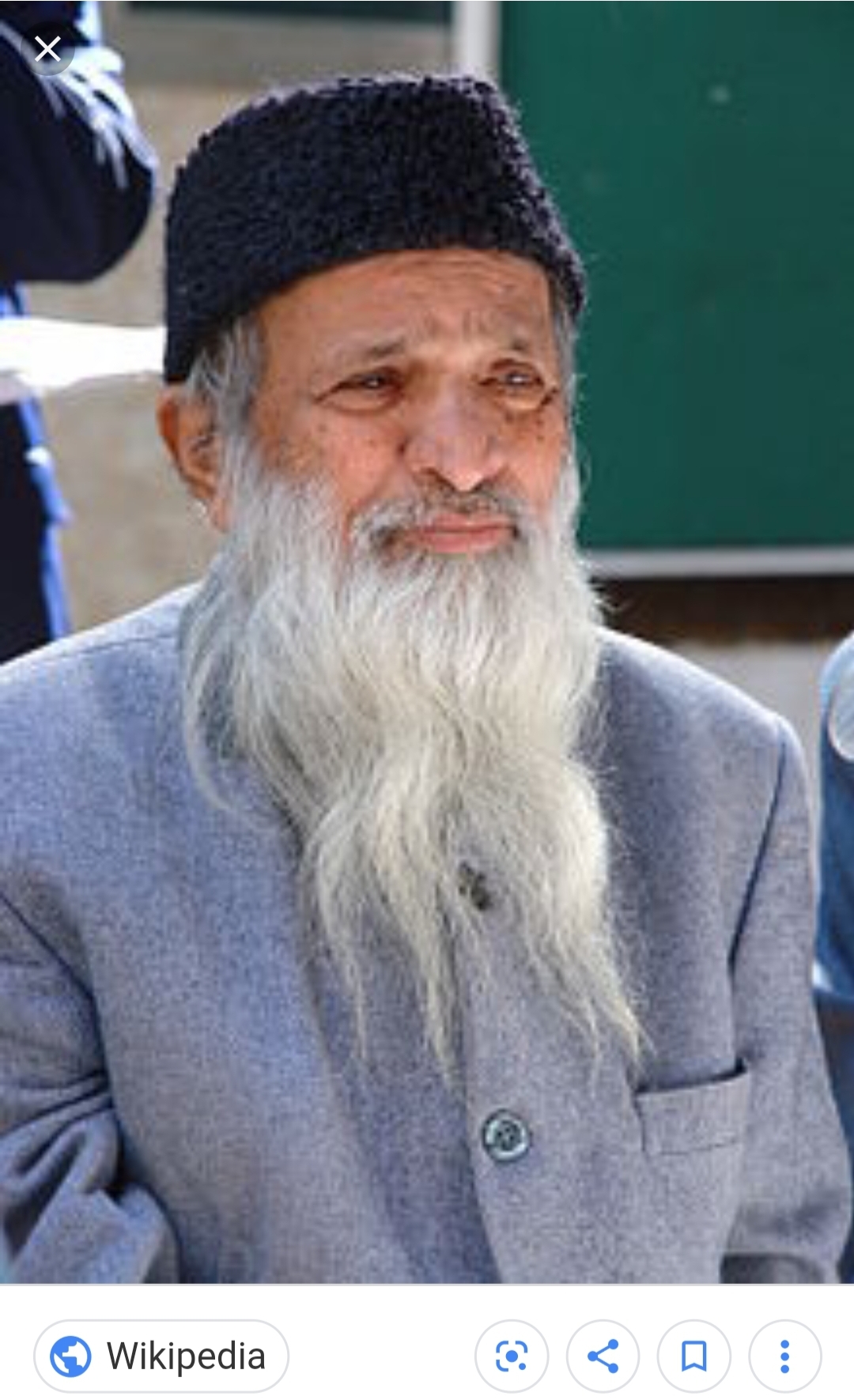
Courtesy of Wikipedia

121: Abdul Sattar Edhi

Now This is How You do Humanitarian Work

Born: 28 February 1928, Gujarat, India (Today Bantva, on the border between India and Pakistan)

Died: 8 July 2016, Karachi, Pakistan

Philanthropist, ascetic, and humanitarian who founded the Edhi Foundation. He started his humanitarian work at the age of eleven after his mother became paralyzed. He cared for her every need for the rest of her life.

According to the Edhi Foundation website, Abdul was never able to finish high school, but that didn’t matter. When he was nineteen, his mother died, and his vision of care centers and other ways of helping the helpless across his country was born.

In 1947, his family emigrated to Pakistan. After a few years working selling cloth, Abdul turned his sights on his true vision. He started fundraising and collecting the money in a trust, with the amount of money raised growing more and more over time.

In 1965, he married and had four children. His wife, Bilquis, is a nurse who worked for the free dispensary. She quickly rose higher though and was put in charge of the free maternity ward. She also organizes adoptions for abandoned and illegitimate babies (as of July 2019, she is still alive).

Abdul and Bilquis helped run hospitals, homeless shelters, rehab centers, maternity wards, and orphanages across Pakistan. The foundation even has the largest number of ambulances in Pakistan. They lived in a small two room apartment near the foundation’s headquarters and took no salary, living off a small stipend from a government fund Edhi had invested in earlier on in life.

Badges Earned:

Find a Grave Marked

Sources:

https://edhi.org/founder-profile/

https://www.britannica.com/biography/Abdul-Sattar-Edhi

https://www.findagrave.com/memorial/166676336/abdul-sattar-edhi

120) Corrie ten Boom

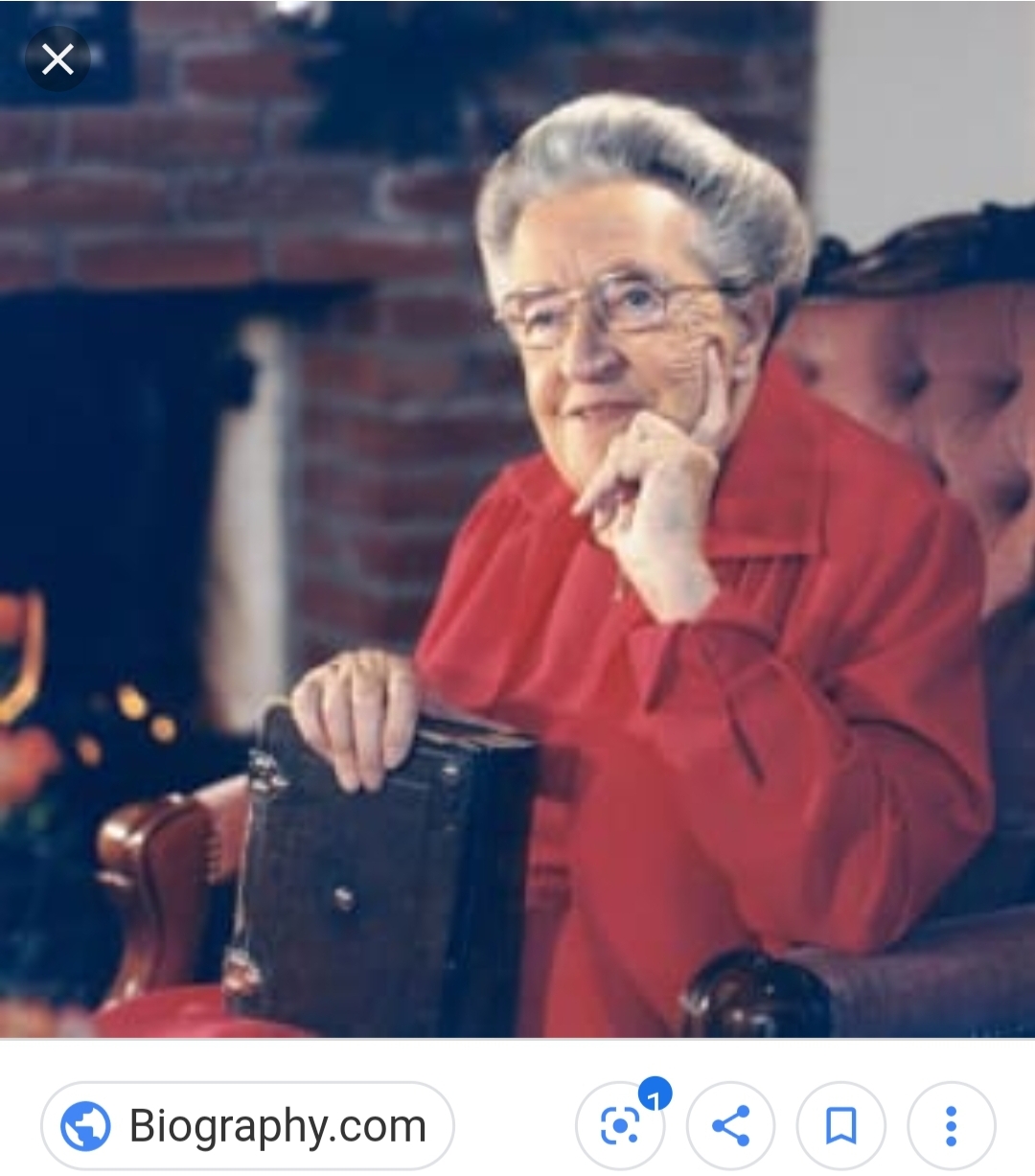
Courtesy of Biography

120) Corrie ten Boom

Survived Ravensbrück Concentration Camp and Later Wrote About her War Experiences

Born: 15 April 1892, Amsterdam, Netherlands

Died: 15 April 1983, Placentia, California, United States of America

Original Name: Cornelia ten Boom

She was the third operator of her family’s watch shop in Haarlem, Netherlands and she celebrated one hundred years of business there (According to Yelp the business is still open, just owned by a different family).

They were very Christian and took in many foster children during the 1920’s and 1930’s while their parents did missionary work (Corrie lived with her father and sister in the house which was connected to the watch shop).

During World War II, they would convert the shop into a Hiding Place (the inspiration for the name of her memoir of the same name)—they passively resisted the Nazi Occupation by protecting Jewish people.

The ten Booms and those they worked with saved an estimated 800 Jews during the war.

In 1944 Corrie, her father, her sister, and around thirty others were arrested by the Nazis after being betrayed.

However, the six people hiding in the house (four Jews and two members of the Dutch Underground) remained undetected and escaped (four of the six would survive the war).

Corrie’s father died ten days after his arrest and Corrie’s sister would perish in Ravensbrück but Corrie survived.

After the war and her release, she would travel to over sixty countries to spread Jesus’s gospel and message of love and healing, she passed away on her ninety-first birthday having never married or had any children.

Badges Earned:

Find a Grave Marked

Located In My Personal Library:

The Watchmaker's Daughter: The True Story of World War II Heroine Corrie ten Boom by Larry Loftis

Sources:

https://www.corrietenboom.com/en/information/the-history-of-the-museum

https://www.tenboom.org/about-the-ten-booms/

https://www.findagrave.com/memorial/22002/corrie-ten_boom

119) Ankhesenamun

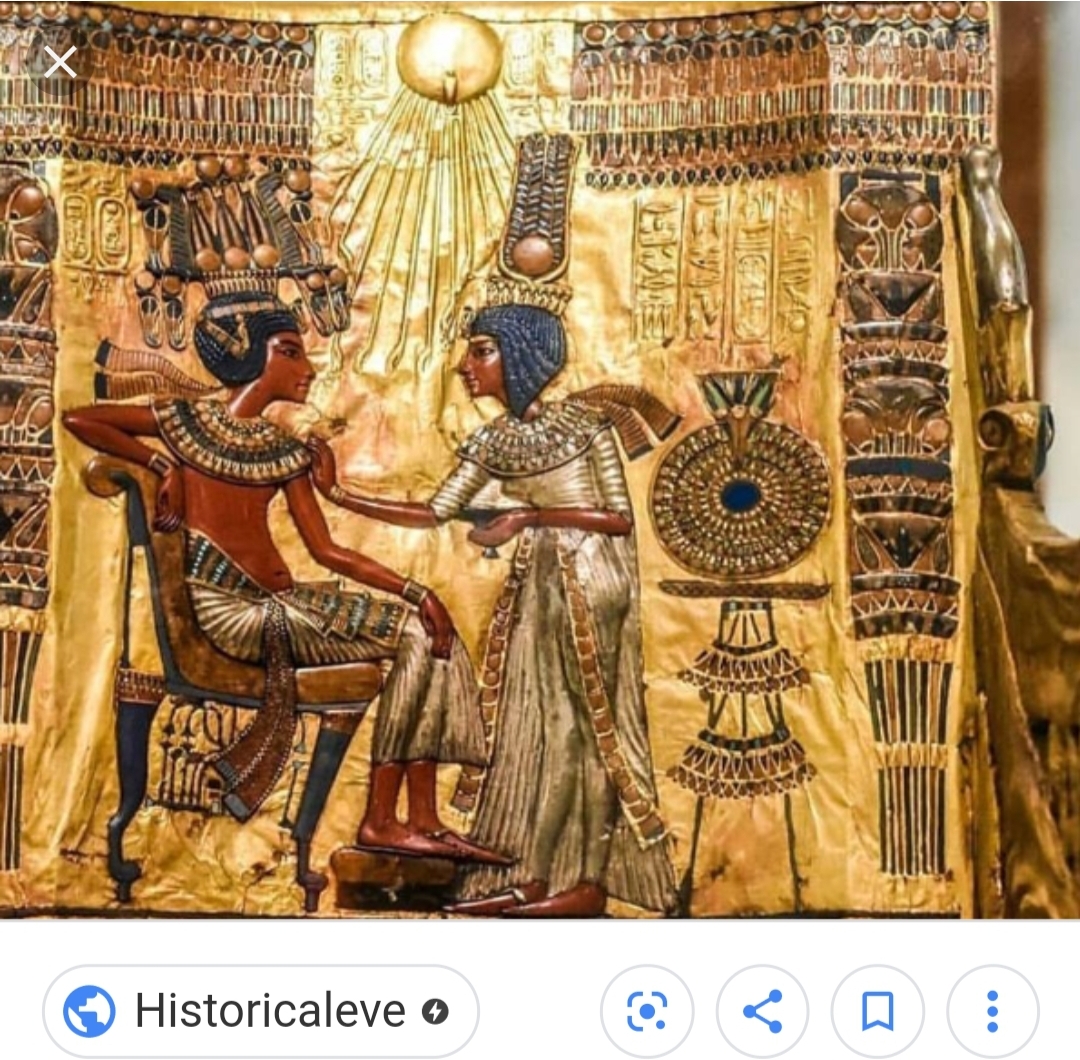
Photo of the golden throne of Tutankhamun, discovered in his tomb, depicting Tut and his wife Ankhesenamun

119) Ankhesenamun

Egyptian Queen and Sister-Wife of Tutankhamun

Born: c1350 BC, Ancient Egypt

Died: After 1323 BC, Ancient Egypt

Original Name: Ankhesenpaaten

Ankhesenamun was one of six daughters born to the power couple Pharaoh Akhenaten and Nefertiti, their third of six daughters.

In January of 2018 Zahi Hawass began a quest to uncover her royal tomb, but so far, no results have yielded.

She may have been married to her father before she married her half-brother Tutankhamun.

During her youth, Ankhesenamun was actually named Ankhesenpaaten (She Lives Through Aten) but after her brother-husband Tutankhamun (who had previously been Tutankhaten) changed the state religion back to polytheism from their father's more monotheistic reign, Ankhesenamun changed her name to reflect the change. Her new moniker meant "She Lives Through Amun"--to learn more look at her sister Meritaten’s entry—or research the Amarna Period).

Ankhesenamun married Tutankhamun when she was around thirteen and he was eight or nine. Ankhesenamun may have given birth to Tutankhamun’s two stillborn daughters found mummified in his tomb.

After Tutankhamun died, Ankhesenamun most likely married his successor Ay—who was also most likely her grandfather (her mother Nefertiti’s father).
A record of correspondence between an Egyptian Queen and the King of the Hittites at around that time time survives and most attribute the queen in question to being Ankhesenamun.

The writing is of the queen begging the king of the Hittites to send her one of his sons so she can marry as she had no son of her own and no one to take the throne—if Ankhesenamun wrote the letter it would seem she was trying to avoid marriage to Ay.

The King of the Hittites did send one of his sons, but he never arrived and was most likely killed by Horemheb—the general who would become Pharaoh after Ay’s death (and also the one who tried to wipe out any mention of Akhenaten and his family—he was a little touchy on the whole religious upheaval thing).

If Ankhesenamun was married to Ay no mention of her survives in his royal tomb and any evidence after the writing of the Hittite Letter is nonexistent at this time.

Zahi Hawass’s dig was funded by the Discovery Channel and began digging in the Valley of the Monkey’s near Ay’s gravesite in January of 2018. If any more information about this reclusive queen turns up, I will update the listing here accordingly.

Badges Earned:
Located In My Personal Library:

Daughters of Isis: Women of Ancient Egypt by Joyce Tyldesley

The Great Book of Ancient Egypt: In the Realm of the Pharaohs by Zahi Hawass

Religion and Magic in Ancient Egypt by Rosalie David

Scanning the Pharaohs by Zahi Hawass and Sahar Saleem

Secret Egypt by Zahi Hawass

The Pharaohs by Dr. Joyce Tyldesley

King Tutankhamun: The Treasures of the Tomb by Zahi Hawass

When Women Ruled the World: Six Queens of Egypt by Kara Cooney

Temples, Tombs & Hieroglyphs: A Popular History of Ancient Egypt by Barbara Mertz

National Geographic History Magazine Article "King Tut's Unsolved Mysteries" by Ann R Williams (November/December 2022 Edition)

Sources:

https://www.thevintagenews.com/2018/07/21/ankhesenamun/

https://www.smithsonianmag.com/smart-news/archaeologists-could-close-tomb-king-tuts-wife-180967858/

118) Juana Maria

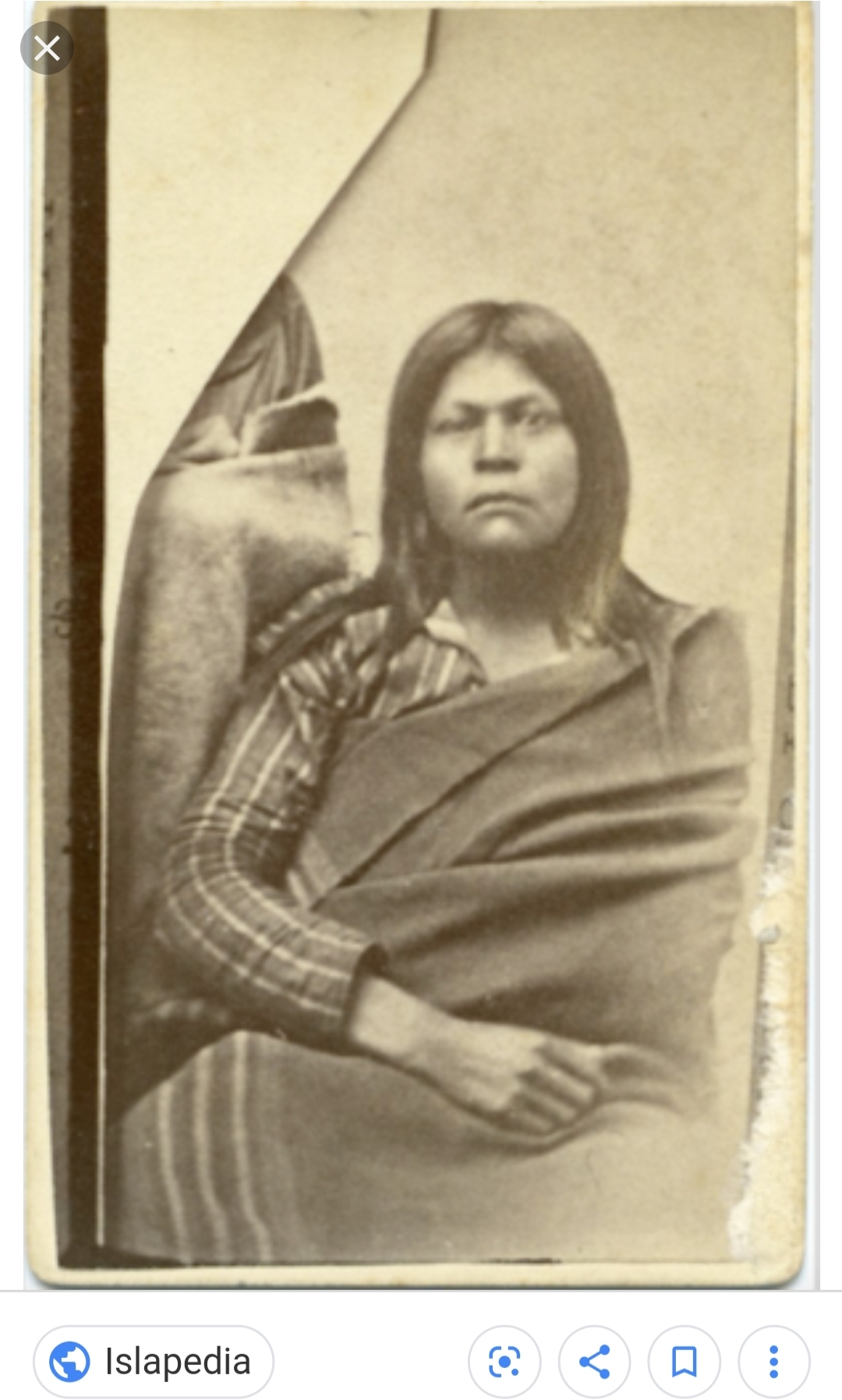
Courtesy of Islapedia

118) Juana Maria

The Lone Woman on San Nicolas and the Inspiration for the Classic Scott O’Dell Novel Island of the Blue Dolphins

Born: c.1811, most likely San Nicolas Island, California, United States of America

Died: 18 or 19 October 1853, Garey, California, United States of America

Original Name Unknown

She was the last survivor of her Native American Tribe the Nicoleño who inhabited the island San Nicolas just off the California coast.

The island is so barren and desolate today the United States Federal Government was considering it as the site to test the first nuclear bombs, and is today used by the military to test other weapons. San Nicolas is one of eight islands in the Channel Islands network.

Juana was discovered on the island in 1853 after living alone there for approximately eighteen years (see notes below). After being taken to the mainland she was baptized by Catholic Priests and given the name Juana Maria however her real name is unknown.

Her people had all died off by the time she arrived in California (their immune systems were not equipped to fight foreign germs--see additional Note below) and so no one could understand her language.

Her tribe is thought to have lived on the island for possibly as many as 10,000 years. In 1811, the island was attacked by Russian fur hunters who raped the women and massacred the tribe. The Spanish soon arrested some of the Russians wanting a piece of the action for themselves but by then it was too late and most of the Nicoleño men were dead.

In 1835, missionaries arrived on the island and somehow convinced all but two of the island’s inhabitants to get on the ship to go back to California.

The two that stayed were Juana and a young boy; whether the boy was her son or younger brother remains unknown as well—and Scott O’Dell’s version of her jumping off the boat to return to shore is one of the possible explanations (the other is that they simply didn’t notice they weren’t on board until it was too late).

Several ships returned to the island to look for Juana and the boy, but they never found anyone.

After arriving back at the Mission in Santa Barbara and being unable to communicate with anyone someone wrote down one of her songs—linguists today have no idea what the language is, and some claim she was not even Nicoleño.

By the time she was baptized—seven weeks after her arrival in Santa Barbara—she was dead.

Artifacts of her life do remain from when she left the island but an archaeological excavation in 2015 was stopped by a local tribe.

Notes:

A 2016 article claims researchers have found not all the Nicoleños died before Juana Maria, with one living until 1861, however, the researchers were unable to prove any of those surviving had descendants that can be found today. Until new evidence arises, it would seem the Nicoleños truly are dead.

A 2022 article in National Geographic Magazine stated that further studies done on what is known of Juana Maria make it seem as though the boy on the island with her was her son, and that Juana and her son lived together on the island for many years before he died in unknown circumstances. The article also states that linguists are continuing to try and unlock the clues Juana left behind in her language.

Badges Earned:

Find a Grave Marked

Located in My Personal Library:

Island of the Blue Dolphins by Scott O’Dell

National Geographic History Magazine Article "The Lone Woman of San Nicolas Island" by Erin Blakemore (November/December 2022 Edition)

Sources:

https://daily.jstor.org/juana-maria-blue-dolphins/

https://www.vcstar.com/story/news/special-reports/outdoors/2016/10/08/researchers-discover-nicoleno-survivors/91732008/

https://www.findagrave.com/memorial/48021879/juana-maria

117) Watkuese

117) Watkuese

Nez Perce Guide whose name means Lost and Was Found

Birth Location is estimated as Idaho, United States of America but it not known for certain

Died: 1805, Idaho, United States of America

Watkuese reportedly saved Lewis and Clark from being killed by her tribe.

She was separated from her tribe (and was a slave to another tribe) and returned having seen white people for the first time—telling her tribe they numbered more than trees in a forest, and they had many things the Nez Perce did not.

Nobody believed her until The Corps of Discovery showed up on their doorstep (this also introduced them to the first African person—the slave York).

Watkuese warned her people to feed the Corps and treat them well because the White Man had treated her well when she’d been a slave.

She is said to have died soon after the Corps left (or possibly even before).

I found a book (linked below) that says Watkuese was taken as a child and sold to another tribe before being sold again to a white man who made her his wife, she had a child with him but returned to her people after he decided to move back across the Atlantic.

On her trek home (which was thousands of miles from the Eastern coast back to Nez Perce territory on the Western Coast), her baby died, but she kept going, finally reaching home. She was most likely in her twenties when she died.

Watkuese's story is featured on an episode of Monumental Mysteries entitled "The Real Rocky, Dr. Burdell, Kissing Sailor".

Badges Earned:

Located In My Personal Library:

Native American Women: Three Who Changed Women by Gloria Stiger Linkey

Malinche, Pocahontas, and Sacagawea: Indian Women as Cultural Intermediaries and National Symbols by Rebecca Kay Juger (Her name is spelled Watkuweis in this text)

Sources:

Native American Women by Gloria Stiger Linkey
https://www.lewis-clark.org/article/984

116) Alwilda

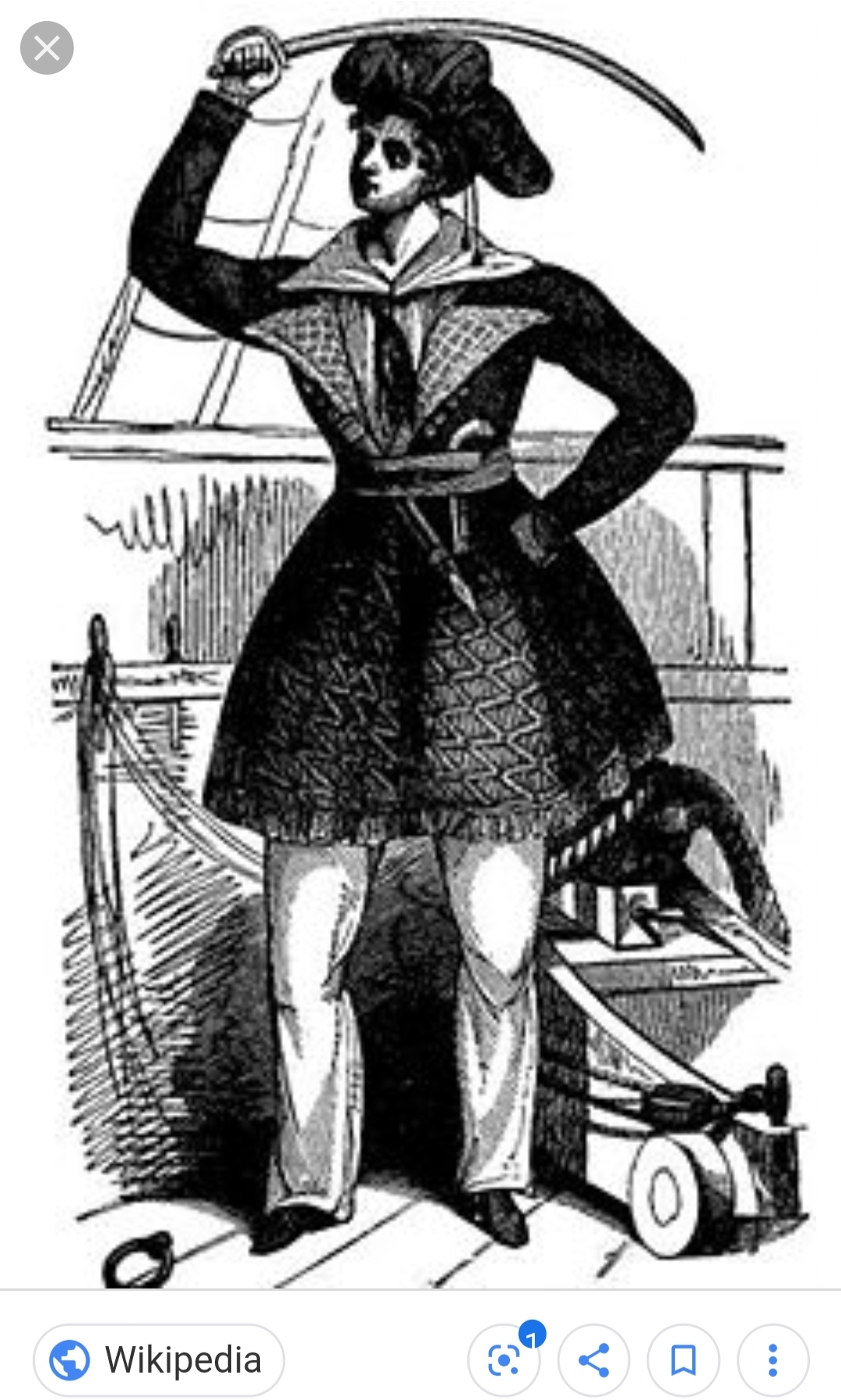
Courtesy of Wikipedia

116) Alwilda

Pirate Considered by Most Historians to be More Legend Than a True Historical Person

First Appeared around the 5th Century CE

Also Called: Awilda or Alfhild

It is said she was a Scandinavian princess who turned to piracy to escape a marriage arranged by her father.

She is mostly remembered in Denmark today (said to be her birthplace) and her father was the King of Gotland.

The legend also says her parents kept her locked in a tower guarded by two venomous snakes and yet a suitor still managed to find her and ask for her hand in marriage.

Alwilda was not at all okay with marrying some random prince named Alf—who would later become King of Denmark—so she escaped her parents’ castle dressed as a man; with the help of some female friends she commandeered a ship and soon came across a crew with no captain, so they made her their leader.

After hearing pirates had returned to Denmark’s Seas the King sent young Alf to beat them off—he boarded Alwilda’s ship not knowing she was the captain.

He managed to defeat the crew and chain them up and when he removed her helmet and saw her face, she was so impressed by him she agreed to marry him on the spot.

A wedding was performed on the deck and then young Alwilda and Alf returned to shore to rule as King and Queen of Denmark *insert happily ever after theme*

The End!

Badges Earned:

Located In My Personal Library:
Princesses Behaving Badly by Linda Rodriguez McRobbie

Under the Black Flag by David Cordingly

Encyclopedia of Goddesses and Heroines by Patricia Monaghan PhD

Pirate Women: The Princesses, Prostitutes, and Privateers Who Ruled the Seven Seas by Laura Sook Duncombe

Sources:

http://www.annebonnypirate.com/famous-female-pirates/awilda/

115) Ankhesenpepi I

115) Ankhesenpepi I

Birth and Death Dates Unknown

Alternate Name: Ankhenesmerye I

Daughter of Nebet and Khui and mother to Pharaoh Merenre Nemtyemsaf (her husband was Pepi I). Her sister was Ankhesenpepi II.

Besides this small article, the only other websites that have dedicated profiles to Ankhesenpepi I are Wikipedia and similar sites; the majority of results for her are for her sister or other family members.

Badges Earned:

Located In My Personal Library:

The Pharaohs by Dr. Joyce Tildesley

Sources:

https://en.wikipedia.org/wiki/Ankhesenpepi_I

114) Najat Vallaud-Belkacem

Courtesy of France Inter

114) Najat Vallaud-Belkacem

French Minister of Education—she is the first woman to fill that role in the history of the French government

Born: 4 October 1977, Rif, Morocco

She is a Muslim who grew up in Morocco herding sheep.

Najat has been attacked with both sexist and religious remarks thrown at her over the years, but she’s stayed strong and done her job.

Before becoming the Minister of Education, she served as the Minister of Women’s Affairs, Minister of City Affairs, Minister of Youth Affairs and Sports, and a government spokesperson.

She is also the youngest person to ever serve as the Minister of Education.

Najat is a member of the Socialist Party and graduated from the Paris Institute of Political Studies in 2002. She worked in smaller local governments before being appointed to the federal level.

In 2016 a poll showed she was the second most popular politician in France.

She appears in Episode Three of Amanda Foreman’s Ascent of Woman, which I have linked here in this article.

Sources:

https://www.melangemagazine.biz/an-inspirational-story-najat-vallaud-belkacem-from-a-shepherd-girl-to-french-education-minister/

  • Previous
  • 1
  • …
  • 132
  • 133
  • 134
  • 135
  • 136
  • 137
  • 138
  • …
  • 159
  • Next

Categories

Archives

  • July 2025 (10)
  • July 2024 (1)
  • January 2024 (1)
  • August 2023 (1)
  • June 2023 (2)
  • October 2022 (1)
  • July 2022 (1)
  • June 2021 (3)
  • December 2020 (3)
  • August 2019 (1)
  • July 2019 (2)

Search

© 2026 The Exasperated Historian | Powered by Minimalist Blog WordPress Theme