The Exasperated Historian
Menu
  • Home
  • The Women’s List (New)
  • The Men’s List
  • The Animal List
  • Collections
  • The Blog
  • Contact Us
  • FAQ
Menu

Category: Birth Locations

203) Isabella II

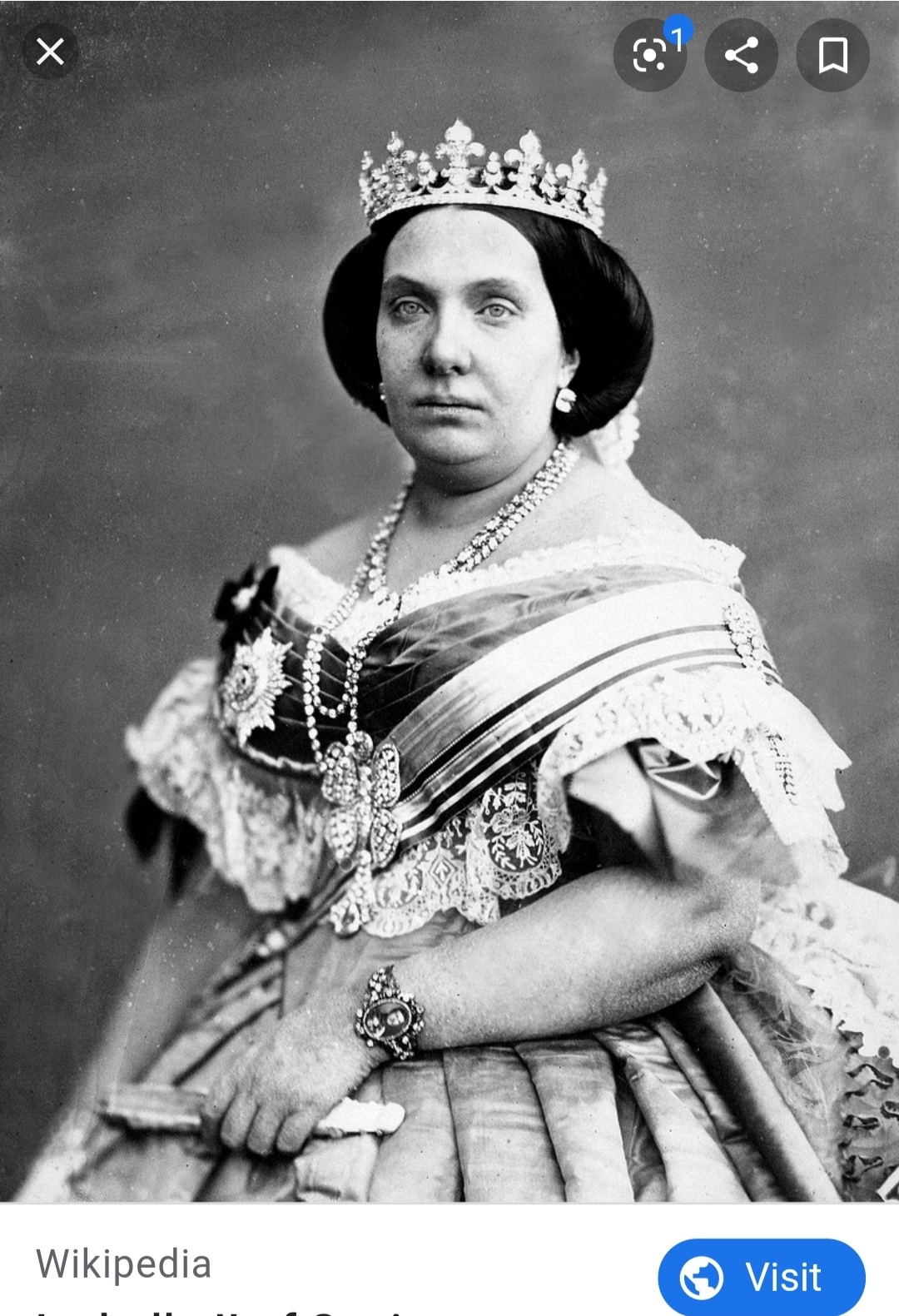
Courtesy of Wikipedia

203: Isabella II

Spanish Queen Who was Elevated to the Position After Her Father’s Death

Born: 10 October 1830, Madrid, Spain

Died: 9 April 1904, Paris, France

For the first ten years of her reign the country was ruled by her mother and a military leader as regents however in 1843 the military man was deposed, and Isabella was declared of age and able to rule in her own right.

She would rule in her own right from 1843 to 1868 and her reign was marked by frequent uprisings and political upheaval.

Isabella’s government was mostly military politicians—which didn’t help things either. During her years as queen she had sixty different governments organized. There was also frequent opposition from more liberal minded thinkers to her authoritarian regime.

Isabella was also unpopular because she chose not to live with her husband (though they would have six children "together"--which means Isabella had six children and Francisco claimed them as his own; but were they really? Eh...).

One cannot entirely blame Isabella for not wanting to live with Don Francisco. For one thing, she was forced to marry him when she was sixteen and he was twenty-four. Also he was her cousin; and if not gay, then definitely what would be considered metrosexual and or/effeminate in today's terms. Isabella told her ministers before the wedding she would be happy to marry Francisco...if he were a man. As the years passed and Isabella had various children with various men, she and her husband obviously did not grow any closer.

In 1868 a successful revolution drove her and Francisco to exile in Paris, and she abdicated in favor of her oldest son in 1870. One of the main reasons for the uprising? Evidently nineteenth century Spain was not so happy that their queen was not the epitome of a perfect wife.

Living in Paris, though in separate homes, Isabella and Francisco would come together on each other's birthdays to enjoy a cup of coffee--and yell at each other over the past.

Now separated, Isabella continued to find new boyfriends, and Francisco continued to collect poodles named after these boyfriends. When it finally came time for Francisco to die at the age of eighty, he reportedly demanded Isabella be kept away, so he could die in peace.

Badges Earned:
Find a Grave Marked

Located In My Personal Library:

Sex With the Queen: 900 Years of Vile Kings, Virile Lovers, and Passionate Politics by Eleanor Herman

The Oxford Encyclopedia of Women in World History Edited By Bonnie G Smith

Sources:

https://www.britannica.com/biography/Isabella-II-queen-of-Spain

https://www.thoughtco.com/isabella-ii-of-spain-biography-3530427

Sex With the Queen: 900 Years of Vile Kings, Virile Lovers, and Passionate Politics by Eleanor Herman

https://www.findagrave.com/memorial/8857569/queen_isabel_ii

202) Victoria

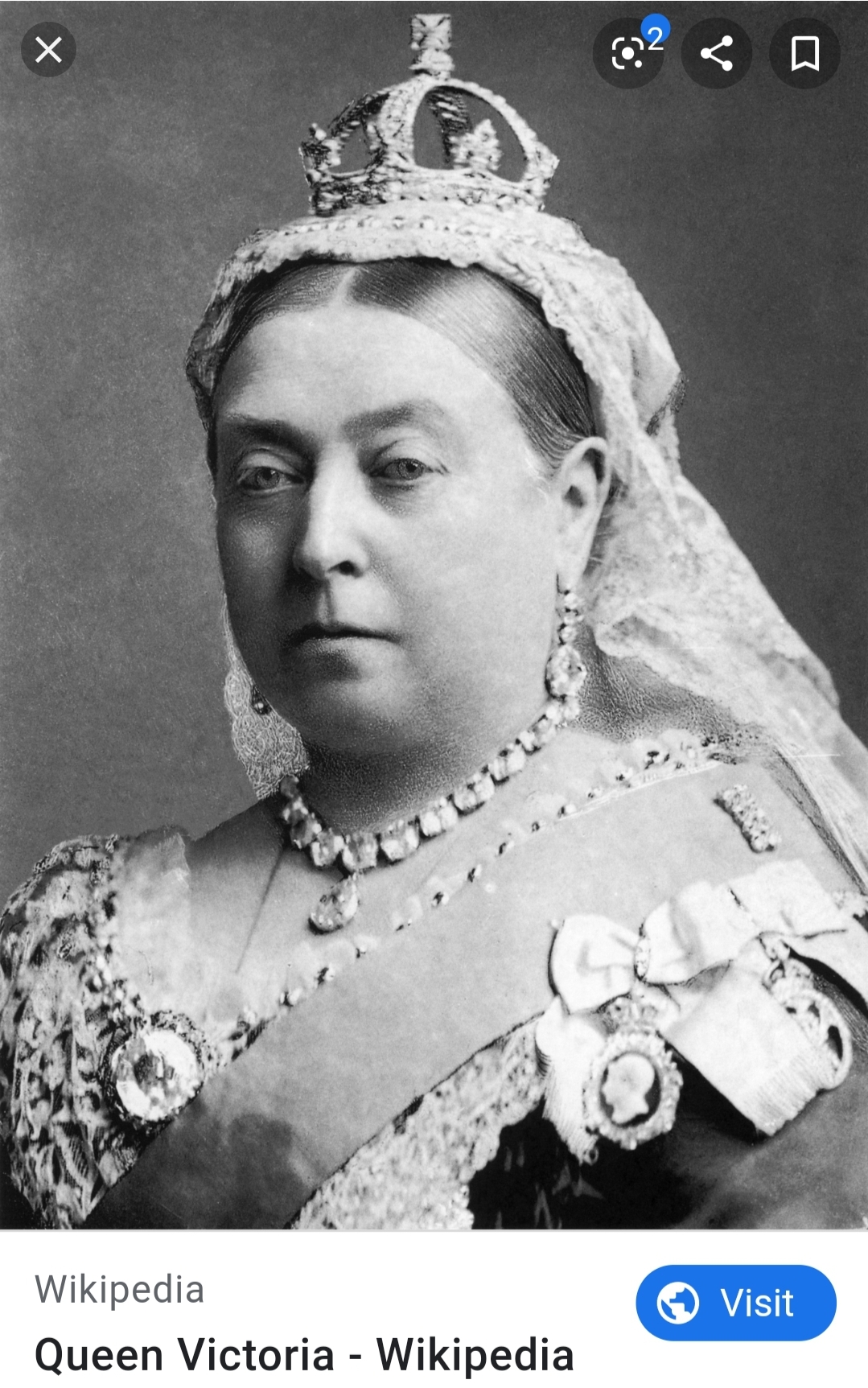
Courtesy of Wikipedia
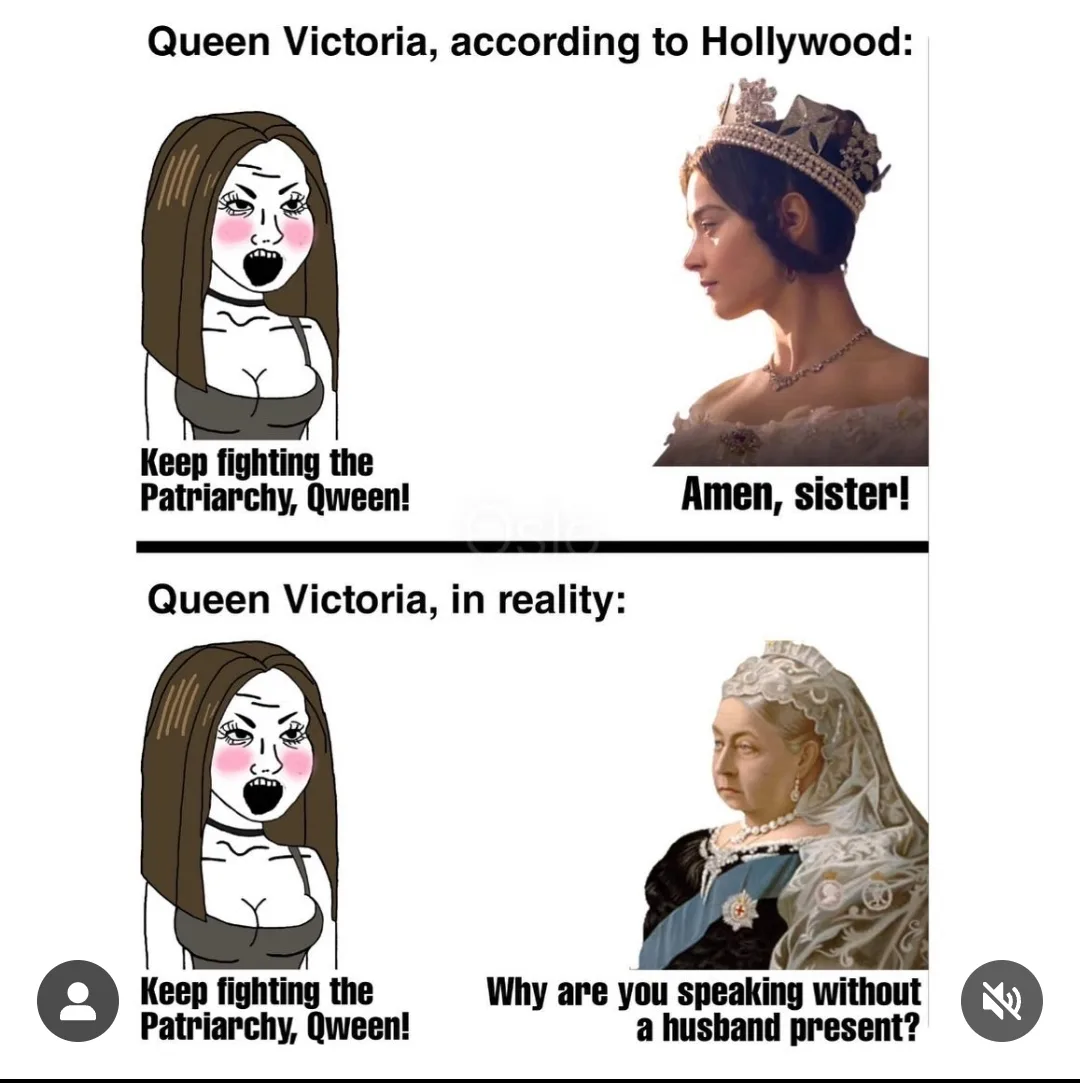
An Instagram Meme

202: Victoria

Queen of the United Kingdom of Great Britain and Ireland and Empress of India From 1837 to 1901

Born: 24 May 1819, Kensington, London, United Kingdom

Died: 22 January 1901, East Cowes, Isle of Wight, United Kingdom

Christening Name: Alexandrina Victoria (Her parents were not allowed to name their child, instead, her uncle, the King, did so)

Victoria was the final ruler of the Hanoverian Dynasty taking the throne after the death of her uncle, King William IV (She was also, therefore, the first monarch in the Saxe-Coburg-Gotha Dynasty, which changed its name during World War I to the more English Sounding Windsor Dynasty). 

She would have nine children with her husband Prince Consort Albert of Saxe-Coburg-Gotha (they were also first cousins).

Victoria’s children’s marriages would make most of the royal families of Europe descended in some way from Victoria and Albert.

Despite having nine children it is known that Victoria hated pregnancy, but her actual relationship towards babies and children is a little harder to ascertain. Most sources state she had a strong dislike for them, to say the least, and yet the biography I read (linked below) said quite the opposite.

It is almost insane how Victoria came to be the heir and later Queen Regnant—her grandfather, George III and his wife Charlotte had fifteen children and yet of all of them only George IV (his successor) had a legitimate heir in his daughter Charlotte—so when she died Victoria became the heir after the three remaining sons of George III were pitted into a race—the first to have an heir would change the course of British history after all.

Victoria’s father Edward won the race; she became queen after her father and uncles died—leaving her heir apparent.

Victoria ascended the throne and became a staunch Whig thanks to her first Prime Minister—Lord Melbourne—but calmed her political fervor after her marriage to Albert.

She reportedly had violent temper tantrums and fits of depression both during and after her pregnancies (I would too if I had nine children!).

It should also be noted that by 1845 Albert was pretty much king in everything but title and Victoria even once wrote, “we women are not made for governing,” (this would change after Albert’s death in 1861 though, with Victoria retaking control).

During the Crimean War she visited crippled soldiers and oversaw the committees of women who organized relief for the wounded. Victoria was also very enthusiastic towards Florence Nightingale’s work during the war.

After Albert died in 1861, Victoria survived through three years of deep depression and never fully recovered—living the rest of her life in complete mourning wearing black and staying in partial retirement. Victoria completely retired to Balmoral for four months of every year.

It also didn’t help that she blamed her son the Prince of Wales and her heir as the reason Albert had died (it was a whole thing, Bertie—as he was known before taking the throne, had gotten embroiled in a scandal pertaining to women and Albert had gone to visit him even though he was sick. Albert and Bertie went for a walk in the cold and soon after Albert was dead).

In her months she spent at Balmoral, Victoria became friends with a Scottish Man named John Brown. John’s influence soon grew, and his title was: The Queen’s Highland Servant. It is most likely that Victoria and John became a couple, which her children hated—to put lightly, and when he died in 1883 Victoria was devastated all over again. This in turn led her to bringing an Indian Servant, Abdul Karim, into the castle. Abdul was ambitious, plotting ways to make himself and his family wealthier and more important while lying to the queen about who he really was (its telling that within hours of the queen’s death her children had banished him back to India). Judi Dench portrays Queen Victoria in films relating her relationship with both John Brown and Abdul Karim.

It took the South African War in the final years of Victoria’s reign to finally pull her back into public life—appearing in numerous ceremonies, troop inspections, and visits to military hospitals.

Every night Albert’s clothes had to be laid out on the bed beside her and she slept every night with a picture of his head and shoulders (taken after he died) above her head.

At the time of her death she had thirty-seven great-grandchildren and had outlived two of her nine children.

To the left I have included links to only a few of the movies and Television Series made about Queen Victoria.

Badges Earned:

Find a Grave Marked

Located In My Personal Library:

Briefly Mentioned:

Alexandra The Last Tsarina by Carolly Erickson

Alice Princess Andrew of Greece by Hugo Vickers

At Her Majesty's Request: An African Princess in Victorian England by Walter Dean Myers

Bad Days in History by Michael Farquhar

Buffalo Bill's Wild West: An American Experience by Robert Lawrence

The Butchering Art: Joseph Lister's Quest to Transform the Grisly World of Victorian Medicine by Lindsey Fitzharris

Confronting the Presidents: No Spin Assessments from Washington to Biden by Bill O'Reilly and Martin Dugard

Consuelo and Alva Vanderbilt: The Story of a Daughter and a Mother in the Gilded Age by Amanda Mackenzie Stuart

History’s Naughty Bits by Karen Dolby

The Husband Hunters by Anne de Courcy

In the Shadow of Quetzalcoatl: Zelia Nuttall and the Search for Mexico's Ancient Civilizations by Merilee Grindle

Lost Bodies by Jenni Davis

Modowe Rewolucje (Fashion Revolutions) by Karolina Żebrowska

The Race to Save the Romanovs: The Truth Behind the Secret Plans to Save the Russian Royal Family by Helen Rappaport

The Roosevelts and the Royals: Franklin & Eleanor, the King & Queen of England, and the Friendship That Changed History by Will Swift

Sex With the Queen: 900 Years of Vile Kings, Virile Lovers, and Passionate Politics by Eleanor Herman

Star Spangled Scandal: Sex, Murder, and the Trial That Changed America by Chris DeRose

Uppity Women Speak Their Minds by Vicki Leon

What is the Story of Alice in Wonderland? by Dana M Rau

Who Knew? Women in History: Questions That Will Make You Think Again by Sarah Herman

Women in the Valley of the Kings: The Untold Story of Women Egyptologists in the Gilded Age by Kathleen Sheppard

Covered Greater:

Kings and Queens of England and Scotland by Plantagenet Somerset Fry

National Geographic History Magazine Article "Victoria's Crowning Glory" (November/December 2017 Edition)

National Geographic History Magazine Article "The Wedding Cake: A Royal Tradition" (May/June 2021 Edition)

Queen Victoria's Matchmaking: The Royal Marriages That Shaped Europe by Deborah Cadbury

The Royal Wardrobe: Peek Into the Wardrobes of History's Most Fashionable Royals by Rosie Harte

Victoria: The Queen by Julia Baird

Victoria's Daughters by Jerrold M Packard

Warrior Queens by Antonia Fraser

Sources:

The Books Listed Above and...

https://www.britannica.com/biography/Victoria-queen-of-United-Kingdom

https://www.sundaypost.com/fp/new-diary-extracts-reveal-queen-victorias-true-relationship-with-loyal-scots-ghillie-john-brown/

https://www.smithsonianmag.com/history/victoria-and-abdul-friendship-scandalized-england-180964959/

https://www.findagrave.com/memorial/1442/victoria

201) Lorena Hickok

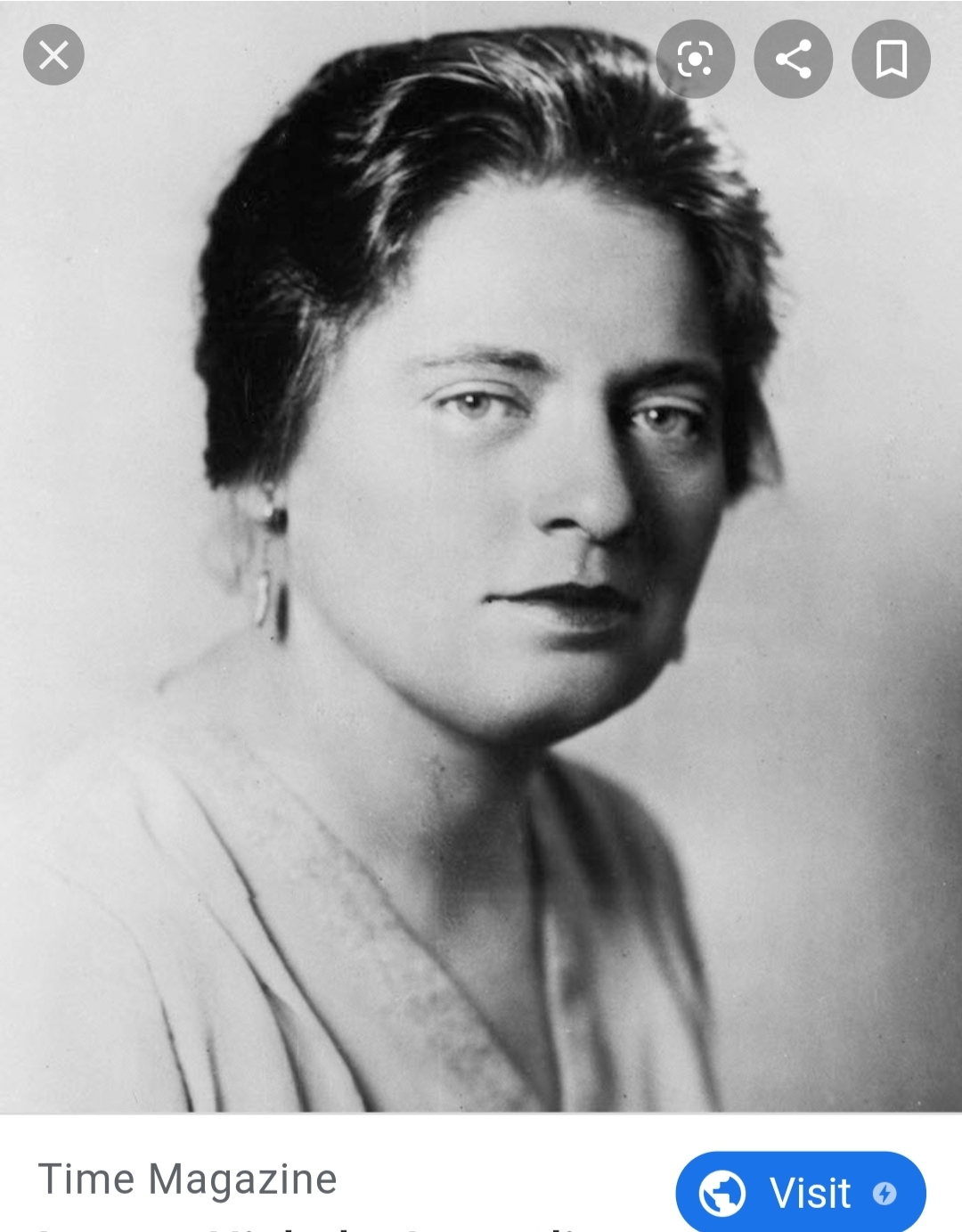
Courtesy of Time Magazine

201: Lorena Hickok

Allegedly Eleanor Roosevelt’s Girlfriend and Known Confidante

Born: 7 March 1893, East Troy, Wisconsin, United States of America

Died: 1 May 1968, Hyde Park, New York, United States of America

Lorena’s childhood was rough, and she was often beaten by her father and moved around a lot as he searched for jobs interrupting her education.

Lorena left home at the age of fourteen. After flunking out of one year of college she began writing train schedules and personal interest stories for $7 a week.

She was a pioneering journalist and quickly rose from writing personal stories to being hired by the Associated Press and covering sports, politics, and big stories like the Lindbergh Baby Kidnapping.

Lorena eventually convinced her bosses to let her cover Eleanor Roosevelt during the 1932 Presidential Campaign. The experience would lead to a lifetime relationship between the two of them.

Lorena left the Associated Press after recognizing she could no longer write objectively about the Roosevelts (A journalist with morals!) and Eleanor suggested she be hired by FERA (The Federal Emergency Relief Administration) to cover average conditions of every day Americans. Lorena ended up visiting thirty-two states in three years.

It was Lorena who encouraged Eleanor to hold female journalist only press conferences and take up her writing career once more.

Eleanor would invite Hick (as she was called by friends) to live at the White House in 1940 after Hick became executive secretary of the Women’s Division of the Democratic National Convention.

In later life Hick’s worsening diabetes caused her to slow down and her final works were a biography of Eleanor alongside six biographies aimed for children.

Badges Earned:

Find a Grave Marked

Located In My Personal Library:

Eleanor and Hick by Susan Quinn

The Roosevelts and the Royals: Franklin & Eleanor, the King & Queen of England, and the Friendship That Changed History by Will Swift

Sex With Presidents: The Ins and Outs of Love and Lust in the White House by Eleanor Herman

Sources:

https://www2.gwu.edu/~erpapers/teachinger/glossary/hickok-lorena.cfm

https://www.findagrave.com/memorial/5515168/lorena-alice-hickok

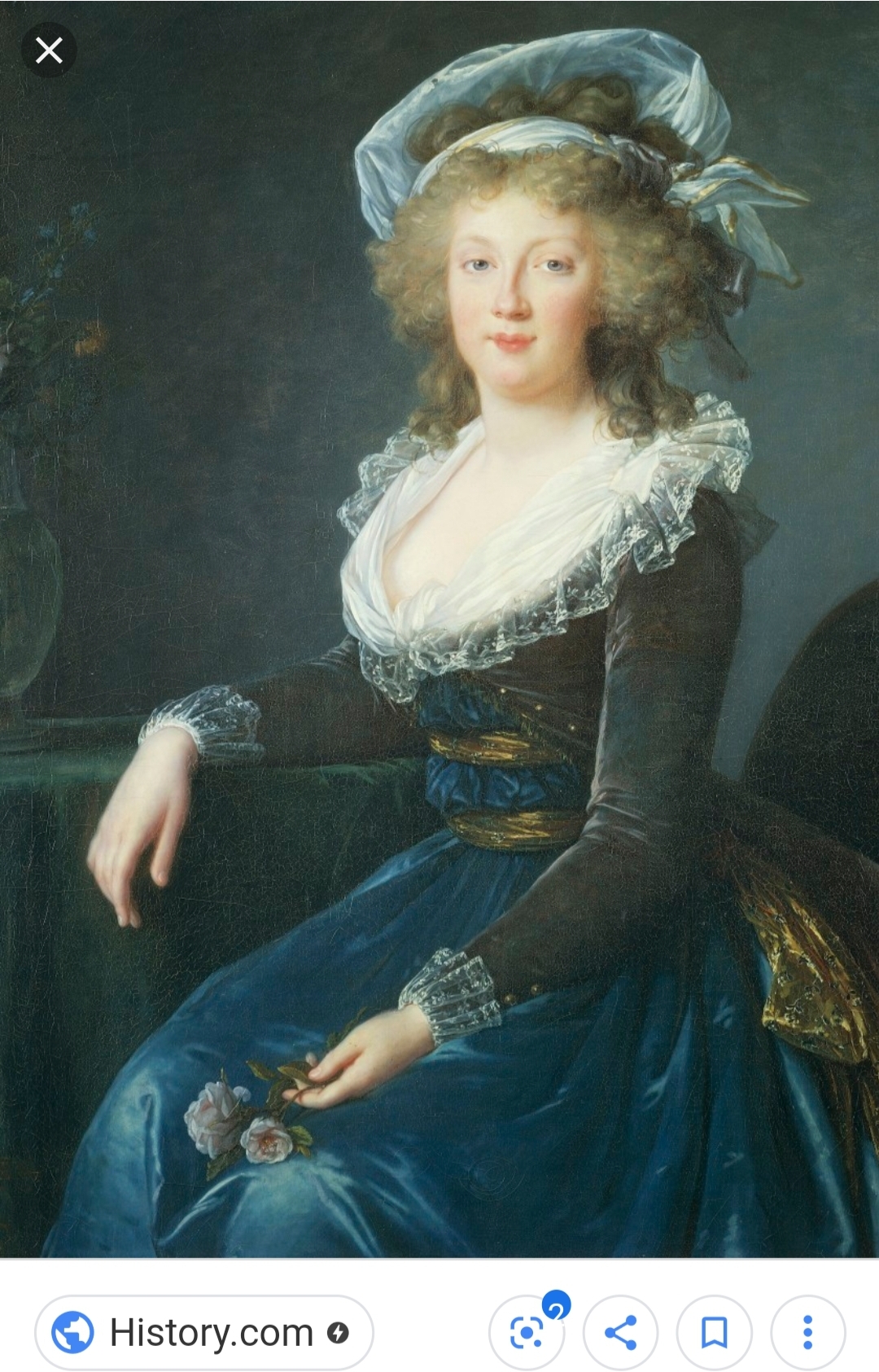
200) Marie Antoinette

Courtesy of History

"The moment when my ills are going to end is not the moment when courage is going to fail me."

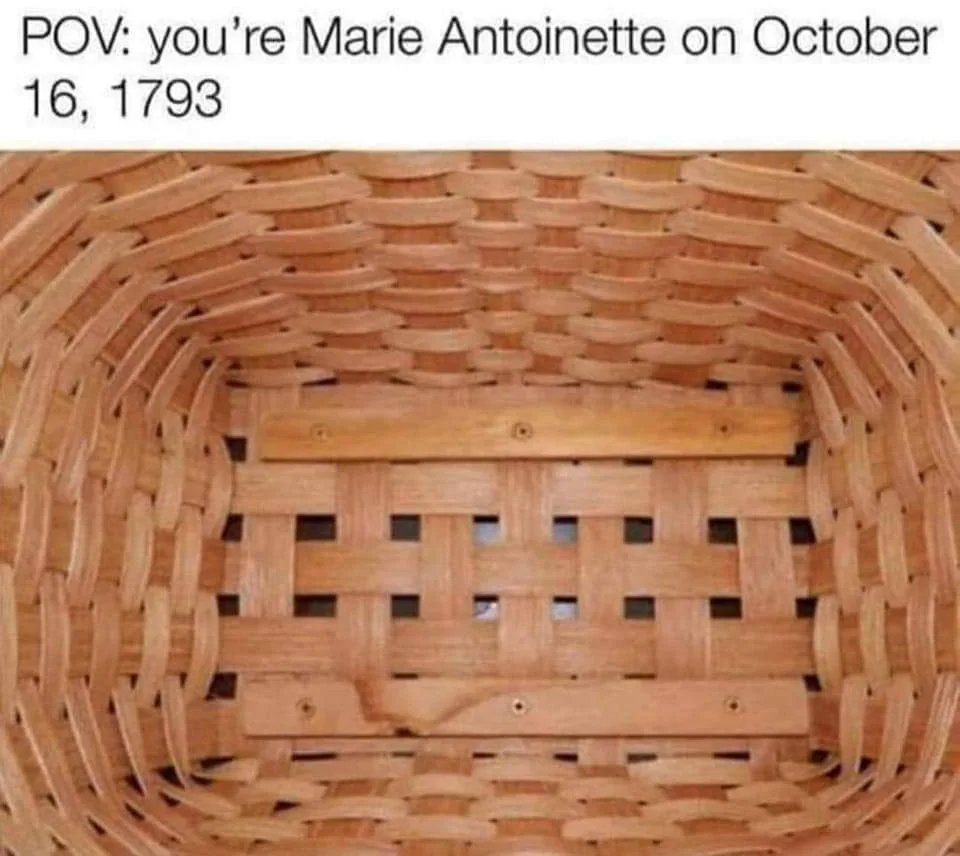
A Facebook Meme

200: Marie Antoinette

Queen Consort of France During her Husband Louis XVI’s Reign

Born: 2 November 1755, Vienna, Austria

Died: 16 October 1793, Place de la Concorde, Paris, France

She is remembered for causing financial distress and helping stir up the French Revolution but to be fair her expensive taste had little to do with the government’s disastrous finances. However, her social ideals and rejections of reform did help spur the Revolution further.

In early life she was used—like so many other royal girls—as a pawn and means to an end—marrying her husband when she was only fourteen years old and leaving home never to return.

It did not help that the people of France were not at all happy with the thought of having an Austrian as their future queen—especially one from Vienna.

Her husband was also inattentive at best and so by the time they came to the throne she was seeking validation and companionship elsewhere.

It is also known that her husband was not exactly an expert in the bedroom and so she failed to produce an heir in the first years of their marriage (again—purely his fault though). Their enemies began to spread rumors that she was having extramarital affairs (her husband definitely was).

Louis and Marie would eventually have three children.

Marie was also successful in having her husband vaccinated against smallpox, an early step in medical history.

Her husband lacked any real political sense and so she was practically forced into playing a more prominent role in the Revolution. 1789 was a bad year for Marie—her oldest son died, the storming of the Bastille occurred in August, and the rumor of her saying “Let Them Eat Cake!” started to spread (she never said that!).

In October of that same year the royal family became hostages of the Revolution.

She spent the last months of her life in prison before being sent to the guillotine.

Badges Earned:

Find a Grave Marked

Located In My Personal Library:

Alexandra: The Last Tsarina by Carolly Erickson

Historical Heartthrobs by Kelly Murphy

How They Croaked by Georgia Bragg

Marie Antoinette: The Journey by Antonia Fraser

Modowe Rewolucje (Fashion Revolutions) by Karolina Żebrowska

One Bloody Thing After Another by Jacob F Field

Royal Love Stories by Gill Paul

Sex With Kings by Eleanor Herman

Sex With the Queen: 900 Years of Vile Kings, Virile Lovers, and Passionate Politics by Eleanor Herman

A Short History of the World in 50 Lies by Natasha Tidd

Uppity Women Speak Their Minds by Vicki Leon

Warrior Queens by Antonia Fraser

Who Knew? Women in History: Questions That Will Make You Think Again by Sarah Herman

Sources:
https://www.britannica.com/biography/Marie-Antoinette-queen-of-France

https://www.smithsonianmag.com/history/marie-antoinette-134629573/

https://www.findagrave.com/memorial/2230/marie-antoinette

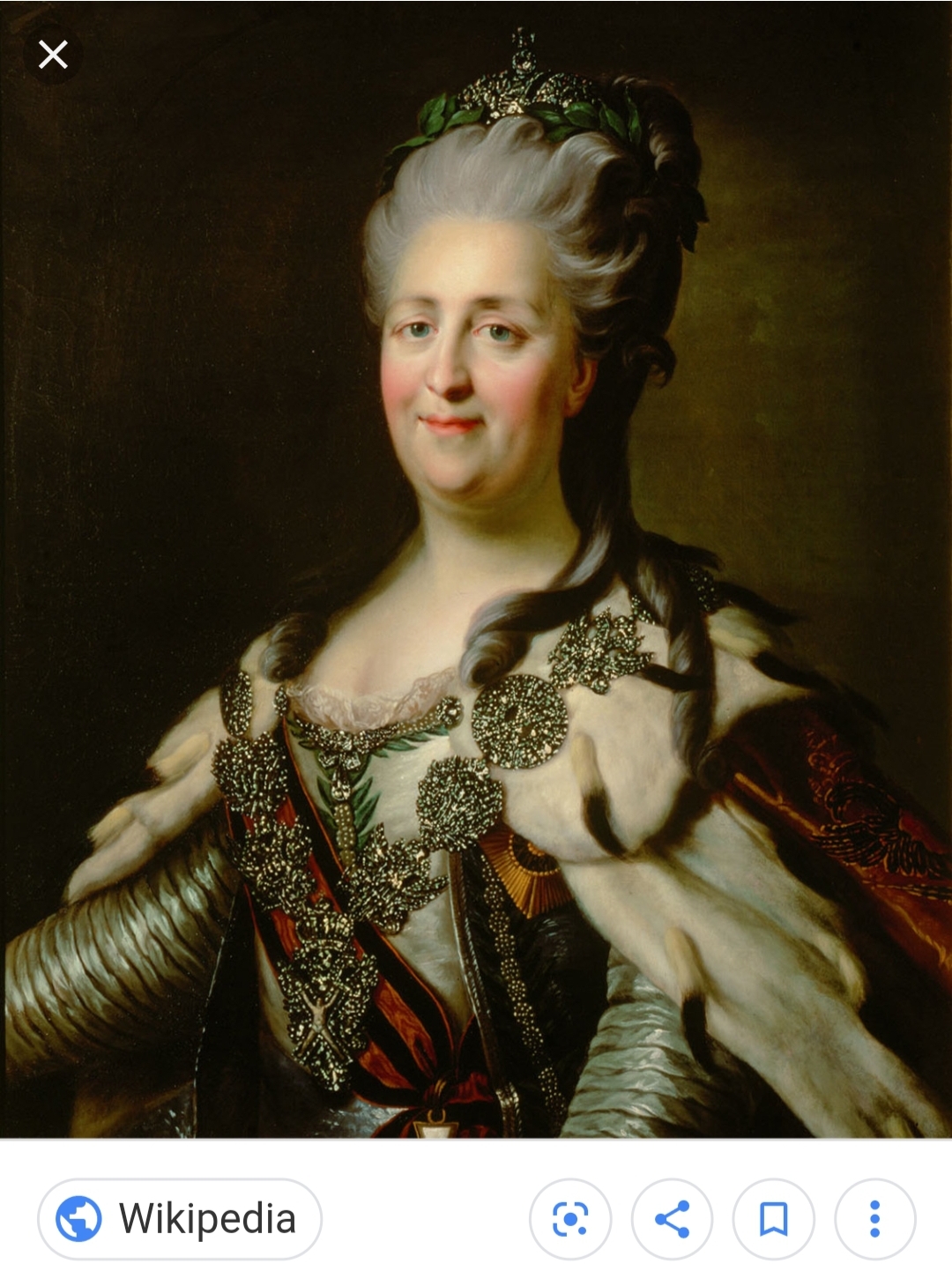
199) Catherine the Great

Courtesy of Wikipedia

" I shall be an autocrat: that's my trade. And the good Lord will forgive me: that's His."

199: Catherine the Great

Russian Empress

Born: 2 May 1729, Ducal Castle, Present-day Szczecin, Poland

Died: 17 November 1796, Winter Palace, St. Petersburg, Russia

In Russian: Yekaterina Velikaya

Also Known As: Catherine II

She was an ethnically German born princess but was chosen to marry the heir of Russia—who happened to be the grandson of Peter the Great—their eighteen years of marriage were nothing but disappointment and embarrassment for Catherine.

She became Empress and held the reins of power because her husband was completely incompetent in practically every way.

During her husband’s life she had three confirmed lovers (and its possible none of her three children were fathered by her husband). As soon as her husband took the throne, he made it abundantly clear how much he hated Russia—the country he was literally emperor of—and how much he loved Germany (where his family was from). He was only emperor for six months before Catherine rallied the armies against him and he abdicated and was assassinated eight days later.

She would remain empress for thirty-two years.

Catherine’s reign was successful in replenishing the national treasury and in taking new lands (she annexed Crimea into Russia) but also had hardships including the largest uprising seen in Russia before the 1917 Revolution. Because of her attitude towards serfdom ninety-five percent of the people living in Russia were either unaffected or negatively affected by her reign in terms of autonomy and personal property.

She had many lovers over her lifetime (over a dozen) but never a horse—that was just a vicious rumor.

In 2020, the streaming service Hulu released a new historical drama that is almost entirely fictional, but still hilarious and great at capturing the soul of its main characters. The Great arrived to great fanfare on the platform in the midst of the Coronavirus pandemic, and might I just add...Huzzah!

Badges Earned:

Find a Grave Marked

Located in My Personal Library:

Alexandra: The Last Tsarina by Carolly Erickson

Bad Days in History by Michael Farquhar

History’s Naughty Bits by Karen Dolby

Lost Bodies by Jenni Davis

National Geographic History Magazine Article "Princess Tarakanova, Pretender to the Russian Throne" (July/August 2019 Edition)

National Geographic History Magazine Article "Catherine II Of Russia: Becoming 'The Great' " by Eve Conant (March/April 2023 Edition)

One Bloody Thing After Another by Jacob F Field

Royal Love Stories by Gill Paul

Sex With the Queen: 900 Years of Vile Kings, Virile Lovers, and Passionate Politics by Eleanor Herman

Uppity Women Speak Their Minds by Vicki Leon

Warrior Queens by Antonia Fraser

Who Knew? Women in History: Questions That Will Make You Think Again by Sarah Herman

Additional Sources:

https://www.britannica.com/biography/Catherine-the-Great

https://www.findagrave.com/memorial/1505/catherine_ii_the_great

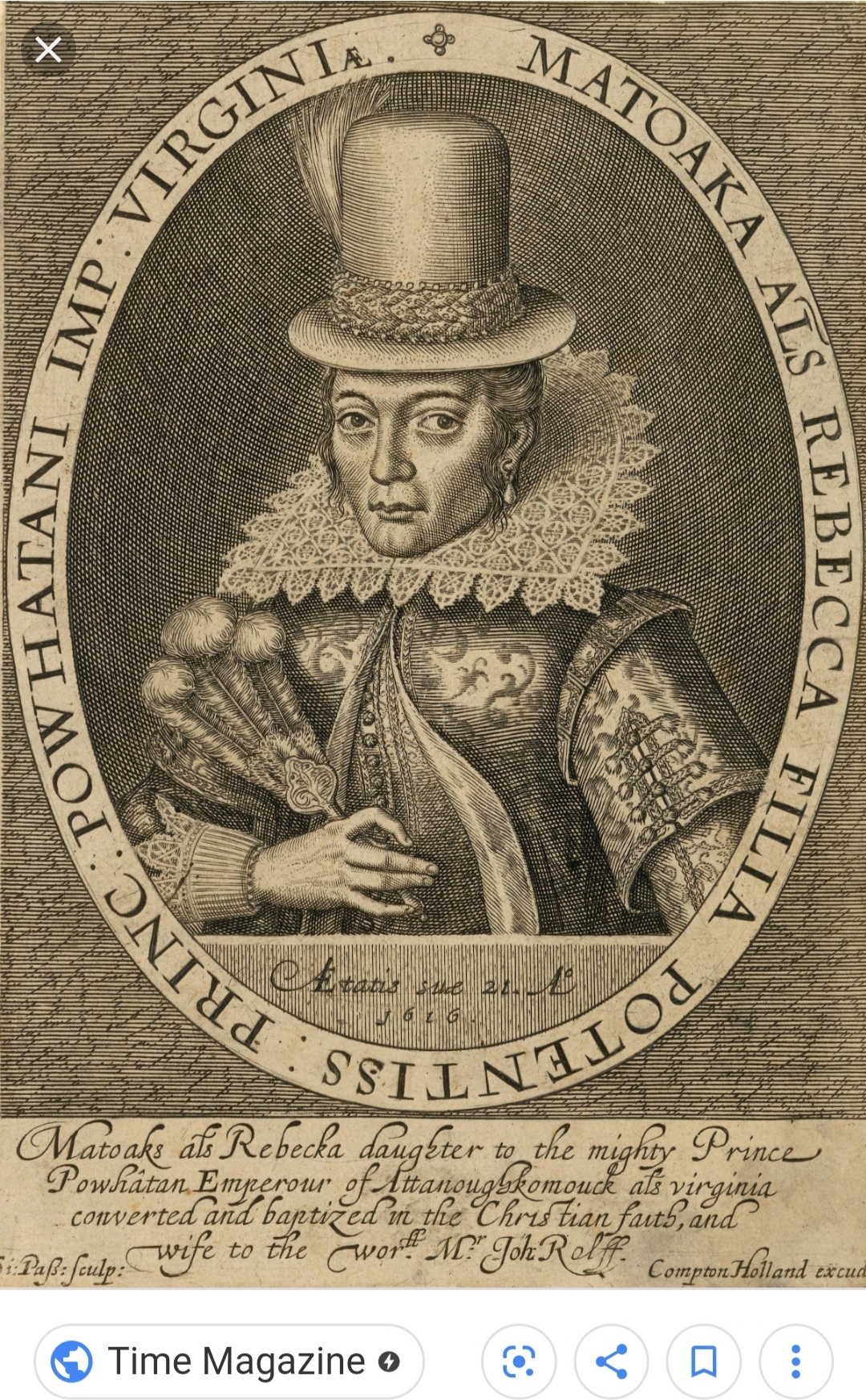
198) Pocahontas

Courtesy of Time Magazine

198: Pocahontas

She Couldn't Actually Paint With All the Colors of the Wind

Born: c.1595, Present-day Virginia, United States of America

Died: March 1617, Gravesend, England (Present-day United Kingdom)

Born Name: Amonute

Proper Name: Matoaka

Pocahontas was the daughter of Chief Powhatan of the tribe of the same name.

She was nicknamed Pocahontas because of her personality—Pocahontas means Playful One or Ill-Behaved Child (Depending on Who You Ask).

Once the first English Colonists arrived in her area, she quickly became an emissary between the two peoples and was well known by the colonists.

Soon after she saved John Smith’s life (possibly for the second time) by warning him her father planned to execute him (but it’s not what you’re thinking. Supposedly Smith was planning on burning Powhatan villages in the hopes of stealing their food for the hungry colonists).

After she saved his life, Smith was injured and returned to England.

Pocahontas was around thirteen or so at this time (so yes, that whole romance in the Disney movie is completely made up).

It is thought she married a man of her tribe around 1610 but in 1613 she was kidnapped and held for ransom during the first Anglo-Powhatan War.

Unfortunately, her father failed to play the complete ransom.

During this time, she therefore converted to Christianity and changed her name to Rebecca—learning English as well.

She married John Rolfe in 1614—an English settler—what happened to her first husband is unknown but divorce was allowed in her people’s culture so that could be a possible explanation.

In 1616 the newly christened Rebecca, her husband, their infant son (Thomas was born the year before) and a dozen other Powhatan tribal members journeyed to England as an envoy to show the white man and the Natives could get along. While in London Rebecca was treated like an Indian Princess and even met John Smith again.

During that time The Virginia Company paid for a portrait of her in expensive clothes to be made—the only known image of her drawn while she was alive.

In March 1617 she passed away from an unknown disease before she could return home. According to her husband her final words were that she knew everyone had to die but she was grateful her son would live on and live on he did—becoming a successful tobacco farmer in Virginia.

Badges Earned:

Find a Grave Marked

Located In My Personal Library:

After the Fact by Owen Hurd

America's Women: 400 Years of Dolls, Drudges, Helpmates, and Heroines by Gail Collins

Don't Know Much About History: Everything You Need to Know About American History but Never Learned by Kenneth C Davis

Lost Cities, Ancient Tombs: 100 Discoveries That Changed the World edited by Ann R Williams

How They Croaked by Georgia Bragg

Malinche, Pocahontas, and Sacagawea: Indian Women as Cultural Intermediaries and National Symbols by Rebecca Kay Juger

Revolutionary Women: Amazing Women of the United States, from the 1600s through 1900s by Inc. Peter Pauper Press

Unsolved Mysteries of American History: An Eye-Opening Journey Through 500 Years of Discoveries, Disappearances, and Baffling Events by Paul Aron

Warrior Queens by Antonia Fraser

Whose Who in American History: Leaders, Visionaries, and Icons who Shaped Our Nation by John M Thompson, William R Gray, and KM Kostyal

Women in American Indian Society by Rayna Green

Sources:

https://www.history.com/topics/native-american-history/pocahontas

https://www.smithsonianmag.com/history/true-story-pocahontas-180962649/

https://www.findagrave.com/memorial/821/pocahontas

197) Mumtaz Mahal

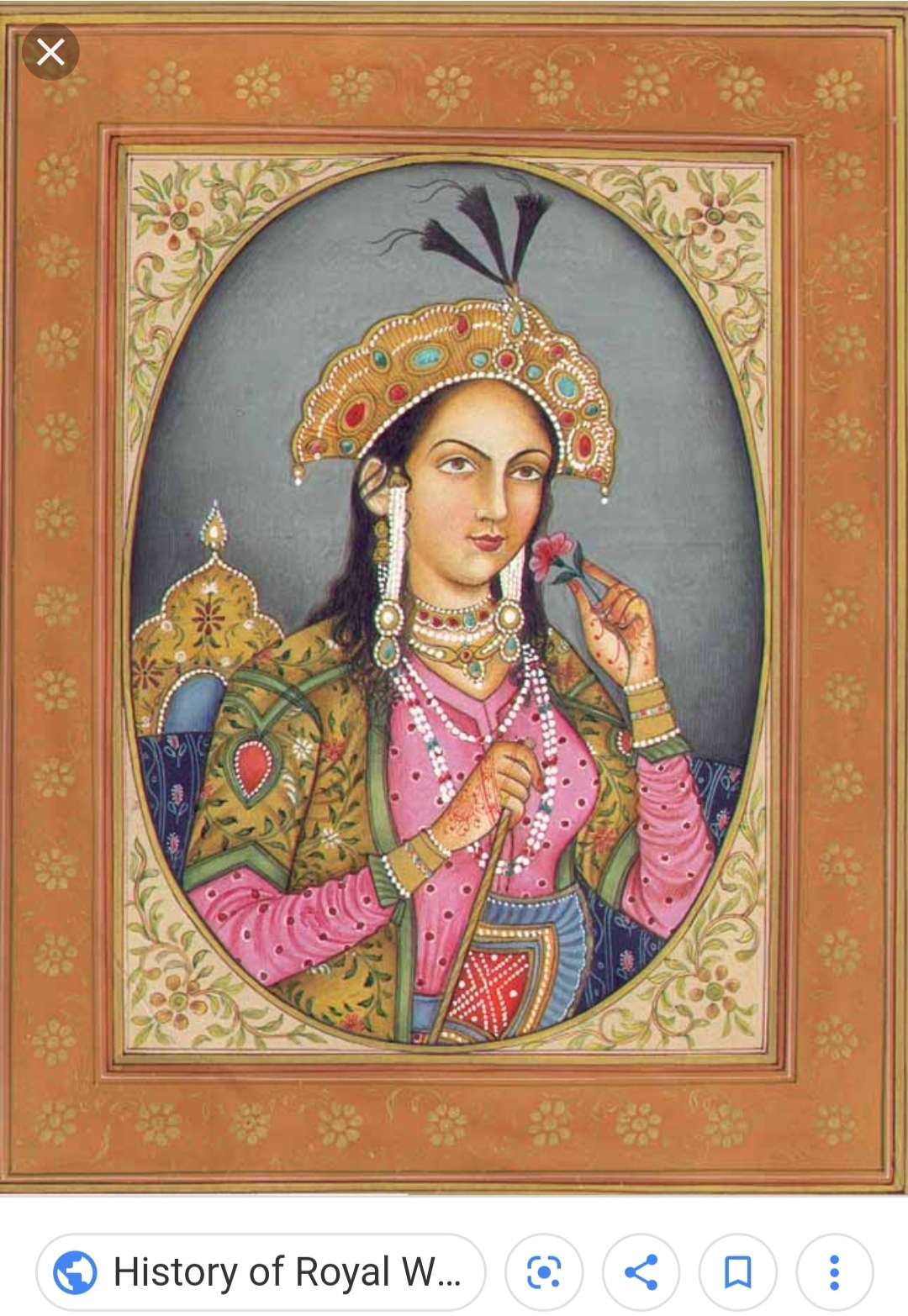
Courtesy of History of Royal Women

197: Mumtaz Mahal

Empress Consort of the Mughal Empire

Born: 27 April 1593, Present-day Agra, India

Died: 17 June 1631, Present-day Burhanpur, India

Original Name: Arjumand Banu Begum

Her common name (Mumtaz Mahal) means “Beloved Ornament [or Jewel] of the Palace.”

Her aunt on her father’s side was Nur-Jahan—who also became her mother-in-law and was married to the Emperor Jahangir.

Mumtaz was a Shi’a Muslim and married at age nineteen to Prince Khurram (Throne Name Emperor Shah Jahan I).

She was his third and favorite wife.

Mumtaz is recorded as having no political ambition of her own though she did travel with him across the empire and during military campaigns she would intervene on behalf of the poor and destitute at times.

She died in during the birth of their fourteenth child—devastating the Emperor (that child and seven of their other thirteen would die at or just after their births).

It is said that on her deathbed she asked him to build a monument to their love and to never marry again—both of which he immediately agreed to.

Her mausoleum is the Taj Mahal—which was finished twenty-three years after she died—a monument and testament to how much her husband loved her.

Badges Earned:

Find a Grave Marked

Located In My Personal Library:

Royal Love Stories by Gill Paul

National Geographic History Magazine Article "Monument to Love: Taj Mahal" written by Eva Fernandez Del Campo (January/February 2022 Edition)

Sources:

https://www.newworldencyclopedia.org/entry/Mumtaz_Mahal

https://www.tajmahal.org.uk/mumtaz-mahal.html

https://www.findagrave.com/memorial/9052/mumtaz-mahal

196) Njinga Mbandi

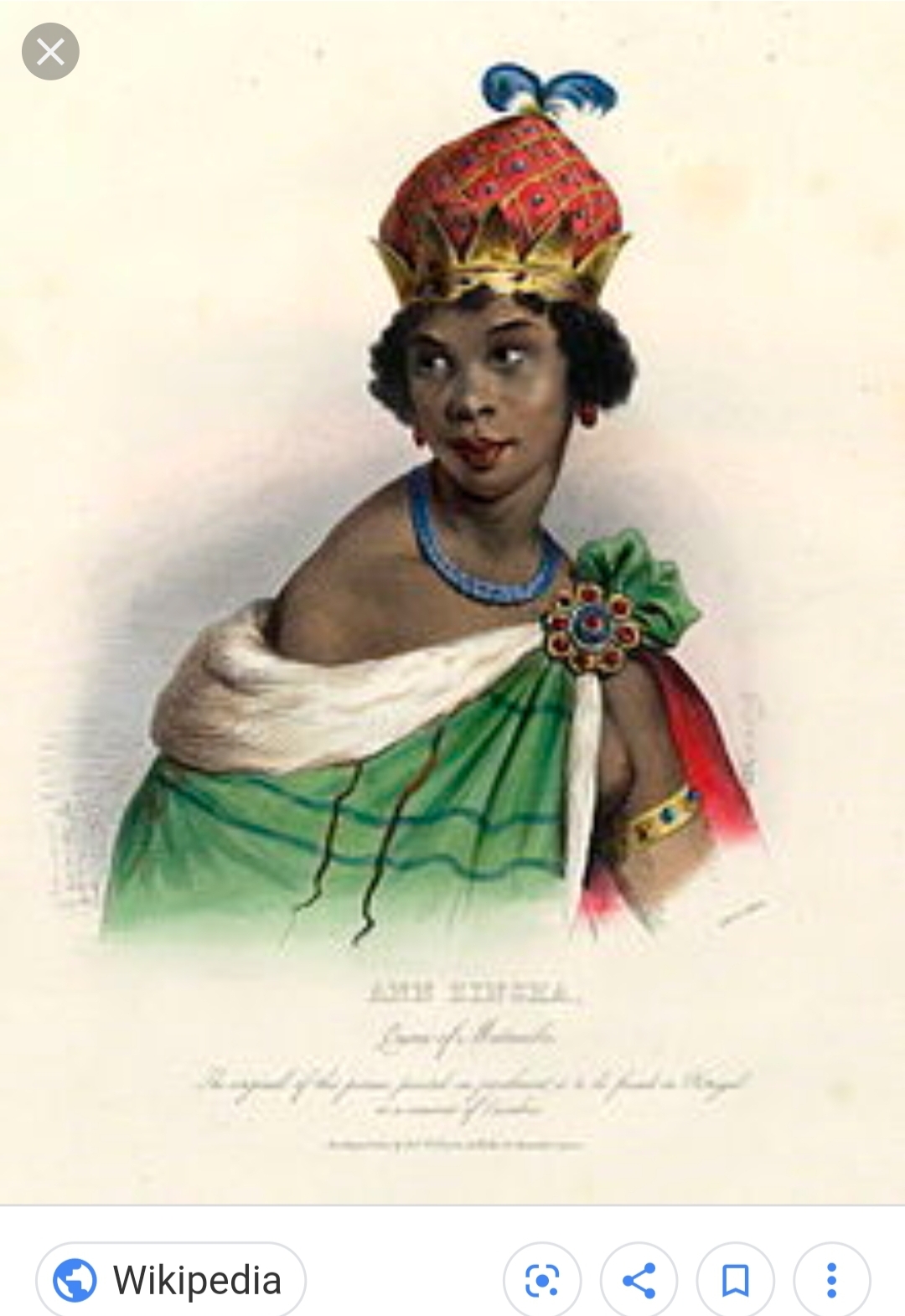
Courtesy of Wikipedia

196: Njinga Mbandi

Queen of Ndongo and Matamba

Born: c.158, Present-day Republic of Angola

Died: 1663, Present-day Republic of Angola

Also Known as: Nzinga Mbande

She defined much of the seventeenth century of what is now the country of Angola.

Njinga beat back Portuguese attempts at Colonization with diplomacy, negotiations, and quick thinking.

She took power after her useless brother was imprisoned by the Portuguese and she came to ask for his release.

In a famous move the Portuguese refused to offer her a seat and so Njinga simply had one of her servants bend over so she could sit on their back. The Portuguese decided to let her brother go and soon after he died—whether from committing suicide or being murdered by Njinga isn’t clear, but she soon took the throne for herself.

She spent the next thirty-five years beating the Portuguese back until they finally gave up—signed a peace treaty—and left.
During her lifetime she was said to have a large harem of men (possibly up to sixty of them).

Statues of her now stand all over the Republic of Angola.

Badges Earned:

Rejected Princess

Located In My Personal Library:

Princesses Behaving Badly by Linda Rodriguez McRobbie

Warrior Queens by Antonia Fraser

Rejected Princesses by Jason Porath

Sources:

https://www.rejectedprincesses.com/princesses/nzinga-mbande

https://www.blackpast.org/global-african-history/queen-nzinga-1583-1663/

195) Nur-Jahan

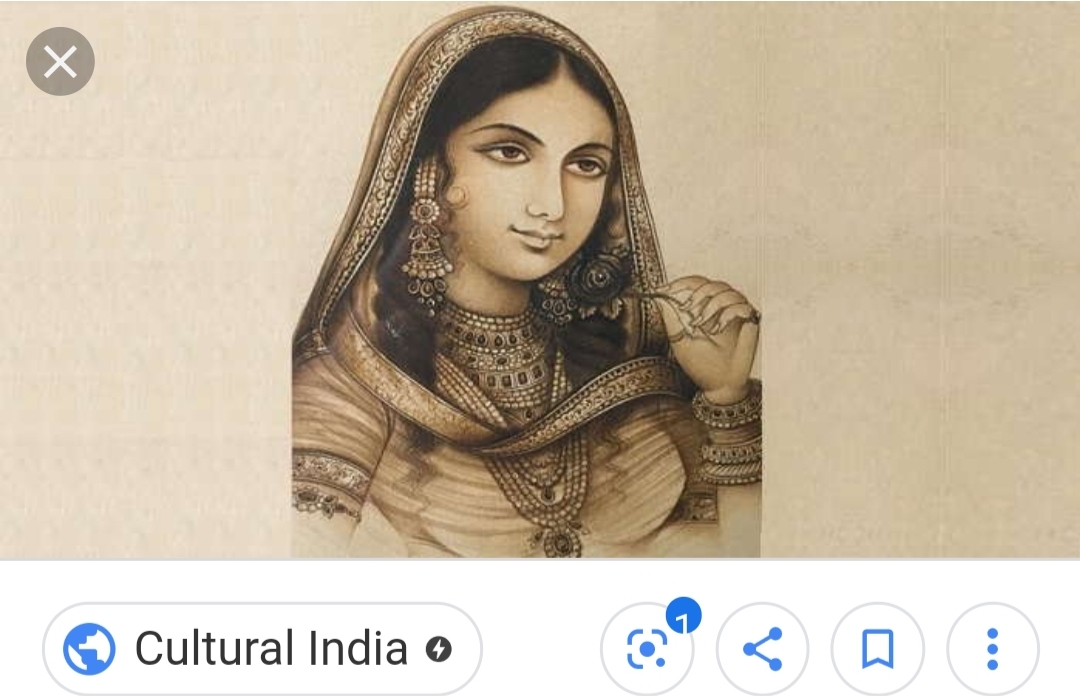
Courtesy of Cultural India

195: Nur-Jahan

The Only Female Acting Empress Regnant of the Mughal Empire

Born: 31 May 1577, Kandahar, Present-day Afghanistan

Died: 17 December 1645, Lahore, Present-day Pakistan

She was the favorite wife of Jahangir (the actual emperor).

Nur-Jahan married her first husband aged seventeen, but he was later executed for siding with the emperor’s enemies; leaving her a widow with a young daughter.

Nur-Jahan was soon brought to court to serve as a lady-in-waiting to one of the court ladies. It was here that Jahangir first saw her.

They married two months later, with Nur-Jahan being only one of some estimates say over a dozen wives.

Her name, Nur-Jahan, means Light of the World, and was given to her by Jahangir after their wedding.

Within nine years of their marriage she had taken complete control of all his duties and remained that way until his death in 1627. She did this by using her husband’s addiction to drugs and alcohol to her advantage—he needed her to keep him healthy and so she simply took the power away from him.

Nur-Jahan was not allowed to make royal decrees in public since she was a woman, so all appointments were made through trusted men. She controlled all orders and grants in her husband’s name and oversaw all promotions and demotions within the government.

Nur-Jahan oversaw giving land and dowries to orphan girls, had coins minted in her name and image, collected dues from outsiders carrying goods across the Empire, and traded with Europeans for luxury goods unavailable in the empire.

She had unmatched wealth and owned ships to take people on pilgrimages to Mecca; Nur-Jahan even encouraged poetry and held competitions among court women.

Once her husband died and his son Shah Jahan secured the throne, he had Nur-Jahan exiled to Lahore where she lived out the last years of her life in quiet peace.

Badges Earned:
Find a Grave Marked

Located In My Personal Library:

Empress: The Astonishing Reign of Nur Jahan by Ruby Lal

Sources:

http://www.womeninworldhistory.com/heroine11.html

https://www.nytimes.com/2018/08/10/books/review/empress-nur-jahan-ruby-lal.html

https://www.findagrave.com/memorial/200170293/nur-jahan

194: Hürrem Sultan

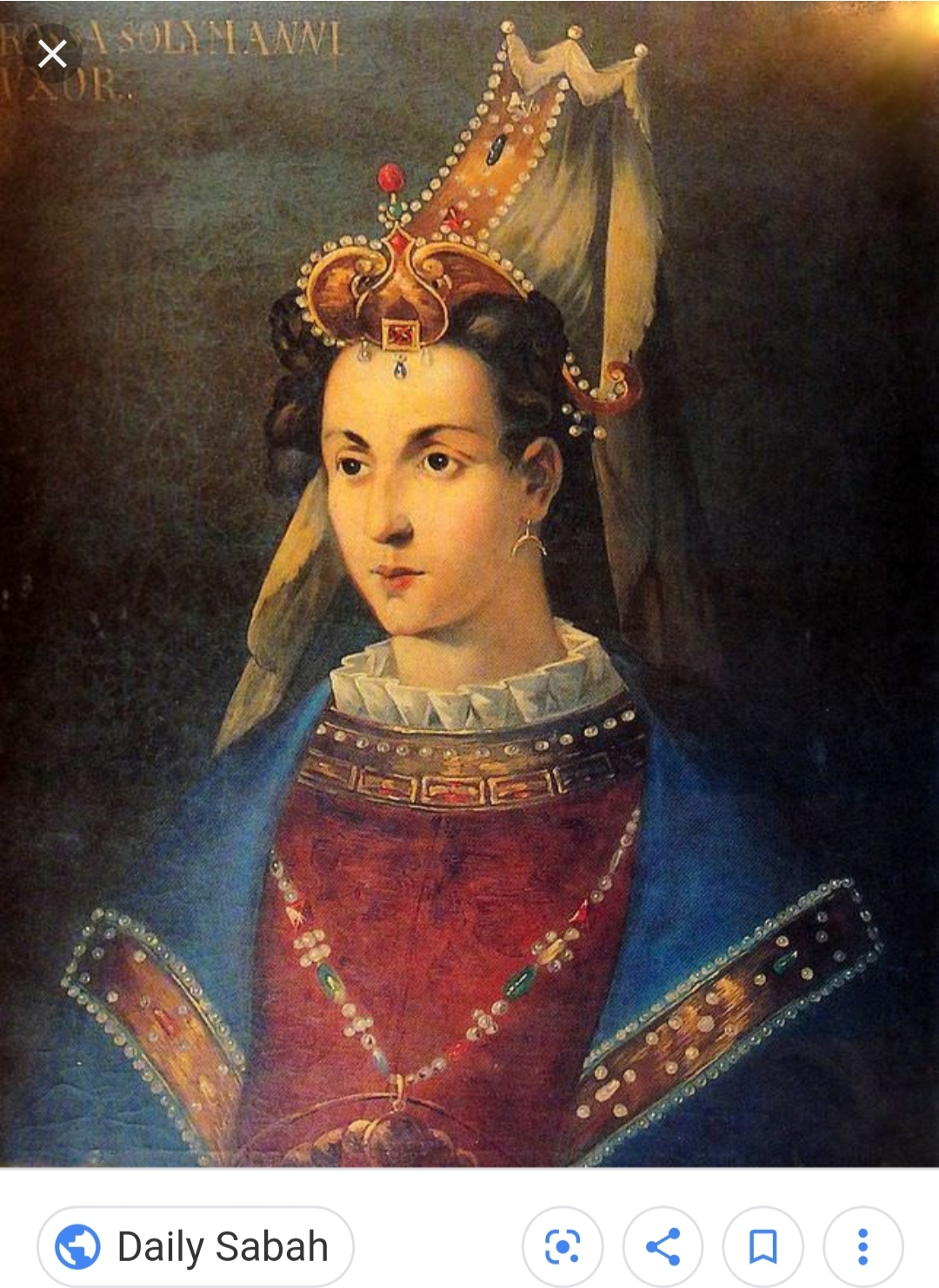
Courtesy of Daily Sabah

194: Hürrem Sultan

Her name meant The Laughing or Joyful One

Born: c.1505, Rohatyn, Poland (Present-day Ukraine)

Died: April 1558, Constantinople, Ottoman Empire (Present-day Istanbul, Turkey)

Also Known As: Roxelana or Roxolana

Born Name: Aleksandra Lisosvka

After being kidnapped and sold into slavery as one of the sultan’s many concubines, Roxelana rose through the ranks to becoming the wife of Süleyman the Magnificent’s.

Unlike most concubines who were sent away after their first son came of age—Roxelana gave the emperor around six children, five of which were sons.

Their marriage was extraordinary as most Sultans never felt the need to marry—their sons from the Concubines were already their heirs so there was no need. However, once he married Hürrem she was freed from slavery.

Her surviving writings include affairs of state with the king of Poland and the sister of Persia’s Shah. Hürrem commissioned a mosque, two schools, a hospital, and an Islamic bath house.

She was also implicated in several political murders over the years, but her involvement was never definitively proven.

Her last surviving son became Sultan after Süleyman died (Hürrem had passed by that point as well)—unfortunately her son’s nickname was “The Sot” and he was completely ineffective with the exception that the harem continued to overshadow the Grand Vizier in ways of importance. So, depending on your point of view, he was either great for that reason or an ineffectual idiot—you decide!

Badges Earned:

Find a Grave Marked

Located In My Personal Library:

Princesses Behaving Badly by Linda Rodriguez McRobbie

Pirate Women: The Princesses, Prostitutes, and Privateers Who Ruled the Seven Seas by Laura Sook Duncombe

The Oxford Encyclopedia of Women in World History Edited By Bonnie G Smith

Sources:

https://www.britannica.com/biography/Roxelana

https://www.nytimes.com/2017/11/22/books/review/leslie-peirce-empress-of-the-east-roxelana-hurrem-sultan.html

https://www.findagrave.com/memorial/20122003/haseki-h_rrem

  • Previous
  • 1
  • …
  • 116
  • 117
  • 118
  • 119
  • 120
  • 121
  • 122
  • …
  • 159
  • Next

Categories

Archives

  • July 2025 (10)
  • July 2024 (1)
  • January 2024 (1)
  • August 2023 (1)
  • June 2023 (2)
  • October 2022 (1)
  • July 2022 (1)
  • June 2021 (3)
  • December 2020 (3)
  • August 2019 (1)
  • July 2019 (2)

Search

© 2026 The Exasperated Historian | Powered by Minimalist Blog WordPress Theme