The Exasperated Historian
Menu
  • Home
  • The Women’s List (New)
  • The Men’s List
  • The Animal List
  • Collections
  • The Blog
  • Contact Us
  • FAQ
Menu

Category: Birth Locations

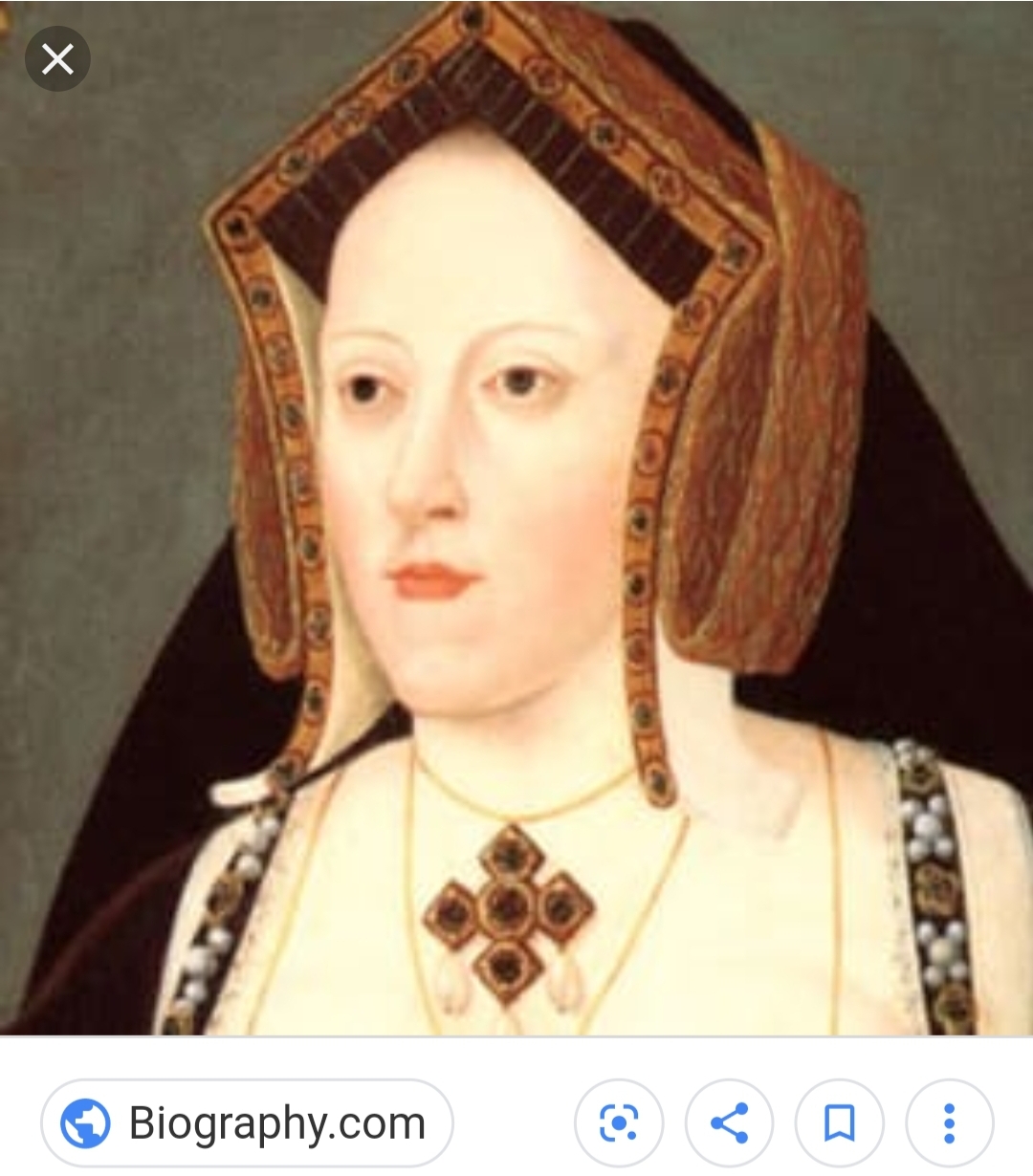
183) Catherine of Aragon

Courtesy of Biography

"I came not into this realm as merchandise, nor yet to be married to any merchant."

Barbie Meme

183: Catherine of Aragon

Spanish Born Queen of England and the First Wife of Henry VIII

Born: 16 December 1485, Madrid, Spain

Died: 7 January 1536, Kimbolton, England (Today in the United Kingdom)

Alternate Spelling: Katherine of Aragon

She was the youngest child of the famed Ferdinand and Isabella of Spain (the couple that funded Christopher Columbus’s voyage to the New World, yes).

Catherine was originally married to Henry’s older brother and the heir—Arthur; however, Arthur died a year later, and she was remarried to Henry once he assumed the throne in 1509.

The first years of the marriage were happy—with Catherine matching Henry’s intellectual prowess and even serving as regent for two years while Henry was campaigning against the French.

She gave birth to six children in eight years, unfortunately all but Mary—the future Mary I--were either stillborn or died soon after birth. Because of this and Henry’s wants for a legitimate male heir (and the desire to get under Anne Boleyn’s skirts) Henry divorced Catherine on the grounds their marriage was incestuous because she had slept with Arthur—her first husband (not true but what did Henry care about the truth?).

Despite being beloved by the English People Henry forced Catherine to live out her final years in isolation and never allowed her to see her daughter Mary again.

Badges Earned:

Find a Grave Marked

Located In My Personal Library:

Blood Sisters: The Women Behind the Wars of the Roses by Sarah Gristwood

The Creation of Anne Boleyn: A New Look at England's Most Notorious Queen by Susan Bordo

History’s Naughty Bits by Karen Dolby

Isabella: The Warrior Queen by Kirstin Downey

One Bloody Thing After Another by Jacob F Field

Powers & Thrones: A New History of the Middle Ages by Dan Jones

The Encyclopedia of Ugly Fashion: A Hilarious Introspective of History’s Best Worst Fashion Trends by Karolina Żebrowska

The Royal Wardrobe: Peek Into the Wardrobes of History's Most Fashionable Royals by Rosie Harte

The Wives of Henry VIII by Antonia Fraser

The Other Tudors by Philippa Jones

The Warrior Queens by Antonia Fraser

The Children of Henry VIII by Alison Wier

Kings & Queens of England and Scotland by Plantagenet Somerset Fry

Uppity Women Speak Their Minds by Vicki Leon

Sex With the Queen: 900 Years of Vile Kings, Virile Lovers, and Passionate Politics by Eleanor Herman

A Short History of the World in 50 Lies by Natasha Tidd

The Wars of the Roses: The Fall of the Plantagenets and the Rise of the Tudors by Dan Jones

Sources:

https://www.britannica.com/biography/Catherine-of-Aragon

https://www.findagrave.com/memorial/6943310/katharine_of_aragon
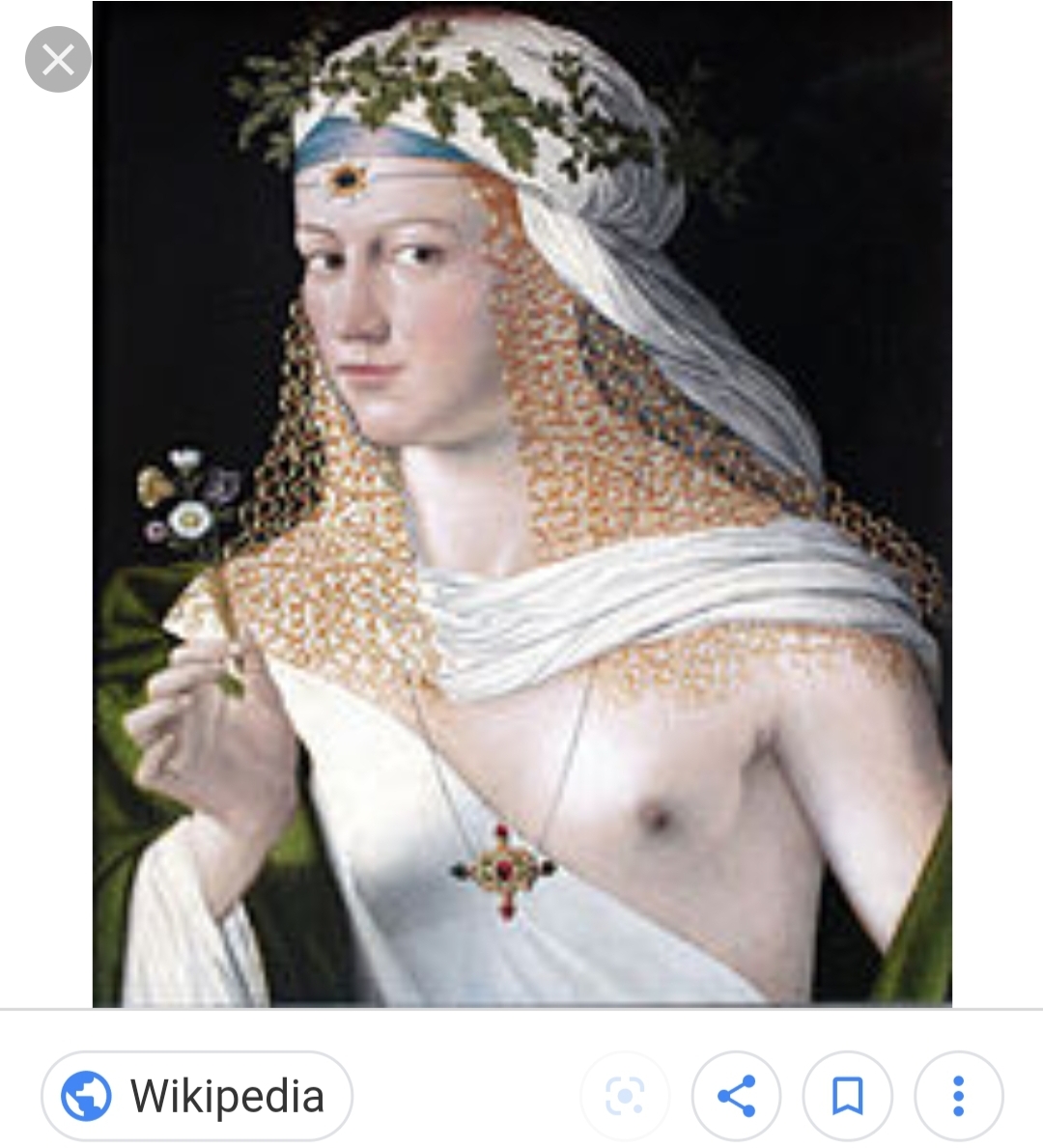
182) Lucrezia Borgia

Courtesy of Wikipedia

"...My husbands have been very unlucky."

182: Lucrezia Borgia

Sometimes You Get Saddled Into Your Family's Personal Affairs, Even When You Wanted Nothing to do With Them

Born: 18 April 1480, Subiaco, Italy

Died: 24 June 1519, Ferrara, Italy

She was the illegitimate daughter of a Pope and his mistress (yes you read that right, his Holiness wasn’t all up to date on his celibacy vow—and she was technically born when he was still a Cardinal).

Lucrezia was noted for her beauty throughout her life and after her death became the inspiration for a play, an opera, and various movies.

She was married multiple times—her first marriage was annulled after three years (they married when she was thirteen and the annulment was fought by her husband [her family claimed he was impotent and had never consummated the marriage and his response was to claim Lucrezia was having sex with her father and brother—the annulment finally took place after Giovanni—the husband--was allowed to keep Lucrezia’s dowry]).

Her second husband was found strangled to death—most likely on the orders of her brother (her husband was the illegitimate son of the King of Naples no less). She was eighteen when she married the second time around and she gave birth to her first son named Rodrigo through this match.

Her final marriage was much more peaceful and uneventful—she spent the last nineteen years of her life as the Duchess of Ferrara and actually had some autonomy for once. Lucrezia and Hubby #3 married when she was twenty and her husband—also a widower but with no children--was twenty-four.

Lucrezia was educated in Latin, Greek, Italian, and French as a child alongside music and other arts; it has even been said she was left in charge of Papal affairs at times when her father went off on other duties—and after her early death she was remembered for viciously untrue lies pertaining to her sexuality and morality in general.

Lucrezia died following a complicated childbirth when she was thirty-nine; she had seven children in all.

Badges Earned:

Find a Grave Marked

Located In My Personal Library:

Isabella: The Warrior Queen by Kirstin Downey

Mistress of the Vatican: The True Story of Olimpia Maidalchini: The Secret Female Pope by Eleanor Herman

One Bloody Thing After Another by Jacob F. Field

Princesses Behaving Badly by Linda Rodriguez McRobbie

Uppity Women Speak Their Minds by Vicki Leon

Sources:

https://www.nationalgeographic.com/archaeology-and-history/magazine/2017/01-02/lucrezia-borgia-renaissance-italy-scandal-intrigue/

https://www.brooklynmuseum.org/eascfa/dinner_party/heritage_floor/lucrezia_borgia

https://www.findagrave.com/memorial/7855976/lucrezia-borgia

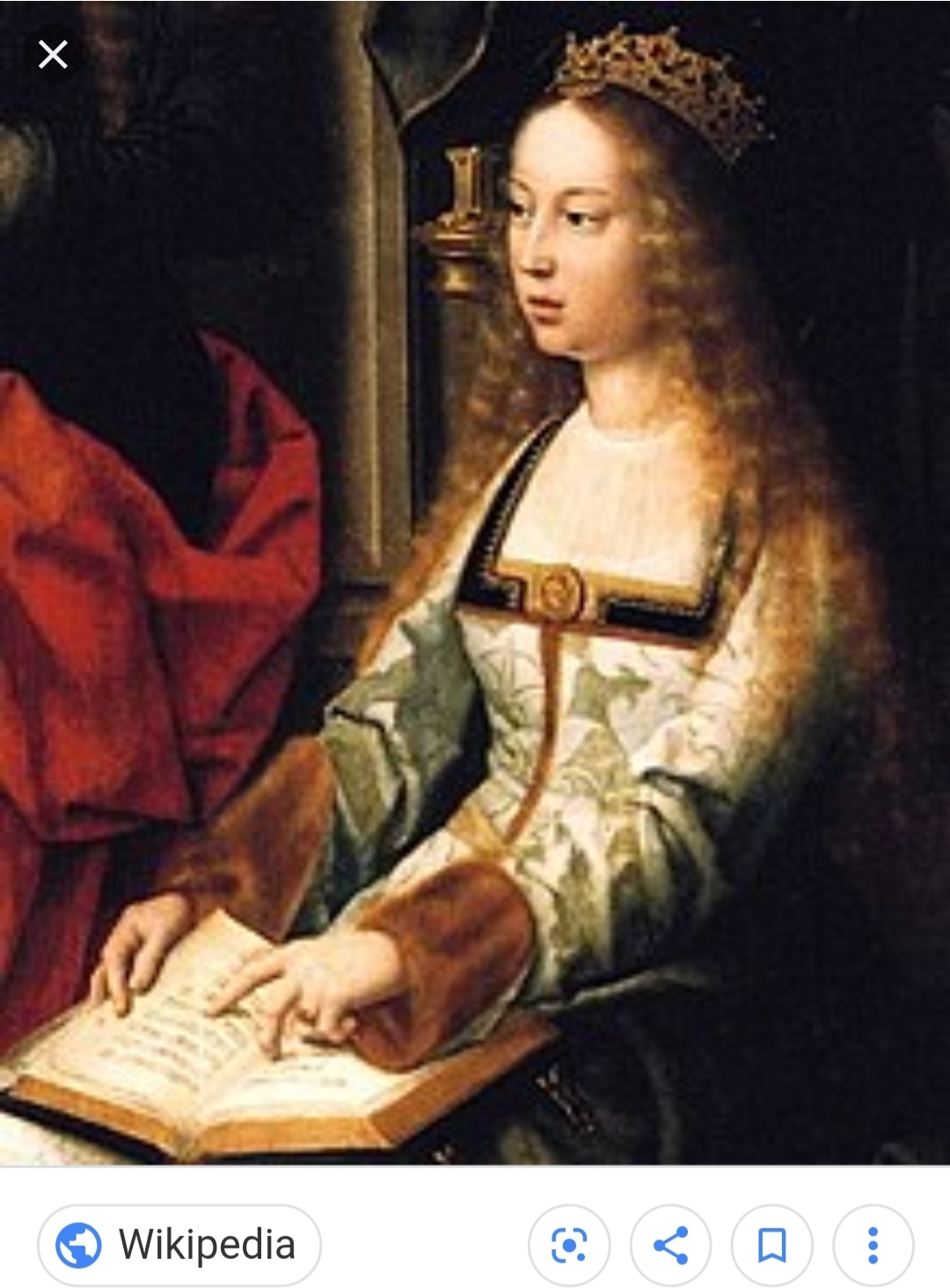
181) Isabella I of Castile

Courtesy of Wikipedia

181: Isabella I of Castile

Queen of Castile; Though Her Rise to Power was Remarkable to Say the Least

Born: 22 April 1451, Madrigal, Castile (Present-day Spain)

Died: 26 November 1504, Medina del Campo, Spain

Upon her birth she was the second child of the king—and it was her twenty-six-year-old half-brother who was expected to succeed their father.

Two years after she was born her younger brother was born pushing Isabella to third in line. Her father died when she was three and her older brother sent Isabella, her mother, and brother away, but she was still educated befitting a princess.

Her older brother Henry had a daughter named Joanna but lost the fight in naming her sole heir to his throne—instead he agreed to his daughter sharing the throne with her uncle (her father and Isabella’s brother) by marriage.

When Henry tried to back out of this civil war erupted and the younger brother Alfonso was named king—he died three years later without ever affecting much change. Instead of seizing the throne for herself Isabella instead got her older brother Henry to agree to name Isabella his legitimate successor and agreed to never forcing her to marry.

Isabella herself chose her husband and the marriage agreement stipulated that her husband could administer justice in Castile, but no other lands Isabella ruled over and that Ferdinand (her husband) could not leave Castile without her permission.

They married four days after meeting. The couple were second cousins and only received dispensation from the church after Isabella had given birth to their first child.

The first four years of Isabella’s reign was a bloody civil war between herself and her cousin Joanna (Joanna lost the war and chose entering a convent over marrying Isabella’s one-year old son John).

Alongside her husband Ferdinand of Aragon—Isabella united Spain under one religion, banished the last of the Muslims from the Spanish borders, and funded Christopher Columbus’s voyage to the New World.

Her reign also sparked the beginning of the Spanish Inquisition.

She would have five children in all—including Catherine who would go on to marry Henry VIII, and Joanna who became known as Joanna the Mad.

Badges Earned:

Find a Grave Marked

Located In My Personal Library:

Blood Sisters: The Women Behind the Wars of the Roses by Sarah Gristwood

The Children of Henry VIII by Alison Weir

How They Choked by Georgia Bragg

Isabella: The Warrior Queen by Kirstin Downey

National Geographic History Magazine Article “Isabella’s Play for Power, The Queen of Castile” (March/April 2018 Edition)

National Geographic History Magazine Article “Conquistadoras, Spanish Women in the Americas” by Eloisa Gomez-Lucena (September/October 2024 Edition)

One Bloody Thing After Another by Jacob F. Field

The Other Tudors by Philippa Jones

The Oxford Encyclopedia of Women in World History Edited By Bonnie G Smith

Powers & Thrones: A New History of the Middle Ages by Dan Jones

A Short History of the World in 50 Lies by Natasha Tidd

Warrior Queens by Antonia Fraser

The Wives of Henry VIII by Antonia Fraser

Sources:

https://www.nationalgeographic.com/archaeology-and-history/magazine/2019/03-04/queen-isabellas-rise-to-spanish-throne/

https://www.findagrave.com/memorial/9712415/isabella_i

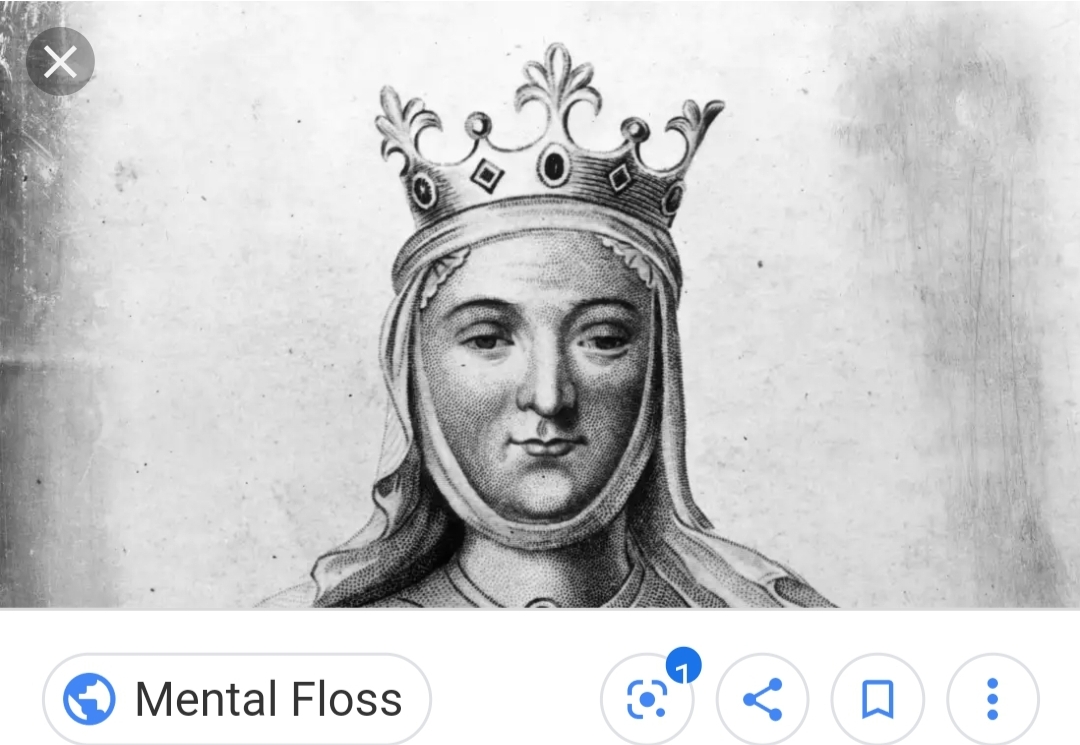
180) Eleanor of Aquitaine

Courtesy of Mental Floss

"I have learned by experience that imprisonment is distasteful to mankind and it is a most delightful refreshment to the spirits to be liberated therefrom."

180) Eleanor of Aquitaine

Queen of France and England

Born: c.1122, France

Died: c.1204, Poitiers, France

She was one of the most powerful figures of the Middle Ages.

When Eleanor was fifteen, she inherited a very large estate and became the most eligible bachelorette in Europe (but within hours was engaged to the king of France’s son Louis). They were wed in 1137 and within weeks the king died and Eleanor and her new husband she barely knew were in charge of France.

In 1152 they were granted an annulment and Eleanor left her two daughters with her former husband.

Two months later she was married to the heir of the English throne and two years after that they were crowned Queen and King of England. They would eight children together but would also separate in 1167.

Eleanor spent five years living on her own and holding her own court before being arrested after it was thought she was plotting with her son to depose her husband (The one from England).

After sixteen years of being imprisoned in various locations around England, she was released on the condition she take up her ceremonial duties as queen once more and join her husband in his household for a time each year.

After her husband died their son Richard (The Lionheart) succeeded him and freed his mother completely. She ruled as regent when he left to lead the Third Crusade.

Eleanor lived long enough to see another of her son’s—John—crowned after Richard’s death and he employed her as an envoy to France.

She then supported her son when her grandson Arthur attempted to usurp the throne.

Eleanor finally retired to live as a nun in an abbey at the end of her life.

Random Fact: Eleanor is said to be responsible for the introduction of built-in fireplaces (after moving from the more temperate southern France to the frigid North she had them installed in the castle she was staying in at the time).

Badges Earned:

Find a Grave Marked

Located In My Personal Library:

The Encyclopedia of the Weird and Wonderful: Curious and Incredible Facts that Will Blow Your Mind by Milo Rossi

Helen of Troy: The Story Behind the Most Beautiful Woman in the World by Bettany Hughes

History’s Naughty Bits by Karen Dolby

Kings & Queens of England and Scotland by Plantagenet Somerset Fry

National Geographic History Magazine Article "Life of the Lioness, Eleanor of Aquitaine" (January/February 2020 Edition)

The Oxford Encyclopedia of Women in World History Edited By Bonnie G Smith

The Plantagenets: The Warrior Kings and Queens Who Made England by Dan Jones

Powers & Thrones: A New History of the Middle Ages by Dan Jones

Queens of the Conquest: England's Medieval Queens Book One by Alison Weir

Scandalous Women: The Lives and Loves of History's Most Notorious Women by Elizabeth Kerri Mahon

Sex With the Queen: 900 Years of Vile Kings, Virile Lovers, and Passionate Politics by Eleanor Herman

Uppity Women Speak Their Minds by Vicki Leon

Warrior Queens by Antonia Fraser

Who Knew? Women in History: Questions That Will Make You Think Again by Sarah Herman

Sources:

https://www.history.com/topics/british-history/eleanor-of-aquitaine

https://www.findagrave.com/memorial/6437/eleanor-de_aquitaine

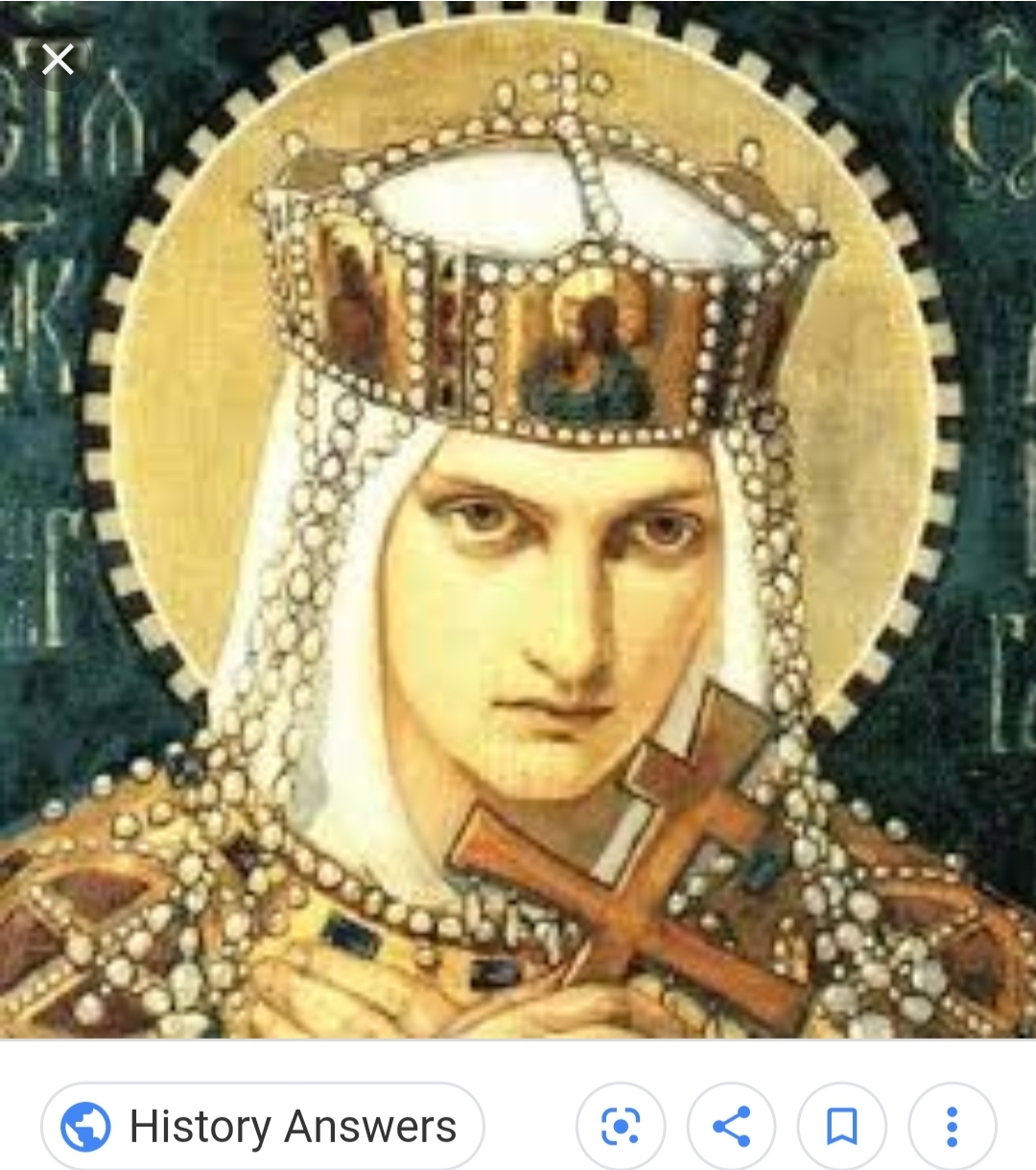
179) Olga of Kiev

Courtesy of History Answers
A Facebook Meme

179) Olga of Kiev

Regent of Kievan Rus’ and the first recorded female ruler in Russia

Born: 890, AD, Most Likely Present-day Russia

Died: 11 July 969 AD, Most Likely Present-day Ukraine

She was also the first ruler of Kiev to adopt Christianity.

Olga was the widow of the ruler of Kiev who was murdered by his subjects after attempting to extort an excessive tribute. She served as the regent from 945 to 964 because their son was still a minor. Olga had the men who murdered her husband scalded to death and the ambassadors who came to ask for her to marry another clan’s prince killed by being buried alive, burned in bathhouses, and other ways.

Olga is also remembered for starting a full tribute system—which could be the first modern tax system in Eastern Europe. Her son resisted Christianity but her grandson (Vladimir the Great) fully embraced it and created the transition between paganism and Christianity in Russia.

After she died, Olga was canonized as the first Russian Saint of the Orthodox Church and is the patron saint of converts and widows.

Badges Earned:

Rejected Princess

Located In My Personal Library:

Princesses Behaving Badly by Linda Rodriguez McRobbie

Saints Behaving Badly by Thomas J Craughwell

Rejected Princesses by Jason Porath

The Northwomen: Untold Stories From the Other Half of the Viking World by Heather Pringle

Sources:

https://russiapedia.rt.com/prominent-russians/history-and-mythology/princess-olga-of-kiev/

https://www.britannica.com/biography/Saint-Olga

https://www.rejectedprincesses.com/princesses/olga-of-kiev

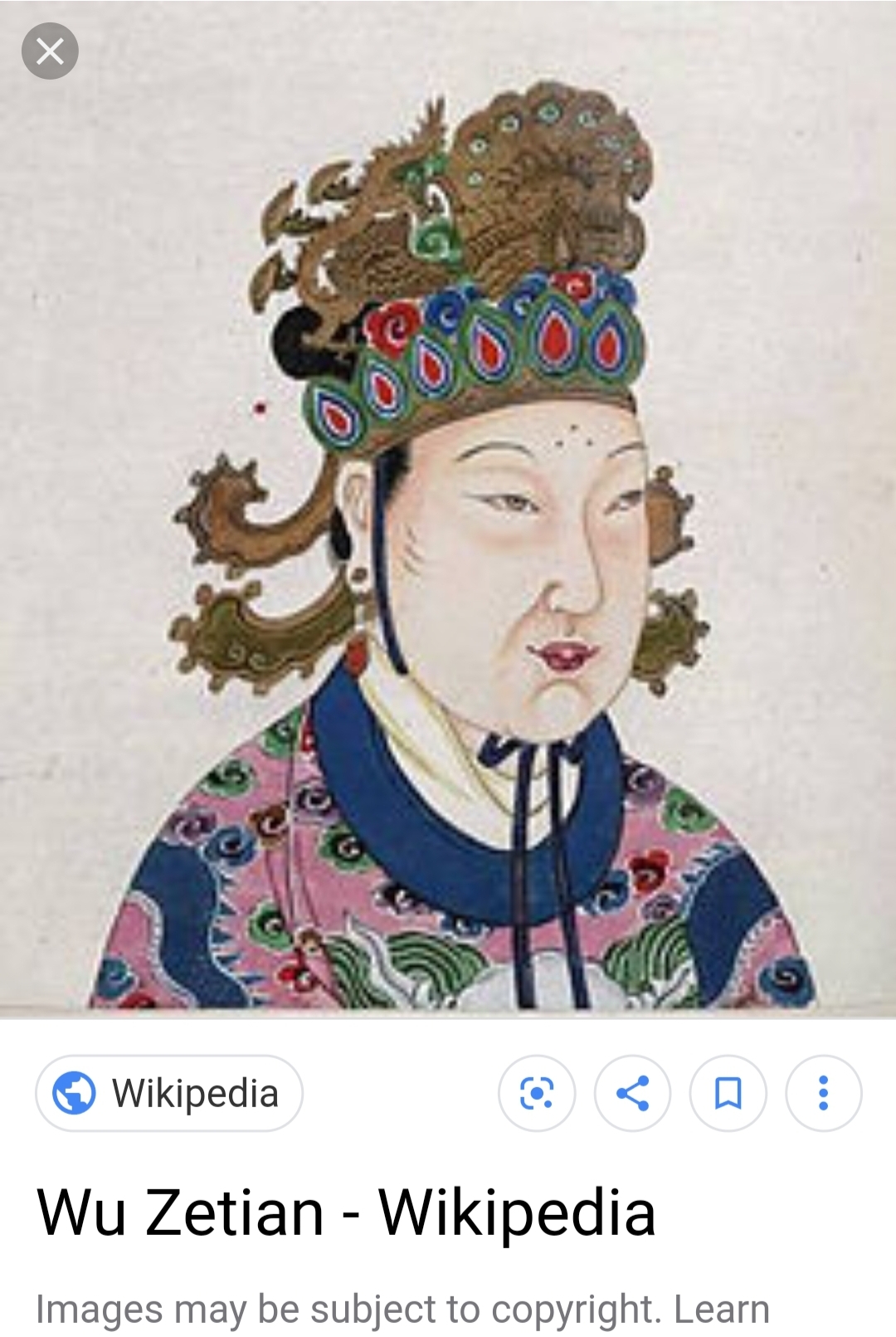
178) Wu Zetian

Courtesy of Wikipedia

178) Wu Zetian

The Only Woman in Chinese History to Rule as Empress Regnant

Born: 17 February 624, China

Died: 16 December 705, China

She was the most influential ruler of the Tang Dynasty.

The Tang were semi-okay towards women; the girls were not required to bind their feet or lead submissive lives which was huge in terms of Chinese history, and this slight leniency undoubtedly helped Wu in her rise to power.

She was born into a rich and noble family and educated well.

Wu was brought in and become a concubine to the Emperor when she was a teenager but was also keeping her eye on the emperor’s son. When the old emperor died at the age of twenty-seven she moved quickly and gave the new emperor multiple sons—deposing the emperor’s wife (Wang) by accusing Wang of smothering her child  (the details on this are a little murky with some people saying Wu killed her own daughter and others claiming the girl probably died from carbon monoxide poisoning).

The emperor soon married Wu. Within five years the emperor suffered a debilitating stroke allowing Wu to take over all administrative duties, this also allowed her to start a secret police force to spy on her enemies and kill or imprisoned anyone who got in her way (including Former Empress Wang).

When this emperor died, she moved her eldest and weakest son into power and ruled through him—telling him exactly what to do. Next she started challenging Confucian ideals of womanhood by elevating the women around her; having biographies written of famous women and proclaiming she was starting a new dynasty.

In 690 her son removed himself from office and Wu was declared emperor. During this time she wiped out at least fifteen family lines through various means of execution to secure her place on the throne (though the number might be slightly exaggerated—sources disagree on the exact number) she replaced war mongering politicians with scholars and reduced the army’s size. Wu also lowered taxes and raised agricultural production.

Chinese Buddhism achieved its highest strength under her reign.

The year of her death she gave up the throne in favor of her third son and then peacefully passed away.

Badges Earned:

Find a Grave Marked

Rejected Princess

Located in My Personal Library:

Princesses Behaving Badly by Linda Rodriguez McRobbie

Rejected Princesses by Jason Porath

Sources:

https://www.rejectedprincesses.com/princesses/wu-zetian

http://www.womeninworldhistory.com/heroine6.html

https://www.findagrave.com/memorial/200178413/wu-zetian

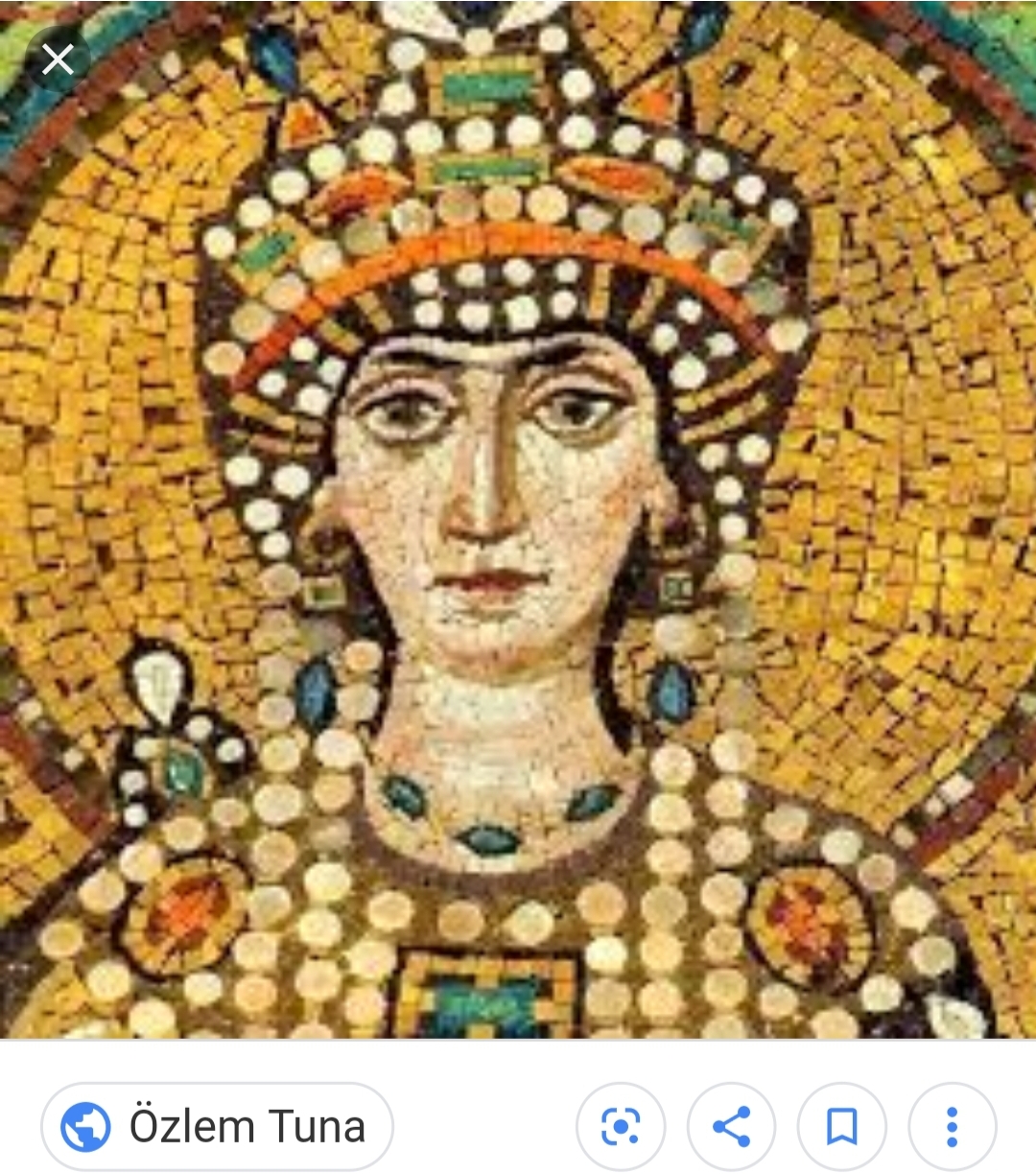
177) Theodora I

Courtesy of Ozlem Tuna

177) Theodora I

Byzantine Empress who Ruled Alongside her Husband Justinian I

Born: c.497, Possible birth locations include Crete, Syria, and Cyprus but the exact location is unknown

Died: 548, Constantinople, Byzantine Empire (Modern-day Istanbul, Turkey)

Before marrying the emperor, she worked as an actress and street performer (in Layman’s Terms: a stripper, dancer, and acrobat)—a very unseemly background for a woman who would be Empress.

Theodora would become one of the most powerful women in Byzantium History.

In order for them to be married though—the Emperor Justin (Justinian’s Uncle) had to amend the laws to make such a match legal (apparently senators—the position Justinian held at the time—were not allowed to marry “actresses”—even ones that had renounced their former careers, like Theodora had by this point). The marriage also helped Theodora’s illegitimate daughter Ioannis hold a better place in society.

Theodora was around twenty years younger than Justinian. She was crowned as his equal during his coronation and not as his consort on his insistence.

Her speech to her husband during the Nika Riot is one of the best speeches from a royal ever (in my opinion). The riot grew from a small disagreement during a chariot race to a full-scaled attack that destroyed most of Constantinople and saw many wanting to overthrow Justinian. Justinian wanted to flee, but Theodora told him it was better to die a ruler than to lose power.

When plague struck Constantinople in 542 CE Theodora ruled alone as Justinian struggled to survive the disease. She was also a social reformer opening orphanages and homes for former prostitutes wanting to re-enter “respectable” society.

Theodora most likely died from cancer and her husband never remarried despite having no heir. According to the book Strange History, Theodora was the first person to undergo a mastectomy.

Her daughter would have three sons who all became prominent Byzantium citizens.

Badges Earned:

Find a Grave Marked

Rejected Princess

Located In My Personal Library:

Powers & Thrones: A New History of the Middle Ages by Dan Jones

Rejected Princesses by Jason Porath

A Short History of the World in 50 Lies by Natasha Tidd

Strange History by the Bathroom Readers' Institute

Sources:

https://www.ancient.eu/Empress_Theodora/

https://www.brooklynmuseum.org/eascfa/dinner_party/place_settings/theodora

https://www.findagrave.com/memorial/200178880/theodora-the_first

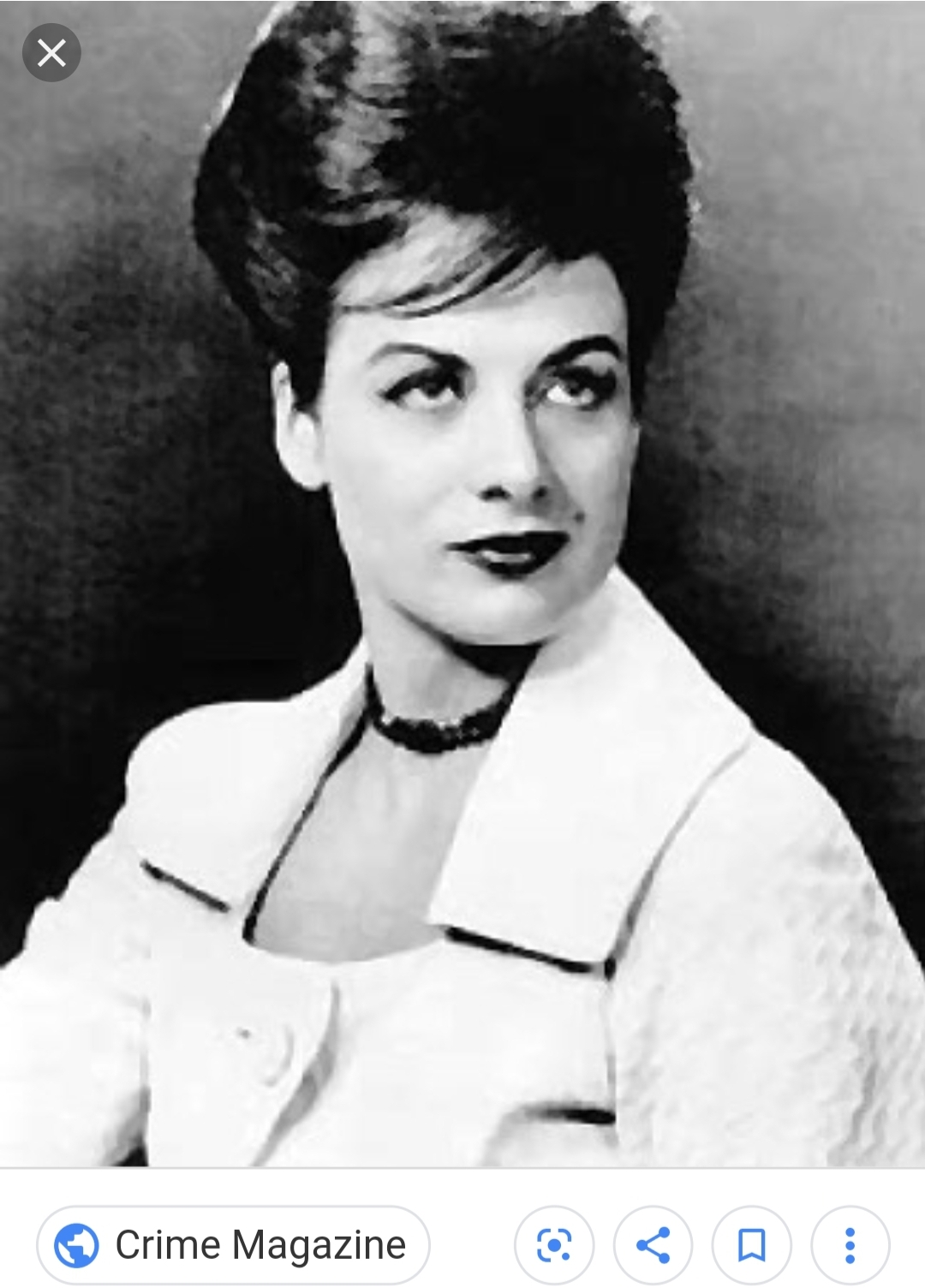
176) Ellen Rometsch

Courtesy of Crime Magazine

176) Ellen Rometsch

Possible Soviet Spy

Born: 19 September 1936, Germany

She joined the Communist Youth Party as a young teenager living in East Germany.

In 1955, Ellen and her family escaped Eastern Germany to the West.

She moved to the United States with her second husband in 1961 with him working in the German Embassy.

It is said (but again, never confirmed) she was sent there to work as a spy for East Berlin and even joined an elite club as a waitress—a great way to gain intelligence on politicians in Washington.

Ellen eventually was introduced to John F Kennedy and they began to have an affair. In 1963, Lyndon B Johnson learned of the affair and notified J Edgar Hoover who had the FBI interrogate her about her past and determined she was a Soviet Spy—leaking her identity and supposed links to East Germany to the press.

Ellen was soon visited by Bobby Kennedy who had her sign a statement to keep her quiet about her affairs with Washington’s elites. She was paid well for her signature. JFK also put pressure onto the Senate to drop their investigation into Ellen to preserve what he called the National Interest.

Ellen ended up divorcing her husband and moving back in with her parents in Germany but by then it was too late, Life Magazine published a seven-page article about her affair with the President the day he was assassinated—and Life weren’t the only ones.

It is said she then returned to the United States in 1964 and had an affair with Gerald Ford during the fact-finding Warren Commission and Hoover used the affair to blackmail Ford into telling him what the Commission had found.

The FBI continued to watch her until 1987 but never found any information that she was a Soviet Spy.

A German magazine tried to interview her in 2013 but was unsuccessful. She has been living in relative quiet the last several decades, and though she doesn’t do interviews or talk to anyone, she does continue to state she was never a spy.

Badges Earned:

Located In My Personal Library:

Sex With Presidents: The Ins and Outs of Love and Lust in the White House by Eleanor Herman

Sources:

https://spartacus-educational.com/JFKrometsch.htm

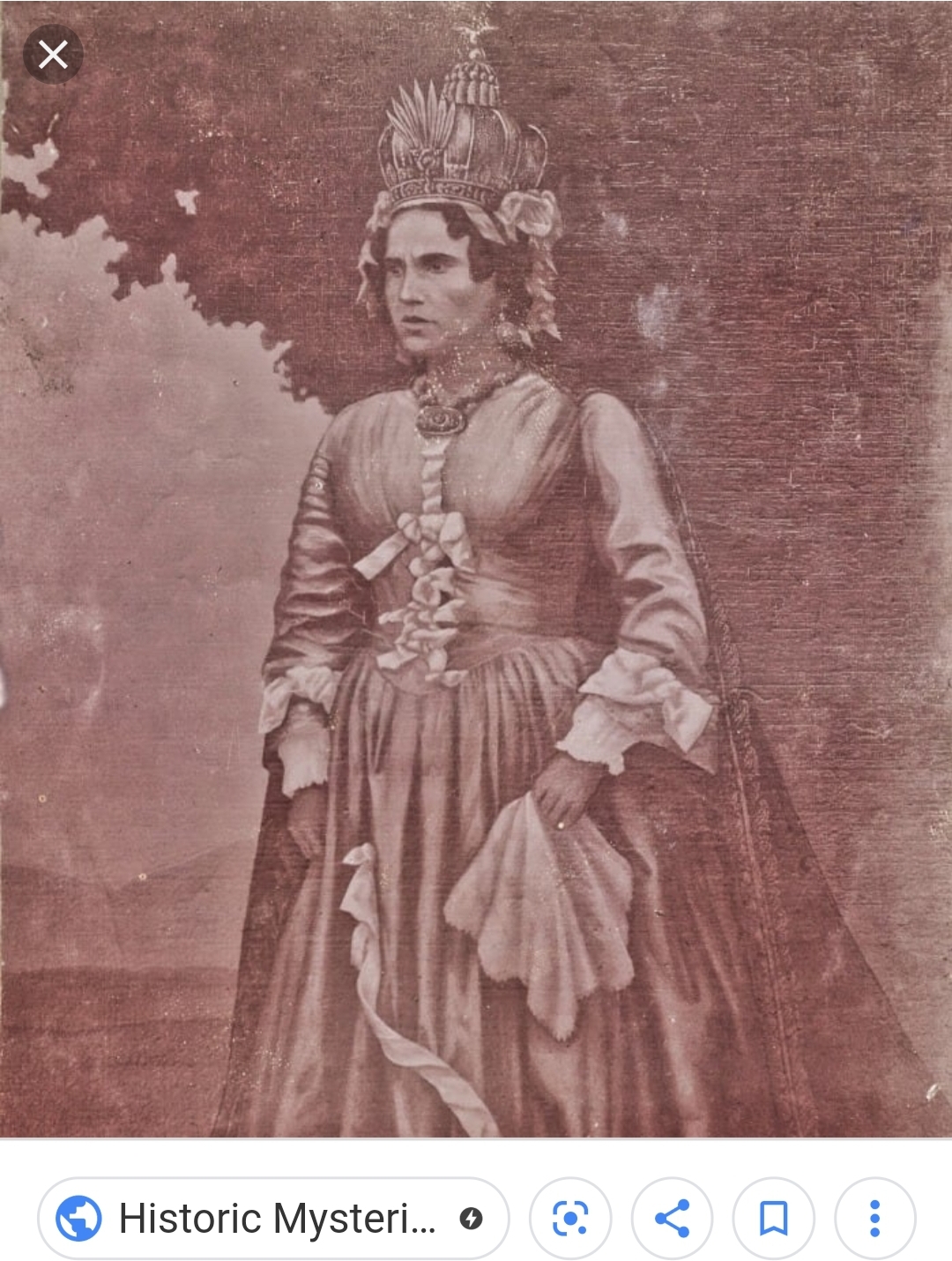
175) Ranavalona I

Courtesy of Historic Mysteries

175) Ranavalona I

Queen of Madagascar who has Been Vilified as the “Female Caligula” in the West

Born: 1778, Madagascar

Died: 16 August 1861, Madagascar

She supposedly killed anywhere from thirty to fifty percent of her people but also kept Madagascar independent, beat back the British and the French, and began one of the first Industrial Revolutions outside of Europe.

It’s also been said she tried to make a giant pair of scissors to cut her enemies in half.

Most of what is known about her was written by angry European men but here are some known facts: she became queen at thirty-six after her husband died and she held a coup to get rid of the other guy who became king; Ranavalona also brought slavery back into her country after it had recently been abolished by the British.

She brought about the Industrial Revolution thanks to a shipwrecked Frenchman who she turned into a slave (read more about him here). Jean happened to be a skilled tradesman, so she used his knowledge to her advantage to bring her country into the new age.

Ranavalona was also extremely intolerant to any outside religions—especially Christianity, so you know, fun.

After she died her son undid almost all her major decrees within a month—like re-abolishing slavery and opening Madagascar to freedom of religion.

Unfortunately, within thirty years the country became a French Colony and remained that way for the next hundred years.

Badges Earned:

Find a Grave Marked

Rejected Princess

Located in My Personal Library:

One Bloody Thing After Another by Jacob F Field

Tough Mothers by Jason Porath

Sources:

https://www.rejectedprincesses.com/princesses/ranavalona-i

https://www.findagrave.com/memorial/15095236/rabodoandriana-impoin_i_merina_ranavalona

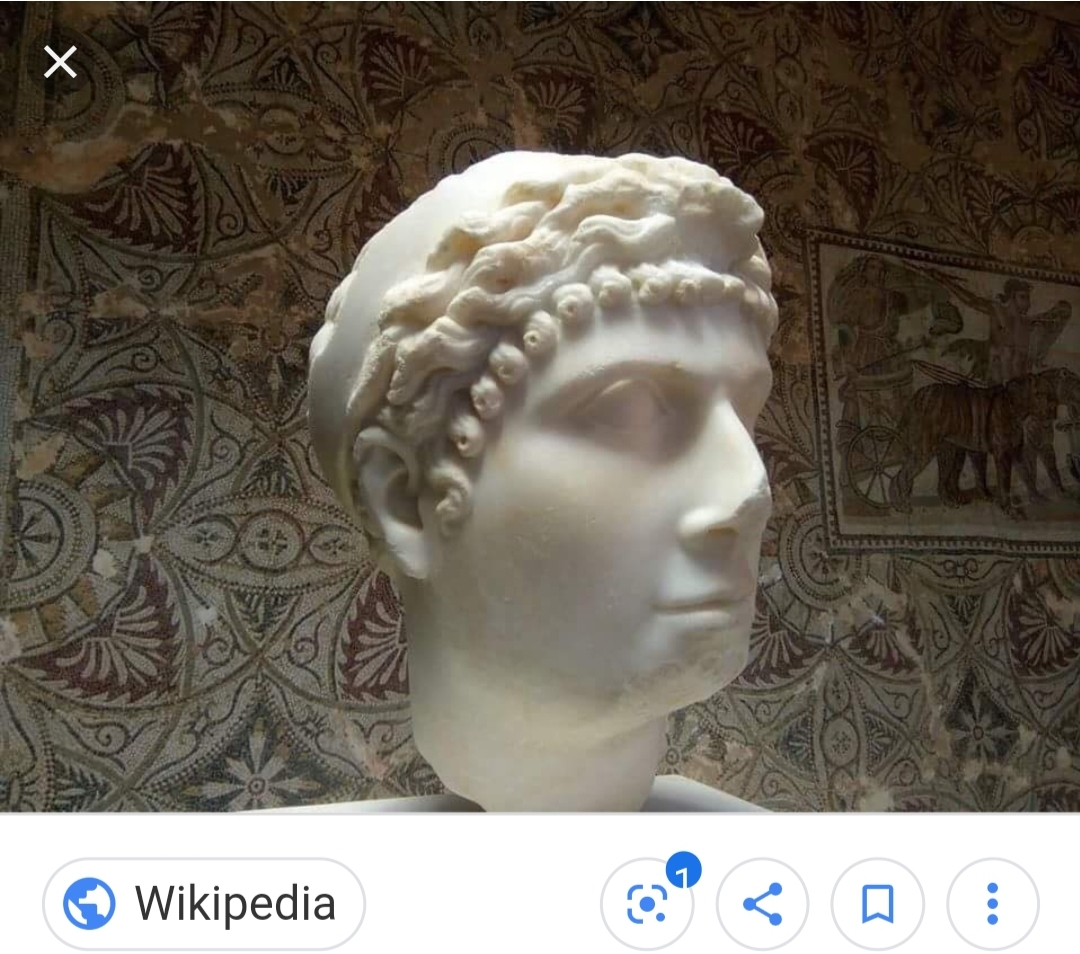
174) Cleopatra Selene II

Note: This Bust represents either Cleopatra Selene or her mother Cleopatra VII

174) Cleopatra Selene II

The Daughter of Cleopatra VII

Born: c.40 BC, Alexandria, Egypt

Died: c. 5 BC, Present-day Algeria

Also Known As: Cleopatra VIII

Cleopatra Selene was a Mauritanian Queen and the daughter of Marc Antony and Cleopatra VII.

As a toddler, Cleopatra Selene's father named her Queen of Cyrenaica and Libya and she was a princess of Egypt—all of which became clear in her first public appearance at the age of six in a ceremony now known as the Donations of Alexandria.

After the death of her mother and oldest brother Caesarion, Cleopatra Selene reigned as queen of Egypt for two weeks alongside her twin brother Alexander Helios before Egypt was formally annexed by Rome.

Selene was raised in her stepmother Octavia’s household in Rome as a prisoner, and it was in this household that her two remaining brothers disappear from history—most likely dying of natural causes before reaching adulthood.

Selene would eventually marry Juba II of Mauritania to rule alongside him as queen. A coin still exists showing her and her husband—allowing us to see her profile.

Selene was more powerful and knowledgeable in her reign than her husband, who had no prior ruling experience, and she had coins minted in her own image. Together the couple modernized the country and one of their achievements was building a lighthouse like the one in Alexandria.

Selene's death coincided with a lunar eclipse and her son became co-ruler after Juba’s death.

Sadly, her son Ptolemy would be executed under Caligula’s orders for reasons unknown—ending Cleopatra VII’s bloodline once and for all, and ending the Ptolemaic family line with it.

Note:

Ancient Mauritania was actually modern-day Algeria and Morocco and not modern-day Mauritania.

Badges Earned:

Find a Grave Marked

Located in My Personal Library:

The Warrior Queens by Antonia Fraser

When Women Ruled the World: Six Queens of Egypt by Kara Cooney

Sources:

https://www.historyofroyalwomen.com/the-royal-women/queen-cleopatra-selene-cleopatras-forgotten-daughter/
https://en.wikipedia.org/wiki/Cleopatra_Selene_II

https://www.thevintagenews.com/2016/11/08/the-final-resting-place-of-king-juba-ii-queen-cleopatra-selene-ii/

https://www.findagrave.com/memorial/146252786/cleopatra_selene-queen_consort_of-mauretania

  • Previous
  • 1
  • …
  • 118
  • 119
  • 120
  • 121
  • 122
  • 123
  • 124
  • …
  • 159
  • Next

Categories

Archives

  • July 2025 (10)
  • July 2024 (1)
  • January 2024 (1)
  • August 2023 (1)
  • June 2023 (2)
  • October 2022 (1)
  • July 2022 (1)
  • June 2021 (3)
  • December 2020 (3)
  • August 2019 (1)
  • July 2019 (2)

Search

© 2026 The Exasperated Historian | Powered by Minimalist Blog WordPress Theme