The Exasperated Historian
Menu
  • Home
  • The Women’s List (New)
  • The Men’s List
  • The Animal List
  • Collections
  • The Blog
  • Contact Us
  • FAQ
Menu

Category: Birth Locations

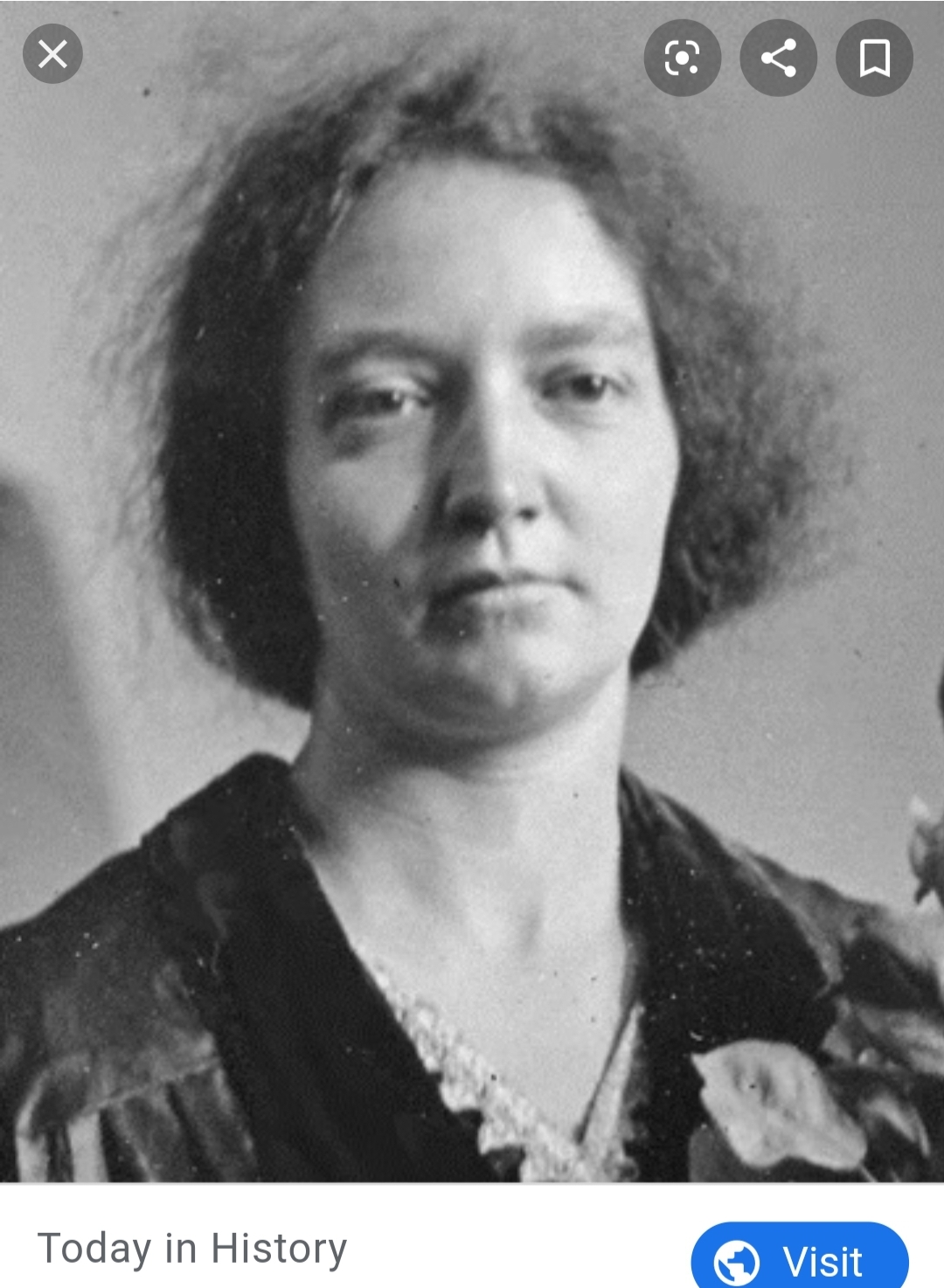
370) Irène Joliot-Curie

Courtesy of Today in History

370: Irène Joliot-Curie

Chemist and Daughter of Marie Curie

Born: 12 September 1897, Paris, France

Died: 17 March 1956, Paris, France

She worked as a nurse radiographer alongside her mother during the First World War.

Irène earned her PhD in 1925.

Irène was awarded the Nobel Prize in Chemistry in 1935 for her work in discovering artificial radioactivity (shared with her husband). While not directly involved with the Manhattan Project, Irène’s work was essential in the creation of the Atomic bomb.

During World War II, Irène bounced back and forth between Switzerland and occupied France, trying to recover from tuberculosis. She passed away from leukemia caused by years of radium exposure.

When not pursuing scientific endeavors, Irène was also a Women’s Rights Advocate.

She had two children with her husband.

Badges Earned:

Find a Grave Marked

Located In My Personal Library:

The Book of Awesome Women: Boundary Breakers, Freedom Fighters, Sheroes, and Female Firsts by Becca Anderson

The Only Woman by Immy Humes

The Oxford Encyclopedia of Women in World History Edited By Bonnie G Smith

Sources:

https://www.nobelprize.org/prizes/chemistry/1935/joliot-curie/biographical/

https://www.atomicheritage.org/profile/irene-joliot-curie

https://www.findagrave.com/memorial/38021075/ir_ne-joliot_curie

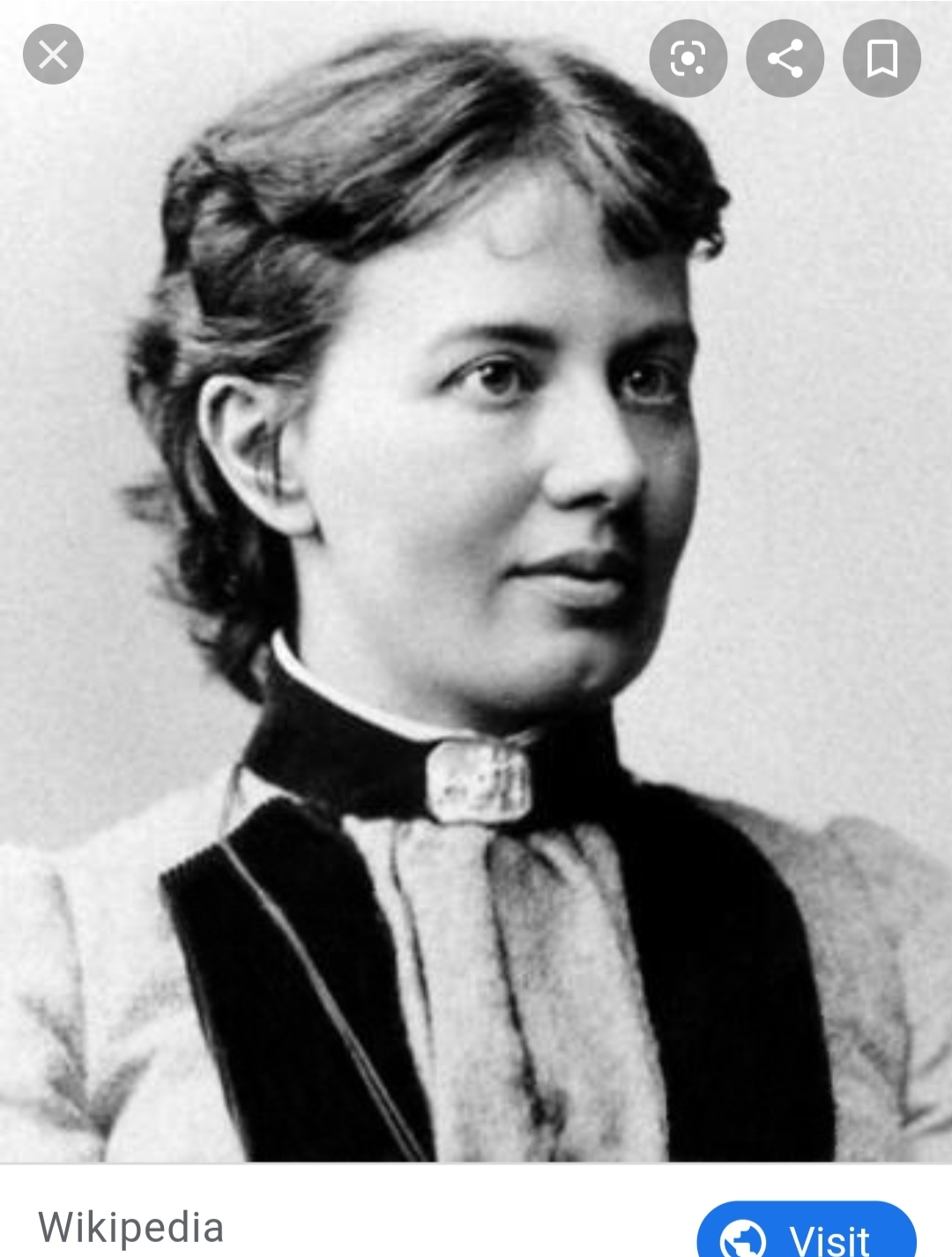
369) Sofia Kovalevskaya

Courtesy of Wikipedia

369: Sofia Kovalevskaya

Mathematician and Education Rights Advocate

Born: 15 January 1850, Moscow, Russia

Died: 10 February 1891, Stockholm, Sweden

Original/Alternate Spellings: Sofya, Sophie, or Sonya

Sofia stated her exposure to math began at a young age when her room was repapered with her father’s old calculus notes rather than wallpaper (this despite the fact her family was minor Russian nobility and she was raised in otherwise posh surroundings for the time).

She taught herself trigonometry at the age of fourteen in order to understand a chapter in a textbook she was reading.

Sofia ended up marrying a man purely to gain the ability to travel so she could attend university (women were not allowed to travel on their own at the time). However, upon arriving in Switzerland, with her new husband in tow, she learned the university still would not admit her. Luckily, a math professor soon realized her genius and privately tutored her for four years.

She earned her PhD in 1874, the first European woman to hold a Doctorate in Mathematics, but was still unable to find employment, so she and her husband moved back to Russia. Soon after, her father died, and Sofia and her husband actually fell in love, and they had a daughter together.

During this time, Sofia stepped away from math, and turned to literacy instead; writing fiction, scientific articles for local newspapers, and theatre reviews.

In 1880, Sofia returned to math. Still unable to find a job, she moved to Berlin to try and find a job under her old tutor. While there, Sofia learned of her husband’s suicide, and was devastated. He took his life after all of his business ventures failed. The grief drove Sofia even deeper into her work.

The following years showed improvement for Sofia’s career prospects, and she was soon a professor with tenure, and the co-author of a play.

Her early death has been attributed to pneumonia and depression. After her husband’s death, Sofia also lost her beloved sister Anya, and endured a rocky on-again-off-again relationship with another scientist. During her short life, she managed to publish ten scientific papers, many of which were the basis for later major discoveries in their respective fields.

Today, she is remembered as the first Russian woman to become a world-renowned mathematician. Her husband whom she loved so much despite marrying in the first place for non-romantic reasons, was a famous paleontologist in his own right who worked with Charles Darwin, Vladimir Kovalevsky.

Badges Earned:

Find a Grave Marked

Sources:

https://www.agnesscott.edu/lriddle/women/kova.htm

https://scientificwomen.net/women/kovalevsky-sofia-50

https://www.findagrave.com/memorial/21212708/sofia-vasilyevna-kovalevskaya
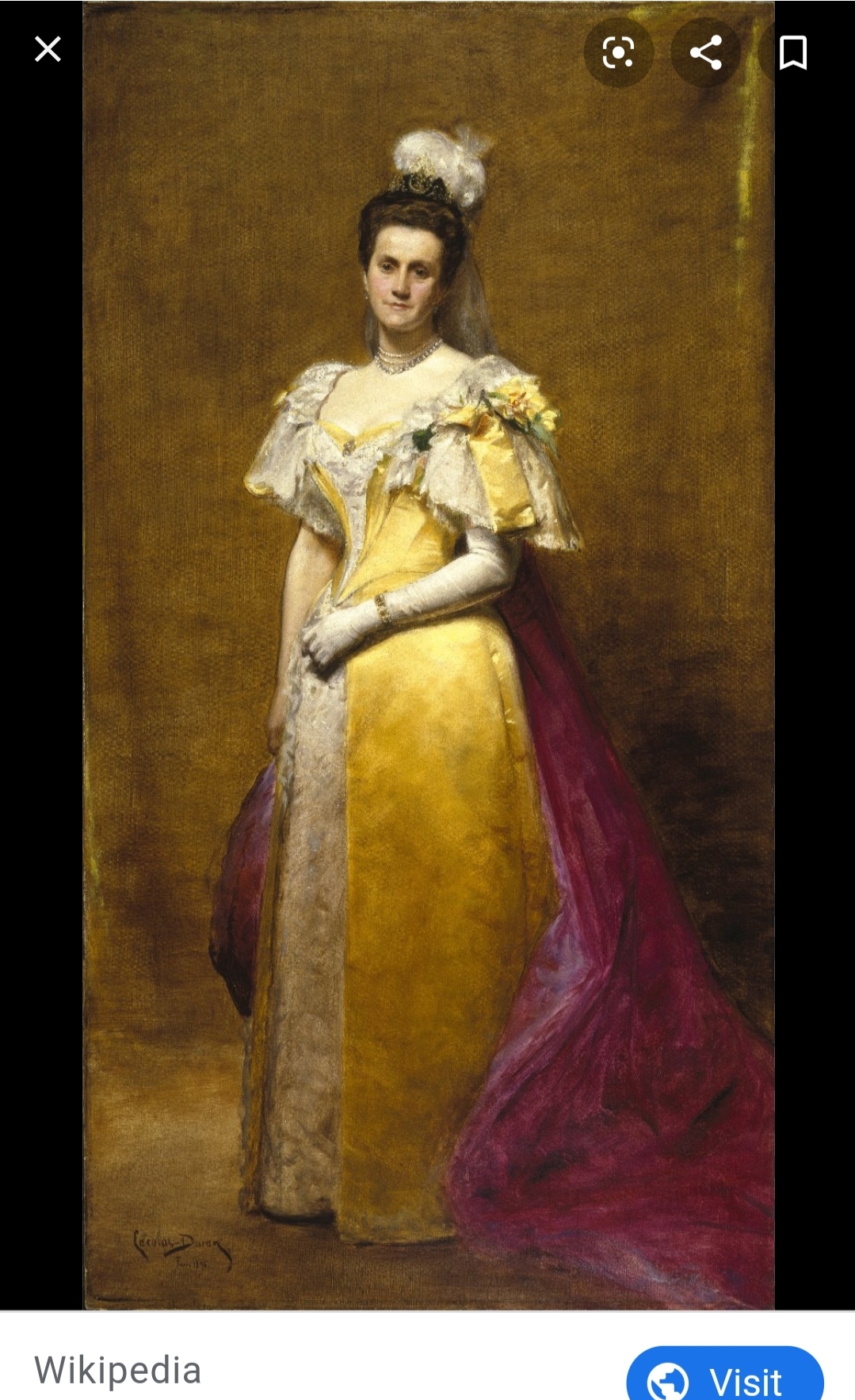
368) Emily Warren Roebling

Courtesy of Wikipedia

"The name of Emily Warren Roebling will...be inseparably associated with all that is admirable in human nature and all that is wonderful in the constructive world of art" -Abram Hewitt

(On the Bridge itself):

"An everlasting monument to the self-sacrificing devotion of a woman and of her capacity for that higher education from which she has been too long disbarred," -Abram Hewitt

368: Emily Warren Roebling

Engineer Known For Her Contributions in Completing the Brooklyn Bridge

Born: 23 September 1843, Cold Spring, New York, United States of America

Died: 28 February 1903, Trenton, New Jersey, United States of America

Emily was well educated and looked after by her older, and favorite, brother, General Kemble Warren, who served in the War Between the States. While visiting him one day, Emily was introduced to Washington Roebling, the man who become her husband a year later.

Soon after the wedding, Emily and Washington went to Europe after Emily’s father-in-law requested they travel abroad to study caissons disease, better known as “the bends”. While overseas, Emily would give birth to their only child, a son named John. Emily’s father-in-law had sent them on this mission because he was beginning the monumental task that would eventually formulate in the Brooklyn Bridge.

Emily’s father-in-law died in 1869 of tetanus, and Washington was named Chief Engineer in his father’s place. Three years after taking over, Washington became ill with the bends and would remain bedridden for the remainder of the project—launching Emily into history. Though Washington retained the title of Chief Engineer, Emily took over the majority of the tasks involved, working as a liaison between her husband and the men working onsite.

She was the first person to cross the bridge upon its opening in 1883.

Emily also earned her law degree in 1899; spending the last years of her life as a society figure. She attended functions for the Daughters of the American Revolution, the Huguenot Society, and other groups. Emily was even present for the coronation of Tsar Nicholas II in Russia and was presented to Queen Victoria in England in 1896.

Her construction pursuits also continued after the bridge was finished. Emily oversaw the building of the Roebling Mansion in Trenton, New Jersey, and the soldier’s camp built in Long Island for soldiers returning from the Spanish American War. While there, Emily also worked as a nurse.

Badges Earned:

Find a Grave Marked

Located In My Personal Library:

Bygone Badass Broads by Mackenzi Lee

The Who, the What, and the When: 65 Artists Illustrate the Secret Sidekicks of History by Jenny Volvovski, Julia Rothman, and Matt LaMothe

Sources:

http://roeblingmuseum.org/ourstory/emily-warren-roebling/

https://www.asce.org/templates/person-bio-detail.aspx?id=11203

https://www.findagrave.com/memorial/9190747/emily-roebling

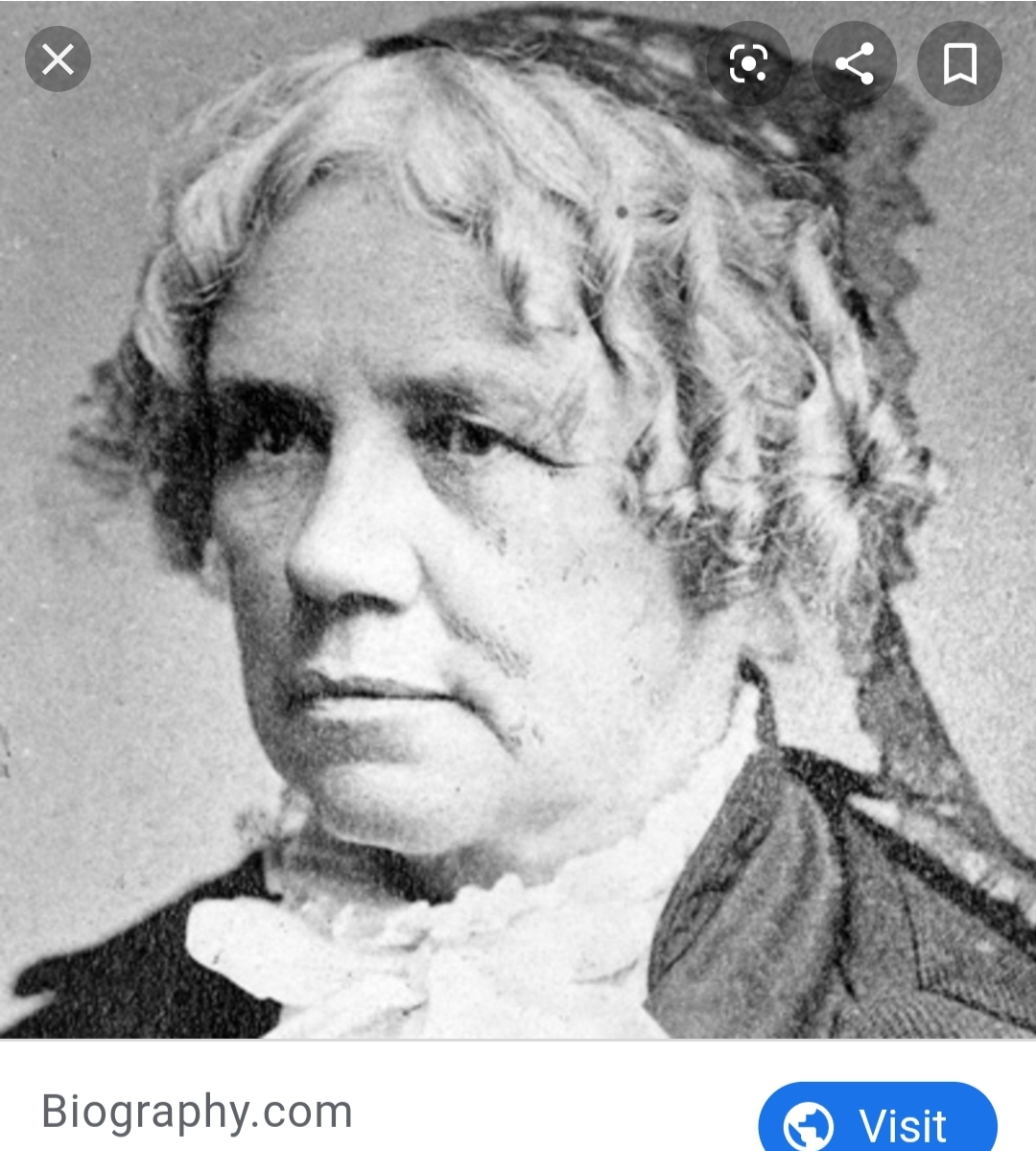
367) Maria Mitchell

Courtesy of Biography

367: Maria Mitchell

First Female Astronomer in the United States

Born: 1 August 1818, Nantucket, Massachusetts, United States of America

Died: 28 June 1898, Lynn, Massachusetts, United States of America

Her name was pronounced Mariah (think Mariah Carey).

Maria was also the first American scientist to discover a comet, the first woman elected to the American Academy and Arts and Sciences (in 1848), the first female astronomy professor (she worked for Vassar College), the first librarian of the Nantucket Antheneum, and one of the first professional women hired by the United States Government.

And if all that isn’t impressive enough, she was also an education advocate for women and girls, helping found the American Association for the Advancement of Women (AAW) later to be known as the American Association of University Women. 

Maria discovered the comet (later to be known as Miss Mitchell’s Comet) through a simple two-inch telescope and was awarded a gold medal from the King of Denmark for her efforts.

She was educated as a child, thanks to her Quaker background, and by age twelve Maria was helping her father calculate the position of their home through observing a solar eclipse. Normal twelve-year-old stuff. It really is no surprise she went on to become the first to do so many things.

She never married or had children. Today, Maria is remembered with a crater on the moon named in her honor.

Badges Earned:

Find a Grave Marked

Located in My Personal Library:

The Glass Universe by Dava Sobel

The Only Woman by Immy Humes

Sources:

https://www.mariamitchell.org/about/about-maria-mitchell

https://www.womenshistory.org/education-resources/biographies/maria-mitchell

https://www.findagrave.com/memorial/719/maria-mitchell

Entries Born in Iran

These are the People born in the country of Iran, whether it be the modern country as we see it on the map or a person born in that region before Iran came to be.

Entries:

  1. Atefah Sahaaleh, Executed By Her Government For Crimes Against Chastity--Even Though She was a Rape Victim
  2. Fereshteh Forough, CEO & Founder of Code to Inspire
  3. Leyla Mafi, Mentally Ill Child Prostitute Who Was Flogged After Having Her Death Sentence Reduced
  4. Maryam Mirzakhani, Fields Medal Winning Mathematician

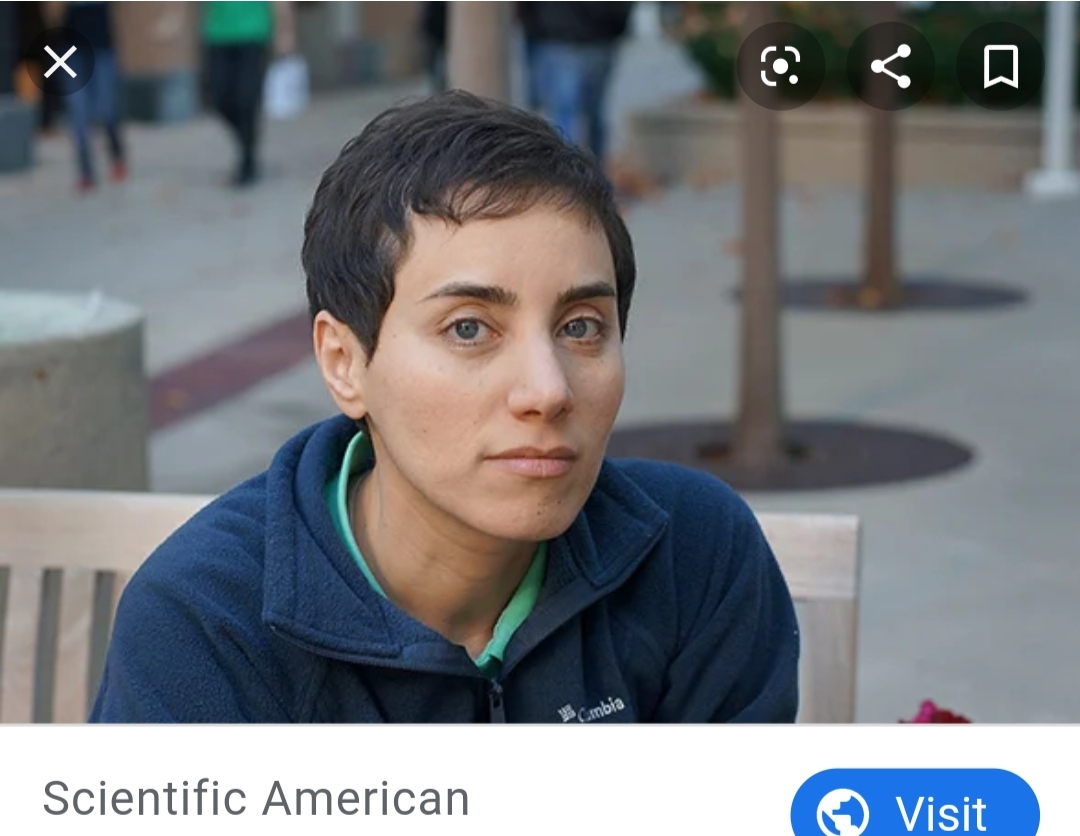
366) Maryam Mirzakhani

Courtesy of Scientific American

366: Maryam Mirzakhani

Mathematician and Professor at Stanford University

Born: 12 May 1977, Tehran, Iran

Died: 15 July 2017, Palo Alto, California, United States of America

Maryam was the first woman and the first Iranian to be awarded the Fields Medal. The award, which was first presented in 1936, is known as the Nobel of Mathematics.

She made multiple contributions to the fields of geometry and dynamical systems, and Maryam was especially interested in “describing the geometric and dynamic complexities of curved surfaces…in as great a detail as possible,” (Courtesy of Stanford, linked below).

Maryam was one of the first girls to ever compete on Iran’s International Mathematical Olympiad Team, competing in 1994 and 1995 and winning a gold medal both years. She earned her doctorate from Harvard and worked at Princeton before moving to Stanford in 2009, where she would remain a professor until her death.

She had been battling breast cancer since 2013 and in 2016 it spread to her bones and liver, leading to her eventual early at the age of forty. Maryam was survived by her parents, husband, young daughter, and other family members.

Badges Earned:

Find a Grave Marked

Located In My Personal Library:

Women in Science by Rachel Ignotofsky

Sources:

http://www.ams.org/profession/mirzakhani

https://news.stanford.edu/2017/07/15/maryam-mirzakhani-stanford-mathematician-and-fields-medal-winner-dies/

https://www.findagrave.com/memorial/181462448/maryam-mirzakhani

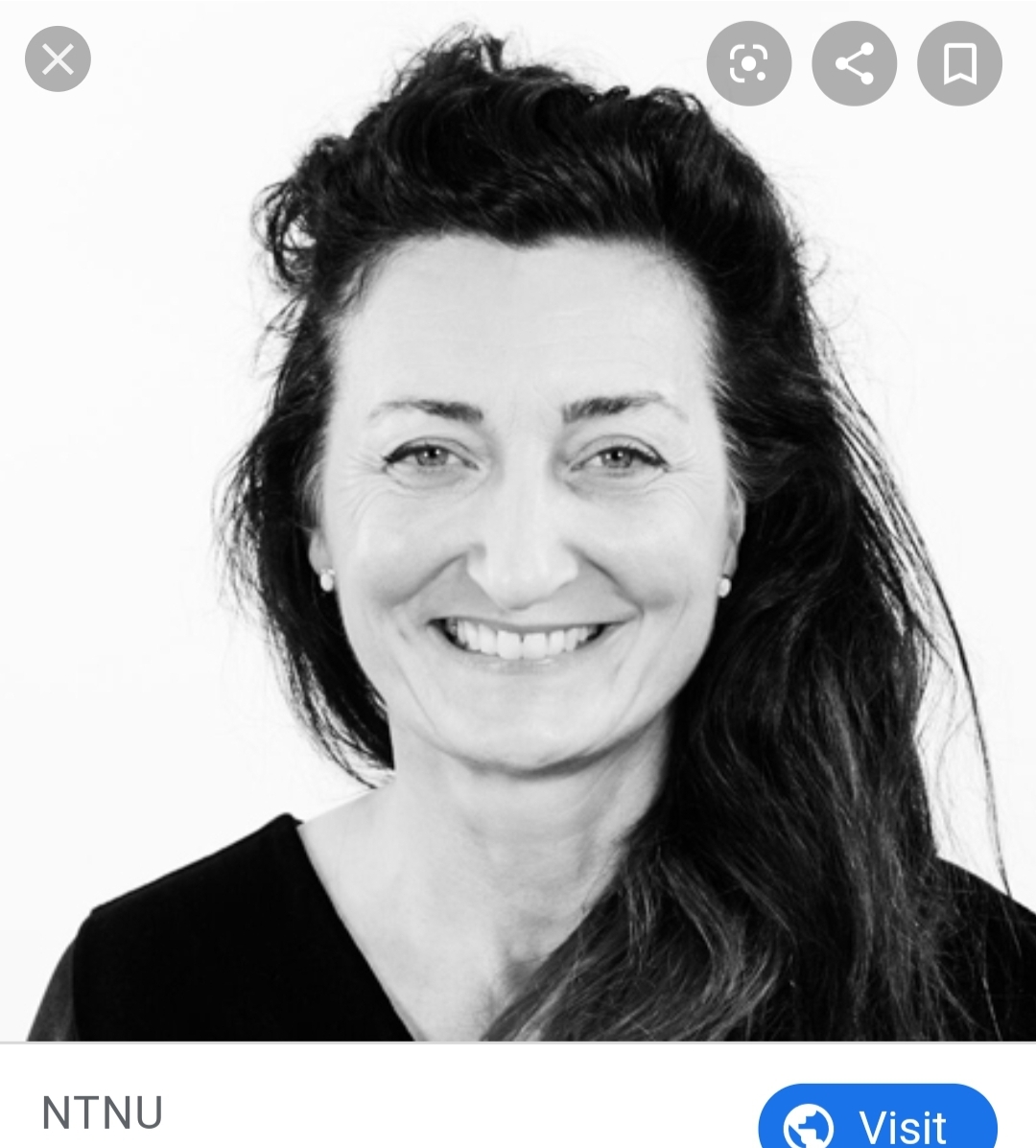
365) May-Britt Moser

Courtesy of NTNU

365: May-Britt Moser

Psychologist and Neuroscientist

Born: 4 January 1963, Fosnavåg, Norway

May-Britt is the department head of the Centre for Neural Computation at the Norwegian University of Science and Technology.

She won the Nobel Prize in Physiology or Medicine in 2014. Sharing the award with three others, the prize citation states, “For their discoveries of cells that constitute a positioning system in the brain.”

One of the scientists she shares the Nobel with is her former husband, and the father of her two daughters.

May-Britt’s area of study focuses on how people and animals are able to track their sense of location in various settings.

Badges Earned:

Located In My Personal Library:

Women in Science by Rachel Ignotofsky

Sources:

https://www.nobelprize.org/prizes/medicine/2014/may-britt-moser/facts/

https://www.ntnu.edu/employees/may-britt.moser

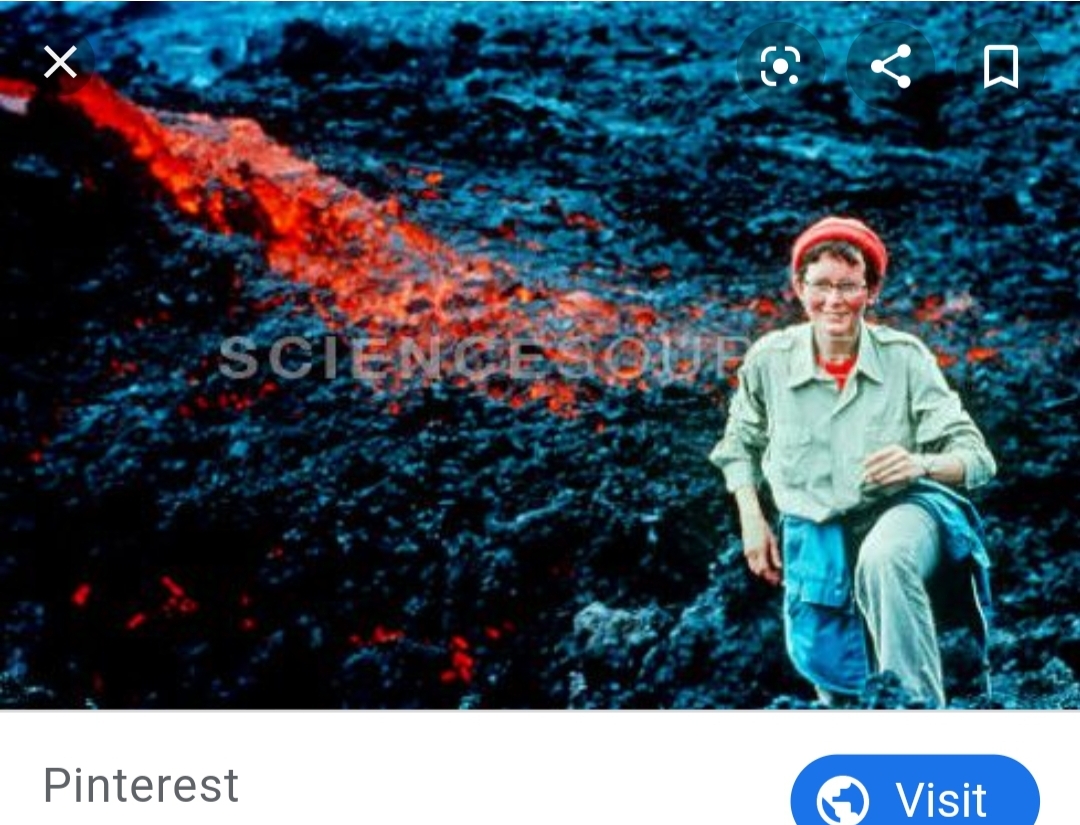
364) Katia Krafft

Courtesy of Pinterest

364: Katia Krafft

Geologist and Volcanologist

Born: 17 April 1942, Soultz-Haut-Rhin, France

Died: 3 June 1991, Mount Unzen, Japan

Katia, alongside her husband, perished on a volcano’s slopes when it unexpectedly erupted.

Around forty journalists and other volcanologists died with them.

Katia and her husband studied hundreds if not thousands of volcanoes and hoped to help mitigate the destruction and loss of life caused by volcanoes at the time of their deaths. They studied their craft with little money, and took their own photographs and samples. They even hoped to open a museum someday to help spread the knowledge of one of Earth's most disruptive and dangerous natural phenomena.

Badges Earned:

Find a Grave Marked

Located In My Personal Library:

Women in Science by Rachel Ignotofsky

Sources:

http://volcano.oregonstate.edu/who-were-maurice-and-katia-krafft-how-did-they-die

https://rebelgirlsboundless.com/pioneers/katia-krafft-volcanologist

https://www.findagrave.com/memorial/9257436/katia-krafft

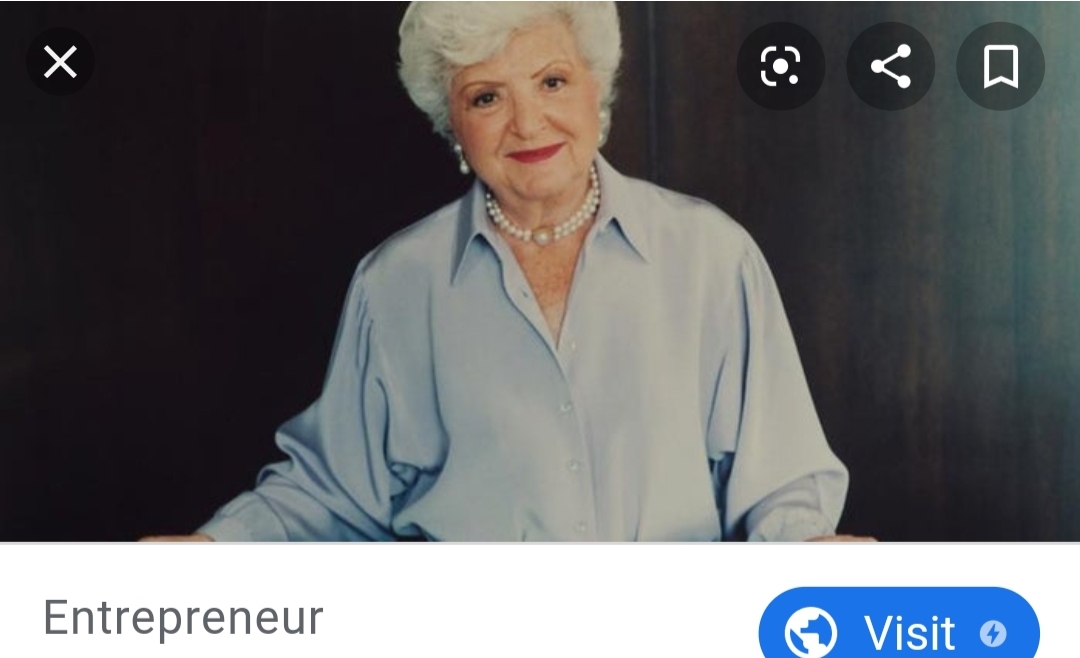
363) Ruth Handler

Courtesy of Entrepreneur

"My whole philosophy of Barbie was that, through the doll, the little girl could be anything she wanted to be. Barbie always represented the fact that a woman has choices."

363: Ruth Handler

Invented Barbie and Co-Founded Mattel Toy Company

Born: 4 November 1916, Denver, Colorado, United States of America

Died: 27 April 2002, Los Angeles, California, United States of America

Ruth served as president of Mattel for several of its most successful years. One of her more ingenious moves was to pay $500,000, otherwise calculated as the entire value of Mattel, to sponsor the Mickey Mouse Club. Her high stakes gamble paid off, and Barbara became the first toy manufacturer to successfully market directly to children instead of their parents.

As a survivor of breast cancer, she also founded Nearly Me which creates realistic looking breast prostheses.

When Handler died over a billion Barbies had been sold in 150 countries.

Badges Earned:

Find a Grave Marked

Located In My Personal Library:

The Encyclopedia of the Weird and Wonderful: Curious and Incredible Facts that Will Blow Your Mind by Milo Rossi

Sources:

https://www.pbs.org/wgbh/theymadeamerica/whomade/handler_hi.html

https://www.famousinventors.org/ruth-handler

https://barbie.mattel.com/en-us/about/our-history.html

https://www.findagrave.com/memorial/6377504/ruth-handler

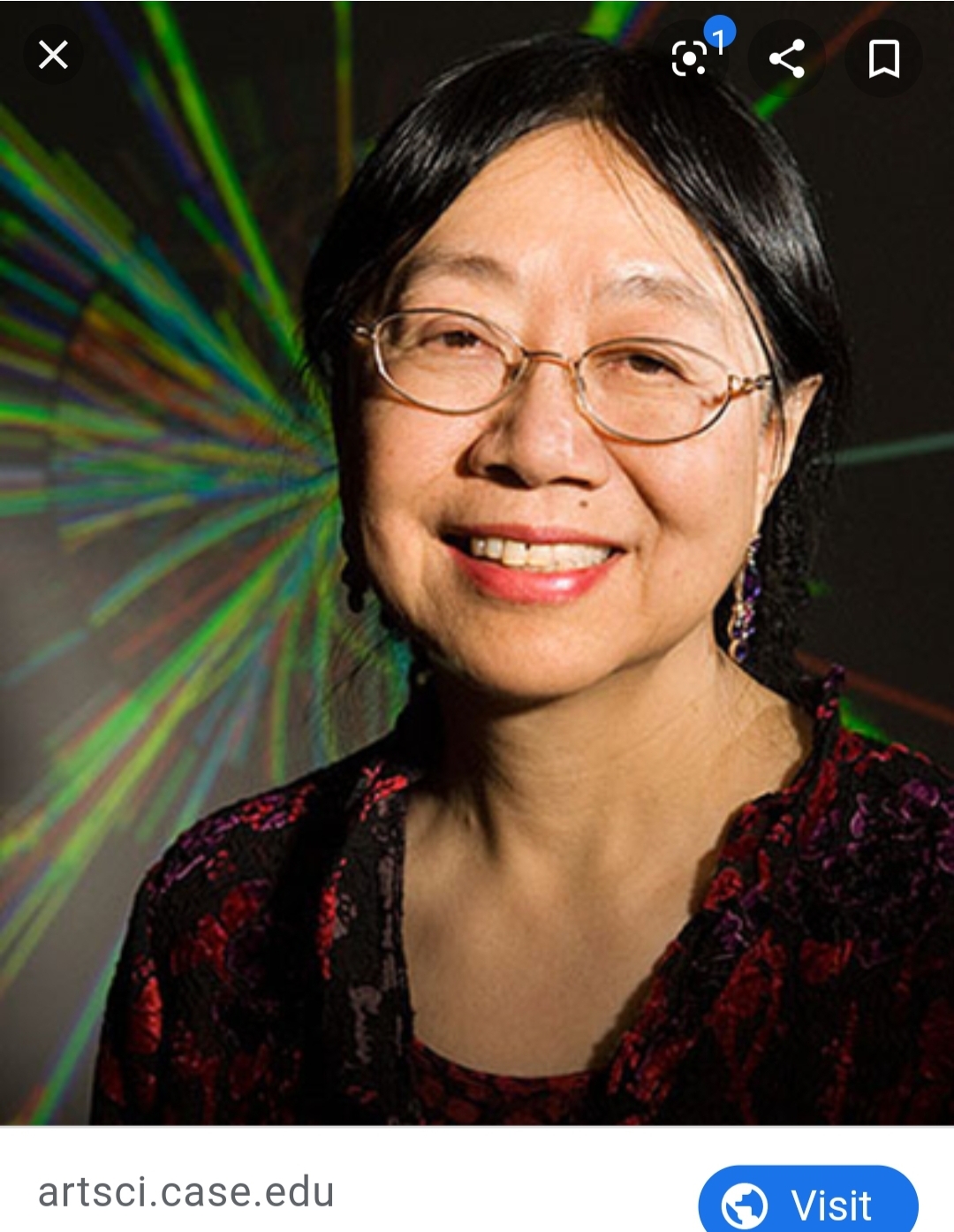
362) Sau Lan Wu

Courtesy of Artsci.case.edu

362: Sau Lan Wu

Particle Physicist

Born: c.1940’s, Hong Kong, China

Not much is known for certain about Sau, including her birth year (it is given as sometime during World War II). Evidently, she grew up in terrible poverty in the aftermath of the war, her mother, brother, and she abandoned by Sau’s father.

Once educated, Sau went on to discover three major particles: the j/psi, the charm quark, and the gluon.

Sau works at the CERN Large Hadron Collider. While working there she helped discover the Higgs Boson. She also works as the Enrico Fermi Distinguished Professor of Physics at the University of Wisconsin, Madison.

Sau has a PhD from Harvard. She has contributed to over 1,000 scientific papers in the field of high-energy physics and has been involved in a half-dozen of her field’s most important experiments in the past fifty years.

Badges Earned:

Located In My Personal Library:

Women in Science by Rachel Ignotofsky

Sources:

https://www.quantamagazine.org/sau-lan-wus-three-major-physics-discoveries-and-counting-20180718/

https://massivesci.com/articles/meet-the-physicist-who-helped-discover-three-fundamental-particles/

  • Previous
  • 1
  • …
  • 90
  • 91
  • 92
  • 93
  • 94
  • 95
  • 96
  • …
  • 159
  • Next

Categories

Archives

  • July 2025 (10)
  • July 2024 (1)
  • January 2024 (1)
  • August 2023 (1)
  • June 2023 (2)
  • October 2022 (1)
  • July 2022 (1)
  • June 2021 (3)
  • December 2020 (3)
  • August 2019 (1)
  • July 2019 (2)

Search

© 2026 The Exasperated Historian | Powered by Minimalist Blog WordPress Theme