The Exasperated Historian
Menu
  • Home
  • The Women’s List (New)
  • The Men’s List
  • The Animal List
  • Collections
  • The Blog
  • Contact Us
  • FAQ
Menu

Category: Birth Locations

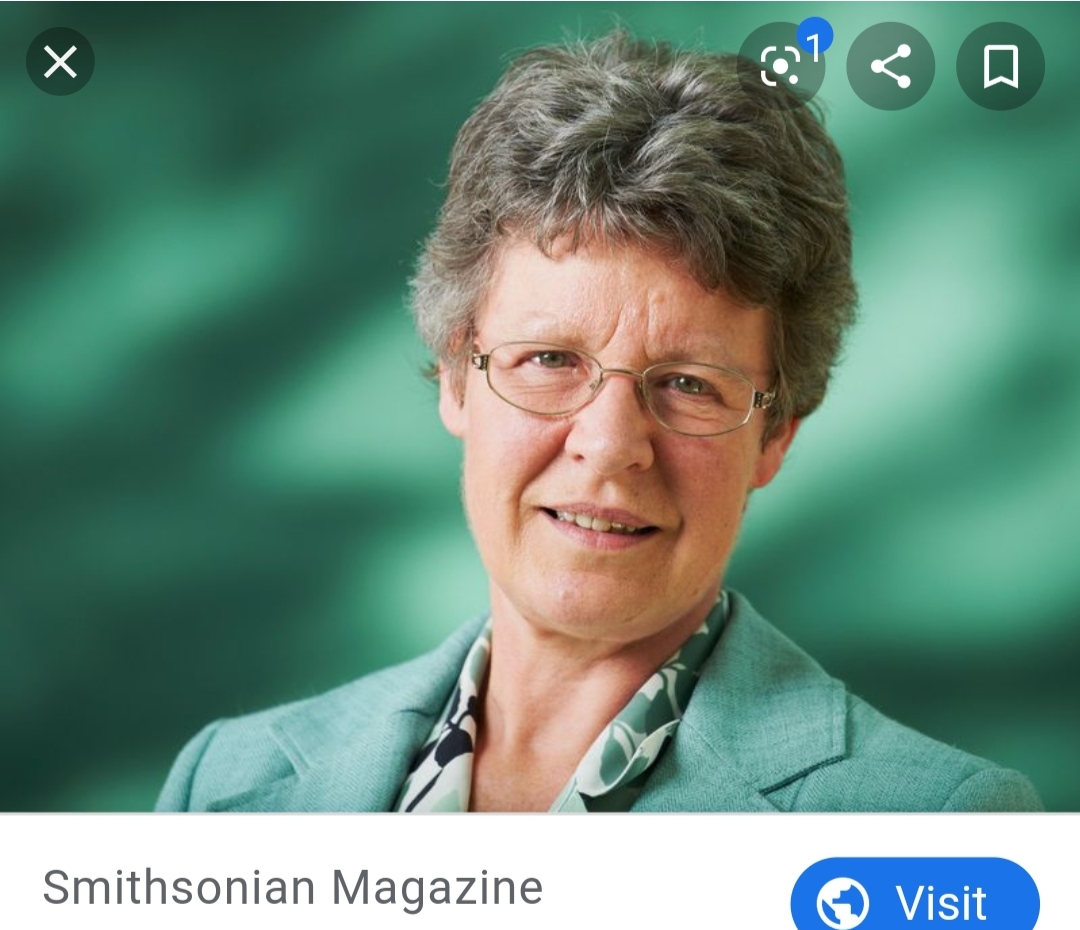
361) Jocelyn Bell Burnell

Courtesy of Smithsonian Magazine

361: Jocelyn Bell Burnell

Astrophysicist

Born: 15 July 1943, Belfast, Northern Ireland, United Kingdom

Original Name: Susan Jocelyn Bell

In 1968 she received her PhD in radio astronomy from Cambridge University.

Jocelyn discovered pulsars in 1967, and in 1974 her supervisor was given the Nobel Prize for her discovery (which she has claimed to be okay with seeing as she was a student at the time of the discovery). Luckily things were slightly righted in 2018, when Jocelyn was awarded the Special Breakthrough Prize in Fundamental Physics—which comes with a cash prize of $3 Million. She was the fourth ever recipient of the prestigious award. Jocelyn announced plans to donate the entire cash prize to Britain’s Institute of Physics to fund scholarships for women and other underrepresented groups.

Jocelyn has been granted several titles including a Dame Order of the British Empire. She became a member of the Royal Society in 2003, was president of the Royal Astronomical Society for two years and was president of the Institute of Physics in 2008.

Badges Earned:

Located In My Personal Library:

Women in Science by Rachel Ignotofsky

Sources:

https://starchild.gsfc.nasa.gov/docs/StarChild/whos_who_level2/bell.html
https://www.smithsonianmag.com/smart-news/decades-after-being-passed-over-nobel-jocelyn-bell-burnell-gets-her-due-180970248/

https://royalsociety.org/people/jocelyn-bell-burnell-11066/

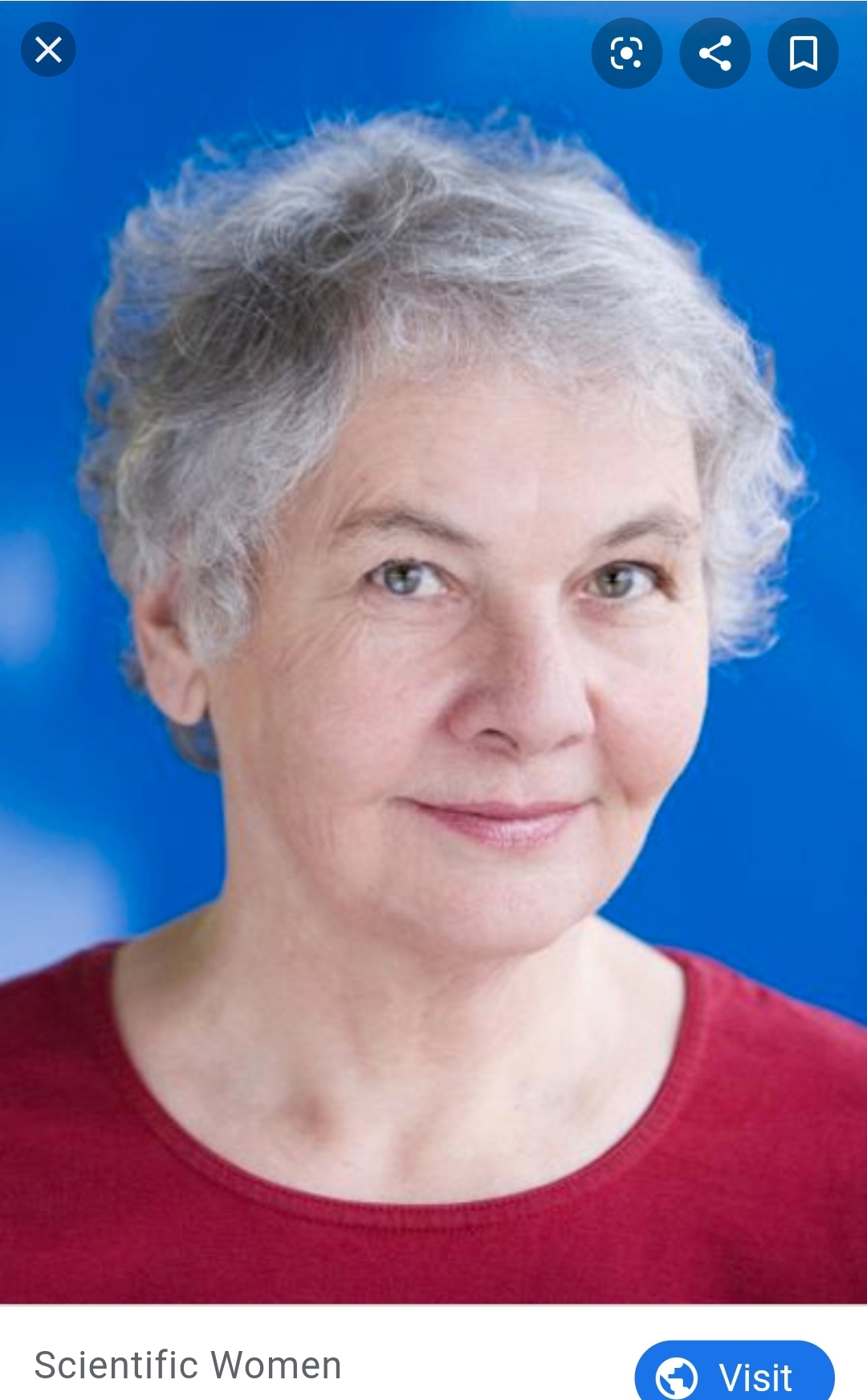
360) Christiane Nüsslein-Volhard

Courtesy of Scientific Women

360: Christiane Nüsslein-Volhard

Biologist Specializing in Cell Development

Born: 20 October 1942, Heyrothsberge, Germany

Christiane received the Nobel Prize in Physiology or Medicine in 1995. She shared the prize with two others, and the citation for the award reads, “For their discoveries concerning the genetic control of early embryonic development."

After high school she tried to decide whether she should pursue biology or medicine as a career and spent a month volunteering in a hospital—at the end of the month she knew medicine was not the right place for her.

Christiane earned her PhD in 1974. Since 1985 she has been a Director and Scientific Member at the Max Planck Institute of Developmental Biology.

Her research has focused on various animals including flies and zebrafish.

Badges Earned:

Located In My Personal Library:

Women in Science by Rachel Ignotofsky

Sources:

https://www.nobelprize.org/prizes/medicine/1995/nusslein-volhard/facts/

https://www.mpg.de/459869/entwicklungsbiologie_wissM2

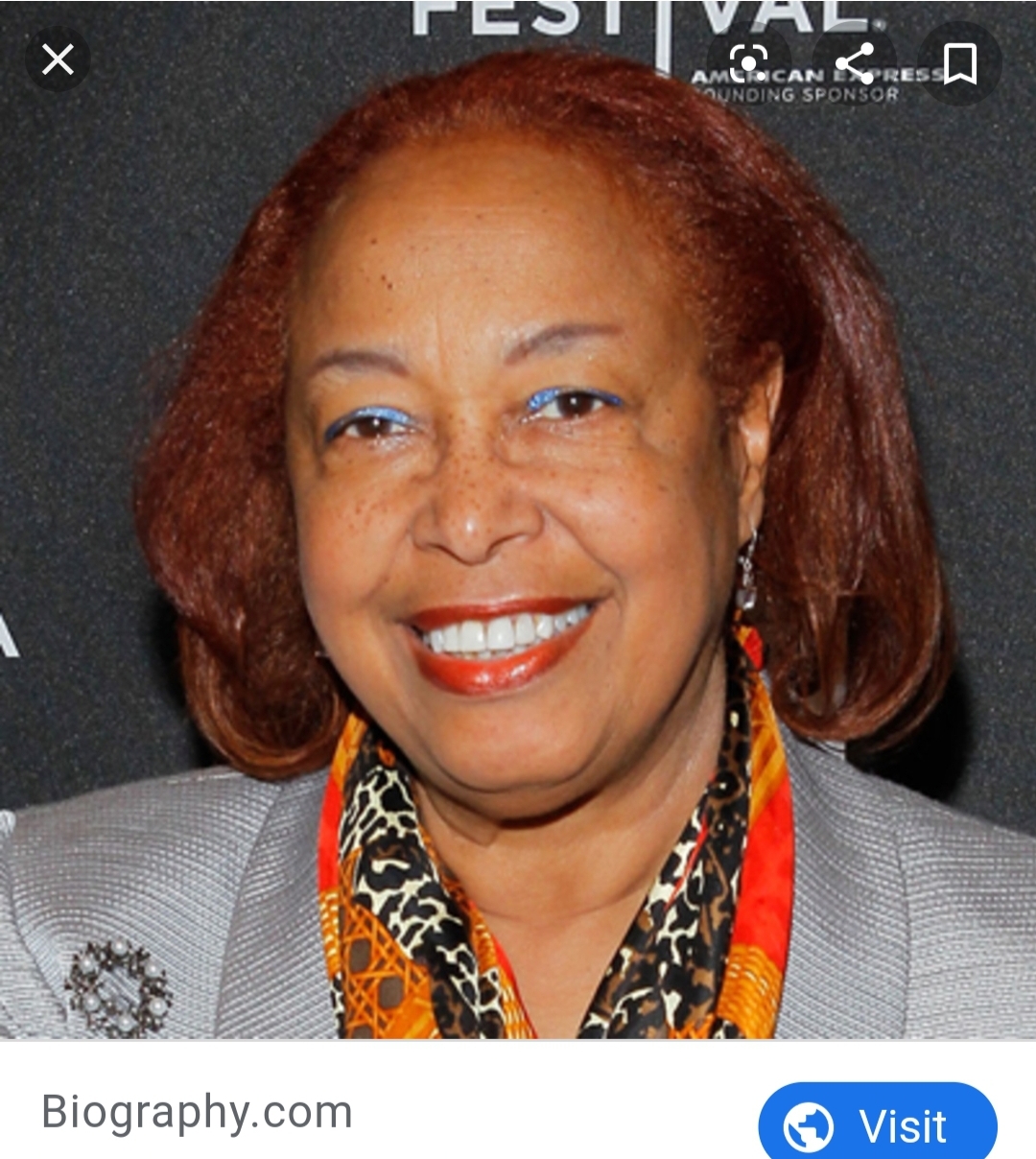
359) Patricia Bath

Courtesy of Biography

359: Patricia Bath

Ophthalmologist & Laser Scientist

Born: 4 November 1942, New York City, New York, United States of America

Died: 30 May 2019, San Francisco, California, United States of America

Patricia invented a new way of doing cataract surgery (called laserphaco).

She was the first female ophthalmologist to be appointed to the faculty at the University of California Los Angeles School of Medicine’s Jules Stein Eye Institute.

She was also the first woman to chair an ophthalmology residency program in the United States, and the first African American Female Scientist to earn a medical patent in the United States.

In 1976, Patricia helped found the nonprofit organization American Institute For the Prevention of Blindness.

Two months before her death, she testified before the United States Senate Judiciary Subcommittee focusing on women inventors and “the Future of American Innovation” (Per the New York Times linked below).

Badges Earned:

Find a Grave Marked

Located In My Personal Library:

Women in Science by Rachel Ignatofsky

Sources:

https://cfmedicine.nlm.nih.gov/physicians/biography_26.html

https://www.nytimes.com/2019/06/04/obituaries/dr-patricia-bath-dead.html

https://www.findagrave.com/memorial/199790271/patricia-era-bath

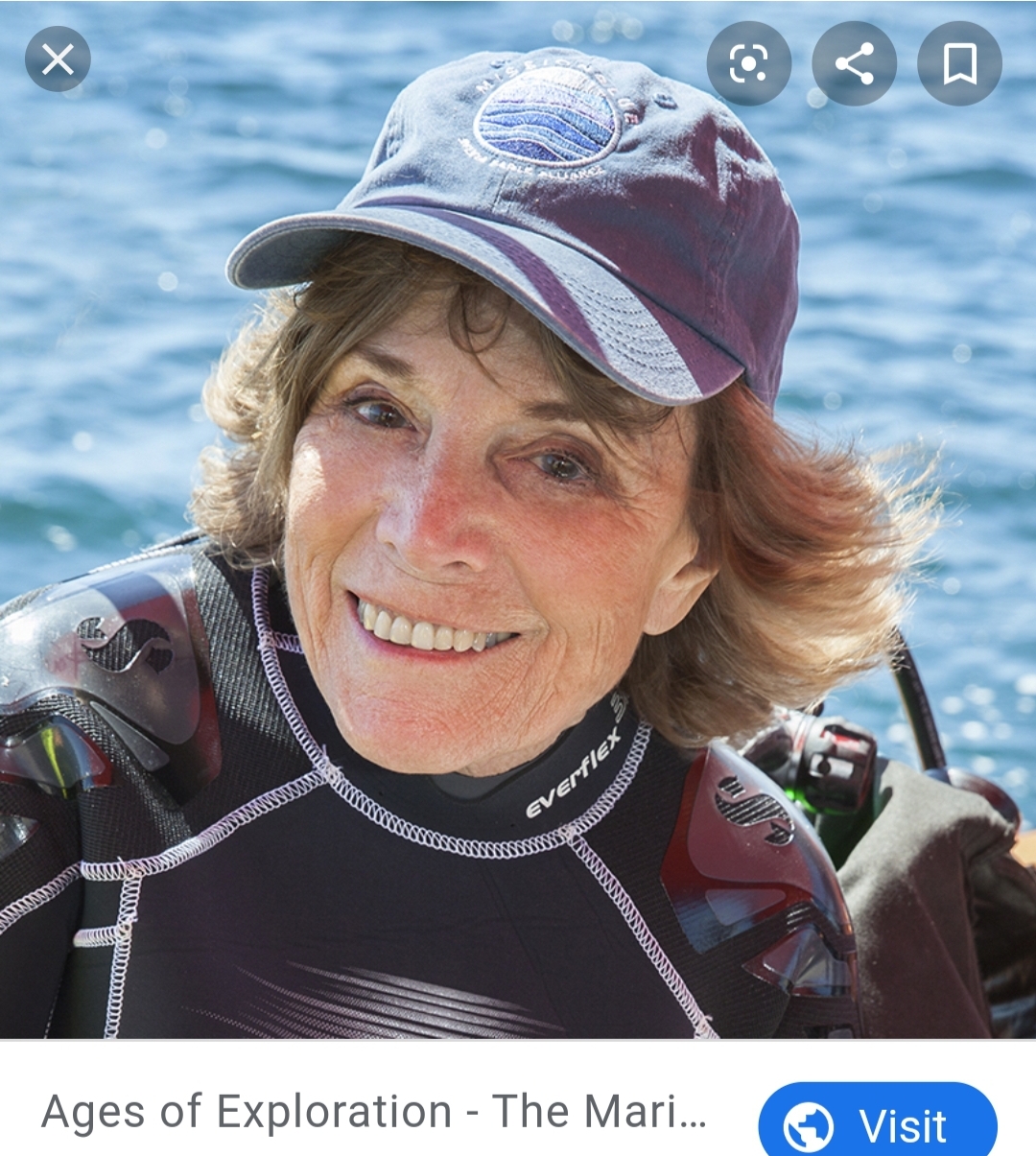
358) Sylvia Earle

Courtesy of Ages of Exploration

358: Sylvia Earle

Marine Biologist, Explorer, Author, and Lecturer

Born: 30 August 1935, Gibbstown, New Jersey, United States of America

Sylvia has been a National Geographic Explorer-in-Residence since 1998, becoming the first woman to achieve that role.

She is also the chairman and President of Mission Blue—a global alliance to protect and act to explore the oceans. From 1990 to 1992, she served as the first female chief scientist at NOAA.

Sylvia has done many firsts in her career, but one of the coolest was that in 1979 she became the first woman, and as of 2019 the only woman, to walk untethered on the sea floor at a depth of 381 meters.

She earned her PhD in 1966.

Badges Earned:

Located In My Personal Library:

The Ice Maiden: Inca Mummies, Mountain Gods, and Sacred Sites in the Andes by Johan Reinhard

Women in Science by Rachel Ignotofsky

Sources:

https://mission-blue.org/about/

https://www.ted.com/speakers/sylvia_earle

https://www.britannica.com/biography/Sylvia-Earle

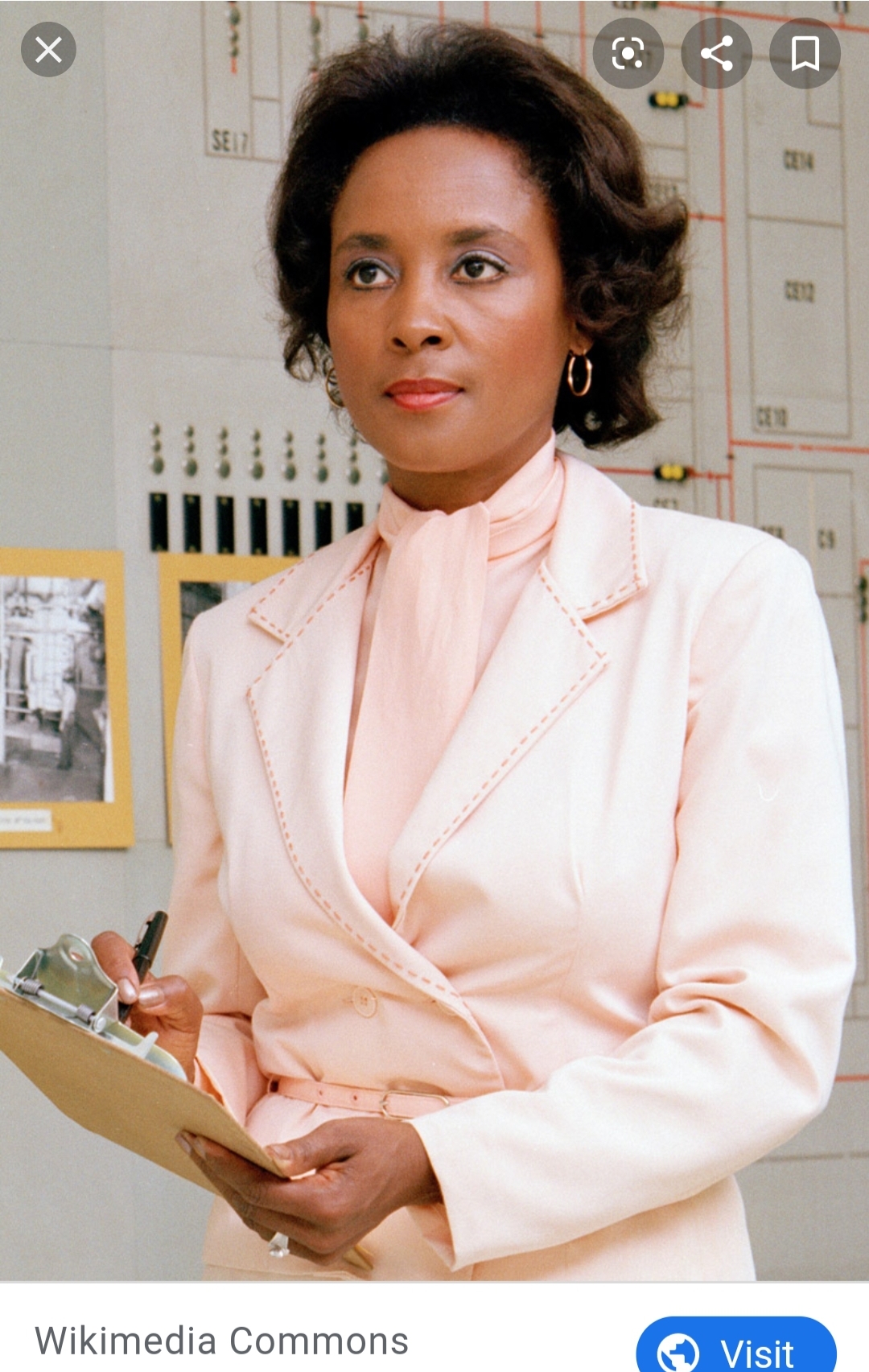
357) Annie Easley

Courtesy of Wikimedia Commons

357: Annie Easley

Computer Programmer and Hidden Figure

Born: 23 April 1933, Birmingham, Alabama, United States of America

Died: 25 June 2011, Cleveland, Ohio, United States of America

Before becoming a scientist little girls everywhere could look up to, Annie was fighting racial prejudices and Jim Crow Era voting restrictions. When Annie went to register to vote, she was subjected to a poll tax and a test on Alabama State History. She used her college education to not only pass the test but help others as well.

Annie worked at NASA for thirty-four years (starting when they were still called NACA). She started her work there in 1955. When she was hired, she was one of four African Americans employed in the Lab. Despite many good memories of working on various projects while at NASA, she was subjected to racism there as well. No matter where group photographs were taken, if she was included in the initial picture, she would be cut out before they were sent for promotional use; and Annie was denied the financial aid for further college degrees that other employees were given.

Annie retired in 1989 but continued to appear for the Speaker’s Bureau and the Business & Professional Women’s Association.

Badges Earned:

Find a Grave Marked

Located In My Personal Library:

Women in Science by Rachel Ignotofsky

The Book of Awesome Women: Boundary Breakers, Freedom Fighters, Sheroes, and Female Firsts by Becca Anderson

Hidden Figures by Margot Lee Shetterly

Sources:

https://massivesci.com/articles/annie-easley-facts-stem-mathematician-nasa-scientist-discrimination/

https://www.nasa.gov/feature/annie-easley-computer-scientist

https://www.findagrave.com/memorial/169198838/annie-jean-easley

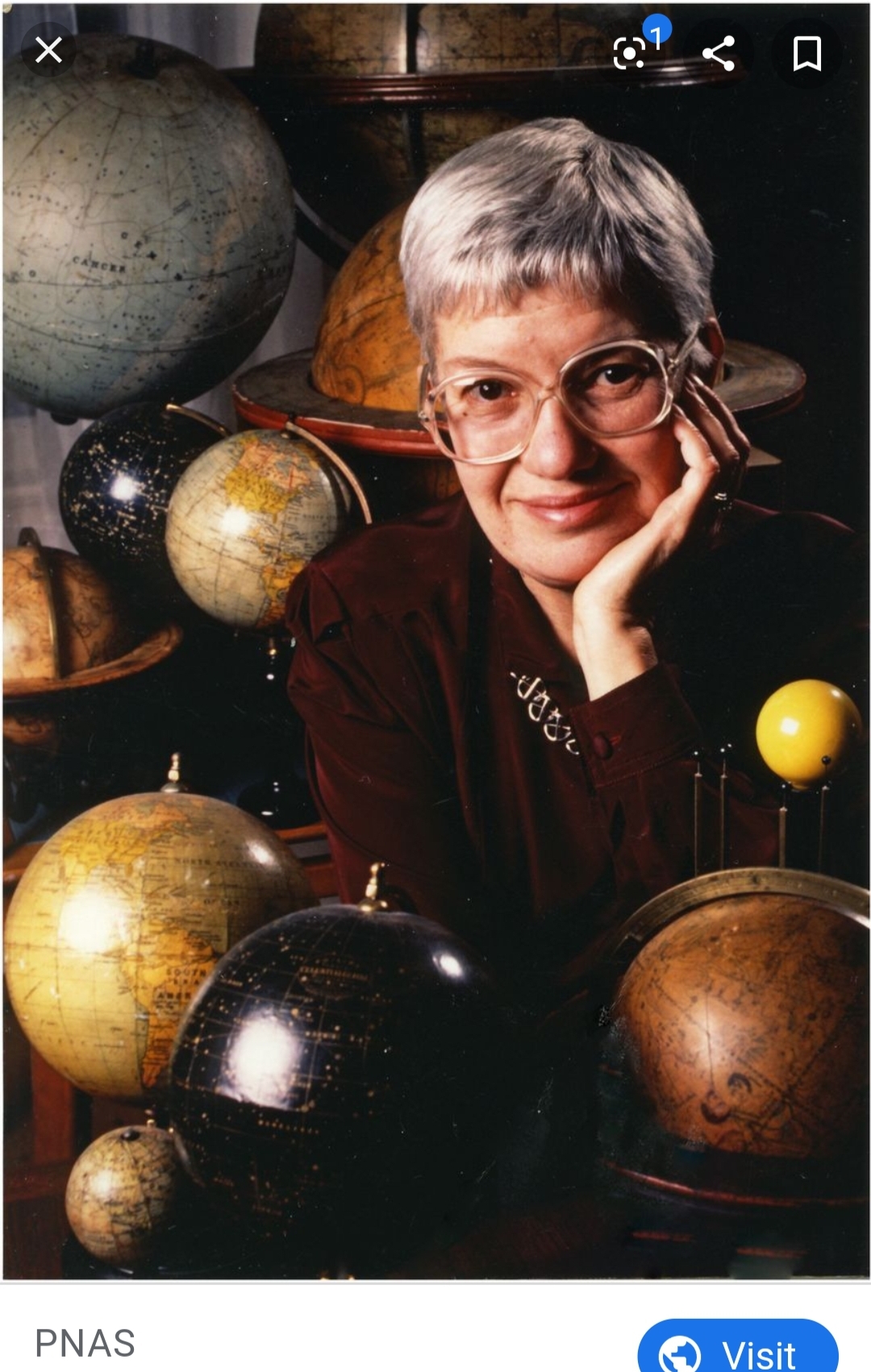
356) Vera Rubin

Courtesy of PNAS

356: Vera Rubin

Astronomer Who Pioneered Work on Galaxy Rotation Rates

Born: 23 July 1928, Philadelphia, Pennsylvania, United States of America

Died: 25 December 2016, Princeton, New Jersey, United States of America

Vera “uncovered the discrepancy between the predicted angular motion of galaxies and the observed motion” (Wikipedia). Today, she is most remembered as being the astronomer who proved galaxies are made of mostly dark matter.

She was the only female astronomy major to graduate in her class from Vassar College in 1948—and Vassar was an all-female school!

Vera was rejected from multiple graduate schools including Princeton who told her they did not accept women into their astronomy program (that policy was not changed until 1975).

She would earn her PhD in astronomy from Georgetown University in 1954. Vera completed her degrees by taking night classes, raising her children during the day. Her husband would drive her to class and then wait in the car while she studied.

Vera became the first woman allowed to observe the stars at the famous Palomar Observatory. In a scene reminiscent of the film Hidden Figures, Vera noted the only bathroom was labeled for men, so she created a paper cutout of a person in a skirt and pasted it over the stick figure man.

Each of her four children went on to earn doctoral degrees in different scientific fields.

She is forever memorialized through the Vera Rubin Ridge in Mars’s Gale Crater and Asteroid 5726 Rubin.

Badges Earned:

Find a Grave Marked

Located In My Personal Library:

Women in Science by Rachel Ignotofsky

Sources:

https://www.space.com/vera-rubin.html

https://scientificwomen.net/women/rubin-vera-86

https://en.wikipedia.org/wiki/Vera_Rubin

https://www.findagrave.com/memorial/174497016/vera-rubin

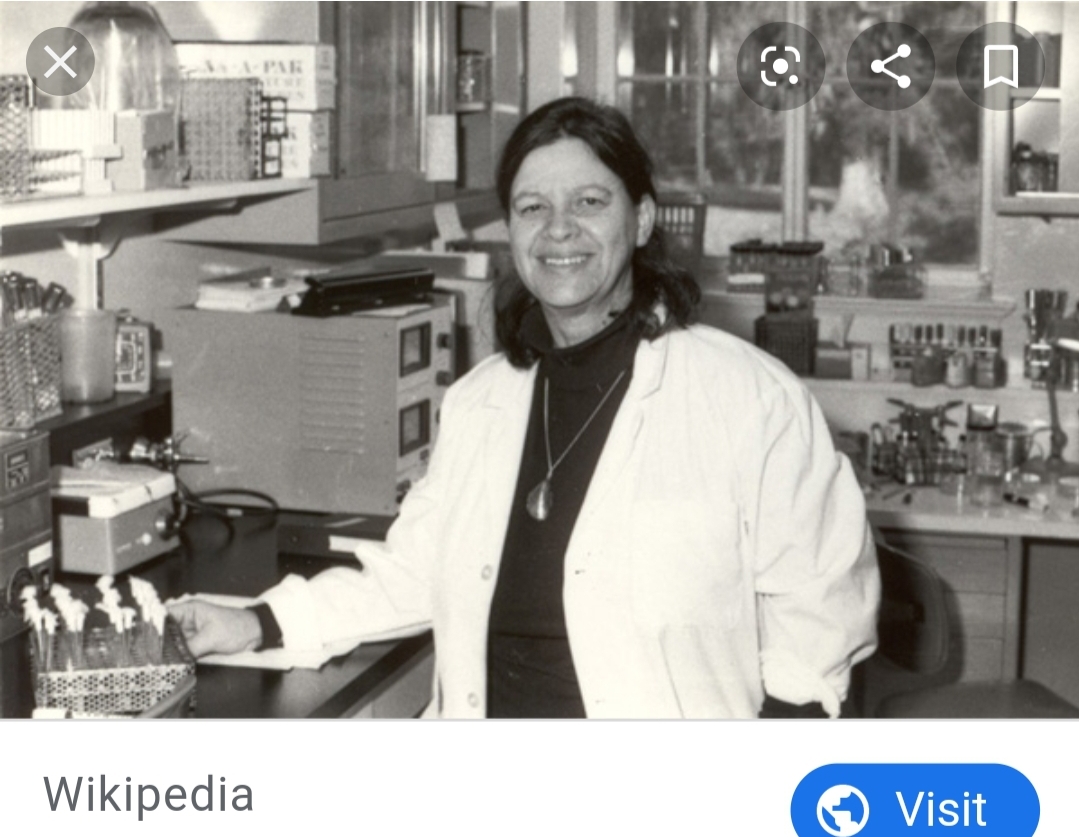
355) Esther Lederberg-Simon

Courtesy of Wikipedia

355: Esther Lederberg-Simon

Microbiologist and Pioneer in the Field of Bacterial Genetics

Born: 18 December 1922, Bronx, New York, United States of America

Died: 11 November 2006, Stanford, California, United States of America

Growing up, Esther was especially close to her grandfather. After unsuccessfully attempting to teach her male cousins Hebrew, Esther asked him to teach her instead; something of a groundbreaking moment for the time for an Orthodox Jewish family. Esther learned the language quickly and began to do all the Hebrew readings for the family Passover Seders.

She completed her PhD in 1950 after many years of financial struggles. While working on her master’s degree, Esther recalled sometimes having so little money she would eat the frogs’ legs leftover from laboratory dissections!

Despite working for Stanford University for over fifteen years, in 1974 she was demoted from “Senior Scientist” to “Adjunct Professor” and refused to grant her tenure. This was just one example of the struggle Esther faced as a woman in the field of Biology at the time.

Despite the hardships, Esther discovered the lambda phage (a virus used to study gene regulation and genetic recombination) and invented the replica plating technique, both of which were important steps towards the advancement of the field of microbiology as a whole.

Esther’s first husband earned the Nobel Prize in Physiology or Medicine in 1958 with two other men (and yes, she worked on the project with them but was not included). They remained married for twenty years before divorcing.

She remarried at the age of seventy and was survived by her brother and second husband. Her second husband, Simon, spent many years after Esther’s death trying to spread the word about her and her incredible accomplishments.

Badges Earned:

Find a Grave Marked

Sources:

https://www.whatisbiotechnology.org/index.php/people/summary/Lederberg_Esther

https://time.com/longform/esther-lederberg/

https://www.nytimes.com/2006/12/08/obituaries/08lederberg.html

https://www.findagrave.com/memorial/199977201/esther-miriam-lederberg_simon

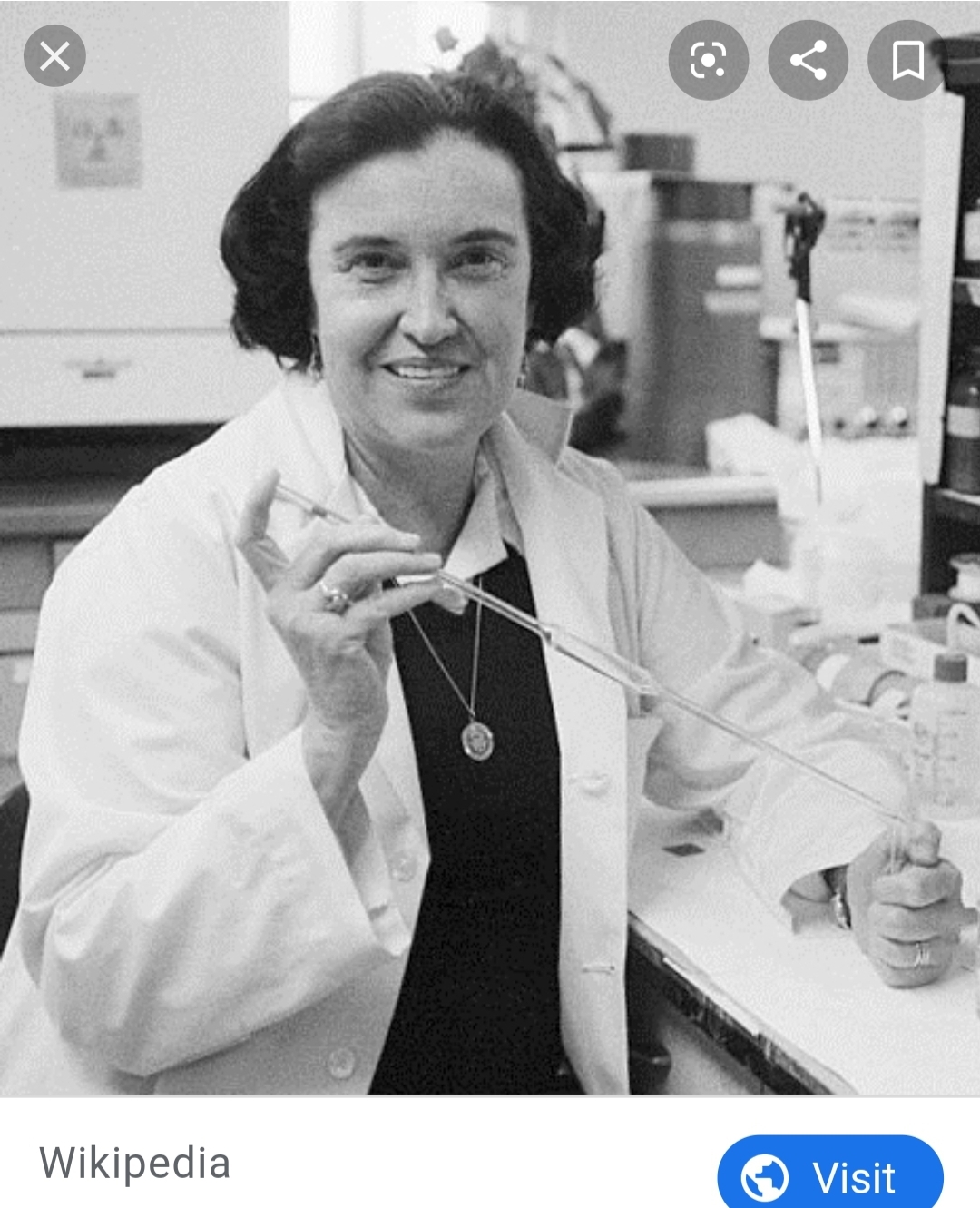
354) Rosalyn Yalow

Courtesy of Wikipedia

354: Rosalyn Yalow

Medical Physicist and Biochemist

Born: 19 July 1921, Bronx, New York, United States of America

Died: 30 May 2011, Bronx, New York, United States of America

Rosalyn was rejected from several prominent universities’ graduate programs because she was Jewish and a woman (including Perdue).

She was the only woman to hold a teaching position at the University of Illinois’ College of Engineering—receiving her PhD there in 1945 (she was one of four hundred faculty members!). She credited her entrance into graduate school with the World War II draft taking men away to serve, opening up a place for her.

Rosalyn discovered a technique for measuring body chemicals (initially insulin) in extremely small quantities; leading her to receive the Nobel Prize for her work in Type Two Diabetes and Insulin studies. She was the second woman to receive a Nobel Prize in Medicine, and the first to be born and educated in the United States.

In her personal life, she was married with two children. After each birth, she returned to the lab after a week’s rest and continued to do her research while nursing her children at work. She was home every lunch and every dinner to prepare kosher meals for the children, even if it meant returning to the lab after dinner to continue her work.

Rosalyn never fully retired; after a fall stopped her from being able to work in the lab (she was eighty-three by then) she spent the last six years of her life answering mail and giving brief interviews.

Badges Earned:

Find a Grave Marked

Located In My Personal Library:

Women in Science by Rachel Ignotofsky

Sources:

https://www.nobelprize.org/prizes/medicine/1977/yalow/biographical/

https://www.acs.org/content/acs/en/education/whatischemistry/women-scientists/rosalyn-sussman-yalow.html

https://jwa.org/encyclopedia/article/yalow-rosalyn

https://www.findagrave.com/memorial/70724269/rosalyn-yalow

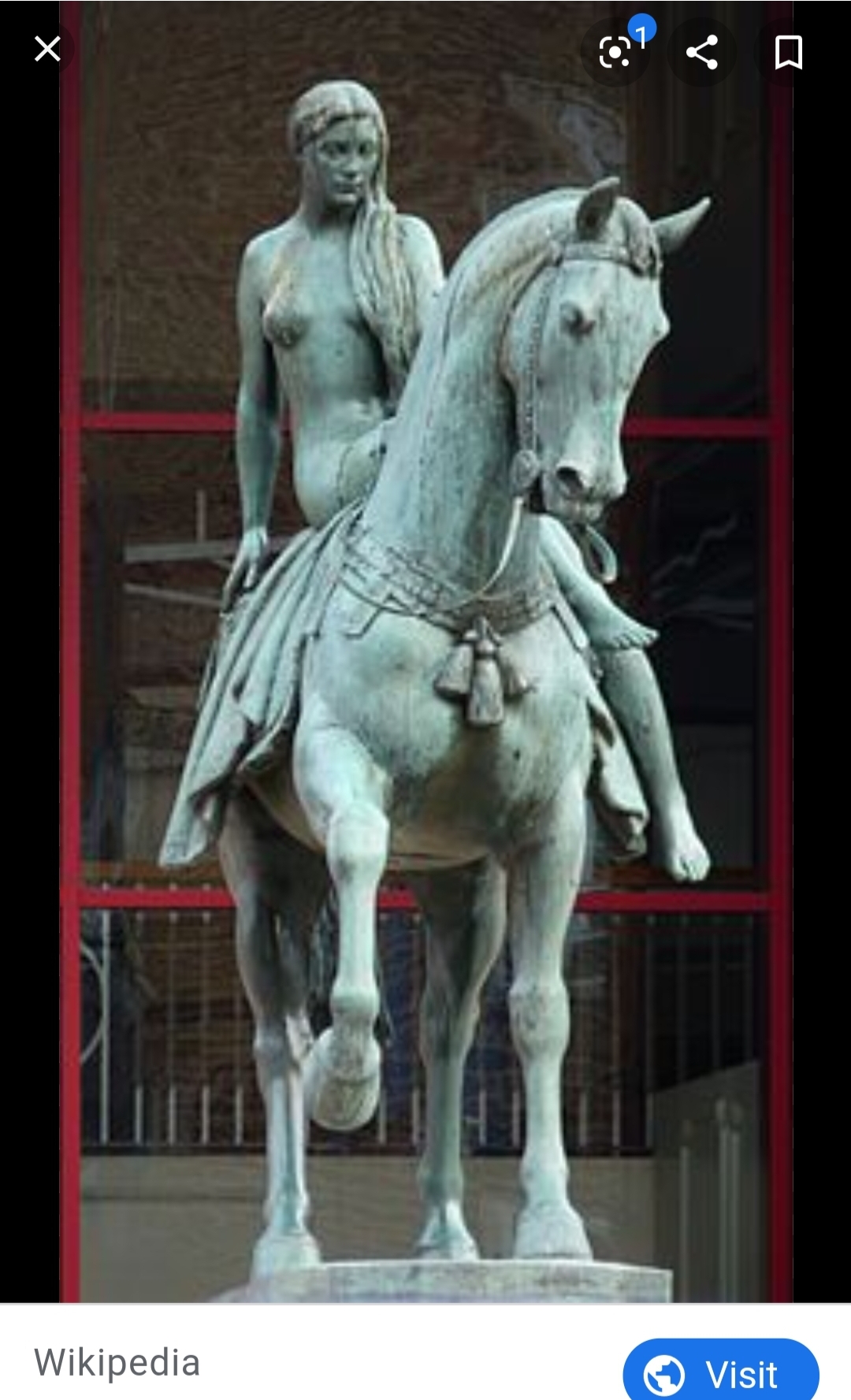
353) Lady Godiva of Mercia

Courtesy of Wikipedia

353: Lady Godiva, Countess of Mercia

Legendary Defender of the Poor

Born: c.980, Mercia, Coventry, England (Present-day United Kingdom)

Died: c.1067, Mercia, Coventry, England (Present-day United Kingdom)

Also Known As: Godgifu

According to legend, Godiva was incensed at her husband increasing the taxes against the people he ruled over and so she openly complained. Her husband reportedly said he would lower the taxes if she rode through town naked; so she did.

Her story is also, purportedly, the origin of “Peeping Tom” because she asked for no one to look at her and yet Tom did and was struck blind.

The real facts about her do recount her generosity towards her people and that she and her husband helped found a Benedictine Monastery in Coventry, where they were later buried. Today, no trace of the monastery or their graves survive.

Godiva was one of the few women of her time to own land independently in England—but there is no historical proof to back up her naked ride through town, and no, she wasn’t a chocolatier either.

Godiva's story is recounted on an episode of Monumental Mysteries titled "Lady Godiva & The Peeping Tom, Bishop's Brain, Birds of a Feather."

Badges Earned:

Find a Grave Marked

Located In My Personal Library:

Encyclopedia of Goddesses and Heroines by Patricia Monaghan PhD

Sources:

https://www.history.com/news/who-was-lady-godiva

https://www.historic-uk.com/CultureUK/Lady-Godiva/

https://www.findagrave.com/memorial/35708891/lady-godiva

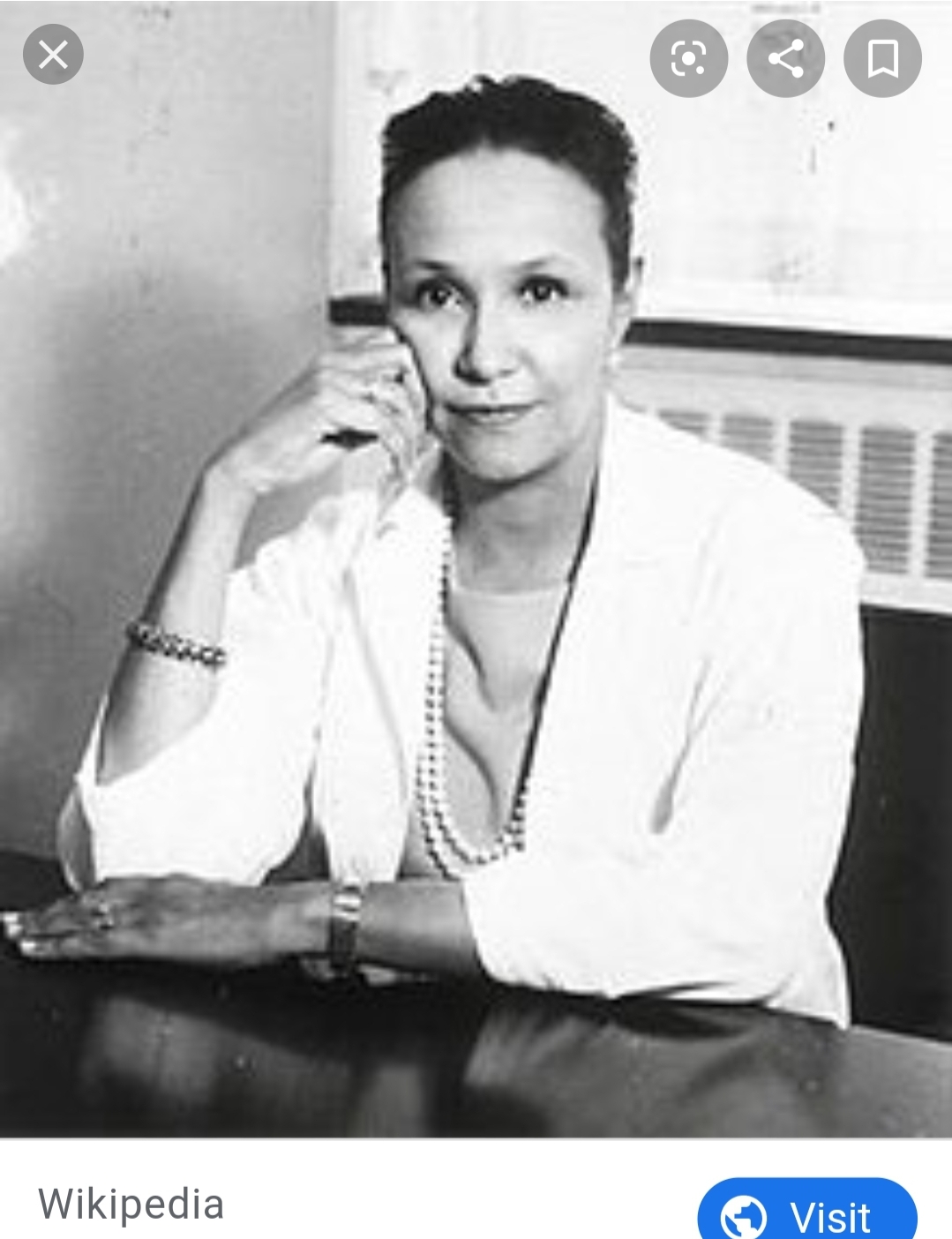
352) Dr. Jane C Wright, M.D.

Courtesy of Wikipedia

352: Jane C Wright

Oncologist, Researcher, and Surgeon Noted For Her Pioneering Work in Chemotherapy

Born: 30 November 1919, Manhattan, New York, United States of America

Died: 19 February 2013, Guttenberg, New Jersey, United States of America

Jane’s father was one of the first African American men to graduate from Harvard Medical college, setting the bar high for his daughter. Jane graduated with a degree of her own in 1945 from the New York Medical College before she went on to intern for nine months at Bellevue.

She worked alongside her father for many years until he died in 1952. Jane was then appointed Head of the Cancer Research Foundation at Harlem Hospital in his place.

In 1964, President Lyndon B Johnson appointed her to the President’s Commission on Heart Disease, Cancer, and Stroke. Thanks to her work there, a national network was established with treatment centers for all three types of diseases.

By 1967 she was the highest ranked African American woman in a US Medical Institution when she became Professor of Surgery, Head of the Cancer Chemotherapy Department, and Associate Dean at New York Medical College.

In 1971, Jane became the first woman to be selected President of the New York Cancer Society.

Badges Earned:

Find a Grave Marked

Sources:

https://cfmedicine.nlm.nih.gov/physicians/biography_336.html

https://www.aacr.org/Research/Awards/Pages/jane-cooke-wright.aspx

https://www.findagrave.com/memorial/126763230/jane-cooke-wright

  • Previous
  • 1
  • …
  • 91
  • 92
  • 93
  • 94
  • 95
  • 96
  • 97
  • …
  • 159
  • Next

Categories

Archives

  • July 2025 (10)
  • July 2024 (1)
  • January 2024 (1)
  • August 2023 (1)
  • June 2023 (2)
  • October 2022 (1)
  • July 2022 (1)
  • June 2021 (3)
  • December 2020 (3)
  • August 2019 (1)
  • July 2019 (2)

Search

© 2026 The Exasperated Historian | Powered by Minimalist Blog WordPress Theme