The Exasperated Historian
Menu
  • Home
  • The Women’s List (New)
  • The Men’s List
  • The Animal List
  • Collections
  • The Blog
  • Contact Us
  • FAQ
Menu

Category: Birth Locations

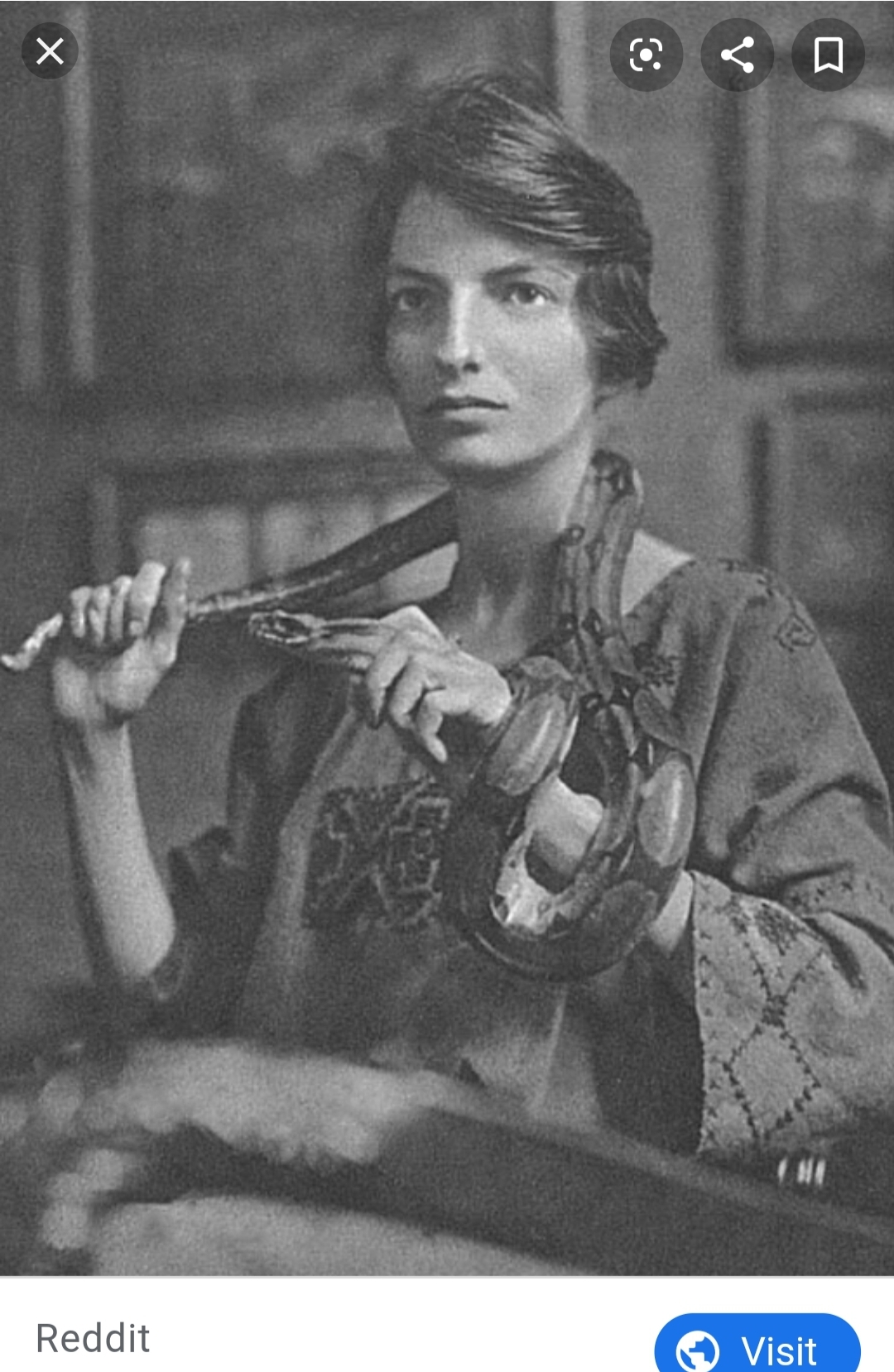
389) Joan Beauchamp Procter

Courtesy of Reddit

389: Joan Procter

Zoologist and Herpetologist

Born: 5 August 1897, London, United Kingdom

Died: 20 September 1931, London, United Kingdom

Joan was the first female curator of Herpetology for the Zoological Society of London (ZSL).

She was elected a fellow of the ZSL in 1917 after writing her first proceedings paper on the pit viper.

In 1923, when she became curator of reptiles and amphibians, she was earning an adjusted to 2017 salary of £20,000 a year! While working at ZSL, she designed the reptile house that still exists within the zoo today.

She is noted as being the first person to describe Komodo Dragons in captivity.

Joan has had two species of reptiles named after her and in the reptile house of ZSL London Zoo there is a bust of her.

Badges Earned:

Located In My Personal Library:

Women in Science by Rachel Ignotofsky

Sources:

https://www.booktrust.org.uk/news-and-features/features/2018/june/forgotten-women-meet-joan-procter-the-amazing-dragon-doctor/

https://www.zsl.org/blogs/artefact-of-the-month/happy-birthday-joan-procter

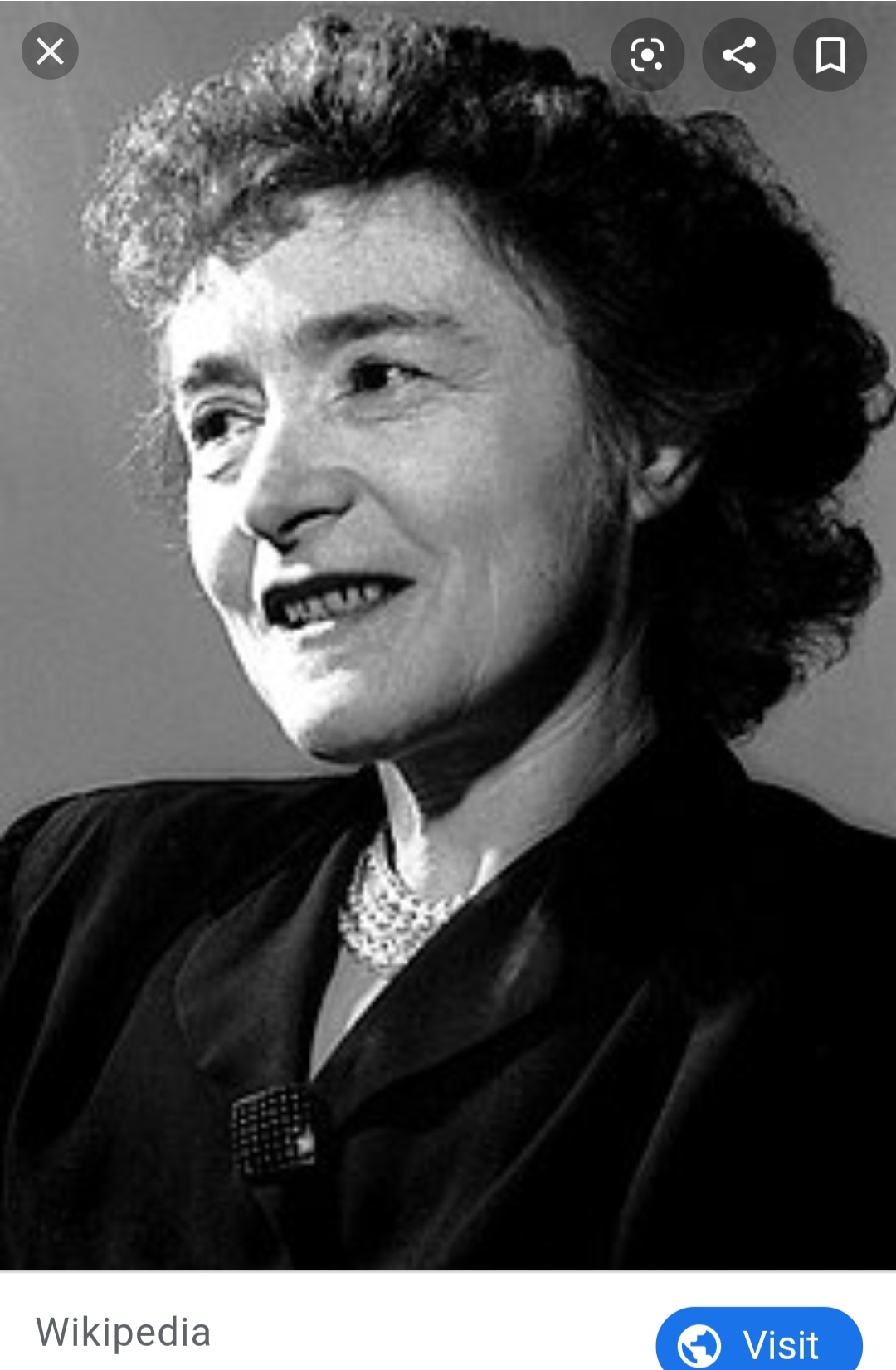
388) Gerty Cori

Courtesy of Wikipedia

388: Gerty Cori

Biochemist

Born: 15 August 1896, Prague, Austro-Hungarian Empire (Present-day Czech Republic)

Died: 26 October 1957, Glendale, Missouri, United States of America

Gerty received her Doctor of Medicine in 1920.

She became a professor of biochemistry in 1947.

Gerty and her husband worked as a research team. They extensively studied hormones and the work of sugars and fats in the body.

Her husband became a member while alive and she was made a member after her death of the following: the American Society of Biological Chemists, the National Academy of Sciences, the American Chemical Society, and the American Philosophical Society.

They earned numerous awards and Gerty received honorary doctorates from five universities.

She and her husband became naturalized United States citizens in 1928.

Gerty and Carl received the Nobel Prize in Physiology or Medicine in 1947. The Prize citation reads, "for their discovery of the course of the catalytic conversion of glycogen."

Badges Earned:

Find a Grave Marked

Located In My Personal Library:

Women in Science by Rachel Ignotofsky

Sources:

https://www.nobelprize.org/prizes/medicine/1947/cori-gt/biographical/

https://www.acs.org/content/acs/en/education/whatischemistry/women-scientists/gerty-theresa-cori.html

https://www.findagrave.com/memorial/7771742/gerty-theresa-cori

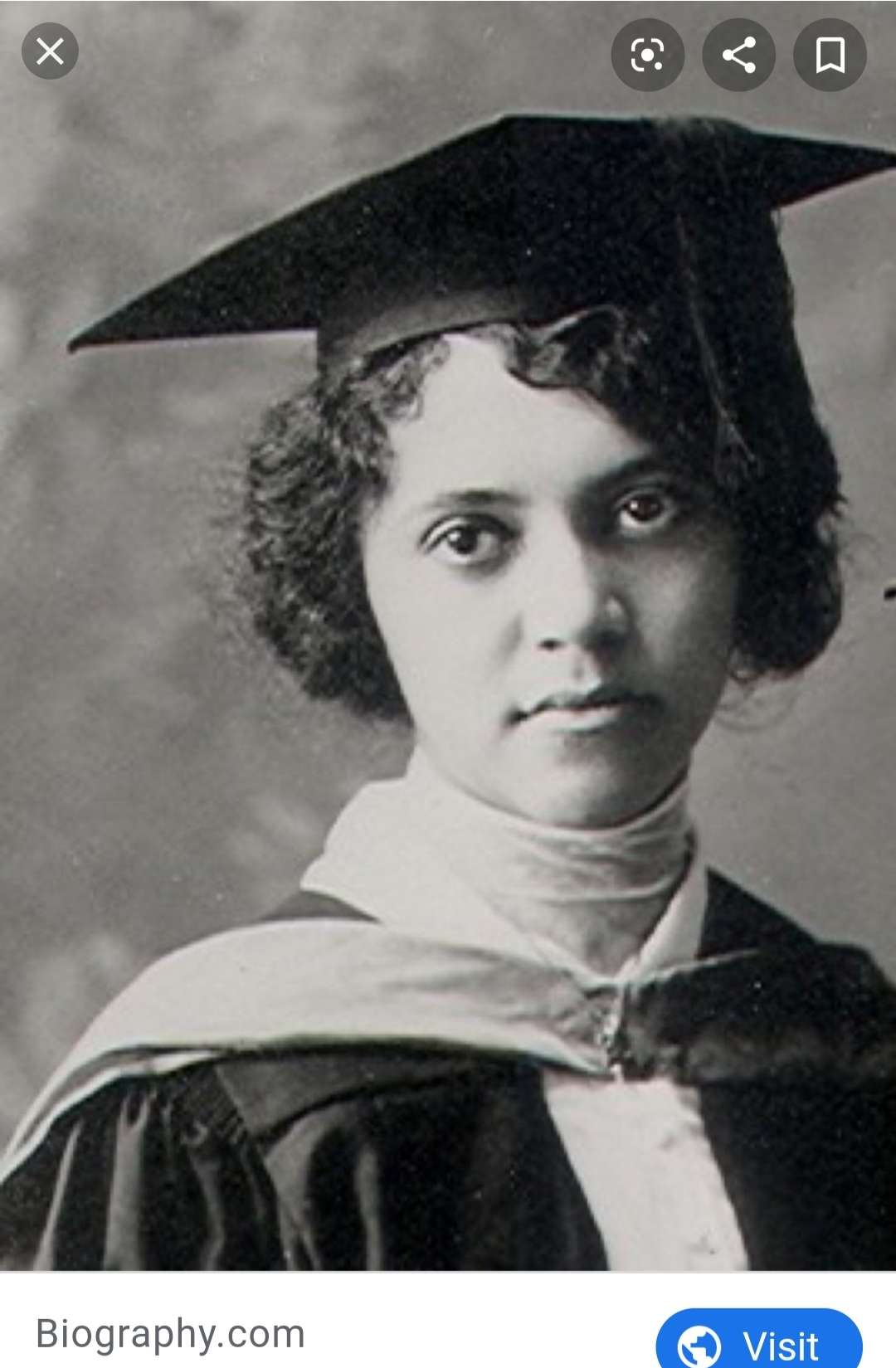
387) Alice Ball

Courtesy of Biography

387: Alice Ball

Chemist

Born: 24 July 1892, Seattle, Washington, United States of America

Died: 31 December 1916, Seattle, Washington, United States of America

Alice created the first successful treatment for those suffering from Hansen’s Disease (also known as Leprosy).

She was the first woman and the first African American to graduate with an MS from the University of Hawaii in 1913.

Alice was immediately offered a teaching position upon her graduation.

She was born to be a chemist, with several family members, including her grandfather, working as photographers. At the time, the daguerreotype was all the rage, and required a complex set of chemicals in a solution to bring the photographed image to life.

Her leprosy treatment was used to alleviate symptoms in thousands of patients for over thirty years until a newer, more comprehensive, treatment was developed. However, she never lived to see her treatment become a reality.

Alice died at the age of twenty-four and nine months after accidentally inhaling chlorine gas in front of students she was teaching at a college in Honolulu, Hawaii. After her death, a man discovered her work and started to manufacture the treatment that would help so many people. He never credited Alice for creating the treatment, and had it not been for a brief mention from a colleague in a medical journal in 1922, Alice’s name may well have been lost to history forever.

Badges Earned:

Find a Grave Marked

Rejected Princess* (Not a complete entry, but a small article on his website, linked below)

Located In My Personal Library:

Bygone Badass Broads by Mackenzi Lee

Women in Science by Rachel Ignotofsky

Sources:

https://www.nationalgeographic.com/news/2018/02/alice-ball-leprosy-hansens-disease-hawaii-womens-history-science/

https://scholarspace.manoa.hawaii.edu/handle/10125/1837

https://www.rejectedprincesses.com/blog/modern-worthies/alice-ball

https://www.findagrave.com/memorial/107564660/alice-augusta-ball

Entries Born in Minnesota, United States of America

These are the entries born in the state of Minnesota in the United States of America.

Entries:

  • Alice Doherty, The Minnesota Woolly Girl
  • Amy Elizabeth Thorpe, World War II Spy
  • Gretchen Carlson, Journalist
  • Judy Garland, Actress and Singer
  • Marjory Stoneman Douglas, Protector of the Everglades

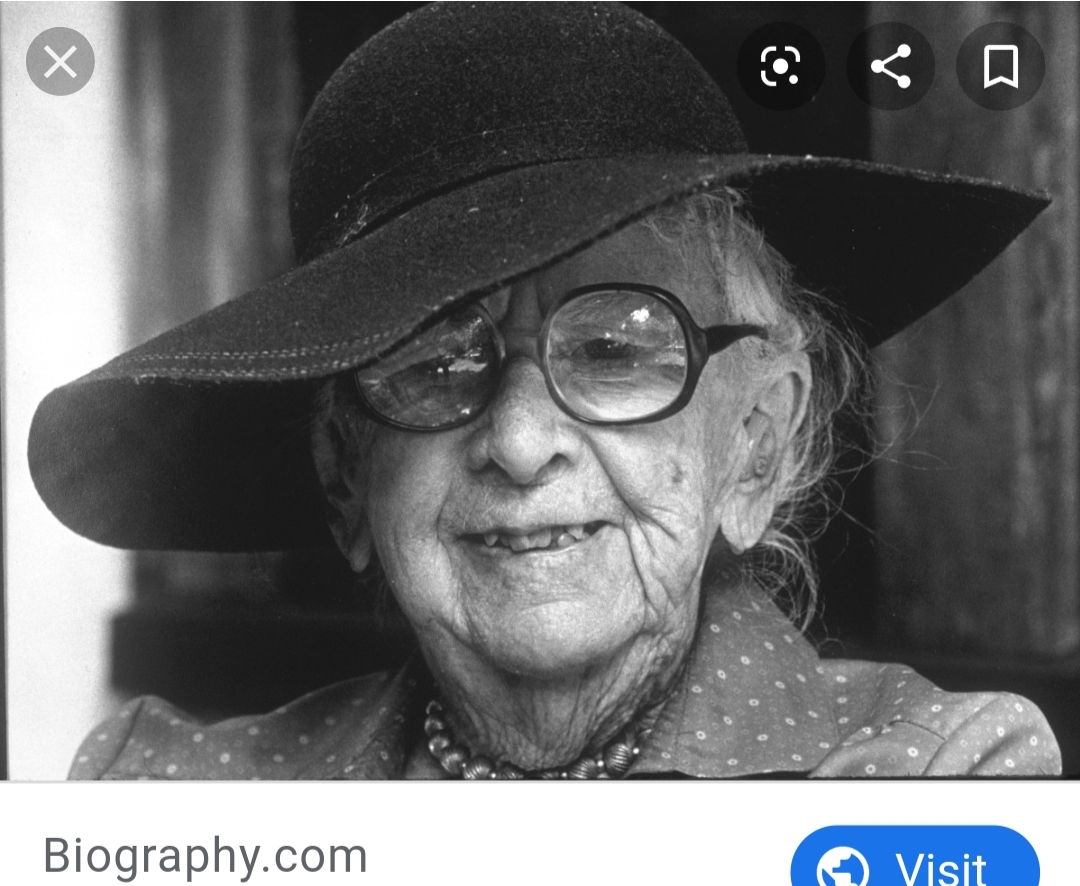
386) Marjory Stoneman Douglas

Courtesy of Biography

386: Marjory Stoneman Douglas

Conservationist, Environmentalist, and “Mother of the Everglades”

Born: 7 April 1890, Minneapolis, Minnesota, United States of America

Died: 14 May 1998, Coconut Grove, Florida, United States of America

Before she began her environmental work, she started as an editor and columnist for the Miami Herald after graduating from college with an English Degree. During World War I, she served as a Red Cross Nurse in the European Theatre.

Marjory fought tirelessly to protect the Florida Everglades and stop developers from coming in and bulldozing the area. Her book, The Everglades: River of Glass, was a national sensation and did just as she hoped, raising awareness to save the Everglades. After the publishing of the book, Marjory went on to found the Friends of the Everglades, a conservation organization that continues to work to this day. Today, the Florida Everglades are a national park.

Marjory was awarded the Presidential Medal of Freedom in 1993 and was posthumously inducted into the National Women’s Hall of Fame.

Alongside her conservation work she was also an equal rights champion who advocated for the passage of the Women’s Suffrage Amendment.

Badges Earned:

Find a Grave Marked

Located In My Personal Library:

Women in Science by Rachel Ignotofsky

The Book of Awesome Women: Boundary Breakers, Freedom Fighters, Sheroes, and Female Firsts by Becca Anderson

Sources:

https://www.womenofthehall.org/inductee/marjory-stoneman-douglas/

https://www.visitflorida.com/en-us/things-to-do/outdoors-nature/everglades-river-of-grass.html

https://www.findagrave.com/memorial/10826431/marjory-douglas

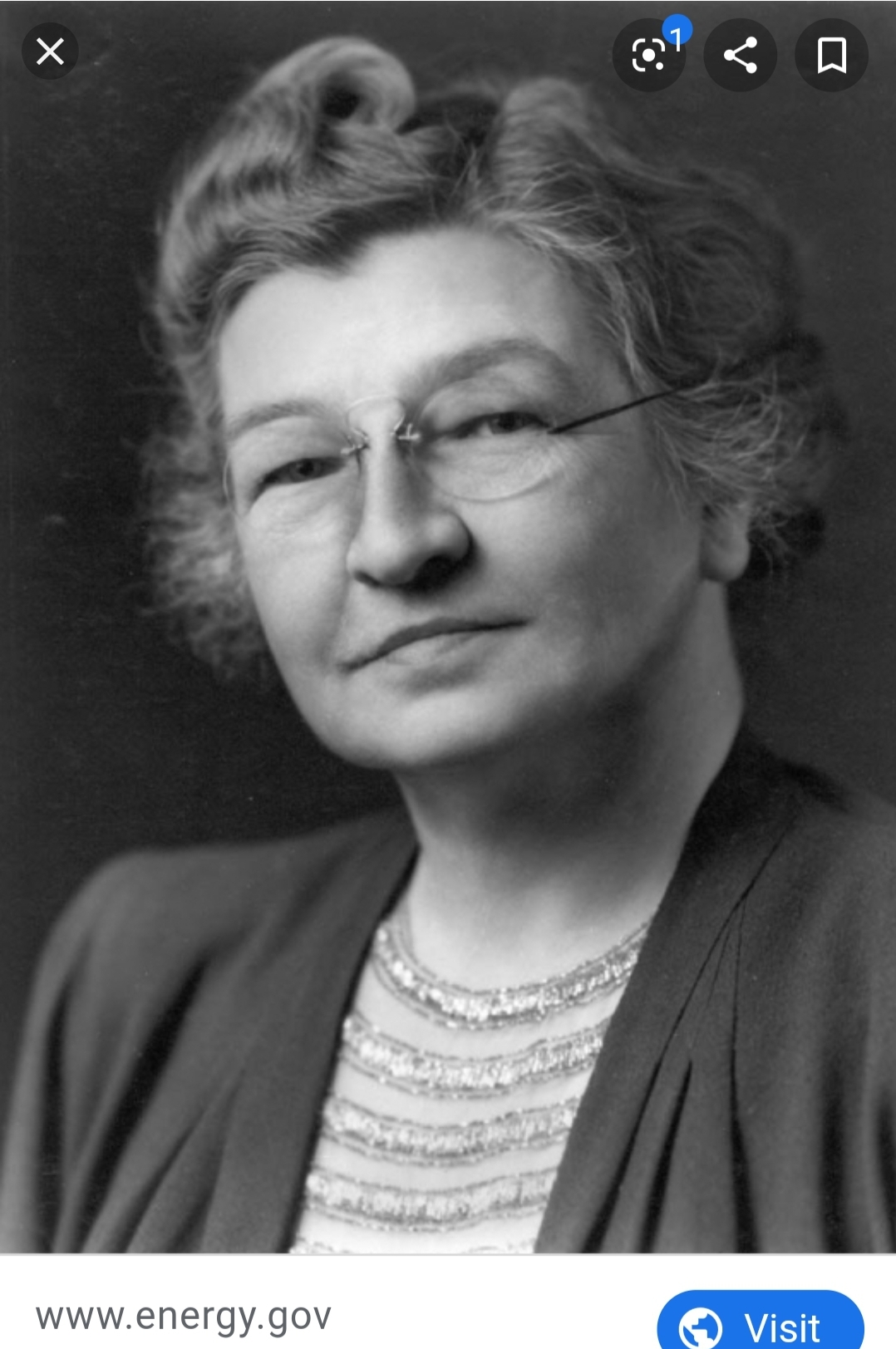
385) Edith Clarke

Courtesy of Energy.gov

385: Edith Clarke

The First Female Electrical Engineer

Born: 10 February 1883, Ellicott City, Maryland, United States of America

Died: 29 October 1959, Olney, Maryland, United States of America

Edith was also the first female professor of electrical engineering at the University of Texas Austin (she was also the first female professor of electrical engineering in the United States).

She wrote circuit analysis for AC power systems and specialized in electrical power system analysis.

Edith was even the first woman to be awarded a degree in electrical engineering from MIT (a Master’s in 1919).

She was also the first woman elected a Fellow at the now Institute for Electrical and Electronics Engineers.

Edith is also credited with inventing the graphing calculator. For this creation, she was inducted into the National Inventors Hall of Fame in 2015.

Badges Earned:

Located In My Personal Library:

Women in Science by Rachel Ignotofsky

Sources:

https://www.agnesscott.edu/lriddle/women/clarke.htm

https://www.invent.org/inductees/edith-clarke

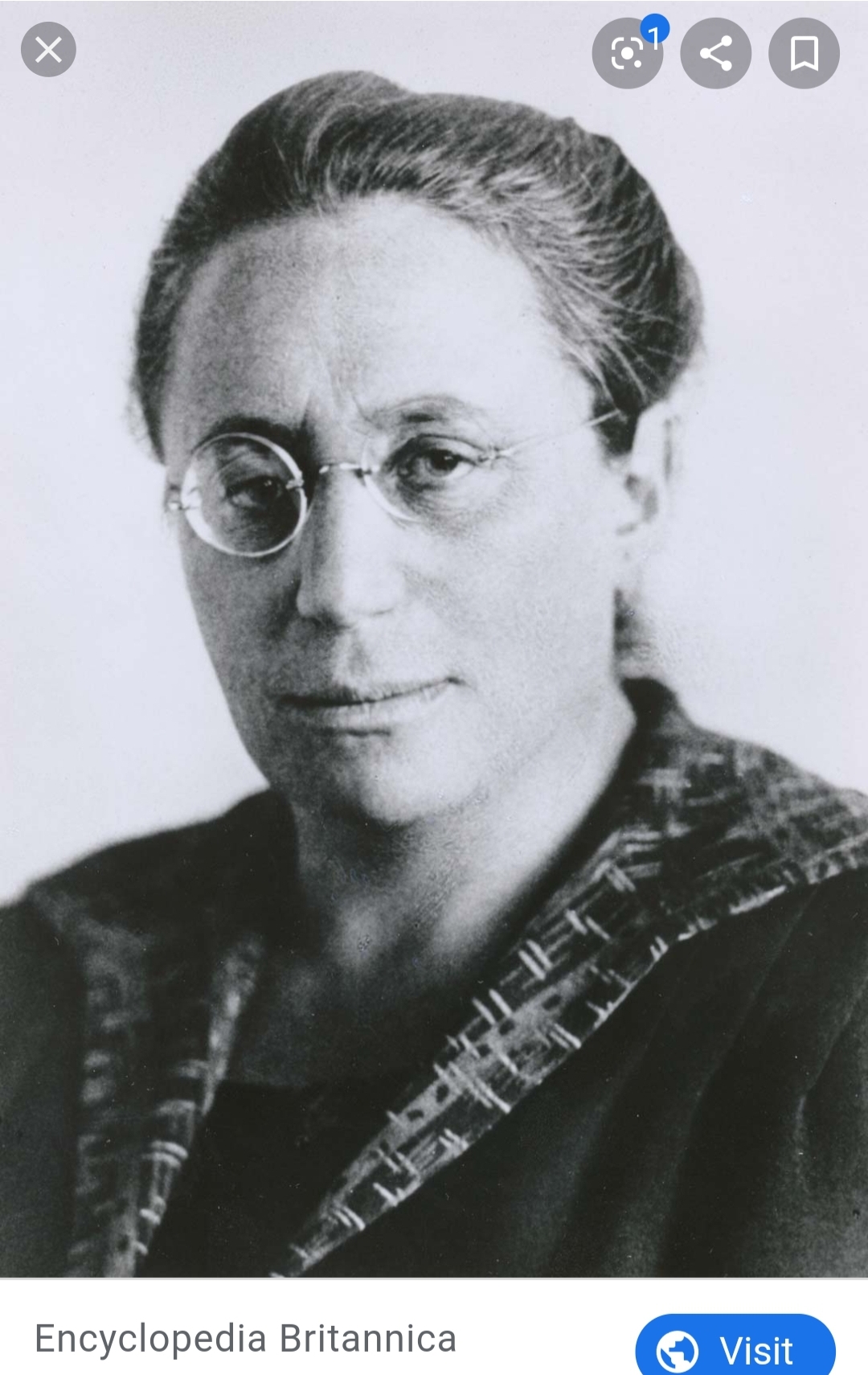
384) Emmy Noether

Courtesy of Encyclopedia Britannica

384: Emmy Noether

Mathematician Who is Known as the Most Creative Abstract Algebraist in Modern Times

Born: 23 March 1882, Erlangen, Bavaria, Germany

Died: 14 April 1935, Bryn Mawr, Pennsylvania, United States of America

Original Name: Amalie Noether

When Emmy decided she wanted to study math she wasn’t actually allowed to take the classes at university—at the time women were only allowed to audit the classes so she earned no credit for what she learned.

Luckily by 1907 that had changed, and Emmy was able to receive a full PhD in mathematics.

Emmy continued on at the college working without pay on her own research ambitions. Emmy was able to do this thanks to her mother's vast fortune. One of the jobs Emmy had at this time was as a substitute teacher for her father, also a math professor.

Emmy published over forty papers during her career, each one cementing her place in the history of algebra more and more.

She worked across Germany and Europe for years allowing her fame and ability to grow. In 1915, Emmy was even called in to look at Albert Einstein's new groundbreaking work. After about fifteen minutes of looking over the theory, Emmy solved the issue the other scientists had been puzzling. Emmy's work at the time, considered "Noether's Theorem" (which is extremely confusing to non-mathematicians), states that a symmetry of time won't have any effect on the ball's trajectory...and that's about as far as I got into understanding her work, but it was insanely groundbreaking. Her work paved the way for the discovery of things like the Higgs Boson in 2012. When Einstein learned of Emmy's work, he called her a genius. And that was only her first piece of earth shattering work. She had several others throughout her career as well.

Unfortunately the...shall we say, dicks in charge of the university where Emmy worked refused to grant her the job of a regularly working professor...for years. She was unpaid and underappreciated, but Emmy never stopped working. Eventually, she was finally granted a true teaching position at her university in Germany.

By 1933 however, Emmy and other Jewish professors were fired when the Nazis rose to power. Emmy was denied a pension and was informed she would never be able to teach in Germany again. She claimed to be okay with this though, stating she'd never been given the opportunity to earn a pension anyway and that she had a small inheritance to get her through.

Emmy continued to privately teach that summer, including teaching the "brown shirts", Nazi students who were eager to learn algebra. However, by the end of summer, Emmy knew she needed to leave Germany. She set her sights on England, wanting to teach at Oxford, but her hopes were dashed.

Emmy came to the United States as a visiting professor; working at the all-girls Bryn Mawr college in Pennsylvania. She escaped the worst of the Nazi pogroms and violence, but did not escape with her life.

By 1935, Emmy was working as a visiting professor at several universities on the East Coast. She was free to teach as she pleased, and didn't have to hide her Jewish heritage. She returned to Germany in the beginning of that year to visit family, before returning to the United States.

Emmy died suddenly from a postoperative infection obtained after having an operation to remove an ovarian cyst. During the surgery, doctors discovered multiple tumors throughout her abdomen, but instead of having months to set her affairs in order, she died only four days after her surgery, the doctors unable to save her life.

Badges Earned:

Find a Grave Marked

Rejected Princess

Located In My Personal Library:

Women in Science by Rachel Ignotofsky

Rejected Princesses by Jason Porath

Time Magazine's 100 Women of the Year (Emmy appears in the 1921 article, "Emmy Noether")

Sources:

https://www.sdsc.edu/ScienceWomen/noether.html

https://www.agnesscott.edu/lriddle/women/noether.htm

https://www.rejectedprincesses.com/princesses/emmy-noether

https://www.findagrave.com/memorial/1245/emmy-noether

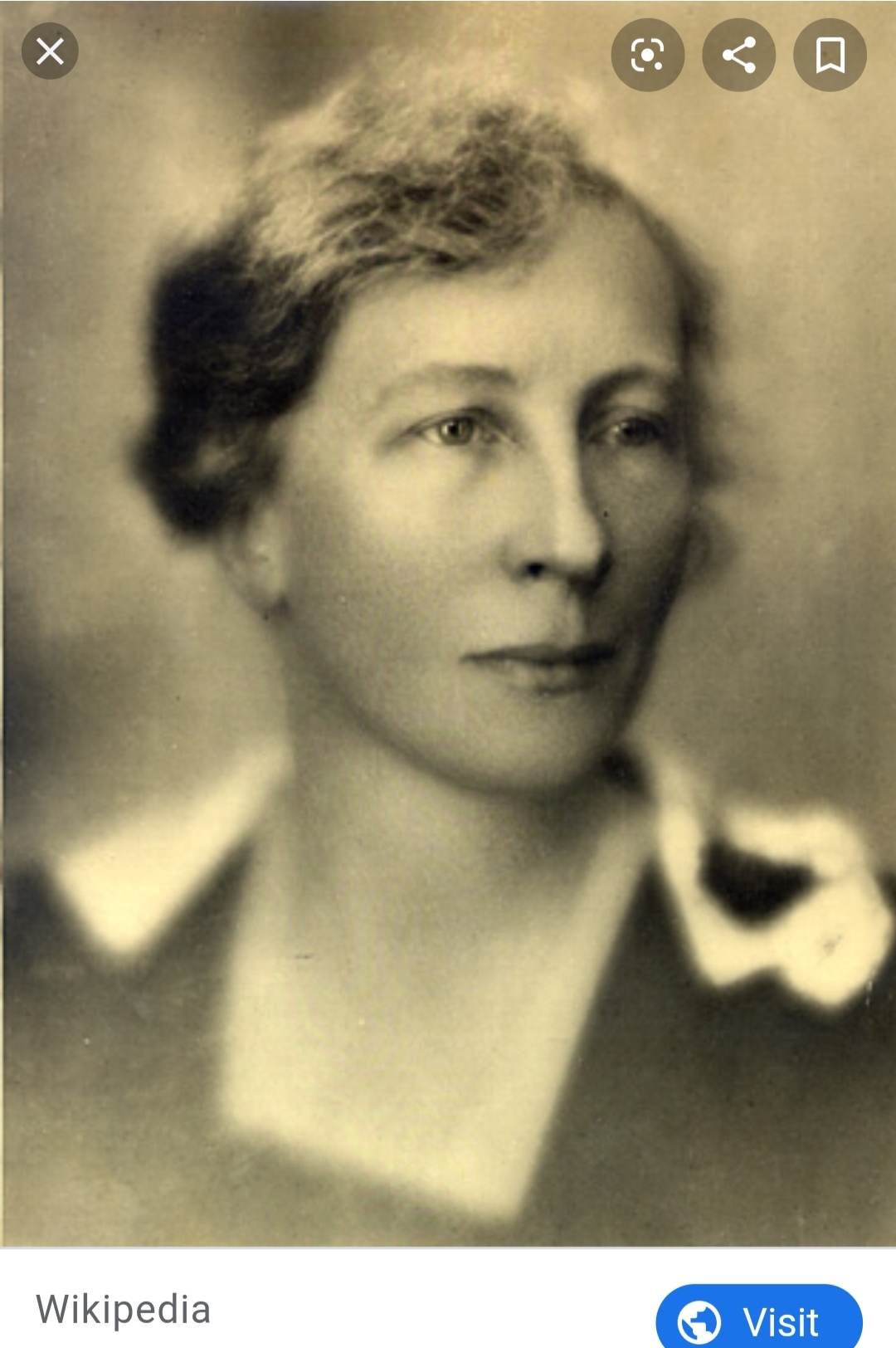
383) Lillian Gilbreth

Courtesy of Wikipedia

383: Lillian Gilbreth

Psychologist and Industrial Engineer

Born: 24 May 1878, Oakland, California, United States of America

Died: 2 January 1972, Phoenix, Arizona, United States of America

Lillian was also a mother of twelve.

She is credited with helping design kitchen appliances (like the butter and egg shelves inside refrigerator doors and the foot pedal trash can) but is most well-known for inspiring the mother character in Cheaper By the Dozen.

In her psychology career, Lillian is remembered for pioneering the field of organizational psychology.

Lillian held a masters and a doctoral degree in psychology. When she graduated from UC Berkeley with her bachelors in 1900, she became the first woman to give a commencement speech at the school.

She became the first female professor at the engineering school at Purdue University.

Lillian was also the first woman elected to the National Academy of Engineering and she was the second woman to join the American Society of Mechanical Engineers.

Badges Earned:

Find a Grave Marked

Located In My Personal Library:

America's Women: 400 Years of Dolls, Drudges, Helpmates, and Heroines by Gail Collins

The Oxford Encyclopedia of Women in World History Edited By Bonnie G Smith

Women in Science by Rachel Ignotofsky

Sources:

http://www.feministvoices.com/lillian-gilbreth/

https://www.sdsc.edu/ScienceWomen/gilbreth.html

https://www.findagrave.com/memorial/30391704/lillian-evelyn-gilbreth

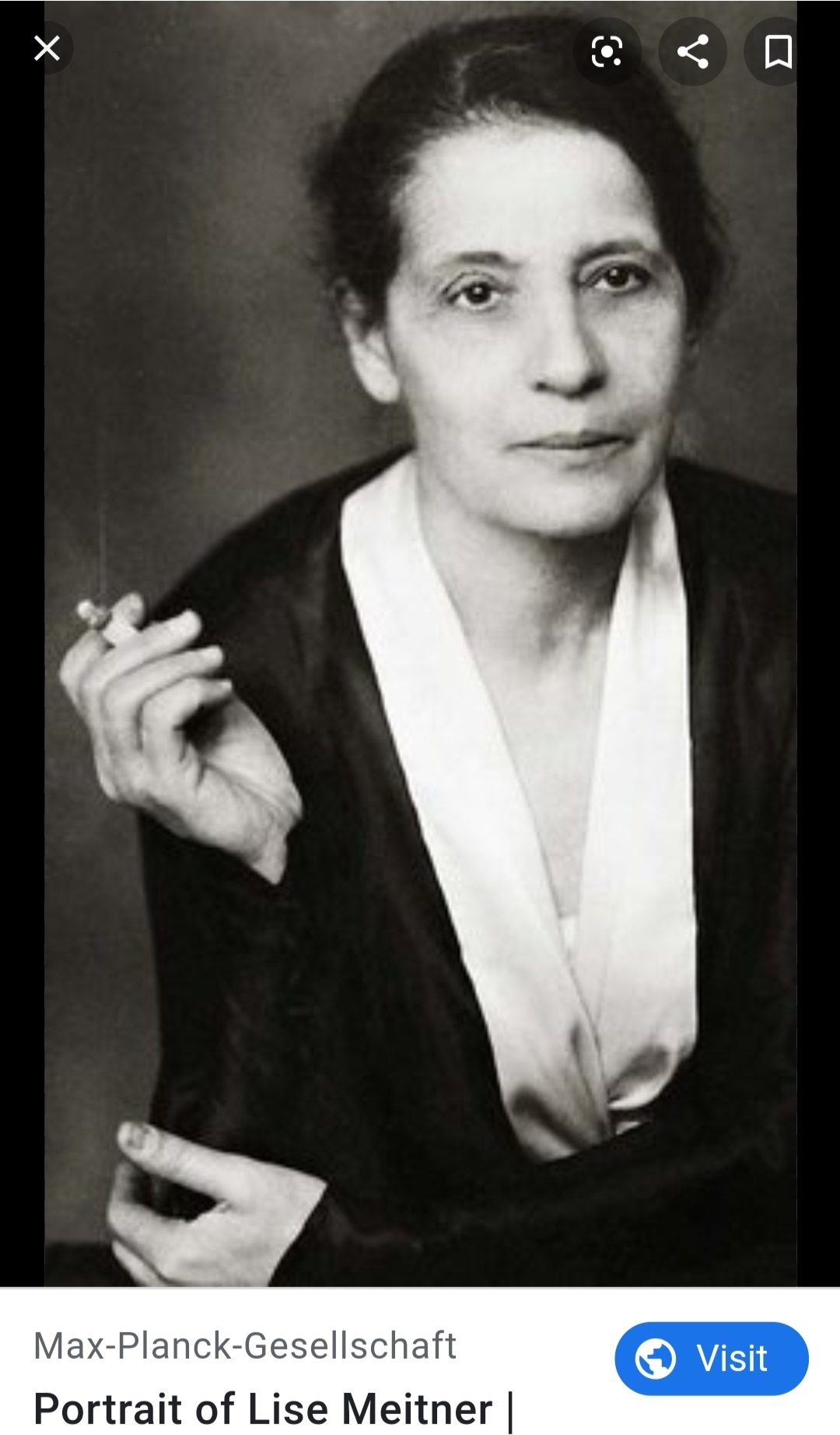
382) Lise Meitner

Courtesy of Max-Planck-Gesellschaft

“I will have nothing to do with that bomb!”

-Lise's Response to The Manhattan Project

382: Lise Meitner

Physicist Who Worked With Radioactivity and Nuclear Physics

Born: 17 November 1878, Vienna, Austria

Died: 27 October 1968, Cambridge, United Kingdom

Lise earned her doctorate in physics in 1906.

She co-discovered the element protactinium in 1918.

In 1923, Lise discovered a radiation-less transition that would later become known as the Auger Effect after it was rediscovered by a man named Auger two years later.

After fleeing German occupied Austria in 1938 (due to her being born Jewish, though she was by then a practicing Protestant) she co-discovered nuclear fission—the scientific principle which would lead Einstein to write President Franklin D Roosevelt warning of atomic power.

In 1944, Lise’s co-discoverer was awarded the Nobel Prize in Chemistry for their work but she was ignored.

In 1992, the heaviest known element in the universe—element 109—was named Meitnerium in her honor.

Badges Earned:

Find a Grave Marked

Located In My Personal Library:

Women in Science by Rachel Ignotofsky

Who Knew? Women in History by Sarah Herman

Sources:

https://www.sdsc.edu/ScienceWomen/meitner.html

https://www.findagrave.com/memorial/15166236/lise-meitner

https://www.atomicheritage.org/profile/lise-meitner


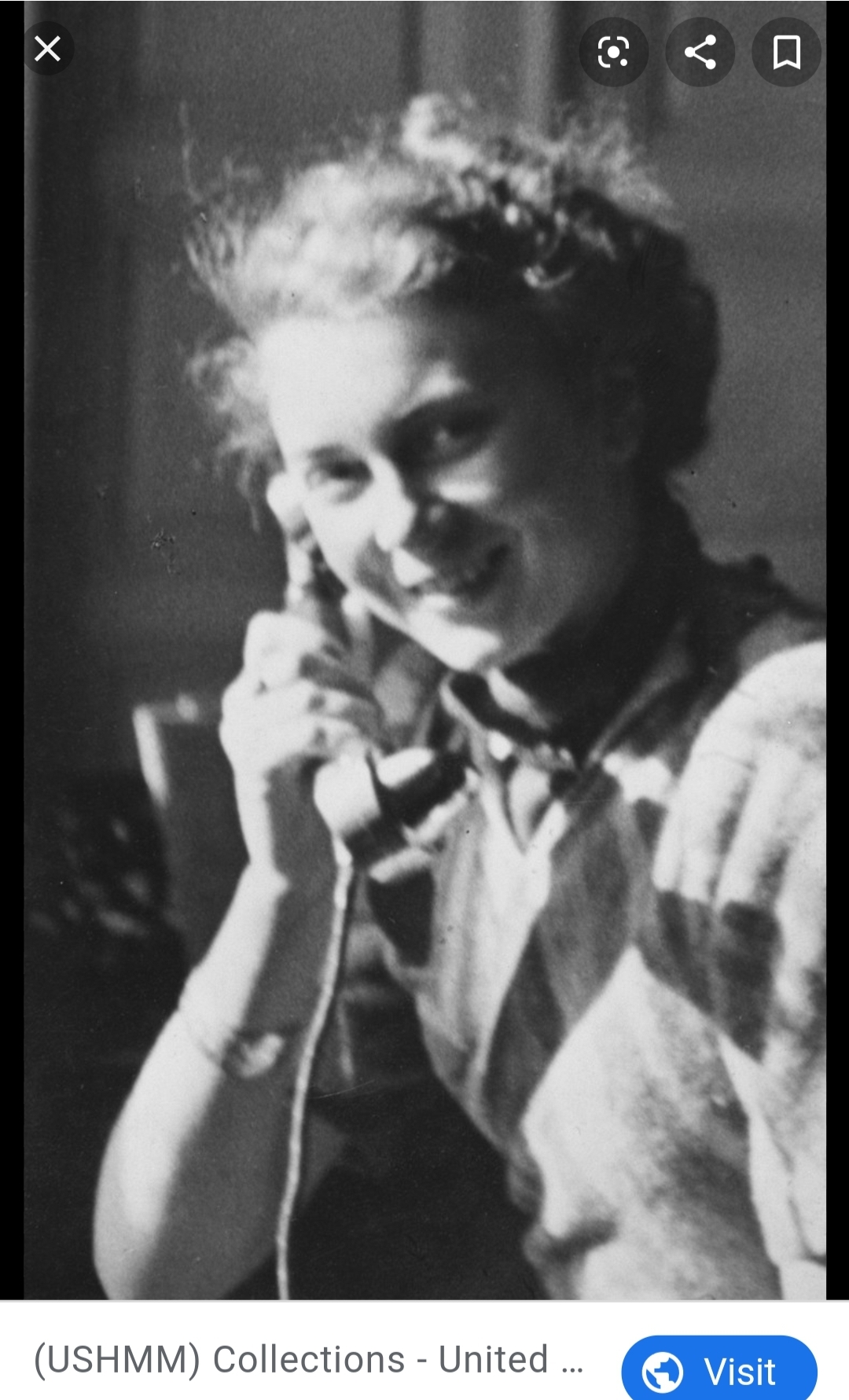
381) Christine Maria Margarete Denner

Courtesy of the United States Holocaust Memorial Museum

381: Christine Maria Margarete Denner

Friend of Edith Hahn Beer’s.

Born: c.1925

Died: 1999

Christine let Edith take copies of her papers to escape Austria after the Anschluss, saving Edith’s life.

Because of her actions, Christine was later honored in the Tree Garden of Righteous Gentiles near Jerusalem.

Badges Earned:

Located In My Personal Library:

The Nazi Officer’s Wife by Edith Hahn Beer

Sources:

https://www.thejc.com/obituary-edith-hahn-beer-1.9141

https://apnews.com/4375f8fb3c08e227489f810bfa31febe

The Nazi Officer’s Wife by Edith Hahn Beer

  • Previous
  • 1
  • …
  • 88
  • 89
  • 90
  • 91
  • 92
  • 93
  • 94
  • …
  • 159
  • Next

Categories

Archives

  • July 2025 (10)
  • July 2024 (1)
  • January 2024 (1)
  • August 2023 (1)
  • June 2023 (2)
  • October 2022 (1)
  • July 2022 (1)
  • June 2021 (3)
  • December 2020 (3)
  • August 2019 (1)
  • July 2019 (2)

Search

© 2026 The Exasperated Historian | Powered by Minimalist Blog WordPress Theme