The Exasperated Historian
Menu
  • Home
  • The Women’s List (New)
  • The Men’s List
  • The Animal List
  • Collections
  • The Blog
  • Contact Us
  • FAQ
Menu

Category: Birth Locations

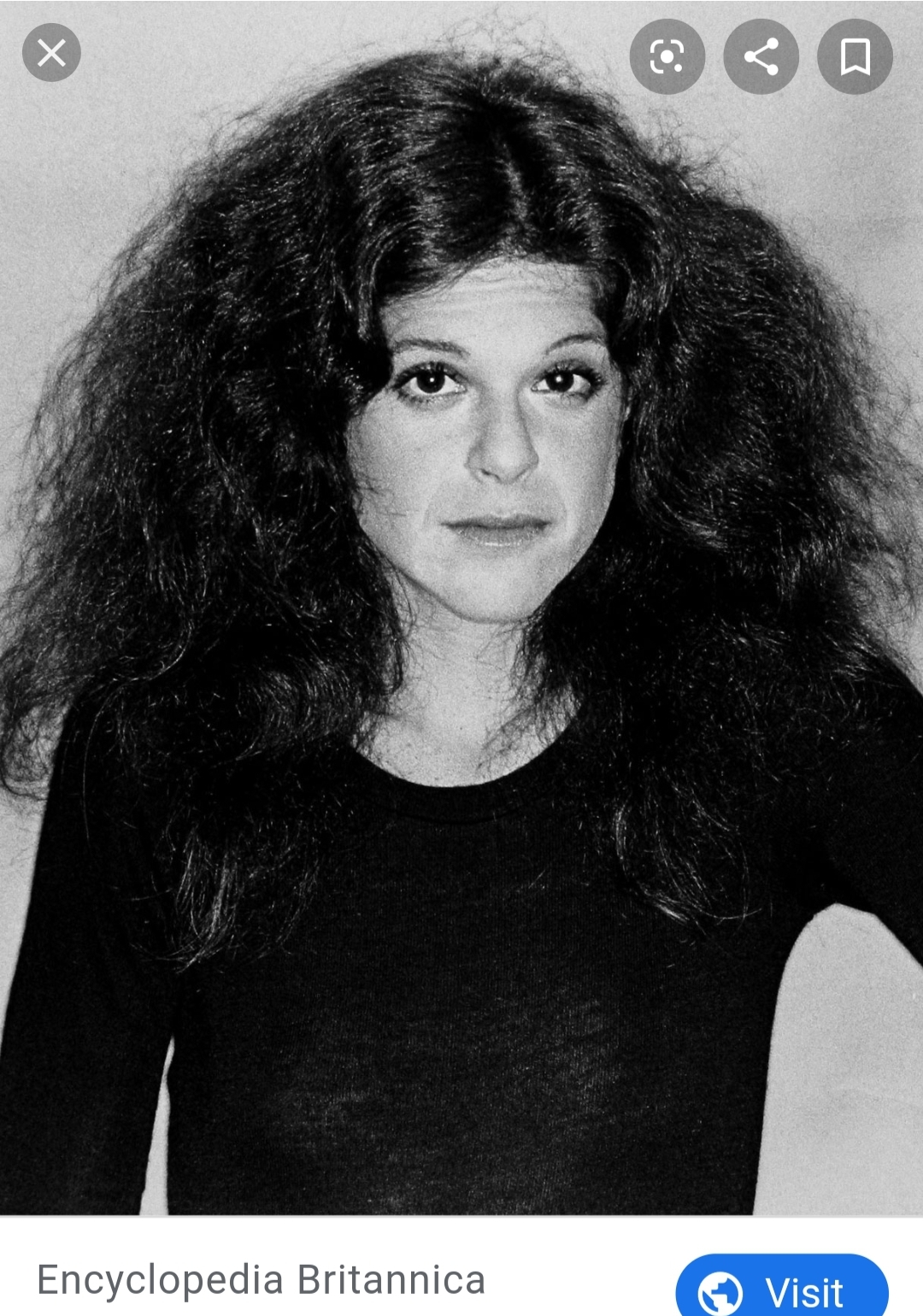
399) Gilda Radner

Courtesy of Encyclopedia Britannica

399: Gilda Radner

Comedian and Actress

Born: 28 June 1946, Detroit, Michigan, United States of America

Died: 20 May 1989, Los Angeles, California, United States of America

Gilda was one of the original seven cast members of Saturday Night Live, and reportedly was the first person cast period. She is remembered for her characters including Roseanne Roseannadanna, Baba Wawa (A parody of Barbara Walters), and Lisa Loopner.

As a child, Gilda was very overweight. As a result of this, she became bulimic and anorexic later in life, slimming down to an ultra-thin physique. Gilda also suffered from the sudden loss of her father at the age of fourteen from brain cancer.

She was married to fellow actor Gene Wilder at the time of her death.

During this time, she was diagnosed with cancer, and while undergoing chemotherapy treatments she wrote her autobiography, Its Always Something. However, she was unable to beat the disease, and passed away at the age of forty-two.

After her death Gene worked tirelessly to raise money and awareness for Ovarian Cancer and better systems of diagnoses, creating the Gilda Radner Hereditary Cancer Program. And in 1991, he also helped found Gilda’s Club, which offers emotional support and social help for cancer patients, friends, and family.

In 2018, the documentary Love, Gilda, was released, the trailer for which can be viewed in this article.

Badges Earned:

Find a Grave Marked

Located In My Personal Library:

The Hollywood Book of Death by James Robert Parish

Where Are They Buried? How Did They Die? by Tod Benoit

Sources:

https://www.imdb.com/name/nm0705717/bio?ref_=nm_ov_bio_sm

https://jwa.org/encyclopedia/article/radner-gilda
https://www.britannica.com/biography/Gilda-Radner

https://www.findagrave.com/memorial/848/gilda-radner

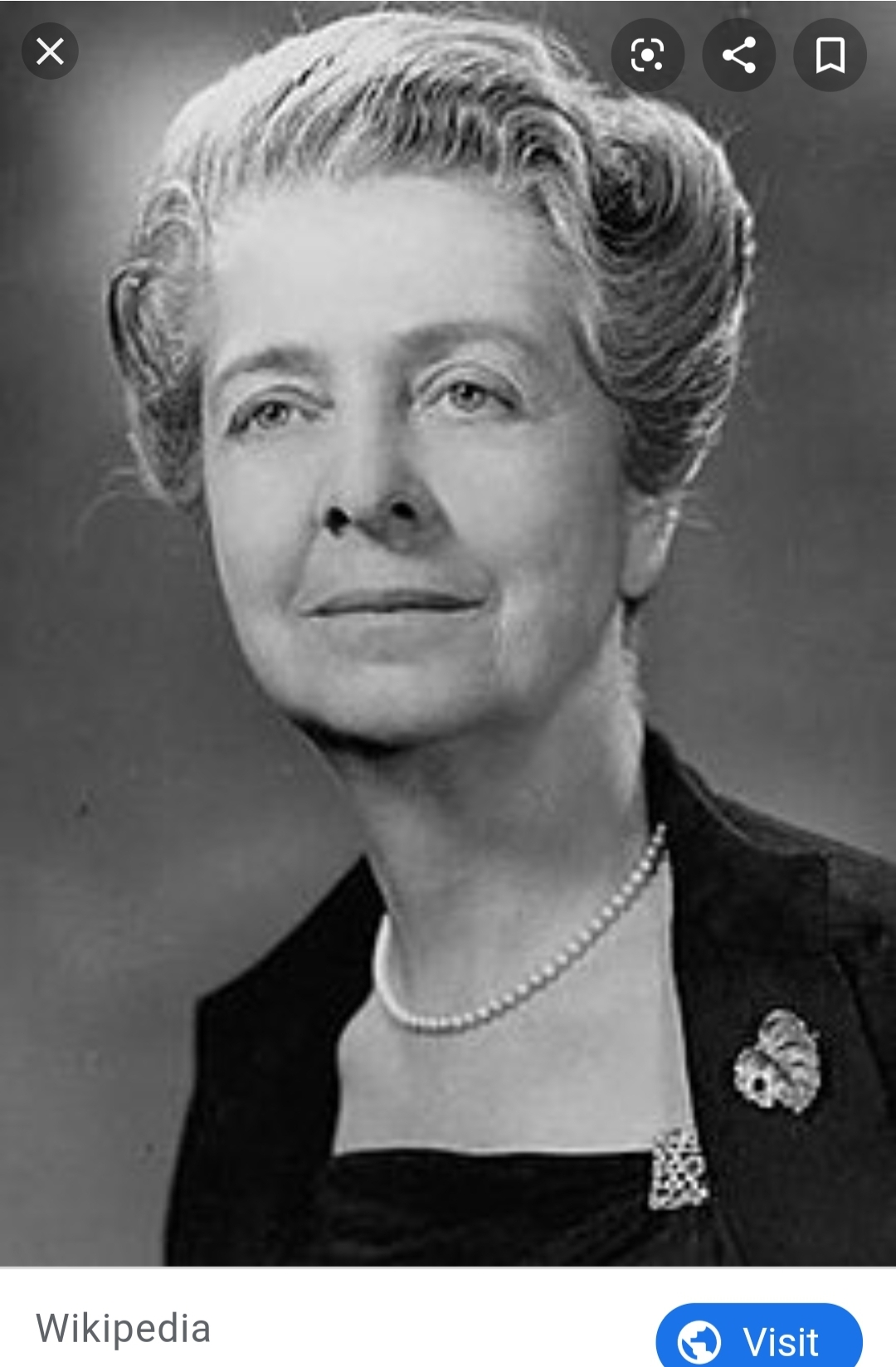
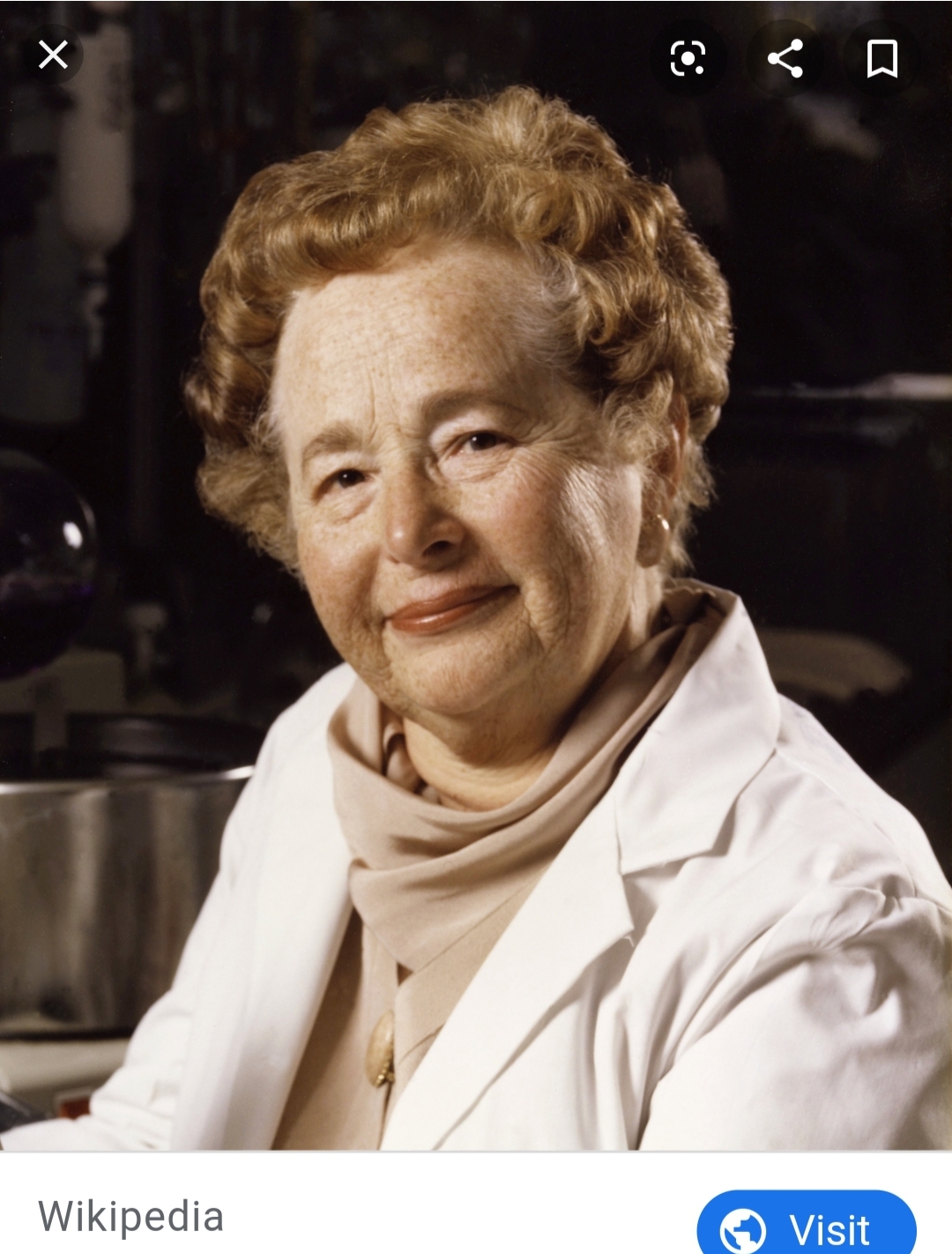
398) Gertrude B. Elion

Courtesy of Wikipedia

398: Gertrude Elion

Pharmacologist

Born: 23 January 1918, New York City, New York, United States of America

Died: 21 February 1999, Chapel Hill, North Carolina, United States of America

Gertrude helped create prescriptions to help treat leukemia, gout, malaria, herpes, and other diseases.

Deciding to enter the field of pharmacology occurred to Gertrude after watching her grandfather die from stomach cancer and her fiancé from an inflammation of the lining of the heart.

She graduated with a degree in chemistry but had her hopes dashed for higher learning when fifteen institutions denied her application for financial aid to attend graduate school. With no other option in sight, Gertrude applied for secretarial school instead. When reflecting on this period of her life, Gertrude reportedly said, “I hadn’t been aware that any doors were closed to me until I started knocking on them.”

Eventually, she landed a job that allowed her to save money for school. Gertrude would graduate with a master’s degree in 1941, the only woman in her chemistry classes. However, she wouldn’t find a job until 1944, when she was hired by Johnson and Johnson as a research assistant. Gertrude was never able to complete schooling on her own to earn a PhD, but she didn’t need to. Her research spoke for itself, and in time, both George Washington and Brown University would award her honorary doctoral degrees.

Gertrude published 225 papers on her various findings throughout her career.

She is one of the few female recipients of the Garvan Medal (which she was awarded in 1968) and she shares the Nobel Prize in Physiology or Medicine with her coworkers in 1988. The prize citation reads: "for their discoveries of important principles for drug treatment."

Gertrude never married but was close with her brother and his children.

To learn more about her incredible work, check out the SciShow Video on her to the left.

Badges Earned:

Find a Grave Marked

Located In My Personal Library:

Women in Science by Rachel Ignotofsky

Sources:

https://www.acs.org/content/acs/en/education/whatischemistry/women-scientists/gertrude-elion.html

https://www.nobelprize.org/prizes/medicine/1988/elion/biographical/
https://www.findagrave.com/memorial/107577873/gertrude-belle-elion

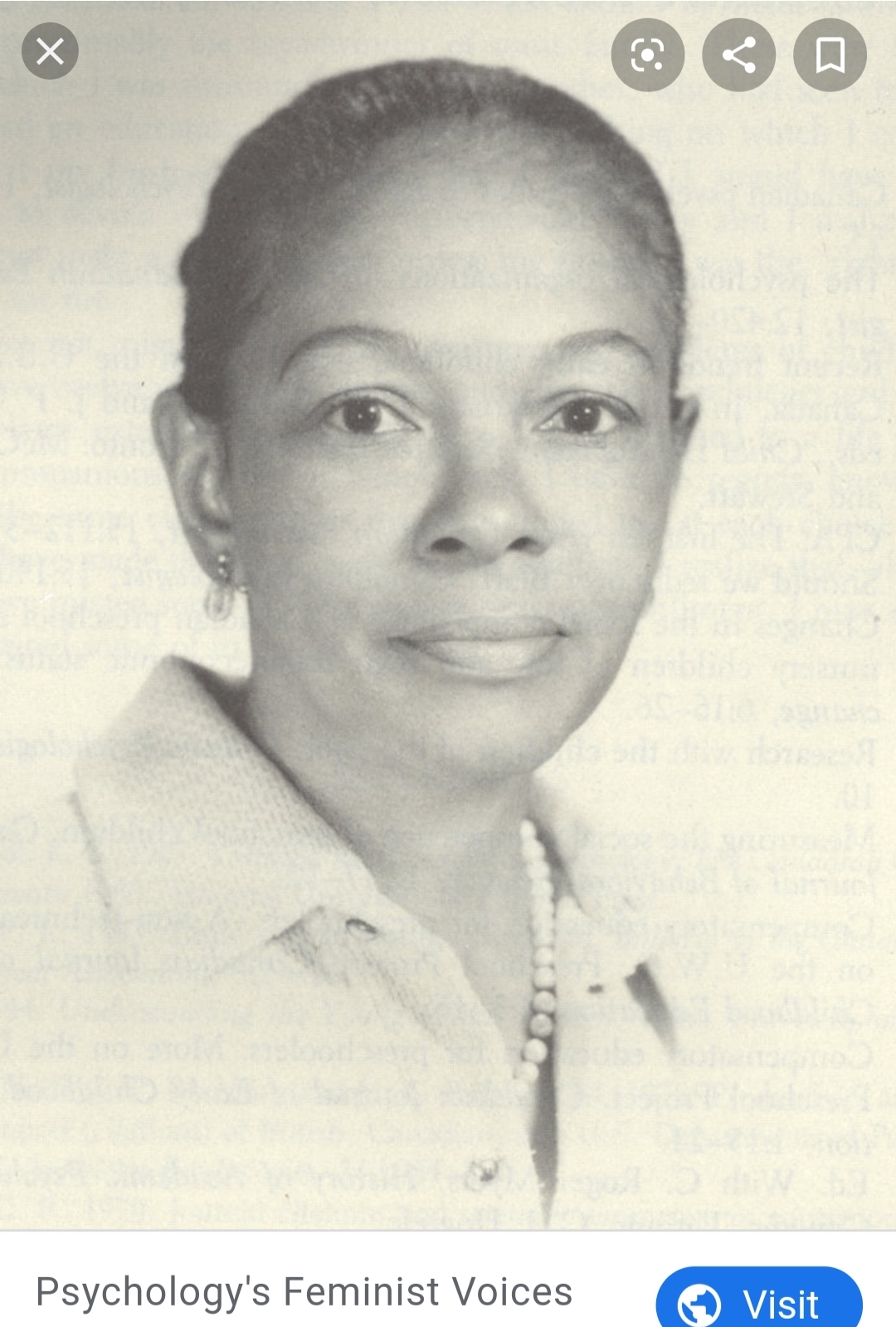
397) Mamie Phipps Clark

Courtesy of Psychology's Feminist Voices

"...It soon became apparent to me that a black female with a Ph.D. in psychology was an unwanted anomaly in New Your City in the early 1940's" 

397: Mamie Phipps Clark

Psychologist

Born: 18 April 1917, Hot Springs, Arkansas, United States of America

Died: 11 August 1983, New York City, New York, United States of America

Mamie, alongside her husband, studied the development of self-consciousness in African American preschool children.

She graduated magna cum laude from Howard University in 1938.

Her work was instrumental in proving segregation was detrimental to a student’s self-worth and—with her husband’s help as well, Mamie’s work helped in the 1954 Supreme Court Case Brown v Board of Education which ended segregation in schools across the United States. Mamie and Kenneth testified as expert witnesses in not only Brown v Board of Education, but other landmark segregation cases as well.

Mamie became the first African American woman to earn a PhD in Psychology from Columbia University (and her husband the first African American man).

In 1946, they opened the Northside Center for Child Development in Harlem, New York which focused on making up for the lack of social services provided to minority children in New York City at the time. The center is still open today, but unfortunately has pretty bad reviews across the board online.

Badges Earned:

Find a Grave Marked

Located In My Personal Library:

Women in Science by Rachel Ignotofsky

Sources:

https://www.apa.org/pi/oema/resources/ethnicity-health/psychologists/clark

http://faculty.webster.edu/woolflm/mamiephippsclark.htm

https://www.findagrave.com/memorial/198701093/mamie-clark

396) Chien-Shiung Wu

Courtesy of Encyclopedia Britannica

396: Chien-Shiung Wu

Experimental Physicist

Born: 31 May 1912 Liuhe, Taicang, Suzhou, China

Died: 16 February 1997, New York City, New York, United States of America

Wu helped work with the Manhattan Project to develop the first Atomic Bombs. She also helped create a better version of the Geiger Counter. While not known for certain, it is believed Wu was the only person of Chinese origin to work on the Manhattan Project.

Wu was lucky; growing up in a small village outside Shanghai, her father educated her despite it being outside the cultural norm. Once she received a basic education from her father, she went on to study physics at the university in Shanghai. After graduation, and with the financial help of one of her uncles, she arrived in San Francisco in 1936. She graduated from the University of California, Berkeley, in 1940 with her PhD.

However, she was unable to gain a research position at a university, and became a physics instructor instead, working at both Princeton and Smith College. It was during this time she joined the Manhattan Project. After the war, she was able to secure a position at Columbia and began investigating beta decay. She went on to pursue other projects, including helping research identical nuclear particles and their reactions to outside forces. Her work helped prove that of other scientists who would go on to win the Nobel Prize in 1957, but Wu’s work was not acknowledged.

Wu was the first woman to be elected President of the American Physical Society.

She was awarded numerous other prizes and awards throughout her life, including being the first woman to earn an honorary doctorate from Princeton.

Badges Earned:

Find a Grave Marked

Located In My Personal Library:

National Geographic History Magazine Article "Chien-Shiung Wu, First Lady of Physics" by Erin Blakemore (May/June 2023 Edition)

Women in Science by Rachel Ignotofsky

Time Magazine's 100 Women of the Year (Wu appears in the 1945 article, "Chien-Shiung Wu")

Sources:

https://www.atomicheritage.org/profile/chien-shiung-wu

https://www.nsf.gov/news/special_reports/medalofscience50/wu.jsp

https://www.findagrave.com/memorial/11219655/chien_shiung-wu

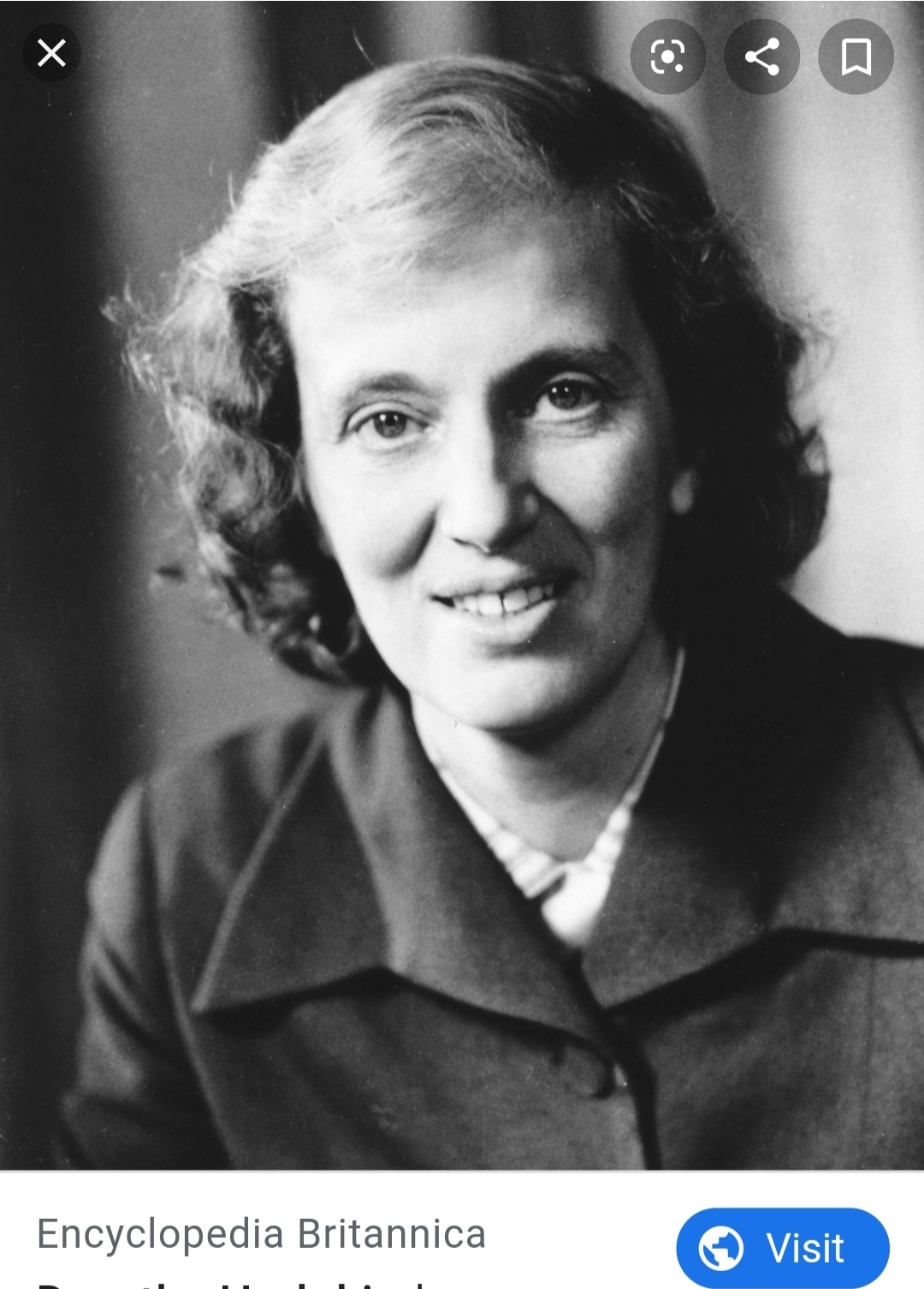
395) Dorothy Hodgkin

Courtesy of Encyclopedia Britannica

395: Dorothy Hodgkin

Biochemist and Crystallographer

Born: 12 May 1910, Cairo, Egypt

Died: 29 July 1994, Ilmington, United Kingdom

Dorothy was the first person to create an x-ray diffraction photograph of a protein.

She helped discover the structure of penicillin, Vitamin B12, and Insulin.

In 1964, she was solely awarded the Nobel Prize in Chemistry. The prize citation reads, "for her determinations by X-ray techniques of the structures of important biochemical substances."

Growing up, Dorothy was born in Egypt, raised part time in Sudan, then the British Mandate of Palestine, and other countries, working alongside her parents when off of school in various archaeological sites. Despite this, she still decided to go into chemistry and crystallography over archaeology.

Dorothy was a member of several institutions, including: The Royal Society, the Royal Netherlands Academy of Sciences (as a foreign member), and the American Academy of Arts and Sciences (Boston).

Dorothy was a staunch socialist to the point of being barred from the United States during the McCarthy era. Her hopes for peace and disarmament of the Soviet Union led her to appeal directly to then Prime Minister Margaret Thatcher (who was actually one of Dorothy’s former students!).

She was married with three children.

Dorothy was also given several awards from the Soviet Union and the United Kingdom for her work.

Badges Earned:

Find a Grave Marked

Located In My Personal Library:

Women In Science by Rachel Ignotofsky

Sources:

https://www.nobelprize.org/prizes/chemistry/1964/hodgkin/biographical/

https://www.pbs.org/wgbh/aso/databank/entries/bmhodg.html

https://spartacus-educational.com/SChodgkin.htm

https://www.findagrave.com/memorial/103066650/dorothy-mary-hodgkin

394) Rita Levi-Montalcini

Courtesy of Wikipedia

394: Rita Levi-Montalcini

Neurologist and Physician

Born: 22 April 1909, Turin, Italy

Died: 30 December 2012, Rome, Italy

Rita volunteered with the Allied Health Service during World War II in her native Italy, and continued to work as a doctor in a refugee camp for a year afterward.

She studied the growth of nerve fibers in chicken embryos. In 1952, she was able to determine how to isolate the Nerve Growth Factor from observations of certain cancerous tissues that caused extremely rapid growth of nerve cells.

Rita was awarded the Nobel Prize in Physiology or Medicine in 1986. The prize citation reads, “For their discoveries of growth factors.”

In 2002, she founded the European Brain Research Institute.

When she died, aged 103, she was given the title of “Longest Living Nobel Laureate.”

Badges Earned:

Find a Grave Marked

Located In My Personal Library:

The Only Woman by Immy Humes

Women in Science by Rachel Ignotofsky

Sources:

https://www.nobelprize.org/prizes/medicine/1986/levi-montalcini/facts/

https://www.famousscientists.org/rita-levi-montalcini/

https://www.findagrave.com/memorial/102817048/rita-levi_montalcini

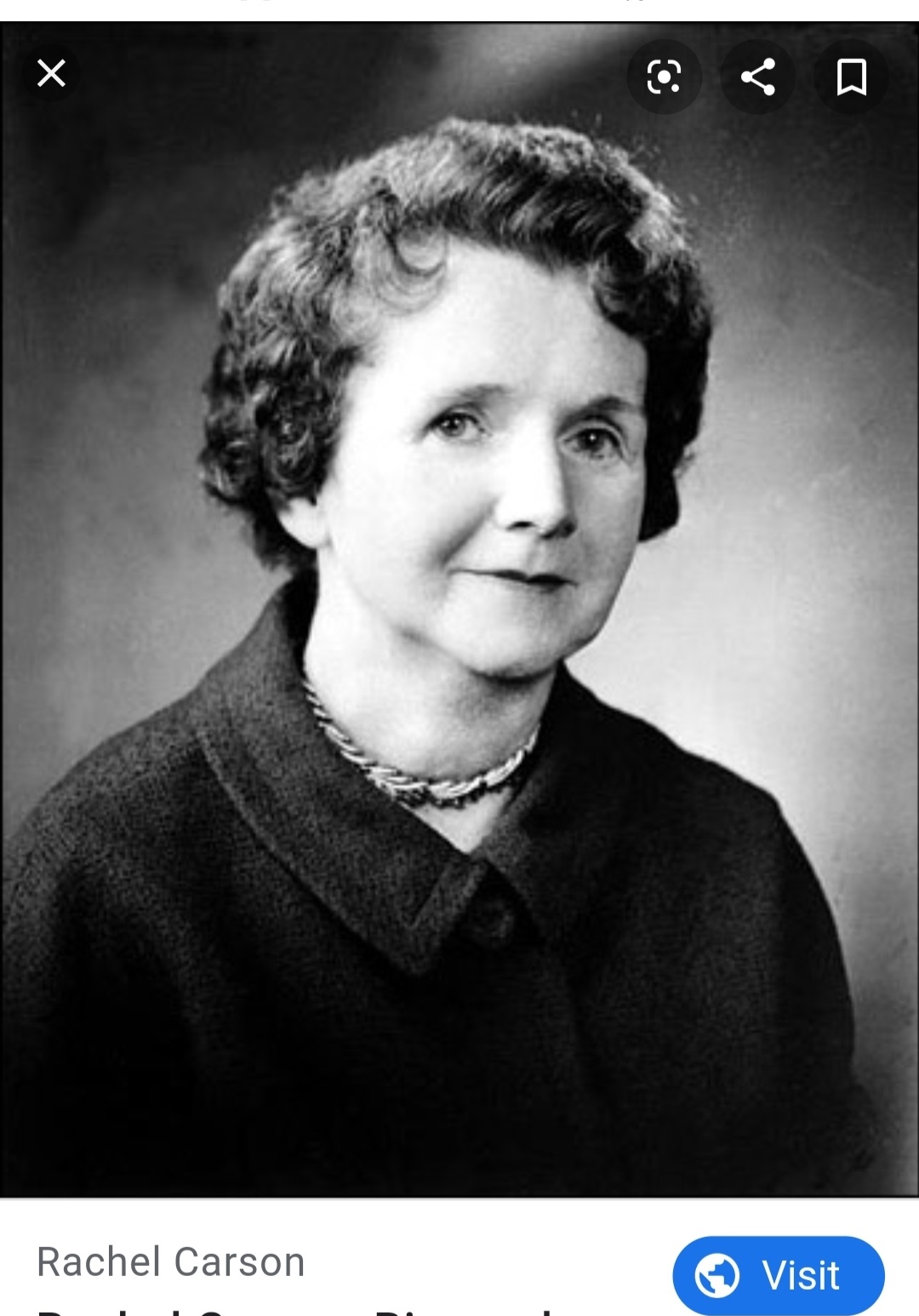
393) Rachel Carson

Courtesy of Rachel Carson

393: Rachel Carson

Marine Biologist, Author, and Conservationist

Born: 27 May 1907, Springdale, Pennsylvania, United States of America

Died: 14 April 1964, Silver Spring, Maryland, United States of America

Rachel’s book Silent Spring launched the movement to eliminate harmful pesticides (like DDT) from being used through crop dusting and other widespread uses.

Her work would eventually lead to the creation of the Environmental Protection Agency (EPA) in the United States.

By the age of ten, Rachel was already a published author for children’s magazines.

She managed to get her master’s degree in Zoology from Johns Hopkins University but had to drop out of college before pursuing a doctorate because of financial and family reasons. Rachel helped her ailing mother for a time, and then became a surrogate mother to her nieces after her sister’s death. A few years later, she would also adopt a son.

In 1936, she became the second woman hired by the United States Bureau of Fisheries. Originally hired to write articles for different nature subjects, she would eventually rise to the position of Editor-in-Chief of all publications for the US Fish and Wildlife Service.

She was suffering from Breast Cancer at the time of Silent Spring’s publication and had to hide that fact for fear people would think she was biased in her research. She was attacked from chemical corporations as well as members of Congress, even when she testified before them on the dangerous harm pesticides were doing not just to plants and animals, but humans as well.

In 1980, she was posthumously awarded the Presidential Medal of Freedom.

Rachel was great friends with a woman named Dorothy Freeman. They were so close in fact, that some have characterized their relationship as more than friends. While nothing can ever be confirmed of course, I have included a link to some of the evidence people use to color their relationship as more than friends below.

Badges Earned:

Find a Grave Marked

Located In My Personal Library:

Women in Science by Rachel Ignotofsky

Who Knew Women in History by Sarah Herman

The Book of Awesome Women: Boundary Breakers, Freedom Fighters, Sheroes, and Female Firsts by Becca Anderson

Time Magazine's 100 Women of the Year (Rachel appears in the 1963 article, "Rachel Carson”)

Whose Who in American History: Leaders, Visionaries, and Icons who Shaped Our Nation by John M Thompson, William R Gray, and KM Kostyal

Sources:

https://www.rachelcarson.org/Bio.aspx

https://www.womenshistory.org/education-resources/biographies/rachel-carson

https://www.fws.gov/refuge/Rachel_Carson/about/rachelcarson.html

https://www.brainpickings.org/2017/01/13/rachel-carson-dorothy-freeman-letters/

https://www.findagrave.com/memorial/4066/rachel-louise-carson

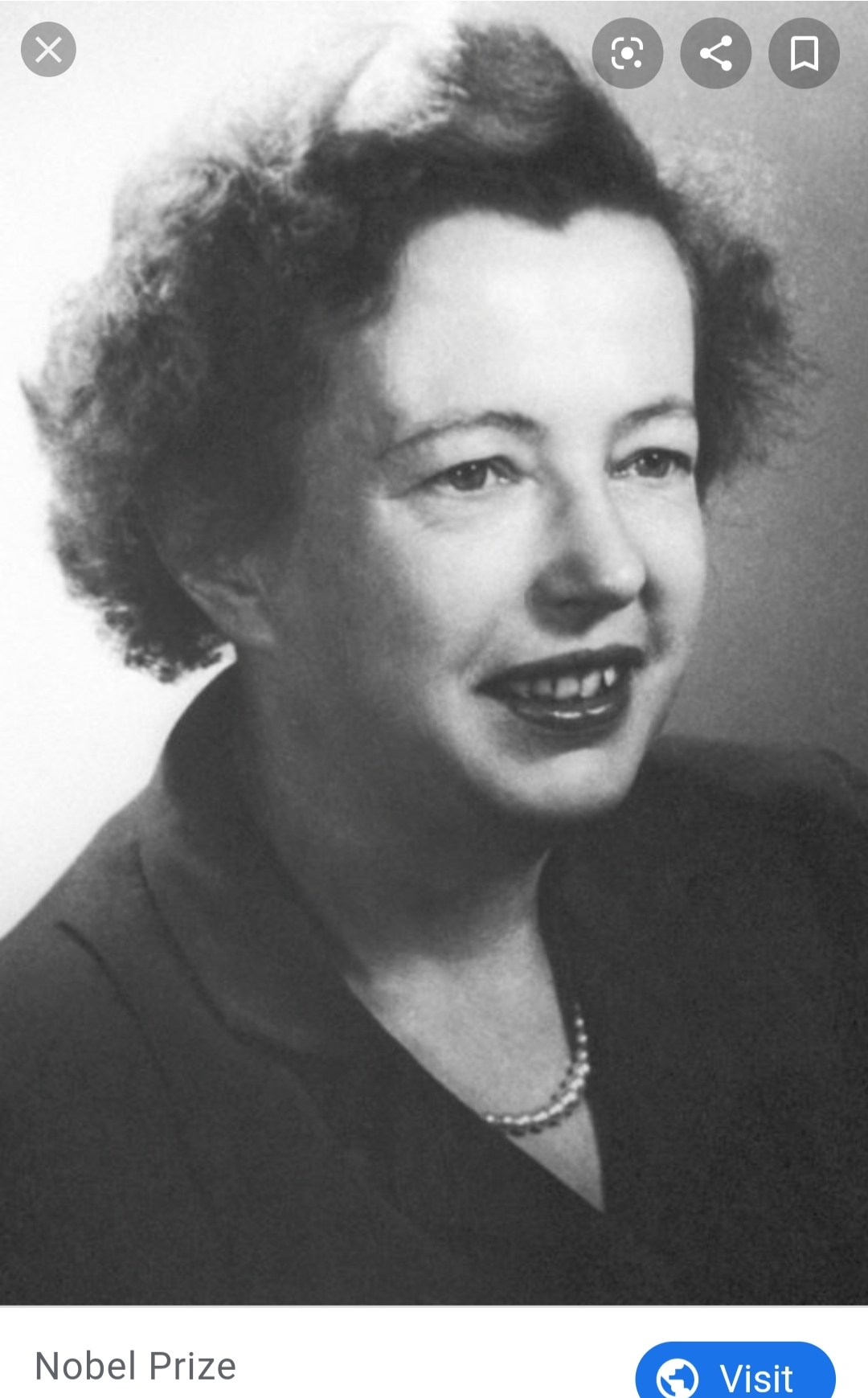
392) Maria Goeppert Mayer

Courtesy of the Nobel Prize

392: Maria Goeppert Mayer

Theoretical Physicist

Born: 28 June 1906, Kattowitz, Upper Silesia, German Empire (Present-day Katowice, Poland)

Died: 20 February 1972, San Diego, California, United States of America

Through her father’s side Maria was the 7th straight generational university professor.

She earned her PhD in theoretical physics in 1930 but would also work in nuclear and chemical physics throughout her career.

Maria was a member of the National Academy of Sciences in the United States (where she had moved after being a relationship with the American man who would become her husband) and was a corresponding member of the Akademie der Wissenschaften (Austrian Academy of Sciences) in Austria.

During World War II, Maria worked both at the SAM Laboratory at Columbia University and then later in Los Alamos, New Mexico on the Manhattan Project—which led to the eventual creation of the world’s first Atomic bombs.

Maria was awarded the Nobel Prize in Physics in 1963. She shared the award with three others. The citation for the prize reads, "for their discoveries concerning nuclear shell structure."

She and her husband had two children together.

Badges Earned:

Find a Grave Marked

Located In My Personal Library:

Women in Science by Rachel Ignotofsky

Sources:

https://www.nobelprize.org/prizes/physics/1963/mayer/biographical/

https://www.atomicheritage.org/profile/maria-goeppert-mayer

https://www.findagrave.com/memorial/6652975/maria-mayer

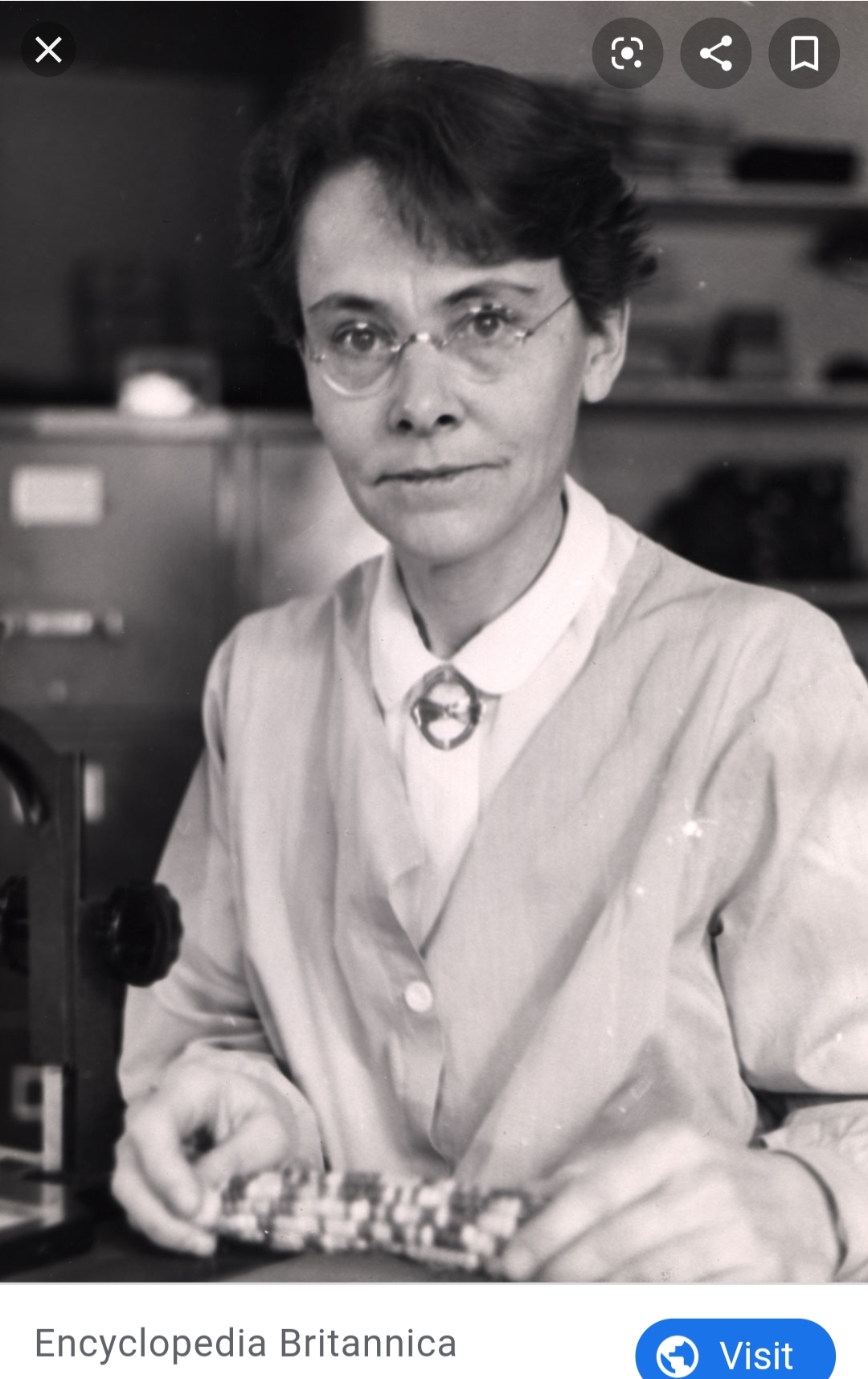
391) Barbara McClintock

Courtesy of Encyclopedia Britannica

391: Barbara McClintock

Cytogeneticist

Born: 16 June 1902, Hartford, Connecticut, United States of America

Died: 2 September 1992, Huntington, New York, United States of America

Barbara’s early work was pioneering in the field of DNA replication (her work specifically was in maize), otherwise known as Jumping Genes.

She received a PhD from Cornell University in 1927, despite growing up relatively poor. Her family did not want her to go into a scientific field, instead wanting her to settle down and get married. Barbara never would and devoted her life to the sciences instead.

Barbara served as the first female President of the Society of American Genetics for six years.

She won the Nobel Prize in Physiology or Medicine in 1983 for her work in DNA replication. The exact prize citation reads, “For her discovery of mobile genetic elements.” She was awarded the prize solely; on her own, not sharing it with anyone—that is an amazing feat all on its own.

She also received the Presidential Award for Scientific Achievement in 1946 from President Harry Truman for her scientific efforts during World War II.

Badges Earned:

Find a Grave Marked

Located In My Personal Library:

Women in Science by Rachel Ignotofsky

Sources:

https://www.nobelprize.org/prizes/medicine/1983/mcclintock/facts/

https://www.britannica.com/biography/Barbara-McClintock

https://www.findagrave.com/memorial/7687923/barbara-mcclintock

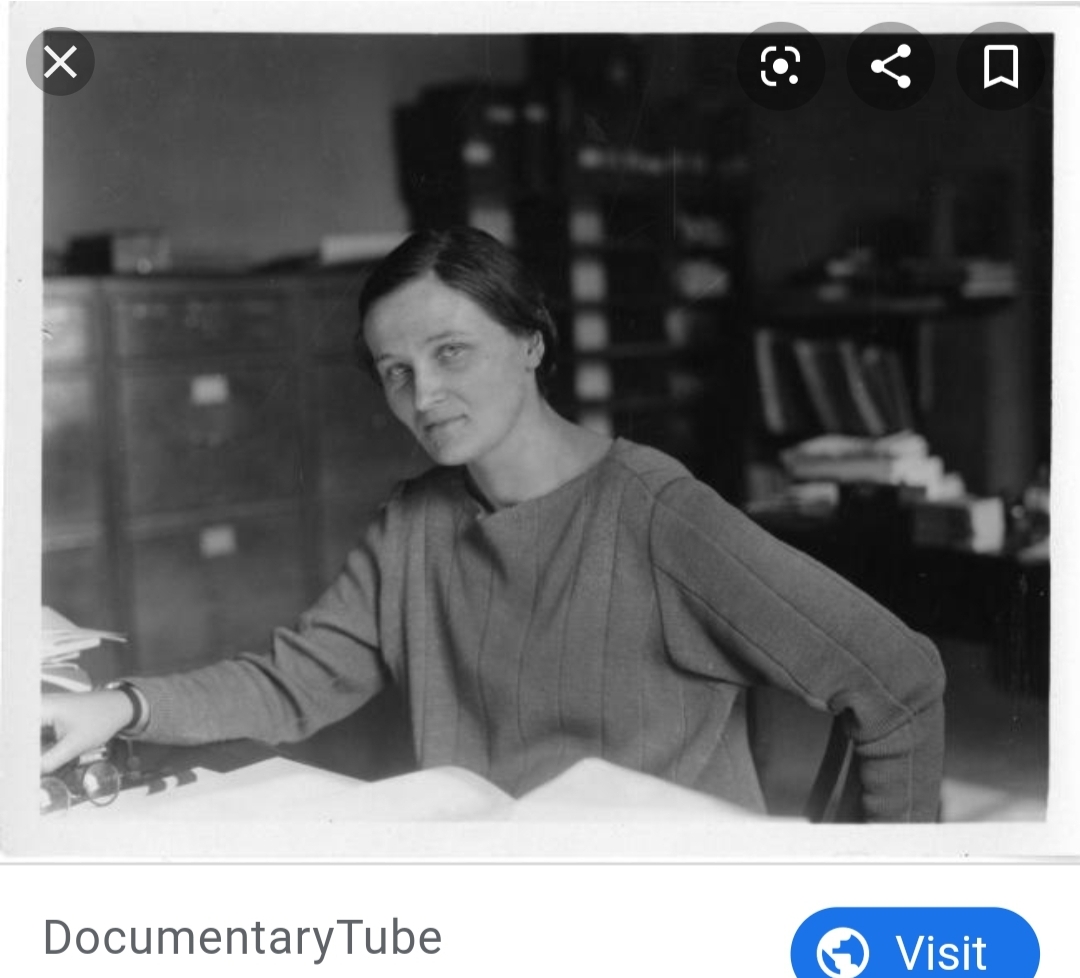
390) Cecilia Payne-Gaposchkin

Courtesy of Documentarytube

“Young People, especially young women, often ask me for advice. Here it is, valeat quantum. Do not undertake a scientific career in quest of fame or money. There are easier and better ways to reach them. Undertake it only if nothing else will satisfy you; for nothing else is probably what you will receive. Your reward will be the widening of the horizon as you climb. And if you achieve that award you will ask no other.”

390: Cecilia Payne-Gaposchkin

Astronomer Who Discovered What Makes the Universe

Born: 10 May 1900, Wendover, United Kingdom

Died: 7 December 1979, Cambridge, Massachusetts, United States of America

Cecilia discovered that stars are mostly composed of hydrogen and helium—a discovery so profound that almost no one believed her at first.

She was the first female astronomer to be made a full professor at Harvard and the first woman to become a department chair.

Cecilia became a United States citizen in 1931 and was married and a mother of three children.

She was a member of the American Academy of Arts and Sciences and the American Philosophical Society.

She died from lung cancer with her daughter noting that cigarettes had been her only vice.

After her death she donated her body to medical science.

Badges Earned:

Find a Grave Marked

Located in My Personal Library:

The Glass Universe by Dava Sobel

Women in Science by Rachel Ignotofsky

Sources:

http://adsabs.harvard.edu/full/1982QJRAS..23..450G

https://www.famousscientists.org/cecilia-payne-gaposchkin/

https://www.findagrave.com/memorial/105427737/cecilia-helena-gaposchkin

  • Previous
  • 1
  • …
  • 87
  • 88
  • 89
  • 90
  • 91
  • 92
  • 93
  • …
  • 159
  • Next

Categories

Archives

  • July 2025 (10)
  • July 2024 (1)
  • January 2024 (1)
  • August 2023 (1)
  • June 2023 (2)
  • October 2022 (1)
  • July 2022 (1)
  • June 2021 (3)
  • December 2020 (3)
  • August 2019 (1)
  • July 2019 (2)

Search

© 2026 The Exasperated Historian | Powered by Minimalist Blog WordPress Theme