The Exasperated Historian
Menu
  • Home
  • The Women’s List (New)
  • The Men’s List
  • The Animal List
  • Collections
  • The Blog
  • Contact Us
  • FAQ
Menu

Category: Birth Locations

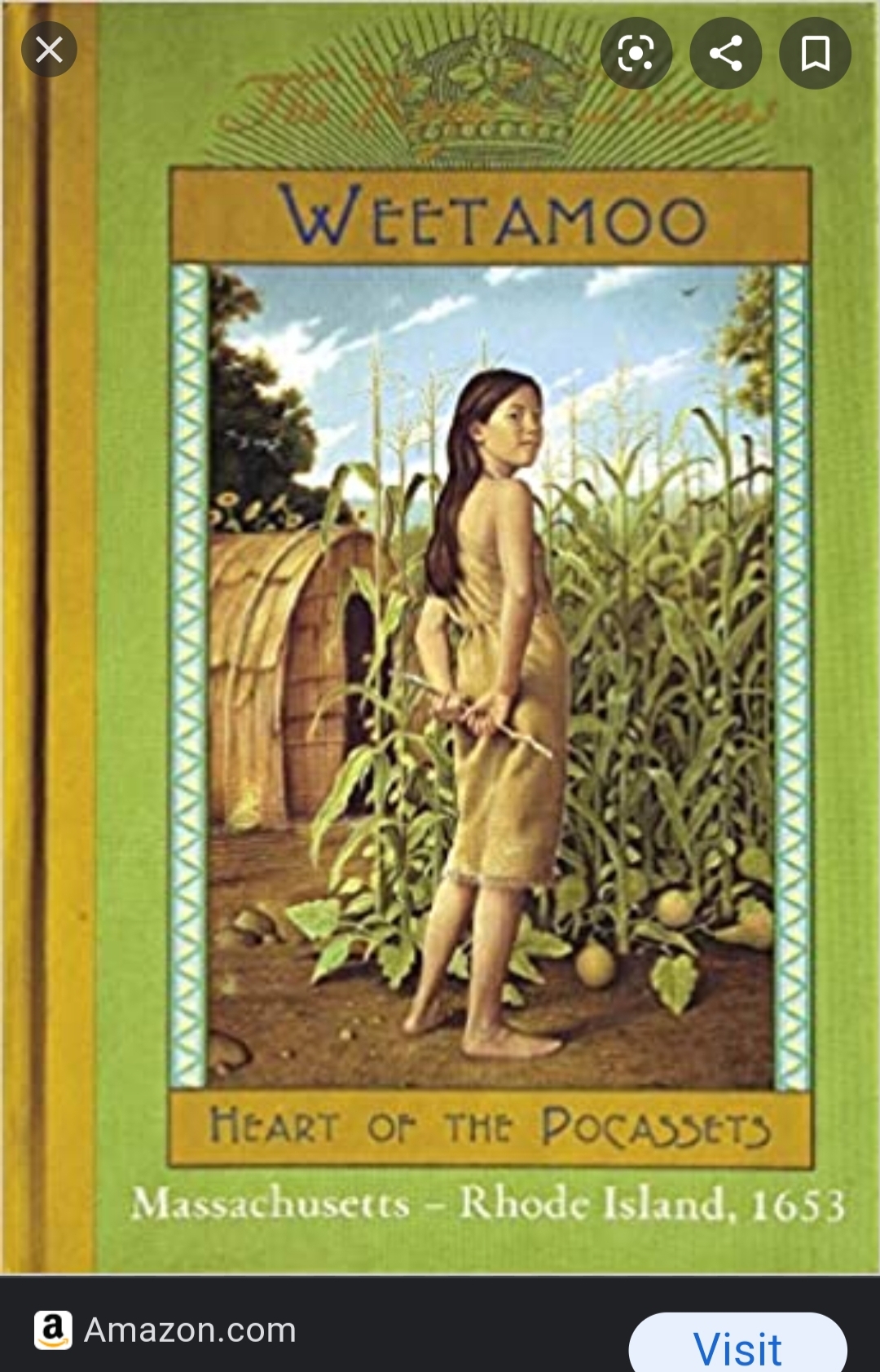
1127) Weetamoo

Courtesy of Amazon

1127: Weetamoo

Sunksqua (Female Chieftain) of the Pocasset Wampanoag Tribe

Born: c.1635-1640, Pocasset Lands (Present-day North Tiverton, Rhode Island, United States of America)

Died: 6 August 1676, (Present-day Taunton, Massachusetts, United States of America)

Weetamoo was the daughter-in-law of Massasoit, who signed a treaty with the Pilgrims at Plymouth Rock. Her biological father was the sachem of the Pocasset people. Because she was the oldest child and had no brothers, Weetamoo was raised knowing she would one day take over as her people’s sachem.

At the time of Weetamoo’s life, the Pocasset were a part of the Wampanoag Confederacy. The Wampanoag tribes had been decimated by disease and warfare with the newly arrived English settlers and other tribes. This meant Weetamoo was under intense pressure to protect her people.

Weetamoo married twice soon after becoming Sunksqua. Her first husband died relatively quickly, so she remarried to the son of Massasoit. This advantage marriage allowed Weetamoo’s position within the Confederacy to rise, and eventually after Massasoit died and Weetamoo’s husband became the leader of the Wampanoag, she became even more powerful in her own right.

By 1661, the peaceful alliance between the Wampanoag and the English at Plymouth Colony started to fracture and break down. The following year, Weetamoo’s husband was brought before the English colonists to answer why he was selling Wampanoag land to people other than the Plymouth colonists. While in captivity, Weetamoo’s husband became suddenly ill and died.

Weetamoo and her brother-in-law believed the English had poisoned Weetamoo’s husband. The relationship between the colonists and the Wampanoag began to break down more and more. By 1675, the new Sachem, Weetamoo’s brother-in-law, began to lead attacks against the colonists. This was the start of King Philip’s War (Philip being the name the English gave to the sachem of the Wampanoag people).

By that point Weetamoo had been married for the fourth time, and her newest husband decided to try and continue fighting for peace with the English. Weetamoo disagreed with his actions, so she dissolved her marriage and fully backed her sachem.* By the summer of 1675, Weetamoo held sway over all of the allied tribes within the Wampanoag Confederation.

Between 1675 and 1676, the war continued as the Wampanoag tribal members continued to try and drive out the English. During this time, Weetamoo gave birth to a child that died soon after, but this did not seem to slow her down at all. In February of 1676, Weetamoo led a raid on the English that resulted in the capture of Mary Rowlandson. Mary’s account of her time as a captive provides the only surviving first-hand account of Weetamoo as a person.

Sadly, the war was to end in tragedy for the Wampanoag people. Over 750 of them died, and the warriors who were captured were sold into slavery. Weetamoo herself died after drowning in a river while attempting to lead a charge.

The English were so afraid of Weetamoo’s power, they cut off her head and mounted it on a pike. They left her head on display in front of a settlement in order to prove she really had died. Today, no depictions of Weetamoo survive from her lifetime, but her power lives on. To her people she was a sunksqua, a bead worker, a dancer, a war chief, a storyteller, and so much more. Her name meant “Speak to Them,” and speak she did.

*In fact, Weetamoo actually married for a fifth time to the sachem of the Narragansett sachem and her brother-in-law’s ally in order to boost her own position.

Badges Earned:

Located In My Personal Library:

America's Women: 400 Years of Dolls, Drudges, Helpmates, and Heroines by Gail Collins

The Book of Awesome Women: Boundary Breakers, Freedom Fighters, Sheroes, and Female Firsts by Becca Anderson

Sources:

https://wams.nyhistory.org/early-encounters/english-colonies/weetamoo/
https://www.worldhistory.org/Weetamoo/

http://www.native-americans.org/weetamoo/

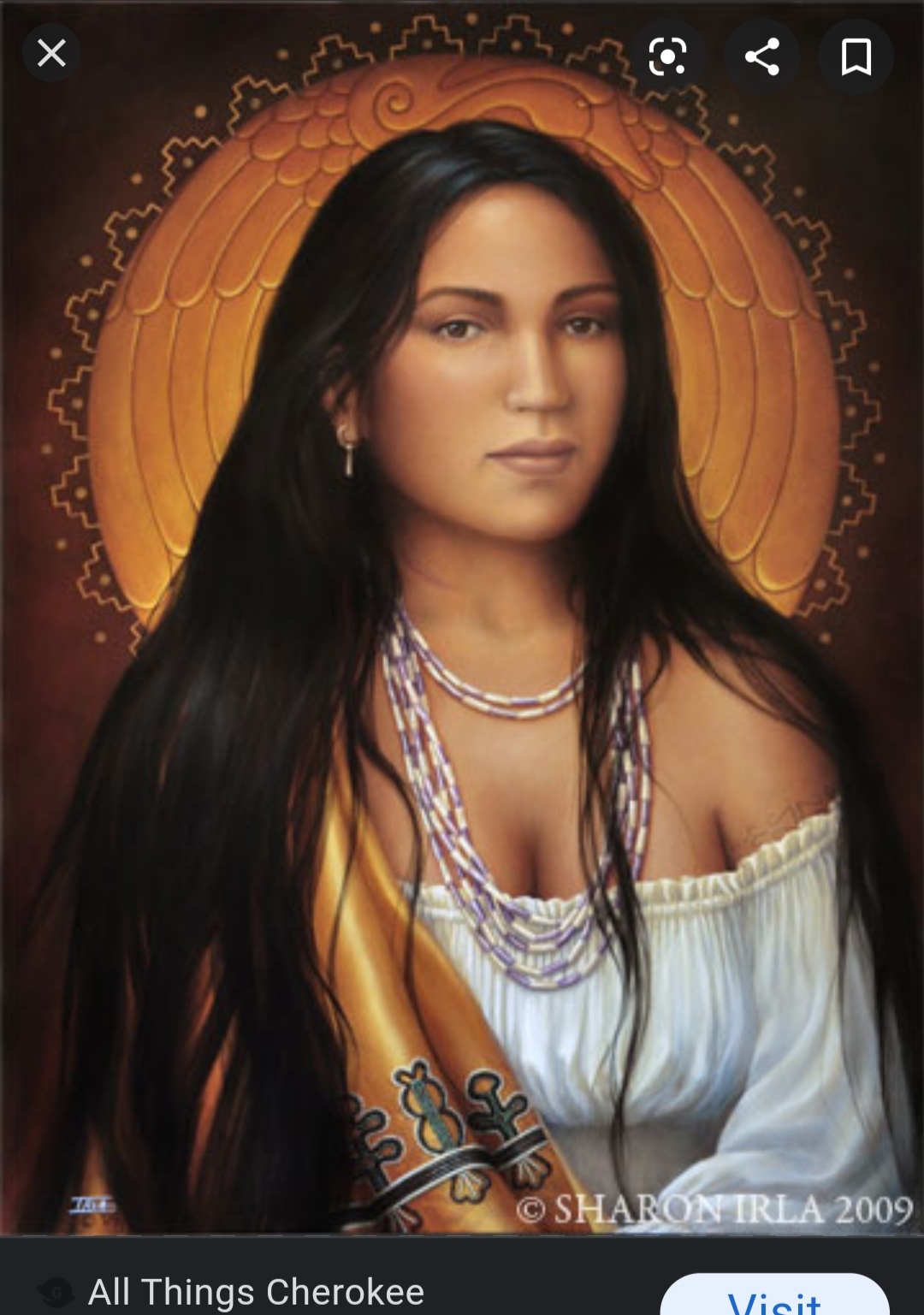
1126) Nancy Ward

Courtesy of All Things Cherokee

1126: Nancy Ward

The Last Beloved Woman of the Cherokee Nation

Born: c.1738, Chota, Cherokee Nation (Present-day Monroe County, Tennessee, United States of America)

Died: 1822, near Present-day Benton, Tennessee, United States of America

Also Known As: Nanye-hi (Translated as either One who Goes About or She who Walks Among the Spirits—sources differ)

Nancy has been hailed as the Pocahontas of Tennessee and a princess and prophetess of the Cherokee Nation.

Nancy’s maternal uncle was an important chief for his people (the Wolf Clan), and he personally believed finding a way to co-exist with the British colonizers gave his people the best chance to survive. His believes would make a lasting impression on Nancy.

By the time she was seventeen or eighteen (again, sources differ), Nancy was married with two children. Nancy fought in battle against the Creek Nation with her husband, and reportedly chewed the ends of his lead bullets to make them pointier and deadlier so…that’s nice. After her husband was killed in the fighting, Nancy took his rifle and led her people to victory, expanding Cherokee territory into northwest Georgia.

Because of her victory, Nancy was given the title of Ghigau or Beloved Woman. This meant she was able to sit in on councils with the chiefs, led the Woman’s Council of Clan Representatives, was given a vote in the general council (the only woman with this power), and was given total control of prisoners taken in raids or battles. The Cherokee also believed the Great Spirit spoke through the Beloved Woman and so she was also spiritually powerful. In a word, Nancy was a badass.

In the latter part of the 1750’s, Nancy married an English trader and took an Anglicized name to reflect her new status as the wife of an Englishman. Together, Nancy and her new husband had one daughter. After a few years, Nancy’s husband went home to his already existing English wife and family in South Carolina and evidently Nancy and her daughter would go visit them on occasion. The Cherokee did not see marriage as a lifelong institution and so this little detail wasn’t a hang up for Nancy of her people.

In 1776, after the outbreak of the American Revolution, Nancy decided she wanted to try and keep the peace with her new American neighbors even though part of the Cherokee Nation, including her cousin, wanted to drive the white settlers out. After learning of a planned raid on the white settlement, Nancy released three of her prisoners (who were white) and told them to warn their people. With sufficient time thanks to Nancy, the settlers were able to evacuate most of the women and children to safety before the Cherokee attack.

During the raid, the Cherokee managed to capture one white woman and bring her back to the Cherokee village. The warriors wanted to burn the woman alive, but Nancy managed to save her and eventually set the woman free to return to her people. This woman, along with the other prisoners Nancy had released earlier, began to spread the word of the Beloved Woman who wanted to keep the peace between her people and the settlers.

The following year, white settlers retaliated for the Cherokee attack by invading the Cherokee nation. All the Cherokee settlements were attacked, save the village where Nancy lived out of respect to her. Throughout the rest of the American Revolution battles between the Cherokee and the Americans continued. In 1781, Nancy spoke with the white leaders who were trying to negotiate a peace treaty between their people, and while these white leaders were confused by a woman having such a public role, especially a political one, Nancy made an impression. Her family was protected throughout the rest of the war.

In November 1785, Nancy and the new Cherokee chief signed a peace treaty with the newly formed United States of America. Soon after, Nancy’s daughter (that she shared with her white husband) married the Virginia Indian Commissioner.

In the years following, white settlers continually encroached on Cherokee land because the ground was perfect for growing cotton. Washington’s administration was aware of the problem but failed to act in any meaningful way to stop it. By the early 1820’s, the Cherokee had sold much of what remained of their land in order to at least turn some form of profit instead of losing everything. Nancy entered a written plea to try and stop the sales in 1819, realizing that after decades of advocating a peaceful co-existence it had all come crashing down. Nancy became an innkeeper after her homeland was sold off, and she was cared for her by her son in her final years.

Nancy is credited with introducing cattle ranching, dairy farming, spinning cloth, and slaveholding to the Cherokee society. She was instrumental in transitioning the Cherokee away from their traditional way of life and towards a more Western society, and so her legacy within the Cherokee culture and history is complicated to say the least.

The National Society Daughters of the American Revolution named a chapter in her honor, as well as building two monuments to her at her gravesite. The first was erected in 1923 and the second in 2018. Both can be viewed on her Find a Grave profile, which is linked below.

Badges Earned:

Find a Grave Marked

Located In My Personal Library:

Revolutionary Mothers by Carol Berkin

Revolutionary Women by Peter Pauper Press

Who Knew? Women in History by Sarah Herman

Women in American Indian Society by Rayna Green

Sources:

https://wams.nyhistory.org/settler-colonialism-and-revolution/the-american-revolution/nanyehi-nancy-ward/

https://tennesseeencyclopedia.net/entries/nancy-ward/

https://www.britannica.com/biography/Nancy-Ward

https://www.findagrave.com/memorial/2180/nancy-ward

1125) Mary Curzon

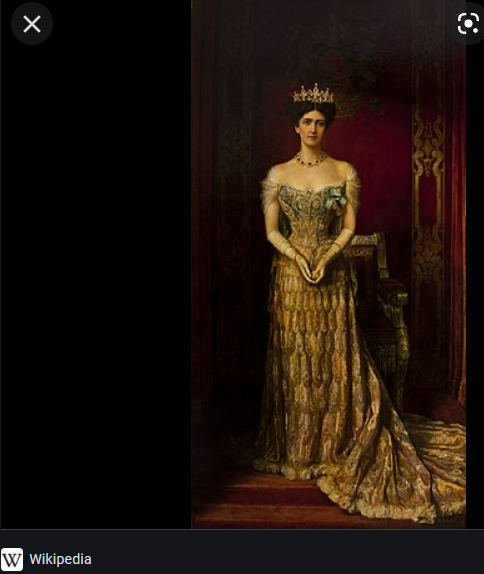
Courtesy of Wikipedia

“I will have him, because I believe he needs me. I have no shame.”

Mary writing to a friend after meeting her future husband for the first time

1125: Mary Curzon

Vicereine of India

Born: 27 May 1870, Chicago, Illinois, United States of America

Died: 18 July 1906, London, United Kingdom

Full Name: Mary Victoria Leiter Curzon, Baroness Curzon of Kedleston

Though she was born in America, thanks to her marriage into the British Aristocracy, Mary held the highest political rank of any American woman for part of her life.

Mary’s father was a part owner of Marshall Fields Company and one of the largest landowners in Washington DC in the late nineteenth century. Mary herself was friends with then-First Lady Frances Folsom Cleveland.

According to The Crown Chronicles (article linked below), “As a young girl, Mary was taught dancing, singing, music, and art, as well as French, by her governess. A professor from Columbia University was brought in taught her history, arithmetic, and chemistry, too, the harder, less ‘feminine’ subjects lacking in many girls’ educations.”

The Leiter family was very wealthy, and so when Mary married her husband, she became one of the “Million Dollar American Princesses.” Together, Mary and her husband had three daughters.

Mary’s husband was a member of parliament and, in 1898, was named Viceroy of British-Controlled India and also received the title Baron of Kedleston. Mary became Vicereine and a Baroness consequently.

Mary was her husband’s biggest supporter, despite his early failings at his post. She performed various ceremonial duties in her role as Vicereine, but her health quickly turned poor, despite the fact she was a champion of healthcare reform. Mary was an advocate for helping women achieve jobs in the healthcare industry and be able to attend medical school. There is a hospital in Bangalore named in her honor.

Mary was also an early proponent of animal welfare, and she pushed her husband to create a wildlife reserve to protect the rhinoceroses. Today, the site is a national park. Mary and her husband were not without their faults however—they did enjoy big game hunting and at least one photo of them standing alongside a tiger they killed do exist.

In August of 1905, Mary’s husband resigned his post and the family returned to England. By then, Mary’s poor health was growing worse. The pressures of working to support her husband, the tropical climate of India, and an infection she had developed after suffering a miscarriage all weakened Mary, and she passed away the following year, only thirty-six years old.

One example of Mary’s over-the-top attention to detail and ceremony is highlighted in her famous “Peacock Dress,” (shown in this article in a posthumous portrait of Mary). Worn by Mary in 1903, the dress weighs over ten pounds and is made with metal embroidery and green beetle shells that sparkle like emeralds. The dress was donated by Mary’s daughter in 1997 in order to avoid an inheritance tax. An article with more information on the dress is linked below.

For those who are fans of Downtown Abbey, some believe the character of Cora Crawley, Countess of Grantham, is based on Mary.

Badges Earned:

Find a Grave Marked

Located In My Personal Library:

The Husband Hunters: American Heiresses Who Married into the British Aristocracy by Anne De Courcy

Sources:

https://thecrownchronicles.co.uk/history/history-posts/american-heiresses-saved-british-aristocracy-mary-leiter-baroness-curzon/

https://www.britannica.com/biography/Mary-Victoria-Leiter-Curzon

https://www.encyclopedia.com/women/encyclopedias-almanacs-transcripts-and-maps/curzon-mary-leiter-1870-1906

https://www.nationaltrust.org.uk/kedleston-hall/features/lady-mary-curzons-peacock-dress

https://www.findagrave.com/memorial/11909550/mary-victoria-curzon

1124) Mary Musgrove

1124: Mary Musgrove

Helped Found the Colony of Georgia (Now the State of Georgia in the United States of America)

Born: c.1700, Coweta, Creek Nation (Present-day Georgia, United States of America)

Died: c.1763, St. Catherines Island, Colony of Georgia (Present-day St. Catherines Island, Georgia, United States of America)

Also Known As: Coosaponakeesa

Mary’s father was an English trader, and her mother was a member of the Creek Native American tribe. Because of her dual heritage, Mary was able to facilitate talks between the two peoples, as well as working as a successful trader and interpreter.

Mary spent the first years of her life living among her mother’s people in the Muscogee Creek Nation, but when she was about seven years old, Mary’s father took her and her brother to South Carolina, where Mary leaned English and changed her name from her Creek name, listed above, to the English name Mary.

In 1717, Mary married an English trader and they had three children, though all of them died soon after their births. Mary and her husband set up a trading post where they worked together. Mary took on additional work as an interpreter.

From 1733 to 1743, Mary worked as an interpreter for General James Oglethorpe, one of the founding charter members of the Georgia Colony. After two years with Oglethorpe, Mary’s husband died, buts he continued her work with the general. Around this same time, Mary was instrumental in helping found the city of Savannah in Georgia.

At the time of her husband’s death, he owned several hundred acres of land in both South Carolina and Georgia, as well as various other assets. The laws of the colonies at the time stated that a widow could only lay claim to her husband’s lands until her eldest son became old enough to inherit the lands. Because all of Mary’s children were dead, she married again in 1737, most likely because her new husband would be able to keep her lands for her.

The reason why historians believe this was why she married again? Mary’s new husband was one of her indentured servants and was a good many years younger than her. This was no love match, but it did the trick.

That is, until hubby #2 died in 1742. Once again Mary was at risk of losing everything, which now included a new trading post she had started with her second husband. Mary married for a third time, this time to a reverend. Hubby #3 ensured Mary rose through the ranks of Georgian society (something unheard of for a Native American before Mary), and together they traveled to various native communities working as mediators between the natives and the English settlers.

After a few years, the Creek nation bestowed land grants to three islands to Mary. The Georgian officials refused to allow Mary ownership of the grants, and a lengthy legal battle ensued, during which time Mary even sailed to England in order to state her case before the Board of Trade. This was after she and two hundred Creek supporters marched to Savannah in order to state her right to ownership of the islands. Eventually an agreement was settled upon. If Mary gave up her claim to two of the islands, she would be given ownership of the third as well as a tidy monetary sum.

Mary worked as a mediator between the two peoples for the rest of her life. Sadly, no paintings or likenesses of Mary survive to present-day. In 2002, she was inducted into the Georgia Women of Achievement.

Sources:

https://www.womenshistory.org/education-resources/biographies/mary-musgrove

https://georgiahistory.com/education-outreach/online-exhibits/featured-historical-figures/mary-musgrove/

https://www.georgiaencyclopedia.org/articles/history-archaeology/mary-musgrove-ca-1700-ca-1763/

https://www.brooklynmuseum.org/eascfa/dinner_party/heritage_floor/mary_musgrove

1123) Merneith

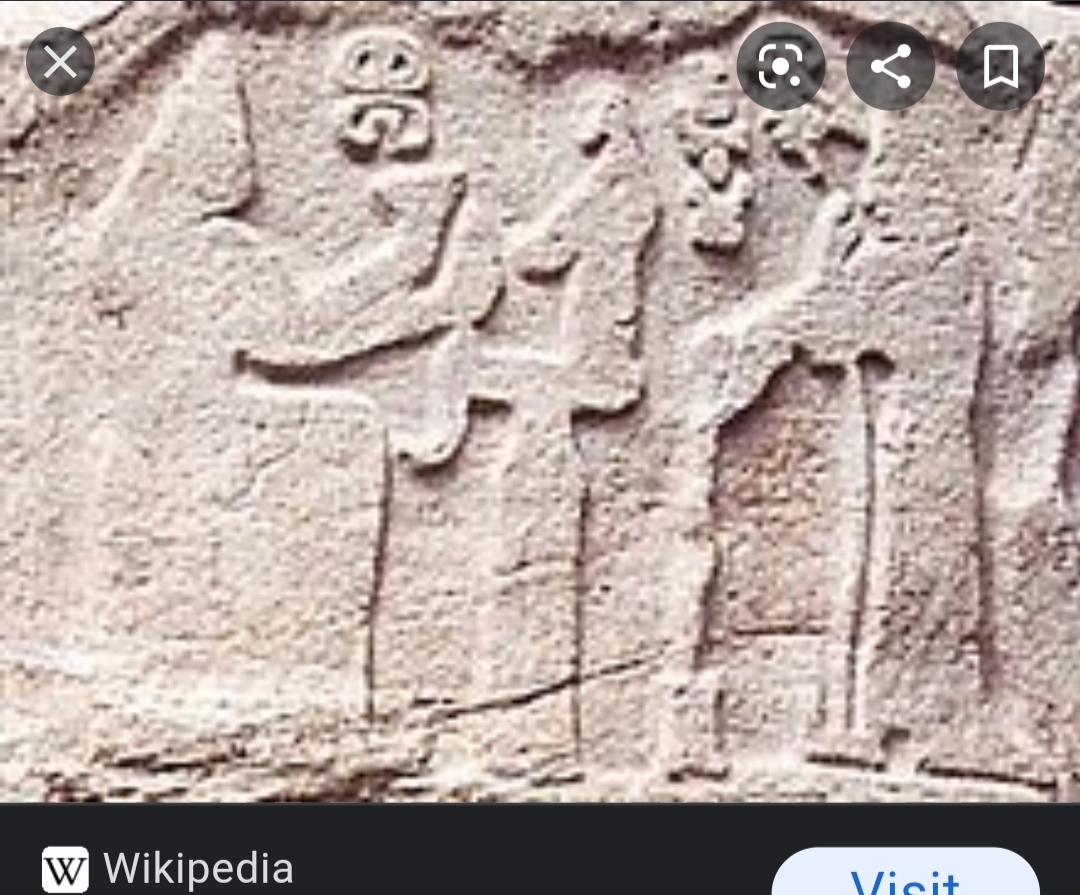
Courtesy of Wikipedia

1123: Merneith

Served as Regent for Her Son Den of the First Dynasty of Egypt

Lived: c.2925 BCE, Ancient Egypt

Merneith was the daughter of Pharaoh Djer and most likely served as a queen to her husband, the Pharaoh Djet (if they were in fact married, this fact is also in dispute). Merneith was named as “Mother of the King”, meaning her son Den, in one of her tomb inscriptions.

Her name is found on the Palermo Stone, which lists early kings of Egypt. The fact that her name appears on the stone gives credence to the idea that Merneith may have ruled in her own right, though this has never been definitively proven.

Merneith’s name means “Beloved of Neith,” Neith being one of the greatest of Egypt’s deities.

Historians have debated for many years as to whether or not Merneith ever served as Pharaoh in her own right. If she did serve as Pharaoh with no male co-regent, she could have been the first female Pharaoh and also earliest queen regnant in recorded history.

Merneith was given two tombs, one in Upper Egypt at Abydos and one in Lower Egypt at Saqqara. Her tomb in Abydos was excavated by the now-famous Egyptologist Flinders Petrie, who concluded the tomb must belong to a pharaoh because of the elaborate decorations and grave goods.

Merneith is the only woman from the first dynasty who has been found to have two tombs, which also bolsters her esteem as a highly regarded member of the royal family.

Badges Earned:

Located In My Personal Library:

National Geographic Presents "Queens of Egypt When Women Ruled the World" by Kara Cooney

Temples, Tombs & Hieroglyphs: A Popular History of Ancient Egypt by Barbara Mertz

When Women Ruled the World: Six Queens of Egypt by Kara Cooney

Sources:

https://www.livius.org/articles/person/merneith/

https://ancientegyptonline.co.uk/queenmereneith/

https://www.nationalgeographic.com/culture/article/kara-cooney-queens-of-egypt-women-rule-the-world?loggedin=true

https://www.egypttoday.com/Article/4/85114/Meet-Merneith-the-first-Queen-in-history

1122) Marie Aioe Dorion

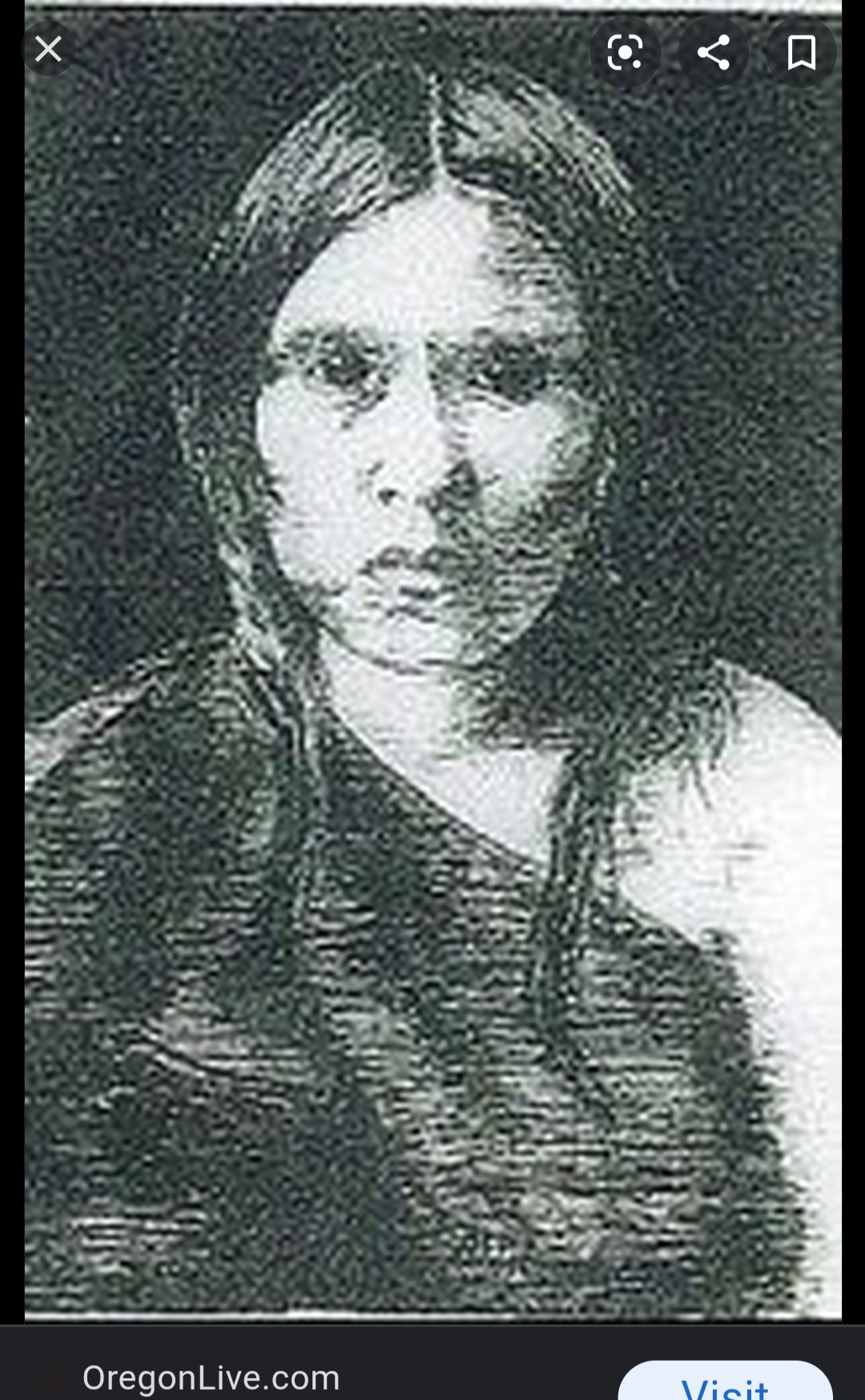
Courtesy of Oregonlive.com

1122: Marie Aioe Dorion

The Second Woman to Trek Across North America After Sacagawea

Born: c.1786, Louisiana, United States of America*

Died: 5 September 1850, St. Louis, Oregon, United States of America

Full Name: Marie Aioe Dorion Venier Toupin

Also Known As: Wihmunkewakan (“Walks Far Woman”) or The Madonna of the Oregon Trail

Marie was a member of the Ioway Tribe of Native Americans but was not given a Native name at birth, or if she was it has not survived to present-day. Its likely that Marie was baptized into the Roman Catholic Church as a child, and gave Christian names to her sons.

When she was a teenager, Marie married the son of a fur-trapper who had assisted Lewis and Clark on their more famous expedition. Some sources state Marie’s husband was a drunk and a horrible excuse for a husband, who may have beat her on several occasions. He was half Yankton-Sioux and half white (French, actually), while Marie’s own ancestry was most likely mixed as well.

She traveled with the Astoria Expedition which was financed by John Jacob Astor to establish a fur trading post at the mouth of the Columbia River. The Astoria Expedition took place only five years after Sacagawea and the Corps of Discovery explored much of the North-Western United States.

Marie was forced to walk most of the planned 3,000-mile route, and spent most of the journey starving and frozen from the cold. Oh, and she was pregnant at the time, so you know, that’s fun. She carried her younger son on a cradleboard on her back as well and had her older son to look after too. On the thirtieth or thirty-first of December, 1811, Marie gave birth alone on the trail just before the group was supposed to cross the Blue Mountains. Marie’s baby only lived six or eight days (sources differ), and was buried in an unmarked grave along the trail. The baby’s sex and name, if the child was given one, have not survived to present day. Even more devastating, Marie was not given any time to grieve and immediately had to continue the journey over the mountains with the rest of the expedition.

By February of 1812, the travelers finally reached their destination and were able to establish Fort Astoria, their new home. Of the sixty members of the expedition who had first begun the journey, forty-five made it to the end. Things were relatively peaceful for eighteen months, but that was soon to change.

In 1814, Marie’s husband was on another fur trapping expedition when word reached her that his group was in trouble. Marie learned that the Shoshone Bannocks were planning on attacking her husband’s party, so Marie tossed her two sons on a horse and trudged through the snow for three long days, fighting to reach her husband in time.

Sadly, Marie arrived too late. Her husband had already been killed, and Marie and her sons barely escaped with their lives. Marie grabbed the only survivor and began to drag him back to base camp, where she had left from three days before. When Marie returned to base camp with her sons (the wounded man had died on the journey), she found the camp ransacked and the men there massacred. All of the supplies were either stolen or burned.

Now trapped in the dead of winter in present-day Oregon and Washington, Marie and her sons traversed the snow for fifty-three treacherous days. After journeying around 250 miles, butchering her horse and catching mice to survive, Marie reached the Walla Walla people and was able to seek shelter with them. Before finding the Walla Walla people, Marie had been so desperate to save her sons she had buried them in a buffalo robe in the snow and traversed the wilderness alone. She was half-blind by the snow when the Walla Walla found her, and a group of braves immediately set out to find her boys, saving all three of their lives.

Marie remarried twice more after her rescue. With her second husband she had a daughter, though he too was killed by Native Americans. Marie had two more children (a son and daughter) with her third husband.

Marie’s final resting place is marked by a monument placed by the Champoeg Chapter of the National Society Daughters of the American Revolution.

*Wikipedia lists Marie's birth place as Louisiana, but none of the other sources list a place of birth for Marie. Because it was the only location named, I have listed it here, but also want to provide a note of caution in that I cannot prove Louisiana is actually her true birth location.

Badges Earned:

Find a Grave Marked

Sources:

https://www.nps.gov/articles/000/marie-dorion.htm

https://thatoregonlife.com/2021/09/marie-dorion-oregon-history/

https://www.oregonlive.com/history/2016/01/joseph_rose_oregons_the_revena.html

https://www.womenhistoryblog.com/2012/08/marie-dorion.html

https://www.findagrave.com/memorial/212781578/marie-dorion

1121) Maria Bartola

1121: Maria Bartola

The First Historian of Mexico

Lived: c.16th Century AD, Aztec Empire (Present-day Mexico)

Maria was the niece of Moctezuma II, Emperor of the Aztecs.

A princess of the Aztec Empire, Maria wrote an account of the Spanish invasion of the Aztec capital city, Tenochtitlan (present-day Mexico City). Though her birth name is now lost to history, Maria’s account of the invasion is known as it was the basis for later Spanish chroniclers own accounts of what happened those fateful days in the waning Aztec empire. Unfortunately, Maria’s exact writings were reportedly burned by the Spanish chroniclers after the fact.

Maria’s uncle the king died in the fighting, and though her father succeeded him as king, Maria’s father died only a few months later from smallpox. Maria’s brother became the last Aztec emperor, and succeeded to the throne just as Cortes began his march on the capital. Maria’s brother was killed by the invaders, and very few Aztecs survived the ordeal.

Very little else of Maria’s story is known today, and there are equally few sources easily available for her on the internet. Maria is considered the first historian of Mexico because her account of the fall of the Aztec Empire is the first historical account known to have been written about the land that became known as Mexico.

Sources:

https://www.brooklynmuseum.org/eascfa/dinner_party/heritage_floor/maria_bartola

https://en.wikipedia.org/wiki/Maria_Bartola

1120) Margaret Brent

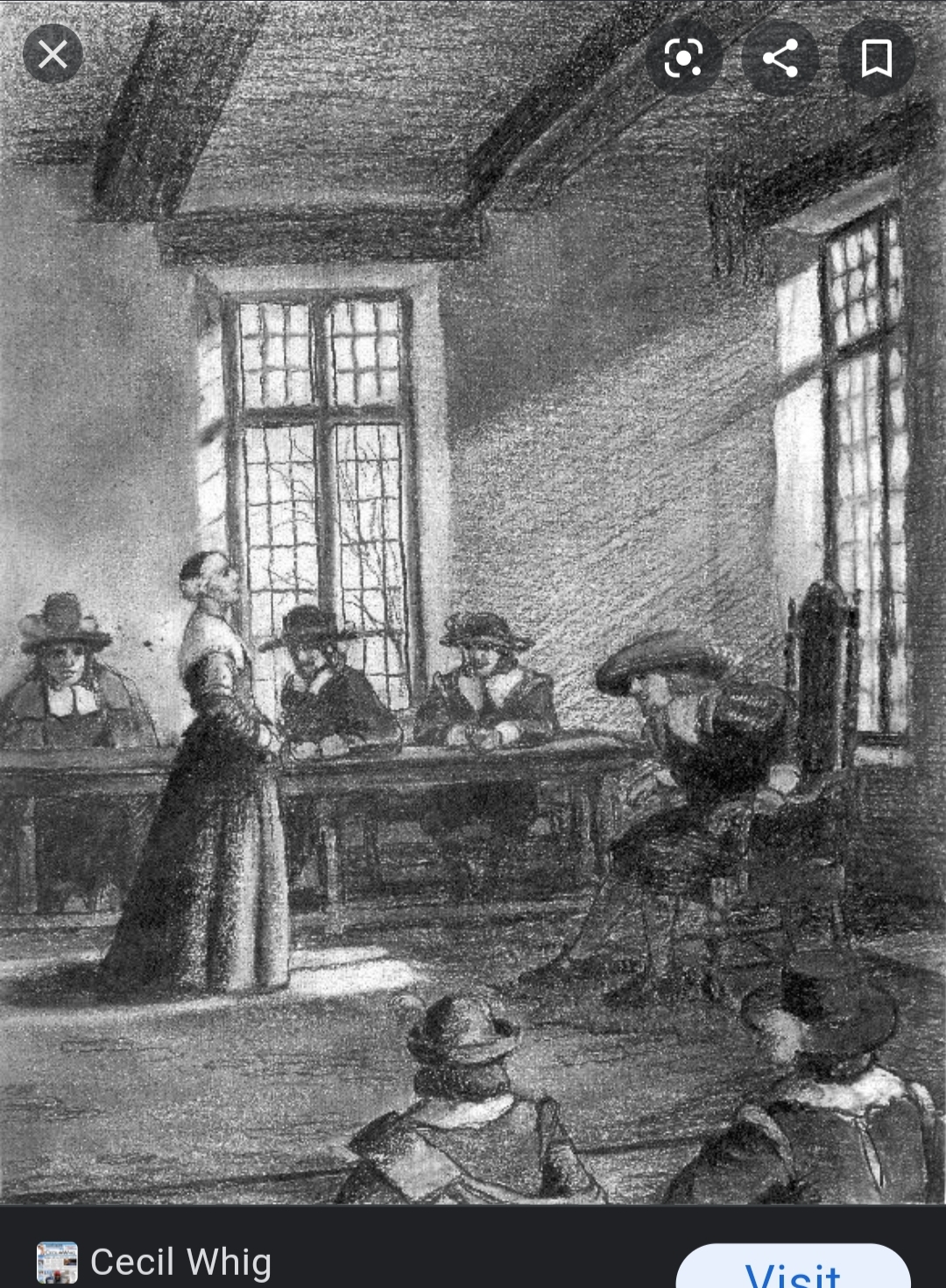
Courtesy of Cecil Whig

1120: Margaret Brent

The First Woman in the North American Colonies to Appear Before a Court of Common Law

Born: c.1601, Gloucester, England (Present-day Gloucester, England, United Kingdom)

Died: c.1671 Westmoreland County, The Colony of Virginia (Present-day Westmoreland County, Virginia, United States of America)

Margaret came to the colonies in 1638 alongside several of her siblings. She at first settled in Maryland before later moving to Virginia. Margret was the first woman in Maryland history to receive a land grant (which was just over seventy acres in size). By 1657, Margaret’s original grant had grown considerably and made her one of the largest and most prosperous landowners in the colony.

When Margaret appeared before the court, she did so to request the right to vote. As a landowner, Margaret thought it was her right to be able to exercise her democratic right, and she was the first woman in North America known to have ever fought for such a right. Margaret also requested a second vote in the Maryland assembly in order to further her duties as executor of the late governor’s will; more on that below. Margaret was denied both votes.

Margaret was no stranger to the court system. Over the years she had appeared numerous times to sue over her various business ventures, including tobacco and indentured servant trading, and she had even appeared before the court to represent her brother’s business ventures as well as around a dozen other colonists.

Margaret was also remarkable for remaining unmarried in a time when there were six men for every woman in Maryland. Margaret’s sister, who had emigrated with her, also remained unmarried.

In 1645, England was in the midst of a bloody civil war between the king and parliament—and it all related back to religion (the king was Catholic and Parliament was Protestant). The war reached the American colonies, and by the following year Protestant reformers had destroyed much of the settlement and land owned by Catholic colonists where Margaret was living. Margaret was one of the Catholic landowners directly affected by the Protestant guerrilla fighters. In 1647, the governor, who had managed to regain control of his colony, died in the midst of reconstruction efforts. The governor named Margaret executor of his will in the hopes that she would save the colony from complete collapse.

Margaret ensured the soldiers were paid to keep their loyalty to their colony. The soldiers had been on the verge of mutiny before Margaret stepped in. Unfortunately for her, in order to keep the colony going, she had to make herself an enemy of the now deceased governor’s brother. Margaret was able to achieve power of attorney over the governor’s estate, and had to sell some of his brother’s cattle to settle the debts. Because the governor’s brother held such disdain for Margaret and her family, they decided to leave Maryland altogether soon after, relocating to Virginia.

At the time of Margaret’s death, she and her siblings were estimated to have owned approximately ten thousand acres of land in Virginia.

Today, some consider Margaret the first woman in what would eventually become the United States to advocate for equal rights for women.

Badges Earned:

Find a Grave Marked

Sources:

https://msa.maryland.gov/msa/speccol/sc3500/sc3520/002100/002177/html/brochure.html

https://www.britannica.com/biography/Margaret-Brent

https://encyclopediavirginia.org/entries/brent-margaret-ca-1601-1671/

https://www.findagrave.com/memorial/5093670/margaret-brent

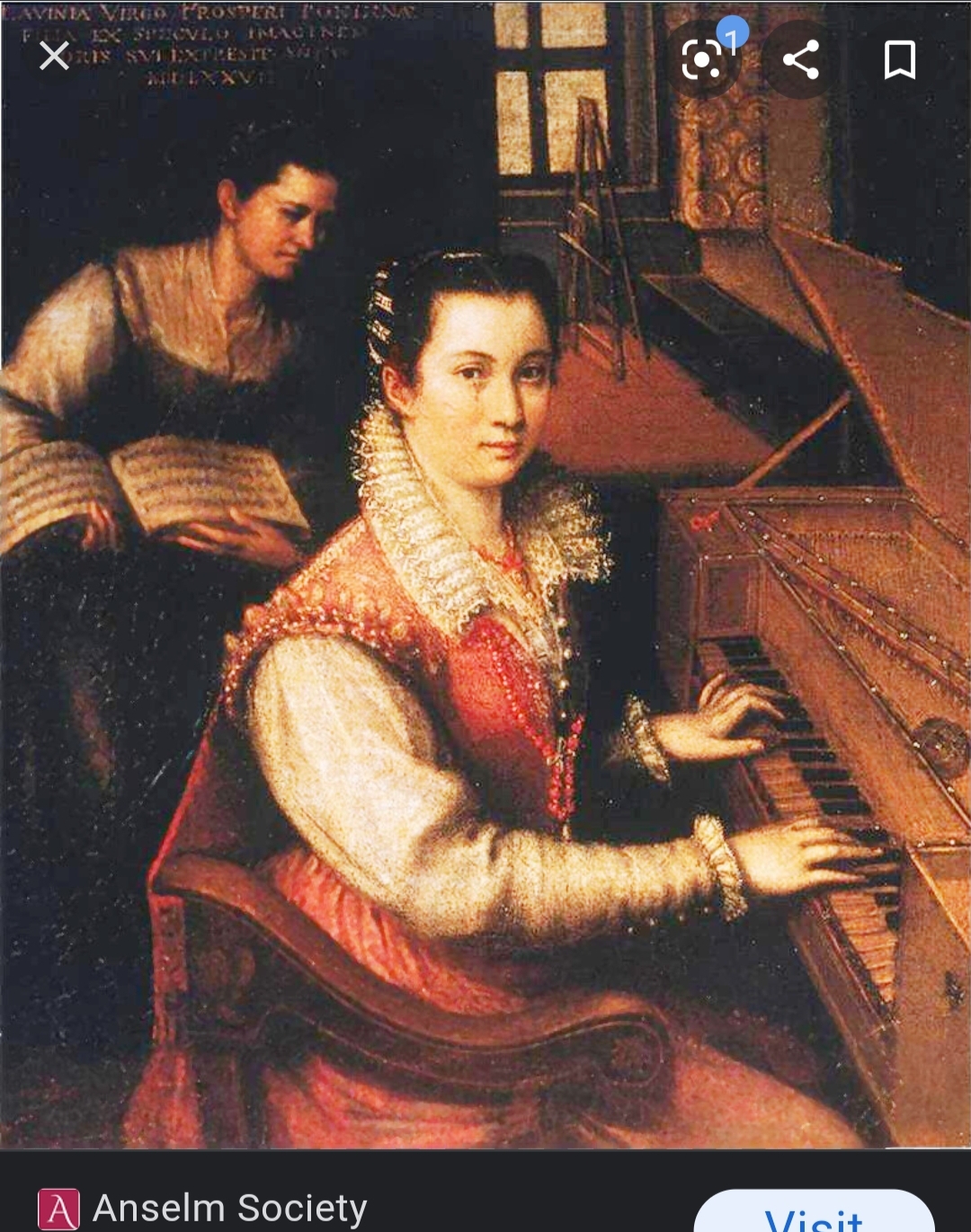
1119) Lavinia Fontana

Courtesy of Anselm Society

1119: Lavinia Fontana

One of the Earliest Professional Female Painters of All Time

Born: 24 August 1552, Bologna, Papal States (Present-day Bologna, Italy)

Died: 11 August 1614, Rome, Papal States (Present-day Rome, Italy)

Lavinia is considered the first female artist outside of a court or convent whose name is known today. She was also one of the first women to craft and execute large, public, figure paintings.

Lavinia was taught by her father in the Mannerist style and received a further education from the University of Bologna. Her works were noted for their attention to detail, down to the subject’s clothes and jewelry, as well as the vibrant colors used.

She was a painter who revolutionized portraiture, but is also remembered for her religious and mythologic works.

Lavinia married a man who acted as her assistant. They had eleven children together, though only three would outlive Lavinia.

Lavinia worked in Bologna for twenty years as the preeminent painter sought after by noblewomen. She also worked closely with the University of Bologna. After moving to Rome, Lavinia worked with the pope and other notable figures. She was even selected as a member of the Roman Academy, a rare honor for a woman in her day.

Several of her altarpieces and other religious works survive to the present day. Some of the surviving paintings are self-portraits, in which Lavinia depicts herself as a professional working woman as well as a mother of her many children, proving women could do both in a time long before that was the norm.

Badges Earned:

Find a Grave Marked

Sources:

https://nmwa.org/art/artists/lavinia-fontana/

https://www.britannica.com/biography/Lavinia-Fontana

https://scma.smith.edu/blog/lavinia-fontana-renaissance-artist

https://repainthistory.com/pages/lavinia-fontana

https://www.findagrave.com/memorial/199059764/lavinia-fontana

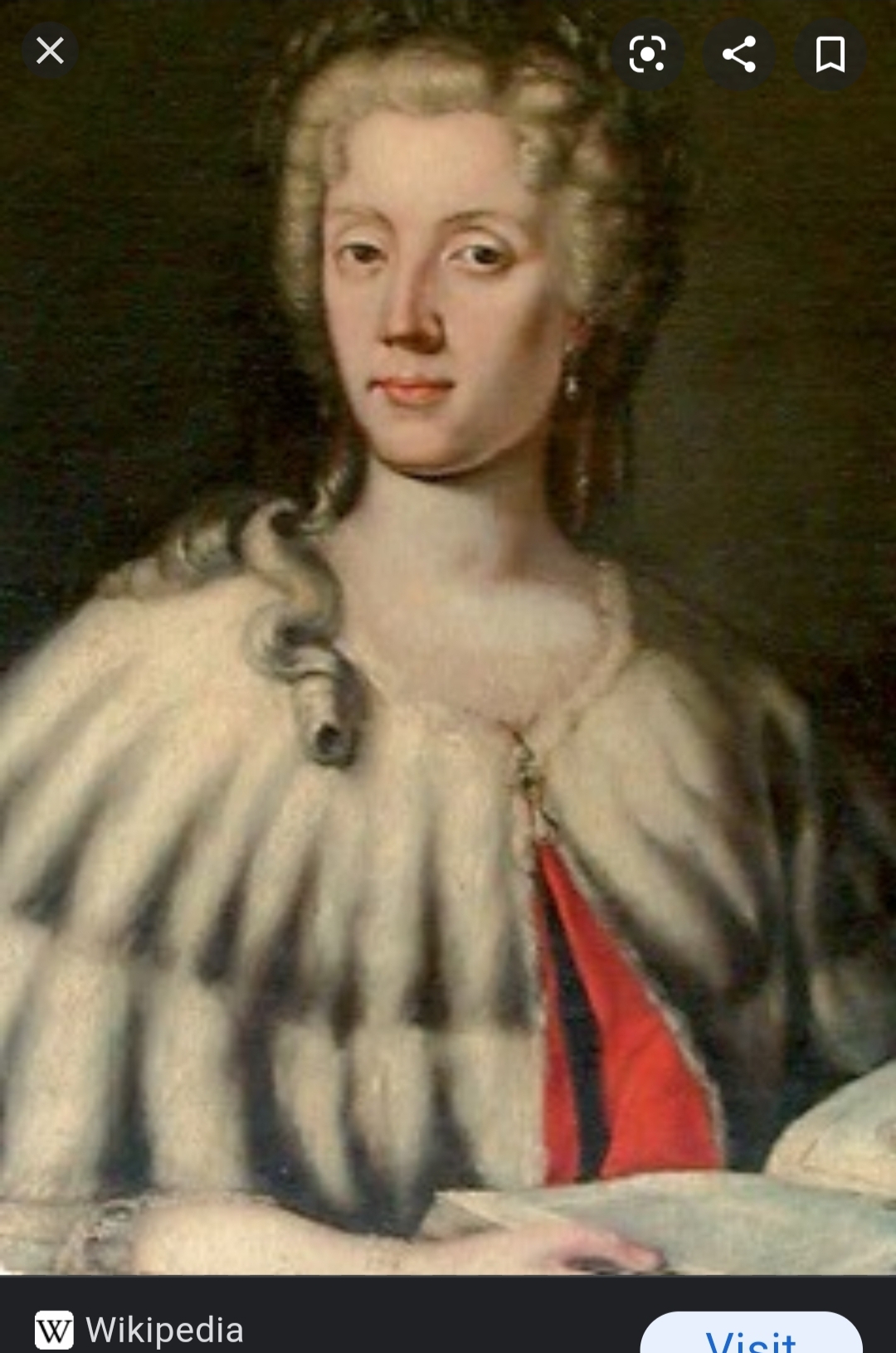
1118) Laura Bassi

Courtesy of Wikipedia

1118: Laura Bassi

The Second Woman to ever receive a Doctoral Degree from a University

Born: 29 October 1711, Bologna, Papal States (Present-day Bologna, Italy)

Died: 20 February 1778, Bologna, Papal States (Present-day Bologna, Italy)

Full Name: Laura Maria Caterina Bassi Veratti

Laura was a child prodigy who studied French and Latin. She mostly learned at home and was an only child. Laura was lucky that the family physician, who often came to look after her frequently ill mother, realized Laura was a quick study and offered to tutor her well beyond what the average girl was educated for her time period.

Laura earned her degree from the University of Bologna in May 1732. That same year, Laura became the first female member of the Bologna Academy of Sciences. Some have gone so far as to dub Laura the first woman to embarked on a fully-fledged scientific career.

Laura was also the first woman to become a physics professor at a European university (also at the University of Bologna). Despite being awarded the post, Laura was not actually allowed to lecture at the university itself because she was a woman, and so instead Laura taught from her home. Laura was an early proponent of Newtonian physics.

Laura married a fellow professor at the university. They would have eight children together, five of whom survived infancy.

In 1745, Benedict XIV became Pope and worked to reorganize the Bologna Academy of Sciences, creating a special group of twenty-five scientists known as the “Benedettini,” who were expected to give regular presentations on their research. Laura successfully lobbied the new pope to be named the twenty-fifth Benedettini, but because the idea of a woman in such a high-ranking position was so controversial for the time, Laura was not given the same voting privileges of the other twenty-four male members, nor was she allowed to attend meetings.

In 1776, Laura garnered another first. She became the first female chair of physics at a university after being appointed chair of experimental physics at the University of Bologna. Her husband was her assistant and they were studying the possible medicinal applications of electricity, though Laura never published any results from her studies.

During her life, Laura was known across Europe and around the world for her contributions to the scientific field, but she is little known today. Part of the issue stems from the fact only four of her papers were ever published in print during her life or its immediate aftermath. However, archives in Bologna today have preserved thirty-two papers Laura presented over the years as a Benedettini.

Badges Earned:

Find a Grave Marked

Sources:

https://www.britannica.com/biography/Laura-Bassi

https://physicsworld.com/a/laura-bassi-and-the-city-of-learning/

https://www.findagrave.com/memorial/210092177/laura-bassi

  • Previous
  • 1
  • …
  • 10
  • 11
  • 12
  • 13
  • 14
  • 15
  • 16
  • …
  • 159
  • Next

Categories

Archives

  • July 2025 (10)
  • July 2024 (1)
  • January 2024 (1)
  • August 2023 (1)
  • June 2023 (2)
  • October 2022 (1)
  • July 2022 (1)
  • June 2021 (3)
  • December 2020 (3)
  • August 2019 (1)
  • July 2019 (2)

Search

© 2026 The Exasperated Historian | Powered by Minimalist Blog WordPress Theme