The Exasperated Historian
Menu
  • Home
  • The Women’s List (New)
  • The Men’s List
  • The Animal List
  • Collections
  • The Blog
  • Contact Us
  • FAQ
Menu

Category: Birth Locations

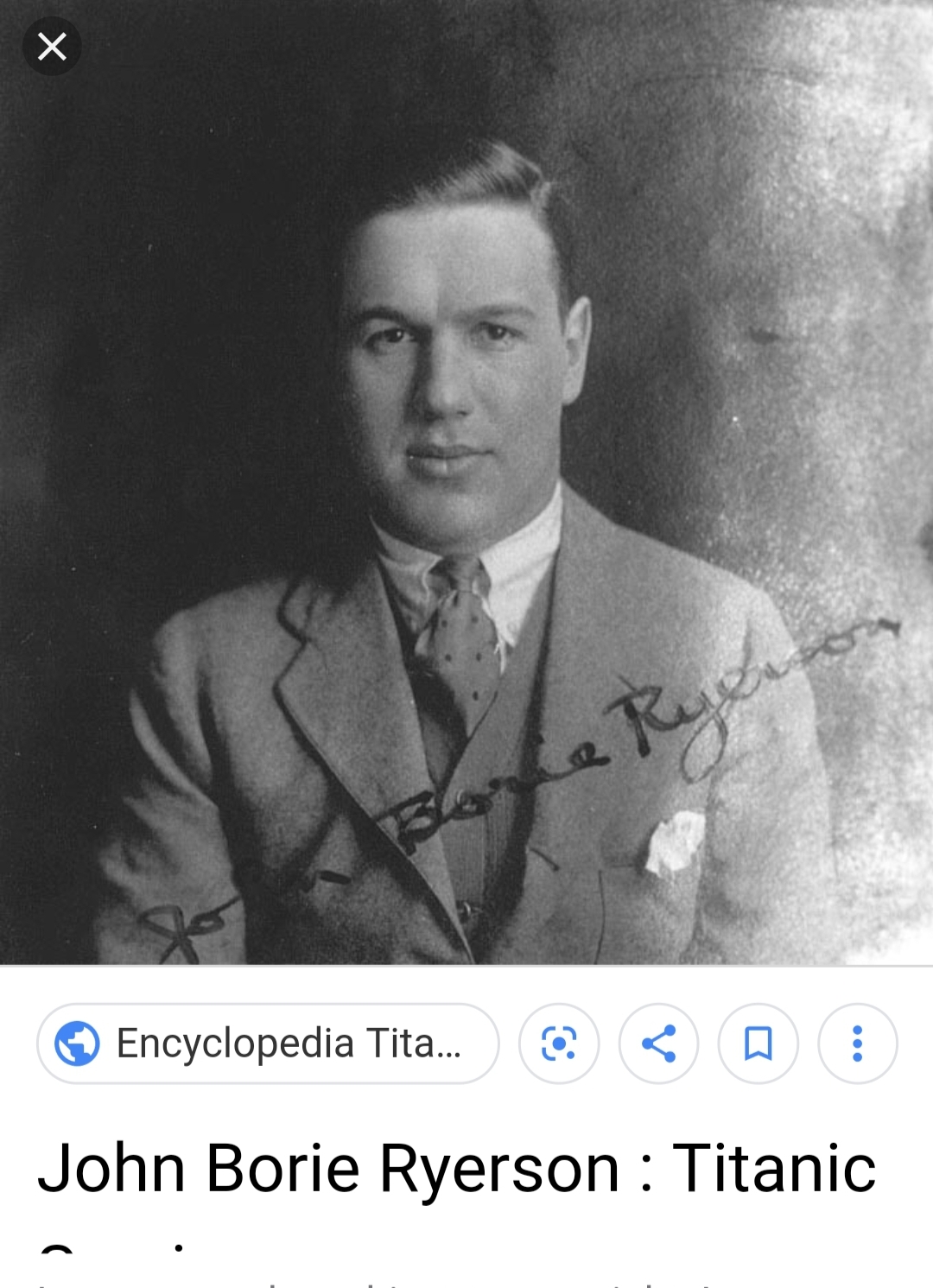
32) John Borie Ryerson

Courtesy of Encyclopedia Titanica

32) John Ryerson

RMS Titanic Survivor

Born: 16 December 1898, Illinois, United States of America

Died: 21 January 1986, West Palm Beach, Florida, United States of America

John was thirteen years old at the time of the sinking and was traveling with his parents and two sisters in the first class.

Originally, John was denied entry into Lifeboat 4 by Charles Lightoller (who would be the highest-ranking ship's officer to survive the sinking) but John's father convinced Lightoller to let him board.

After the sinking, John would help contribute to the now famous A Night to Remember by Walter Lord.

In 1953, John and one of his sisters were invited onto the set of the film Titanic.

He was later interviewed on the fiftieth anniversary of the sinking and other occasions.

John was the last surviving member of his family to pass away. He was married but had no children.

Badges Earned:

Find a Grave Marked

Located In My Personal Library:

10 True Tales: Titanic Young Survivors by Allan Zullo

Gilded Lives, Fatal Voyage: The Titanic's First-Class Passengers and Their World by Hugh Brewster

Titanic: True Stories of Her Passengers, Crew, and Legacy by Nicola Pierce

A Night to Remember by Walter Lord (Mentioned on the Passenger List)

How It Happened: Titanic, The Epic Story From the People Who Were There by Geoff Tibballs (Mentioned on the Passenger List)

Sources:

https://www.encyclopedia-titanica.org/titanic-survivor/john-borie-ryerson.html

https://www.scholastic.com/teachers/books/ten-true-tales-titanic-by-allan-zullo/

https://www.findagrave.com/memorial/8123544/john-borie-ryerson

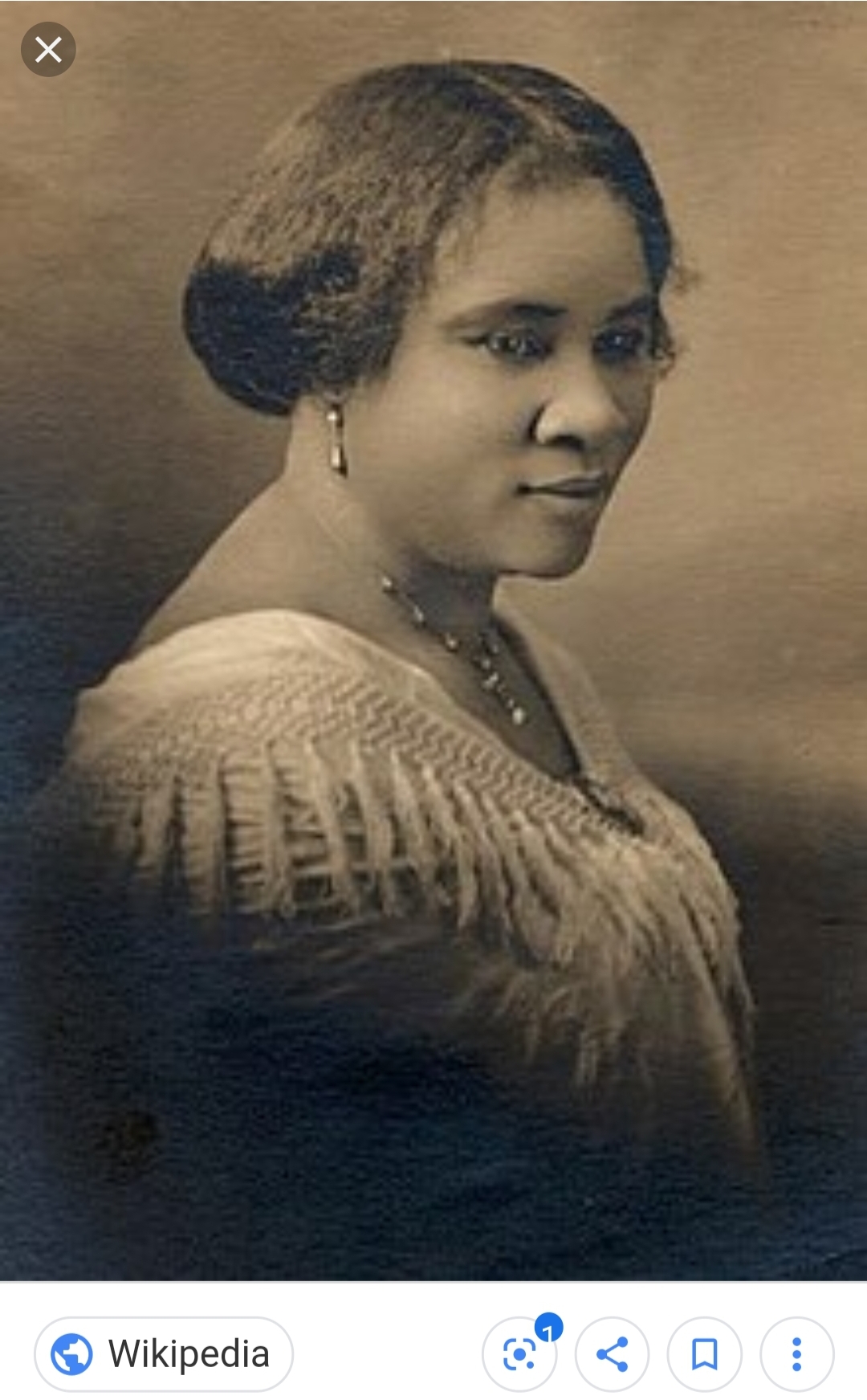
32) Madam CJ Walker

Courtesy of Wikipedia

32) Madam CJ Walker

Why Are We Not Even Considering Her to be On Our New $20 Bill?

Born: 23 December 1867, Delta, Louisiana, United States of America

Died: 25 May 1919, Irvington, New York, United States of America

Original Name: Sarah Breedlove.

Entrepreneur and businesswoman who overcame impossible odds to be the first self-made female millionaire in the United States (And should therefore be on the $20 bill and not Harriet Tubman but what do I know?!).

In 1905 she invented her own line of hair-care products aimed towards African American women. Sarah opened her own factory in 1908 and by 1910 her profits were well in the millions by today’s currency.

She is also remembered for hiring “Walker Agents” (Think African American Avon Ladies—but better). Her daughter A’Lelia also worked in the company.

Sarah became a philanthropist for several communities to better the lives of African Americans throughout the United States and was a prominent member of the Harlem Renaissance.

She was the first member of her family to be born free—the fifth child to recently freed slaves but she became an orphan at the age of seven. When she was fourteen Sarah married and gave birth to a daughter—A’Lelia—to escape her oppressive home life.

Her husband died two years later so Sarah and A’Lelia made their way to St. Louis to be near Sarah’s brothers. While there Sarah was able to send A’Lelia to school and attend night classes of her own—she also met her second husband Charles there.

Sarah died from hypertension at the age of fifty-one.

Her home would become a national historic landmark in 1976.

In 2020, Netflix announced a limited series based on Madam CJ's Walker's life. Entitled "Self Made", the show is set to premiere in March of 2020. The trailer for which is linked to the left. Sarah is played by Octavia Spencer.  I have also included a behind the scenes clip of the show, in which the actors and crew speak on the enduring legacy of Madam CJ.

Badges Earned:

Find a Grave Marked

Rejected Princess

Located In My Personal Library:

America's Women: 400 Years of Dolls, Drudges, Helpmates, and Heroines by Gail Collins

On Her Own Ground: The Life and Times of Madam CJ Walker by A'Lelia Bundles

Tough Mothers by Jason Porath

Sources:

https://www.biography.com/inventor/madam-cj-walker

https://www.findagrave.com/memorial/18239/madam_c_j_-walker

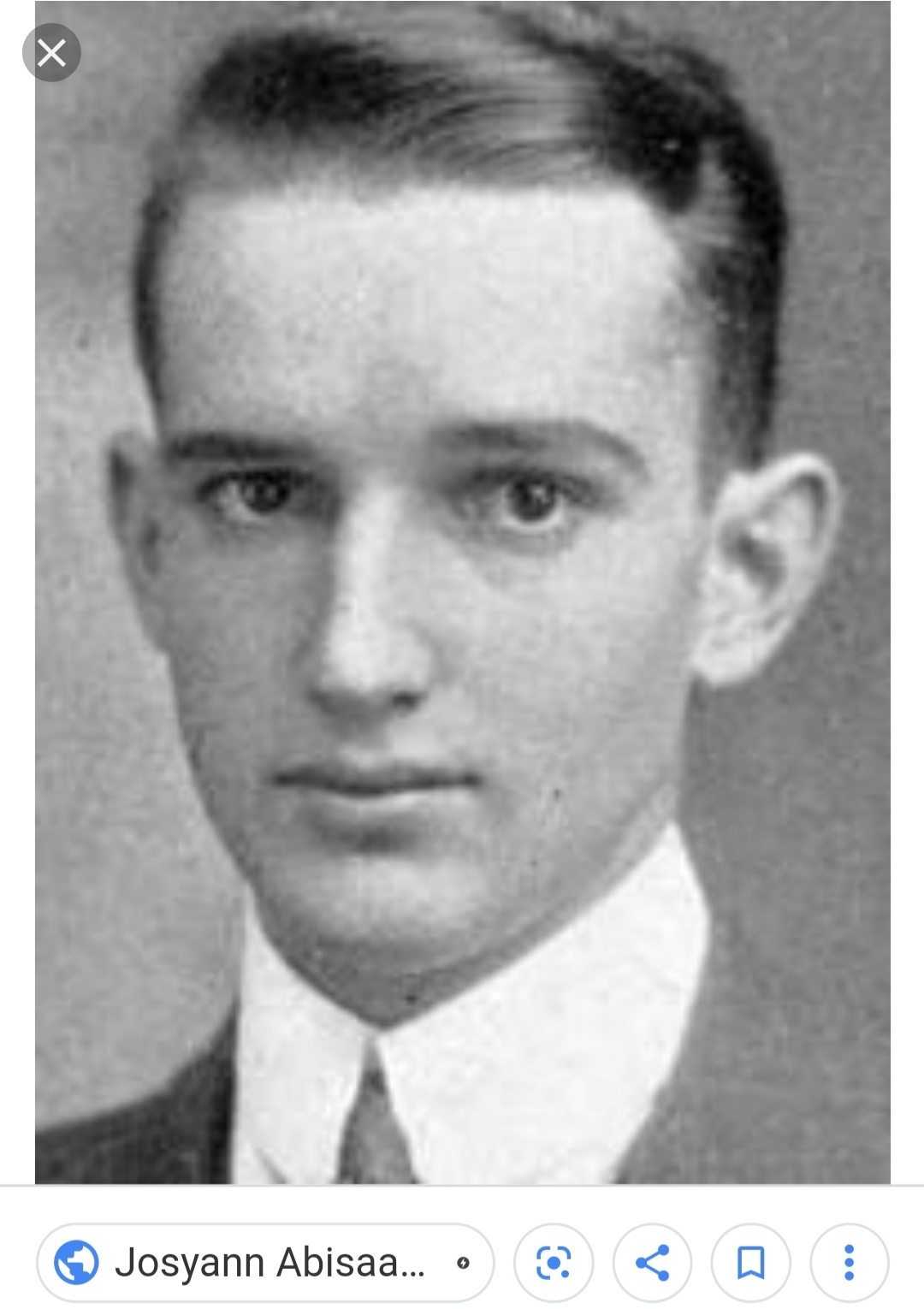
31) John B Thayer III

John

31) John B Thayer III

Not to be Confused With His Businessman Father, John B Thayer II

Born: 24 December 1894, Haverford, Pennsylvania, United States of America (Or Philadelphia, depending on the source)

Died: 20 September 1945, Pennsylvania, United States of America

John was an RMS Titanic Survivor.

Jack, as his family called him, was traveling in first class with his parents at the time of the disaster. His father was a wealthy businessman and would die in the sinking.

During the confusion of that night, Jack was separated from his parents and thought they had already escaped on a lifeboat. After speaking with some of the other men still aboard the ship, Jack made the decision to jump off the sinking ship, and he landed in the frigid Atlantic water. He eventually made his way to a crowd of other men, all of whom clung to the outside of the collapsible Lifeboat B. They were eventually rescued by boats 4 and 12.

His lifeboat arrived at the deck of Carpathia around 8:30 the next morning, where Jack was reunited with his mother and learned his father was missing.

While still aboard Carpathia, Jack described how the ship had sunk to another survivor, LD Skidmore, whose drawings based on Jack's descriptions are now iconic first-person accounts of that night.

Jack went on to graduate from the University of Pennsylvania and entered the banking sector.

He married and had two sons.

During World War II, both of his sons enlisted in the service. One of them died. It is believed that this depression is part of what drove Jack to commit suicide. His obituary related that he was found in his car, his wrists and throat slit with his own knife.

Badges Earned:

Find a Grave Marked

Located In My Personal Library:

10 True Tales: Titanic Young Survivors by Allan Zullo

Gilded Lives, Fatal Voyage: The Titanic's First-Class Passengers and Their World by Hugh Brewster

How It Happened: Titanic, The Epic Story From the People Who Were There by Geoff Tibballs (Mentioned on the Passenger List)

A Night to Remember by Walter Lord (Mentioned on the Passenger List)

The Band That Played On: The Extraordinary Story of the 8 Musicians Who Went Down With the Titanic by Steve Turner

Sources:

https://www.encyclopedia-titanica.org/titanic-survivor/john-borland-thayer-jr.html

https://www.scholastic.com/teachers/books/ten-true-tales-titanic-by-allan-zullo/

https://www.findagrave.com/memorial/7220366/john-borland-thayer

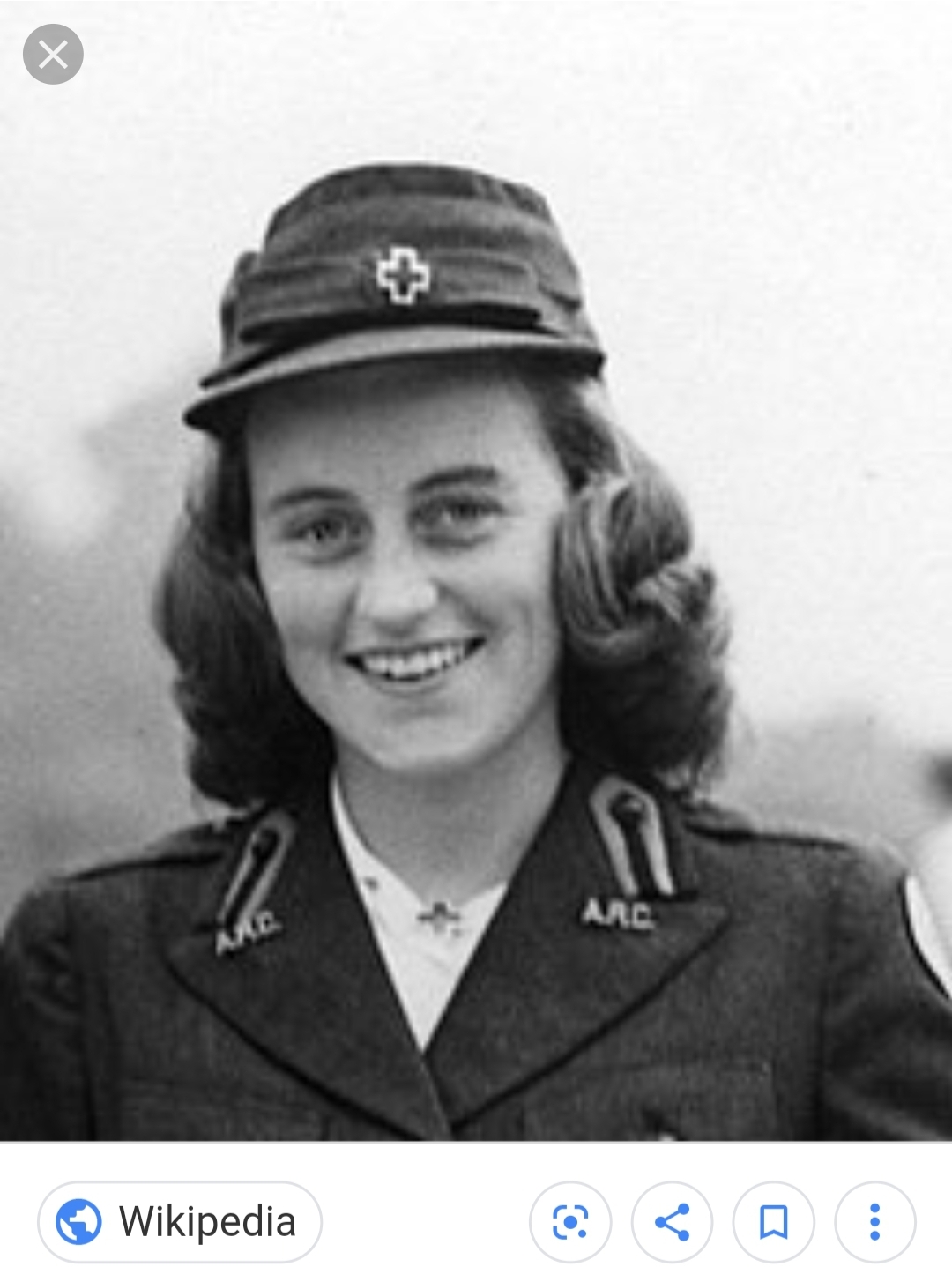
31) Kathleen (Kennedy) Cavendish

Courtesy of Wikipedia

31) Kathleen Cavendish

But You Might Better Know Her as Kick Kennedy

Born: 20 February 1920, Brookline, Massachusetts, United States of America

Died: 13 May 1948, Cévennes, France

She was called Kick by family and friends.

One of John Fitzgerald Kennedy’s Sisters; she was the Marchioness of Hartington by marriage. Of the nine children in her family she is seen as the only true rebel.

She has been featured on the Smithsonian Channel’s Million Dollar American Princesses thanks to her marriage into British Nobility.

Kick was named debutante of the year when she was eighteen after the family moved to London (her father had been made US Ambassador to the United Kingdom).

She returned to the United States the next year in 1939 despite wanting to stay in the UK with her future husband whom she’d already fallen in love with.

After four years she finally made it back to the UK as a Red Cross Volunteer. Kick and Billy married in 1944—the only member of her family to attend the ceremony was her eldest brother Joe Jr. Her family protested the union because Kick was marrying a protestant—and as devout Catholics they told her she was sending herself to Hell on a one-way ticket.

Four weeks later Billy was sent to the German front, then Joe Jr was killed in Operation Aphrodite—and a month after that (four months after the wedding) Billy was killed by a German sniper.

Kick spent some time back home mourning her loss before returning to the United Kingdom (She was the Marchioness of Hartington now after all) and she soon began an affair with a wealthy—married—Protestant.

Technically the guy was in the middle of divorcing his wife when they started up but now Kick’s already disappointed parents threatened to disown her (great people let me tell yeah). Soon after Kick and her new beau were killed in a plane crash on their way to meet her father.

Joe Sr was the only person from the family to attend her funeral, her death was kept quiet because of the “Scandalous nature” of it and to protect her brother John Fitzgerald Kennedy’s political career.

Badges Earned:

Find a Grave Marked

Located In My Personal Library:

The House of Kennedy by James Patterson and Cynthia Fagen

The Kennedy Curse by Edward Klein

Kick Kennedy: The Charmed Life and Tragic Death of the Favorite Kennedy Daughter by Barbara Leaming

Ask Not: The Kennedys and the Women They Destroyed by Maureen Callahan


Sources:

https://www.irishcentral.com/roots/history/scandalous-rebellious-tragic-life-jfks-sister-kick-kathleen-kennedy

https://www.findagrave.com/memorial/3491/kathleen-agnes-cavendish

https://us.macmillan.com/books/9780312312930

30) Walter Hunt

Courtesy of Wikipedia

30) Walter Hunt

He Invented So Much Stuff You'll Run Out of Room Before You List Them All

Born: 29 July 1796, Martinsburg, New York, United States of America

Died: 8 June 1859, Manhattan, New York, United States of America

Walter's inventions were numerous and spread across many areas of life, however he failed to ever turn a profit from any of his inventions.

He created the first working sewing machine--called the lockstitch sewing machine, the safety pin, a forerunner of the Winchester Repeating Rifle, a flax spinner, a knife sharpener, a streetcar bell, a hard coal burning stove, artificial stones, the ice plow, and street sweeping machinery among others.

Walter would earn a degree in masonry before marrying and having four children.

In 1826, he patented his first invention--a better flax spinner to help improve his areas local economy. At first he attempted to raise the capital needed to manufacture his flax spinners, but instead he sold the patent outright. This same thought process would continue throughout his life.

Walter created the streetcar bell after witnessing a carriage run over a little girl in New York City.

He moved his family to New York City and became a real estate investor, using the income from that to support his family and his habit of continuing to invent things as the need arose in front of him, including his knife sharpener which he patented in 1829 (the idea for this one came up after realizing city living made grindstones impractical).

Today his most famous invention is the sewing machine--which he invented in 1833. However, at the time people were afraid to put seamstresses out of business, and his machine was never patented. This would come to haunt him later on, after a successful machine was patented in the 1850's. Though Hunt tried to fight it, the patent office denied the claim to invalidate the new patent because Hunt had failed to attempt to patent his own earlier on. He was given public credit though.

He continued to invent and patent, and some of his patents were even issued to his family after he died.

Badges Earned:

Find a Grave Marked

Sources:

https://biography.yourdictionary.com/walter-hunt

https://www.findagrave.com/memorial/1422/walter-hunt

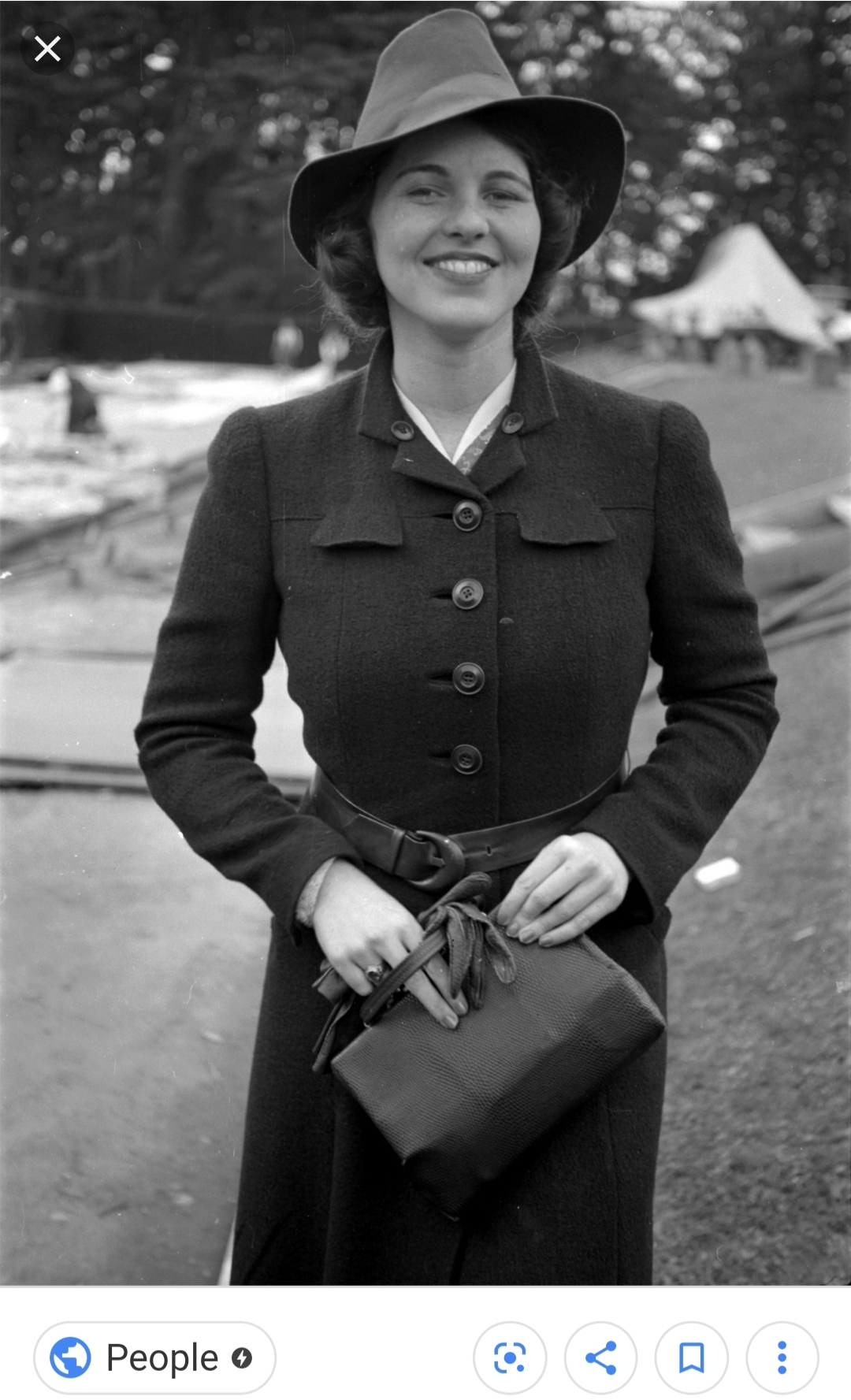
30) Rose Marie “Rosemary” Kennedy

Courtesy of People

30) Rosemary Kennedy

She is Forgotten No Longer

Born: 13 September 1918, Brookline, Massachusetts, United States of America

Died: 7 January 2005, Fort Atkinson, Wisconsin, United States of America

Rosemary was President John Fitzgerald Kennedy’s older sister.

She is hardly remembered in comparison to her more well-known siblings, but her story is the saddest.

Rosemary’s life was doomed from the beginning—the obstetrician was late arriving to help her mother deliver her, so the nurse botched the delivery and most likely deprived baby Rosemary of oxygen.

By kindergarten she’d already been slapped with the “Retarded” label because she wasn’t progressing at the same level “normal” children did. She would never mentally grow beyond the age of third or fourth grade and was actually shipped off to a boarding school specifically for misfits.

Rosemary was presented to society in London alongside her mother and sister Kick but as she aged her parents found her potential sexuality dangerous for herself and her family and so in 1941 a lobotomy was performed on her that rendered her mute save for a few words and unable to walk without assistance.

After the surgery her parents lied and told everyone Rosemary was teaching mentally handicapped children in the Midwest—the truth was they’d dumped her at a nursing home in Wisconsin. After several years of being alone Rosemary’s mother finally went to visit her and Rosemary was deeply distressed over being abandoned for so long. When her siblings learned the truth they all visited her often and even brought her to Boston on occasion, Eunice even created the Special Olympics to honor Rosemary.

If you would like to learn more, I highly recommend reading the biography I will link below.

Badges Earned:

Find a Grave Marked

Located In My Personal Library:

Rosemary, the Hidden Kennedy Daughter by Kate Clifford Lawson

Eunice: The Kennedy Who Changed the World by Eileen McNamara

The House of Kennedy by James Patterson and Cynthia Fagen

The Kennedy Curse by Edward Klein

Bad Days in History by Michael Farquhar

Ask Not: The Kennedys and the Women They Destroyed by Maureen Callahan

Sources:

https://www.irishcentral.com/opinion/niallodowd/rosemary-kennedy-jfk-sister

http://www.katecliffordlarson.com/rosemary-kennedy.html

https://www.findagrave.com/memorial/10289271/rose-marie-kennedy

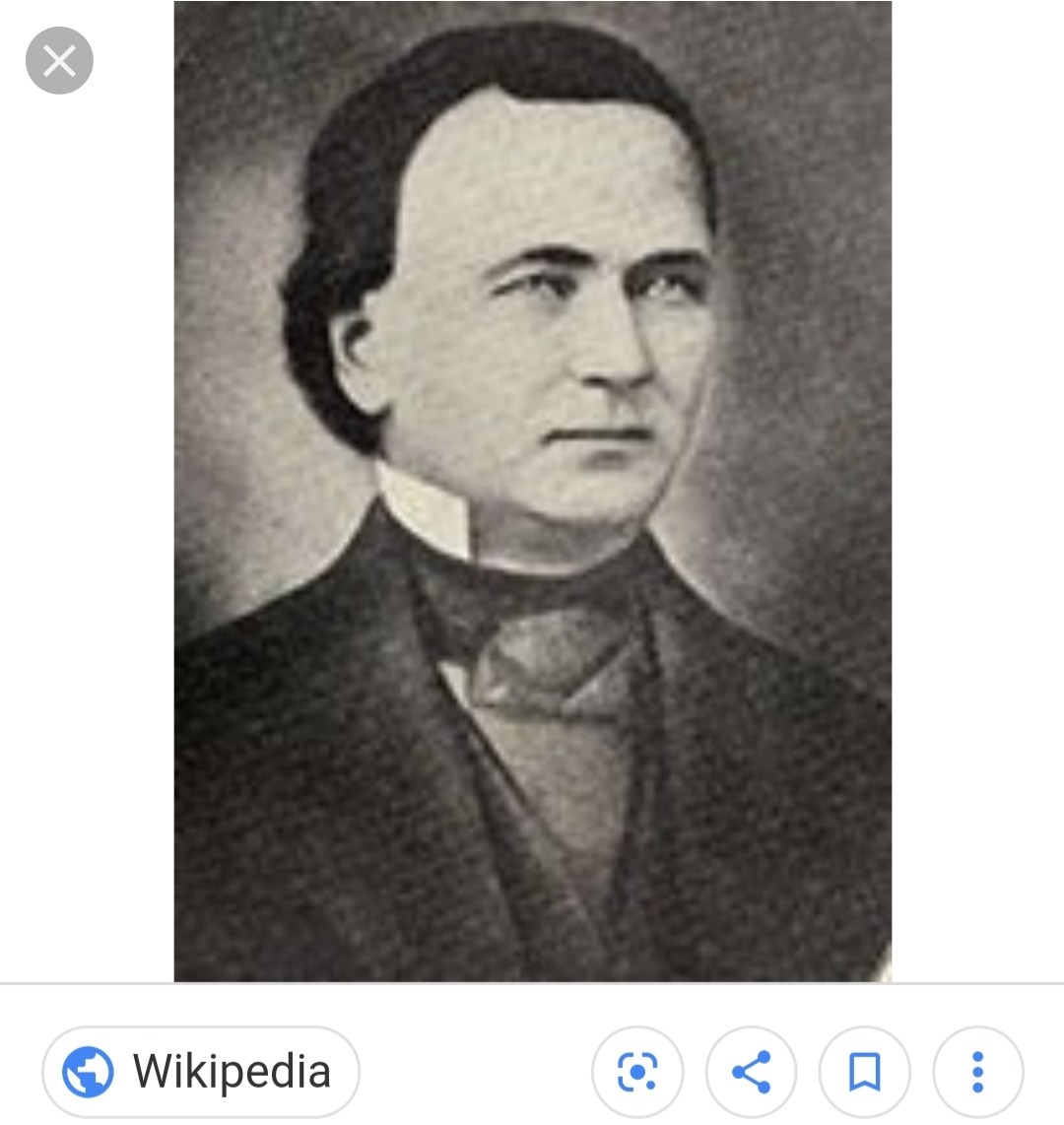
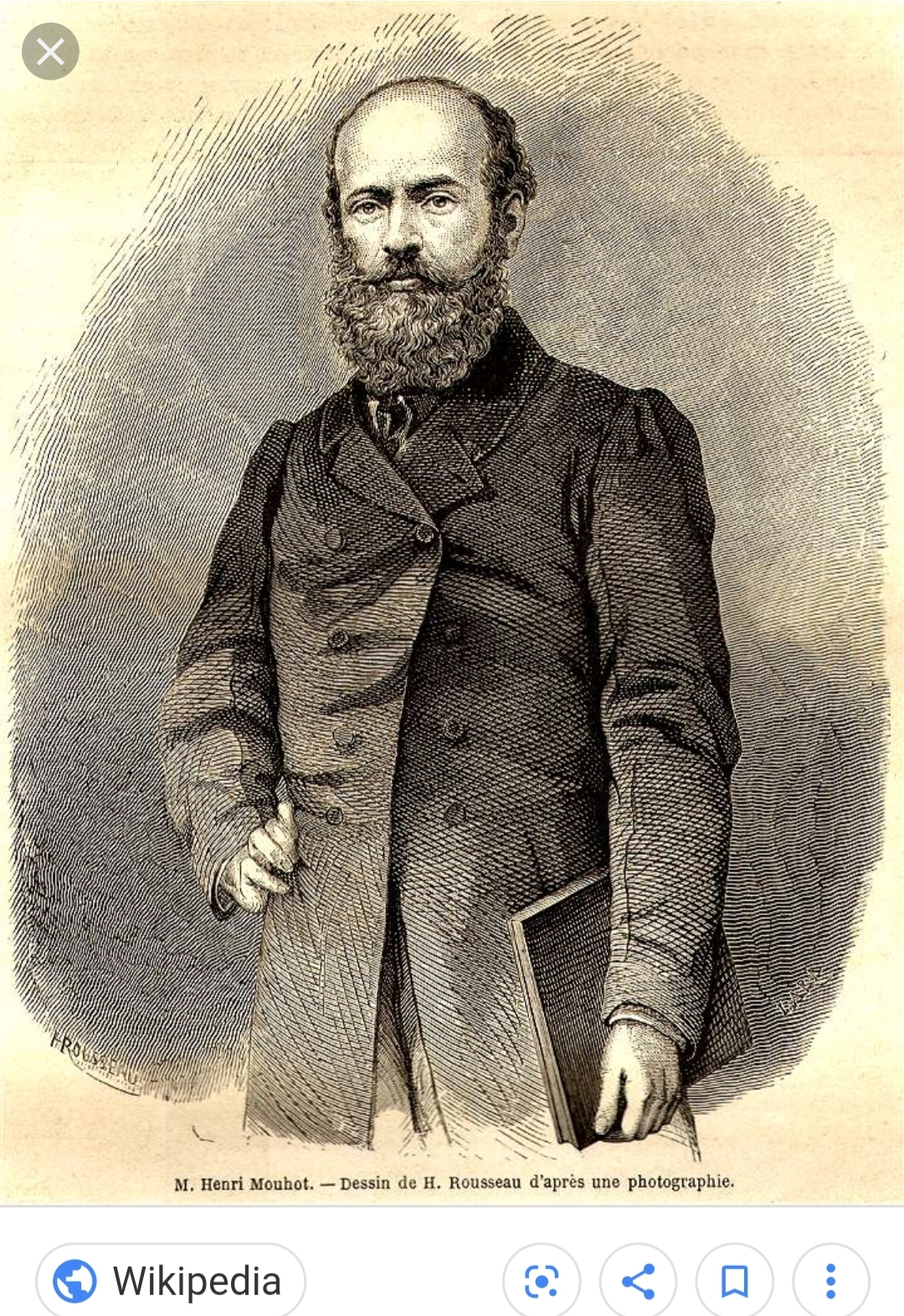
29) Henri Mouhot

Courtesy of Wikipedia

29) Henri Mouhot

He has been called the Discoverer, but Re-Discoverer is the More Accurate Term

Born: 15 May 1826, Montbeliard, France

Died: 10 November 1861, Present-day Luang Prabang, Laos

Henri is credited with discovering Angkor Wat, but wouldn't the more accurate term be he re-discovered it? How does one discover what was already known to mankind? This is your philosophical question of the day.

Moving On.

Henri was an explorer and a naturalist who was the first European to visit the ancient capital of the Khmer people in modern day Cambodia--Angkor Wat.

Before making his most famous claim to fame, Henri studied photography and zoology across Europe.

In 1858, he received support from the Royal Geographical Society and the Zoological Society of London to undertake a zoological expedition to Indochina. It was on this expedition, sometime in either 1859 or 1860, that Mouhot stumbled upon Angkor. Because of him, European scholars were able to come to the area and retrieve Angkor from the jungle threatening to overtake it.

In 1861, after being received by several high-ranking people from across the Indian Subcontinent, Henri fell ill with Jungle Fever. He succumbed to the disease only a few weeks later and was buried in Laos.

In 1867, the French built an elaborate tomb over his burial site.

Badges Earned:

Find a Grave Marked

Located In My Personal Library:

National Geographic History Magazine Article "Visions of Angkor" by Veronica Walker (March/April 2022 Edition)

Sources:

https://www.britannica.com/biography/Henri-Mouhot

https://www.findagrave.com/memorial/19920258/henri-mouhot

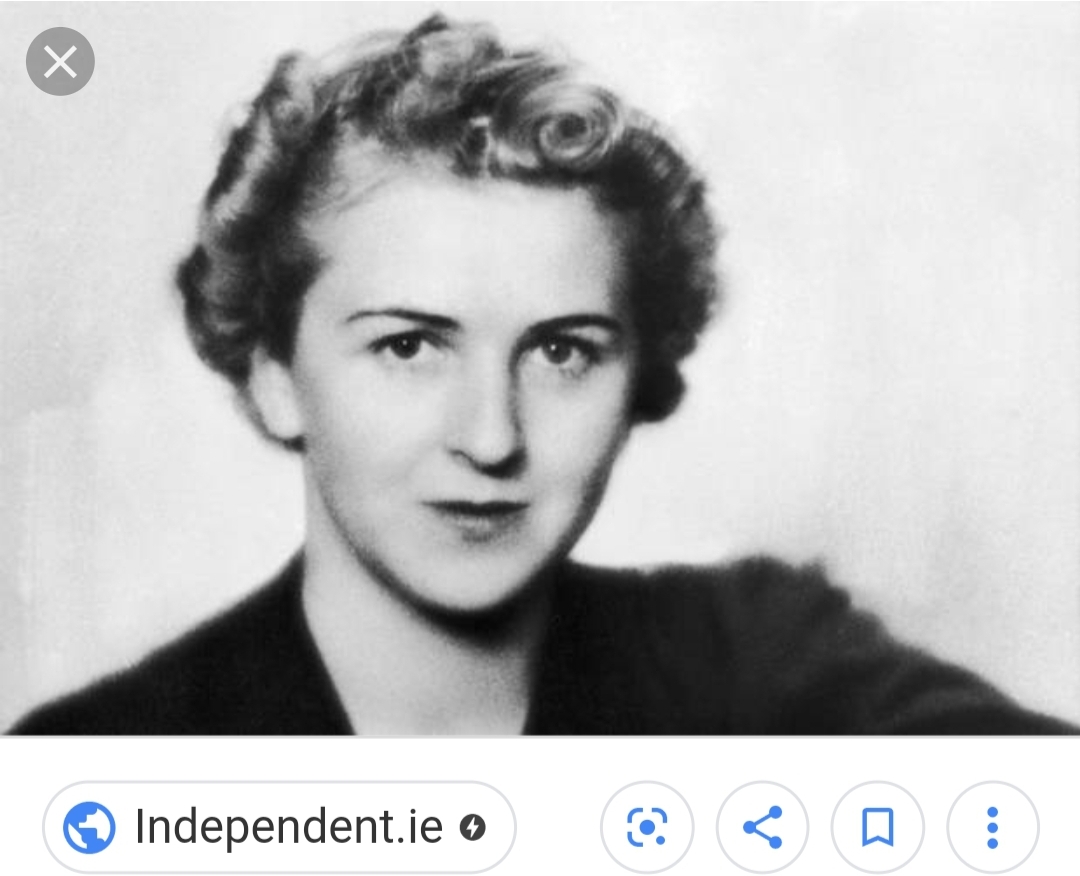
29) Eva Braun

Courtesy of the Independent

29) Eva Braun

Possibly the Most Misunderstood Woman in the History of the Third Reich

Born: 6 February 1912, Munich, German Empire (Present-day Munich, Germany)

Died: 30 April 1945, Berlin, Nazi Germany (Present-day Berlin, Germany)

Eva was Hitler’s wife for less than 40 hours after being abused by him for more than a decade.

They say Stockholm Syndrome isn’t a real diagnosis anymore but if anyone had it she did.

Eva was a photographer and filmographer who was very troubled throughout her entire life even before Adolf entered the picture.

She was 17 and he 40 when they met. Her father was completely anti-Nazi but relented for her happiness. The abuse was so bad that Eva suffered from eating disorders and most likely body dysmorphia. Hitler never allowed her to be seen in public--not even when the former King Edward VIII and Wallis Simpson visited their home before the outbreak of the war.

Over the years they were together, Eva routinely tried to commit suicide, but rather than treat her as someone who needed help, Hitler seemed more annoyed at her trying to get his attention. Her life was tragic to say the least.

Eva left behind a diary in an older Dialect of German than is written today, the diary is located in the National Archives in Maryland.

I cannot recommend enough reading the biography of her I will link below. It will break your heart but also open your eyes to how history has portrayed Eva.

Important Note:

I have included Eva in the First Ladies collection because of her relationship and eventual marriage to the leader of Germany, even if that marriage only lasted forty hours, however Eva was never referred to as nor seen as the first lady of Germany or the Third Reich. That position was filled by another prominent Nazi wife.

Badges Earned:

Find a Grave Marked

Located In My Personal Library:

The Lost Life of Eva Braun by Angela Lambert

Nazi Wives: The Women at the Top of Hitler's Germany by James Wyllie

Inferno: The World at War 1939-1945 by Max Hastings (She is briefly mentioned)

Sources:

https://us.macmillan.com/books/9780312378653

https://www.britannica.com/biography/Eva-Braun

https://www.findagrave.com/memorial/4709/eva-braun

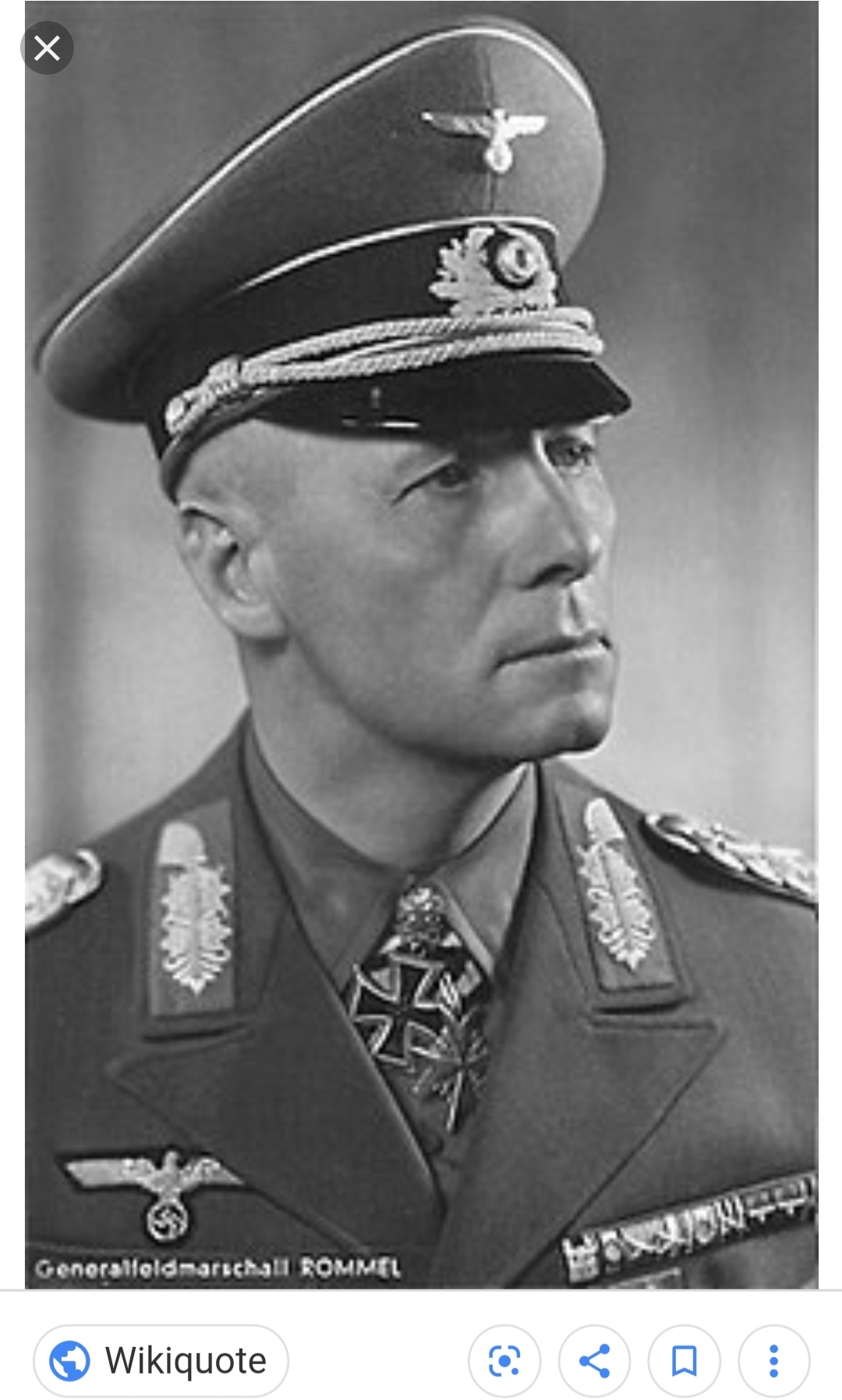
28) Field Marshal Erwin Rommel

Courtesy of Wikiquote

28) Field Marshal Erwin Rommel

Remember how I said not all Nazis were Horrible People?

Born: 15 November 1891, Heidenheim, Imperial Germany (Present-day Heidenheim, Germany)

Died: 14 October 1944, Herrlingen, Blaustein, Nazi Controlled Germany (Present-day Herrlingen, Germany)

He has been given the nickname the Desert Fox for his prowess on the battlefield in North Africa during World War II.

During the war he was incredibly popular at home in Germany and also respected by the military elite serving the Allied Forces.

Though his family had been civilians, Erwin joined the German officer cadet program in 1910, just in time for him to serve as a lieutenant in World War I. His service would take him to Romania, Italy, and France.

In 1937, he would publish a textbook which translated title is Infantry Attacks and a year later he was put in charge of the officers' school in Vienna.

Erwin would continue to climb the ranks through the military, at one point serving as the officer in charge of the troops guarding the Fuhrer's headquarters to then being placed in charge of the 7th Panzer Division where he would begin to make his international claim to fame.

In 1941, Erwin was placed in charge of the German troops headed to Libya to try and shore up what was left of the Italian Army there. This is where he would earn his Desert Fox nickname. Hitler and the other Nazi elite were so pleased by his progress there he was promoted to Field Marshal.

However, success did not last long, and he was defeated in Egypt in 1942 after his troops were overdrawn and left with inadequate supplies. He was ordered back to Germany the following year.

Throughout 1944, Erwin became more and more disenfranchised with Nazi Hierarchy and his belief in the Fuhrer. Unfortunately for him, he did not reject his friends who wanted to depose Hitler. They even told Erwin that he would be placed in charge once the Fuhrer was gone. However, they neglected to mention to Erwin that they would rid themselves of Hitler by assassinating him. They did this on purpose. Erwin had long let everyone know he did not believe in murder for political gain and had refused orders to execute anyone that he'd been ordered to.

During the Invasion of Normandy, Erwin tried again and again to get Hitler to admit defeat, but his urging fell on deaf ears. In July of that year, his car was bombed by British fighter pilots and he was hospitalized with major head injuries. However, by August he was released from the hospital and able to return home.

It was during this time that Erwin's communications with the men who'd tried (and failed) to assassinate the Fuhrer in July came to light. Hitler, knowing the damage it would do to him if Erwin was put on trial, sent two German officers to the Rommel home.

Erwin was reassured that if he took his own life, his name and rank would stay within the army and his treason would basically be covered up.

Erwin committed suicide later that day with the poison brought to him.

Just as promised, he was buried with full military honors.

Badges Earned:

Find a Grave Marked

Located In My Personal Library:

Inferno: The World at War 1939-1945 by Max Hastings

Killing the Mob: The Fight Against Organized Crime in America by Bill O'Reilly and Martin Dugard

The Atlas of World War II by John Pimlott

Sources:

https://www.britannica.com/biography/Erwin-Rommel

https://www.findagrave.com/memorial/2228/erwin-rommel

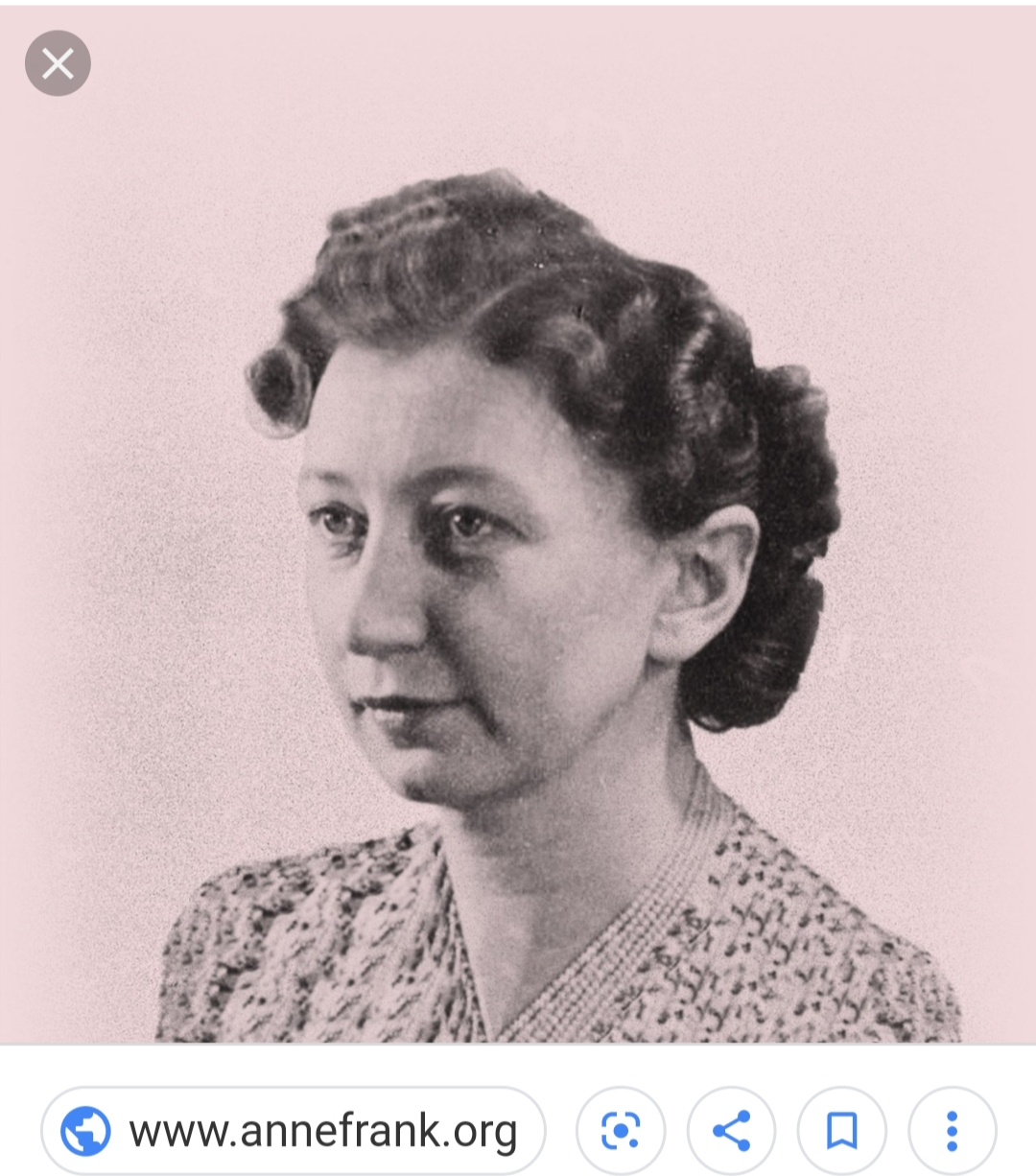
28) Miep Gies

Courtesy of Annefrank.org

28) Miep Gies

Without Her, We Likely Would Have Never Read the Words Written Down in the World's Most Famous Diary.

Born: 15 February 1909, Vienna, Austro-Hungarian Empire (Present-day Vienna, Austria)

Died: 11 January 2010, Hoorn, Netherlands

Original Name: Hermine Gies

Miep was one of the few who helped the Frank Family and the others hidden away in the Secret Annex during World War II.

After their arrest Miep saved Anne’s diary and preserved it till the end of the war when she gave it back to Otto (Anne's Father and the only survivor of the Frank Family).

Miep was born to an impoverished Catholic Family who sent her to the Netherlands when she was eleven after World War I for a better life. She fell in love with her foster family and decided to stay in the Netherlands rather than returning home to Austria.

At the age of eighteen she started working as a typist in an embroidery shop. After being fired six years later she became the customer service representative for Otto Frank’s jam-making business. Miep was responsible for providing the meat and vegetables to those in the Annex and she would give them library books to read as well.

She married in 1941 and had one son.

After 1943 she also started hiding a twenty-three-year-old student in her home after he refused to sign the oath of loyalty to the Nazis. Miep tried to save those arrested from the Secret Annex but failed.

Otto Frank would live with her and her husband for seven years after the wars’ end.

Miep would publish her own memoir with the help of Alison Leslie Gold who was a friend of Anne’s and a famous author in her own right.

Badges Earned:

Find a Grave Marked

Located In My Personal Library:

The Diary of a Young Girl by Anne Frank

The Betrayal of Anne Frank: A Cold Case Investigation by Rosemary Sullivan

Time Magazine's 100 Women of the Year (Miep appears in the 1942 article, "The Resisters")

Sources:

https://www.annefrank.org/en/anne-frank/main-characters/miep-gies/

http://www.miepgies.nl/en/

https://www.findagrave.com/memorial/46579517/miep-gies

  • Previous
  • 1
  • …
  • 150
  • 151
  • 152
  • 153
  • 154
  • 155
  • 156
  • …
  • 159
  • Next

Categories

Archives

  • July 2025 (10)
  • July 2024 (1)
  • January 2024 (1)
  • August 2023 (1)
  • June 2023 (2)
  • October 2022 (1)
  • July 2022 (1)
  • June 2021 (3)
  • December 2020 (3)
  • August 2019 (1)
  • July 2019 (2)

Search

© 2026 The Exasperated Historian | Powered by Minimalist Blog WordPress Theme