The Exasperated Historian
Menu
  • Home
  • The Women’s List (New)
  • The Men’s List
  • The Animal List
  • Collections
  • The Blog
  • Contact Us
  • FAQ
Menu

Category: Birth Locations

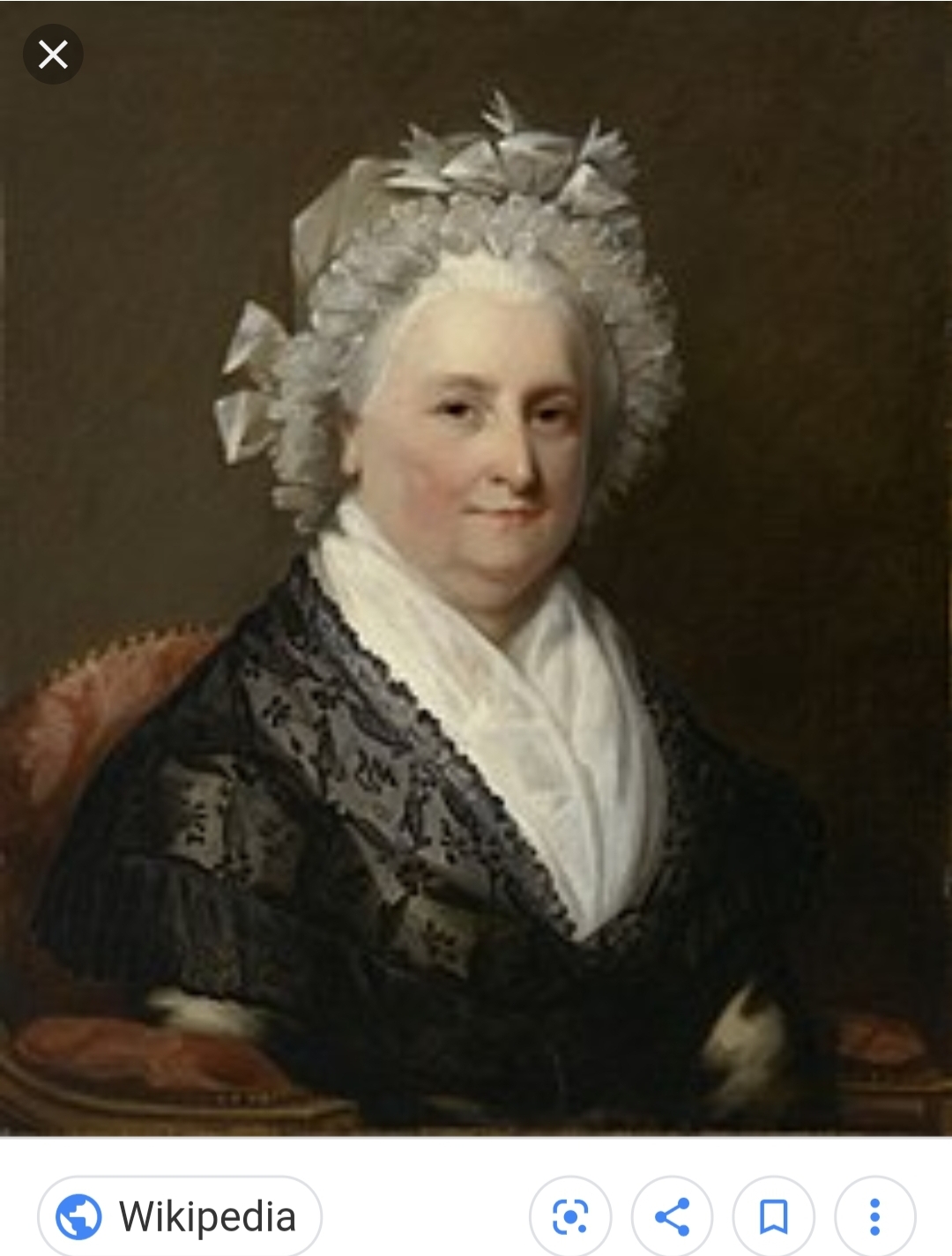
97) Martha Washington

Courtesy of Wikipedia

"I live a very dull life here...indeed I think I am more like a state prisoner than anything else," -Martha on her time as First Lady

97) Martha Washington

Former First Lady of the United States During Her Husband President George Washington’s Term.

Born: 13 June 1731, Chestnut Grove Plantation, New Kent County, the Colony of Virginia (Today Virginia, United States of America)

Died: 22 May 1802, Mount Vernon, Virginia, United States of America

She was the first First Lady of the United States.

Martha would have four children with her first husband all of whom she would outlive (two died as children the other two as adults).

Martha was raised on a wealthy plantation and received a fair education as a child. Her first husband was twenty years her senior when they wed when she was eighteen. He died after seven years of marriage leaving her with two very young children, three hundred slaves, and a 17,500-acre plantation to care for.

Martha fell quickly for the slightly younger George and at first, he found her attractive (by looks and wealth) and married her after his real “crush” married someone else.

The marriage changed George from a non-commissioned member of the militia to a wealthy landowner and respectable gentleman in society.

Martha, George, and the children would move into the refurbished house at Mt. Vernon soon after. The children were educated with a private tutor though when Patsy was twelve, she suffered an epileptic seizure and had to stop her studies. Patsy died at the age of seventeen and Jacky (Martha’s son) married soon after.

When the rumblings of rebellion were first sparked Martha was torn—many of her friends and neighbors (and her son’s in-laws) were loyalists and yet George was an ardent supporter of Independence.

Once George was named Commander in Chief of the Continental Army the couple would be separated for months at a time by the war.

During this time Martha urged her family to get inoculated against smallpox, a radical new medicine that was unprecedented for its time. And what do you know, no one in her family died from smallpox!

In 1781 her son Jacky got restless at home and enlisted in the army—and then promptly died a few days after enlisting from Typhus leaving Martha distraught. By the time Jacky died he and his wife had had six children (two of whom were twins that died at birth).

When the war ended George resigned his commission and made it home on Christmas Eve.

Though their mother would remarry Martha’s grandchildren remained at Mt. Vernon to be raised by her.

When the first family moved to New York (The United States’s capitol at the time) the grandchildren went with for George’s term as President.

George died in 1799 and Martha was left in charge of the plantation of Mt. Vernon.

Most do not understand that she was much richer than her husband and so most of their property was actually hers upon his death—meaning he had no legal right to free any of her slaves.

Luckily, she freed them herself in 1801 (for more on their relationship with their slaves look at Ona Judge Staines). Apparently she did it out of fear they would kill her, but she freed them* all the same.

*By them, I mean the Washington slaves—the 123 owned by George before his death. Martha could not legally free the slaves owned by the Parke-Custis Estate (remember the three hundred I mentioned at the beginning of the article?). These slaves were passed on to her four grandchildren.

In the days leading up to her death Martha would burn all but two of the letters she and her husband had exchanged over the years.

Badges Earned:

Find a Grave Marked

Located In My Personal Library:

Affairs of State: The Untold History of Presidential Love, Sex, and Scandal (1789-1900) by Robert Watson

Bill O'Reilly's Legends and Lies: The Patriots by Bill O'Reilly and David Fisher

Confronting the Presidents: No Spin Assessments from Washington to Biden by Bill O'Reilly and Martin Dugard

Dead Presidents by Brady Carlson

First Ladies: Presidential Historians on the Lives of 45 Iconic American Women by Susan Swain and C-SPAN

Founding Mothers by Cokie Roberts

Jefferson's Daughters: Three Sisters, White & Black, in a Young America by Catherine Kerrison

Never Caught by Erica Armstrong Dunbar

The Smithsonian First Ladies Collection by Lisa Kathleen Graddy and Amy Pastan

Uppity Women Speak Their Minds by Vicki León

Women in the American Revolution by Jeanne Munn Bracken

Whose Who in American History: Leaders, Visionaries, and Icons who Shaped Our Nation by John M Thompson, William R Gray, and KM Kostyal

Revolutionary Women by Carol Berkin

Sources:

http://www.ushistory.org/valleyforge/served/martha.html

https://www.findagrave.com/memorial/2382/martha-washington

https://www.mountvernon.org/george-washington/martha-washington/ten-facts-about-martha-washington/
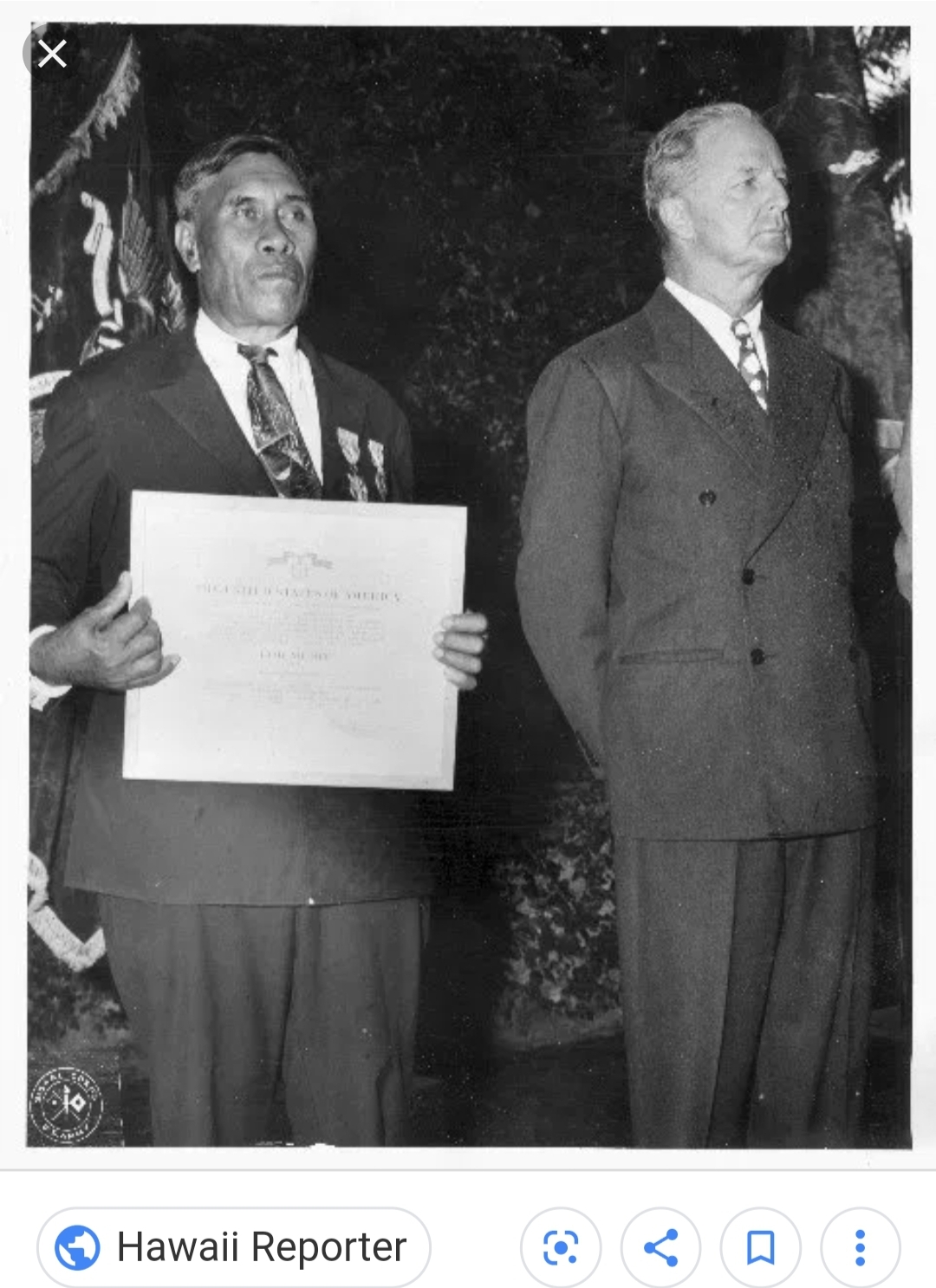
96) Benehakaka Kanahele

Courtesy of the Hawaii Reporter

96) Ben Kanahele

Received the Purple Heart for his Valor during the Ni’ihau Incident

Born: 1891, Kingdom of Hawai'i (Present-day Hawaii, United States of America)

Died: 1962

A downed Japanese Airmen crashed on the small Hawaiian Island of Ni’ihau & Turned a Native Japanese Couple to his side. More details below.

The island of Ni’ihau is tiny, with only 136 people living on it at the time of the incident. Of those 136, three had Japanese Heritage, and all became involved.

Ni’ihau is remote and was nearly inaccessible, with the man who owned the island rarely granting permission for anyone to land there. He himself lived off the island, and only visited Ni’ihau once a week.

When the Japanese airman crash landed on Ni’ihau, he’d been falsely informed by the Japanese military that the island was uninhabited and would be a safe place to await rescue by a submarine.

The Japanese airman was quickly relieved of his pistol by the native Hawaiians, but they didn’t treat him as a threat (they had no idea he’d crashed on their island after fighting in the second wave of the attack on Pearl Harbor). Because they could not understand him, the Hawaiians called for one of their fellow islanders who did speak Japanese.

The first translator left without explaining what the pilot had said, but the other two (who were a married couple) informed their fellow islanders of what had transpired at Pearl Harbor.

The islanders decided to send their new prisoner back with the owner of the island—who was scheduled to arrive the next day. However, the US Armed Forces had banned boat traffic between the islands after Pearl Harbor, and the islanders of Ni’ihau had no way of knowing why the owner of the island failed to appear.

The Japanese couple who could translate the pilot’s words convinced the rest of the island that they should keep him in their house. This was agreed, albeit with five guards posted outside of their house.

However, the number of guards soon dropped. On the night of the incident, three of the four supposed to be there failed to appear. The fourth guard was quickly overpowered by the pilot and the couple that was supposed to be guarding him. They locked the guard in a warehouse and picked up weapons on the way.

The rest of the islanders panicked and took refuge wherever they could.

The pilot was attempting to retrieve the top secret intelligence reports that had been taken from him when he first landed on the island. In an attempt to track them down, he set the house on fire of the man who’d been holding the papers, and his own plane.

The next day, the pilot and his co-conspirator took Benehakaka, otherwise called Ben, and his wife captive. They ordered Ben to track down Kaleohano, the man they believed had the papers, and incentivized him by keeping his wife.

After a brief search (Ben knew Kaleohano had already left the island to get help but had to pretend otherwise) Ben and his wife attempted to overpower their captors. Ben was shot three times, in the leg, groin, and stomach.

Instead of taking it lying down, Ben literally grabbed the pilot and threw him into a stone wall. Ben’s wife Ella bashed his head in with a rock and then Ben finished him off by slitting his throat.

Ben would later receive the Purple Heart and Medal for Merit for his actions (His wife Ella went unawarded).

In 2017, news broke that an upcoming film (at the time called Ni’ihau) was set to record the events of the Ni’ihau incident—only a white actor had been cast for Ben’s role. Obviously, the internet was not pleased or amused by this news.

Ultimately, the role was recast, and the name of the film was changed. The movie was released in April of 2019 and is called Enemy Within; the role of Ben was played by an actor with Tongan and Samoan ancestry.

Now, having watched the trailer myself (I’d never heard of the movie before researching this) it doesn’t look extremely accurate, and does look a little cheesy, but you know maybe if I actually watch it it’ll be better. In any case, I’ve linked the trailer here in this article.

Sources:

http://www.hawaiireporter.com/niihau-incident-benehakaka-ben-kanahele-wwii-medal-for-merit-purple-heart-1891-1962/

https://www.hawaiinewsnow.com/2019/04/02/controversial-film-about-native-hawaiian-war-hero-set-release/

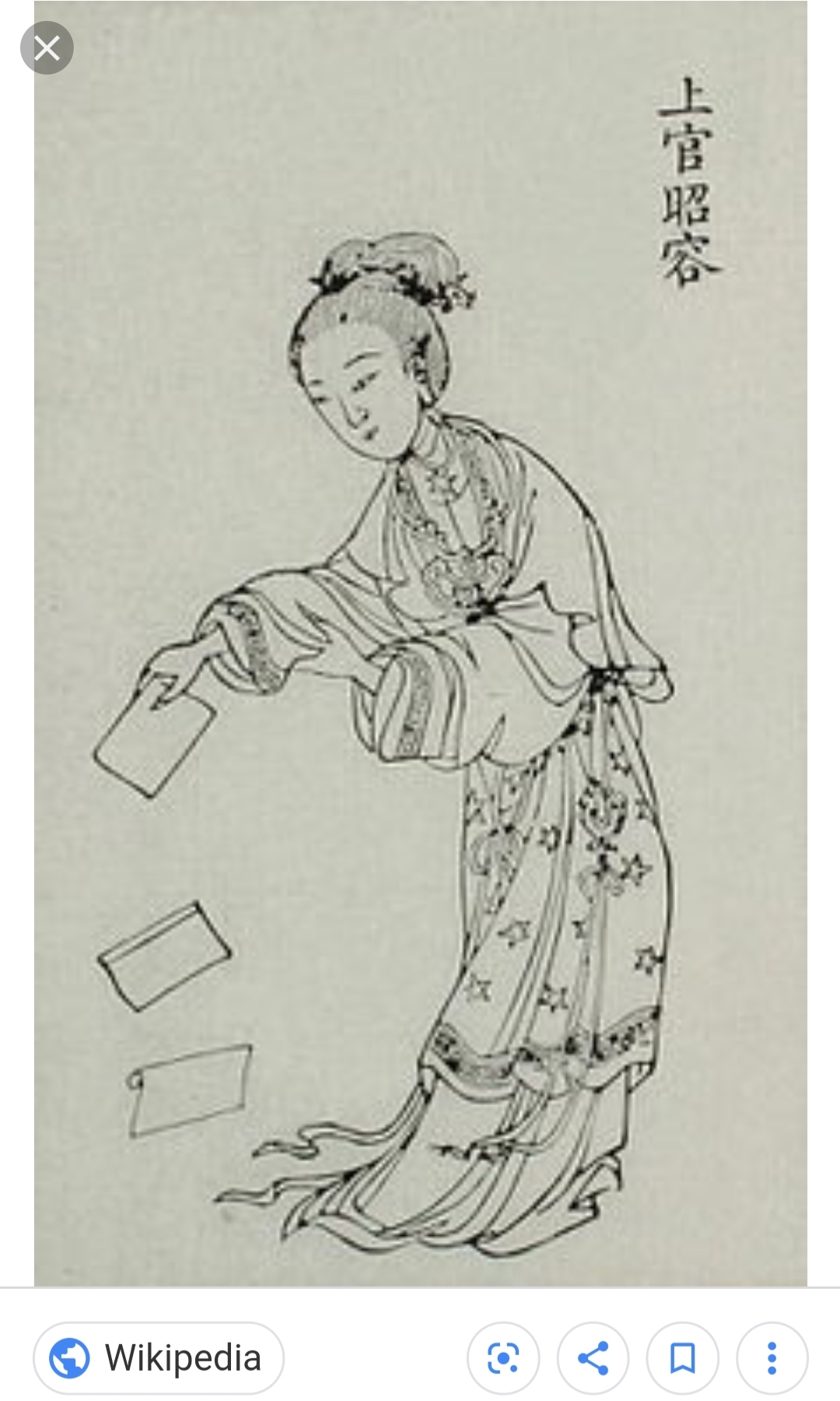
96) Shangguan Wan’er

Courtesy of Wikipedia

96) Shangguan Wan’er

China’s first Female Prime Minister (and the First Known Female Prime Minister in the World).

Born: c664 AD, Present-day China

Died: 21 July 710 AD, Present-day China

She was a poet from the Tang Dynasty and had previously served the royal household as a concubine.

Shangguan rose to her position solely through her own ambition and worth and not by marrying an equally influential man.
She was the personal secretary to Empress Wu meaning she dealt with important matters of state.

Her father and grandfather were executed by Emperor Gaozong after they were caught trying to rid the world of Wu. Shangguan and her mother were forced to enter into imperial servitude after this but Shangguan was given an excellent education while there. She became Wu’s aide after Wu instructed her to write an essay in front of her. Wu was so impressed by the essay she kept Shangguan close by. At one-point, Shangguan did cross Wu—but instead of being killed she was ordered to receive a face tattoo instead (no one knows what she did wrong—just that it was something).

After Wu’s death she was taken in by the new Emperor Zhongzong as his consort.
Shangguan survived a palace coup in 707 AD after once again impressing the Emperor—this time her new beau Zhongzong—and he placed her under his protection (I’m using beau sarcastically, she was most likely having an affair with Wu’s nephew who was killed in this coup).

Shangguan continued to act as a statesman throughout Zhongzong’s reign drafting official decrees and ghostwriting poetry for the palace.

She was eventually executed after Zhongzong’s death in a confusing mess of political intrigue and various assassinations.

In 712 the new Emperor Xuanzong reinstated her place in court and compiled her poems (a few still survive). He also posthumously gave her the title Benevolent and Cultured.

Her tomb was discovered in 2013 but was badly damaged.

Badges Earned:
Find a Grave Marked

Sources:

https://www.historyofroyalwomen.com/the-royal-women/imperial-consort-shangguan-waner-chinas-female-prime-minister/

https://www.nbcnews.com/sciencemain/ancient-chinese-tomb-adds-tale-scandalous-female-prime-minister-8C11152226

https://www.findagrave.com/memorial/200365088/shangguan-wan_er

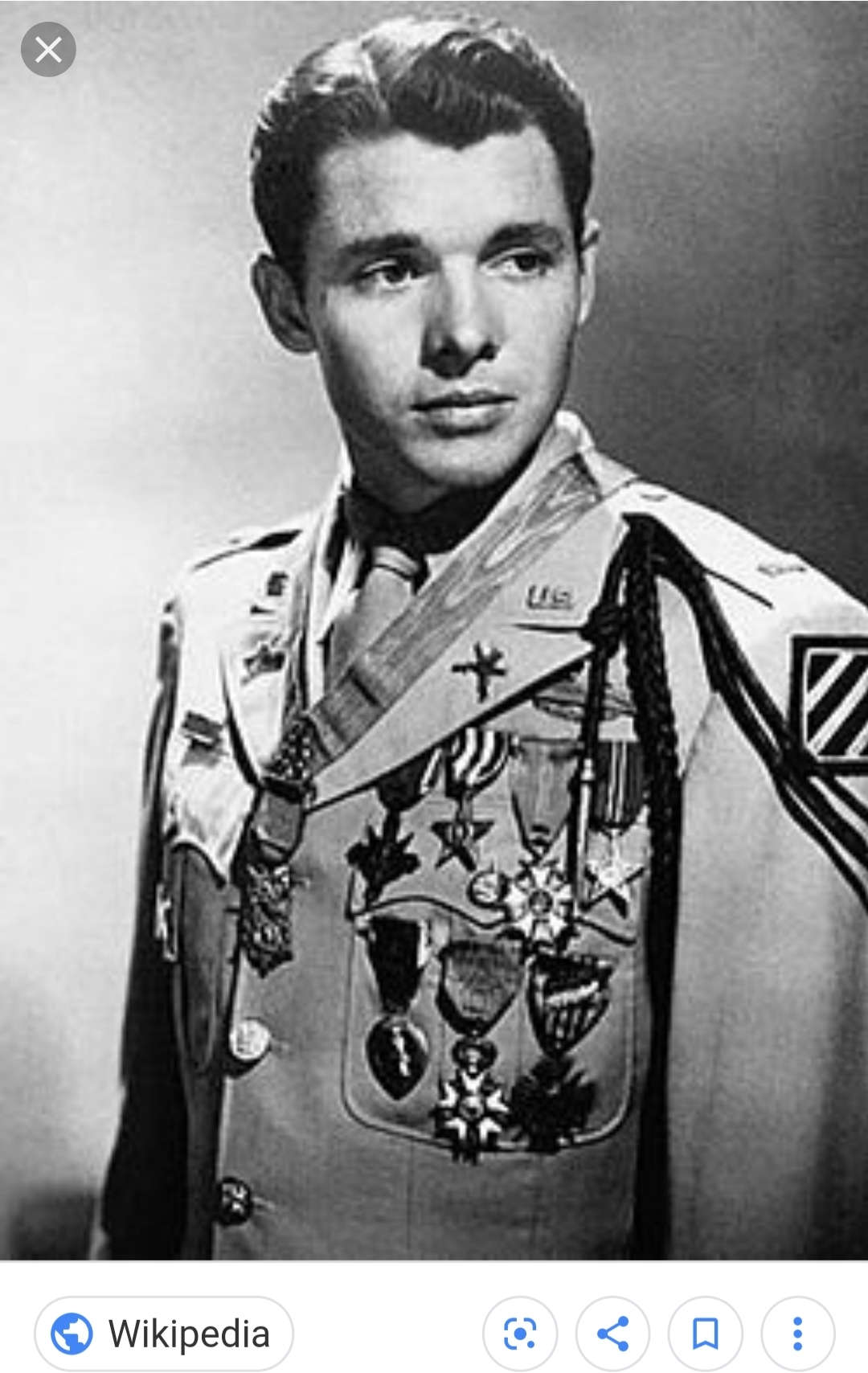
95) First Lieutenant Major Audie Murphy

Courtesy of Wikipedia

95) Audie Murphy

One of the Most Decorated Combat Soldiers of World War II--receiving every award for valor available to US troops.

Born: 20 June 1925, Kingston, Texas, United States of America

Died: 28 May 1971, Catawba, Virginia, United States of America

Growing up was rough, with Audie being one of twelve siblings despite his father having no means to provide or feed his children. His father left in 1940, and when Audie’s mother died a year later, Audie enlisted to honor her ten days after he turned eighteen.

Audie was the most decorated American soldier with Thirty-three medals and awards, ten of which he received from France and Belgium. He had over 240 Confirmed Kills. Oh, and his service ended when he was twenty years old.

Audie went on to star in over forty Hollywood Films, most of which were Westerns or about the war. He also wrote country music, and his songs were later recorded by Dean Martin, Harry Nilsson, Porter Waggoner, and Jerry Wallace.

Audie was traumatized by the war and developed both insomnia and what would later be recognized as Post Traumatic Stress Disorder, both of which led him to becoming addicted to sleeping pills (a habit he was luckily able to kick later on). After dropping the pills, Audie began to speak openly about mental health problems plaguing returning veterans—breaking a longstanding taboo.

When he passed away in a plane crash, he was in financial ruin because of gambling addictions and bad investments. He left behind a wife and two children.

His is the second most Visited Grave site Yearly at Arlington National Cemetery after President John Fitzgerald Kennedy.

In 2002, when Arlington replaced every Medal of Honor Recipient’s headstone with a more elaborate version, Audie’s family requested his stay the same, inconspicuous stone it always was, in accordance with his wishes.

Today, non-commissioned US Army Officers can be awarded the Sergeant Audie Murphy Award.

Badges Earned:

Find a Grave Marked

Located In My Personal Library:

The Hollywood Book of Death by James Robert Parish

Where Are They Buried? How Did They Die? by Tod Benoit

Sources:

https://www.biography.com/military-figure/audie-murphy

https://www.imdb.com/name/nm0001559/?ref_=nv_sr_1?ref_=nv_sr_1

https://home.army.mil/lee/index.php/about/Garrison/sergeant-audie-murphy-award

https://www.findagrave.com/memorial/751/audie-murphy

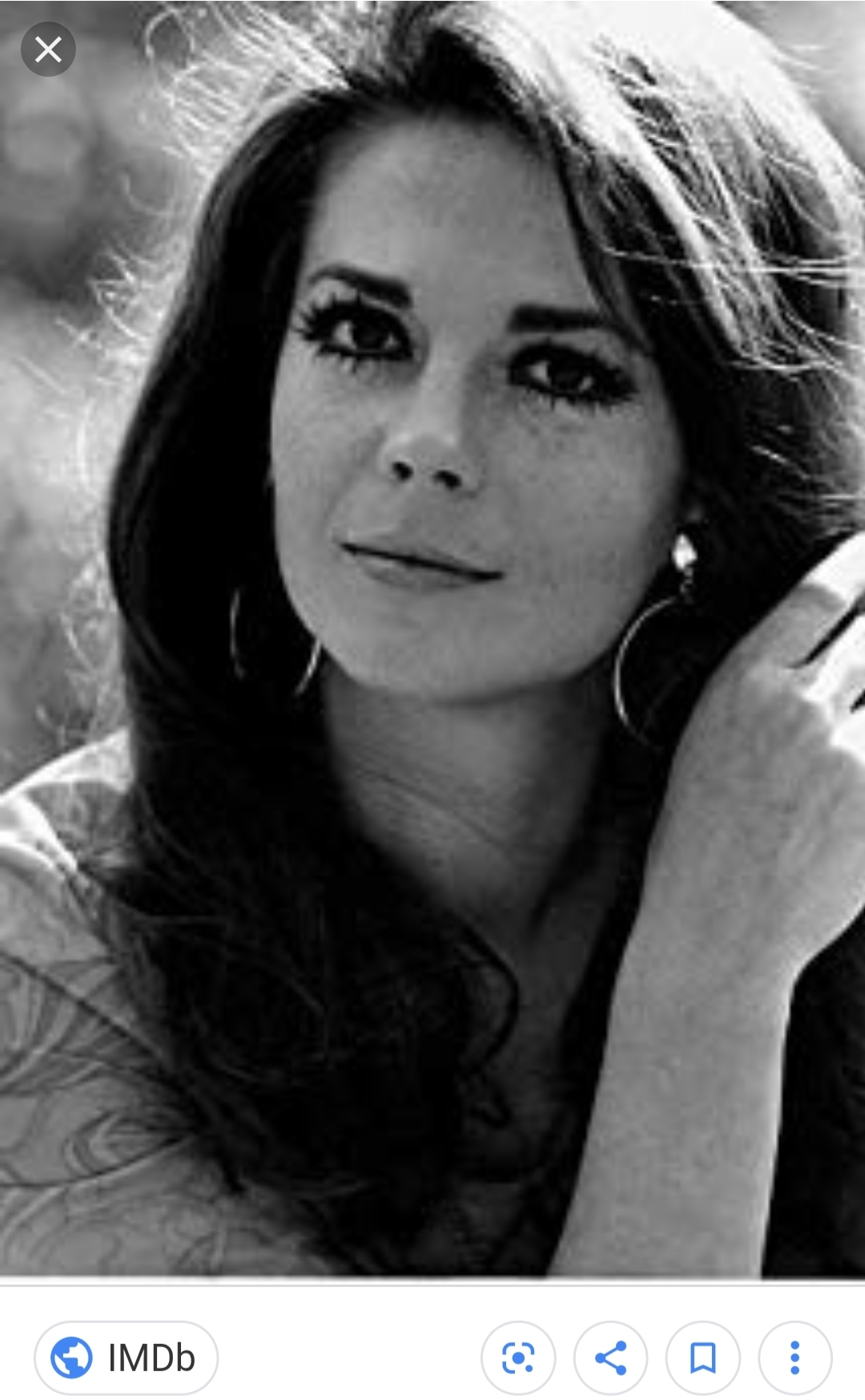
95) Natalie Wood

Courtesy of IMDb

95) Natalie Wood

Actress known for her starring roles in Rebel Without a Cause and West Side Story

Born: 20 July 1938, San Francisco, California, United States of America

Died: 29 November 1981, Santa Catalina Island, California, United States of America

Original Name: Natalia Nikolaevna Zakharenko

She was an Academy Award nominated actress.

Natalia was married to fellow star Robert Wagner though their relationship was less than perfect.

She died from accidentally drowning alongside her yacht in the water off Catalina Island with her husband and another fellow star Christopher Walken still aboard the ship.

Her death has always been suspicious as Natalie was terrified of the water after almost drowning as a child while filming a movie. However, she had been drinking the night before and might have accidentally fallen into the water after going topside.

Beginning in 2011 the Los Angeles County Sheriff’s Department started looking into her death again and her death certificate was officially changed as a cause of death from “Accident” to “Undetermined.” In 2018 the Sheriff’s Department announced they were looking to talk with her then husband Robert Wagner though sources differ on whether he is or is not a person of interest.

Badges Earned:

Find a Grave Marked

Located In My Personal Library:

America's Women: 400 Years of Dolls, Drudges, Helpmates, and Heroines by Gail Collins

The Hollywood Book of Death by James Robert Parish

The Rough Guide to Film Musicals by David Parkinson

Where Are They Buried? How Did They Die? by Tod Benoit

Sources:

https://www.imdb.com/name/nm0000081/

Autopsy: The Last Hours of Natalie Wood

https://www.britannica.com/biography/Natalie-Wood

https://www.biography.com/news/natalie-wood-death-mystery

https://www.findagrave.com/memorial/1124/natalie-wood

94) Motke Zeidel

Courtesy of Yad Vashem

94) Motke Zeidel

One of the Last Jews to Escape Ponar—an Infamous Village Where Thousands of Lithuanian Jews were Murdered During the Shoah

Born: 1925, Swenciany, Poland (Present-day Swenciany, Lithuania)

Died: 2007, Israel

Original Name: Mordechai Zeidel

Survivor of Vilna and the Last Survivor of the Burning Brigade.

When Motke was eighteen years old, he was led into the forest by Nazi forces and put to work. He and a select group of others were responsible for cutting down trees to build funeral pyres. They were forced to cremate the roughly 90,000 Jewish people who had been killed at Ponar. The Nazis wanted to ensure no evidence of them ever being there or what they had done survived.

Around eighty prisoners worked in the camp at Ponar—four were women who prepared the food, while the others were men who were responsible for disposing of bodies. It was estimated the crew could cremate around 3,500 bodies every week.

Historians have documented at least 80,000 dead at Ponar, though the true number is most likely far higher. Ninety percent of the dead were Jewish.

The Burning Brigade, as you can imagine, soon had enough of their forced labor job, and decided to escape. They started digging a tunnel that would lead eleven of them safely out of the camp. Motke was the sixth member to escape, all the others would die.

Though the Nazis were alerted to them, the eleven men still reached freedom, by finding resistance fighters hiding out in the same forest. Most of the men would go on to join the Soviets in the fight to liberate the area—including Motke.

After the war, Motke immigrated to Israel and fought in the War of 1948. He had three children and six grandchildren.

Motke returned to Vilna for the final time in 2002. He was there with some of his children and grandchildren. According to Smithsonian he was, Cursing in Yiddish and Lithuanian, [and] Zeidel shook his fist at the ghosts of his former Nazi captors. “Can you see me?” Zeidel asked. “I am here with my children, and my children had children of their own, and they are here, too. Can you see? Can you see?”

To learn more about the Atrocities at Vilnius and Ponar, I highly recommend watching NOVA’s Holocaust Escape Tunnel, I've linked the trailer here in this article.

Sources:

https://www.yadvashem.org/holocaust/about/final-solution-beginning/mass-murder-in-ussr/barbarossa/zeidel.html

https://www.smithsonianmag.com/history/holocaust-great-escape-180962120/

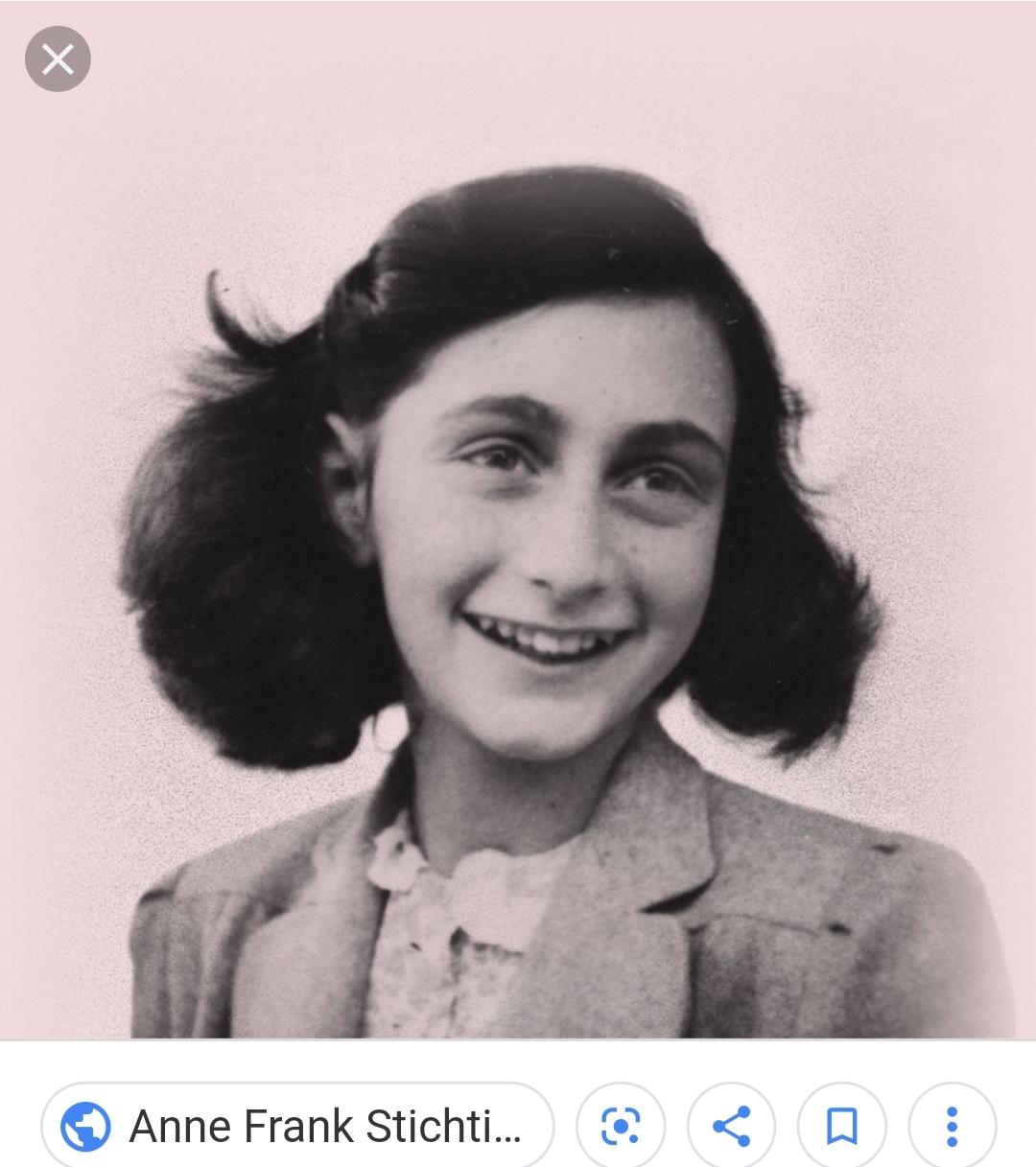
94) Anne Frank

Courtesy of Annefrank.org

94) Anne Frank

Her personal writings The Diary of a Young Girl are read by almost every child growing up in the United States and many countries around the world

Born: 12 June 1929, Frankfurt, Germany

Died: February 1945, Bergen-Belsen Concentration Camp, Germany

Original Name: Annelies Frank

Anne had a sister three years older than her named Margot.

When she was still very little her parents moved the family to Amsterdam to get away from Germany’s hellish economy and the rising anti-Semitism brought out by the Nazi Party.

Then, when Anne was ten, the Nazis invaded the Netherlands and her life was forever changed. Her father lost his business and as Jews her family were barred from access to many public places and businesses and Anne was forced to go to an all Jewish school.

In July of 1942 her parents made the decision to go into hiding instead of being deported to who knows where by the Nazis.

Eight people crammed into the tiny annex space Anne’s father had had the foresight to build in his old place of work.

For the two years they remained in that space Anne recorded anything and everything in her diary. She eventually started editing her journal into one coherent story after hearing that the Minister of Education wanted a collection of diaries and stories from the war.

In August of 1944 the people in the annex were betrayed and arrested by the Nazis—the person who turned them in remains unidentified to this day.

Anne’s diary was kept safe by Miep Gies, who had helped supply those hiding in the annex with food and provisions.

The annex group were eventually sent to Auschwitz-Birkenau.

Anne, Margot, and their mother were sent to the women’s labor camp while their father went to the men’s.

In November Anne and her sister Margot were sent to Bergen-Belsen where they quickly contracted typhus and died in February of 1945.

Anne’s father Otto was the only person from the annex to survive the war.

In June of 1947 he published his daughter’s diary (though he had edited parts of it out we now know). The diary has now been translated into over seventy languages.

In 1960 the annex became a museum: The Anne Frank House.

Badges Earned:

Find a Grave Marked

Located In My Personal Library:

Memories of Anne Frank by Alison Leslie Gold

The Diary of a Young Girl by Anne Frank

Inferno: The World at War 1939-1945 by Max Hastings (She is briefly mentioned)

Secret Heroes of World War II by Eric Chalene

Who Knew? Women in History: Questions That Will Make You Think Again by Sarah Herman

The Book of Awesome Women: Boundary Breakers, Freedom Fighters, Sheroes, and Female Firsts by Becca Anderson

The Betrayal of Anne Frank: A Cold Case Investigation by Rosemary Sullivan

The Secret Library: A Book-Lovers' Journey Through Curiosities of History by Oliver Tearle

Sources:

https://www.annefrank.org/en/

https://www.annefrank.org/en/anne-frank/who-was-anne-frank/

https://www.history.com/news/anne-frank-diary-hidden-pages-discovery

https://www.britannica.com/biography/Anne-Frank

https://www.annefrank.org/en/anne-frank/diary/

https://www.findagrave.com/memorial/6870415/anne-frank

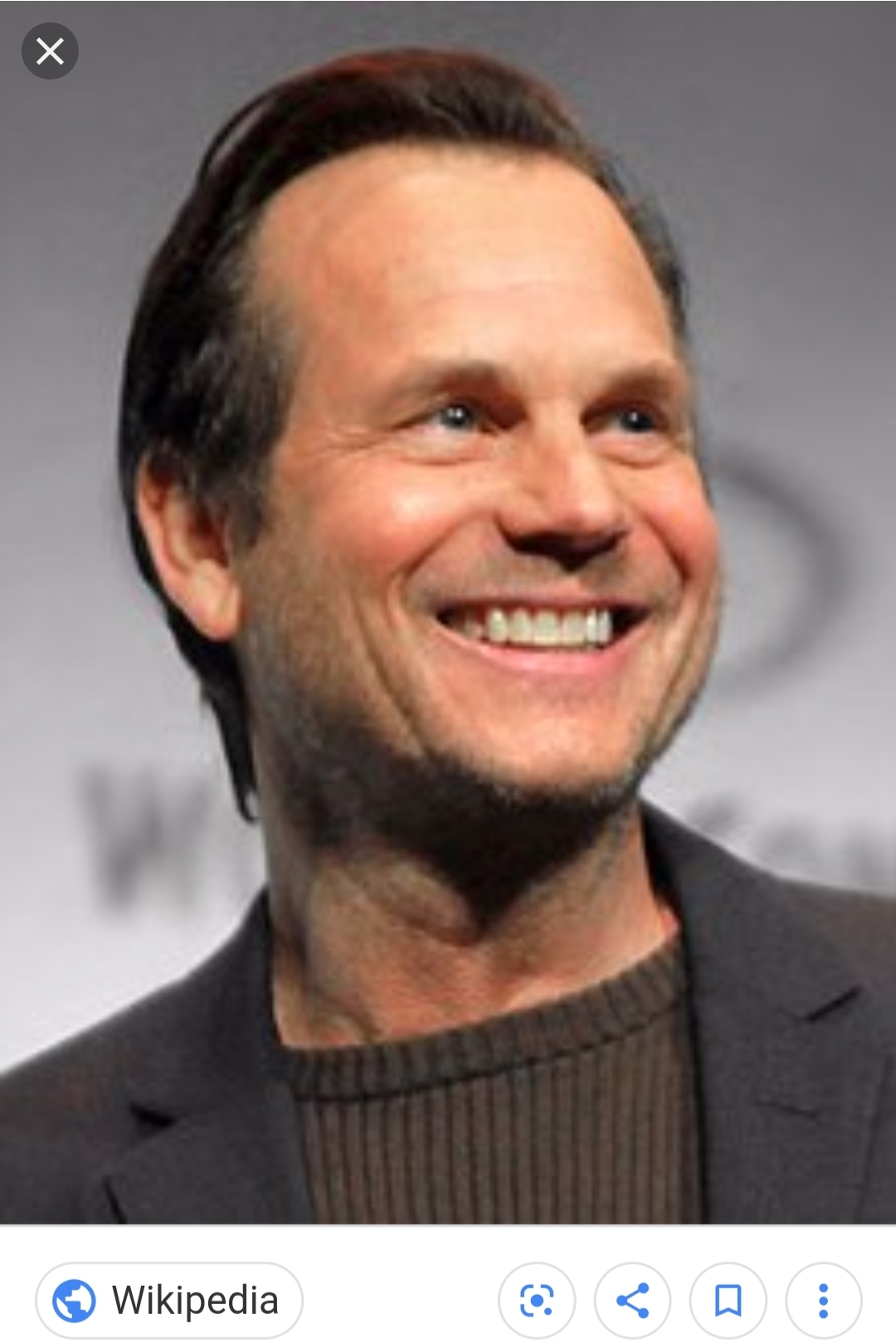
93) Bill Paxton

Courtesy of Wikipedia

93) Bill Paxton

Actor and Director Who Made Sci-Fi Stars and Real Life Characters come to Life on Screen

Born: 17 May 1955, Fort Worth, Texas, United States of America

Died: 25 February 2017, Los Angeles, California, United States of America

Original Name: William Paxton

Bill starred in a variety of roles, everything from Stripes to the Alien Franchise to Streets of Fire to James Cameron epics like The Terminator and Titanic. Bill even starred in Twister, Apollo 13, and Tombstone. He was also a frequent History Channel Guest Star, appearing in documentaries and mini-series like the Hatfields and McCoys—Bill portrayed Old Randall McCoy.

In the 2015 miniseries Texas Rising, Bill portrayed real life figure Sam Houston—who also happened to be distantly related to Bill himself.

He also directed several music videos for Madonna, Limp Bizkit, Pat Benatar, and others.

He passed away unexpectedly at the age of sixty-one following heart surgery. He was married with two children.

In 2012, when speaking about his recently departed friend Luke Askew, Bill reportedly said, "He just passed about six weeks ago. I was really upset about that. Hell of a nice guy. He contracted an infection at a hospital, and that's what killed him. So God, whatever you do, don't go to a hospital,”—Bill passed away at Cedars-Sinai Medical Center in Los Angeles.

Badges Earned:

Find a Grave Marked

Sources:

https://www.imdb.com/name/nm0000200/bio

https://www.findagrave.com/memorial/176751075/bill-paxton

https://www.looper.com/45175/things-didnt-know-bill-paxton/

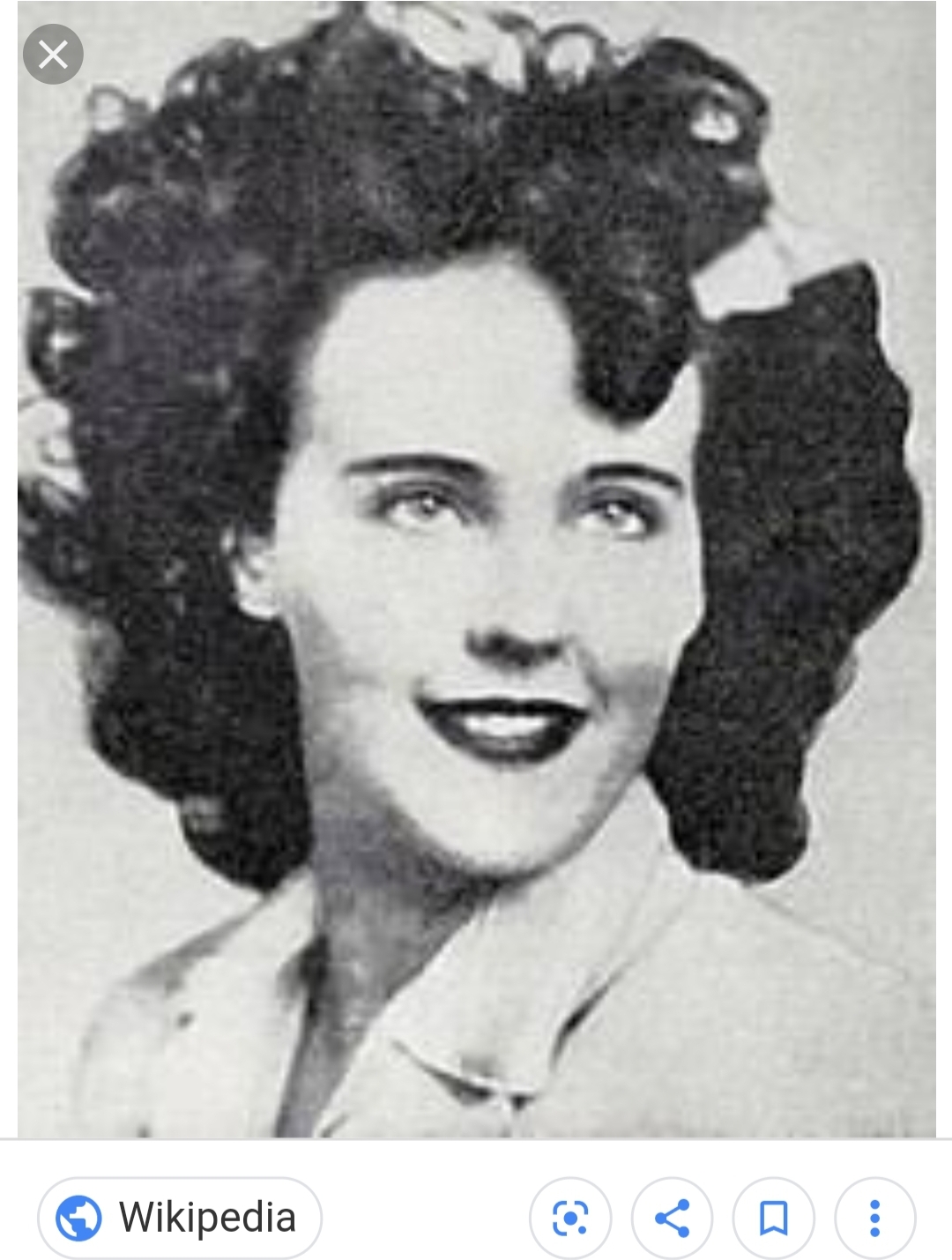
93) Elizabeth Short

Courtesy of Wikipedia

93) Elizabeth Short

Aspiring Actress who Became Known After Her Infamous Death as the Black Dahlia

Born: 29 July 1924, Boston, Massachusetts, United States of America

Died: 15 January 1947, Los Angeles, California, United States of America

As a child her father abandoned his wife and five daughters at the outset of the depression and Elizabeth’s mother staged a fake suicide to make everyone think he’d died instead.

Elizabeth would receive a letter from her father several years later—by then living in California and wanting to see her—but Elizabeth refused. However, she changed her mind in 1943 after deciding she wanted to be a movie star.

Elizabeth moved in with her father in Vallejo, California that year. After a few months though her father kicked her out over disagreements on her life and left her on her own. She became a cashier at Camp Cooke but after the guys figured out, she wasn’t an “easy” girl she was left even more alone than before and moved again to live with a friend in Santa Barbara.

Elizabeth was arrested later that year after some friends got a little too rowdy at a restaurant but since Elizabeth was underage the police took her picture and fingerprinted her then sent her on a bus back home to Massachusetts.

Soon after she turned right around and headed back to California—this time for Hollywood.

Elizabeth soon met a man and got engaged but their wedding plans were delayed when he was shipped out to Europe (he was in the military). She moved to Miami next and fell in love with another pilot who promised to marry her after returning from India. He was killed in action while serving overseas.

In December of 1946, she headed to San Diego by taking a bus from Los Angeles. According to a friend who had seen her the night before she was nervous about something.

Elizabeth spent a month or so spinning in and around Hollywood spending time on sofas and dating some guys.

Her body was found six days after she’d been reported missing from a hotel lobby.

It was just as bad as you’ve no doubt heard. She was severed completely in half and posed grotesquely; her mouth had been slit open into an eerie smile and she was covered in cuts and scratches. Elizabeth had also been sexually assaulted.

From the marks on her wrists and ankles investigators guessed she’d been tied down and tortured for several days. She was identified by her fingerprints from her arrest four years earlier. The official cause of death was hemorrhage and shock.

Her case has never been solved despite over a hundred suspects being investigated and some believe the LAPD knows who did it and are simply holding onto the information.

Badges Earned:

Find a Grave Marked

Located In My Personal Library:

The Encyclopedia of Unsolved Crimes by Michael Newton

Sources:

http://blackdahlia.web.unc.edu/the-life-of-elizabeth-short/

https://www.findagrave.com/memorial/4490/elizabeth-short

https://michaelnewton.homestead.com/UnsolvedCrimes.html

92) Trevor Habberstad

Courtesy of the Marvel Cinematic Universe Fandom

92) Trevor Habberstad

Stunt Coordinator who Sadly Passed Away From Cancer

Born: 15 May 1989, Los Angeles, California, United States of America

Died: 19 February 2017, Santa Clarita, California, United States of America

He worked on Doctor Strange, Ant-Man, the rebooted X-Men franchise, American Sniper, Divergent, The Wolf of Wall Street, Star Trek Into Darkness, After Earth, Iron Man 3, The Dark Knight Rises, Battleship, This Means War, In Time, Captain America: The Winter Soldier, Passengers, and so many more. Trevor also had a cameo appearance in Days of Future Past.

His early death sadly meant he became a member of the 27 Club.

Trevor died from a nine Month Battle with Cancer. It was originally misdiagnosed as appendicitis before doctors realized he had gastric cancer. At first, they thought he would win the fight, but a week and a half before he died Trevor found out the cancer had spread to his brain.

After his death, it became known just how charitable Trevor had been in his short life—providing scholarship money to his old high school, helping a permanently injured stuntwoman in Australia he’d never met pay the bills, and so much more. To honor him and his legacy, The Trevor Habberstad Foundation was created to continue his work.

Sources:

https://www.hollywoodreporter.com/heat-vision/x-men-stuntman-trevor-habberstad-dies-at-27-cancer-battle-978559

https://www.imdb.com/name/nm0352132/

https://www.trevorhabberstadfoundation.org/about

  • Previous
  • 1
  • …
  • 137
  • 138
  • 139
  • 140
  • 141
  • 142
  • 143
  • …
  • 159
  • Next

Categories

Archives

  • July 2025 (10)
  • July 2024 (1)
  • January 2024 (1)
  • August 2023 (1)
  • June 2023 (2)
  • October 2022 (1)
  • July 2022 (1)
  • June 2021 (3)
  • December 2020 (3)
  • August 2019 (1)
  • July 2019 (2)

Search

© 2026 The Exasperated Historian | Powered by Minimalist Blog WordPress Theme