The Exasperated Historian
Menu
  • Home
  • The Women’s List (New)
  • The Men’s List
  • The Animal List
  • Collections
  • The Blog
  • Contact Us
  • FAQ
Menu

Category: Birth Locations

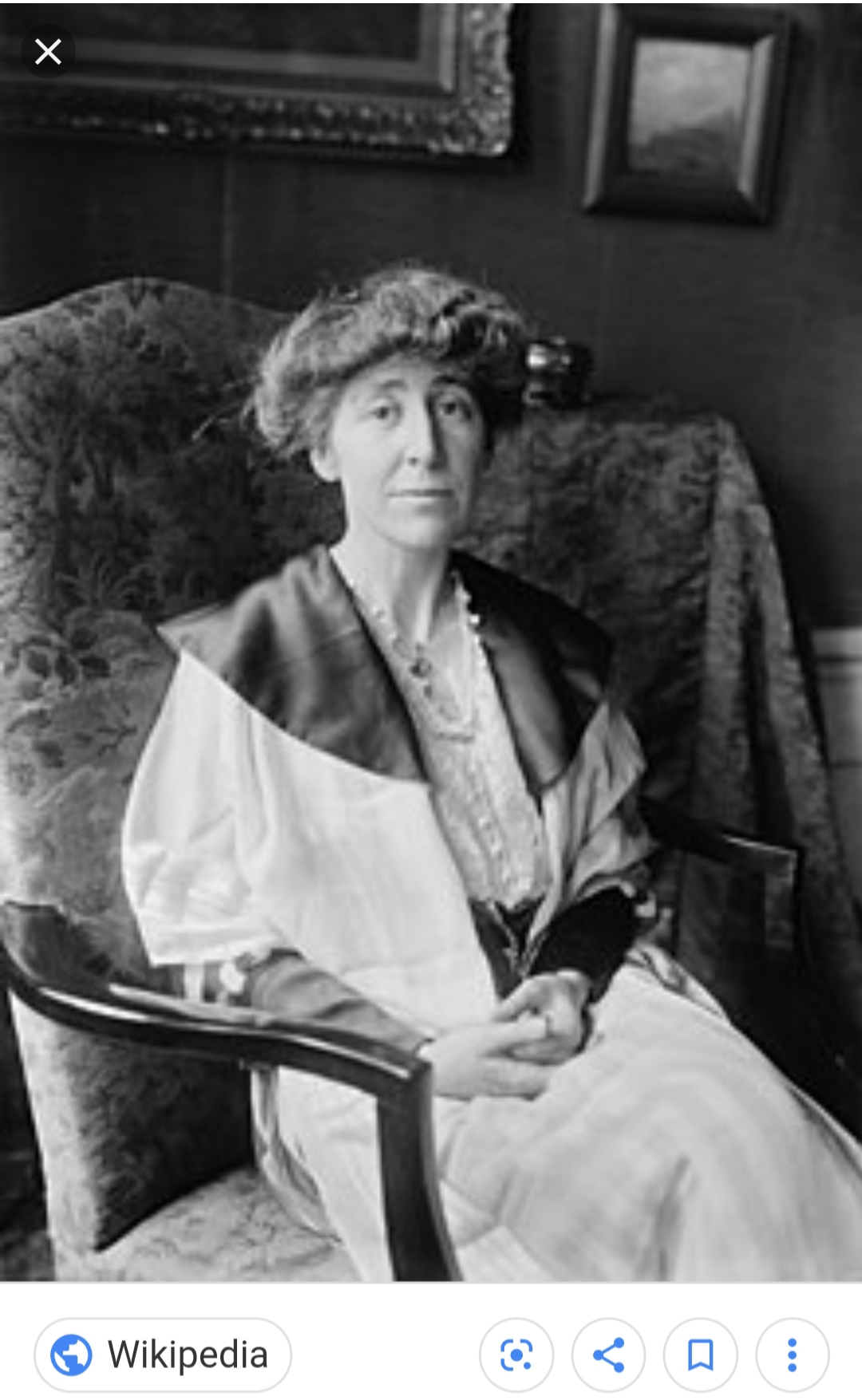
102) Jeannette Rankin

Courtesy of Wikipedia

102) Jeannette Rankin

The First Woman Elected to the United States Congress

Born: 11 June 1880, Missoula County, Montana, United States of America

Died: 18 May 1973, Carmel Valley, California, United States of America

A Republican from Montana her other main thing she is known for is being the only member of Congress to vote against entering both World Wars.

Jeannette was also one of the few women who advocated for suffrage in the United States in order to achieve public office. She reportedly said, “I may be the first woman member of Congress, but I won’t be the last.”

She worked as a social worker and helped ensure women’s suffrage was passed in Montana in 1914.

Jeannette ran as a Progressive Republican for one of the two available seats in the House of Representatives in 1916 and won.

She was one of fifty in the House to vote no against war in World War I.

Because of this the suffrage movement split in their support of her—some against and some for.

Jeannette lost her next reelection and a run for the Senate but was reelected to the House in 1940.

In World War II she was the only House Member to vote against going to war (388 to 1). Jeannette was threatened and had to hide in a phone booth before a police escort to lead her back to her office.
She finished out her term and never ran again, but during the Vietnam War she led a 5,000 Person strong march on Washington to protest the war.
At the time of her death she was ninety-three and considering running again simply to protest the Vietnam War.

Badges Earned:

Find A Grave Marked

Located In My Personal Library:

America's Women: 400 Years of Dolls, Drudges, Helpmates, and Heroines by Gail Collins

No Place for a Woman: The Struggle for Suffrage in the Wild West by Chris Enss

The Only Woman by Immy Humes

Suffragists in Washington DC: The 1913 Parade and the Fight for the Vote by Rebecca Boggs Roberts

Sources:

https://history.house.gov/People/Listing/R/RANKIN,-Jeannette-(R000055)/

https://www.senate.gov/artandhistory/history/minute/Jeannette_Rankin.htm
https://www.findagrave.com/memorial/6246268/jeannette-pickering-rankin

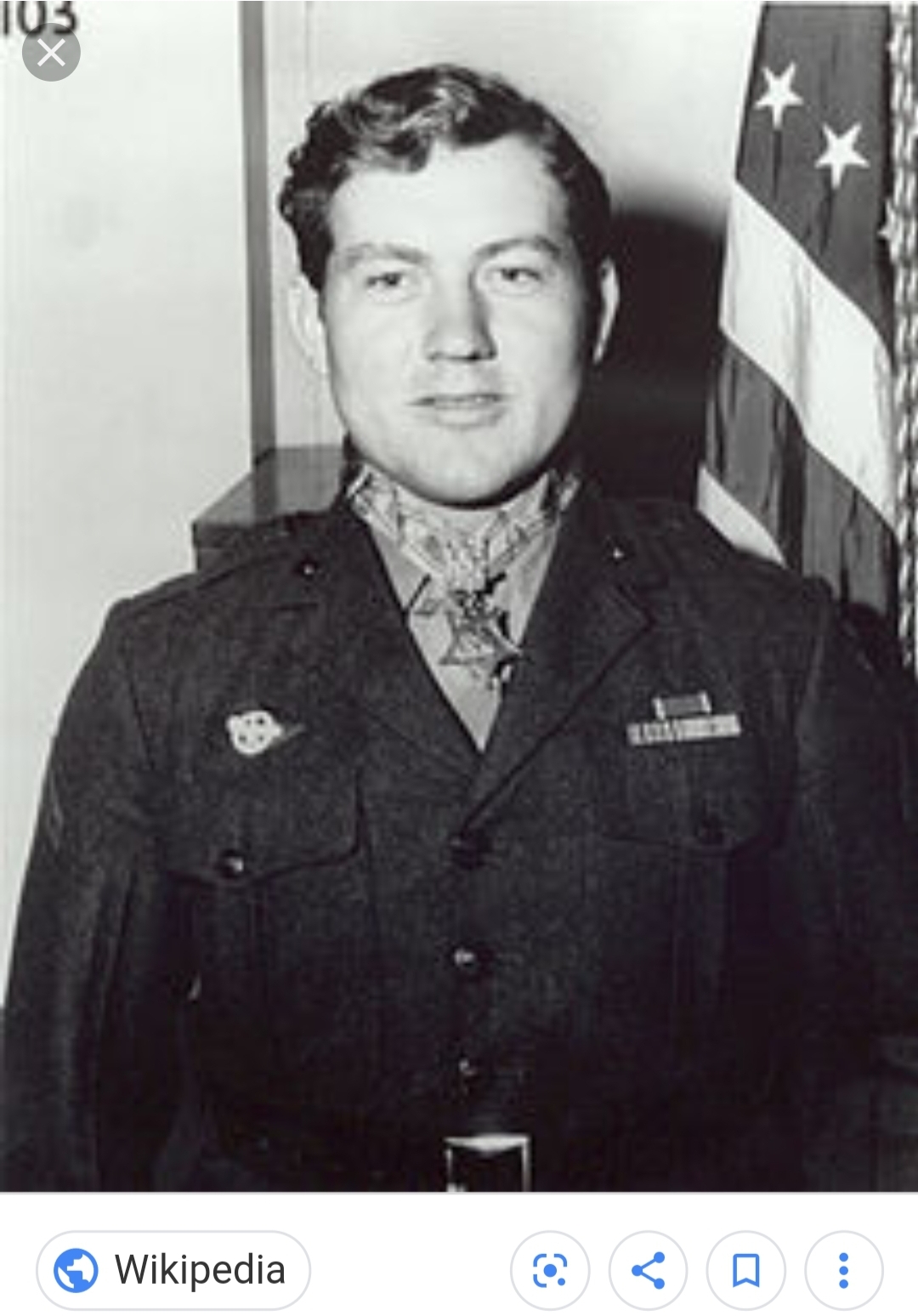
101) Captain Jacklyn H Lucas

Courtesy of Wikipedia

101) Captain Jack Lucas

Remember when Captain America jumped on a grenade while still a scrawny little kid? This guy is like that, times 1000.

Born: 14 February 1928, Plymouth, North Carolina, United States of America

Died: 5 June 2008, Hattiesburg, Mississippi, United States of America

Original Name: Jacklyn Lucas

Jack enlisted in the US Marine Corps at the age of thirteen in order to fight in World War II.

Now, to be fair, Jack had been in cadet school at the time, attending class at Edwards Military Institute in Salemburg, North Carolina. He wasn't a complete novice in terms of military life is what I'm getting at. When Jack heard about the bombing of Pearl Harbor, he decided the time for school was over and there was no time like the present to fight for real. Jack managed to convince the US Marine Corps recruiters he was seventeen and forged his mother’s signature to boot. The next thing Jack knew he was off to boot camp.

Jack was placed on KP and other non-violent jobs after finishing basic training. By that time he was fourteen years old--but the Marine Corps still didn't know that. KP didn’t sit well with Jack, so he stowed away and made it to Pearl Harbor, where he convinced the men serving there that there had been a clerical error and he was supposed to be on the front lines. They didn't believe him. Jack was made a truck driver on the Pearl Harbor base, but that wasn’t good enough. He spent some time being a general f***up on base and spent many a night in jail, but he still wasn’t transferred to where the action was happening.

Finally, Jack got tired of waiting and snuck aboard a transport ship; finding himself on Iwo Jima at the age of seventeen. Of the 40,000 Marines who hit the beaches in the initial onslaught, Jack is the only infantryman confirmed to have stormed said beaches with absolutely no weapons. Since he was a stowaway on the ship he hadn’t quite, well, found a weapon anywhere. That still didn't stop him from though.

Soon enough, Jack grabbed a weapon off a fallen soldier. After making it past the tree line, he fell in with some other Marines.

Jack and the others soon came upon a nest of Japanese soldiers, and Jack managed to kill a guy with his first shot. Unfortunately the second bullet jammed the gun and made it worthless. The next thing anyone knew, a grenade was thrown onto the field.

Jack leapt upon it without hesitation and told the others to run. Then he noticed the second grenade, grabbed it, and stuffed it under his body beside the first.

That’s right, he jumped on a live grenade and survived…but it was actually two grenades that he took directly to his torso (reports say only one exploded—but still, what a bada**!)

Jack's new Marine buddies were suddenly emboldened by his sacrifice and soon took out the rest of the enemy soldiers in the area, but when they returned to claim the dog tags off Jack—they realized he was alive…and still conscious.

Jack was evacuated off the island and loaded onto a hospital ship. Surgeons went on to remove two hundred fifty pieces of shrapnel from practically every organ in his body in more than twenty operations, but Jack survived.

Within seven months, Jack walked right up to President Truman and accepted his Medal of Honor. That’s right, he’d made a complete recovery, in seven months. Again, what a bada**.

Once the war ended, Jack fulfilled his promise to his mother and went back to school. He attended his first day of ninth grade with his Medal of Honor around his neck.

The crazy doesn’t end there though.

Jack finished high school and college and went on a speaking tour. He married three or four times (sources differ), surviving his second wife’s attempt to hire a hit man to murder him (refer to note below), and then at age forty decided to tackle his fear of heights by enlisting as a paratrooper. Because why the hell not?

On his first jump out, both Jack's parachutes failed to launch. He was the last out of the plane…and the first to hit the ground. That’s right, he fell 3,500 feet and walked away completely unscathed.
Two weeks later, Jack was back on the plane. He finished his tour four years later with the rank of Captain. Reportedly, Jack left the Army because they refused to send him to Vietnam.

That was the end of Jack's military career. After his discharge, he became a butcher, met every president from Truman to Clinton, and wrote an autobiography entitled Indestructible.

President Clinton introduced the world to Jack, by inviting this real-life Captain America to sit beside Hillary at President Clinton’s inauguration speech.

Jack's original Medal of Honor citation was laid out in the hull of the USS Iwo Jima.

When Jack died at the age of eighty, it wasn’t old age, or complications from old wounds that got him. It was cancer.

He was survived by his wife, five kids, and several grandchildren and great-grandchildren.

Jack was the youngest Marine to ever receive the Medal of Honor.

Note:

The thing about his second wife hiring a hit man? I can only find one source that recounts that particular story, but the rest is backed up several times over. Let’s just say his book was appropriately named to say the least.

Badges Earned:

Find a Grave Marked

Sources:

https://www.military.com/marine-corps-birthday/badass-of-the-week-jacklyn-h-lucas.html

https://www.latimes.com/archives/la-xpm-2008-jun-06-me-lucas6-story.html

https://www.nytimes.com/2008/06/06/us/06lucas.html

https://valor.militarytimes.com/hero/1427

https://www.findagrave.com/memorial/27345674/jacklyn-harold-lucas

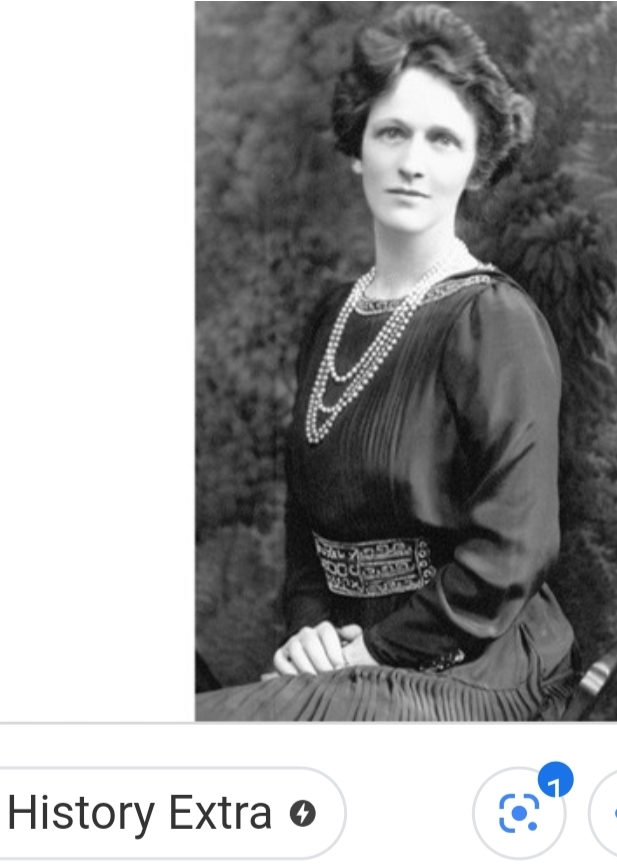
101) Nancy Astor, Viscountess Astor

Courtesy of History Extra

101) Nancy Astor

The First Female MP Elected and Able to Take Her Seat in British Parliament

Born: 19 May 1879, Danville, Virginia, United States of America

Died: 2 May 1964, Grimsthorpe, Lincolnshire, United Kingdom

Nancy served in the House of Commons starting in 1919 (she was replacing her husband who had been the previous MP [MP Means Member of Parliament]).

Nancy was the eighth of eleven children born to a wealthy railroad tycoon in Virginia. Her first years were tough seeing as it was Virginia in the immediate aftermath of the War Between the States but by the time she was a teenager she was on her way to being a socialite.

She met her first husband in New York City when she was attending school—they married when she was eighteen and had one son. They divorced after five years.

Nancy moved to England with her son and younger sister in 1905 and within six months of meeting him she married Waldorf Astor, son of Viscount Astor—a wealthy newspaper owner.

Both were American ex-patriots and were born on the exact same day and year. They would have five children.

Nancy was involved in the party considered liberal at the time (though definitely not today). Their platform was wanting a further expansion of the British Empire and wanting unity among English speaking people.

In 1919 Nancy’s father-in-law died and her husband was immediately placed into the House of Lords and assumed the title Second Viscount Astor (Nancy became Viscountess).

She won the election that was triggered by her husband moving from the House of Commons to the House of Lords.

Nancy advocated for suffrage and temperance which upset the Suffragettes at first because she had never connected with them before. She also advocated lowering the age of women able to vote to twenty-one (passed in 1928) and raising the drinking age to eighteen (it had been made fourteen in 1901 but in 1923 it was raised to eighteen).

She and her husband opposed fighting in World War II.

Nancy became increasingly erratic in later years and decided not to run again in 1945 (although that year twenty-four female MPs were voted in).

She and her husband separated for many years but reconciled before his death in 1952.

Badges Earned:

Find a Grave Marked

Located In My Personal Library:

Royals and the Reich by Jonathon Petropoulos

Eunice: The Kennedy Who Changed the World by Eileen McNamara

Sources:

https://www.thehistorypress.co.uk/articles/nancy-astor-the-first-lady-of-british-politics/

https://www.findagrave.com/memorial/60961299/nancy-witcher-astor

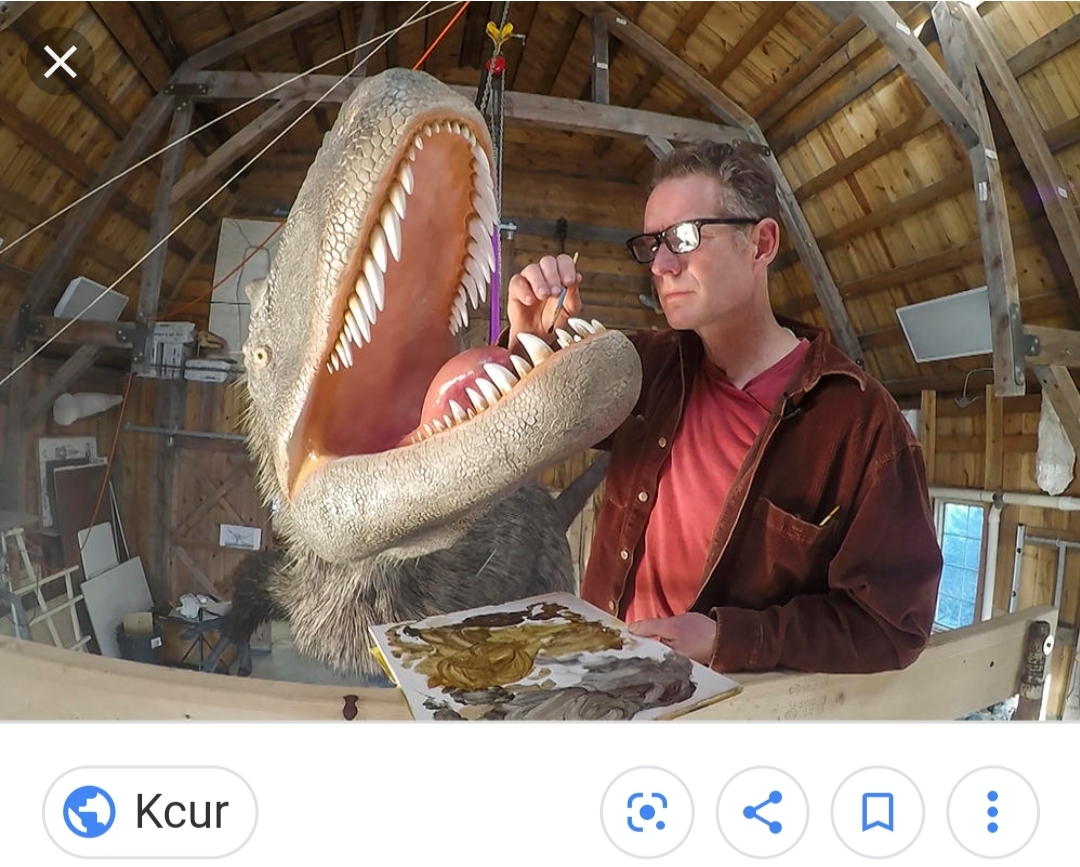
100) Gary Staab

Courtesy of Kcur

100) Gary Staab

Creates lifelike sculptures of everything from Paleo Earth to Modern Day.

I was first introduced to his work while watching NOVA’s Iceman Reborn, which focuses on Ötzi the mysterious iceman mummy.

That’s right, Gary made an exact life-size replication of Ötzi for the curious minded to look at and study without damaging Ötzi's very fragile organic body.

To see his work for yourself check out his Instagram, linked down below, or watch Iceman Reborn yourself, the trailer is linked in this article.

Sources:

https://www.staabstudios.com/about

https://www.instagram.com/staabstudios/?hl=en

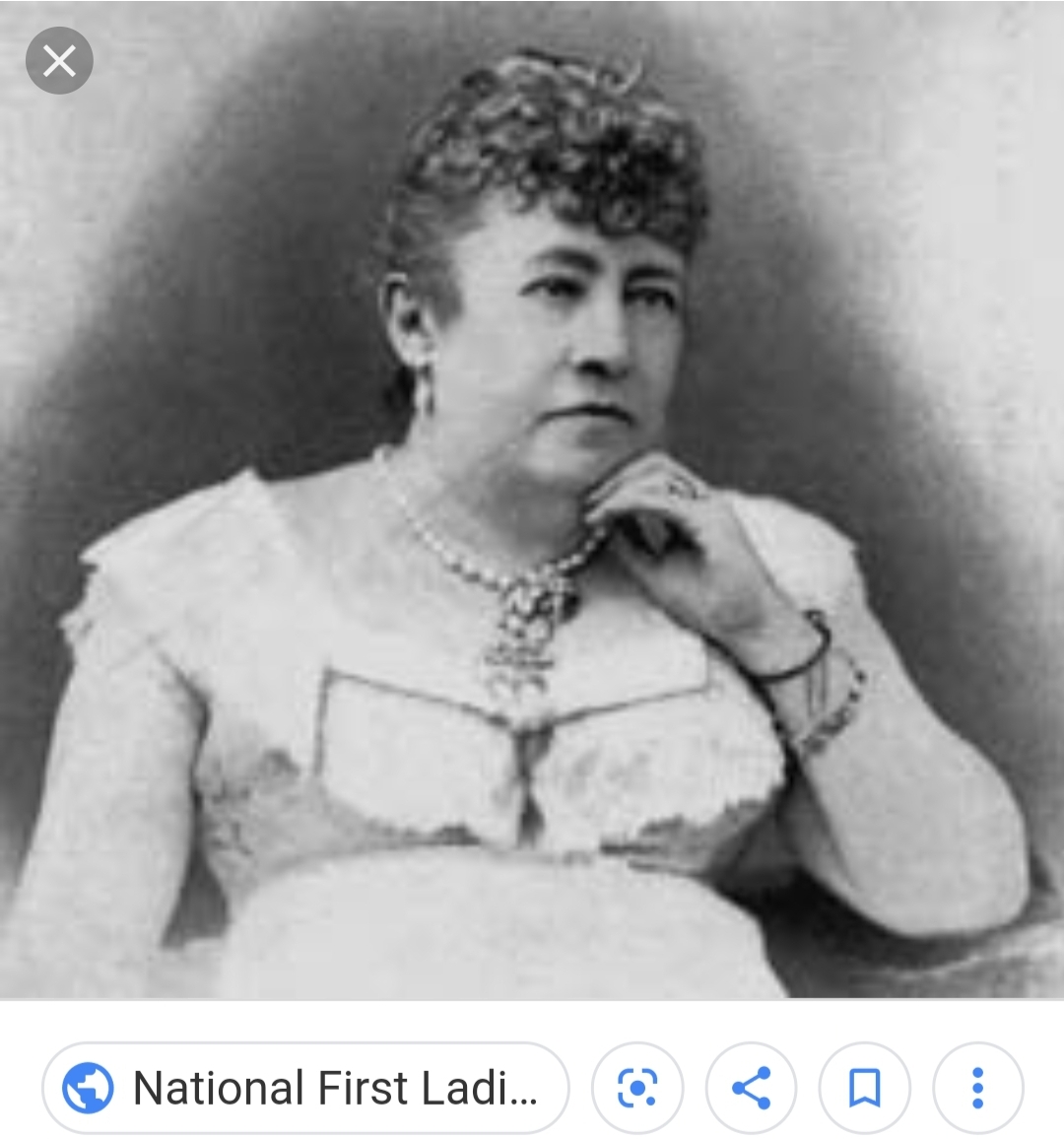
100) Julia Grant

Courtesy of the National First Ladies Library

100) Julia Grant

Former First Lady of the United States during her husband President Ulysses S Grant’s Administration

Born: 26 January 1826, St. Louis, Missouri, United States of America

Died: 14 December 1902, Washington DC, United States of America

She was a popular first lady known for her over the top entertainment and informal manner.

Julia was one of eight children and her father was a plantation owner.

She married and had four children with her husband Ulysses who came from a modest background and served in the Army before resigning in 1854.

In April 1861, at the outbreak of the War Between the States, Ulysses re-enlisted and by March 1864 was Lieutenant General of the Army of the Potomac.

Julia followed her husband whenever possible and became popular in Washington DC as a society figure.

After he was elected President in 1869 she tried for a time to let her family remain living in DC but outside the White House before eventually agreeing to move them into the White House.

She was the first first lady to receive national attention and her and Ulysses’ children became icons in the press with her daughter’s wedding being all the rage (think Kim K and Kanye’s wedding pictures in People Magazine).

Julia was nearly always photographed from the side because she was slightly cross eyed and considered corrective surgery (her husband told her not to because he liked her just as she was—but she was still uncomfortable with it—especially with the press calling her ugly).

Julia also became the first First Lady (from the United States) to write a memoir of her life for publication (finally published in 1975) after being inspired by her husband doing the same.

She was friends with Varina Davis—the former First Lady of the Confederate States of America.

Badges Earned:

Find a Grave Marked

Located In My Personal Library:

Affairs of State: The Untold History of Presidential Love, Sex, and Scandal (1789-1900) by Robert Watson

Confronting the Presidents: No Spin Assessments from Washington to Biden by Bill O'Reilly and Martin Dugard

The Smithsonian First Ladies Collection by Lisa Kathleen Graddy and Amy Pastan

First Ladies: Presidential Historians on the Lives of 45 Iconic American Women by Susan Swain and C-SPAN

Legends & Lies: The Civil War by Bill O'Reilly and David Fisher

Sources:

https://www.britannica.com/biography/Julia-Grant

https://www.findagrave.com/memorial/9238/julia-boggs-grant

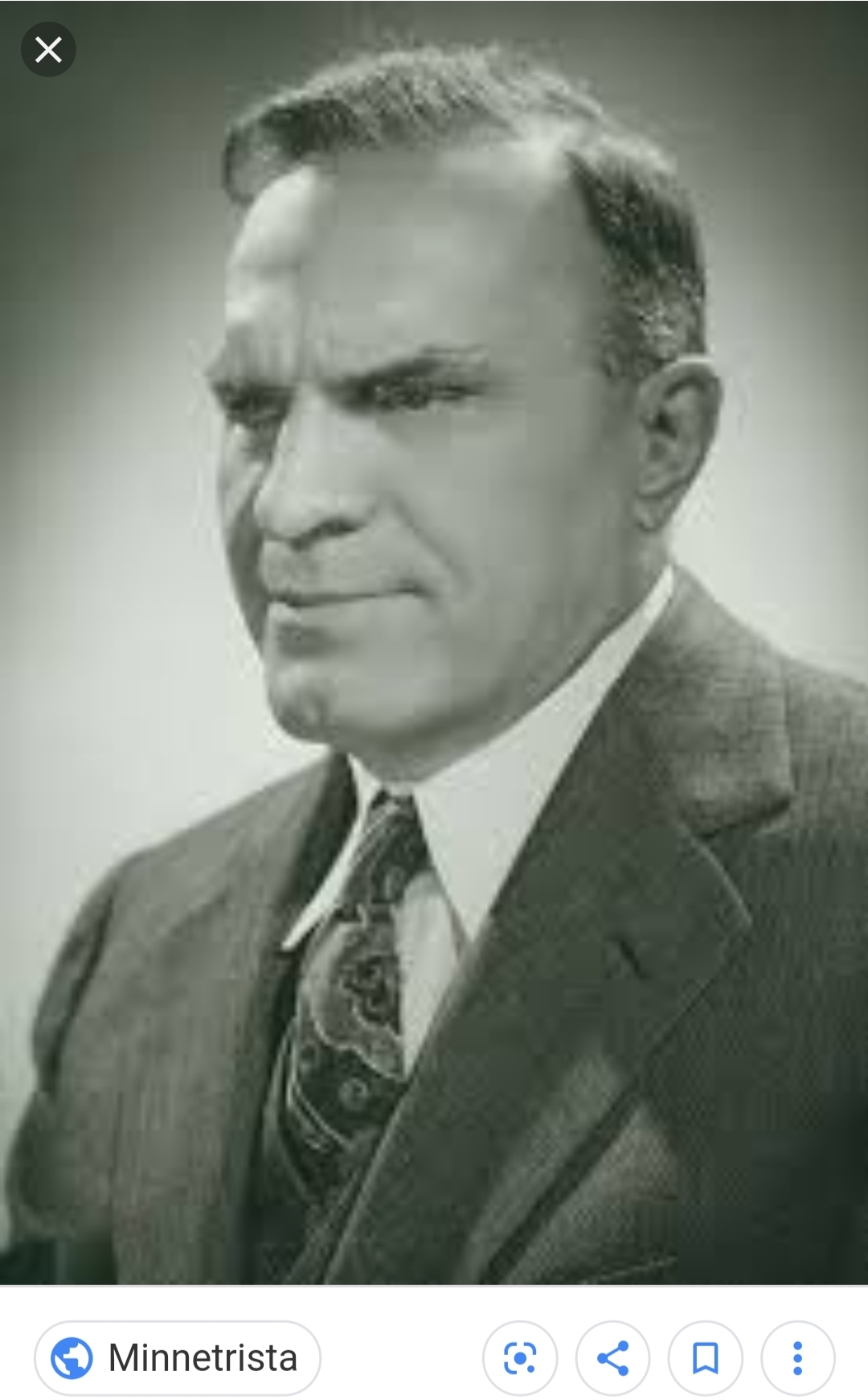
99) Ralph Teetor

Courtesy of Minnetrista

99) Ralph Teetor

Invented Cruise Control and Proved Being Blind is Not Necessarily a Disability

Born: 17 August 1890, Hagerstown, Indiana, United States of America

Died: 15 February 1982, Hagerstown, Indiana, United States of America

President and lead engineer of Perfect Circle Corporation. He also served as President of the Society of Automotive Engineers.

Ralph invented cruise control for a variety of different reasons, but the most important one was safety. People were driving faster and faster on the roads, and with heightened speed came more accidents.

Chrysler was first, then Cadillacs but cruise control was still more of a luxury item. That changed in 1973, when oil embargoes across the US showed Cruise Control to be a valuable gas saving tool.

Ralph grew up in a mechanical family, working on everything from bicycles to automobile engines. When he was five, Ralph accidentally blinded himself in one eye with a knife, and within a year sympathetic ophthalmia, a condition which occurs after a traumatic injury to one eye causes the other to stop functioning, left him completely blind.

By the age of thirteen, he’d built his own car that could travel up to twenty-five miles per hour. Ralph graduated from the University of Pennsylvania in 1912 with a mechanical engineering degree.

When asked if he could have done more had he been sighted, Ralph replied, “I probably couldn’t have done as much. I can concentrate, and you can’t.”

He also reportedly said, “You are not handicapped so long as you can think logically.”

Badges Earned:

Find a Grave Marked

Located In My Personal Library:

Here Is Where: Discovering America’s Great Forgotten History by Andrew Carroll

Sources:

https://www.smithsonianmag.com/innovation/sightless-visionary-who-invented-cruise-control-180968418/

https://www.automotivehalloffame.org/honoree/ralph-r-teetor/

https://www.findagrave.com/memorial/13835312/ralph-h_-teetor

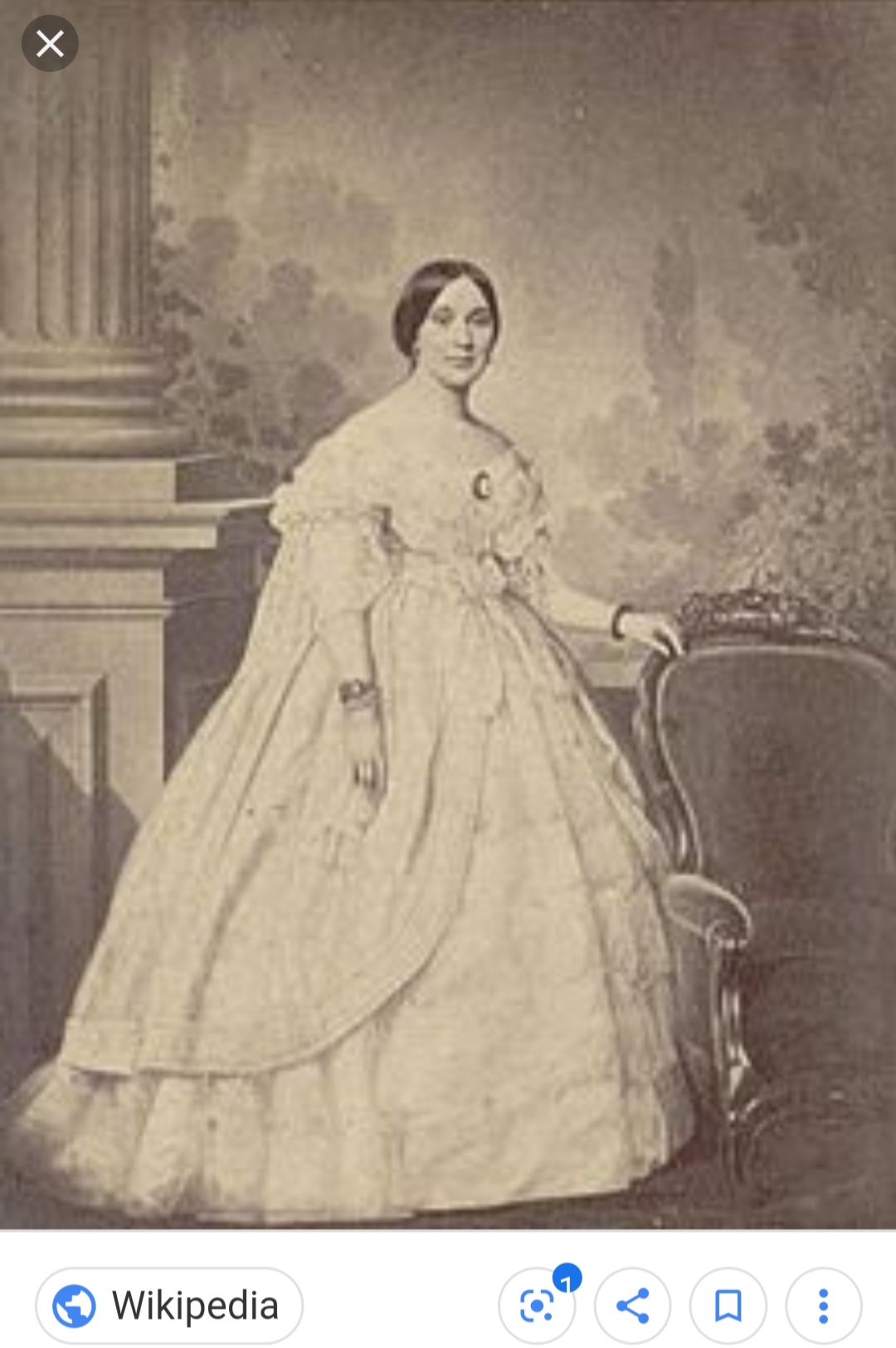
99) Varina Davis

Courtesy of Wikipedia

99) Varina Davis

Former First Lady of the Confederate States of America—the Only Woman to Ever Serve in That Capacity

Born: 7 May 1826, Natchez, Mississippi, United States of America

Died: 16 October 1906, New York City, New York, United States of America

Her father was a hero from the War of 1812, and she was raised as a tomboy in the bayous of Mississippi.

When Varina was seventeen she met her future husband, Jefferson Davis, and pretty much immediately fell in love (him not so much—he’d spent the last eight years in mourning over the untimely death of his first wife).

However, things soon turned around and they quickly fell in love with each other. Varina accepted his marriage proposal at the age of eighteen.

In her younger years she had been an ardent Whig but put aside her own political beliefs in the hopes of understanding her husband’s place in Democrat Politics.

On the honeymoon Jefferson took Varina to the place where his first wife was buried, and they placed flowers on her grave.

They settled on a plantation and according to the source Varina was admired by her slaves for her help attending births and with the sick, mourning the death of one of them and celebrating marriages.

She waited behind when Jefferson went off to war with Mexico though she did not like it.

Varina was present when Jefferson resigned from the United States Senate in 1861. The family of five (they had seven children eventually, but one died in childhood) would soon go to Montgomery to accept Jefferson’s nomination for the office of President of the Confederate States of America. She was thirty-five at the time.

As the war progressed Varina was given more and more access into the political workings of the country (which critics would attack her husband for).

During the president’s frequent bouts of sickness Varina was responsible for acting as liaison between him and Cabinet.

After Varina gave birth to their fifth child the press began to call her portly and middle aged.

Her other roles as First Lady included visiting the wounded, delivering supplies, writing letters to the wounded, and aiding women of authority within the hospitals.

She was also known for her sarcasm (though it was seen as a negative).

Varina and Jefferson lost a second son while in office (Isaac and Samuel had died previously); Joseph climbed up and over a railing and fell to the bricks below. Varina gave birth to another daughter soon after at the age of thirty-seven.

Varina accepted before her husband the Confederacy’s defeat and started to prepare for the aftermath. After her husband’s capture she sent all but their youngest north to Canada to be safe and petitioned for four months to be allowed to communicate with her husband again.

After much insistence from Varina Jefferson was released in 1866 having never faced trial.

They spent several years apart with Varina spending much time in Europe and Memphis, Tennessee.

After his death Varina moved to New York and became pen pals with Julia Grant, the former First Lady of the United States.

She died from pneumonia but told her daughter Margaret on her deathbed not to wear black because it would depress her daughter’s husband and was bad for her health. Varina outlived all her children, save Margaret, who would pass herself three years later.

Using Find a Grave as a source we can gather the following about her children:

Isaac, died aged 17 at the Battle of Stones Creek (1863)

Samuel, died one month before his second birthday (1854)

Margaret, only child to outlive her mother (she and her sister would outlive her father) died aged 54, (1909)

Jefferson, died aged 21 from yellow fever (1878)

Joseph, died aged 5 after falling from the railings of the Confederate White House (1864)

William, died aged 10 or 11 from diphtheria (1872)

Varina "Winnie" died aged 34 (1898)

Badges Earned:
Find A Grave Marked

Located In My Personal Library:

Affairs of State: The Untold History of Presidential Love, Sex, and Scandal (1789-1900) by Robert Watson

Sources:

https://ehistory.osu.edu/articles/life-varina-howell-davis-first-lady-confederacy

https://www.findagrave.com/memorial/20982/varina-anne_banks-davis

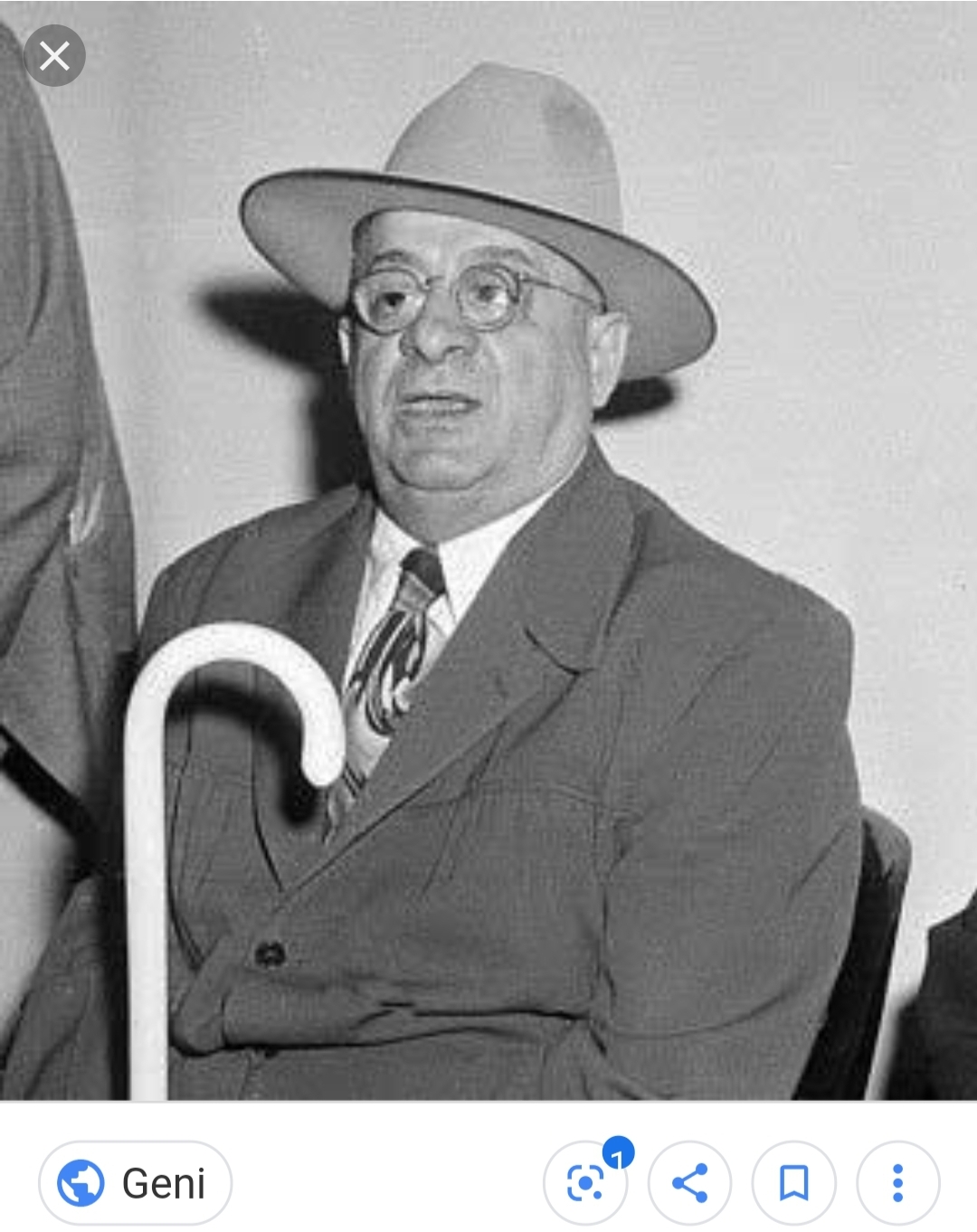
98) Richard Hart (aka James Vincenzo Capone)

Courtesy of Geni

98) Richard Hart

Would you believe me if I told you he was Al’s older brother?

Born: 28 March 1892, Angri, Kingdom of Italy (Present-day Angri, Italy)

Died: 1 October 1952, Homer, Nebraska, United States of America

His nickname was Two Gun.

James left home at sixteen to head west, hoping to shake his Italian roots and Brooklyn accent. During World War I, he claimed to have seen action in France and achieved the rank of Lieutenant (But note, some sources say this actually happened while others say he just told people he had served).

After the war, he legally changed his name to Richard Hart and became a federal agent who tracked down and arrested moonshiners in Nebraska.

Richard took a job as a special agent for the Bureau of Indian Affairs, serving first on the Cheyenne Reservation in South Dakota and then the Spokane Reservation in Washington state.

In 1931, he returned to Homer, Nebraska and returned to work as a Prohibition Agent. However, when prohibition ended two years later, he became a justice of the peace instead.

Its said he tracked down twenty murderers in his career.

Badges Earned:

Find a Grave Marked

Located In My Personal Library:

Here is Where: Discovering America’s Great Forgotten History by Andrew Carroll

After the Fact: The Surprising Fates of American History's Heroes, Villains, and Supporting Characters by Owen Hurd

Sources:

https://www.thevintagenews.com/2016/09/17/al-capones-brother-changed-name-became-successful-prohibition-agent/

https://historycollection.co/al-capones-long-lost-brother-prohibition-officer/

https://www.findagrave.com/memorial/66613217/richard-james-hart

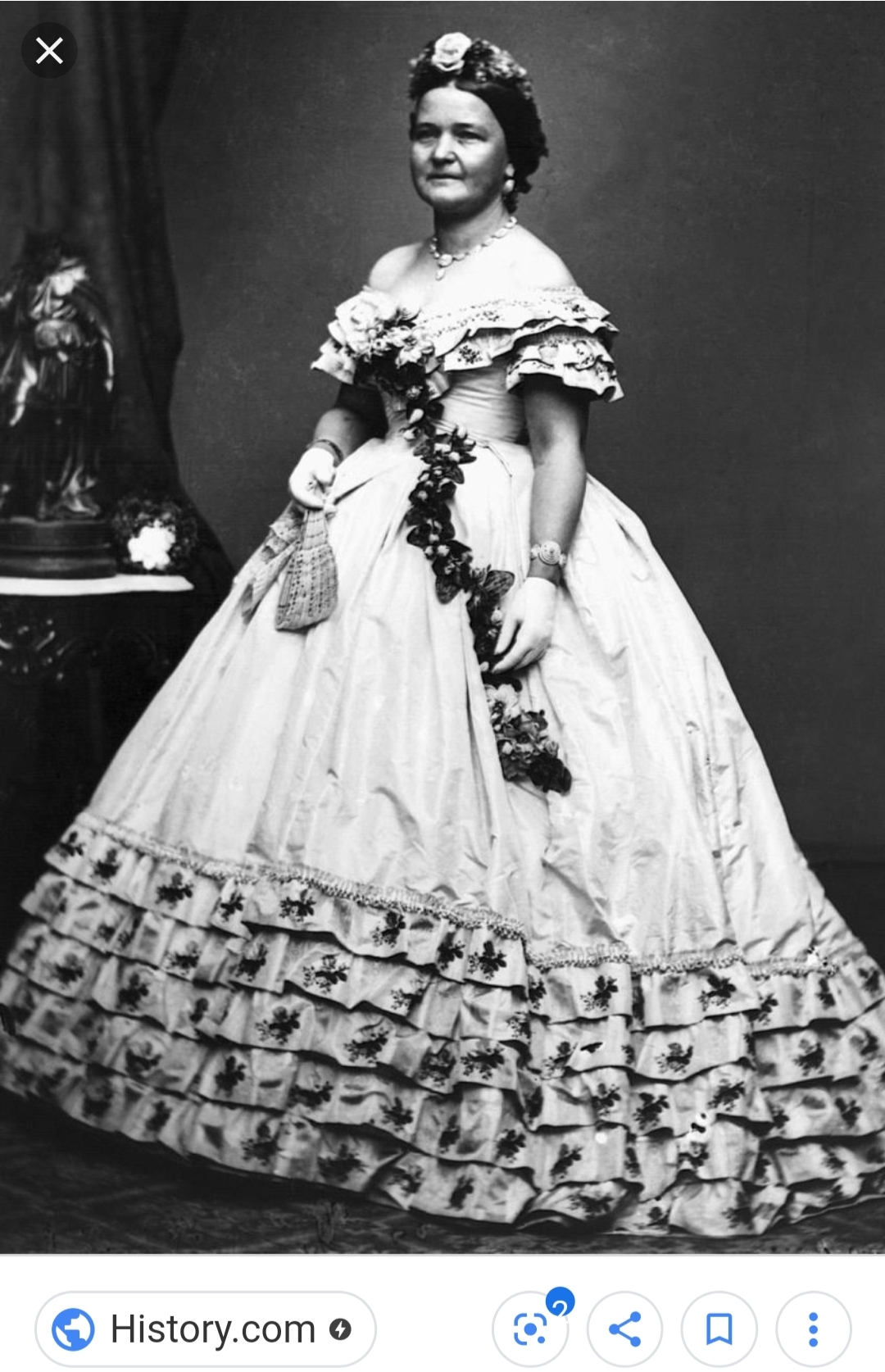
98) Mary Todd Lincoln

Courtesy of History.com

98) Mary Todd Lincoln

Former First Lady of the United States During Her Husband Abraham Lincoln’s Administration

Born: 13 December 1818, Lexington, Kentucky, United States of America

Died: 16 July 1882, Springfield, Illinois, United States of America

Mary was ostracized while her husband was in office because of her southern upbringing and opulent reputation (just look at pictures of her dresses from the period to understand—including the one shown here).

Mary is remembered today for her frequent bouts of mental instability (also understandable, she buried three of her four sons and her husband all within a relatively short period of time).

Despite her southern upbringing on a plantation she did become an abolitionist and one of her closest friends and confidantes in the White House was her African American seamstress Elizabeth Keckley.

Mary and the president’s relationship was anything but perfect and some speculate it was closer to abusive at times.

After their son Willie died Mary became increasingly reliant on spiritualists and mediums in an attempt to communicate with her sons—a tradition which would carry on after Abraham’s death as well.
She also lost three of her half-brothers in service to the Confederacy during the war.

For seventeen years after her husband’s death (and later her son Eddie’s) she wandered in a daze throughout Europe and America—finally being committed to an insane asylum by her only remaining son Robert (though she was later released with the help of her friend Myra Bradwell).

Badges Earned:

Find a Grave Marked

Located In My Personal Library: Are You Ready for This? Here We Go:

Abraham Lincoln Vampire Hunter (What? She’s technically a character) by Seth Grahame-Smith

Affairs of State: The Untold History of Presidential Love, Sex, and Scandal (1789-1900) by Robert Watson

After the Fact: The Surprising Fates of American History's Heroes, Villains, and Supporting Characters by Owen Hurd

America's Women: 400 Years of Dolls, Drudges, Helpmates, and Heroines by Gail Collins

The Apparitionists: A Tale of Phantoms, Fraud, Photography, and the Man Who Captured Lincoln’s Ghost by Peter Manseau

Bad Days in History by Michael Farquhar

Confronting the Presidents: No Spin Assessments from Washington to Biden by Bill O'Reilly and Martin Dugard

Dead Presidents by Brady Carlson

First Ladies: Presidential Historians on the Lives of 45 Iconic American Women by Susan Swain and C-SPAN

Killing Lincoln: The Shocking Assassination that Changed America Forever by Bill O’Reilly and Martin Dugard

Legends & Lies: The Civil War by Bill O'Reilly and David Fisher

Lincoln’s Last Days by Bill O’Reilly and Dwight Jon Zimmerman

The Madness of Mary Lincoln by Jason Emerson

Mr. Lincoln’s Wife by Anne Colver (Historical Fiction)

The Smithsonian First Ladies Collection by Lisa Kathleen Graddy and Amy Pastan

Star Spangled Scandal: Sex, Murder, and the Trial That Changed America by Chris DeRose

Stealing Lincoln’s Body by Thomas J Craughwell

Who’s Haunting the White House? By Jeff Belanger

The Who, the What, and the When: 65 Artists Illustrate the Secret Sidekicks of History by Jenny Volvovski, Julia Rothman, and Matt LaMothe

Sources:

The books listed above and

http://www.mrlincolnswhitehouse.org/residents-visitors/family/family-mary-todd-lincoln-1818-1882/

https://www.findagrave.com/memorial/1341/mary-ann-lincoln

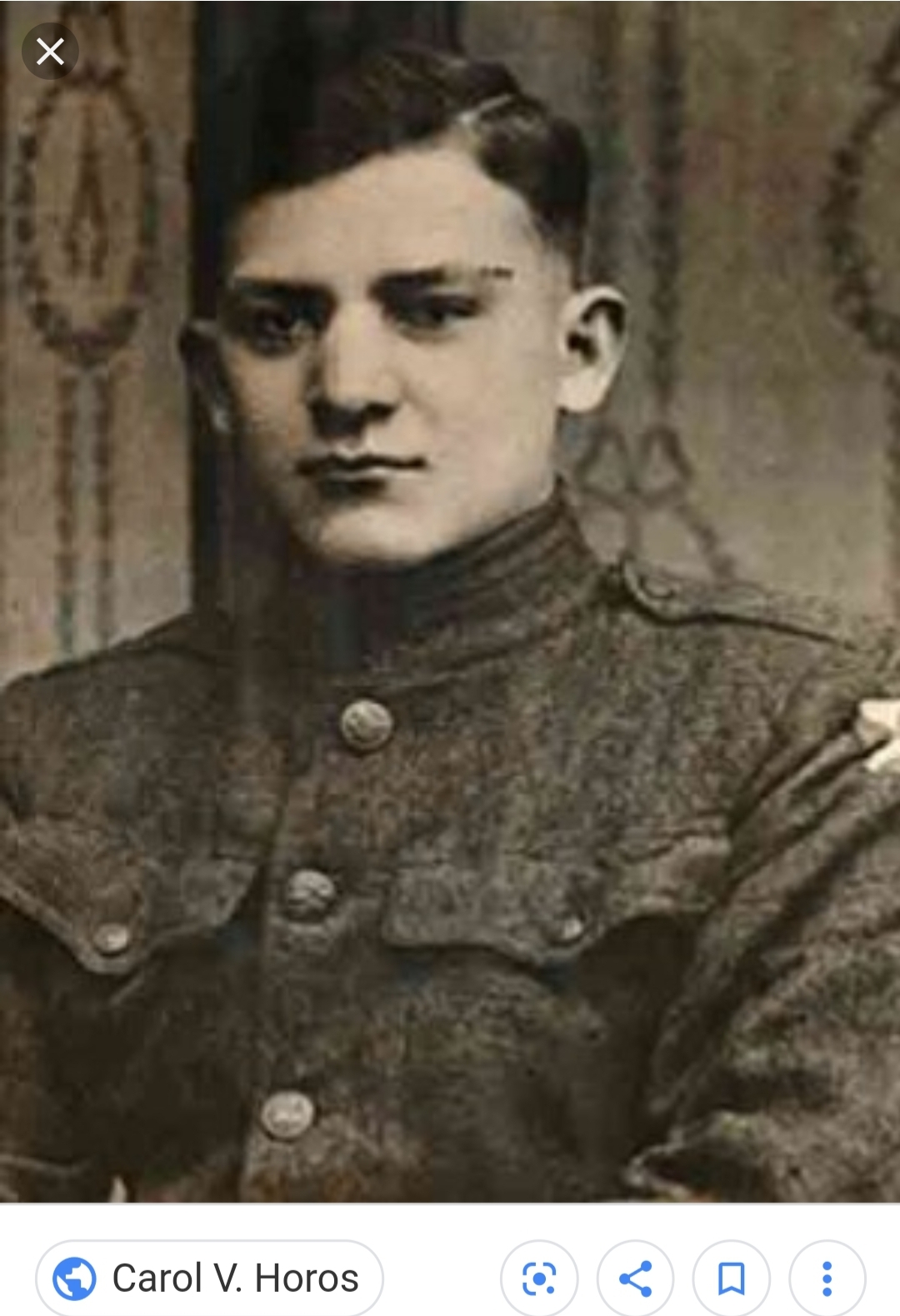
97) Sergeant Edward Younger

Courtesy of Carol V Horos

97) Sergeant Edward Younger

He Entered History for Selecting the Unknown

Born: 21 September 1898, Chicago, Illinois, United States of America

Died: 6 August 1942, Chicago, Illinois, United States of America

Edward was chosen to make the final selection for the soldier who would represent the Unknown from World War I for the creation of the Tomb of the Unknown Soldier at Arlington National Cemetery.

He served in the US Army from 1917 to 1922; after leaving the Army he worked for the US Post Office and is himself buried in Arlington.

If you would like to learn more about the history behind the Tomb of the Unknown, click the link in this article.

Badges Earned:

Find a Grave Marked

Located In My Personal Library:

The Unknowns by Patrick O’Donnell

Sources:

http://www.arlingtoncemetery.net/eyounger.htm

https://www.findagrave.com/memorial/6097142/edward-f-younger

  • Previous
  • 1
  • …
  • 136
  • 137
  • 138
  • 139
  • 140
  • 141
  • 142
  • …
  • 159
  • Next

Categories

Archives

  • July 2025 (10)
  • July 2024 (1)
  • January 2024 (1)
  • August 2023 (1)
  • June 2023 (2)
  • October 2022 (1)
  • July 2022 (1)
  • June 2021 (3)
  • December 2020 (3)
  • August 2019 (1)
  • July 2019 (2)

Search

© 2026 The Exasperated Historian | Powered by Minimalist Blog WordPress Theme