The Exasperated Historian
Menu
  • Home
  • The Women’s List (New)
  • The Men’s List
  • The Animal List
  • Collections
  • The Blog
  • Contact Us
  • FAQ
Menu

Category: New York’s Own

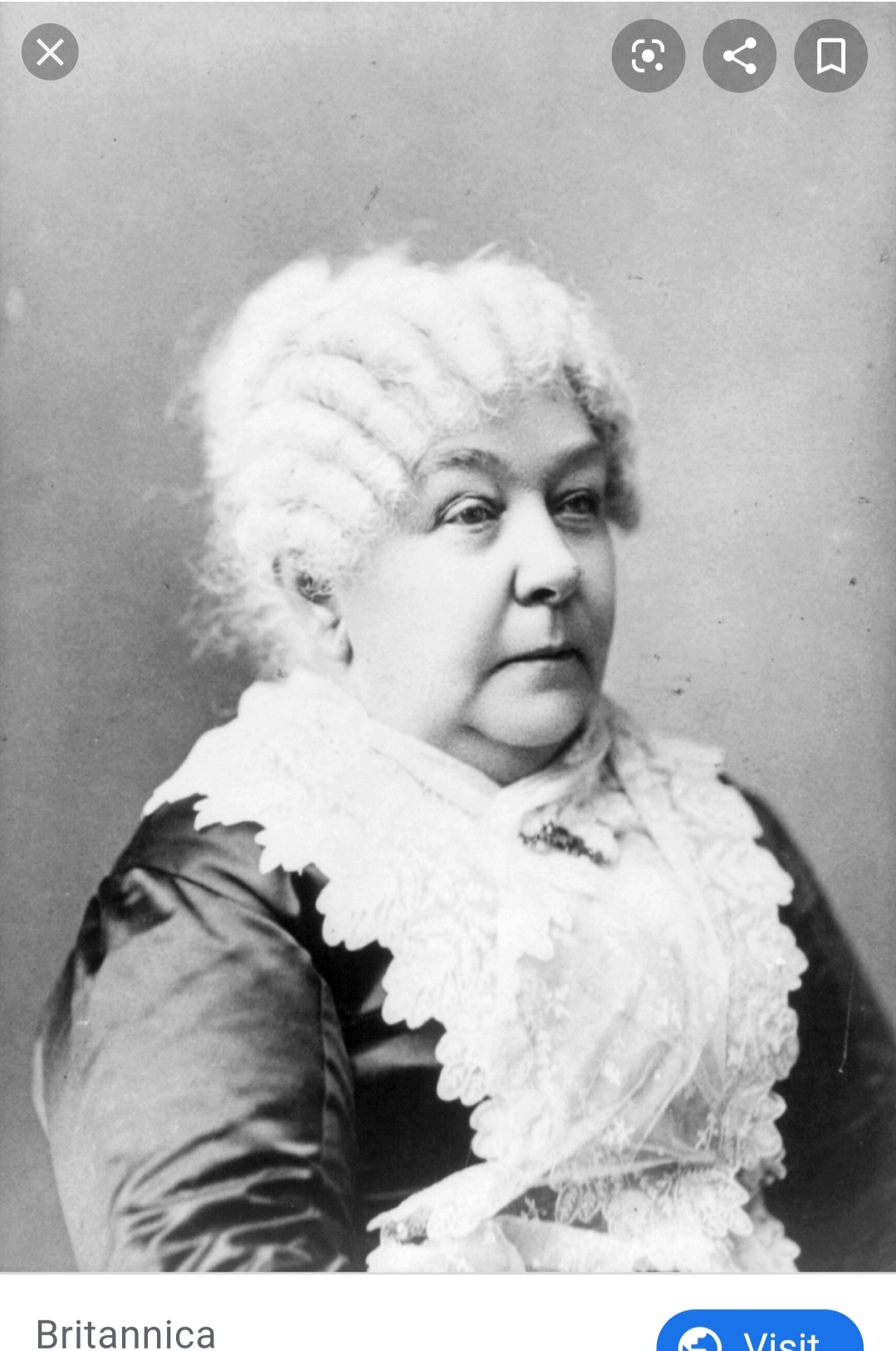
848) Elizabeth Cady Stanton

Courtesy of Britannica

“I would have girls regard themselves not as adjectives but as nouns.”

848: Elizabeth Cady Stanton

Social Reformer and Leading Figure in the Women’s Suffrage Movement in the United States

Born: 12 November 1815, Johnstown, New York, United States of America

Died: 26 October 1902, New York City, New York, United States of America

Elizabeth did attend school and was well educated there but she also learned extensive legal knowledge from her father who went on to serve as a judge on the New York Supreme Court. He was also a slave owner.

Elizabeth started as an abolitionist alongside her husband. When they met, Henry was a member of the American Anti-Slavery Society; which included such esteemed members as William Lloyd Garrison and Frederick Douglass. Elizabeth fell hard for Henry, but in what can only be described as a perfect prelude to her future, Elizabeth insisted the word “obey” be removed from her vows. Her parents were obviously not pleased by the match, and so also against social norms, Elizabeth married Henry against their wishes.

Elizabeth’s abolitionist activism was the perfect transition to her women’s rights work; in which she eventually became instrumental in the gathering of the Seneca Falls Convention. This came about after Elizabeth met Lucretia Mott while attending an anti-slavery exhibition in London. Presented at the Seneca Falls Convention was Elizabeth’s immortal “Declaration of Sentiments”; an expansion to the Declaration of Independence which added the words “woman” and “women” throughout. The goal of Elizabeth’s declaration was to bring attention to the fight for women’s suffrage across the United States. The document outlined eighteen specific grievances women in the US had against the federal government and men in general. The grievances included everything from the right to vote, the right to attain a college education, the ability to earn wages and own property without a husband or father’s consent, being compelled to submit and be subject to laws passed without their consent, better rights for women in cases of divorce and child custody proceedings, allowing women more representation in church affairs, stopping women from being submissive and dominated by men, and even changing things so that women were no longer held to a different moral code than men.

As someone who owns a copy and has read the Declaration of Sentiments myself, I have say, even as a non-feminist like myself (I prefer egalitarian), the document is bada** and should be required reading in school.

Elizabeth was the first woman given the right to speak before the New York Legislature and used that ability to help pass the Married Women’s Property Act of New York in 1848; the same year as the Seneca Falls convention.

Elizabeth mostly wrote speeches and documents as she stayed home with her seven children while Susan B Anthony (who was single with no children and now one of Elizabeth’s closest friends and colleagues) was free to move around and deliver those speeches. They worked together for both the women’s suffrage and temperance movements.

During the years the War Between the States raged, Susan and Elizabeth both advocated for the passage of the thirteenth amendment to the United States constitution. The thirteenth amendment abolished slavery in the country. Today, Elizabeth and Susan have both been criticized for their failure to support the fourteenth and fifteenth amendments, which both ensured the legal right of African American men to vote. The important thing to remember is Elizabeth and Susan would have supported the amendments, had they also ensured voting rights for women. But because the drafted amendments failed to deliver suffrage to the female population, Elizabeth and Susan turned their backs on them.

In the late 1860’s, Elizabeth’s views became more and more “radical.” She was advocating for things like (gasp!) teaching women contraceptive measures to avoid becoming pregnant. Elizabeth also pushed for even more lax divorce laws and greater sexual freedoms. Her beliefs would also lead her to support Victoria Woodhull in her run for President of the United States.

Elizabeth eventually became the President of the National Woman Suffrage Association after she and Susan co-founded the group in 1869. They founded the organization after splitting from other suffrage advocates who advocated for suffrage on the state level as opposed to the national level. In 1890, the two sides found peace and reunited under the banner “the National American Women’s Suffrage Association.”

Elizabeth wrote the first three of the six volumes of the controversial Women’s Bible. This work advocated for women to recognize church orthodoxy and masculine theology as a barrier to women being able to govern themselves. Elizabeth also advocated for a secular state through this work. The reason why Elizabeth was so seemingly anti-religious harkened all the way back to when she was sixteen. As a teenager, Elizabeth experienced severe religious teachings that emphasized the fiery pits of hell and so forth while attending a seminary school. To say the preaching left her with a bad taste in her mouth was an understatement.

But her writings weren’t all religious based. Elizabeth also authored an autobiography and three volumes of the History of Woman Suffrage. She passed away eighteen years before women were given the right to vote.

Upon her death, Elizabeth asked her brain be donated to science to debunk the notion that men’s brains had more mass than women’s. Unfortunately, her children decided against her wishes.

Badges Earned:

Find a Grave Marked

Located In My Personal Library:

Revolutionary Women by Peter Pauper Press

After the Fact: The Surprising Fates of American History's Heroes, Villains, and Supporting Characters by Owen Hurd

America's Women: 400 Years of Dolls, Drudges, Helpmates, and Heroines by Gail Collins

Who Knew Women in History by Sarah Herman

The Book of Awesome Women: Boundary Breakers, Freedom Fighters, Sheroes, and Female Firsts by Becca Anderson

The Declaration of Sentiments by Elizabeth Cady Stanton

The Woman's Bible by Elizabeth Cady Stanton

Suffragists in Washington DC: The 1913 Parade and the Fight for the Vote by Rebecca Boggs Roberts

No Place for a Woman: The Struggle for Suffrage in the Wild West by Chris Enss

Victoria Woodhull's Sexual Revolution: Political Theatre and the Popular Press in Nineteenth Century America by Amanda Frisken

Notorious Victoria: The Life of Victoria Woodhull, Uncensored by Mary Gabriel

Sources:

https://www.womenshistory.org/education-resources/biographies/elizabeth-cady-stanton

https://www.history.com/topics/womens-history/elizabeth-cady-stanton

https://www.nps.gov/wori/learn/historyculture/elizabeth-cady-stanton.htm

https://www.findagrave.com/memorial/974/elizabeth-cady-stanton
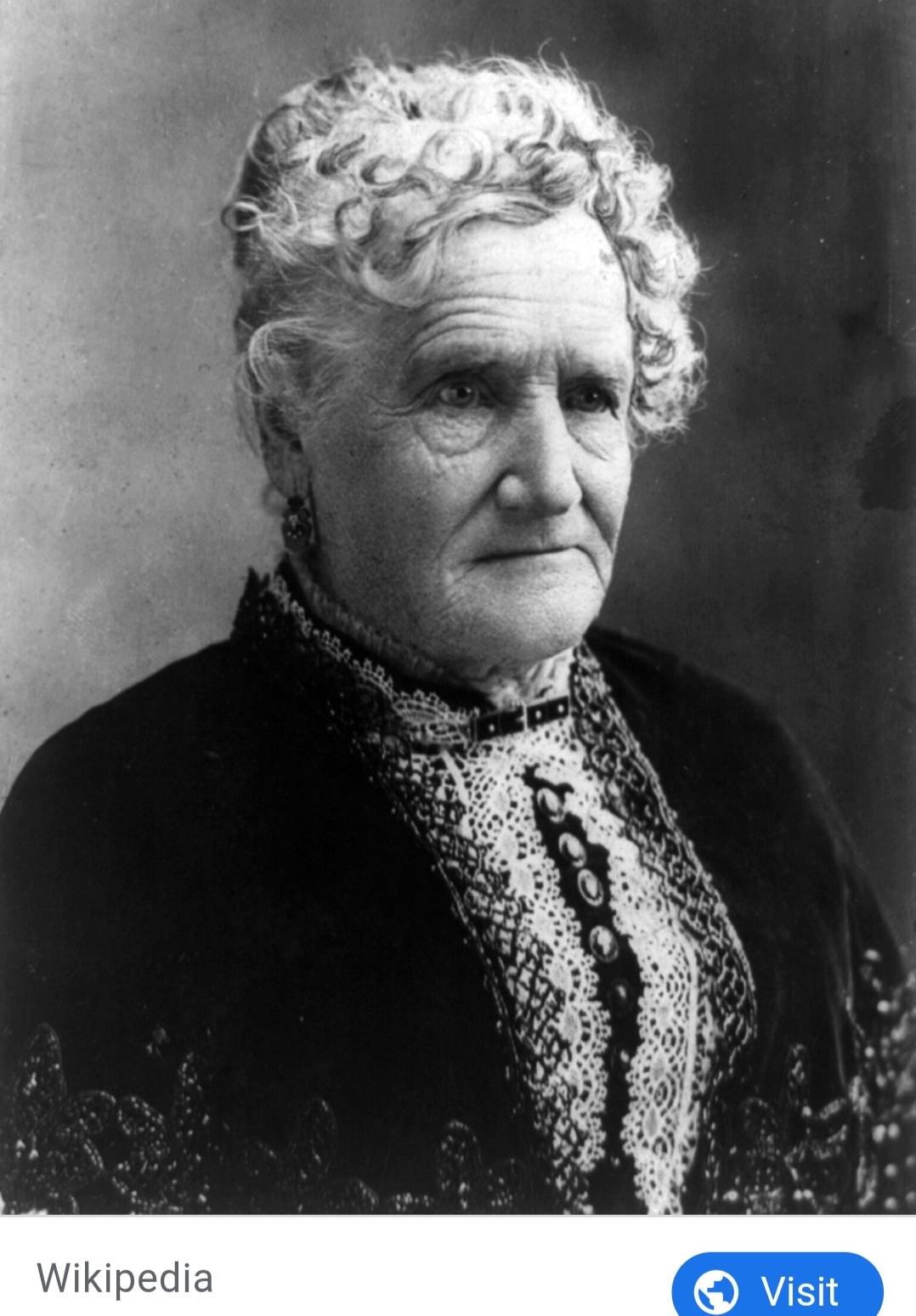
845) Esther Hobart Morris

Courtesy of Wikipedia

"Like all pioneers, I labored more in faith and hope.”

845: Esther Hobart Morris

The First Female Justice of the Peace in the United States

Born: 8 August 1814, Spencer, New York, United States of America

Died: 2 April 1902, Cheyenne, Wyoming, United States of America

Esther served the city of South Pass in Wyoming.

She was orphaned at the age of eleven but rose on to start a successful millinery business. Esther learned how to run her own business, and also began her activism work in the abolitionist movement.

Esther’s first husband died after four years of marriage, and she unfortunately struggled to settle his estate because women in Illinois at the time were not allowed to inherit property. Esther eventually remarried; though according to the National Parks Service her new husband was known for being a drunk (and Esther even had him arrested for assault and battery at one point). She had three sons; one from her first marriage and twins from her second.

After moving to Wyoming, Esther was immediately a supporter of giving women the vote among other rights. In case you’re wondering, Wyoming is the hallmark state in terms of giving women voting rights and in terms of women attaining positions within the state government. In December of 1869, when Wyoming was still a territory, the territorial government passed an edict giving women the right to vote and the guarantee they were allowed to hold office (unfortunately the amendment that would afford the same protections to "colored" and "squaw" women failed--and I promise you that's not my phrasing but actually the original that was used in 1869). Soon after, the territory also passed laws stating female teachers were owed the same pay as their male counterparts and that married women had control of their own property. Wyoming is the best okay? That’s all I’m trying to say.

Anyway, back to Esther. She was appointed to the Justice of the Peace position in 1870; again, while Wyoming was still a territory. Esther was the first woman to hold any judicial office in the United States and the modern world as a whole. Esther was appointed after her predecessor resigned in protest after the territorial suffrage laws were passed. She served for eight months and oversaw twenty-six cases (with 0 appeals). Sadly, Esther was not nominated to run for a reappointment to the position.

Esther traveled the country for the suffrage cause. She traveled to conventions in San Francisco and Philadelphia, and even served as the vice president of the National American Woman Suffrage Association.

She presented the state flag to the first governor upon Wyoming becoming a state in 1890. She was honored as a suffrage pioneer during the statehood celebrations. Five years later, when Esther was eighty, she was selected to serve as a delegate to the national suffrage convention in Cleveland, Ohio.

Unfortunately, Esther passed away eighteen years before women were given the right to vote on a national level.

After her death, supporters and well-meaning advocates began to claim Esther was at least partially responsible for the 1869 law that allowed women the right to vote and hold office in the Wyoming Territory. However, Esther never claimed that when she was alive and the main source that does make this claim was written after she died and has some inaccurate statements within. Therefore, the veracity of this claim cannot be made certain. In actuality, the suffrage bill was passed thanks to a political fumble. The Democrats largely controlled the territorial legislator at the time and presented the suffrage bill to the Republican territorial governor to try and embarrass him. Instead, the governor signed the bill into law. The Democrats had hoped that if the bill did pass, women would vote for the Democrat Party as thanks. Instead, most women voted Republican in the first election they were allowed to participate in.

In 1960, a statue of Esther was placed in the National Statuary Hall Collection. Her statue represents the great state of Wyoming in Washington DC.  Three years later, a duplicate of the statue was placed in the Wyoming State Capitol in Cheyenne.

Badges Earned:

Find a Grave Marked

Located In My Personal Library:

America's Women: 400 Years of Dolls, Drudges, Helpmates, and Heroines by Gail Collins

Sources:

https://www.aoc.gov/explore-capitol-campus/art/esther-hobart-morris

https://www.wyohistory.org/encyclopedia/esther-hobart-morris-justice-peace-and-icon-womens-rights

https://www.nps.gov/people/esther-hobart-morris.htm

https://www.findagrave.com/memorial/6653029/esther-hobart-morris

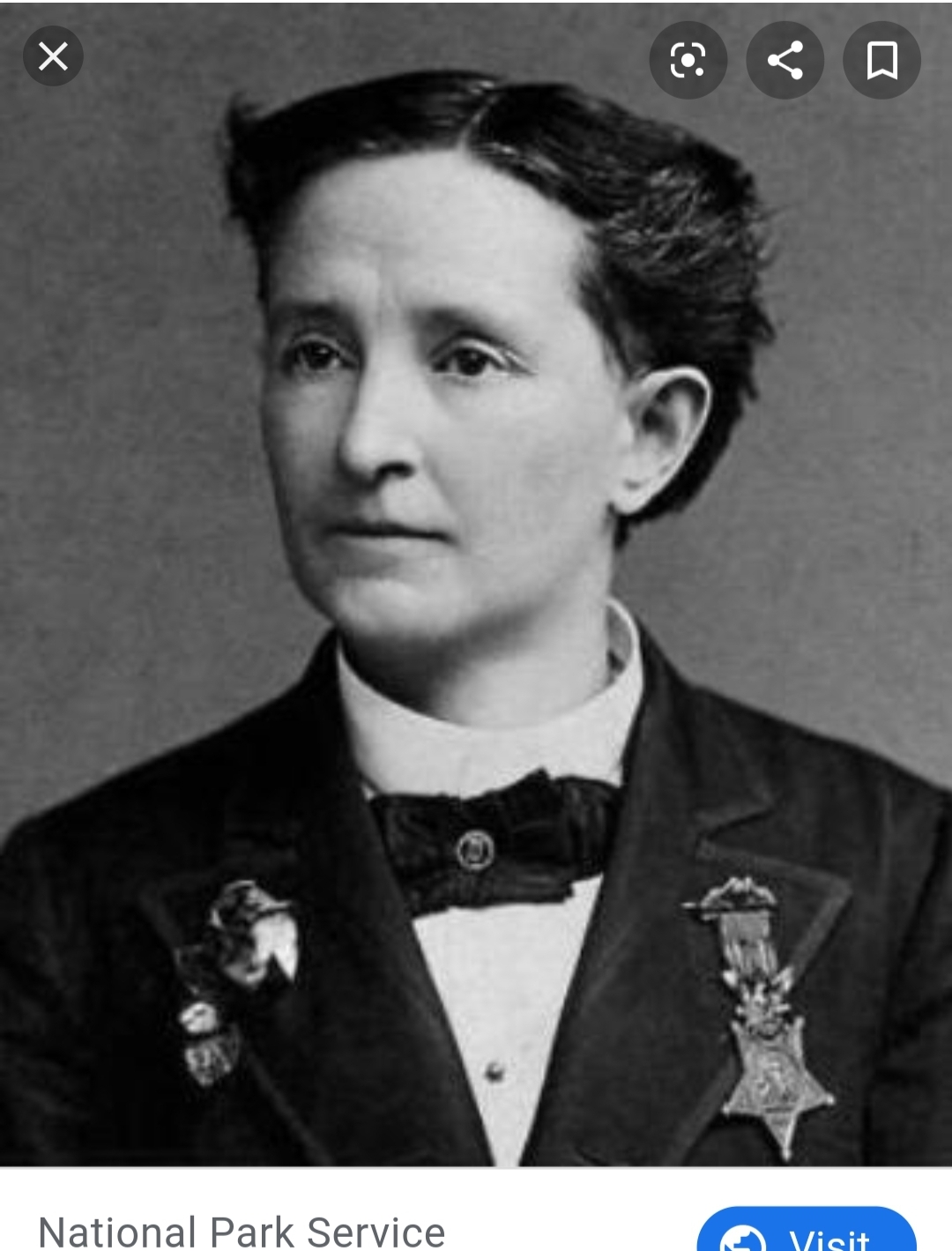
822) Mary Edwards Walker

Courtesy of the National Park Service

"I don't wear men's clothes, I wear my own clothes."

822: Dr. Mary Edwards Walker

The Only Woman to Ever Receive the Medal of Honor (United States)

Born: 26 November 1832, Oswego, New York, United States of America

Died: 21 February 1919, Oswego, New York, United States of America

Mary was an abolitionist, women’s rights advocate, possible spy, and prisoner of war.

She served as a military surgeon during the War Between the States (serving the Union Army as the first female surgeon [the first female surgeon for the Confederate army was Dr. Oriana Moon Andrews]).

Mary wore female fitted outfits that looked like male clothing after her father told her and her sisters (of which there were five total) that he didn’t expect them to wear corsets. She had no desire to conceal her gender and simply dressed that way for practical reasons. One of the pieces of clothing Mary and her sisters wore were the now famous Bloomer costume, named after the trendsetter who made them popular, Amelia Bloomer. Mary’s parents were so forward thinking they founded their own school, the first of its kind in Oswego, simply so their daughters could be just as educated as their son.

Mary graduated from Syracuse Medical College in 1855; becoming the second woman to receive her medical degree from there after Elizabeth Blackwell. She was also a member of the National Society Daughters of the American Revolution.

At her wedding the word “obey” was deleted from her vows and Mary insisted on being called Dr. Miller-Walker. Mary even dressed in a short skirt with trousers underneath instead of a dress. However, she and her husband divorced after fourteen years, and she would never marry again, nor have any children.

For the first three years of the war Mary served as an army nurse, though the position was a volunteer one and she was not paid. In 1864, she was commissioned as the first woman assistant surgeon in the United States Army (though she was technically a civilian agent, the pay equivalent of her position was a lieutenant or captain). In 1864, Mary partook in a surgical case with a Confederate surgeon. Once the surgery was completed, Mary was captured by Confederate soldiers and held as a prisoner of war after being charged as a spy (According to one source, but there is little other evidence to back up this claim). They held her for four months, during which time she refused to dress in women’s attire because they were less hygienic than male clothing was at the time.

In 1865, President Johnson served Mary with the Medal of Honor and in 1907 she received a replacement medal and would proudly wear them together.

In 1871, Mary published a book entitled Hit. Throughout the 1870’s, Mary’s work advocated for women’s rights skyrocketed. She fought for overall dress reform and was even arrested in New Orleans in 1870 for refusing to dress like a woman. The following year, Mary unsuccessfully attempted to register to vote. She then ran for United States Senate in 1881 and the United States Congress in 1890 but failed to receive a nomination.

Mary continued to work for the cause of Suffrage. She testified before the US House of Representatives in 1912 and 1914; however, the mainstream suffrage movement began to distance themselves from her. Mary believed women had already been given the right to vote in the US Constitution, and simply needed an act of Congress to make it so. The mainstream Suffrage movement, on the other hand, wanted a constitutional amendment added for further clarification and protection.

In 1916, Mary’s name was stricken from the record of Medal of Honor Recipients alongside many others (because she was never a commissioned officer in the military) but she continued to wear both of hers until she died. This is particularly confusing considering some sources state Mary was officially ranked as a “First Lieutenant” by the end of the war but was still in fact a civilian agent. The same decision that revoked Mary’s medal also saw William “Buffalo Bill” Cody lose his as well for the same reasons.

Finally, in 1977 the records were corrected, and Mary’s medal was reinstated by President Jimmy Carter thanks to her family continuing to fight for what was right.

Mary was buried in a black frock suit, defying society conventions till the end.

In 2012, her hometown of Oswego, New York unveiled a statue in her honor.

Badges Earned:

Find a Grave Marked

Located In My Personal Library:

Legends & Lies: The Civil War by Bill O'Reilly and David Fisher

They Fought Like Demons: Women Soldiers in the American Civil War by DeAnne Blanton and Lauren M Cook

The Pinks: The First Women Detectives, Operatives, and Spies with the Pinkerton National Detective Agency by Chris Enss

Sources:

https://www.womenshistory.org/education-resources/biographies/mary-edwards-walker

https://cfmedicine.nlm.nih.gov/physicians/biography_325.html

https://www.army.mil/article/183800/meet_dr_mary_walker_the_only_female_medal_of_honor_recipient

https://www.nps.gov/people/mary-walker.htm

https://www.battlefields.org/learn/biographies/mary-e-walker

https://www.findagrave.com/memorial/23089/mary-edwards-walker

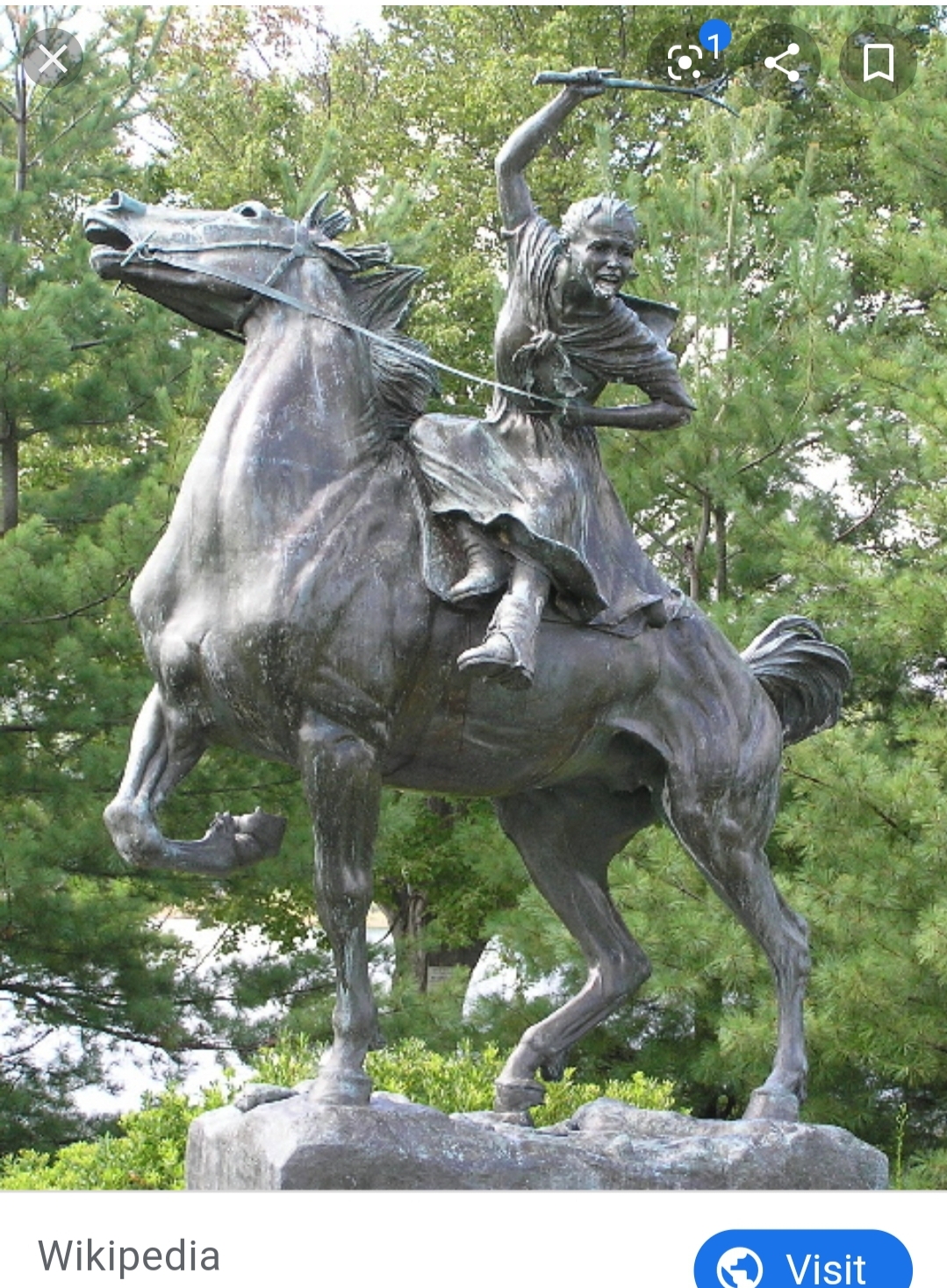
788) Sybil Ludington

Courtesy of Wikipedia

788: Sybil Ludington Ogden

The Real Midnight Rider

Born: 5 April 1761, Fredericksburg, The Colony of New York (Present-day Lugintonville, New York, United States of America)

Died: 26 February 1839, Catskill, New York, United States of America

Also Spelled: Sibbell, Sebal, Sebil, Cybil, or Sibel

Sybil was a heroine of the American Revolution; and unlike Paul Revere—the other famed Midnight Rider, Sybil wasn’t caught.

When she was sixteen years old, word reached Sybil’s home that the British were burning Danbury, Connecticut; prompting her father to ask Sybil to ride over forty miles throughout the New York winter to find and gather up the neighboring minutemen to launch a successful counter assault.

Sybil was the oldest of twelve children, and her father all in all served in the military for over sixty years. Although Henry Ludington was originally aligned with the British crown, when the time for independence came, he switched his allegiance to the American rebels. Henry was promoted to colonel of his local regiment. On a cold rainy night in April 1777, the Ludington family received word of the impending attack. The rider who brought the message was too tired to continue on, and the colonel needed to focus on preparing for battle. Therefore, the task of gathering the local militiamen fell to Sybil.

Whether she volunteered or was asked by her father to take up her reigns isn’t known for certain today, but either way, Sybil got in the saddle and went out in the storm. Estimates vary if the actual ride was closer to twenty or forty miles, but either way it wasn’t easy. Sybil didn’t have a nice paved road to trot her horse along—in fact she rode through heavy woods, at night, and again in the middle of a massive storm. By the time Sybil finished her ride, hundreds of men had shown up to fight back the British. Sadly, they arrived too late to win the battle, but the men did still attack the departing soldiers, and were able to drive them back to Long Island Sound.

After the war, Sybil married and had one son. Her husband died of yellow fever, and so Sybil opened a tavern and helped her son become a lawyer. Selling the tavern ensured Sybil had enough money to get her through for a time. Sybil bought a home in which she lived with her son and his family. However, after her son died, Sybil tried to apply for a war pension. Her husband had served in the war, but Sybil was denied on the basis she didn’t have enough proof she was married.

I know, right?!

Because of the denial of the pension, Sybil died in poverty when she was seventy-seven, completely forgotten by her country. Today, a statue stands of Sybil in her native New York, and all along her famous route in Putnam County are historical markers. The statue of Sybil was erected in 1961 by the Daughters of the American Revolution. The statue’s construction brought Sybil’s name to the history books, where she should have been all along.

Sybil was also honored with a US postal stamp in 1975. Her story is recounted on an episode of Monumental Mysteries entitled Eureka Springs Cancer Hotel, Female Paul Revere, Frozen Grandpa.

Badges Earned:

Find a Grave Marked

Rejected Princess

Located In My Personal Library:

Women Heroes of the Revolution by Susan Casey

Bygone Badass Broads by Mackenzi Lee

Rejected Princesses by Jason Porath

Legends & Lies: The Patriots by Bill O'Reilly and David Fisher

Revolutionary Mothers by Carol Berkin

Sources:

https://www.womenshistory.org/education-resources/biographies/sybil-ludington

https://www.battlefields.org/learn/biographies/sybil-ludington

https://www.historicpatterson.org/Exhibits/ExhSybilLudington.php

https://www.findagrave.com/memorial/2539/sybil-ludington

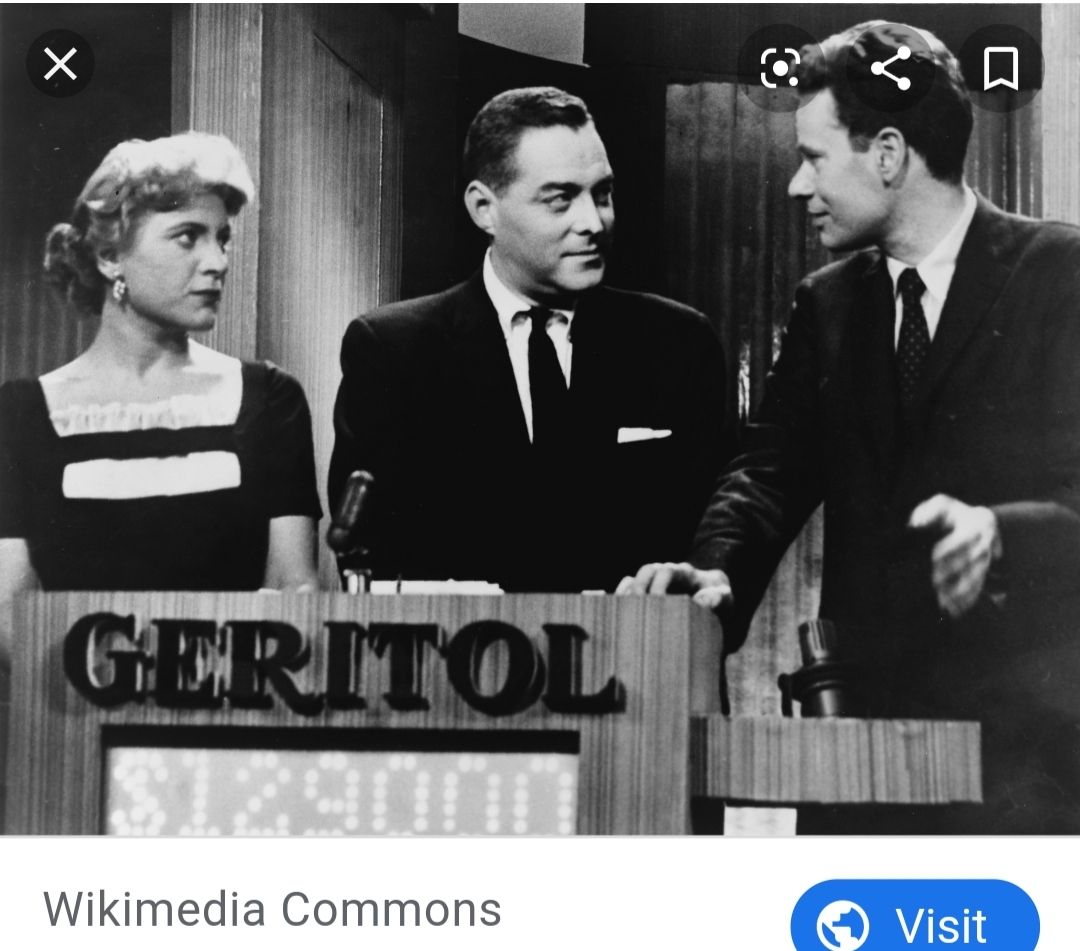
783) Vivienne Nearing

Courtesy of Wikimedia Commons

 “Being a woman, I’m naturally curious. As a woman, I can’t investigate, so I read.”

783: Vivienne Nearing

Imagine Being Remembered for Cheating on a Game Show

Born: 3 February 1926, New York City, New York, United States of America

Died: 4 July 2007, East Hampton, New York, United States of America

Vivienne was a Twenty-One player and was eventually convicted of perjury. She came under suspicion in 1957 after defeating Charles Van Doren on the television quiz show. In all, Vivienne took home $5,500 in just four appearances on the show before she herself was eliminated.

Vivienne was convicted of second-degree perjury after she was proven to have lied when testifying in court about the show. She was one of fourteen contestants who were all convicted. Vivienne claimed to be innocent but had, in fact, been fed answers to the show while on the air. She was caught lying after she broke and told the truth at a later court date alongside the other contestants.

At the time of appearing on the show, Vivienne was a lawyer for Warner Brothers. After being disbarred for six months, her license was reinstated, and she became senior partner at a New York based law firm. She worked there until she died, giving up her dream of being a judge in fear of the scandal being brought up.

Vivienne had a master’s and a law degree from Columbia University. She was also a feminist and was not pleased when the media described her as a blonde and what her cooking habits were.

The scandal behind the game show Twenty-One was eventually turned into the Hollywood film Quiz Show. Vivienne refused to have anything to do with the film, which was released in 1994.

Badges Earned:

Find a Grave Marked

Sources:

https://www.nytimes.com/2007/07/15/nyregion/15nearing.html

https://www.latimes.com/archives/la-xpm-2007-jul-16-me-passings16.1-story.html

https://magazine.columbia.edu/article/truth-and-consequences

https://www.findagrave.com/memorial/122016959/vivienne-helen-nearing

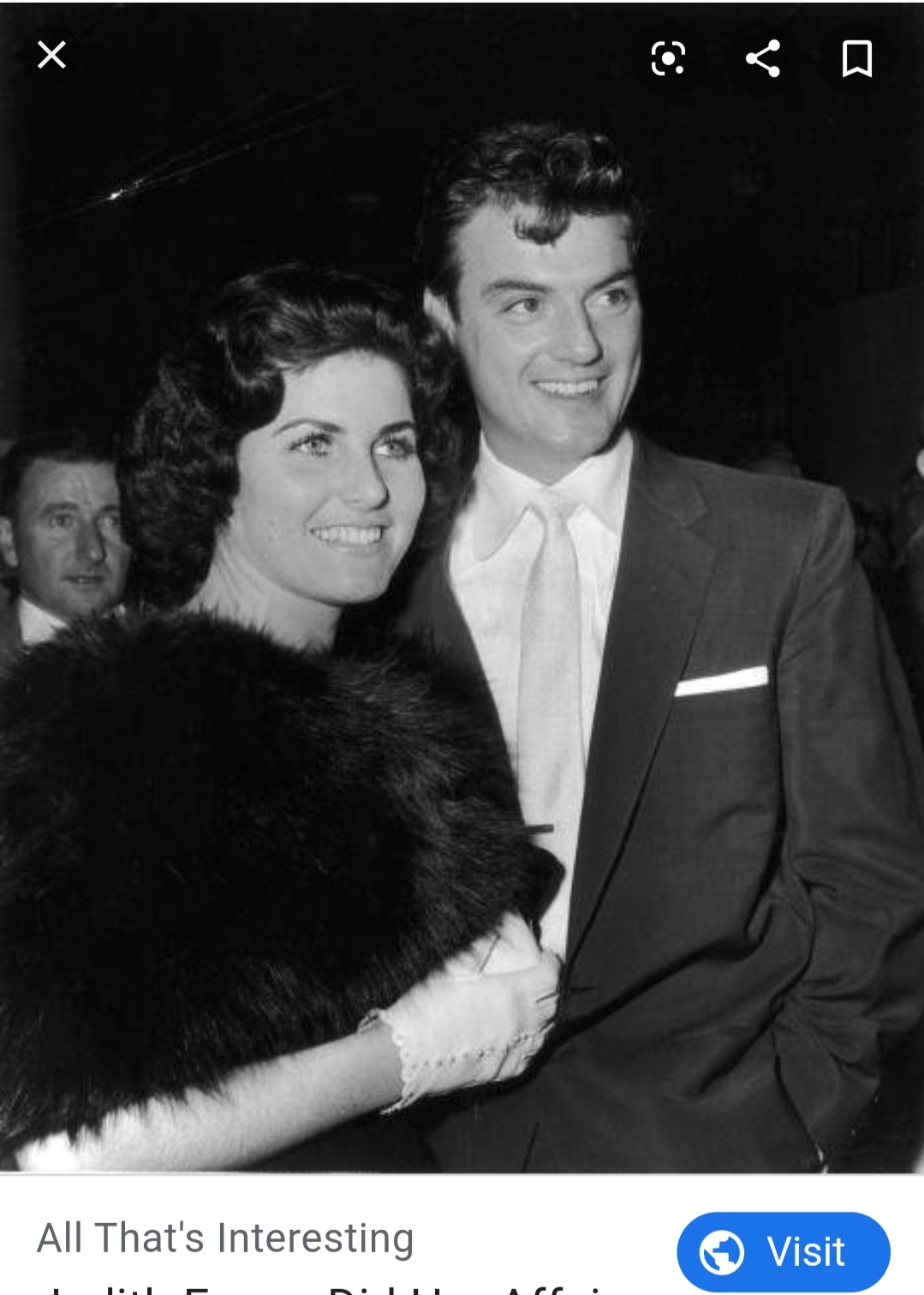
739) Judith Exner

Courtesy of All That's Interesting

 “I feel like I was set up to be the courier. I was a perfect choice because I could come and go without notice, and if noticed, no one would’ve believed it anyway.”

739: Judith Exner

Allegedly President John Fitzgerald Kennedy’s Mistress

Born: 11 January 1934, New York City, New York, United States of America

Died: 24 September 1999, Duarte, California, United States of America

Judith was the first woman to publicly admit to having an affair with the president.

She married for the first time at the age of eighteen, after being raised in a life of luxury thanks to her architect father in the rich Pacific Palisades in California. After her divorce, Judith began a relationship with Frank Sinatra that lasted several months in the late 1950’s.

Judith was also connected to other mafia leaders, most notably being the mistress for a short time of Sam Giancana, Chicago’s Godfather.

Supposedly, Judith also acted as a liaison between Giancana and JFK; helping ensure his election to the presidency. In all, Judith said she set up ten meetings between the two powerful men during the election cycle.

After the election, the FBI began investigating JFK’s connection to the mob, and their investigation led to the ending of Judith and the president’s relationship. It was only after their affair ended that Judith began seeing Giancana, but she ended that relationship as well after he proposed marriage.

After JFK’s death, Judith had an illegitimate son whom she gave up for adoption, fell into a severe depression, attempted suicide, and married for the second time with a professional golf player. Then in 1975, Judith was subpoenaed. Giancana was also subpoenaed but was shot seven times before he could talk. Its no surprise Judith feared for her life at this time.

Judith released a memoir in 1977 but was vilified by the press and basically called a liar by the Kennedy family; however today most historians believe her story…to a degree at least. According to her obituary in The New York Times, Giancana’s daughter claimed the mob boss disliked the president and he would have never helped get him elected. Whatever the truth is, it makes for a great story!

Judith passed away from breast cancer.

Badges Earned:

Find a Grave Marked

Located In My Personal Library:

Killing the Mob: The Fight Against Organized Crime in America by Bill O'Reilly and Martin Dugard

Sex With Presidents: The Ins and Outs of Love and Lust in the White House by Eleanor Herman

The House of Kennedy by James Patterson and Cynthia Fagen

Sources:

https://allthatsinteresting.com/judith-exner

https://www.nytimes.com/1999/09/27/us/judith-exner-is-dead-at-65-claimed-affair-with-kennedy.html

https://www.findagrave.com/memorial/7977/judith-exner

730) Alliyah Haughton

Courtesy of Biography

730: Aaliyah Houghton

Singer, Dancer, and Actress

Born: 16 January 1979, Brooklyn, New York, United States of America

Died: 25 August 2001, Marsh Harbor, Central Abaco, Bahamas

Aaliyah’s rise to fame is credited with the TV Program Star Search; she signed to a record label at only twelve years old.

Aaliyah’s first album was released when she was only fifteen. She went on to record two more albums, and singles for films like Anastasia and Dr. Doolittle.

Unfortunately, today Aaliyah is also remembered for being illegally married to fellow star R Kelly when she was still underage (she was fifteen and he was twenty-seven). Their scandalous marriage and relationship in general was chronicled in the docu-series Surviving R Kelly.

Aaliyah is also remembered for her roles in Romeo Must Die and as the vampire queen herself in Queen of the Damned. At the time of her death, she was in talks to star in other films and acting roles.

Aaliyah died in a plane crash when her star was on top of the world. All the other passengers also died in the crash, which is believed to have been caused by an overloaded plane.

Badges Earned:

Find a Grave Marked

Sources:

https://www.aaliyah.com/biography/

https://www.biography.com/musician/aaliyah

https://www.findagrave.com/memorial/5727911/aaliyah-dana-haughton

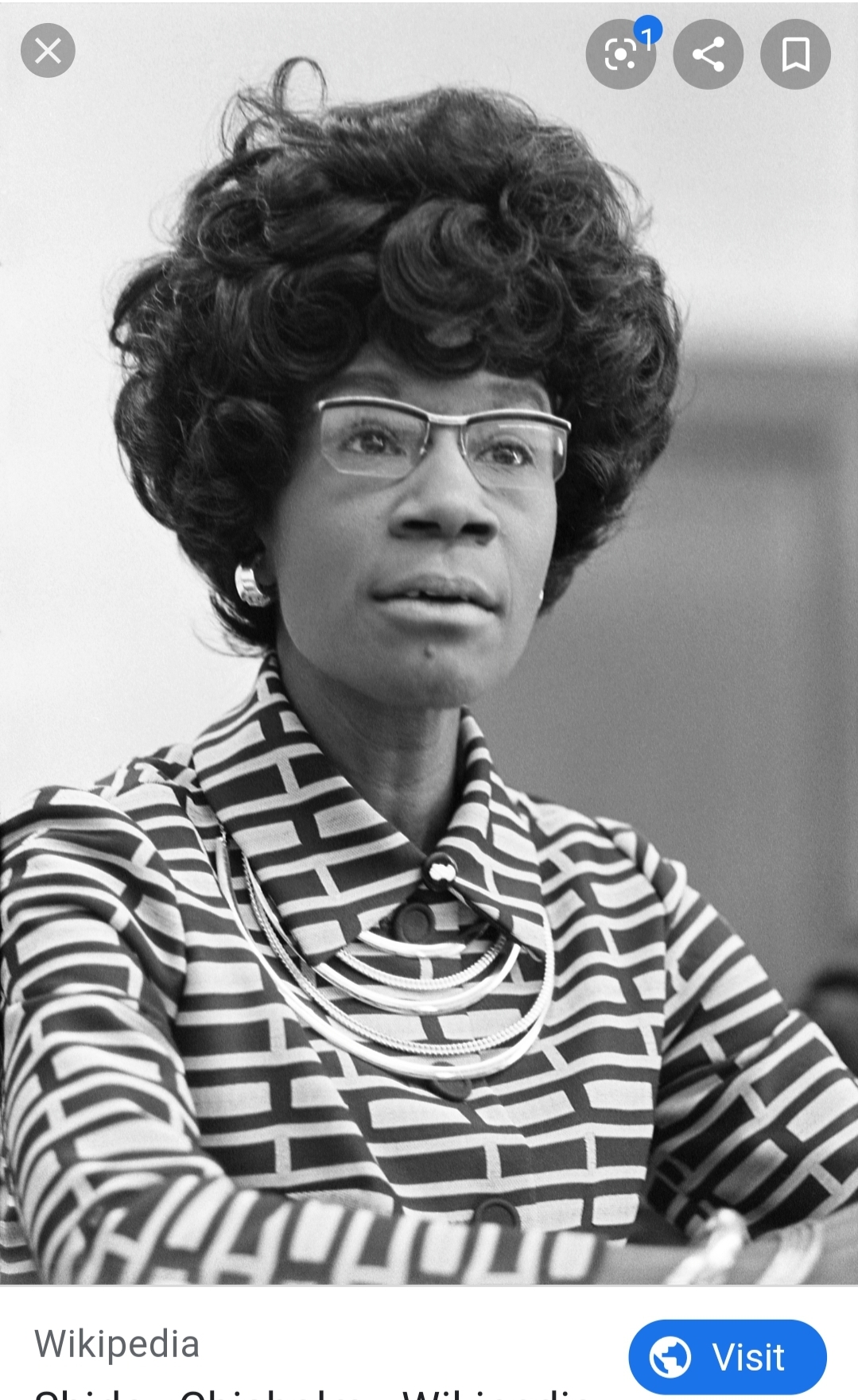
714) Shirley Chisholm

Courtesy of Wikipedia

"I have no intention of just sitting quietly and observing. I intend to focus attention on the nation's problems."

714: Shirley Chisholm

Congresswoman and the First African American Woman to Serve in the House of Representatives

Born: 30 November 1924, Brooklyn, New York, United States of America

Died: 1 January 2005, Ormond Beach, Florida, United States of America

Shirley served New York’s 12th District in the House of Representatives.

She held a master’s degree from Columbia University, and before entering politics worked as a preschool teacher. She married a private investigator (though they later divorced) and by the 1960’s was working for the New York Division of Day Care as a consultant.

In 1964, Shirley won her local election and became the second African American person to serve in the New York State Legislator. She spent her entire adult life focused on helping serve women and minorities. By 1968, Shirley had won her seat in Congress, and earned the nickname “Fighting Shirley.” While serving, Shirley made history in the House by becoming the first black woman and second woman ever to serve on the House Rules Committee. She remarried that same year, this time to a man serving in the New York State legislature.

In 1972, Shirley ran for the Democratic Nomination for the United States Presidency and even visited her rival George Wallace in the hospital after he was shot five times in a failed assassination attempt. The visit was profound in that George, the Governor of Alabama, was openly racist. The attack left him paralyzed from the waist down for the rest of his life.

Shirley failed to win the nomination, but her run is notable for being the first woman and the first African American to seek the nomination from one of America’s major political parties. She had managed to scoop up 10% of the delegates though, all the more impressive after considering her campaign was blocked by several powerful discriminatory groups and she had minimal funding to help boost her.

After retiring from Congress, Shirley became a teacher at Mount Holyoke College. She also helped found the National Political Congress of Black Women. After retiring to Florida, she declined the nomination to become the Ambassador to Jamaica.

In November of 2015, she was posthumously awarded the Presidential Medal of Freedom.

Badges Earned:

Find a Grave Marked

Located In My Personal Library:

The Book of Awesome Women: Boundary Breakers, Freedom Fighters, Sheroes, and Female Firsts by Becca Anderson

The Only Woman by Immy Humes

Sources:

https://www.womenshistory.org/education-resources/biographies/shirley-chisholm

https://history.house.gov/People/Listing/C/CHISHOLM,-Shirley-Anita-(C000371)/

https://www.biography.com/political-figure/shirley-chisholm

https://www.smithsonianmag.com/smithsonian-institution/unbought-and-unbossed-when-black-woman-ran-for-the-white-house-180958699/

https://www.findagrave.com/memorial/10211114/shirley-chisholm

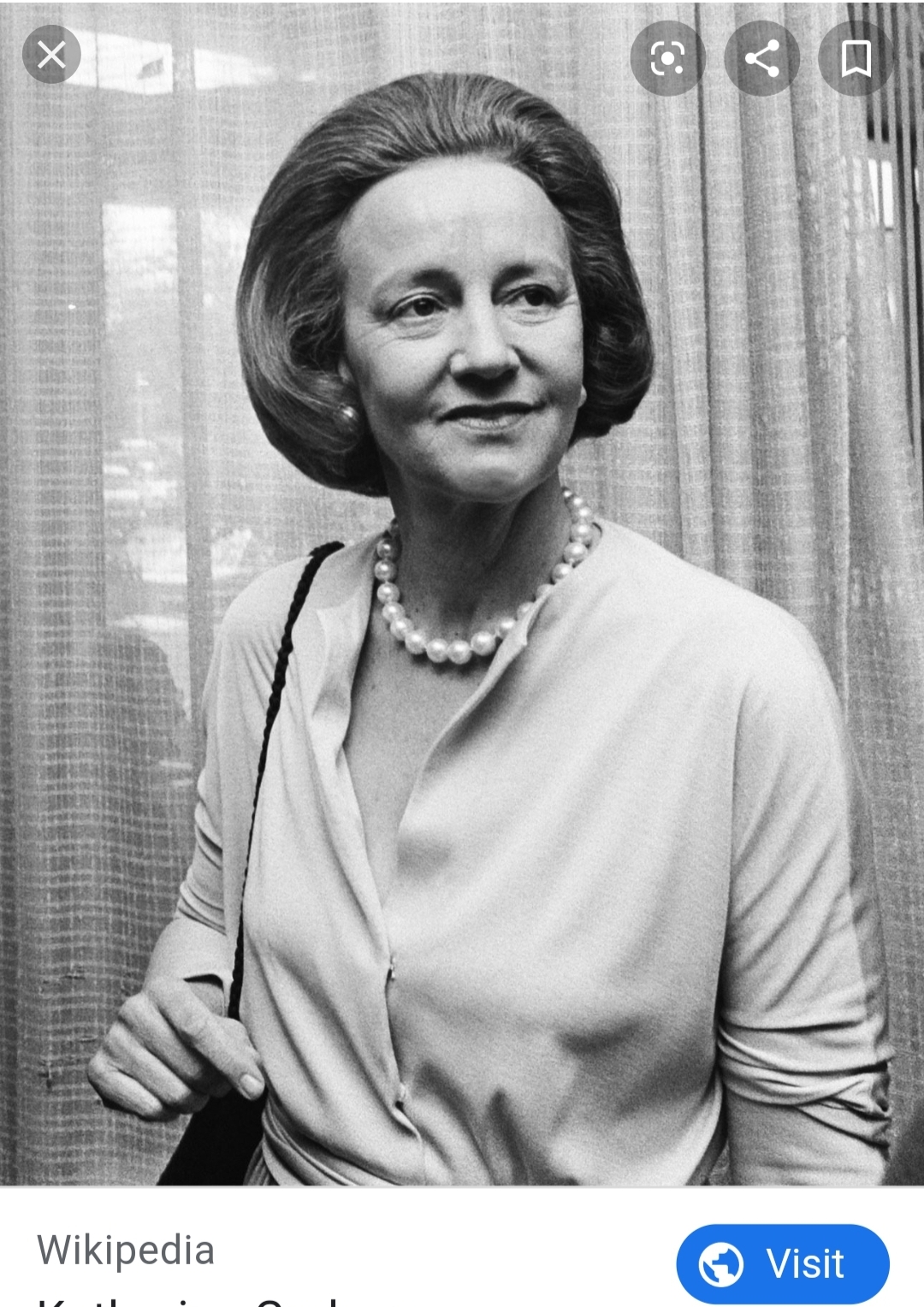
713) Katharine Meyer Graham

Courtesy of Wikipedia

"The only thing I think any of us want, is to last as long as we're any good…And then not."

713: Katharine Meyer Graham

Former President of The Washington Post

Born: 16 June 1917, New York City, New York, United States of America

Died: 17 July 2001, Boise, Idaho, United States of America

Katharine’s childhood was far from the normal, ideal, one we think of today. She was the fourth of five children and was more attached to her governess than her mother. When Katharine graduated from college in 1938, neither of her parents turned up to congratulate her.

Katharine’s father bought the paper in 1933 and her husband became the publisher when he was thirty-one in 1946. Before her marriage, Katharine worked for various other papers as a reporter and editor. When she started working for her father’s paper, he reportedly said if things didn’t work out, she would be fired. After her marriage, Katharine left the workplace to focus on her family. By 1948, Katharine and her husband purchased the voting stock in The Washington Post from Katharine’s father, however, Katharine’s husband retained a higher percentage than Katharine because she was a woman.

Over the years, Katharine’s husband became more and more controlling and mentally ill. Katharine paid all of their domestic expenses out of her own trust fund so her husband would be able to invest in other media interests with his paycheck. He began drinking and suffered a mental break in 1957 before returning to work. Eventually, Katharine learned not only that he was having an affair, but that he also planned to buy out her shares in The Post and force her out.

Instead of granting her husband a divorce and bowing out, Katharine fought back. She told her husband she’d grant him a divorce if, and only if, he gave her a majority share of The Post. Her husband refused, and became more and more mentally ill, eventually refusing all treatment.

Katharine took over running the Post completely after her husband committed suicide in a manic-depressive episode; leaving her to raise their four children alone. Under her leadership, the Post would become one of the most widely circulated and read papers across the country, but at the outset, Katharine’s plan was to run the paper until her three sons were old enough to run it themselves. She hadn’t considered her daughter a candidate, just like how she’d been excluded thirty years before by her own father. Eventually however, Katharine’s friends convinced her to run it herself.

While she was running the paper, The Post published The Pentagon Papers. The Post acted only after The New York Times was placed under a temporary restraining order for publishing The Pentagon Papers, the first time in US history a newspaper was censured in that way by the federal government. The Post quickly obtained their own copy of the papers, and under Katharine’s say-so, published them. Eventually, the Supreme Court would decide against censuring The Times and The Post. Eventually, the Post would also go on to break the story connecting the Watergate Scandal to the White House, proving Richard Nixon was behind the famous foiled break in. They continued to break the story and publish more details despite facing backlash and threats of intimidation from the Nixon Administration. This period of history was covered in the film The Post, the trailer for which I have linked in this article.

Katharine was the first woman to head a Fortune 500 Company, being named CEO in 1972. She remained in that position until 1991 and stepped down as Chairwoman of the Board until 1993, though she remained a board member. Her son took over both positions. Katharine went on to receive a Pulitzer Prize for her autobiography in 1998.

Despite being mostly retired, Katharine continued to work until her death. She was attending a business conference when Katharine slipped and hit her head on some concrete. She never regained consciousness.

In 2002, Katharine was inducted into the National Women’s Hall of Fame.

Badges Earned:

Find a Grave Marked

Located In My Personal Library:

The Book of Awesome Women: Boundary Breakers, Freedom Fighters, Sheroes, and Female Firsts by Becca Anderson

The Oxford Encyclopedia of Women in World History Edited By Bonnie G Smith

Sources:

https://www.britannica.com/biography/Katharine-Graham

https://www.nytimes.com/2001/07/17/obituaries/katharine-graham-former-publisher-of-washington-post-dies-at-84.html

https://www.pulitzer.org/winners/katharine-graham

https://www.washingtonpost.com/wp-srv/metro/specials/graham/grahamtimeline.htm

https://www.womenofthehall.org/inductee/katharine-graham/

https://www.findagrave.com/memorial/23269/katharine-graham

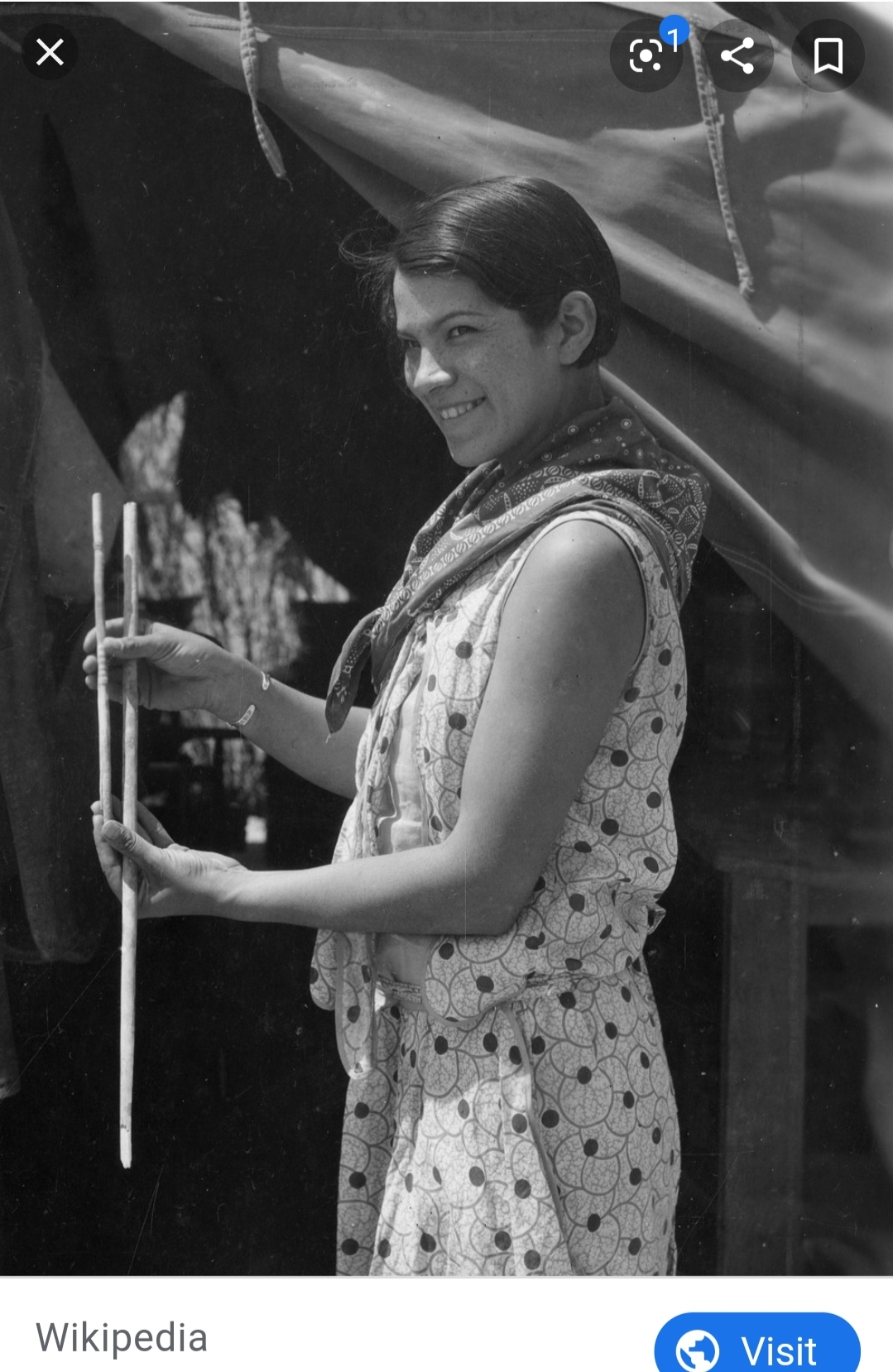
707) Bertha Parker Pallan Cody

Courtesy of Wikipedia

707: Bertha Parker Pallan Cody

The First Female Native American Archaeologist

Born: 30 August 1907, Chautauqua County, New York, United States of America

Died: 8 October 1978, Los Angeles, United States of America

Also Known As: Birdie

Bertha was descended from the Seneca tribe through her father and also had Abenaki blood thanks to her mother.

She may have worked with Ringling Brothers as part of the Pocahontas Show when she was younger but that isn’t a confirmed fact.

Bertha learned the field of archaeology after being hired by her uncle to work as a cook on his various digs. She went on to excavate at Gypsum Cave and several ancestral Pueblo sites. Bertha found a skull belonging to an extinct sloth and ancient human tools at her dig sites, including one she named Scorpion Hill.

Bertha was married to Iron Eyes Cody (her third husband actually—he was an Italian actor whose real name was Espera "Oscar" de Corti) and worked with her husband as a technical advisor on films when Native American matters arose.

Bertha also worked for the Southwest Museum for ten years as an Assistant in Archaeology.

Her headstone reads “Mrs. Iron Eyes Cody” which is just another example of how Bertha has been remembered her whole life as related to various men but not for her own achievements.

Badges Earned:

Find a Grave Marked

Sources:

https://www.si.edu/object/siris_arc_306365

https://woc.aises.org/content/bertha-parker-pallan-cody-taking-scientific-approach-ancestral-record

http://www.route66women.com/portfolio/bertha-parker-pallan-cody/

https://trowelblazers.com/bertha-birdie-parker-also-known-as/

https://www.findagrave.com/memorial/6581062/bertha-alden-cody

  • Previous
  • 1
  • 2
  • 3
  • 4
  • 5
  • 6
  • …
  • 10
  • Next

Categories

Archives

  • July 2025 (10)
  • July 2024 (1)
  • January 2024 (1)
  • August 2023 (1)
  • June 2023 (2)
  • October 2022 (1)
  • July 2022 (1)
  • June 2021 (3)
  • December 2020 (3)
  • August 2019 (1)
  • July 2019 (2)

Search

© 2026 The Exasperated Historian | Powered by Minimalist Blog WordPress Theme