The Exasperated Historian
Menu
  • Home
  • The Women’s List (New)
  • The Men’s List
  • The Animal List
  • Collections
  • The Blog
  • Contact Us
  • FAQ
Menu

Category: Australia’s Own

Sydney, Australia

Posted on July 14, 2025 by nickssquire12
I Climbed It Bridge Climb Sign

We were only in Sydney for three days at the end of May 2025, but in that time we packed in a lot of stuff, so let's jump right in.

Bridge Climb
What we looked like from the Ground
Climbing the Bridge
Top of the Bridge

First Up--the Sydney Harbour Bridge Climb. If you couldn't tell by the photos, this tourist attraction allows visitors to climb the famous Sydney Harbour Bridge (the one next to the Opera House in photos). We did the extended climb, which takes you all the way up to the top of the bridge, then you walk across it and go back down. As you can see from my photos, you are put into all sorts of safety equipment and harnesses for the climb, and at the end they let you keep your baseball hat as a free souvenir.

Taking your own photos is prohibited, and you have to turn in your phone, watch, and anything else in your pockets to leave in a safety locker. To be fair, it really would be dangerous if you dropped something from that high up on an unsuspecting public below!

(They do give you one free printed photo at the end of the entire group you climbed with, but it costs extra to buy the other photos--and Bridgeclimb Sydney as a company has the right to collect any money made from the posting of their copyrighted photos! So if you're famous and you do the climb, maybe don't post the photos if you plan on collecting any revenue from your posts!).

Also a few more things to note--we climbed at the end of May, which was one of the last days of Autumn in Australia and it was still HOT at times in the sun. I can't imagine doing the climb in all that gear during the summer months! One other thing, make sure to stretch your calves as best you can beforehand! The climb includes multiple staircases at steep inclines, so my calves and lower legs hurt so badly I could hardly walk the next few days. Every step I took felt like I was tearing my muscles, and my future sister-in-law and my future cousin-in-law said they both felt the same way!

Now for some more information about Bridgeclimb itself. According to their website, the attraction first opened in 1998, and since then people from 140 countries have climbed the bridge, over 4 million people in total so far!

The website also says they've staged over 5,000 proposals and THIRTY weddings. Y'all, can you image getting married on a bridge way up in the sky? Having been up there myself I will say unless you're at the very top there's not much room--and I also wonder if the bride and groom got to wear the clothes they wanted or if they also had to wear the jumpsuit the rest of us did. Bridgeclimb also claims one climber has reached the summit 133 times, and the oldest person to climb was over 100 years old, holy cow!

After doing a bit of research about the bridge itself, I learned that the Harbour Bridge is the largest steel arch bridge in the world. The bridge itself took over eight years to build, opening in 1932. In October of 2004, an Olympic torch for that years' games were taken all the way to the top of the bridge.

I personally thought the Bridge Climb experience was really fun, but my fiancé is terrified of heights and so if you look at his photos he looks bug eyed, poor guy! He still did the climb as a way of trying to overcome his fear of heights, and I hope it helped a little, but if you are ever in Sydney and want to do something adventurous I highly recommend the climb!

The Rocks Discovery Museum

The Rocks Discovery Museum is a small, free admission museum very near the Sydney Bridge Climb experience. The museum is called The Rocks because that is what the area of Sydney is called, "The Rocks." And its true, if you walk around that part of town, the ground is very uneven and rocky, built into the side of a hill that leads down to the water in the Harbour.

We didn't spend too much time at the museum, but it was still interesting to look at the artifacts from early Sydney history from 1788 and even earlier, dating back thousands of years to Australia's aboriginal population in the area, the Gadigal People.

Featherdale Sydney Wildlife Park
Feeding Kangaroo
https://theexasperatedhistorian.com/wp-content/uploads/2025/07/20250530_103050.mp4
With Byron the Koala

Featherdale Sydney Wildlife Park is actually in a geographical area known as "Blacktown" according to our wonderful tour guide that we had that day, Simon! (I highly doubt he will ever see this post, but if he does, congrats Simon you were by far our best tour guide we had in all the places we went around the world!).

Anyways...we learned that the part of town is called "Blacktown" because...well...historically the aboriginal people in the area were all forced to live there by the white settlers, and nobody ever bothered to change the name once the town was integrated. Yikes. No I'm not kidding (at least according to Simon that's the story anyway!).

As for Featherdale itself, the park was really fun! Its a petting zoo but is fun for all ages, and we saw so many different animals there I lost track. If you are in the Sydney area and want to see all the animals you associate with Australia (the cute and fuzzy kind, not the venomous kind anyway!) this is the place to visit. We even got to feed various Kangaroos, as you can see from my photos, including an albino one!

Simon apparently takes tourists to the park all the time, and all the staff seemed to know him. At one point, Simon was showing us how to pat a wombat on the butt--explaining they can bite if you touch them to close to their heads. After demonstrating, he rounded a corner with the rest of our group, while I decided to give the wombat a pat. I promptly got reprimanded by staff for doing so...oops!

Another attraction at the park is getting your photo taken with a koala bear. It costs extra but was really fun to do as well! (My fiancé doesn't like his photos being posted online so you'll have to excuse me covering up his face, lol). The koala we got to take photos with was named Byron and he was a pretty chill guy.

According to Featherdale's website, their park is home to 260 different species of animals and first opened in 1972. They also have an awesome gift shop! (And my fiancé said the coffee was really good and pretty cheap too!).

Queen Victoria Building

The Queen Victoria Building is, of all things, a mall located right in the heart of Sydney. First opened in 1898, the building was originally created to replace the original Sydney Markets. The name was inspired by the fact that Queen Victoria was celebrating her Diamond Jubilee around the time the building opened.

When I visited, my first reaction was, "Wow, I can't afford anything in this place!" The QVB, as its known by locals, is not just any shopping mall--the vast majority of the shops are high end designer brands or, at the very least, places out of my price range. There were a few cafes inside, and a hobby store with some pretty cool model sets, but I mostly window shopped and browsed while trying not to breathe wrong and break something on accident.

But that's not the end of the story! As we went down further and further, we realized that the basement of the QVB connects to a regular shopping mall called "Westfield." It was very odd at first to go from one area that was all high end fancy stuff, to suddenly being in a mall just like any other around the world (we ate at a McDonald's in the food court for example).

Lieutenant Grieve Monument

Something I noticed about Sydney was just how many random monuments were placed all over. I only got photos of a few while we drove around, but I figured I might as well include them here. Above is a monument to a Lieutenant killed during the Battle of Paardeberg during the South African Boer War in 1900.

Alderman Nolan Monument

This monument was dedicated to a man who served as Alderman of Sydney for several years.

Mrs. Macquarie's Chair

(You can tell I still had my sunburn from French Polynesia in this photo, yikes!)

Here I am sitting on a famous Sydney Landmark called "Mrs. Macquarie's Chair." The sandstone block was carved by inmates in 1810, in order for the governor's wife (Mrs. Macquarie) to have a place to sit to look at the Harbour. How sweet...I guess? I don't think there has ever been a more stereotypical Australian sentence typed before!

https://theexasperatedhistorian.com/wp-content/uploads/2025/07/20250530_144812-1.mp4
My man exploring

For lunch, we stopped at a place called The Icebergs, which is apparently a social club and also a restaurant off Bondi Beach. The club itself is apparently one of the most famous in Australia, and according to Simon, the only way to get into the club is to go swimming in one of the pools that has literally icebergs in it, brr! No thanks! The club was founded in 1929 and continues to operate to this day.

I had never heard of Bondi Beach before we arrived, but apparently the beach itself is really famous, and there's also a TV show called Bondi Rescue that my future-mother-in-law loves! One of my future brother-in-law's made sure to snap a photo of the lifeguards to send home to his mom!

I must say, the beach at Bondi was really pretty and the water is very clear. It wasn't quite as bright blue as the tropical water was in French Polynesia (which is where we had been only a few days before), but the water was much prettier than any strip of the Pacific Ocean I have personally seen in the United States. So, if you're a beach person and happen to be in Sydney, definitely check out Bondi.

Vivid Sydney
Vivid 2

One of our nights in Sydney, we took a Harbour Dinner Cruise around the Sydney Harbour. The food was...not very good, I was seasick the whole time, and the live music was horrible! We actually got off the boat on the first stop available, a half hour sooner than the stop we were supposed to get off! But anyways, while we were there, the Vivid Sydney light show was going on.

Apparently Vivid is an annual show that happens in Sydney where they light up some of the iconic buildings around the Harbour. 2025 was the fifteenth year for Vivid, a celebration put on by the New South Wales' Tourism industry. The 2025 theme for Vivid was "Dream"--I didn't get to look out and see any of it myself because of how sick I was on the boat, but the rest of my group that did go outside said it was pretty cool!

Sources:

Sydney Harbour Bridge (and Climb):

https://www.bridgeclimb.com/about-us

https://www.bridgeclimb.com/About-Us/BridgeClimb-s-Story

https://www.sydney.com/destinations/sydney/sydney-city/sydney-harbour/sydney-harbour-bridge

The Rocks Discovery Museum:

https://rocksdiscoverymuseum.com/about-the-museum

https://www.therocks.com/our-story

Featherdale Sydney Wildlife Park:

https://www.featherdale.com.au/about-us/

Queen Victoria Building:

https://www.qvb.com.au

https://www.qvb.com.au/centre-info/history-of-qvb

Random Monuments We Saw:

https://monumentaustralia.org.au/themes/people/military/display/23701-lieutenant-gideon-grieve

https://www.sydneyaldermen.com.au/alderman/patrick-nolan/

https://www.sydney.com/destinations/sydney/sydney-city/city-centre/attractions/mrs-macquaries-chair-sydney

Bondi Beach and the Iceberg Club:

https://icebergs.com.au/icebergs-club/

https://www.sydney.com/destinations/sydney/sydney-east/bondi

Vivid Sydney:
https://www.vividsydney.com

https://www.vividsydney.com/info/about-vivid-sydney

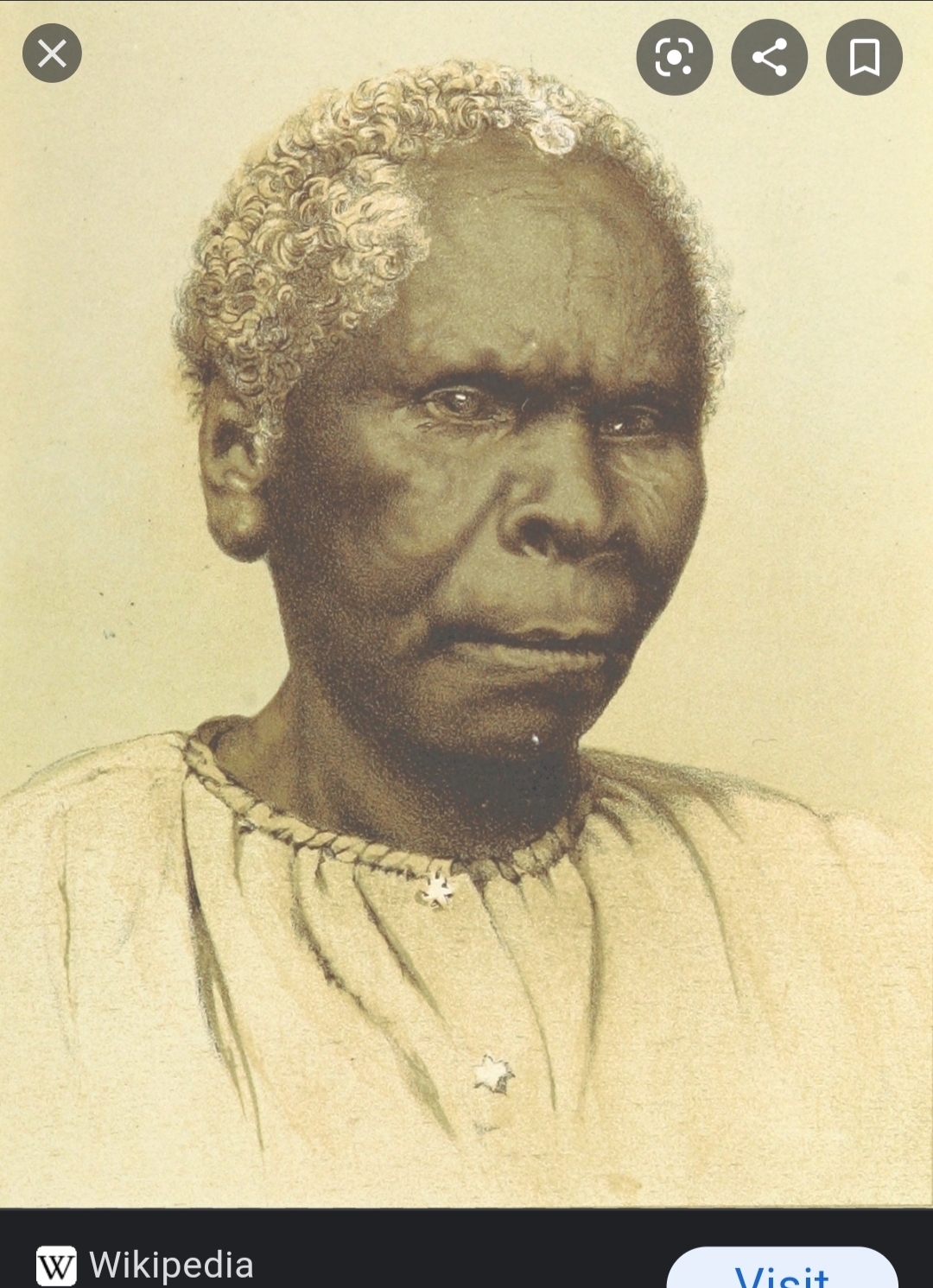
1070) Truganini

Courtesy of Wikipedia

"I know that when I die the Museum wants my body."

1070: Truganini

The Last Full Blooded Aboriginal Tasmanian

Born: c.1812, Tasmania, Australia

Died: 8 May 1876, Hobart, Tasmania, Australia

Also Known As: Trugernanner, Trukanini, or Trucanini

Truganini was one of the Palawa, and her father was a local tribal chieftain. Truganini’s childhood was spent surrounded by her people’s culture and traditions, but her people’s way of life was completely upended by the arrival of white settlers. By the time of her death, Truganini was the only Palawa still alive to have only other Palawa ancestry in her veins. Every other living member of her people had ancestors who had intertwined with other cultures; making Truganini truly the last of her kind.

According to the University of Tasmania (article linked below), “When Truganini met GA Robinson in 1829, her mother had been killed by sailors, her uncle shot by a soldier, her sister abducted by sealers, and her fiancé murdered by timber-getters.” Rejected Princess’s author Jason Porath takes this a step further, stating her sister’s kidnappers sold her into sexual slavery, and the men who killed Truganini’s fiancé also raped her.

Truganini's life was completely upended by the arrival of GA Robinson and the other white settlers in 1829. For the next five years (1830-1835) Truganini and her husband worked as guides for the white men, teaching the newcomers their people’s languages and customs. The copious notes GA Robinson collected during this time are invaluable to ethnographers attempting to reclaim the Palawa people's heritage and language, which had gone all but extinct by the time of Truganini's death.

During the time Truganini worked with GA Robinson, Truganini was renamed “Lallah Rookh” by him, but she refused to give up her people’s culture and way of life. Truganini did not yet know it, but she would spend the rest of her life under colonial observation.

She spent several years imprisoned on Flinders Island with other aboriginals (during which time her husband was killed), narrowly avoiding her own death on a number of occasions as the Palawa and the whites fought for control of Tasmania. Truganini’s story is similar to that of the Native Americans in the United States, in that she was promised again and again various things by the white colonialists, but over and over again those promises were broken.

Truganini spent the last few years of her life pleading with the colonialists to give her a private respectful burial upon her death, and for a little under two years that wish was respected. However, in 1878, the Royal Society of Tasmania was authorized and allowed to exhume Truganini’s body—with the express orders that her body could be studied but not put on public display. Unfortunately, in 1904, that edict was ignored as well, and Truganini’s skeleton spent the next forty-three years on public display. Her body was taken back off display in 1947, and spent the next twenty-nine years in the museum’s archive vault.

Finally in 1976, the Palawa people received her remains; cremating and releasing them into the D’Entrecasteaux Channel close to her birthplace.

Badges Earned:

Find a Grave Marked

Rejected Princess

Sources:

https://www.utas.edu.au/library/companion_to_tasmanian_history/T/Truganini.htm

https://adb.anu.edu.au/biography/trugernanner-truganini-4752

https://www.rejectedprincesses.com/princesses/truganini

https://www.findagrave.com/memorial/194277589/truganini


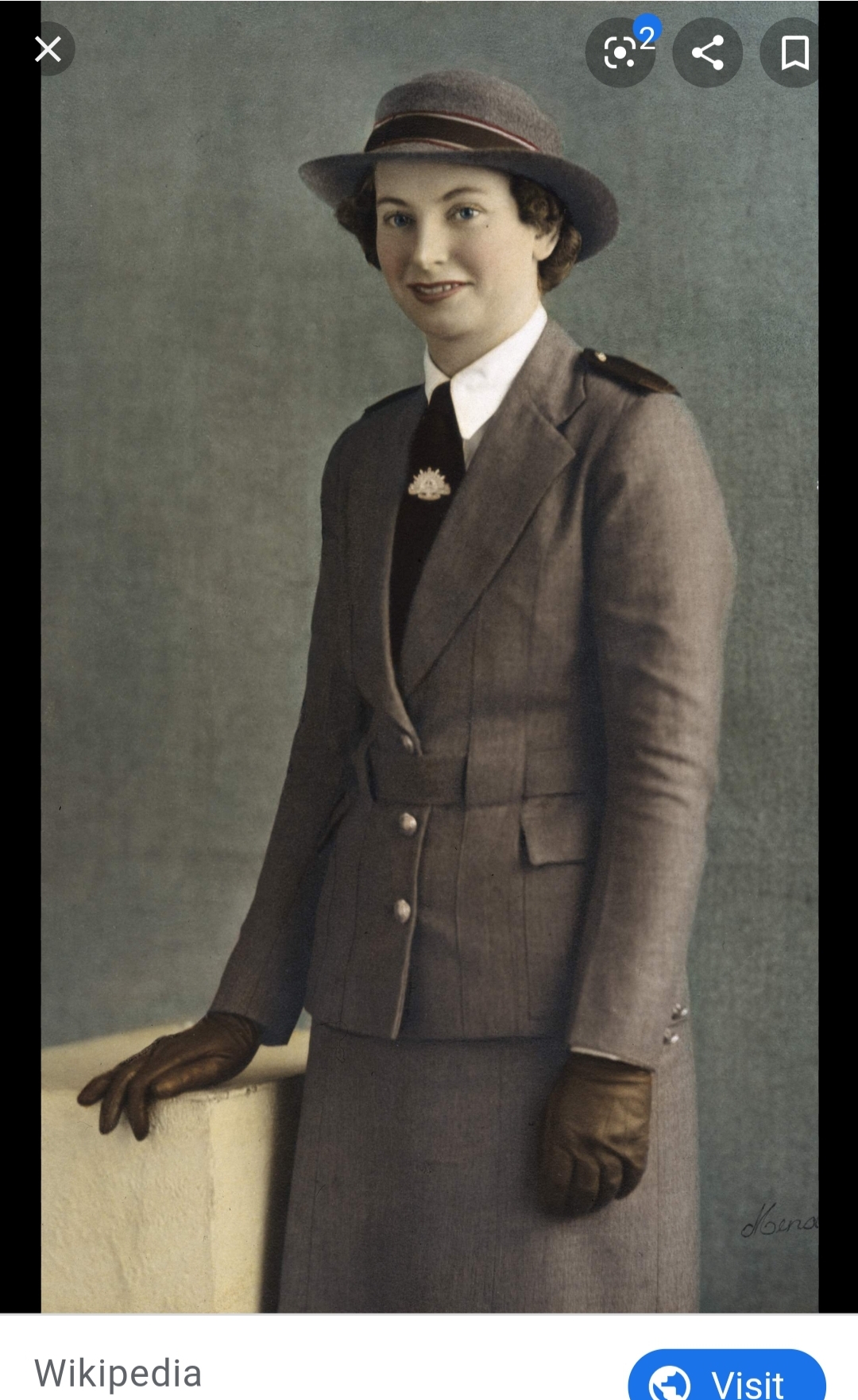
535) Vivian (Bullwinkel) Statham

Courtesy of Wikipedia

535: Vivian (Bullwinkel) Statham

The Only Survivor of the Bangka Island Massacre

Born: 18 December 1915, Kapunda, South Australia, Australia

Died: 3 July 2000, Perth, Western Australia, Australia

Vivian enlisted in the Australia Army Nursing Service in 1941 and was quickly posted to a hospital in Malaya. The hospital was soon moved to Singapore, before being evacuated completely after the onset of the Japanese invasion. The nurses and other Australian soldiers were placed on a boat headed back to Australia, but it sank en route, and the survivors made it to Bangka Island, where they decided to surrender to the Japanese.

The Japanese soldiers killed all the male soldiers and twenty-one female nurses after their attempt to surrender was ignored. The men were killed with bullets and bayonets, while the women were marched into the ocean and then murdered with machine gun fire.

Vivian was badly injured but managed to feign death and hide for twelve days before finally surrendering to the Japanese. This time they spared her life, but she spent three years in captivity until the end of the war.

Vivian devoted the rest of her life to nursing and honoring those who never made it home. She married in 1977 and changed her name to Statham. In 1992, Vivian returned to Bangka Island to help unveil a memorial to all the nurses who never made it home.

Badges Earned:

Find a Grave Marked

Sources:

https://www.awm.gov.au/visit/exhibitions/fiftyaustralians/5

https://www.awm.gov.au/collection/P10676383

https://www.findagrave.com/memorial/141849624/vivian-statham

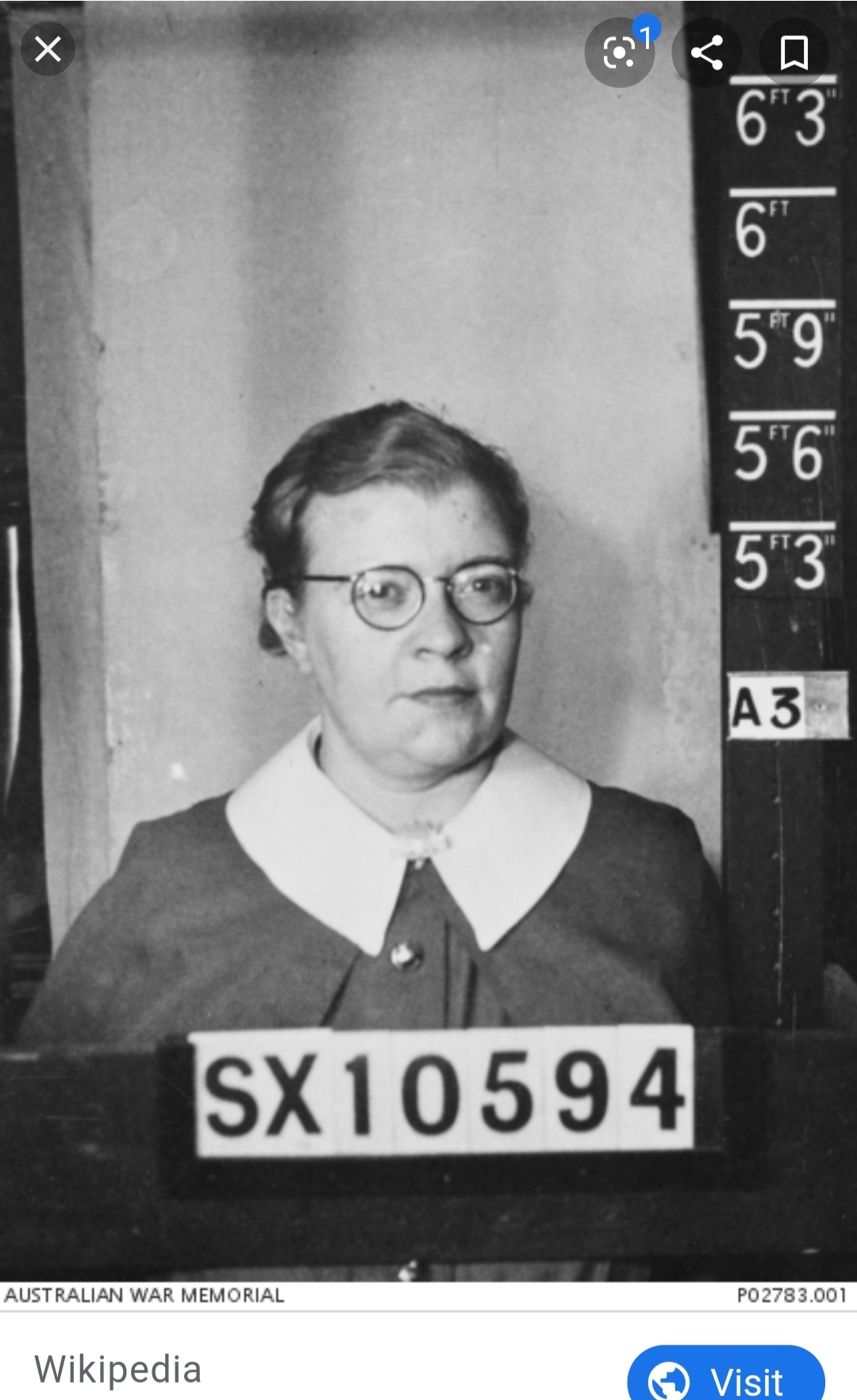
534) Irene Drummond

Courtesy of Wikipedia

534: Irene Drummond

The Head Nurse Killed in the Bangka Island Massacre

Born: 26 July 1905, Ashfield, New South Wales, Australia

Died: 16 February 1942, Bangka Island, Indonesia

Before the war, Irene was a nurse in the surgical and obstetrics fields along with serving as assistant and acting matron in various hospitals.

She was appointed into the Army Nursing Corps of Australia and quickly rose through the ranks, serving in the South Pacific during 1941 and early 1942. While working in Singapore, the Australian Armed Forces decided to evacuate the area and it was on the journey back to Australia that their ship sank. Drummond and twenty-one other nurses landed on Bangka Island in Indonesia alongside a group of civilians and soldiers.

The group decided to surrender to the Japanese but instead of accepting their surrender the Japanese shot and killed all but one of the nurses (Vivian Bullwinkel) after ordering the nurses into the sea. The male soldiers had been led away where they were shot and bayoneted. The civilians had luckily escaped the massacre by hiding with the local island population.

In 1949, the Sister Drummond Memorial Park opened at Broken Hill Hospital in Australia.

*Please note, the island where Irene was killed has been alternately spelled Banka; whichever spelling you use, both refer to the same place.

Badges Earned:

Find a Grave Marked

Sources:

http://adb.anu.edu.au/biography/drummond-irene-melville-10051

https://monumentaustralia.org.au/themes/people/military/display/20562-sister-irene-drummond-

https://www.findagrave.com/memorial/56216484/irene-melville-drummond

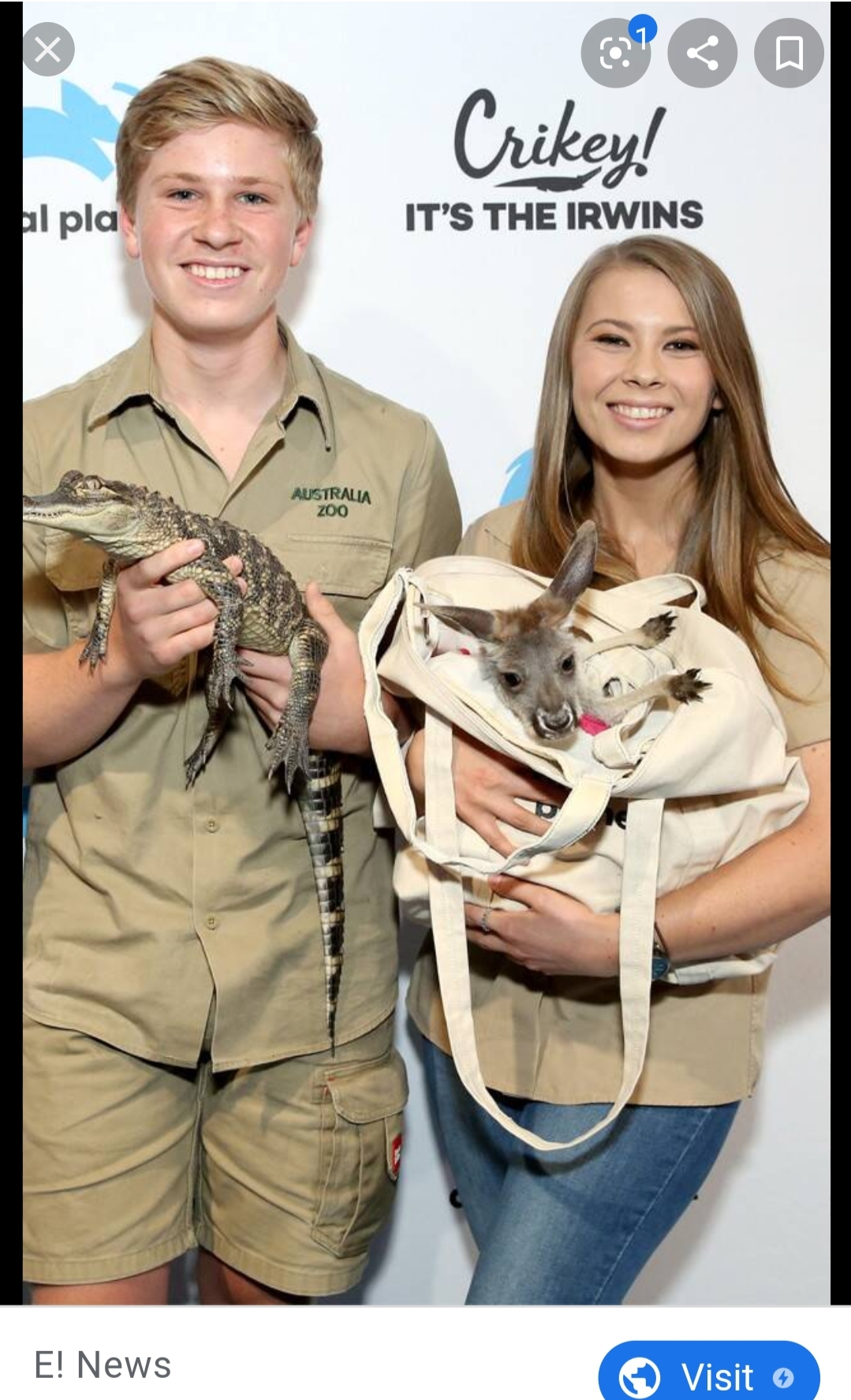
200) Robert Irwin

Courtesy of E! News

200: Robert Irwin

Animal Conservationist and Photographer

Born: 1 December 2003, Buderim, Australia

Robert is the son of the late great Steve Irwin and his equally amazing wife Terri. Robert's older sister is Bindi (both pictured here).

Robert may be young, but he's spent his entire life advocating and fighting to protect animals and their habitats around the world. He is a wildlife warrior alongside the rest of his family.

Today, the Irwin family owns Australia Zoo, and has their own show on Animal Planet called Crikey! Its the Irwins, where they show a behind the scenes look into the world of animal conservation and running a zoo.

Robert also propels his conservation goals forward through his nature photography, raising thousands of dollars for conservation by selling his prints around the world.

Robert also makes frequent appearances on The Tonight Show With Jimmy Fallon as an animal presenter.

Badges Earned:

Located In My Personal Library:

Australia Zoo: Creating a Conservation Legacy Through the Eyes of Bindi Irwin by Bindi Irwin

Sources:

https://www.robertirwinphotos.com/about

https://www.australiazoo.com.au/about-us/the-irwins/robert/

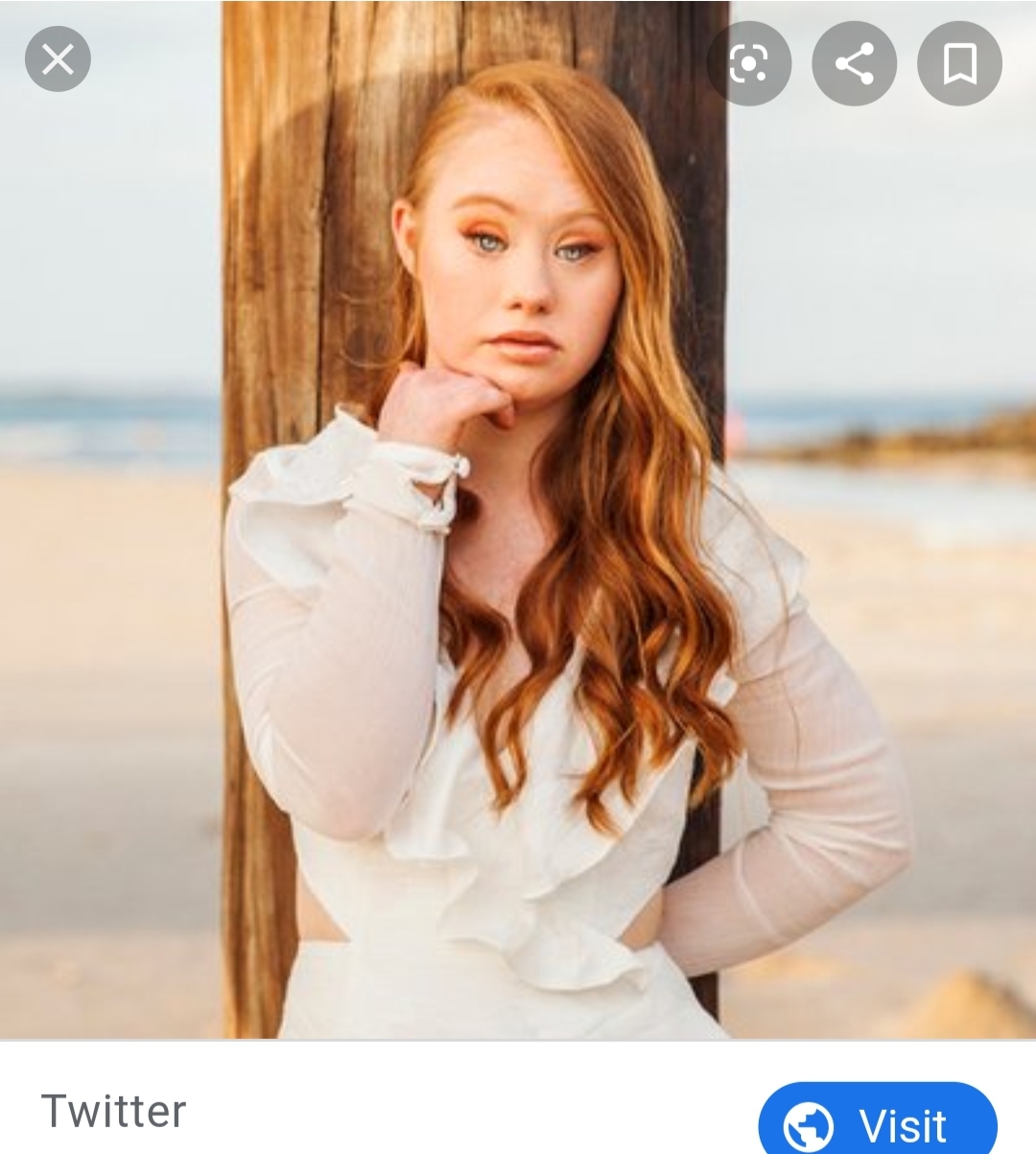
418) Madeline Stuart

Courtesy of Twitter

418: Madeline Stuart

One of If Not the First Professional Models Born With Down Syndrome

Born: 13 November 1996, Brisbane, Australia

Madeline’s modeling journey began in 2015 when she decided to get healthier and lost over 20 kilograms (around 44 pounds).

She has now performed in dozens of fashion weeks and runways across the world including New York Fashion Week, London Fashion Week, and Paris Fashion Week. Her biggest dream is to walk in the Victoria’s Secret Fashion Show.

Madeline has her own dance studio and fashion line as well.

When she was born, Madeline’s mother Roseanne was told by doctors Madeline would never have the mental function of anyone over the age of seven, but Madeline has defied expectations enormously. She has also undergone several heart surgeries, including one when she was eight weeks old and then again in December of 2018.

Sources:

http://www.madelinestuartmodel.com/madelines-story/

https://www.washingtonpost.com/lifestyle/2019/02/11/this-australian-fashion-model-is-high-demand-she-also-has-down-syndrome/

https://www.teenvogue.com/story/madeline-stuart-victorias-secret-fashion-show-down-syndrome-model

Entries Born in Australia

These are the People born in the country of Australia, whether it be the modern country as we see it on the map or a person born in that region before Australia came to be.

Entries:

  1. Elizabeth Blackburn, Former President of the Salk Institute of Biological Studies
  2. Bindi Irwin, Animal Conservationist
  3. Irene Drummond, Head Nurse Killed in the Bangka Island Massacre
  4. Julian Assange, the Founder of Wikileaks
  5. Madeline Stuart, One of the First Professional Models To be Born With Down Syndrome
  6. Robert Irwin, Animal Conservationist and Photographer
  7. Rodney Marks, the Only Person Ever Murdered in Antarctica
  8. Steve Irwin, Animal Conservationist
  9. Truganini, The Last Full Blooded Member of the Palawa People
  10. Vivian (Bullwinkel) Statham, The Only Survivor of the Bangka Survivor Massacre

Australia and Oceania

Australia and Oceania

These are the people who were born on the islands in the region of Oceania, separated by country (or the modern geographic equivalent country of where they were born).

Countries:

  1. Australia
  2. Fiji
  3. Kiribati
  4. Marshall Islands
  5. The Federated States of Micronesia
  6. Nauru
  7. New Guinea
  8. New Zealand
  9. Palau
  10. Samoa
  11. Solomon Islands
  12. Tonga
  13. Tuvalu
  14. Vanuatu

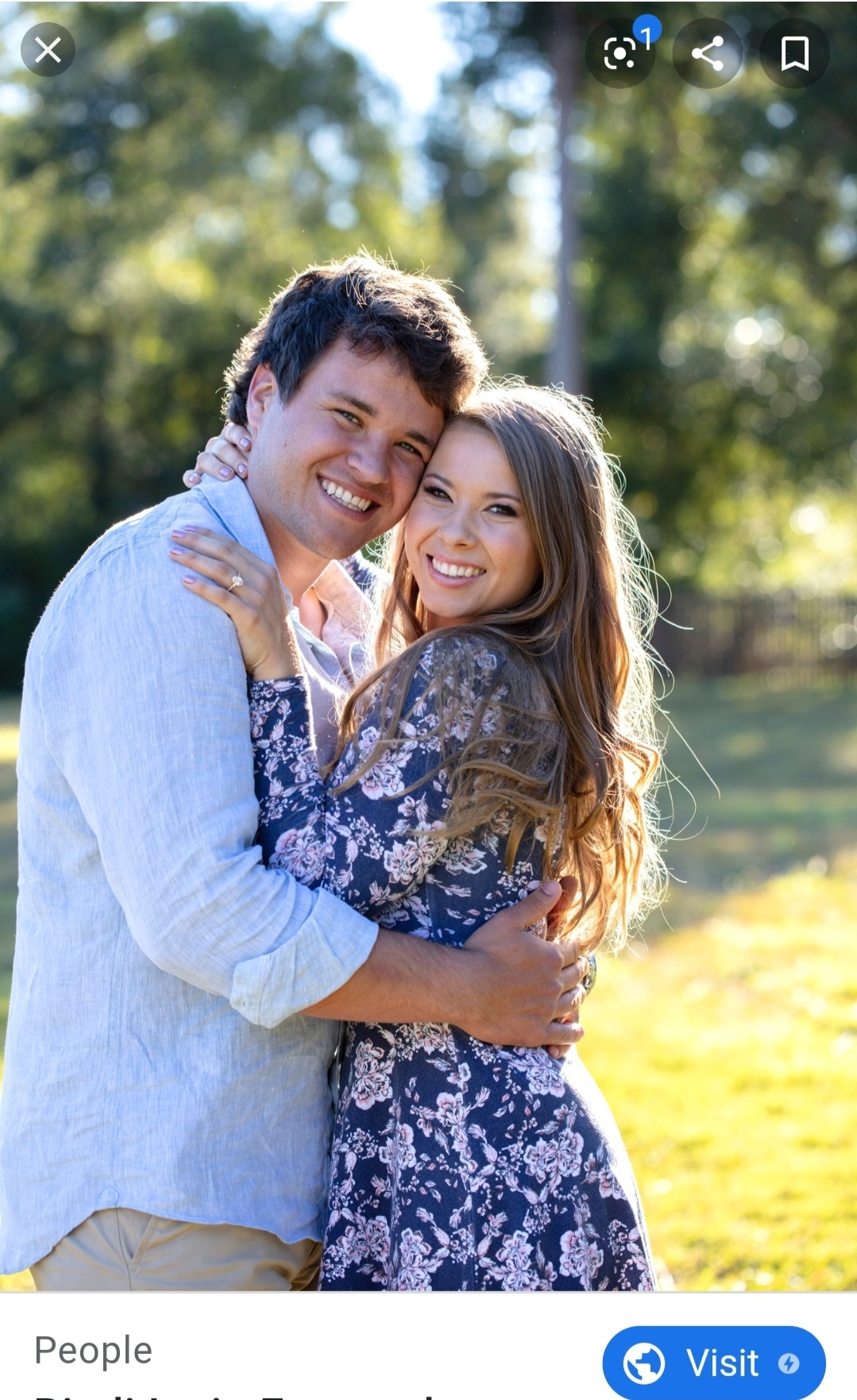
329) Bindi Irwin

Courtesy of People

329: Bindi Irwin

Conservationist, Actress, Model, and All Around Amazing Person

Born: 24 July 1998, Buderim, Australia

She is the oldest child and only daughter of Steve and Terri Irwin; her younger brother is Robert.

Bindi won her season of Dancing With the Stars with partner Derek Hough in 2015.

Currently she and her family star on their own Animal Planet show Crikey! It’s the Irwins.

In 2019, Bindi and her longtime boyfriend Chandler became engaged to be married. Because of the Covid19 pandemic, they had to cancel their wedding plans and hold a small ceremony at Australia Zoo instead.

On 25 March 2021, Bindi and Chandler welcomed their first child, a daughter named Grace Warrior Irwin Powel.

Badges Earned:

Located In My Personal Library:

Australia Zoo: Creating a Conservation Legacy Through the Eyes of Bindi Irwin by Bindi Irwin

Sources:

https://www.australiazoo.com.au/about-us/the-irwins/bindi/

https://www.cnn.com/2019/07/24/entertainment/bindi-irwin-engaged/index.html

https://www.cbsnews.com/news/bindi-irwin-chandler-powell-baby-girl-grace-warrior/

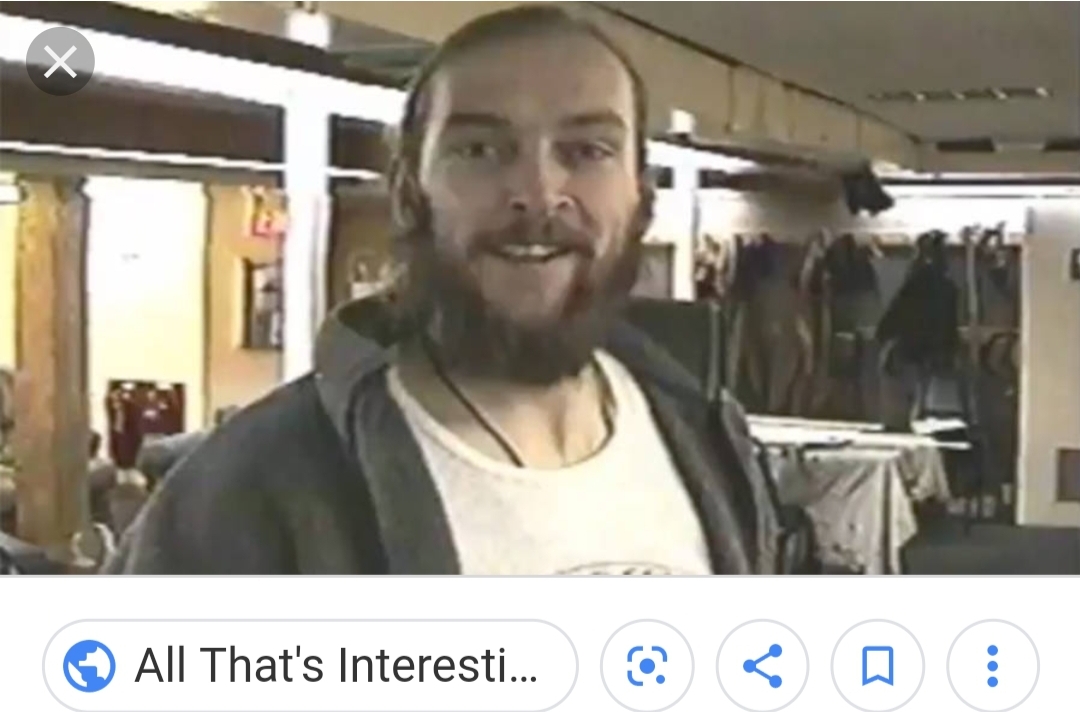
198) Rodney Marks

All That's Interesting

198) Rodney Marks

The Only Person Ever Murdered at the South Pole

Born:13 March 1968, Australia

Died: 12 May 2000, Amundsen-Scott, South Pole Station, Antarctica

Rodney held a PhD in astrophysics and was sick for at least thirty-six hours before he died.

Because of the remoteness of Antarctica, his body could not be evacuated off the pole until many months later and was therefore kept in a freezer until that time. Eventually, his body was taken back to New Zealand for an autopsy.

Everyone had suspected the autopsy to reveal nothing out of the ordinary. The United States, which governs the station where Rodney died, released a statement saying he had died of natural causes.

Then the autopsy report came back. Rodney was killed by methanol poisoning.

Panic arose both at the station and in the US and Australia at this news. Rodney’s body had needle marks on his arms, but no illegal drugs in his system. Rodney had been a long abuser of alcohol, but the autopsy determined that did not have an impact on his death either.

The idea of suicide was raised, that investigators ruled this out after interviewing fellow scientists who were at the base with Rodney. He was panicked at the thought of becoming sick and was not acting in the way a suicidal person would have after falling ill.

Accidental ingestion was also shot down. Investigators posited that Rodney may have accidentally ingested methanol from distilling his own alcohol to feed his habit, but there was always a well-stocked bar available.

After searching the base, investigators discovered the only methanol there existed in a cleaning solution. And seeing as most of the people on the base—forty-nine in all, were scientists, the idea of someone accidentally putting the methanol in Rodney’s food or drink was also dropped.

He was murdered, and one of those forty-nine people remaining on the base had killed him.

You’d think this would be an open and shut case, easily solved. But the New Zealand government, who was investigating the murder, hit a wall.

Remember how I mentioned the base is owned by the United States government? The problem is, the base itself is owned by the US, but the land it sits on is claimed by both New Zealand and the United States.

When New Zealand investigators reached out to the people on the base, the forty-nine others, who all happened to be Americans, only thirteen consented to be interviewed. The US also declined to help the investigation in any way, stonewalling and denying New Zealand access to information on the American scientists.

The United States instead formed an investigation of their own. They did not share their findings with New Zealand, or anyone else. If they solved the murder, the person responsible was never charged. The murder remains unsolved.

Badges Earned:

Find a Grave Marked

Sources:

https://allthatsinteresting.com/rodney-marks

https://www.findagrave.com/memorial/142222490/rodney-marks

  • 1
  • 2
  • Next

Categories

Archives

  • July 2025 (10)
  • July 2024 (1)
  • January 2024 (1)
  • August 2023 (1)
  • June 2023 (2)
  • October 2022 (1)
  • July 2022 (1)
  • June 2021 (3)
  • December 2020 (3)
  • August 2019 (1)
  • July 2019 (2)

Search

© 2026 The Exasperated Historian | Powered by Minimalist Blog WordPress Theme