Okay people there is one thing about the Trump story PISSING ME OFF. Here is a quick little rant that I originally posted on my Facebook page but figured I would also record my thoughts here, for posterity, in regards to the attempted assassination of former President Trump over the past weekend.
(And if you somehow are living under a rock and haven't heard the news, here is a news article about the attempted assassination: https://www.foxnews.com/live-news/trump-rally-assassination-attempt-july-14 Unfortunately I haven't been able to locate a source that does not name or identify the shooter, but as per my own policy I will continue to NOT name or glorify/martyr the shooter on this site.)
But back to my rant and what exactly about this story pisses me off.
It's probably not what you're thinking it is. Many of you have probably seen Conservative pundits like Matt Walsh and Awaken With JP saying that there should be no female Secret Service agents, and that women in general do not belong as agents or in other government/military roles. These pundits have been saying this because of one, albeit cowardly*, agent who was seen hiding while bullets rang out around her. What they have conveniently left out is the fact that another female agent actually did her job and protected the former president by throwing her body over his.
But that's not the only reason I am upset. For those unaware of history, sure, they might think there is some credence to the fact that women do not belong as agents protecting the president, president-elect, or former president--or the rest of his family or that of the Vice President. However, if one examines the basic facts and history of the Secret Service, they would realize this is false.
The Secret Service was not formally established until after the assassination of President Lincoln in 1865. Before that time, Presidents had bodyguards and protective details, but they were not categorized as their own functioning body like the Secret Service we know today. In the late 1850s and early 1860s, violent threats against the President were becoming more common, especially after Lincoln managed to win the presidency despite his name not appearing on the ballots of several states (thanks to a little thing called the Electoral College but that's a tangent for another day).
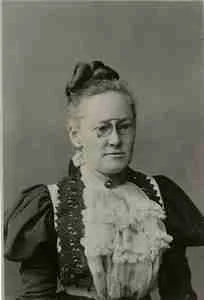
When it came time for President-elect Lincoln to travel from his home state of Illinois to Washington DC for his inauguration in March of 1861, the Pinkerton Detective Agency (a private detective bureau that later inspired and possibly led to the creation of the FBI--however Pinkerton as a company still survives to present-day as well) was tasked with protecting the president-elect. Two agents were given the task-- Allan Pinkerton himself, and a woman named Kate Warne.
However, what's important to note is this: Kate Warne, and the female agent who did shield President Trump this past week, are heroes. They saved the life of the man they were assigned to protect, and they did their jobs.
You know who didn't do their jobs? Who did NOT protect their president?
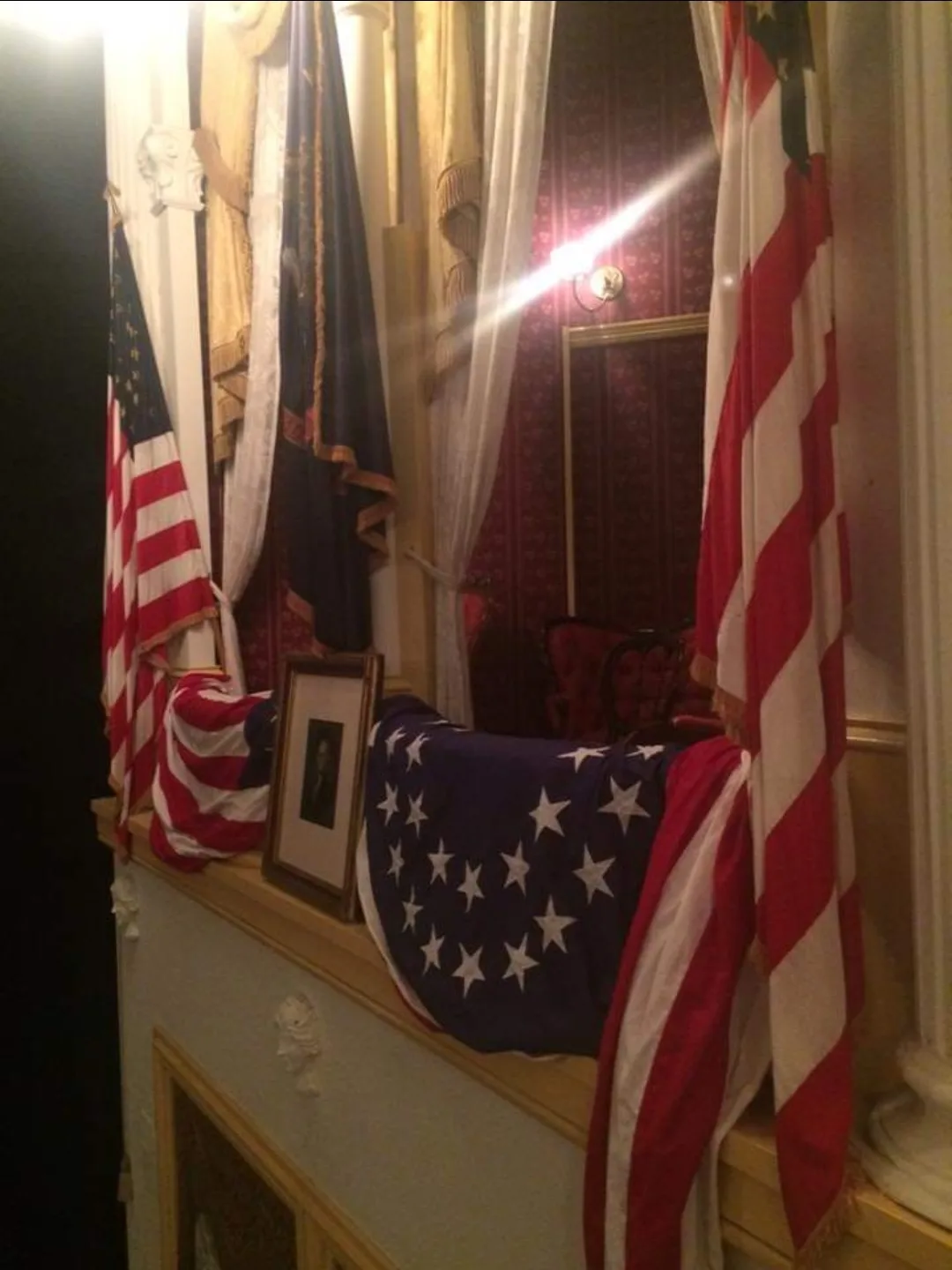
Example #1: The bodyguard assigned to protect President Lincoln at Ford's Theatre on April 14, 1865. He got bored because he couldn't see the play from his post, so he went to the bar next door and was drinking heavily while his charge was shot in the back of the head.
Example #2: The three MALE secret service agents, alongside several other bodyguards, assigned to protect President McKinley when he was shot in 1901.
Example #3: The MALE Secret Service agents who abundantly bungled what happened in Dealey Plaza in November 1963, when President John F Kennedy was struck in the head by a bullet and declared deceased soon after.
(The JFK assassination was bungled so horribly almost no on believes the "official story" that Oswald acted alone. Most point to the CIA as the culprit--including the president's own nephew Robert F Kennedy Jr, but in my own humble opinion, it was the incompetent Secret Service agents, who had spent the night before partying [according to some sources], that accidentally killed the president themselves in the panic following Oswald's shots).
You know who else WASN'T protected by their male secret service agents?
Example #4: President Reagan in 1981, who was nearly killed by a man obsessed with actress Jodie Foster, and decided to get her attention by shooting the president. Luckily Reagan survived his wound, but what can't be denied is that he was wounded in the attack.
And if we go back even further, in 1912, we find Example #5: President Theodore Roosevelt was shot in the chest by a would-be assassin...and lived. Once again, his MALE bodyguards failed to protect him. President Roosevelt would survive...and in fact go on to give a speech while actively bleeding because TR was a bada** like that, but the point still stands.
Female Secret Service Agents Two...Male Agents...ah...yeah hmm 
And to the male Conservative pundits who continue to make the idiotic statement that all women should be barred from a job in which they have a better track record than men, I say this:
STOP MAKING ME SOUND LIKE A STARK RAVING FEMINIST. It's honestly embarrassing and literally takes only a few minutes to do some basic research and look all of this up. So once again, STOP IT and give Agent Warne and the other Agent from this past weekend the respect they deserve.
Signed,
The EXTREMELY Exasperated Historian
*After writing this, I saw a news article come out saying the reason why the female agent in question was seemingly hiding behind the podium was because she was checking President Trump for other injuries after he was shot. If this is true, then she not only is NOT bad at her job, but was actually fulfilling the duties of her role--and that makes the ridicule and scorn directed at her even worse. The internet sucks you guys.
Sources:
https://fords.org/lincolns-assassination/
https://www.britannica.com/event/United-States-presidential-election-of-1860
https://www.jfklibrary.org/learn/about-jfk/jfk-in-history/november-22-1963-death-of-the-president
https://www.goodreads.com/book/show/276333.Mortal_Error
https://www.irishcentral.com/roots/history/jfk-secret-service-agents-too-hungover-to-react
https://www.reaganlibrary.gov/permanent-exhibits/assassination-attempt
https://www.theguardian.com/us-news/2024/mar/13/john-hinckley-ronald-reagan-assassination-attempt
https://www.history.com/news/shot-in-the-chest-100-years-ago-teddy-roosevelt-kept-on-talking