The Exasperated Historian
Menu
  • Home
  • The Women’s List (New)
  • The Men’s List
  • The Animal List
  • Collections
  • The Blog
  • Contact Us
  • FAQ
Menu

Category: Sara/Sarah Collection

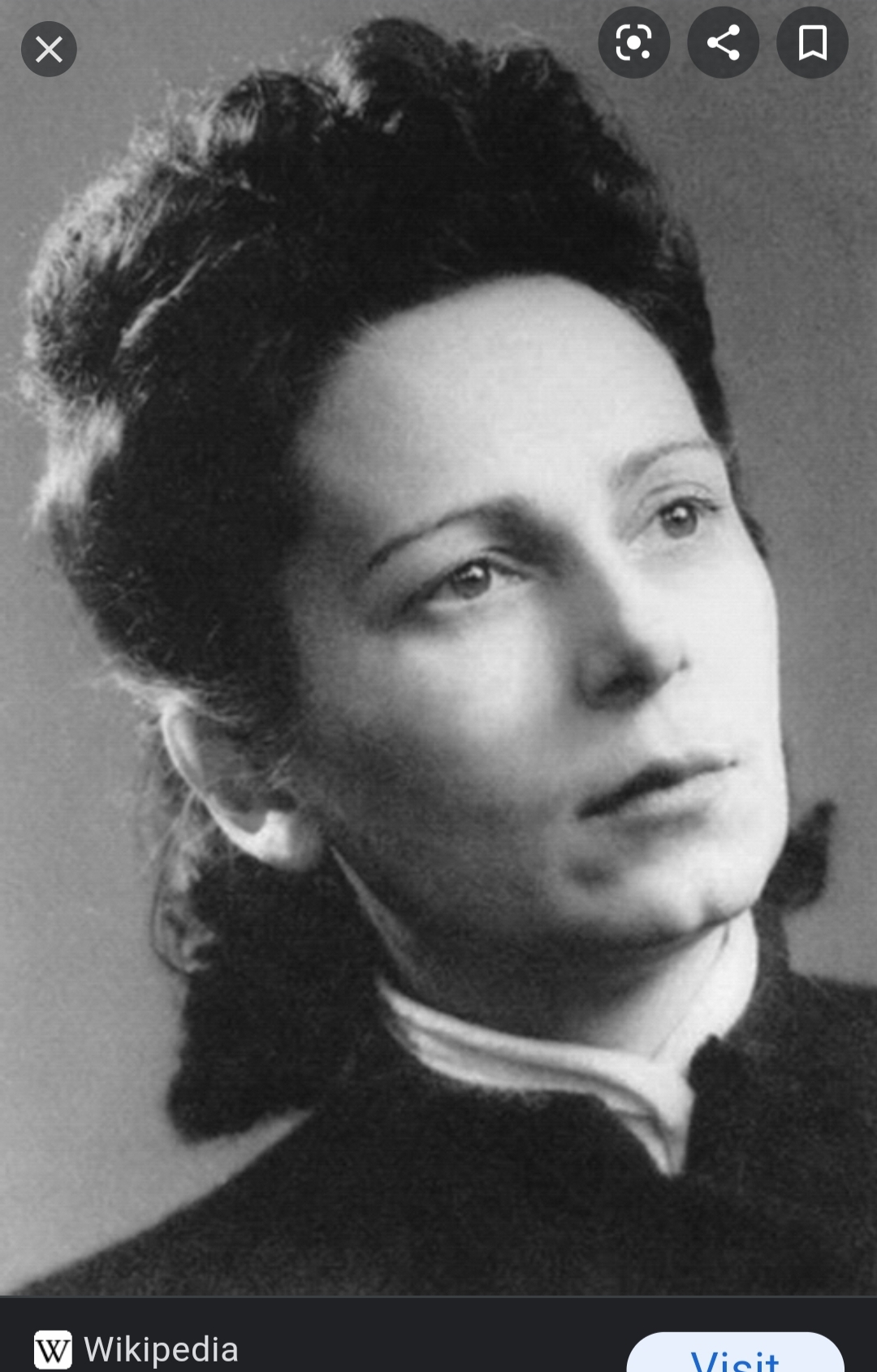
1052) Ariadna Scriabina

Courtesy of Wikipedia

1052: Ariadna Scriabina

Poet, French Resistance Fighter and co-founder of the Armée Juive

Born: 26 October 1905, Bogliasco, Italy

Died: 22 July 1944. Toulouse, France

Original Name: Regine-Ariane Scriabina

Her Preferred Name: Sarah Knut

Full Disclosure: The majority of easily accessible website articles about Ariadna are kind of sketchy and have lots of grammar/spelling mistakes. While Ariadna was definitely a real person, I’d like to put out there that the details should be taken with a grain of salt and that a more in-depth search of Ariadna’s story should be taken if you would like to use her story for a school project or anything like that.

With all that said…

Ariadna was born to Russian immigrant parents in Italy, but when they died while she was still young, she moved in with a relative in Paris (one source says an aunt while another says an uncle).

Ariadna’s father was the famed Russian composer, Alexander Scriabin. Because of her father’s early influence on her life, Ariadna spent her early adult years writing and publishing poetry.

Ariadna was married three times throughout her short life. According to Wikipedia, she had two daughters (as well as suffering a miscarriage) during her first marriage. Ariadna had one child with her second husband (but evidently lied and told him the child wasn’t his—he only learned the truth many years later). Finally with her third husband Ariadna had several more children, though Wikipedia doesn’t say exactly how many.

Ariadna was a devoted Zionist and was rightly angered and upset by the growing cases of anti-Semitism throughout Europe at the time. One source claims Ariadna was so devout in her beliefs, she went so far as to advocate for the forced removal of the Arab people from the land that would one day become Israel.

In 1939, Ariadna and her husband Dovid began publishing a Jewish themed newspaper in Paris. The paper advocated for their Zionist beliefs as well as covering the news of the growing anti-Semitism across Paris and the rest of Europe.

At the outbreak of World War II, Ariadna and Dovid officially registered their marriage (though they had been acting and living as a married couple for a few years already). Dovid was sent off to fight in the war, meaning the newspaper had to shut down. Ariadna officially converted to Judaism at this time, leaving her Christian roots behind, and changed her name to Sarah.

By then, Ariadna had several young children she was attempting to now raise as a single parent. Instead of fleeing France to an unoccupied country, she moved instead to meet up with her husband in Toulouse, bringing the children with her. Unfortunately, life was difficult in the city, and the anti-Semitic rhetoric was fierce. Ariadna and her husband stopped speaking Russian, even at home with the children, and switched to communicating in French instead. Around this time, they attempted to flee to South America, but their efforts were unsuccessful.

Around this time, Ariadna and Dovid founded the organization that would become the Armée Juive (Jewish Army). The group was created in order to help bolster Jewish aid in the occupied country, doing whatever they could to help the Jews in France, albeit secretly.

Ariadna created the oath all Armée Juive members had to take upon joining. By the end of the war, the organization had around 2,000 members. The Armée did everything from bringing food to Jewish prisoners, helping Jewish children and adults escape France to safety in other countries, and even helping stockpile weapons and sabotage the Nazi regime in any way they could.

Ariadna herself was involved in the transportation of Jewish children whose parents had been deported to camps. This was one of the most dangerous tasks the Armée carried out, but the work was rewarding for obvious reasons.

Ariadna continued to work with the Armée even after her husband was captured and deported; Ariadna was pregnant at the time.

In 1944, the Armée Juvie began working alongside the actual Allied forces in order to help with the liberation of occupied France. When representatives of Armée Juvie were attempting to travel to London to meet up with British government agents, they were captured by the Gestapo and tortured for information. Soon after, twenty-five Armée Juvie agents were subsequently captured.

Three weeks before the liberation of Toulouse, Ariadna was caught on a city street along with another Armée Juive agent. A struggle ensued and the Gestapo killed Ariadna in the midst of the fight. Her companion escaped and went on to tell the tale of how Ariadna was killed. At the time, Ariadna’s youngest child was only a year old.

Ariadna was posthumously awarded the Croix de Guerre and the Médaille de la Résistance for her efforts in the war.

Badges Earned:

Located In My Personal Library:

Secret Heroes of World War II by Eric Chalene

Sources:

http://resistanceheroines.blogspot.com/2015/09/agriadna-aleksandrovna-scriabina-1905.html
https://moscowseasons.com/en/news/scriabins-daughter-in-the-french-resistance-and-pushkins-great-grandsons-fighting-at-the-front-five-wartime-stories-of-famous-families/

https://en.wikipedia.org/wiki/Ariadna_Scriabina

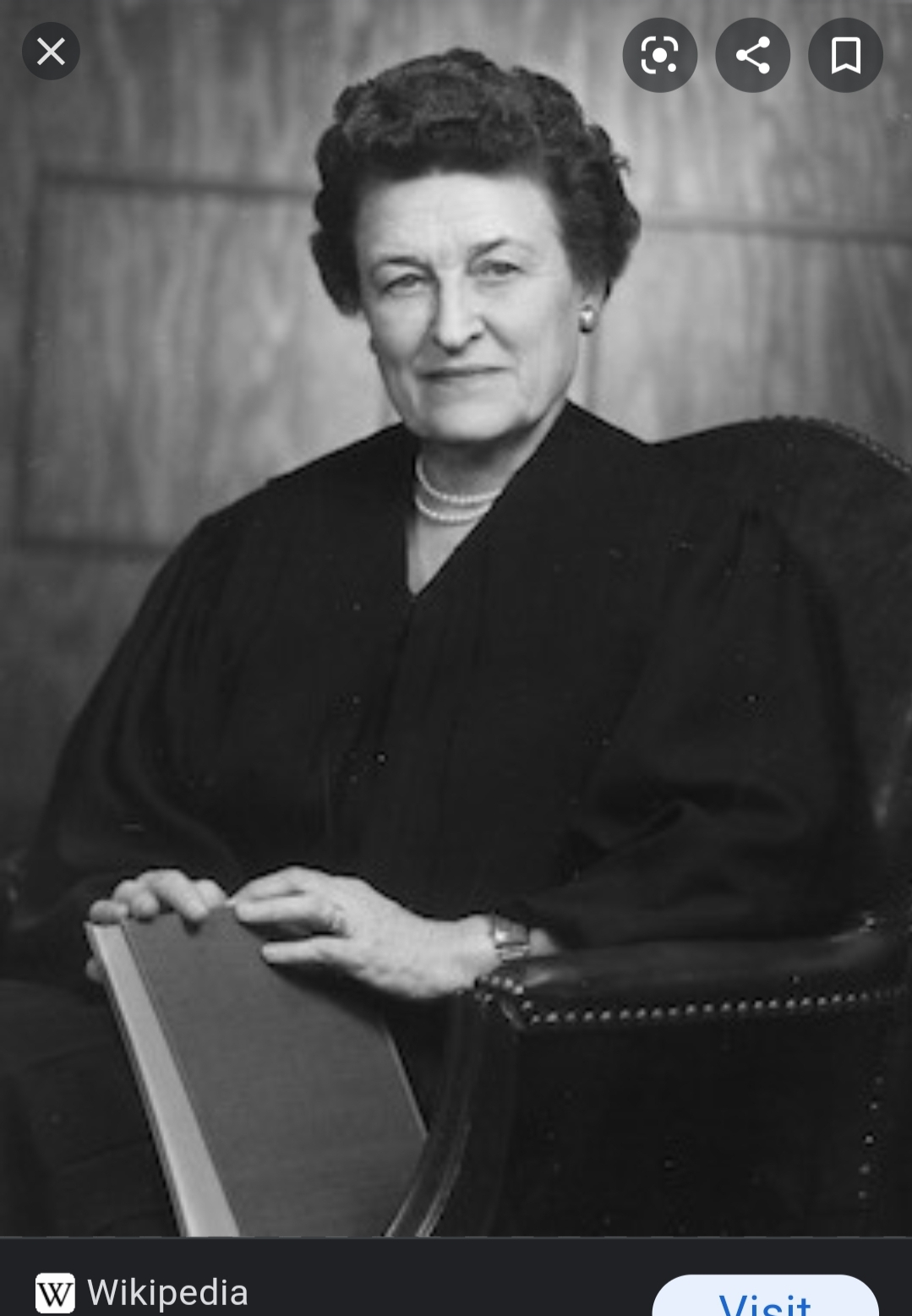
1013) Sarah T Hughes

Courtesy of Wikipedia
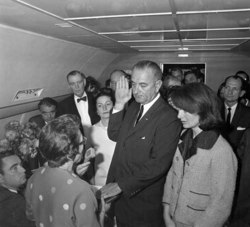
Judge Hughes delivering the Oath of Office to President Johnson, November 1963

Judge Hughes delivering the oath of office to incoming President Lyndon Johnson in the wake of President Kennedy's assassination, November 1963

1013: Sarah T Hughes

Lawyer and Judge

Born: 2 August 1896, Baltimore, Maryland, United States of America

Died: 23 April 1985, Dallas, Texas, United States of America

Sarah is most remembered for swearing in United States’ President Lyndon B Johnson aboard Air Force One after President John F Kennedy was assassinated.

Sarah worked previously for the Washington DC Police force. She was the first female state district judge in Texas (appointed in 1935 and elected in 1936. She was elected for the last time in 1960, serving six terms in all). When Sarah became a judge, women were not allowed to serve on juries in the state of Texas. Sarah recognized how horrible this was, and it was largely through her efforts that a 1954 amendment to the state constitution was added, allowing women to serve on juries in the state.

If all that’s not impressive enough, Sarah was also one of the first women to serve in the Texas House of Representatives (she served for three terms), and Sarah was the first woman to serve as a federal district judge for Texas in 1961 (appointed by John F Kennedy). In 1950, she also helped oversee the creation of Dallas’s first juvenile detention center.

Off the bench, Sarah was a women’s rights activist and United Nations supporter. She was married but had no children. Her last major accomplishment never actually came to fruition; but in 1952 Sarah’s name was a contender for the Vice Presidency nomination on the Democrat ticket. Sarah withdrew her name from the consideration, but she was the first woman to ever be considered for the Vice Presidency on the Democrat ticket.

Badges Earned:

Find a Grave Marked

Sources:

https://www.humanitiestexas.org/programs/tx-originals/list/sarah-t-hughes

https://www.womenintexashistory.org/biographies/sarah-t-hughes/

https://www.tshaonline.org/handbook/entries/hughes-sarah-tilghman

https://www.findagrave.com/memorial/18855/sarah-augusta-hughes

967) Sarah Winnemucca

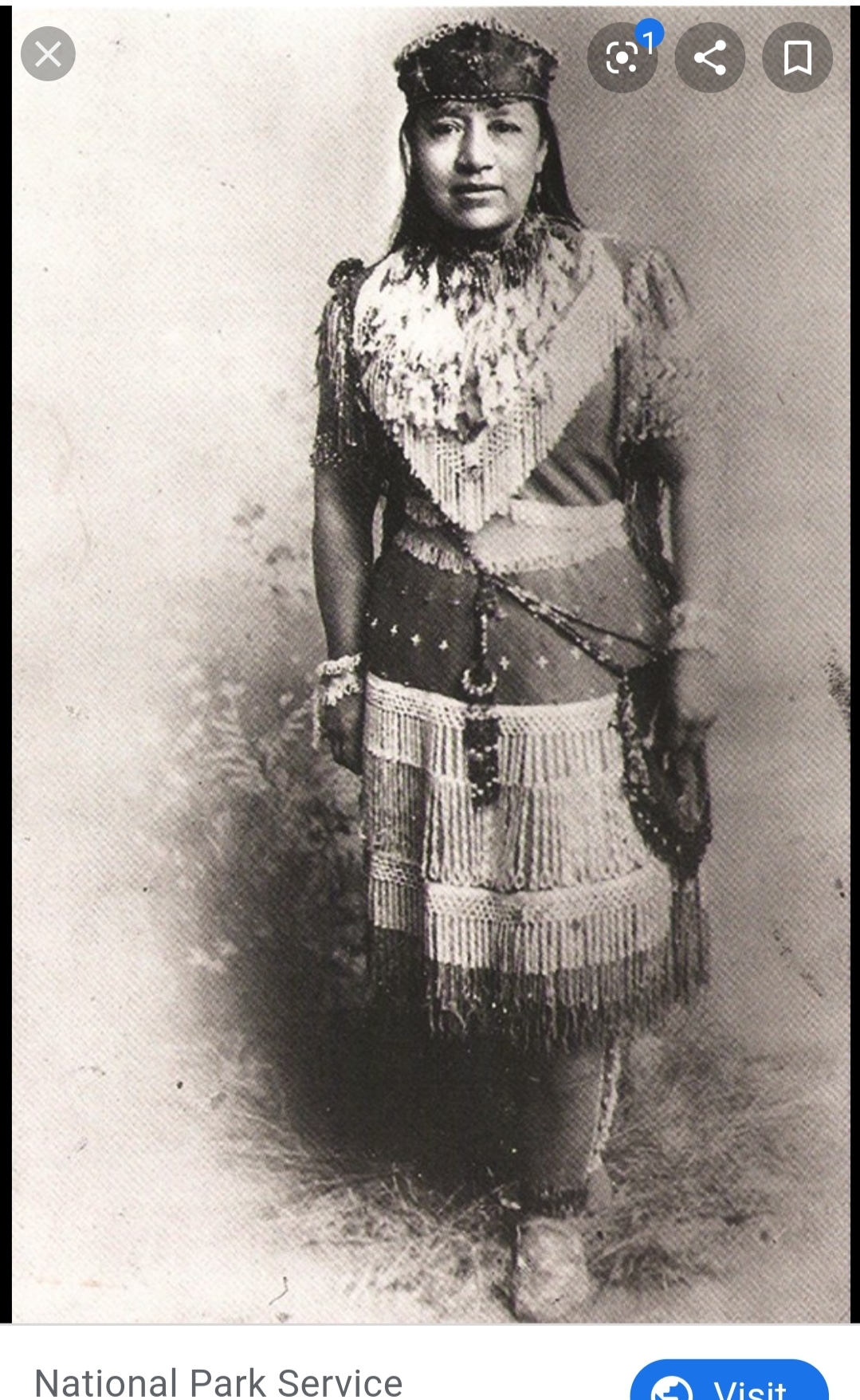
Courtesy of the National Park Service

“Since the war of 1860 there have been one hundred and three (103) of my people murdered, and our reservation taken from us; and yet we, who are called blood-seeking savages, are keeping our promises to the government. Oh, my dear good Christian people, how long are you going to stand by and see us suffer at your hands?”

967: Sarah Winnemucca Hopkins

Northern Paiute Activist Most Remembered for Trying to get Funding to Help her People

Born: c.1844, Alta California, Mexico (Present-day Nevada, United States of America)

Died: 16 October 1891, Montana, United States of America

Original Name: Thocmetony (Shell Flower)

Sarah was the first Native American woman known to secure a copyright for her book and also to publish a book in English. The book, published in 1893, was called Life Among the P[a]iutes: Their Wrongs and Claims.

Sarah’s father and grandfather were both chiefs among the Paiute tribe. She adopted the name Sarah after living with a white family for a time. Sarah also attended a convent school for a short while with her sister, before they were forced to withdraw after objections to their presence from white parents arose.

In 1859, the federal government forced the Northern Paiutes onto a reservation. Sarah and her family made the transition, but it was difficult. Many of her people would die of starvation while living there, and the federal government stopped handing out supplies after the first year. For the next twenty-two years, corrupt Indian Agents would pocket the money that was supposed to go to the tribe.

The Paiutes would be forced to move several times over the ensuing years, often at a high cost physically and emotionally to the tribe. Some of the members accused Sarah of pocketing money or working against them when the federal government repeatedly walked back on promises and allowed conditions for her people to worsen. Eventually, Sarah began making speeches to white audiences in an effort to try and save her people’s way of life.

Sarah gave over 300 speeches across the United States, many with the backing of Elizabeth Peabody, in the hopes of swaying public opinion in favor of the plight of Native Americans. The proceeds from her book helped Sarah pay for her traveling expenses on the lecture tour. The speeches came at a cost for Sarah personally though. One of the corrupt Indian agents she had worked with over the years publicly slandered Sarah, claiming she was a drunk prostitute and a gambler (none of which were true).

After giving up on her speaking tours, Sarah opened a school for Paiute children. She taught them to read and write English and gave them an education in a valuable trade skill so they could have a career in the future. Unfortunately, Sarah always struggled to find funding for the school, and it was eventually shut down entirely after the passage of the Dawes Act in 1887, a federal law that mandated all Native Children be educated in white schools.

Sarah was married at least twice, to two different white army officers, but had no children. One source states she was also married to a Native man at one time, but no other sources mention him. She spoke fluent English, Spanish, and three tribal languages.

Sarah died from tuberculosis believing she had failed in her mission to see Natives and other American settlers living in harmony. At the time of her death, her obituary was featured in the New York Times. So even though a lasting peace was not found between the two differing peoples, Sarah ensured her story and her dreams were never forgotten.

As of 2020, Sarah is one of nine women represented as a statue at the United States Capitol’s National Statuary Hall Collection. Each state was given two slots to be represented at the capitol and Sarah is one of the two given by the state of Nevada.

Badges Earned:

Find a Grave Marked

Located In My Personal Library:

America's Women: 400 Years of Dolls, Drudges, Helpmates, and Heroines by Gail Collins

Wild West Women by Erin Turner

Princesses Behaving Badly by Linda Rodriguez McRobbie

Uppity Women Speak Their Minds by Vicki Leon

Encyclopedia of Goddesses and Heroines by Patricia Monaghan PhD

The Historical Atlas of Native Americans: 150 Maps That Chronicle the Fascinating and Tragic Story of North America's Indigenous Peoples by Dr. Ian Barnes

The Old West by Stephen G Hyslop

Scandalous Women: The Lives and Loves of History's Most Notorious Women by Elizabeth Kerri Mahon

Tales Behind the Tombstones: The Deaths and Burial's of the Old West's Most Nefarious Outlaws, Notorious Women, and Celebrated Lawmen by Chris Enss

Whose Who in American History: Leaders, Visionaries, and Icons who Shaped Our Nation by John M Thompson, William R Gray, and KM Kostyal

Women in American Indian Society by Rayna Green

Sources:

https://www.britannica.com/biography/Sarah-Winnemucca

https://www.smithsonianmag.com/history/sarah-winnemucca-devoted-life-protecting-lives-native-americans-face-expanding-united-states-180959930/

https://www.nevadawomen.org/research-center/biographies-alphabetical/sarah-winnemucca/

https://www.womenofthehall.org/inductee/sarah-winnemucca/

https://www.aoc.gov/explore-capitol-campus/art/sarah-winnemucca

https://www.findagrave.com/memorial/8750319/sarah-hopkins

934) Sarah Thomas

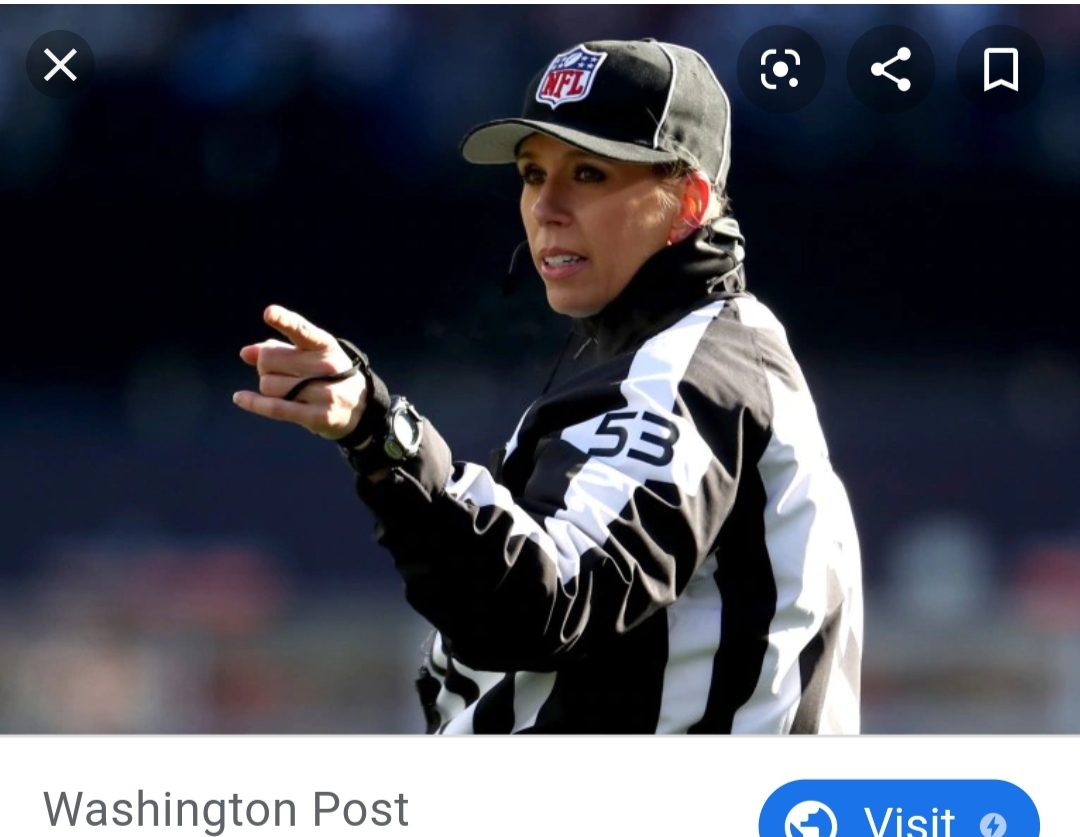
Courtesy of the Washington Post

934: Sarah Thomas

Sports Fan Who has Kept Her Life Involved in a Number of Different Games

Born: 21 September 1973, Pascagoula, Mississippi, United States of America

In 2009, Sarah became the first woman to officiate a bowl game (college football).

In 2011, she became the first woman to work in a Big Ten stadium.

In 2015, Sarah was hired by the NFL making her the first female official to call professional football games (as in multiple). She’s also the first female NFL employee to be a full-time official and the only female official hired for the 2020/2021 season.

Sarah is not the first woman to officiate an NFL game, however. That honor goes to Shannon Eastin, who called a game in 2012 during the NFL Referees Association lockout in 2012.

Sarah also works as a pharmaceutical representative and is a mother to three.

In January of 2021, news broke that Sarah will be the first woman to officiate a Super Bowl game.

Sources:

https://www.sportingnews.com/us/nfl/news/nfl-female-referee-sarah-thomas/114uw3bkmy0001hecsxvualx4w

https://www.espn.com/nfl/story/_/id/12669370/meet-sarah-thomas-first-female-nfl-official-referee

https://www.nfl.com/videos/nfl-official-sarah-thomas-reflects-on-being-first-woman-to-officiate-play-396004

https://www.dailywire.com/news/nfl-makes-history-with-sarah-thomas-the-first-woman-to-officiate-a-super-bowl?%3Futm_source=twitter&utm_medium=social&utm_campaign=dwtwitter

899) Sarah Shelton Henry

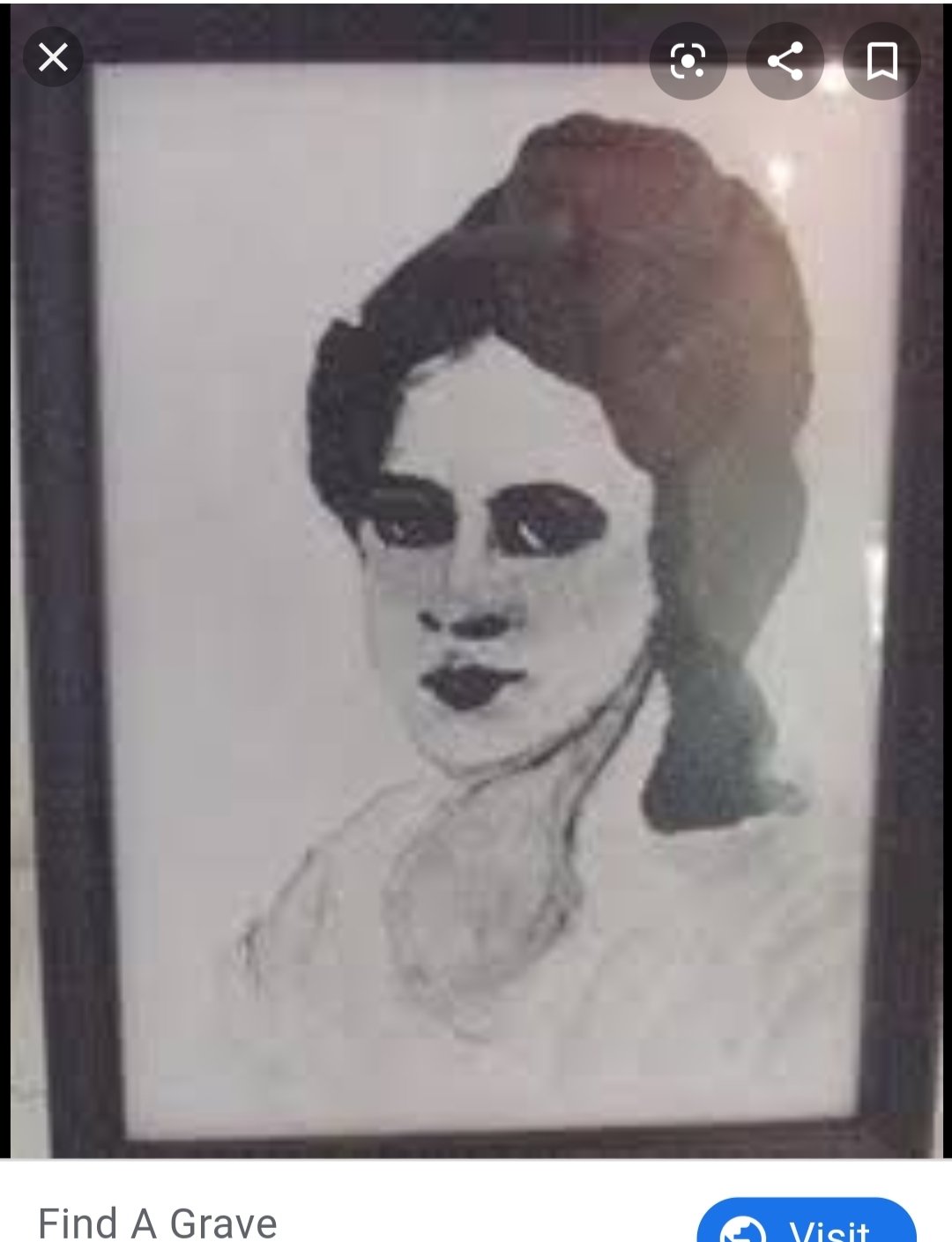
Courtesy of Find a Grave

899: Sarah Shelton Henry

Patrick Henry’s First Wife

Born: 29 May 1736, Rural Plains, The Colony of Virginia (Present-day Rural Plains, Virginia, United States of America)

Died: 19 March 1775, Scotchtown, The Colony of Virginia (Present-day Scotchtown, Virginia, United States of America)

Patrick kept Sarah in the cellar to protect her from herself and others. She was wrapped in an early form of a straitjacket, a “Quaker Shirt.”

He did this because of Sarah’s mental illness (possibly postpartum depression after their youngest was born in 1771). Patrick and Sarah had six children in all, after they married when Sarah was sixteen and he eighteen. They had been in love since they were children. Sarah’s father gifted Patrick six slaves and a 300-acre farm. Patrick later sold the farm after he began practicing as a lawyer.

There was a newly opened asylum in the area, but Patrick didn’t want to send her there. He visited the asylum after it opened and learned his wife would be kept in a windowless room, shackled to the floor with a filthy mattress on the floor as her only furniture. Patients would be “treated” by being dunked in freezing water, bled, shocked, terrorized, blistered, and kept restrained as earlier mentioned. As horrifying as it sounds, this hospital is seen as a step forward in the progress of treating the mentally ill, as it was designed for that sole purpose alone and was not a regular hospital.

It’s sad that Patrick should be praised for deciding to care for Sarah in his own home as opposed to sending her away, where she’d be forgotten and mistreated. Unfortunately, the only way he knew how to care for her was to lock her away in her own home.

Sarah was moved to a two-room apartment in her home’s basement. She received plenty of sunlight and visitors (in the form of her husband and children) and was assigned a slave who nursed her and cared for her every need. Sarah’s oldest daughter and husband moved back to Scotchtown to help care for her. She passed away four years after the birth of her final child; some speculate from suicide, but the truth will never be known for certain.

Very little else is known of Sarah’s life. After she died, Patrick buried her on the property, and her grave was never marked by anything more than a lilac tree. By that point, Patrick was governor of Virginia and so Sarah’s death was hushed up to preserve his position, and her dignity.

Ever since Sarah died, ghost sightings have been spotted on the Scotchtown Plantation. Many have seen a woman in a long white gown walking with a candle, candles burning in windows, doors refusing to open, objects moving, and even more strange activities. One tour group reportedly even heard a woman screaming from the basement. If this is Sarah, I can only hope she someday finds her eternal rest.

More Americans should know Sarah’s story. We all have Patrick’s name memorized by the time we get out of elementary school, after all. So why are we never taught about his first wife? Sarah's story reminds us everyone from history was human at their core. We all have dreams, doubts, and fears. Some of us are victims to our time period, while others made the most out of what was available to them in order to help those they loved most. Sarah and Patrick's story is a true love story for the ages, and we should all learn both of their names and the sacrifices they made in order to make The United States a reality.

Badges Earned:

Find a Grave Marked

Located In My Personal Library:

Sarah Shelton Henry by Sheila Phelps Inderbitzen

"Killing the Witches: The Horror of Salem Massachusetts," by Bill O'Reilly and Martin Dugard

Sources:

https://www.wikitree.com/wiki/Shelton-118

https://americanhistory.si.edu/blog/patrick-and-sarah-henry-mental-illness-18th-century-america

https://en.wikipedia.org/wiki/Sarah_Shelton_Henry

https://www.findagrave.com/memorial/49434135/sarah-henry

872) Sarah Bowman

Courtesy of Wikipedia

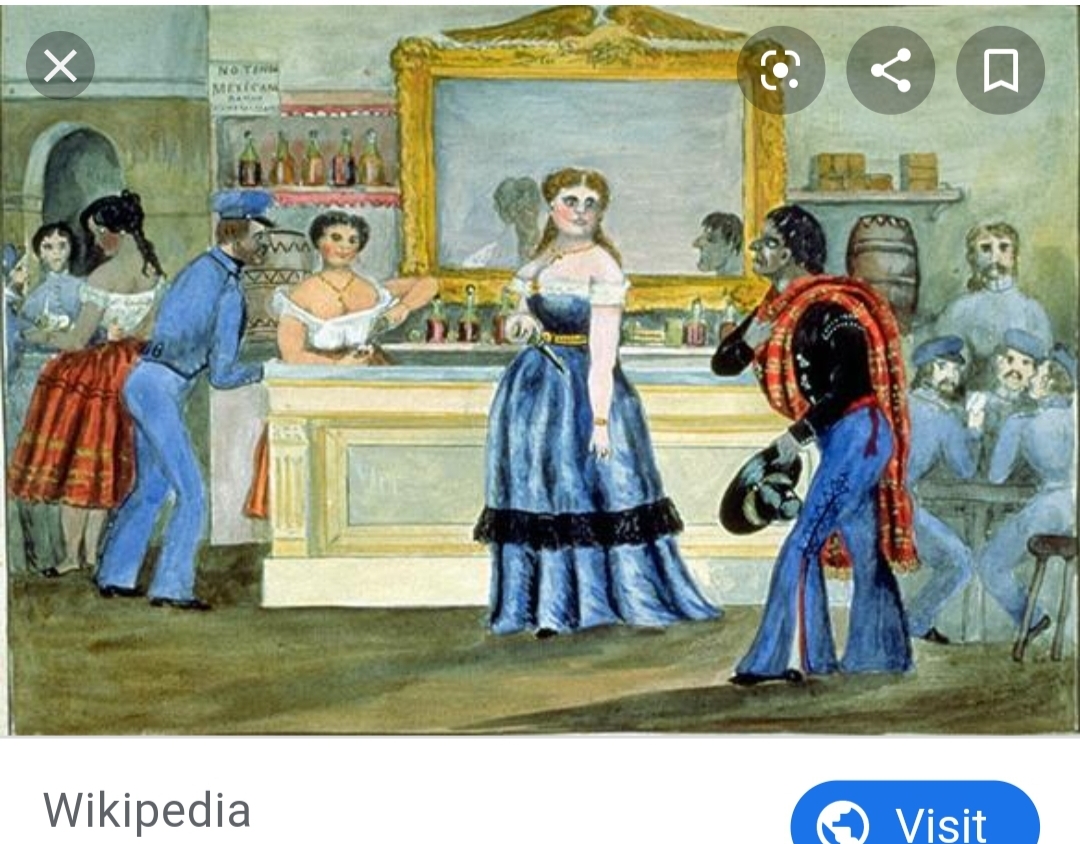
872: Sarah ‘Great Western’ Bowman

Innkeeper, Army Camp Follower, and Restauranteur

Born: c.1813, Tennessee or Missouri, United States of America*

Died: 22 December 1866, Fort Yuma, California, United States of America

Sarah is best known for being a follower of General Zachary Taylor’s army during the Mexican/American War.

Sarah was (according to one source in any case) the first woman to become an officer in the United States Army. General Taylor promoted her to the rank of Colonel after she protected Fort Brown in Texas from Mexican Bombardment. She also served valiantly at the Battle of Buena Vista, treating the wounded, carrying them off the field at times, reloading weapons, and ensuring the troops were fed throughout the bombardment.

She earned her nickname “Great Western” from the fact she was at least six feet tall and 200 pounds—and the fact that a steamship operating at the time was called The Great Western and was known for being, well, huge.

She had many business interests despite being illiterate, including operating several inns, hotels, and restaurants over the years (and possibly some brothels too). Sarah was also fluent in Spanish and had several adopted children.

It is believed she was married three times or more over the course of her life. The reason we don’t know for certain is because of the numerous surnames Sarah used throughout her life. The names included: Boginnis, Bourdette, Bourget, Bourjette, Borginnis, Davis, Bowman, and according to some, Foyle.

Rumors circulate that Sarah first became involved in military life after becoming a laundress and cook for her first husband’s unit during the Second Seminole War (however, there is no actual source from the time period confirming this). By the time of the Mexican/American War, Sarah was married again (this is known with more certainty as the first historical record we know of with concrete fact stems from 1845). Sarah married her third or fourth husband later in life (Some sources state she had two during the course of the Mexican/American War).

Sarah is credited with being the first white woman to settle in El Paso, Texas and Fort Yuma, Arizona.

Sarah died from a spider bite. She was given a military funeral and buried in the fort’s cemetery, the first woman to ever receive these honors. In 1890, all of the bodies in the cemetery were exhumed and moved to the San Francisco National Cemetery at the Presidio in California.

*The sources are split evenly between the two states, so for now Sarah will be listed under “Unknown Origins” as per the “Birth Locations” tab. If Sarah’s definitive birth location is ever proven, then I will adjust her position accordingly.

Badges Earned:

Find a Grave Marked

Located In My Personal Library:

The Blue Tattoo: The Life of Olive Oatman by Margot Mifflin

Levi's and Lace: Arizona Women Who Made History by Jan Cleere

Sources:

https://library.uta.edu/usmexicowar/item?bio_id=51&nation=US&ofst=6&sort=nameasc&ni=52

https://www.tshaonline.org/handbook/entries/bowman-sarah

https://www.legendsofamerica.com/sarah-bowman/

https://militaryhallofhonor.com/honoree-record.php?id=2272

https://www.findagrave.com/memorial/3521415/sarah-a_-bowman

832) Sarah Polk

Courtesy of the White House Historical Assocation

"If I should be so fortunate as to reach the White House, I expect to live on twenty-five thousand dollars a year, and I will neither keep house nor make butter."

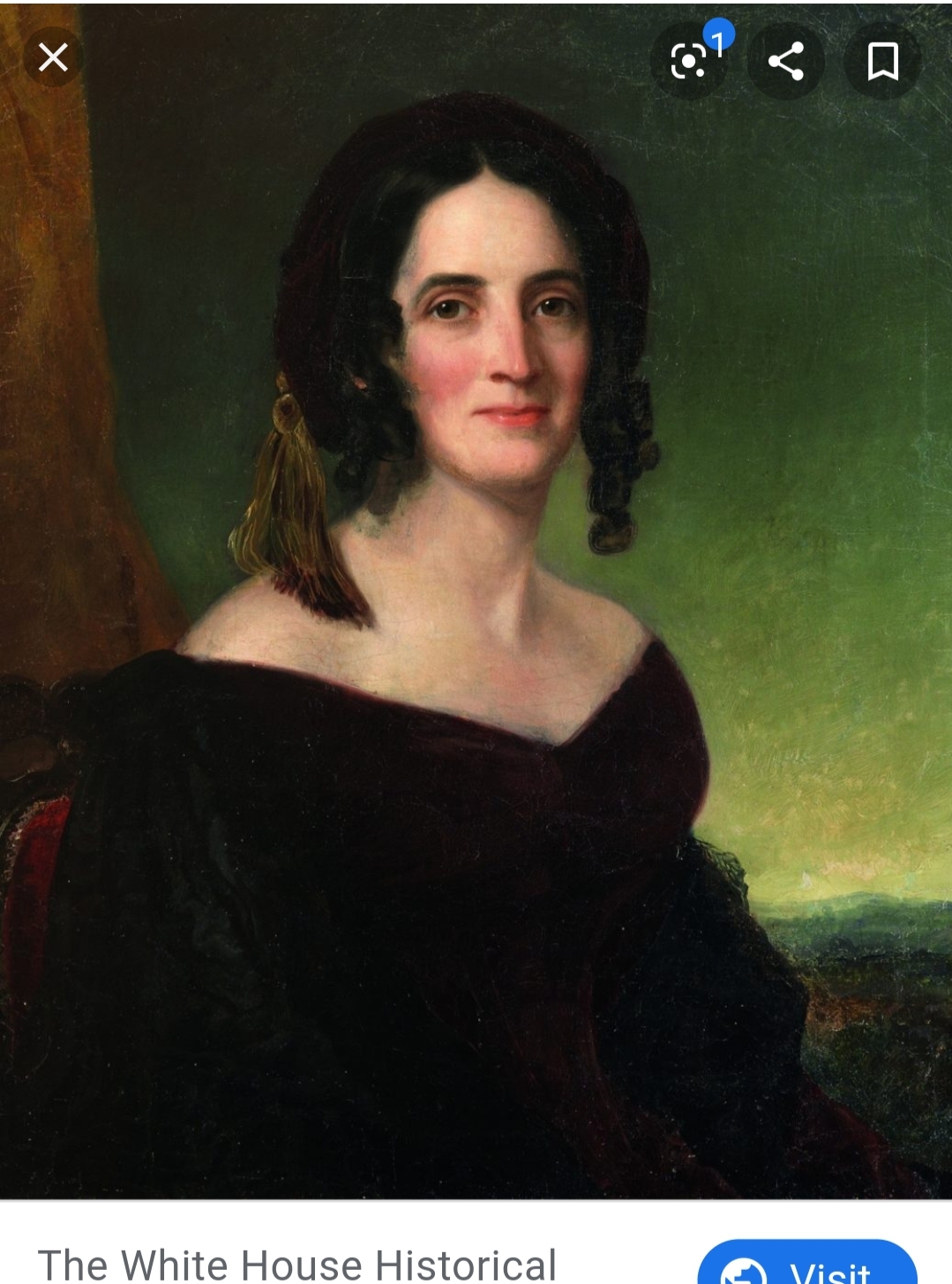
832: Sarah Polk

Former First Lady of the United States During Her Husband, James K Polk’s Administration

Born: 4 September 1803, Murfreesboro, Tennessee, United States of America

Died: 14 August 1891, Nashville, Tennessee, United States of America

Sarah was educated well in her childhood thanks to her father’s money and influence. Her education put her at a distinct advantage in the role she would later play in her husband’s political ambitions.

When James and Sarah married, Sarah’s husband had just started his political career in Tennessee. Rumor has it, Andrew Jackson himself introduced them.

Sarah and her husband owned a farm on which numerous slaves resided and worked. Unfortunately, by today’s standards, neither James or Sarah had any intention of freeing their slaves or working towards the abolitionist cause. Thankfully however, they did fire any overseer who harmed or mistreated the slaves. James and Sarah also ensured the slaves were educated in religious training and given medical care. They also ensured any spouses of their slaves who had been separated were purchased in an effort to keep families together (sometimes…if it meant turning a profit, Sarah would sell a slave that was a part of a family unit later in life). Sarah sold the slaves and farm in 1860.

To swing back towards the unfortunate—Sarah evidently believed African Americans were enslaved because it was God’s plan that they be. She also believed Cherokee Native Americans (famously forced to walk on the Trail of Tears during her friend Andrew Jackson's Administration) should be denied the right to education for the same reason—God didn’t want them to be educated. Sarah also disavowed the suffrage movement. She never thought for a moment that women deserved the right to vote; and honestly believed women were subservient to men in every respect.

The Polks never had children which allowed Sarah to take a more active place in her husband’s career. She acted as his secretary and answered all his correspondence while he campaigned for governor of Tennessee. Upon becoming First Lady she helped him conduct all manners of business and would even attend cabinet meetings with him. Sarah is largely seen as one of, if not the first, First Lady to have just as much political ambition as her husband and was all too happy to work beside him. Sarah also had her own thoughts about political things, but never voiced them in that way. Instead, everything was phrased as, "Well the President thinks so and so..."

However, Sarah was also a strict Presbyterian and issued many commands which included no drinking, dancing, gambling, singing, or music would be had in the White House while she was there. The only alcoholic beverage served was wine, though neither Polk ever drank it. Sarah also ensured no business was ever conducted on Sunday. One of the more famous moments stemming from this rule came when the Austrian Minister was turned away after he appeared on a Sunday to show his credentials.

However, it wasn’t all sober and dower in the Polk White House. Sarah observed the first traditional Thanksgiving dinner in the president’s mansion. The feast was made a permanent fixture during the Lincoln Administration.

Interestingly enough, modern scholars are trying to twist the narrative on whether or not all the doom and gloom was Sarah’s fault. Her husband James, evidently, despised being distracted from his work, and so some of the banned fun activities might have come from him. Also, Sarah had never run a large home or offered entertainment on the scale of the White House before, and so to say she was unprepared upon arrival is an understatement.

Sarah was also interested in technology and its advancements. It was Sarah who oversaw the White House being converted from candle to gas, though she did keep one room left alone to be entirely lit by candlelight. She also spoke to her husband on the matter of cargo transportation. James loved steamboats, but Sarah saw the future, and the future was steam powered railroads.

It was Sarah, more often than James, who would meet with members of Congress to discuss legislation being put forward on Saturday afternoons. Sarah also continued to work as James’s personal secretary. He spent little time with his cabinet and did not like meeting the general public either; so Sarah filled the void and connected James to the outside world. Because Sarah and James were together so much of the time, few letters between them survive this period. James and Sarah did practically everything together, and while we will never know just how much Sarah was involved in the actual administration of the country, you cannot dismiss her as being there solely to decorate and plan ceremonies.

Sarah’s husband died three months after leaving the White House from cholera, making her the longest surviving widow of any First Lady in the United States (Forty-two years) so far.

During the War Between the States, Sarah maintained political neutrality and entertained officers from both sides in her home. She later admitted her sympathies were with the south, and when asked to swear an oath of loyalty to the Union in order to receive a supply of coal, she refused. Sarah also stated she believed the war was caused by divisions within the Democrat Party, and that the war could have been avoided through legislative efforts.

Much like Queen Victoria, Sarah spent the rest of her life clad in black and turned her and James’s home into a shrine for her deceased husband. She continued on her technological journey, having a telegraph and later telephone installed in the home, which was called Polk Place.

Since they had no children her life became joyless and was only sometimes punctuated by famous visitors. Over the years Sarah looked after various children, but never legally adopted any and only one of them was ever really viewed as a surrogate daughter—the girl was named Sally (also called Sadie) and was Sarah’s niece.

After Sarah's death their home became run down and was later demolished, despite the fact that in both Sarah and James’s wills they wanted it kept up and preserved. Both were buried on what used to be the front lawn of their home. The tombs have since been moved to be close to the Tennessee State Capitol.

Sarah is one of those interestingly hypocritical historical figures. She is, on the one hand, to be admired for her political acumen and grasp on power. On the other, she had many qualities seen as distasteful at best by today’s standards. We should admire her for her ability to climb to her position of power and influence, but remember no one from history is perfect. Not by a long shot.

Badges Earned:

Find a Grave Marked

Located In My Personal Library:

Confronting the Presidents: No Spin Assessments from Washington to Biden by Bill O'Reilly and Martin Dugard

Dead Presidents: An American Adventure Into the Strange Deaths and Surprising Afterlives of Our Nation's Leaders by Brady Carlson

First Ladies: Presidential Historians on the Lives of 45 Iconic American Women by Susan Swain and C-SPAN

The Smithsonian First Ladies Collection by Lisa Kathleen Graddy and Amy Pastan

Sources:

http://www.firstladies.org/biographies/firstladies.aspx?biography=12

https://www.whitehousehistory.org/bios/sarah-polk

https://www.smithsonianmag.com/history/how-first-lady-sarah-polk-set-model-conservative-female-power-180971393/

http://firstladies.c-span.org/FirstLady/13/Sarah-Polk.aspx#:~:text=During%20the%20Civil%20War%2C%20Mrs,dinner%20at%20the%20White%20House.

https://www.findagrave.com/memorial/8627/sarah-polk

744) Sarah Morgan Dawson

Courtesy of 64 Parishes

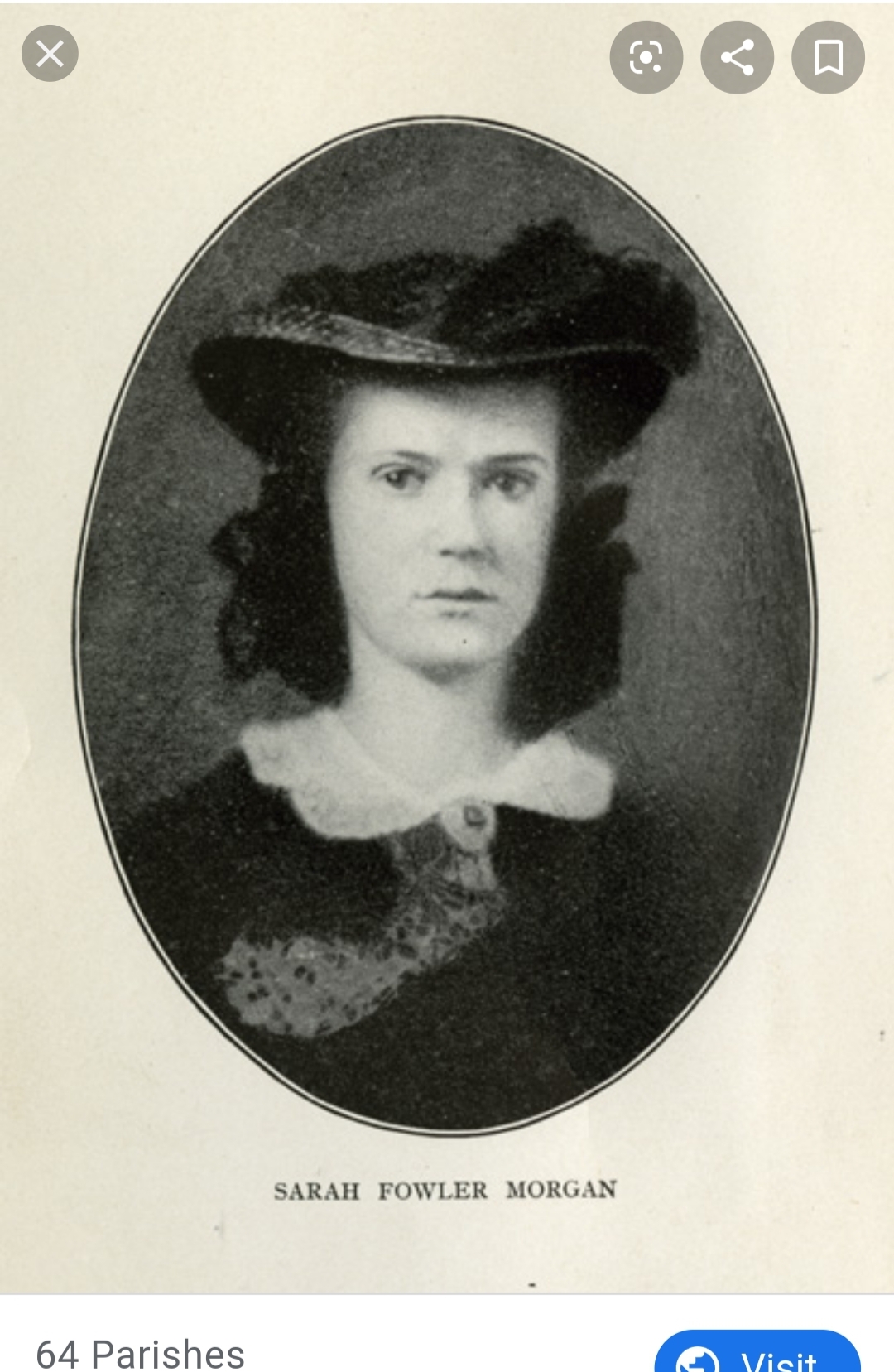
744: Sarah Morgan Dawson

Author of A Confederate Girl’s Diary

Born: 28 February 1842, New Orleans, Louisiana, United States of America

Died: 5 May 1909, Paris, France

The diary chronicled Sarah’s life from the age of nineteen to just before her death and has been published three times.

Sarah only received one year of formal education but was educated further at home by her mothers and sisters. She also learned French. Sarah was expected to be a wife and mother and was raised in the elite society of New Orleans in the antebellum period.

In 1861, Sarah lost her brother in a duel and her father expectantly. Losing two family members wasn’t enough though; the War Between the States also tore apart Sarah’s southern world just months later. She lost several other family members throughout the war and watched as both her family’s homes were ransacked.

After the war, Sarah began writing for News and Courier in Charleston, South Carolina. The editor of the paper and Sarah eventually courted and wed. They had three children, two of whom survived to adulthood. When her husband died in 1889, Sarah moved to France with her son.

Sarah’s diary collection is actually five separate diaries she wrote throughout the course of the war. Originally, Sarah told her son to destroy her writings, but eventually he convinced her to publish. Sarah consented, and after her death the diaries were merged into one book and published in 1913. Then they were republished again in 1960, two years before her son’s death. In 1991, the diaries were re-edited, with entries Sarah’s son had originally omitted added back in. They were published for the third time later that year.

Sarah is remembered today as an early Feminist writer from her time at the News and Courier.

Badges Earned:

Find a Grave Marked

Sources:

https://www.battlefields.org/learn/biographies/sarah-morgan-dawson

https://64parishes.org/entry/sarah-morgan-dawson

https://docsouth.unc.edu/fpn/dawson/summary.html

https://www.findagrave.com/memorial/6840056/sarah-ida_fowler-dawson

743) Sara Blakely

Courtesy of Forbes

743: Sara Blakely

Spanx Founder

Born: 27 February 1971, Clearwater, Florida, United States of America

Sara is now estimated to be worth a billion dollars. That’s this many: $1,000,000,000! In March of 2012, Forbes crowned Sara the youngest (until Kylie Jenner came along that is) self-made female billionaire. The following year, Sara signed the Melinda and Bill Gates’ and Warren Buffett’s Giving Pledge, the first self-made female billionaire to do-so. The Giving Pledge is a pledge to donate half of the signatory’s earnings to charity.

Sara used to sell fax machines door to door before beginning to sell Spanx in Neiman Marcus stores. When she first came up with her idea for the shapewear brand, Sara kept the news from her family from her family for a year. She new they would probably talk her out of taking a risk and didn’t want to take that chance herself. Thank goodness she didn’t!

She holds a Bachelor of Art/Science degree from Florida State University.

Sarah is a mother of four and continues to run her company. Spanx is now sold in sixty-five countries around the world. In 2006, with the help of Richard Branson, Sara launched the Spanx by Sara Blakely Foundation, which is designed to help empower women around the world.

She has been featured as a shark on ABC’s hit show Shark Tank. Sara is also co-owner of the Atlanta Hawks baseball team.

Sources:

https://www.forbes.com/profile/sara-blakely/#36d1778b76bb

https://www.spanx.com/saras-world

https://www.linkedin.com/in/sarablakely27/

http://www.spanxfoundation.com/about/

https://www.cnbc.com/2020/02/06/why-spanxs-sara-blakely-kept-billion-dollar-idea-secret.html

640) Sarah Winchester

Courtesy of Biography

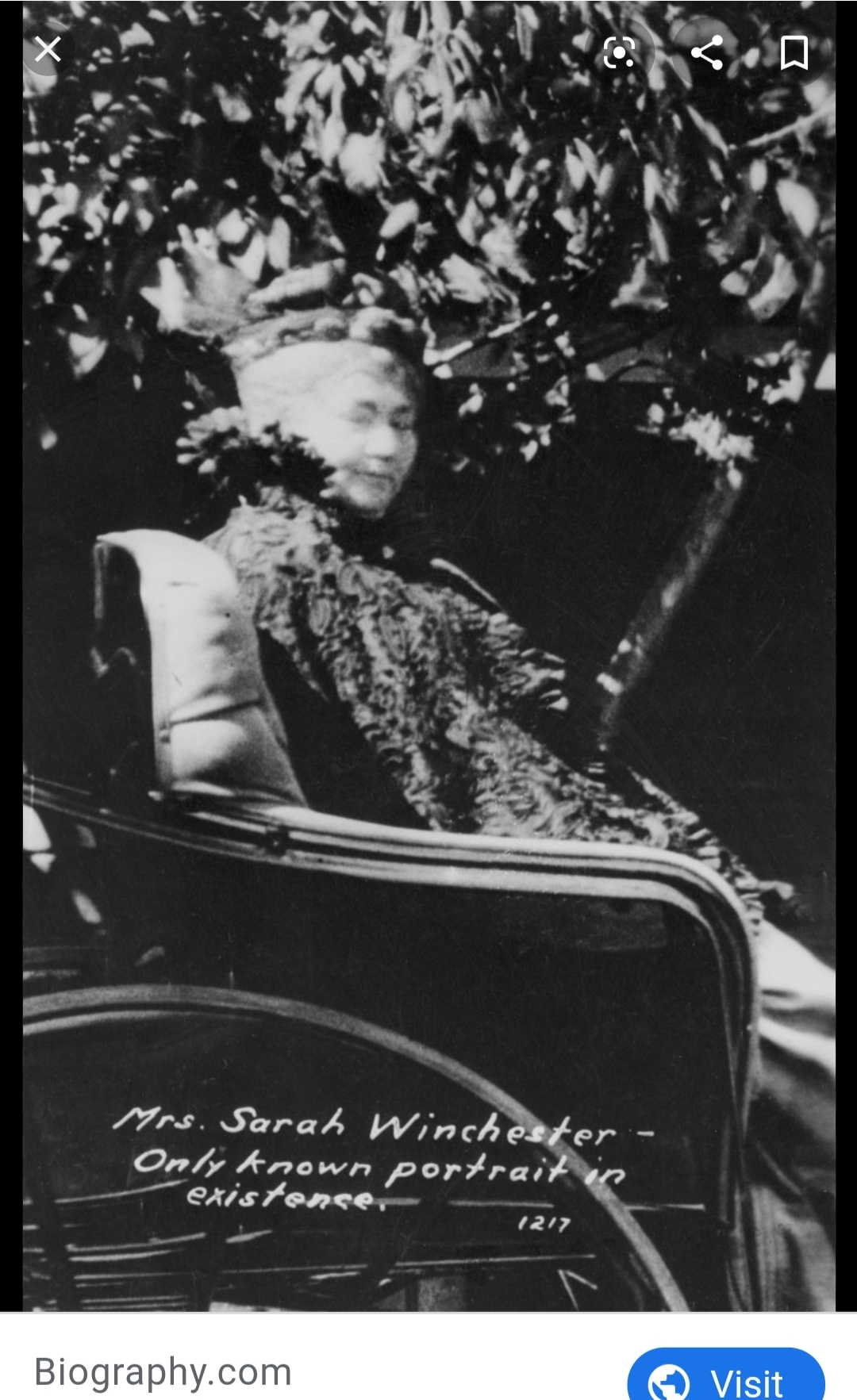
640: Sarah Winchester

Folk Figure and Heiress to the Winchester Repeating Arms Fortune

Born: c.1840, New Haven, Connecticut, United States of America

Died: 5 September 1922, San Jose, California, United States of America

Sarah is remembered for continually building on her home in San Jose, California—purportedly to keep the spirits killed by Winchester rifles from haunting her.

Sarah was born to a wealthy upper-class family in Connecticut, but the exact year of her birth remains unknown to this day. She was one of seven children and educated well. In fact, Sarah was taught four languages and attended a school for young ladies.

By the time Sarah was of eligible age to marry, her parents had already decided on a husband. His name was William Winchester, and he was the only son to the Winchester Repeating Arms Company fortune.

Sarah’s only daughter Annie died when she was only forty days old from marasmus—the inability to absorb nutrients and proteins. In essence, Annie starved to death and there was nothing her parents or doctors could do to help her. Sarah and William would have no other children.

In 1881, William died suddenly from tuberculosis, only a year after his own father’s death. By then, historians account that Sarah’s mental health was already starting to fail. She was never able to fully recover from her daughter’s death, and others believe Sarah was also haunted by the wealth her Winchester family collected. In her eyes, Winchester money was blood money.

With William’s death, Sarah suddenly inherited a fortune estimated to be about $20 Million, around $500 Million today. She also received a 50% stake in the Winchester company. Although Sarah never had anything to do with the daily workings of the company, her stake in it meant she was receiving an additional $1,000 a day (or $26,000 per day in 2019 dollars).

This is where Sarah’s life story becomes a bit twisted. According to some, Sarah went to visit a psychic medium in Boston, who told her she needed to find a way to appease the angry spirits of those killed by Winchester Rifles. This goes along with the popular notion that Sarah only built the Winchester House to appease such spirits. Others claim Sarah didn’t build the house for spirits at all, and instead she was simply interested in other notions like Freemasonry and Rosicrucianism. Whatever the case, Sarah soon packed up and left Connecticut behind, settling in San Jose, California.

In 1884, Sarah purchased an already existing farmhouse instead of consulting an architect to build something new just for her. From 1886 until her death in 1922, Sarah continually had carpenters building onto the already existing structure. The house would eventually reach seven stories in certain sections. The layout of the house also makes no sense to any “normal” person looking in from the outside. There are staircases leading nowhere, doors opening out into the air, windows that open into interior rooms, and hallways that circle back on themselves for no apparent reason. To say its easy to get lost in the mansion is an understatement; what house with over 160 rooms wouldn’t be confusing?

The house wasn’t just odd though, it was also decorated and designed to have all the trappings money could buy. The home had one of the earliest designs for an indoor shower, running hot water, central heating and air conditioning, and other amenities. Mrs. Winchester was also tiny and suffered from debilitating arthritis, so certain staircases built just for her have stairs that are actually made from risers and are only several inches apart to ease the ache in her joints.

After so many decades of incessant building, Sarah passed away peacefully in her sleep. Her niece and secretary would sell the house at auction soon after.

In 2018, a Hollywood film entitled Winchester depicts a highly fictionalized and sensationalized account of Sarah’s later years; starring Helen Mirren as Mrs. Winchester.

Today, visiting the Winchester Mystery House is still a major tourist attraction in Southern California. You can tour the house itself as well as other buildings on the property, and sometimes the tour guides will tell ghost stories during the tour. Unfortunately taking photographs inside the house is not possible because of copyright issues, but photos of the grounds itself are permitted. In 2023, the house will celebrate one hundred years as a tourist attraction.

Badges Earned:

Find a Grave Marked

Located In My Personal Library:

Haunted West: Legendary Tales From the Frontier (Magazine Published by Centennial Today, Fall 2020)

100 Greatest Mysteries: The World's Secrets Revealed (Magazine by History)

Sources:

https://allthatsinteresting.com/sarah-winchester

http://thetruthaboutsarahwinchester.com/

https://winchestermysteryhouse.com/sarahs-story/

https://www.findagrave.com/memorial/5125/sarah-lockwood-winchester

  • 1
  • 2
  • Next

Categories

Archives

  • July 2025 (10)
  • July 2024 (1)
  • January 2024 (1)
  • August 2023 (1)
  • June 2023 (2)
  • October 2022 (1)
  • July 2022 (1)
  • June 2021 (3)
  • December 2020 (3)
  • August 2019 (1)
  • July 2019 (2)

Search

© 2026 The Exasperated Historian | Powered by Minimalist Blog WordPress Theme