The Exasperated Historian
Menu
  • Home
  • The Women’s List (New)
  • The Men’s List
  • The Animal List
  • Collections
  • The Blog
  • Contact Us
  • FAQ
Menu

Category: Japan’s Own

678) Sada Abe

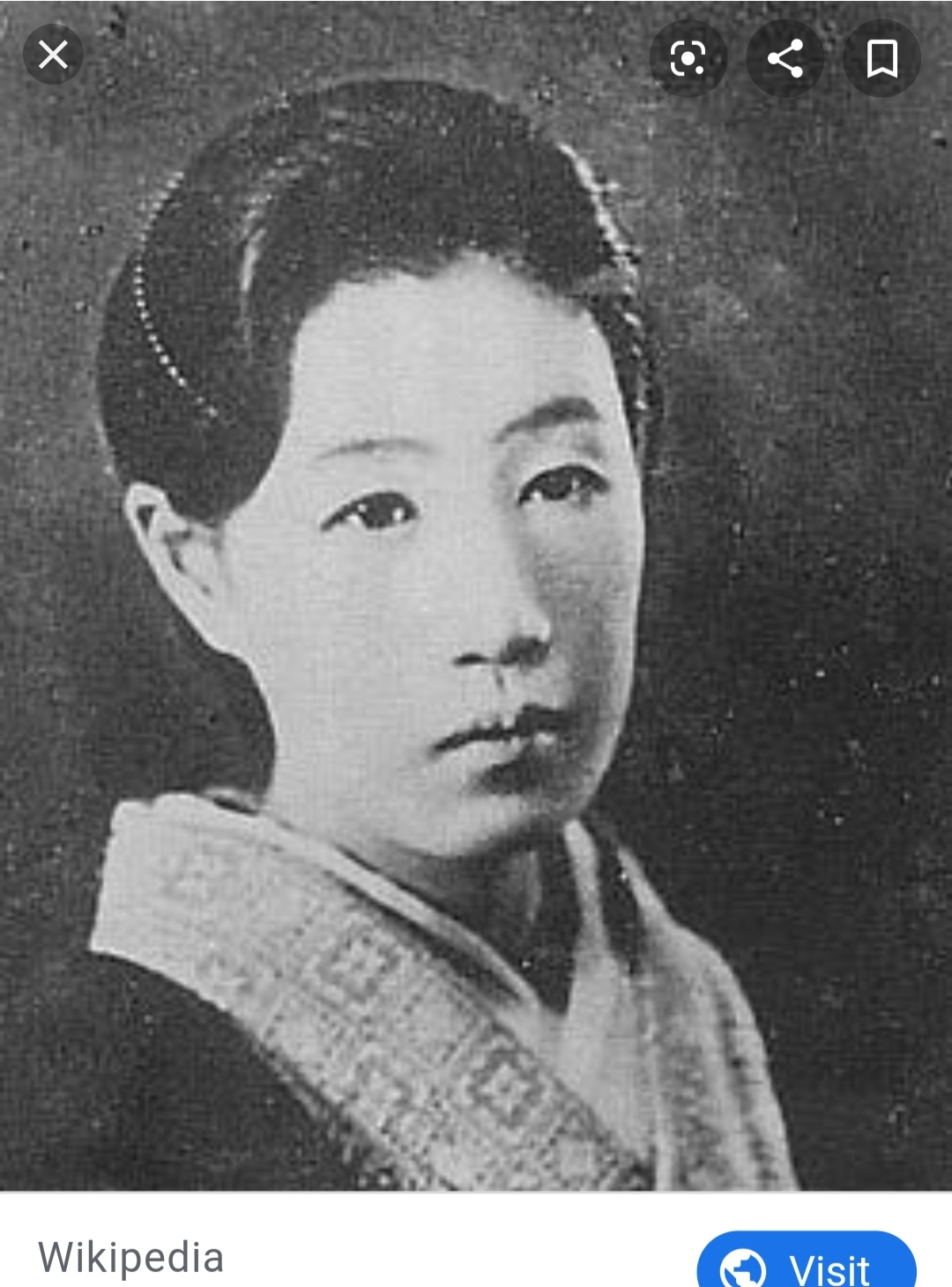
Courtesy of Wikipedia

 "I loved him so much, I wanted him all to myself. But since we were not husband and wife, as long as he lived he could be embraced by other women. I knew that if I killed him no other woman could ever touch him again, so I killed him..."

678: Sada Abe

Well That’s a Different Kink

Born: 28 May 1905, Tokyo, Japan

Died: after 1970

Sada is remembered for asphyxiating her lover and then cutting off his genitals to carry around with her. I wish I was kidding.

Sada had been forced into life as a geisha after her parents made her become one as punishment for being promiscuous as a teenager. This was partly due to the fact Sada had been raped when she was fifteen, and never received psychiatric treatment to help with the aftereffects. After spending some time as a geisha, Sade quickly switched to being a government licensed prostitute and then an illegal one before being hired as a waitress in her future lover’s hotel.

When her lover refused to leave his wife Sada became insanely jealous and bought a kitchen knife threatening to kill him. Her lover attempted to appease her by taking her to an inn for two days, however, Sada erotically asphyxiated him before removing his aforementioned parts and carrying them around in her purse. Whether or not Sada intentionally killed him or not is still up for debate.

The search for Sada ignited panic around Japan with multiple sightings of her after her lover was found dead—meanwhile she’d checked herself into a hotel under a fake name and waited patiently for the police to find her.

Sada asked for the death sentence but was given six years instead. Her sentence was eventually commuted, and she was released after five years.

She spent the next few decades working in and out of the spotlight. She wrote a book and saw a movie released based on her story. Eventually, she got a job as a waitress, giving interviews occasionally to curious journalists. One day, in 1970, she disappeared. Stories abound that she killed herself or moved into a convent, but nothing is known for certain. She was there one day and gone the next.

As for her lover’s genitals, they were sent to the pathology museum at Tokyo Medical School before disappearing as well after World War II.

Badges Earned:

Find a Grave Marked

Sources:

https://murderpedia.org/female.A/a/abe-sada.htm
https://allthatsinteresting.com/sada-abe

https://www.findagrave.com/memorial/106722541/sada-abe

635) Sadako Sasaki

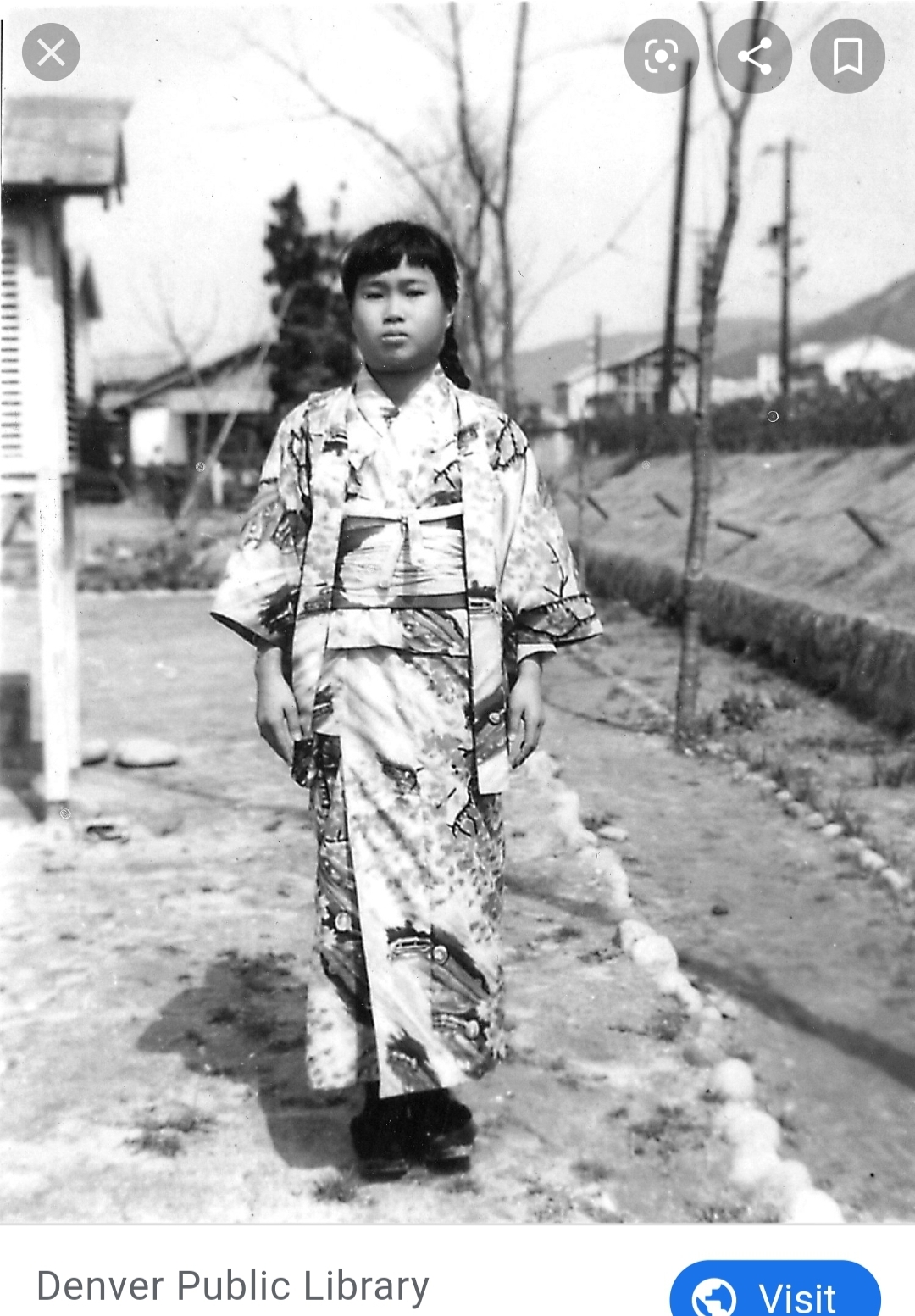
Courtesy of the Denver Public Library

635: Sadako Sasaki

The Real Girl Behind Sadako and the Thousand Paper Cranes

Born: 7 January 1943, Hiroshima, Japan

Died: 25 October 1955, Hiroshima, Japan

Sadako was two years old when the atomic bomb was dropped on Hiroshima. At the time the bomb was dropped, Sadako and her family were two kilometers away from the site of the blast. For many years no one suspected anything was amiss.

One day, in 1955, Sadako was participating in her school’s relay race. She started to feel extremely dizzy and tired. The symptoms went away before coming back over and over again. Soon after, Sadako became so dizzy she fell and could not get up. Her parents took her to a Red Cross Hospital, and Sadako was diagnosed with leukemia. She was one of very many Japanese people who fell ill with the blood cancer.

Sadako was scared she was going to die. Her friend came to visit her in the hospital and told her a story. If Sadako could fold 1,000 origami cranes she would soon become well again. Sadako managed to fold five hundred cranes and was told she was well enough to go home for a time. Unfortunately, after a week she had to return to the hospital. Soon after, Sadako peacefully went to sleep and never woke up.

Sadako managed to fold 644 cranes before she died. Afterward, her classmates made the rest to make a thousand to bury with her.

In 1958, her classmates and friends raised enough money to build a monument to all the children who died from war, with a hope for peace in the future. To this day, students from all over the world send paper cranes to lie beneath the monument.

Badges Earned:

Find a Grave Marked

Located In My Personal Library:

Sadako and The Thousand Paper Cranes by Eleanor Coerr

The Complete Story of Sadako Sasaki by Sue DiCicco and Masahiro Sasaki

Sources:

https://www.hiroshima-is.ac.jp/?page_id=230

https://sadakosasaki.com/

https://www.findagrave.com/memorial/63940136/sadako-sasaki

The Children's Peace Monument
June 2025 Update:

In June of 2025, I was given the opportunity to visit Hiroshima and the Peace Gardens and Monuments near "Ground Zero" where the bomb struck in August of 1945. The above photo is of the Children's Monument dedicated after Sadako's death.

The Monument's Plaque
Sadako is Mentioned in the Museum

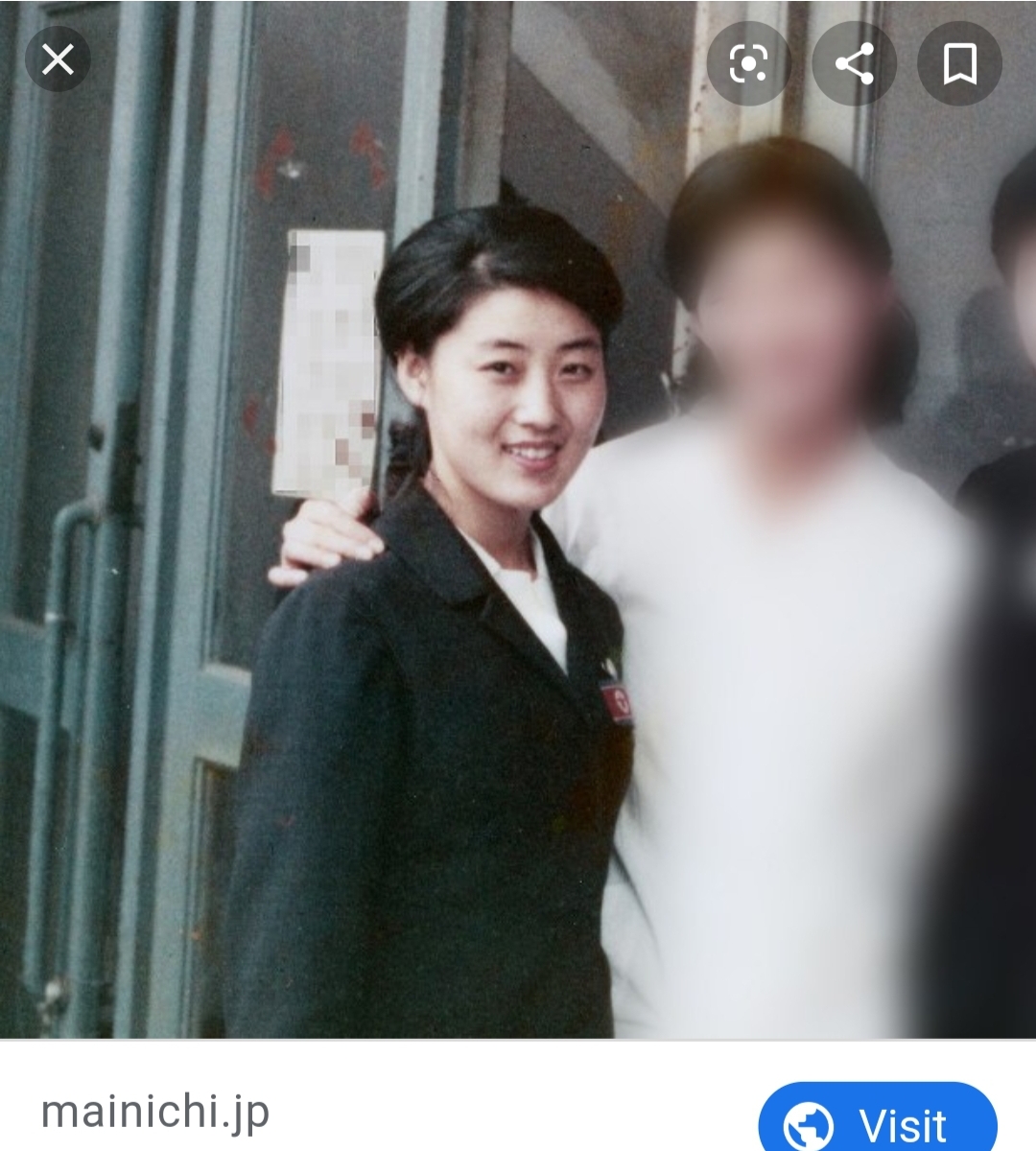
464) Ko Yong-hui

Courtesy of Mainichi.jp

464: Ko Yong-hui

Kim Jong-il’s Wife and Kim Jong-Un’s Mother

Born: 26 June 1953, Osaka, Japan

Died: 24 May 2004, Paris, France

Also Known As: Ko Young-hee or Ko Yong-hŭi

She was a famous stage actress and was given the title of “Respected Mother” by her husband. What might be even more surprising is that she was born to an ethnically Korean father and an ethnically Japanese mother. Japan and North Korea are not, friendly, to say the least.

Yong-hui was killed in a car accident (or possibly died from a strange illness, or breast cancer, no one really seems to know).

Her sister, Ko Yong-Suk, defected from North Korea over twenty years ago with her husband and three children and is now living in the United States. In 1998, Yong-Suk and her husband decided to leave North Korea after Yong-hui was diagnosed with terminal breast cancer.

Badges Earned:

Find a Grave Marked

Sources:

https://www.nknews.org/2018/03/cults-of-the-forgotten-wives-kim-song-ae-and-ko-yong-hui/

https://www.findagrave.com/memorial/179574701/yong_hui-ko

https://www.washingtonpost.com/world/asia_pacific/the-secret-life-of-kim-jong-uns-aunt-who-has-lived-in-the-us-since-1998/2016/05/26/522e4ec8-12d7-11e6-a9b5-bf703a5a7191_story.html

https://www.visitthedprk.org/the-little-known-story-of-kim-jong-uns-mother-ko-yong-hui/

419) Junko Tabei

Courtesy of Outside Magazine

419: Junko Tabei

Mountaineer

Born: 22 September 1939, Miharu, Japan

Died: 20 October 2016, Kawagoe, Japan

Junko was the first woman to summit Mount Everest and the first woman to climb the Seven Summits (the tallest mountains on each of the seven continents).

She climbed mountains in over sixty countries overall but largely downplayed her achievement with Everest saying she was the 36th person to complete the climb. When Junko climbed Everest, she survived an avalanche but still eventually made it to the top.

Junko also founded the first climbing club for female mountaineers in Japan. She climbed her first mountain when she was ten years old. Junko was married to a fellow mountaineer and had two children.

In her later years, Junko became an environmental activist, especially concerning Mt. Everest. She passed away from cancer.

Badges Earned:

Find a Grave Marked

Located In My Personal Library:

Who Knew Women in History by Sarah Herman

Sources:

https://www.cnn.com/2019/09/22/world/junko-tabei-google-doodle-trnd/index.html

https://www.japantimes.co.jp/news/2016/10/22/national/junko-tabei-first-woman-climb-mt-everest-dies-77/

https://heavy.com/news/2019/09/junko-tabei/

https://www.findagrave.com/memorial/171686336/junko-tabei

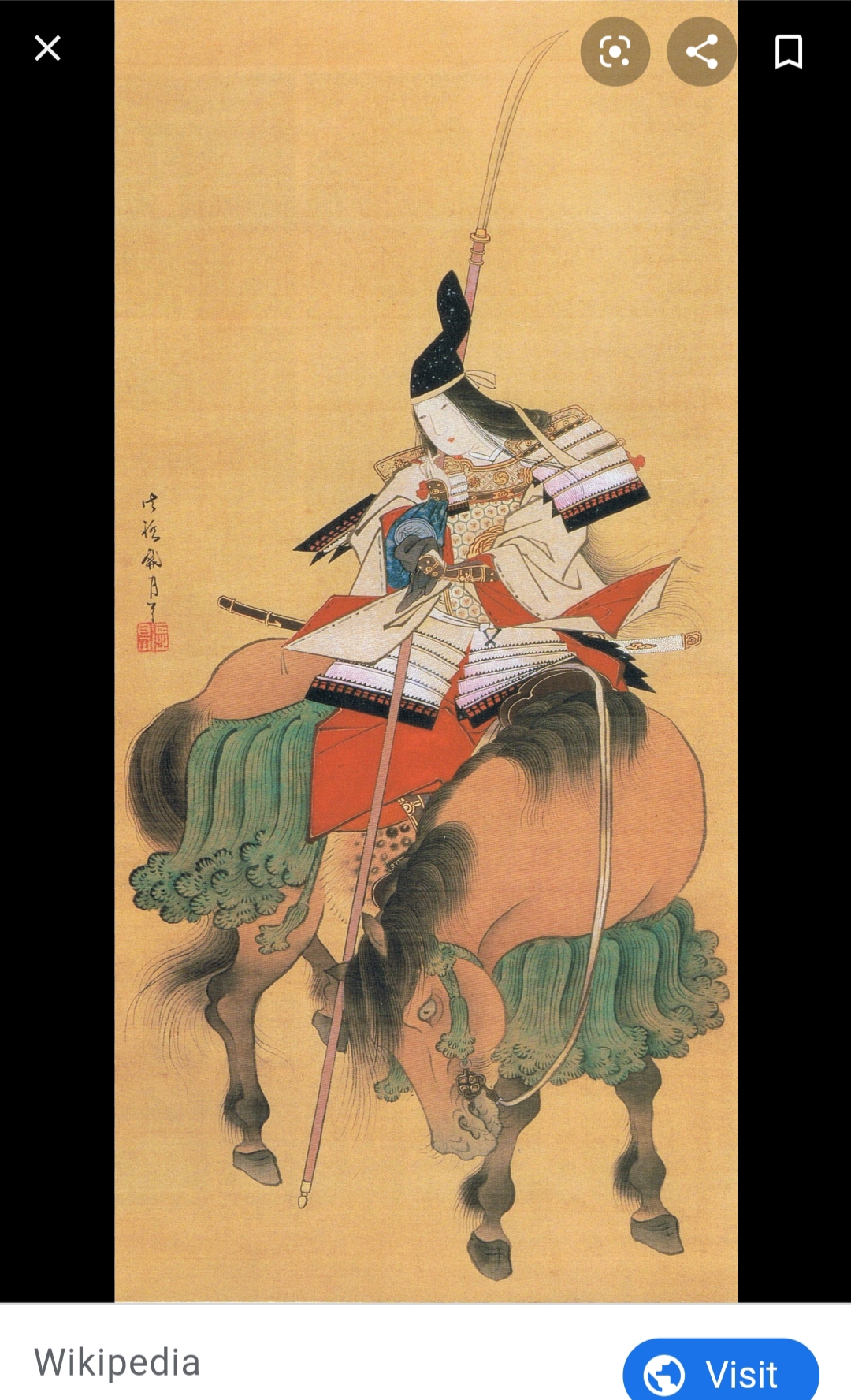
344) Tomoe Gozen

Courtesy of Wikipedia

344: Tomoe Gozen

Samurai Warrior and Leader in the Genpei War

Born: c.1157, Japan

Died: c.1247, Japan

The Genpei War would eventually led to the first Shogunate in Japan; a Civil War responsible for ending Japan’s illustrious Heian Period.

After the man who has been considered everything from Tomoe’s master to her husband or perhaps boyfriend (the details are really obscure) ordered her to leave the battlefield after their defeat her fate is unknown.

The four prevailing stories say she was A) forced into becoming the victor’s concubine; B) she became a nun, C) she took her possibly-husband’s severed head and walked into the ocean with it, committing suicide and preventing their enemies from defiling him, or D) she killed herself by committing seppuku, the ancient practice of disemboweling oneself.

If she lived to the reported year of 1247, she long outlived the war, which lasted from 1181 to 1185, however again, the true details of Tomoe’s life story are obscure at best.

Tomoe is one of the few female Japanese warriors to fight offensively instead of just defensive—meaning she fought in onna musha and not onna bugeisha, which are different forms of feminine Japanese fighting styles. Her weapons of choice were the long sword and bow and arrow. She is also unique in that she is the only female samurai warrior to appear in the ancient Samurai warrior tales, including the Heike Monogatari (which does not mention her again after she flees the battlefield on her master’s orders) and the Genpei Seisuki, which says she attempted to leave the battlefield but was attacked and taken as another man’s concubine (as mentioned above). If the Genpei story is to be believed, Tomoe had a son with her captor, who was later killed in another conflict. After that she became a nun and died at the age of ninety-one.

Badges Earned:

Find a Grave Marked

Rejected Princess

Located In My Personal Library:

Rejected Princesses by Jason Porath

Sources:

https://www.tofugu.com/japan/tomoe-gozen/

http://www.historyoffighting.com/tomoe-gozen.php

https://www.findagrave.com/memorial/199979946/tomoe-gozen

Entries Born in Japan

These are the People born in the country of Japan, whether it be the modern country as we see it on the map or a person born in that region before Japan came to be.

Entries:

  1. Chiune Sugihara, Crediting With Saving 6,000 Jews During World War II
  2. Hachikō the Dog, Remembered For His Loyalty to His Owner, Even Years After His Death
  3. Second Lieutenant Hiroo Onoda, Soldier Who Refused to Surrender Until 1974 Despite Fighting in World War II
  4. Junko Tabei, The First Woman in the World to Climb Everest
  5. Kabosu, The Real Doge Dog
  6. Ko Yong-hui, First Lady of North Korea, Mother of Kim Jong-Un
  7. Murasaki Shikibu, The World's First Novelist
  8. Nakano Takeko, Samurai During the Boshin War
  9. Olivia de Havilland, American Actress
  10. Sada Abe, Geisha Who Murdered Her Lover
  11. Sadako Sasaki, The Real Girl Behind Sadako and the Thousand Paper Cranes
  12. Sumiko Iwamuro, Oldest Active DJ in the World
  13. Sutematsu Oyama, Women's Education Advocate
  14. Tomoe Gozen, Samurai Warrior
  15. Tsutomu Yamagachi, He Survived the Bombings of Both Hiroshima and Nagasaki
  16. Yaoya Oshichi, Folk Figure

Entries Born in Asia

Entries Born in Asia

These are the people who were born on the continent of Asia, separated by country (or the modern geographic equivalent country of where they were born).

Countries:

  1. Armenia
  2. Azerbaijan
  3. Bangladesh
  4. Bhutan
  5. Brunei
  6. Cambodia
  7. Cyprus
  8. China (The People's Republic of China)
  9. Georgia
  10. India
  11. Indonesia
  12. Japan
  13. Kazakhstan
  14. Kyrgyzstan
  15. Laos
  16. Malaysia
  17. Maldives
  18. Mongolia
  19. Myanmar (Formerly Burma)
  20. Nepal
  21. North Korea
  22. Pakistan
  23. Philippines
  24. Russia
  25. Singapore
  26. South Korea
  27. Sri Lanka
  28. Taiwan (The Republic of China)
  29. Tajikistan
  30. Thailand
  31. Tibet
  32. Timor-Leste
  33. Turkey
  34. Turkmenistan
  35. Uzbekistan
  36. Vietnam
  37. Yemen

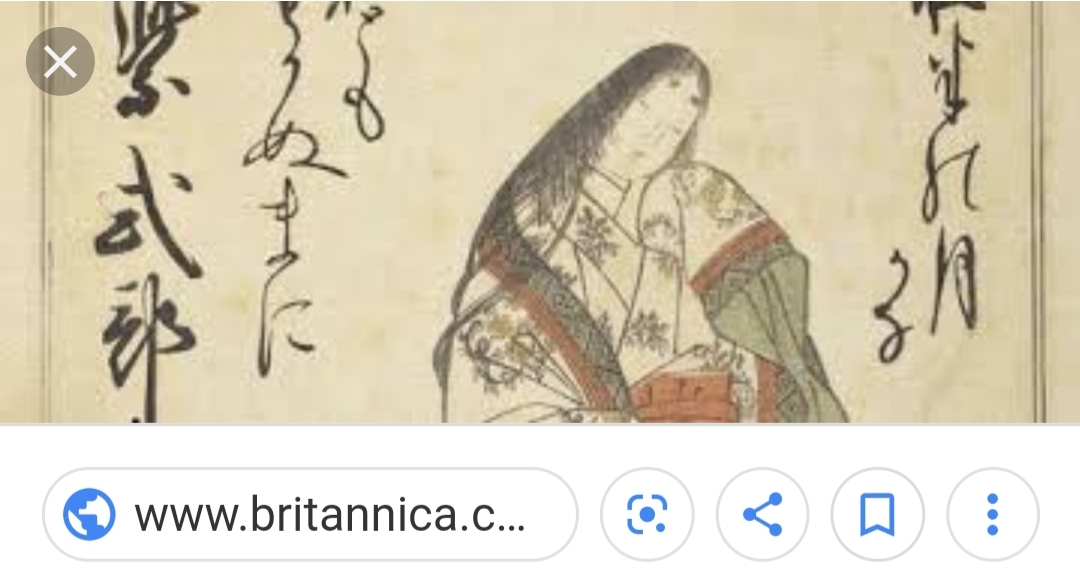
250) Murasaki Shikibu

Courtesy of Britannica

"It wasn't long before I repented of having distinguished myself. Even boys become unpopular if its discovered they are fond of their books. For a girl, it's worse."

250: Murasaki Shikibu

Novelist, Poet, and Lady in Waiting to the Imperial Court During the Heian Period of Japanese history

Born: c.978, Kyoto, Japan

Died: c.1014, Kyoto, Japan

She is most known for writing The Tale of Genji—the first novel ever written.
Murasaki is the most well remembered writer from that time period.

Her father was a provincial governor and scholar and he allowed her to learn alongside her brother—even learning some of the classical Chinese writings—which was seen as improper for a woman at the time.

Murasaki married and had a daughter and two years later her husband died. She was then brought to the imperial court and she kept a diary for two years of what court life was like.

Not much is known about her life after the Tale of Genji was published.

We also do not know the exact years she was born or died—and Murasaki Shikibu was not actually her real name but we do not know what her name really was.

I first learned her story while watching the Docu-Series Ascent of Woman by Amanda Foreman. I've posted Episode Two: Separation, to the left.

Badges Earned:

Find a Grave Marked

Located in My Personal Library:

Bygone Badass Broads by Mackenzi Lee

Uppity Women Speak Their Minds by Vicki Leon

Who Knew? Women in History: Questions That Will Make You Think Again by Sarah Herman

Sources:

http://www.womeninworldhistory.com/heroine9.html

https://www.britannica.com/biography/Shikibu-Murasaki

https://www.findagrave.com/memorial/200120866/murasaki-shikibu

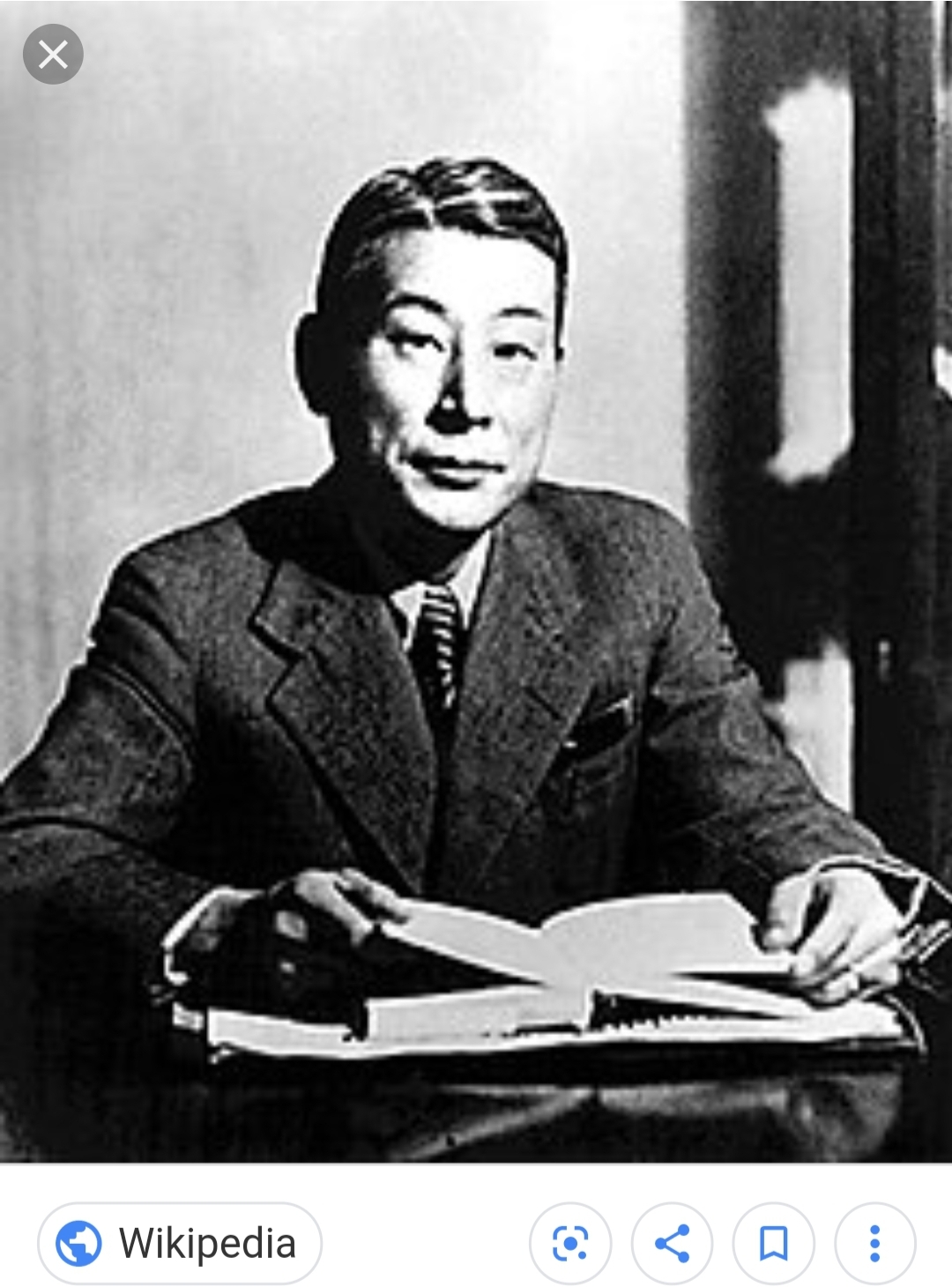
161) Chiune Sugihara

Courtesy of Wikipedia

161) Chiune Sugihara

He and Wife Yukiko are Credited with Saving the Lives of 6,000 Jews During the Shoah

Born: 1 January 1900, Mino, Gifu Prefecture, Japan

Died: 31 July 1986, Kamakura, Kanagawa Prefecture, Japan

Chiune headed the Japanese Consulate in Lithuania during the war.

The Japanese government refused to dispense visas that would help save countless Jewish lives. So, Chiune and Yukiko took it upon themselves to do something anyway.

In July of 1940, the Soviet Union, who was occupying Lithuania at the time, ordered all foreign consuls to leave the country. Chiune bargained for an extension, to be able to stay twenty days longer.

Things got a bit tricky from there. Unfortunately moving Jews out of Lithuania wasn’t easy. They could be moved to two islands in the Caribbean willing to accept refugees that had a Dutch Transport Visa (See Jan Zwartendijk’s entry, he and Chiune worked on all of this together), but before they could get to those islands they had to move through more of Soviet occupied territory, and in order to move through the Soviet Union, they needed to have a visa marked from Japan because they would also have to travel through Japan to get to the islands.

For twenty-nine Straight Days they Wrote and Signed visas, giving them out to as many Jews as they could.

When Chiune had to leave the city, he Gave his Consulate Stamp to a Jewish Man. That man used the stamp to save others.

Chiune’s government fired him at the end of the War, and he spent the last 20 Years of his life in Poverty.

Today over 40,000 people owe their lives to the Sugiharas. Chiune and Yukiko were honored as Righteous Among the Nations by Yad Vashem.

A 2015 film telling their story was released, titled Persona Non Grata. I have included the trailer in this article.

Badges Earned:
Find a Grave Marked

Located In My Personal Library:

Secret Heroes of World War II by Eric Chalene

Sources:

https://www.jewishvirtuallibrary.org/chiune-sugihara

https://www.findagrave.com/memorial/7526783/chiune-sugihara

144) Second Lieutenant Hiroo Onoda

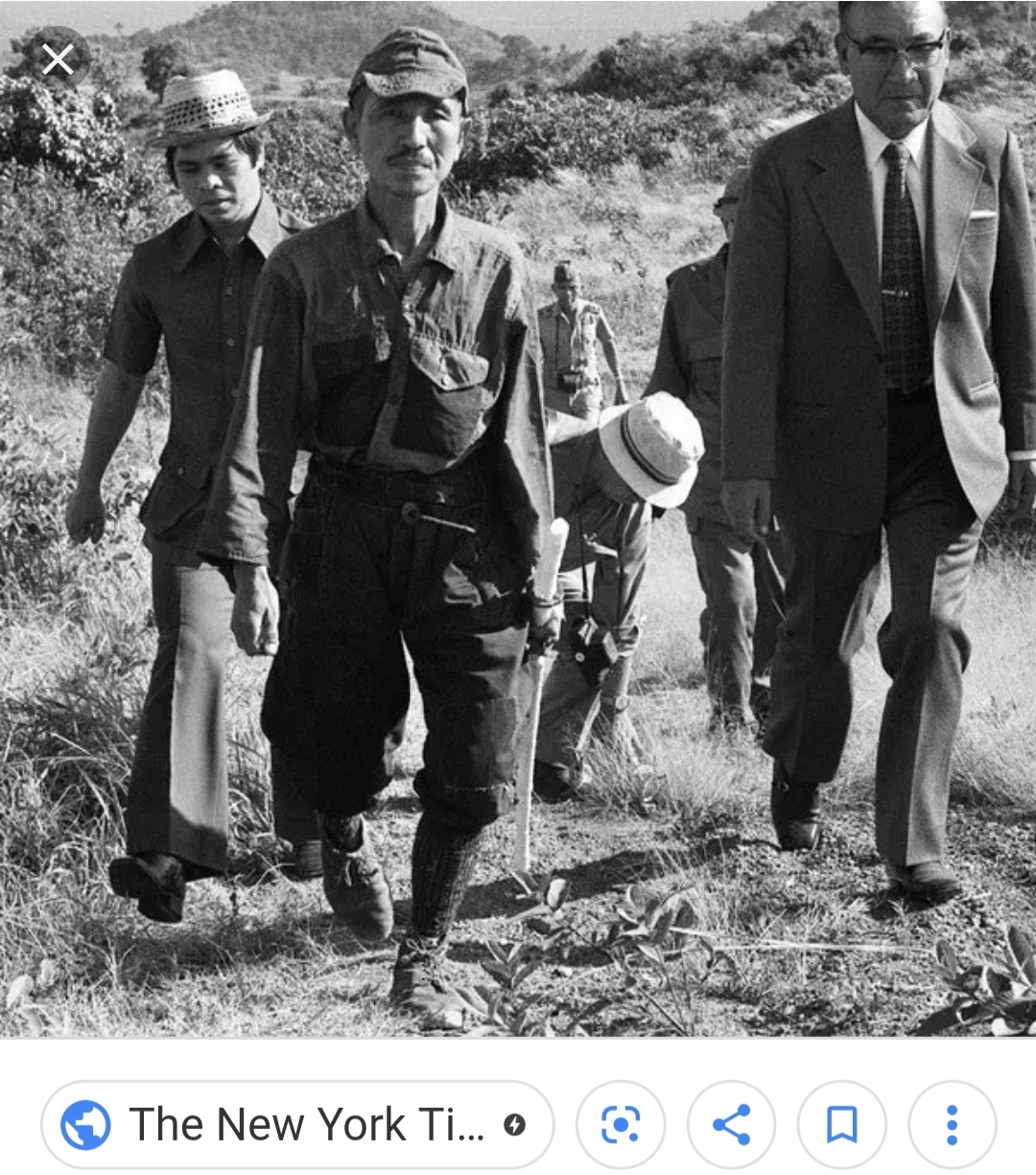
Courtesy of the New York Times
An Instagram Meme

144)  Hiroo Onoda

Japanese Soldier During World War II who Refused to Surrender Until 1974

Born: 19 March 1922, Wakayama, Japan

Died: 16 January 2014, Tokyo, Japan

Original Name: Hirō Onoda

Refused to surrender isn’t really the right word for it. In actuality, Hiroo had been abandoned in the Jungle for nearly thirty years and had no idea the war had come to an end.

He reportedly survived on barnacles and coconuts, and killed several local villagers he believed to be enemy enforcers.

Once he was found, Hiroo surrendered to the President of the Philippines by offering up his sword. President Marcos returned Hiroo’s sword to him.

His triumphant return to Japan was reminiscent of Neil Armstrong and Buzz Aldrin’s return to the United States after flying to the moon, huge adoring crowds, parades, and the like.

Hiroo’s last order, which came down early in 1945, was to stay and fight on Lubang Island, ninety-three miles from Manila, which meant the other Japanese soldiers who retreated with the coming American Invasion left him behind.

Hiroo and the three other Japanese soldiers stationed on the island with him refused to believe the leaflets air dropped onto the island proclaiming the war’s end. They figured it was just war propaganda.

Its estimated around thirty villagers were killed by Hiroo and his fellow soldiers. They evaded American and Filipino search parties and kept their rifles in working order.

One of the soldiers surrendered in 1950. The two others were shot in 1954 and 1972, but Hiroo persisted.

Hiroo was officially declared dead in 1959, however, a student named Norio Suzuki decided to take up the search and find whatever had happened to Hiroo. In 1974, he found him. Hiroo refused to believe Norio though, and it took a delegation from the Japanese Government, photographs, documentation, Hiroo’s former commander, and his brother to convince him the war was over and to relieve him of duty.

On his return to Japan, doctors found him to be in astonishingly good health. Hiroo was given a military pension and signed a contract for a ghostwritten memoire. However, he did not like the new and industrialized Japan, and in 1975 he move to São Paulo, Brazil to raise cattle. He married the following year.

In 1984, Hiroo and his wife returned to mainland Japan. They founded the Onoda Nature School, which taught kids skills they’d need to survive in the wilderness.

In 1996, Hiroo returned to Lubang and granted a school there $10,000. He was made an honorary citizen of Brazil in 2010.

Badges Earned:
Find a Grave Marked

Sources:

https://www.nytimes.com/2014/01/18/world/asia/hiroo-onoda-imperial-japanese-army-officer-dies-at-91.html

https://www.findagrave.com/memorial/123584503/hiroo-onoda

  • Previous
  • 1
  • 2
  • 3
  • Next

Categories

Archives

  • July 2025 (10)
  • July 2024 (1)
  • January 2024 (1)
  • August 2023 (1)
  • June 2023 (2)
  • October 2022 (1)
  • July 2022 (1)
  • June 2021 (3)
  • December 2020 (3)
  • August 2019 (1)
  • July 2019 (2)

Search

© 2026 The Exasperated Historian | Powered by Minimalist Blog WordPress Theme