The Exasperated Historian
Menu
  • Home
  • The Women’s List (New)
  • The Men’s List
  • The Animal List
  • Collections
  • The Blog
  • Contact Us
  • FAQ
Menu

Category: Birth Locations

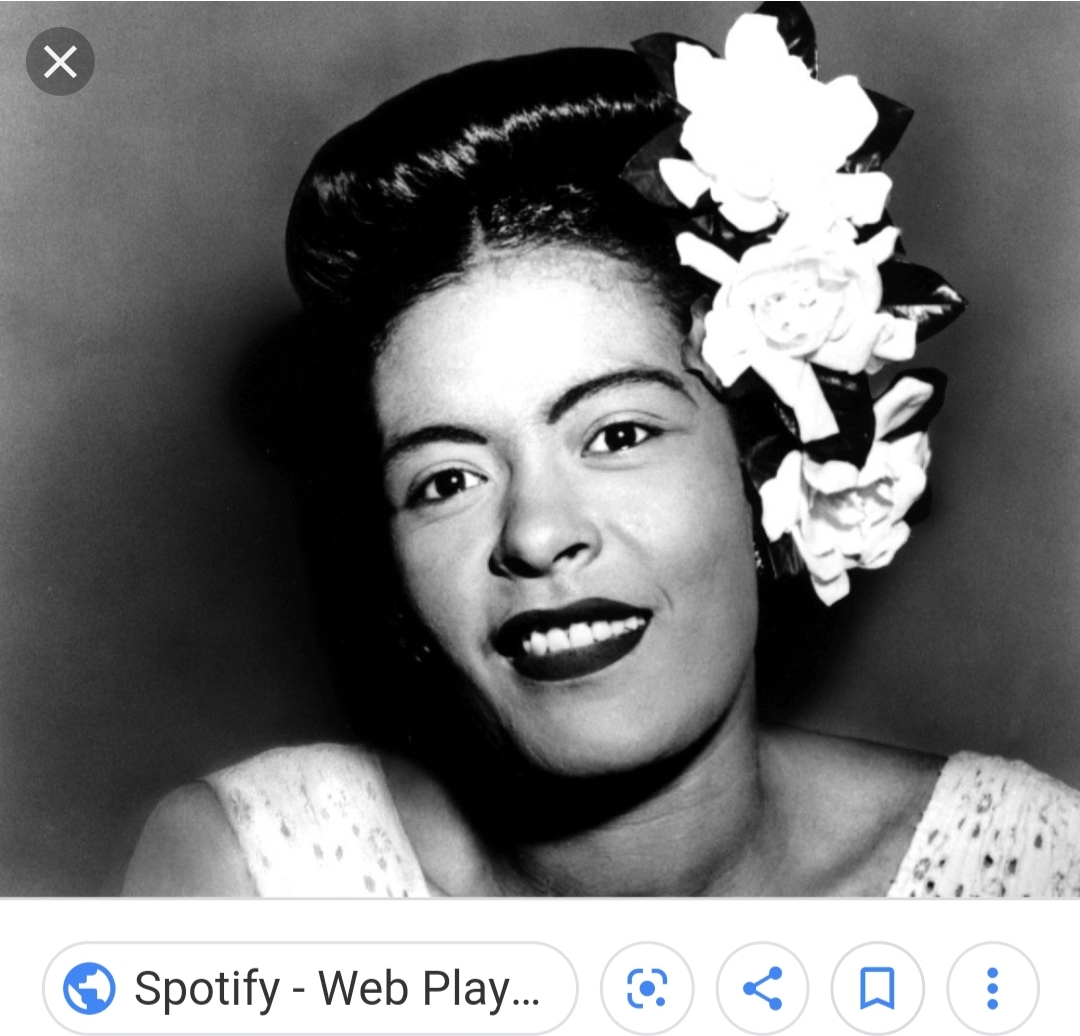
263) Billie Holiday

Courtesy of Spotify

263: Billie Holiday

Jazz Musician Remembered For Her Powerful and Soulful Voice

Born: 7 April 1915, Philadelphia, Pennsylvania, United States of America

Died: 17 July 1959, New York City, New York, United States of America

Original Name: Eleanora Fagan Gough

She began by singing in clubs around Harlem, and though Billie never learned how to read music or receive formal training, quickly rose from the bottom of the barrel to become a superstar in her day.

In 1938, she became the first African American woman to sing with a white orchestra. During that same decade, Billie recorded “Strange Fruit” which is now considered to be the first protest song recorded for Civil Rights. The song lyrics are about lynching in the Southern United States. The song was so controversial her record label refused to let her record it, so Billie left that label and joined a new one which would let her record the song.

During the mid-1940’s, Billie continued to record new music, including several tracks with the legendary Louis Armstrong. They would go on to star in the 1949 film New Orleans together.

During the 1950’s, Billie kept recording, and even made two appearances on The Tonight Show with Steve Allen.

Billie was admitted to the hospital for heart and liver problems because of her severe addictions to heroin and alcohol and ended up dying from the complications at the age of only forty-four.

In 1972, Diana Ross portrayed Billie in the Hollywood Biopic Lady Sings the Blues, the trailer for which I will include in this article to the left.

She was inducted into the Rock and Roll Hall of Fame in 2000.

Badges Earned:

Find a Grave Marked

Located In My Personal Library:

Where Are They Buried? How Did They Die? by Tod Benoit

Scandalous Women: The Lives and Loves of History's Most Notorious Women by Elizabeth Kerri Mahon

Time Magazine's 100 Women of the Year (Billie appears in the 1939 article, "Billie Holiday")

Whose Who in American History: Leaders, Visionaries, and Icons who Shaped Our Nation by John M Thompson, William R Gray, and KM Kostyal

The Oxford Encyclopedia of Women in World History Edited By Bonnie G Smith

Sources:

https://billieholiday.com/bio/
https://www.biography.com/musician/billie-holiday

https://www.findagrave.com/memorial/489/billie-holiday

262) Elizabeth Proctor Richards

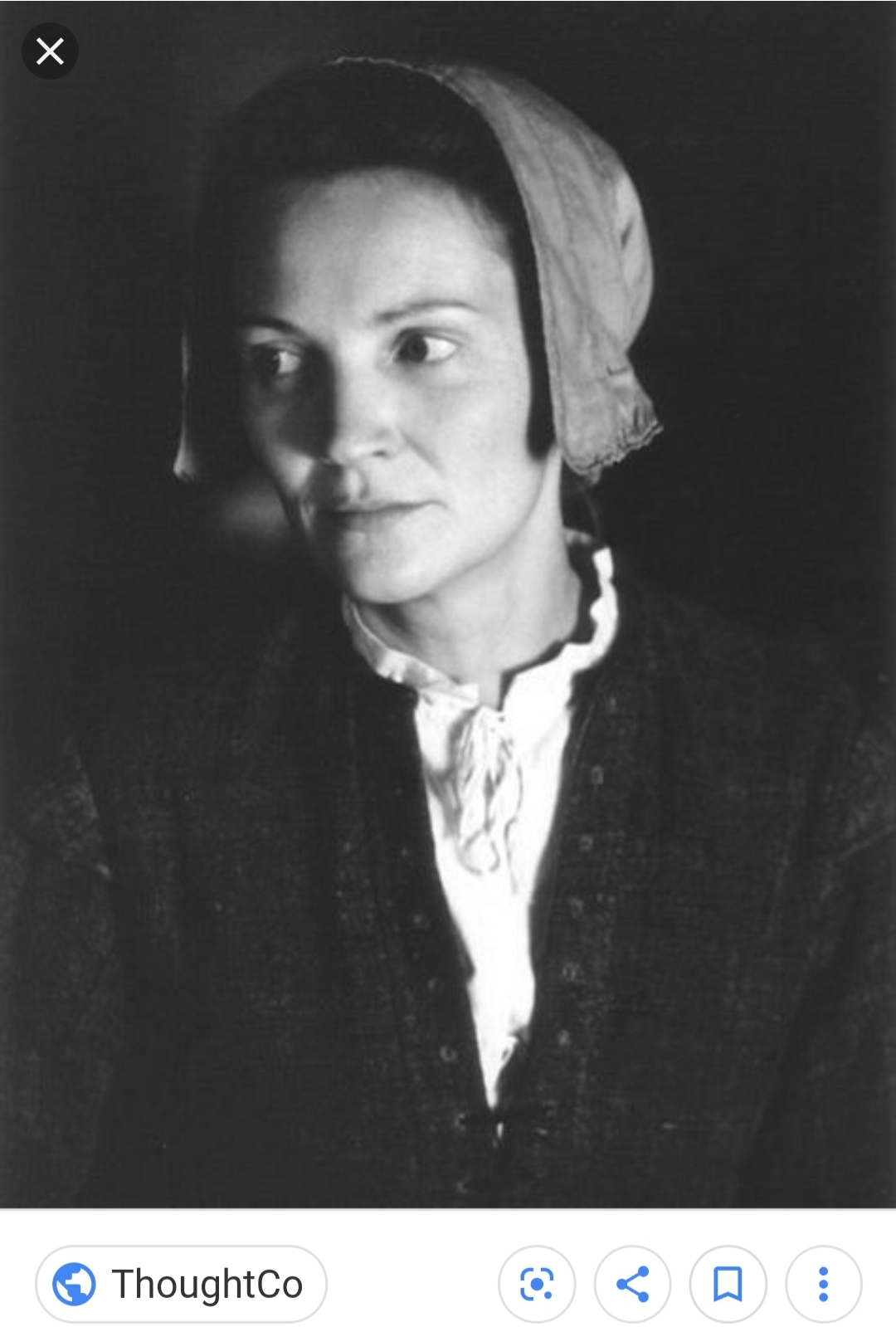
Courtesy of ThoughtCo

262: Elizabeth Proctor Richards

Accused of being a Salem Witch Alongside her Husband John

Born: c. 1652, Lynn, Massachusetts Bay Colony (Present-day Lynn, Massachusetts, United States of America)

Died: after 1711

Elizabeth was also the granddaughter of another woman who had been tried and then acquitted of witchcraft thirty years before, and in a place like Salem, memories were long.

John and Elizabeth were accused of being a witch by their servant, Mary Warren, who was suffering from the same affliction as the other young girls in the village. John believed the girls were faking and threatened to beat Mary if she continued. Mary’s symptoms stopped for a few days, but as soon as John left town on business they came back.

John and Elizabeth had been married eighteen years at the time of their arrest (and Elizabeth was John’s third wife). Three of their children, Elizabeth’s sister, and Elizabeth’s sister-in-law were all accused but never tried for witchcraft.

Elizabeth’s execution was postponed because she was pregnant at the time of her sentencing. She was instead sentenced to be hanged after the birth of her child. John asked for more time as well, saying he was too ill to be executed, but was hung soon after. Elizabeth gave birth to a boy in January, named after his father, but was not immediately executed. Instead she was held until May, where she was released from prison.

After their release from prison Elizabeth and her children had nothing—because she was convicted of witchcraft Elizabeth had no legal rights in the eyes of the law, and her husband’s will made no mention of her (the most likely explanation being John assumed Elizabeth would be executed alongside him).

Elizabeth is thought to have tried to reclaim the dowry she brought to her marriage, but unfortunately for her her stepchildren, those born to John of his first two wives, denied her claim and refused to hand over any of the money, not that there was much left to begin with. Most of John’s estate had been seized by the government following their arrest.

In May of 1696, after the legal rights of John had been restored, which allowed his family to reclaim what was left of his estate, Elizabeth asked for her own legal standing in the colony to be restored. Surviving court records show she was given her dowry back in 1697, and her legal rights were restored.

The following year, Elizabeth married Daniel Richards in her hometown of Lynn.

In 1711, the Colony began providing restitution to those imprisoned or executed during the trials. Elizabeth received £150 for the mistreatment of her and John both.

Elizabeth’s death date and grave site remain lost to history, and she disappears from the historical record after 1711.

Note:

The photo I have used of Elizabeth is a still taken from the film The Crucible, in which Elizabeth is portrayed by actress Joan Allen.

Badges Earned:

Find a Grave Marked

Located In My Personal Library:

America's Women: 400 Years of Dolls, Drudges, Helpmates, and Heroines by Gail Collins

"Killing the Witches: The Horror of Salem Massachusetts," by Bill O'Reilly and Martin Dugard

Sources:

https://www.geni.com/people/Elizabeth-Proctor-Salem-Witch-Trials/6000000000806274372

https://historyofmassachusetts.org/elizabeth-proctor/

https://www.findagrave.com/memorial/156470975/elizabeth-richards

261) Maybelle Carter

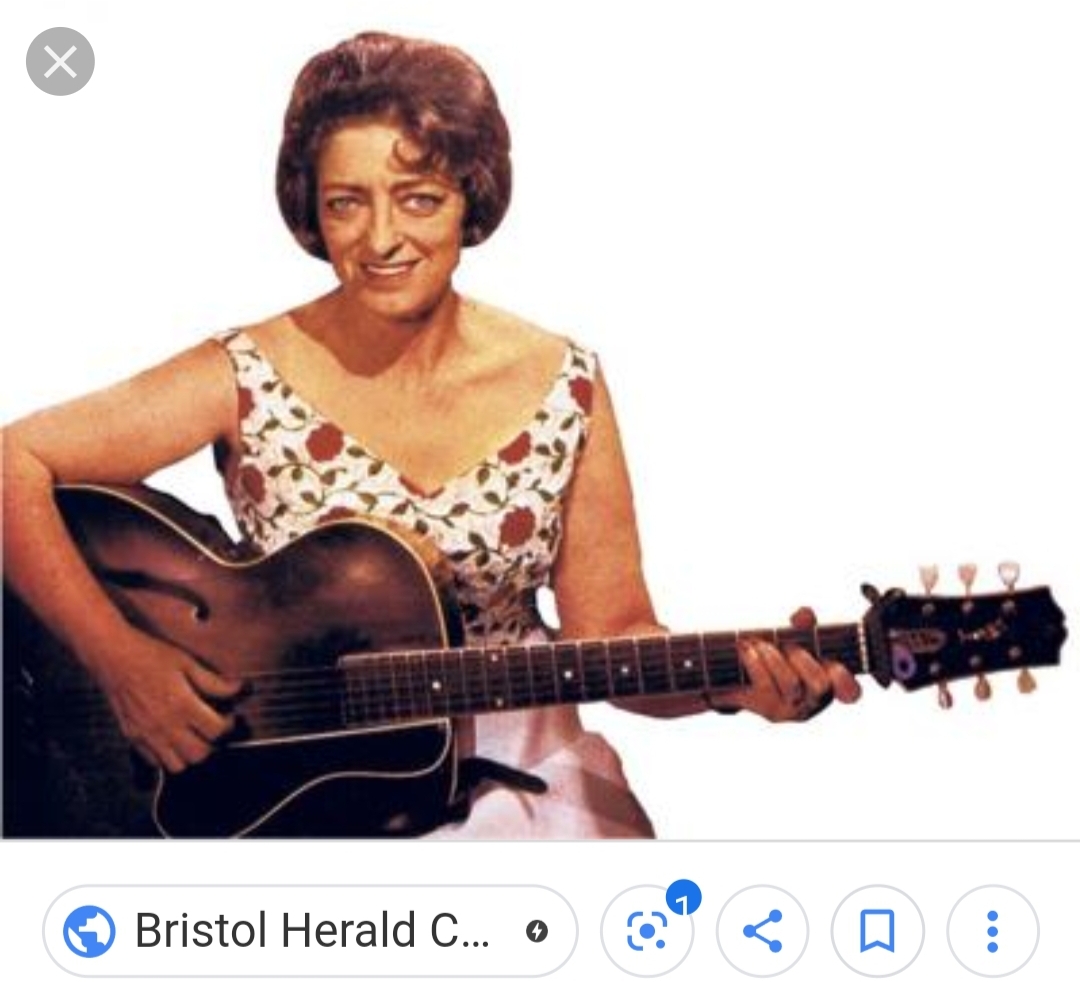
Courtesy of the Herald Courier

261: Maybelle Carter

Known as Mother Maybelle, She is Called the Mother of Country Music

Born: 10 May 1909, Nickelsville, Virginia, United States of America

Died: 23 October 1978, Nashville, Tennessee, United States of America

Maybelle performed in several groups, all containing members of her family. At first Maybelle performed with her cousin Sara and Sara’s husband in what was called the Carter Family. After Sara’s husband left, Maybelle introduced her daughters to the group, but when Sara also moved away the Carter Family broke apart. However, that didn’t stop Maybelle for long, and soon after Maybelle was performing under the name Mother Maybelle and the Carter Sisters, alongside her daughters Helen, Valerie June (known better later on as June Carter Cash), and Anita. Chet Atkins, a famous guitarist, was added to the group in 1949.

Mother Maybelle and her family began performing at the Grand Ole Opry in 1950 and she herself remained with the Opry until 1967.

During the 1960’s, Mother Maybelle and her daughters returned to the original name of the Carter Family and began touring with Johnny Cash. Between 1960 and 1973 she recorded six solo albums.

Maybelle was skilled at both the guitar and autoharp (which she switched to after arthritis stopped her from playing guitar) and is remembered for her distinctive style playing the guitar—she picked the melody on the bass strings and strummed the rhythm on the treble strings. Because of her influence, the guitar shifted from a percussive instrument to be a mainstay throughout country music history.

The group was inducted into the Country Music Hall of Fame in 1970.

When I visited Ellis Island National Monument in 2016, they had an exhibit on the music of immigrants coming to the United States and American music in general and the Carter Family was included in the exhibit, because let’s face it, is there anything more “traditionally” American than good old folksy country music?

One of the songs the Carter Family were most known for performing was Keep on the Sunny Side. I’ve included a link to them performing it to the left.

Badges Earned:

Find a Grave Marked

Sources:

https://www.britannica.com/biography/Maybelle-Carter

https://www.npr.org/2017/11/17/564622637/forebears-maybelle-carter-the-mother-of-popular-country-music

https://www.findagrave.com/memorial/178/maybelle-carter

260) Abigail Williams

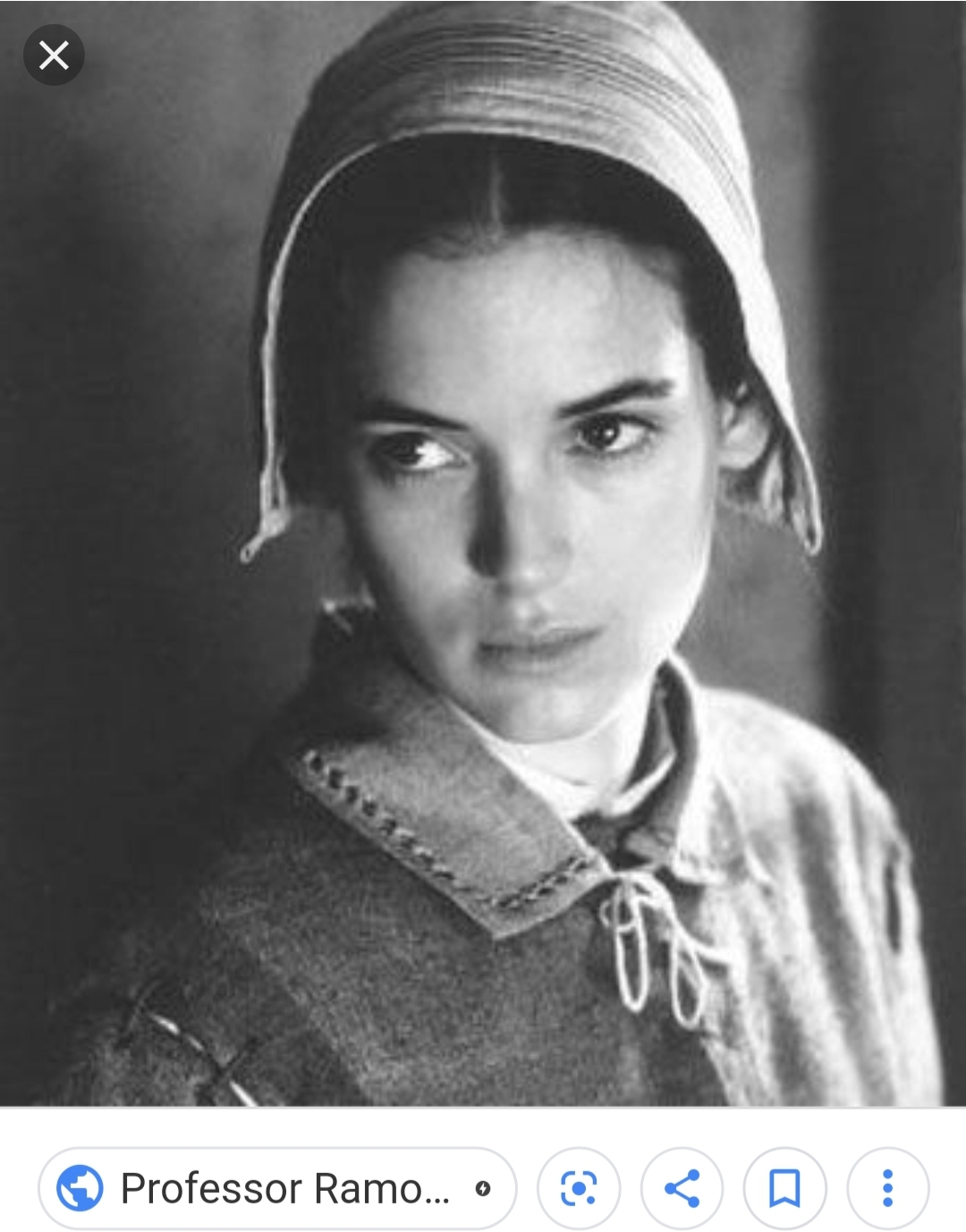
Courtesy of Professor Ramos

260: Abigail Williams

One of the Initial Accusers in the Salem Witch Trials

Born: 12 July 1680, Salem, Massachusetts Bay Colony (Present-day Salem, Massachusetts, United States of America)

Died: after 1697

Not much is known about Abigail’s life before or after the trials, which took place between 1692 and 1693.

She and her cousin Betty were the first two girls to be afflicted with the now famous screaming fits and visions.

Unlike what you see in the Crucible—during the actual trials Abigail was eleven and John Proctor was sixty—so it is highly unlikely the two were having an illicit affair.

According to court records Abigail accused around fifty-seven people of witchcraft but she would only testify against eight of them and overall fifteen of those fifty-seven would be executed.

It is believed Abigail left Salem in 1697 with her uncle and cousin but no other information about her exists after that day—she simply disappeared from the pages of history.

There was a book written and published that year that eluded to one of the young accusers dying as a single woman earlier that year—and it may have been speaking on Abigail—but she is not specifically named and there are no sources to back up the claim.

Note: The Picture included here is of Winona Rider’s Portrayal of Abigail Williams in the film The Crucible. I have included the trailer in this article, to the left.

Badges Earned:

Find a Grave Marked

Located In My Personal Library:

America's Women: 400 Years of Dolls, Drudges, Helpmates, and Heroines by Gail Collins

"Killing the Witches: The Horror of Salem Massachusetts," by Bill O'Reilly and Martin Dugard

Sources:

https://historyofmassachusetts.org/abigail-williams-salem/

https://www.findagrave.com/memorial/108600599/abigail-williams

259) Coco Chanel

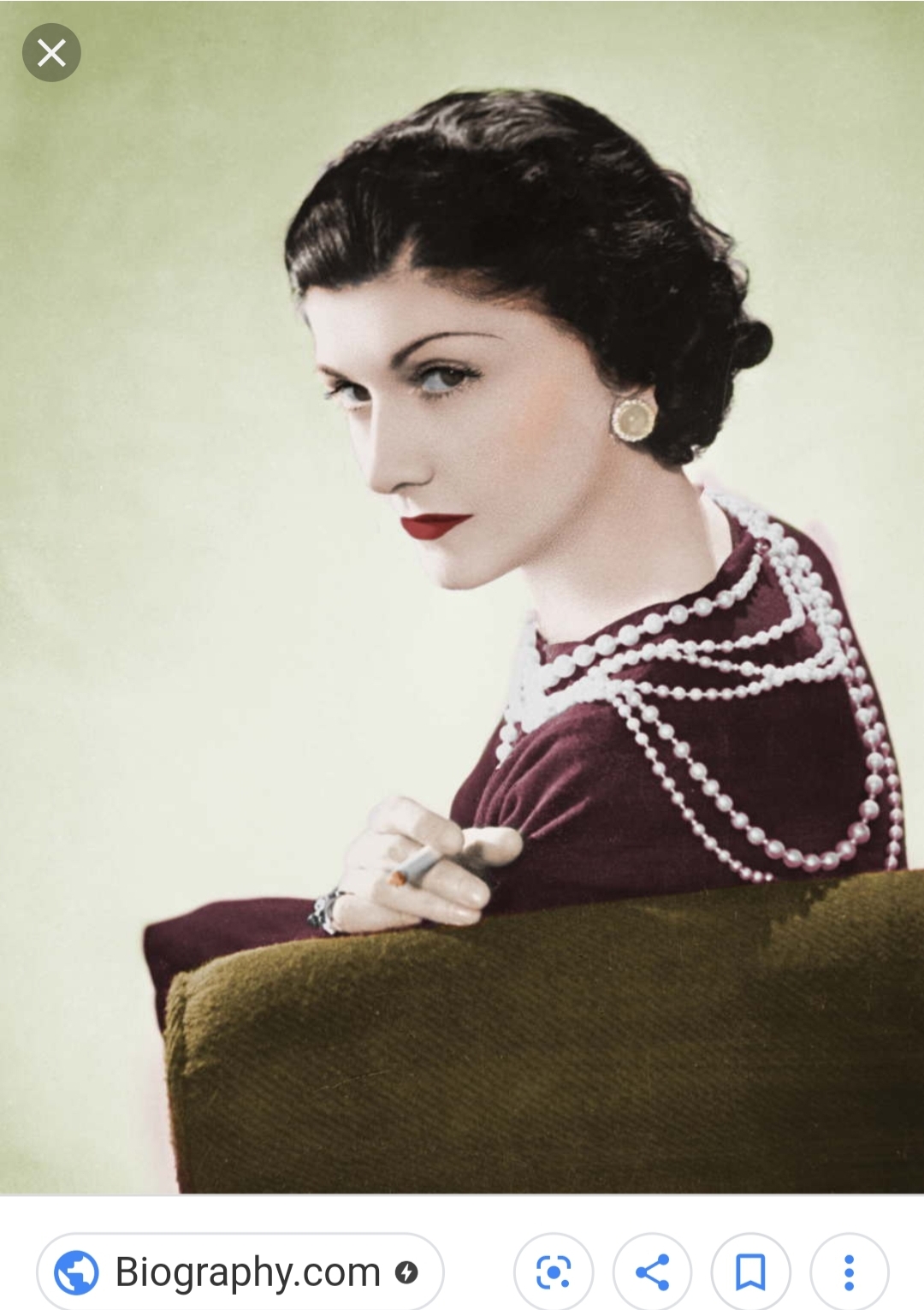
Courtesy of Biography

259: Coco Chanel

Fashion Designer

Born: 19 August 1883, Saumur, France

Died: 10 January 1971, Paris, France

Original Name: Gabrielle Chanel

She was also a savvy businesswoman who spent the majority of World War II dating a Nazi and might have shared intelligence with him while living in Paris.

Coco learned how to sew in the orphanage she was raised in. Her mother died early on and so her father abandoned her to the orphanage, so she was raised in extreme poverty.

Her first store opened in 1913 and she sold hats before launching her now iconic perfume Chanel Number 5. By the late 1920’s it is estimated Chanel employed around 2,000 people.

Coco was famous in the art and literacy worlds of Paris befriending composers and the likes of Pablo Picasso.

After World War II she went into self-imposed exile in Switzerland after the public thought of her as a Nazi Collaborator (though she was never charged). She would not return to fashion until 1954, making a triumphant return, introducing several new innovations like bell bottom pants and a highly sought after and copied suit design.

The brand Chanel was led by a series of different people from 1971 after Coco died until 1983, when Karl Lagerfeld was brought in to take over. Karl led Chanel until his own death in 2019.

Badges Earned:

Find a Grave Marked

Located In My Personal Library:

In Praise of Difficult Women by Karen Karbo

Historical Heartthrobs by Kelly Murphy

World War II Love Stories by Gill Paul

The Book of Awesome Women: Boundary Breakers, Freedom Fighters, Sheroes, and Female Firsts by Becca Anderson

Time Magazine's 100 Women of the Year (Coco appears in the 1924 article, "Coco Chanel")

Sources:

https://www.biography.com/fashion-designer/coco-chanel

https://www.britannica.com/biography/Coco-Chanel

https://www.findagrave.com/memorial/7264027/coco-chanel

258) Laura Ingalls Wilder

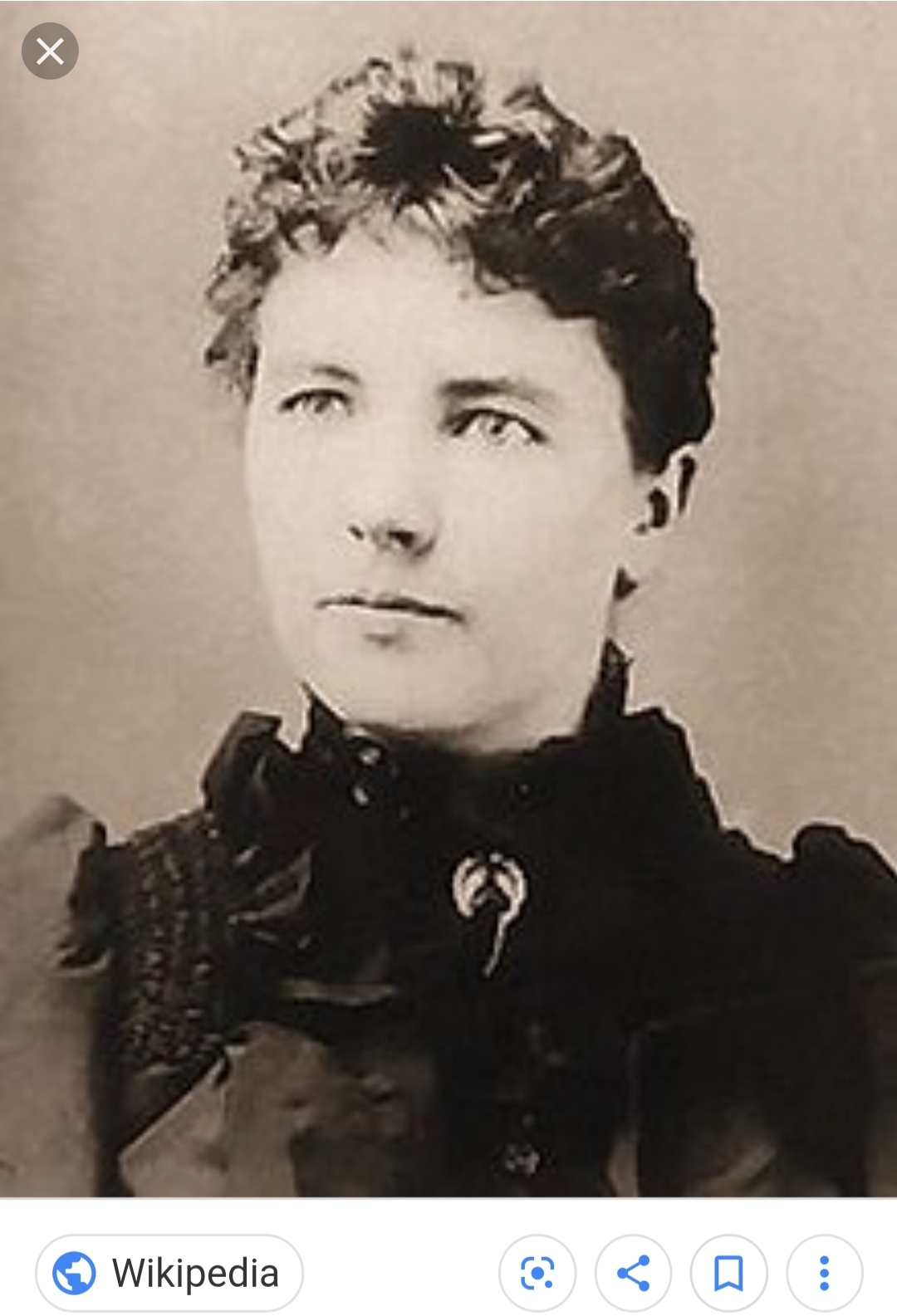
Courtesy of Wikipedia

258: Laura Ingalls Wilder

Author of the Little House book series

Born: 7 February 1867, Pepin, Wisconsin, United States of America

Died: 10 February 1957, Mansfield, Missouri, United States of America

The Little House series are an autobiographical venture that would go on to be the basis of the wildly popular Little House on the Prairie TV Series.

Before publishing her books, Laura was a teacher—starting her career at the age of fifteen.

She quickly married and had two children but then her son died within a month of his birth and her husband was partially paralyzed from diphtheria and then their home burned to the ground. Luckily their daughter survived unscathed, but all of this occurred in the first four years of their marriage.

Rose, Laura’s daughter, decided to become a professional writer early on in life. Rose’s success helped Laura decide to start writing herself, and with Rose serving as her editor, Laura’s career got off the ground writing short articles for local newspapers. In 1932 the first Little House book was published when Laura was sixty-five. Laura finished the last book in the Little House series when she was seventy-six.

Laura had also written a manuscript describing the early years of her marriage and the struggles she’d survived, but never had it published. The manuscript was found among her daughter Rose’s belongings when she died in 1968, and in 1971 it was published under the title The First Four Years.

Beginning in 1954 the Association for Library Service first presented Laura with an award and then subsequently named the award after her as it was presented every year thereafter—but, in June of 2018 the Association announced they were changing the name of the award to the Children’s Literature Legacy Award because of how Wilder portrayed Native Americans in her books.

Badges Earned:

Find a Grave Marked

Located In My Personal Library:

Where Are They Buried? How Did They Die? by Tod Benoit

Sources:

https://www.biography.com/writer/laura-ingalls-wilder

https://historicmissourians.shsmo.org/historicmissourians/name/w/wilder/

https://www.findagrave.com/memorial/1625/laura-elizabeth-wilder

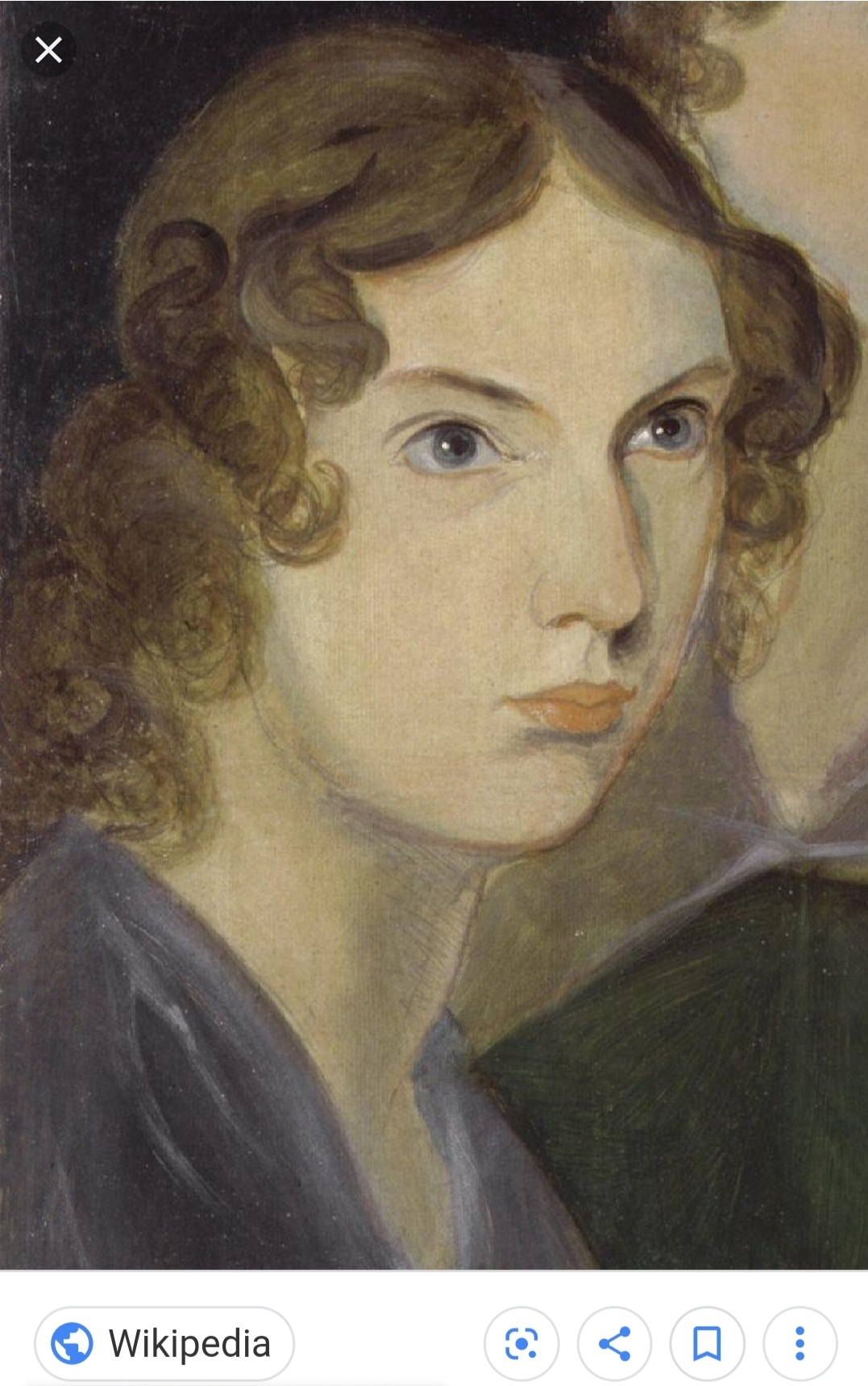
257: Anne Brontë

Courtesy of Wikipedia

257: Anne Brontë

Author Known for Being One of the Brontë Sisters

Born: 17 January 1820, Thornton, West Yorkshire, United Kingdom

Died: 28 May 1849, Scarborough, North Yorkshire, United Kingdom

Originally Published Under the Name: Acton Bell

Anne was a poet and novelist alongside two of her sisters (Charlotte and Emily) and would contribute twenty-one poems to their joint work Poems by Currer, Ellis, and Acton Bell.

Anne’s two novels are Agnes Grey and The Tenant of Wildfell Hall.

She worked as a governess for several years before publishing her novels.

Anne died from tuberculosis.

Badges Earned:

Find a Grave Marked

Sources:

https://www.britannica.com/biography/Anne-Bronte

https://www.findagrave.com/memorial/136/anne-bronte

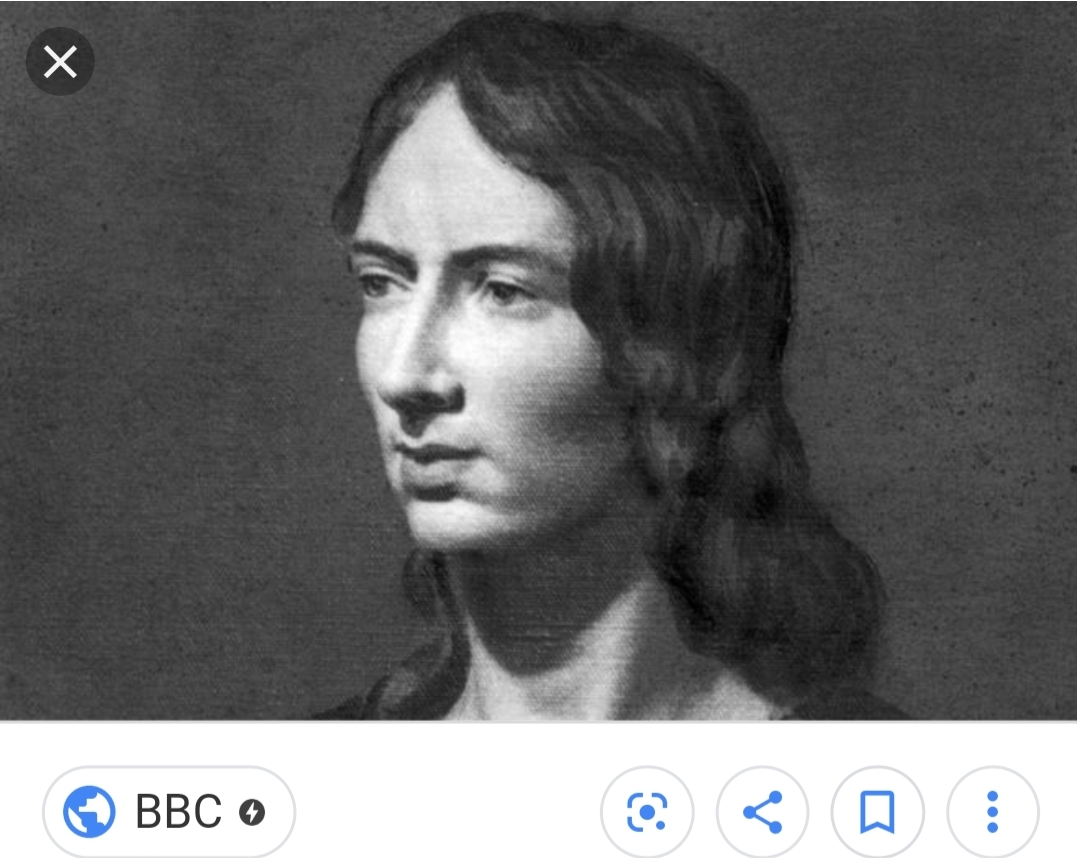
256: Emily Brontë

Courtesy of the BBC

256: Emily Brontë

Author known for her novel Wuthering Heights

Born: 30 July 1818, Thornton, West Yorkshire, United Kingdom

Died: 19 December 1848, Haworth, West Yorkshire, United Kingdom

Original Name She Published Under: Ellis Ball

She was one of the three famous Brontë sisters (with Charlotte and Anne being the other two).

Her only novel was Wuthering Heights.

Very little is known of her personal life because she left no written letters or correspondence behind and her novel leaves little to tell about her as a person.

Before publishing her novel, Emily was a teacher for six months.

She and her sister Charlotte traveled to Brussels for a time to learn foreign languages.

Emily would contribute twenty-one poems to their joint work Poems by Currer, Ellis, and Acton Bell (the names the three sisters published under).

Emily died from tuberculosis soon after the publishing of her novel.

Badges Earned:

Find a Grave Marked

Sources:

https://www.britannica.com/biography/Emily-Bronte

https://www.findagrave.com/memorial/1709/emily-bronte

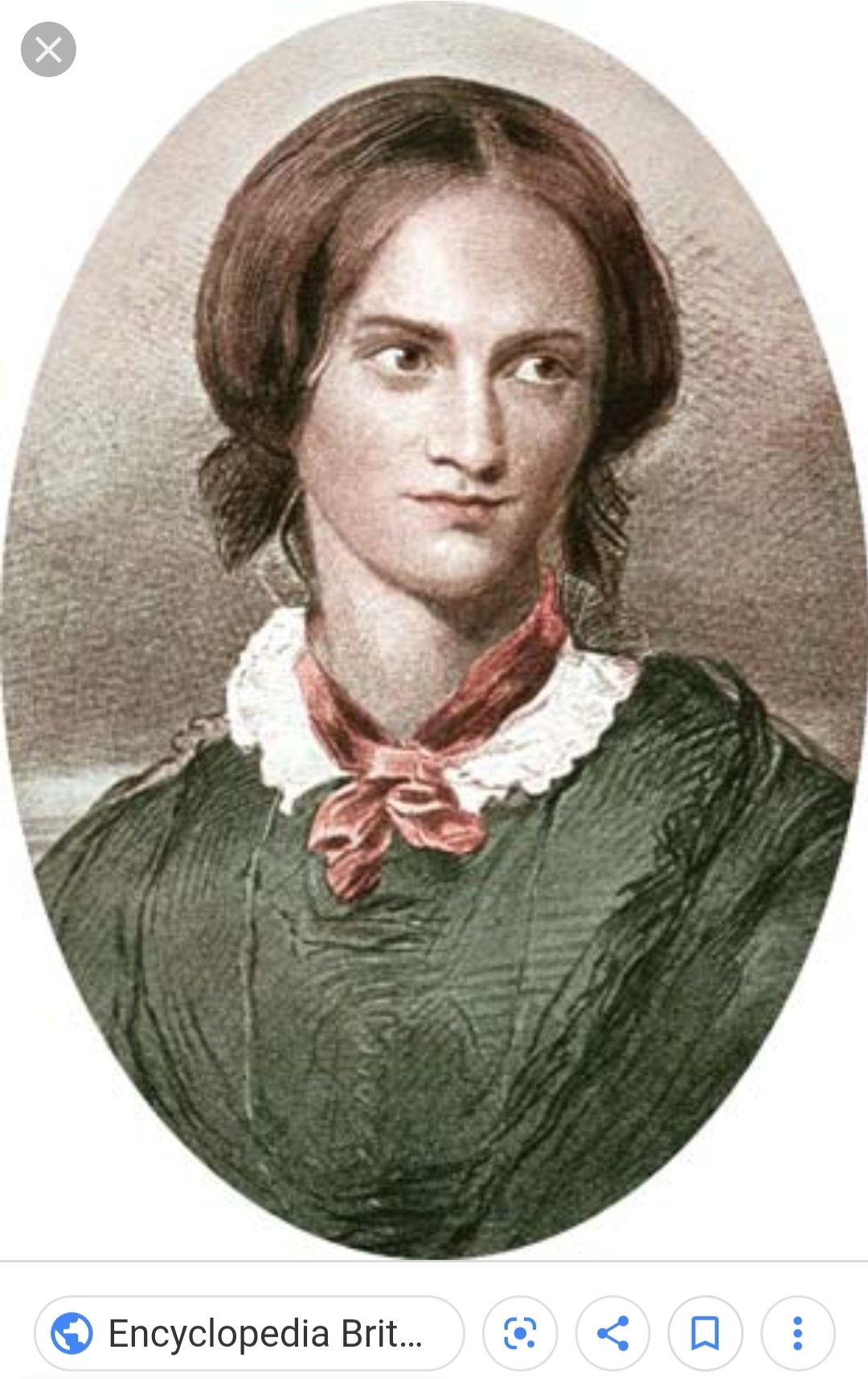
255) Charlotte Brontë

Courtesy of Encyclopedia Britannica

255: Charlotte Brontë

Author Most Known for Writing Jane Eyre

Born: 21 April 1816, Thornton, West Yorkshire, United Kingdom

Died: 31 March 1855, Haworth, West Yorkshire, United Kingdom

Original Name She Published Under: Currer Bell

She also wrote Shirley and Villette.

Charlotte worked for a time as a teacher before publishing her works.

She and her sister Emily went to Brussels for a time to learn school management and foreign languages.

Charlotte also helped contribute to Poems by Currer, Ellis, and Acton Bell (the pen names of her and her two sisters Emily and Anne).

Charlotte outlived all her siblings—her other sisters all succumbing to tuberculosis and her brother a combination of alcohol and tuberculosis—before she herself died while pregnant (the death certificate listed cause of death as wasting away, her child died with her).

Badges Earned:

Find a Grave Marked

Located In My Personal Library:

The Butchering Art: Joseph Lister's Quest to Transform the Grisly World of Victorian Medicine by Lindsey Fitzharris

Sources:

https://www.britannica.com/biography/Charlotte-Bronte

https://www.findagrave.com/memorial/1708/charlotte-bronte

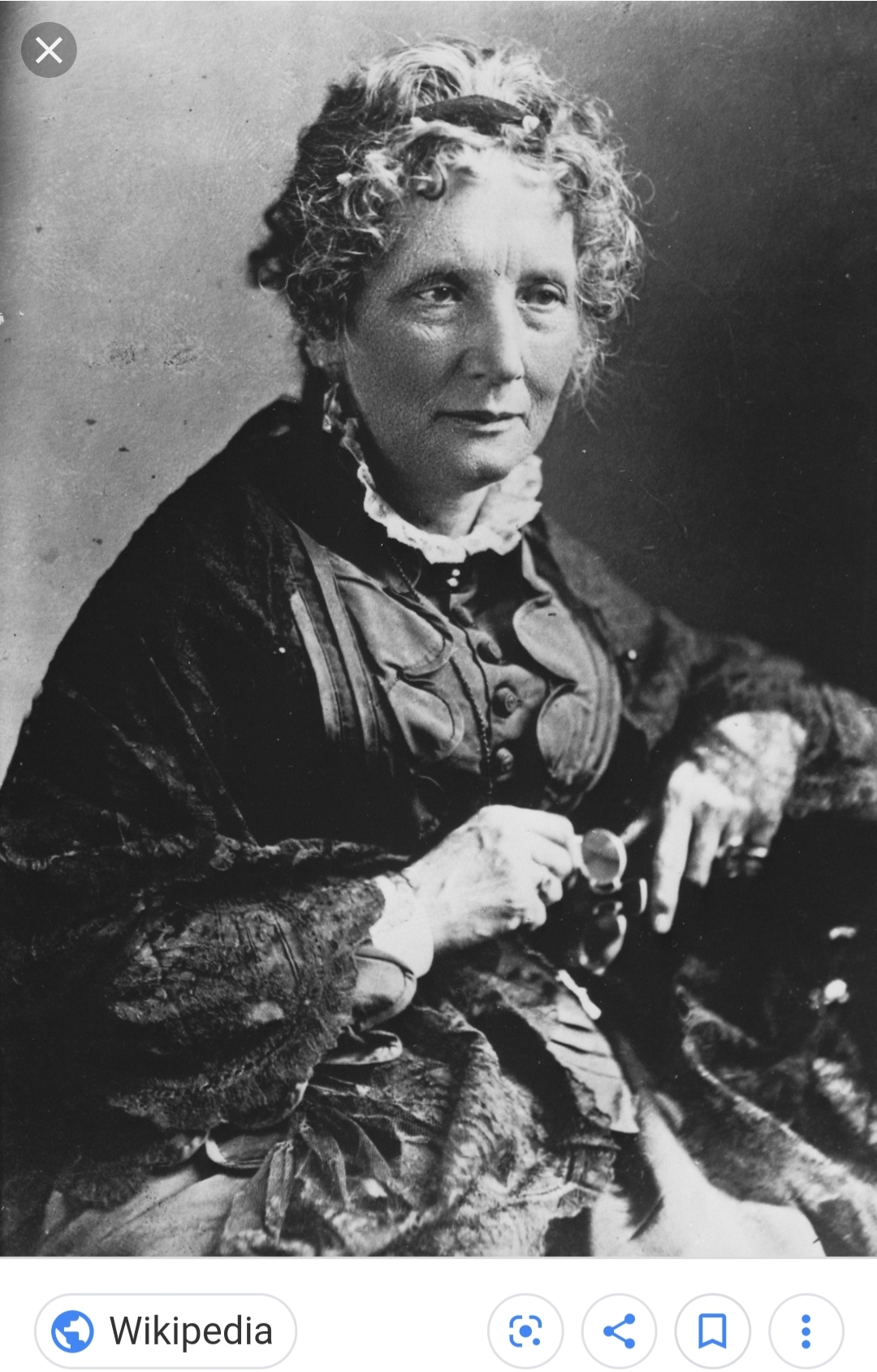
254) Harriet Beecher Stowe

Courtesy of Wikipedia

254: Harriet Beecher Stowe

Author of Uncle Tom’s Cabin—the Historical Fiction Novel That Led President Lincoln to Allegedly Remark to Her That She was the Lady Who Launched the War Between the States

Born: 14 June 1811, Litchfield, Connecticut, United States of America

Died: 1 July 1896, Hartford, Connecticut, United States of America

Harriet was an advocate for women’s rights, religious temperance, and educational reform.

In fourteen years with her husband she gave birth to six children (including one set of twins) and they adopted one more for seven children overall.

Harriet was often sick and depressed over the loss of one of her children from cholera.

In her later years she lost three more adult children (one of them an alcoholic War veteran who disappeared without a trace in 1870) and a nephew who died in the Indian Wars.

Badges Earned:

Find a Grave Marked

Located In My Personal Library:

Revolutionary Women by Peter Pauper Press

Historical Heartthrobs by Kelly Murphy

After the Fact by Owen Hurd

America's Women: 400 Years of Dolls, Drudges, Helpmates, and Heroines by Gail Collins

Uppity Women Speak Their Minds by Vicki Leon

Who Knew? Women in History: Questions That Will Make You Think Again by Sarah Herman

The Book of Awesome Women: Boundary Breakers, Freedom Fighters, Sheroes, and Female Firsts by Becca Anderson

Legends & Lies: The Civil War by Bill O'Reilly and David Fisher

Victoria Woodhull's Sexual Revolution: Political Theatre and the Popular Press in Nineteenth Century America by Amanda Frisken

Notorious Victoria: The Life of Victoria Woodhull, Uncensored by Mary Gabriel

The Secret Library: A Book-Lovers' Journey Through Curiosities of History by Oliver Tearle

Sources:

https://www.womenshistory.org/education-resources/biographies/harriet-beecher-stowe

https://www.findagrave.com/memorial/992/harriet-beecher-stowe

  • Previous
  • 1
  • …
  • 110
  • 111
  • 112
  • 113
  • 114
  • 115
  • 116
  • …
  • 159
  • Next

Categories

Archives

  • July 2025 (10)
  • July 2024 (1)
  • January 2024 (1)
  • August 2023 (1)
  • June 2023 (2)
  • October 2022 (1)
  • July 2022 (1)
  • June 2021 (3)
  • December 2020 (3)
  • August 2019 (1)
  • July 2019 (2)

Search

© 2026 The Exasperated Historian | Powered by Minimalist Blog WordPress Theme